


Our Treatments
11 Treatments


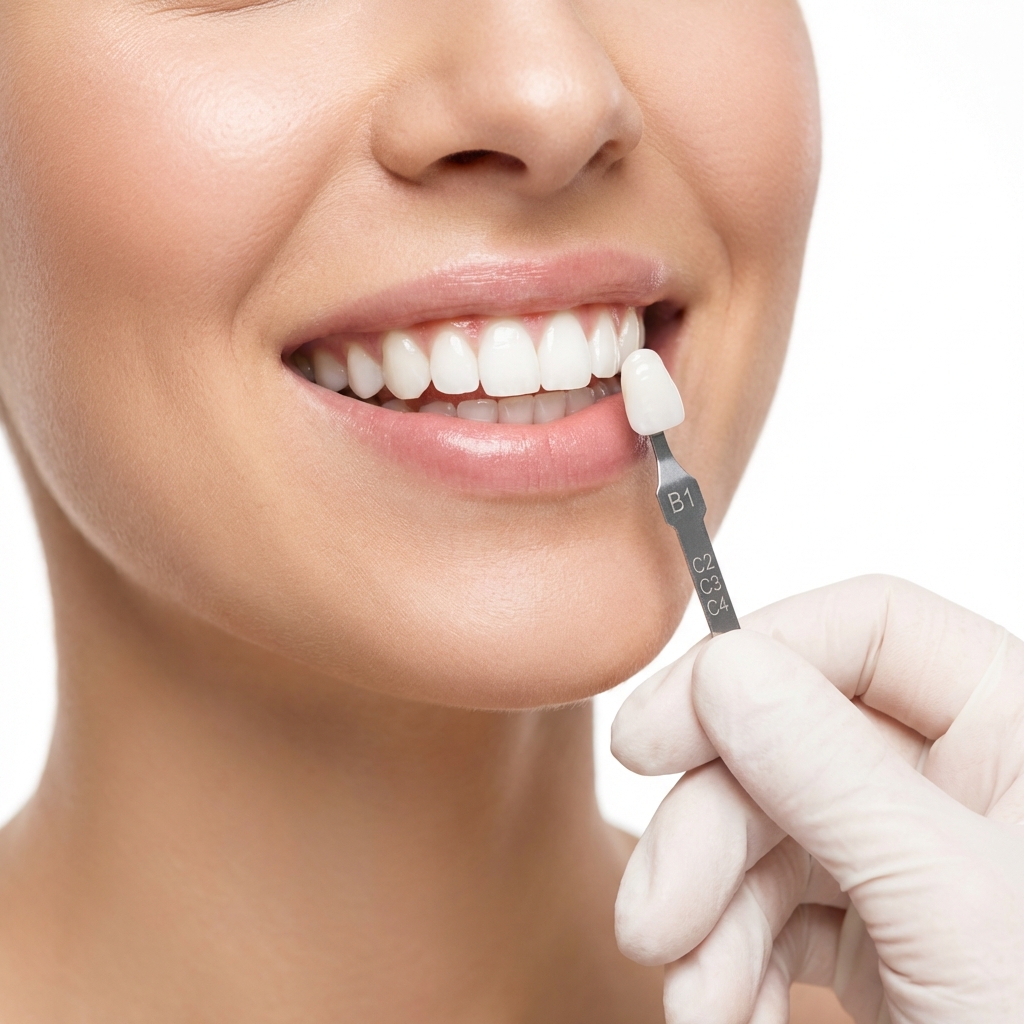

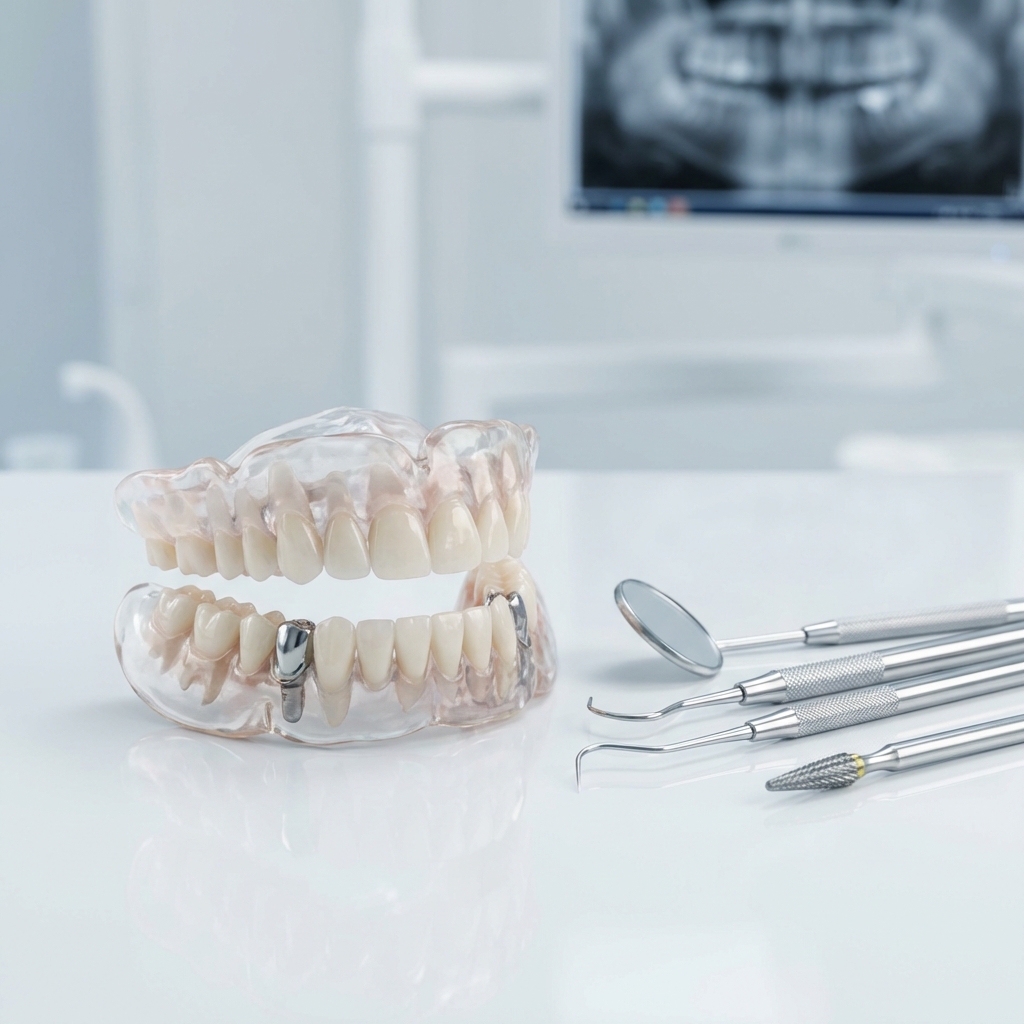


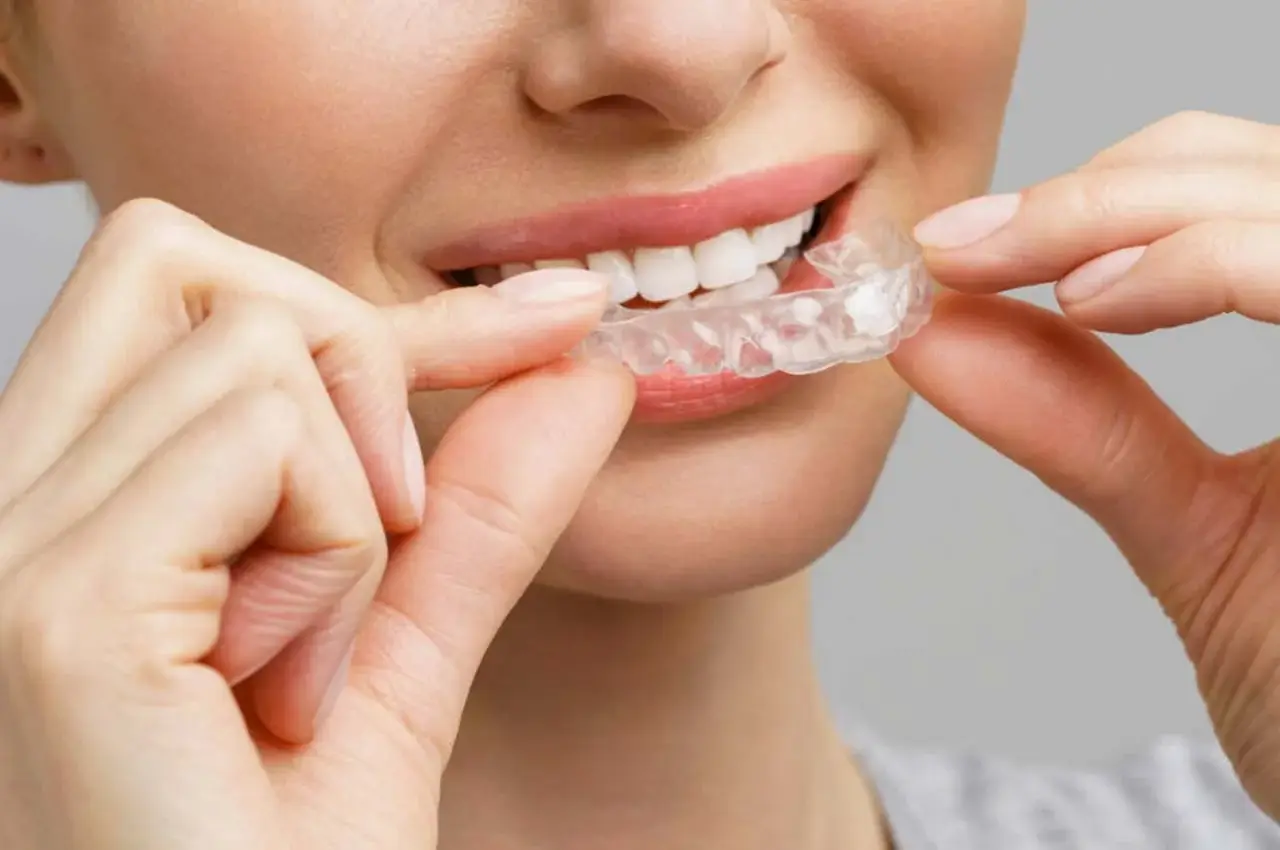
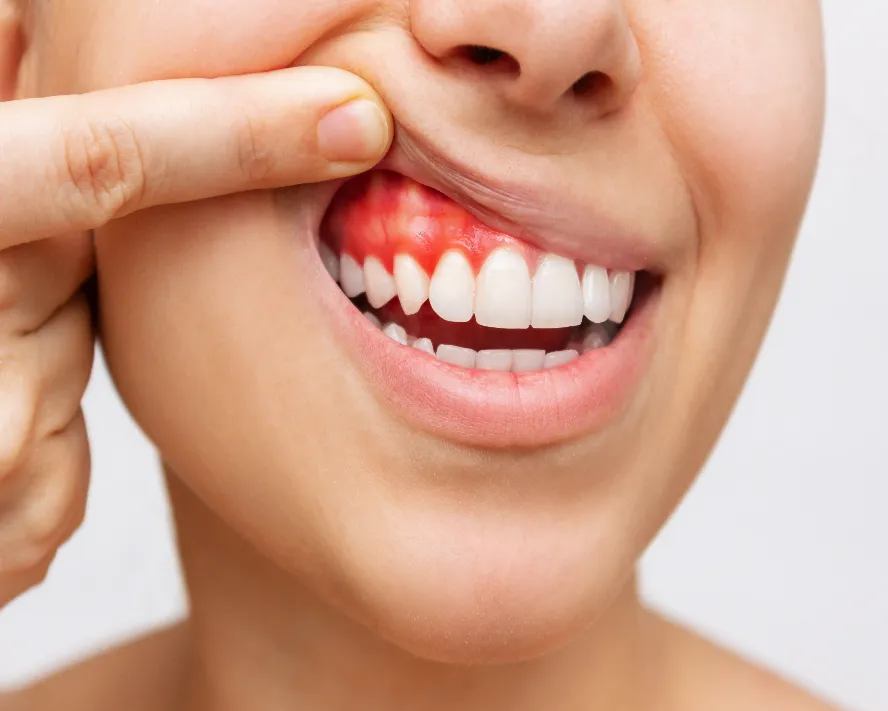
Which of these eleven treatments suits you depends on what the problem actually is. Below is a complaint-to-treatment table and a note on where each treatment comes into its own.
The decision itself follows examination, X-ray and measurement — the same complaint can have different causes. But knowing which headings you will be discussing makes the appointment far more productive.
How a plan is built, what costs nothing and what the guarantee covers are explained on the treatments overview page.
Which Treatment for Which Complaint?
This table is not a diagnostic tool; it shows which headings will come up.
| Complaint | Treatments that come into play |
|---|---|
| Missing tooth | Dental implant · Dental bridge · Dentures |
| Toothache that worsens at night | Root canal treatment |
| Brief cold sensitivity | Filling · Gum treatment · Composite bonding |
| Bleeding gums | Periodontology (gum treatment) |
| Crowded teeth | Orthodontics |
| Chipped or worn tooth | Composite bonding · Zirconia crown · E-max veneer |
| Yellow teeth | Teeth whitening |
| Shape and colour of front teeth | E-max veneer · Smile design |
| Lost filling | Composite bonding |
| Old crown | Zirconia crown · E-max veneer |
| Morning jaw fatigue | Night guard · Orthodontic assessment |
The first row is what we see most often, and all three options deserve discussion; which is right depends on bone volume, the condition of the neighbouring teeth and where the gap is.
The second row is the only one that does not wait: pain arriving on its own and worsening at night indicates an inflamed pulp and should be seen the same day.
Replacing a Lost Tooth
There are three options, all of them valid; which is right depends on the person.
An implant leaves the neighbouring teeth untouched and stimulates the jawbone, slowing resorption. Where the neighbours are sound it is clearly the best option; it requires sufficient bone volume and takes three to six months because of integration.
A bridge is quick and predictable, finished in one to two weeks. But it requires cutting down the neighbouring teeth, which is irreversible. Where those teeth already need crowning, it becomes a sensible choice.
Dentures are a genuine solution where many teeth are missing and fixed treatment is not appropriate. For patients struggling with retention in the lower jaw, a denture seated on two to four implants changes comfort markedly.
Leaving the gap has a cost that is usually overlooked: neighbouring teeth tilt into it, the opposing tooth over-erupts and the bone in the area resorbs. Years later the treatment is both longer and more complicated.
Pain and Infection
This heading comes first in any plan; no aesthetic or preventive work takes precedence over infection.
Root canal treatment is done when the pulp becomes inflamed or loses vitality. The aim is to save the tooth: infected tissue is removed and the canal system sealed. Back teeth then need a covering restoration, because root-treated teeth are prone to fracture.
Gum treatment comes in where there is bleeding, pocketing and bone loss. This is the most common cause of tooth loss in adults and can be stopped completely at an early stage.
Knowing which pain does not wait matters: pain arriving on its own and worsening at night, pain not relieved by painkillers, sharp pain on biting, and swelling. These should be seen the same day.
If swelling comes with fever, or difficulty swallowing or breathing, go to the nearest emergency department; that picture is measured in hours and is not managed by a dental appointment.
Aesthetics: Starting With the Least Invasive Option
With aesthetic work, getting the order right matters as much as the result, because some steps cannot be undone.
- Whitening. Where colour is the only issue. Nothing is removed from the tooth.
- Composite bonding. Small chips, gaps and shape corrections. One visit, almost no reduction, reversible.
- Orthodontics. Where the problem is tooth position, this is the right answer. It moves teeth rather than cutting them.
- E-max veneers. Thin ceramic surfaces requiring limited reduction of the front face.
- Zirconia crowns. Where tooth loss is extensive or the tooth is root-treated.
The third step is often skipped, and skipping it is expensive. Recommending crowns straight away for crowded teeth means cutting down sound teeth, whereas orthodontic treatment achieves the same result without losing tissue. It takes longer, but the decision is permanent.
Smile design is not a separate treatment; it is these steps combined into one plan. In a good plan, the options that require cutting teeth were chosen because the less invasive ones fell short — not the other way round.
Not Skipping the Preventive Side
Overshadowed by restorative work, this is the heading that makes the biggest long-term difference.
- Scaling and gum maintenance. Where there is a history of gum disease the interval is three to four months, not six.
- Fluoride application. Can arrest early decay; the only way to intervene before a cavity forms.
- Fissure sealants. The deep grooves of molars cannot be cleaned by a brush.
- Night guard. If you clench; a restoration made without removing the excess load meets the same end.
- Sports mouthguard. For contact sports.
- Interdental cleaning technique. Decay and gum disease start between the teeth, where a brush does not reach.
The fourth item matters particularly. In a patient who clenches, a crown, bridge or implant superstructure made without planning a night guard carries far more load than intended. If you have noticed morning jaw fatigue or flattened incisal edges, say so at the examination.
What preventive measures have in common: each of them heads off far more extensive treatment later, and none of them removes anything from the tooth.
Frequently Asked Questions
How do I know which treatment I need?
The table above shows which headings your complaint brings into play. The actual decision follows examination, X-ray and periodontal measurement; the same complaint can have different causes.
Implant or bridge for a missing tooth?
Where the neighbouring teeth are sound, an implant is the better option: it avoids cutting down two healthy teeth and it stimulates the jawbone. Where those teeth already need crowning, a bridge becomes sensible. Bone volume, the position of the gap and general health also bear on it.
Can I have crowns for crowded teeth?
Technically possible, but it means cutting down healthy teeth and that cannot be undone. Where the problem is tooth position, the right answer is orthodontics: it moves the teeth rather than cutting them. It takes longer, but no tissue is lost.
Is root canal treatment painful?
No. It is carried out under local anaesthetic and usually relieves the pain that brought the patient in. Mild tenderness for a few days afterwards is normal and temporary.
Does whitening damage teeth?
Applied under control, there is no enamel loss. Sensitivity for a few days is normal and temporary. Existing fillings, crowns and veneers do not whiten, which is why an examination beforehand is necessary.
Why is gum treatment needed before other work?
Because the restoration would sit on an unhealthy foundation. A crown, bridge or implant placed while inflammation and bone loss continue lasts less time than it should. That is why most plans begin with cleaning and gum treatment.
Is every treatment covered by the guarantee?
Yes — every treatment carried out at our clinic is covered by a lifetime guarantee on materials and workmanship. The scope, the exclusions and the check-up condition are given in writing.
If several treatments are needed, how is the order decided?
Pain and infection first, then gum health and decay, then replacing missing teeth, and aesthetics last. The reason is not procedural: each step prepares the foundation the next one sits on.