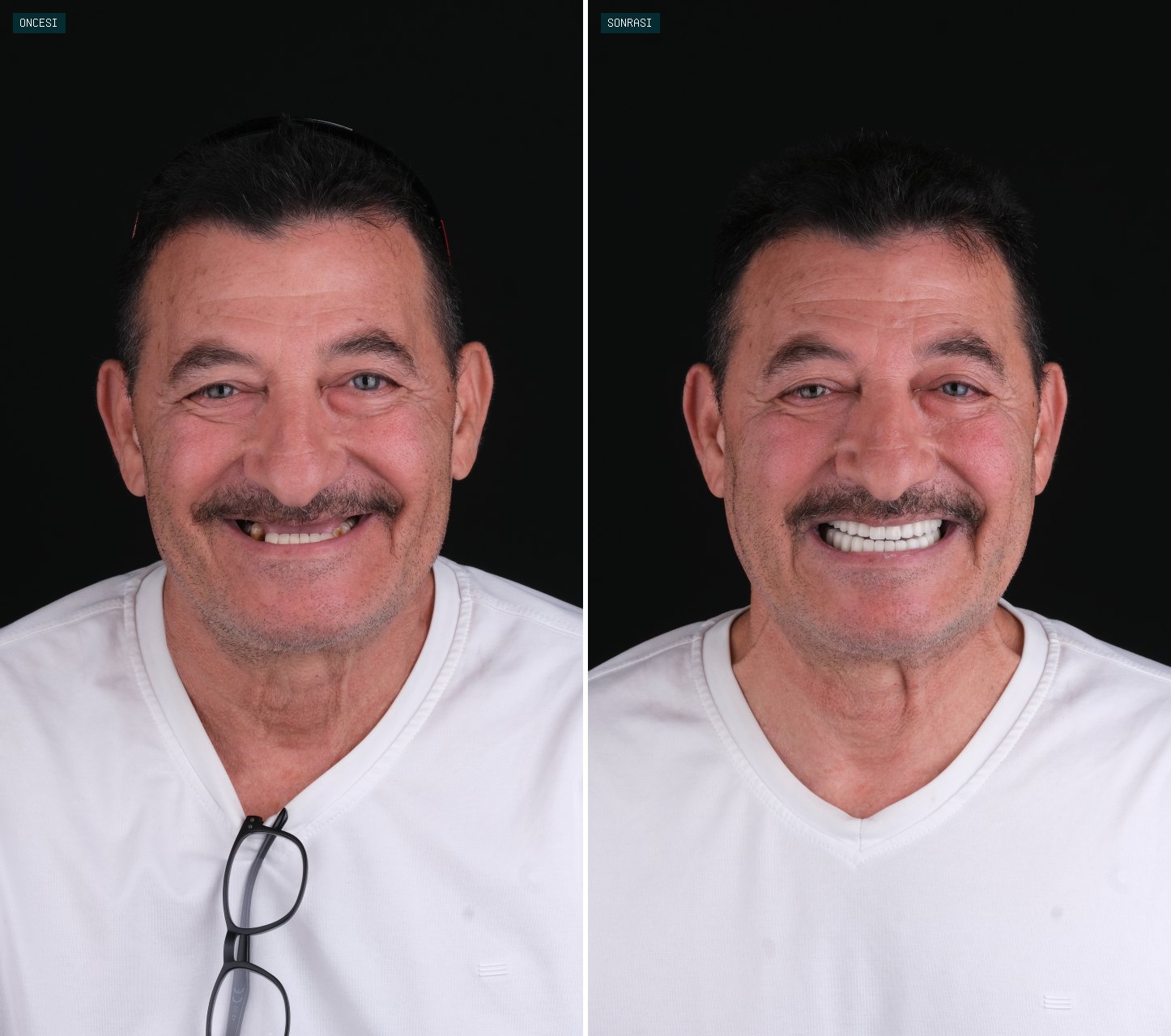
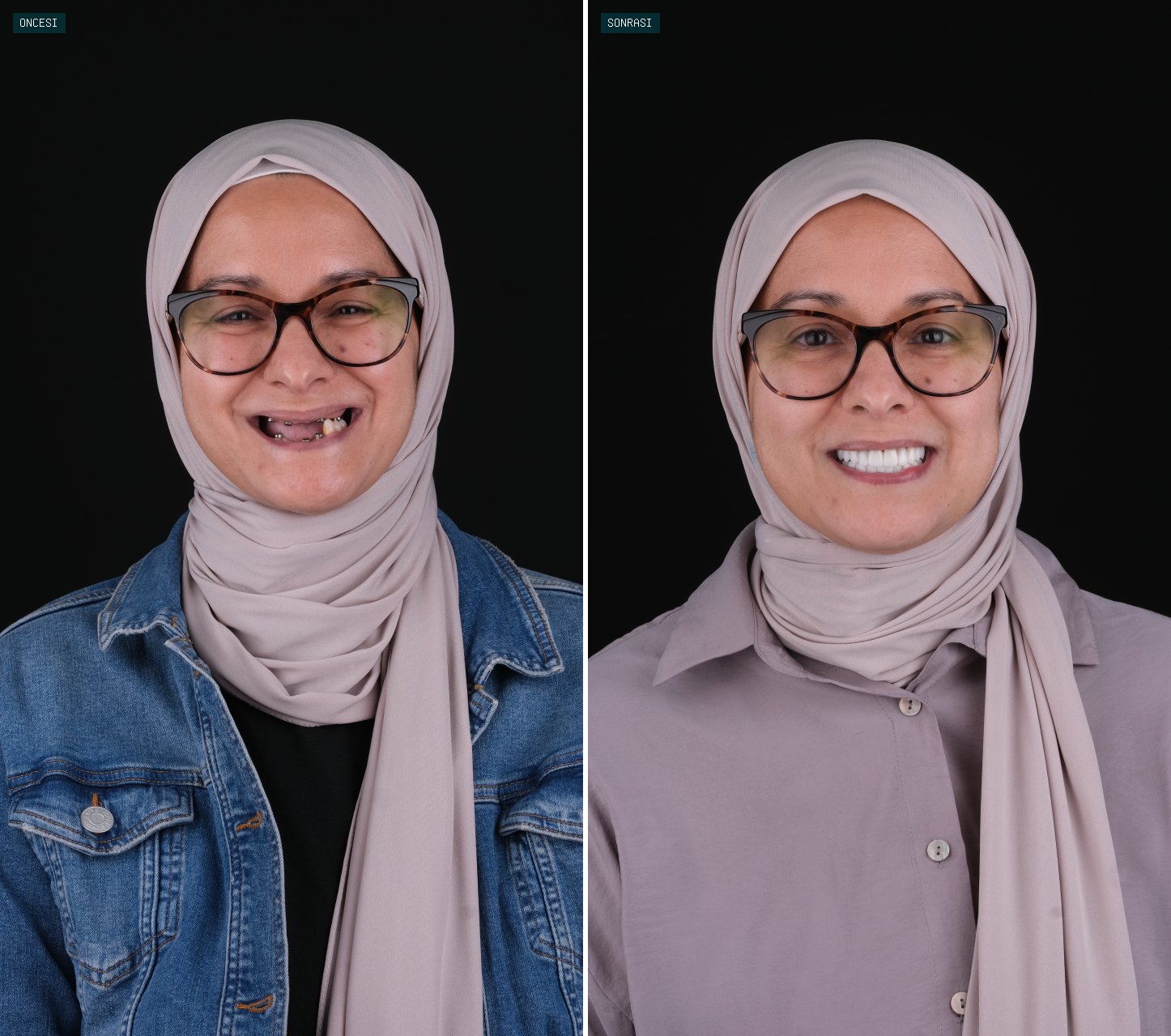
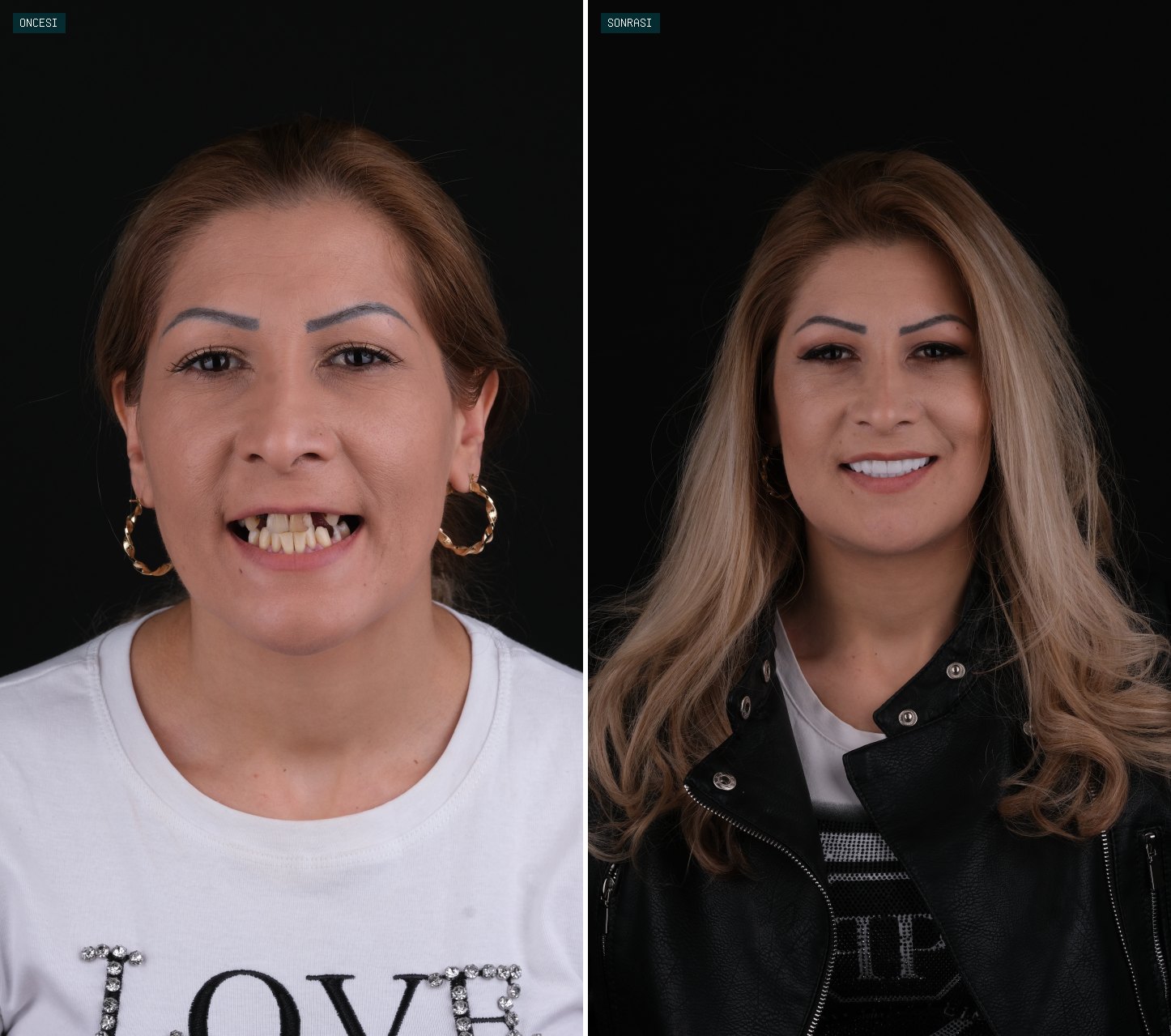
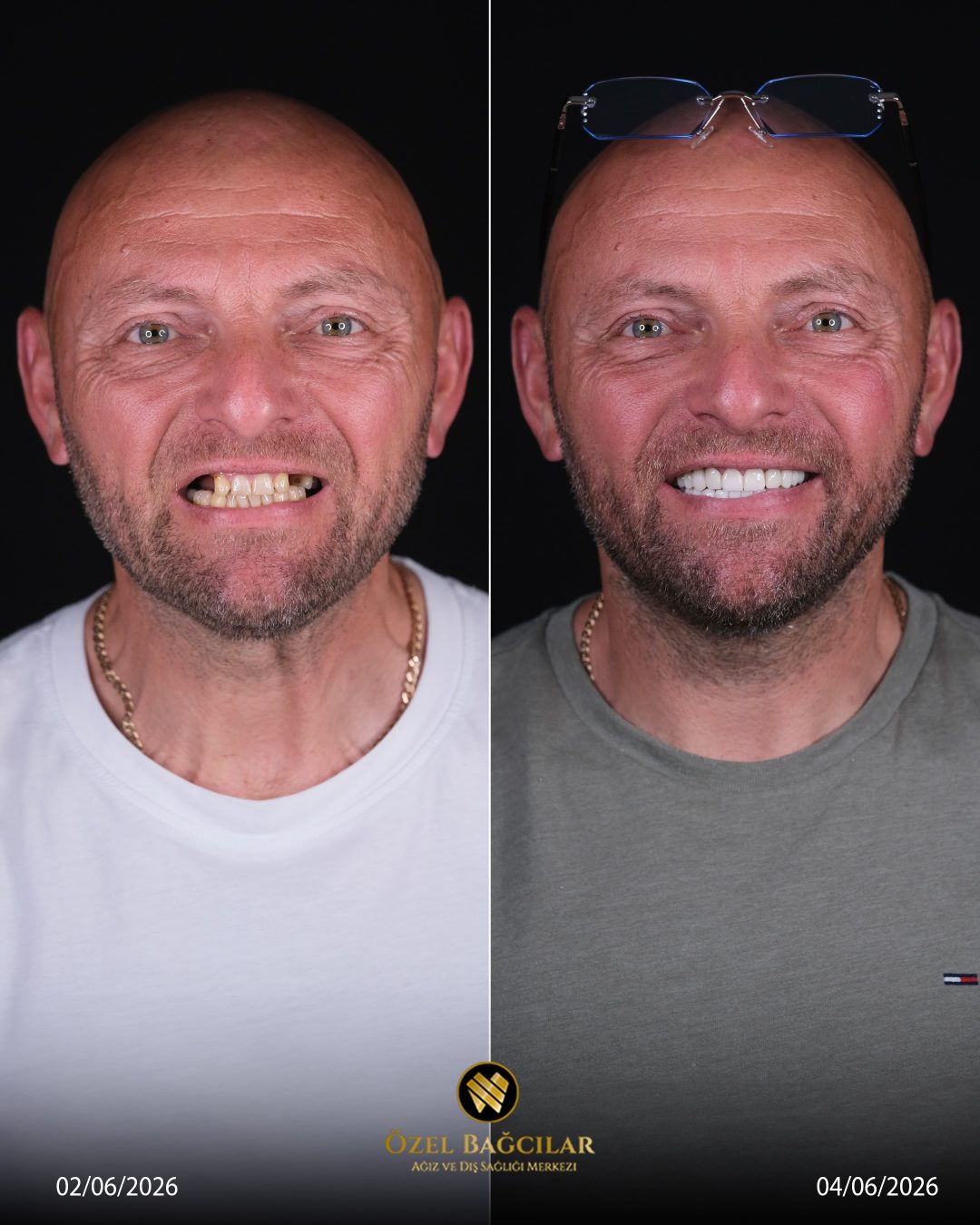
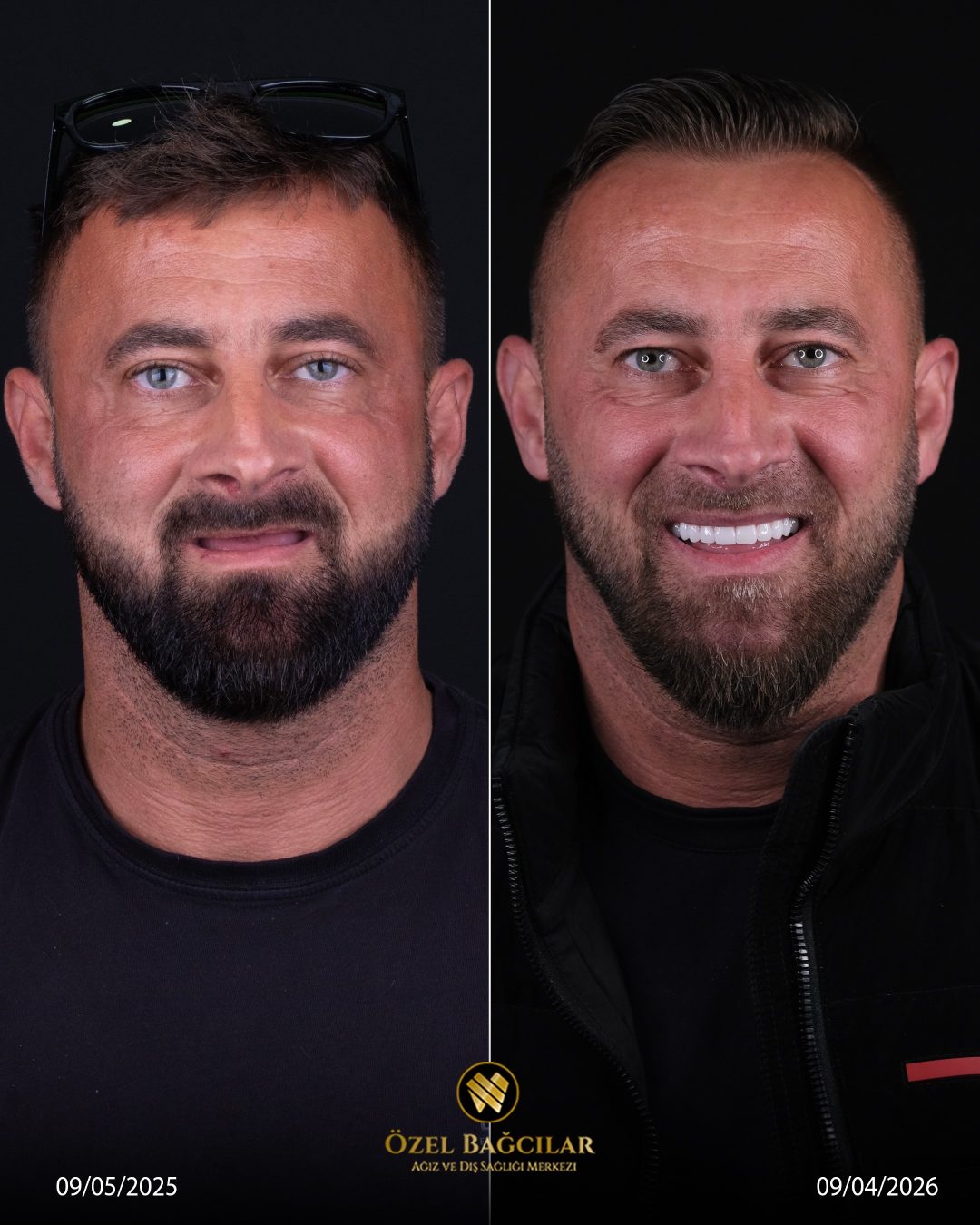
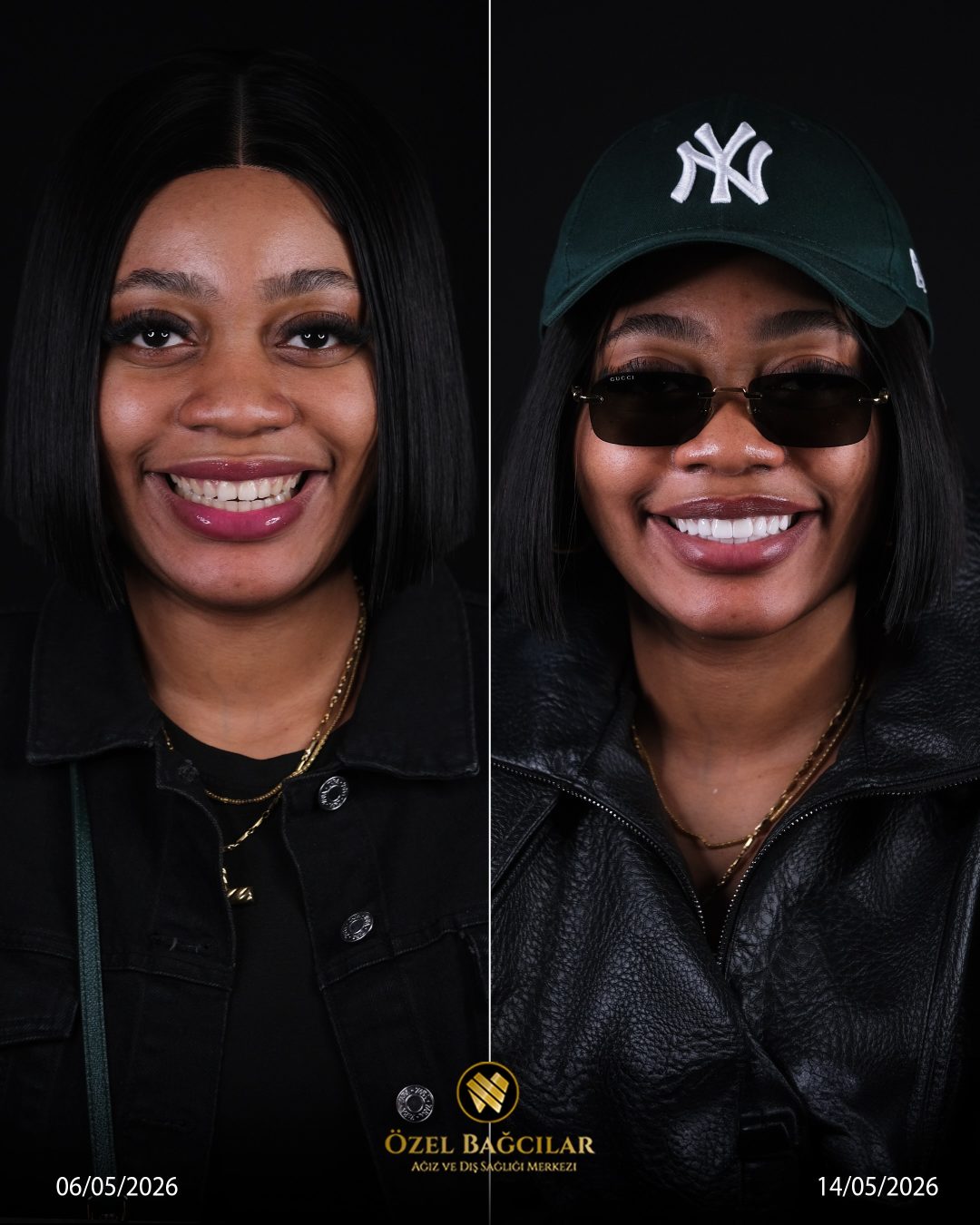
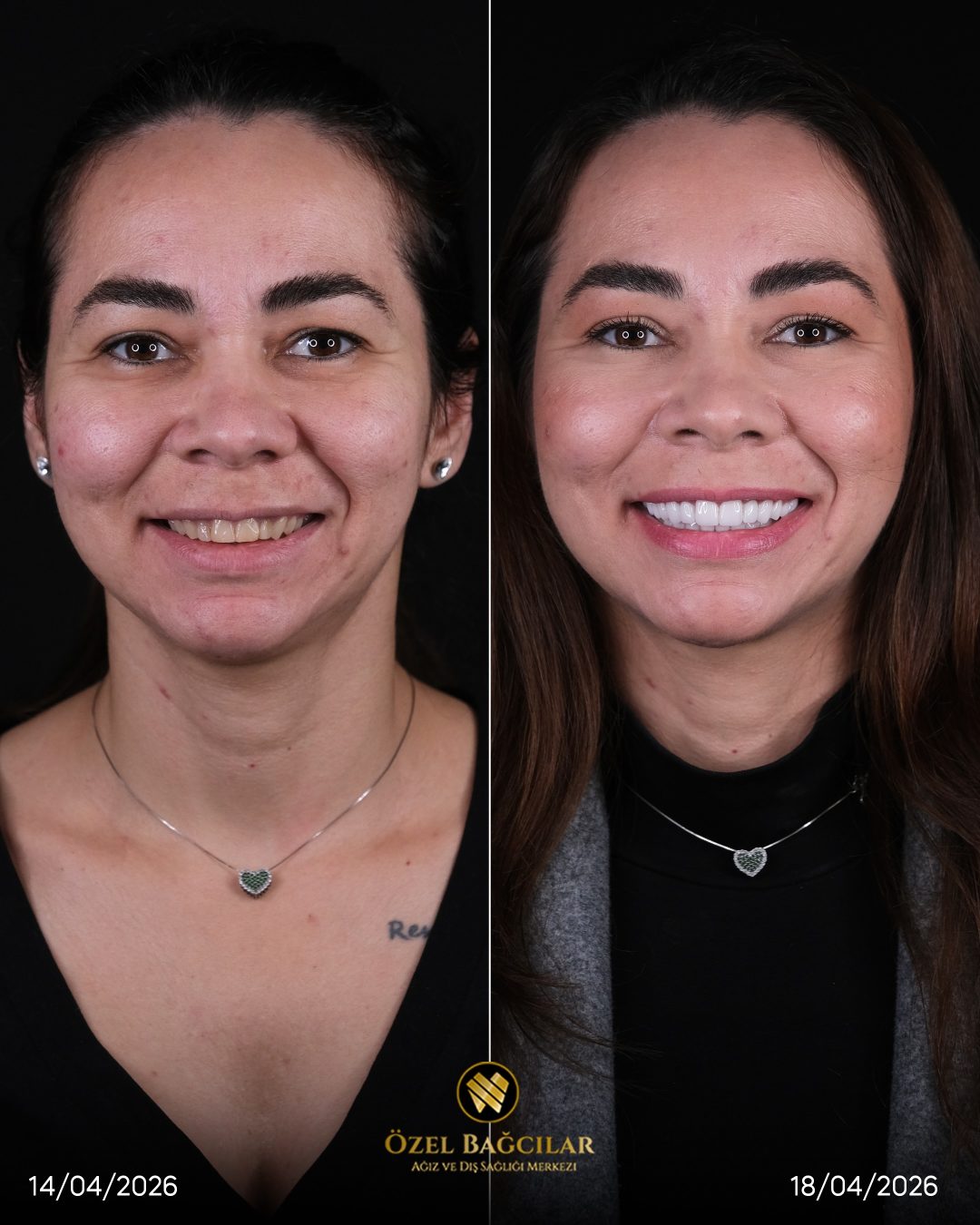
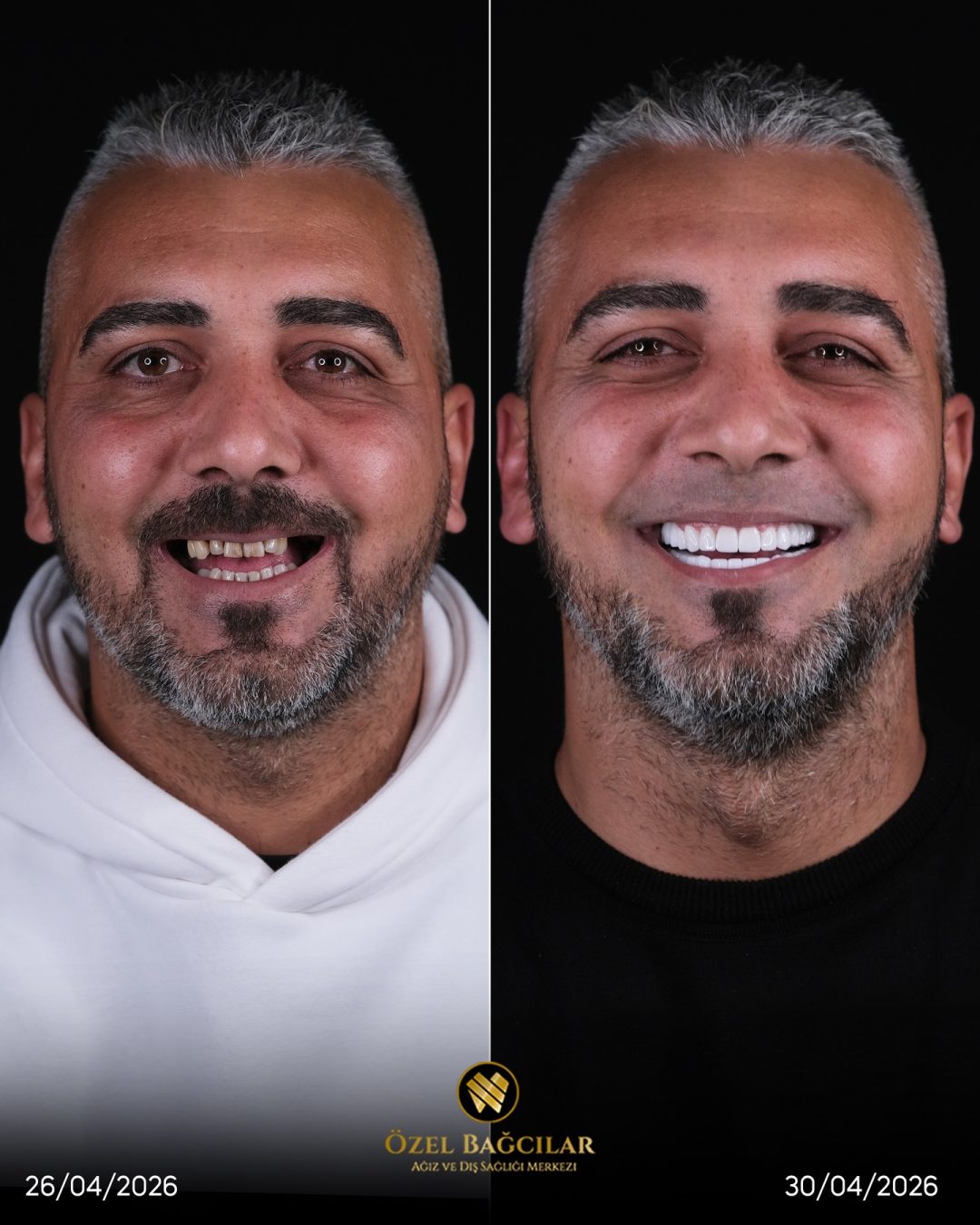
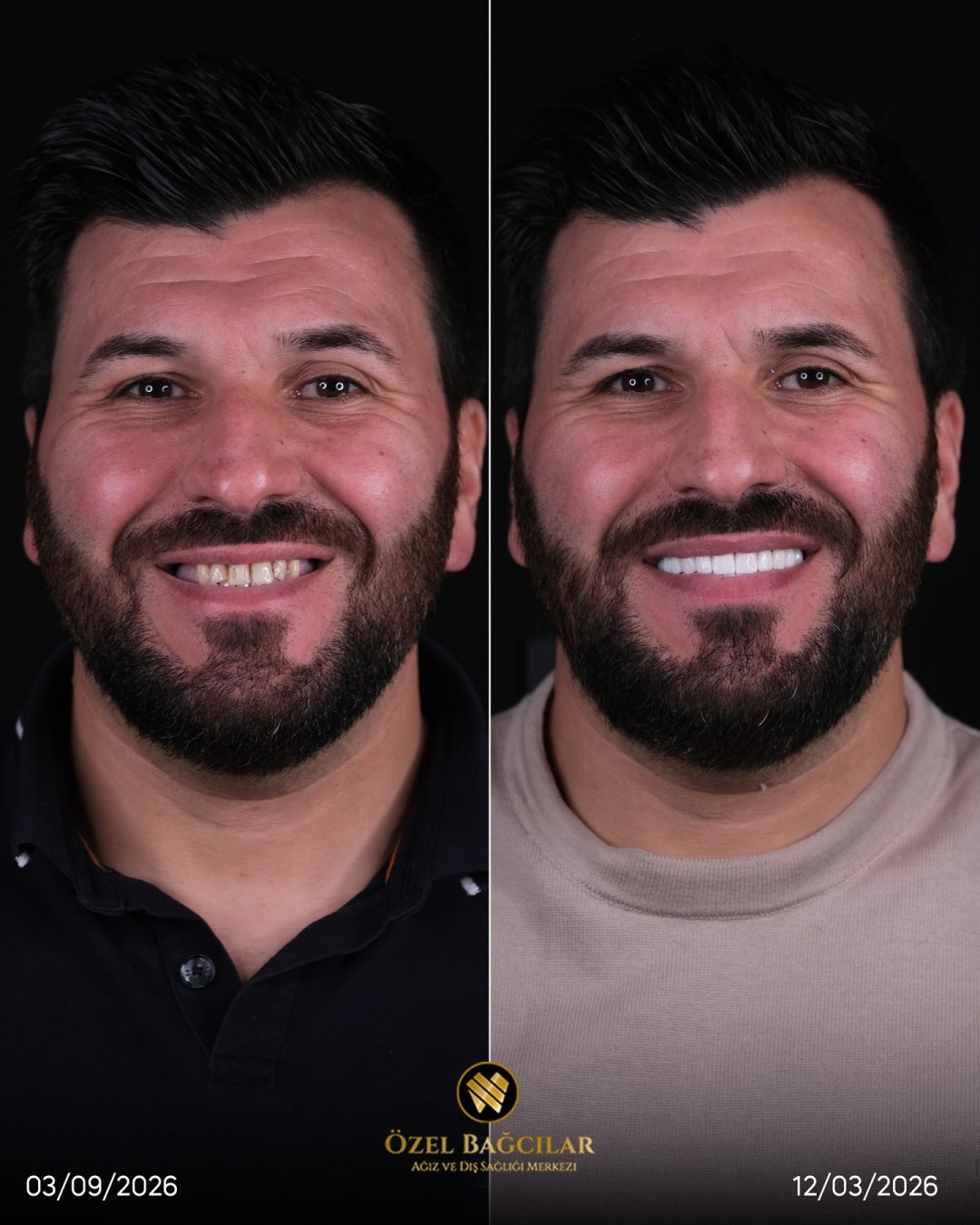
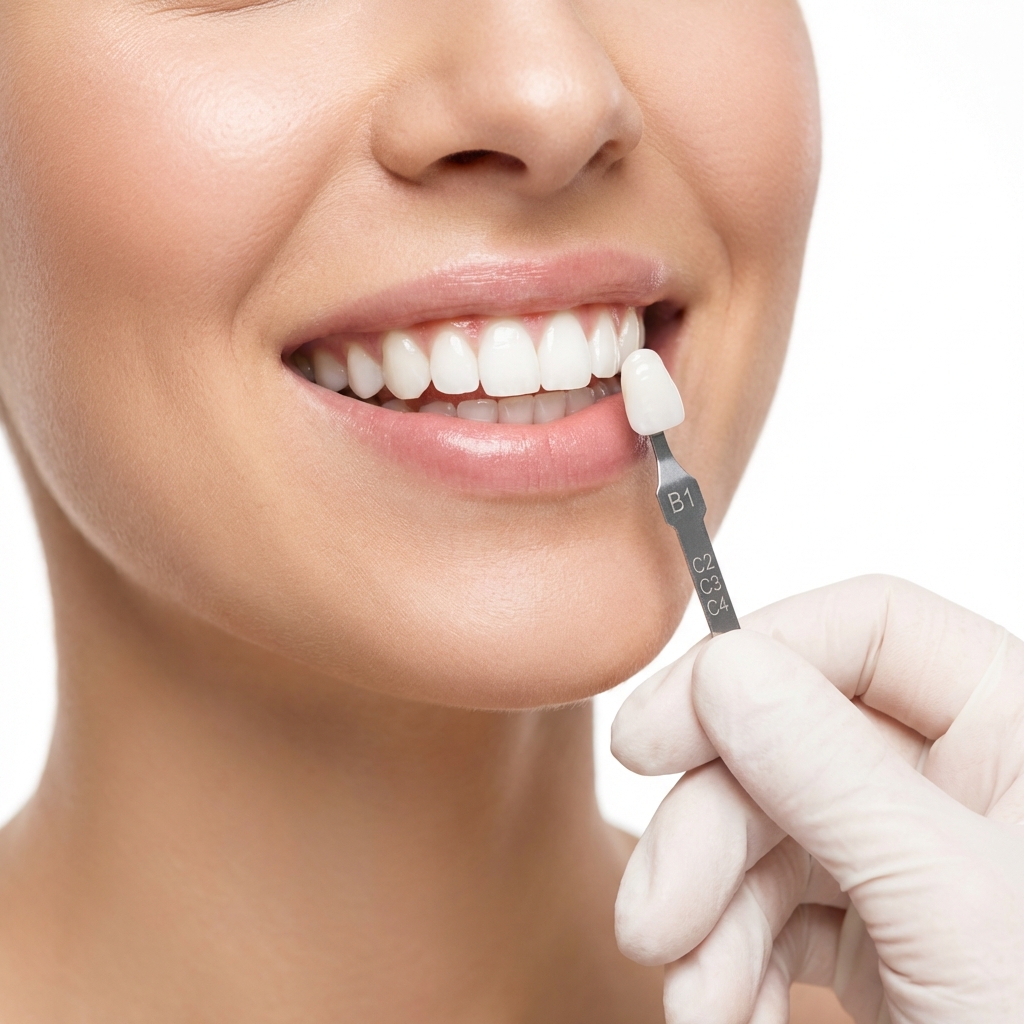
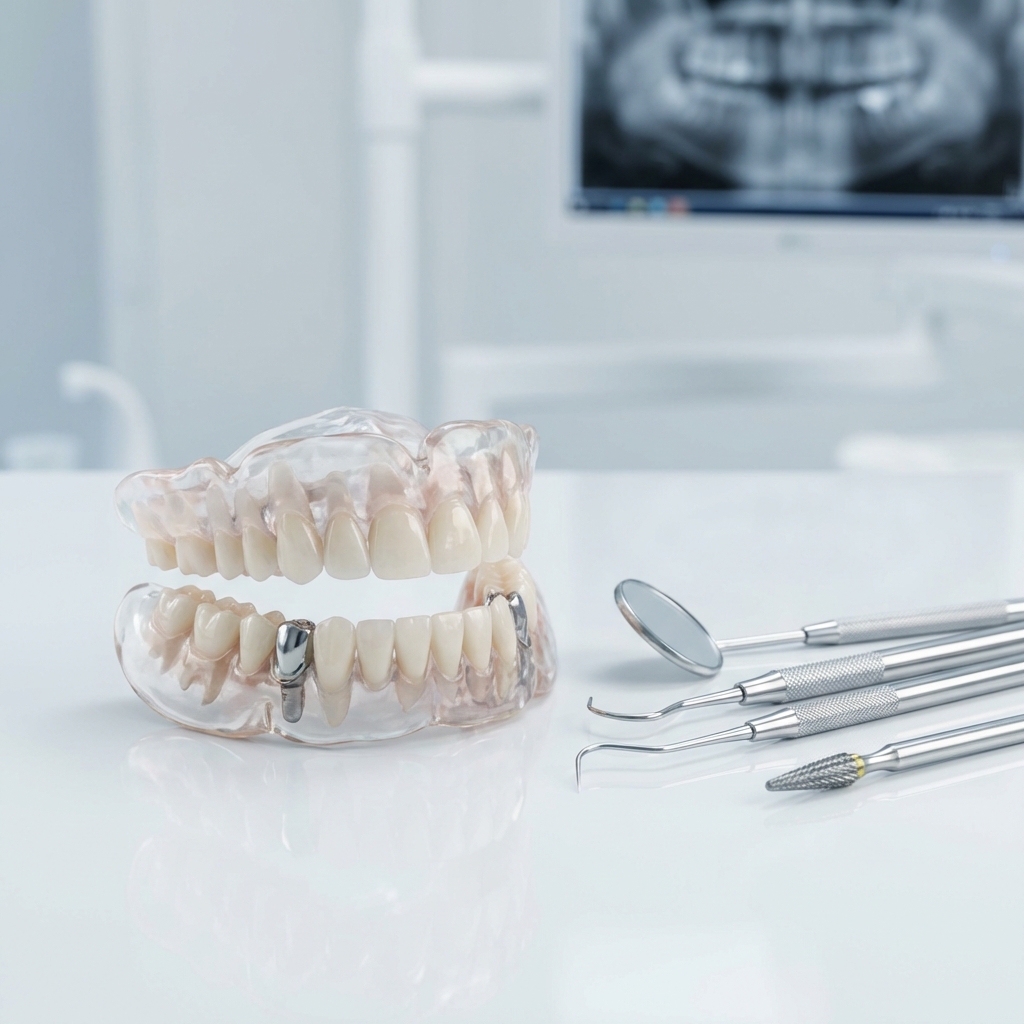
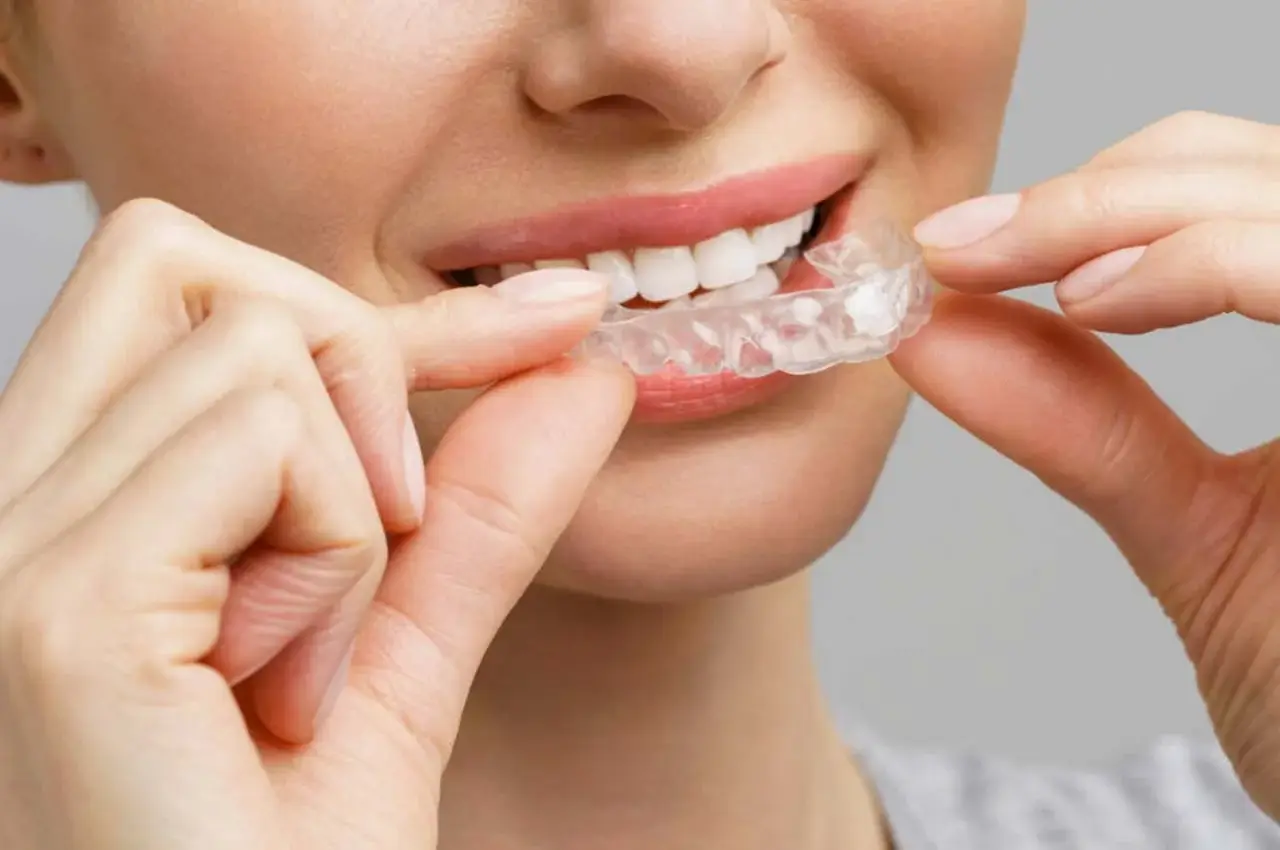
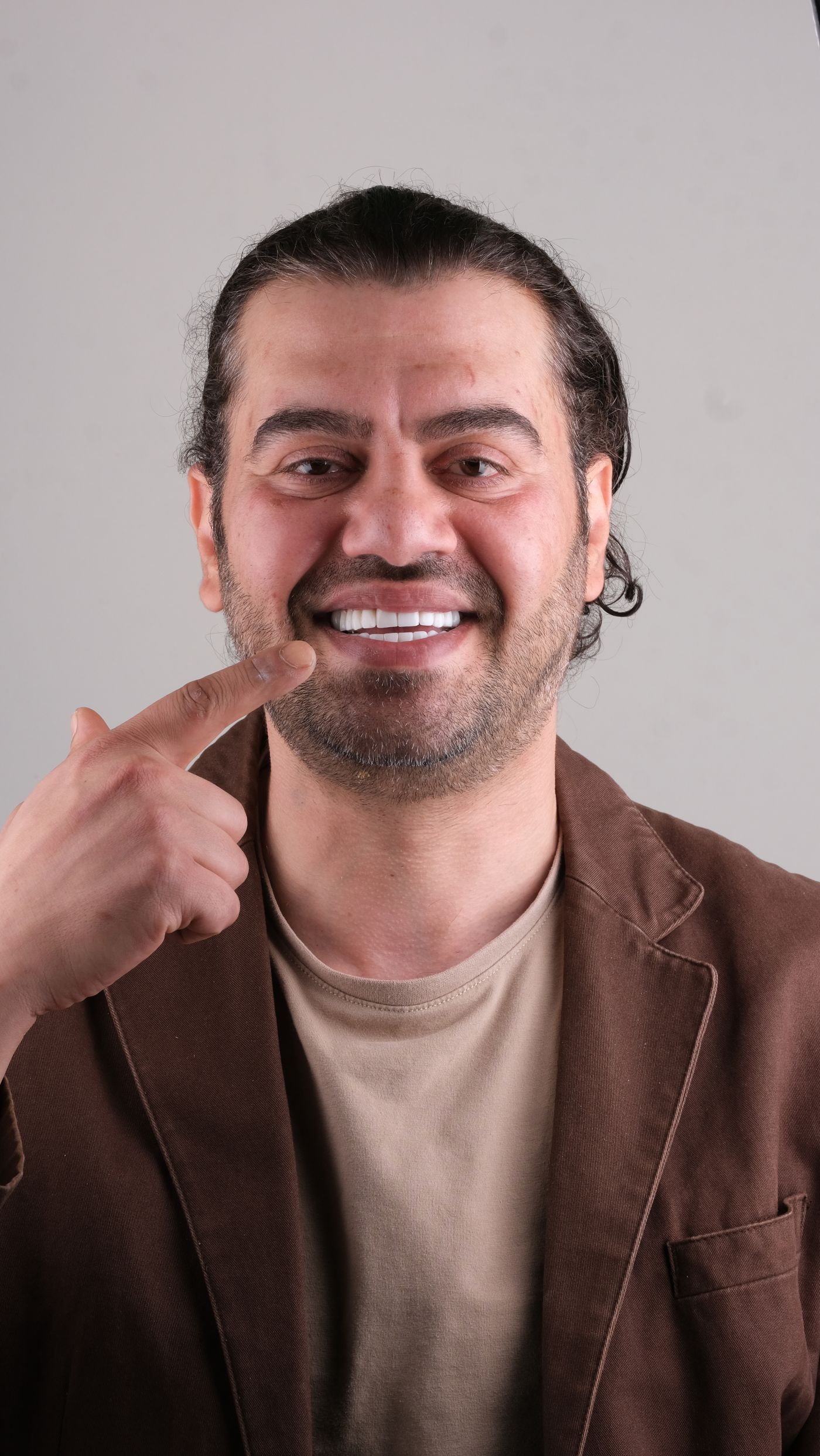
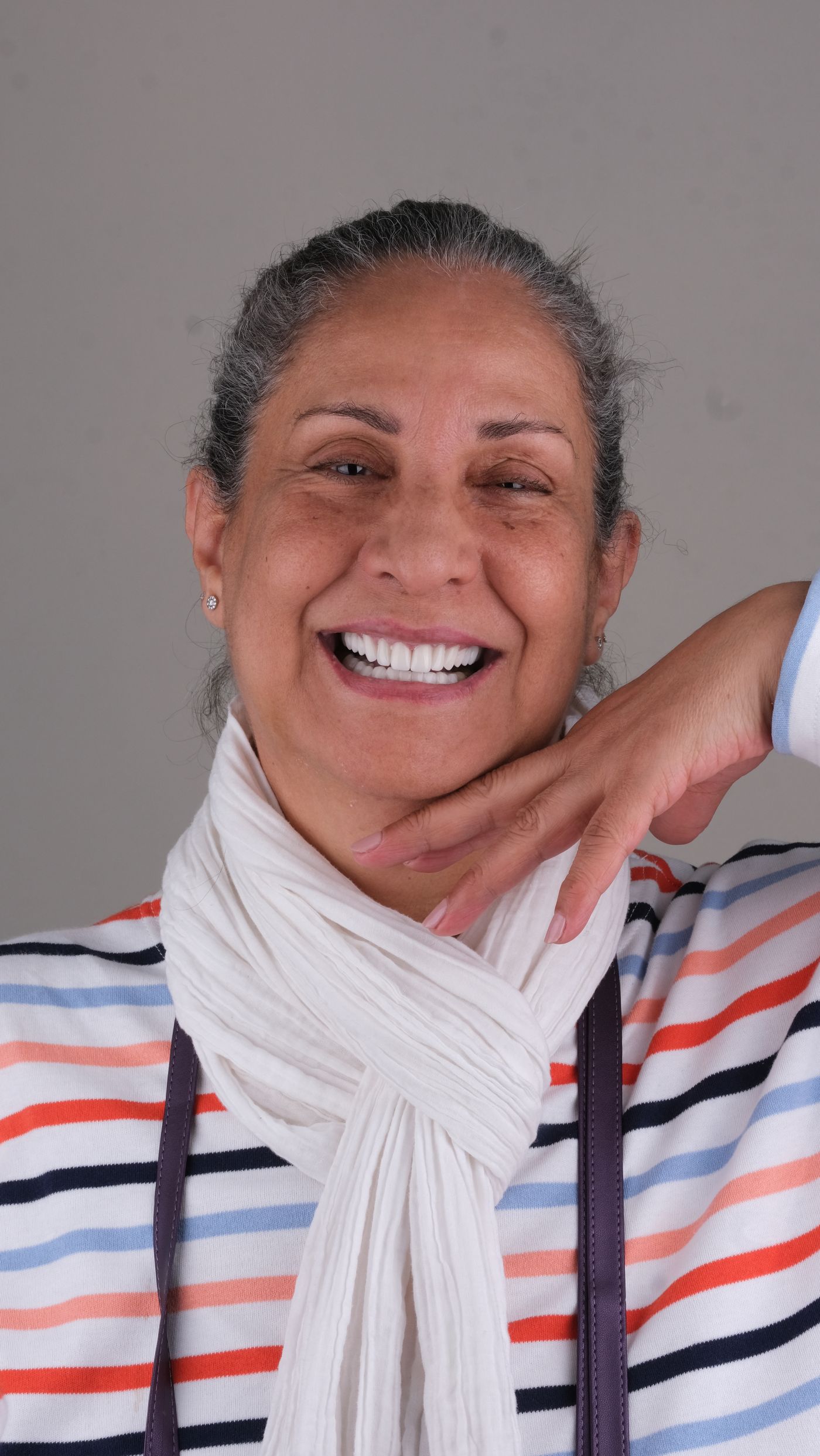
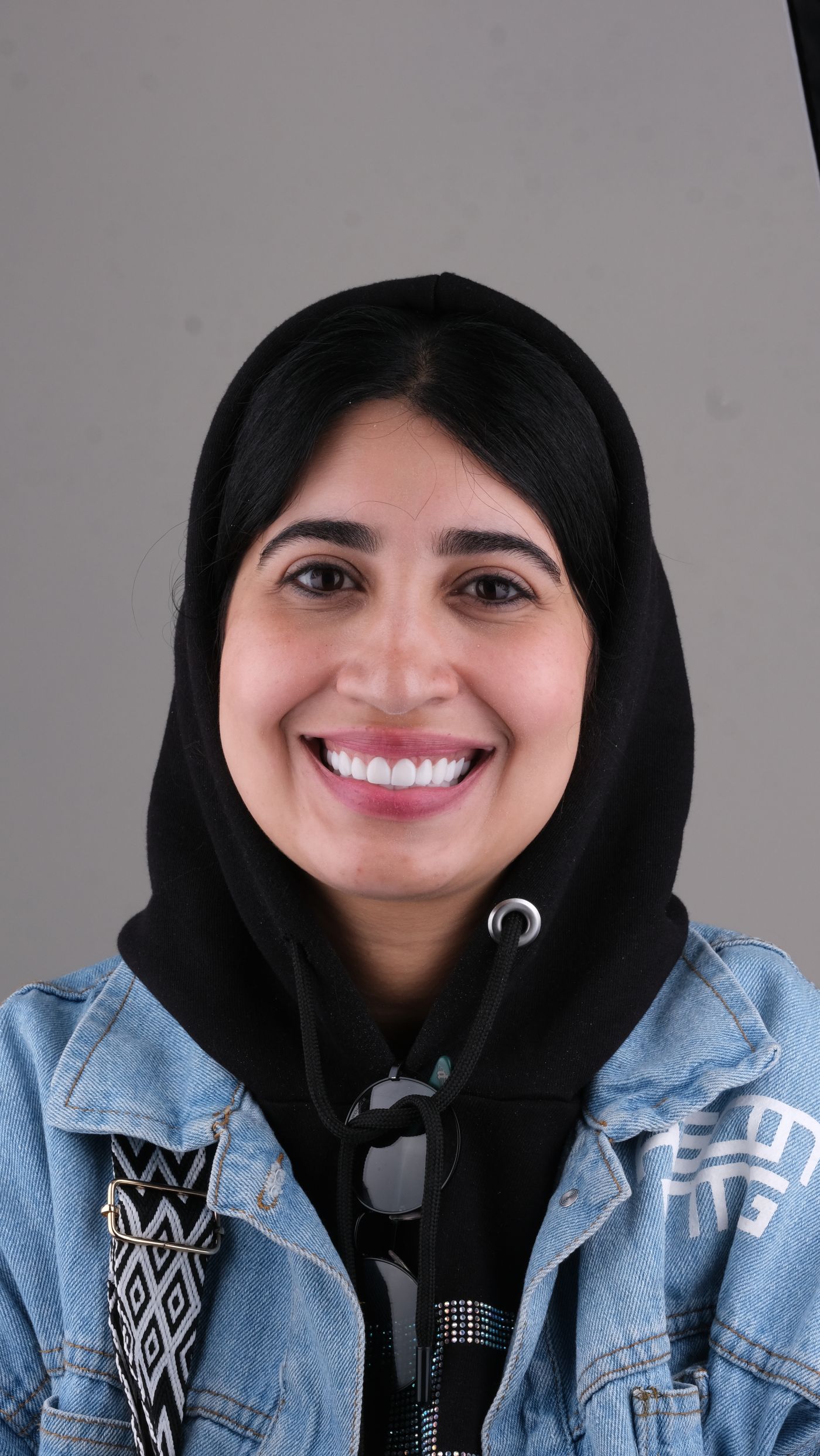
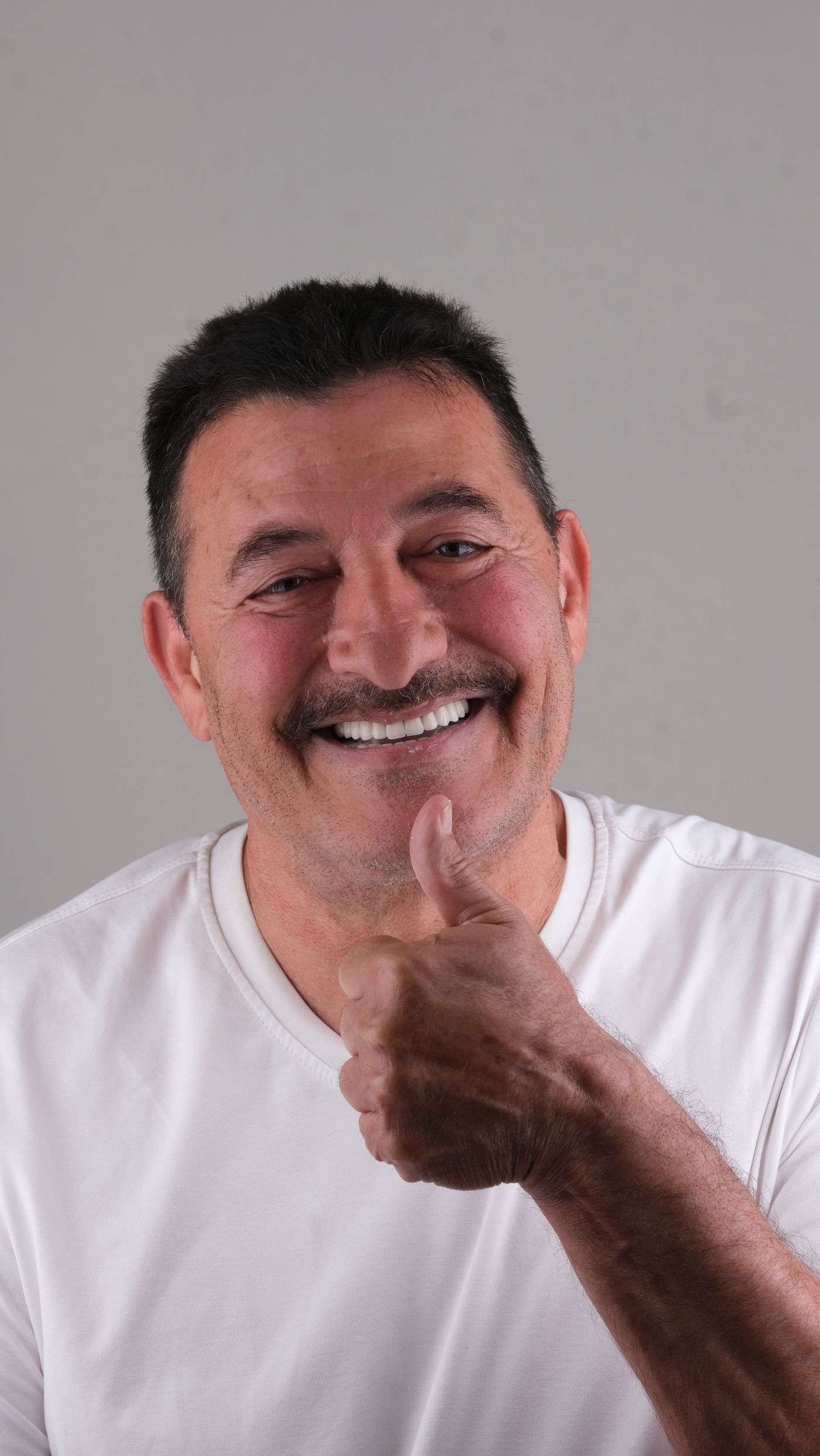
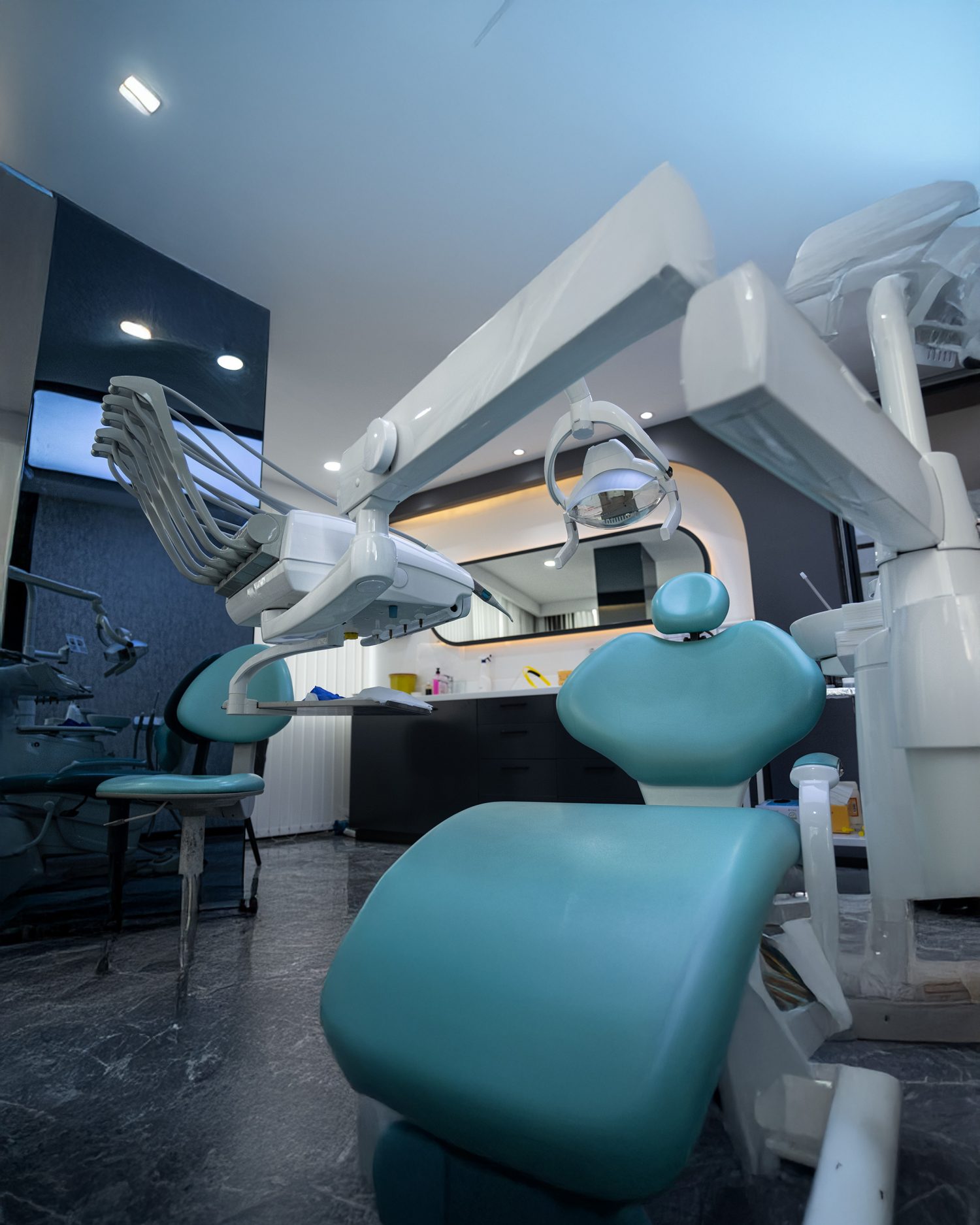
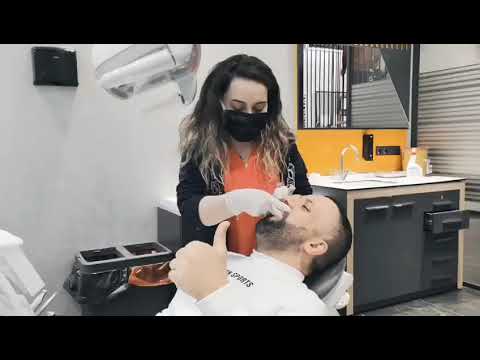
Orthodontics; It is a branch of dentistry that corrects tooth crowding, crowding, malocclusion and jaw-tooth incompatibilities. At Bağcılar Dental, we offer both aesthetic and functional results with digital measurement and treatment planning, traditional metal/transparent brackets, lingual (invisible) systems and clear aligner options. A special plan is created for each patient with intraoral scans and x-rays taken before treatment; Tooth movements are guided safely with regular check-ups.
What Orthodontics Does and What It Solves
Orthodontics moves teeth — and where necessary jaws — into the right position. Teeth are not fixed in bone: under a controlled, continuous force the ligament and bone around the root remodel and allow the tooth to move. That is a biological process and it cannot be hurried.
What it solves is not only appearance. Crowded teeth create contact areas a brush cannot reach; malocclusion loads particular teeth excessively and produces abnormal wear over years; severe crowding can affect speech.
The most valuable thing about orthodontics is this: moving teeth into position removes far less tissue than cutting them down and making them look positioned. Where crowding is mild, laminate veneers and orthodontics are both on the table; where crowding is significant, correcting it with ceramic means permanently removing structure from sound teeth.
Saying this brings us less work, and we say it anyway: for some patients the right answer is not eight veneers but eighteen months of orthodontic treatment.
Fixed Braces or Clear Aligners?
Both move teeth; they differ in which movements each does well and in how they affect daily life. The choice between them is not a quality difference but a case difference.
The two approaches side by side
Fixed braces
Clear aligners
Visibility
Visible (less so with ceramic brackets)
Almost invisible
Wear
Always in place
20-22 hours a day, up to you
Cleaning
Around brackets is difficult, needs care
Removed; cleaning is normal
Complex movement
Stronger — rotations, root movement, elastics
Limited; some movements need auxiliaries
Appointments
Every 4-8 weeks
Less frequent; aligners issued in batches
Eating
Hard and sticky food restricted
Removed; no restriction
Aligners depend on the patient wearing them, and that is the most important difference. Below twenty hours a day the plan does not happen: the teeth do not reach the predicted positions and treatment lengthens. Fixed braces carry no such uncertainty, because the appliance does not come out.
Against that, aligners make cleaning far easier and largely remove the risk of white marks around brackets. For adult patients they are also a clear advantage at work.
Here the choice follows the case rather than the preference. Significant rotations, movements requiring root control and skeletal discrepancies are work for fixed appliances. Where aligners can do the job, we recommend aligners. A plan that proposes aligners for every case has chosen the clinic's convenience.
For patients travelling from another city or country, aligners mean something extra: they are issued in batches, changed at home and monitored between visits from photographs. That usually fits the whole course into two or three visits.
Orthodontics in Adults
There is no upper age limit for orthodontics. The biology that moves teeth works in adults too; a few things are different and are worth knowing in advance.
Movement is somewhat slower. Bone turnover is slower in adults, so the same movement can take a few months longer. The result is achieved in the same way.
Gum health is decisive. This is the key condition in adult orthodontics. On a tooth with reduced bone support, orthodontic force accelerates the loss. So adult patients have a periodontal assessment before treatment begins, and where needed that treatment is completed first.
Existing restorations enter the plan. Crowns, bridges and implants do not move; an implant is fused to bone and does not shift under orthodontic force. That is a fact to plan around rather than an obstacle.
Skeletal correction is limited. Because growth is complete, techniques that guide growth do not apply. Significant skeletal discrepancies may need orthodontics and surgery planned together, and you are told so plainly.
A good proportion of adult patients arrive with an aesthetic complaint, but the real gain is long-term: teeth that can be cleaned, chewing force distributed evenly and less abnormal wear.
The Process and How Long It Takes
Examination and records. A panoramic radiograph, a cephalometric film, an intraoral scan and photographs. Decay and gum health are assessed.
Planning. Which tooth goes where, by which method and over what period — all set out in writing. With aligners the movement is simulated on screen.
Preparation. Decay is treated and scaling carried out where needed. Treatment does not begin over active decay or gum disease.
Fitting. Brackets are bonded or the first set of aligners issued.
Monitoring. Adjustments every four to eight weeks with fixed appliances; less frequent visits with aligners, monitored remotely from photographs.
Finishing and retention. The appliances are removed, fine corrections made where needed, and a retainer fitted.
The total depends on the case: six to twelve months for mild crowding, eighteen months to two years for comprehensive cases. We give that range at the consultation and keep it realistic — promising a short course is easy, delivering it is not.
What determines it: the amount and type of movement, bone response, age, and with aligners, wear time. That last one is entirely in the patient's hands and is the most decisive variable in the treatment.
Refinement is ordinary in aligner treatment. Where teeth have not reached the predicted positions, an additional set is produced. We write that into the plan as part of the treatment rather than a setback, and we state how many refinement rounds are included. A quote without that line has priced the first batch rather than the treatment.
Retention: Half the Treatment
This is the most skipped and most regretted stage in orthodontics. Treatment does not end when the appliances come off; the second half begins.
Teeth do not settle immediately into their new positions. The ligament around them carries a "memory" of the old position for some time, and with nothing to hold them, teeth begin to drift back. That is relapse, and it is the leading cause of dissatisfaction after orthodontics.
There are two kinds of retainer and they are usually used together. A fixed retainer is a fine wire bonded behind the teeth; it is invisible and asks no effort from you — though it does need cleaning underneath daily. A removable retainer is a clear appliance worn at night; that one depends on you.
On duration let us be honest: tighter at first, tapering afterwards, and in practice indefinite. Teeth continue to move with age — that happens in people who never had orthodontic treatment too. Mild crowding appearing years after someone stopped wearing a retainer is not treatment failure; it is biology continuing.
Retention appears as its own line in your plan and its cost is known from the start. An orthodontic quote without that line has not priced the durability of the result.
Claims That Need Correcting
Three claims about orthodontics are repeated constantly and none is true as stated. Saying the accurate version beats disappointing people later.
"Orthodontics makes teeth resistant to decay." It does not. Well-aligned teeth are easier to clean, which lowers decay risk in the long run — that much is true. But during treatment, particularly with fixed appliances, the risk rises: the area around a bracket is ideal for plaque. Brushing during that period matters as much as the treatment itself.
"Orthodontics treats jaw joint problems." Current evidence does not support this; orthodontics is not indicated as a treatment for TMJ disorders. Its genuine benefit here is preventing the abnormal tooth wear that malocclusion produces — a concrete and defensible claim.
"The white marks left by brackets are permanent." Not exactly. Those are demineralised areas of enamel; caught early they can be partly recovered with fluoride and remineralising products, and in some cases treated with resin infiltration. Calling them permanent is both inaccurate and needlessly frightening.
And one more: saying that nothing is lost when brackets come off is not quite right. The enamel is etched for bonding and debonding is done with a bur; what is lost is at the level of microns. Where interproximal reduction is planned, that permanently removes a fraction of a millimetre. Stated accurately the argument still holds: orthodontics removes far less tissue than correcting with ceramic — but not zero.
Orthodontics or Veneers?
This is the choice most often faced by patients arriving with an aesthetic complaint, and the point at which they are most open to being steered. The two can produce a similar appearance and their costs are entirely different — one asks for time, the other for tooth structure, permanently.
The two routes side by side
Orthodontics
Crowns / veneers
Tooth structure
Almost none removed
Permanently removed
Time
6-24 months
5-7 days
Reversibility
The natural tooth is kept
Cannot be undone
Maintenance
A retainer
A replacement cycle over the years
Colour problem
Does not solve it — whitening is needed
Solves it
Where it is ideal
Crowding, occlusion
Colour, shape, chipped edges
The situation we meet most often: a patient with both crowding and a colour complaint. There the correct order is orthodontics first, then whitening, and where needed composite bonding on a couple of teeth. Cutting eight teeth to make them look straight is faster and carries a permanent cost.
There are also cases where orthodontics and ceramic are combined, and those often give the best result: the teeth are aligned first, then aesthetic restorations are placed on only the one or two teeth that genuinely need them. That achieves the result and keeps the sound teeth.
At the consultation both routes are explained — with their duration, their cost and their limits. A plan that describes only one has not offered a choice.
Care During Treatment
Care during orthodontic treatment determines the health of the teeth as much as the success of the treatment. With fixed appliances it is harder and it matters more.
Brush after every meal. The area around a bracket is ideal for plaque; twice a day is not enough.
Interdental brushes. Needed to clean under the wire and between brackets; an ordinary brush does not reach.
Fluoride mouthwash. Reduces white-spot formation and is recommended during bracket treatment.
Avoid hard and sticky food. Nuts, ice, chewing gum and toffee dislodge brackets and lengthen treatment.
With aligners: take them out to eat and to drink anything but water, and keep them in their case — most aligners wrapped in a napkin end up in the bin.
Regular scaling. Every six months through treatment, more often where needed.
A feeling of pressure in the first days and for a few days after each adjustment is normal; teeth are moving and mild tenderness settles quickly. If a bracket or wire irritates the cheek, use orthodontic wax and tell us.
A broken wire or a loose bracket is not an emergency but should not be left; book an appointment. If a wire is digging in, cover it temporarily with wax.
Like every treatment carried out here, orthodontic treatment carries a lifetime guarantee on materials and workmanship. One point stated plainly: our guarantee covers the work we do; the biological response of the teeth and the durability that depends on retainer wear are not things any clinic can guarantee — and we write that at the outset.
Timing in Children and Adolescents
Timing matters as much as the treatment. Starting too early creates an unnecessarily long process; leaving it too late closes some options entirely.
The recommended age for a first orthodontic assessment is around seven. That is for looking rather than treating: the relationship of the jaws, the eruption sequence and space can all be assessed then. For most children the answer is "nothing needs doing yet", and that is information too.
The situations that genuinely need early intervention are limited: a marked crossbite, a narrow upper jaw, a lower jaw positioned forward, and deformity caused by habits such as thumb-sucking. In those cases jaw growth can be used, and that opportunity disappears once growth is complete.
Comprehensive treatment usually begins once most permanent teeth have erupted, between about eleven and thirteen. Bone response is quick at that stage and treatment is shorter than in an adult.
One point we make to parents in particular: no permanent restoration — a crown or an implant — is placed at the front before facial growth is complete. An implant does not move with the bone and is left behind over the years. That is the one genuine reason to wait, and aesthetic concern does not bend it.
Benefits
A smooth, symmetrical and aesthetic smile
Easier to clean, decay resistant teeth
Comfortable chewing and speaking with correct bite
Almost invisible treatment with clear plate
Reduction in jaw joint (TMJ) complaints
Suitable options for children, teenagers and adults
✦ Frequently Asked Questions
Frequently Asked Questions
01Which is better, clear plate or wire?
Both are effective; The choice is made according to the condition of your teeth alignment and your expectations. Transparent aligners stand out with their aesthetics and removability, and in advanced cases, treatment with brackets can provide more controlled results. During the examination, the most suitable method for you is recommended.
02How long does orthodontic treatment take?
Depending on the difficulty of the case, it usually varies between 6 months and 24 months. While the duration is shorter in mild irregularities, it may be longer in severe malocclusions.
03Is the treatment painful?
A slight feeling of pressure is normal in the first few days after braces or plates are inserted and will pass in a short time. The procedure itself is painless.
04Can adults have orthodontic treatment?
Yes. Orthodontic treatment is possible at any age as long as the gums and bone tissue are healthy; Transparent plaque is frequently preferred in adults.
A safe, comfortable and transparent treatment process at every stage with our experienced physicians.
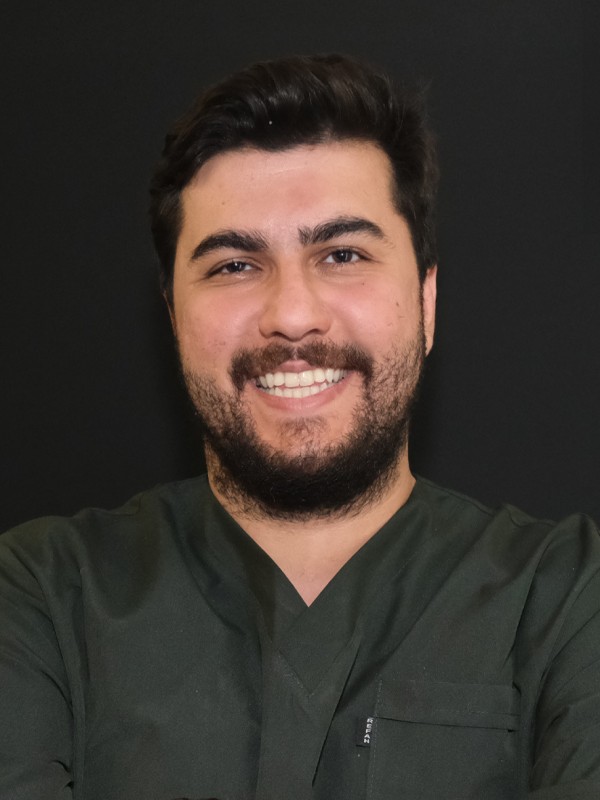
Dt. Muhammed Yancar
Responsible Manager · Dentist
He graduated from Okan University Faculty of Dentistry (2022). He works as the responsible manager and dentist at Bağcılar Dental Polyclinic. He is a member of the Turkish Prosthodontics and Implantology Association (TPİD) and the Turkish Dental Association (TDB).
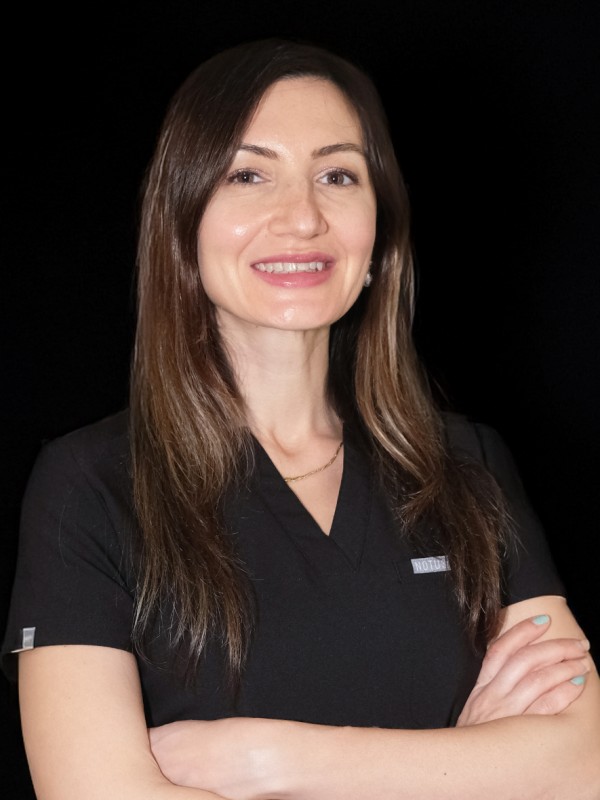
Dr. Dt. Remziye Kuşağlı
Responsible Dentist
He graduated from Dicle University Faculty of Dentistry (2005); He has 21 years of experience. It specializes in implant-supported dentures, All-on-4/All-on-6, zirconium, laminate and E-max coating treatments. He is a member of TDB.
Uzm. Dr. Dt. Nazlı Altın
Oral and Maxillofacial Surgery Specialist
He graduated from Istanbul University Faculty of Dentistry; He completed his doctorate in oral, dental and maxillofacial surgery. He specializes in complex cases with implant surgery, jaw surgery and bone grafting.
Uzm. Dt. Uğur Derdiyok
Oral and Maxillofacial Surgery Specialist
He graduated from Ankara University Faculty of Dentistry; He completed his specialization in oral, dental and maxillofacial surgery at Kırıkkale University. He is an expert in surgical practices with 11 years of experience.
Uzm. Dt. Ceren Çetinkaya
Orthodontic Specialist
He graduated from Ege University Faculty of Dentistry; He completed his orthodontics specialization at Istanbul University. He is experienced in fixed and transparent plate treatments and focuses on functional and aesthetic results.
Dr. Dt. Hakan Şahin
Pedodontics Specialist (Pediatric Dentist)
He graduated from Atatürk University Faculty of Dentistry; He completed his pedodontics specialization. It has been providing preventive and therapeutic services in children's dental health for many years.
Uzm. Dt. Natiga Israfilova
Prosthetic Dentistry Specialist
He is a graduate of Azerbaijan Medical University; He completed his prosthetic dentistry specialization at Eskişehir Osmangazi University. With 20 years of experience, he is an expert in implant prostheses, All-on-4/6, zirconium, laminate and E-max applications.
Dt. Nur Küçük
Prosthodontics & Digital Dentistry
He graduated from Istanbul Medipol University, Department of Dentistry; He continues his doctoral education in prosthetic dentistry. He works on aesthetic and functional restorations and smile design with CAD/CAM systems.
Dt. Mehmet Emin Ceylan
Implant & Prosthesis
He graduated from Istanbul Aydin University Faculty of Dentistry; He has 7 years of experience. He specializes in implant-supported dentures, All-on-4/All-on-6 restorations, full mouth dentures and zirconium applications.
Dt. Zeynep Demirhan
Prosthodontics & Aesthetic Dentistry
He graduated from Bezmiâlem Vakıf University, Faculty of Dentistry. He is experienced in prosthetic treatments, smile design, implant-supported prostheses and treatments under sedation; focuses on patient satisfaction.
Dt. Seda Şahle Alemdar
Implant & Aesthetics · Digital
He graduated from Abant İzzet Baysal University Faculty of Dentistry (2020). He is experienced in implant-supported dentures, smile design, digital measurement systems and aesthetic restorations.
Dt. Muhammed Ali Almaz
Implant & Aesthetic Dentistry
He graduated from Gazi University Faculty of Dentistry (2021); He has 5 years of experience. He works with health tourism patients in the fields of implant prostheses, All-on-4, zirconium, aesthetic fillings and teeth whitening.
Dt. Berkay Pehlivanoğlu
Restorative & Prosthetic
He graduated from Marmara University Faculty of Dentistry (2021); He has 6 years of experience. He works in the fields of endodontics (root canal treatment), restorative treatments, zirconium/E-max/laminate prosthesis and implant-supported prosthesis.
Dt. Esranur Çelik
Restorative & Periodontology
He graduated from Süleyman Demirel University Faculty of Dentistry (2017); He has 9 years of experience. He works in periodontology (gum), restorative and endodontic treatments and aesthetic smile design.
Dt. Havva Öztürk
General & Restorative Dentistry
He graduated from Bolu Abant İzzet Baysal University Faculty of Dentistry (2023). Works in restorative, endodontic, periodontal, prosthetic and pedodontic treatments; Follows current treatments closely.
Dt. Sümeyya Aydınlık
Dentist
He graduated from Istanbul Yeni Yüzyıl University, Department of Dentistry (2020); Has approximately 5 years of experience. In addition to general dentistry, he works in implant prosthesis, restorative and endodontic treatments.
Dt. Hasip Altun
General Dentistry
He graduated from Yüzüncü Yıl University Faculty of Dentistry (2018). He has clinical experience in general dentistry and restorative treatments; It stands out with its patient-oriented approach.
Dt. Birsen Er
Implant & Aesthetic Dentistry
He graduated from Istanbul University Faculty of Dentistry (2002); He has 24 years of experience. He works in the fields of implant-supported prostheses, All-on-4, zirconium restorations, aesthetic fillings, root canal treatment (endodontics) and teeth whitening.