






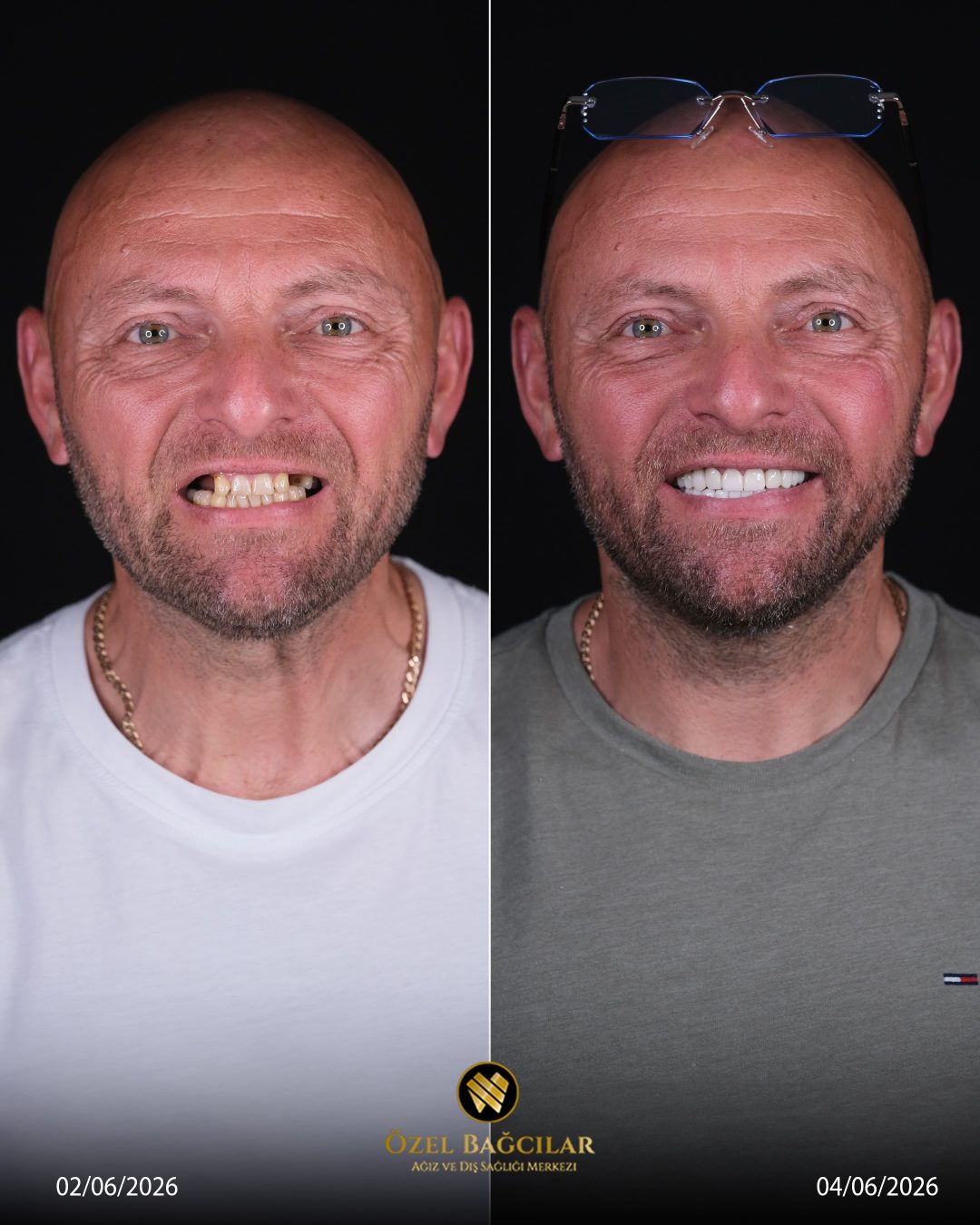
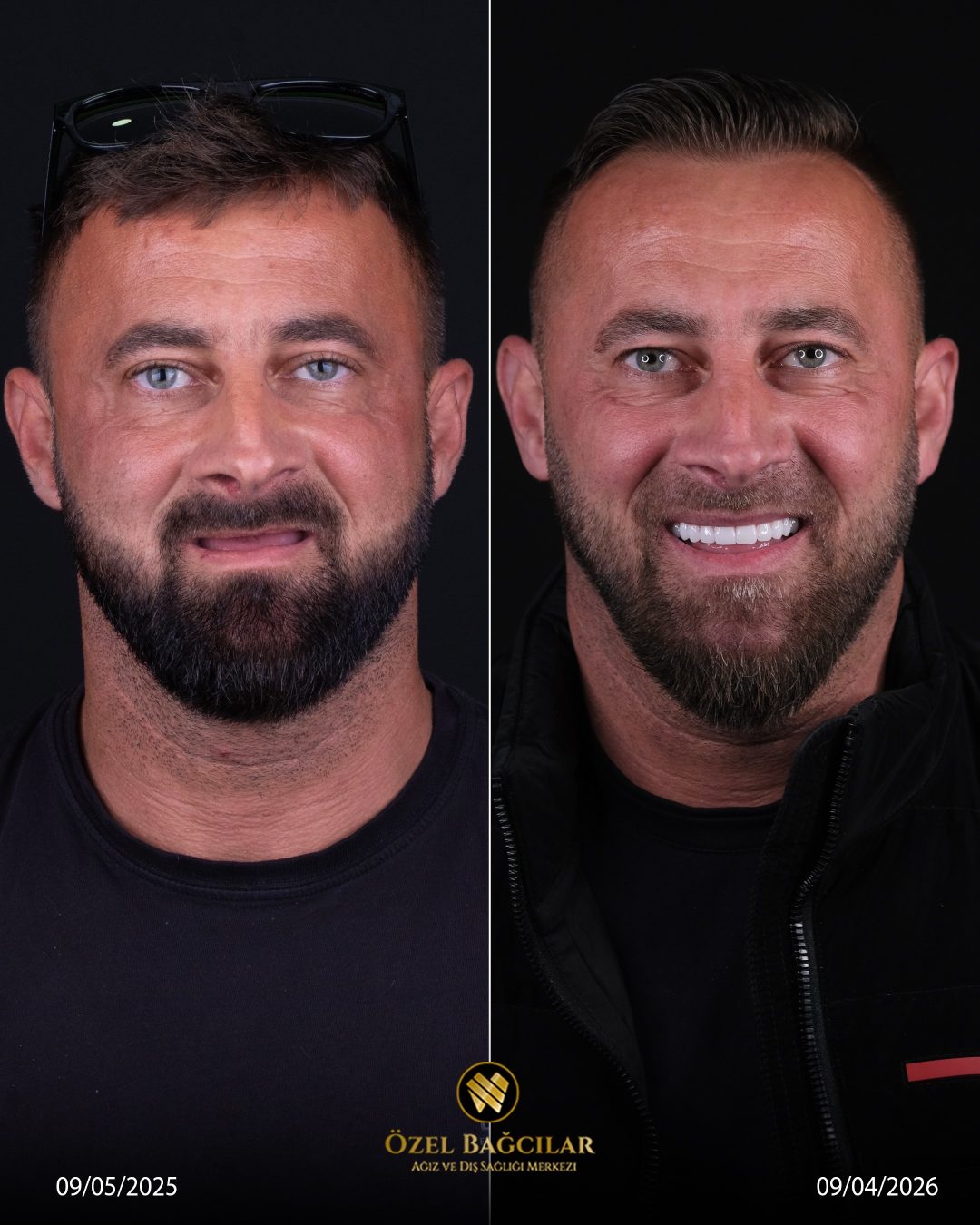

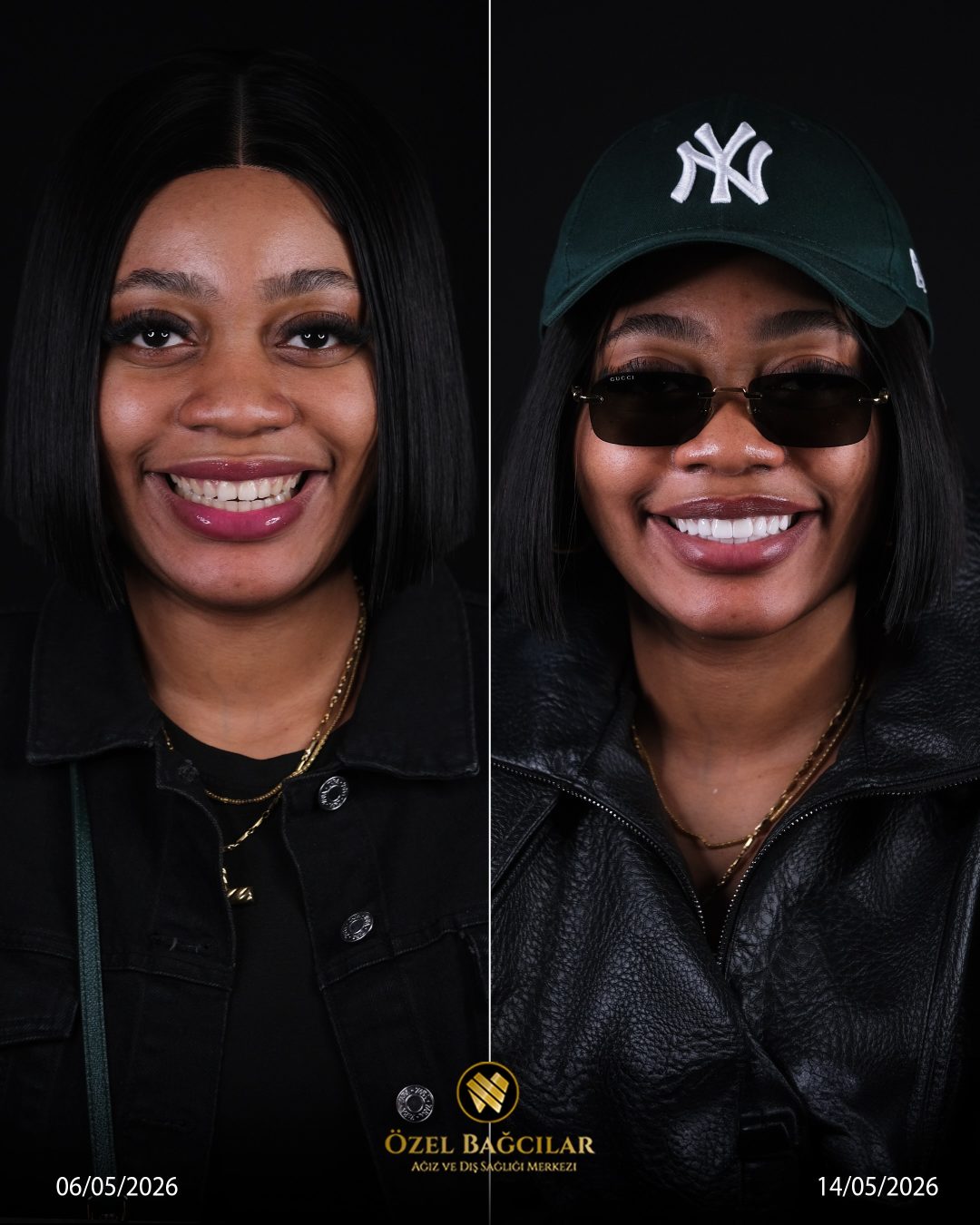


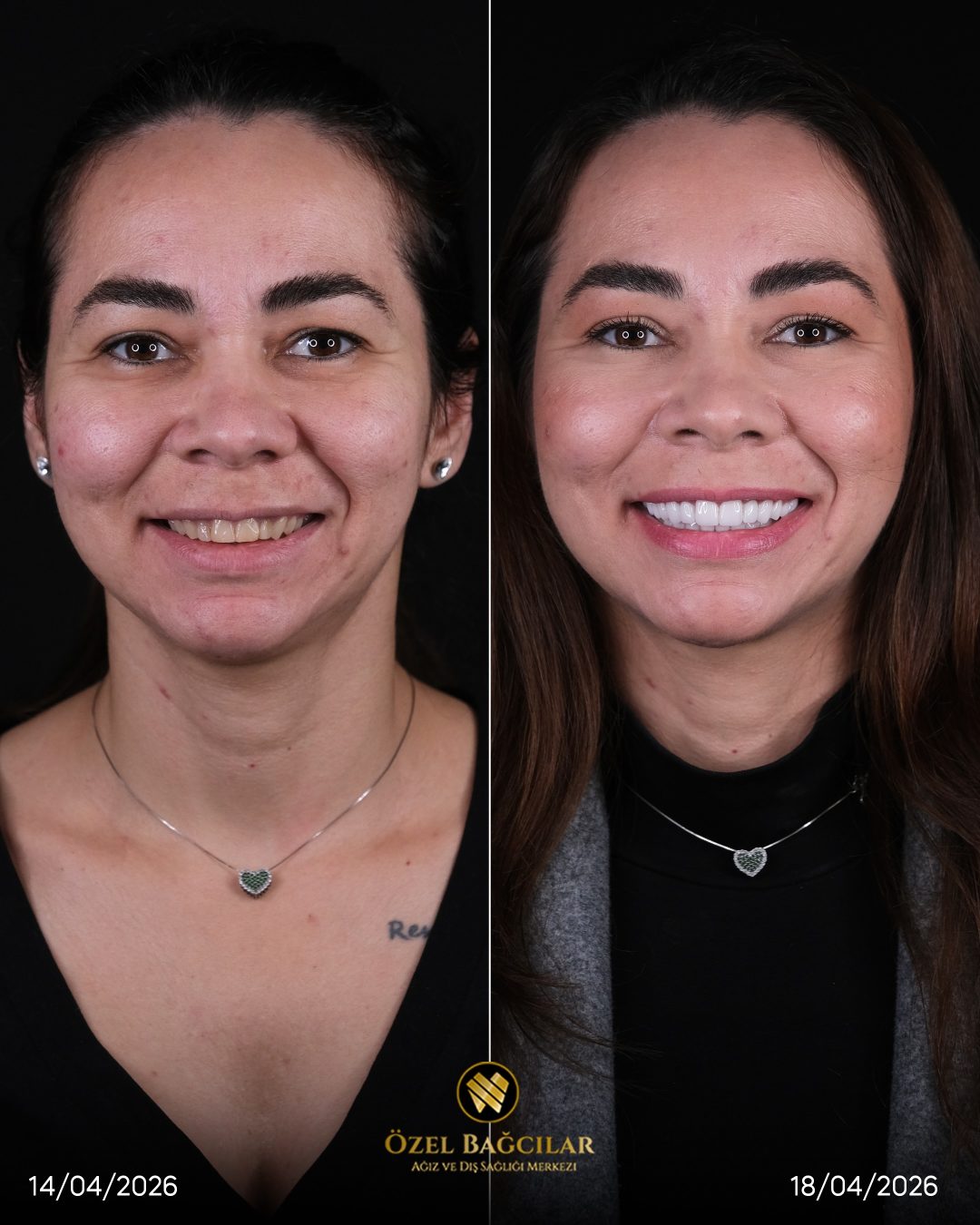

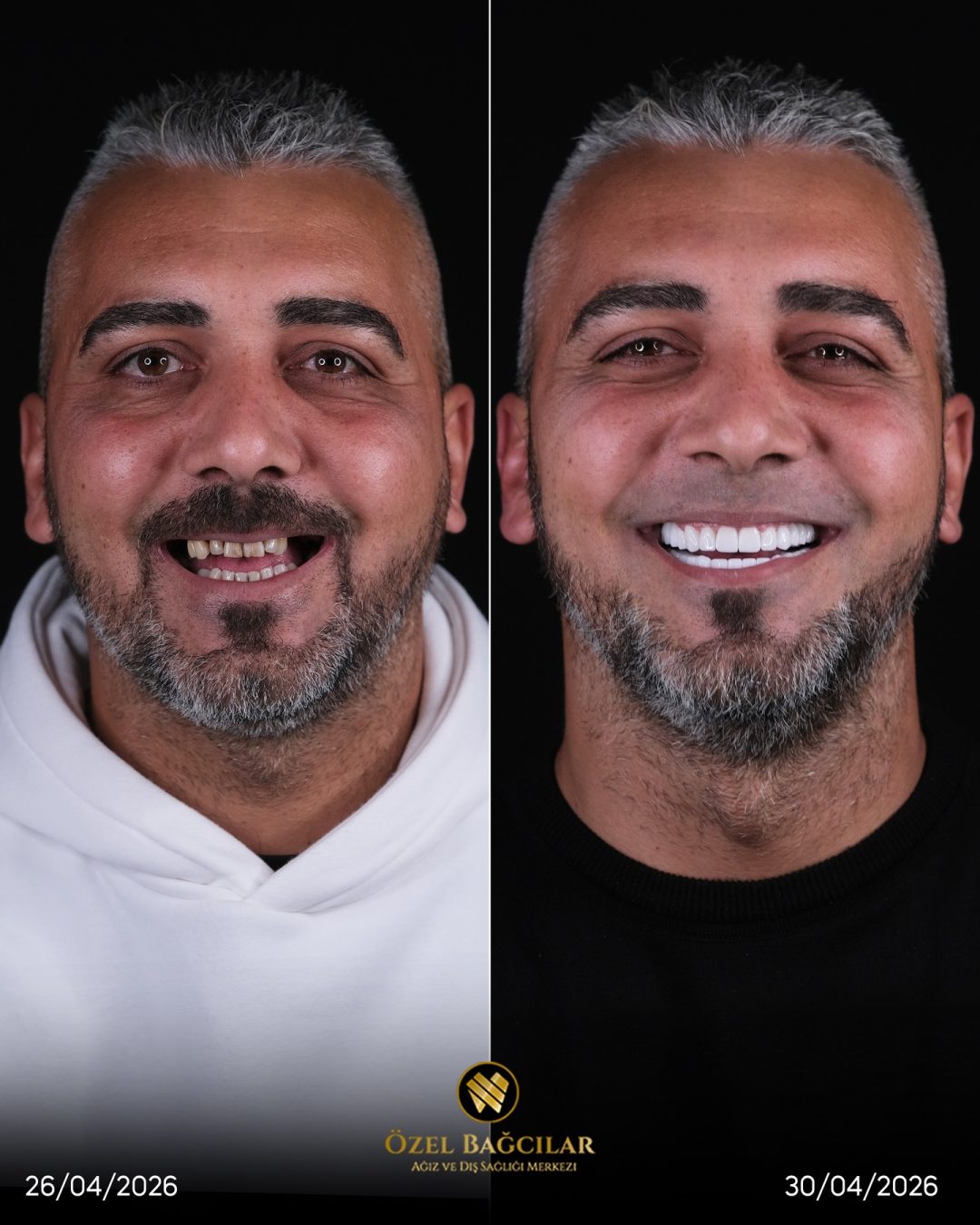
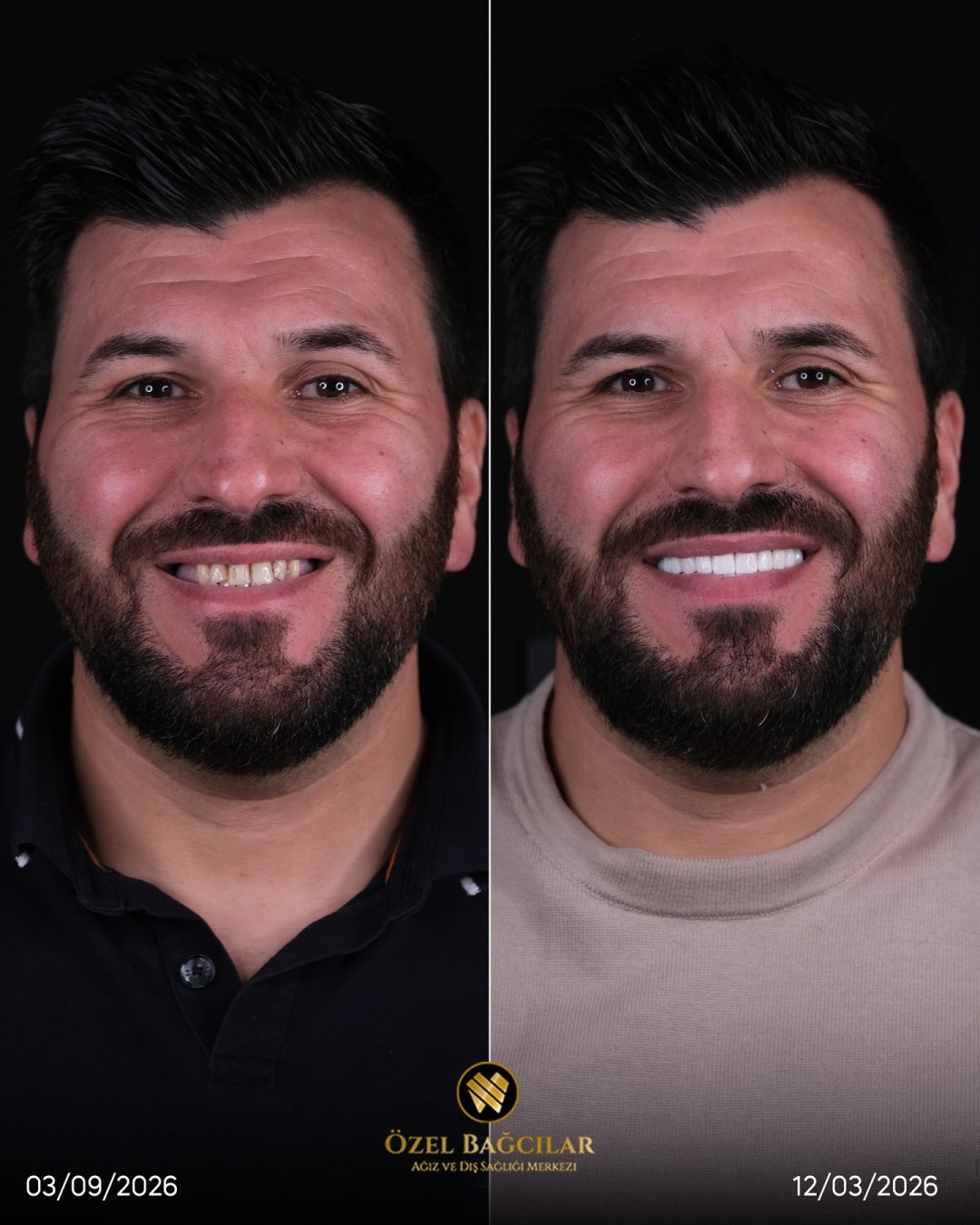
Why the Name Says So Little
Zirconium dioxide stabilised with yttrium is a family rather than a product, and the family members differ enough that grouping them under one word is genuinely misleading.
The first generation was extremely strong and extremely opaque — a dense white ceramic used as a substructure, with porcelain layered over it for anything that had to look like a tooth.
Later generations changed the crystal structure to admit more light. Each step gained translucency and lost some strength, and the most translucent versions now approach glass-ceramic in appearance while remaining considerably stronger.
So a crown described as zirconia might be an opaque high-strength molar crown or a translucent front-tooth restoration. Those are not the same product and they do not cost the same.
Which is why the first question about any zirconia quote is not what it costs but which generation, for which tooth, and why — the differences between the generations sets out what the answer should reference.
Monolithic Against Layered
The second axis, and the one that changes both the price and the failure mode. It is a construction difference rather than a material one.
A monolithic crown is milled from a single block of zirconia and finished by staining and polishing the surface. Nothing is layered onto it, so nothing can chip off it — the commonest failure of older zirconia crowns is eliminated by design.
A layered crown is a zirconia core with feldspathic porcelain built over it by hand. The appearance is better, particularly at the front, and the surface porcelain can fracture away from the core under load.
The cost difference is laboratory time. Milling is measured in hours and largely automated; hand layering is a skilled technician applying, firing and adjusting successive layers over a much longer period.
There is a middle option worth knowing about: a monolithic crown with a thin layer of porcelain applied only to the visible surface. It gives depth where it is seen and keeps monolithic strength where it is loaded.
What Each Combination Is For
Four practical combinations, and each has a position in the mouth where it is the right answer.
| Version | Made how | Where it belongs | Relative laboratory time |
|---|---|---|---|
| High-strength monolithic | Milled from an opaque block | Molars, long bridges, heavy bites | Lowest |
| Translucent monolithic | Milled from a translucent block | Premolars, some front teeth | Low |
| Facial-layered monolithic | Milled, with porcelain on the visible surface only | Front teeth needing depth | Moderate |
| Fully layered | Core milled, porcelain built by hand | Front teeth, maximum appearance | Highest |
| Implant crown | Any of the above, on a system abutment | Depends on position | Varies |
| Full-arch bridge | Milled monolithically as one piece | Implant-supported arches | High, by size |
Read the last column alongside the third. The cheapest version is the right answer for a molar and the wrong one for a central incisor, which is precisely why a single figure for "a zirconia crown" cannot be meaningful.
Where the Money Actually Goes
Raw material is a small part of what any ceramic crown costs. Understanding the rest explains the whole price range.
Design time. A digital design has to be built for each unit, and a technician designing a single crown to sit correctly against its neighbours and the opposing tooth is doing individual work rather than running a template.
Milling and sintering. The block is cut oversize, then fired at very high temperature, during which it shrinks by a predictable amount. That firing cycle is hours of furnace time per batch.
Finishing. Staining, characterisation and polishing determine whether the crown reads as a tooth. A crown finished in ten minutes and one finished in an hour are visibly different objects.
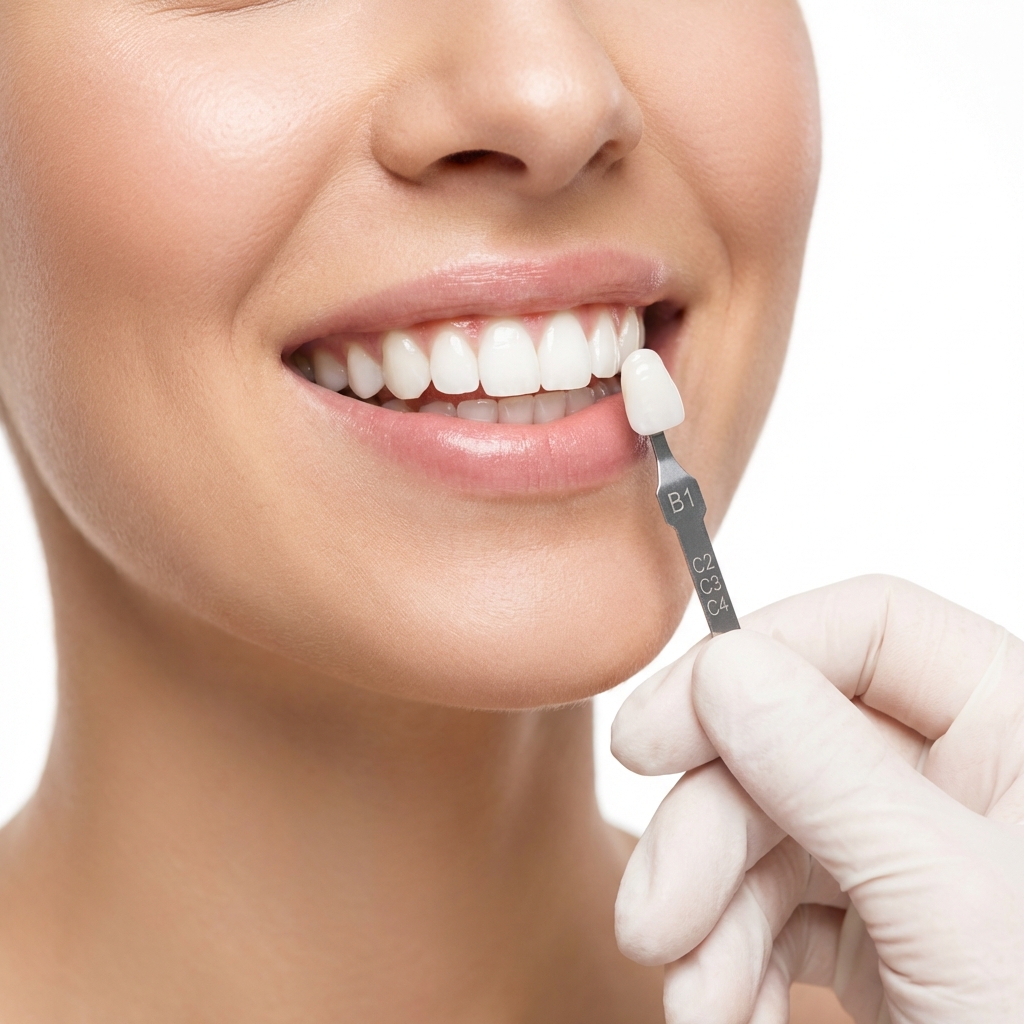
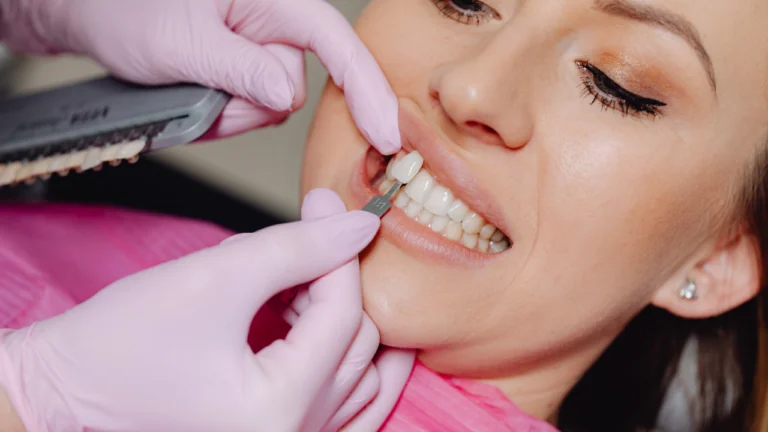
And shade. A technician seeing you in person and matching against your own teeth in daylight produces a different result from one working from a written shade code — which is what an in-house laboratory changes.
The Polishing Question
A technical point with a direct consequence for your other teeth, and it is almost never mentioned at the quoting stage.
Well-polished zirconia wears the opposing enamel no more than natural enamel does, and in some studies less. That is the answer to the old objection that zirconia is too hard.
Rough zirconia is abrasive. A crown adjusted chairside at the bite check and not repolished has an unglazed, roughened surface working against the opposing tooth every time you close.
Glazed zirconia has the same problem on a delay. The glaze wears through over time and exposes the surface beneath, which is why polishing rather than glazing is preferred for monolithic restorations.
So ask what happens if the crown is adjusted at fitting. Repolishing takes minutes, it is a clinical requirement rather than a courtesy, and a clinic that treats it as one is worth noticing.
It matters most against a natural opposing tooth. Where the crown bites against another restoration the question is smaller, and where it bites against enamel a rough surface is working on something irreplaceable.
Zirconia on Implants
A distinct case with its own considerations, and the reason zirconia dominates implant restorations.
An implant has no periodontal ligament. A natural tooth moves fractionally under load and its ligament absorbs shock; an implant is rigid in bone and transmits force directly.
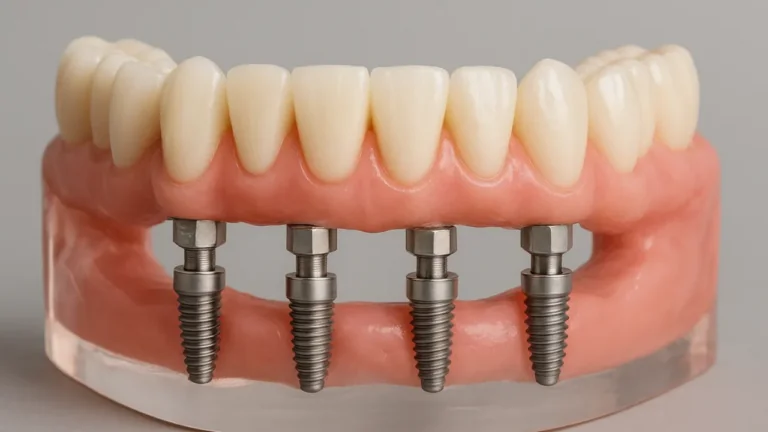
That raises the demand on whatever sits above it, which is why monolithic zirconia is the standard choice for implant crowns and full-arch bridges — it tolerates load without a layered surface to fracture.
The abutment underneath is priced separately and it matters more at the front. A custom abutment milled to your gum contour produces a better emergence profile than a stock one, and that is what makes a front implant crown invisible.
The crown may be screw-retained or cemented, which affects servicing rather than appearance — how those components are quoted sets out the lines a complete implant quote contains.
Screw-retained is generally preferred on implants for a practical reason. The crown can be unscrewed for servicing without being destroyed, which matters on a restoration meant to last decades and needing periodic professional cleaning underneath it.
Tooth Removal: The Conservation Argument
A genuine advantage of zirconia that is rarely put in the patient's terms, and it belongs in a cost discussion because it is the irreversible part.
Zirconia is strong in thin sections. A monolithic crown can be made considerably thinner than a layered restoration and still be reliable, which means less tooth has to be removed to make room for it.
On a molar that can mean noticeably less reduction of the biting surface. That is enamel kept rather than removed, and enamel does not grow back.
A layered restoration needs thickness for the core plus thickness for the porcelain over it, and that has to come from the tooth. Older layered zirconia crowns required substantial preparation for exactly this reason.
So the cheapest version is also frequently the most conservative one, which is an unusual alignment — the coverage question still applies to whether a crown is needed at all.
The Full-Arch Case
Where zirconia's properties matter most, and where the cost implications are largest.
A full-arch implant bridge milled from one piece of monolithic zirconia resists staining and wear far better than acrylic on a metal frame and holds its appearance for many years — fracture is uncommon but not unknown, usually at a cantilever or around a screw access channel. Against an acrylic bridge on a metal frame, that is a substantial long-term difference.
It is also rigid, transmitting load into the implants rather than absorbing any of it. That interacts with how many implants are carrying it, which is why the two decisions cannot be made separately.
Repair is the trade. An acrylic bridge can have a tooth replaced chairside; a zirconia one generally cannot, and damage means remaking a large and expensive piece of work.
Which is right depends on bone, bite and grinding — how the implant count is decided and the bridge material are the same conversation rather than two.
The cleaning requirement differs too. A zirconia arch sits slightly clear of the gum and that space is cleaned daily with specialised brushes or an irrigator — which is part of what a full-arch plan commits you to rather than an optional refinement.
How Long Zirconia Lasts
Very well, and the failure modes are worth knowing because they are almost entirely about the tooth rather than the ceramic.
Monolithic zirconia rarely fractures. When a monolithic crown is replaced, it is usually intact and the reason is decay at the margin or a fracture in the tooth underneath.
Layered zirconia has the additional mode: the surface porcelain chipping away from the core. That is not repairable in place and it is the reason monolithic has largely replaced layered at the back.
Neither wears meaningfully. Unlike acrylic or composite, the surface does not abrade away over years, and unlike glass-ceramic it does not fracture under moderate overload.
So the maintenance question is entirely about the margin and the gum. Daily cleaning between the teeth and the hygiene interval you are given determine how long the tooth beneath the crown lasts, which is what actually decides the outcome.
Where the crown sits on an implant, the equivalent question is the gum around it rather than decay. Inflammation and bone loss around a fixture is what ends implant restorations, and no ceramic property affects it.
The Questions That Price a Zirconia Quote
Five, all answerable immediately by a clinic that has made the choice deliberately, and vagueness in the answer is itself the finding.
- Which generation of zirconia, and why that one for this tooth?
- Monolithic, facially layered, or fully layered?
- Milled in-house or sent to an external laboratory?
- Will the technician see me in person for shade?
- If the crown is adjusted at fitting, will it be repolished?
The second question separates the widest range of prices. A milled monolithic crown and a hand-layered one are hours apart in laboratory time, and both are honestly described as zirconia.
The fourth is the one that changes front-tooth results most. Shade taken from a written code and shade taken by a technician looking at your teeth are different processes with different outcomes.
None of these are difficult or confrontational questions. They are the ordinary specification of a manufactured item, and a clinic should be able to answer them the way a joiner can describe a door.
When Zirconia Is the Wrong Choice
It is the default for a great deal of restorative work and it is not universal, and the exceptions are specific.
A thin bonded veneer on a front tooth is a glass-ceramic case. Lithium disilicate etches and bonds chemically to enamel in a way zirconia does not, and that bond is what makes minimal-preparation veneers possible at all.
Where the highest aesthetic standard is required on a single front tooth beside a natural neighbour, a hand-layered glass-ceramic restoration remains the reference — the difference is small and it is visible to the patient.
Where a tooth needs only a partial restoration rather than full coverage, choosing zirconia frequently means choosing a crown when an onlay would have done — and that is a tooth-removal decision rather than a material one.
And gold remains better on a lower molar in a heavy bite by several measures, including how kindly it treats the opposing tooth. It is chosen against for appearance rather than for performance.
The same applies where the whole plan is aesthetic rather than structural. A designed smile frequently needs fewer crowns than expected once alignment and whitening have been considered, and the material question only arises for the teeth that genuinely need restoring.
Comparing Two Zirconia Quotes
The practical exercise, and it usually resolves what looked like an inexplicable difference.
Establish the generation and the construction for each, tooth by tooth. Two quotes describing monolithic and fully layered restorations are describing different objects and the figures are not comparable until that is settled.
Then establish where each is made and whether the technician sees the patient. That accounts for much of the remaining difference and it affects the front teeth far more than the back ones.
Then look for the lines that are not about the crown at all — build-ups, posts, root treatment, gum treatment. Those are findings, and a quote given without an examination has not accounted for them.
What remains after that is a real difference, and it is usually smaller than the headline gap suggested — the wider crown cost breakdown sets out the non-material lines in full.
Ask the same questions of both clinics rather than presenting one with the other's quote. Two independent specifications for the same teeth are informative; a critique of someone else's proposal is not.
Why Zirconia Quotes From Türkiye Vary So Widely
Zirconia is the material most associated with Turkish dentistry and the one most loosely described in Turkish quotes. Two clinics in İstanbul can both write "zirconium crown" on a plan and mean genuinely different objects: different generations of the material, monolithic or layered, milled in-house or bought in as a finished unit from a volume laboratory, hand-characterised or straight from the sintering furnace. The word on the quote is the same. What arrives in your mouth is not.
This is not a criticism of the country's laboratories, several of which are excellent and export across Europe. It is a criticism of quoting by material name. The useful question is not "is it zirconia" but which generation, whether the layer that gives it translucency is pressed ceramic over a core or part of a multi-layered disc, and who made it. A clinic that can answer those three questions without checking is a clinic that chose the material rather than accepted whatever the laboratory sent.
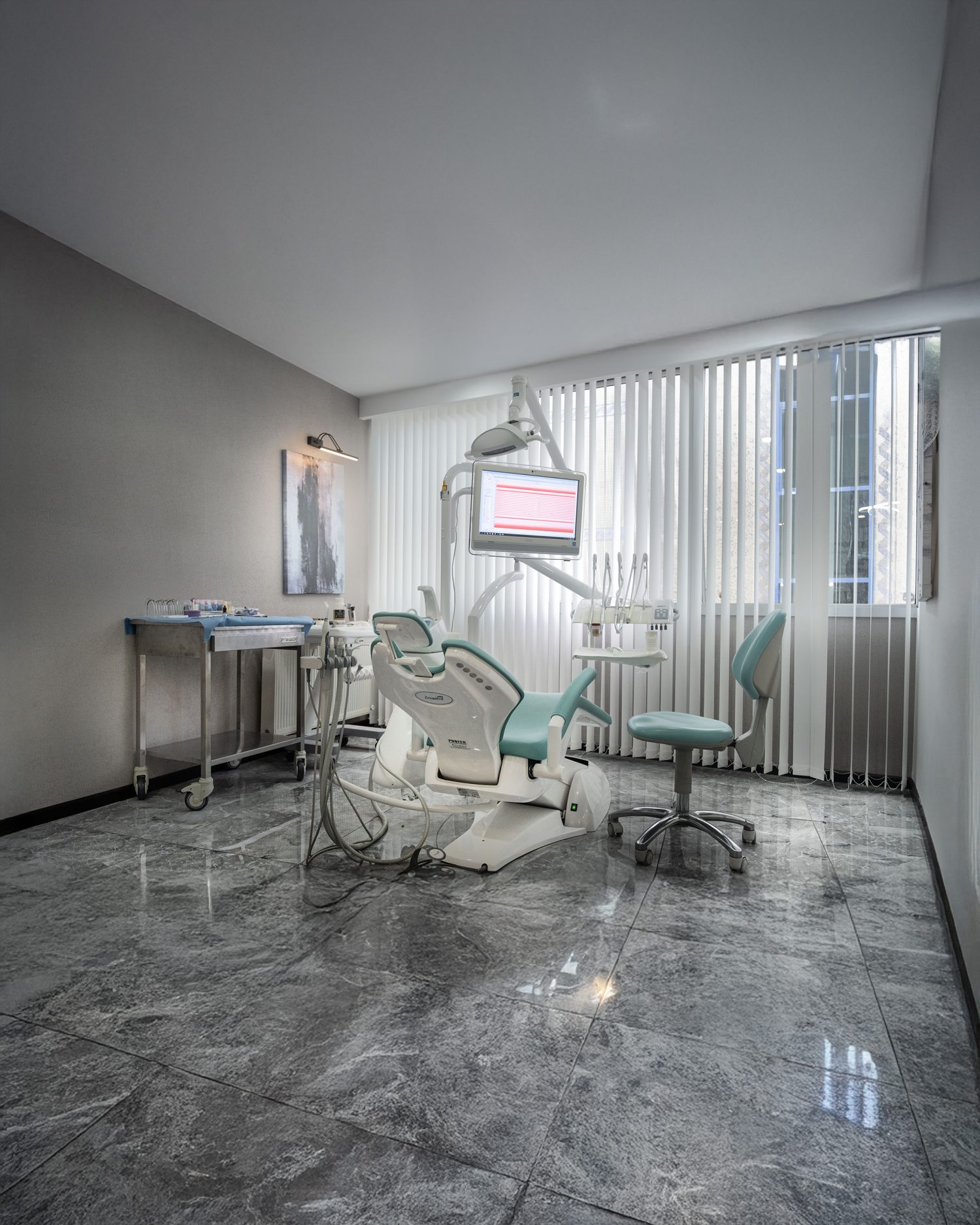
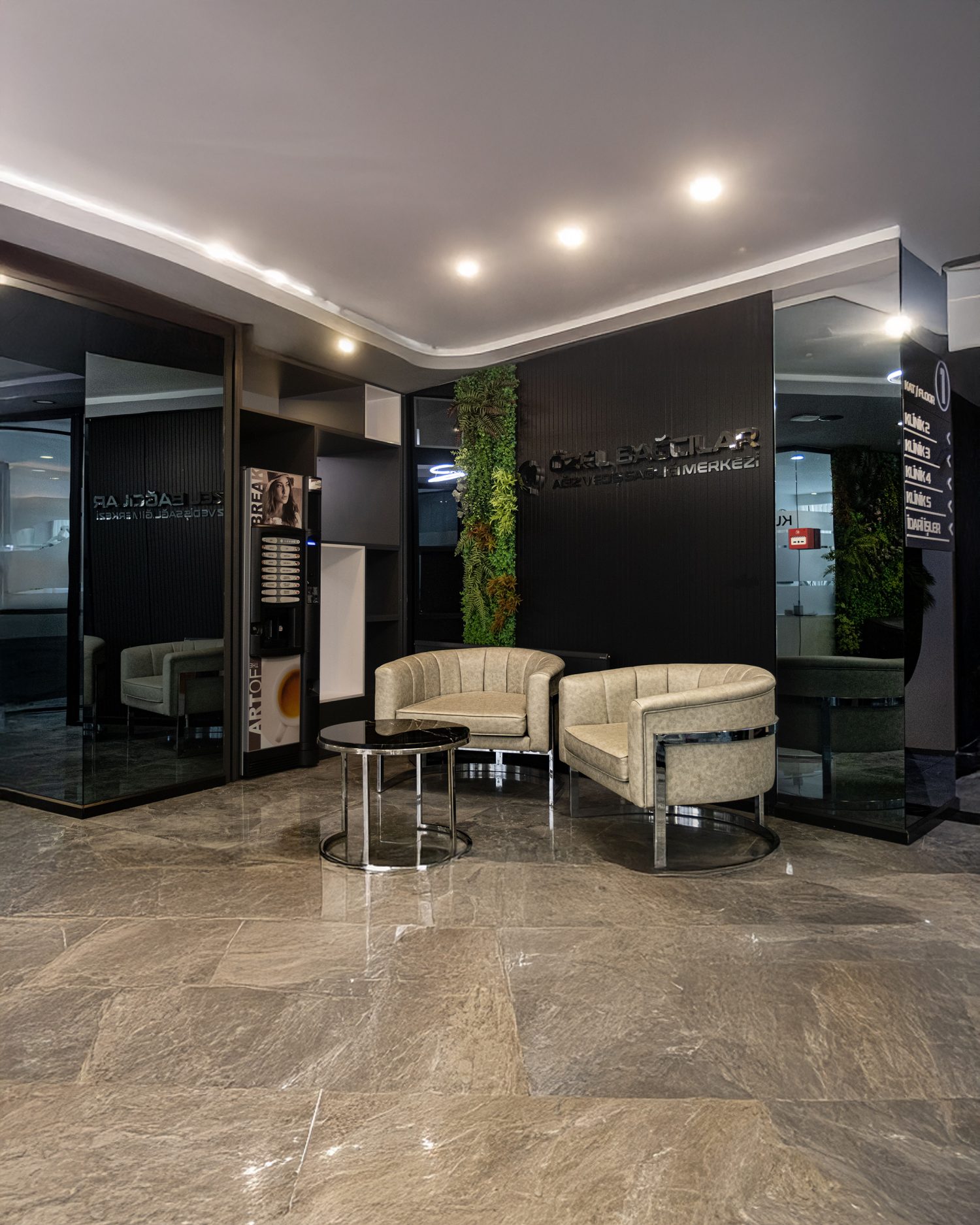
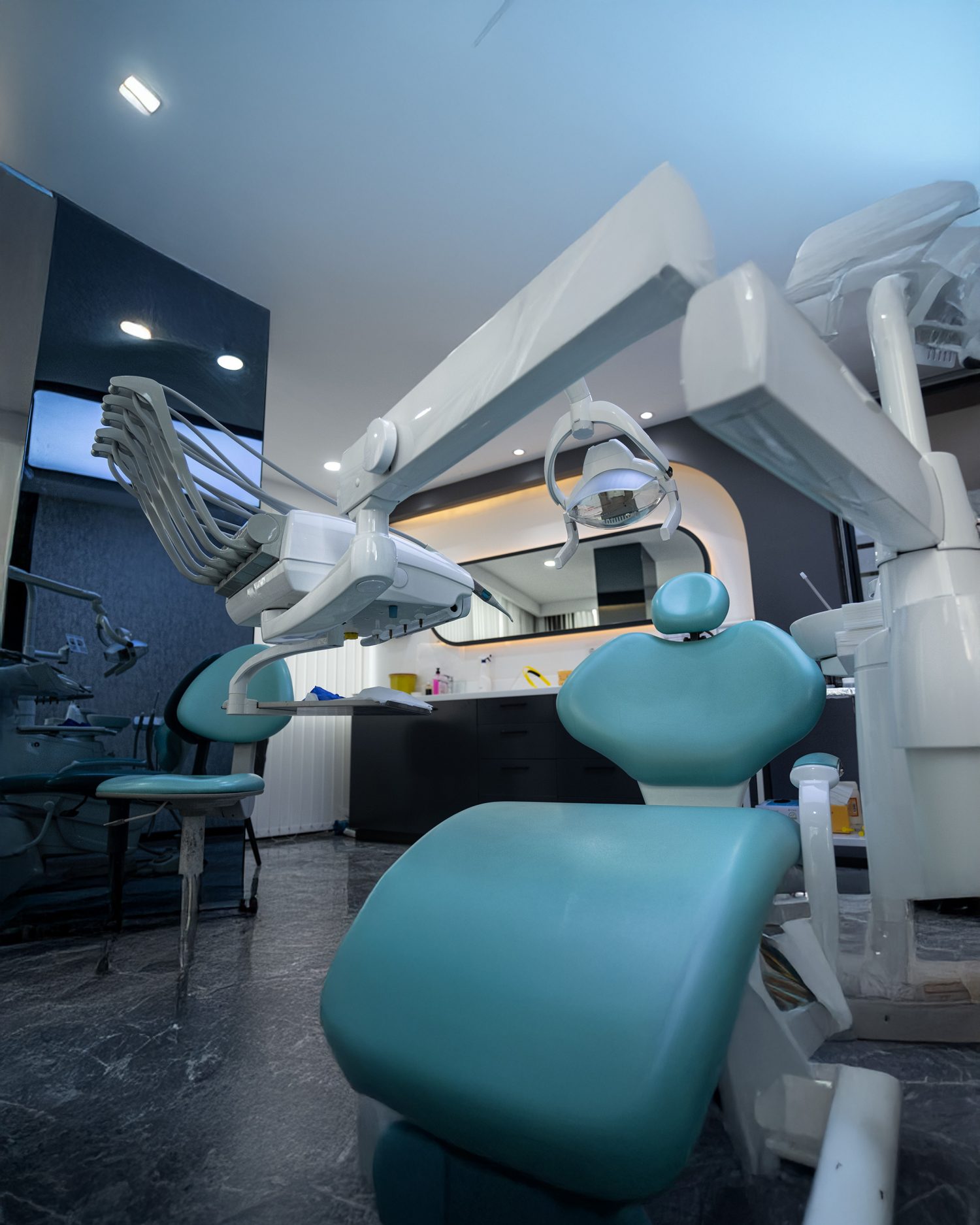
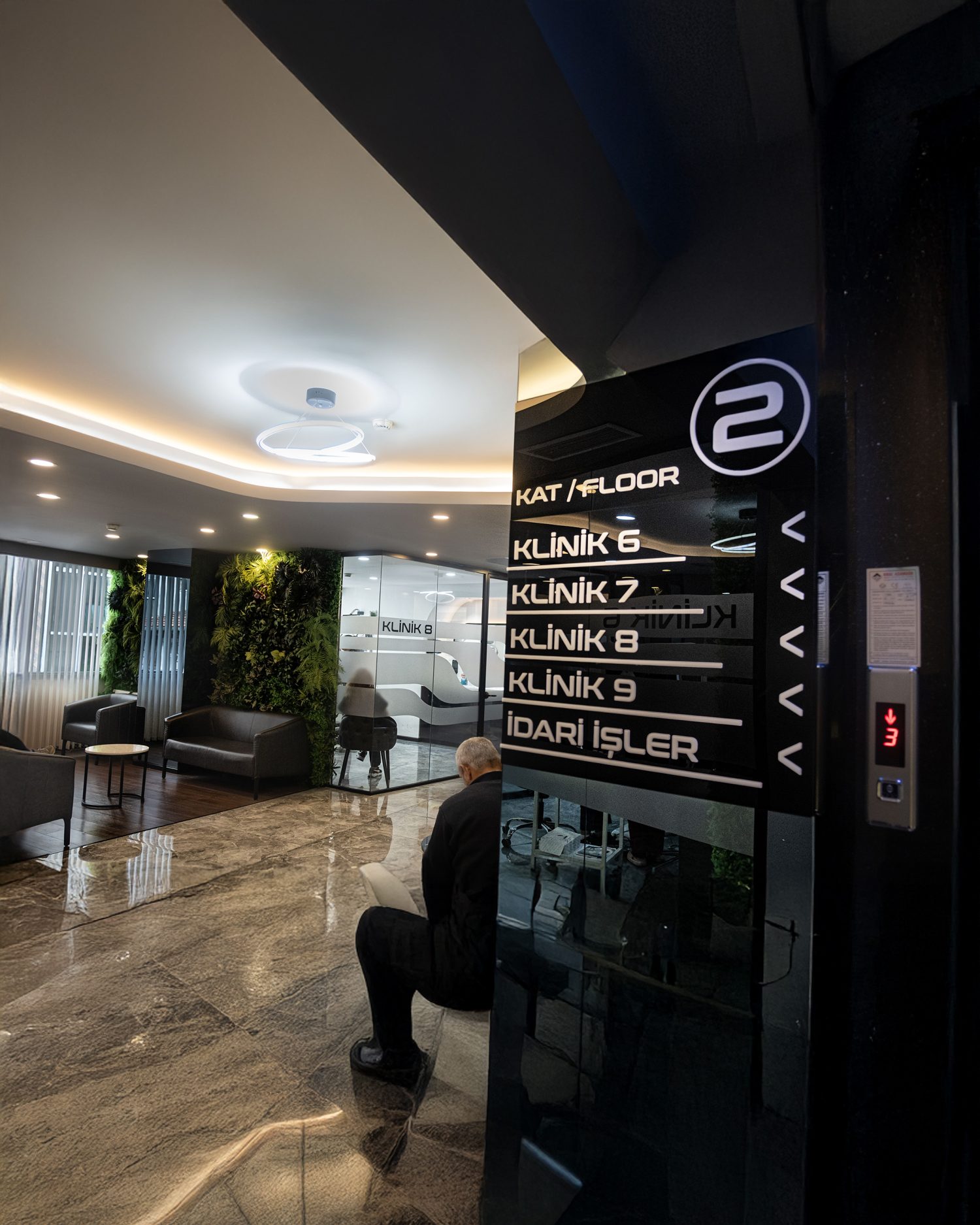
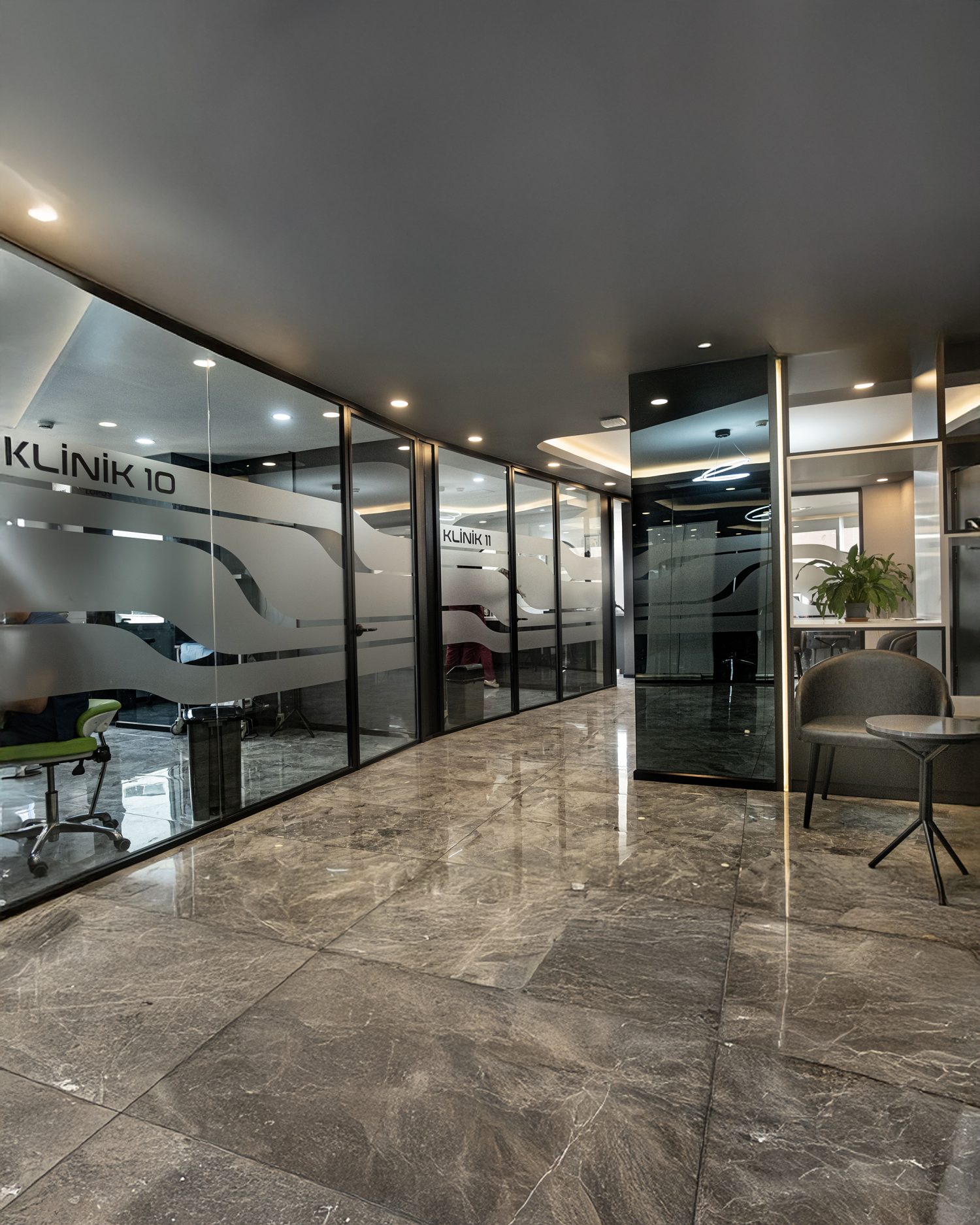
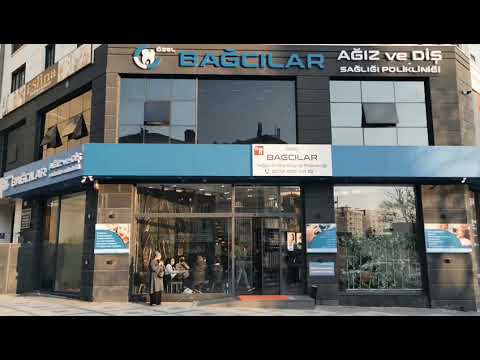
Our laboratory is in the building in Bağcılar, which changes two things you can actually observe. The technician sees your face rather than a shade tab photographed under a different light, and a crown that is not right at try-in is remade in the same trip rather than fitted because your flight is on Friday. Where zirconia beats lithium disilicate and where it does not is a separate question worth settling before the quote, because on front teeth the answer is often not zirconia at all.
Whatever is chosen, it is written into the plan by name and generation, and it carries our lifetime guarantee on materials and workmanship.
If you are comparing this against a quote from home, the like-for-like comparison is usually easier than it looks once the material is named. How UK and Turkish figures are built differently sets out what each includes, and the full guide to zirconia grades covers the material question the quote is really about.
How We Specify Zirconia
By position and by bite, named in writing, with the reason beside it. A plan here commonly specifies different versions for different teeth in the same mouth.
High-strength monolithic for molars and for bridges spanning any meaningful distance, because load and reliability dominate there and appearance does not.
A translucent generation for premolars, which show in a wide smile and still carry real load, with the choice made from the bite assessment rather than by default.
Facially layered or glass-ceramic for front teeth depending on what is underneath — a discoloured or post-restored tooth needs opacity that a translucent material cannot provide.
Everything is milled and finished in the building, with the technician available to see you for shade, and everything placed carries a lifetime guarantee on materials and workmanship — with the exclusions stated plainly.
Where a tooth is sound and unrestored we say so before any material is discussed, because whether a crown is needed at all is a larger question than which ceramic it should be made from.
That order matters. A perfectly specified crown on a tooth that did not need one is still the wrong treatment, and the material discussion tends to obscure it.