Google Reviews 4.6/5 1.682+ Happy Patients 30+ Countries

Receding Gums — Why It Happens and How It Is Treated

✦ Common Problems

Receding Gums — Why It Happens and How It Is Treated

Why gums recede, how to tell if it is still progressing, and the realistic treatment options from desensitising to grafting.

12+ Years of Experience
1682+ Happy Patients
25 Specialist Physicians
99% Success Rate
Lifetime Guarantee
Bağcılar Dental Clinic

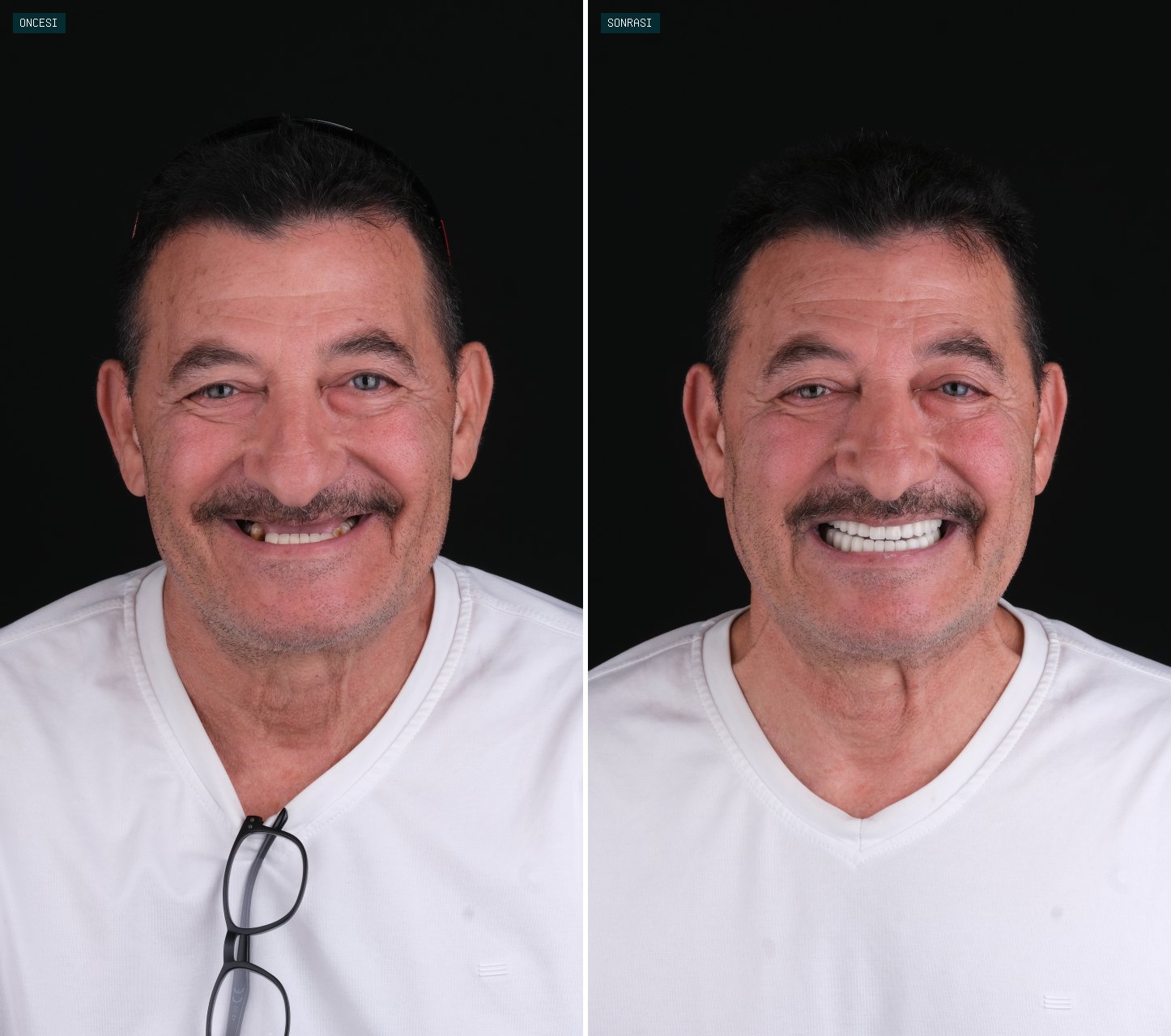
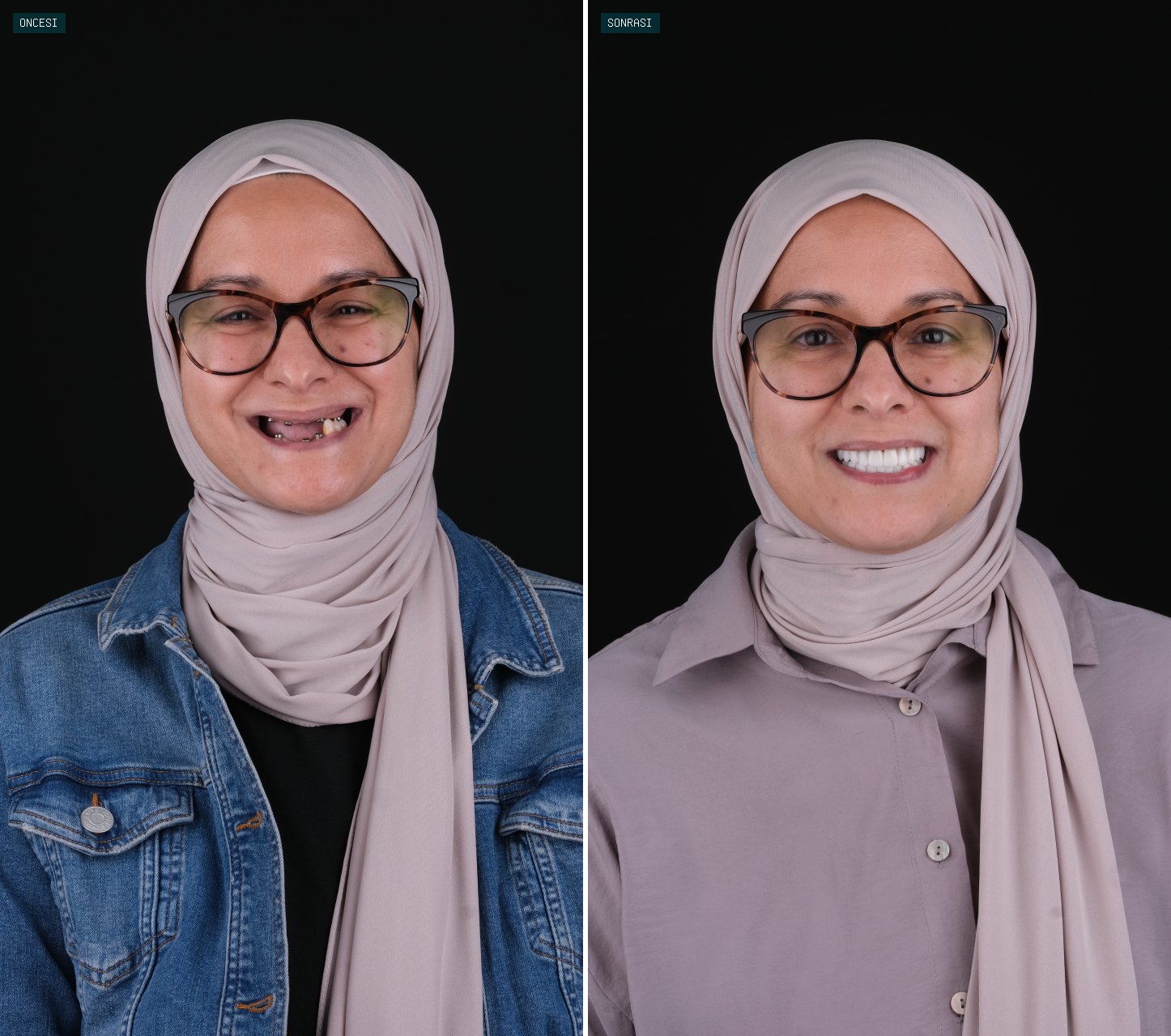
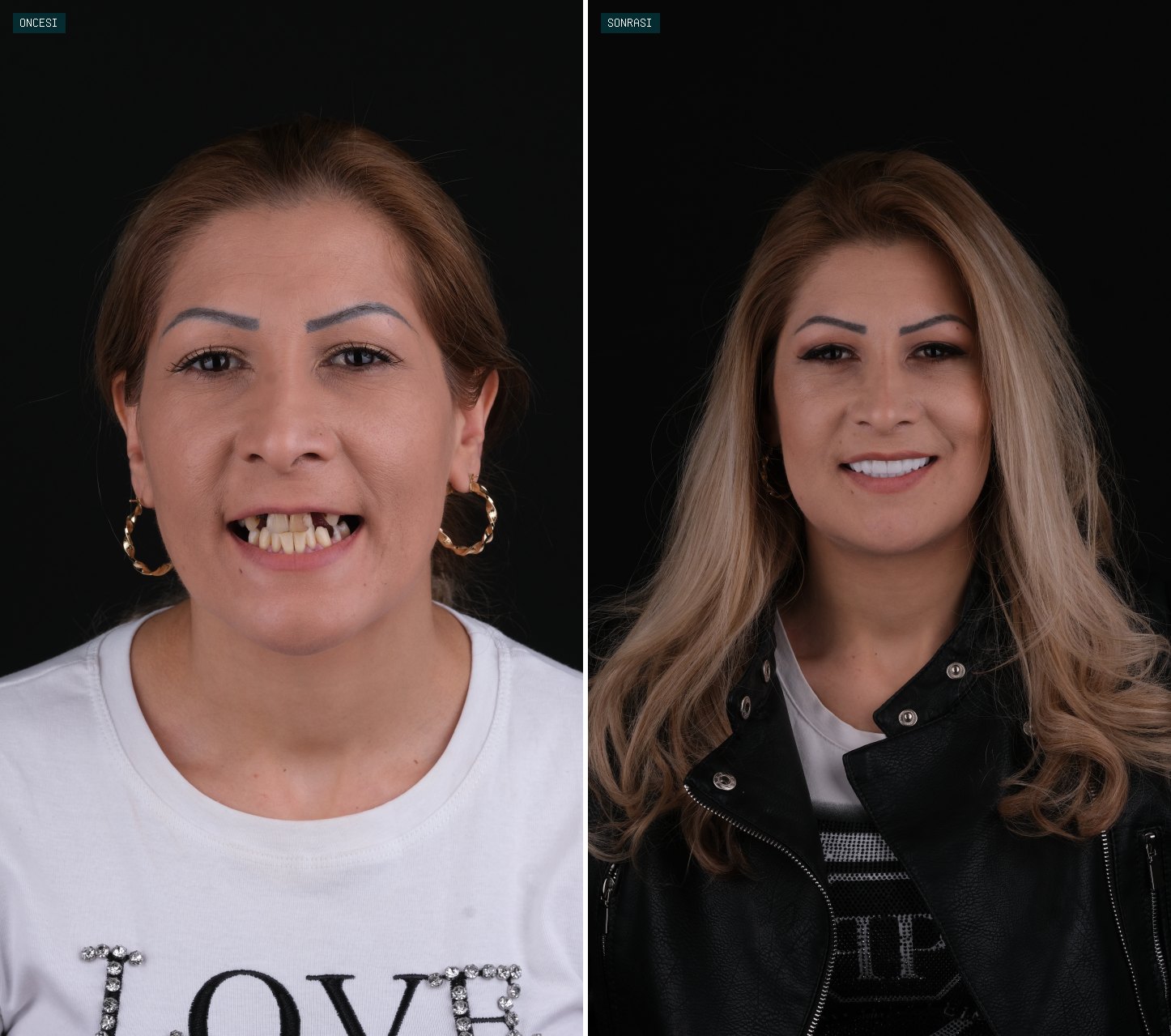
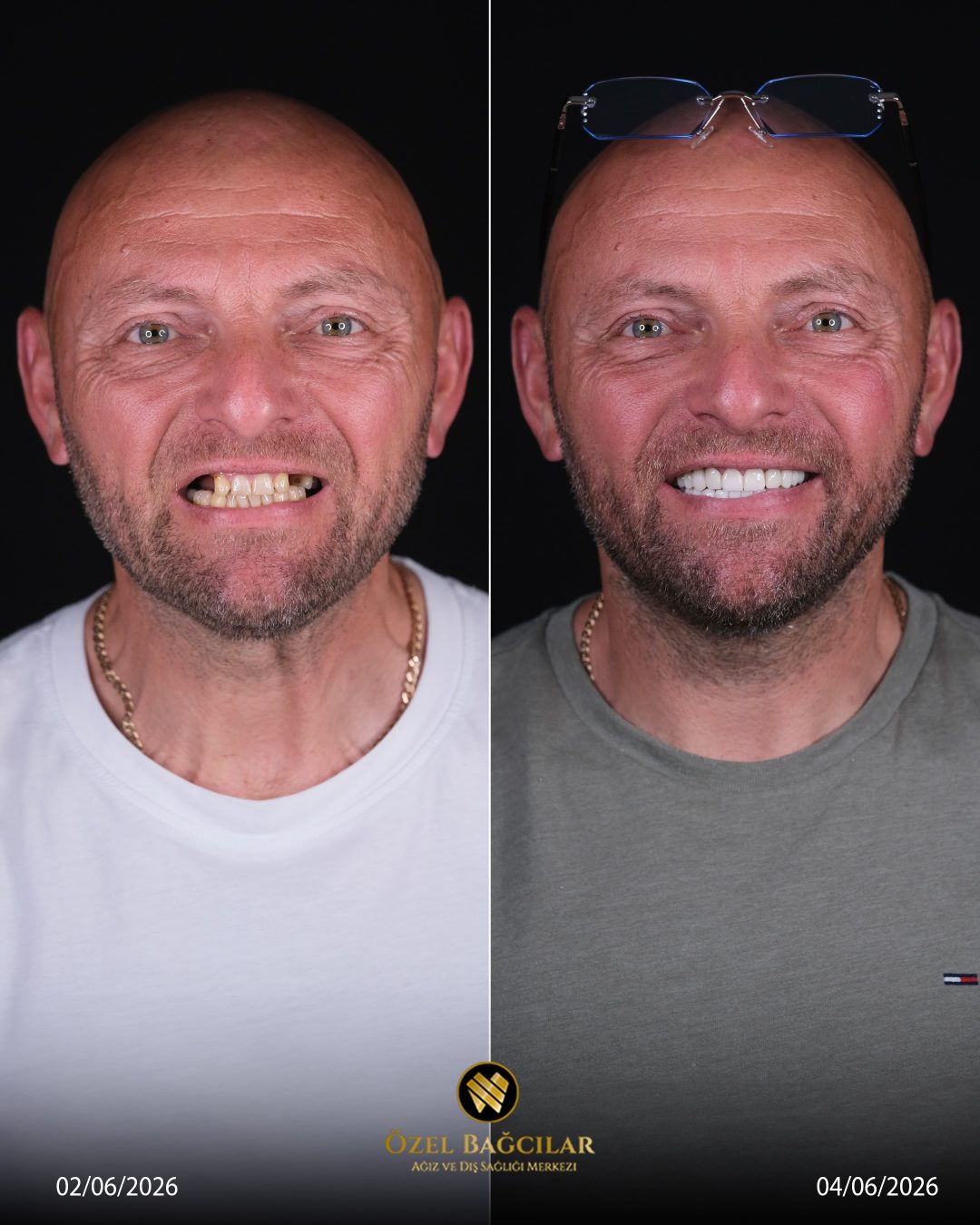
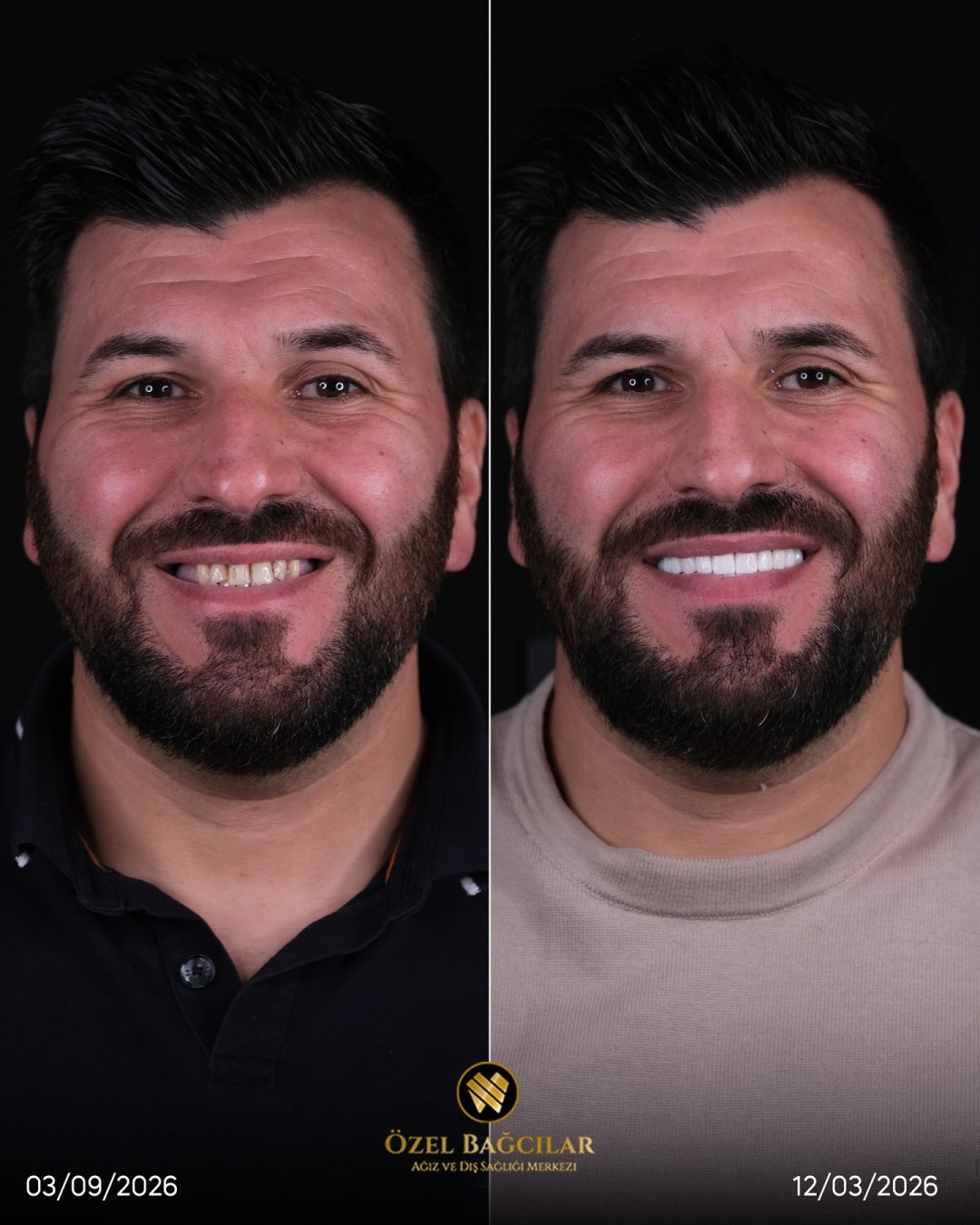
Before & After

Bağcılar Diş öncesi sonrası

Gum recession is the gum edge moving away from the crown of the tooth, exposing part of the root. It is extremely common, it is usually gradual enough that people notice it from a photograph rather than in the mirror, and — this is the part that matters — the gum tissue does not grow back on its own.

That makes the first question more important than any treatment: is it still getting worse? Stable recession that has not changed in five years is a different problem from recession that is advancing, and they warrant different responses. Stopping the cause comes before covering the damage in every single case.

This page explains what causes recession, how progression is measured, when treatment is genuinely needed, and what the surgical and non-surgical options actually involve. It also covers the two situations patients ask about most: sensitivity, and recession that appears around existing crowns or implants.

What Recession Actually Is

The visible part of a tooth is covered in enamel, which is hard, smooth and insensitive. Below the gum line the root is covered by a thin layer of cementum that wears away readily. Beneath it lies dentine, whose microscopic tubules connect to the nerve. Recession exposes that surface to the mouth.

This explains almost every symptom people report. The exposed root is sensitive because the dentinal tubules transmit temperature changes to the nerve. It stains more readily because it is rougher than enamel. It decays faster because it demineralises at a higher pH — that is, it needs less acid than enamel to start dissolving. And it looks darker, because dentine is naturally more yellow.

The gum itself is not simply sliding downwards. What is actually happening in most cases is that the thin plate of bone covering the root has been lost, and the gum has followed it — gum tissue needs bone underneath to sit on. This is why treatment aimed only at the visible gum, without addressing why the bone went, rarely holds.

It is also why recession is measured rather than eyeballed. A dentist records the distance from a fixed landmark to the gum edge at several points on each tooth. Repeating that measurement six months later is the only reliable way to know whether the problem is active or historic.

The Causes That Pull in Opposite Directions

Recession has two main causes and they require opposite corrections, which is why generic advice so often fails. Doing the wrong one makes it worse.

Periodontal disease is inflammation caused by plaque left at the gum margin. The body's response to that bacterial film destroys the attachment and the bone beneath it. Here the problem is too little effective cleaning, and the correction is more thorough hygiene plus professional removal of hardened deposits.

Mechanical abrasion is physical wear from brushing too hard, with too stiff a brush, or in a scrubbing motion. Here the problem is too much force, and the correction is a soft brush, lighter pressure and a different technique. Telling this patient to brush more thoroughly makes the recession advance faster.

The two look similar at the gum edge and are distinguished by context. Abrasion-driven recession is typically on the outer surfaces, often worse on the side opposite the dominant hand, with clean teeth and healthy pink tissue. Disease-driven recession comes with bleeding, deposits, and gaps that measure deep when probed.

The Other Contributors

Beyond the two main causes, several factors either accelerate recession or make a person more vulnerable to it.

  • Thin biotype. Some people simply have thin gum tissue and a thin plate of bone over the roots. It is inherited, it cannot be changed, and it means recession happens more readily from the same amount of insult.
  • Tooth position. A tooth sitting outside the arch has less bone covering its root by definition. This is why crowding and malposition frequently show recession on the most prominent tooth.
  • Grinding and clenching. Heavy lateral forces flex the tooth at the neck and are strongly associated with both recession and the wedge-shaped notches often seen alongside it. Managing the habit is part of managing the recession.
  • Smoking. Reduces blood supply to the gum, masks bleeding so disease progresses unnoticed, and measurably worsens the outcome of any surgical correction.
  • Piercings. Lip and tongue jewellery rubbing against the gum produces localised recession that is often severe and confined to one or two teeth.

Orthodontic treatment appears on many lists and deserves a more careful statement: moving teeth within the bone does not cause recession, but moving them beyond the bony envelope can. That is a planning question rather than an argument against alignment.

How to Tell If It Is Progressing

This is the single most useful thing to establish, and it cannot be judged from how bad the recession looks. Severe stable recession may need nothing; mild active recession needs intervention now.

  1. Measurement over time. Recorded depths and gum levels compared at six-month intervals. This is the definitive answer and everything else is a proxy for it.
  2. Bleeding on probing. Healthy gums do not bleed when gently probed. Bleeding indicates active inflammation, which means active disease.
  3. Photographs. Comparing an old photograph with a current one is crude but genuinely informative over a span of years.
  4. New sensitivity. Root surfaces that have been exposed for years often desensitise naturally. Sensitivity that is new or increasing suggests fresh exposure.

If the answer is that recession is active, the plan starts with stopping it. Grafting an area where disease is still progressing wastes the graft, and any reputable clinic will decline to do it until the tissue is stable.

Why It Matters Beyond Appearance

Many patients present because of how it looks — teeth appearing longer, dark triangles opening between them. Those are real concerns. There are three others that matter clinically.

Root decay. An exposed root surface demineralises at a higher pH than enamel — it needs less acid to start decaying — and it decays faster than enamel and is harder to restore because the margin sits at or below the gum. Root caries in older adults is a common reason for losing teeth that had otherwise survived a lifetime.

Reduced support. Where recession reflects bone loss, the tooth has less anchorage. Advanced cases show mobility, and teeth can drift — which is one route to gaps opening between front teeth in an adult who never had them.

Restorative complications. Any future crown, veneer or bridge has to have its margin placed somewhere, and a receding gum line moves the goalposts. Restorations made against a gum edge that later recedes end up with a visible line, which is a common reason otherwise sound crowns are remade.

Managing Sensitivity

For most patients this is the symptom that prompts the appointment, and it is usually treatable without any surgery at all.

Desensitising toothpastes work in two ways: potassium salts calm the nerve response, and stannous fluoride or arginine formulations physically occlude the open channels in the root surface. They need consistent use over weeks rather than days, and rubbing a small amount directly onto the sensitive area before bed works better than brushing alone.

In the clinic, fluoride varnish, resin sealers and desensitising agents applied directly to the exposed root give faster relief and can be repeated. Where a wedge-shaped notch has formed at the neck of the tooth, filling it with composite both seals the surface and restores the shape.

Two habits sabotage all of this. Brushing immediately after acidic food or drink removes the softened surface layer along with the treatment. And whitening over exposed roots increases sensitivity substantially and lightens them less predictably than enamel — a point covered in what whitening can and cannot do.

Non-Surgical Treatment

Where recession is driven by disease, the first phase is always non-surgical and it resolves a large proportion of cases without anything further.

Professional debridement removes plaque and hardened tartar from above and below the gum line, including root surfaces inside the pockets. This is more involved than a routine scale and polish and is often done under local anaesthetic across two or more appointments.

Alongside it, technique correction. For abrasion cases this means a soft brush, pen grip rather than fist grip, and small circular movements at the gum margin instead of horizontal scrubbing. Electric brushes with pressure sensors help precisely because they remove the temptation to push.

Re-assessment follows six to eight weeks later, measuring the same points. Tissue that has responded will show reduced bleeding and shallower pockets. That result determines everything afterwards: stable tissue can be maintained, monitored and, if the patient wishes, grafted. Unstable tissue needs further periodontal treatment first.

Gum Grafting

Grafting covers exposed root surface with new tissue. It is the only method that genuinely restores gum coverage, and it is appropriate when recession has been stabilised but the exposure is causing persistent sensitivity, decay risk or unacceptable appearance.

A connective tissue graft takes a small amount of tissue from the palate and places it under the gum at the recession site. It is the most predictable technique and the most widely used. The palate donor site is uncomfortable for about a week and heals fully.

A free gingival graft takes surface tissue from the palate instead. It is used primarily to thicken tissue rather than to cover roots, and the colour match is less good. Donor-free alternatives using processed tissue matrices avoid the palate entirely, with slightly less predictable coverage.

Realistic expectations matter. Complete root coverage is achievable in favourable cases — shallow recession with intact bone between the teeth. Where bone between the teeth has already been lost, partial coverage is the honest goal, and any clinic promising complete coverage in that situation is overpromising.

Tunnel and Pinhole Techniques

Newer approaches avoid cutting and lifting a flap. Instead the gum is released through a small opening and repositioned over the exposed root, sometimes with graft material threaded underneath.

The advantages are genuine: less discomfort, faster healing, no sutures across the visible gum, and several adjacent teeth treatable in one session. For a patient travelling for treatment, the shorter recovery is a practical benefit.

The limitations are equally real. These techniques suit recession where the gum is reasonably thick and the recession is not extreme. Thin tissue tears, and deep recession with lost bone between teeth does not respond to repositioning alone. Long-term evidence is shorter than for connective tissue grafting, which has decades behind it.

The right question to ask is not which technique is newest but which suits your tissue. A clinic that offers only one method will recommend that method; one that offers several should be able to explain why yours was chosen.

When Restoration Is the Better Answer

Not every exposed root needs a graft. Where the concern is sensitivity or a notch at the neck of the tooth rather than appearance, restorative treatment is simpler, cheaper and often sufficient.

Composite placed into a wedge-shaped defect seals the dentine, stops the notch deepening and restores contour. It is the same material used to close small gaps and to repair chipped edges. It does not recreate gum, so the tooth still looks longer — but for a back tooth nobody sees, that is rarely the point.

Where recession has exposed the margin of an existing crown, leaving a visible dark line, the choice is between grafting to cover it or remaking the crown with a new margin. Remaking is more predictable; grafting preserves the existing work. The decision usually rests on how old the crown is.

Combination treatment is common and sensible: graft the visible front teeth where appearance matters, restore the back teeth where it does not. The same principle applies when recession is one part of a wider plan alongside replacing missing teeth — the sequence is decided once, for the whole mouth. There is no requirement to treat every affected tooth the same way.

The Options Side by Side

The four treatment routes differ in what they achieve, not only in cost and difficulty. Choosing between them starts with deciding whether the goal is comfort, appearance, or stopping progression — they are not the same goal, and no single treatment delivers all three.

Gum recession treatments compared
Non-surgicalTissue graftTunnel techniqueComposite
Stops progressionYes, if cause is diseaseOnly if cause stopped firstOnly if cause stopped firstNo
Covers exposed rootNoYes, if interdental bone is intactYes, in suitable casesNo — seals instead
Treats sensitivityPartlyYesYesYes
Surgery involvedNoYes, plus donor siteYes, minimallyNo
Typical recoveryNoneAbout a weekTwo to three daysNone
Several teeth at onceYesLimited per sessionYesYes
Needs thick tissueNoLess soYesNo

The first row is the one to read carefully. Only non-surgical treatment addresses the cause directly, and it does so only where that cause is disease. Every other option manages consequences. This is why a plan that opens with grafting, without a stabilisation phase first, is putting the second step before the first — and why the sequence matters more than the choice of technique.

Recession Around Implants

Tissue recession around an implant is a different problem from recession around a natural tooth, and it is considerably harder to correct.

A natural tooth is attached to the surrounding tissue by fibres that run into the root surface. An implant has no such attachment — the tissue sits against a smooth surface rather than being anchored into it. That means less resistance to bacterial invasion and less scaffolding for a graft to attach to.

When it happens, the exposed implant surface or the metal abutment beneath the crown becomes visible, and a grey shadow shows through thin tissue. Grafting can improve this but is less predictable than around a natural tooth. Prevention through adequate tissue thickness at the time of placement is far more effective than correction afterwards.

Recession around an implant also raises the question of whether the underlying bone is being lost — which is a different and more serious matter. Peri-implantitis and implant failure covers how that is diagnosed and what can be done.

Prevention and How We Approach It

Once recession has been stabilised, keeping it stable is a maintenance question rather than a treatment one. A soft brush used with light pressure, correct technique at the gum margin, interdental cleaning, and regular professional review cover the overwhelming majority of cases.

Where grinding is a contributor, a night guard is part of maintenance rather than an optional extra — the lateral forces continue otherwise. Where smoking is a factor, it is discussed honestly, because it affects both progression and the outcome of any grafting.

Our assessment establishes cause and activity before discussing treatment, because those two answers determine everything else. We would rather record measurements and reassess in a few months than graft tissue that is still receding. Where recession is stable and the patient is untroubled by it, doing nothing is a legitimate recommendation and we make it.

Our clinic has treated patients from more than thirty countries over twelve years. All treatments carry a lifetime guarantee, subject to attending the recommended check-ups and following the aftercare given, and excluding accidental damage or neglect. For gum treatment specifically, that maintenance requirement is not a formality — grafted tissue in a mouth where the original cause is unchanged will recede again. If you are planning treatment from abroad, how follow-up works once you fly home is worth reading first, and what the first appointment involves explains the assessment.

Frequently Asked Questions

Do receding gums grow back?
No. Gum tissue does not regenerate spontaneously once lost, and no toothpaste, mouthwash or brushing technique has been shown to restore it. Changing the cause stops further loss, which is the realistic goal. Coverage of an exposed root requires a graft, which adds tissue rather than regrowing it.
Is receding gums the same as gum disease?
Not always. Periodontal disease is one major cause, but mechanical abrasion from brushing too hard produces recession in mouths that are otherwise very healthy. The distinction matters because the corrections are opposite — one needs better cleaning, the other needs gentler cleaning.
How do I know if my recession is getting worse?
By measurement over time rather than by appearance. A dentist records gum levels at fixed points and repeats the measurement after six months. Bleeding when the gums are gently probed indicates active inflammation, and new or increasing sensitivity suggests fresh root exposure.
Can an electric toothbrush cause recession?
Used correctly it is less likely to than a manual brush, because the head does the work and models with pressure sensors prevent pushing. Recession blamed on electric brushes is usually caused by applying the same scrubbing force people used with a manual brush.
Does gum grafting hurt?
The procedure itself is done under local anaesthetic and is not painful. The palate donor site is the uncomfortable part afterwards, typically for about a week, and feels like a burn on the roof of the mouth. Techniques that use donor-free material avoid this entirely.
How long does a gum graft last?
When the original cause has been corrected, results are stable long-term. When it has not — continued heavy brushing, untreated disease, ongoing grinding — the graft recedes in the same way the original tissue did. The durability depends far more on cause control than on technique.
Will grafting cover the root completely?
In favourable cases, yes. Complete coverage is predictable where the recession is shallow and the bone between the teeth is intact. Where that bone has already been lost, partial coverage is the honest expectation, and a clinic promising complete coverage there is overpromising.
Can I whiten my teeth if my gums have receded?
With caution. Exposed root surface responds less predictably than enamel, so the colour difference can become more noticeable rather than less, and the process causes considerably more sensitivity on the exposed root surfaces. Any active gum inflammation should be treated before whitening is attempted at all.
Why are my gums receding around one tooth only?
Usually because that tooth sits further forward in the arch than its neighbours, so there is less bone covering its root to begin with. Localised recession can also follow a piercing rubbing on the gum, a habit such as pen chewing, or a single tooth taking heavy bite force.
Is sensitivity from recession permanent?
Often not. Exposed root surfaces frequently desensitise over months as the open channels gradually occlude naturally. Desensitising products, applied consistently, accelerate this considerably. Sensitivity that persists despite several weeks of treatment, or that worsens rather than settles, should be investigated for decay or a crack rather than assumed to be recession.
Do I need treatment if my recession is not painful?
Not necessarily. Stable recession causing no sensitivity, no decay risk and no cosmetic concern can reasonably be monitored rather than treated. The important thing is establishing that it is genuinely stable, which requires measurement over time rather than assumption. Monitoring is a legitimate plan, provided it is an actual plan with review dates rather than simply doing nothing and hoping.
Can braces cause gum recession?
Moving teeth within the bone does not cause recession. Moving them beyond the bony envelope can, which is a planning question rather than an argument against treatment. Patients with thin tissue are sometimes grafted before orthodontics precisely to prevent it.
What happens if I do nothing?
If the cause is inactive, possibly nothing for many years. If it is active, recession continues, root decay risk rises, and in disease-driven cases the supporting bone keeps being lost until teeth loosen. The difference between those two futures is why activity is assessed first.
Can recession around an implant be fixed?
It can be improved but less predictably than around a natural tooth, because the tissue is not attached to the implant surface the way it attaches to a root. Recession around an implant also needs assessment for underlying bone loss, which is a more serious concern than appearance.
How much does gum treatment cost?
We do not publish price lists, because the range between a course of non-surgical cleaning and multiple grafted sites is very wide, and many patients need only the former. Photographs and a description of your symptoms are enough for us to explain which category you are likely in.

Ready to start your treatment?

Get a free online assessment and a transparent treatment plan from our Istanbul clinic.

Contact
✦ Our Patients
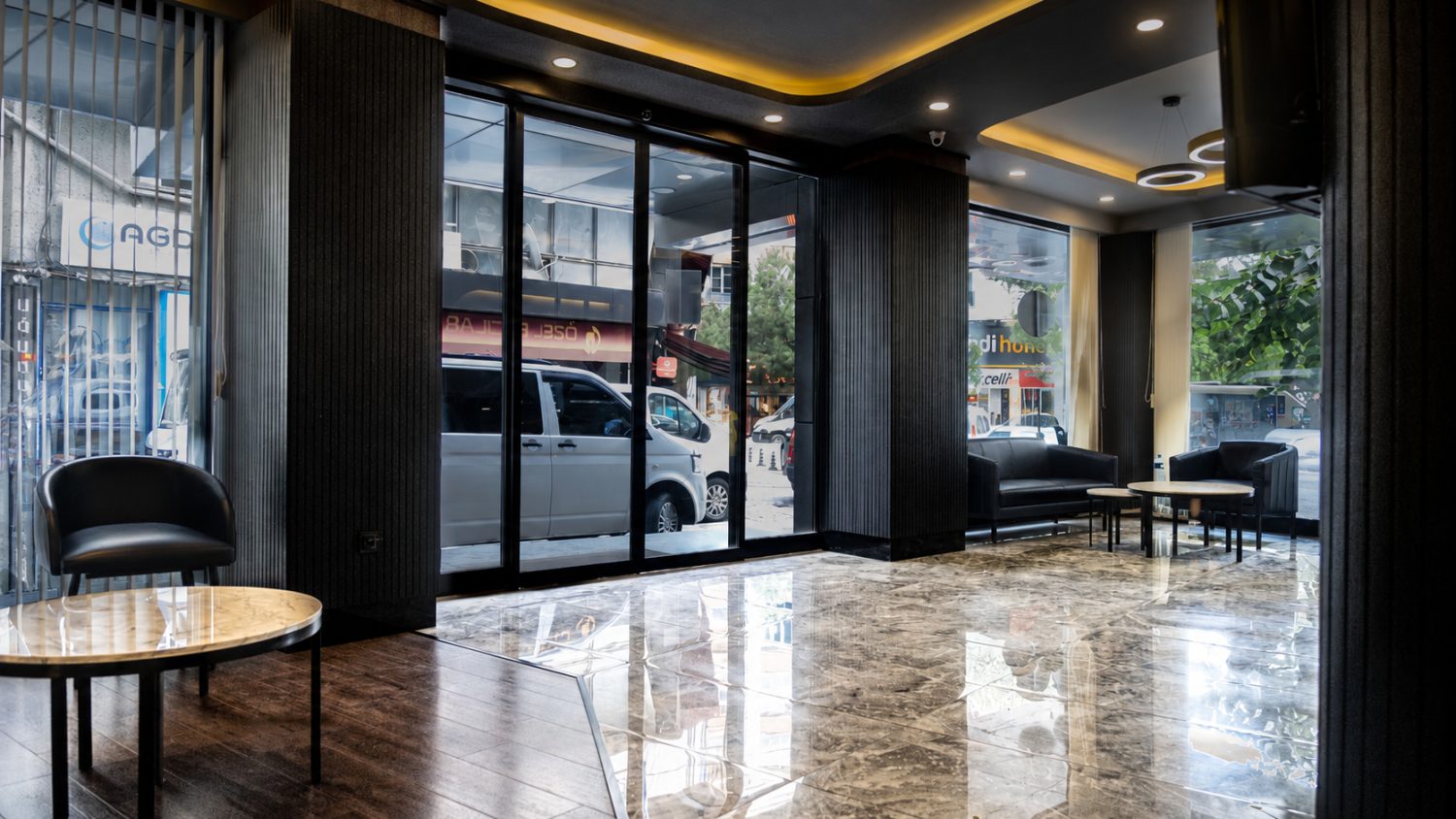
✦ Our Clinic
✦ Our doctors

Our Expert Staff

A safe, comfortable and transparent treatment process at every stage with our experienced physicians.

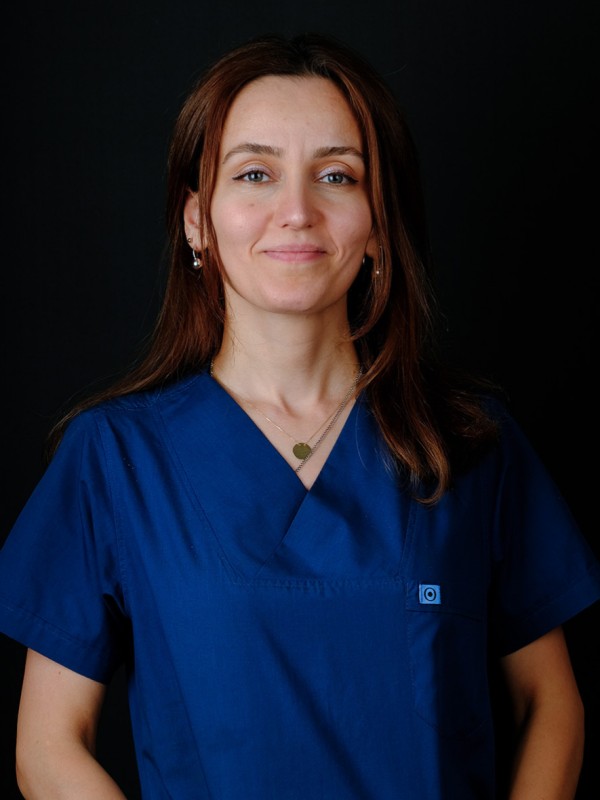
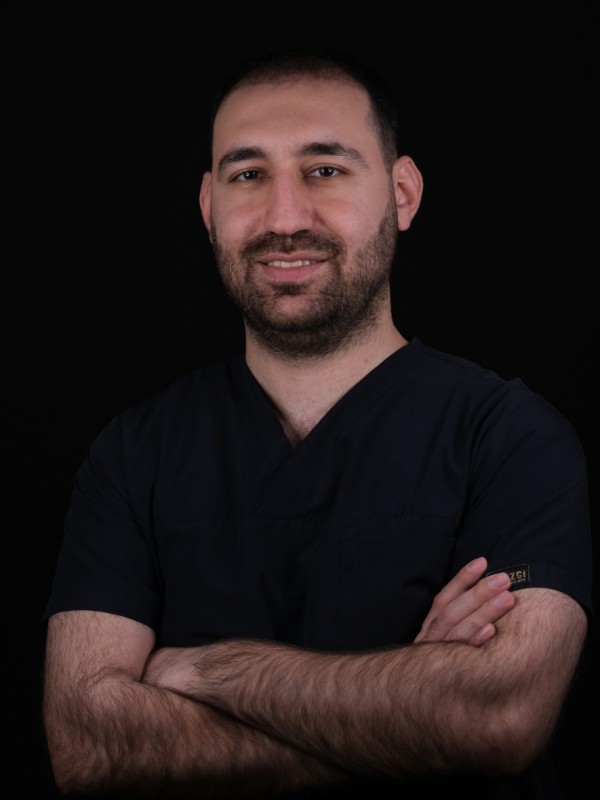
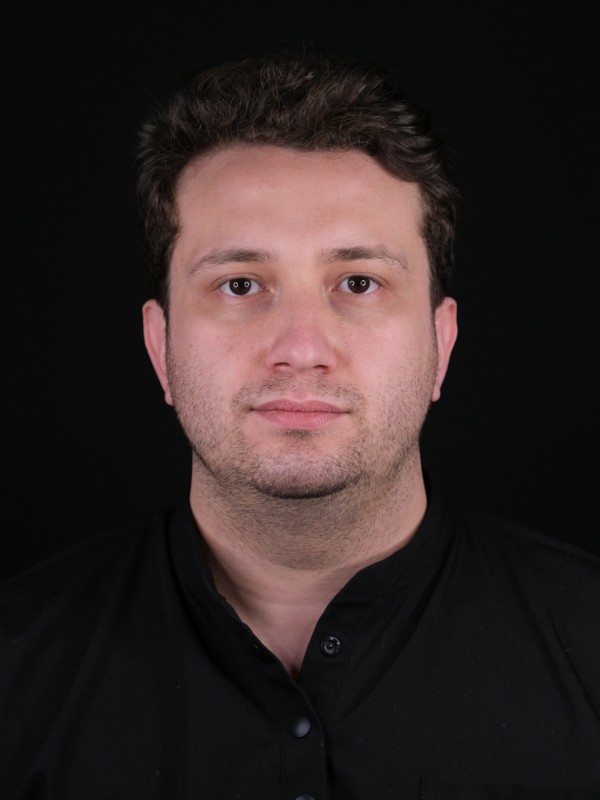
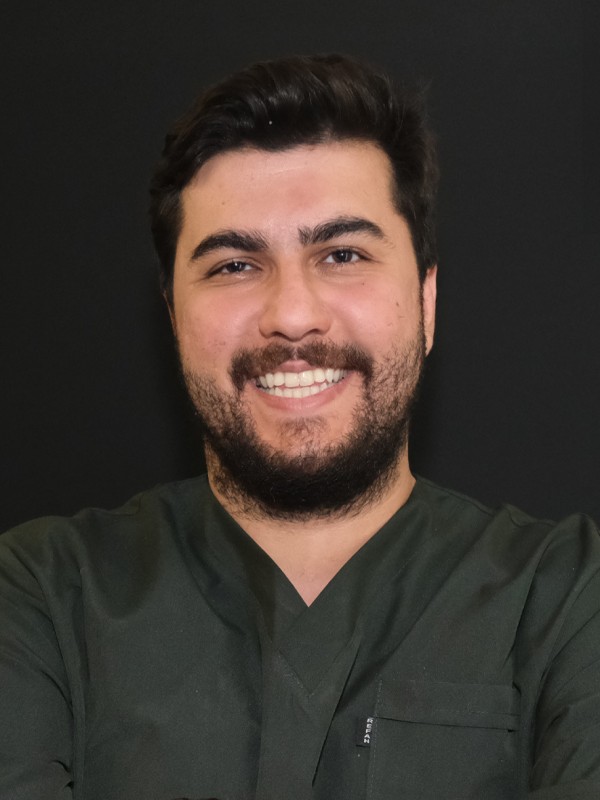
Dt. Muhammed Yancar

Dt. Muhammed Yancar

Responsible Manager · Dentist

He graduated from Okan University Faculty of Dentistry (2022). He works as the responsible manager and dentist at Bağcılar Dental Polyclinic. He is a member of the Turkish Prosthodontics and Implantology Association (TPİD) and the Turkish Dental Association (TDB).

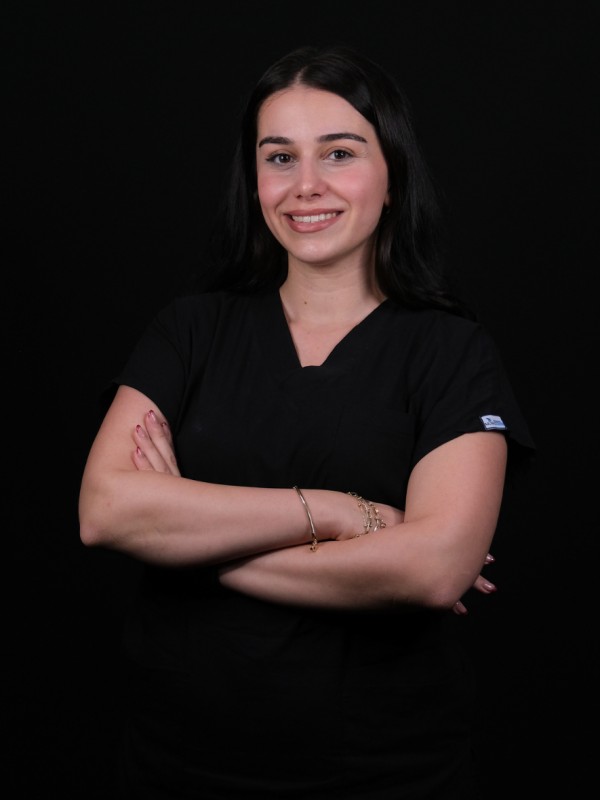
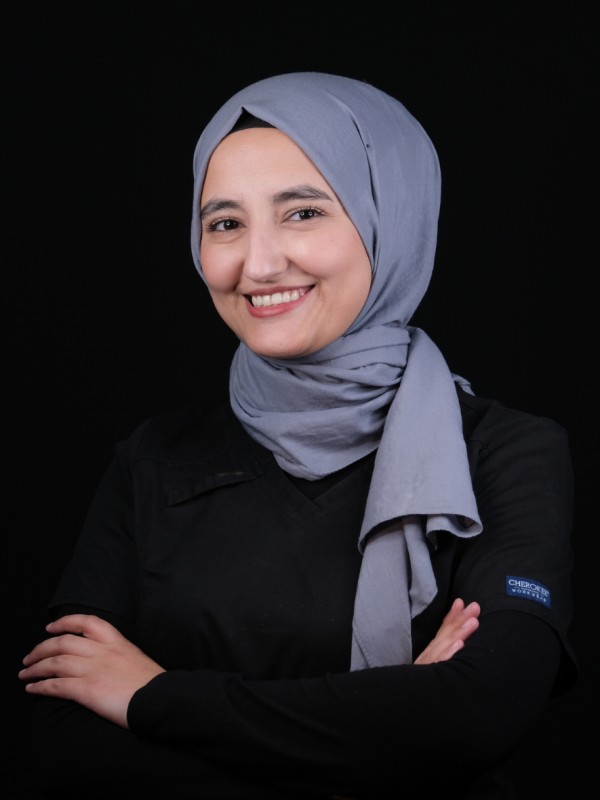
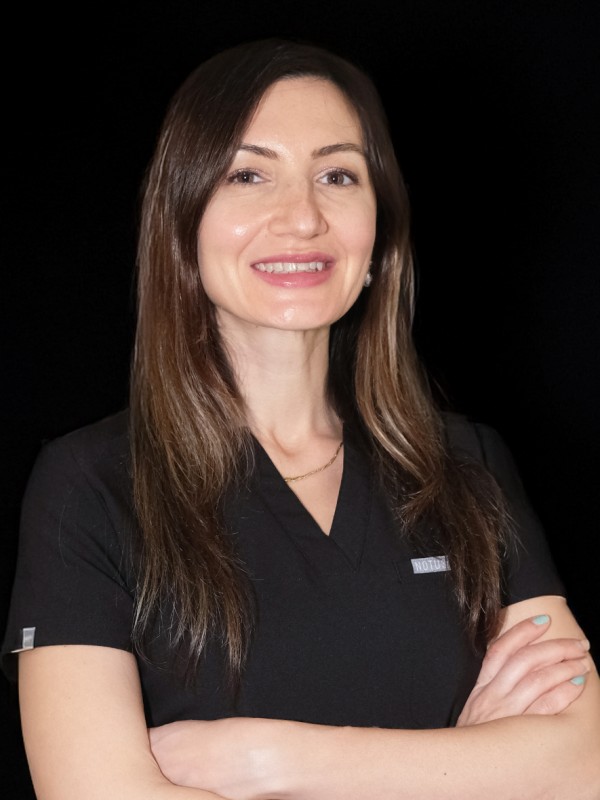
Dr. Dt. Remziye Kuşağlı

Dr. Dt. Remziye Kuşağlı

Responsible Dentist

He graduated from Dicle University Faculty of Dentistry (2005); He has 21 years of experience. It specializes in implant-supported dentures, All-on-4/All-on-6, zirconium, laminate and E-max coating treatments. He is a member of TDB.

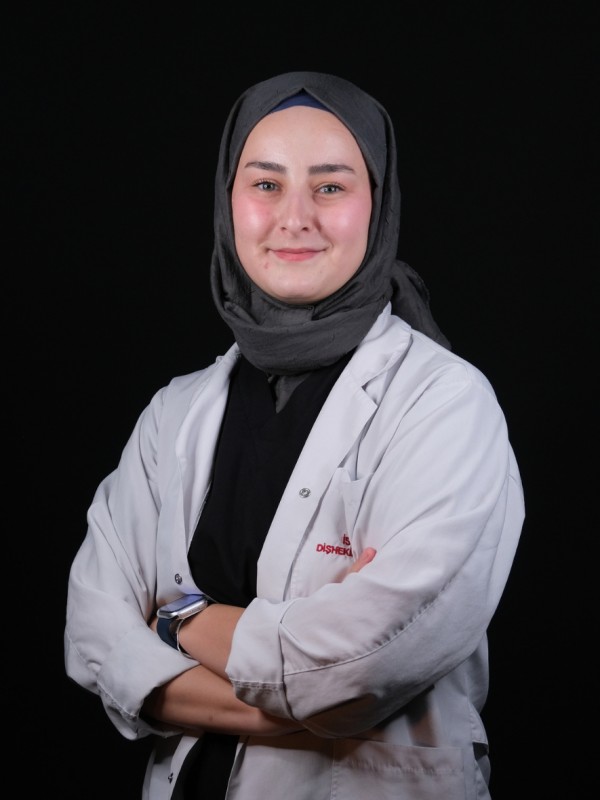
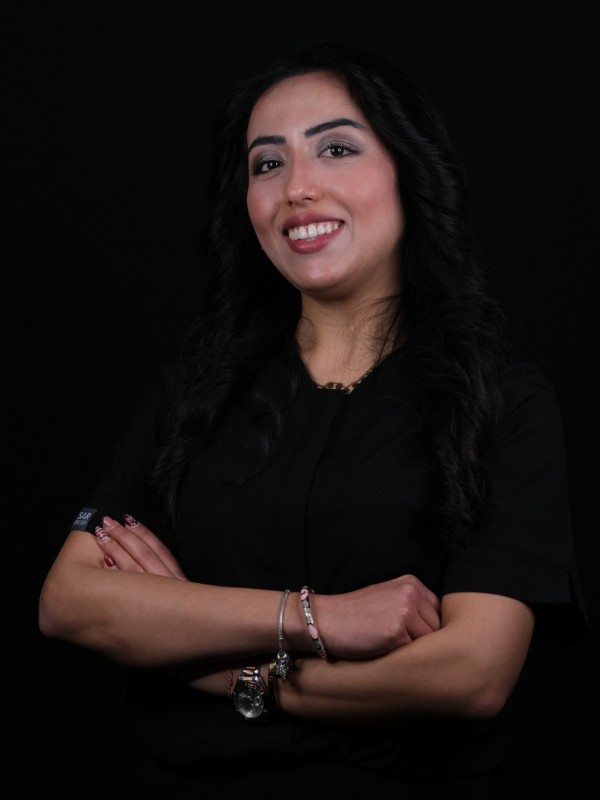
Uzm. Dr. Dt. Nazlı Altın

Uzm. Dr. Dt. Nazlı Altın

Oral and Maxillofacial Surgery Specialist

He graduated from Istanbul University Faculty of Dentistry; He completed his doctorate in oral, dental and maxillofacial surgery. He specializes in complex cases with implant surgery, jaw surgery and bone grafting.

Uzm. Dt. Uğur Derdiyok

Uzm. Dt. Uğur Derdiyok

Oral and Maxillofacial Surgery Specialist

He graduated from Ankara University Faculty of Dentistry; He completed his specialization in oral, dental and maxillofacial surgery at Kırıkkale University. He is an expert in surgical practices with 11 years of experience.

Uzm. Dt. Ceren Çetinkaya

Uzm. Dt. Ceren Çetinkaya

Orthodontic Specialist

He graduated from Ege University Faculty of Dentistry; He completed his orthodontics specialization at Istanbul University. He is experienced in fixed and transparent plate treatments and focuses on functional and aesthetic results.

Dr. Dt. Hakan Şahin

Dr. Dt. Hakan Şahin

Pedodontics Specialist (Pediatric Dentist)

He graduated from Atatürk University Faculty of Dentistry; He completed his pedodontics specialization. It has been providing preventive and therapeutic services in children's dental health for many years.

Uzm. Dt. Natiga Israfilova

Uzm. Dt. Natiga Israfilova

Prosthetic Dentistry Specialist

He is a graduate of Azerbaijan Medical University; He completed his prosthetic dentistry specialization at Eskişehir Osmangazi University. With 20 years of experience, he is an expert in implant prostheses, All-on-4/6, zirconium, laminate and E-max applications.

Dt. Nur Küçük

Dt. Nur Küçük

Prosthodontics & Digital Dentistry

He graduated from Istanbul Medipol University, Department of Dentistry; He continues his doctoral education in prosthetic dentistry. He works on aesthetic and functional restorations and smile design with CAD/CAM systems.

Dt. Mehmet Emin Ceylan

Dt. Mehmet Emin Ceylan

Implant & Prosthesis

He graduated from Istanbul Aydin University Faculty of Dentistry; He has 7 years of experience. He specializes in implant-supported dentures, All-on-4/All-on-6 restorations, full mouth dentures and zirconium applications.

Dt. Zeynep Demirhan

Dt. Zeynep Demirhan

Prosthodontics & Aesthetic Dentistry

He graduated from Bezmiâlem Vakıf University, Faculty of Dentistry. He is experienced in prosthetic treatments, smile design, implant-supported prostheses and treatments under sedation; focuses on patient satisfaction.

Dt. Seda Şahle Alemdar

Dt. Seda Şahle Alemdar

Implant & Aesthetics · Digital

He graduated from Abant İzzet Baysal University Faculty of Dentistry (2020). He is experienced in implant-supported dentures, smile design, digital measurement systems and aesthetic restorations.

Dt. Muhammed Ali Almaz

Dt. Muhammed Ali Almaz

Implant & Aesthetic Dentistry

He graduated from Gazi University Faculty of Dentistry (2021); He has 5 years of experience. He works with health tourism patients in the fields of implant prostheses, All-on-4, zirconium, aesthetic fillings and teeth whitening.

Dt. Berkay Pehlivanoğlu

Dt. Berkay Pehlivanoğlu

Restorative & Prosthetic

He graduated from Marmara University Faculty of Dentistry (2021); He has 6 years of experience. He works in the fields of endodontics (root canal treatment), restorative treatments, zirconium/E-max/laminate prosthesis and implant-supported prosthesis.

Dt. Esranur Çelik

Dt. Esranur Çelik

Restorative & Periodontology

He graduated from Süleyman Demirel University Faculty of Dentistry (2017); He has 9 years of experience. He works in periodontology (gum), restorative and endodontic treatments and aesthetic smile design.

Dt. Havva Öztürk

Dt. Havva Öztürk

General & Restorative Dentistry

He graduated from Bolu Abant İzzet Baysal University Faculty of Dentistry (2023). Works in restorative, endodontic, periodontal, prosthetic and pedodontic treatments; Follows current treatments closely.

Dt. Sümeyya Aydınlık

Dt. Sümeyya Aydınlık

Dentist

He graduated from Istanbul Yeni Yüzyıl University, Department of Dentistry (2020); Has approximately 5 years of experience. In addition to general dentistry, he works in implant prosthesis, restorative and endodontic treatments.

Dt. Hasip Altun

Dt. Hasip Altun

General Dentistry

He graduated from Yüzüncü Yıl University Faculty of Dentistry (2018). He has clinical experience in general dentistry and restorative treatments; It stands out with its patient-oriented approach.

Dt. Birsen Er

Dt. Birsen Er

Implant & Aesthetic Dentistry

He graduated from Istanbul University Faculty of Dentistry (2002); He has 24 years of experience. He works in the fields of implant-supported prostheses, All-on-4, zirconium restorations, aesthetic fillings, root canal treatment (endodontics) and teeth whitening.

✦ Our Videos
✦ Trusted Worldwide

What Our Patients Say

Google★★★★★
Trustpilot★★★★★
4.6/5 1.682+ Happy Patients 30+ Countries
A
Ayşe Kaya ★★★★★

I did not feel any pain during my implant treatment. The team is extremely attentive, I was informed at every stage. I love my new smile!
M
Mehmet Yıldız ★★★★★

My zirconium crowns looked very natural. It is excellent in terms of price-performance, I recommend it with peace of mind.

H
Hans Müller ★★★★★

I came from Germany for All-on-4 treatment. The clinic was very modern and hygiene was perfect. Translator support made my job much easier.
E
Elena Petrova ★★★★★

I came for my smile design; Everything was considered, including reception, hotel and transportation. My teeth were literally reborn.

F
Fatma Demir ★★★★★

My gum treatment was very successful. My doctor explained everything patiently, and my fear of the dentist was completely gone.

J
James Wilson ★★★★★

I came from London for laminate veneer. Professional team, painless procedure and great result. It was worth every penny.

Z
Zeynep Arslan ★★★★★

My orthodontic treatment proceeded as planned. The transparent record was very comfortable, no one even noticed. Thanks!

A
Andrei Popescu ★★★★★

I came from Romania for implants. From CT scan to treatment, everything started on the same day. I am very pleased with the result.

H
Hatice Şahin ★★★★☆

After teeth whitening, my teeth became visibly whiter. I got results in one session, it was very practical.

S
Sophie Dubois ★★★★★

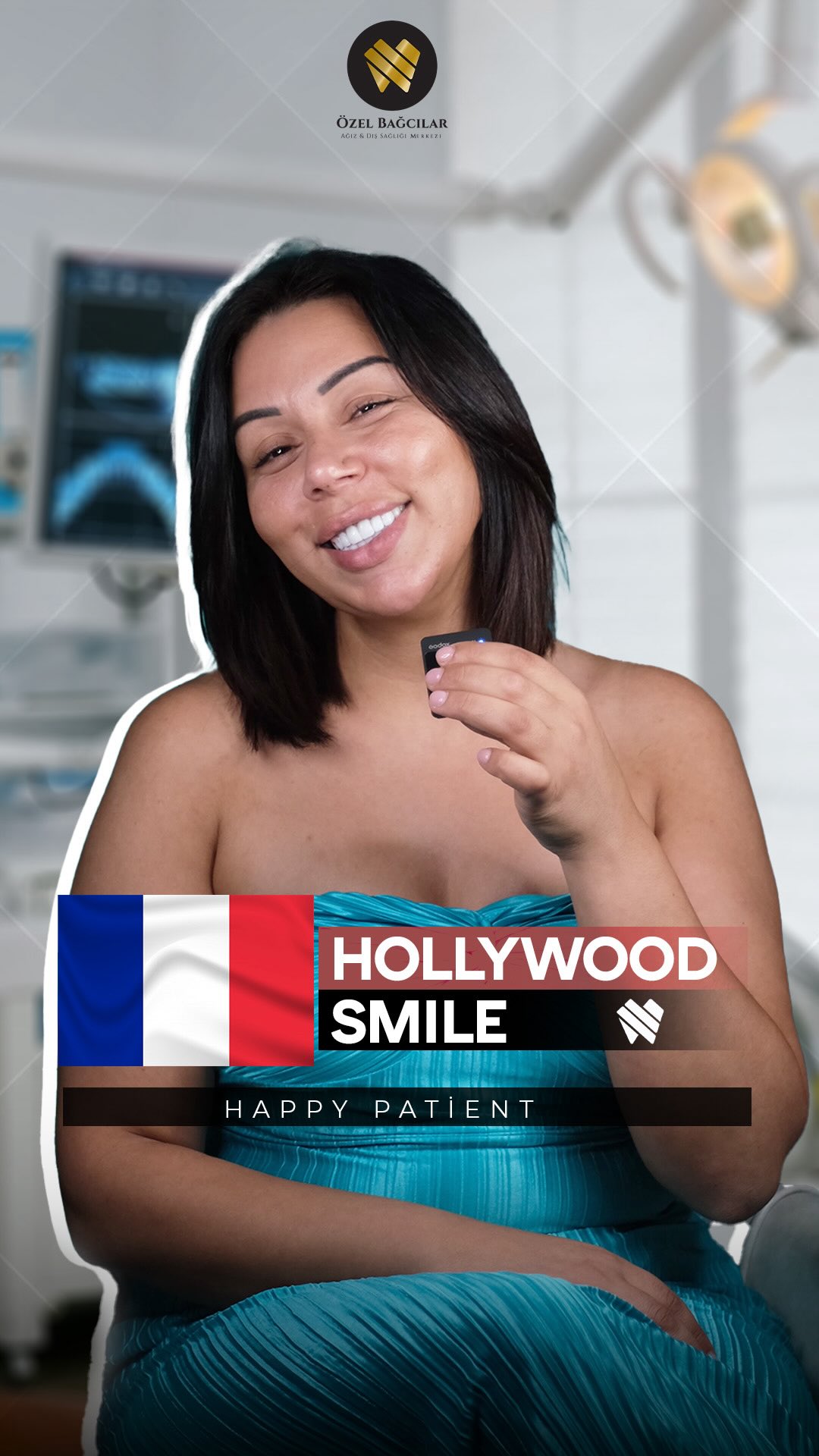
I chose it for Hollywood Smile from France. The attention of the doctors and the naturalness of the result were far beyond my expectations.

A
Ali Çelik ★★★★★

My root canal treatment was painless and I returned to work the same day. Modern devices make a difference, well done.

M
Maria Rossi ★★★★★

I came from Italy for zirconium. It is much more advantageous than Europe in terms of both price and quality. I definitely recommend it.

E
Emine Yılmaz ★★★★★

We came for my mother's prosthetic teeth, they were very interested. The patience shown to elderly patients is admirable.

V
Viktor Ivanov ★★★★★

After the smile design, my self-confidence skyrocketed. The clinic is clean and the team is friendly. I recommend it to everyone from Sofia.

A
Ayşe Kaya ★★★★★

I did not feel any pain during my implant treatment. The team is extremely attentive, I was informed at every stage. I love my new smile!

M
Mehmet Yıldız ★★★★★

My zirconium crowns looked very natural. It is excellent in terms of price-performance, I recommend it with peace of mind.

H
Hans Müller ★★★★★

I came from Germany for All-on-4 treatment. The clinic was very modern and hygiene was perfect. Translator support made my job much easier.

E
Elena Petrova ★★★★★

I came for my smile design; Everything was considered, including reception, hotel and transportation. My teeth were literally reborn.

F
Fatma Demir ★★★★★

My gum treatment was very successful. My doctor explained everything patiently, and my fear of the dentist was completely gone.

J
James Wilson ★★★★★

I came from London for laminate veneer. Professional team, painless procedure and great result. It was worth every penny.

Z
Zeynep Arslan ★★★★★

My orthodontic treatment proceeded as planned. The transparent record was very comfortable, no one even noticed. Thanks!

A
Andrei Popescu ★★★★★

I came from Romania for implants. From CT scan to treatment, everything started on the same day. I am very pleased with the result.

H
Hatice Şahin ★★★★☆

After teeth whitening, my teeth became visibly whiter. I got results in one session, it was very practical.

S
Sophie Dubois ★★★★★

I chose it for Hollywood Smile from France. The attention of the doctors and the naturalness of the result were far beyond my expectations.

A
Ali Çelik ★★★★★

My root canal treatment was painless and I returned to work the same day. Modern devices make a difference, well done.

M
Maria Rossi ★★★★★

I came from Italy for zirconium. It is much more advantageous than Europe in terms of both price and quality. I definitely recommend it.

E
Emine Yılmaz ★★★★★

We came for my mother's prosthetic teeth, they were very interested. The patience shown to elderly patients is admirable.

V
Viktor Ivanov ★★★★★

After the smile design, my self-confidence skyrocketed. The clinic is clean and the team is friendly. I recommend it to everyone from Sofia.

B
Burak Aydın ★★★★★

I had a combination of implant and zirconium. The result is incredibly natural. The appointment and follow-up process was very orderly.

A
Anna Schmidt ★★★★☆

My laminate veneer treatment went well. It took a little waiting, but the result was perfect. Thanks for the translator support.

S
Selin Koç ★★★★★

I had gum aesthetics and whitening. I have no hesitation when laughing anymore. I am grateful to the entire team.

R
Robert Brown ★★★★★

My All-on-6 treatment changed my life. I came from England; The attention shown and the result achieved were perfect.

G
Gülşah Eren ★★★★★

We came for my child's dental treatment, they treated the child patients very kindly. He was treated without fear, we are very happy.

D
Dimitar Georgiev ★★★★★

Implant prices are very affordable compared to Bulgaria, and the quality is high. The entire process was completed in 4 days.

O
Okan Demirtaş ★★★★★

I can't recognize myself in photos after my smile design. My doctor's sense of aesthetics is really good.

C
Claudia Fischer ★★★★★

I came for my implant treatment, it was painless and fast. The clinic is above German standards, I am very pleased.

M
Merve Polat ★★★★★

I had a combination of orthodontics and whitening. The result is great, the team is very professional and caring.

L
Lucas Martin ★★★★★

I came from Paris for laminate veneer. I was very pleased with the natural result and warm attention. Thanks!

İ
İbrahim Kara ★★★★☆

My dental bridge treatment was durable and comfortable. Pricing was transparent, there were no surprise fees.

N
Natalia Sokolova ★★★★★

I came from Russia for smile design. The service quality and attention were excellent, my teeth turned out as I dreamed.

D
Deniz Aksoy ★★★★★

I had teeth whitening in one session, the difference was immediately obvious. It was a fast, clean and professional experience.

T
Thomas Becker ★★★★★

I came for All-on-4 and walked out smiling the same day with temporary teeth. The interest and technology are top notch, thank you very much.

B
Burak Aydın ★★★★★

I had a combination of implant and zirconium. The result is incredibly natural. The appointment and follow-up process was very orderly.

A
Anna Schmidt ★★★★☆

My laminate veneer treatment went well. It took a little waiting, but the result was perfect. Thanks for the translator support.

S
Selin Koç ★★★★★

I had gum aesthetics and whitening. I have no hesitation when laughing anymore. I am grateful to the entire team.

R
Robert Brown ★★★★★

My All-on-6 treatment changed my life. I came from England; The attention shown and the result achieved were perfect.

G
Gülşah Eren ★★★★★

We came for my child's dental treatment, they treated the child patients very kindly. He was treated without fear, we are very happy.

D
Dimitar Georgiev ★★★★★

Implant prices are very affordable compared to Bulgaria, and the quality is high. The entire process was completed in 4 days.

O
Okan Demirtaş ★★★★★

I can't recognize myself in photos after my smile design. My doctor's sense of aesthetics is really good.

C
Claudia Fischer ★★★★★

I came for my implant treatment, it was painless and fast. The clinic is above German standards, I am very pleased.

M
Merve Polat ★★★★★

I had a combination of orthodontics and whitening. The result is great, the team is very professional and caring.

L
Lucas Martin ★★★★★

I came from Paris for laminate veneer. I was very pleased with the natural result and warm attention. Thanks!

İ
İbrahim Kara ★★★★☆

My dental bridge treatment was durable and comfortable. Pricing was transparent, there were no surprise fees.

N
Natalia Sokolova ★★★★★

I came from Russia for smile design. The service quality and attention were excellent, my teeth turned out as I dreamed.

D
Deniz Aksoy ★★★★★

I had teeth whitening in one session, the difference was immediately obvious. It was a fast, clean and professional experience.

T
Thomas Becker ★★★★★

I came for All-on-4 and walked out smiling the same day with temporary teeth. The interest and technology are top notch, thank you very much.

✦ Our Brands
Straumann
Nobel Biocare
Astra Tech
Medentika
Bredent SKY
Straumann
Nobel Biocare
Astra Tech
Medentika
Bredent SKY
✦ Contact
Get in touch

İstanbul Bağcılarour central clinic

Merkez Mahallesi 675. Sokak No: 1-7/A-B, 34203 Bağcılar/İstanbul, Turkey

Open in Google Maps