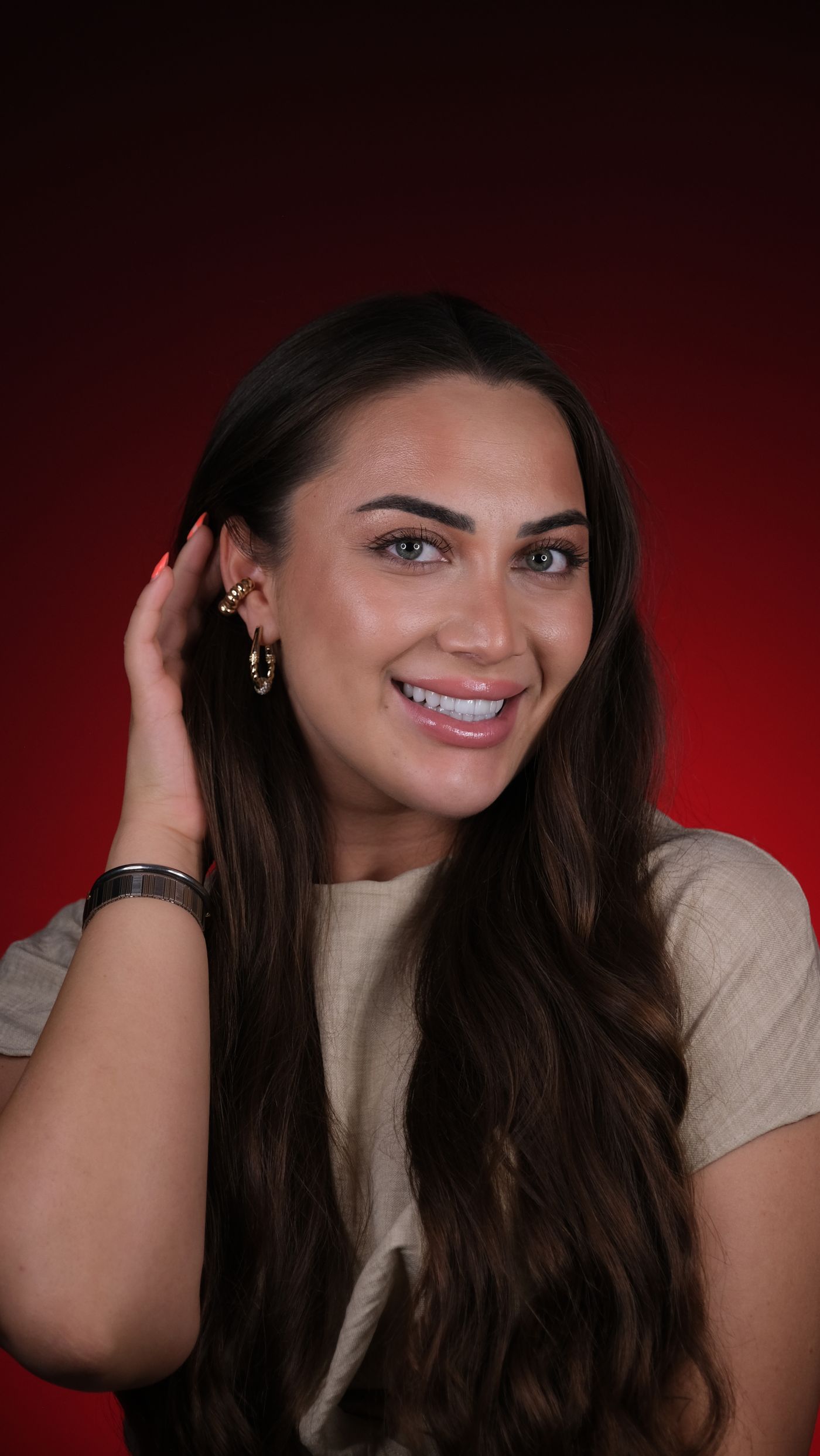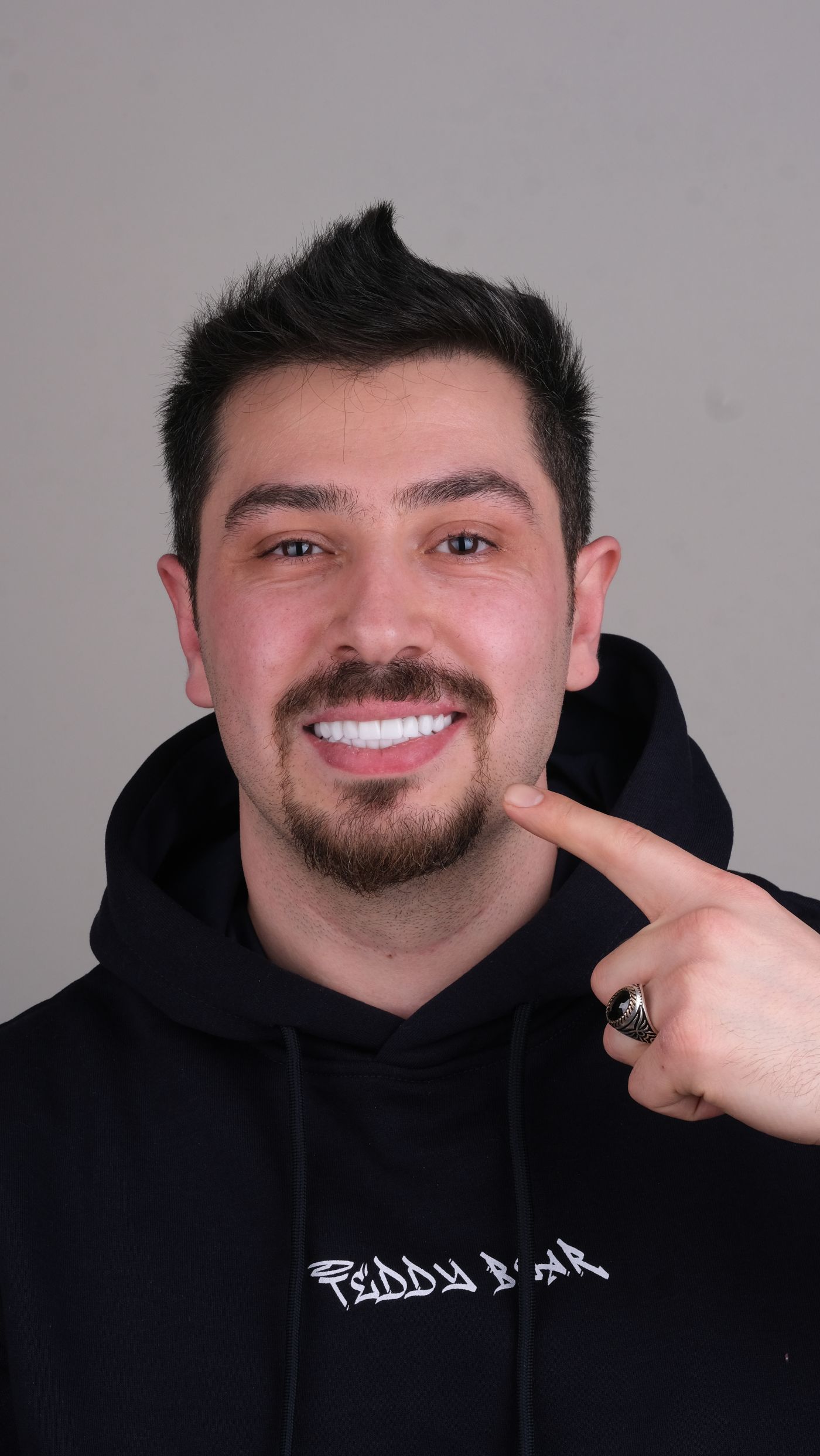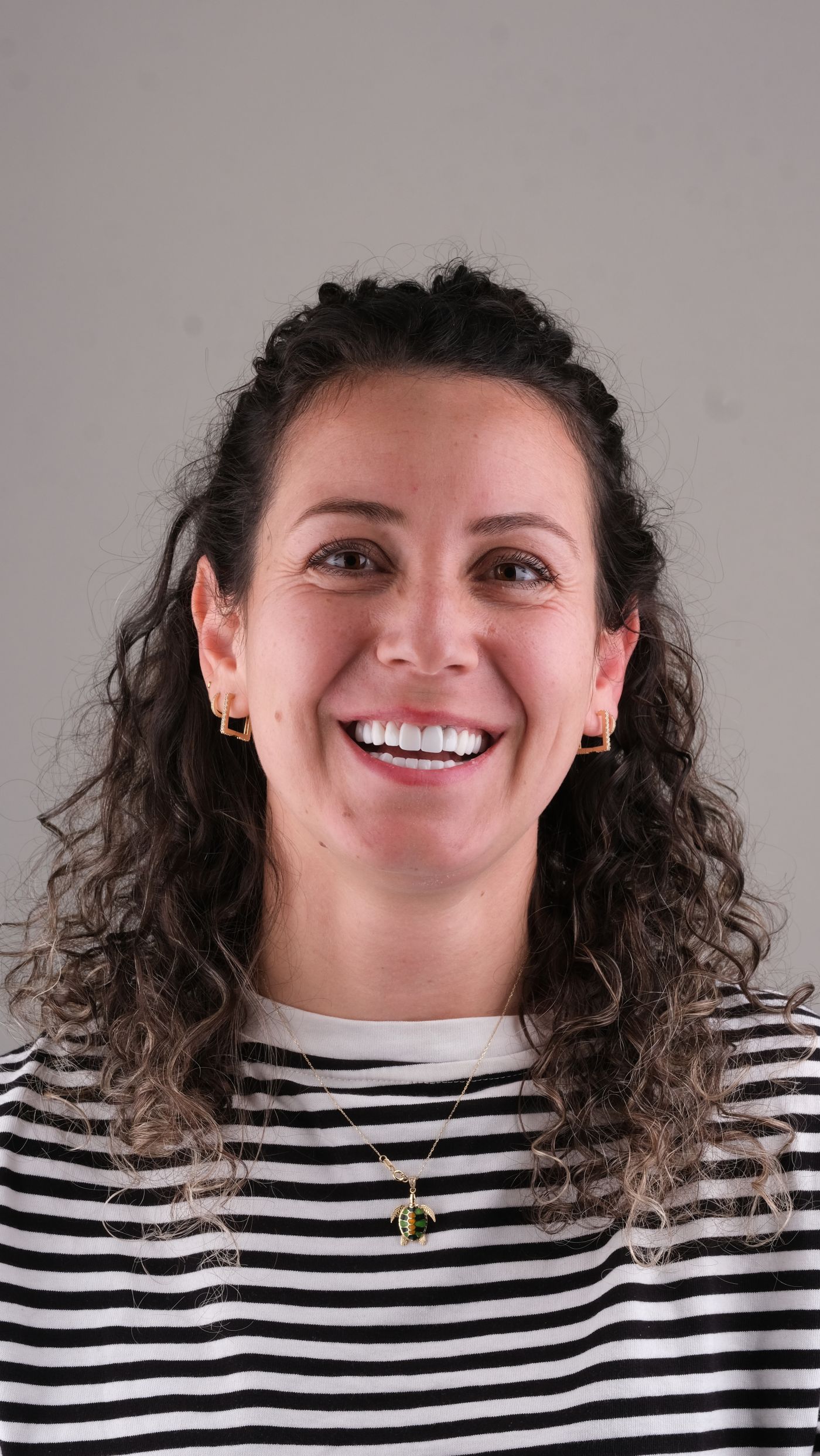
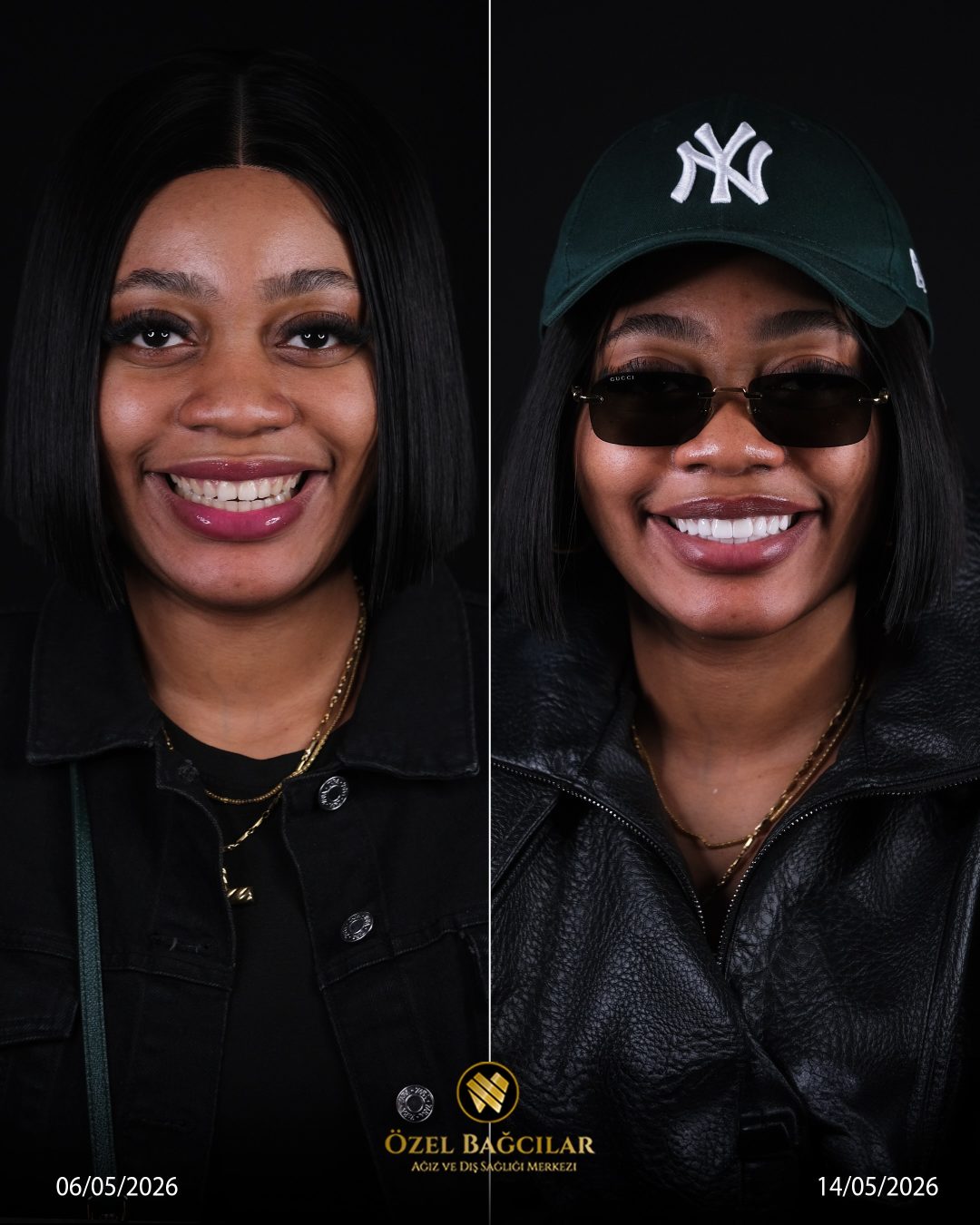
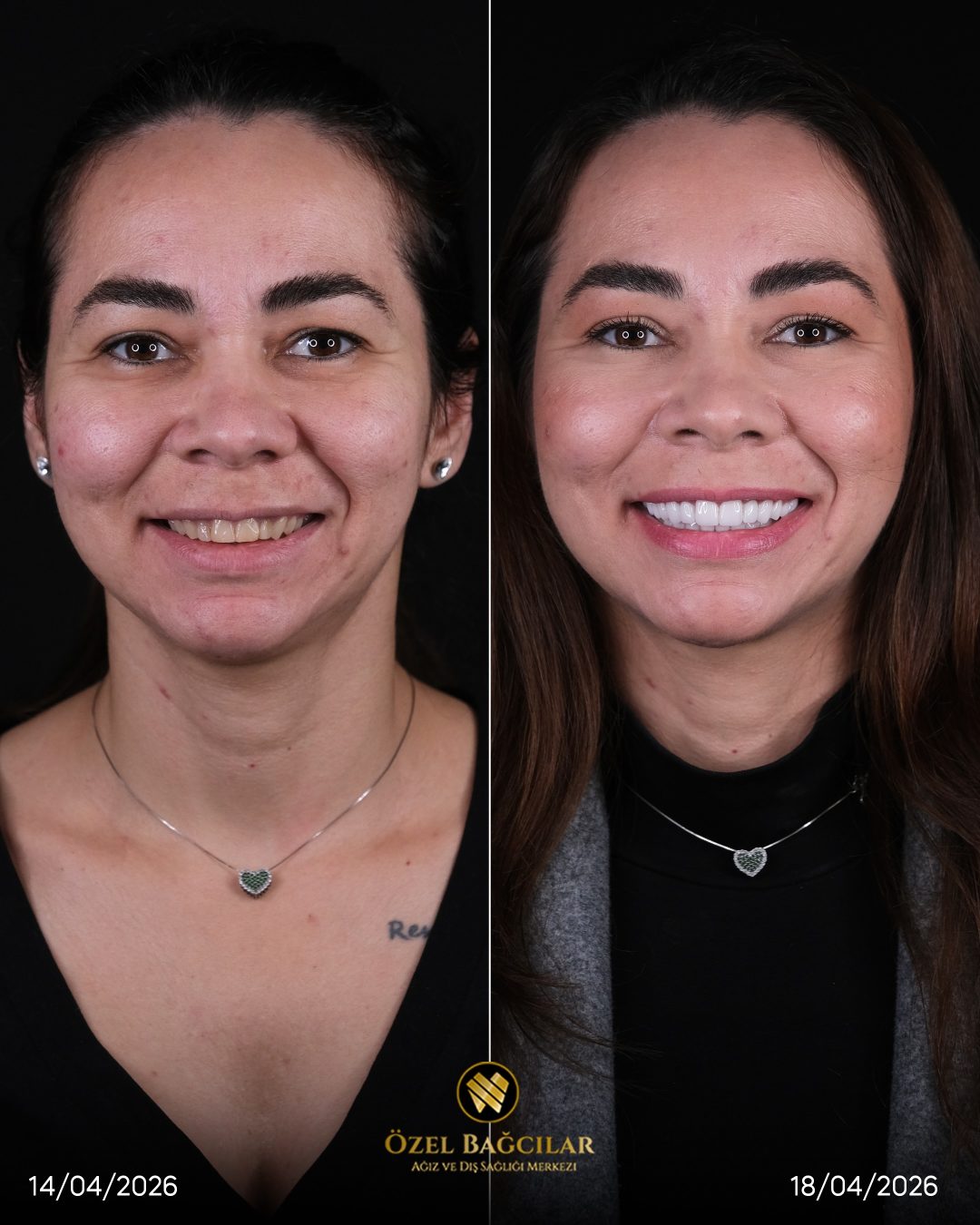
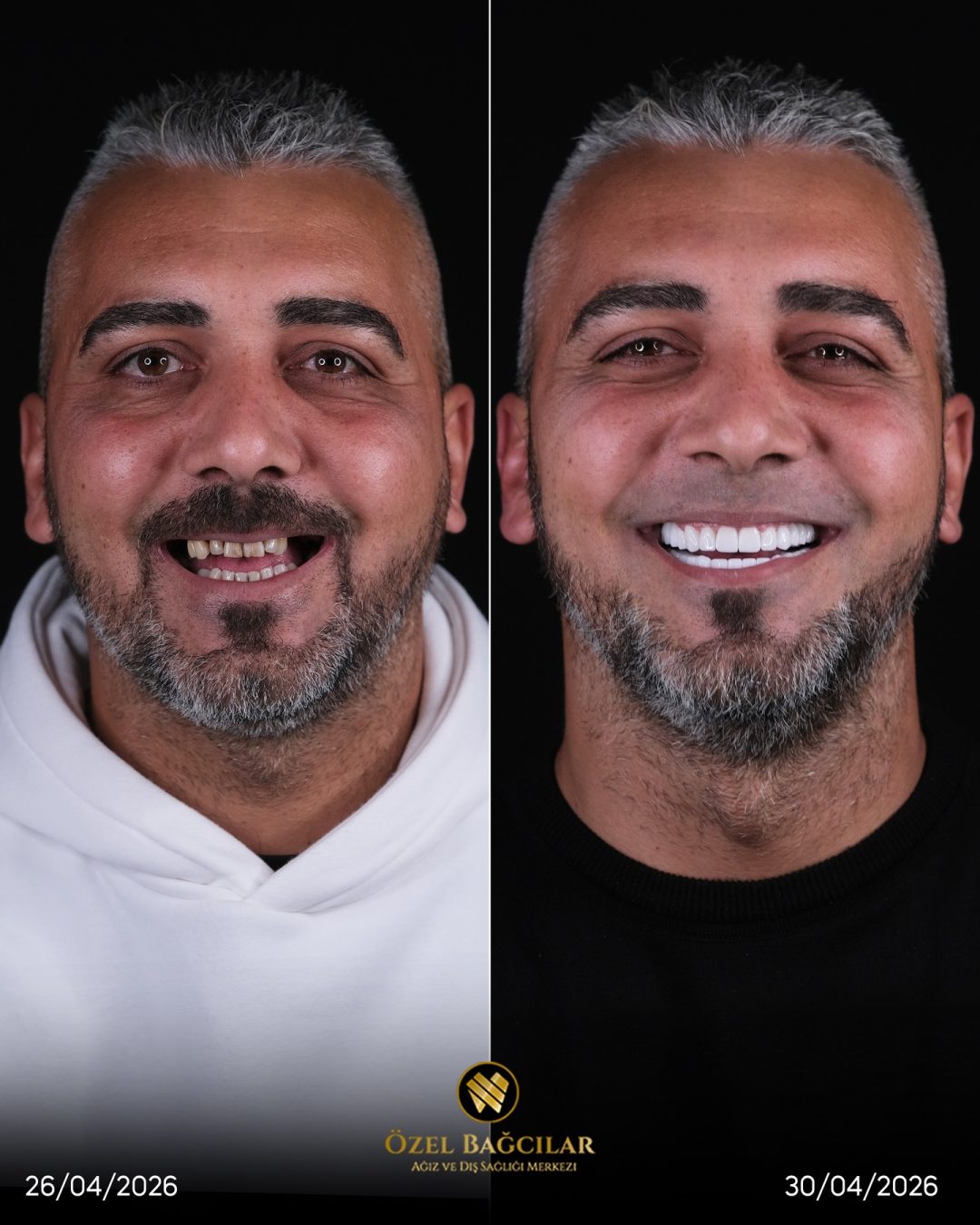
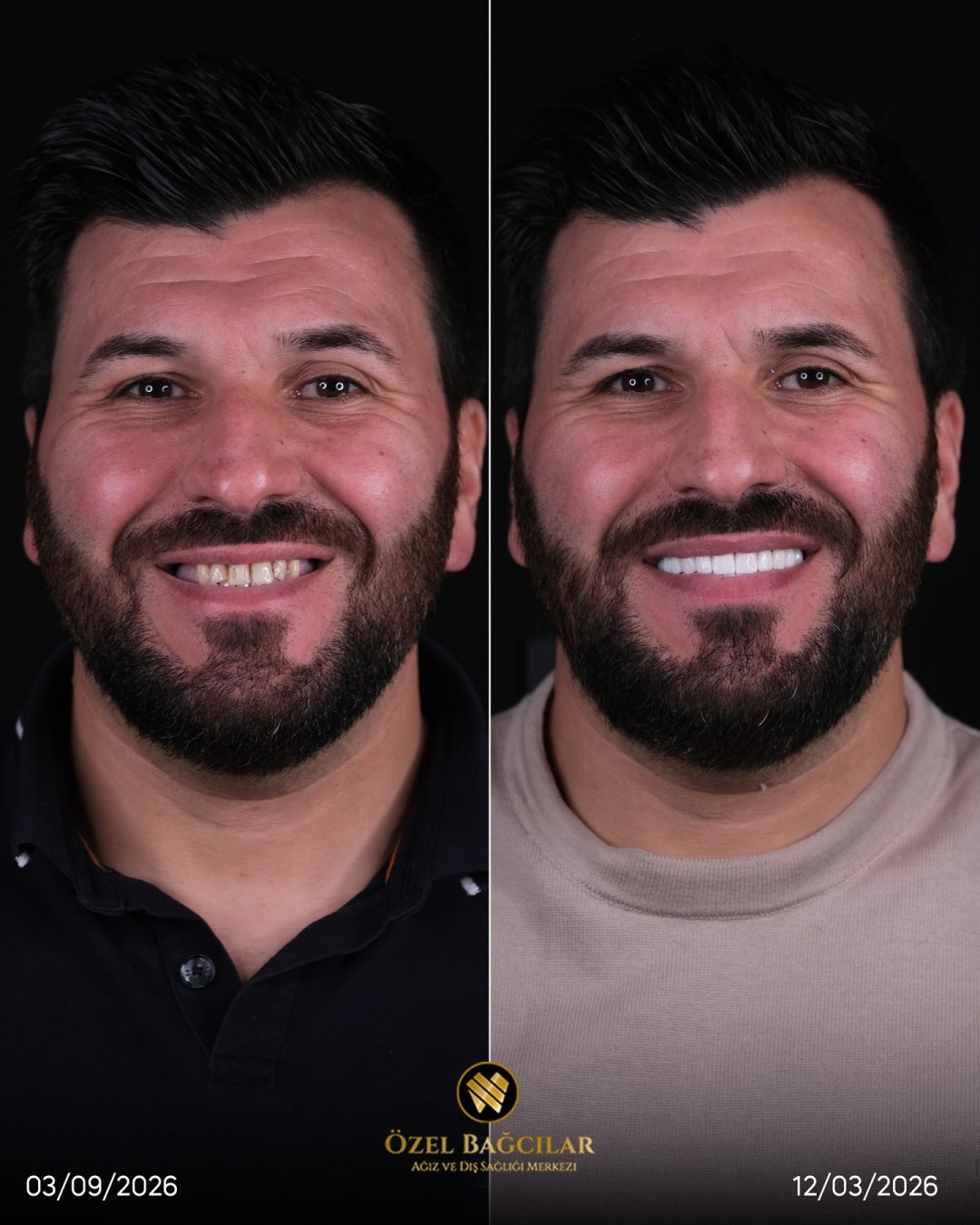
Google Reviews 4.6/5 1.682+ Happy Patients 30+ Countries

What a Dental Consultation Should Actually Cover

✦ Planning Your Trip

What a Dental Consultation Should Actually Cover

What is examined, what imaging is taken, which questions you should be asked and which you should ask, and what a written treatment plan must contain.

12+ Years of Experience
1682+ Happy Patients
25 Specialist Physicians
99% Success Rate
Lifetime Guarantee
Bağcılar Dental Clinic

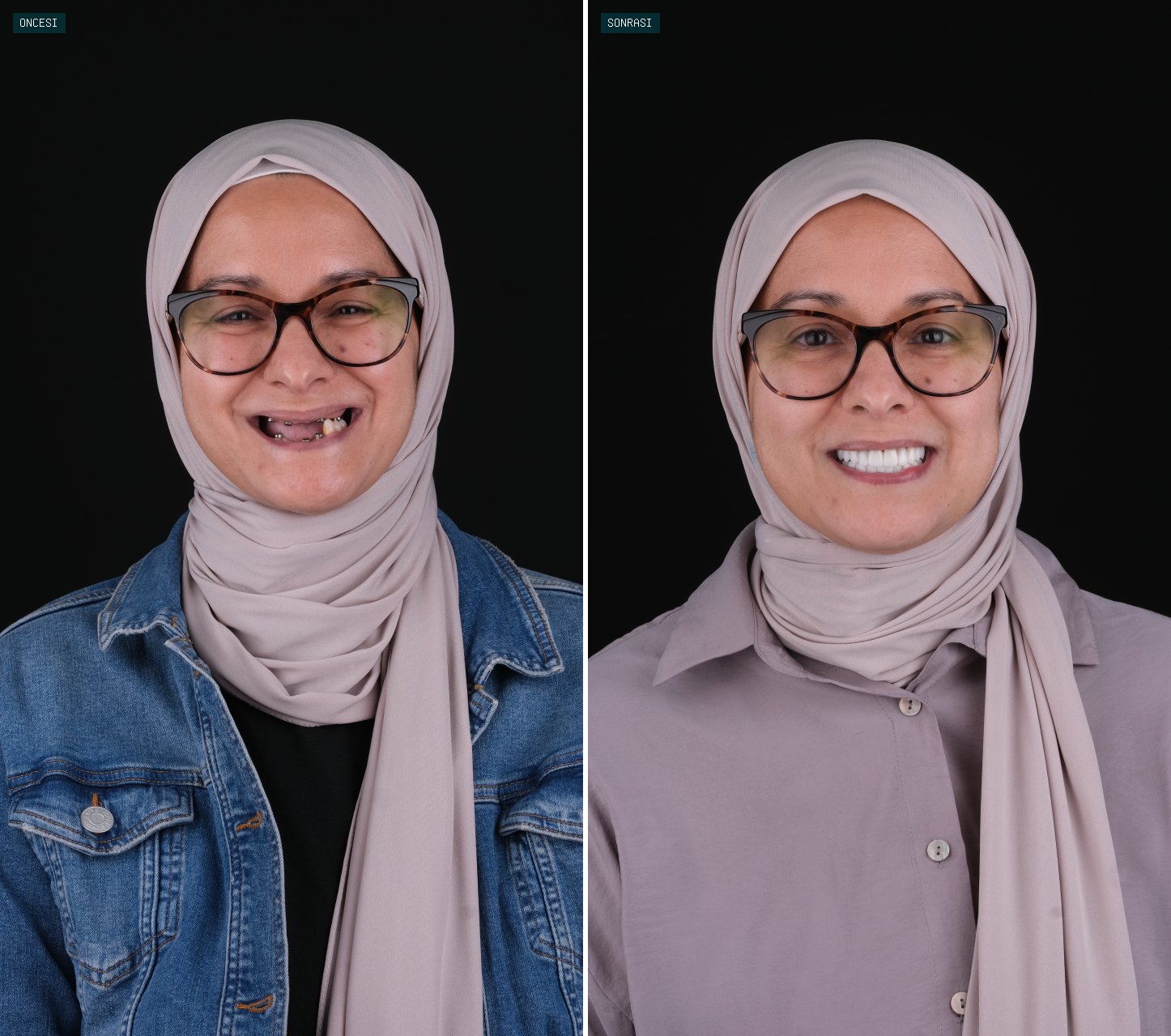
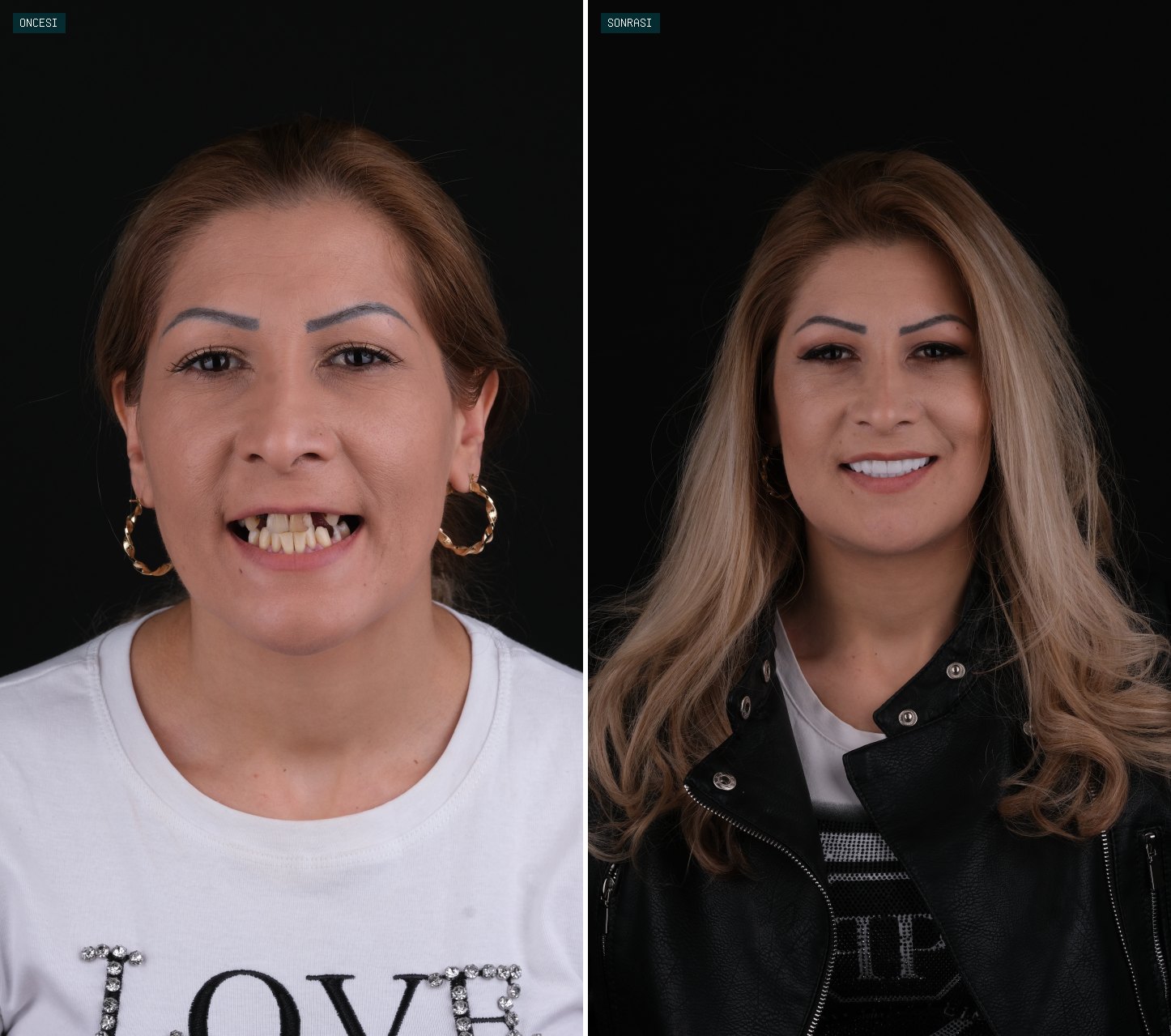
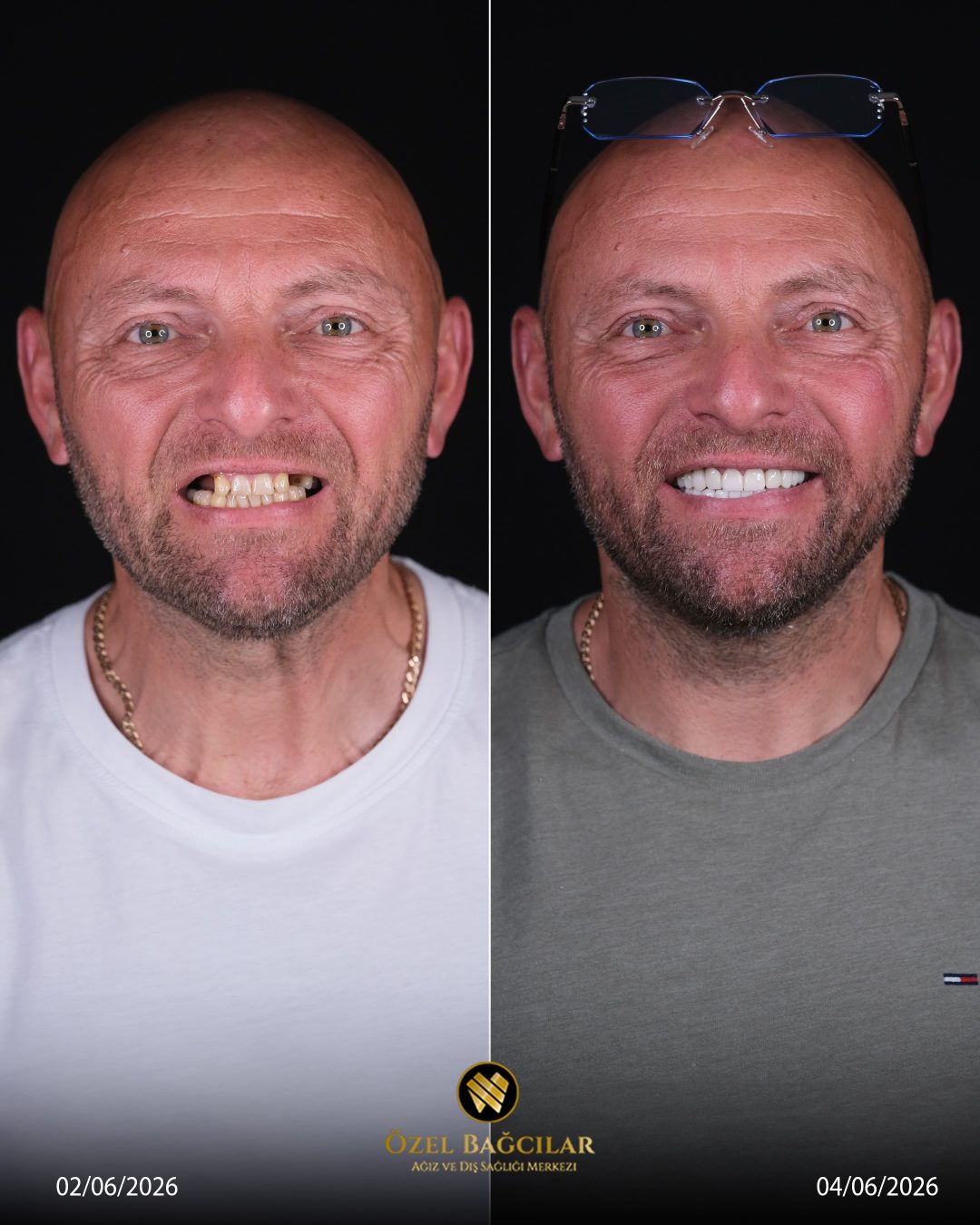
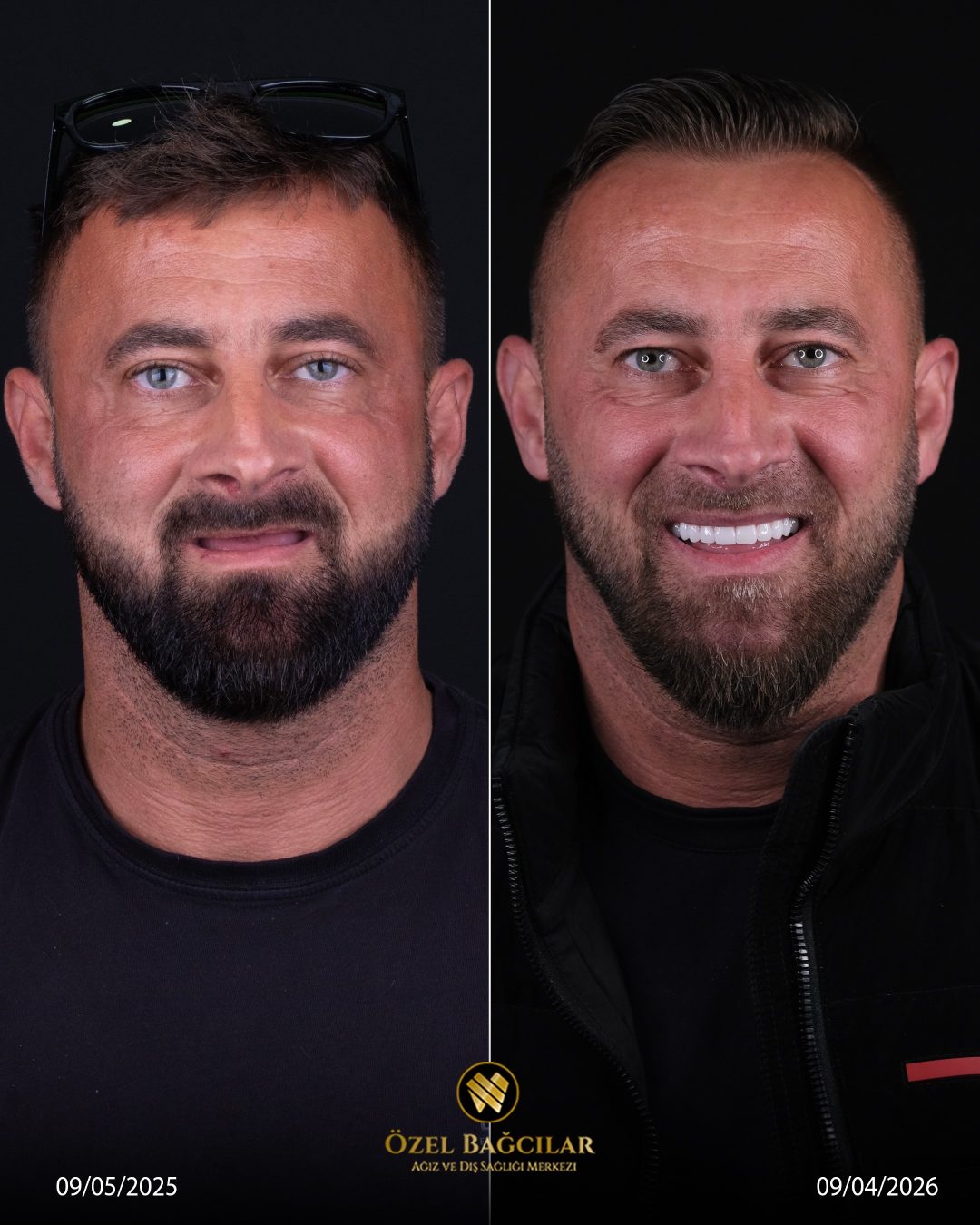
Before & After

Bağcılar Diş öncesi sonrası

A consultation is where the treatment is actually decided. Everything afterwards is execution. That makes it the appointment worth understanding in advance, because it is also the one most often compressed into a sales conversation.

A proper consultation has a structure: history, examination, imaging, diagnosis, options, and only then a plan and a figure. A conversation that begins with a package and works backwards has skipped the part that determines whether the treatment is right.

This page sets out what each stage should include, what you should be asked, what you should ask, and what the written plan you leave with has to contain to be worth anything.

It applies equally to a video consultation before you travel and to an in-person appointment. The stages are the same; only the imaging arrangements differ.

Medical History Comes Before Anything Else

This is the stage most often reduced to a tick-box form, and it changes clinical decisions more than patients expect. Dental treatment is minor surgery, and the same caution applies as anywhere else in medicine.

Anticoagulants and antiplatelet drugs change how extractions and implant surgery are managed, though they rarely mean treatment cannot proceed. Bisphosphonates and related bone medications matter significantly for implant and extraction planning, including ones taken years ago. Uncontrolled diabetes affects healing. Previous radiotherapy to the head or neck changes the answer entirely for some procedures.

Smoking belongs in this conversation as a clinical variable rather than a moral one. It is the largest modifiable risk factor for implant failure and for gum disease progression, and it changes both the plan and the expected outcome.

A questionnaire that asks only about allergies is not a medical history. If nobody asks what medications you take before quoting for implants, that is information about the clinic rather than about your teeth.

What You Should Be Asked, and Why

Beyond the medical history, a good consultation spends real time on what you actually want. This sounds soft and it is not — the most common cause of an unhappy result is a mismatch between what the patient meant and what the clinician heard.

Expect to be asked what specifically bothers you, in your own words, and to be asked to point at it in a mirror. "I want a nicer smile" and "the tooth on this side is shorter than the other one" lead to entirely different treatments.

Expect questions about history: previous dental work, anything that went wrong, how long ago teeth were lost and why, whether you have had orthodontics, whether you grind or clench, whether you have jaw joint symptoms. Each of these changes the plan.

And expect practical questions — how long you can stay, how many trips you can make, what you can and cannot commit to for maintenance. A plan that ignores these produces a proposal you cannot actually complete.

The Examination Itself

The clinical examination has three layers and a consultation that only performs the third has looked at appearance without looking at foundations.

First, health. Decay, failing restorations, cracks, and above all the gums — probing depths around each tooth, bleeding on probing, recession, and mobility. Gum disease is silent and it is the single most common reason restorative work fails early.

Second, function. How the teeth meet, whether the bite is even, evidence of wear from grinding, jaw joint sounds or tenderness, how far the jaw opens. Restorations placed into an unexamined bite fracture, and the patient is usually blamed for it.

Third, appearance — but measured rather than judged. How much tooth shows at rest and when smiling, the midline, the smile line, gum display, tooth proportion and shade, photographed for the record. How the aesthetic assessment feeds into a design sets out what is done with those measurements.

Gum charting is the part patients most often have never had done, and it is the one that predicts failure best. Six measurements per tooth, recorded rather than glanced at, give a baseline that any future clinician can compare against — and where the numbers are raised, that treatment comes before anything restorative.

Imaging: What Is Taken and What It Shows

Radiographs are not optional and they are not an upsell. A great deal of what matters clinically is invisible on examination alone alone: bone levels, the extent of existing fillings, decay between teeth, root fractures, retained root fragments, cysts, and the state of previous root treatments.

What each type of imaging is for — a CT is not optional where implants are involved
ImagingWhat it showsWhen it is needed
Panoramic radiographAll teeth, roots, bone levels, sinuses, jaw joints in one imageAlmost every full assessment
Periapical radiographOne or two teeth in detail — root, apex, bone around itSuspected decay, failed root treatment, individual tooth pain
Bitewing radiographDecay between back teeth and under existing fillingsRoutine assessment of restored back teeth
CT scanBone in three dimensions — height, width, density, nerve positionAny implant planning, and grafting or sinus assessment
Intraoral scanDigital model of the teeth and biteDesign, aligners, laboratory work
Clinical photographsBaseline record of shade, shape and gum positionAny aesthetic treatment, and useful in every case

A firm implant quote given before a CT has been read is a figure, not a plan. The bone determines the number of implants, whether grafting is needed, and whether the timetable is one trip or two — as the quote breakdown sets out line by line.

Diagnosis Before Options

There is a step between examining and proposing that is frequently skipped, and its absence is what produces treatment plans that address symptoms rather than causes.

A diagnosis says why. Teeth are worn — because of grinding, or acid erosion, or an edge-to-edge bite, and the treatment differs for each. Gums are receding — because of periodontal disease, or aggressive brushing, or tooth position. Front teeth are dark — because of an old root treatment, intrinsic staining, or surface pigment.

Restoring without diagnosing means the cause continues underneath the new work. Veneers placed over unmanaged grinding fracture; crowns placed over untreated gum disease loosen; whitening applied to erosion makes sensitivity worse.

Ask directly: what is causing this, and what happens to the cause under the proposed treatment? A clinician who has diagnosed properly answers immediately.

The diagnosis also sets the maintenance plan, which is the part that decides how long the treatment lasts. Someone whose wear comes from acid erosion needs different advice from someone whose wear comes from grinding, and giving both the same night guard and the same recall interval helps only one of them.

Options, Not a Single Proposal

A consultation should produce at least two courses of action, and usually three including doing nothing. Being given one option and a price is being sold to, not advised.

For a missing tooth the options are an implant, a bridge, a partial denture or leaving the space, and each has real advantages in particular situations — the full comparison sets out where each wins.

For crooked front teeth the options are alignment, veneers, or bonding, and they differ enormously in how much tooth is removed. For a discoloured tooth they range from whitening through internal bleaching to a crown.

The clinician should have a recommendation and should be able to say why. What should not happen is the alternatives never being mentioned, particularly when the unmentioned one is the more conservative treatment.

Doing nothing deserves to be on the list as a real option with its own consequences described. For some findings the honest answer is that nothing needs doing yet and the situation should be reviewed in a year — and a clinic that never reaches that conclusion for anyone is not assessing, it is selling.

The Conservative Alternative Question

If you ask only one question in a consultation, make it this one: what is the smallest treatment that would address this, and why is it not what you are proposing?

It is difficult to answer badly and easy to answer well. A clinician with clinical reasons gives them — this tooth is already three-quarters filled, this one has a crack running through the marginal ridge, this one is root-treated and will fracture without coverage.

A plan built from a package cannot answer it, because the tooth count was set before anyone looked. That is the whole diagnostic value of the question.

The same applies tooth by tooth. Ask which of the teeth in the plan are currently sound and unrestored. Where the answer is most of them, the distinction between what needs covering and what does not is worth reading before agreeing to anything.

Where alignment is one of the alternatives, ask about it explicitly rather than waiting for it to be offered. Moving teeth rather than reshaping them removes no structure at all, and it is the alternative most often left unmentioned in a restorative consultation.

What the Written Plan Must Contain

You should leave with a document, and its structure tells you as much as its content. A written plan that lists teeth individually is difficult to inflate; one that reads "upper and lower veneers" commits to nothing.

  1. Each tooth by number, with what is proposed for it and why.
  2. The material for each restoration, named specifically.
  3. For implants: the system, the abutment type and the crown material.
  4. Preparatory work listed separately — extractions, grafting, gum treatment.
  5. The sequence, with how many visits and how long between them.
  6. What is included and what is not, itemised rather than bundled.
  7. The guarantee: what it covers, for how long, and what voids it.
  8. What records you will be given at the end.

Everything on that list is information a clinic already holds internally if it has planned properly. Producing it takes no additional work, which is why reluctance is informative.

It also protects you later. If the plan changes during treatment, the original is in writing, and both of you are discussing a documented change rather than a remembered conversation.

Video Consultations Before Travelling

A remote consultation cannot replace an examination — nobody can probe gum pockets or test a tooth's response through a screen. It can do a great deal else, and for a patient travelling it is the right first step.

What works well: reviewing radiographs you have already sent, discussing what bothers you, setting out the realistic options, explaining the sequence and the number of visits, and agreeing a provisional plan and range.

What is provisional until you are seen: anything depending on probing depths, tooth vitality, existing restoration margins, or how the teeth actually meet. A clinic that presents a remote plan as final is overreaching.

Send photographs and any radiographs in advance rather than during the call. Photographs of your teeth from the front, from each side, and of the upper and lower arches make the conversation far more useful.

Use it to settle the practical questions too — how many trips, how long each stay, what happens between them. Those answers shape flights and time off work, and finding out after arrival that a plan needs a second visit is the most common avoidable frustration in treatment abroad.

Second Opinions and How to Use Them

For any large plan, a second opinion is reasonable and no competent clinician objects to one. What makes it useful is asking both clinicians the same questions rather than presenting each with the other's plan.

Send the same records — radiographs, photographs, medical history — and ask for a plan tooth by tooth. Comparing two independent assessments of the same mouth is informative; comparing a plan with a critique of another plan is not.

Where they differ, the difference is usually in one of three places: the number of teeth treated, whether alignment precedes restoration, and how much preparatory work is judged necessary. Each has a clinical argument behind it that can be asked for.

Where one plan is dramatically larger than the other, that is the one requiring explanation. The checks worth making before committing covers what to do with the answers.

Online reviews are a poor substitute for a second clinical opinion and are often used as one. They tell you about communication, waiting times and how complaints were handled — useful things, none of them clinical. How to read them properly sets out what they can and cannot answer.

Money, and When It Should Come Up

At the end, and in writing. A consultation that opens with a figure has reversed the order, because the figure depends on the plan and the plan depends on the examination.

What you should receive is an itemised breakdown rather than a total, with each line matching a line in the treatment plan. That lets you see what changes if an element is removed, and it lets you compare with another clinic honestly.

Pressure at this stage is the clearest single warning sign in dentistry. Discounts that expire, prices available only today, or a plan that must be confirmed before you leave the room are sales techniques, and they have no place in a clinical setting.

Take the plan away and read it. Any clinic comfortable with that is one worth considering; the reaction to being asked for a day is itself part of the assessment.

The payment structure belongs in the same conversation as the figure. Staged payment tied to treatment stages is normal; full payment demanded before any work begins is not. How payment is normally arranged sets out what to expect and when.

What Should Happen After the Consultation

You should leave with, or promptly receive, the written plan, copies of your radiographs and photographs, the itemised costs and the guarantee terms. Those documents are yours; they are records of your health rather than clinic property.

If treatment is agreed, the sequence should be scheduled with the intervals made explicit — which visit does what, how long each stay is, and how long between them. Realistic timetables by treatment is the reference to check a proposal against.

If preparatory work is needed first, that should be scheduled before the restorative work rather than promised alongside it. Gum treatment in particular needs a healing interval before anything is bonded.

And if you decide not to proceed, you should still have the records. A consultation is a piece of work with an output, and that output belongs to you whether or not you continue.

You should also know what the first treatment day looks like before you book flights — when to arrive, how long you will be at the clinic, and whether you can do anything else that day. What the first visit involves covers the practical side.

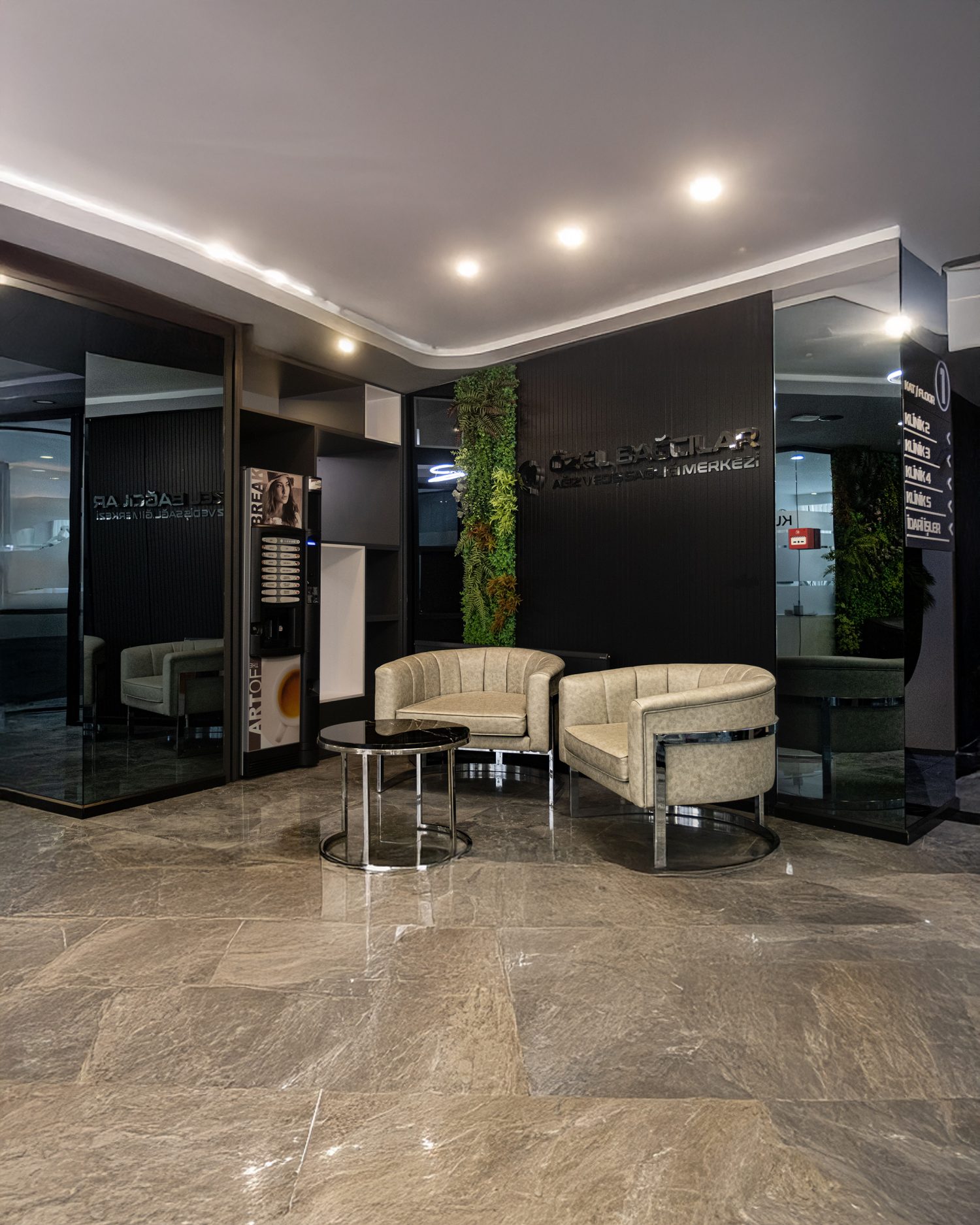
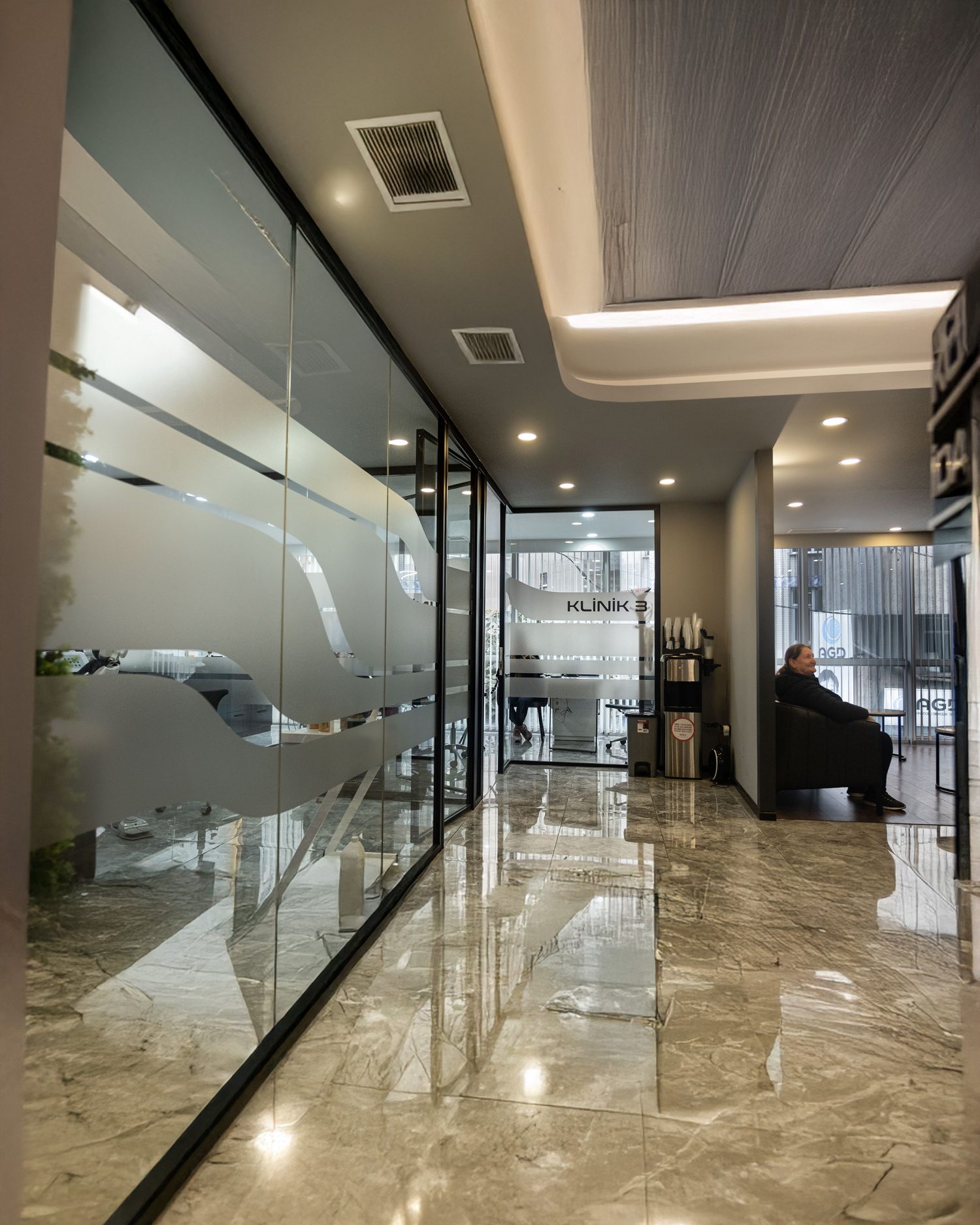
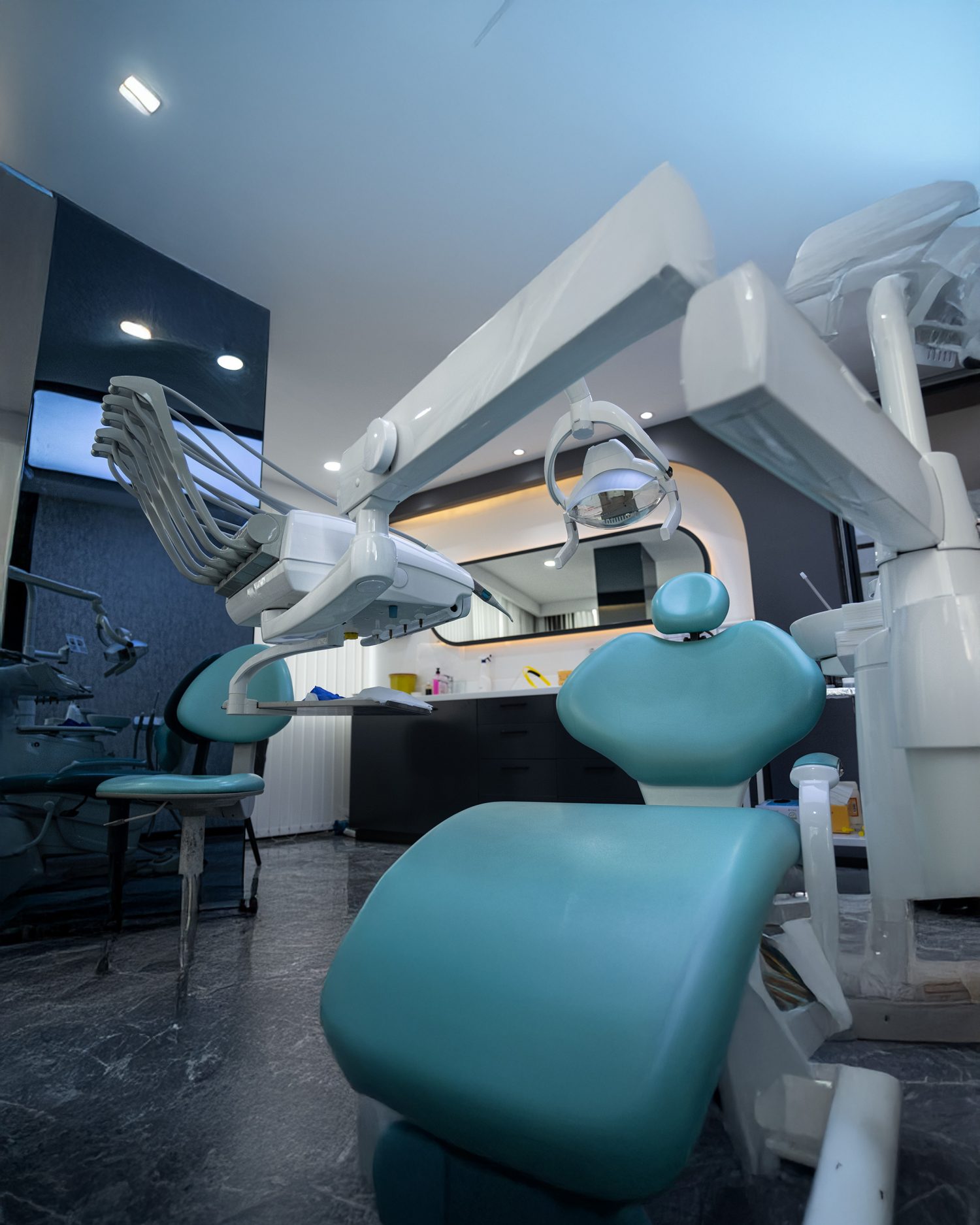
How Consultations Run at Bağcılar

Medical history and what bothers you first, in that order, before anything is examined. Then the clinical examination in full — gums probed and charted, bite assessed, existing restorations checked — and photographs taken as a baseline record.

Imaging follows: a panoramic radiograph in almost every case, a CT wherever implants are being considered, and periapicals where an individual tooth needs detail. If you bring recent imaging from your own dentist, we work from it rather than repeating it unnecessarily.

You are then given options rather than a proposal, with a recommendation and the reasoning for it. Where a tooth is sound and unrestored we say so, and we state what the conservative alternative would be — including when that is a smaller treatment than the one you asked about.

The written plan lists every tooth by number with its material and its reason, the sequence with dates, the itemised costs, and the guarantee — lifetime cover on materials and workmanship, with the exclusions stated plainly. You take it away and decide in your own time.

Frequently Asked Questions

What happens at a first dental consultation?
Medical history, then a discussion of what specifically bothers you, then a full examination covering gum health, bite and appearance, then imaging. Only after all four should options be discussed and a plan proposed. A conversation that starts with a package has skipped the part that matters.
Do I really need radiographs?
Yes. A great deal of what matters clinically is invisible on examination alone — bone levels, decay between teeth, the extent of old fillings, root fractures and failed root treatments. For implants a CT scan is not optional, because the bone determines the entire plan.
Can a consultation be done by video before I travel?
Usefully, yes, if you send radiographs and photographs beforehand. It can establish the options, the sequence and a provisional plan. What it cannot do is measure gum pockets or test tooth vitality, so anything depending on those stays provisional until you are seen.
What should I bring to a consultation?
Any radiographs from the last year or so, a list of your current medications, details of medical conditions and previous dental surgery, and a written note of what bothers you most. That last one matters more than people expect and is easy to forget in the chair.
Should I be given more than one option?
Yes, in almost every case. A missing tooth has at least four possible answers and crooked front teeth have three, differing enormously in how much tooth is removed. Being given a single proposal and a figure is being sold to rather than advised.
What is the single most useful question to ask?
What is the smallest treatment that would address this, and why is it not what you are proposing? A clinician with clinical reasons answers immediately and specifically. A plan built from a package cannot answer it, because the tooth count was fixed before the examination.
What should the written plan contain?
Each tooth by number with what is proposed and why, the material for each restoration named, preparatory work listed separately, the sequence with visit numbers and intervals, itemised costs, and the guarantee terms including exclusions. Anything vaguer commits to nothing.
Is it normal to be asked about medications?
It is essential. Anticoagulants, bone medications such as bisphosphonates, diabetes control and previous head or neck radiotherapy all change surgical planning. A form that asks only about allergies is not a medical history, and quoting for implants without one is careless.
Why does the dentist ask whether I grind my teeth?
Because it changes the material choice, the design and whether a night guard becomes part of the plan. Ceramic placed on an unmanaged grinding habit fractures, and the patient is often blamed afterwards for something that should have been diagnosed at the consultation.
Should the price be discussed at the start?
At the end, and in writing. The figure depends on the plan and the plan depends on the examination, so a consultation opening with a price has reversed the order. What you should receive is an itemised breakdown matching the treatment plan line by line.
Is it rude to ask for time to think?
No, and the reaction to the request is itself informative. Pressure at this stage — discounts that expire, prices available only today, a plan that must be confirmed before you leave — is a sales technique with no place in a clinical setting. Take the plan away.
Should I get a second opinion?
For any large plan, reasonably yes, and no competent clinician objects. Send both the same records and ask each for a plan tooth by tooth, rather than showing one clinic the other's proposal. Two independent assessments of the same mouth are genuinely informative.
Do I get copies of my radiographs?
You should, without asking. They are records of your health rather than clinic property, and any dentist treating you later will need them. The same applies to photographs, material records and, after implant surgery, the implant passport with lot numbers.
How long should a consultation take?
Long enough to cover history, examination, imaging and a discussion of options — in practice rarely less than half an hour, and often longer for complex cases. A ten-minute look followed by a quote has not examined anything, whatever it produced at the end.
What if the plan changes during treatment?
It should be discussed before the change is made, not afterwards, and the original written plan is what makes that conversation straightforward. Genuine changes do happen, but they are uncommon once a CT has been read properly, and they are never presented as a surprise.

Ready to start your treatment?

Get a free online assessment and a transparent treatment plan from our Istanbul clinic.

Contact
✦ Our Patients
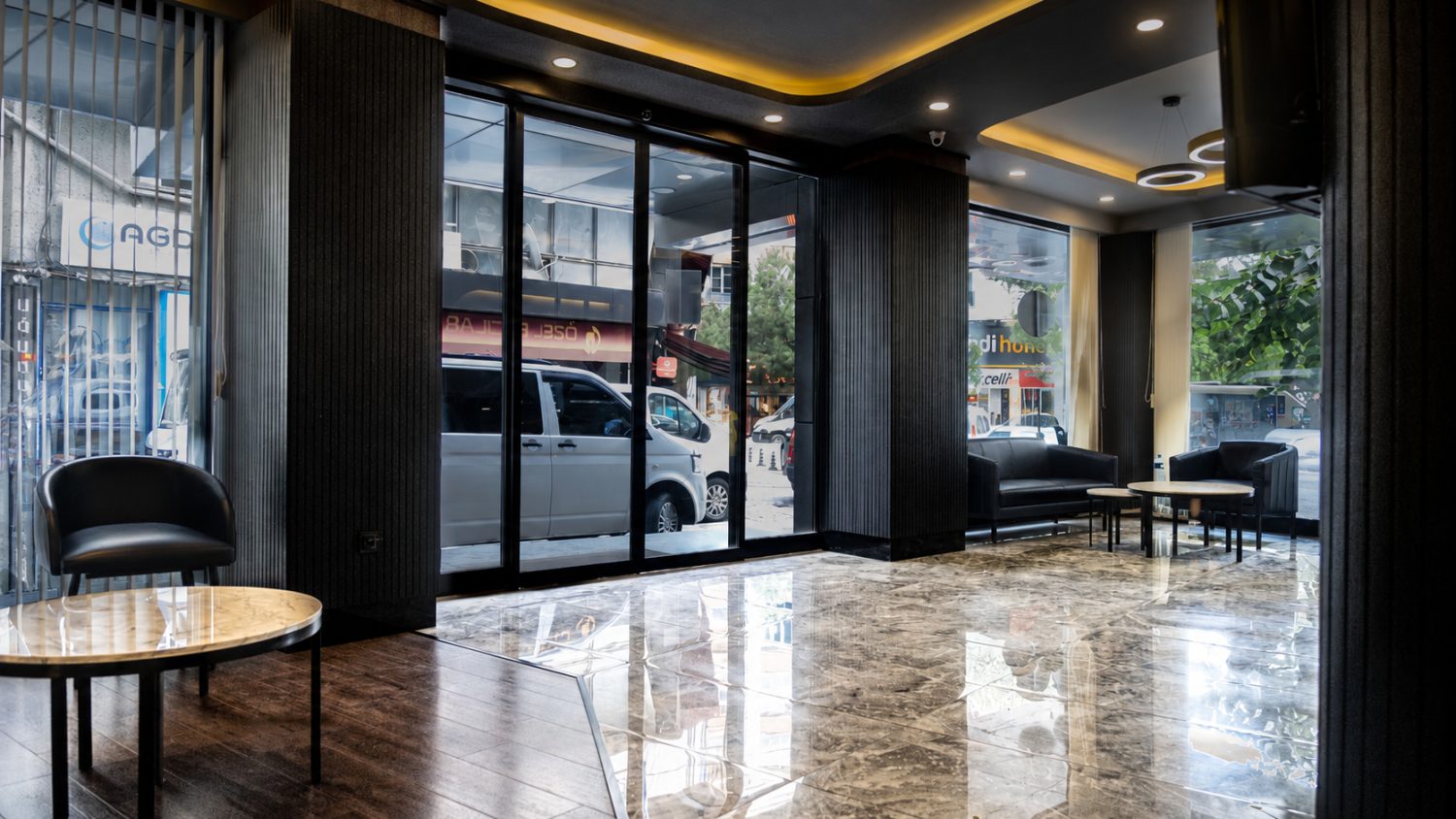
✦ Our Clinic
✦ Our doctors

Our Expert Staff

A safe, comfortable and transparent treatment process at every stage with our experienced physicians.

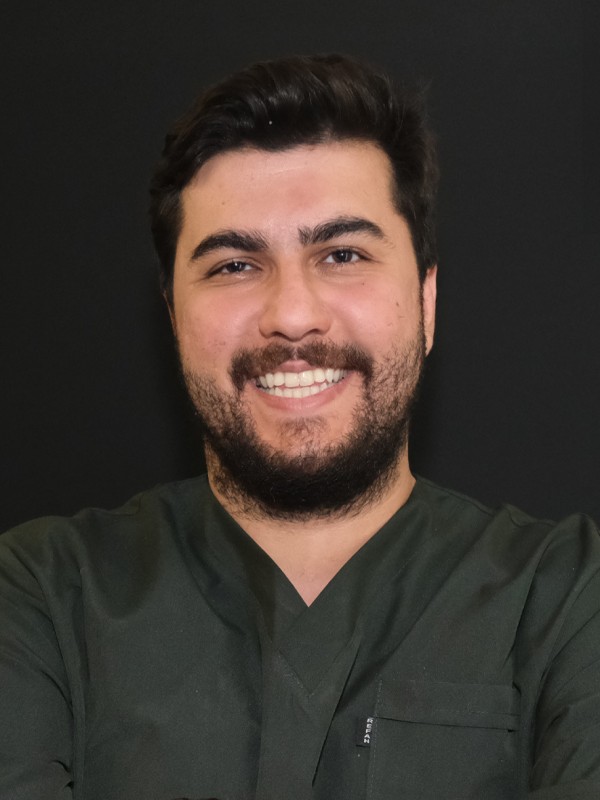
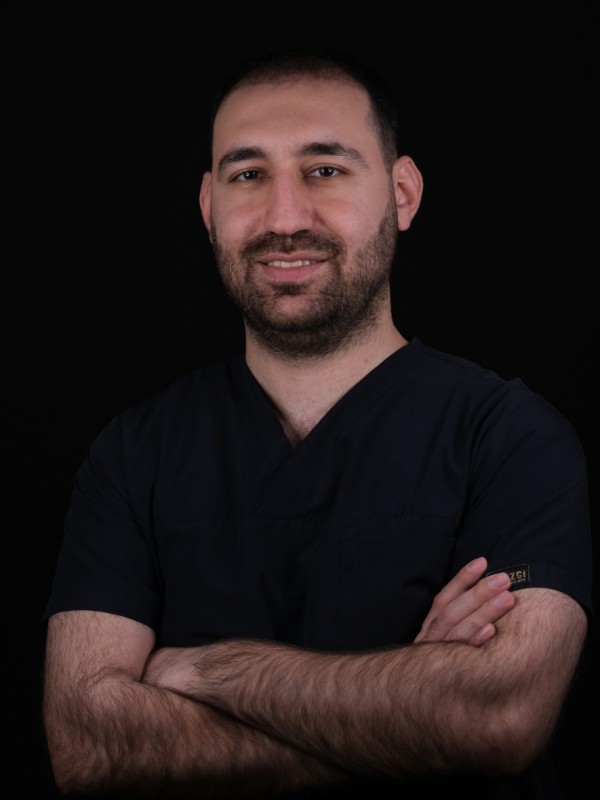
Dt. Muhammed Yancar

Dt. Muhammed Yancar

Responsible Manager · Dentist

He graduated from Okan University Faculty of Dentistry (2022). He works as the responsible manager and dentist at Bağcılar Dental Polyclinic. He is a member of the Turkish Prosthodontics and Implantology Association (TPİD) and the Turkish Dental Association (TDB).

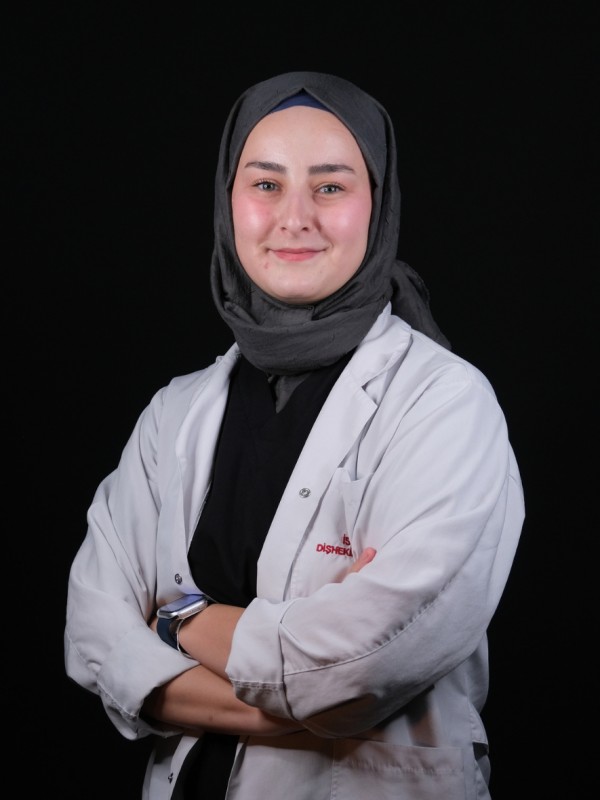
Dr. Dt. Remziye Kuşağlı

Dr. Dt. Remziye Kuşağlı

Responsible Dentist

He graduated from Dicle University Faculty of Dentistry (2005); He has 21 years of experience. It specializes in implant-supported dentures, All-on-4/All-on-6, zirconium, laminate and E-max coating treatments. He is a member of TDB.

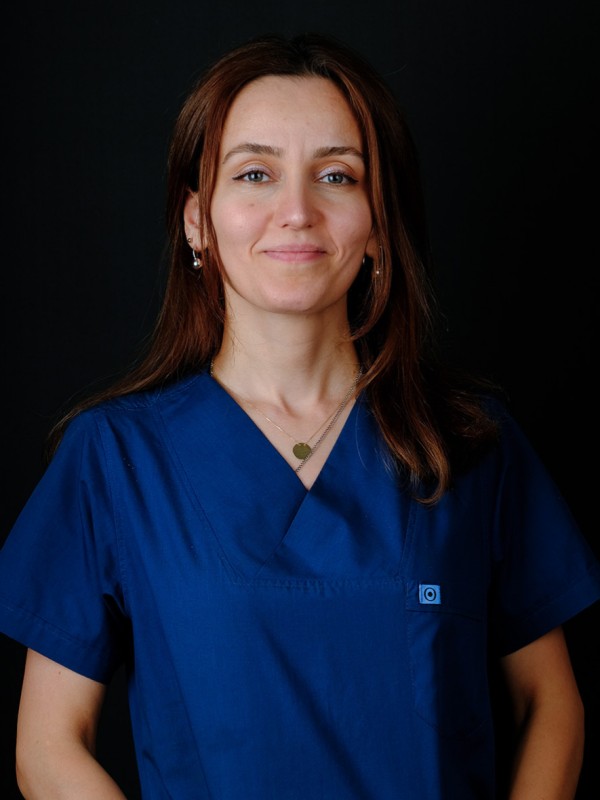
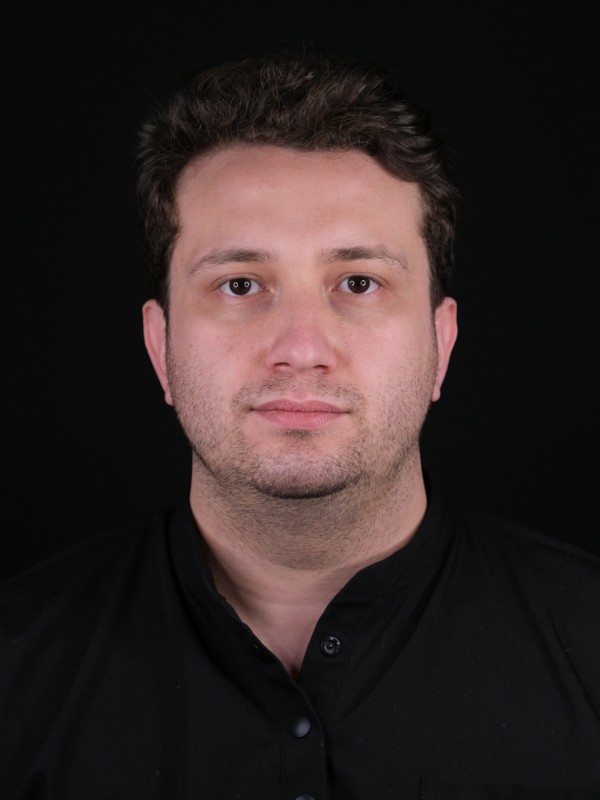
Uzm. Dr. Dt. Nazlı Altın

Uzm. Dr. Dt. Nazlı Altın

Oral and Maxillofacial Surgery Specialist

He graduated from Istanbul University Faculty of Dentistry; He completed his doctorate in oral, dental and maxillofacial surgery. He specializes in complex cases with implant surgery, jaw surgery and bone grafting.

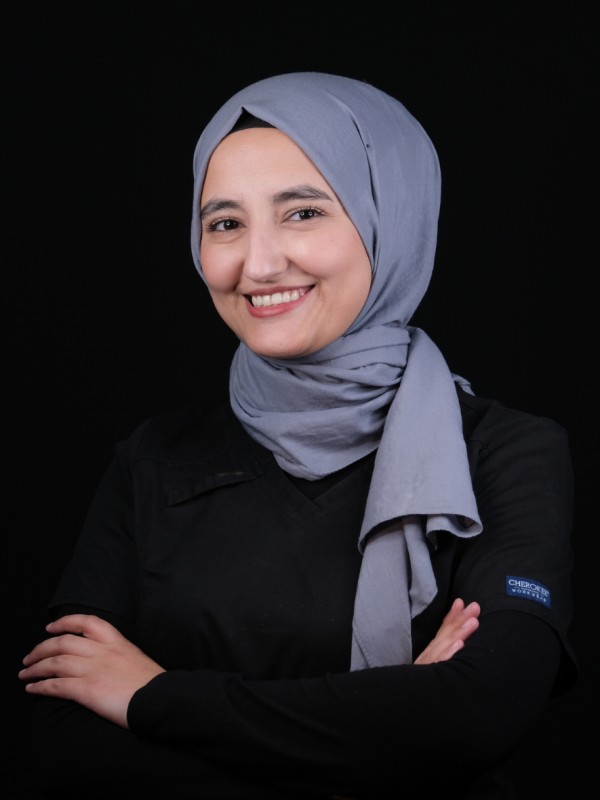
Uzm. Dt. Uğur Derdiyok

Uzm. Dt. Uğur Derdiyok

Oral and Maxillofacial Surgery Specialist

He graduated from Ankara University Faculty of Dentistry; He completed his specialization in oral, dental and maxillofacial surgery at Kırıkkale University. He is an expert in surgical practices with 11 years of experience.

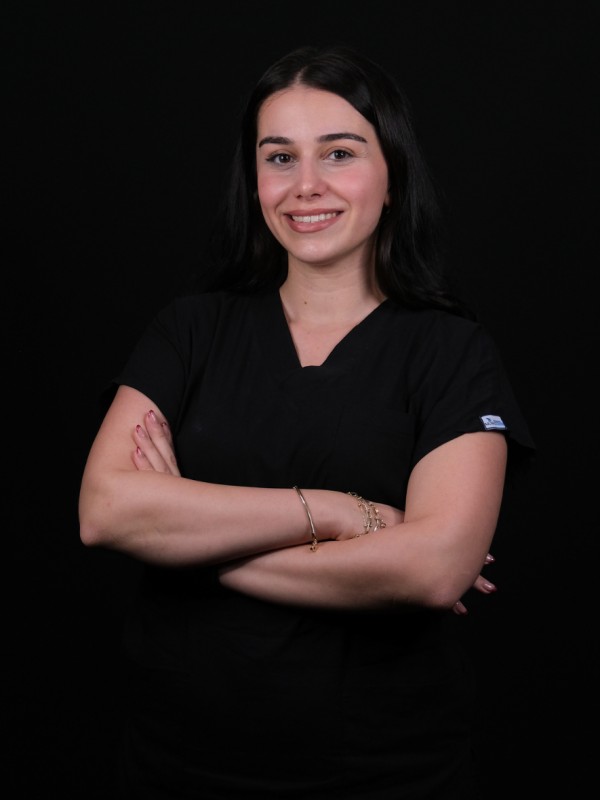
Uzm. Dt. Ceren Çetinkaya

Uzm. Dt. Ceren Çetinkaya

Orthodontic Specialist

He graduated from Ege University Faculty of Dentistry; He completed his orthodontics specialization at Istanbul University. He is experienced in fixed and transparent plate treatments and focuses on functional and aesthetic results.

Dr. Dt. Hakan Şahin

Dr. Dt. Hakan Şahin

Pedodontics Specialist (Pediatric Dentist)

He graduated from Atatürk University Faculty of Dentistry; He completed his pedodontics specialization. It has been providing preventive and therapeutic services in children's dental health for many years.

Uzm. Dt. Natiga Israfilova

Uzm. Dt. Natiga Israfilova

Prosthetic Dentistry Specialist

He is a graduate of Azerbaijan Medical University; He completed his prosthetic dentistry specialization at Eskişehir Osmangazi University. With 20 years of experience, he is an expert in implant prostheses, All-on-4/6, zirconium, laminate and E-max applications.

Dt. Nur Küçük

Dt. Nur Küçük

Prosthodontics & Digital Dentistry

He graduated from Istanbul Medipol University, Department of Dentistry; He continues his doctoral education in prosthetic dentistry. He works on aesthetic and functional restorations and smile design with CAD/CAM systems.

Dt. Mehmet Emin Ceylan

Dt. Mehmet Emin Ceylan

Implant & Prosthesis

He graduated from Istanbul Aydin University Faculty of Dentistry; He has 7 years of experience. He specializes in implant-supported dentures, All-on-4/All-on-6 restorations, full mouth dentures and zirconium applications.

Dt. Zeynep Demirhan

Dt. Zeynep Demirhan

Prosthodontics & Aesthetic Dentistry

He graduated from Bezmiâlem Vakıf University, Faculty of Dentistry. He is experienced in prosthetic treatments, smile design, implant-supported prostheses and treatments under sedation; focuses on patient satisfaction.

Dt. Seda Şahle Alemdar

Dt. Seda Şahle Alemdar

Implant & Aesthetics · Digital

He graduated from Abant İzzet Baysal University Faculty of Dentistry (2020). He is experienced in implant-supported dentures, smile design, digital measurement systems and aesthetic restorations.

Dt. Muhammed Ali Almaz

Dt. Muhammed Ali Almaz

Implant & Aesthetic Dentistry

He graduated from Gazi University Faculty of Dentistry (2021); He has 5 years of experience. He works with health tourism patients in the fields of implant prostheses, All-on-4, zirconium, aesthetic fillings and teeth whitening.

Dt. Berkay Pehlivanoğlu

Dt. Berkay Pehlivanoğlu

Restorative & Prosthetic

He graduated from Marmara University Faculty of Dentistry (2021); He has 6 years of experience. He works in the fields of endodontics (root canal treatment), restorative treatments, zirconium/E-max/laminate prosthesis and implant-supported prosthesis.

Dt. Esranur Çelik

Dt. Esranur Çelik

Restorative & Periodontology

He graduated from Süleyman Demirel University Faculty of Dentistry (2017); He has 9 years of experience. He works in periodontology (gum), restorative and endodontic treatments and aesthetic smile design.

Dt. Havva Öztürk

Dt. Havva Öztürk

General & Restorative Dentistry

He graduated from Bolu Abant İzzet Baysal University Faculty of Dentistry (2023). Works in restorative, endodontic, periodontal, prosthetic and pedodontic treatments; Follows current treatments closely.

Dt. Sümeyya Aydınlık

Dt. Sümeyya Aydınlık

Dentist

He graduated from Istanbul Yeni Yüzyıl University, Department of Dentistry (2020); Has approximately 5 years of experience. In addition to general dentistry, he works in implant prosthesis, restorative and endodontic treatments.

Dt. Hasip Altun

Dt. Hasip Altun

General Dentistry

He graduated from Yüzüncü Yıl University Faculty of Dentistry (2018). He has clinical experience in general dentistry and restorative treatments; It stands out with its patient-oriented approach.

Dt. Birsen Er

Dt. Birsen Er

Implant & Aesthetic Dentistry

He graduated from Istanbul University Faculty of Dentistry (2002); He has 24 years of experience. He works in the fields of implant-supported prostheses, All-on-4, zirconium restorations, aesthetic fillings, root canal treatment (endodontics) and teeth whitening.

✦ Our Videos
✦ Trusted Worldwide

What Our Patients Say

Google★★★★★
Trustpilot★★★★★
4.6/5 1.682+ Happy Patients 30+ Countries
A
Ayşe Kaya ★★★★★

I did not feel any pain during my implant treatment. The team is extremely attentive, I was informed at every stage. I love my new smile!

M
Mehmet Yıldız ★★★★★

My zirconium crowns looked very natural. It is excellent in terms of price-performance, I recommend it with peace of mind.

H
Hans Müller ★★★★★

I came from Germany for All-on-4 treatment. The clinic was very modern and hygiene was perfect. Translator support made my job much easier.

E
Elena Petrova ★★★★★

I came for my smile design; Everything was considered, including reception, hotel and transportation. My teeth were literally reborn.

F
Fatma Demir ★★★★★

My gum treatment was very successful. My doctor explained everything patiently, and my fear of the dentist was completely gone.

J
James Wilson ★★★★★

I came from London for laminate veneer. Professional team, painless procedure and great result. It was worth every penny.

Z
Zeynep Arslan ★★★★★

My orthodontic treatment proceeded as planned. The transparent record was very comfortable, no one even noticed. Thanks!

A
Andrei Popescu ★★★★★

I came from Romania for implants. From CT scan to treatment, everything started on the same day. I am very pleased with the result.

H
Hatice Şahin ★★★★☆

After teeth whitening, my teeth became visibly whiter. I got results in one session, it was very practical.

S
Sophie Dubois ★★★★★

I chose it for Hollywood Smile from France. The attention of the doctors and the naturalness of the result were far beyond my expectations.

A
Ali Çelik ★★★★★

My root canal treatment was painless and I returned to work the same day. Modern devices make a difference, well done.

M
Maria Rossi ★★★★★

I came from Italy for zirconium. It is much more advantageous than Europe in terms of both price and quality. I definitely recommend it.

E
Emine Yılmaz ★★★★★

We came for my mother's prosthetic teeth, they were very interested. The patience shown to elderly patients is admirable.

V
Viktor Ivanov ★★★★★

After the smile design, my self-confidence skyrocketed. The clinic is clean and the team is friendly. I recommend it to everyone from Sofia.

A
Ayşe Kaya ★★★★★

I did not feel any pain during my implant treatment. The team is extremely attentive, I was informed at every stage. I love my new smile!

M
Mehmet Yıldız ★★★★★

My zirconium crowns looked very natural. It is excellent in terms of price-performance, I recommend it with peace of mind.

H
Hans Müller ★★★★★

I came from Germany for All-on-4 treatment. The clinic was very modern and hygiene was perfect. Translator support made my job much easier.

E
Elena Petrova ★★★★★

I came for my smile design; Everything was considered, including reception, hotel and transportation. My teeth were literally reborn.

F
Fatma Demir ★★★★★

My gum treatment was very successful. My doctor explained everything patiently, and my fear of the dentist was completely gone.

J
James Wilson ★★★★★

I came from London for laminate veneer. Professional team, painless procedure and great result. It was worth every penny.

Z
Zeynep Arslan ★★★★★

My orthodontic treatment proceeded as planned. The transparent record was very comfortable, no one even noticed. Thanks!

A
Andrei Popescu ★★★★★

I came from Romania for implants. From CT scan to treatment, everything started on the same day. I am very pleased with the result.

H
Hatice Şahin ★★★★☆

After teeth whitening, my teeth became visibly whiter. I got results in one session, it was very practical.

S
Sophie Dubois ★★★★★

I chose it for Hollywood Smile from France. The attention of the doctors and the naturalness of the result were far beyond my expectations.

A
Ali Çelik ★★★★★

My root canal treatment was painless and I returned to work the same day. Modern devices make a difference, well done.

M
Maria Rossi ★★★★★

I came from Italy for zirconium. It is much more advantageous than Europe in terms of both price and quality. I definitely recommend it.

E
Emine Yılmaz ★★★★★

We came for my mother's prosthetic teeth, they were very interested. The patience shown to elderly patients is admirable.

V
Viktor Ivanov ★★★★★

After the smile design, my self-confidence skyrocketed. The clinic is clean and the team is friendly. I recommend it to everyone from Sofia.

B
Burak Aydın ★★★★★

I had a combination of implant and zirconium. The result is incredibly natural. The appointment and follow-up process was very orderly.

A
Anna Schmidt ★★★★☆

My laminate veneer treatment went well. It took a little waiting, but the result was perfect. Thanks for the translator support.

S
Selin Koç ★★★★★

I had gum aesthetics and whitening. I have no hesitation when laughing anymore. I am grateful to the entire team.

R
Robert Brown ★★★★★

My All-on-6 treatment changed my life. I came from England; The attention shown and the result achieved were perfect.

G
Gülşah Eren ★★★★★

We came for my child's dental treatment, they treated the child patients very kindly. He was treated without fear, we are very happy.

D
Dimitar Georgiev ★★★★★

Implant prices are very affordable compared to Bulgaria, and the quality is high. The entire process was completed in 4 days.

O
Okan Demirtaş ★★★★★

I can't recognize myself in photos after my smile design. My doctor's sense of aesthetics is really good.

C
Claudia Fischer ★★★★★

I came for my implant treatment, it was painless and fast. The clinic is above German standards, I am very pleased.

M
Merve Polat ★★★★★

I had a combination of orthodontics and whitening. The result is great, the team is very professional and caring.

L
Lucas Martin ★★★★★

I came from Paris for laminate veneer. I was very pleased with the natural result and warm attention. Thanks!

İ
İbrahim Kara ★★★★☆

My dental bridge treatment was durable and comfortable. Pricing was transparent, there were no surprise fees.

N
Natalia Sokolova ★★★★★

I came from Russia for smile design. The service quality and attention were excellent, my teeth turned out as I dreamed.

D
Deniz Aksoy ★★★★★

I had teeth whitening in one session, the difference was immediately obvious. It was a fast, clean and professional experience.

T
Thomas Becker ★★★★★

I came for All-on-4 and walked out smiling the same day with temporary teeth. The interest and technology are top notch, thank you very much.

B
Burak Aydın ★★★★★

I had a combination of implant and zirconium. The result is incredibly natural. The appointment and follow-up process was very orderly.

A
Anna Schmidt ★★★★☆

My laminate veneer treatment went well. It took a little waiting, but the result was perfect. Thanks for the translator support.

S
Selin Koç ★★★★★

I had gum aesthetics and whitening. I have no hesitation when laughing anymore. I am grateful to the entire team.

R
Robert Brown ★★★★★

My All-on-6 treatment changed my life. I came from England; The attention shown and the result achieved were perfect.

G
Gülşah Eren ★★★★★

We came for my child's dental treatment, they treated the child patients very kindly. He was treated without fear, we are very happy.

D
Dimitar Georgiev ★★★★★

Implant prices are very affordable compared to Bulgaria, and the quality is high. The entire process was completed in 4 days.

O
Okan Demirtaş ★★★★★

I can't recognize myself in photos after my smile design. My doctor's sense of aesthetics is really good.

C
Claudia Fischer ★★★★★

I came for my implant treatment, it was painless and fast. The clinic is above German standards, I am very pleased.

M
Merve Polat ★★★★★

I had a combination of orthodontics and whitening. The result is great, the team is very professional and caring.

L
Lucas Martin ★★★★★

I came from Paris for laminate veneer. I was very pleased with the natural result and warm attention. Thanks!

İ
İbrahim Kara ★★★★☆

My dental bridge treatment was durable and comfortable. Pricing was transparent, there were no surprise fees.

N
Natalia Sokolova ★★★★★

I came from Russia for smile design. The service quality and attention were excellent, my teeth turned out as I dreamed.

D
Deniz Aksoy ★★★★★

I had teeth whitening in one session, the difference was immediately obvious. It was a fast, clean and professional experience.

T
Thomas Becker ★★★★★

I came for All-on-4 and walked out smiling the same day with temporary teeth. The interest and technology are top notch, thank you very much.

✦ Our Brands
Straumann
Nobel Biocare
Astra Tech
Medentika
Bredent SKY
Straumann
Nobel Biocare
Astra Tech
Medentika
Bredent SKY
✦ Contact
Get in touch

İstanbul Bağcılarour central clinic

Merkez Mahallesi 675. Sokak No: 1-7/A-B, 34203 Bağcılar/İstanbul, Turkey

Open in Google Maps