







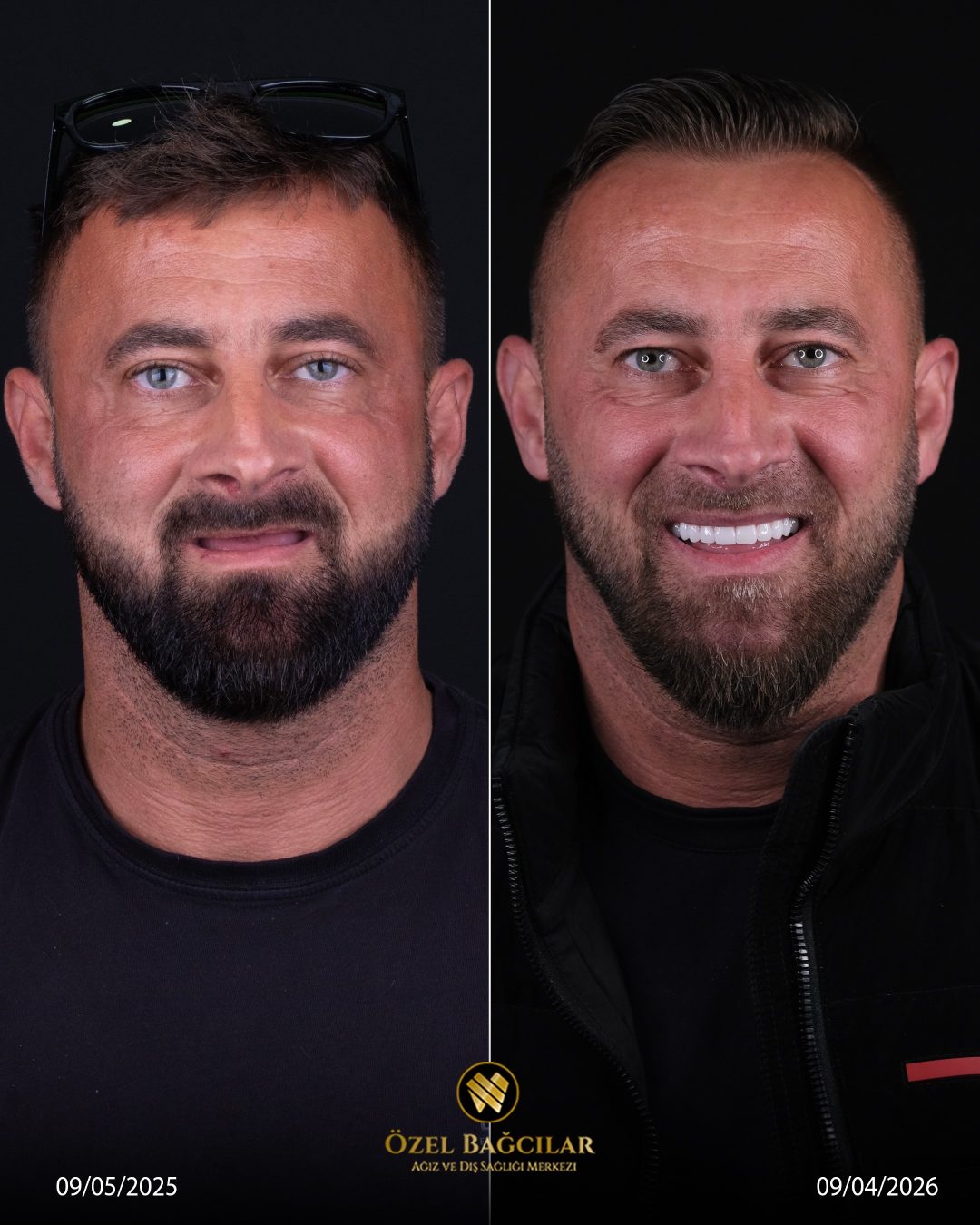




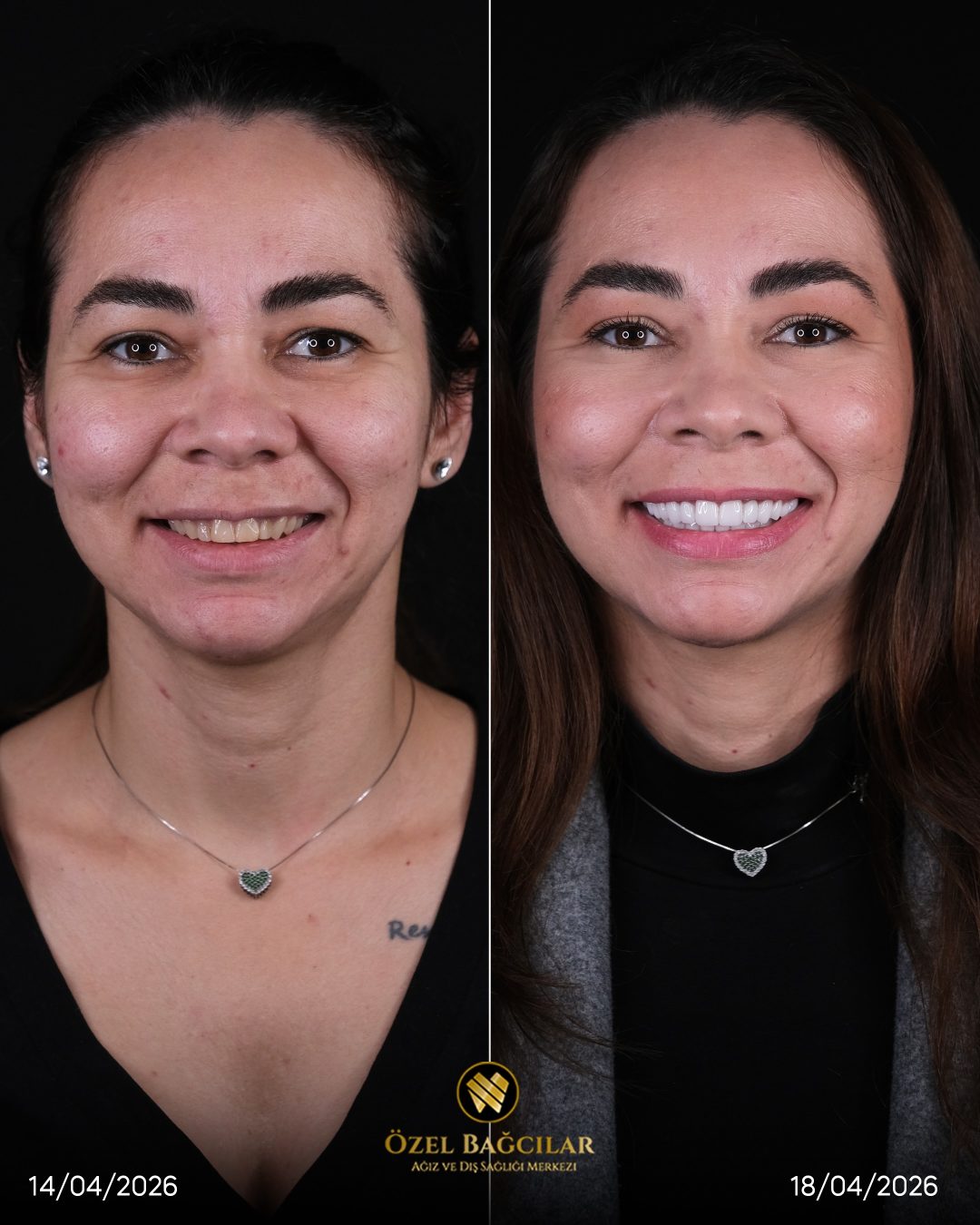

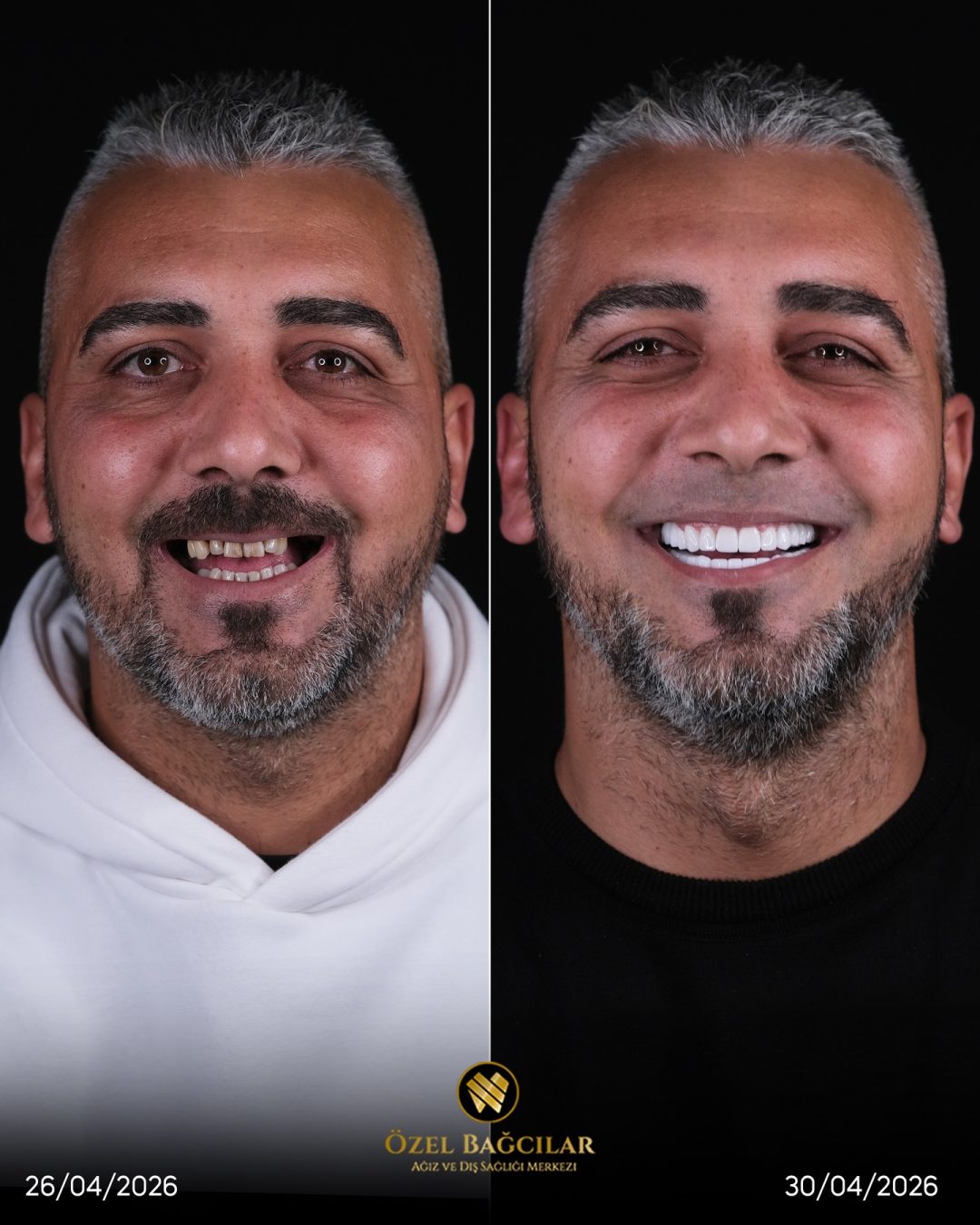
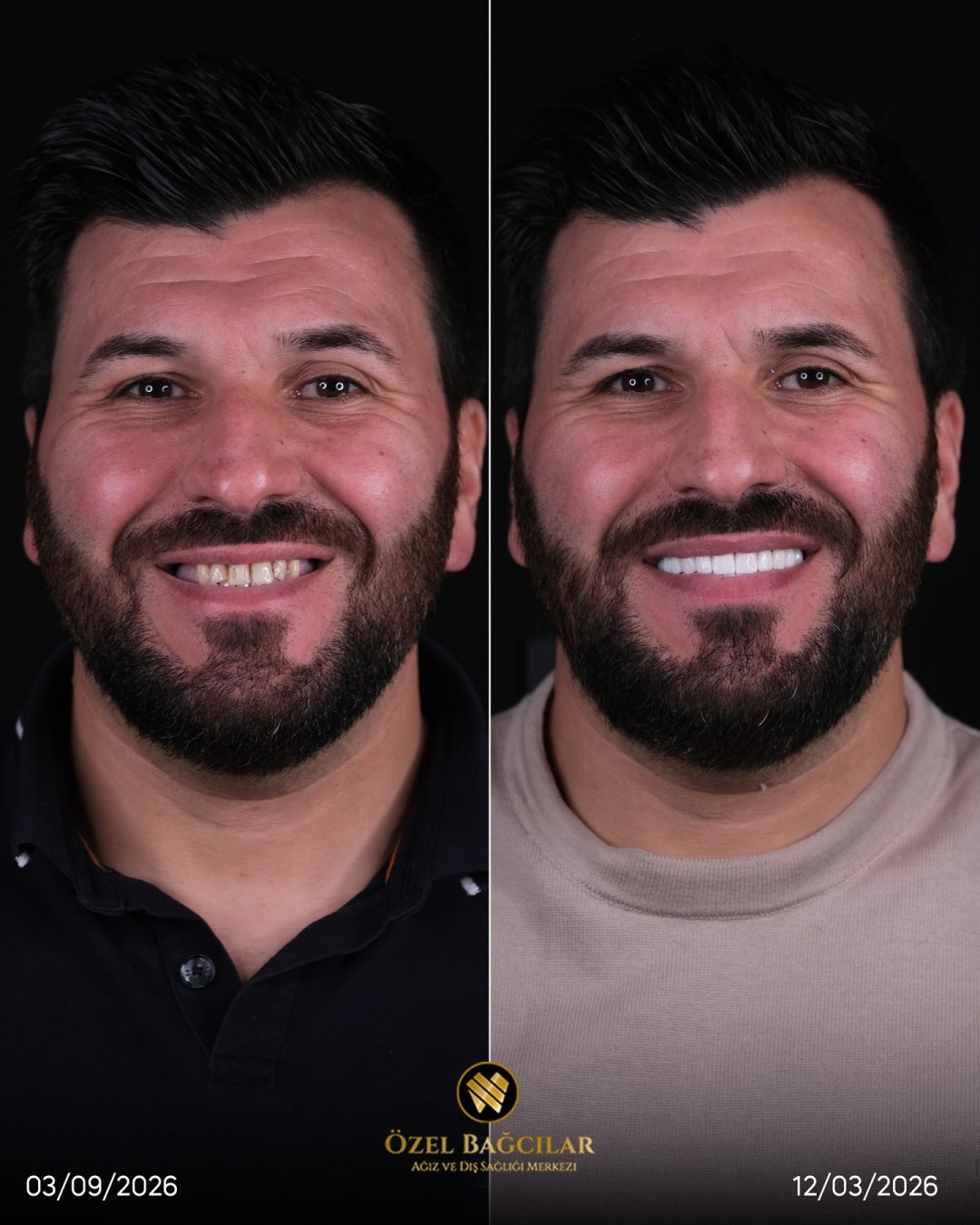
The First Twenty-Four Hours After Treatment in İstanbul
After any surgical procedure — an extraction, an implant placement, a graft — a blood clot forms in the site and everything about early healing depends on it staying there. Almost every first-day instruction exists for that single reason.
Bite firmly on the gauze pad for the first thirty to sixty minutes and change it if it soaks through. Do not rinse, spit forcefully, or use a straw for the first day: the suction pulls the clot out of the socket. Do not smoke at all, for considerably longer than one day.
Keep your head elevated, including when sleeping — an extra pillow that first night reduces both bleeding and swelling. Apply a cold pack to the outside of the face in intervals of roughly twenty minutes on and twenty off, for the first several hours.
Avoid heat entirely for the first day: no hot drinks, no hot shower over the face, no sauna, no hammam. Avoid exercise and heavy lifting, which raise blood pressure in the head and restart bleeding that had settled.
Bleeding, Swelling and Bruising — What Is Normal
Light oozing that tints your saliva pink for the rest of the first day is normal and does not need treatment. A small amount of blood mixes with a large amount of saliva and looks far more dramatic than it is.
Swelling follows a predictable curve. It builds through the first day, peaks around day two or three, and then falls steadily. That pattern is the reassuring part: swelling that is still increasing on day four or five is not following the normal course and should be reported.
Bruising on the cheek or under the jaw appears in some patients after longer surgery and is harmless. It often tracks downward with gravity over several days, sometimes reaching the neck, and it fades through the usual colours over a week or two.
Switch from cold to warm compresses after the first twenty-four hours. Cold limits swelling as it forms; warmth helps disperse it once it has. Using them in the wrong order achieves very little.
Pain Control and Medication
Take the first dose of pain relief before the local anaesthetic wears off rather than after. Staying ahead of the pain requires a lower dose overall than catching up with it, and this single piece of timing makes the largest difference to how the first evening feels.
Anti-inflammatory painkillers are generally the most effective for dental pain because most of it is inflammatory, and they can usually be alternated with paracetamol — but they do not suit everyone. Do not take them if you have asthma triggered by them, a history of stomach ulcers, kidney disease, or if you take anticoagulant or antiplatelet medication; use paracetamol alone in those cases and tell us. Follow the specific instructions you are given, which take account of your medical history and anything else you take.
Discomfort should decrease each day. Pain that is stable or worsening from day three onward, particularly after an extraction, is the pattern associated with a dislodged clot and is worth reporting rather than medicating through.
Avoid aspirin unless it was specifically prescribed to you, as it affects clotting. If you take anticoagulants routinely, that will already have been discussed at the planning stage — never adjust them yourself.
Antibiotics, Rinses and When They Matter
Antibiotics are not routine after every procedure and should not be. They are prescribed where there is a genuine infection risk: implant placement, bone grafting, sinus procedures, surgical extractions, or an existing infection at the site.
Where they are prescribed, finish the full course even after you feel completely well. Take the full course as directed rather than stopping when you feel well — the length was set for the healing period rather than the symptoms. If you want to stop early for any reason, ask us first.
An antiseptic mouthwash is commonly prescribed for the first week or two. Start it the day after surgery rather than the same day, and use it gently — held in the mouth and tilted, not swished. Prolonged use stains teeth temporarily, which is why it is prescribed as a course rather than indefinitely.
A warm salt water rinse, used gently from the second day, is genuinely useful and costs nothing. It keeps the area clean without the mechanical force that disturbs healing.
Eating Through the First Weeks
The rule is simple: nothing that requires force, nothing sharp, nothing hot, and nothing on the surgical side until it has settled. The timetable below is the usual progression, and it moves faster or slower depending on how much surgery was involved.
| Period | What you can eat | What to avoid |
|---|---|---|
| First 24 hours | Cool soft food — yoghurt, smooth soup, ice cream, purée | Anything hot, straws, alcohol, smoking, the surgical side |
| Days 2–3 | Soft warm food — eggs, pasta, fish, mashed vegetables | Crusty bread, nuts, seeds, crisps, chewing on the site |
| Days 4–7 | Softer normal meals, chewing on the opposite side | Hard, crunchy or sticky food; very hot drinks |
| Weeks 2–4 | Normal diet returning gradually | Biting hard items directly with front restorations |
| Ongoing, veneers and crowns | Everything, cut rather than bitten where hard | Ice, pen lids, packaging, using teeth as tools |
| Ongoing, implants | Everything once fully restored | Nothing specific — hygiene matters more than diet |
Small, frequent meals work better than large ones in the first days. Keep hydrated with cool water, and take anything hot only once the anaesthetic has fully worn off — a numb mouth cannot tell you it is being burned.
Cleaning Around a Healing Site
The instinct is to leave the area alone entirely, and that is the wrong instinct. Plaque accumulating around a surgical site is one of the main causes of early problems. The site needs cleaning; it just needs cleaning gently.
Brush all your other teeth normally from the same evening. Around the surgical site, use a soft brush and light pressure from the day after, avoiding the sutures directly. A single-tufted or surgical brush, if you were given one, reaches the margin without disturbing anything.
Do not floss through a fresh surgical site or a new implant site until you are told it is ready. Once healing is complete, cleaning between teeth becomes more important than it was before, not less — restorations have margins, and margins are where problems start.
Sutures are commonly dissolvable and disappear over one to two weeks. If yours need removing, that appointment is arranged before you travel, either with us or with a dentist at home.
Flying After Dental Surgery
For most treatment, flying the day after is fine. Cabin pressure changes are modest and a healing extraction or implant site is not meaningfully affected by them. Where there is a reason to wait, it is specific.
Sinus procedures are the clear exception. After a sinus lift, the membrane needs time before pressure changes are safe, and the interval you are given will be longer — usually well beyond a single day. What a sinus lift involves sets out the recovery in detail.
On the flight itself, keep hydrated, avoid alcohol, and take pain relief before boarding rather than during. Carry your medication and a spare gauze pad in hand luggage rather than in the hold.
Take your treatment records with you rather than waiting for them to be sent. Radiographs, the implant passport, material records and the written guarantee are what any dentist at home will need if you contact one — how the guarantee works from abroad explains the process.
Aftercare Specific to Implants
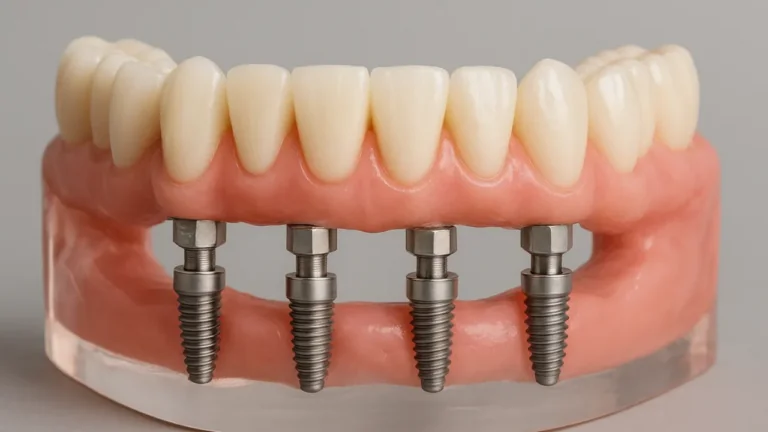
Between placement and the final crown, the implant is integrating with bone and the priority is leaving it undisturbed. Avoid chewing directly over the site, and do not test it with your tongue or finger — an unhealed implant needs to stay still, and most early failures come from smoking, poor bone quality, or the site being loaded too soon.
Where a temporary bridge is fitted at surgery, it is deliberately kept out of heavy function. Treat it as a placeholder rather than a tooth: soft diet, no biting with it, and report immediately if it loosens.
Smoking is the single largest modifiable risk factor for implant failure. It reduces blood supply to healing bone, and the effect is dose-dependent rather than all-or-nothing. Stopping for the healing period genuinely changes the odds, even if you resume afterwards.
Long-term, implants fail from gum disease around them far more often than from anything mechanical. Daily cleaning at the margin and hygiene appointments at the usual interval are what prevent it — what causes implants to fail and what can be done covers the full picture.
Where the site was grafted, everything above stretches. Grafted bone matures more slowly than native bone and the interval before loading is longer, which is decided at surgery rather than in advance. What grafting involves sets out the healing periods, and they are the reason a plan can need a third visit.
Aftercare for Crowns, Veneers and Bridges
Temporaries come first. They are held with weak cement so they can be removed easily, which also means they can come off. Avoid sticky food entirely while wearing them, and clean around them by pulling floss out sideways rather than up through the contact.
Once the permanent restorations are bonded, sensitivity to cold for a few days is common and settles. Sensitivity that persists beyond a couple of weeks, or pain on biting, usually means the bite needs a small adjustment — a short appointment, and one worth having rather than tolerating.
The bite is the thing to report. A restoration that feels even slightly high concentrates force on one point and can fracture ceramic or inflame the tooth beneath it. It is corrected in minutes and causes real problems if left.
Long term, treat front restorations as teeth rather than tools. Cut hard food instead of biting it, and if you grind, wear the guard. Managing a grinding habit is the main thing that decides how long front ceramic lasts.
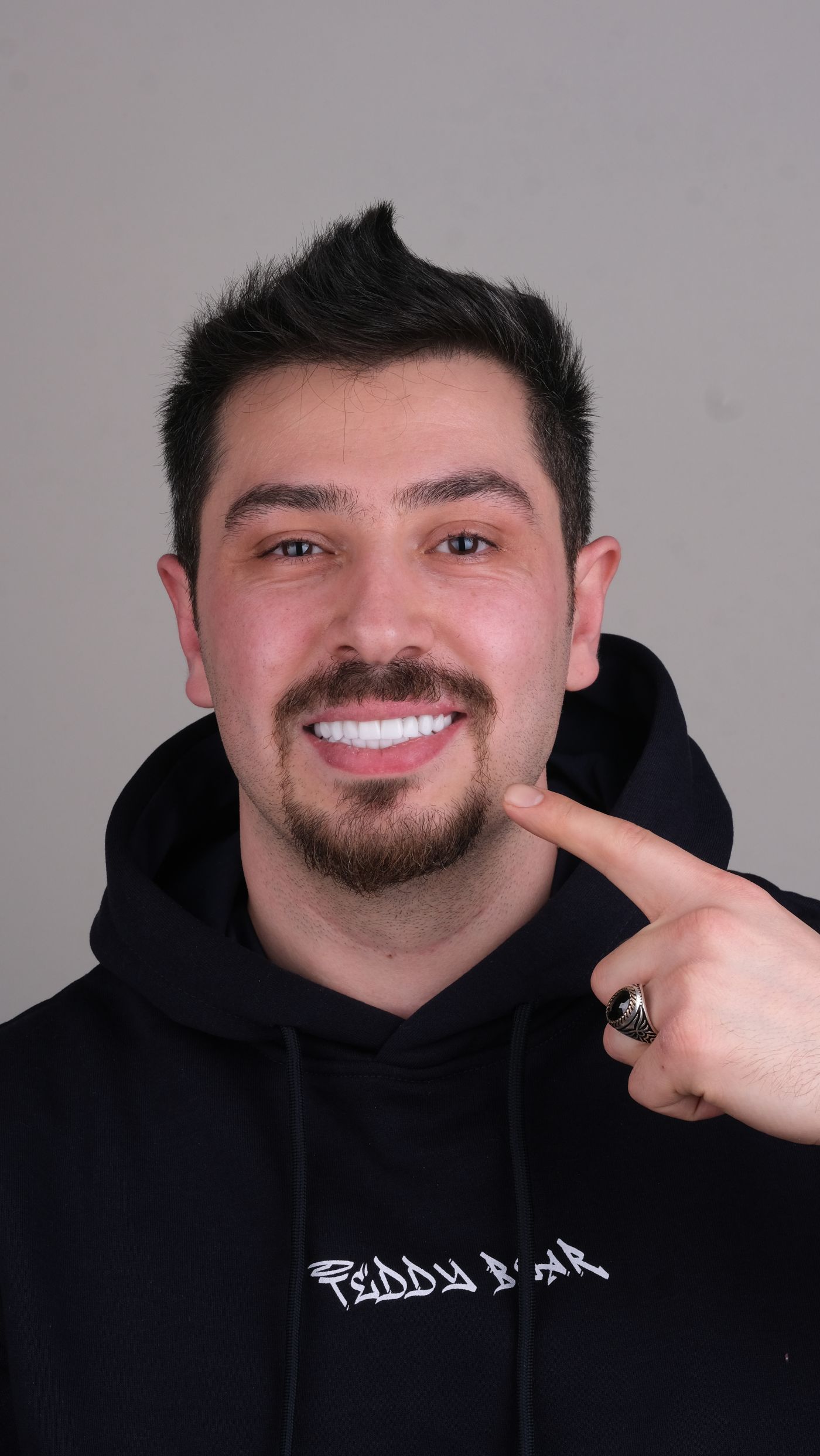
Shade is worth one final note. Natural teeth beside new ceramic continue to pick up stain from coffee, tea and red wine, while the ceramic does not — so over years the match drifts in one direction only. Reducing staining habits, or maintaining whitening on the natural teeth, is what keeps a designed smile looking designed rather than mismatched.
After an Extraction: Avoiding Dry Socket
Dry socket is the complication people have heard of, and it is largely avoidable. It happens when the clot is lost from the socket before the tissue underneath has healed, leaving bone exposed. It is not an infection, though it is intensely painful.
The pattern is distinctive: pain that improves for two days and then returns sharply around day three or four, often radiating to the ear, with a bad taste and an empty-looking socket. Ordinary healing pain decreases steadily; this does the opposite.
The main risk factors are smoking, using straws, forceful rinsing on the first day, and surgical extraction of lower wisdom teeth. Three of those four are entirely within your control, which is why the first-day instructions matter so much.
It is treated easily — the socket is cleaned and a medicated dressing placed, with rapid relief. If you are already home, any dentist can do it. What extraction involves and wisdom tooth recovery specifically both cover the timeline.
After Gum Treatment
Recovery here feels different from surgical recovery and worries people for that reason. After deep cleaning or periodontal surgery, the gums are often tender, teeth can be sensitive to cold, and the gum line frequently recedes slightly as inflammation resolves.
That recession is not damage. Swollen gum tissue was sitting higher than the healthy tissue underneath; as the swelling settles, the true gum position becomes visible. Teeth may look longer and small gaps may appear between them. This is healing, not harm.
Sensitivity usually settles over several weeks and responds to a desensitising toothpaste used consistently rather than occasionally. Use it as a paste left on the sensitive area rather than rinsed away immediately.
The long-term outcome depends almost entirely on daily cleaning between the teeth and on keeping the maintenance interval you are given. What gum treatment can and cannot reverse sets out realistic expectations.
Two side effects catch people out. Breath often improves markedly once the bacteria in deep pockets are removed, which is worth knowing if that was part of why you sought treatment. And the maintenance interval afterwards is usually shorter than the standard six months, because periodontal disease recurs quietly — what maintenance involves is planned from the start rather than added later.
Warning Signs That Need Contact
Most recoveries need no intervention at all. These are the specific patterns that do — they are worth photographing and sending rather than waiting to see whether they settle.
- Swelling that is still increasing on day four or later, rather than falling.
- Pain that worsens from day three onward instead of steadily improving.
- Bleeding that has not settled with firm gauze pressure after an hour.
- Fever, or swelling spreading toward the eye, the floor of the mouth or the neck.
- Difficulty swallowing or breathing — this is urgent and needs immediate local care.
- A temporary crown or bridge that has come off, or a restoration that feels high.
- Numbness in the lip, chin or tongue that has not begun to recede by the evening of surgery, or that is still there the next morning — report it that day rather than waiting, because early assessment changes what can be done about it.
- A persistent bad taste with a socket that looks empty, from day three.
Send a photograph with any message. A clear image of the site tells us in seconds what a paragraph of description cannot, and it is usually enough to decide between reassurance, a prescription, and seeing a dentist locally.
Most of that list is uncommon and is dealt with easily when reported early. Three items are not a message-and-wait matter: difficulty swallowing or breathing, swelling spreading towards the eye, the floor of the mouth or the neck, and fever alongside spreading swelling. Those need the nearest emergency department the same hour, wherever you are — contact us afterwards, not first.
The Long Game: What Keeps the Work
The first month is about healing; everything after that is about maintenance, and maintenance is what decides whether restorations last a decade or three. None of it is complicated.
Clean between the teeth every day. Restorations have margins, and margins are where decay and gum inflammation begin — brushing alone does not reach them. Interdental brushes are generally more effective than floss around implants and bridges.
Keep hygiene appointments at the interval you are given, which may be shorter than the standard six months if you have had gum treatment or extensive restorative work. A professional clean removes what daily cleaning cannot, and it is when early problems are caught.
Wear the night guard if you were given one, every night rather than when you remember. Between them, those three habits protect the work more than any material choice does — and everything we place carries a lifetime guarantee on materials and workmanship, in writing.
A guard that no longer fits protects nothing, so have it checked at your hygiene appointments and replaced when it wears through. How guards are made and how long they last covers the practicalities, including what to do if you find yourself unable to sleep in one.
One thing changes when the clinic is in another country, and it is worth being explicit about it: distance does not change the aftercare, it changes who you contact first. Everything above applies exactly as it would if you lived in Bağcılar. What is different is that you leave İstanbul with an out-of-hours number, the name of the clinician who treated you, and a written summary your own dentist can act on. For anything that can be assessed from a photograph, send one — most queries in the first fortnight are resolved that way. For anything on the emergency list above, use local emergency care first and tell us afterwards. Distance is a reason to have a plan, not a reason to wait.