










Irish Tax Relief on Dental Treatment in Türkiye
This is the single most valuable thing for an Irish patient to know, and it is routinely missed. Tax relief on non-routine dental expenses is available at the standard rate, and it applies to qualifying treatment received outside the State as well as within it.
The condition is about the practitioner rather than the location: the treatment must be provided by a person who would qualify as a practitioner under Irish rules. Treatment by a qualified, registered dentist abroad meets that test.
What is excluded is routine treatment — examinations, scaling and polishing, fillings and extractions. Those are specifically outside the relief regardless of where they are done.
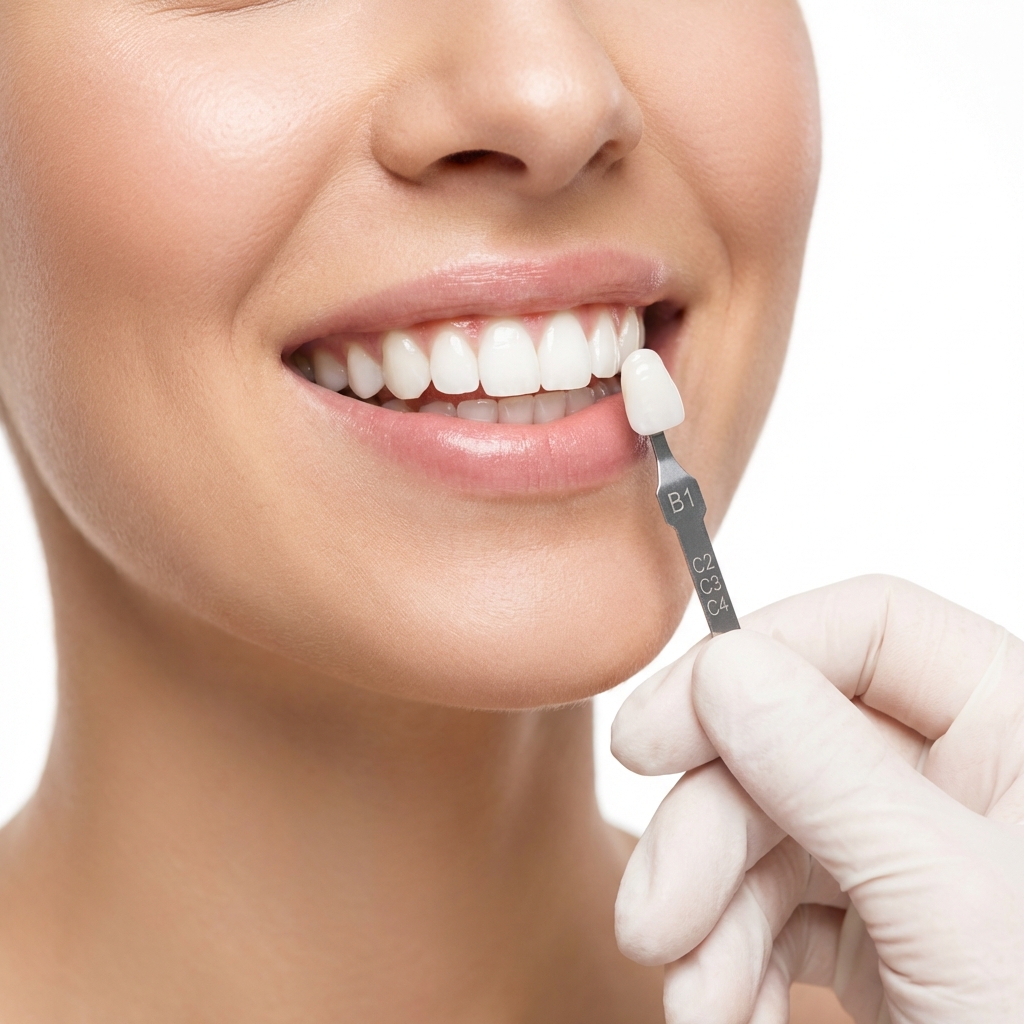
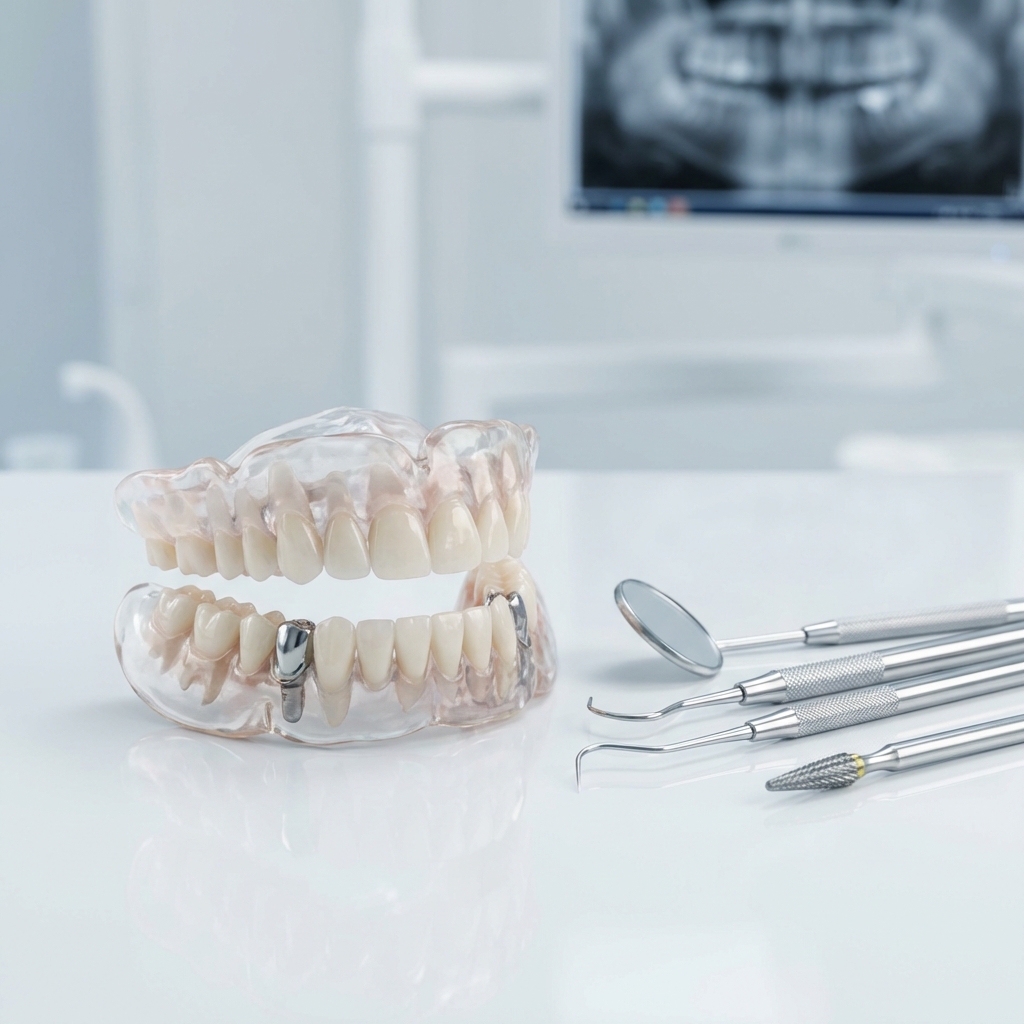
What is included is the non-routine list: crowns, veneers, bridgework, implants, root canal treatment, orthodontic treatment, periodontal treatment and surgical extraction of impacted wisdom teeth. That covers most of what people travel for.
The relief is claimed through your tax return, and the rules are set by Revenue rather than by any clinic. Check the current position with Revenue or your accountant before relying on it — this page describes the framework, not your individual circumstances.
The Med2 Form
The practical mechanism, and the thing to ask for before you leave the clinic rather than months later from another country.
Form Med2 is a dental certificate completed by the treating dentist, listing the non-routine treatment provided. It is what supports a claim, and it has to be completed by the practitioner who did the work.
For treatment abroad, the same form applies. The dentist completes it with their details and qualification, and it is retained with your records rather than submitted automatically.
Ask for it at the final appointment, alongside your radiographs and the rest of the records. Requesting it after you have flown home is possible, but it is considerably easier to hand over in person.
Keep receipts for the treatment as well. The form describes what was done; the receipts evidence what was paid, and both belong in the same file — which is another reason for itemised receipts rather than a single figure.
What the State Schemes Cover
Two separate schemes, and knowing which applies to you determines what the comparison actually is.
PRSI dental benefit is available to people with sufficient social insurance contributions. It covers an annual examination and a contribution towards scaling and polishing. It does not cover restorative or cosmetic treatment.
The medical card dental scheme covers examinations and a defined range of treatment for eligible patients, weighted towards emergency and essential care rather than restorative work.
Neither covers implants, crowns, veneers or orthodontics in any meaningful way. That is why patients considering treatment abroad are almost always comparing against private Irish fees rather than against a subsidised alternative.
Where routine care is covered, keep using it. Examinations and hygiene appointments belong at home and at the interval you are given, and travelling for them makes no sense at all.
Private dental insurance is a separate question and worth checking. Some Irish policies contribute towards restorative treatment and a few cover treatment abroad; most require prior approval. Read the specific clause rather than assuming either way.
Getting Here From Ireland
Straightforward, and the journey is shorter than most people assume — roughly four and a half hours direct from Dublin.
| From | Route | Notes |
|---|---|---|
| Dublin | Direct services to Istanbul | Around four and a half hours |
| Cork | Via a UK or European hub | Usually one connection |
| Shannon | Via a UK or European hub | Usually one connection |
| Belfast | Via a UK hub, or drive to Dublin | Dublin is often simpler |
| Airport in Istanbul | Choose Istanbul Airport (IST) | European side, closer to Bağcılar |
| Time difference | Two hours ahead in winter | No meaningful jet lag |
Irish passport holders currently enter Turkey without a visa for short stays, with the usual passport validity requirement. Check the Department of Foreign Affairs advice before booking, since rules change and this page is not the authoritative source.
Book flights around the treatment plan rather than the reverse. How many days each treatment needs is known before anything is booked, and finding out about a second visit afterwards is the commonest avoidable frustration.
Before You Fly From Ireland
Three things to do at home, and all of them make the trip work better rather than being formalities.
Get copies of your radiographs from your own dentist. You are entitled to them, and sending them in advance turns the first appointment into a confirmation of a plan rather than the start of one.
Deal with anything urgent locally. Active infection, a painful tooth or untreated decay complicates planning, and travelling with an acute problem is not worth it — get it stabilised and consider the definitive treatment afterwards.
Ask whether your dentist will provide ongoing care afterwards. Most will willingly; a minority prefer not to maintain work done elsewhere, and knowing beforehand matters more than the conversation is comfortable.
Then send photographs and radiographs and have a video consultation before booking flights — what that conversation should establish sets out the ground it should cover.
Send photographs as well as radiographs — front with a natural smile, front with the teeth together, both sides, and each arch from above. Ordinary phone photographs in daylight are sufficient, and they make the first conversation specific.
What the Comparison Actually Is
Against private Irish fees rather than against anything subsidised, for the treatments people travel for. That is the honest framing.
The cost difference has the same structural explanation as anywhere: salaries, premises, laboratory work and regulatory overhead are all substantially lower in Turkey, while materials are imported at world prices.
Which means the same warning applies. A quote far below the local Turkish market has found a saving the cost base does not provide, usually in the implant system or in the completeness of the quote.
Add to the Turkish figure what no quote shows: flights, accommodation, the number of trips, and time off work. Then subtract the tax relief where it applies, which for non-routine treatment is a genuine and often overlooked adjustment.
The full analysis of where the difference comes from applies equally from Ireland, since the Turkish side of the comparison is the same regardless of where you are travelling from.
One further adjustment specific to Ireland. Where the relief applies, it reduces the net cost of non-routine treatment in both countries — so it should be applied to the Irish figure as well as the Turkish one before comparing them, which people frequently forget to do.
Which Treatments Justify the Trip
The economics work at scale rather than universally, and being clear about that is more useful than encouraging everyone to travel.
- Implants, single or multiple — the clearest case, and the reason most patients travel.
- Full-arch treatment, where the scale spreads the fixed cost of travelling.
- Extensive restorative plans covering several teeth at once.
- Orthodontics, where aligners can be issued in batches between trips.
- Several treatments combined into one visit rather than spread over years.
What does not justify it: a single filling, one crown, a hygiene appointment, or anything urgent. Emergency treatment needs handling locally and immediately, and planning a trip around pain is neither sensible nor safe.
Periodontal maintenance also belongs at home. It runs every three or four months indefinitely after treatment, and that is exactly the care that should be local.
Where you are unsure, the deciding factor is usually the number of appointments rather than the total — the realistic timetables show what each treatment actually needs in days.
Records, and Why They Matter More From Abroad
The single practical step that determines how well the arrangement works over years, and it costs nothing at the time.
Take home radiographs and scans, the treatment plan tooth by tooth, material specifications, the implant passport where implants were placed, clinical photographs, the guarantee document, and the Med2 form.
The implant passport is the one that cannot be reconstructed later. It records the manufacturer, reference and lot number of every fixture, and components are proprietary — a dentist in Dublin needs it to order the right part in fifteen years.
Ask us to send the records directly to your own dentist if you prefer. That makes continuing care straightforward for them rather than something to work out from an image.
And store them permanently rather than in the folder you used for the trip. Why the passport matters years later sets out the failure mode it prevents.
Photographs belong in that set too. Shade and shape records are what any technician needs to match a replacement years later, and a standardised baseline is far more useful than a description.
Aftercare in Ireland
Mostly ordinary dentistry, which is the reassuring part. Nothing about having travelled changes what routine maintenance looks like.
Check-ups and hygiene appointments continue at the interval you are given, which may be shorter than six months after gum treatment or extensive restorative work. Use PRSI dental benefit or your medical card entitlement where it applies.
Minor issues are frequently resolved remotely with a photograph, or by a short appointment locally. Recementing a temporary, adjusting a high bite, treating a dry socket — all ordinary work with the records to hand.
Anything falling under the guarantee is handled by us, which is why its terms and its length both matter — ours runs for life, in writing and why they are given in writing before treatment rather than referred to afterwards.
For anything acute — spreading swelling, fever, difficulty swallowing — seek local care immediately rather than waiting for a reply. The aftercare guidance covers what is normal and what is not.
Where a night guard was prescribed, wear it and have it checked at your routine appointments. It wears through over time and a guard that no longer fits protects nothing, which is the commonest quiet cause of restorations failing earlier than they should.
Timing Around Irish Life
Practical constraints are work, school terms and the number of visits, and they are easier to plan around once the treatment structure is known.
Restorative treatment on a healthy foundation is usually one trip of five to seven working days. Implant treatment needs two trips separated by three to six months, which is two separate absences rather than one longer one.
Book flights around the plan rather than the reverse. Discovering that a plan needs a second visit after the first set of flights is booked is an avoidable and common frustration.
Within a trip, surgery goes early so that the swelling peak — around day two or three — does not coincide with the flight home, and a review appointment goes at the end.
Spring and autumn are easiest. Istanbul summers are hot, which matters where surgery with swelling is planned, and peak holiday periods raise fares from Dublin considerably.
Leave a day of margin at the end. A review appointment before departure is standard and should not be squeezed against a flight time.
Questions Irish Patients Ask Most
Three come up repeatedly, and they deserve direct answers rather than deflection.
Whether the tax relief is real. It is, for non-routine treatment, including abroad — and the Med2 form is the mechanism. Check your own position with Revenue rather than relying on a clinic's summary of tax law, including this one.
Whether their dentist will object. Some will, some will not. A view about treatment abroad is less useful than a view about your specific mouth, and the question that actually matters is whether they will provide ongoing care.
Whether the standard is the same. Materials and protocols are, where established systems are used. The variation that matters is between individual clinics rather than between countries, and the checks that establish it apply anywhere.
None of those have universal answers, which is why a specific plan for your specific mouth comes before any of them.
A fourth comes up almost as often: whether the plan will grow after arrival. A written plan and staged payment are what prevent that, and both belong in place before flights are booked.
How We Work With Irish Patients
The same as with everyone, with a few points that come up specifically from Ireland.
The Med2 form is completed and given to you at the end of treatment rather than on request. If you did not ask, we will still provide it, because for non-routine treatment it is worth a meaningful amount and it is easy to overlook.
We quote after imaging rather than from photographs, so the figure does not change after you arrive. The plan lists every tooth with its material and its reason, and where a tooth is sound we say so along with the conservative alternative.
Clinical conversations happen in English, and the plan, consent, aftercare instructions and guarantee are all provided in writing in English.
You leave with the full record set, and we will send it to your own dentist directly if you ask. Everything we place carries a lifetime guarantee on materials and workmanship — with the exclusions stated plainly.
Emergency Care and What Not to Travel With
Worth stating plainly because the temptation runs the other way. An acute problem — pain, swelling, an infection — is treated locally and now rather than saved for a trip that is weeks away.
Travelling with active infection complicates everything. Implants cannot be placed into an infected site, gum treatment cannot be assessed properly through acute inflammation, and a plan built around an emergency is a plan built under pressure.
The sensible sequence is to have it stabilised at home — drainage, an extraction if a tooth is not restorable, antibiotics if genuinely indicated — and then plan the definitive treatment properly.
That also applies to a tooth you suspect is failing. Whether it can be saved is a decision that benefits from being made calmly with radiographs rather than in the week before a flight.
Nothing about that delays the larger plan meaningfully. It usually improves it, because an assessment made on a settled mouth produces a treatment plan that holds rather than one that changes on arrival.