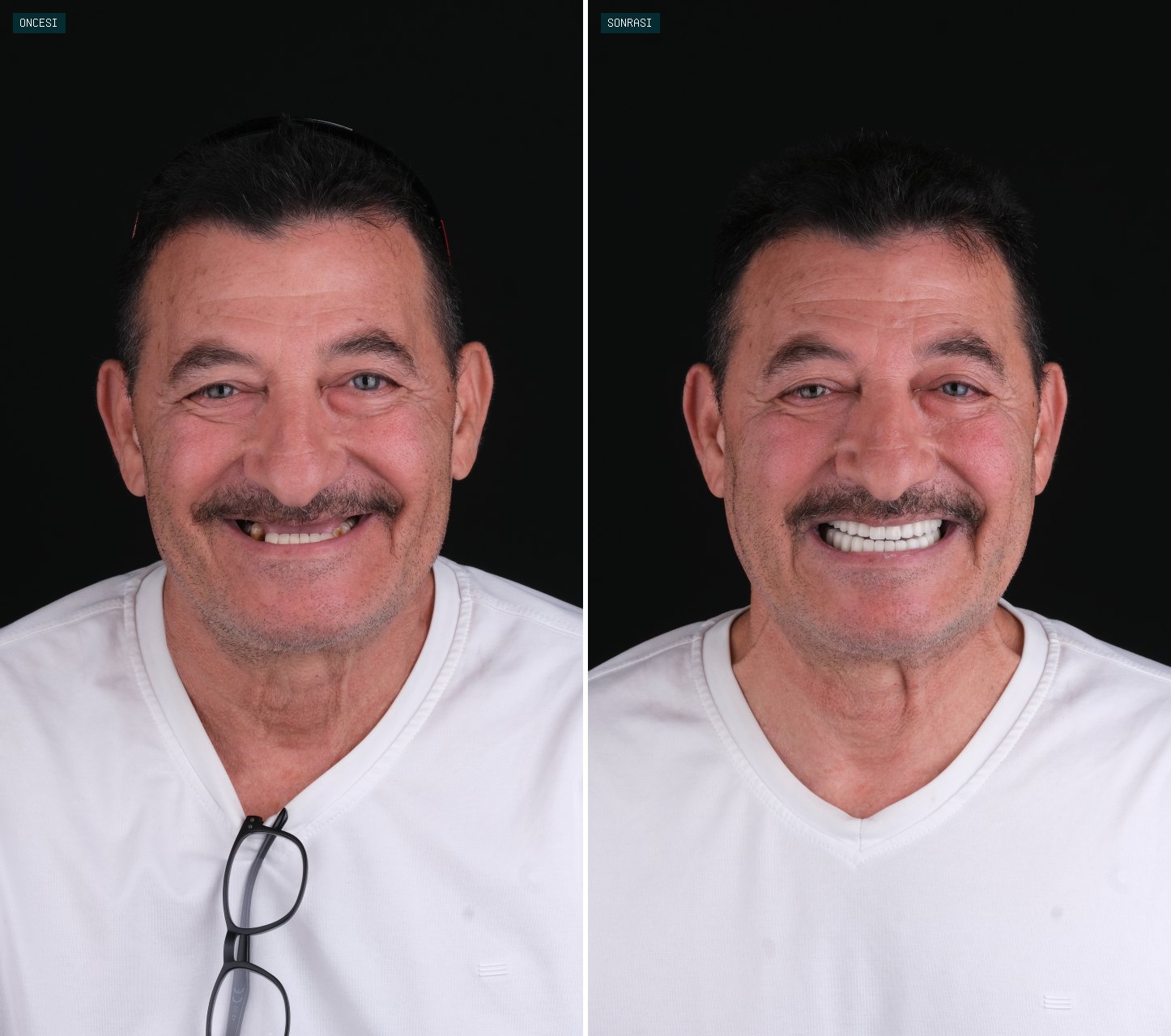
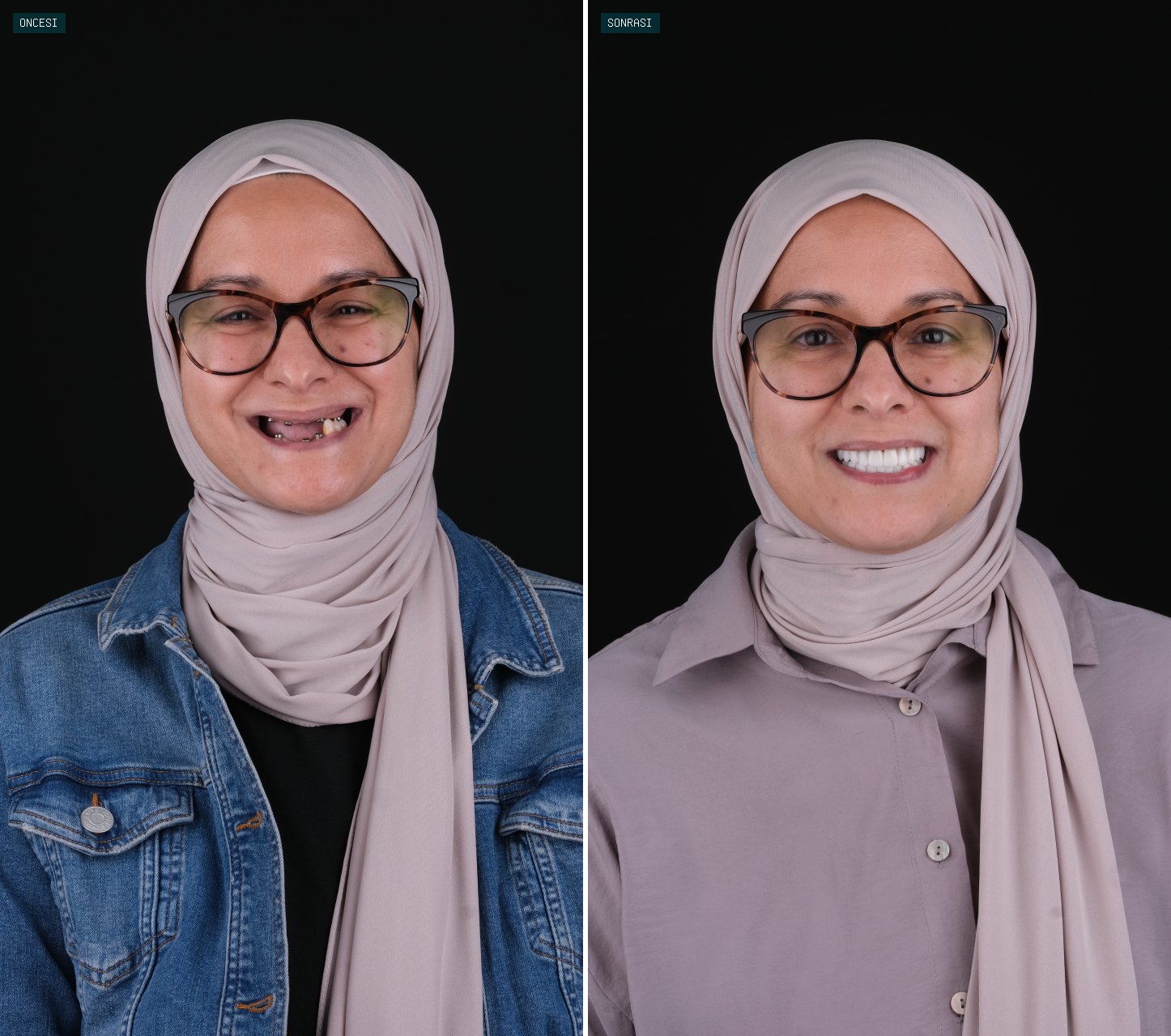
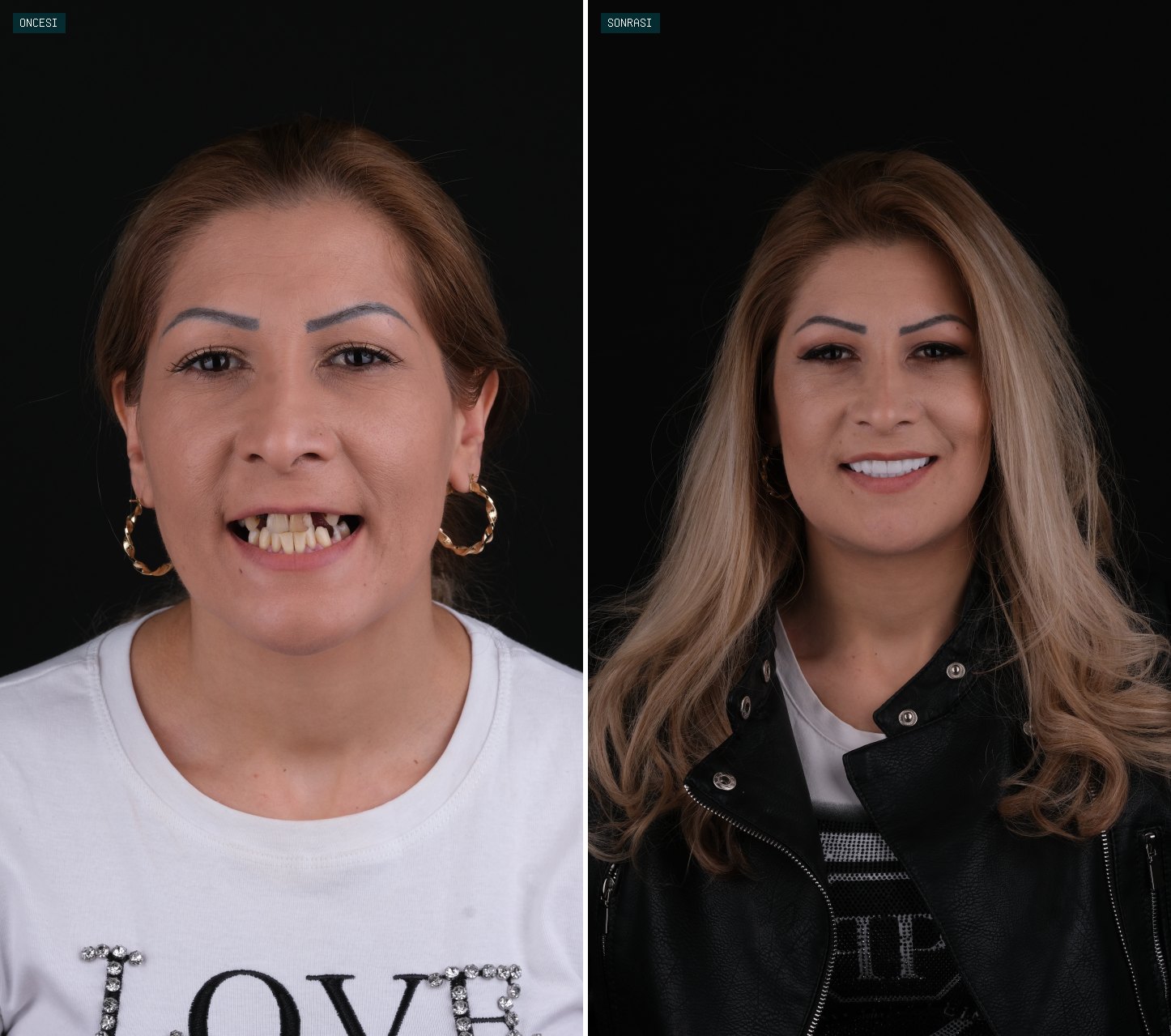
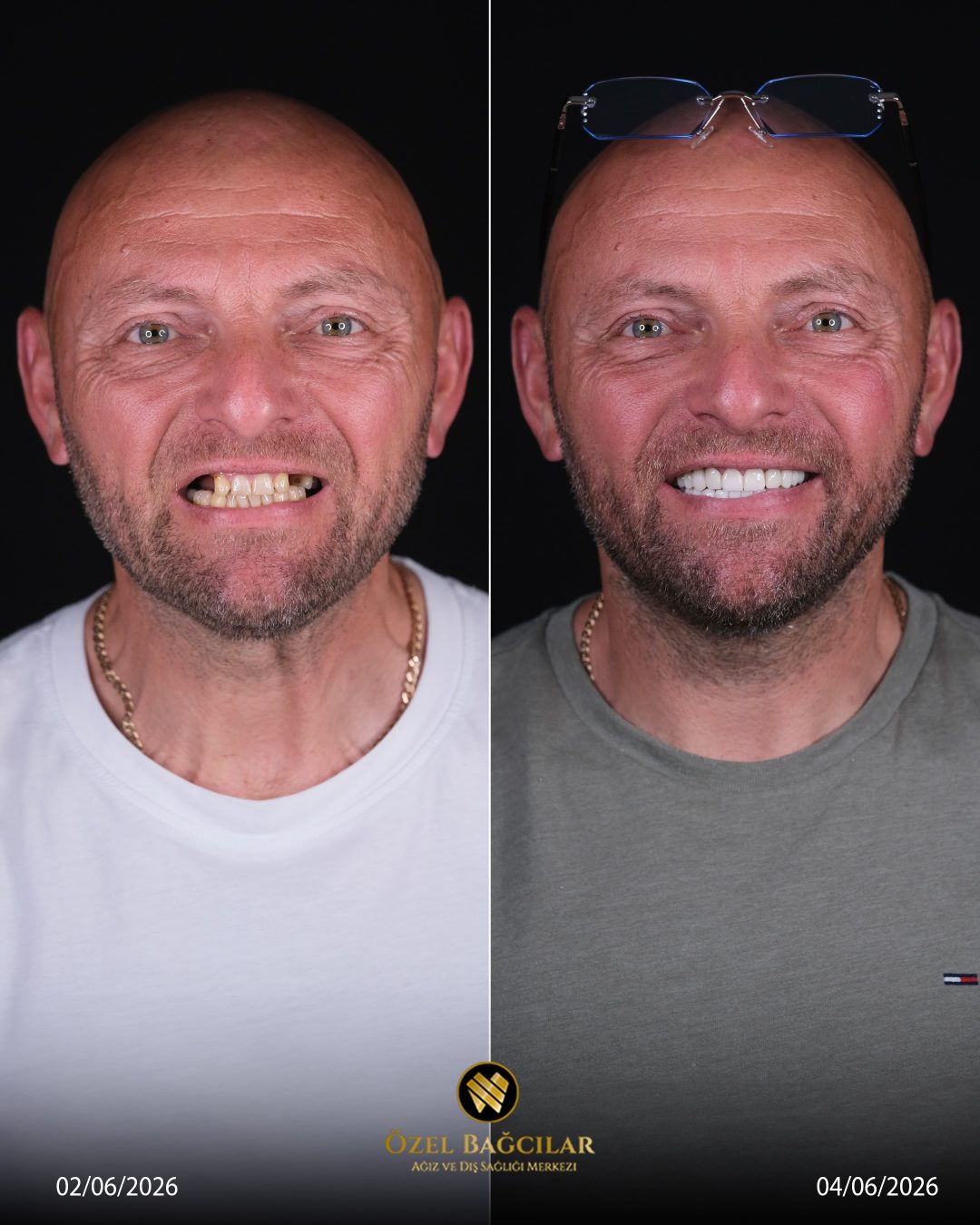
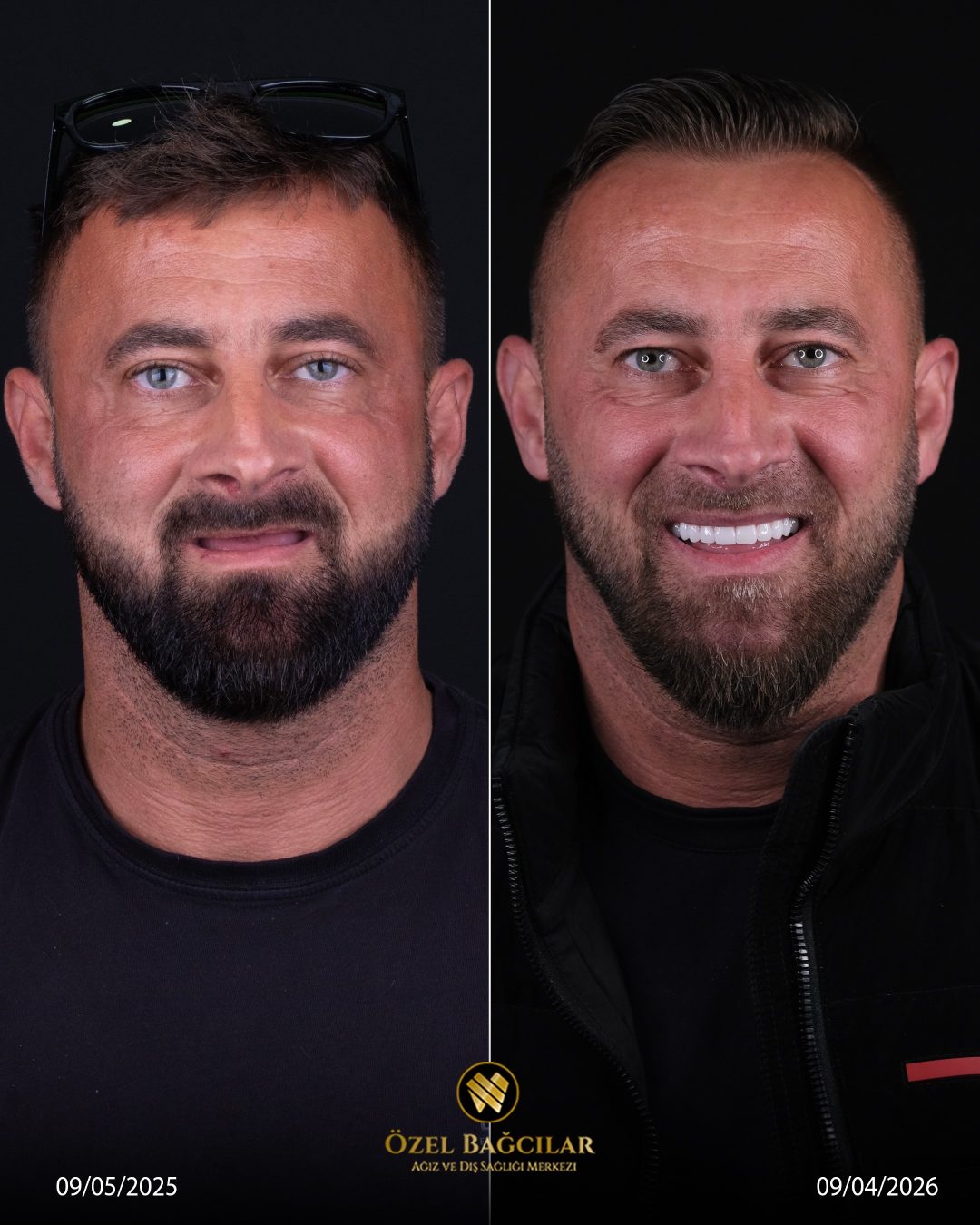
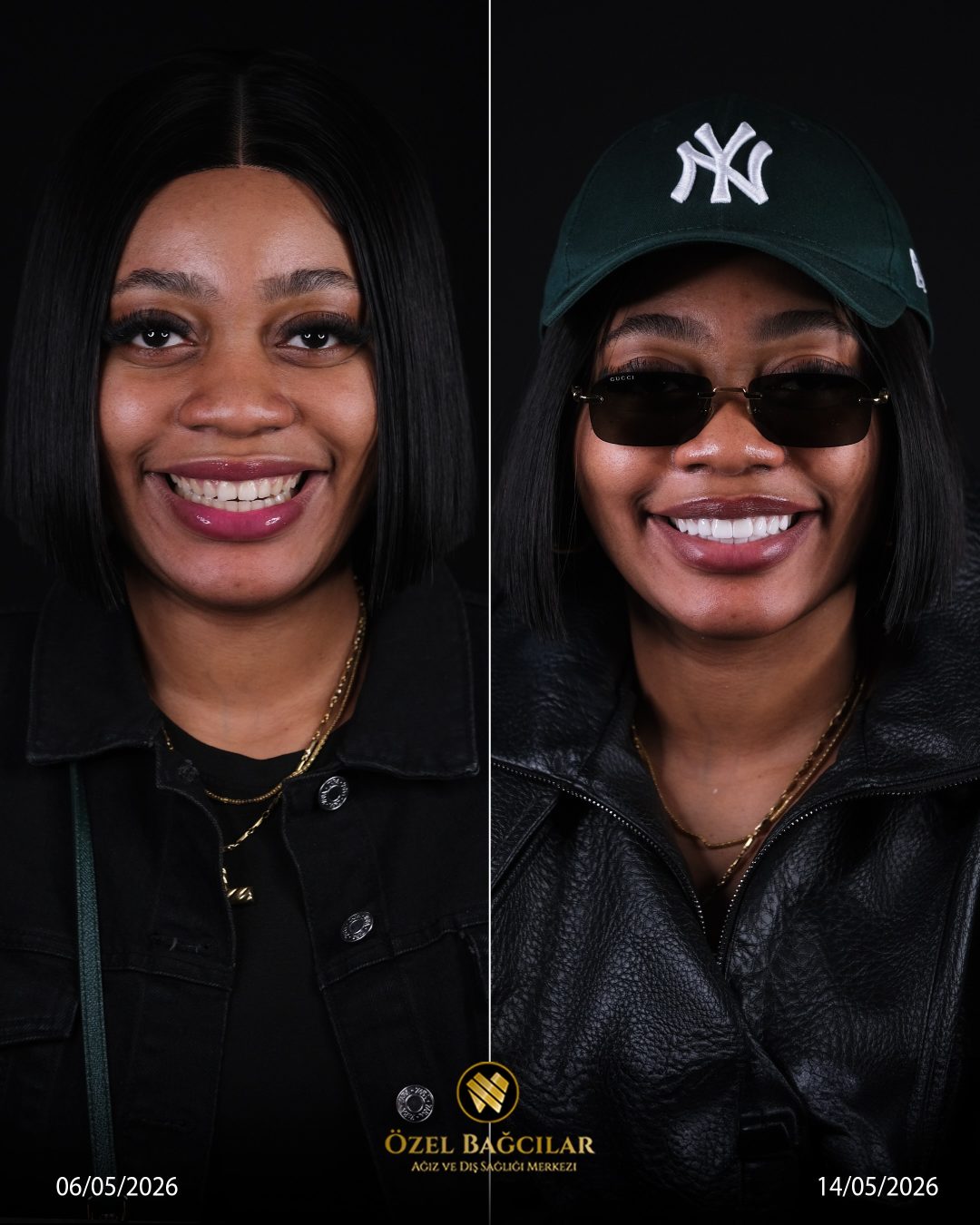
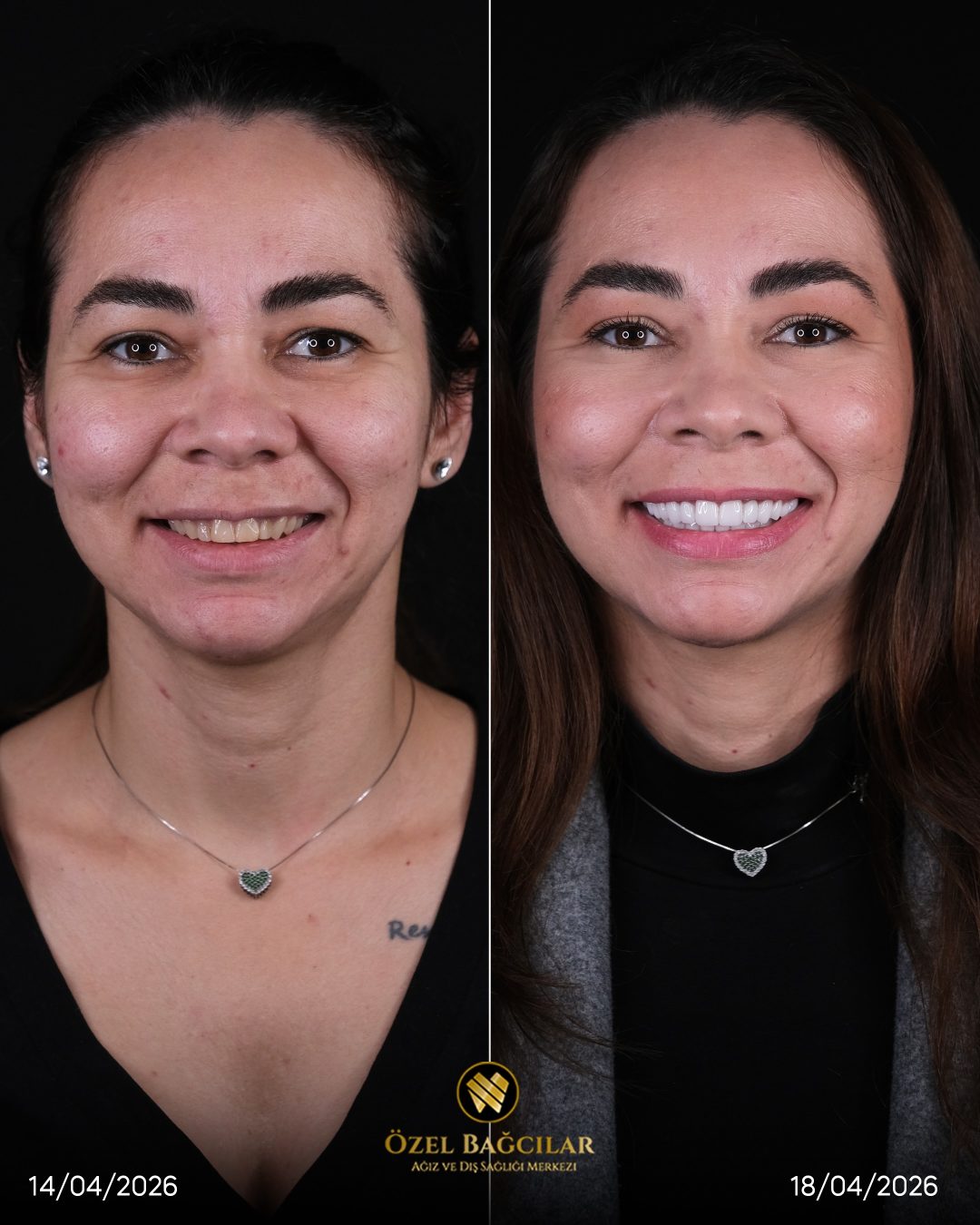
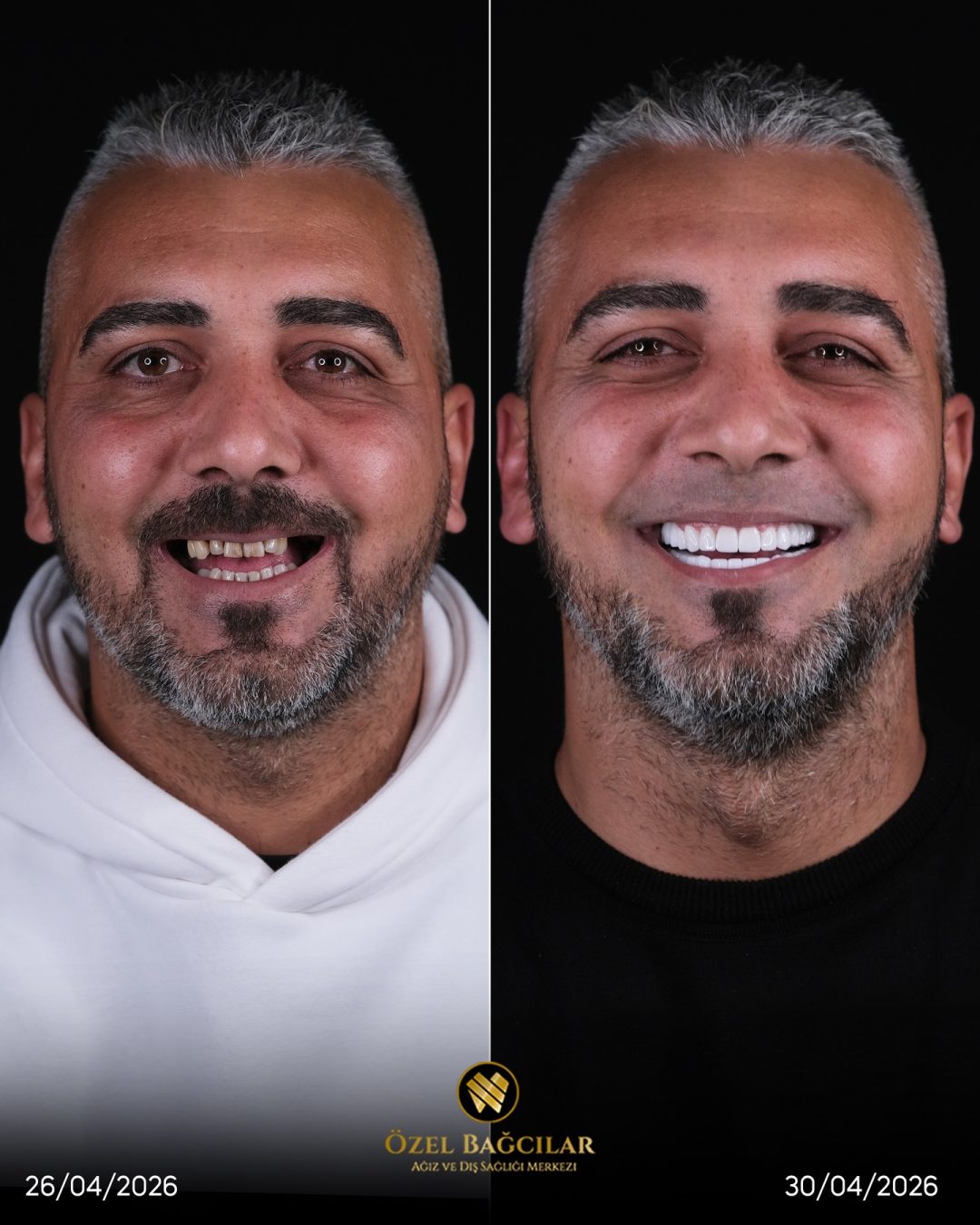
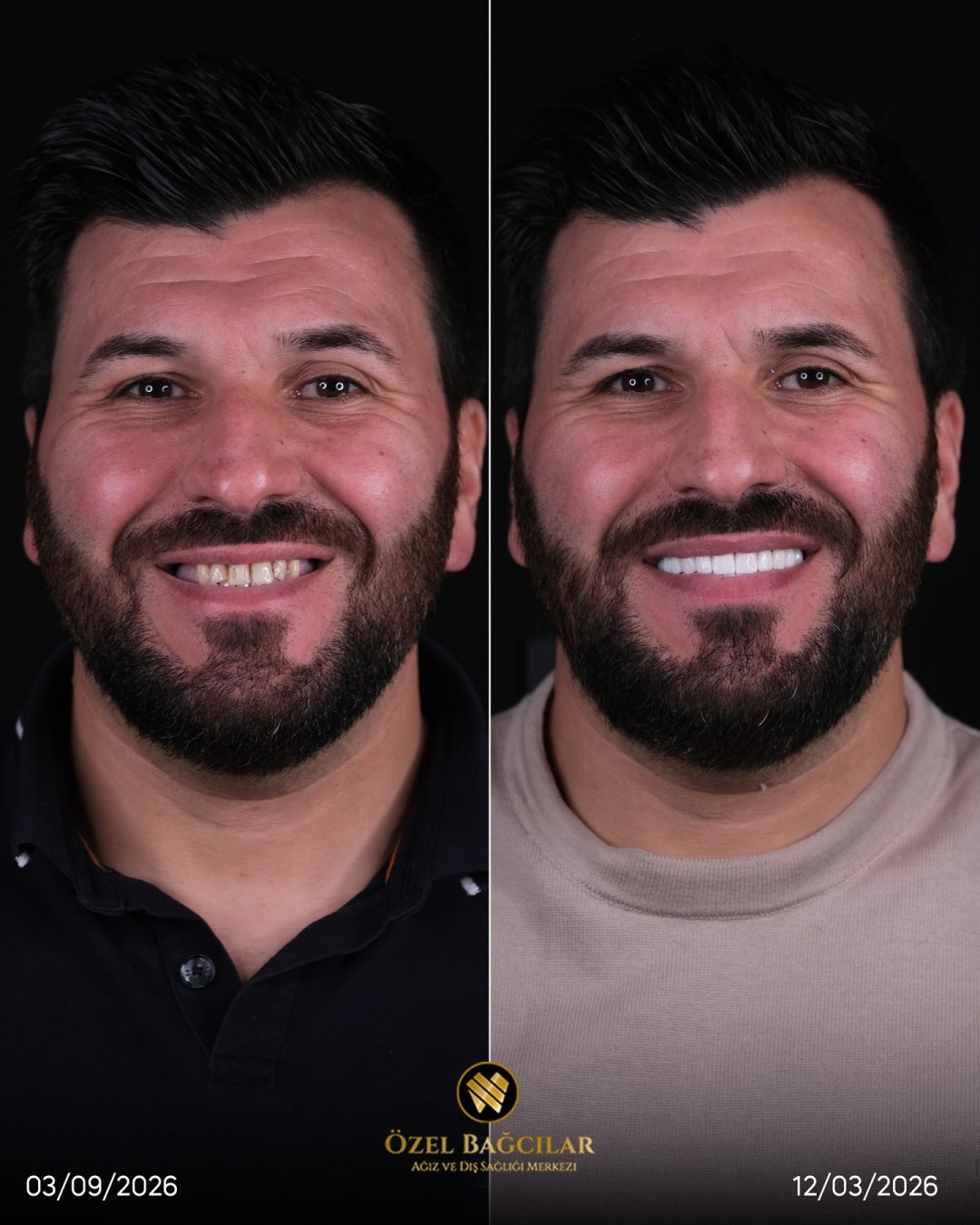
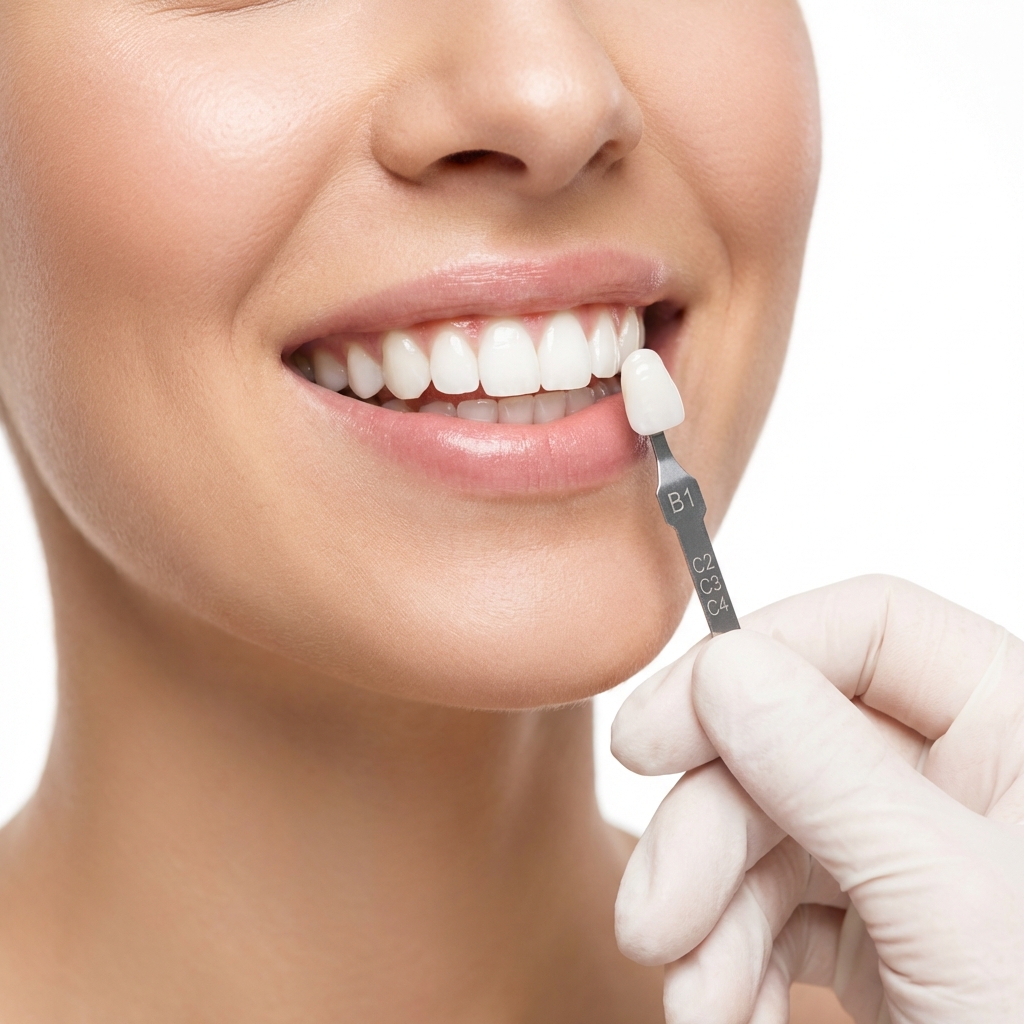
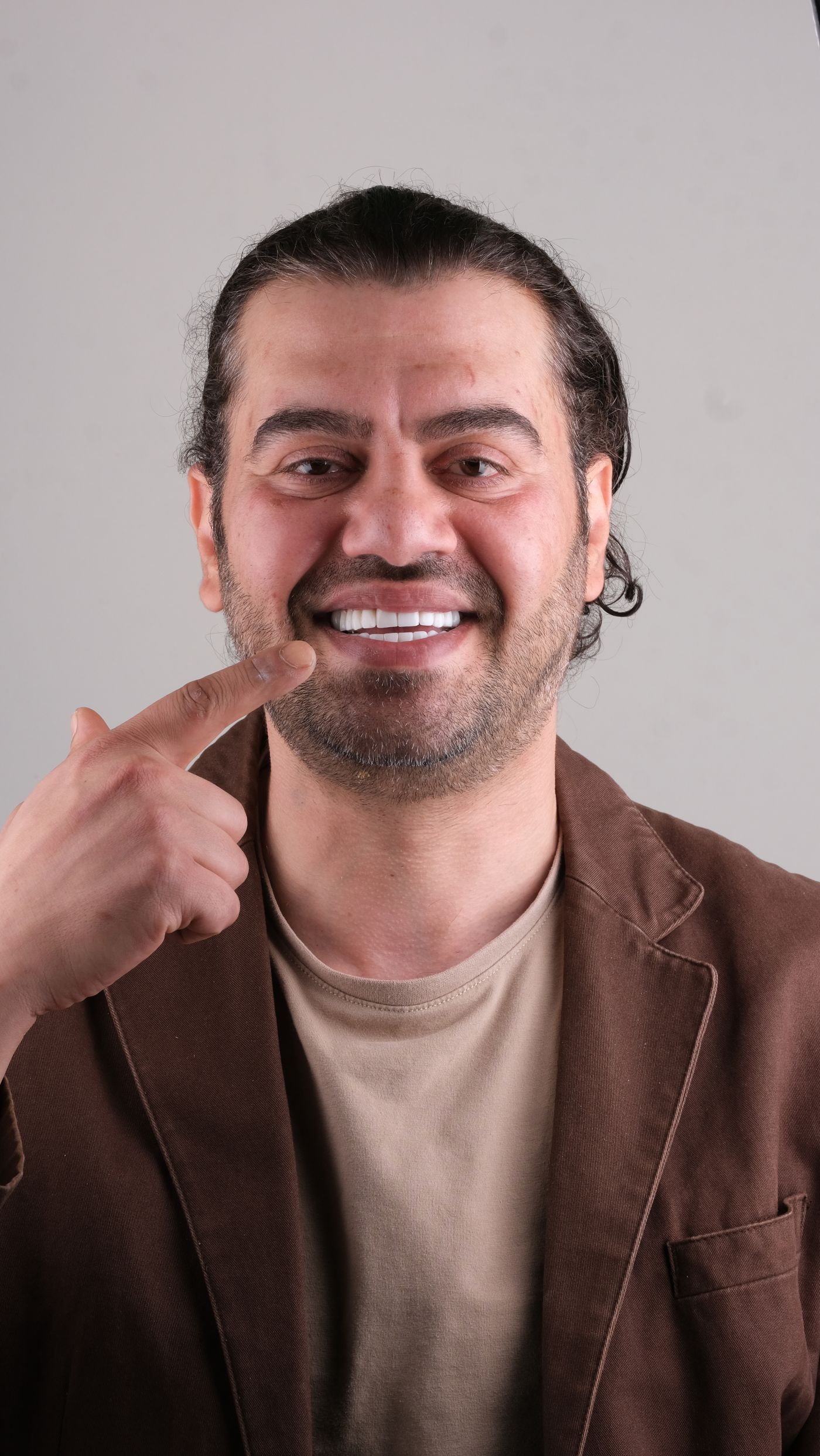
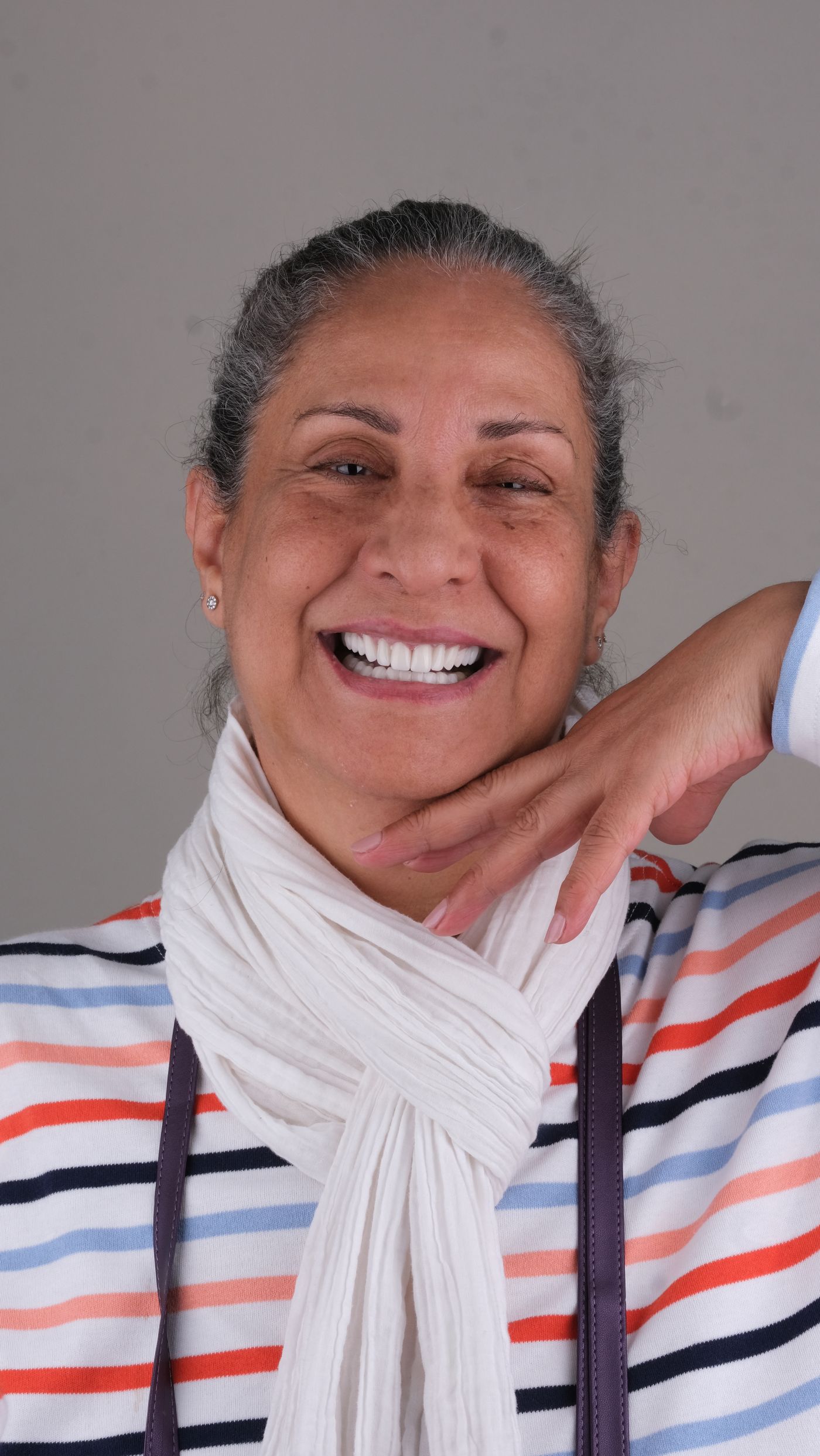
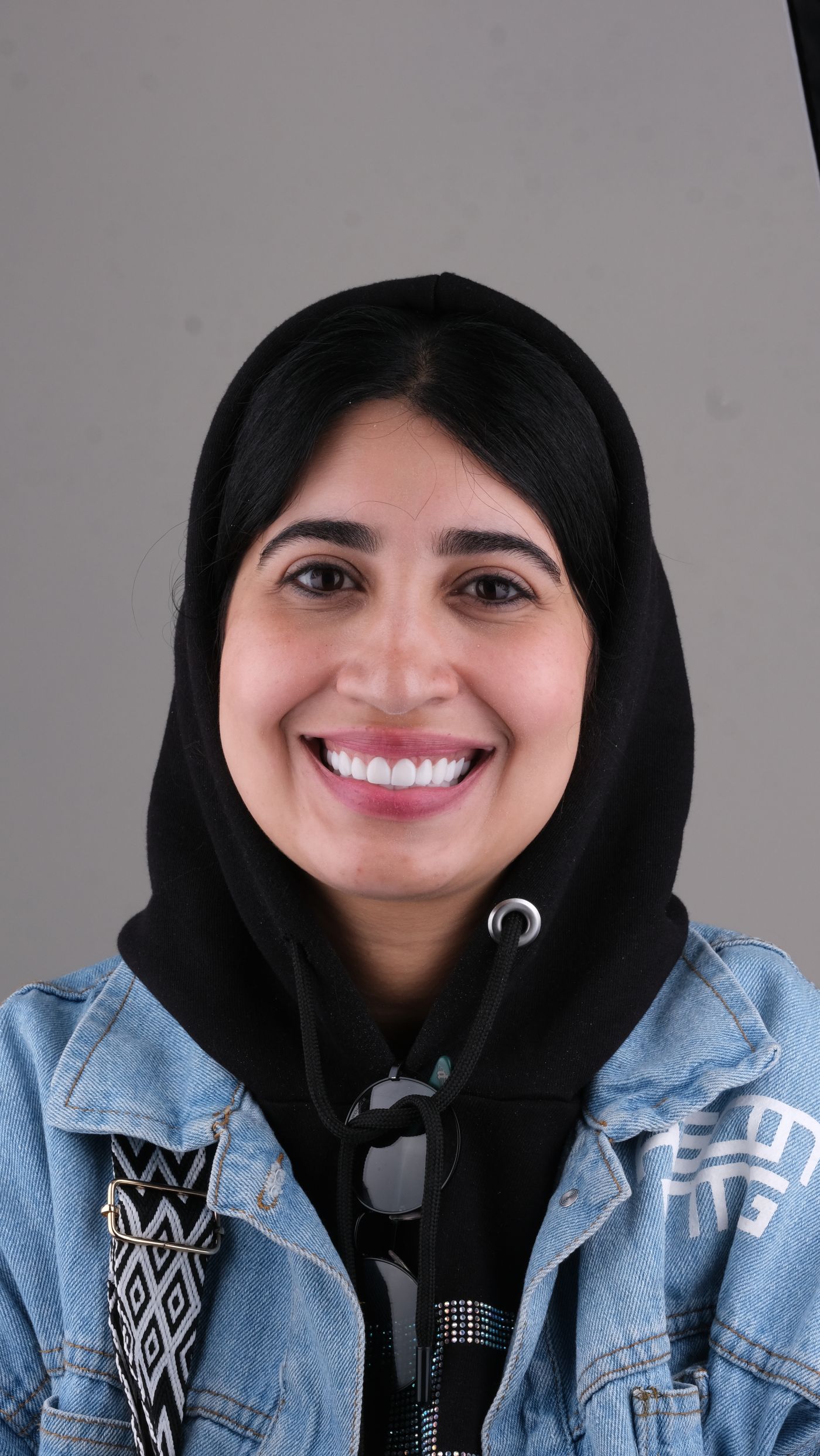
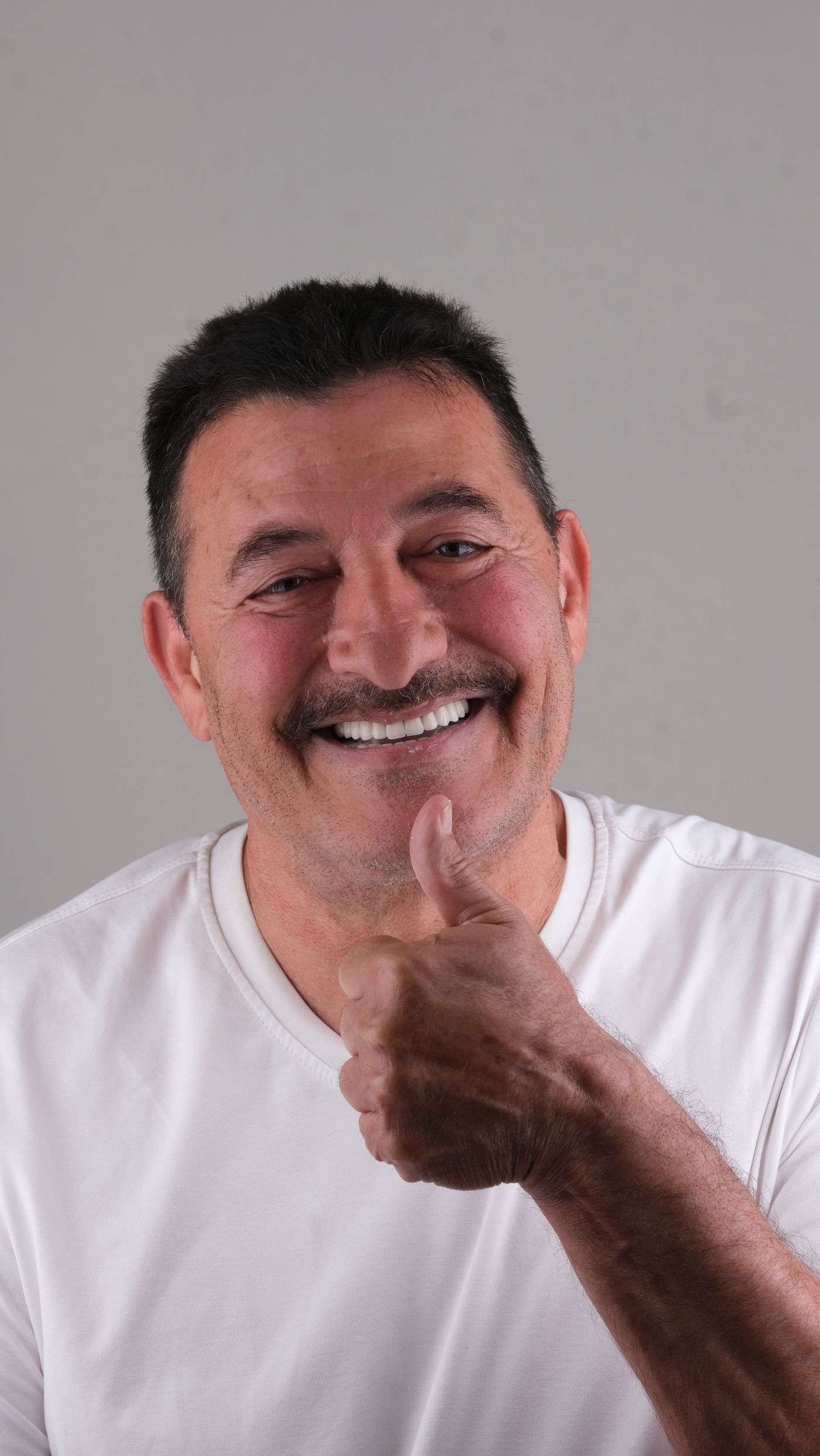
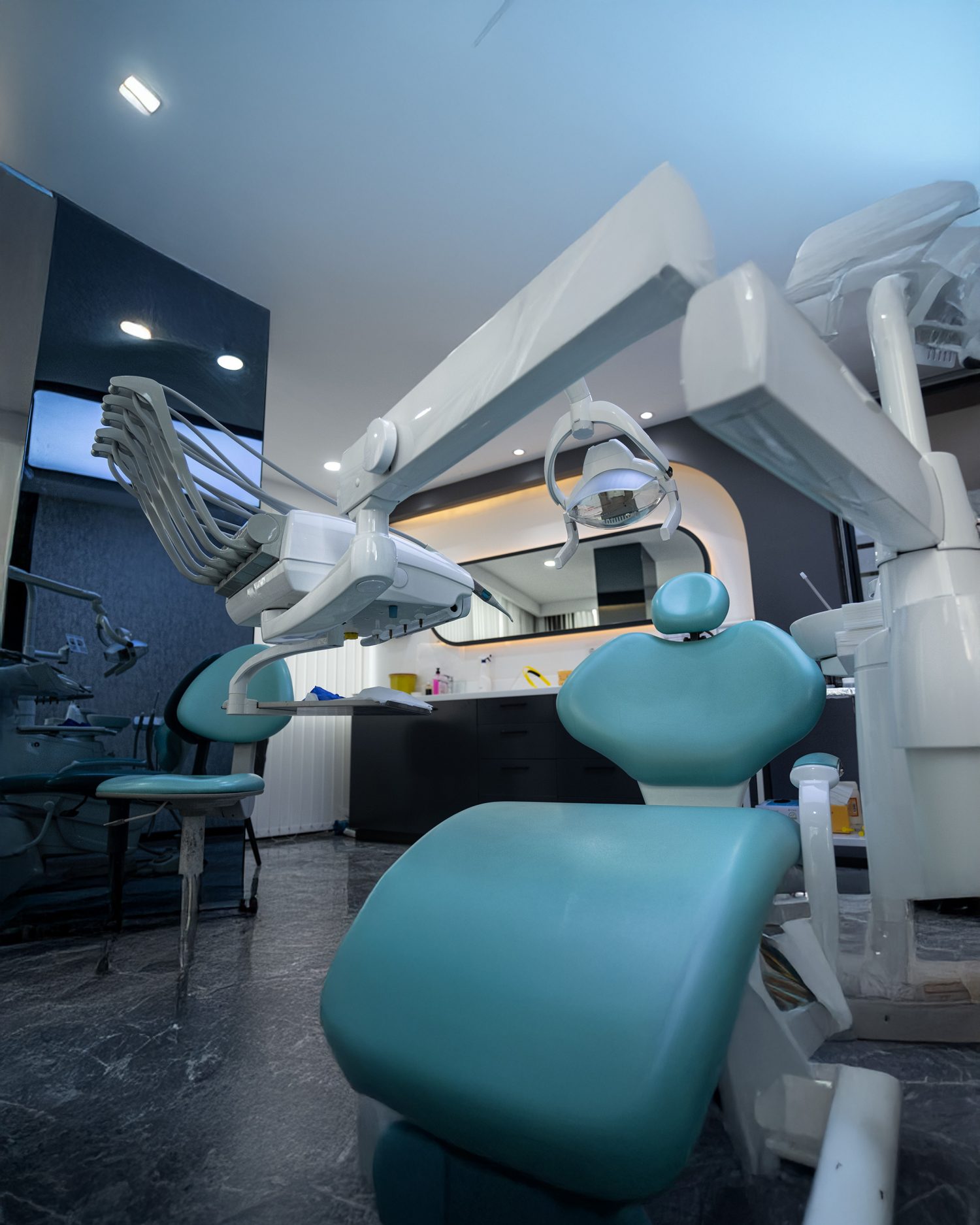
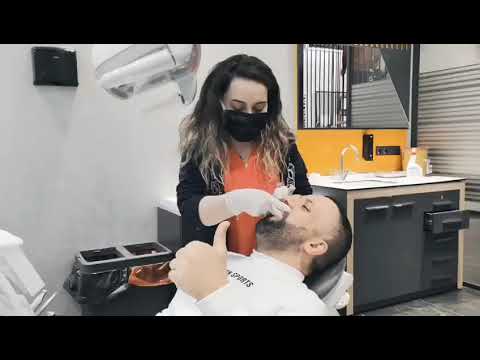
Professional teeth whitening lifts stains caused by coffee, tea, smoking, red wine and ageing — under clinical supervision and without harming tooth structure. At our clinic, we offer both in-office whitening (LED/laser activated) and home whitening with custom-made trays.
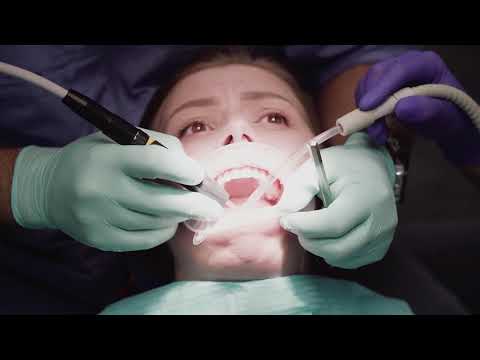
During in-office whitening, a gum barrier protects the soft tissue and a high-concentration gel is activated on the enamel with LED/laser light. Teeth typically become 2–3 shades lighter in a single session. Our gels contain potassium nitrate and fluoride to minimise sensitivity and support enamel.
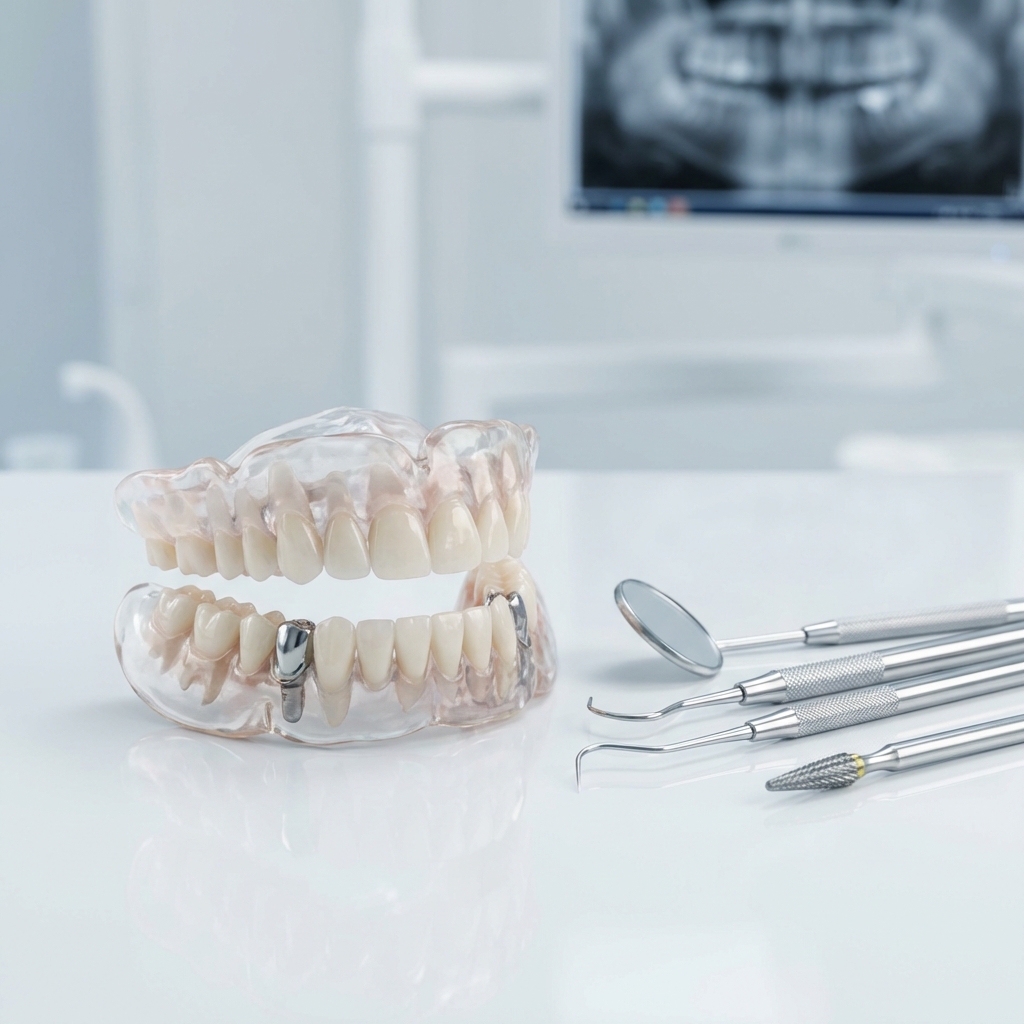
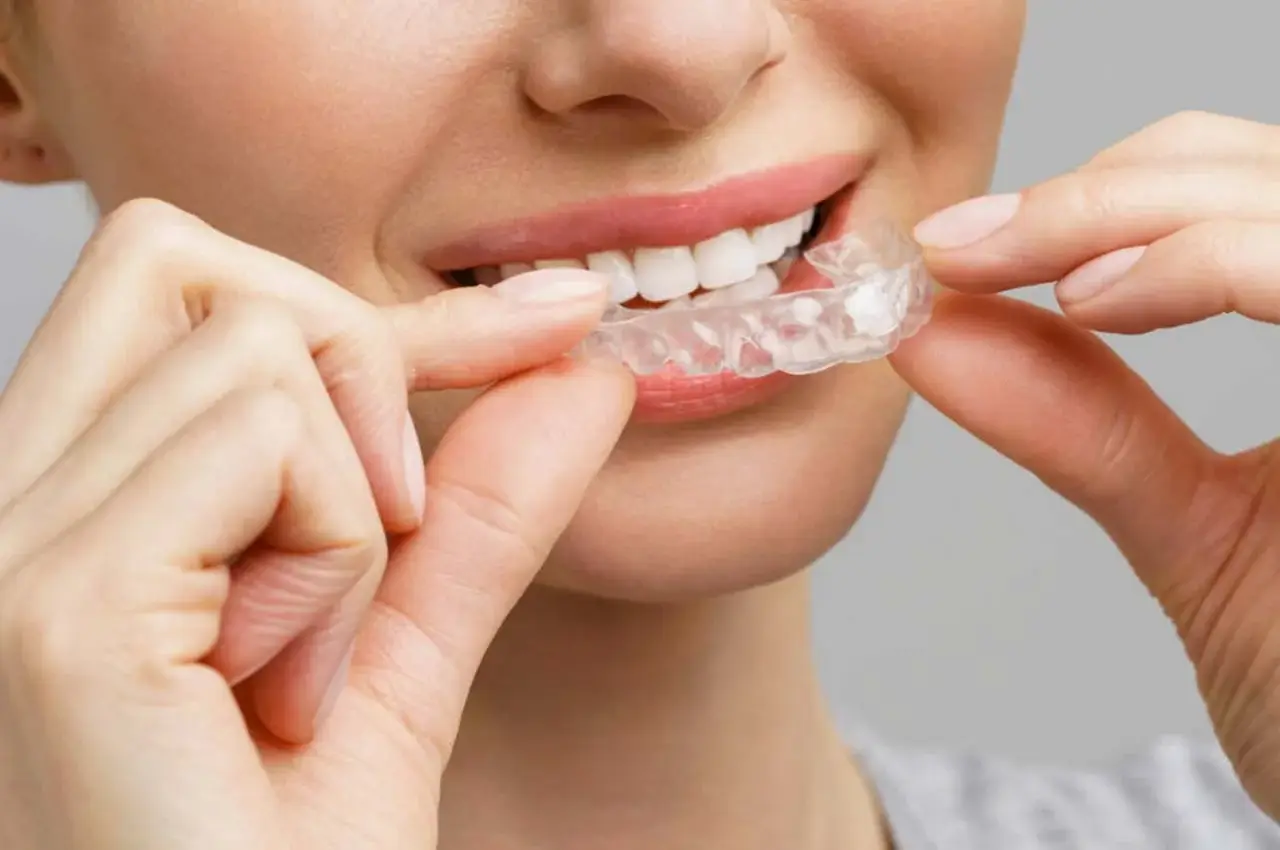
For home whitening we prepare custom trays and you wear them at home with a lower-concentration gel for 7–14 days. This method delivers a gradual but very stable result and is also used as a maintenance step after in-office whitening.
A professional cleaning is always performed first, increasing the effectiveness. With good care and diet, the whitening result can comfortably last 1–2 years.
Why Teeth Discolour
How much whitening will achieve depends on why the tooth darkened. A decision made without that distinction produces some satisfied patients and some disappointed ones.
Extrinsic staining. Pigments accumulating on the enamel surface: tea, coffee, red wine, tobacco and some spices. It is superficial, responds very well to whitening, and part of it comes away with scaling alone.
Intrinsic discolouration. The colour comes from the dentine beneath the enamel. With age dentine thickens and darkens while enamel thins, so the underlying colour shows more. Peroxide does pass through enamel into dentine, so whitening acts on that layer too — but more slowly and less completely.
A single dark tooth. Seen in a tooth that has taken a knock or had root treatment. The treatment there is not external whitening but bleaching from inside the tooth; a different procedure.
Tetracycline and fluorosis staining. Discolouration built into the enamel during development. It responds poorly to bleaching, and promising whitening alone in those cases is not honest.
How Whitening Works
The active agent in whitening gel is hydrogen peroxide, or carbamide peroxide, its slower-releasing form. Enamel is permeable at a microscopic level; peroxide passes through it into the dentine and breaks down the organic molecules that give colour.
So whitening does not strip a layer from the tooth; it chemically alters the molecules producing the colour. That explains why the common worry about damaging enamel is misplaced — applied under clinical supervision, at the right concentration and for the right time, it does not cause lasting harm.
Light and laser systems are used to accelerate activation of the gel. Let us be honest here: current evidence suggests light activation adds little to the final result. Light systems can speed the appointment; they do not make the outcome whiter. A quote that does not tell you this is selling the light as an advantage.
Peroxide concentration regulations in Türkiye are aligned with European ones; the gels used in clinics are the same materials used in a European surgery. The difference is not the material but the control of the application.
The result is usually described as two to eight shades lighter, but that range depends on the starting colour and the type of discolouration. Promising a specific number of shades is not possible, and we do not.
In the Clinic or at Home?
There are two main approaches, and the best result usually comes from combining them. The difference between them is not strength but how the effect is distributed.
The two approaches side by side
In-clinic whitening
Home whitening with trays
Concentration
High
Low, over a longer period
Duration
One session, about 60-90 minutes
1-2 weeks, a few hours daily
Control
Gum protected, clinically supervised
With a custom-made tray
Sensitivity
More noticeable, short-lived
Less, spread out
Speed of result
Visible the same day
Gradual
Maintaining it
Weak on its own
Strong for holding the result
The standard approach here is a single in-clinic session plus custom trays made the same day from an intraoral scan. The clinic session produces a rapid change; the trays both complete the result and let you top it up months later when needed.
What holds the result is the trays. So be wary of an offer that says one clinic session is enough: nobody can guarantee the six-month appearance from a single appointment.
Over-the-counter products — whitening toothpastes, ready-made strips and kits bought online — are a different category. Whitening toothpastes lift surface stain through abrasion; they do not change the colour, and used long-term they wear the enamel. The main problem with ready-made kits is the unfitted tray: gel spills onto the gum and can cause a chemical burn.
The difference is not concentration but control: a custom tray, gum protection and the correct duration. Without those, even a low-concentration product can do harm.
When Whitening Is Not Carried Out
Whitening is a safe procedure, but not for everyone and not in every situation. In the following it is either postponed or not carried out at all:
Pregnancy and breastfeeding. No harm has been demonstrated, but it is elective and so is not done during that period.
Under eighteen. Enamel and pulp are not yet mature.
With active decay. Gel reaches the inside of the tooth through the cavity and causes severe pain. The decay is treated first.
With untreated gum disease. Gel contact with inflamed tissue is uncomfortable and impedes healing.
Where there is marked recession and exposed root surface. Root surface is not covered by enamel; it does not whiten and it becomes sensitive.
In cracked or fractured teeth. Gel penetrates the crack.
With a history of severe sensitivity. The sensitivity is managed first and whitening follows.
There is also a "possible but will not give the expected result" group, and saying so in advance matters: tetracycline staining, advanced fluorosis and teeth with markedly thinned enamel. Whitening produces some improvement in those cases but usually not enough; the right answer may be laminate veneers or composite bonding.
That last group is where whitening is most often mis-sold. Carrying it out in a case known not to respond spends the patient's time and money and loses their trust.
Sensitivity: How Common Is It Really?
Sensitivity after whitening occurs to some degree in most patients. We do not write "in a small number of patients", because that is not accurate — and knowing the truth prevents alarm when it happens.
It is usually sensitivity to cold, beginning a few hours after the session and resolving within twenty-four to forty-eight hours. It is sometimes felt as sudden, sharp twinges lasting a few seconds. It comes from peroxide creating a temporary stimulus in the dentinal tubules and it is not lasting damage.
What we do to reduce it: desensitising agents containing fluoride and potassium nitrate before and after, adjusting session length to the individual, and setting concentration and wear time individually for home trays.
What you can do: avoid very hot and very cold drinks for two days, use a desensitising toothpaste, and if you are using home trays, skip a day when sensitivity increases.
If sensitivity lasts more than a few days or concentrates in one tooth, tell us. Pain focused on a single tooth may come not from the whitening but from an unnoticed crack or cavity in that tooth.
Sequencing: When Whitening Happens
Where whitening sits in the plan directly determines whether the result lasts, and that order does not change.
Examination and radiographs first. Decay and gum health are assessed.
Decay and gum treatment where needed. Without exception, first.
Scaling. Done immediately before whitening; it lets the gel contact the tooth surface evenly and helps the result come out uniform.
Whitening. The clinic session and home trays.
Two weeks for the shade to settle. The most skipped step and the most important.
Then restorative work where planned. The shade of veneers, crowns and fillings is matched to that final colour.
The fifth and sixth steps together prevent the most common error. Ceramic and filling materials do not bleach. If natural teeth are whitened after restorations are placed, the resulting mismatch can only be corrected by remaking the ceramic — an expensive and unnecessary procedure.
The two-week wait is a genuine requirement too. The colour immediately after whitening is not the final one; the tooth is slightly dehydrated and looks lighter than it is, then rebounds a little over the following fortnight to settle at its true level. Shade matching has to be done against that settled colour.
We emphasise this particularly in smile design plans: for a patient travelling for treatment those two weeks are written into the plan from the start rather than compressed later.
How Long the Result Lasts
Whitening is not permanent, and that should be said at the outset. Depending on habits and maintenance the result is generally held for one to two years; longer in some patients, much shorter in smokers.
What brings the colour back is extrinsic staining accumulating again. So maintaining the result is not about freezing day-one colour; it is about slowing new accumulation.
Avoid staining food and drink for the first 48 hours — enamel behaves more absorbently during that period. Coffee, tea, red wine, cola, dark fruit juices, tomato sauce, soy sauce and beetroot are on that list.
Afterwards, drink those through a straw and follow with water.
Stop smoking — the single factor that brings the colour back fastest.
Brush twice daily and clean between the teeth every day.
Scaling every six months; part of the surface stain comes away there anyway.
A short top-up with home trays once or twice a year.
A top-up is much shorter than the original treatment: a few days with the trays you already have is usually enough. Keeping the trays therefore matters — a lost tray means a new scan and new production.
Like every treatment carried out here, whitening carries a lifetime guarantee on materials and workmanship. One distinction is worth writing plainly: the guarantee covers the procedure and the making of your custom trays. Natural re-staining over time is not a defect but an expected process, and it is handled as a top-up.
When a Single Tooth Has Darkened
A single tooth darker than its neighbours is an entirely different situation and does not respond to external whitening.
The cause is usually that the tooth has lost its vitality: after an old injury or root canal treatment, blood products left inside the tooth stain the dentine from within. Because the colour comes from inside, gel applied to the enamel does not change it.
The solution is internal bleaching. In a tooth whose root treatment is complete, a bleaching agent is placed into the crown chamber and sealed temporarily. The process is repeated at intervals of a few days; two to four sessions are usually enough.
The advantage is clear: no tooth is cut. Achieving the same result with a crown means removing structure all the way round. Where colour is the only problem, internal bleaching should be tried first.
The limits, stated too: the result of internal bleaching can regress somewhat over the years and is repeated when needed. And where the tooth has lost substantial structure or is at risk of fracture, the right answer is a veneer or a crown anyway — in those cases colour is a secondary issue.
When Whitening Is Not Enough
In some cases whitening does not reach the result wanted, and knowing that in advance beats a wasted course of treatment. The options then:
What to expect in each situation
Situation
Response to whitening
Alternative
Surface staining
Very good
Not needed
Age-related yellowing
Good
Not needed
Thin enamel over dark dentine
Limited
Veneers or bonding
Tetracycline staining
Poor
Veneers
Advanced fluorosis
Variable
Bonding, microabrasion, veneers
A single dark root-treated tooth
Ineffective
Internal bleaching
Fillings and crowns
No change
Replacing the restoration
The last row surprises patients most often. Whitening acts only on natural tooth tissue. If you have old composite fillings in the front teeth, the surrounding tooth lightens while the fillings stay as they were and the difference becomes obvious. Those fillings may therefore need replacing after whitening — and we plan for that from the start.
Trying whitening before moving to an alternative is the correct order in most cases: it is the least invasive option, and if it works no larger treatment is needed. A plan that proposes veneers without ever mentioning whitening has skipped the smallest option.
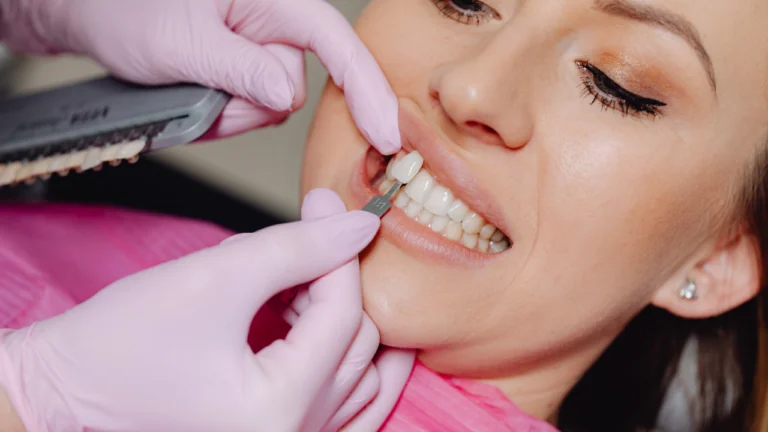
We tell you which group you fall into at the consultation and describe a realistic outcome. We use a measurable method: the starting shade is recorded against a shade guide and the result compared on the same guide. That replaces an argument about whether it worked with a recorded comparison.
Benefits
2–3 shades lighter in a single visit
Fast, controlled LED/laser application
Fluoride and potassium nitrate manage sensitivity
Enamel-safe formulation
Long-lasting result with in-office + home combo
Fully safe under dentist supervision
✦ Frequently Asked Questions
Frequently Asked Questions
01Does whitening harm the teeth?
Professional whitening under dentist supervision causes no permanent damage to enamel. The gels we use contain fluoride that actually strengthens the enamel.
02How long does the result last?
With good oral hygiene and limited intake of staining food/drinks, the result lasts 1–2 years. Periodic top-ups are recommended.
03Will my teeth become sensitive?
Some patients experience mild, temporary sensitivity that fades within 24–48 hours. Desensitising gels and fluoride applications keep this to a minimum.
04Will my crowns or fillings whiten?
No. Whitening only acts on natural enamel. Existing white fillings and crowns will not change shade and may need to be replaced to match.
A safe, comfortable and transparent treatment process at every stage with our experienced physicians.
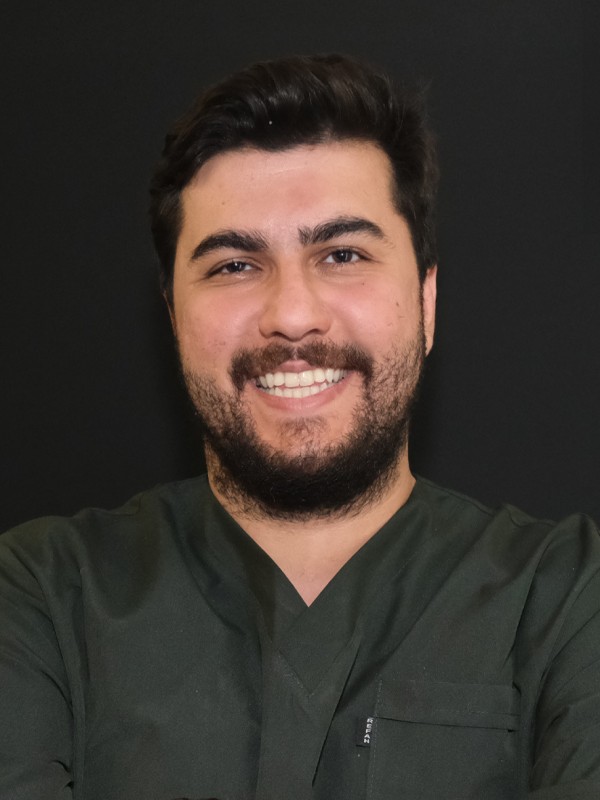
Dt. Muhammed Yancar
Responsible Manager · Dentist
He graduated from Okan University Faculty of Dentistry (2022). He works as the responsible manager and dentist at Bağcılar Dental Polyclinic. He is a member of the Turkish Prosthodontics and Implantology Association (TPİD) and the Turkish Dental Association (TDB).
Dr. Dt. Remziye Kuşağlı
Responsible Dentist
He graduated from Dicle University Faculty of Dentistry (2005); He has 21 years of experience. It specializes in implant-supported dentures, All-on-4/All-on-6, zirconium, laminate and E-max coating treatments. He is a member of TDB.
Uzm. Dr. Dt. Nazlı Altın
Oral and Maxillofacial Surgery Specialist
He graduated from Istanbul University Faculty of Dentistry; He completed his doctorate in oral, dental and maxillofacial surgery. He specializes in complex cases with implant surgery, jaw surgery and bone grafting.
Uzm. Dt. Uğur Derdiyok
Oral and Maxillofacial Surgery Specialist
He graduated from Ankara University Faculty of Dentistry; He completed his specialization in oral, dental and maxillofacial surgery at Kırıkkale University. He is an expert in surgical practices with 11 years of experience.
Uzm. Dt. Ceren Çetinkaya
Orthodontic Specialist
He graduated from Ege University Faculty of Dentistry; He completed his orthodontics specialization at Istanbul University. He is experienced in fixed and transparent plate treatments and focuses on functional and aesthetic results.
Dr. Dt. Hakan Şahin
Pedodontics Specialist (Pediatric Dentist)
He graduated from Atatürk University Faculty of Dentistry; He completed his pedodontics specialization. It has been providing preventive and therapeutic services in children's dental health for many years.
Uzm. Dt. Natiga Israfilova
Prosthetic Dentistry Specialist
He is a graduate of Azerbaijan Medical University; He completed his prosthetic dentistry specialization at Eskişehir Osmangazi University. With 20 years of experience, he is an expert in implant prostheses, All-on-4/6, zirconium, laminate and E-max applications.
Dt. Nur Küçük
Prosthodontics & Digital Dentistry
He graduated from Istanbul Medipol University, Department of Dentistry; He continues his doctoral education in prosthetic dentistry. He works on aesthetic and functional restorations and smile design with CAD/CAM systems.
Dt. Mehmet Emin Ceylan
Implant & Prosthesis
He graduated from Istanbul Aydin University Faculty of Dentistry; He has 7 years of experience. He specializes in implant-supported dentures, All-on-4/All-on-6 restorations, full mouth dentures and zirconium applications.
Dt. Zeynep Demirhan
Prosthodontics & Aesthetic Dentistry
He graduated from Bezmiâlem Vakıf University, Faculty of Dentistry. He is experienced in prosthetic treatments, smile design, implant-supported prostheses and treatments under sedation; focuses on patient satisfaction.
Dt. Seda Şahle Alemdar
Implant & Aesthetics · Digital
He graduated from Abant İzzet Baysal University Faculty of Dentistry (2020). He is experienced in implant-supported dentures, smile design, digital measurement systems and aesthetic restorations.
Dt. Muhammed Ali Almaz
Implant & Aesthetic Dentistry
He graduated from Gazi University Faculty of Dentistry (2021); He has 5 years of experience. He works with health tourism patients in the fields of implant prostheses, All-on-4, zirconium, aesthetic fillings and teeth whitening.
Dt. Berkay Pehlivanoğlu
Restorative & Prosthetic
He graduated from Marmara University Faculty of Dentistry (2021); He has 6 years of experience. He works in the fields of endodontics (root canal treatment), restorative treatments, zirconium/E-max/laminate prosthesis and implant-supported prosthesis.
Dt. Esranur Çelik
Restorative & Periodontology
He graduated from Süleyman Demirel University Faculty of Dentistry (2017); He has 9 years of experience. He works in periodontology (gum), restorative and endodontic treatments and aesthetic smile design.
Dt. Havva Öztürk
General & Restorative Dentistry
He graduated from Bolu Abant İzzet Baysal University Faculty of Dentistry (2023). Works in restorative, endodontic, periodontal, prosthetic and pedodontic treatments; Follows current treatments closely.
Dt. Sümeyya Aydınlık
Dentist
He graduated from Istanbul Yeni Yüzyıl University, Department of Dentistry (2020); Has approximately 5 years of experience. In addition to general dentistry, he works in implant prosthesis, restorative and endodontic treatments.
Dt. Hasip Altun
General Dentistry
He graduated from Yüzüncü Yıl University Faculty of Dentistry (2018). He has clinical experience in general dentistry and restorative treatments; It stands out with its patient-oriented approach.
Dt. Birsen Er
Implant & Aesthetic Dentistry
He graduated from Istanbul University Faculty of Dentistry (2002); He has 24 years of experience. He works in the fields of implant-supported prostheses, All-on-4, zirconium restorations, aesthetic fillings, root canal treatment (endodontics) and teeth whitening.