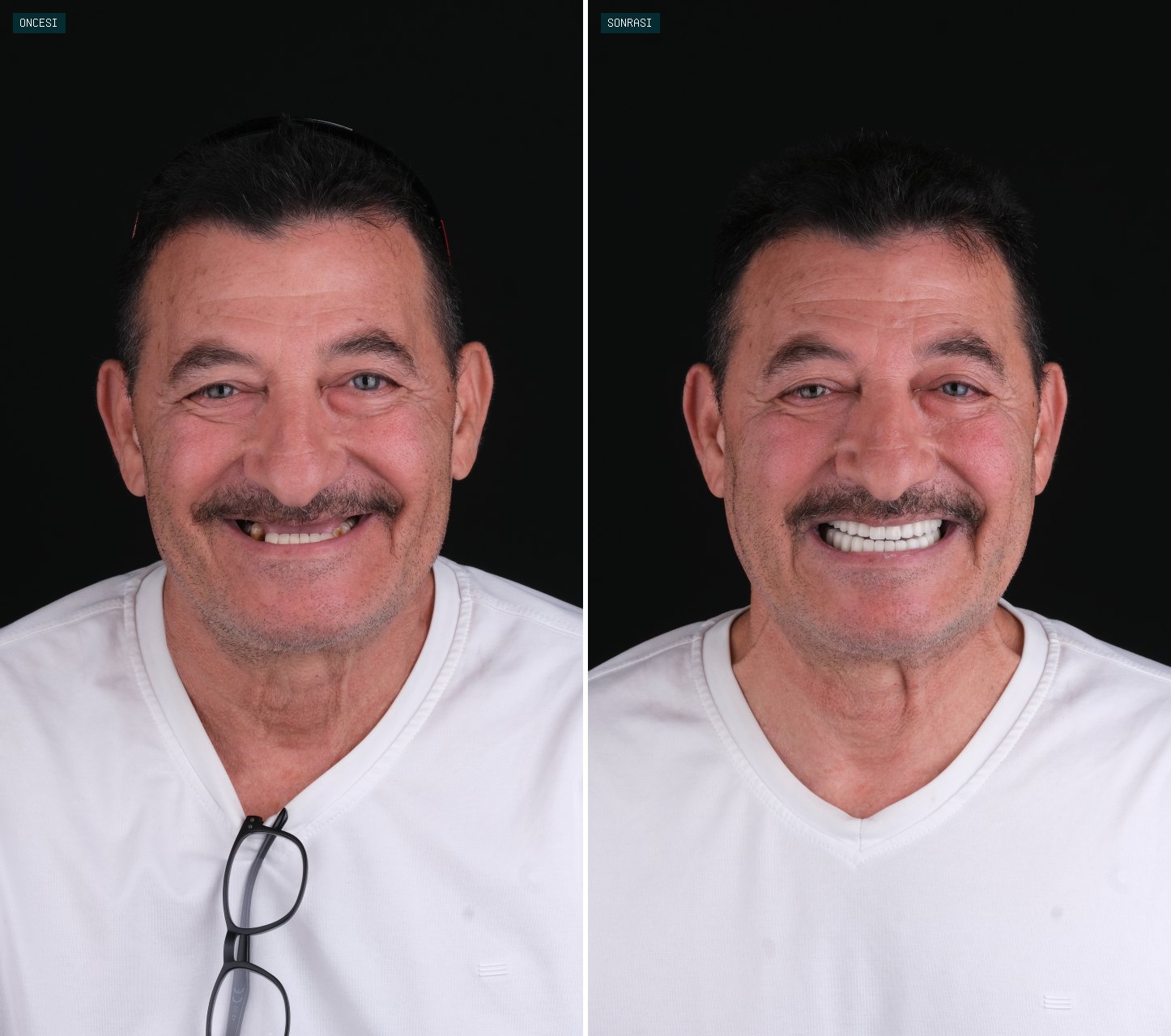
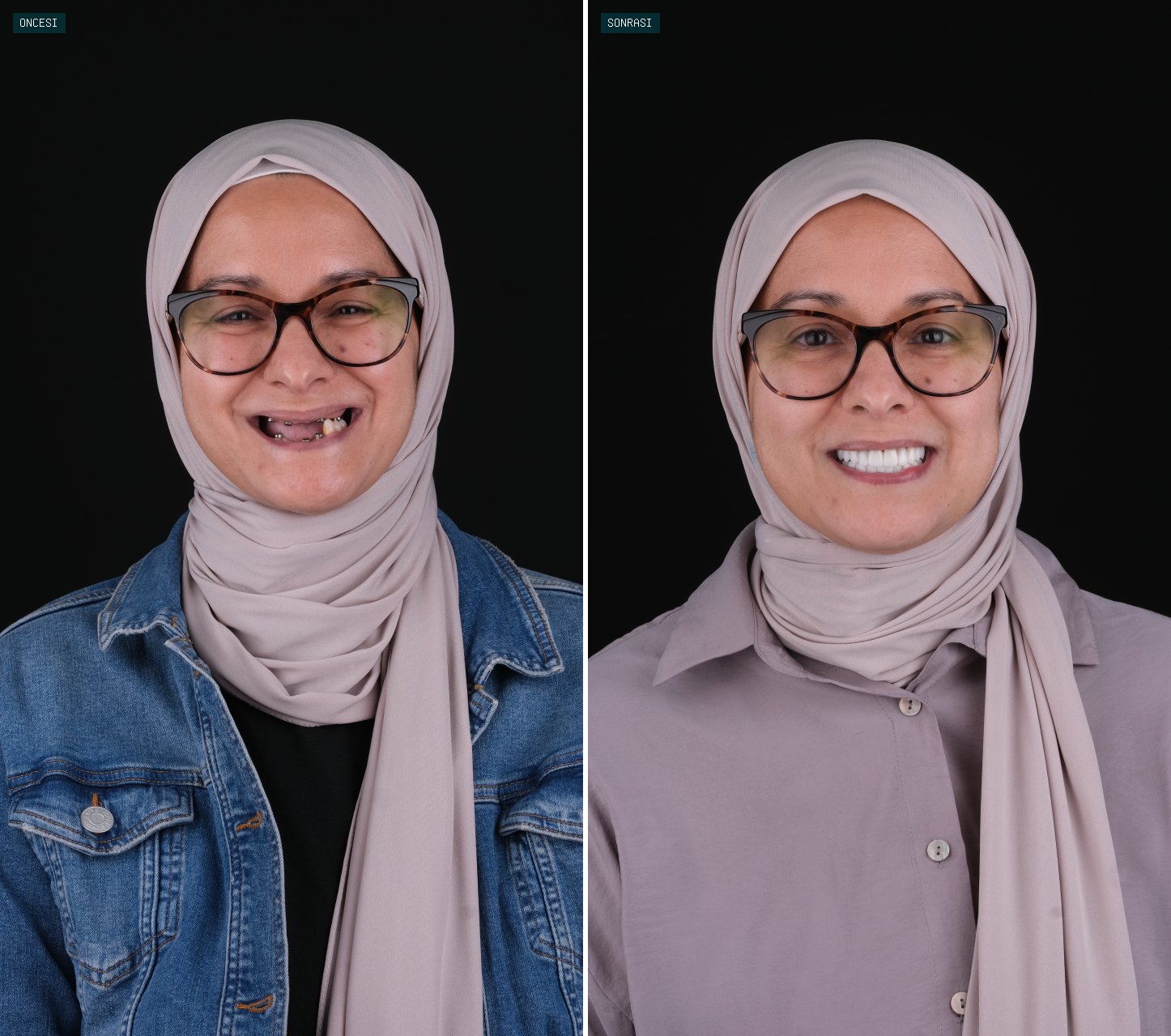
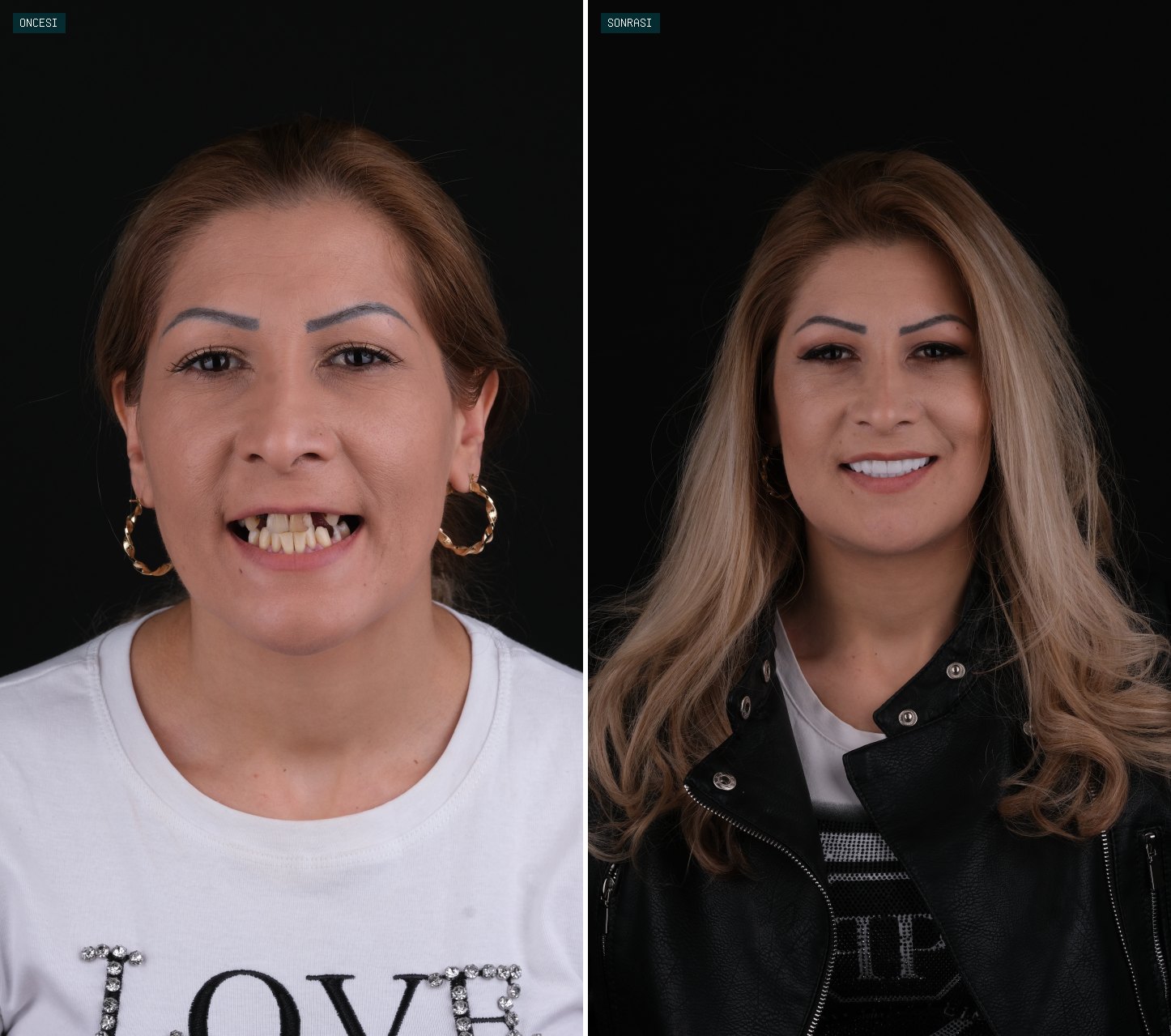
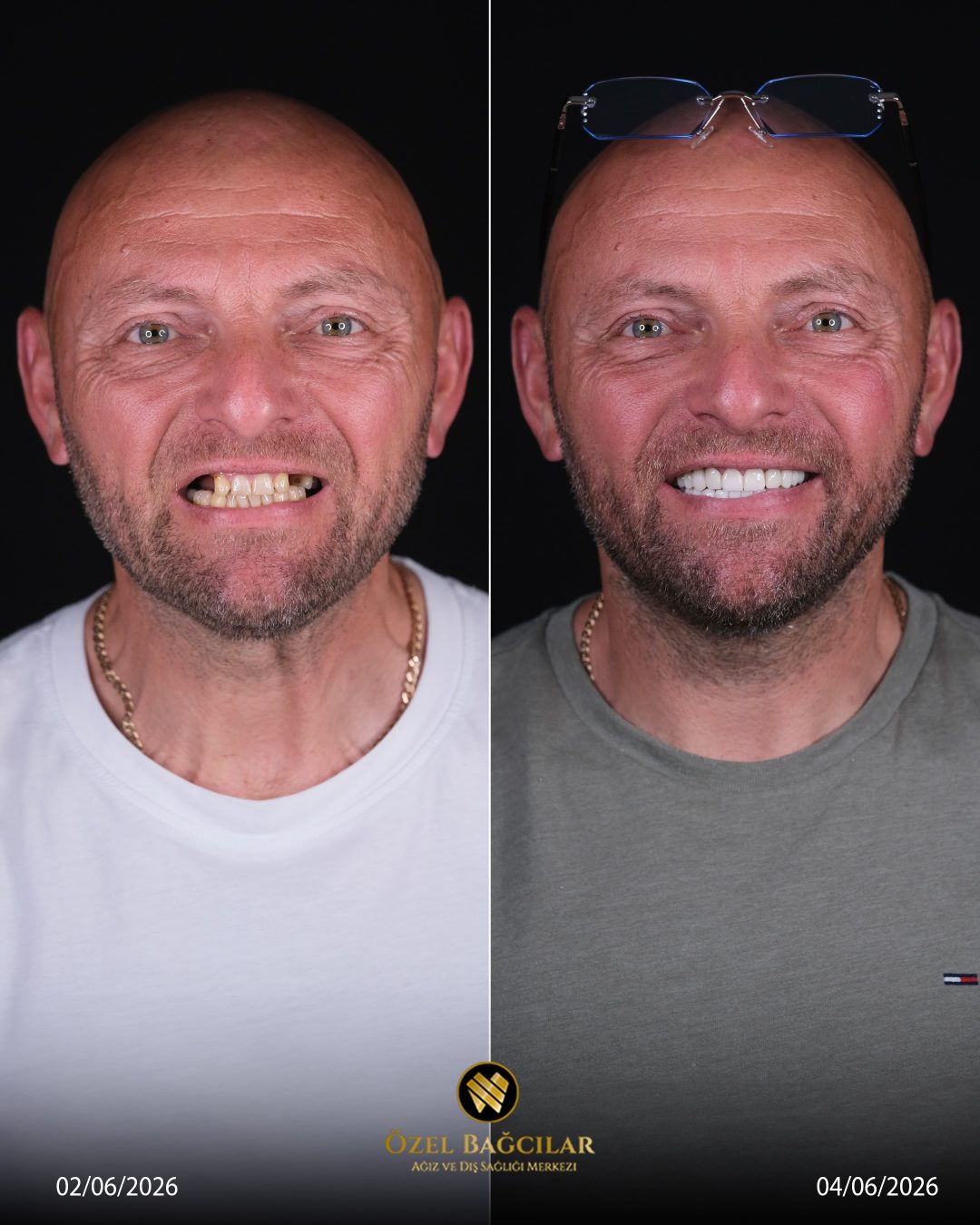
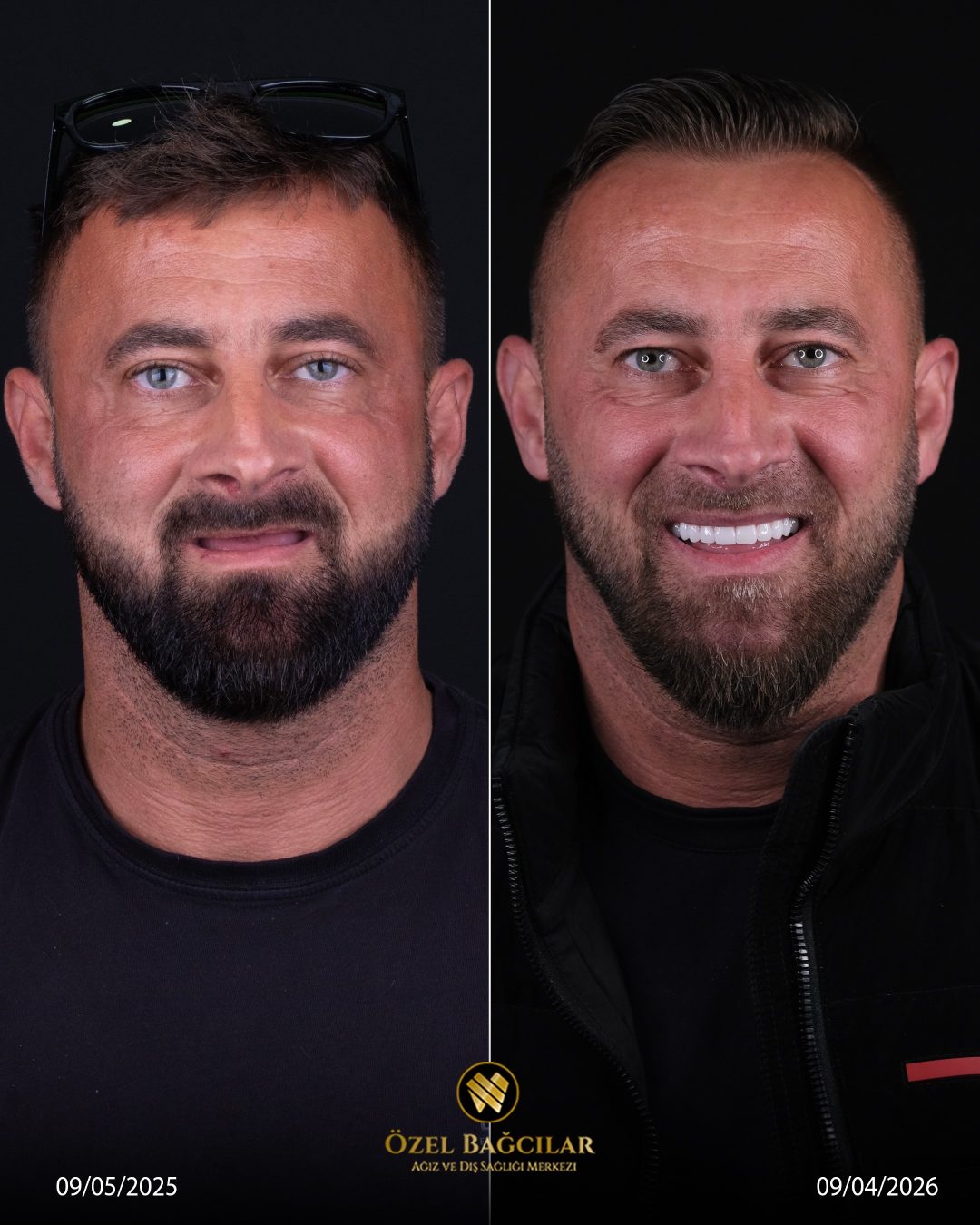
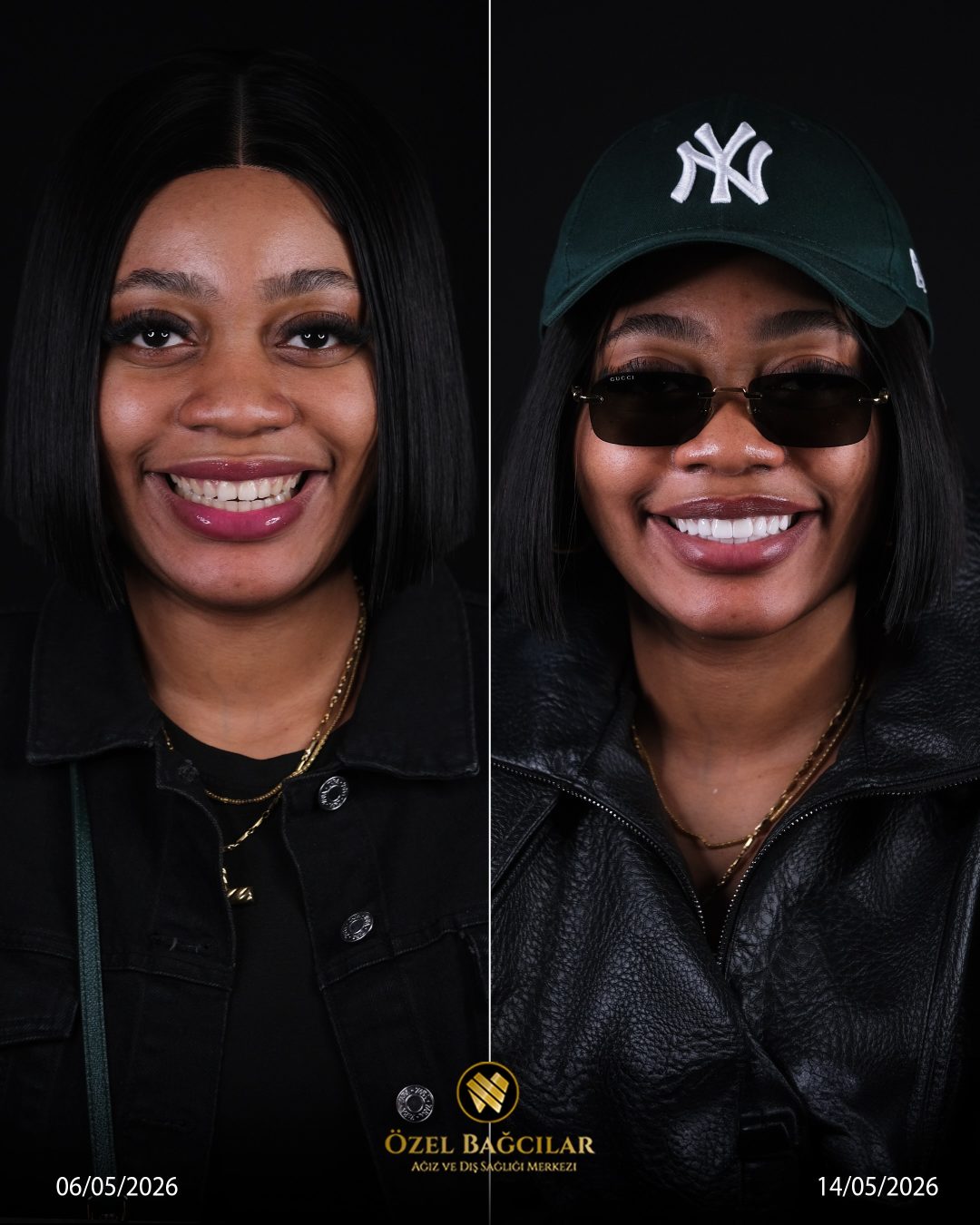
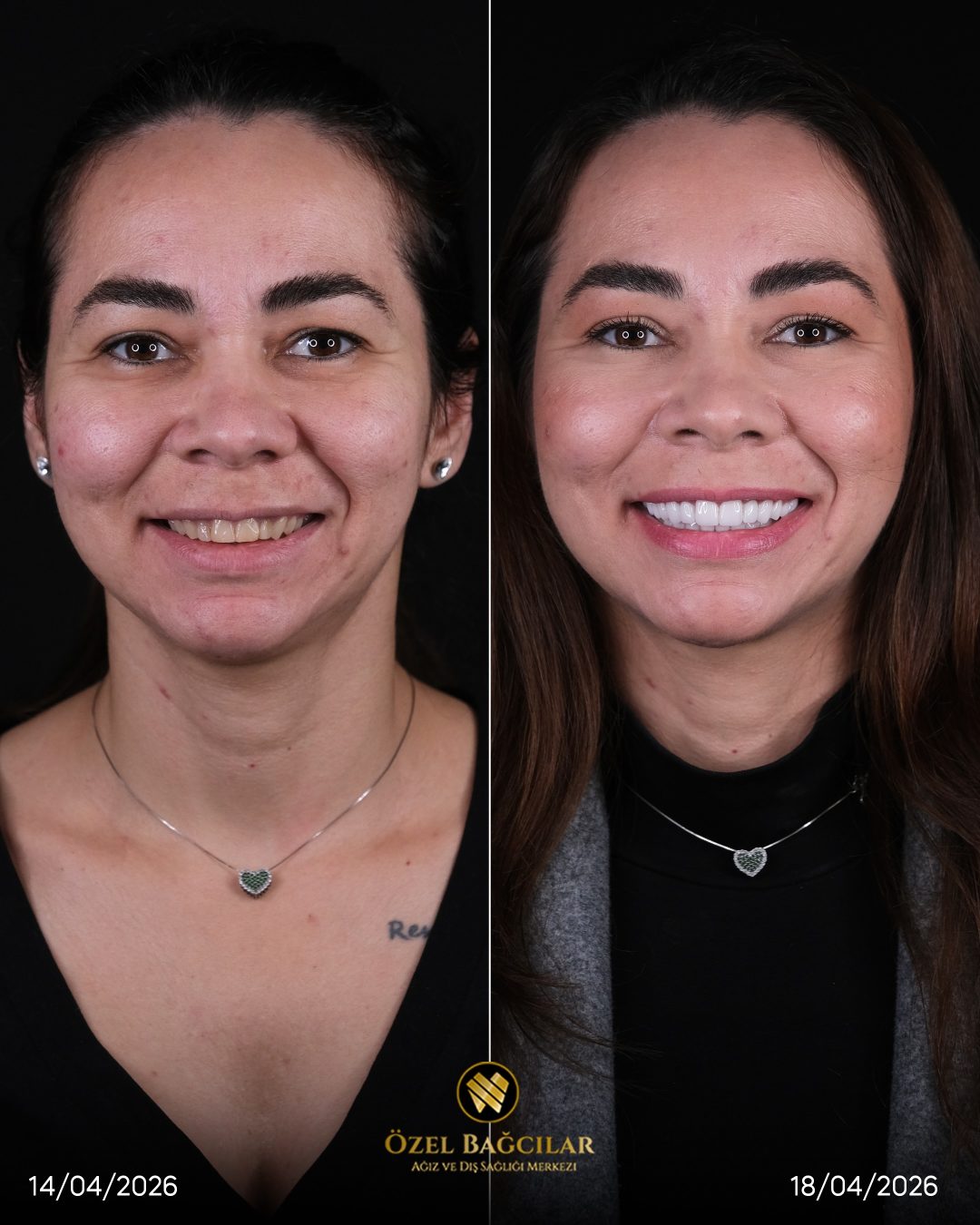
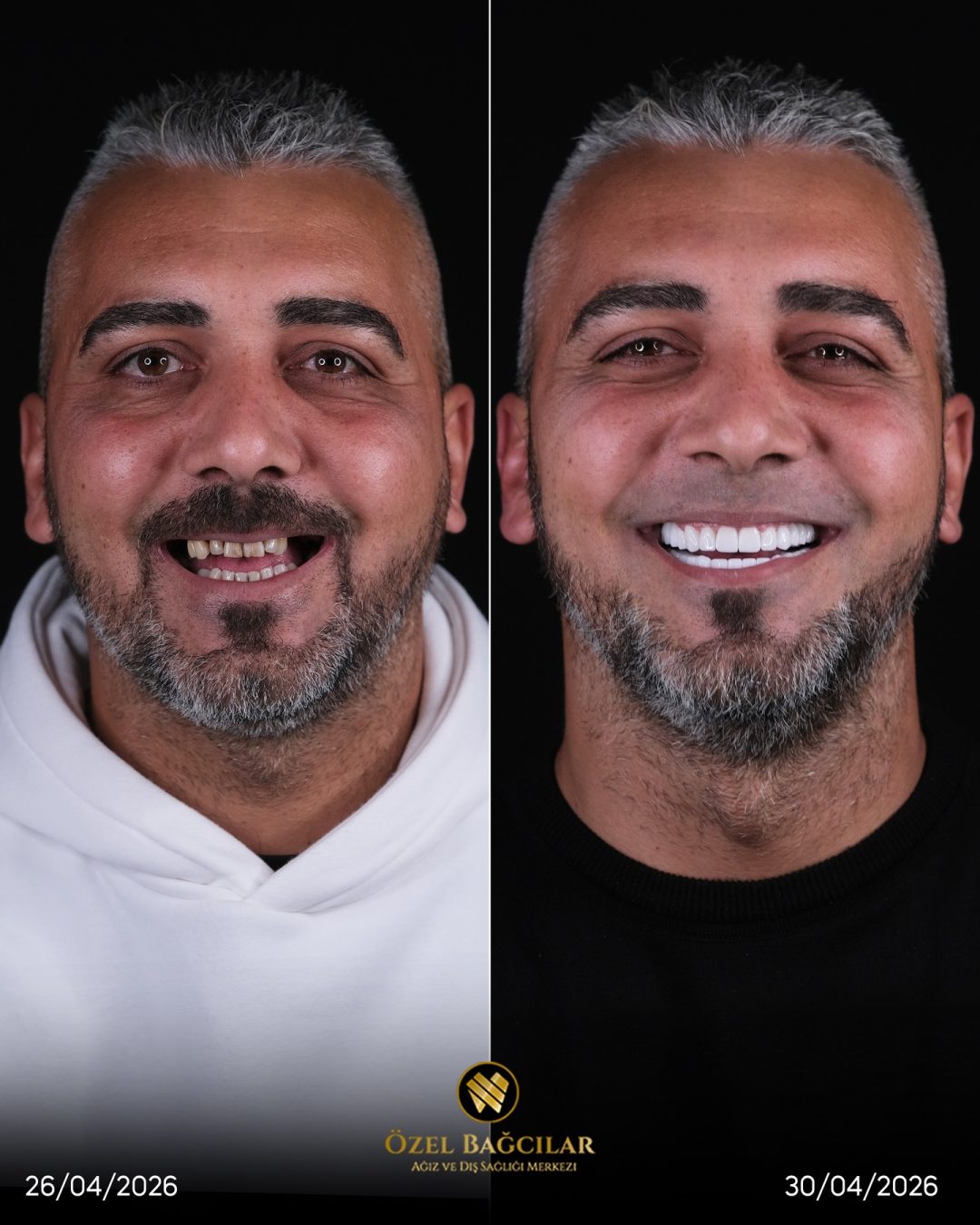
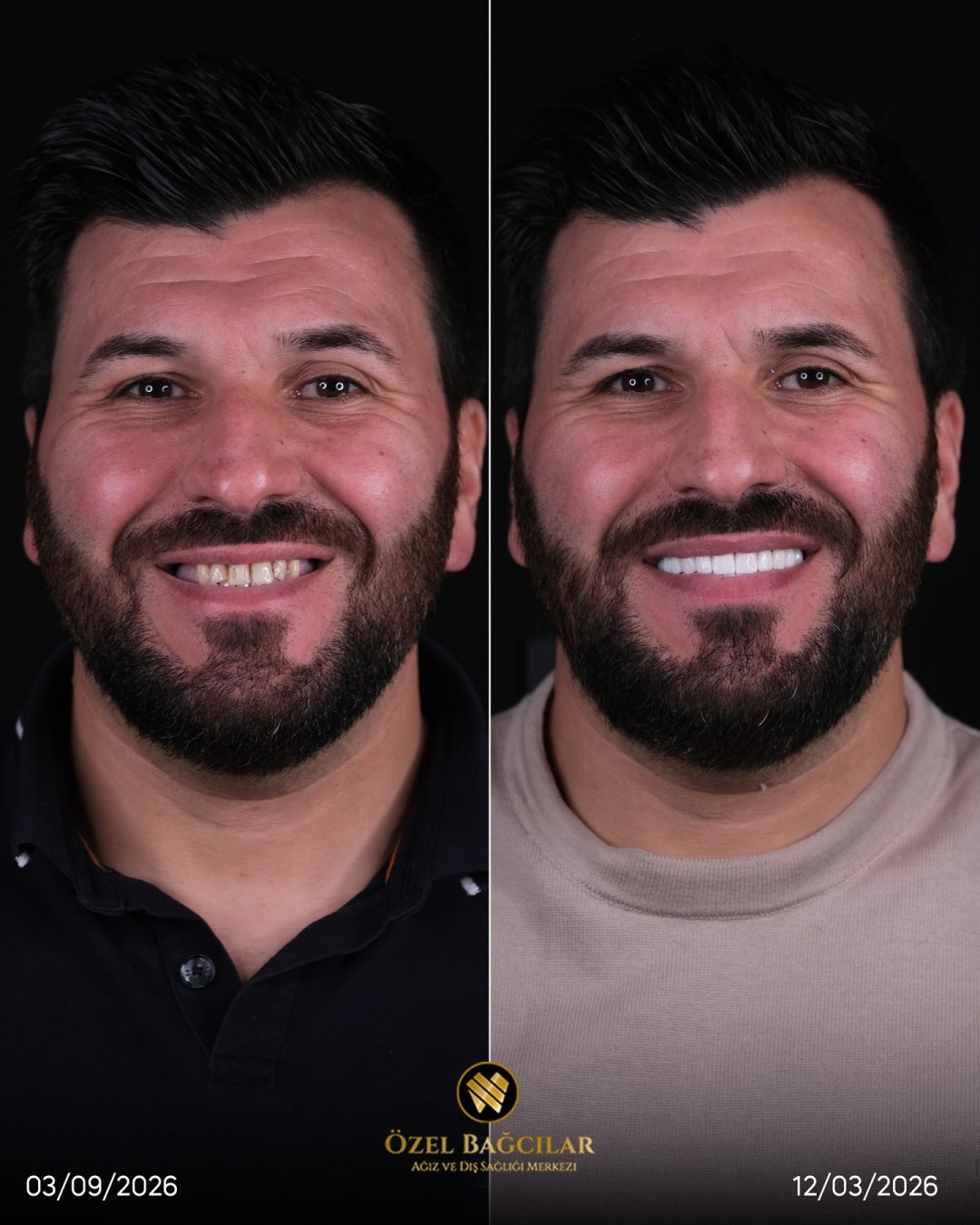
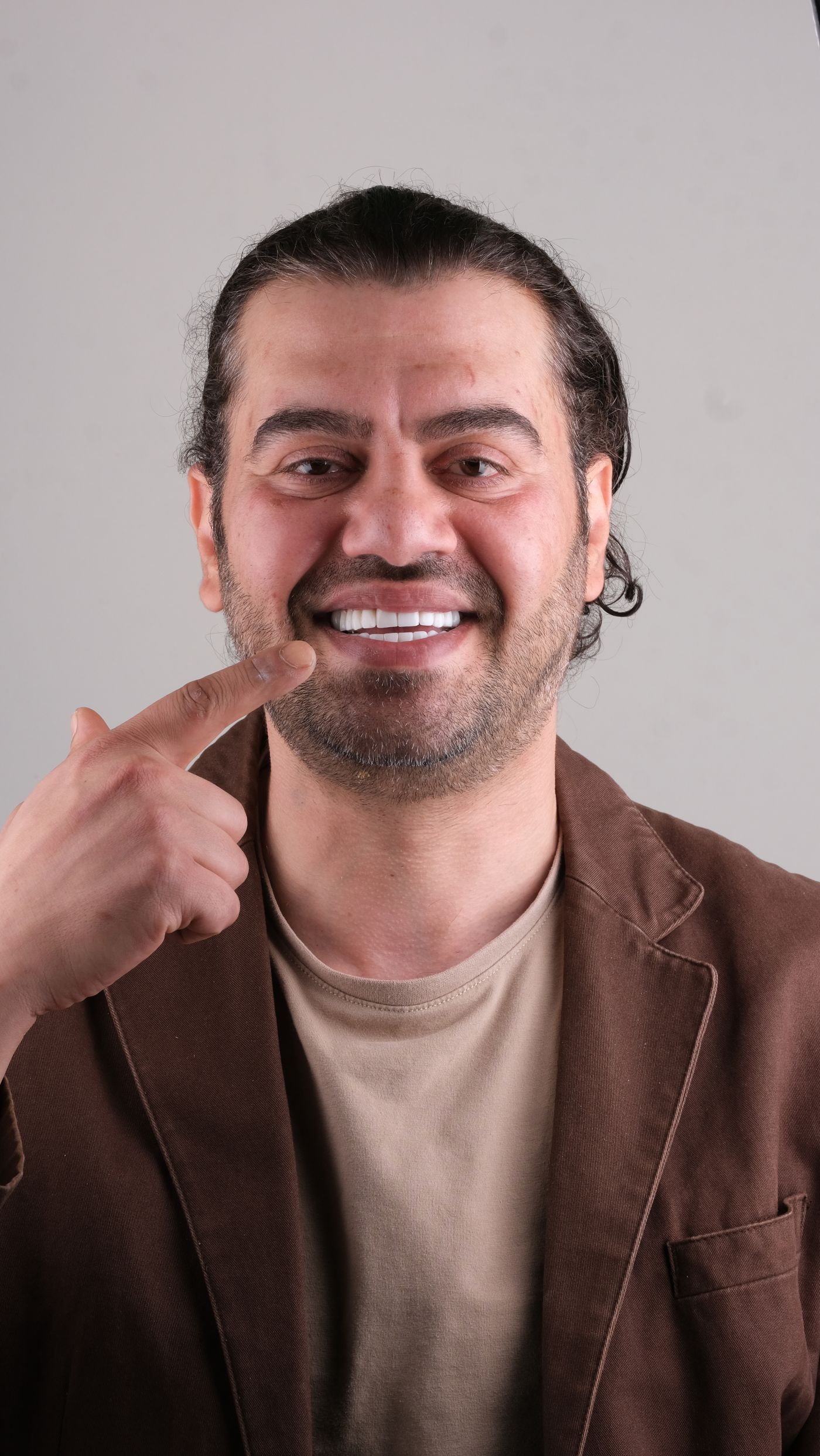
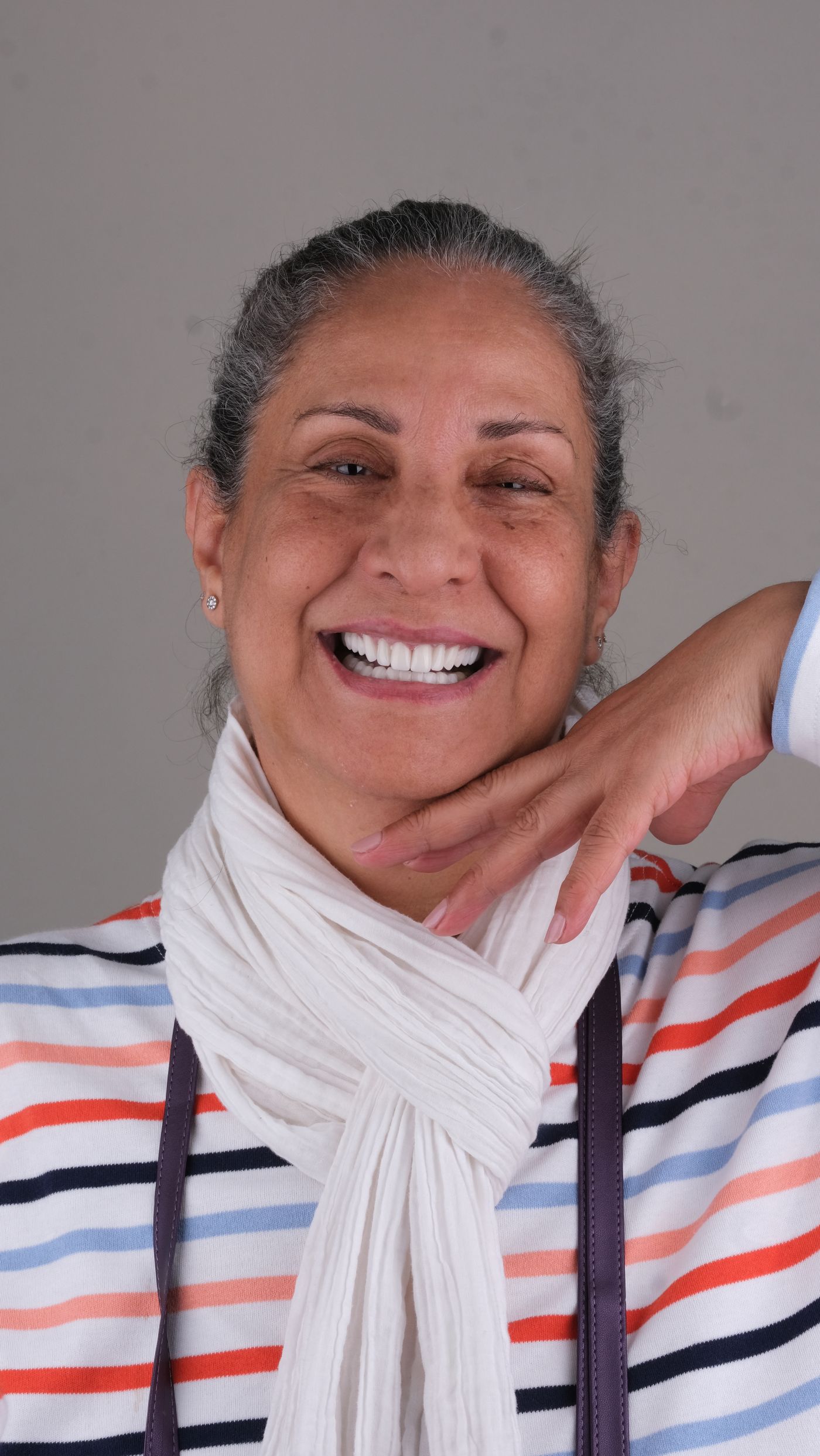
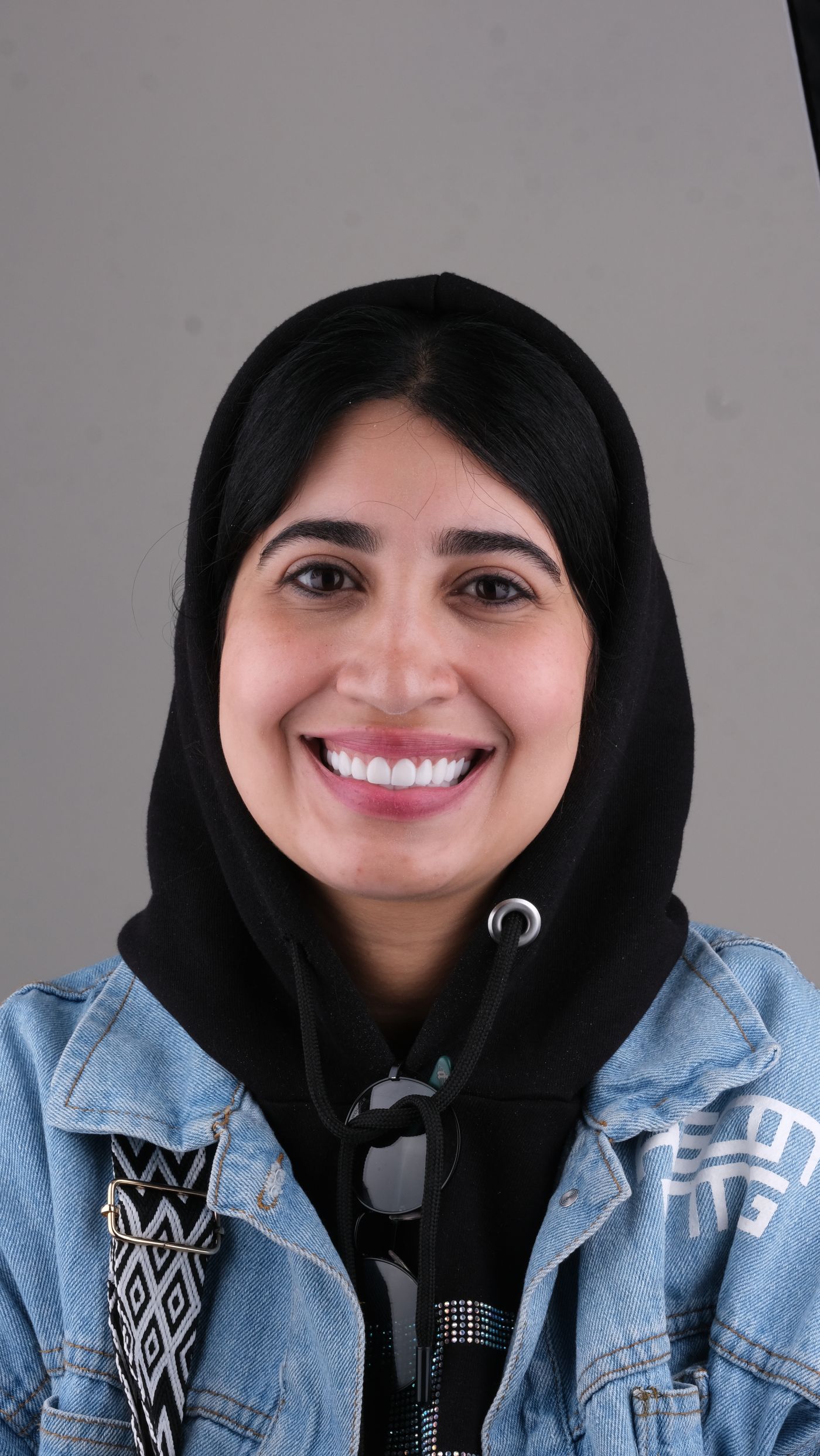
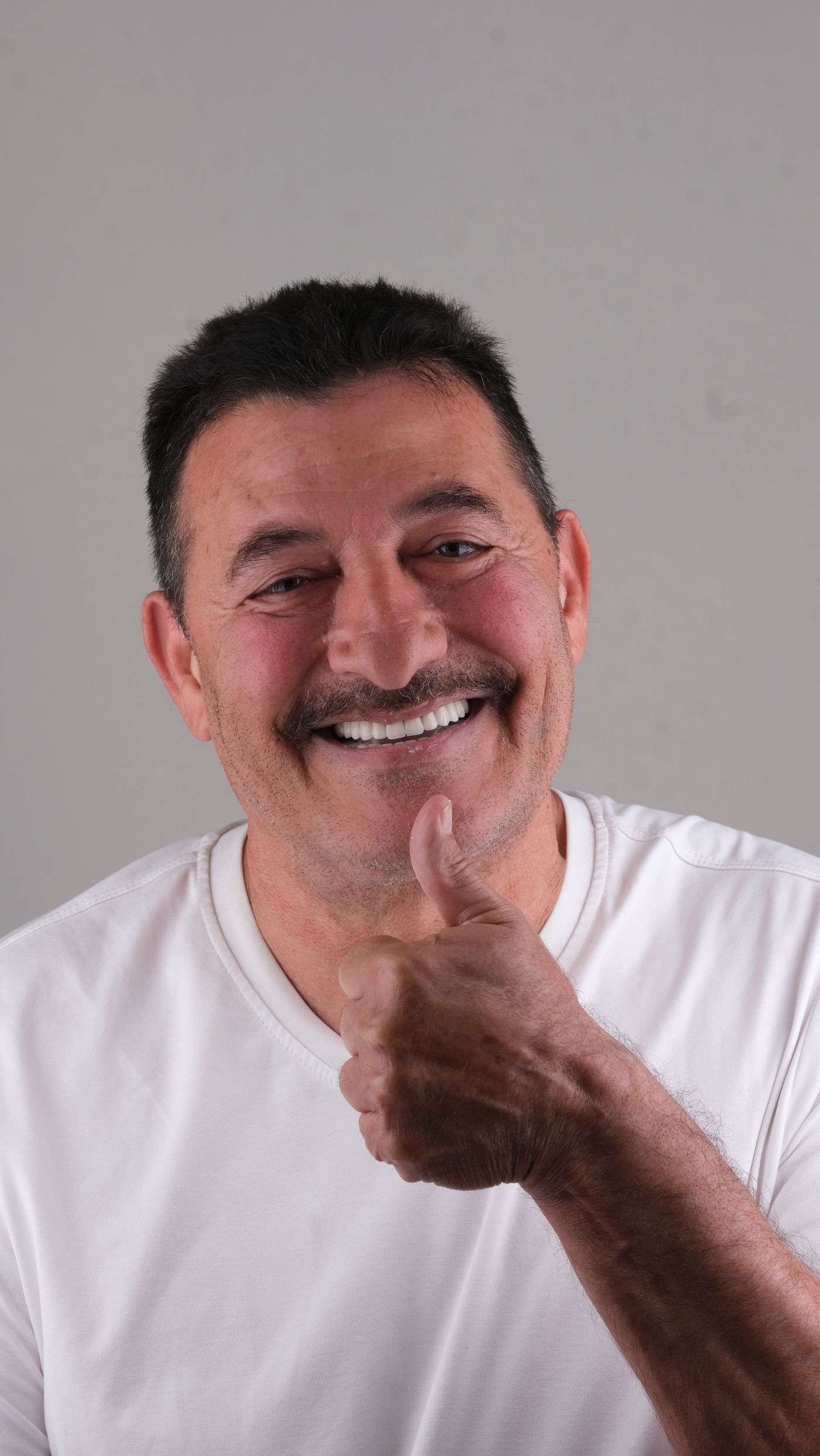
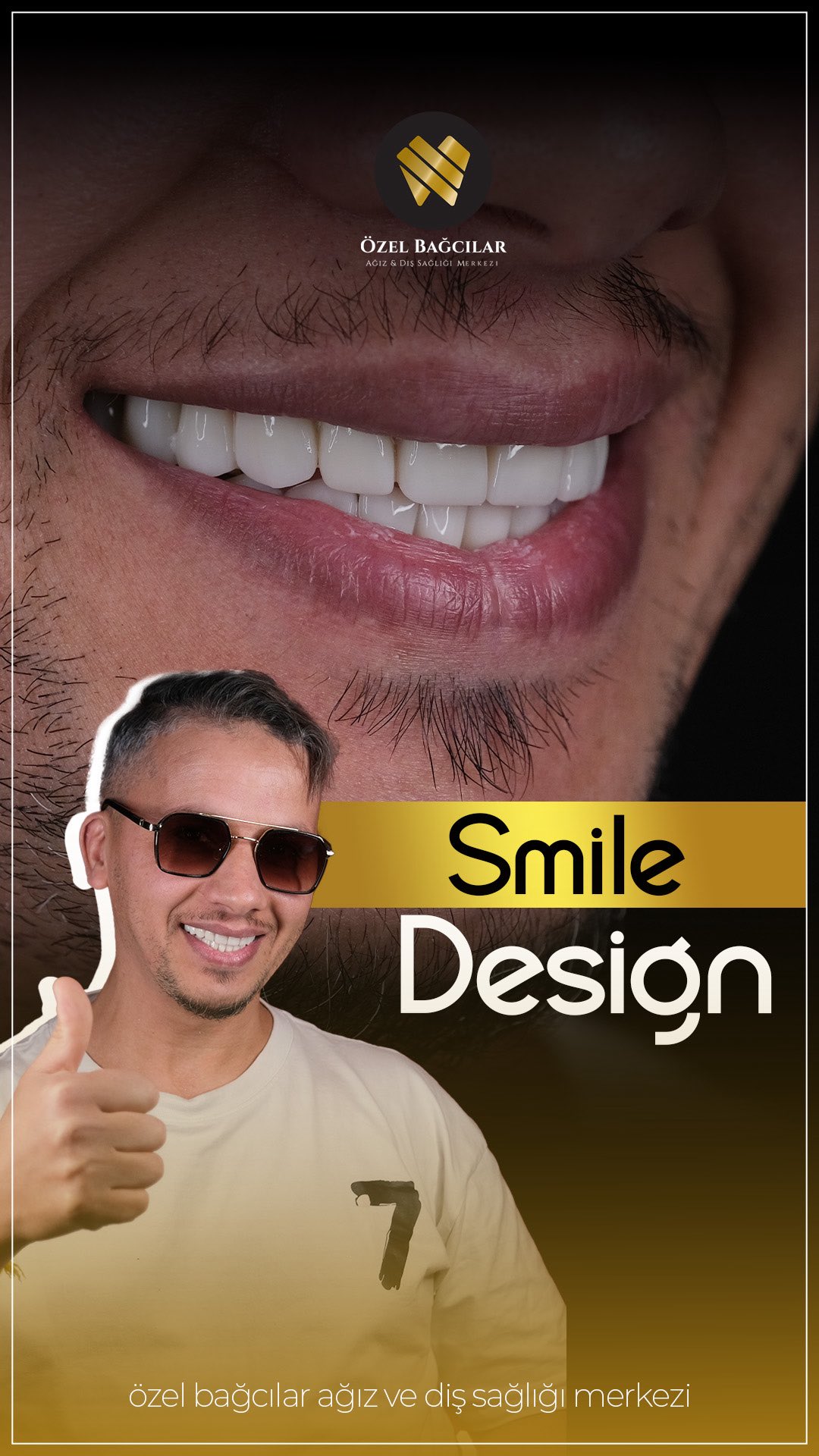
Smile design is the science of crafting a natural smile in harmony with your lip line, facial proportions and personality. With our Digital Smile Design (DSD) protocol, you can preview and even rehearse your new smile before any work is done on your teeth.
The first session captures a high-resolution intraoral scan, facial analysis and smile video. The data is processed in DSD software; tooth length, width, shape and shade are redesigned around your eye line, lip dynamics and gum levels.
In the mock-up stage we transfer a temporary preview into your mouth so you can test the result live. No permanent work begins until you approve. The approved design is then crafted with millimetric precision in the material of your choice (E-max veneers, zirconia or composite bonding).
The goal is not a one-size-fits-all template, but a natural, long-lasting smile built around your face and personality.
What Smile Design Is — and What It Is Not
Smile design is not the name of a treatment; it is a planning method. It designs the length, width, arrangement and colour of the teeth against your facial proportions, your lip line and the smile line that appears when you smile — and only then selects the treatment that will deliver it. It reverses the usual order: the result is decided first, the treatment second.
In the conventional approach a patient says "I would like veneers on my front teeth", the teeth are prepared, and what emerges is left to the laboratory's interpretation. In smile design the change is seen on screen and in the mouth, approved, and only then is any tooth touched.
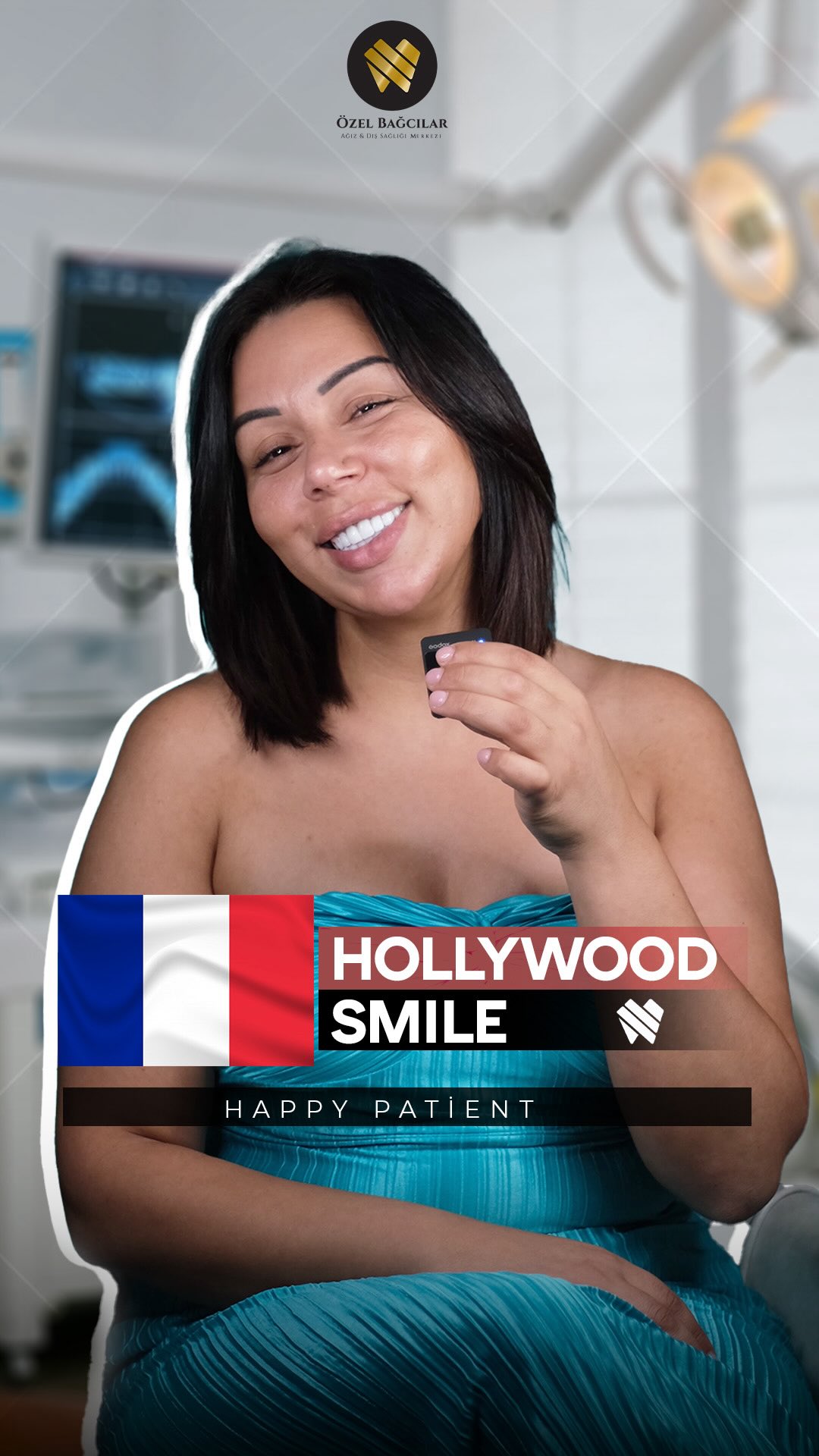
It is worth saying what it is not. Smile design is not a uniform look. In a natural dentition the two upper central incisors are not copies of one another, the incisal edge is slightly translucent, and there is fine surface texture. When those details are erased the result is recognisable from across a room; a single standardised "Hollywood smile" is never the goal here.
Another misconception: smile design does not necessarily mean veneers. For some patients the right answer is whitening and bonding on two teeth; for others it is orthodontics. The design is what reveals this — that is precisely its function.
Digital Design: What Happens on the Screen
The process begins with records: photographs, video, an intraoral scan and radiographs. The video matters — how the teeth appear while you talk and smile says a great deal that a still photograph does not: which teeth show, how far the upper lip lifts, whether gum is visible.
Work then moves into the design software. The references are on your face: the facial midline, the interpupillary line, the lip line and the smile line. Tooth length and width are set against those references. The aim is not a mathematical ideal but a proportion that looks natural on your face.
At this stage changes cost nothing. Is the tooth a millimetre too long, is the midline off, is the canine too pointed — all of it is discussed and corrected on screen. After preparation has begun, the same discussion has a very different price.
If you are travelling from another city or country we start this stage before you leave. A first design is produced from the photographs you send, so that your first day here is spent on the mock-up in your mouth rather than on the screen.
The Mock-Up: Seeing the Result Before Anything Is Cut
This is the single most important step and it must not be skipped. The approved digital design is applied in your mouth in a temporary material without any tooth being touched. You wear it, talk with it, smile, photograph it and — if you want — go home and show it to someone whose opinion you trust.
The function of the mock-up is not aesthetic; it is decisional. A design that looks good on screen can feel different when you speak; the teeth may feel long as the lip closes, or an "s" sound may whistle. All of that is corrected at the mock-up stage, and correcting it costs nothing.
Tooth preparation cannot be undone; a mock-up can. A clinic that begins preparing teeth on the morning you arrive has removed your last opportunity to say no, and has done so for scheduling reasons. Some present that as speed. It is not.
The mock-up is changed until you are happy with it. We do not put a limit on how many times — carrying out a design you dislike wastes both our time and yours. Preparation begins only after you approve it.
Which Treatments a Design Uses
Once the design is approved, the treatments chosen are the ones that deliver it with the least intervention. The options and where each fits:
E-max laminate veneers — thin porcelain bonded to the front surface only. 0.3-0.5 mm reduction; the most natural optics at the front.
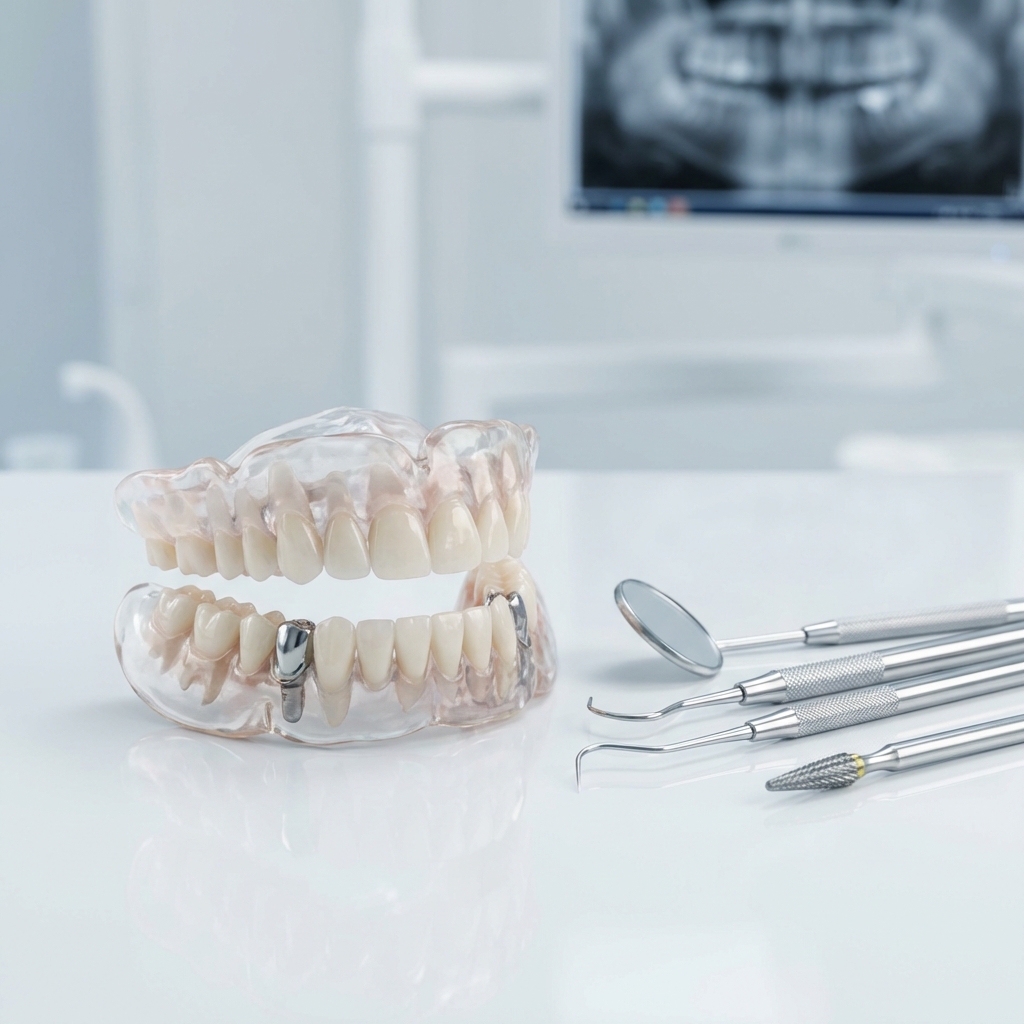
Zirconia crowns — full coverage. For teeth with large existing fillings, root treatment, or a risk of fracture.
Composite bonding — a chipped edge, a small gap, a short lateral incisor. One appointment, almost no reduction.
Whitening — where colour is the only issue, it is enough on its own. It comes before ceramic.
Orthodontics — for significant crowding. It takes longer and removes far less tooth.
Gum contouring — where teeth look short, the problem may be the gum level rather than the length.
A good plan is usually mixed: veneers on four front teeth, bonding on two, a crown on one molar, whitening only on the lower arch. Choosing one material for the whole mouth is easy, and it is a plan built around a product rather than around teeth.
Material selection follows the indication rather than the patient's preference: the position of the tooth, your bite, how much sound structure remains, and whether you grind. Why each material was chosen is explained tooth by tooth at the consultation.
Why the Order Is Fixed
In smile design the order is not an aesthetic preference; it is the rule that decides whether the result lasts.
Health first. No aesthetic work begins before active decay and gum disease are treated. Ceramic placed against inflamed tissue is expensive work built on a moving foundation.
Orthodontics where indicated. Moving teeth into position removes less tissue than cutting them down and making them look positioned.
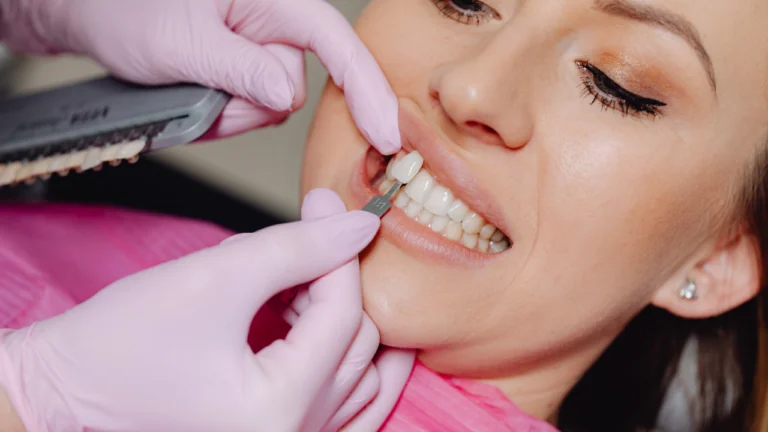
Whitening. The shade of the natural teeth is settled first, because ceramic does not bleach and is matched to it. Get this order wrong and the mismatch cannot be corrected without remaking the ceramic.
Gum contouring where indicated. Then healing is allowed: at least six weeks for soft tissue, three months or more where bone was recontoured.
The restorative phase. Preparation, temporaries, try-in and final cementation.
The waiting period in the fourth step is the one most often skipped under scheduling pressure. After the gum level is altered the tissue continues to settle for some time. Where that is not allowed for, the margin of the restoration appears months later — and it cannot be corrected without remaking the ceramic. In those cases we split treatment across two visits and you wait in temporaries. That is done because it is correct, not because it is convenient.
What Actually Makes a Result Look Natural
Patients usually ask about colour. But what makes a result look natural is proportion rather than shade — even the most natural colour looks artificial at the wrong length.
Tooth length and width. The length of the upper incisors is set against your facial height and lip line. A single millimetre changes the result visibly.
Incisal translucency. Natural enamel is slightly translucent at the edge. Remove that and the tooth reads as a flat white plate.
Surface texture. A natural tooth has fine horizontal lines and gentle undulation that break up the light. A glass-smooth surface does not look natural.
Small asymmetries. The two central incisors are not identical. Preserving that difference is what makes the result read as a human face.
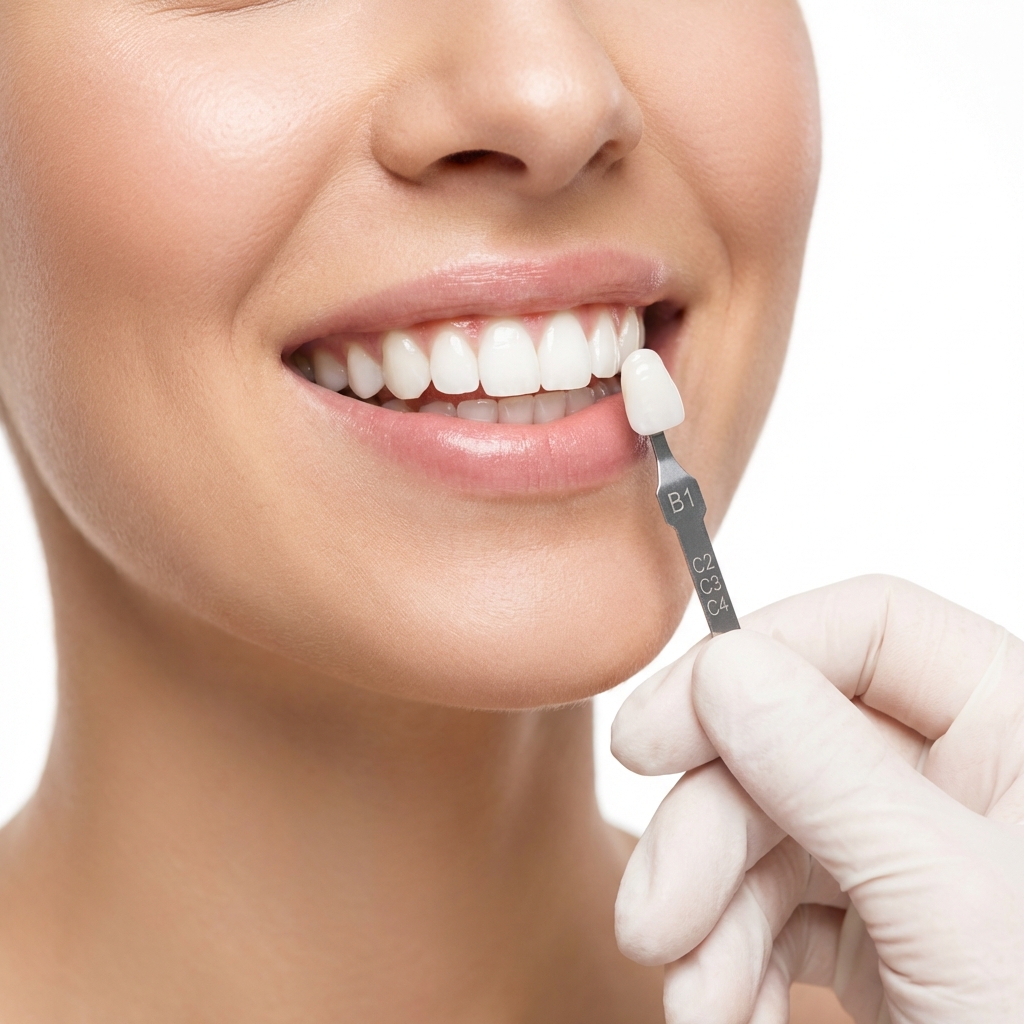
Shade selection. Chosen against your skin tone, the whites of your eyes and your age. One shade lighter looks natural at the right length and translucency.
All of this is the technician's work, which is why who makes it matters more than the brand of the material. Our laboratory is in the building: the technician sees you rather than a photograph of you, assesses shade under different light, and a piece you dislike at try-in is remade within the same visit.
Who It Suits, and When It Is Better to Wait
What is assessed for smile design is specific, and it is gone through at the consultation:
Gum health. Active inflammation is treated first. That order is not negotiable.
Remaining tooth structure. Veneers need enough sound enamel; where too much structure is missing, a crown is more appropriate.
The bite. In significant malocclusion, ceramic alone is not a solution and fails quickly.
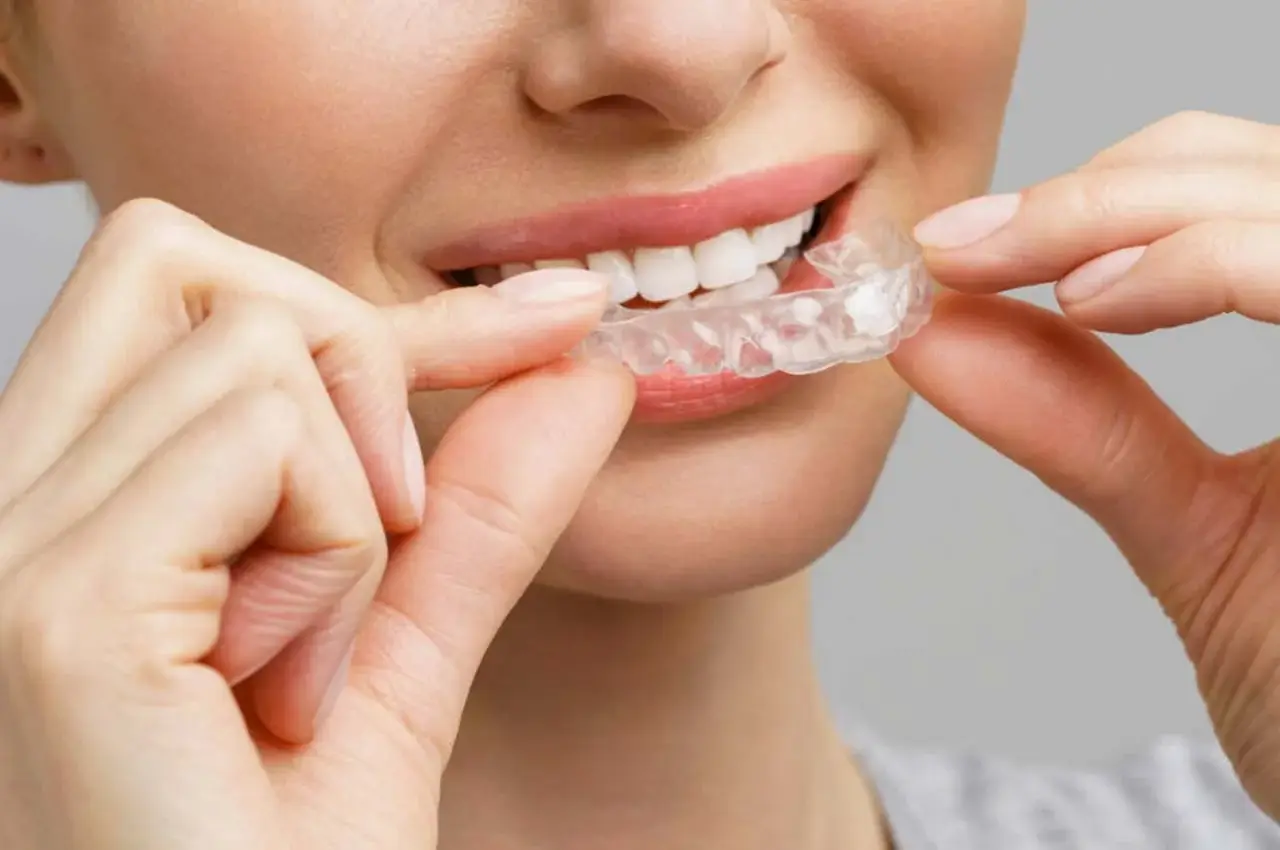
Grinding. Where bruxism is present a night guard is a mandatory part of the plan, and material selection changes accordingly.
Expectation. You get what you saw at the mock-up. Carrying out a design you disliked serves nobody.
There are also cases where waiting is correct. Permanent restorations are not placed at the front before facial growth is complete. Elective cosmetic work is postponed in pregnancy. Ceramic is not placed while active orthodontic treatment is running.
And there are cases where the treatment is not needed, and saying so is part of the job. A patient unhappy with colour whose teeth are well aligned is offered whitening rather than eight veneers; a single chipped edge needs bonding. Cutting a sound tooth cannot be undone, and it is the most common over-treatment in the field.
Timeline, Aftercare and the Guarantee
A typical smile design case takes five to seven working days. Where gum contouring or orthodontics is needed the timeline lengthens and treatment is split across two visits. For patients travelling within the city the same stages run as separate appointments and nothing is rushed.
The typical sequence
Stage
What happens
Duration
Day 1
Examination, radiographs, scan, design review, mock-up in the mouth
1 day
Day 2
Preparation and temporaries after approval
1 day
Days 3-5
Laboratory production, shade and shape try-in
2-3 days
Days 6-7
Final cementation, occlusal check, polish
1-2 days
Afterwards
Review appointment and a night guard where indicated
—
On aftercare the expectation should be realistic. Ceramic does not decay, but the natural tooth beneath it can and the gum around it can become inflamed. Brushing twice daily, daily interdental cleaning, a six-monthly check-up and a night guard if you grind. No biting hard objects and no nail-biting: ceramic is hard, but it does not flex.
Like every treatment carried out here, work done within a smile design plan carries a lifetime guarantee on materials and workmanship. What it covers and what falls outside it — accidental damage, neglect, missed recommended check-ups, not wearing the prescribed night guard — is set out in writing.
Five Mistakes We See Most Often
These are the problems we see most often in patients who were treated elsewhere. None of them is about material quality; all of them are planning and sequencing errors.
Treating more teeth than show. Twenty veneers on a patient whose smile line reveals eight teeth. Cutting a sound tooth cannot be undone, and there is no aesthetic return on ceramic placed where nobody sees it.
Skipping the mock-up. A patient whose teeth are prepared on the morning of arrival sees the result only when it is finished. At that point changing it means doing the work again.
Whitening after the ceramic. Ceramic does not bleach. When the natural teeth lighten afterwards, the mismatch can only be corrected by remaking the ceramic.
Not waiting for the gum to heal. A margin cemented immediately after gum contouring appears months later as the tissue settles.
Never discussing grinding. Ceramic placed for a bruxist without a night guard works every night under a load it was not designed for. That is the common factor in most fracture complaints we see.
What these five share is that none of them is visible during treatment. All of them surface months later, and correcting them costs more than the original work. The steps that slow a plan down — the mock-up, the waiting, the sequence — exist precisely to prevent them.
How the Quote Is Assembled
There is no figure on this page. Instead we set out what builds the figure, because in smile design the difference between two quotes usually comes from scope rather than price.
Here the quote comes out of the design, not the other way round. What will be done is decided first, and the line items follow. We do not sell fixed-count packages; there is no "twenty teeth" starting point.
The lines that appear on the quote: which treatment and which material on each tooth; whether whitening is included; whether gum contouring is needed; what preparatory work is required (decay, root treatment, gum treatment); whether a night guard is included; how many try-in appointments are allowed for.
Where something cannot be assessed at the examination — the state of a root beneath an old crown, for instance — it is written into the plan as a conditional line rather than a firm figure. Nothing you have not approved is carried out.
When comparing this against a quote from another clinic, four lines matter: how many teeth, which material, whether there is a mock-up before preparation, and how long the guarantee runs. Until those four are matched, the totals are not comparable.
Benefits
Preview the result before treatment starts (mock-up)
Personalised design based on your facial proportions
Natural light translucency, never artificial
Flexible material choice: E-max, zirconia or bonding
Predictable, fast outcome with a fully digital workflow
Long-lasting, tissue-friendly restoration
✦ Frequently Asked Questions
Frequently Asked Questions
01How long does smile design take?
After design approval, production and bonding typically take 5 to 7 working days: day one for analysis, scans and mock-up; the days in between for lab production; the final day for bonding and finishing.
02Will my teeth be drilled during the mock-up?
No. The mock-up is fully reversible. The trial material is placed on your teeth without any preparation, so you can preview the result before committing to permanent work.
03Will it look natural?
Our aim is never a one-size-fits-all 'Hollywood smile'. We design around your facial proportions, lip line and personality, with naturalness as the main priority.
04How long does it last?
With good care and regular check-ups, E-max and zirconia restorations preserve their aesthetics and function for many years; bonding restorations typically need renewal sooner. Our treatments carry a lifetime guarantee on materials and workmanship.
A safe, comfortable and transparent treatment process at every stage with our experienced physicians.
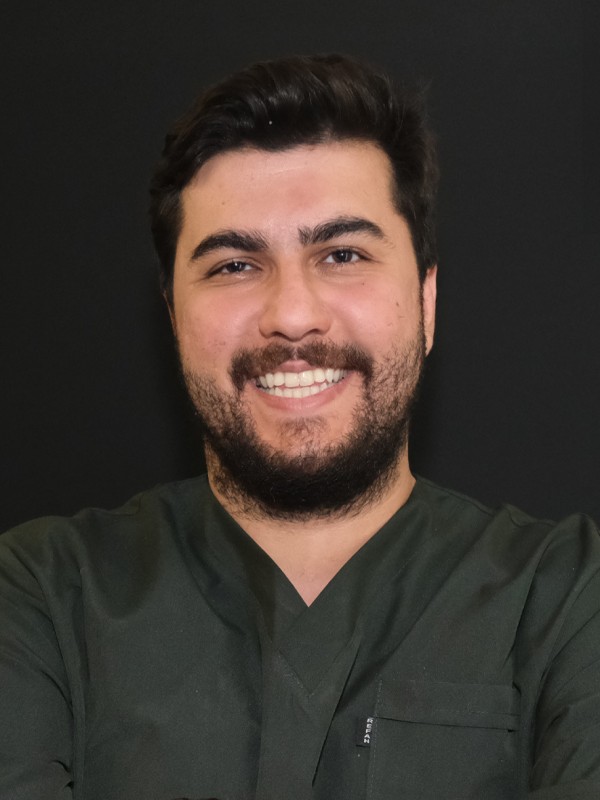
Dt. Muhammed Yancar
Responsible Manager · Dentist
He graduated from Okan University Faculty of Dentistry (2022). He works as the responsible manager and dentist at Bağcılar Dental Polyclinic. He is a member of the Turkish Prosthodontics and Implantology Association (TPİD) and the Turkish Dental Association (TDB).
Dr. Dt. Remziye Kuşağlı
Responsible Dentist
He graduated from Dicle University Faculty of Dentistry (2005); He has 21 years of experience. It specializes in implant-supported dentures, All-on-4/All-on-6, zirconium, laminate and E-max coating treatments. He is a member of TDB.
Uzm. Dr. Dt. Nazlı Altın
Oral and Maxillofacial Surgery Specialist
He graduated from Istanbul University Faculty of Dentistry; He completed his doctorate in oral, dental and maxillofacial surgery. He specializes in complex cases with implant surgery, jaw surgery and bone grafting.
Uzm. Dt. Uğur Derdiyok
Oral and Maxillofacial Surgery Specialist
He graduated from Ankara University Faculty of Dentistry; He completed his specialization in oral, dental and maxillofacial surgery at Kırıkkale University. He is an expert in surgical practices with 11 years of experience.
Uzm. Dt. Ceren Çetinkaya
Orthodontic Specialist
He graduated from Ege University Faculty of Dentistry; He completed his orthodontics specialization at Istanbul University. He is experienced in fixed and transparent plate treatments and focuses on functional and aesthetic results.
Dr. Dt. Hakan Şahin
Pedodontics Specialist (Pediatric Dentist)
He graduated from Atatürk University Faculty of Dentistry; He completed his pedodontics specialization. It has been providing preventive and therapeutic services in children's dental health for many years.
Uzm. Dt. Natiga Israfilova
Prosthetic Dentistry Specialist
He is a graduate of Azerbaijan Medical University; He completed his prosthetic dentistry specialization at Eskişehir Osmangazi University. With 20 years of experience, he is an expert in implant prostheses, All-on-4/6, zirconium, laminate and E-max applications.
Dt. Nur Küçük
Prosthodontics & Digital Dentistry
He graduated from Istanbul Medipol University, Department of Dentistry; He continues his doctoral education in prosthetic dentistry. He works on aesthetic and functional restorations and smile design with CAD/CAM systems.
Dt. Mehmet Emin Ceylan
Implant & Prosthesis
He graduated from Istanbul Aydin University Faculty of Dentistry; He has 7 years of experience. He specializes in implant-supported dentures, All-on-4/All-on-6 restorations, full mouth dentures and zirconium applications.
Dt. Zeynep Demirhan
Prosthodontics & Aesthetic Dentistry
He graduated from Bezmiâlem Vakıf University, Faculty of Dentistry. He is experienced in prosthetic treatments, smile design, implant-supported prostheses and treatments under sedation; focuses on patient satisfaction.
Dt. Seda Şahle Alemdar
Implant & Aesthetics · Digital
He graduated from Abant İzzet Baysal University Faculty of Dentistry (2020). He is experienced in implant-supported dentures, smile design, digital measurement systems and aesthetic restorations.
Dt. Muhammed Ali Almaz
Implant & Aesthetic Dentistry
He graduated from Gazi University Faculty of Dentistry (2021); He has 5 years of experience. He works with health tourism patients in the fields of implant prostheses, All-on-4, zirconium, aesthetic fillings and teeth whitening.
Dt. Berkay Pehlivanoğlu
Restorative & Prosthetic
He graduated from Marmara University Faculty of Dentistry (2021); He has 6 years of experience. He works in the fields of endodontics (root canal treatment), restorative treatments, zirconium/E-max/laminate prosthesis and implant-supported prosthesis.
Dt. Esranur Çelik
Restorative & Periodontology
He graduated from Süleyman Demirel University Faculty of Dentistry (2017); He has 9 years of experience. He works in periodontology (gum), restorative and endodontic treatments and aesthetic smile design.
Dt. Havva Öztürk
General & Restorative Dentistry
He graduated from Bolu Abant İzzet Baysal University Faculty of Dentistry (2023). Works in restorative, endodontic, periodontal, prosthetic and pedodontic treatments; Follows current treatments closely.
Dt. Sümeyya Aydınlık
Dentist
He graduated from Istanbul Yeni Yüzyıl University, Department of Dentistry (2020); Has approximately 5 years of experience. In addition to general dentistry, he works in implant prosthesis, restorative and endodontic treatments.
Dt. Hasip Altun
General Dentistry
He graduated from Yüzüncü Yıl University Faculty of Dentistry (2018). He has clinical experience in general dentistry and restorative treatments; It stands out with its patient-oriented approach.
Dt. Birsen Er
Implant & Aesthetic Dentistry
He graduated from Istanbul University Faculty of Dentistry (2002); He has 24 years of experience. He works in the fields of implant-supported prostheses, All-on-4, zirconium restorations, aesthetic fillings, root canal treatment (endodontics) and teeth whitening.