



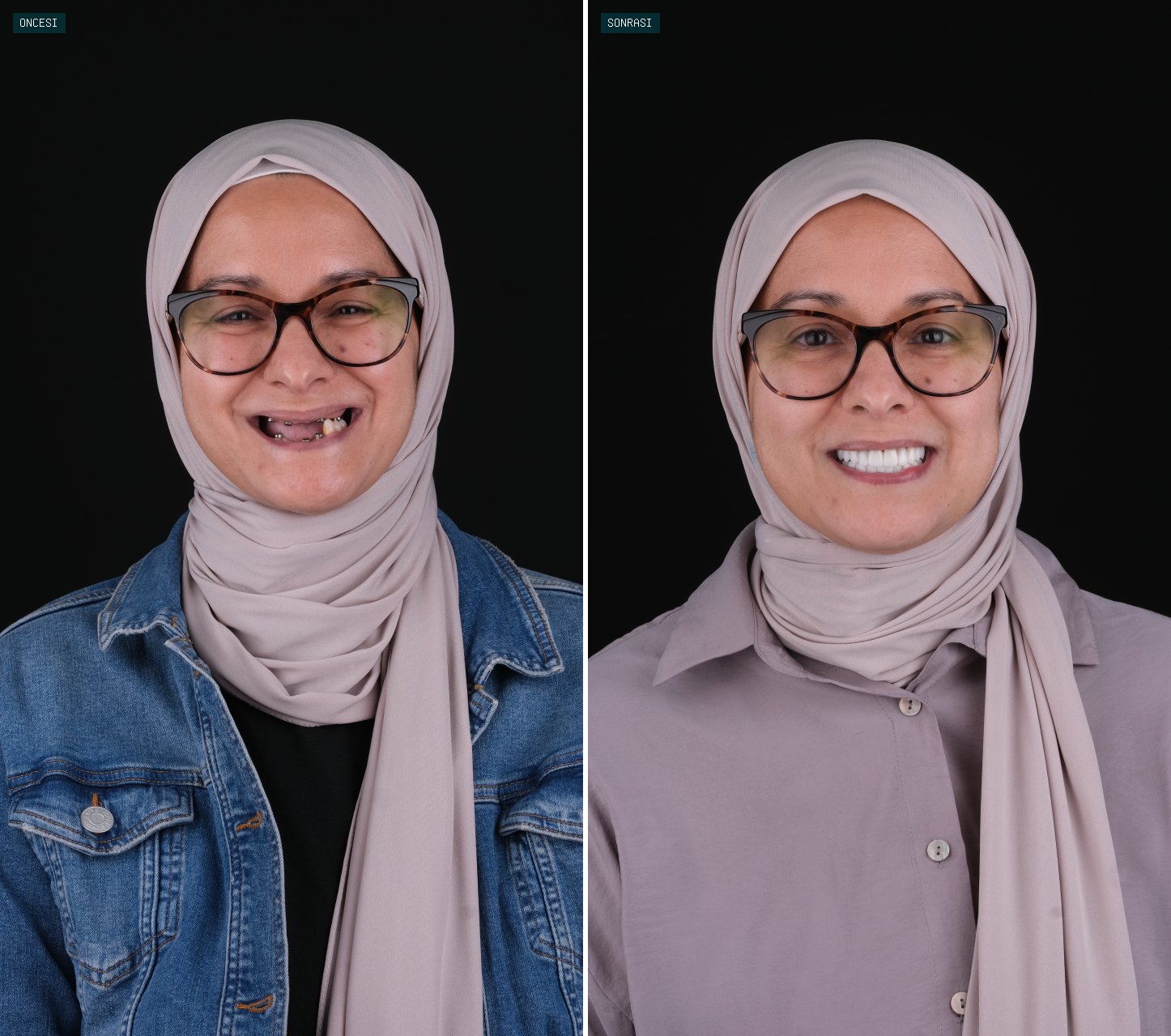


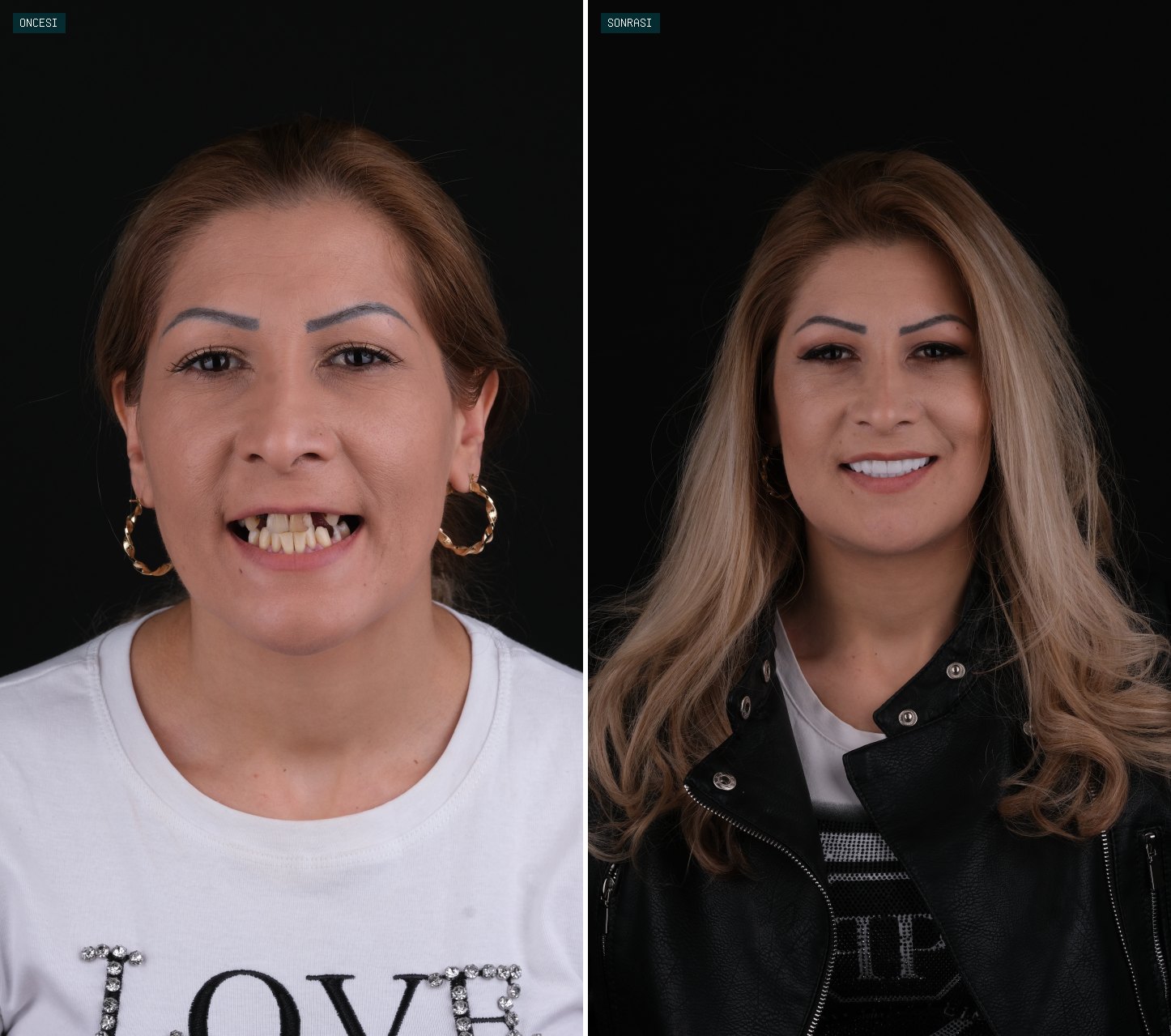

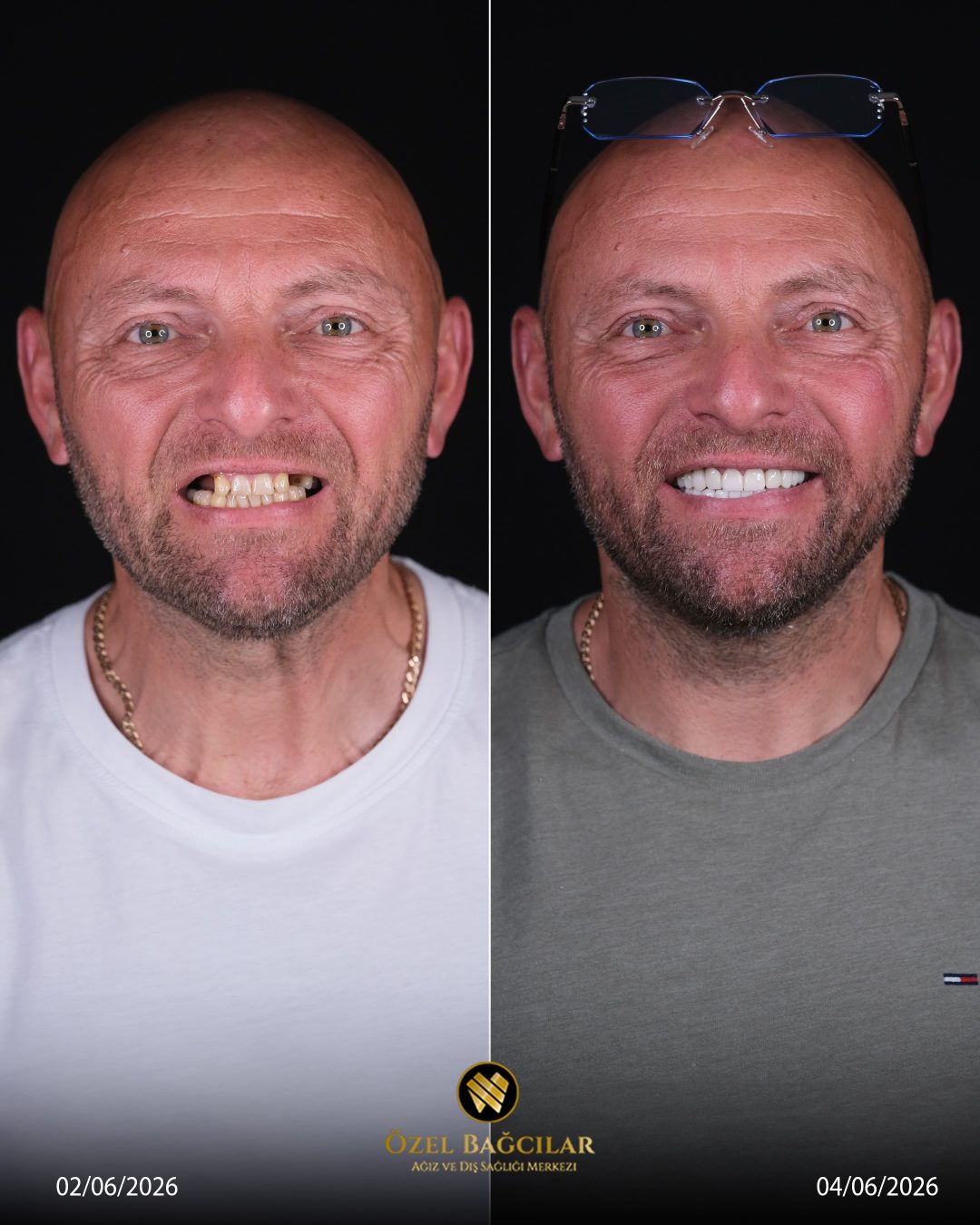
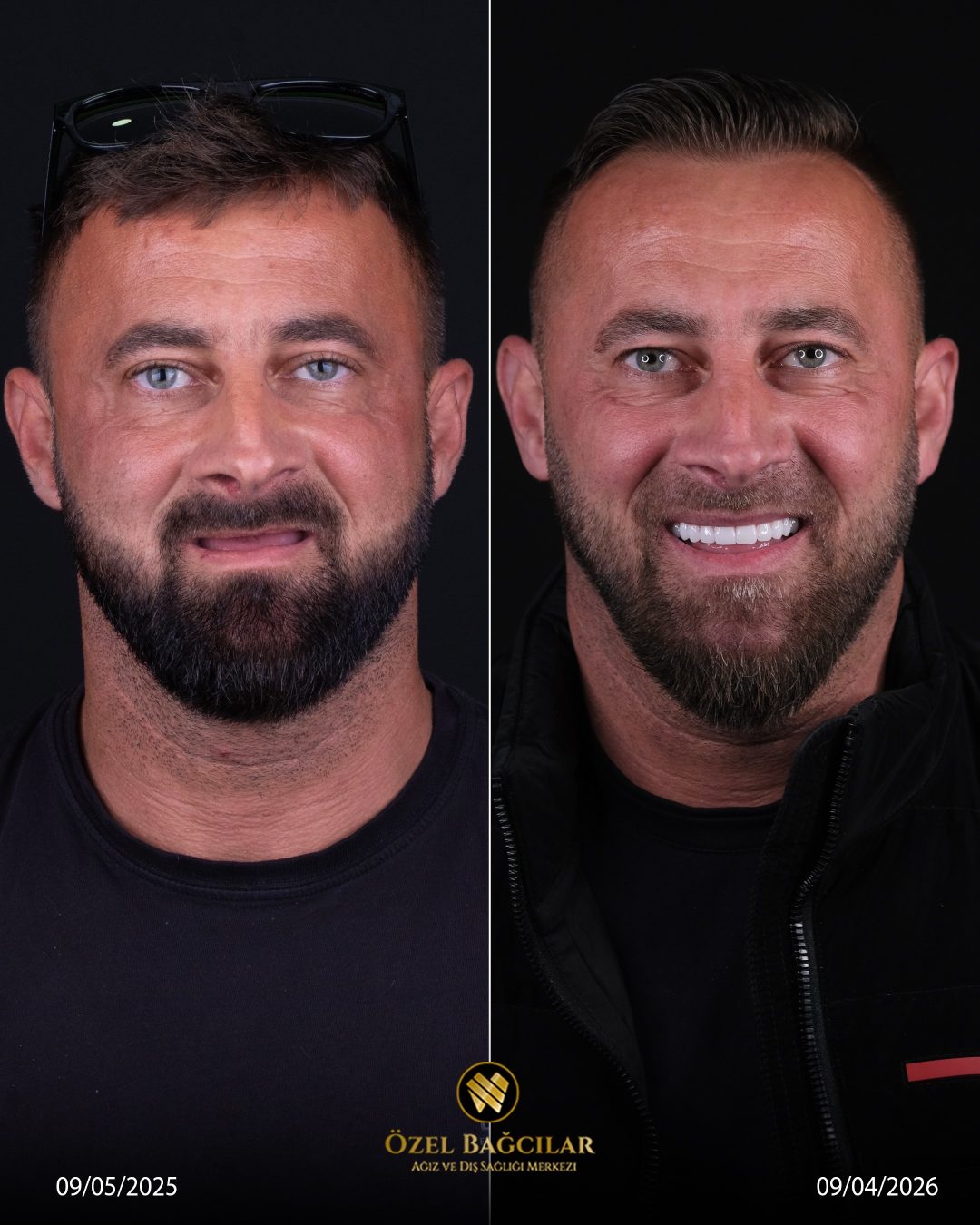





What Immediate Loading Means
Conventional implant treatment separates surgery from restoration. The implant is placed, the gum is closed over it or a healing cap fitted, and three to six months pass before a crown is made. Nothing is attached during that period.
Immediate loading attaches a temporary crown or bridge at placement or within a few days. The implant is still integrating underneath; the difference is that the space is filled while it does.
There is a related term worth distinguishing. Immediate placement means putting the implant into the socket at the same appointment the tooth is removed. Immediate loading means attaching a tooth to it. They are often done together but they are separate decisions, and a case can be suitable for one and not the other.
The clearest way to think about it is that immediate loading changes what happens above the gum during healing. Below the gum, the biology is unchanged and the timeline is the same.
The marketing distinction matters because it shapes expectations. A patient who believes treatment finishes in a day and then learns there is a second trip several months later has been misled, even if the clinical care is excellent. A patient who understands they will leave with fixed temporary teeth and return for the final work has had the same treatment described accurately. The initial consultation is where that expectation should be set.
Why Waiting Used to Be the Rule
The original implant protocols required a completely undisturbed healing period, and that requirement was based on sound observation rather than caution for its own sake.
Bone forms against an implant surface through a sequence that begins with a blood clot and ends with mineralised bone in direct contact with the titanium. That sequence is mechanically sensitive: movement of more than roughly a hundred micrometres during the early phase produces fibrous tissue instead of bone.
Fibrous tissue does not integrate. An implant surrounded by it is mobile, and mobility means failure. Because early protocols could not reliably guarantee that movement stayed below the threshold, the safest approach was to attach nothing at all.
The threshold has not changed. What has changed is the ability to predict, at the moment of placement, whether a particular implant will stay below it — and that prediction is the whole basis of the technique.
It is worth noting that the original protocols also buried the implant under the gum entirely, requiring a second small operation to uncover it months later. Most conventional treatment today uses a single stage with a healing cap through the gum, so the difference between conventional and immediate loading is now narrower than it was when these protocols were written.
Primary Stability — The Deciding Factor
Primary stability is how firmly the implant is held by the bone immediately after placement, before any biological integration has occurred. It is purely mechanical: the friction between implant threads and bone.
It is measured in two ways. Insertion torque records the resistance as the implant is screwed in. Resonance frequency analysis uses a small device to measure how much the implant vibrates, producing a stability quotient. Most clinicians use one or both and apply a threshold below which immediate loading is not attempted.
This is the reason eligibility cannot be decided in advance. A scan can suggest that bone density is favourable, but the actual figure is only known once the implant is in. A plan that promises same-day teeth before surgery is promising something that has not yet been measured.
Honest practice therefore treats immediate loading as conditional. The patient is told beforehand that it will be done if stability allows, and that if it does not, the conventional route is followed — which is a better outcome than proceeding anyway to keep a promise.
Who Qualifies
Beyond stability, several factors make a case suitable, and they tend to occur together.
- Good bone density. Denser bone gives higher primary stability. The front of the lower jaw is the most favourable site; the back of the upper jaw the least.
- Adequate bone volume. Enough to engage a reasonable implant length without approaching the sinus or nerve.
- Healthy gums. Active periodontal disease must be stabilised first regardless of loading protocol.
- No uncontrolled systemic conditions. Particularly diabetes, which affects healing directly.
- Non-smoker, or willing to stop. Smoking impairs the early healing this technique depends on.
- A manageable bite. Heavy grinding is the most common reason a technically suitable case is treated conventionally instead.
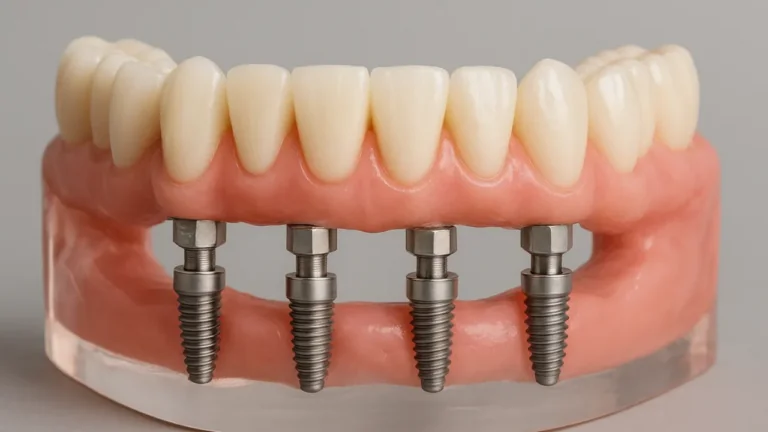
Full-arch cases are, counter-intuitively, among the most suitable. When several implants are splinted together by a rigid bridge, they stabilise one another — which is why All-on-4 treatment routinely includes immediate loading while a single back molar often does not.
Patients replacing a tooth lost to fracture or trauma are often good candidates, because the surrounding bone is usually healthy and intact — unlike a tooth lost slowly to infection, where the site has frequently been compromised for years before extraction.
Who Should Wait
Being clear about exclusions is more useful than listing indications, because the failure cases are predictable.
Low insertion torque. The absolute contraindication. If the implant is not firmly held, loading it will lose it.
Soft bone in the posterior upper jaw. The least favourable site, where bone is often thin and cancellous and stability is hardest to achieve.
Heavy untreated bruxism. Forces during sleep are unpredictable and cannot be controlled by instruction. Managing the grinding comes first.
Sites requiring simultaneous grafting. Where bone is being rebuilt at the same time as placement, the site is not stable enough to load. The same applies where a sinus lift is performed simultaneously.
Poor plaque control. An implant healing beneath a temporary crown requires cleaning around a site that is tender. Where hygiene is already inadequate, adding a restoration that traps plaque during the most vulnerable phase is a poor trade — and the bacterial load around a healing site is the concern rather than appearance.
None of these exclusions is permanent. Each is a reason to wait rather than a reason not to have implants, and most resolve with treatment or time.
Immediate Versus Conventional
| Immediate loading | Conventional loading | |
|---|---|---|
| Temporary tooth fitted | Same day or within days | After 3–6 months |
| Total treatment time | Similar | Similar |
| Number of surgical stages | One | One or two |
| Gap during healing | No | Yes, unless a removable temporary is worn |
| Failure rate | Slightly higher | Baseline |
| Depends on bone quality | Critically | Less so |
| Suits soft posterior bone | Rarely | Yes |
| Diet during healing | Strictly soft | Normal away from the site |
The second row is the one most often misunderstood. Immediate loading does not shorten treatment — the final restoration still waits for integration. What it removes is the visible gap and, in many cases, one surgical stage. Both are worth having; neither is the same as finishing early.
One row deserves expansion. "Number of surgical stages" matters most to patients travelling, because each stage is a trip. Immediate loading combined with immediate placement can reduce a three-stage treatment — extraction, implant, restoration — to two, and for someone flying in that is a genuine saving of time and cost that has nothing to do with the clinical fee.
The final row is the one patients underestimate. A strictly soft diet for several weeks is a real constraint, and it applies whether or not the temporary feels solid. Patients who find that harder than expected are better served by conventional loading with a removable temporary they can take out to eat.
The Temporary Restoration
The temporary is designed to do as little as possible. That sounds like a criticism and is in fact the entire point.
It is shaped to stay out of heavy contact when you bite normally and out of contact altogether during side-to-side movement. Loading the implant vertically during healing is tolerable; loading it sideways is what generates the movement that prevents integration.
It is made of acrylic rather than ceramic — lighter, more forgiving, and easily adjusted if a contact develops as things settle. It is deliberately not full strength, and a temporary that fractures under load has arguably done its job by failing before the implant did.
For front teeth there is a second purpose. The temporary shapes the gum during healing, guiding the tissue into the contour the final crown will emerge through. That soft-tissue result is difficult to achieve retrospectively and is one of the strongest arguments for immediate loading in the aesthetic zone.
Rules During Healing
Success depends heavily on what the patient does in the first weeks, and the instructions are specific rather than general advice.
- Soft diet, strictly. Nothing requiring a firm bite on the temporary. This is the single most important instruction.
- Chew on the other side. For single implants, avoid the site entirely for the first weeks.
- No biting into anything with front temporaries. Sandwiches and apples are cut rather than bitten.
- Clean gently but thoroughly. Plaque around a healing implant is a genuine risk; a soft brush and prescribed rinse rather than avoidance.
- Report any looseness immediately. A temporary that has loosened must be dealt with rather than left, because it moves the implant every time you close.
- Attend the review appointments. Contacts change as swelling settles, and a temporary that was clear of the bite on day one may not be on day ten.
Patients who follow these have outcomes close to conventional loading. Those who do not are the reason immediate loading carries a slightly higher failure rate in the aggregate figures.
How the Failure Risk Compares
Published data consistently shows immediate loading performing slightly below conventional loading, with the difference being small in well-selected cases and larger in poorly selected ones.
That distribution is the important part. The elevated risk is not spread evenly across all immediately loaded implants; it concentrates in cases that should not have been loaded — low stability, soft bone, unmanaged grinding, or instructions not followed.
Where it does fail, it usually fails early and visibly, within the first weeks. The implant becomes mobile and is removed. Because little time has passed and little bone has been lost, the site is generally in good condition and a replacement can be placed after healing — a considerably better position than late failure years afterwards.
This is worth knowing because it reframes the decision. The downside of an immediate loading failure is a delay and a repeat procedure, not usually a lost site.
It also explains why the technique should be conditional rather than promised. A clinic that commits to same-day teeth before measuring stability has created a situation where declining to load feels like a broken promise — and that pressure is exactly what produces the poorly selected cases the aggregate figures reflect.
Single Teeth and Front Teeth
The aesthetic zone is where immediate loading offers most, and also where it demands most precision.
A missing front tooth is socially difficult in a way a missing molar is not, and a removable temporary plate is uncomfortable and unstable. Being able to place a fixed temporary on the day resolves both.
The soft-tissue argument is stronger still. Gum around an extraction site collapses inwards if nothing supports it. A well-shaped temporary holds the contour, so the final crown emerges through tissue that has healed in the right form rather than being reshaped afterwards.
The constraint is bone. Front tooth sites often have a thin outer plate of bone, and where it is damaged or already lost, immediate placement and loading may not be appropriate — the site is grafted and treated in stages instead. That assessment is made at surgery, not before.
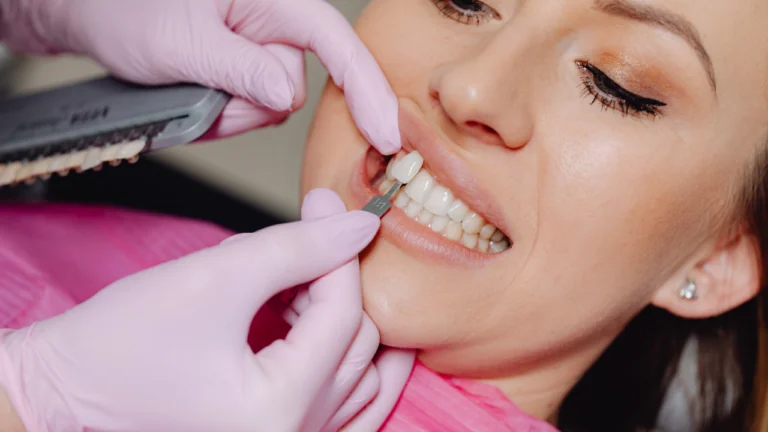
One further consideration in the aesthetic zone: the shade and shape of the final crown are matched to the neighbouring teeth, so any whitening should be completed before that crown is made. Whitening afterwards leaves the restoration darker than everything around it, and ceramic does not lighten.
Full-Arch Immediate Loading
Counter-intuitively, replacing a whole arch immediately is more predictable than loading a single back tooth. The reason is splinting.
When four or six implants are connected by a rigid bridge, force applied at any point is distributed across all of them. No individual implant experiences the concentrated load a single crown would deliver, and the implants brace one another against movement.
This is why full-arch protocols routinely include immediate loading as standard rather than as an option. The temporary bridge is fitted within one to three days and worn throughout integration.
The diet instruction is correspondingly serious. A full-arch temporary in acrylic is not designed for normal chewing forces, and patients who ignore that are the ones who fracture it or lose an implant. The choice between four and six implants also affects how much load each one carries.
There is one further advantage specific to full-arch cases. Because the temporary bridge is fitted within days, patients avoid the period of wearing a removable denture over healing implants — which is uncomfortable, and which risks transmitting load through the denture base onto the implants underneath. Fixed is safer here as well as more pleasant, which is why the full-arch route is usually planned this way from the outset.
Why Immediate Loading Suits a Turkish Treatment Trip
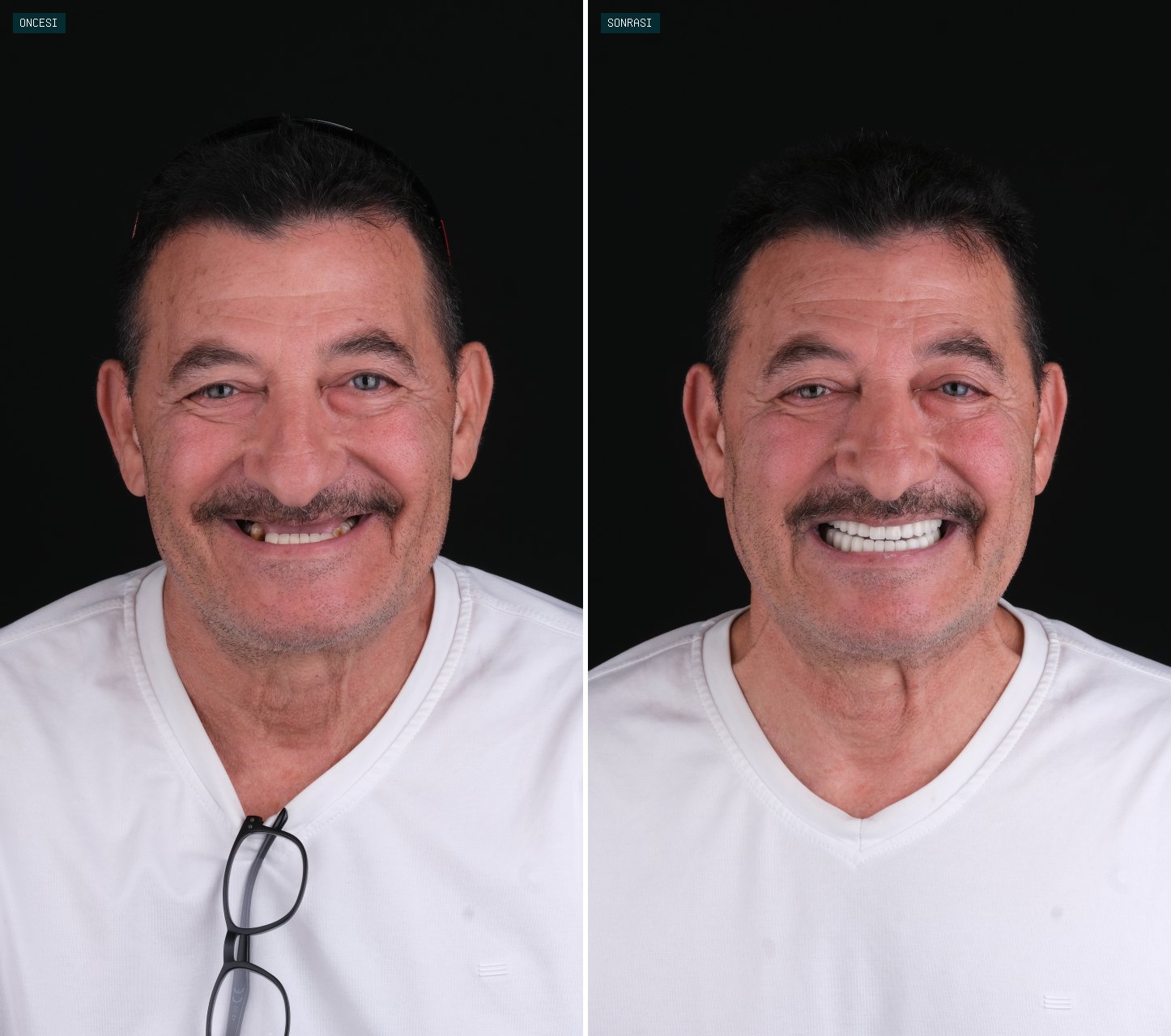
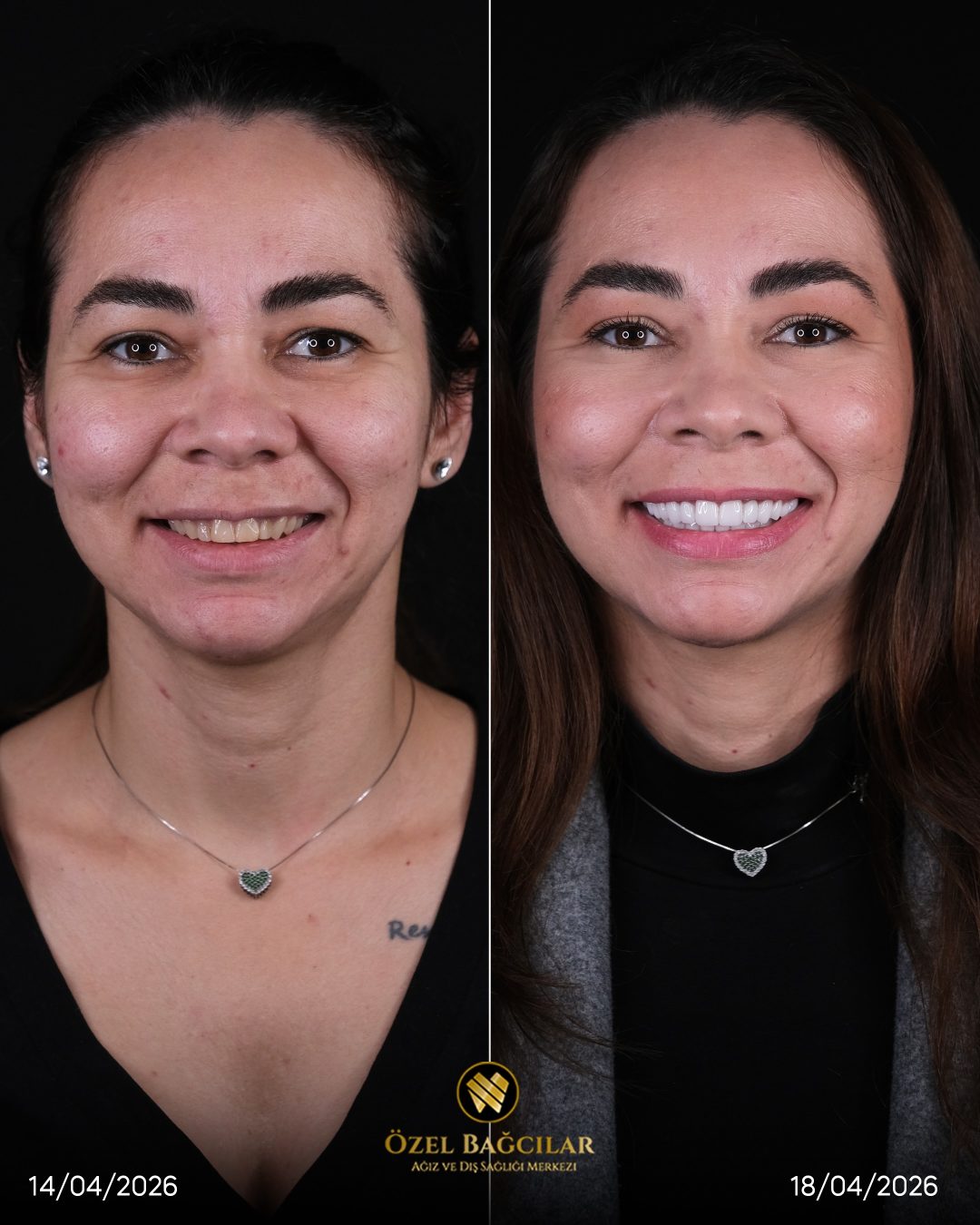
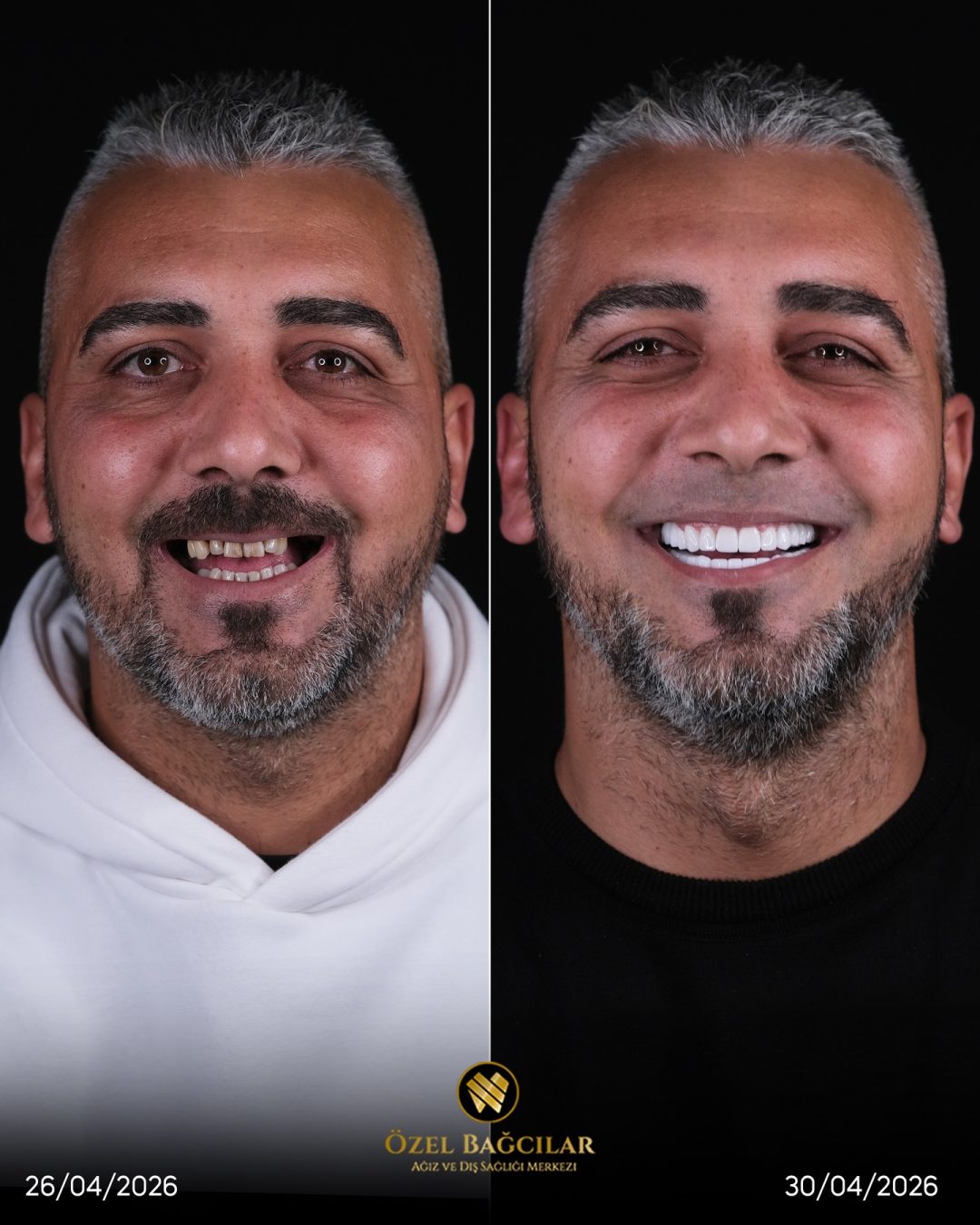
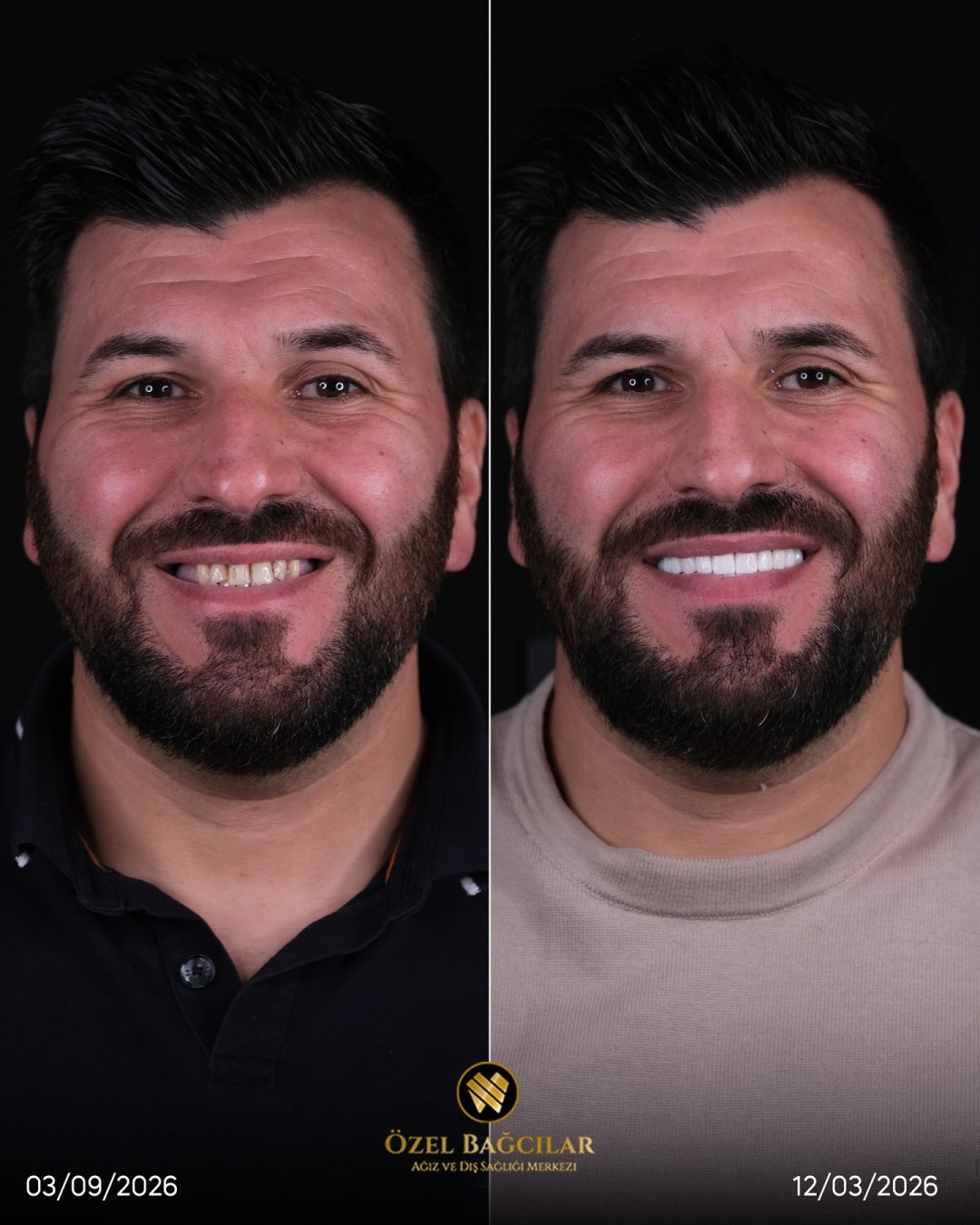
Immediate loading is the protocol that makes travelling for implants coherent rather than awkward. The objection to treatment abroad has always been that implants need months of integration before teeth can be attached, so a patient must either fly twice or go home with a gap. Immediate loading answers that directly: where primary stability at placement is sufficient, a fixed temporary goes on at the same appointment and you fly home with teeth rather than with a plan.
The condition in that sentence is the whole of it. Sufficient primary stability is measured, not assumed, and where it is not achieved the correct decision is a healing abutment and a removable or adhesive temporary. A clinic that promises a fixed temporary before it has drilled has promised something it cannot know. What we will commit to in advance is that you will not leave with a visible gap; which form the temporary takes is decided at the appointment, on the evidence.
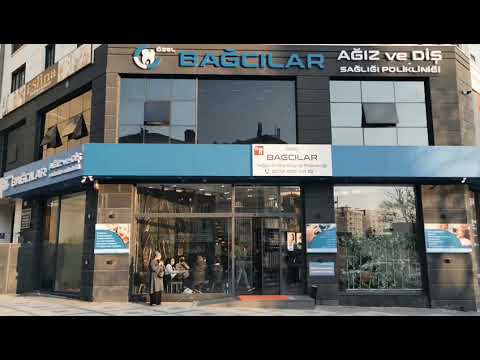
İstanbul's role in this is unglamorous but real: the temporary bridge has to be made and fitted the same day, which needs a laboratory in the building rather than across the city. Ours is in the building, in Bağcılar, and the technician sees the case rather than a photograph of it. What the scanners and the in-house lab change for a patient sets out where that matters and where equipment claims mean very little.
The aftercare rules for an immediately loaded implant are stricter than for a buried one, and they matter more once you are three thousand kilometres away: a soft diet for the period you are given, nothing bitten with the temporary, and any change in how the bite feels reported rather than lived with. The full aftercare instructions travel with you, and so does our lifetime guarantee on materials and workmanship.
How We Decide Whether to Load Immediately
We plan for immediate loading where the case looks favourable and decide definitively at surgery, when stability can actually be measured. Patients are told this beforehand so that the conventional route, if it becomes necessary, is an expected outcome rather than a disappointment.
Where stability is borderline, we do not load. An implant that integrates over three months and lasts twenty years is a better result than a temporary tooth for a fortnight followed by removal, and we would rather have that conversation before surgery than afterwards.
For international patients the practical benefit is real: a fixed temporary means travelling home with teeth rather than a gap, and it is one of the reasons treatment can be structured as two trips. How the visits are usually arranged sets out the timings.
Our clinic has treated patients from more than thirty countries over twelve years, working only with implant systems that carry long-term outcome data and whose components stay available for future service. All treatments carry a lifetime guarantee, subject to attending the recommended appointments and following aftercare, and excluding accidental damage or neglect. With immediate loading the soft-diet instruction is part of that aftercare rather than a suggestion, and we say so plainly at the outset.