












What Reviews Are Genuinely Good At
They are not useless — they are just being asked the wrong questions. There is a category of information reviews capture better than anything else available to you.
Communication. Whether messages were answered, whether the plan was explained in a way the patient understood, whether questions were welcomed or deflected. Many reviewers describe this in detail and it is genuinely predictive of what your experience will be.
Logistics. Whether transfers arrived, whether appointments ran to time, whether the accommodation was what was described, whether anyone was contactable when something went wrong. These are verifiable facts a patient can report accurately.
How problems were handled. This is the most valuable content in any review set, and it appears in the critical reviews rather than the positive ones. A clinic that fixed something without argument is telling you how it behaves under pressure.
And whether the patient felt pressured. Reviewers describe sales pressure clearly when they experience it, and it is one of the few clinically relevant things they can report reliably — because over-treatment usually begins as pressure.
Aftercare responsiveness is the other thing they capture well, and it is the one that matters most once you are home. A pattern of reviews describing messages answered quickly after treatment is worth more than any number of comments about the clinic interior — most post-treatment questions are resolved in a message with a photograph attached.
What Reviews Cannot Tell You
The gap here is larger than most patients assume, and it covers precisely the things that determine whether treatment was good.
Whether the treatment was correctly indicated. A patient who received twenty crowns and is delighted with how they look cannot tell you whether four would have sufficed. That judgement requires seeing the radiographs and knowing which teeth were sound beforehand.
Whether healthy tooth structure was removed unnecessarily. This is the most consequential thing that happens in cosmetic dentistry and it is completely invisible to the patient, before and after.
Whether the margins are accurate, whether the bite was properly adjusted, whether the implant was placed in the correct position. All of these determine longevity and none of them are apparent for years.
And the timescale problem underneath all of it: dentistry fails slowly. The average review is written within days of treatment finishing, which is roughly the least informative moment in the entire lifespan of a restoration.
Nor can they tell you what was in the plan. A patient who was quoted for eight veneers and received eight veneers reports that the clinic did what it said — which is true, and says nothing about whether eight was the right number for their face.
The Timing Problem
If you take one thing from this page, take this: a review's date relative to the treatment matters more than its content.
Restorations look their best on the day they are fitted. Margins are clean, shade is fresh, nothing has had time to stain, debond, or reveal an error. A review written then is describing an appearance, not an outcome.
The things that separate good work from poor work appear later. Margin staining at six months. Sensitivity that does not settle. A crown that loosens at two years. Gum recession revealing a poorly finished edge at three.
So a small number of reviews written a year or more after treatment is worth more than a large number written on the day. Search the review text for time references — "eighteen months on", "two years later" — and read those first.
Their scarcity is itself informative. Most clinics collect reviews at the point of completion, which is why later ones are rare, and it is why a clinic that has several is worth noticing.
Reading a Review Set Rather Than a Rating
The aggregate score is the least useful number on the page, and the distribution and the text tell you considerably more.
| What you see | What it usually means | What to do |
|---|---|---|
| Perfect score, hundreds of reviews | Reviews are being solicited and filtered | Read the text, not the number |
| Several short reviews posted the same week | A collection push, or something worse | Check dates and profile histories |
| Reviews naming the same staff member repeatedly | Often genuine — patients remember who helped them | Reassuring rather than suspicious |
| Critical reviews answered specifically | A clinic that engages with problems | Read the exchange in full — it is the most useful content |
| Critical reviews answered with boilerplate | A process rather than a person | Weigh the criticism more heavily |
| Critical reviews with no response at all | Either indifference or a policy of silence | Ask the clinic about it directly |
| Reviews mentioning time — a year on, two years on | The most informative content available | Read these first, whatever they say |
A clinic with a handful of critical reviews it has answered properly is often a better prospect than one with none at all. Perfect records are usually managed rather than earned.
Signals That Reviews Have Been Manipulated
Fabrication is less common than filtering, and both leave traces. None of these is proof on its own; two or three together are a pattern.
- A cluster of reviews posted within a few days after a long quiet period.
- Reviews of similar length using similar phrasing and similar structure.
- Reviewer profiles with a single review and no other activity.
- Superlatives with no specifics — no treatment named, no sequence described.
- No critical reviews at all across a large number, over several years.
- Reviews that read as marketing copy, listing services rather than experience.
- A sudden change in tone or language quality between review batches.
Filtering is subtler and more common. A clinic that asks satisfied patients to review and quietly handles dissatisfied ones privately has not fabricated anything, and has still produced a misleading picture.
The counter to both is the same: read the text, check the dates, and weigh the critical reviews and their responses more heavily than the score. Manipulation is easy at the level of ratings and hard at the level of specific, dated, detailed accounts.
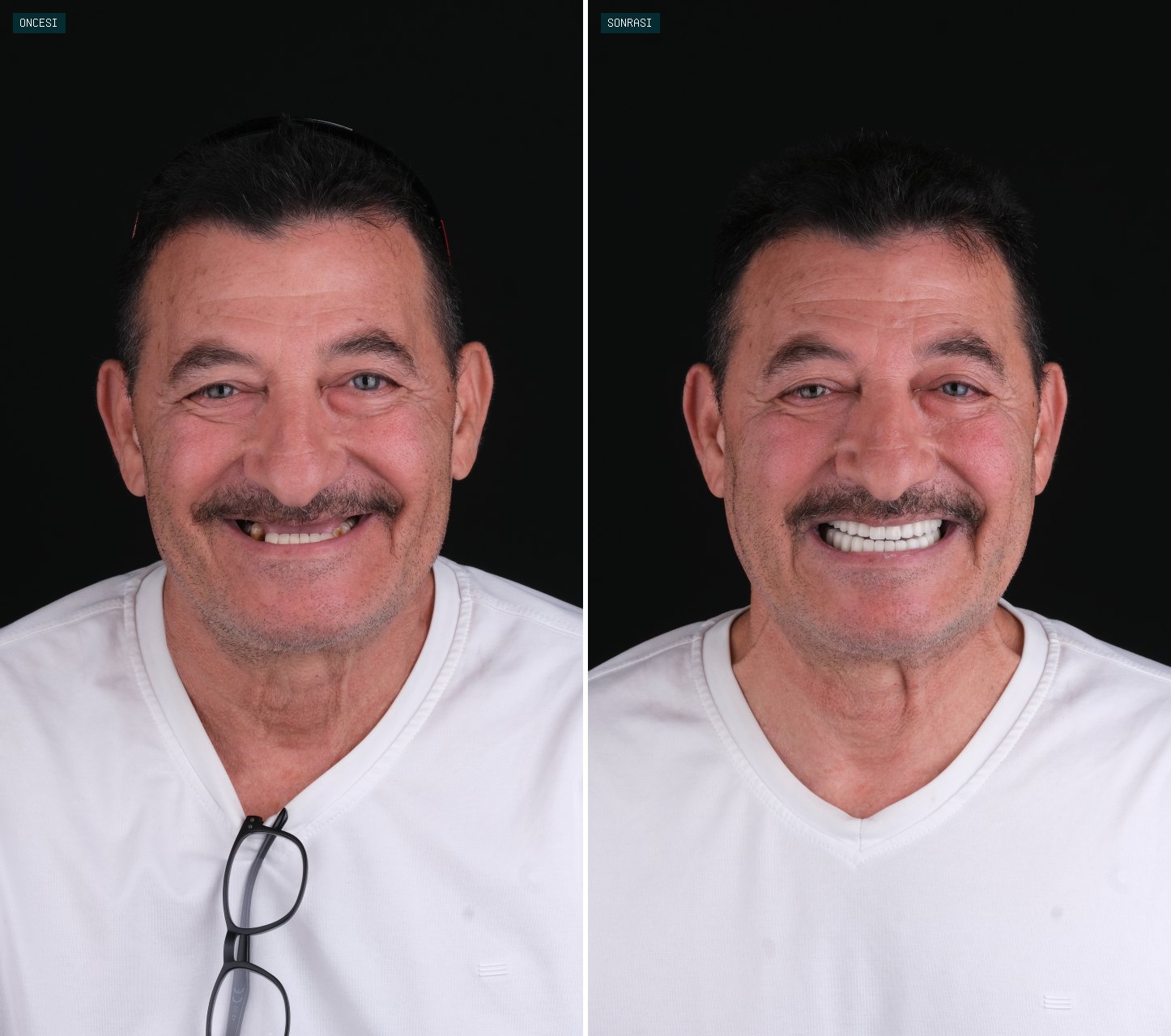
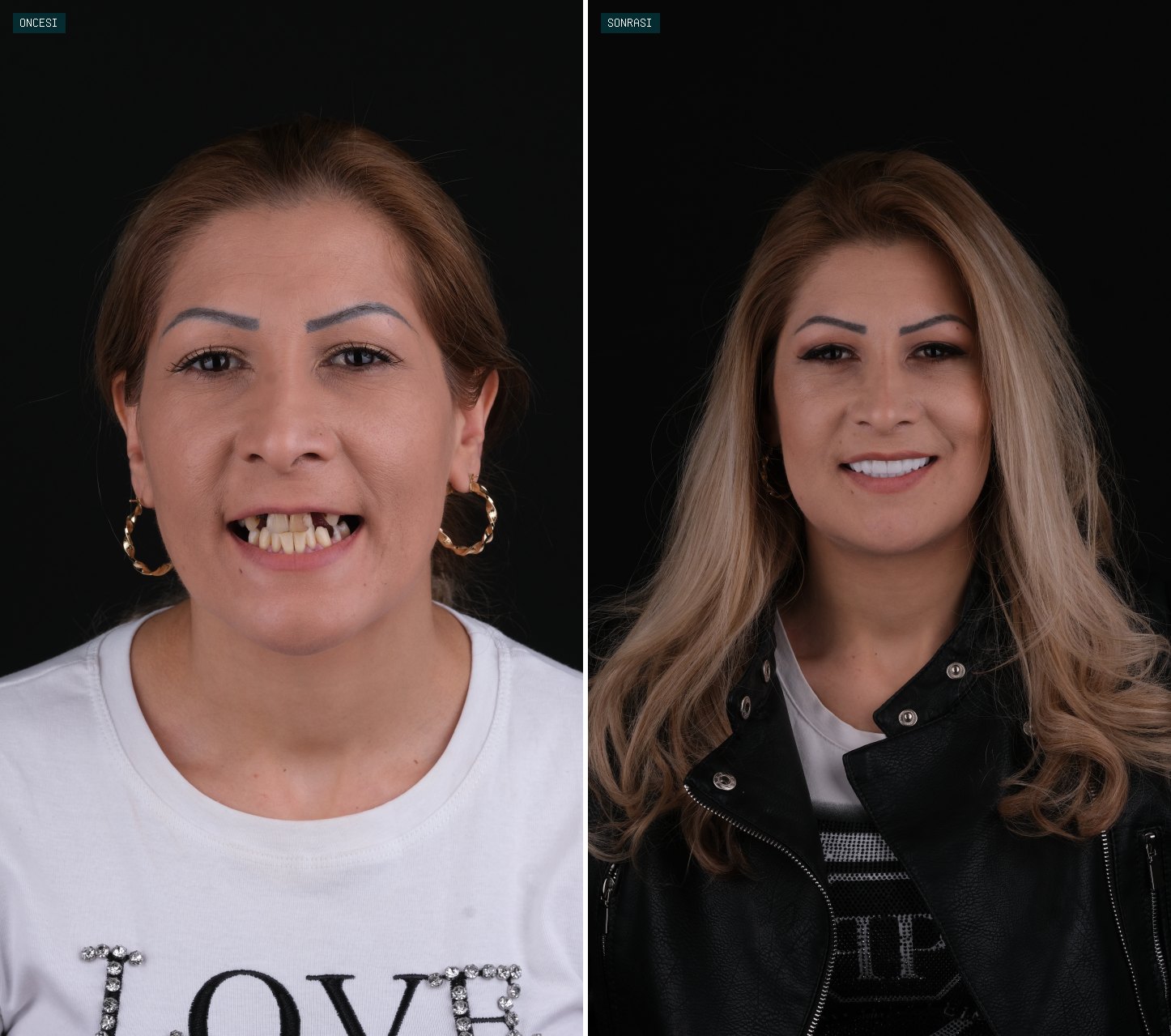
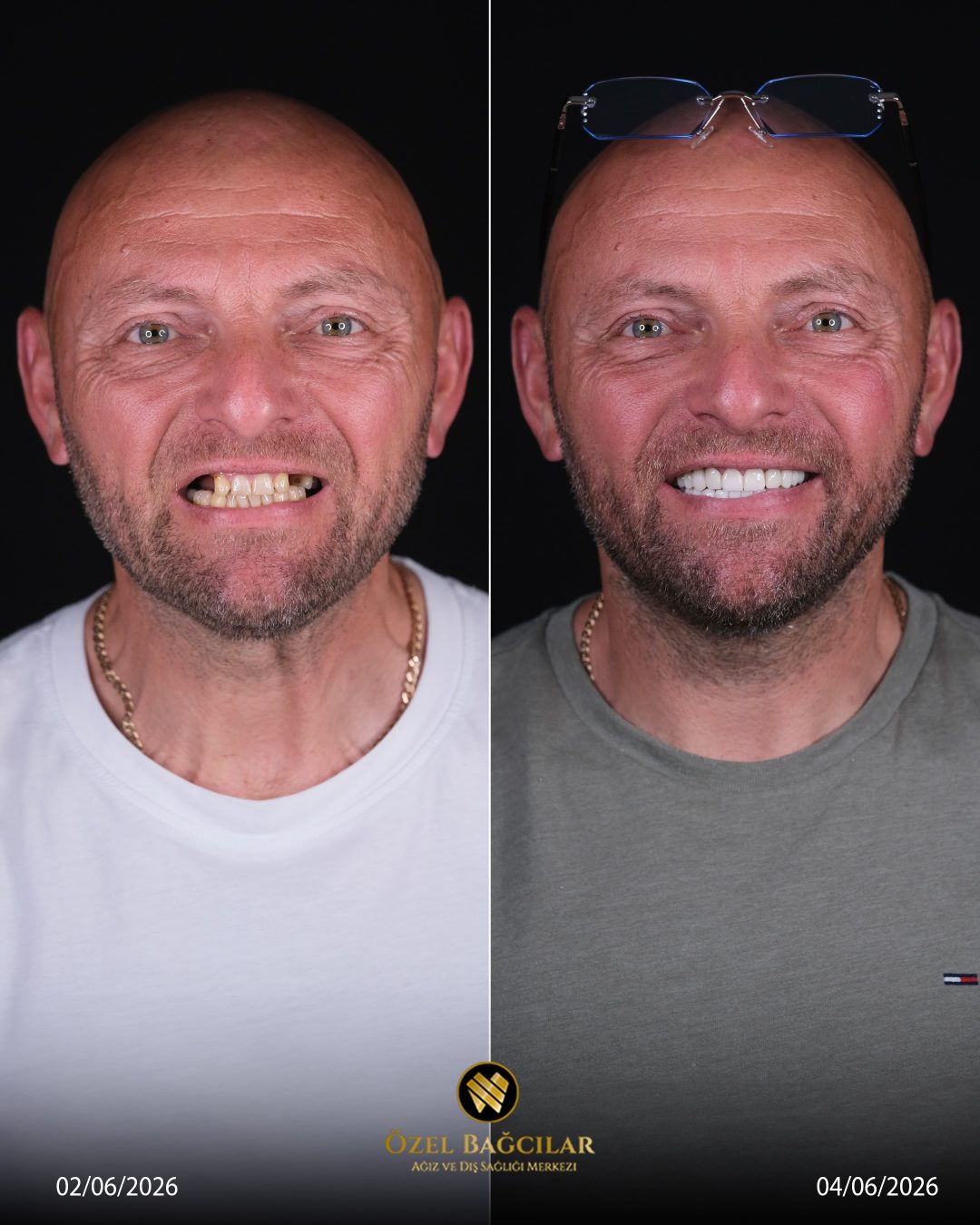
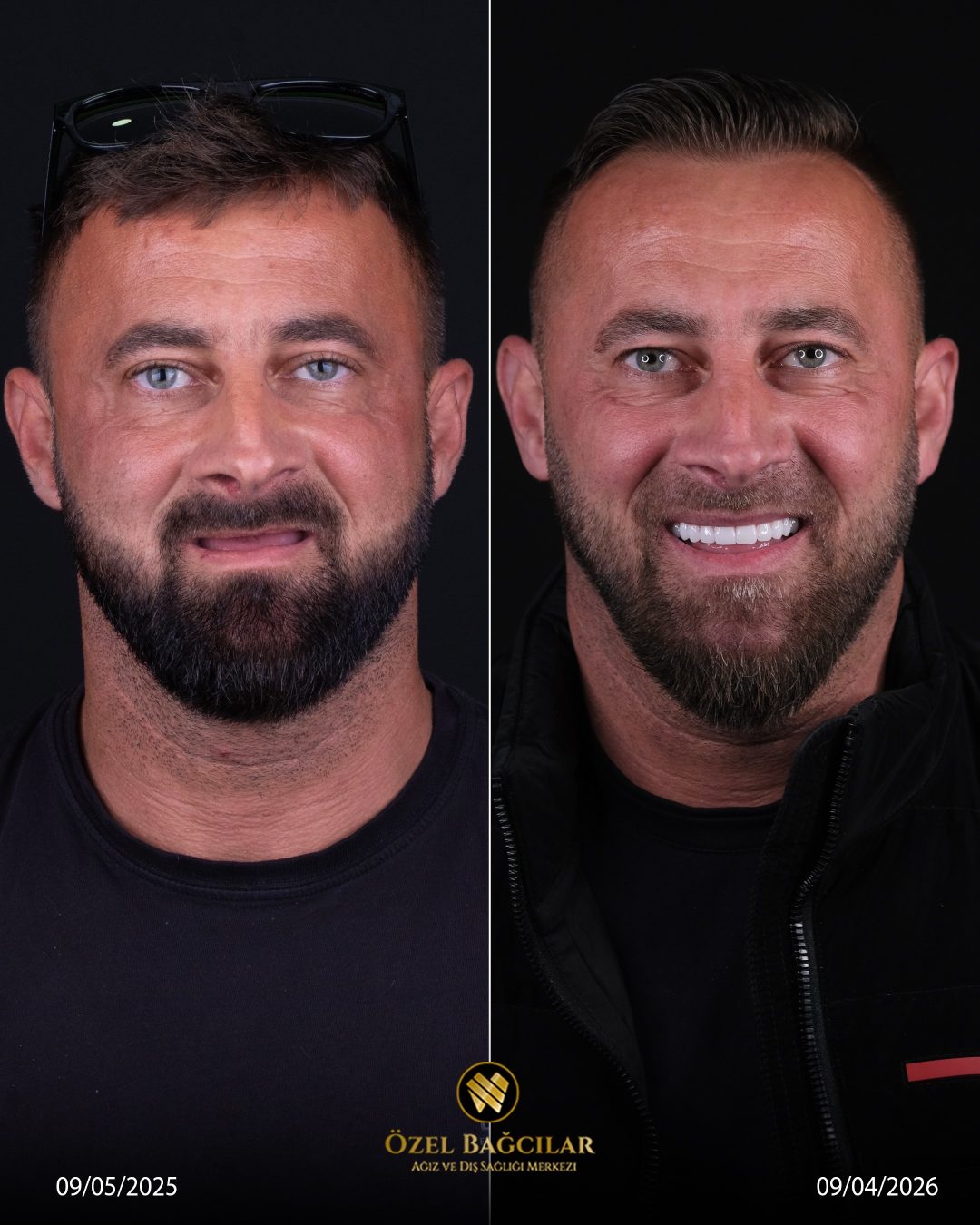
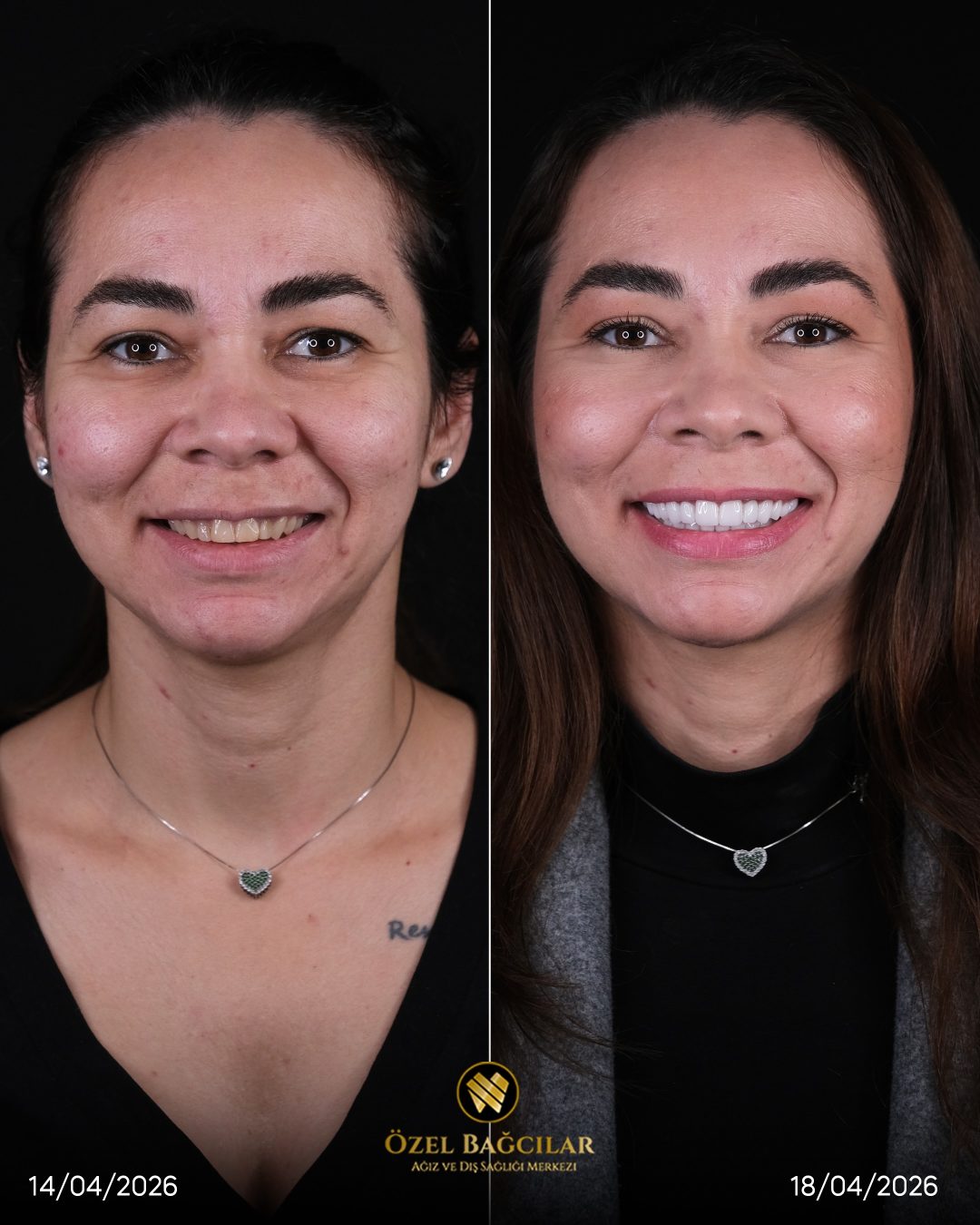
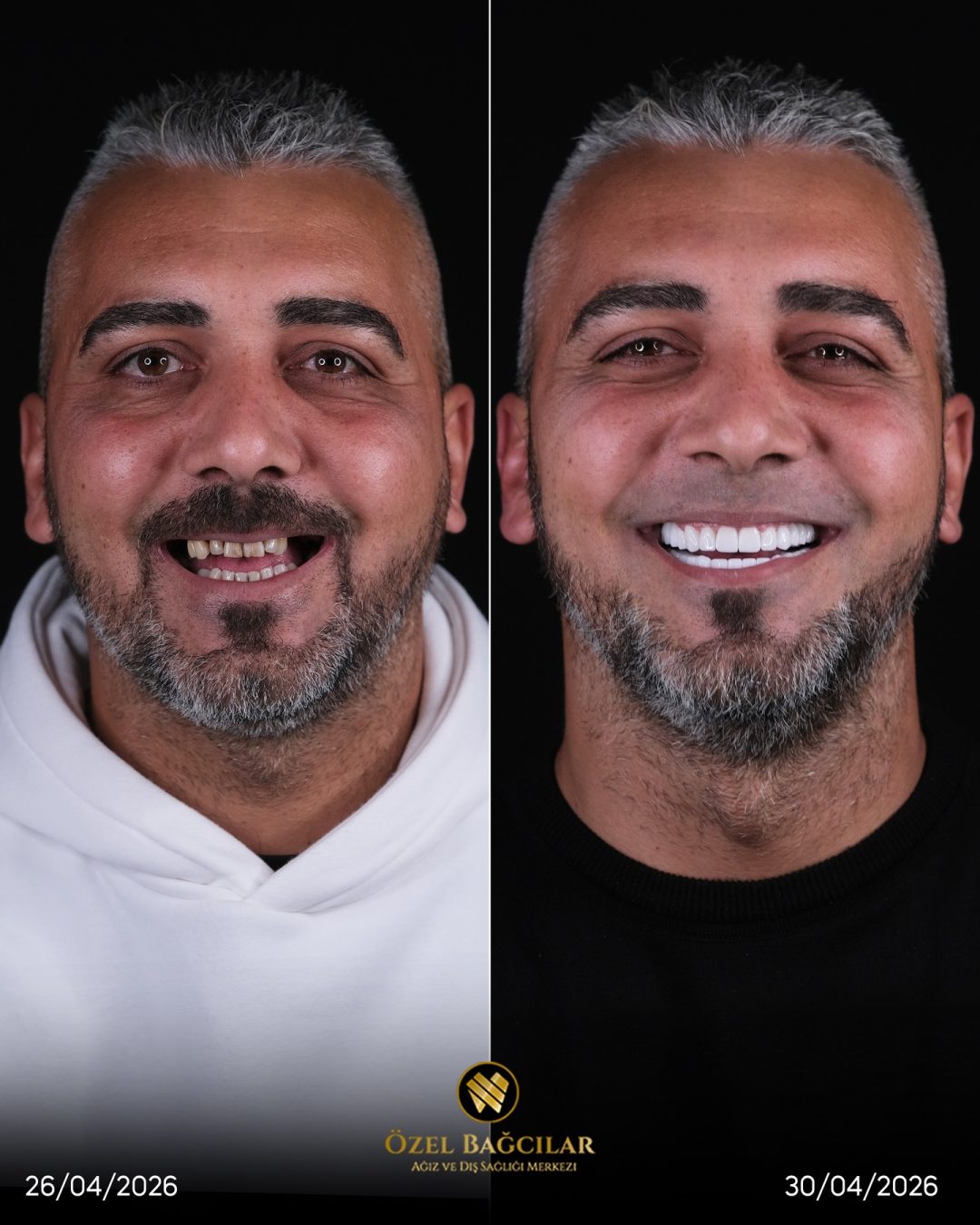
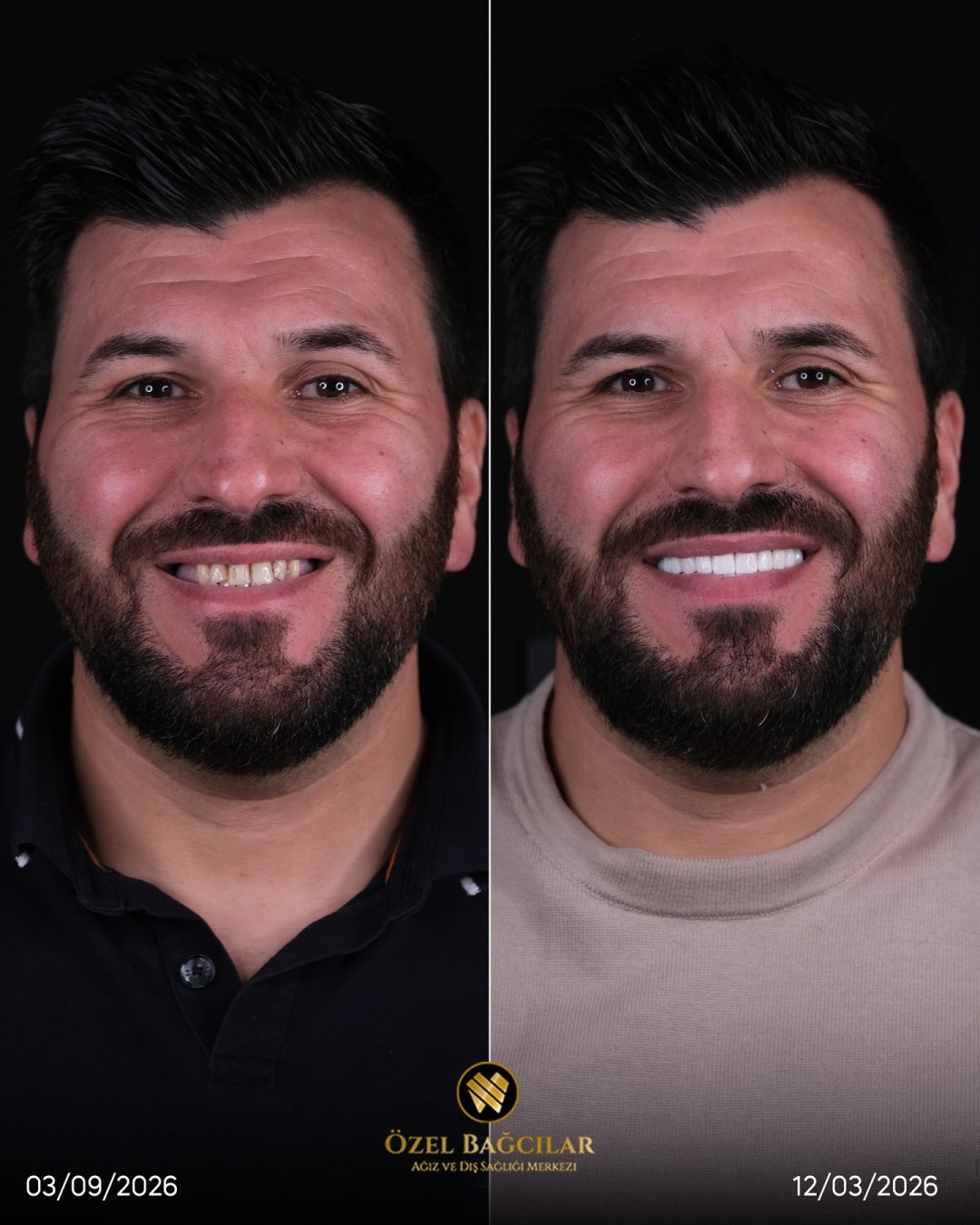
Before-and-after photographs have their own version of this problem, with its own tells — how to read clinic galleries covers what to look for in the images.
Why Negative Reviews Are Worth Reading Carefully
They contain the most information per word, and they need reading rather than counting.
Some are about things a clinic cannot control — flight delays, weather, a companion's opinion, an expectation nobody agreed to. Those tell you little about the clinic and something about the reviewer.
Some are about communication failures, and those are real and predictive. A pattern of reviews describing unanswered messages after treatment is the single most useful negative signal there is, because that is exactly when you will need an answer.
Some describe clinical problems, and those need reading with care in both directions. A patient describing a crown that debonded twice is reporting a fact. A patient concluding that the clinic is incompetent is drawing an inference they are not equipped to draw.
What matters most is what happened next. A clinic that brought the patient back and corrected it has demonstrated something valuable. One that argued in the response has demonstrated something else.
Where the Reviews Are Posted Matters
Different platforms have different verification standards, and the difference changes how much weight a review deserves.
Platforms that verify a transaction before allowing a review are the most reliable, because a fabricated review requires a fabricated transaction. Very few dental review platforms work this way.
Open platforms where anyone can post about anything are the least reliable in both directions — they carry both fabricated praise and fabricated complaints, including from competitors. They are still worth reading; they just need more scepticism.
Testimonials on a clinic's own website are marketing material by definition. That does not make them false, but they have been selected, and no clinic publishes the ones that would put you off.
Patient forums and social media groups often carry the most candid accounts, including the long-term follow-ups that review platforms lack. They also carry the most misinformation, so they need reading as conversation rather than as evidence.
What to Weigh Instead
Reviews should be one input among several, and the others are more diagnostic. All of them are available before you commit anything.
- A written treatment plan listing each tooth with a reason for what is proposed.
- The clinic licence and, for international patients, health tourism authorisation.
- The named dentist who will treat you, with their specialist registration.
- The implant system and ceramic named specifically, not by category.
- The guarantee terms, in writing, including what voids it.
- How the clinic answers a difficult question — asked before you book.
- Whether radiographs are required before a firm quote is given.
That last one is the most diagnostic single item on the list. A clinic quoting firmly for implants from photographs alone has told you how it works, regardless of what any review says.
The sixth is worth doing deliberately. Ask something specific and slightly awkward — which of my teeth are currently sound, what is the conservative alternative — and see what comes back. The questions worth asking sets out a full list.
Two of those items are worth expanding. The materials question separates clinics quickly, because which ceramic goes on which tooth has a right answer that depends on position and load — and a clinic quoting one material for every tooth has not made the decision.
The plan question does the same. Ask for it tooth by tooth and see whether the number that comes back is a round package figure or an odd one that came from an examination — why the tooth count matters more than the material explains what you are testing for.
The Review a Patient Cannot Write
There is one assessment that would be more useful than every review combined, and no patient is in a position to produce it.
It would say: here are the radiographs before treatment, here is the treatment plan, here is which teeth were sound and what was done to them, here are the radiographs at five years, and here is an independent clinician's assessment of the margins and bone levels.
That does not exist as a public format, and it is why review-based decisions in dentistry are structurally weak. The people qualified to judge the work are not the people writing about it.
The nearest available substitute is the documentation you can obtain yourself, before treatment. A plan naming each tooth, imaging, materials specified, and a guarantee in writing — those are the things a future clinician could evaluate.
Which is why this page argues for documents over sentiment. Reviews describe an experience someone else had; a written plan describes what will actually happen to you.
What We Do With Reviews
A page telling you how to read reviews owes you an account of its own practice, so here it is plainly.
We ask patients for reviews and we do not filter who is asked by how the treatment went. We do not offer anything in exchange for a review, and we do not write, commission or edit them.
Critical reviews are answered, by a person, addressing the specific complaint. Where something was our fault we say so and say what we did about it. Where we disagree we say that too, without arguing about the reviewer.
We do not ask for reviews to be removed. A complaint that a patient still stands behind is theirs, and pressuring people to withdraw them is a practice that should tell you a great deal about any clinic that does it.
And we would rather be chosen on the documentation than on the score. If you compare our written plan, our materials specification and our guarantee terms against another clinic's, that comparison survives scrutiny in a way a star rating does not.
Using Reviews Well: A Short Method
Twenty minutes, applied to any clinic you are considering, and it produces a better picture than an hour of reading scores.
Sort by most recent and read the last twenty in full, ignoring the ratings entirely. You are looking for specificity: treatments named, sequences described, difficulties mentioned. Vagueness across many reviews is the finding.
Then read every critical review and every response, whatever the dates. This is the most concentrated information available and it takes very little time because there are usually few of them.
Then search the review text for time references and read anything written more than a year after treatment. These are the only reviews describing outcomes rather than experiences.
Then stop, and spend the remaining effort on the documents instead. Ask for the written plan, the licence, the materials and the guarantee — those answer questions reviews structurally cannot.
Apply the same twenty minutes to every clinic on your shortlist rather than to one. The comparison is what produces the signal; a single clinic read in isolation always looks either reassuring or alarming depending on which reviews you happened to open first.
Reviews and Photographs Together
Most patients use both and weigh them similarly, which is a mistake in one specific direction: photographs are easier to manipulate and easier to check.
Easier to manipulate because lighting, retraction, camera angle and retouching change an image completely without anything being said. A before shot under a yellow ceiling light and an after shot with a ring flash is comparing cameras.
Easier to check because those manipulations leave visible traces. Consistent framing between the two images, visible gum texture, and natural variation between teeth are all things you can look for yourself.
Used together they cover different ground: photographs show what the work looks like, reviews show what the process felt like, and neither shows whether the treatment was correctly chosen.
The guide to reading galleries sets out the specific tells, including the ones that indicate a photograph has been edited rather than merely well lit.
The third leg is the guarantee. What a clinic commits to in writing is checkable, comparable and enforceable in a way neither reviews nor photographs are — our terms are published in full for exactly that reason.
Applying This Test to Our Own Reviews
Applying the method above to our own reviews produces a mixed picture, which is what an honest review set looks like. Most describe communication and logistics, a small number describe problems, and only a handful were written long enough afterwards to say anything about outcomes.
That is not a complaint about our patients. It is the structural limitation this whole page describes, and it applies to every clinic advertising to international patients regardless of how the numbers look.
So we would rather be judged on what can actually be checked. The written plan naming each tooth, the imaging taken before any figure is quoted, the implant system and ceramic specified by name, and the reasoning behind those choices.
Those documents are obtainable before you commit anything, from us or from anyone else, and they are comparable in a way sentiment is not. What a consultation should produce sets out exactly what to ask for.
If a clinic will not give you those and points at its rating instead, that is an answer. It is also the only conclusion from this page that we would ask you to apply to us as strictly as to anyone else.