














The First Few Hours
Rinse your mouth gently with warm water to clear any debris and let you see what has happened. Do not scrub the area, and do not put aspirin against the gum — it burns the tissue and does nothing for the pain.
If there is a sharp edge, cover it. Dental wax from a pharmacy works, and sugar-free chewing gum pressed over the edge will do at short notice. A jagged fracture can slice the tongue or cheek within a day, and that soft-tissue injury is often what makes the situation genuinely miserable.
Keep any fragment you find. Store it in milk or saliva rather than letting it dry out. Fragments from front teeth can sometimes be bonded back in place, and when that works the result is better than any rebuilt material because the colour and translucency match perfectly.
Manage swelling and pain with a cold compress on the outside of the cheek and ordinary painkillers. Avoid very hot or very cold food and drink, and chew entirely on the other side. If you notice swelling of the face, fever, or a bad taste that keeps returning, that suggests infection and needs to be seen promptly rather than at your convenience.
How to Tell How Serious It Is
Four signs separate a cosmetic chip from a fracture that threatens the tooth. None of them requires equipment — you can check all four yourself.
- Cold sensitivity. A sharp response to cold air or water usually means the dentine layer beneath the enamel is exposed. Uncomfortable, but generally repairable.
- Pain when you release a bite. Biting on something and feeling a jolt as you let go is the classic sign of a crack running through the tooth. This one is easy to dismiss and should not be.
- Constant throbbing. Suggests the nerve is inflamed or infected. The fracture has reached the pulp and root canal treatment is likely to be needed.
- Visible movement. If part of the tooth moves independently when you press it, the fracture has separated the tooth into pieces. This is the least likely to be salvageable.
Absence of pain is not reassurance. A tooth that has had root canal treatment in the past has no nerve to report damage, and those teeth are also the most brittle — which is exactly why they are frequently the ones that fracture badly.
Types of Break and What Each One Needs
Dentists sort fractures by how deep they run rather than how large they look. The visible chip is often the smallest part of the problem.
| Type | What it is | Usual repair |
|---|---|---|
| Craze lines | Hairline cracks in enamel only | Nothing needed |
| Chipped enamel | Small piece off the edge | Bonding, one visit |
| Cusp fracture | A pointed corner of a molar breaks off | Onlay or crown |
| Cracked tooth | Crack from the surface towards the root | Crown; root canal if the nerve is involved |
| Split tooth | Crack has separated the tooth | Usually extraction, sometimes partial saving |
| Vertical root fracture | Crack starts at the root | Extraction |
The dividing line is whether the fracture stays above the gum. Above it, there is sound tooth structure to bond or crown onto. Below it, there is nothing to hold a restoration and bacteria have a permanent route inside — which is why split teeth and vertical root fractures are planned for extraction and replacement rather than heroic repair.
Repairing a Chipped Front Tooth
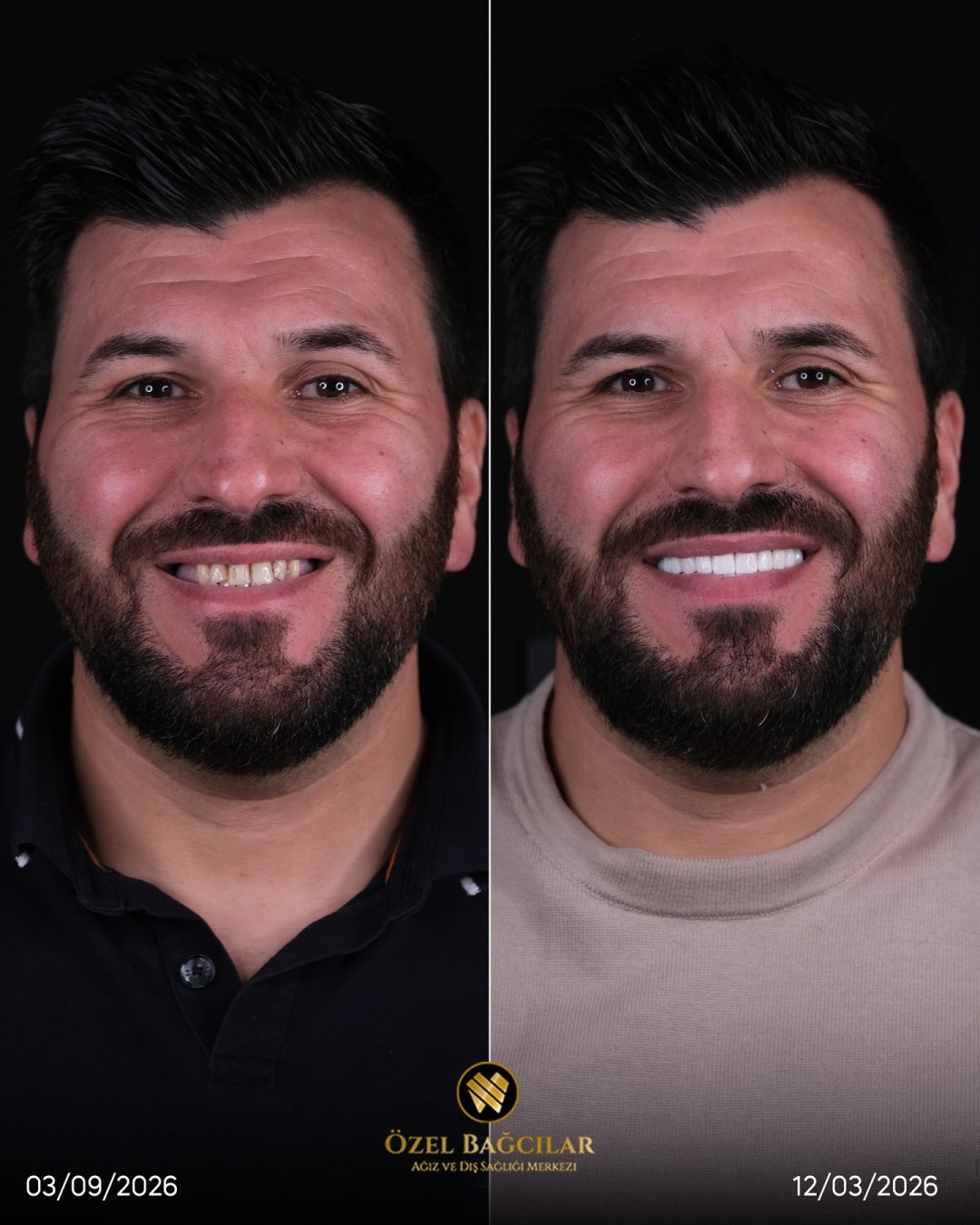
For small to moderate chips on front teeth, composite bonding is usually the first choice. Tooth-coloured resin is shaped directly onto the tooth, hardened with a light and polished. It is done in one appointment, requires little or no drilling, and is fully reversible in the sense that no healthy tooth is removed.
Bonding has limits. Composite stains gradually, particularly at the join with the natural tooth, and it chips again more readily than ceramic. For a small repair on a low-stress edge that is a fair trade. For a large rebuild, or where the bite loads the repair heavily, it becomes a recurring problem. The composite-versus-porcelain comparison goes through this properly.
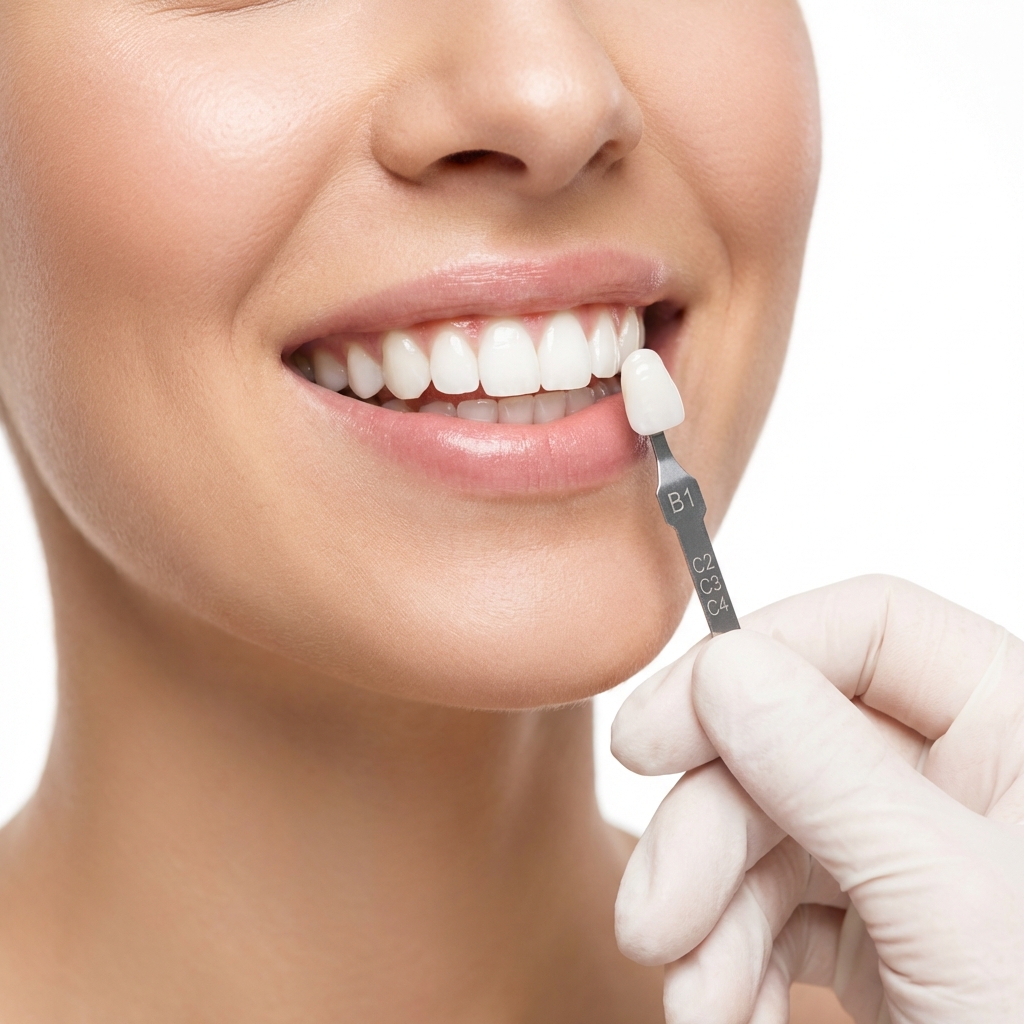
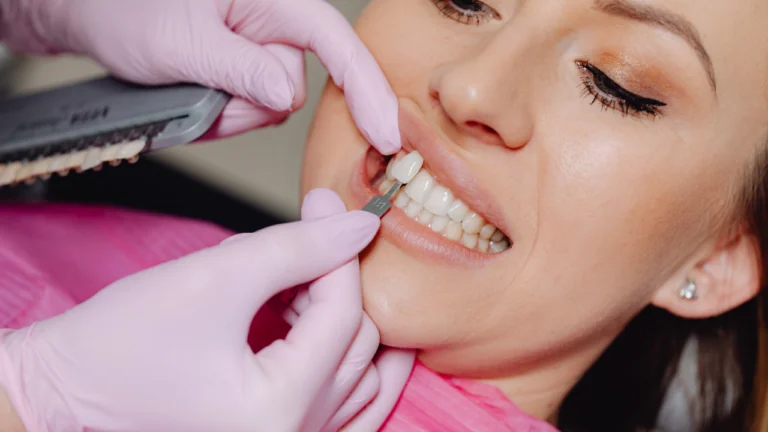
When more than about a third of the visible tooth is missing, a porcelain veneer or a crown becomes the more durable answer. Both require removing some enamel, which is why they are not the automatic first move for a small chip.
One point people rarely consider: if a front tooth chips without an obvious impact, ask why. Spontaneous chipping usually means the bite is loading that edge abnormally, often because of grinding or crowding. Repairing the tooth without addressing the cause means repairing it again.
Repairing a Broken Back Tooth
Molars break differently because they take the heaviest chewing load and are often already weakened by large old fillings. A tooth that is more filling than tooth has little structural integrity left, and the usual failure is a cusp shearing off along the edge of the filling.
If the fracture is above the gum and the nerve is healthy, an onlay or crown restores the shape and — more importantly — binds the remaining tooth together so it cannot flex apart. That binding effect is the whole point; a large filling replaced with another large filling leaves the same weakness.
If the nerve is involved, root canal treatment comes first and a crown afterwards. Root-treated back teeth almost always need crowning rather than a filling, not because the tooth dries out, but because the access cavity and the loss of one or both marginal ridges remove the structure that held the cusps together, and the tooth has no nerve left to warn you when it is overloaded.
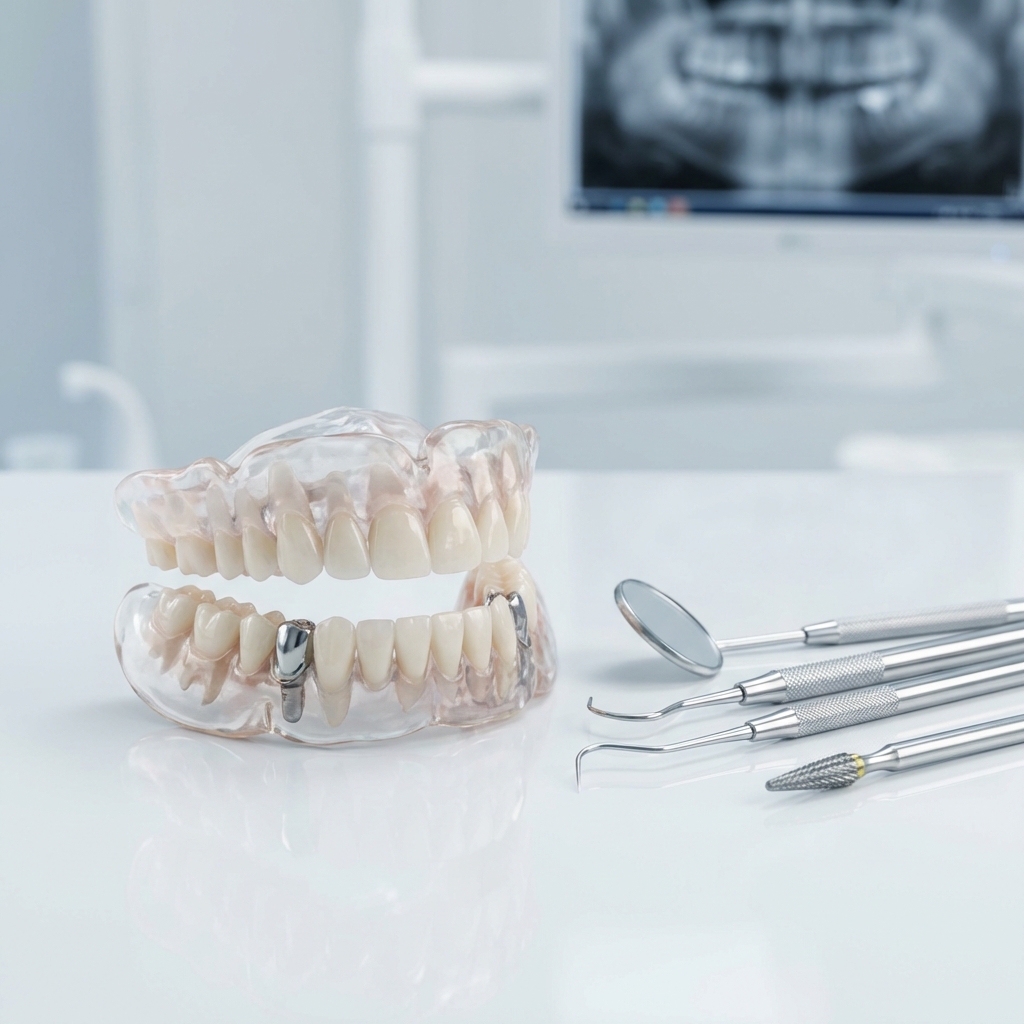
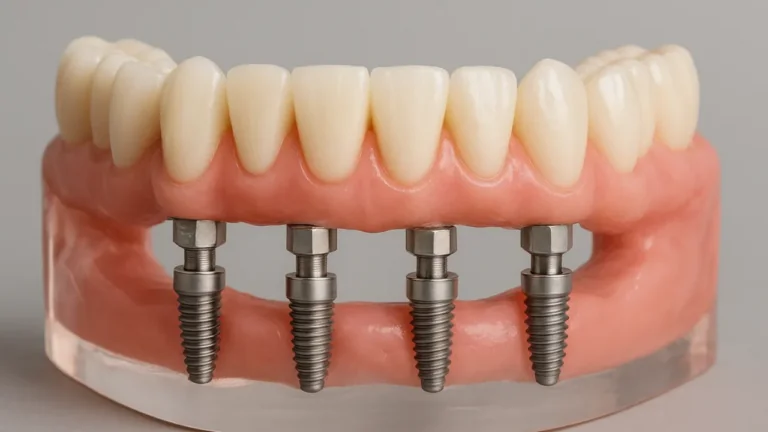
If the tooth is split below the gum, the honest answer is that it cannot be restored. The planning question then becomes what replaces it — the replacement options differ considerably depending on which tooth it was and what sits either side.
A Knocked-Out Tooth
A completely avulsed adult tooth is the one genuine time-critical dental emergency on this page. The ligament cells on the root surface begin to die within about fifteen minutes if the tooth is left dry. Stored correctly in cold milk the window extends to several hours — so attend even if more than an hour has passed, because a dry hour and a milk-stored hour are not the same thing.
- Pick the tooth up by the crown — the part you normally see. Never touch the root.
- If it is dirty, rinse it briefly in milk or saline. Never scrub it and never use tap water for more than a second; water damages the root cells.
- If you can, put it straight back into the socket and bite gently on a clean cloth to hold it.
- If you cannot, store it in cold milk. Saliva is second best. Water is the worst common option.
- Get to a dentist within the hour.
Baby teeth are the exception and should not be replanted — doing so can damage the permanent tooth developing above. If a child knocks out a baby tooth, keep the area clean and see a dentist, but do not attempt to put it back.
What Happens If You Leave It
A chip that is not sensitive and not sharp can genuinely wait. Most other fractures get worse, and they do so in a predictable order.
Exposed dentine takes up stain quickly, so a repair done weeks later has a harder colour match than one done immediately. A crack under chewing load widens with each bite until it reaches the nerve, converting a crown case into a root canal case. Once bacteria reach the pulp, an abscess follows, and that is when people end up in genuine pain at an inconvenient moment.
The sequence matters financially as well as clinically. Bonding, crown, root canal plus crown, and extraction plus implant are four steps of an escalating ladder, and a fractured tooth left alone tends to climb it. Nothing here is an argument for rushing into treatment you do not understand — only for having it looked at before the decision is made for you.
Preventing the Next One
Teeth rarely break at random. In the majority of cases there is a contributing factor that is still present after the repair.
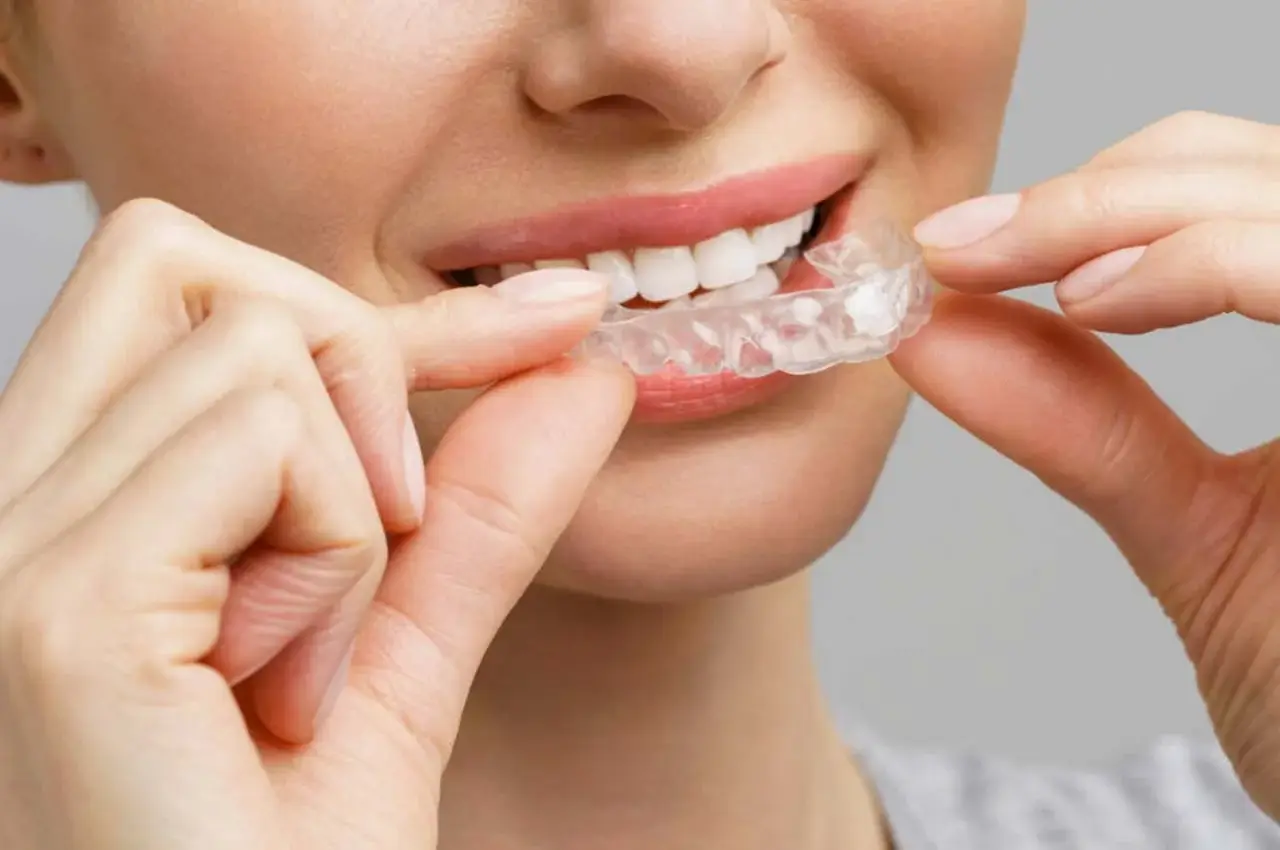
- Grinding and clenching. The single most common underlying cause. A night guard protects both natural teeth and any restoration.
- Large old fillings. Amalgam fillings that occupy most of the tooth act as a wedge. Replacing them with a bonded restoration before they fail is preventive rather than cosmetic.
- Hard foods and habits. Ice, olive stones, popcorn kernels, and opening packaging with teeth. Unglamorous advice, but it accounts for a surprising share of emergency appointments.
- Untreated decay. Decay hollows the tooth from inside; the surface then collapses under normal force.
- Contact sports. A custom mouthguard is worth more than the treatment it prevents.
After a fracture is repaired, ask specifically what caused it. If the answer is only "you bit something hard", that may well be true — but if the same tooth or its neighbours have failed before, the bite itself is worth assessing.
Living With a Temporary Repair
Between the break and the definitive restoration there is usually a temporary phase, and how you handle it affects the final result more than most people realise. A temporary crown or filling is designed to protect the tooth and hold the space — not to withstand normal chewing indefinitely.
Temporary cement is deliberately weak so the restoration can be removed without damaging the underlying tooth. That means sticky foods can pull it off. Chewing gum, toffee and crusty bread are the usual culprits. If a temporary does come off, keep it, avoid chewing on that side, and have it recemented rather than leaving the prepared tooth exposed — an unprotected prepared tooth is sensitive and can shift position within days, which then stops the final restoration fitting.
Clean around it carefully but differently. Brush normally, and when flossing, pull the floss out sideways rather than snapping it back up through the contact — pulling upwards is what dislodges temporaries. Some sensitivity to cold is normal during this phase and should settle; sensitivity that steadily worsens, or pain that wakes you at night, means the nerve is deteriorating and needs reassessing before the final restoration is made.
If the tooth eventually proves unrestorable during this phase, the plan shifts to replacement options, and the temporary period is not wasted — it keeps the neighbouring teeth from drifting into the space while the decision is made.
Treatment While Travelling
Patients who break a tooth abroad, or who are planning treatment away from home, face a practical sequencing question. Emergency stabilisation and definitive restoration do not have to happen in the same place or on the same trip, and separating them often produces a better result.
A sharp edge can be smoothed and a temporary restoration placed almost anywhere, and that buys weeks safely. Definitive work — a crown, a veneer, a root canal and rebuild — benefits from being planned properly with a 3D scan and adequate appointment time, which is a poor fit for a rushed emergency visit squeezed into a holiday.
There is one genuine exception. If the fracture has exposed the nerve or there is infection, that needs treating where you are rather than being carried home. Pain and swelling do not wait for a convenient appointment, and an untreated infection can spread. Stabilise locally, then plan the definitive restoration properly.
If you are considering combining repair with a wider treatment plan, it is worth knowing how the visits stack up before booking flights. How many days different treatments need sets out realistic timings, what happens on the first day explains what a proper assessment involves, and the online consultation covers what we can tell you from photographs before you travel at all.
Cracked Tooth Syndrome — The Break You Cannot See
A distinct group of patients arrive describing pain that no one has been able to explain. It comes and goes, it is hard to localise, and X-rays look normal. This is usually cracked tooth syndrome: a fracture too fine to show on an image and too shallow to reach the nerve, but deep enough to flex under load.
The characteristic sign is pain on releasing a bite rather than on applying it. As you bite down the crack opens slightly; as you release, it snaps shut and the fluid movement inside stimulates the nerve. Patients often describe it as a jolt that happens "after" chewing something, which sounds illogical until the mechanism is explained.
Diagnosis is done by elimination — biting on a small wedge tooth by tooth, checking response to cold, and often removing an old filling to inspect underneath, since cracks commonly run beneath large restorations. Because the crack is invisible on X-ray, a dentist who tells you nothing is wrong on the basis of an image alone has not finished the examination.
Treatment is a crown in most cases, because binding the tooth stops the flexing that causes both the pain and the progression. Left untreated, the crack reliably deepens until it reaches the pulp, at which point root canal treatment is added, or splits the tooth entirely and forces extraction. Of all the situations on this page, this is the one where early treatment changes the outcome most.
What We Do at Our Clinic
Assessment starts with imaging rather than inspection, because cracks are frequently invisible to the naked eye and their depth is the only thing that matters for the plan. A tooth that looks chipped can turn out to be split, and the reverse is also true — teeth that look hopeless are sometimes restorable.
Where the tooth is restorable, the aim is to remove as little sound structure as possible: bonding before veneer, veneer before crown, crown before extraction. Where it is not restorable, we would rather say so at the assessment than attempt a repair that fails in a year.
Our clinic has treated patients from more than thirty countries over twelve years, and all treatment carries a lifetime guarantee — subject to attending regular check-ups and following the aftercare given, and excluding accidental damage or neglect. Those conditions are normal across the profession and we state them plainly rather than in small print. Full guarantee terms are set out separately.