












Why There Is No Price List Here
A veneer quote for the same complaint can differ several-fold between two honest clinics, because they are proposing different treatments. One has planned eight porcelain veneers on prepared teeth; the other has planned alignment, whitening and two composite restorations. Both address the same concern.
Publishing a per-tooth figure invites you to multiply it by a number someone else chose, and the number is the part that matters. This is why package pricing is so common in this treatment specifically — it is easy to sell and it sets the tooth count before anyone has looked at the face.
We quote after an examination and photographs, with radiographs where existing restorations or root treatments are involved. The plan comes first and the figure follows from it, tooth by tooth.
The rest of this page explains what goes into that figure, so that you can read any quote you receive with the same clarity.
What Changes the Cost of a Single Veneer
Four things, in roughly descending order of impact. The material and the laboratory that makes it; the amount of preparation the tooth requires; whether the tooth is sound or already restored; and where in the mouth it sits.
Material is the obvious one, but laboratory time is the hidden half of it. A layered porcelain veneer built up by hand to reproduce the translucency gradient of a natural tooth takes a skilled technician hours. A pressed monolithic one takes considerably less. Both are porcelain.
Condition matters more than people expect. A veneer on a sound, unrestored tooth is a straightforward bond to enamel. A veneer on a tooth with a large old filling has less enamel to bond to and may need building up first, or may need a crown rather than a veneer altogether.
Position affects the material choice rather than the labour. Front teeth need translucency; teeth further back need strength, and a different material is correct there even within the same plan.
Composite and Porcelain Price Differently
These are not two grades of the same thing. Composite is placed and shaped directly in the mouth in a single appointment, with no laboratory involved. Porcelain is made outside the mouth by a technician and bonded at a second visit.
That structural difference drives everything. Composite carries no laboratory cost and needs no second trip, which makes it markedly less expensive to place. It also stains over time, is more prone to chipping at the edges, and has a shorter service life before it needs refreshing.
Porcelain costs more at placement and holds its appearance for far longer. It does not stain, it resists wear, and a well-made veneer commonly lasts well beyond a decade. Over a long horizon the cost per year can favour porcelain even though the initial figure is higher.
Neither is universally right. The full comparison goes case by case, including the situations where composite is the better clinical answer rather than the cheaper one.
Tooth Count Is the Largest Multiplier
This decides the total more than any other factor, and it is the one most vulnerable to being inflated. The honest number is however many teeth show when you smile and need changing — commonly six to ten upper teeth, sometimes four, occasionally more.
Packages of twenty or twenty-eight units exist because they are simple to price, not because that many teeth required treatment. Teeth that never appear when you smile gain nothing from a veneer, and every one of them is enamel removed for no benefit.
There is one legitimate reason the number rises slightly: shade transitions look best at a natural break in the arch, so extending to the canine is often better than stopping at the lateral incisor. That argues for six rather than four, not for a full arch.
If a full arch is proposed, ask which of those teeth are currently sound and unrestored, and what the conservative alternative for each would be. How the tooth count should be decided covers the reasoning it ought to come from.
Reading a Veneer Quote, Line by Line
The table sets out what a complete veneer proposal should contain. As with implants, what is missing is usually more informative than what is present.
| Line item | What it is for | When it applies |
|---|---|---|
| Examination and photographs | Assessment, design records, shade documentation | Always |
| Radiographs | Checking roots, old fillings and bone levels | Where teeth are restored or root-treated |
| Gum treatment | Stabilising the foundation before restoring | Where there is any inflammation or pocketing |
| Fillings and old restoration replacement | Sound tooth structure to bond to | Where decay or failing fillings are present |
| Whitening | Setting the shade before ceramic is matched | Where any teeth outside the plan will remain visible |
| Digital design and mock-up | Agreeing the shape before preparation | Should be standard, not an extra |
| Gum contouring | Correcting proportion and gum line | Where teeth look short because of the gum |
| The veneers themselves | Per tooth, by material | Always — check the material is named |
| Temporaries | Protecting prepared teeth between visits | Any porcelain plan; usually included |
| Night guard | Protecting the work from grinding | Where there is any sign of wear or clenching |
A quote consisting of one line and a tooth count has told you nothing about what happens before the veneers are made, and that is where the additions usually appear.
The Laboratory Is Where the Money Goes
In porcelain work, the technician's skill accounts for more of both the cost and the result than most patients realise. The dentist prepares the teeth and bonds the restorations; the technician decides what they actually look like.
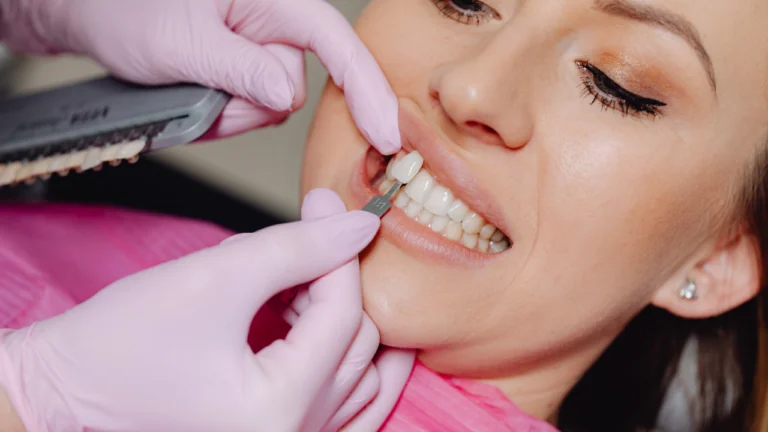
A veneer that reads as a real tooth has a translucency gradient from neck to edge, subtle internal characterisation, and surface texture that catches light the way enamel does. All of that is built by hand, and it is the difference between a result nobody notices and one everybody does.
An in-house laboratory changes the process rather than only the cost. The technician can see you in person for shade, corrections happen the same day instead of across a courier cycle, and the try-in stage becomes a conversation rather than a round trip.
When comparing quotes, ask where the work is made and whether the technician will see you. It is a question very few patients ask and it separates clinics quickly.
Work That Has to Happen First
Veneers are the last stage of a sequence, not the first. Anything unstable underneath them will surface later, and it will cost more to correct then than it would have to address at the start.
Active gum inflammation is the clearest example. Margins bonded to gums that are bleeding will look wrong within months as the tissue settles, and gum treatment belongs before restorative work rather than after it.
Decay and failing old fillings have to be dealt with for a simpler reason: veneers bond to enamel, and there has to be enamel to bond to. A tooth with little sound structure left is a crown case, and pretending otherwise produces the debonding and margin failures that bring people back.
Grinding is the third. An unmanaged habit fractures ceramic, so a night guard moves from optional accessory to part of the treatment. Managing bruxism first costs a fraction of remaking front teeth.
Whitening and Gum Work Inside the Plan
Both are frequently quoted as extras and both are usually structural parts of the plan rather than upsells. Understanding why makes them easy to judge.
Ceramic cannot be whitened once made. If any natural teeth will remain visible beside the veneers — and unless the plan covers every tooth that shows, they will — the whitening has to happen first, with a stabilisation period, before the shade is matched. Doing it afterwards leaves a mismatch that cannot be corrected without remaking the ceramic.
Gum contouring belongs in the same category. Where teeth look short because the gum covers too much of them, adding ceramic length is the wrong correction — it produces long teeth rather than correctly proportioned ones. Contouring changes the proportion without touching the tooth.
If either appears as a surprise line after you have accepted a quote, the plan was not thought through at the start. If neither is mentioned at all, ask why.
What a Package Figure Hides
Package pricing for veneers is common and not automatically dishonest, but it does three things worth being aware of before accepting one.
- It fixes the tooth count before an assessment, which is the wrong order.
- It usually assumes healthy teeth with no preparatory work needed.
- It rarely states the material or the laboratory, only the number of units.
- It often excludes whitening, gum treatment, temporaries and a night guard.
The result is a figure that looks decisive and is provisional. Where preparatory work turns out to be needed — and in a mouth that has any history, it usually does — it appears as an addition after the commitment has been made.
A per-tooth figure with the material named, plus a separate list of what needs doing first, is harder to sell and far easier to trust. Ask for the plan in that form regardless of how the quote arrives.
The named packages are the clearest case of this. A "Hollywood smile" figure and a "smile makeover" figure describe a look and a unit count rather than a diagnosis, and they are quoted before anyone has seen how much of your smile actually shows.
Costs That Sit Outside the Quote
Porcelain veneer treatment is a single trip for most patients — commonly five to seven working days from examination to bonding — so travel is a smaller factor here than with implants. It is not zero.
Where whitening or gum treatment is needed first, the timetable stretches and occasionally splits across two visits. Where alignment is the better answer, the restorative stage moves entirely to a later trip. Realistic timetables by treatment sets out what each plan actually needs.
Maintenance is the ongoing line. Hygiene appointments at the usual interval, a night guard where indicated, and replacement of that guard as it wears. Small figures that decide how long the work lasts.
Composite has one further consideration: it is refreshed and polished periodically rather than left alone, and it is repaired directly when it chips. That is a lower cost each time and more often, which suits some patients and not others.
One line worth checking is what happens to existing crowns in the smile zone. Old ceramic will not match new work in shade or translucency, so a single unreplaced unit beside fresh veneers is more visible than the original crown ever was. It usually has to be remade, and quotes that count only the veneers leave it out.
Lifetime Cost Rather Than Placement Cost
The useful comparison between materials is not what each costs to place but what each costs over the period you intend to keep it. Those two orderings are not the same.
Composite is markedly less expensive at placement and needs refreshing, polishing and occasional repair over its life. Across a long horizon those smaller repeated costs accumulate, and the total can approach porcelain while the appearance is less stable throughout.
Porcelain costs more once and then holds. In a maintained mouth with a night guard where indicated, well-made veneers commonly last well beyond a decade without intervention, and the cost per year falls the longer they stay.
There is a second variable that no material choice affects: how much tooth was removed. A conservative preparation leaves options open for the future. A heavy one commits the tooth to being restored for life, and that is a cost too, even though it never appears on a quote.
Comparing Two Veneer Quotes
Normalise before comparing. Two totals are meaningless side by side until they describe the same treatment on the same number of teeth in the same condition.
- Count the teeth in each plan and ask why the numbers differ.
- Check which teeth are sound and unrestored in each proposal.
- Confirm the material is named — not "porcelain" but which porcelain.
- Ask where the laboratory is and whether the technician sees the patient.
- Look for a mock-up stage; if there is none, ask why not.
- Find the preparatory work: gum treatment, fillings, whitening.
- Check whether temporaries and a night guard are included.
- Read both guarantees for what they cover, what voids them, and how long they run — all three. A guarantee that expires in five years and a lifetime guarantee on the same materials and workmanship are not the same offer.
Once both are on the same footing, the remaining difference is a real one. In practice this exercise usually reveals that the cheaper quote was for a different, smaller piece of work.
If the plans differ in kind rather than in scale — one restorative, one orthodontic — that is a clinical disagreement rather than a pricing one, and the comparison of approaches is the place to resolve it.
What Actually Differs About Veneer Quotes From Türkiye
Veneers are the single most quoted treatment in Turkish dentistry and the one where two quotes for the same mouth diverge most. The divergence is almost never about the price of a veneer. It is about how many veneers are in the plan, whether the teeth are prepared or the veneers are additive, which ceramic is used, and which laboratory makes them — four variables that a per-tooth figure conceals entirely.
The pattern worth recognising before you contact anybody in İstanbul is the fixed package: a set number of veneers, usually sixteen or twenty, offered as one figure before anyone has seen a radiograph. Packages are not fraudulent, but they do have one structural consequence — the number cannot go down. A patient whose smile line shows ten teeth is quoted for twenty because that is what the product is, and preparing the extra ten is permanent.
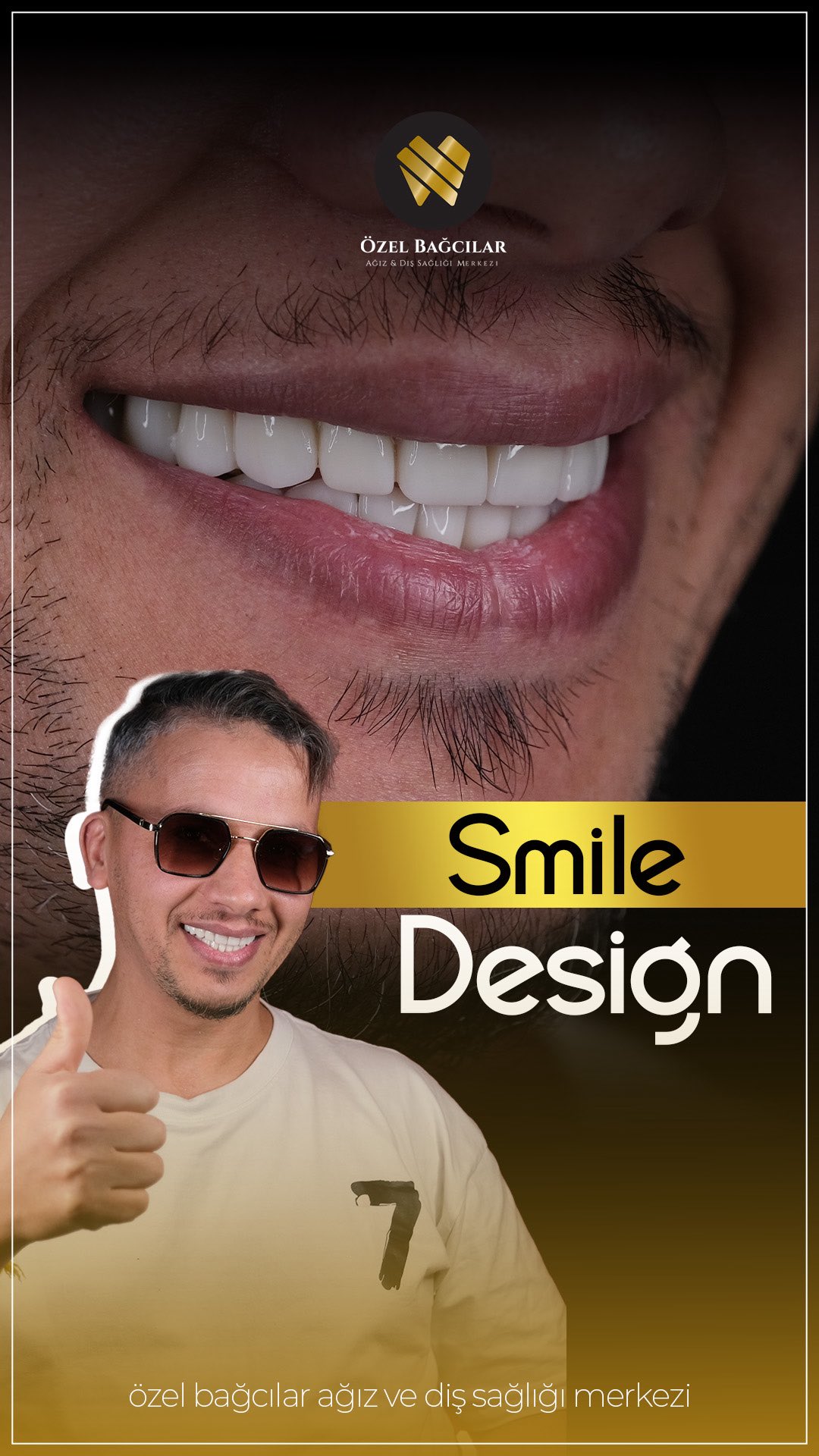
Our quotes are built from a design and a mock-up rather than from a package, which means the number of veneers is an output rather than an input, and it is frequently lower than what people arrive expecting. Where bonding will do the same job on two teeth, that is what is proposed, and the difference in the invoice is ours to absorb.
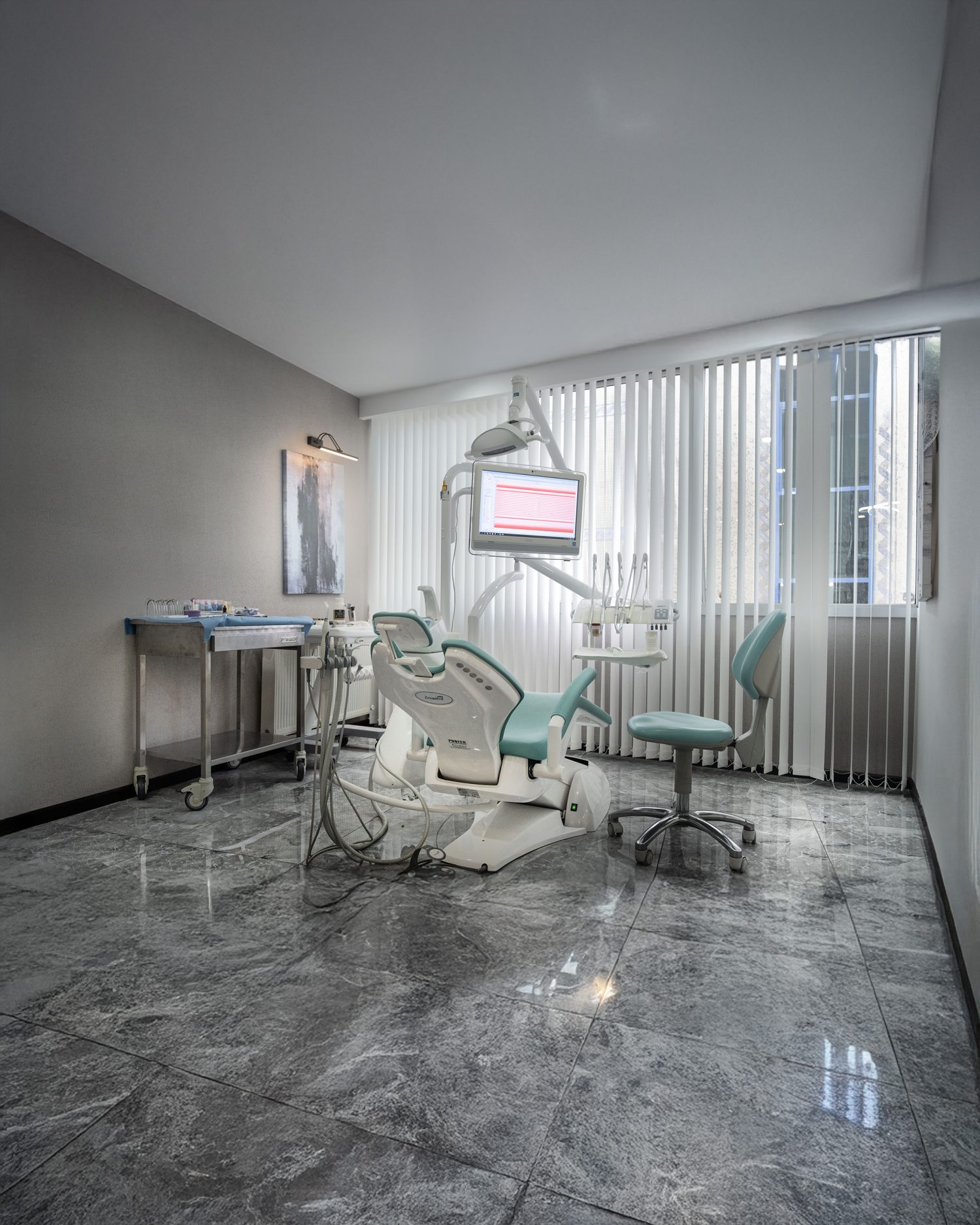
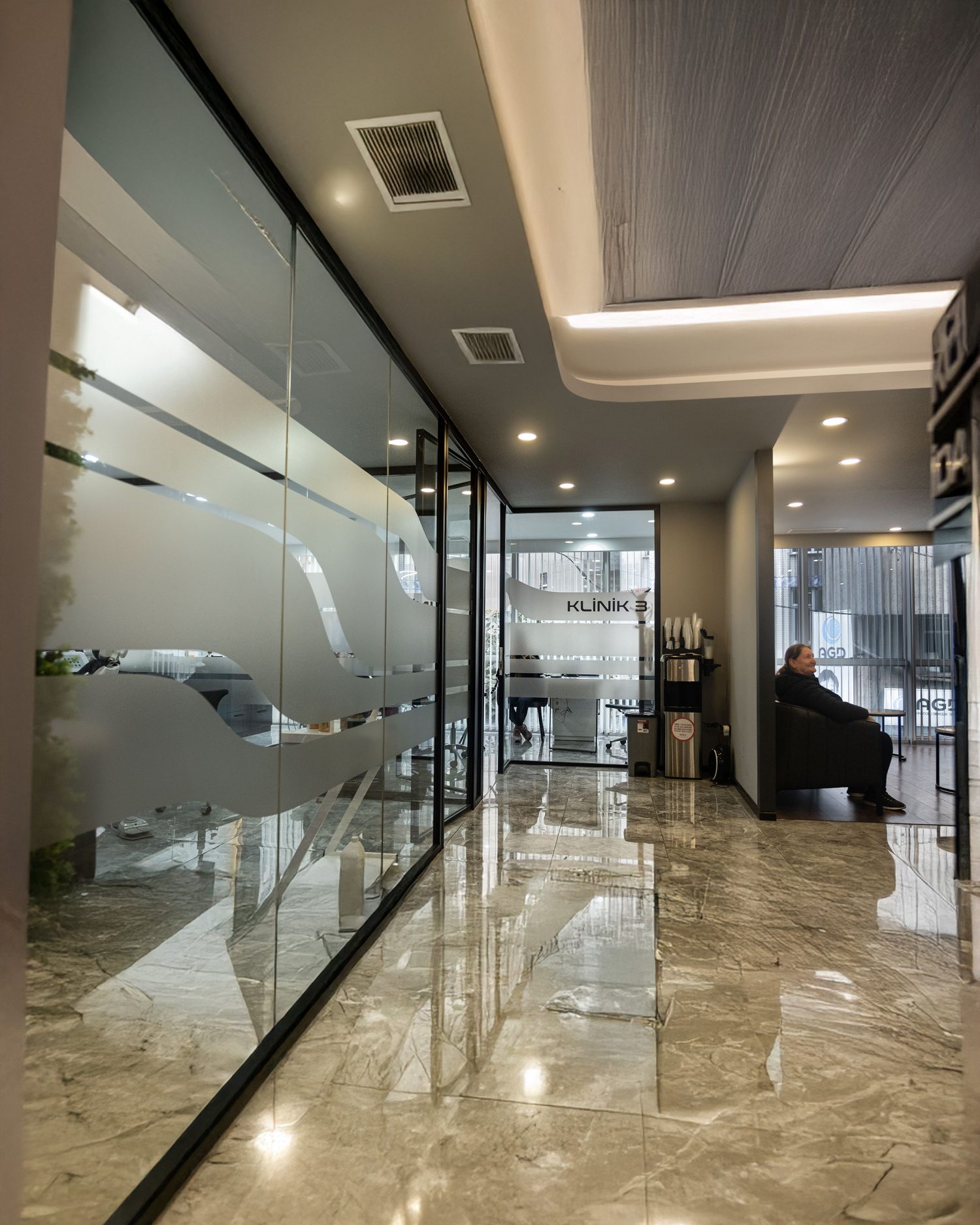
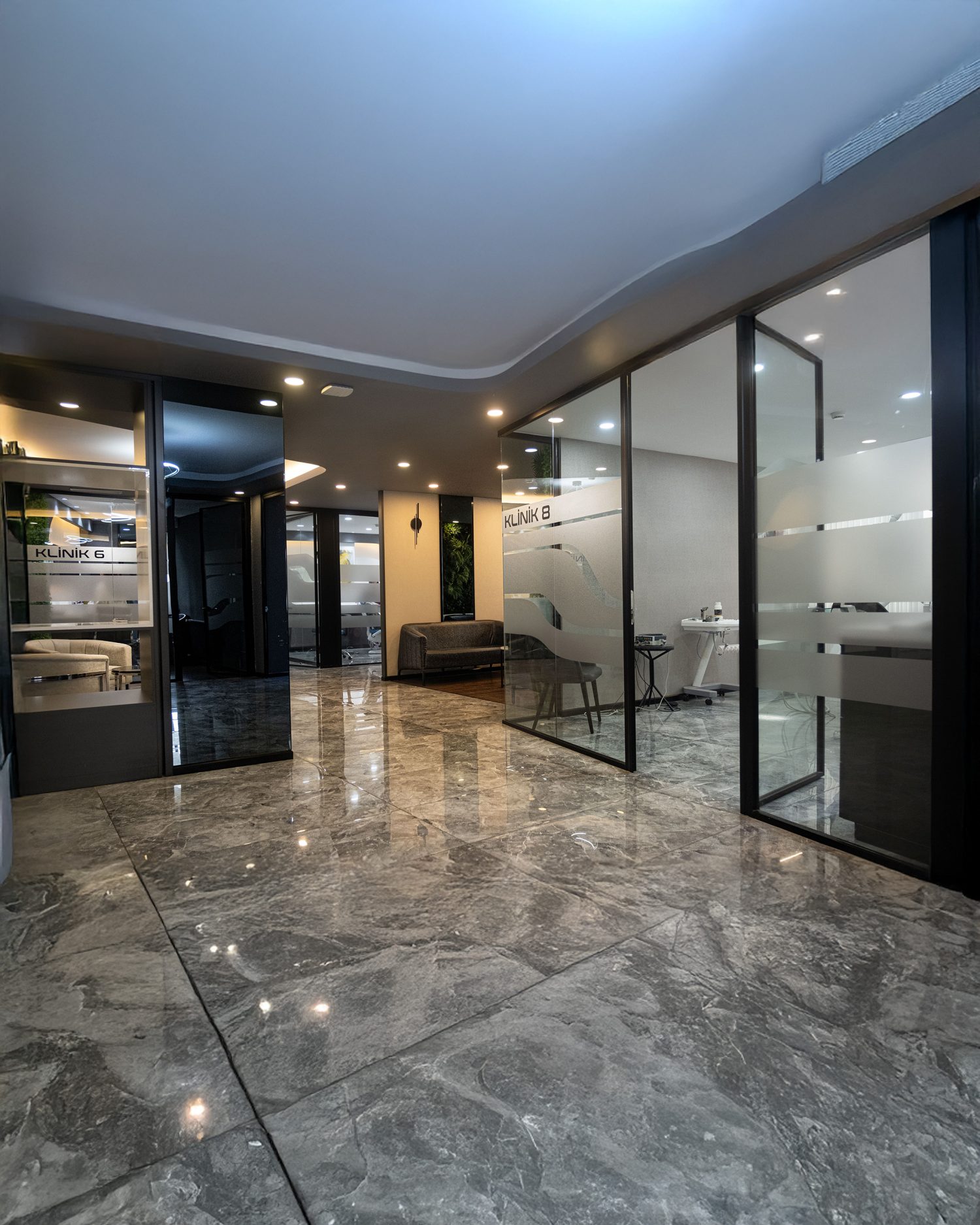
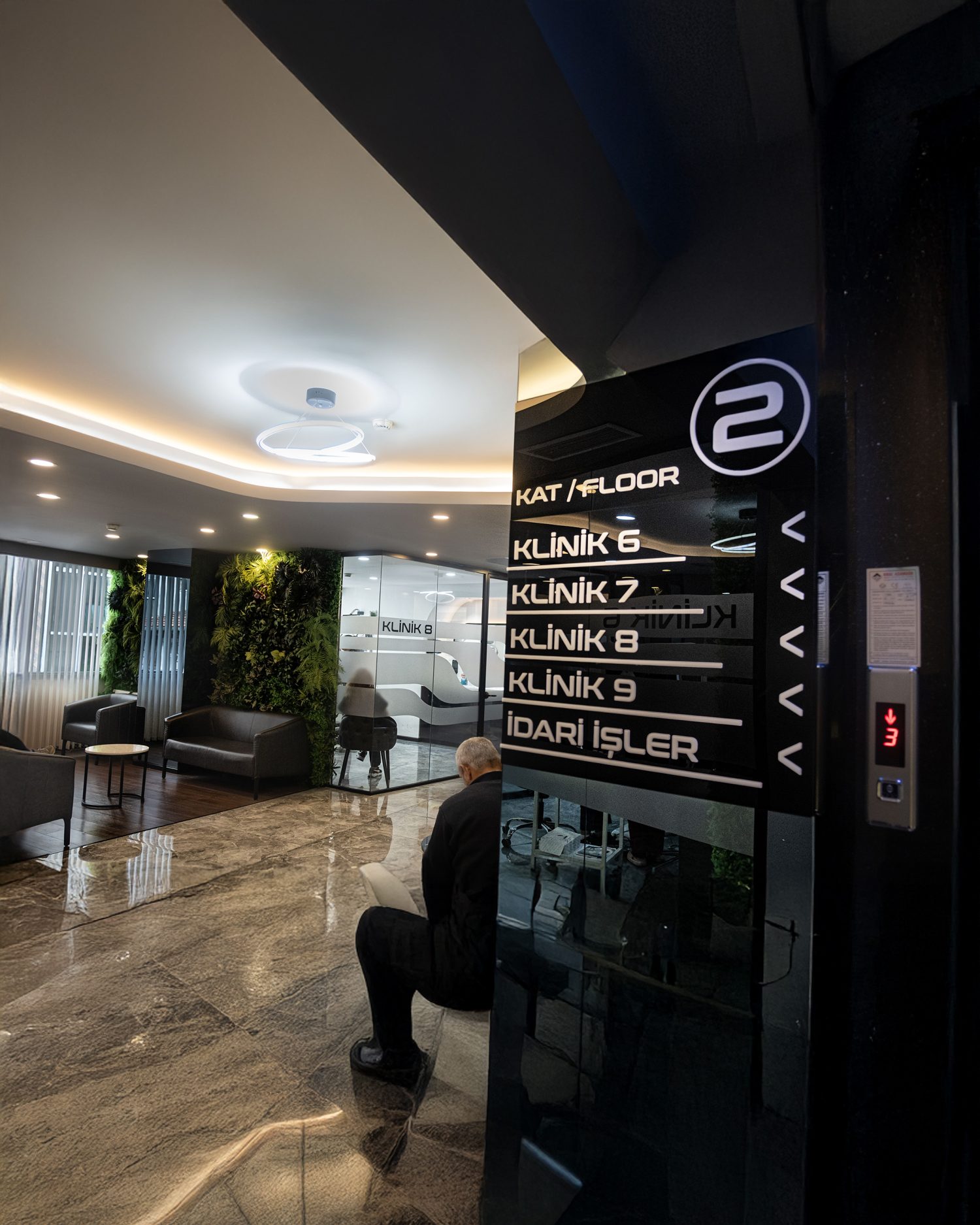
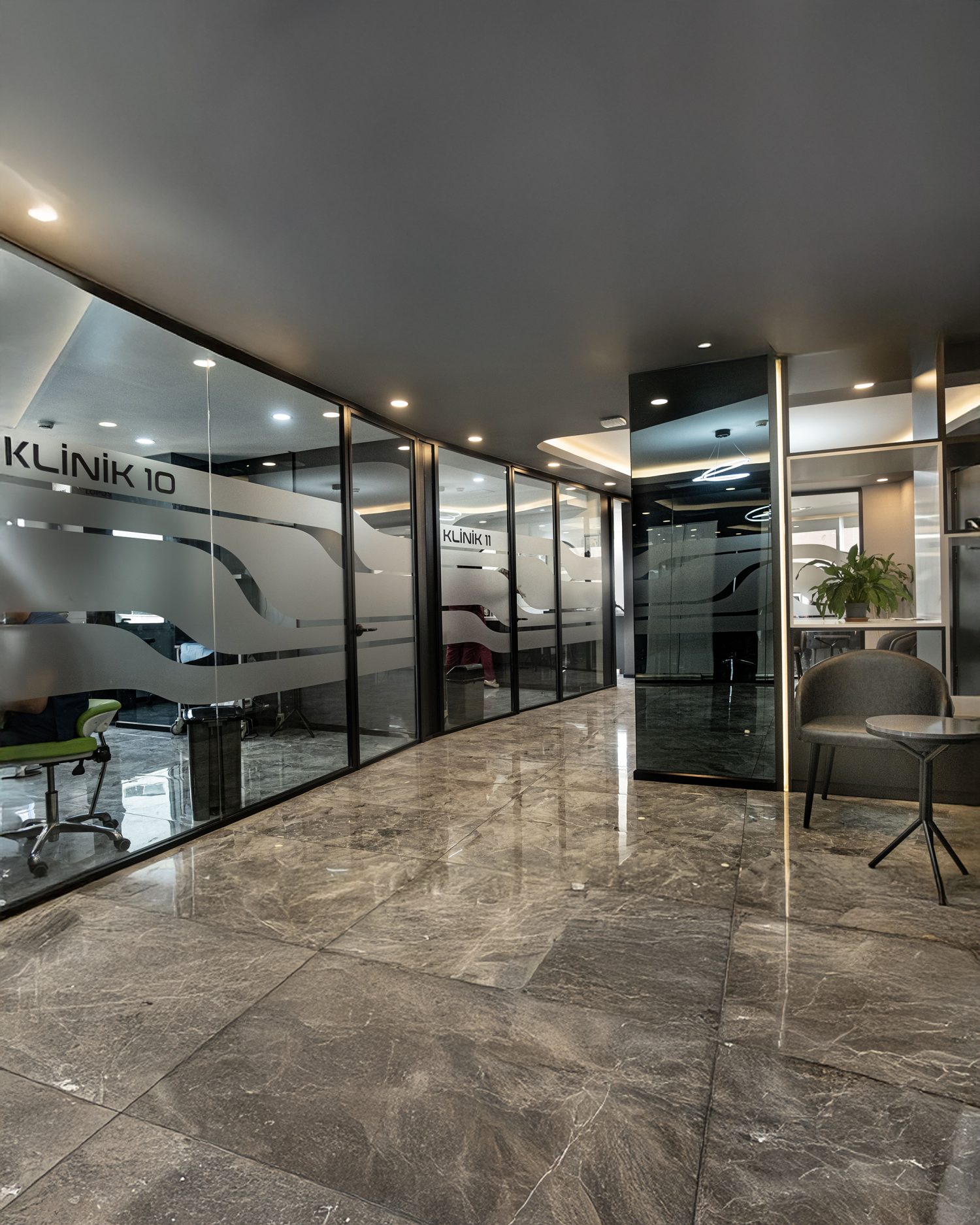
The other thing İstanbul genuinely offers on veneers is the ceramist. Ours works in the building in Bağcılar, which means shade and texture are assessed against your face rather than against a photograph sent to an external laboratory, and a try-in that is not right is remade within the same trip rather than fitted because the flight is on Friday. Everything fitted carries our lifetime guarantee on materials and workmanship, in writing.
How We Quote at Bağcılar
Examination and photographs first, with radiographs where teeth are restored or root-treated. The design is agreed before any figure is finalised, because the number of teeth is the largest part of the total and it should come from the assessment rather than from a package.
Every tooth is listed individually with its material and what is proposed for it. Where a tooth is sound and unrestored we say so, and we say what the conservative alternative would be — including when that alternative is a smaller treatment than the one you asked about.
Preparatory work is listed separately with its own timing, so you can see what happens on which day. The mock-up stage is standard rather than an option: you see and wear the proposed shape before any tooth is prepared.
Our laboratory is in the building and the technician sees you in person for shade. Everything we place carries a lifetime guarantee on materials and workmanship, in writing — with the exclusions stated plainly rather than buried in the terms.
Where you live also changes what you are comparing against. A UK private veneer fee and a German quote with a statutory subsidy behind it are structurally different propositions, and neither compares cleanly to a Turkish figure without adjusting for what each includes. If you are already living in Türkiye, the resident's position is different again.