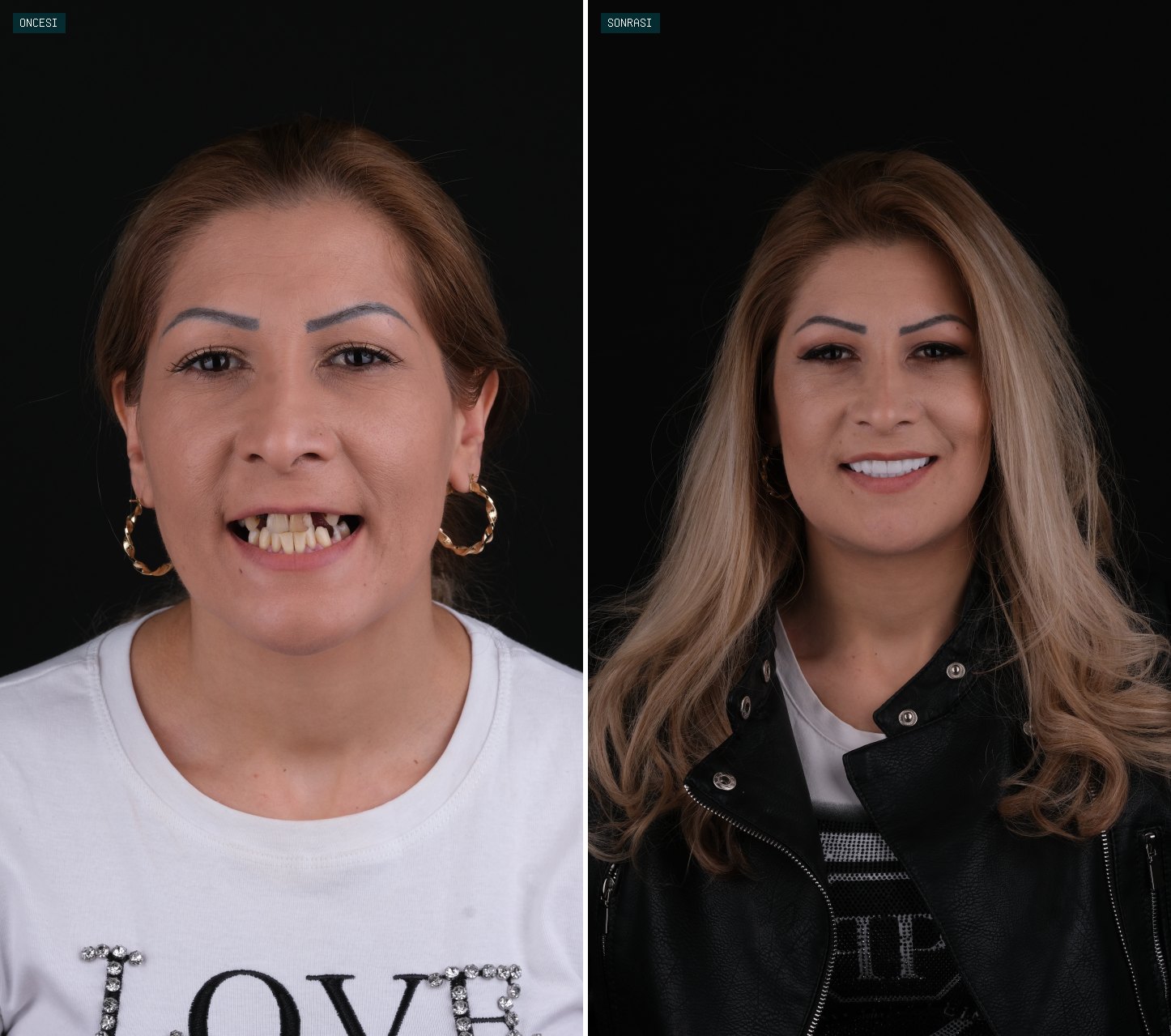
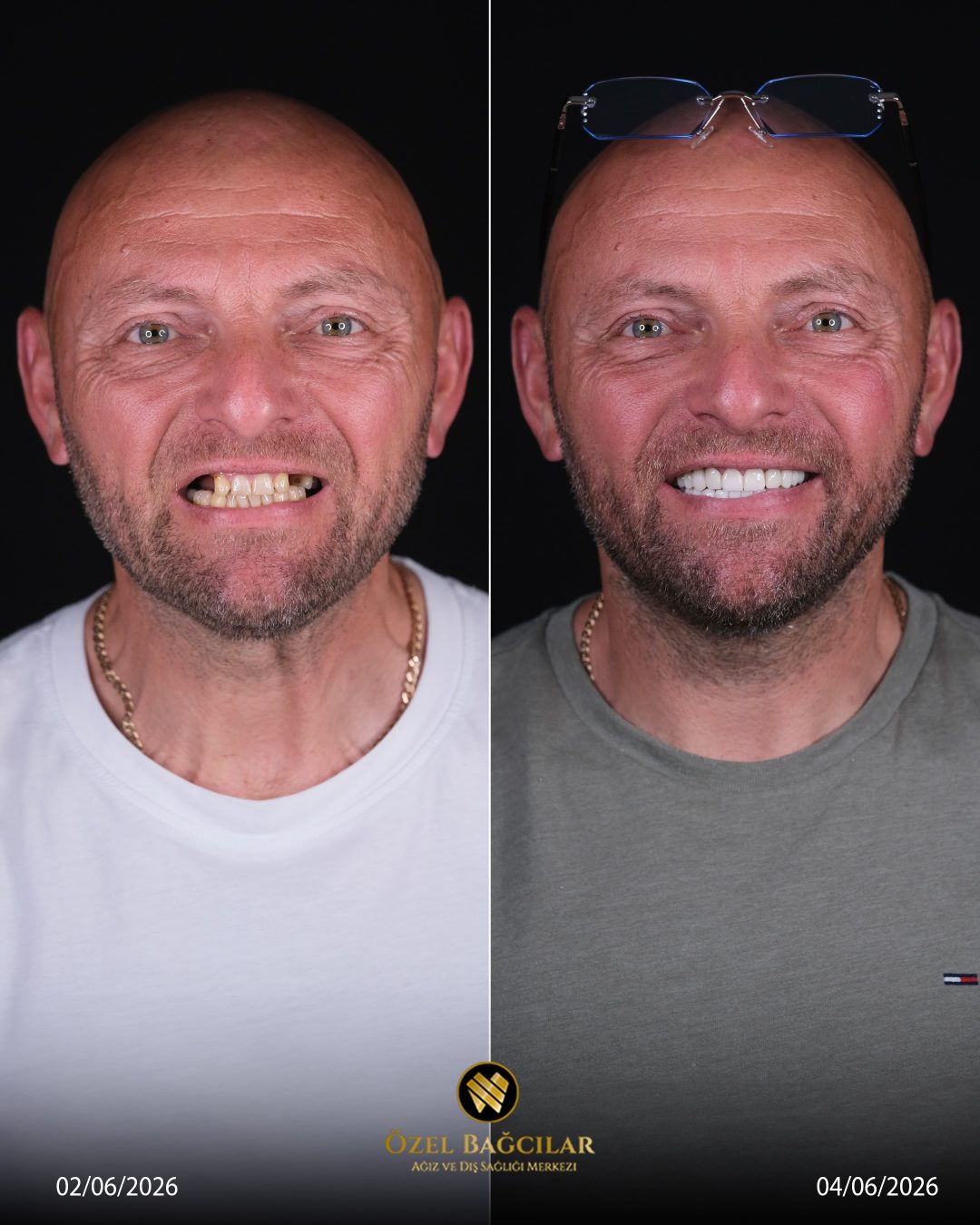
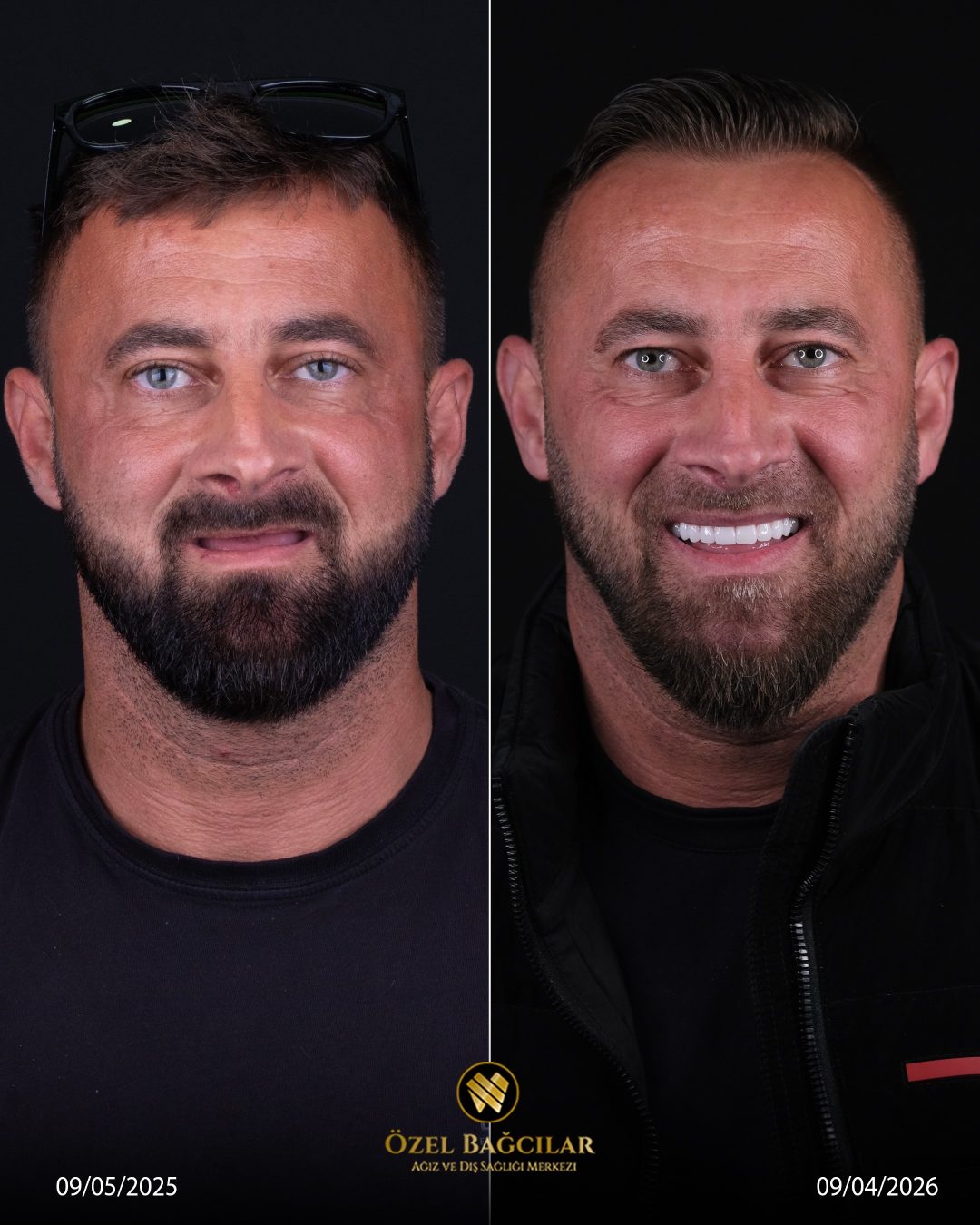
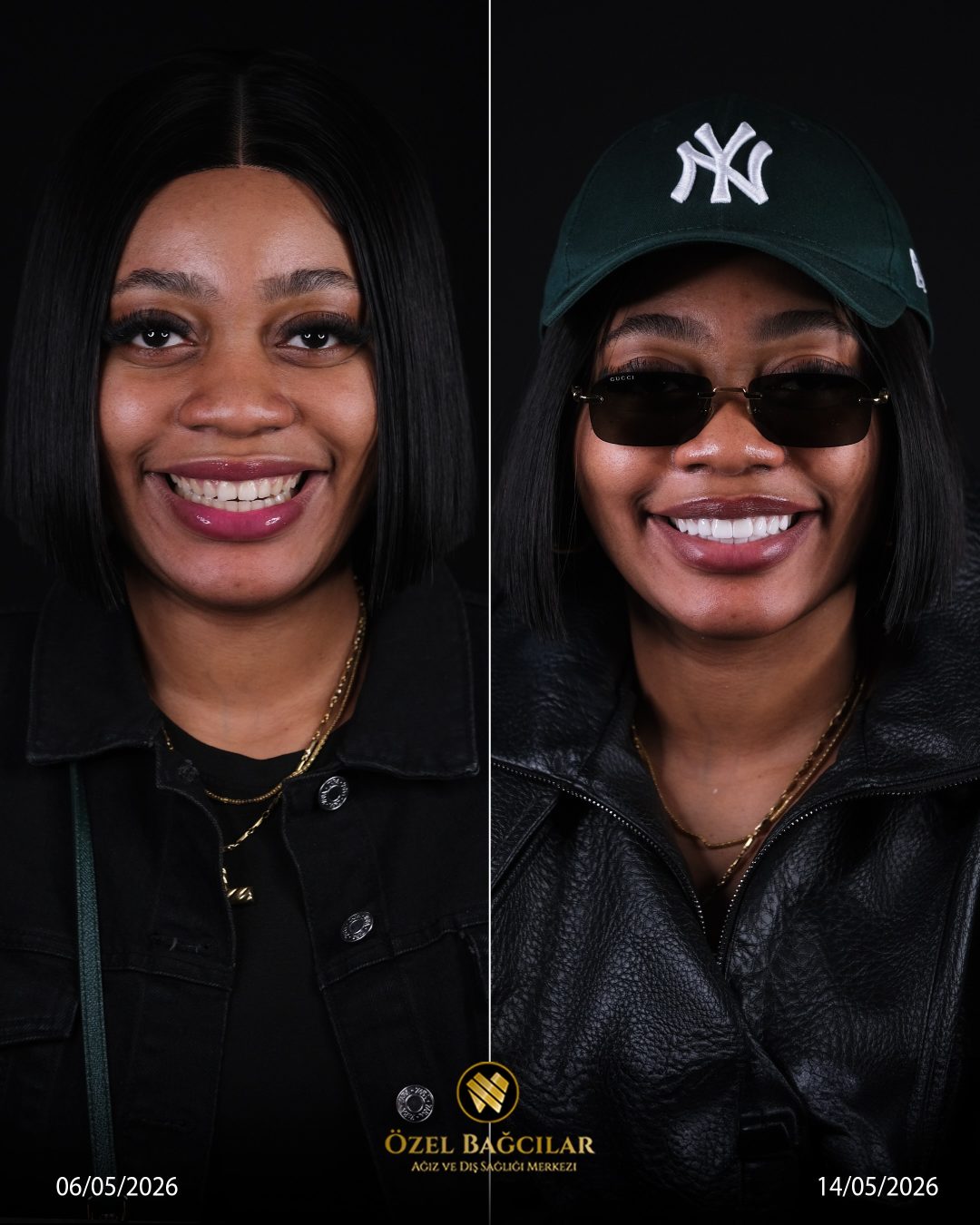
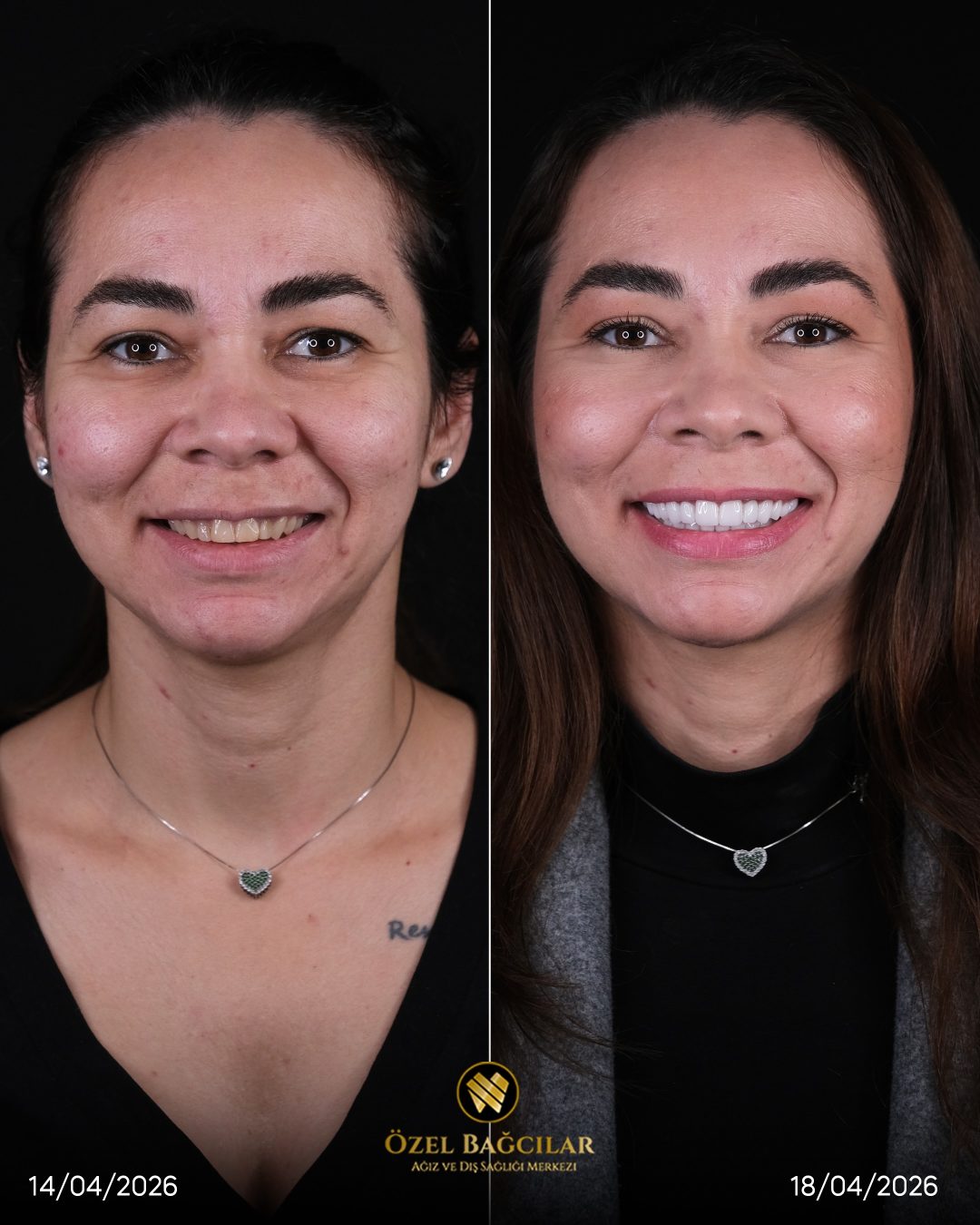
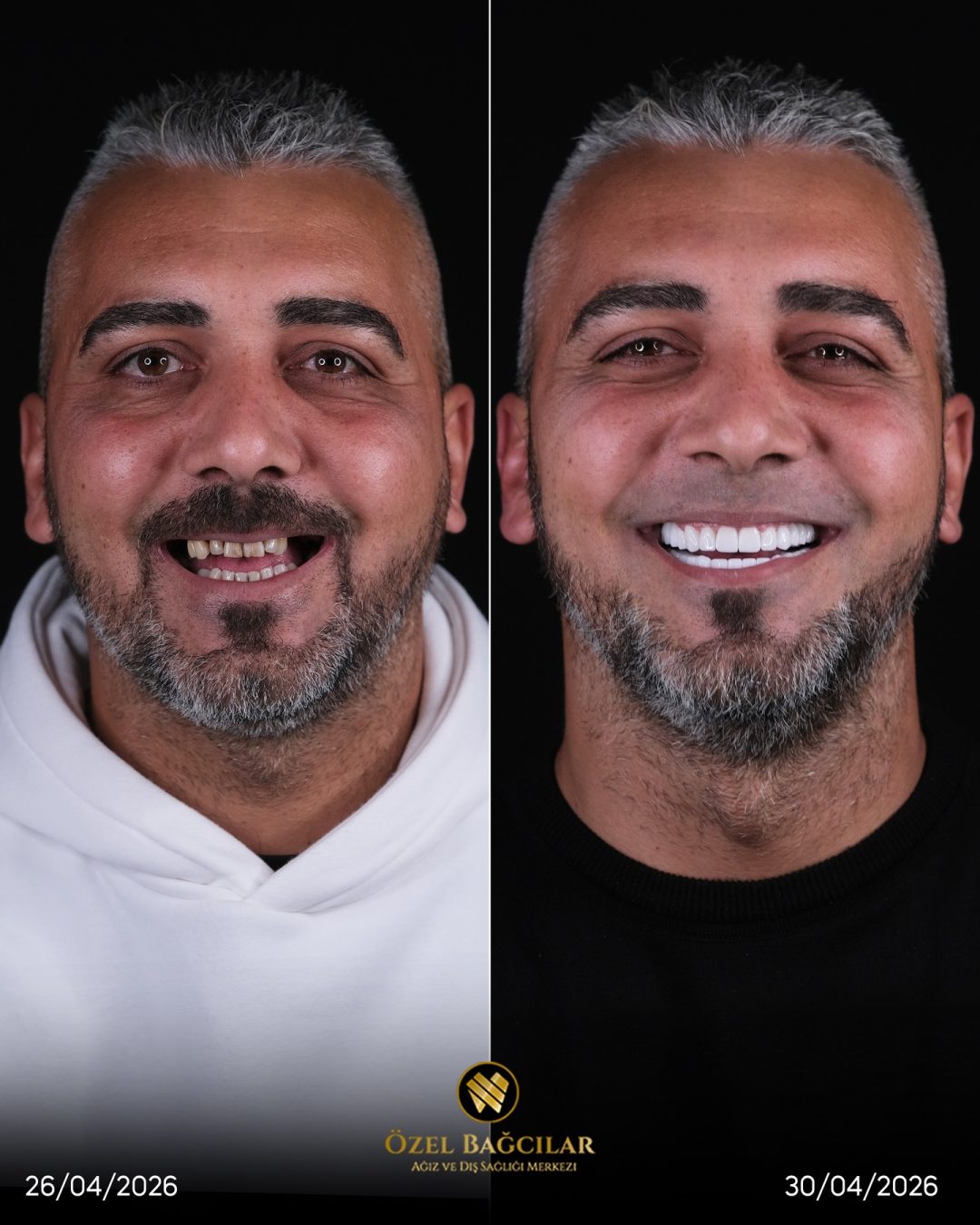
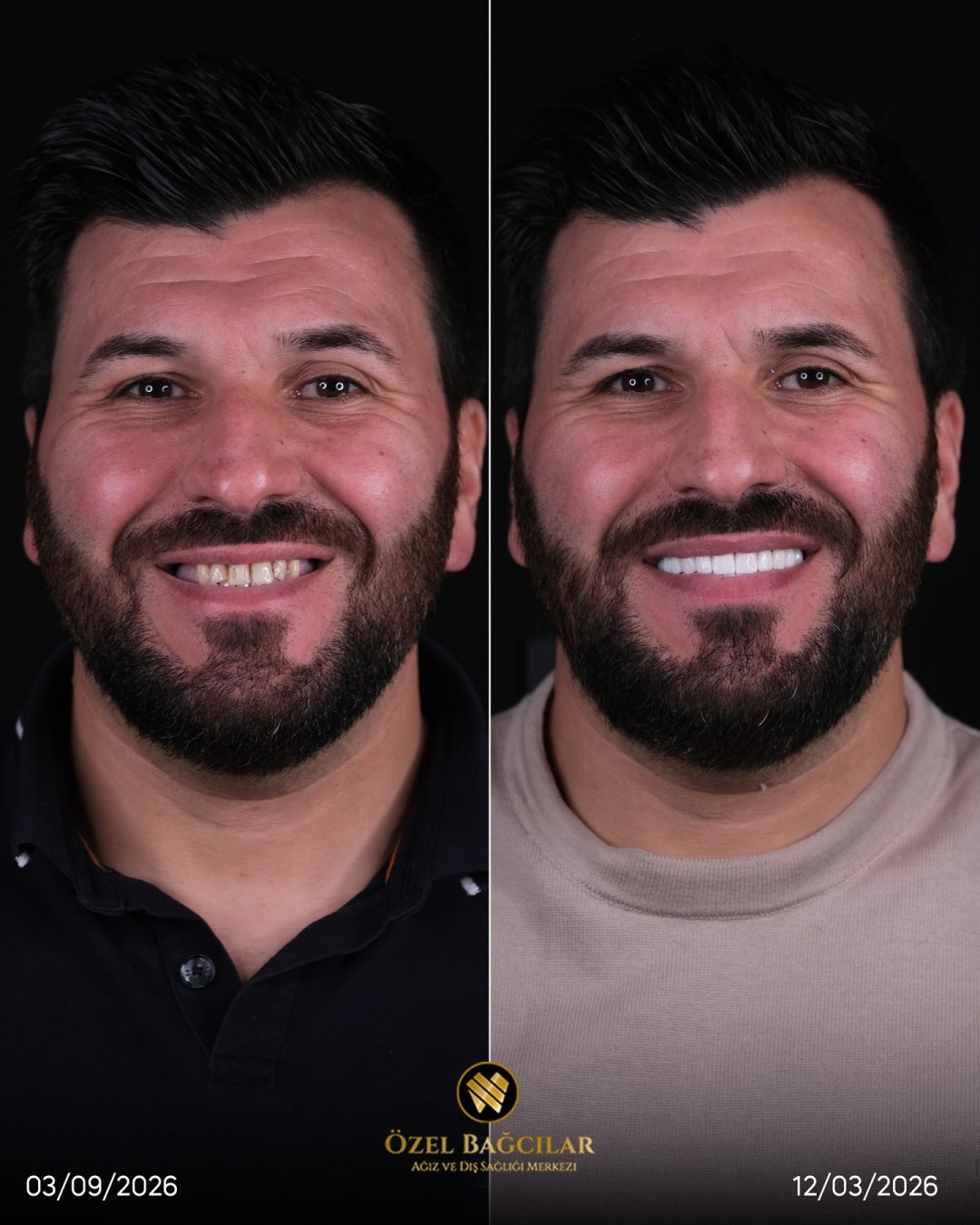
Google Reviews 4.6/5 1.682+ Happy Patients 30+ Countries

Gum Treatment in Turkey — What It Involves and What Drives the Cost

✦ Prices in Turkey

Gum Treatment in Turkey — What It Involves and What Drives the Cost

Gum treatment is priced by pocket depth and visit count, not by the mouth. What a course involves, and why it precedes any crown or veneer.

12+ Years of Experience
1682+ Happy Patients
25 Specialist Physicians
99% Success Rate
Lifetime Guarantee
Bağcılar Dental Clinic

Before & After

Bağcılar Diş öncesi sonrası

Gum treatment is the least glamorous thing in dentistry and the one that decides whether everything else lasts. It produces no photograph, it changes nothing anyone can see in a week, and it is therefore the stage most often left out of a treatment plan built to be sold.

That omission has consequences. Crowns and veneers bonded to inflamed gums look wrong within months as the tissue settles, and implants placed in a mouth with untreated periodontal disease fail at markedly higher rates. Both are expensive ways to discover something a probe would have found in ten minutes.

We do not publish prices, and here the reason is that gum treatment is priced by severity rather than by procedure. A patient needing one hygiene appointment and a patient needing surgery across four quadrants are having entirely different treatments under the same heading.

This page sets out the levels, what each involves, what determines where you sit on that scale, and why the sequence — gums first, then everything else — is not negotiable.

What Gum Disease Actually Is

Two distinct conditions are usually discussed as one, and the difference between them is the difference between something entirely reversible and something that is not.

Gingivitis is inflammation of the gum tissue caused by plaque at the gum margin. The gums bleed when brushed, look red rather than pink, and may be slightly swollen. No bone has been lost, and thorough cleaning resolves it completely within weeks.

Periodontitis is what happens when that inflammation extends below the gum and starts destroying the bone that holds the tooth. Pockets form between tooth and gum, bacteria colonise them, and the bone recedes. This does not reverse.

The cruel part is that it is usually painless. Teeth do not hurt while the bone around them is disappearing, and by the time they become mobile a great deal has already gone. Most patients with moderate periodontitis have no symptoms they would report.

That is why charting matters more than examining. Probing depths measured around every tooth and recorded is what finds it, and what treatment can and cannot reverse depends entirely on how far it has already gone.

How Severity Is Established

The assessment takes about ten minutes and it is the thing that determines everything else — the treatment, the cost, and whether restorative work can proceed at all.

A periodontal probe is walked around each tooth at six points, measuring how deep the space between gum and tooth is. Healthy readings are shallow. Deeper readings mean the attachment has been lost, and the depth indicates how much.

Bleeding on probing is recorded alongside the depths. A deep pocket that does not bleed is stable; one that bleeds is actively inflamed. That distinction changes what treatment is needed and how urgently.

Radiographs complete the picture by showing bone levels directly. What the probe measures and what the radiograph shows should agree, and where they do not, the radiograph usually explains why.

The output is a chart — a record of every tooth. It is also a baseline, which means any future clinician can see whether things have improved or worsened. Ask for a copy; it is one of the more useful documents to leave with.

The Levels of Treatment

Treatment escalates with severity, and the table sets out what each level involves. Where you sit on it is established by the charting rather than assumed.

Gum treatment escalates by severity — the re-evaluation stage is what separates a course of treatment from a single clean
LevelWhat it involvesWhat determines the figure
Hygiene appointmentScaling above the gum, polishing, technique adviceUsually a single visit
Extended hygieneHeavier deposits, sometimes over two visitsHow much deposit and how long since the last clean
Root surface debridementCleaning below the gum, under local anaesthetic, quadrant by quadrantNumber of quadrants and depth of pocketing
Re-evaluationRe-charting several weeks later to measure the responseIncluded in a proper course of treatment
Periodontal surgeryAccess flap surgery for pockets that did not resolveNumber of sites; done per quadrant
Regenerative proceduresGrafting material or membranes in specific bony defectsNumber of defects suitable for it
MaintenanceRecall cleaning at a shortened interval, indefinitelyInterval — often three to four months rather than six

The re-evaluation stage is the one most often missing. Cleaning below the gum without re-measuring afterwards means nobody knows whether it worked, and whether surgery is needed is a question that can only be answered by re-charting.

What Root Surface Debridement Actually Involves

The core treatment for periodontitis, and it is more substantial than the name or the phrase "deep cleaning" suggests.

Under local anaesthetic, the root surfaces below the gum are cleaned of hardened deposits and bacterial film, using ultrasonic instruments and hand curettes. The aim is a smooth root surface that the gum tissue can reattach against.

It is normally done quadrant by quadrant across several appointments, because doing the whole mouth at once means a great deal of anaesthetic and a great deal of soreness at the same time. Some protocols do it in one or two longer sessions.

Afterwards the gums are tender for a few days and the teeth are frequently sensitive to cold for several weeks. The gum line also recedes slightly as swelling resolves, which is healing rather than harm — the tissue was sitting higher than the healthy attachment underneath.

Re-charting several weeks later shows what responded. Most pockets reduce; some do not, and those are the sites where surgery is then considered. That is a planned sequence rather than a treatment that failed.

When Surgery Is Needed

Where pockets remain deep after non-surgical treatment, instruments cannot reach the base of them and the disease continues below. Surgery is how access is gained.

An access flap procedure lifts the gum away from the tooth so the root surface and the bony defect can be seen and cleaned directly, then repositions and sutures it. It is done under local anaesthetic, quadrant by quadrant, and recovery is a matter of days.

Where the bone has been lost in a particular pattern — a contained defect around one root rather than generalised horizontal loss — regenerative techniques can sometimes rebuild part of it, using graft material and a membrane.

That is genuinely regenerative and it is also genuinely limited. It works in specific defect shapes and not in others, and no clinician can promise it before the site has been opened and seen.

Where teeth have lost most of their support, the conversation changes to prognosis rather than treatment — and when a tooth genuinely cannot be saved sets out how that assessment is made.

Why It Cannot Wait Until After the Cosmetic Work

This is the sequencing rule that gets broken most often in health tourism, and it is broken because gum treatment does not photograph.

Restoration margins sit at the gum line. If the gum is inflamed and swollen when the impression is taken, it is sitting higher than its true position. As the inflammation resolves the tissue recedes to where it belongs, and the margin that was hidden becomes visible as a dark line.

That is not a fault in the restoration. It was made accurately to a gum position that was temporary. Correcting it means remaking the restorations, which costs several times what treating the gums first would have.

For implants the consequence is more serious. Periodontal pathogens in untreated pockets colonise the tissue around a new implant, and implants in patients with untreated periodontal disease fail at substantially higher rates.

So the sequence is: charting, treatment, re-evaluation, stability — and then restorative work. It adds weeks or months to a plan, and it is the difference between work that lasts and work that has to be redone. A proper consultation establishes this before anything is quoted.

The same applies to implants specifically. An implant quote assumes healthy tissue to place into, and the failure mode when that assumption is wrong is bone loss around the fixture rather than anything visible at fitting.

What Determines Your Position on the Scale

Six factors, and only two of them are within your control today — though those two are the ones that matter most going forward.

  • How long the disease has been active before being diagnosed.
  • Smoking, which is the single largest modifiable risk factor by a wide margin.
  • Diabetes control, which has a bidirectional relationship with gum disease.
  • Genetic susceptibility, which is real and varies considerably between people.
  • Daily cleaning between the teeth, which is where the disease begins.
  • How regularly professional cleaning has been kept up.

Smoking deserves separating out. It reduces blood supply to the gums, which masks bleeding — so smokers frequently have advanced disease with fewer visible signs — and it substantially reduces how well treatment works.

Genetics explains the patients who do everything right and still have periodontitis, and the ones who do very little and do not. It is not an excuse for either group; it changes the maintenance interval rather than the treatment.

What none of these change is the sequence. Whatever put you where you are, stabilising it comes before anything is built on top of it.

Grinding belongs on the list as an aggravating factor rather than a cause. It does not produce periodontal disease, but heavy loading on teeth whose support is already reduced accelerates mobility — so managing the habit is part of stabilising the mouth rather than a separate concern.

Maintenance Is the Part That Holds the Result

Periodontal treatment is not a cure. It removes the bacterial cause and allows the tissue to stabilise, and the bacteria return. What prevents recurrence is the maintenance interval.

After treatment, the recall interval is usually three or four months rather than the standard six. That is not a commercial decision — it is based on how quickly the bacterial population re-establishes in previously diseased pockets.

At each visit the pockets are re-measured and cleaned. The measurements are the point: they show whether stability is holding, and a site that has deepened again is caught while it is still a small problem.

Daily cleaning between the teeth is the other half and it matters more than brushing. Interdental brushes sized to your spaces are more effective than floss for most people who have had periodontal treatment, and they take under a minute.

For a patient treated abroad, this maintenance happens at home. That is entirely normal — you leave with the chart, the treatment record and the recommended interval, and any dentist can continue it from there.

Bad breath frequently improves markedly once deep pockets are cleaned, because the bacteria living in them are a common source of it. If that was part of why you sought treatment, it is worth knowing the improvement usually arrives before anything else does.

Gum Treatment and Cosmetic Gum Work Are Different Things

Two quite different procedures are both described as gum treatment, and they appear in quotes under similar headings, which causes real confusion.

Periodontal treatment is disease management. It addresses infection, inflammation and bone loss, and it is a health treatment with cosmetic side effects — usually the gums receding slightly as swelling resolves.

Gum contouring is cosmetic. It reshapes a healthy gum margin to improve tooth proportion, typically where teeth look short because too much gum covers them. No disease is being treated and no bone is involved.

They can appear in the same plan and they are sequenced differently: disease first and stabilised, contouring later as part of the aesthetic work with healing time before any ceramic is fitted.

If a quote lists "gum treatment" without saying which, ask. Contouring and periodontal therapy differ in purpose, cost and where they sit in the sequence.

Crown lengthening is a third procedure that sits between them. It removes a small amount of bone as well as gum to expose more tooth structure, either for appearance or so that a restoration has something to grip — and where it is done for the second reason, it changes what restoration is possible on that tooth.

The Systemic Connection

Periodontal disease is not confined to the mouth, and the associations are strong enough to be worth stating without overstating them.

There is a well-documented bidirectional relationship with diabetes: gum disease makes blood glucose harder to control, and poor control makes gum disease worse. Treating one measurably helps the other, which is unusual and useful.

Associations with cardiovascular disease and with adverse pregnancy outcomes are consistently reported. The mechanisms are plausible — chronic inflammation and bacteraemia — though causation is harder to establish than correlation and should not be overclaimed.

The practical point is narrower and safe to state: chronic inflammation affecting a substantial surface area of tissue is not a purely local matter, and treating it is worth doing on its own terms.

It also explains why a medical history matters at the gum assessment. Diabetes, smoking and certain medications all change both the disease and the treatment response.

Smoking connects the two sides of this. It worsens the gum disease, reduces how well treatment works, and is a cardiovascular risk factor in its own right — which is why it appears in every section of this page rather than in one.

What a Complete Quote Contains

Gum treatment quotes are simpler than restorative ones, and the gaps in them are correspondingly easier to spot.

  1. The initial assessment, including full charting at six points per tooth.
  2. Radiographs where bone levels need confirming.
  3. The treatment itself, priced by quadrant where it is below the gum.
  4. The re-evaluation appointment several weeks later, with re-charting.
  5. Any surgery, priced separately and only after re-evaluation.
  6. The first maintenance appointment and the recommended interval.
  7. A copy of the chart and treatment record to take away.

The re-evaluation is the line most often absent, and its absence changes the nature of the treatment. Without it, nobody knows whether the pockets resolved, and the patient is told the treatment is finished when nothing has been measured.

Surgery quoted in advance is the opposite problem. Whether it is needed depends on how the non-surgical phase responded, so a plan committing to it before re-charting has decided something it cannot yet know.

Where this sits inside a larger plan, it comes first — how a veneer quote is built shows where the gum line belongs in the sequence, and it is always before the ceramic.

Treating Gums as a Visiting Patient

Periodontal treatment is well suited to a treatment trip in some respects and awkward in others, and it is better to know which is which before booking.

The active phase fits a visit well. Charting, radiographs and root surface debridement across all quadrants can be completed within a few days, and it can run alongside the assessment stage of restorative planning.

Re-evaluation is the part that does not fit. It has to happen several weeks later, which for a visiting patient usually means it coincides with the second trip — and that is one of the reasons a restorative plan involving gum disease needs two visits.

Where surgery turns out to be needed, it is done at that second visit. Planning for that possibility in advance is better than discovering it, and it is one of the questions worth asking at the outset.

Maintenance happens at home, at the interval you are given. How the visits divide up sets out the realistic timetable when gum treatment is part of the plan.

Bring your own records if you have had gum treatment before. Previous charting is the most useful document there is, because it turns a snapshot into a trend — and what to bring to the first visit lists what else is worth carrying.

Gum Treatment Before Anything Else on a Turkish Plan

This is the line most often missing from a quote issued from İstanbul, and its absence is the most reliable indicator that the quote was written from photographs. Gum disease is diagnosed by probing and radiographs, neither of which happens over email, so a plan for sixteen crowns that contains no periodontal assessment has not established whether there is anything to attach them to.

The sequence is not negotiable and it is not a sales device. Pockets are charted, the disease is treated, and the tissues are given time to settle before any restorative work is designed — because gum margins move as inflammation resolves, and a crown margin placed against inflamed tissue ends up visible when the tissue recedes to where it should have been. Ceramic placed on an untreated periodontium is expensive work built on a moving foundation.

For an international patient that has a practical consequence worth knowing in advance: where significant periodontal treatment is needed, the trip becomes two rather than one. Quadrant debridement under local anaesthetic, then re-evaluation, then the restorative work. Most clinics in İstanbul will not tell you this before you arrive, because it makes the offer less attractive. We tell you at the quote stage, and the realistic timetable shows both routes.

Maintenance afterwards happens where you live rather than here — three to four monthly recall with your own hygienist rather than the six-monthly default. That is the part that determines whether the result holds, and it is worth arranging before you fly out rather than after you fly back.

How We Handle Gums at Bağcılar

Charted first, before anything else is discussed. Six measurements per tooth, bleeding recorded, radiographs where bone levels need confirming. It takes about ten minutes and it changes what the rest of the plan can be.

Where disease is present, it is treated before restorative work rather than alongside it. That sometimes means a longer plan and a second trip, and we say so at the outset rather than compressing the sequence to fit a single visit.

Re-evaluation is part of the course, not an optional extra. Pockets are re-measured several weeks after treatment, and whether anything further is needed is decided from those numbers rather than from an estimate made in advance.

You leave with the chart, the treatment record and a recommended maintenance interval — usually shorter than standard — so your own dentist can continue it without starting from a description.

Where restorative work follows, it is planned on stable gums, which is what makes the margins hold. Everything we place carries a lifetime guarantee on materials and workmanship — and the exclusions include gum disease left untreated, which is stated plainly rather than buried.

Frequently Asked Questions

Why are there no prices for gum treatment here?
Because it is priced by severity rather than by procedure. A single hygiene appointment and surgery across four quadrants are entirely different treatments under the same heading, and which you need is established by charting rather than estimated in advance.
What is the difference between gingivitis and periodontitis?
Gingivitis is inflammation of the gum tissue with no bone loss, and it resolves completely with thorough cleaning. Periodontitis has destroyed bone around the teeth, and that does not grow back. Treatment stops the loss rather than reversing it. The distinction is established by probing depths rather than by appearance.
How do I know if I have gum disease?
Usually you do not, which is the problem — it is painless until it is advanced. Bleeding when brushing is the most common early sign. Probing depths measured around every tooth and recorded is what actually finds it, and it takes about ten minutes.
Does gum treatment hurt?
Cleaning below the gum is done under local anaesthetic, so it should not. Afterwards the gums are tender for a few days and teeth are often sensitive to cold for several weeks, which settles and responds well to a desensitising toothpaste used consistently.
Will my gums grow back?
The bone does not, and neither does the attachment that was lost. What treatment does is halt the process and let the remaining tissue become healthy. Gums may also appear to recede slightly as swelling resolves, which is healing rather than further loss.
Why does the gum line look lower after treatment?
Because swollen tissue was sitting higher than the healthy attachment underneath it. As inflammation resolves the true position becomes visible, so teeth look longer and small gaps can appear. This is the treatment working, not damage. Sensitivity alongside it is common and settles over several weeks.
Can I have veneers or implants before gum treatment?
You should not. Margins bonded to inflamed gums become visible as the tissue settles afterwards, and implants placed in mouths with untreated periodontal disease fail at substantially higher rates. Correcting either costs several times what treating the gums first does.
What is re-evaluation and why does it matter?
Re-charting several weeks after treatment to measure which pockets resolved. It is the line most often missing from a quote, and without it nobody knows whether the treatment worked or whether surgery is needed. It is part of a proper course, not an extra.
Will I need surgery?
Only where pockets remain deep after non-surgical treatment, and that cannot be known in advance. A plan committing to surgery before re-charting has decided something it cannot yet know; a plan with no re-evaluation stage cannot make the decision at all.
How often will I need cleaning afterwards?
Usually every three or four months rather than every six. That is based on how quickly bacteria re-establish in previously diseased pockets rather than on a commercial preference, and it is the single thing that most determines whether the result holds.
Does smoking really make that much difference?
Yes — it is the largest modifiable risk factor by a wide margin. It reduces blood supply to the gums, which masks bleeding so disease advances with fewer visible signs, and it substantially reduces how well treatment works. Stopping changes both.
Is gum treatment the same as gum contouring?
No, and they appear under confusingly similar headings. Periodontal treatment manages disease, infection and bone loss. Contouring reshapes a healthy gum margin for appearance. They are sequenced differently, and a quote should say which it means. They also sit at opposite ends of the treatment sequence.
Can gum treatment be done in one trip?
The active phase can — charting, radiographs and cleaning across all quadrants within a few days. Re-evaluation has to happen several weeks later, which for a visiting patient usually coincides with the second trip, and any surgery is done then.
Is gum disease linked to general health?
The relationship with diabetes is well documented and works in both directions: treating gum disease measurably helps glucose control. Associations with cardiovascular disease and pregnancy outcomes are consistently reported, though causation is harder to establish than correlation. The practical point is narrower: chronic inflammation over that surface area is worth treating.
What should I take home after treatment?
The periodontal chart, the treatment record, radiographs, and the recommended maintenance interval. The chart is a baseline any future dentist can measure against, which makes continuing care at home straightforward rather than starting from a description. A chart turns any future examination into a comparison rather than a fresh start.

Ready to start your treatment?

Get a free online assessment and a transparent treatment plan from our Istanbul clinic.

Contact
✦ Our Patients
✦ Our Clinic
✦ Our doctors

Our Expert Staff

A safe, comfortable and transparent treatment process at every stage with our experienced physicians.

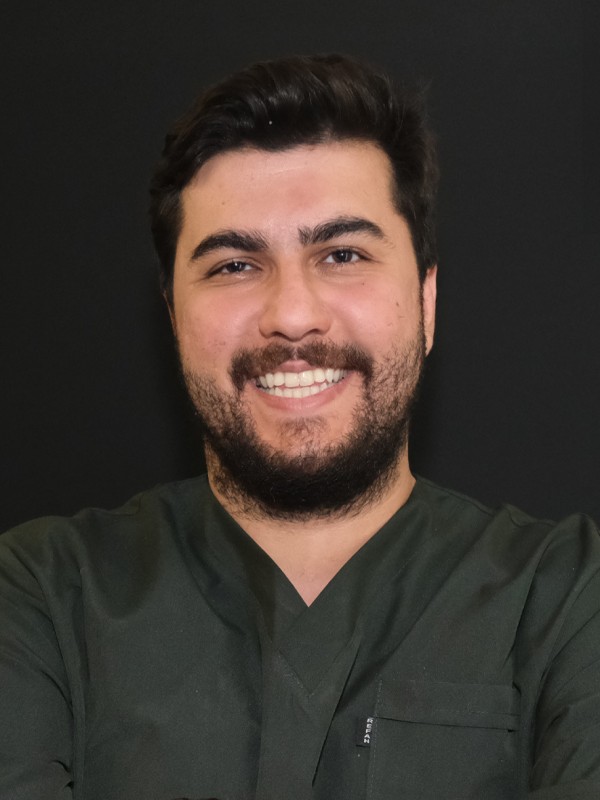
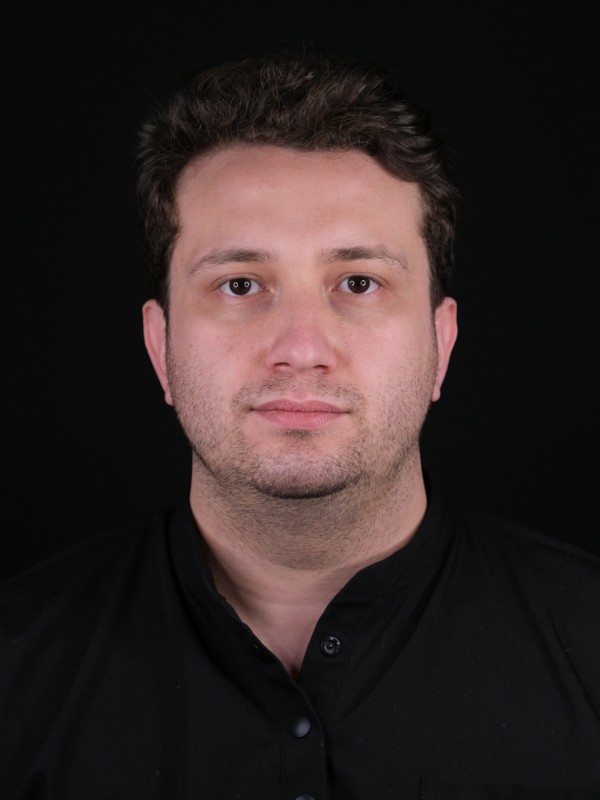
Dt. Muhammed Yancar

Dt. Muhammed Yancar

Responsible Manager · Dentist

He graduated from Okan University Faculty of Dentistry (2022). He works as the responsible manager and dentist at Bağcılar Dental Polyclinic. He is a member of the Turkish Prosthodontics and Implantology Association (TPİD) and the Turkish Dental Association (TDB).

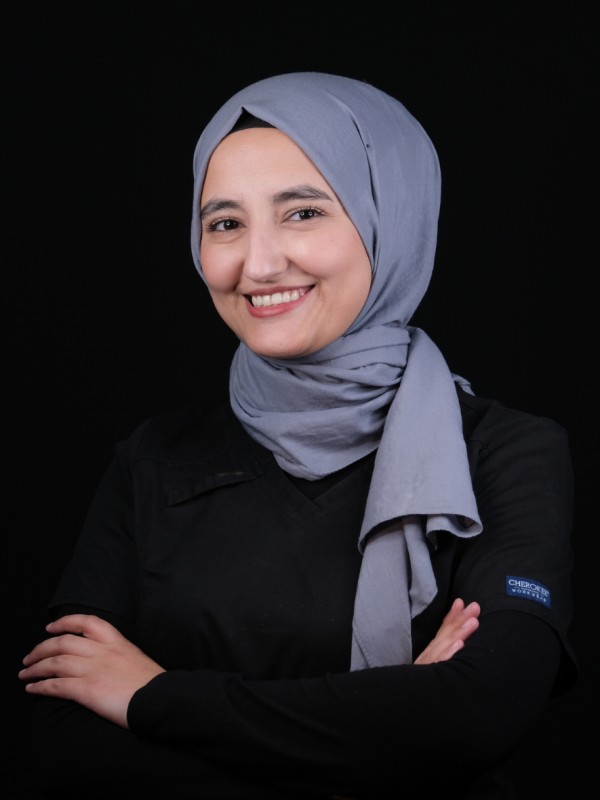
Dr. Dt. Remziye Kuşağlı

Dr. Dt. Remziye Kuşağlı

Responsible Dentist

He graduated from Dicle University Faculty of Dentistry (2005); He has 21 years of experience. It specializes in implant-supported dentures, All-on-4/All-on-6, zirconium, laminate and E-max coating treatments. He is a member of TDB.

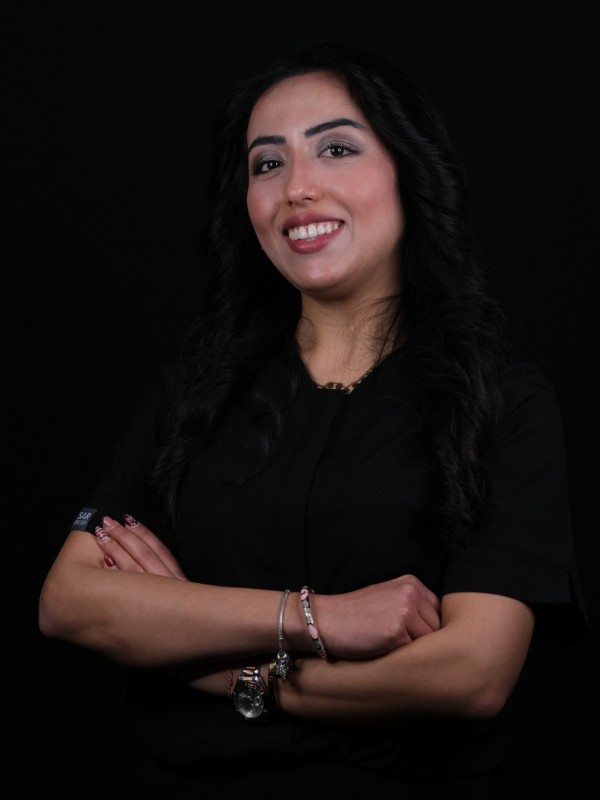
Uzm. Dr. Dt. Nazlı Altın

Uzm. Dr. Dt. Nazlı Altın

Oral and Maxillofacial Surgery Specialist

He graduated from Istanbul University Faculty of Dentistry; He completed his doctorate in oral, dental and maxillofacial surgery. He specializes in complex cases with implant surgery, jaw surgery and bone grafting.

Uzm. Dt. Uğur Derdiyok

Uzm. Dt. Uğur Derdiyok

Oral and Maxillofacial Surgery Specialist

He graduated from Ankara University Faculty of Dentistry; He completed his specialization in oral, dental and maxillofacial surgery at Kırıkkale University. He is an expert in surgical practices with 11 years of experience.

Uzm. Dt. Ceren Çetinkaya

Uzm. Dt. Ceren Çetinkaya

Orthodontic Specialist

He graduated from Ege University Faculty of Dentistry; He completed his orthodontics specialization at Istanbul University. He is experienced in fixed and transparent plate treatments and focuses on functional and aesthetic results.

Dr. Dt. Hakan Şahin

Dr. Dt. Hakan Şahin

Pedodontics Specialist (Pediatric Dentist)

He graduated from Atatürk University Faculty of Dentistry; He completed his pedodontics specialization. It has been providing preventive and therapeutic services in children's dental health for many years.

Uzm. Dt. Natiga Israfilova

Uzm. Dt. Natiga Israfilova

Prosthetic Dentistry Specialist

He is a graduate of Azerbaijan Medical University; He completed his prosthetic dentistry specialization at Eskişehir Osmangazi University. With 20 years of experience, he is an expert in implant prostheses, All-on-4/6, zirconium, laminate and E-max applications.

Dt. Nur Küçük

Dt. Nur Küçük

Prosthodontics & Digital Dentistry

He graduated from Istanbul Medipol University, Department of Dentistry; He continues his doctoral education in prosthetic dentistry. He works on aesthetic and functional restorations and smile design with CAD/CAM systems.

Dt. Mehmet Emin Ceylan

Dt. Mehmet Emin Ceylan

Implant & Prosthesis

He graduated from Istanbul Aydin University Faculty of Dentistry; He has 7 years of experience. He specializes in implant-supported dentures, All-on-4/All-on-6 restorations, full mouth dentures and zirconium applications.

Dt. Zeynep Demirhan

Dt. Zeynep Demirhan

Prosthodontics & Aesthetic Dentistry

He graduated from Bezmiâlem Vakıf University, Faculty of Dentistry. He is experienced in prosthetic treatments, smile design, implant-supported prostheses and treatments under sedation; focuses on patient satisfaction.

Dt. Seda Şahle Alemdar

Dt. Seda Şahle Alemdar

Implant & Aesthetics · Digital

He graduated from Abant İzzet Baysal University Faculty of Dentistry (2020). He is experienced in implant-supported dentures, smile design, digital measurement systems and aesthetic restorations.

Dt. Muhammed Ali Almaz

Dt. Muhammed Ali Almaz

Implant & Aesthetic Dentistry

He graduated from Gazi University Faculty of Dentistry (2021); He has 5 years of experience. He works with health tourism patients in the fields of implant prostheses, All-on-4, zirconium, aesthetic fillings and teeth whitening.

Dt. Berkay Pehlivanoğlu

Dt. Berkay Pehlivanoğlu

Restorative & Prosthetic

He graduated from Marmara University Faculty of Dentistry (2021); He has 6 years of experience. He works in the fields of endodontics (root canal treatment), restorative treatments, zirconium/E-max/laminate prosthesis and implant-supported prosthesis.

Dt. Esranur Çelik

Dt. Esranur Çelik

Restorative & Periodontology

He graduated from Süleyman Demirel University Faculty of Dentistry (2017); He has 9 years of experience. He works in periodontology (gum), restorative and endodontic treatments and aesthetic smile design.

Dt. Havva Öztürk

Dt. Havva Öztürk

General & Restorative Dentistry

He graduated from Bolu Abant İzzet Baysal University Faculty of Dentistry (2023). Works in restorative, endodontic, periodontal, prosthetic and pedodontic treatments; Follows current treatments closely.

Dt. Sümeyya Aydınlık

Dt. Sümeyya Aydınlık

Dentist

He graduated from Istanbul Yeni Yüzyıl University, Department of Dentistry (2020); Has approximately 5 years of experience. In addition to general dentistry, he works in implant prosthesis, restorative and endodontic treatments.

Dt. Hasip Altun

Dt. Hasip Altun

General Dentistry

He graduated from Yüzüncü Yıl University Faculty of Dentistry (2018). He has clinical experience in general dentistry and restorative treatments; It stands out with its patient-oriented approach.

Dt. Birsen Er

Dt. Birsen Er

Implant & Aesthetic Dentistry

He graduated from Istanbul University Faculty of Dentistry (2002); He has 24 years of experience. He works in the fields of implant-supported prostheses, All-on-4, zirconium restorations, aesthetic fillings, root canal treatment (endodontics) and teeth whitening.

✦ Our Videos
✦ Trusted Worldwide

What Our Patients Say

Google★★★★★
Trustpilot★★★★★
4.6/5 1.682+ Happy Patients 30+ Countries
A
Ayşe Kaya ★★★★★

I did not feel any pain during my implant treatment. The team is extremely attentive, I was informed at every stage. I love my new smile!

M
Mehmet Yıldız ★★★★★

My zirconium crowns looked very natural. It is excellent in terms of price-performance, I recommend it with peace of mind.

H
Hans Müller ★★★★★

I came from Germany for All-on-4 treatment. The clinic was very modern and hygiene was perfect. Translator support made my job much easier.

E
Elena Petrova ★★★★★

I came for my smile design; Everything was considered, including reception, hotel and transportation. My teeth were literally reborn.

F
Fatma Demir ★★★★★

My gum treatment was very successful. My doctor explained everything patiently, and my fear of the dentist was completely gone.

J
James Wilson ★★★★★

I came from London for laminate veneer. Professional team, painless procedure and great result. It was worth every penny.

Z
Zeynep Arslan ★★★★★

My orthodontic treatment proceeded as planned. The transparent record was very comfortable, no one even noticed. Thanks!

A
Andrei Popescu ★★★★★

I came from Romania for implants. From CT scan to treatment, everything started on the same day. I am very pleased with the result.

H
Hatice Şahin ★★★★☆

After teeth whitening, my teeth became visibly whiter. I got results in one session, it was very practical.

S
Sophie Dubois ★★★★★

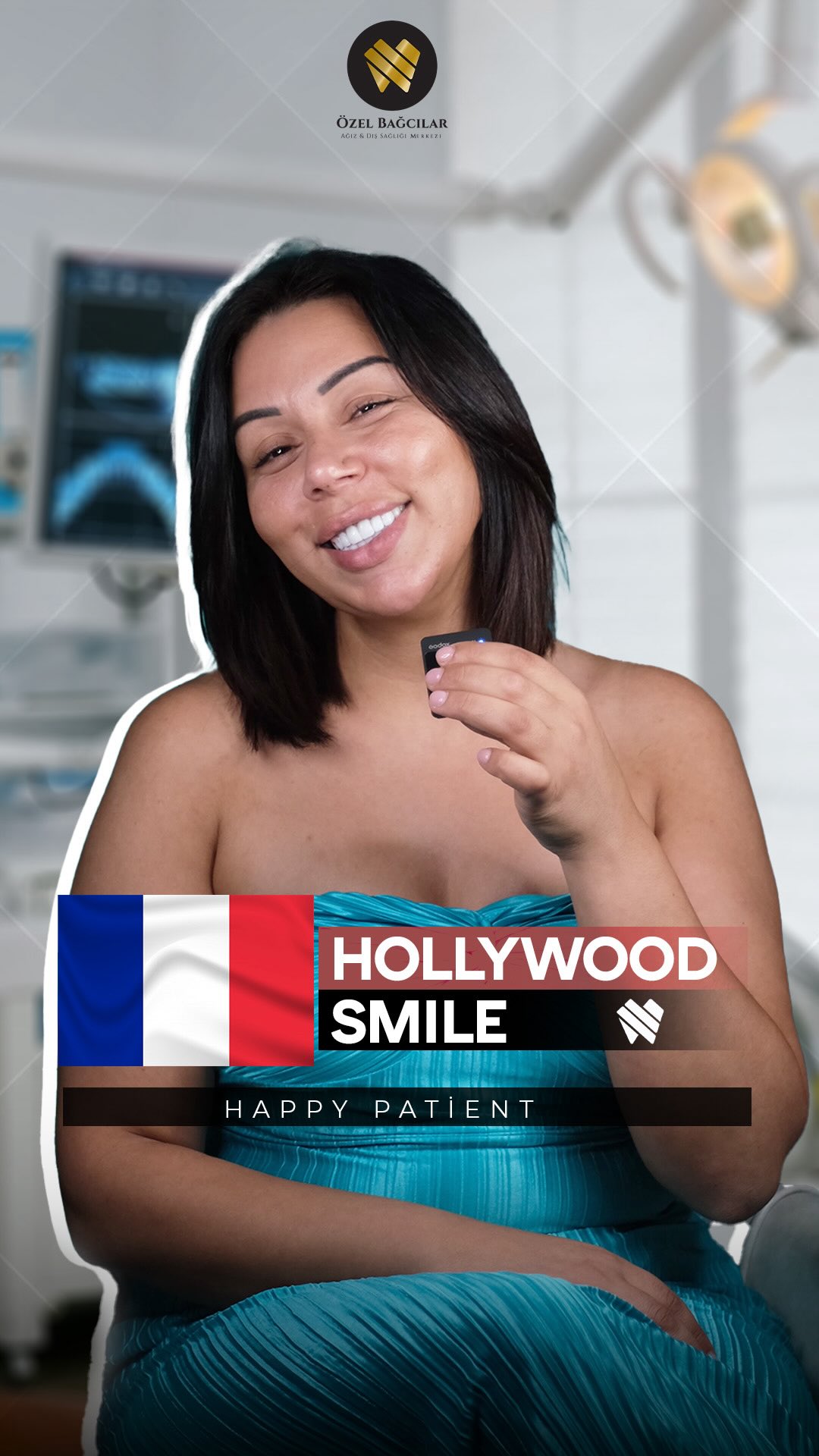
I chose it for Hollywood Smile from France. The attention of the doctors and the naturalness of the result were far beyond my expectations.

A
Ali Çelik ★★★★★

My root canal treatment was painless and I returned to work the same day. Modern devices make a difference, well done.

M
Maria Rossi ★★★★★

I came from Italy for zirconium. It is much more advantageous than Europe in terms of both price and quality. I definitely recommend it.

E
Emine Yılmaz ★★★★★

We came for my mother's prosthetic teeth, they were very interested. The patience shown to elderly patients is admirable.

V
Viktor Ivanov ★★★★★

After the smile design, my self-confidence skyrocketed. The clinic is clean and the team is friendly. I recommend it to everyone from Sofia.

A
Ayşe Kaya ★★★★★

I did not feel any pain during my implant treatment. The team is extremely attentive, I was informed at every stage. I love my new smile!

M
Mehmet Yıldız ★★★★★

My zirconium crowns looked very natural. It is excellent in terms of price-performance, I recommend it with peace of mind.

H
Hans Müller ★★★★★

I came from Germany for All-on-4 treatment. The clinic was very modern and hygiene was perfect. Translator support made my job much easier.

E
Elena Petrova ★★★★★

I came for my smile design; Everything was considered, including reception, hotel and transportation. My teeth were literally reborn.

F
Fatma Demir ★★★★★

My gum treatment was very successful. My doctor explained everything patiently, and my fear of the dentist was completely gone.

J
James Wilson ★★★★★

I came from London for laminate veneer. Professional team, painless procedure and great result. It was worth every penny.

Z
Zeynep Arslan ★★★★★

My orthodontic treatment proceeded as planned. The transparent record was very comfortable, no one even noticed. Thanks!

A
Andrei Popescu ★★★★★

I came from Romania for implants. From CT scan to treatment, everything started on the same day. I am very pleased with the result.

H
Hatice Şahin ★★★★☆

After teeth whitening, my teeth became visibly whiter. I got results in one session, it was very practical.

S
Sophie Dubois ★★★★★

I chose it for Hollywood Smile from France. The attention of the doctors and the naturalness of the result were far beyond my expectations.

A
Ali Çelik ★★★★★

My root canal treatment was painless and I returned to work the same day. Modern devices make a difference, well done.

M
Maria Rossi ★★★★★

I came from Italy for zirconium. It is much more advantageous than Europe in terms of both price and quality. I definitely recommend it.

E
Emine Yılmaz ★★★★★

We came for my mother's prosthetic teeth, they were very interested. The patience shown to elderly patients is admirable.

V
Viktor Ivanov ★★★★★

After the smile design, my self-confidence skyrocketed. The clinic is clean and the team is friendly. I recommend it to everyone from Sofia.

B
Burak Aydın ★★★★★

I had a combination of implant and zirconium. The result is incredibly natural. The appointment and follow-up process was very orderly.

A
Anna Schmidt ★★★★☆

My laminate veneer treatment went well. It took a little waiting, but the result was perfect. Thanks for the translator support.

S
Selin Koç ★★★★★

I had gum aesthetics and whitening. I have no hesitation when laughing anymore. I am grateful to the entire team.

R
Robert Brown ★★★★★

My All-on-6 treatment changed my life. I came from England; The attention shown and the result achieved were perfect.

G
Gülşah Eren ★★★★★

We came for my child's dental treatment, they treated the child patients very kindly. He was treated without fear, we are very happy.

D
Dimitar Georgiev ★★★★★

Implant prices are very affordable compared to Bulgaria, and the quality is high. The entire process was completed in 4 days.

O
Okan Demirtaş ★★★★★

I can't recognize myself in photos after my smile design. My doctor's sense of aesthetics is really good.

C
Claudia Fischer ★★★★★

I came for my implant treatment, it was painless and fast. The clinic is above German standards, I am very pleased.

M
Merve Polat ★★★★★

I had a combination of orthodontics and whitening. The result is great, the team is very professional and caring.

L
Lucas Martin ★★★★★

I came from Paris for laminate veneer. I was very pleased with the natural result and warm attention. Thanks!

İ
İbrahim Kara ★★★★☆

My dental bridge treatment was durable and comfortable. Pricing was transparent, there were no surprise fees.

N
Natalia Sokolova ★★★★★

I came from Russia for smile design. The service quality and attention were excellent, my teeth turned out as I dreamed.

D
Deniz Aksoy ★★★★★

I had teeth whitening in one session, the difference was immediately obvious. It was a fast, clean and professional experience.

T
Thomas Becker ★★★★★

I came for All-on-4 and walked out smiling the same day with temporary teeth. The interest and technology are top notch, thank you very much.

B
Burak Aydın ★★★★★

I had a combination of implant and zirconium. The result is incredibly natural. The appointment and follow-up process was very orderly.

A
Anna Schmidt ★★★★☆

My laminate veneer treatment went well. It took a little waiting, but the result was perfect. Thanks for the translator support.

S
Selin Koç ★★★★★

I had gum aesthetics and whitening. I have no hesitation when laughing anymore. I am grateful to the entire team.

R
Robert Brown ★★★★★

My All-on-6 treatment changed my life. I came from England; The attention shown and the result achieved were perfect.

G
Gülşah Eren ★★★★★

We came for my child's dental treatment, they treated the child patients very kindly. He was treated without fear, we are very happy.

D
Dimitar Georgiev ★★★★★

Implant prices are very affordable compared to Bulgaria, and the quality is high. The entire process was completed in 4 days.

O
Okan Demirtaş ★★★★★

I can't recognize myself in photos after my smile design. My doctor's sense of aesthetics is really good.

C
Claudia Fischer ★★★★★

I came for my implant treatment, it was painless and fast. The clinic is above German standards, I am very pleased.

M
Merve Polat ★★★★★

I had a combination of orthodontics and whitening. The result is great, the team is very professional and caring.

L
Lucas Martin ★★★★★

I came from Paris for laminate veneer. I was very pleased with the natural result and warm attention. Thanks!

İ
İbrahim Kara ★★★★☆

My dental bridge treatment was durable and comfortable. Pricing was transparent, there were no surprise fees.

N
Natalia Sokolova ★★★★★

I came from Russia for smile design. The service quality and attention were excellent, my teeth turned out as I dreamed.

D
Deniz Aksoy ★★★★★

I had teeth whitening in one session, the difference was immediately obvious. It was a fast, clean and professional experience.

T
Thomas Becker ★★★★★

I came for All-on-4 and walked out smiling the same day with temporary teeth. The interest and technology are top notch, thank you very much.

✦ Our Brands
Straumann
Nobel Biocare
Astra Tech
Medentika
Bredent SKY
Straumann
Nobel Biocare
Astra Tech
Medentika
Bredent SKY
✦ Contact
Get in touch

İstanbul Bağcılarour central clinic

Merkez Mahallesi 675. Sokak No: 1-7/A-B, 34203 Bağcılar/İstanbul, Turkey

Open in Google Maps