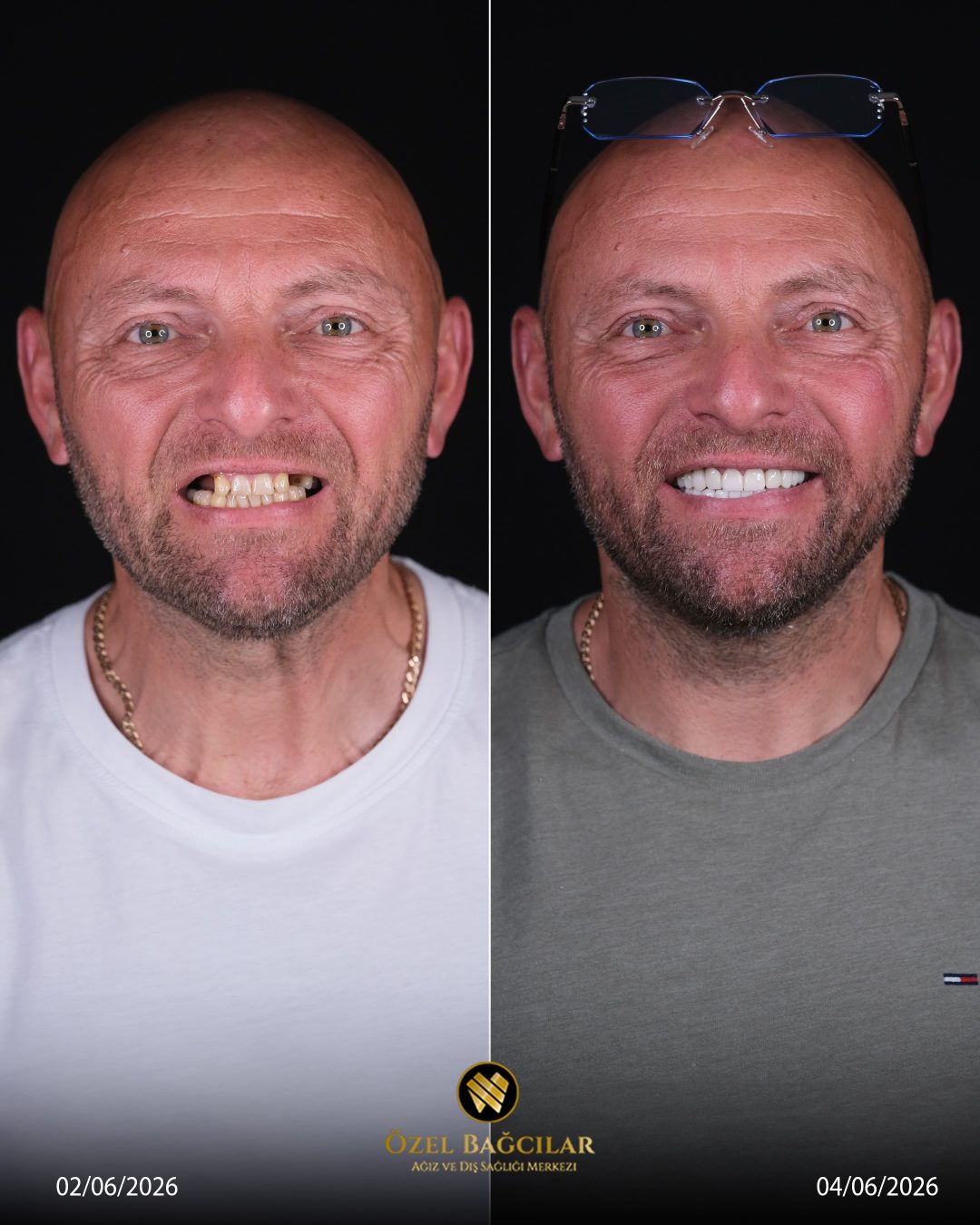
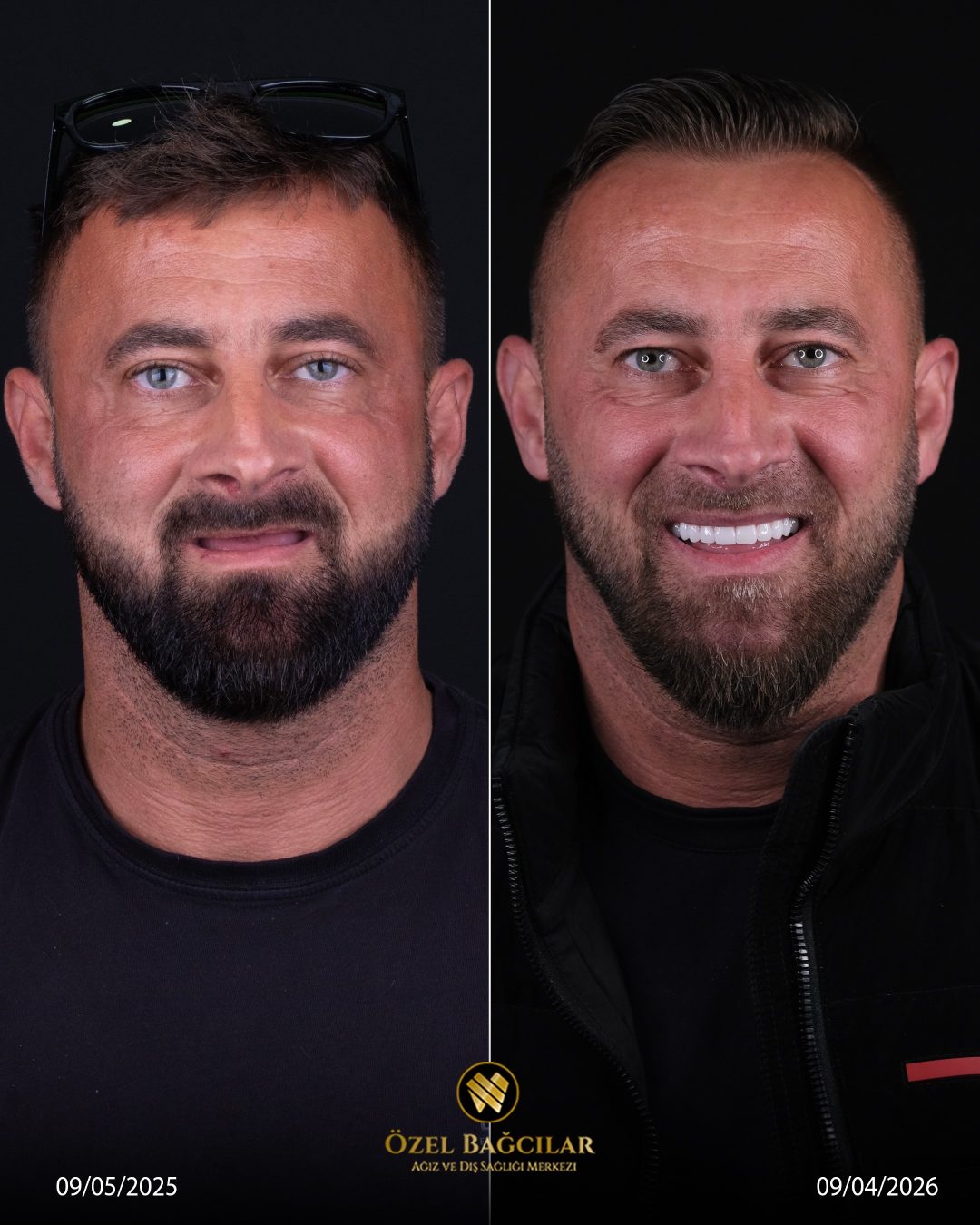
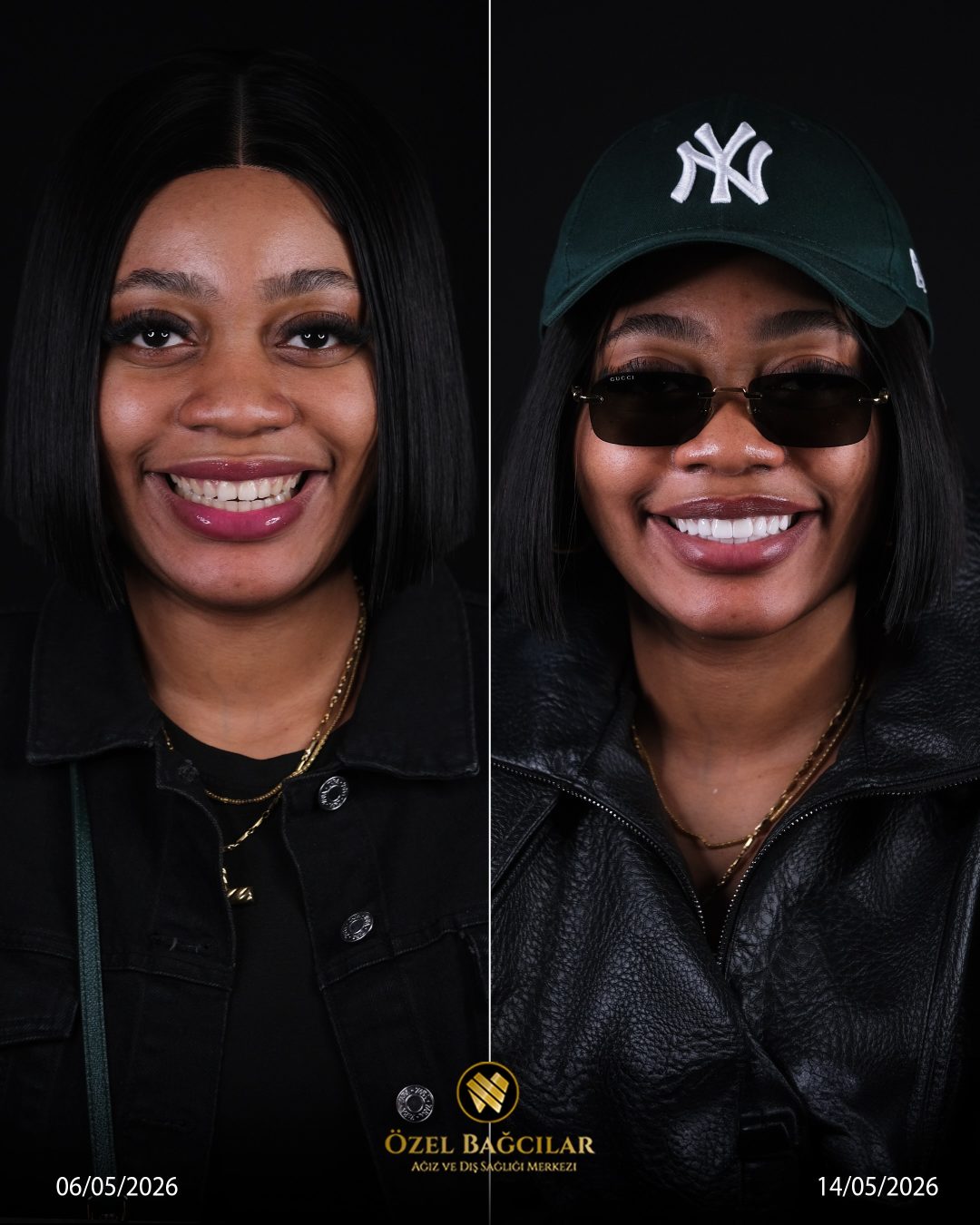
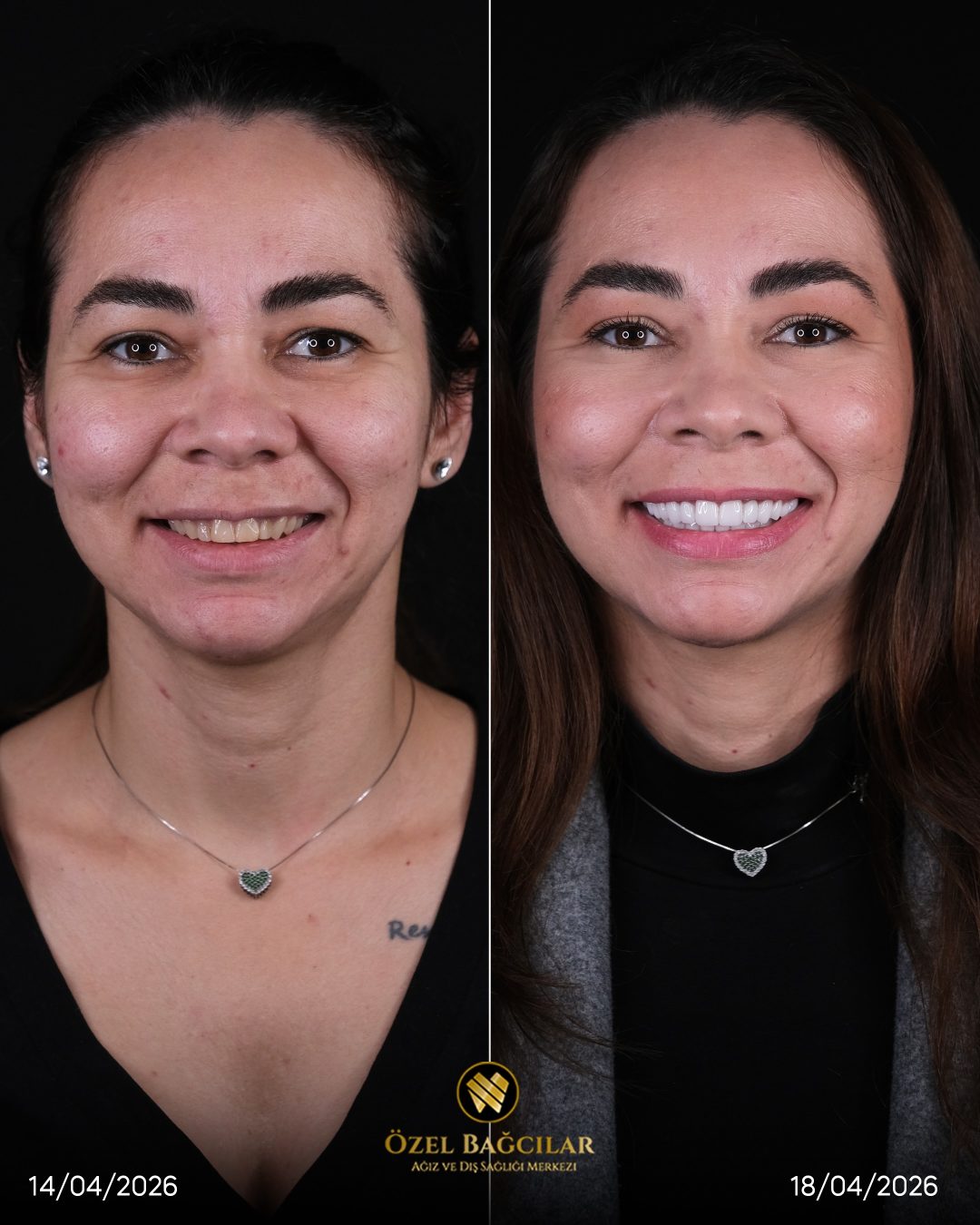
Google Reviews 4.6/5 1.682+ Happy Patients 30+ Countries

Braces or Clear Aligners — What Each One Can Actually Move

✦ Compare Options

Braces or Clear Aligners — What Each One Can Actually Move

What fixed braces can do that aligners cannot, where aligners are equal or better, and how the choice changes when you are travelling for treatment.

12+ Years of Experience
1682+ Happy Patients
25 Specialist Physicians
99% Success Rate
Lifetime Guarantee
Bağcılar Dental Clinic

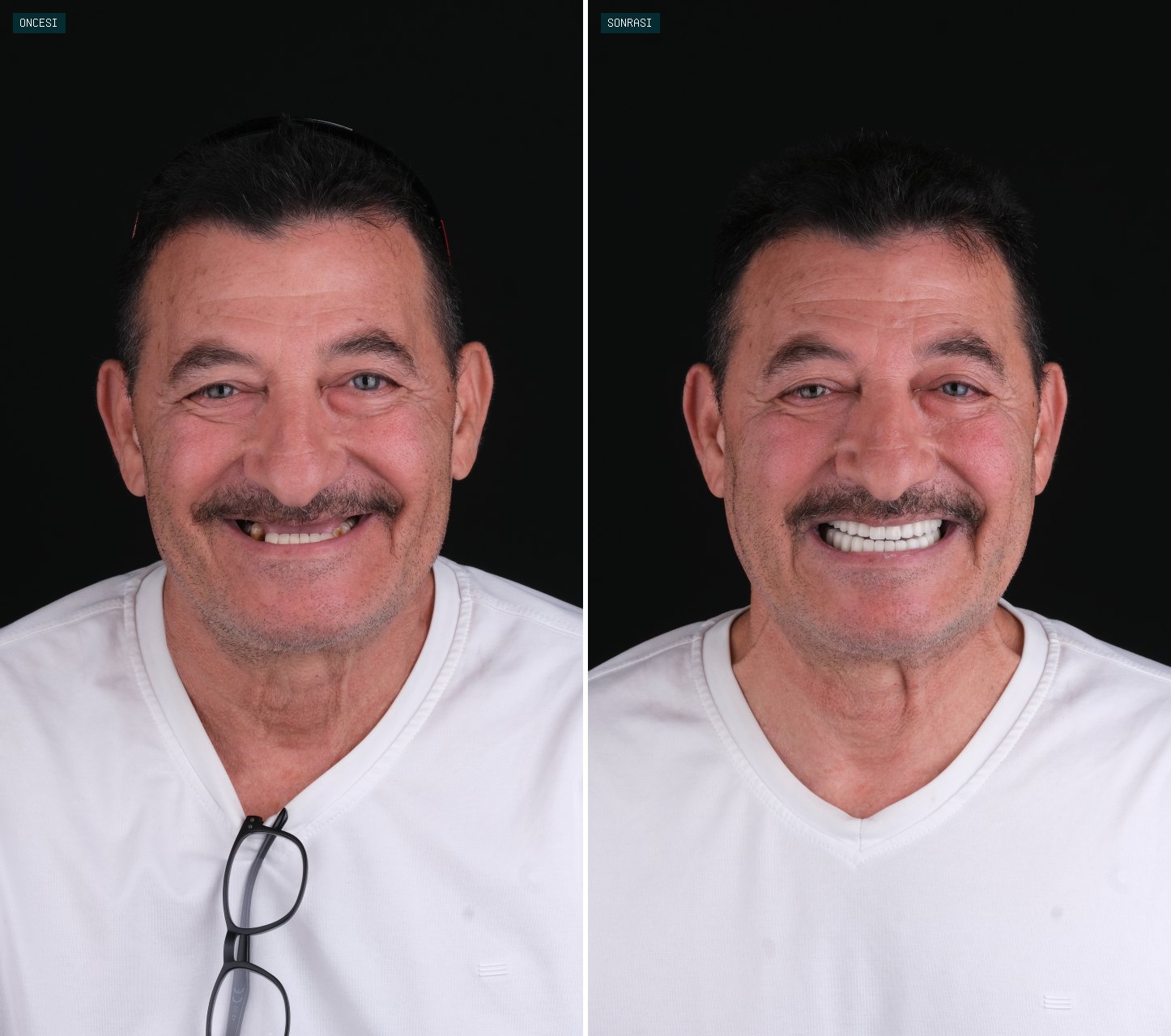
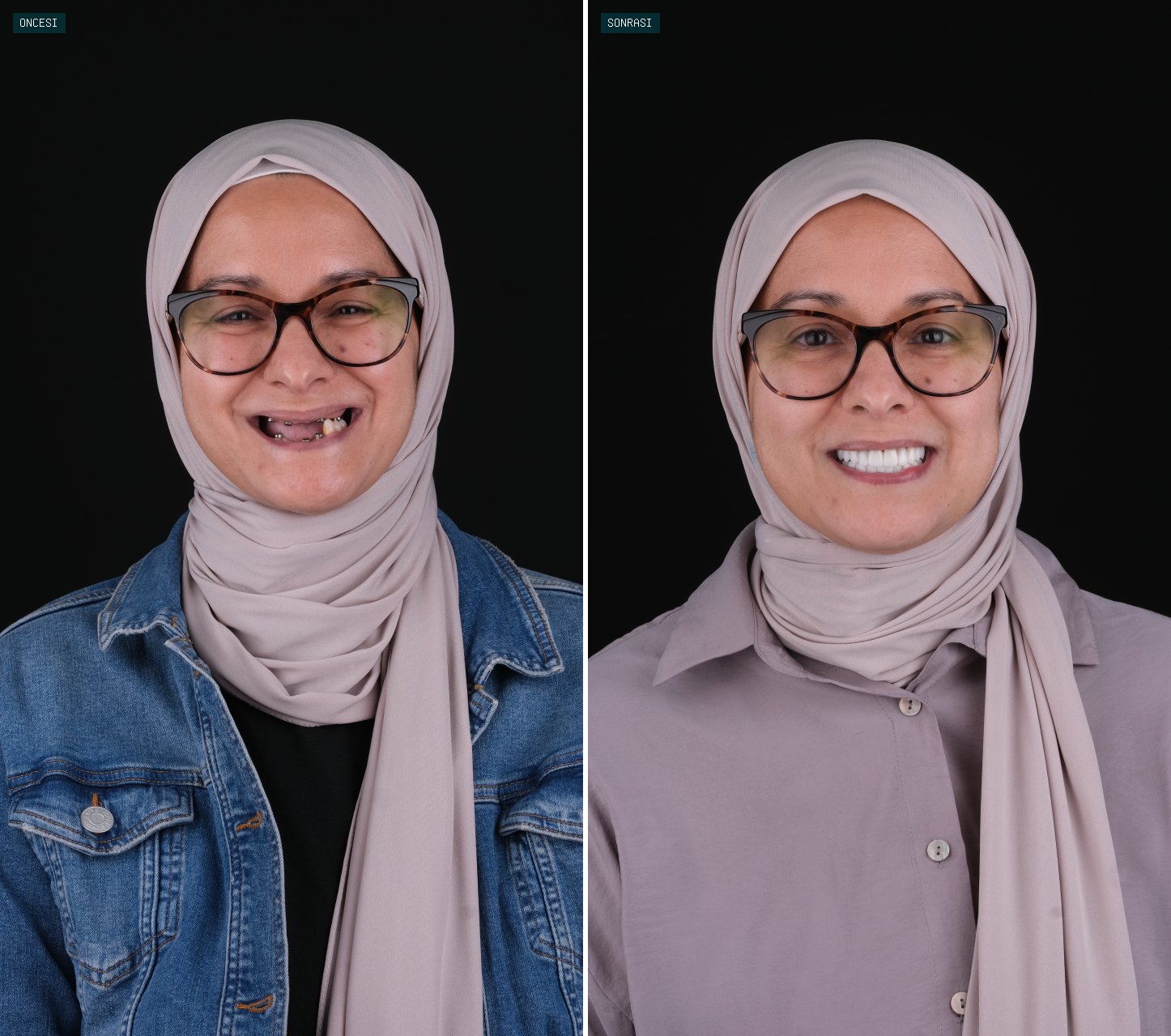
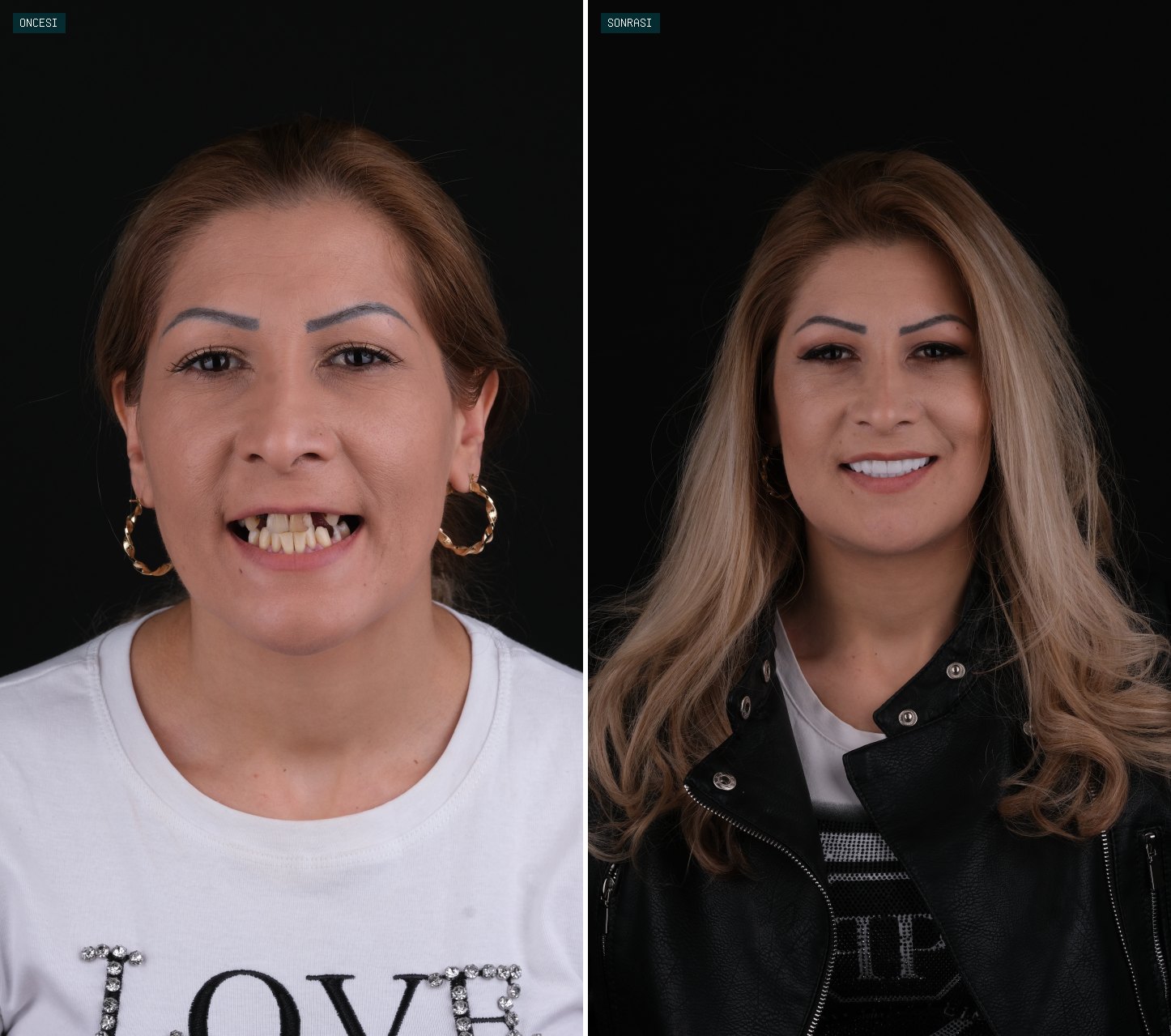
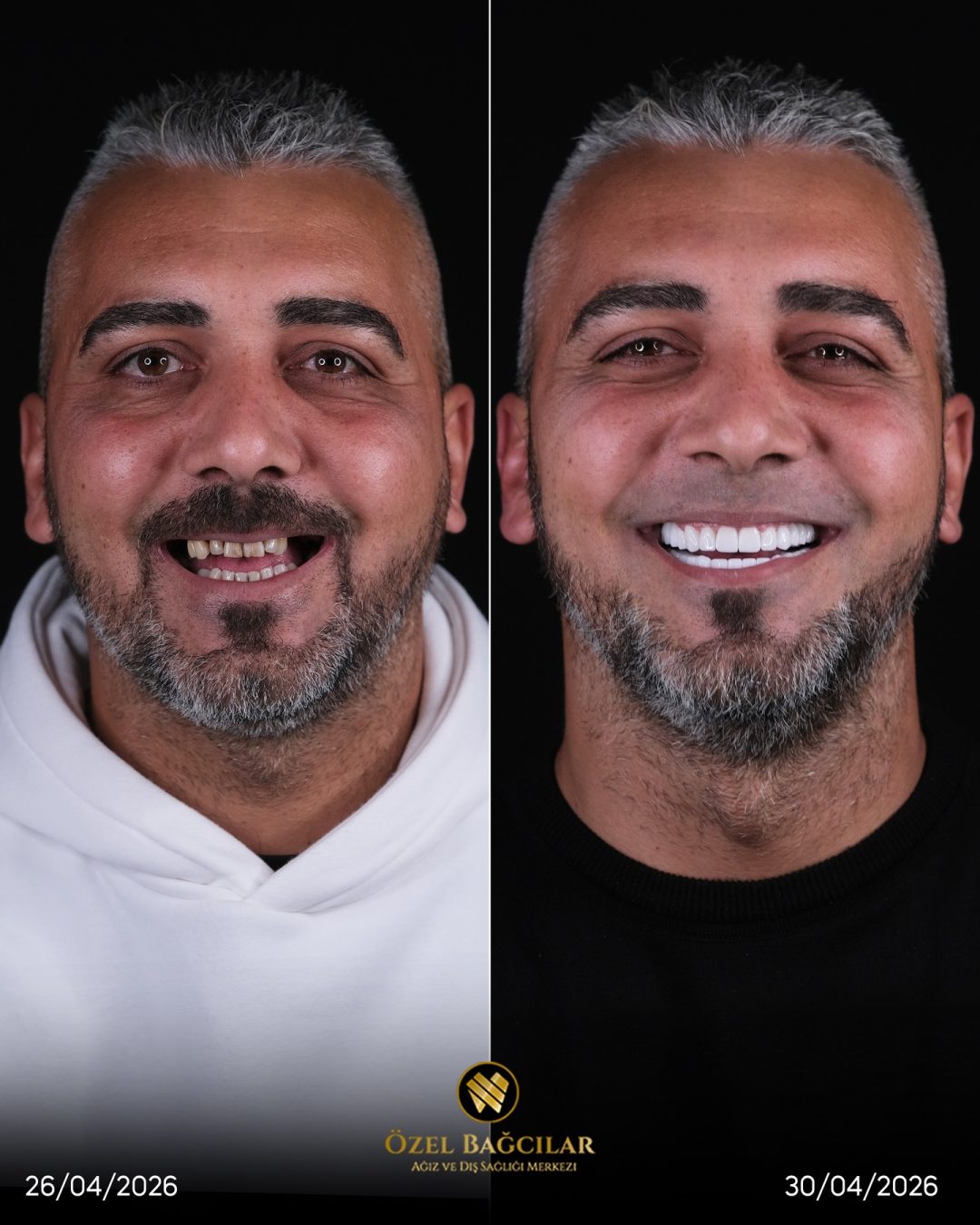
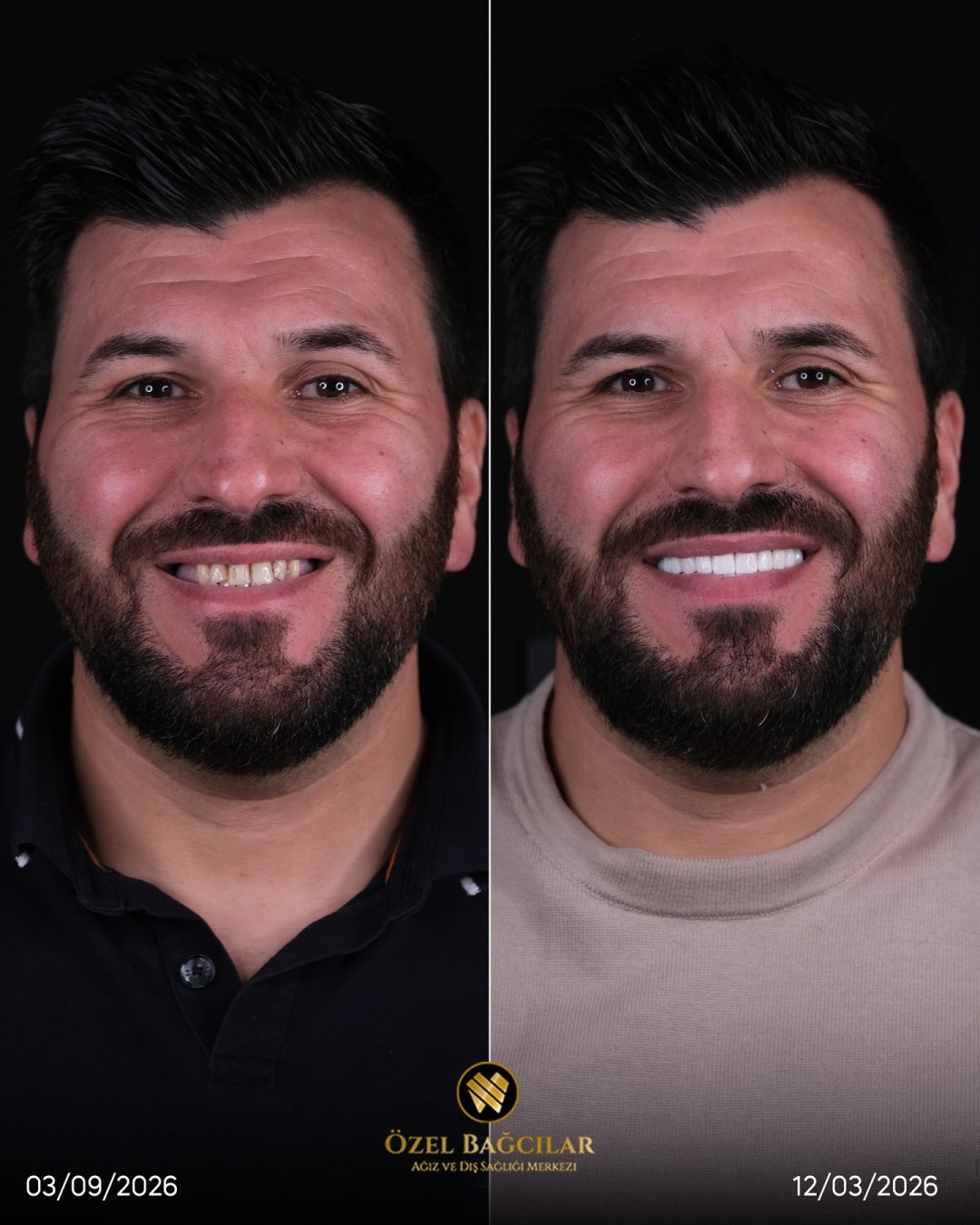
Before & After

Bağcılar Diş öncesi sonrası

The usual framing is visible versus invisible, and that is the least important difference between them. What actually separates fixed braces from clear aligners is the range of movements each can produce reliably, and how much of the outcome depends on the patient rather than the appliance.

Both move teeth through bone by applying light continuous force. Both take months to years depending on how far the teeth have to travel. Both require retention afterwards, permanently, and skipping that is what undoes the result.

Where they differ is in the difficult movements — rotating a round tooth, moving a root bodily through bone, closing a large extraction space, correcting a significant bite discrepancy. Fixed braces do those things more predictably.

This page sets out which cases suit which, what changes when you are not local, and the part of the decision that has nothing to do with appearance.

How Both Actually Move Teeth

A tooth sits in bone, attached by a ligament a fraction of a millimetre thick. Sustained light force compresses that ligament on one side, and the bone there resorbs; on the other side it stretches, and new bone forms. The tooth moves into the space its own body has made.

This is why the force has to be light and continuous. Heavy force does not move teeth faster — it damages the ligament and can shorten roots. Both appliances are designed around this biology, and neither can outrun it.

Fixed braces deliver force through a wire engaged in brackets bonded to each tooth. Because the bracket grips the tooth in three dimensions, the wire can push, pull, rotate and tip individual teeth with a great deal of control.

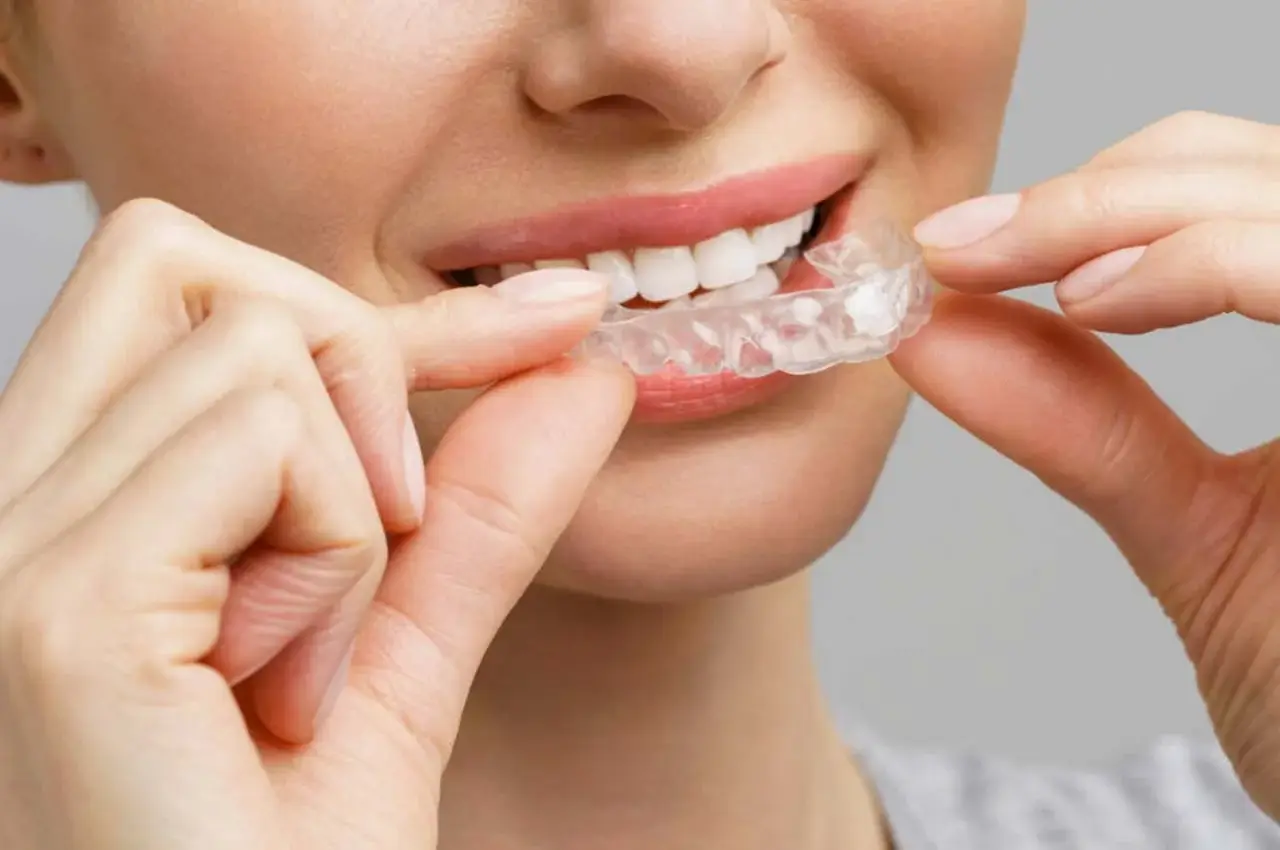
Aligners deliver force through a shell that fits over the whole arch, slightly differently shaped from the current position. The shell squeezes teeth towards the new shape. That works well for some movements and poorly for others, and the difference explains most of what follows.

One consequence of that biology is worth stating early: a tooth that is loose because of bone lost to gum disease cannot simply be moved into line. The support has to be stabilised first, and in adults that assessment comes before any discussion of which appliance to use.

What Fixed Braces Do Better

Rotations, particularly of round teeth. A canine or premolar rotated in its socket is difficult for a shell to grip — the aligner tends to slide around it rather than turn it. A bracket bonded to that tooth grips it directly.

Bodily movement, where the whole tooth including the root has to translate through bone rather than tip. Aligners tend to tip crowns while leaving roots behind, which looks corrected from the front and is not corrected at all.

Large space closure, such as after an extraction. Moving a tooth a substantial distance and keeping its root upright as it goes is one of the things fixed appliances do most reliably.

And significant bite correction — where the upper and lower arches meet wrongly rather than the teeth simply being crooked. Fixed braces combined with elastics, and in severe cases with surgery, remain the treatment for that.

Extrusion — pulling a tooth further out of the bone — is the other movement where brackets have a clear advantage. It matters where a tooth sits higher than its neighbours and the gum line follows it, since no amount of restorative work corrects a gum margin that is in the wrong place.

What Aligners Do Equally Well or Better

Mild to moderate crowding, which is by a wide margin the most common reason adults seek treatment. Where teeth need to be lined up rather than substantially relocated, aligners produce excellent results.

Spacing and small gaps. Closing diastemas and evening out spacing is well within what a shell can do, and the result is frequently faster than with fixed braces because the movements are small.

Relapse after previous orthodontics, which is extremely common in adults who stopped wearing retainers. The teeth have been in the correct position before, the movements needed are small, and aligners handle it neatly.

And anything where hygiene is a concern. Aligners come out to eat and to brush, so cleaning is unchanged throughout treatment. Fixed braces make cleaning harder at exactly the time it matters most, and decalcification around brackets is a real risk in a patient who does not manage it.

Closing a single central space is among the neatest aligner cases there is. The options for a midline gap include bonding and veneers, and where the teeth themselves are healthy, moving them together removes nothing at all.

Braces and Aligners Compared, Line by Line

The table sets out the practical differences. The compliance row is the one that decides most outcomes and the one least often discussed at the consultation.

Braces against aligners — the compliance row decides more outcomes than any other
Fixed bracesClear aligners
Complex rotationsPredictableDifficult without attachments
Bodily root movementPredictableLimited
Large space closurePredictableLimited
Mild to moderate crowdingEffectiveEqually effective
Bite correctionYes, with elastics or surgeryLimited to mild cases
Depends on patientNo — always workingYes — around 22 hours daily
Cleaning during treatmentHarder; decalcification riskUnchanged; removed to brush
VisibleYes, unless lingual or ceramicBarely
Visits neededEvery four to eight weeksFewer; several sets issued at once
EmergenciesLoose brackets, poking wiresRare — a lost aligner at most

Read the last two rows with travel in mind. For a patient who is not local, the visit frequency and the absence of bracket emergencies are practical advantages that outweigh some clinical ones.

Attachments, and Why Aligners Are Not Invisible

This is the most common surprise, and it is worth knowing before committing. Aligner treatment for anything beyond the simplest cases uses attachments — small tooth-coloured composite shapes bonded to the teeth.

They exist because a smooth shell cannot grip a smooth tooth well enough to produce certain movements. The attachment gives the aligner something to push against, which is what makes rotations and extrusions possible at all.

They are tooth-coloured and small, but they are visible at conversational distance, particularly on front teeth. A patient expecting a genuinely invisible treatment and finding a row of small bumps has been under-informed rather than misled.

They are removed at the end of treatment with no damage to the tooth. Nothing is drilled and no enamel is lost — which is worth stating clearly, because it is the main reason orthodontics remains the conservative answer to crooked teeth.

Their number falls as treatment progresses in some plans and rises in others, depending on which movements are scheduled when. Ask to see where they will be placed on the simulation before approving it — front teeth carrying several attachments change how discreet the treatment actually is.

Compliance: The Variable That Decides the Outcome

Fixed braces work whether or not the patient cooperates, because they cannot be removed. Aligners work only while they are in, and the required wear is around twenty-two hours a day, every day.

That means removing them only to eat and to clean the teeth. Two hours a day is the whole allowance, and it disappears quickly across three meals, coffee and an evening drink. Aligners come out for anything other than water.

Under-wear does not slow treatment proportionally — it derails it. The next aligner in the series is shaped for teeth that have completed the previous movement, and if they have not, it no longer fits and the sequence stops tracking.

Being honest with yourself about this is the most useful thing you can do at the consultation. A patient who knows they will not manage it is better served by fixed braces, and there is nothing disappointing about that conclusion.

Treatment Time and What Affects It

For comparable cases the two are broadly similar, and claims that either is dramatically faster should be treated carefully. Biology sets the pace, and it is the same biology in both.

Simple crowding or relapse commonly resolves in months rather than years with either appliance. Comprehensive treatment involving extractions or bite correction takes considerably longer, often eighteen months to two years, again with either.

What genuinely varies is how much movement is needed, the patient's age — bone remodels more slowly in adults than in teenagers — and, with aligners, wear time. That last factor is the one that produces the wide range in reported durations.

Accelerated protocols exist and their evidence is mixed. The honest position is that a well-planned case moves at a predictable rate, and shortcuts that promise dramatic acceleration are usually selling something other than tooth movement.

Orthodontics is also the treatment least compatible with a fixed travel plan, since it runs across months rather than days. The timetables for other treatments are measured in working days; this one is measured in review points, and it needs planning differently.

The Stage Everyone Neglects: Retention

Teeth move for life. The ligament and the fibres around each tooth have memory, and without something holding the corrected position they drift back — slowly, over years, and in a way most patients do not notice until it is obvious.

Retention is permanent, not a phase. A fixed retainer is a thin wire bonded behind the front teeth, invisible and requiring only that it is checked periodically. A removable retainer is a clear shell worn at night indefinitely.

Most orthodontic relapse in adults comes from stopping retention, not from failed treatment. Someone whose teeth were straightened at sixteen and are crowded again at thirty-five almost always stopped wearing a retainer at eighteen.

Ask what retention is included before agreeing to treatment. A plan that ends at the last aligner and treats retainers as an extra has left out the part that determines whether the result lasts.

A bonded retainer needs its own maintenance. It collects deposits behind the front teeth where a brush reaches poorly, so cleaning under it with floss threaders or an interdental brush becomes part of the daily routine — otherwise it protects the alignment while quietly costing you gum health.

When You Are Travelling for Treatment

This is where the practical comparison diverges from the clinical one. Orthodontics takes months, and neither appliance can be compressed into a single trip. What differs is how the months are managed from a distance.

Fixed braces need adjustment every four to eight weeks, and a loose bracket or a poking wire needs attention within days. For a patient living in another country, that is a genuine logistical problem rather than an inconvenience.

Aligners are issued in sets. Several months of aligners can be provided at once, with progress reviewed remotely through photographs, and in-person visits concentrated at the start and at review points.

That is why aligners are usually the more workable answer for international patients, even in cases where fixed braces would be marginally better clinically — how aligner treatment is arranged from abroad sets out the actual schedule.

Plan the review points around trips you were making anyway where possible. Combining an orthodontic review with another treatment visit is common, and it is one of the reasons alignment often runs alongside a longer restorative plan rather than delaying it.

Ceramic and Lingual Braces

Between the two main options sit two variations on fixed braces, and both are worth knowing about because they solve the appearance objection without giving up the mechanical control.

Ceramic brackets are tooth-coloured and bonded to the front of the teeth like conventional ones. They are far less visible than metal, somewhat more fragile, and the elastic ties can discolour between appointments in patients who drink a lot of coffee.

Lingual braces are bonded to the back of the teeth and are genuinely invisible from the front. They are the most technically demanding option, take longer to adapt to in speech, and are more expensive — but they deliver full fixed-brace control with no visible appliance at all.

For an adult whose case genuinely needs fixed appliances but who cannot accept visible ones, lingual treatment is often a better answer than compromising the plan to fit aligners.

Both carry the same hygiene caution as metal brackets. Anything bonded to the teeth makes cleaning harder, and decalcification — chalky white marks around where the bracket sat, which often fade only partly and sometimes need treating — is the avoidable damage that follows. It is prevented by technique rather than by luck.

Orthodontics Against the Restorative Alternative

The comparison that matters more than braces against aligners is orthodontics against veneers, because that is the decision with irreversible consequences.

Moving teeth removes no tooth structure at all. Attachments and brackets are bonded and removed with almost nothing lost, though interproximal reduction where it is planned does remove a fraction of a millimetre of enamel. At the end of treatment the teeth are in a better position and are otherwise exactly as they started.

Restoring teeth into a simulated alignment removes enamel from every tooth involved, permanently, and commits each of them to being restored for life. On sound unrestored teeth in a young patient, that is a poor trade for a faster result.

Sometimes the answer is both, in sequence: align first, then a small amount of bonding or two veneers to finish shape and shade. That combination usually needs far fewer restorations than the restorative-only plan — as the coverage comparison and the design process both set out.

There is one case where restoration genuinely wins: where the teeth in question are already crowned or heavily filled. Moving a restored tooth into position and then restoring it again achieves little, and rebuilding it directly is both faster and no more destructive than it already is.

Cost and What Drives It

Both are priced by complexity rather than by appliance, and a straightforward case costs less than a comprehensive one whichever route is chosen. The number of aligners, or the months in fixed appliances, is what moves the figure.

Aligner treatment carries a laboratory and planning cost that fixed braces do not, because every aligner in the series is manufactured individually from a digital plan. Fixed braces carry more chair time instead, spread across the adjustment appointments.

Additional aligners — refinement sets, issued when the teeth have not tracked exactly as planned — are a normal part of treatment rather than a failure. Ask whether they are included, because it is a common gap in a quoted figure.

Retention should be in the quote too. How orthodontic treatment is quoted sets out the lines a complete proposal contains and what an incomplete one leaves for later.

Ask what happens if treatment runs longer than planned. With fixed braces that means additional adjustment appointments; with aligners it means additional sets. Neither is unusual, and whether either is chargeable should be established at the consultation rather than discovered at month fourteen.

Which Appliance We Recommend, and Why

From the records rather than from a preference. A panoramic radiograph, a lateral cephalogram where the bite relationship matters, photographs and a scan of both arches — those establish what actually needs to move and whether it can be moved by a shell.

Where a case is within aligner range, we say so and set out the wear requirement honestly, including what happens if it is not met. Where it is not — significant rotations, bodily movement, large space closure, real bite correction — we say that too rather than accepting a plan that will not deliver.

For patients travelling, the schedule is designed around the trips rather than around a local patient's calendar. That usually means aligners issued in batches with remote review between visits, and it is planned before you commit rather than improvised afterwards.

Retention is part of every orthodontic plan here, not an addition at the end. What is included is written down, alongside the guarantee terms covering materials and workmanship for life, on materials and workmanship, in writing.

Frequently Asked Questions

Are clear aligners as effective as braces?
For mild to moderate crowding, spacing and relapse, yes — equally effective and often more comfortable. For complex rotations, bodily root movement, large space closure and real bite correction, fixed braces remain considerably more predictable. The assessment comes from records rather than from photographs or a preference.
Are aligners really invisible?
Nearly, but not entirely. Most cases need attachments — small tooth-coloured composite shapes bonded to the teeth to give the aligner something to grip. They are discreet but visible at conversational distance, and expecting otherwise leads to disappointment. Ask to see where attachments will sit on the simulation before approving the plan.
How many hours a day do I have to wear aligners?
Around twenty-two. That means removing them only to eat and to clean your teeth, and for nothing else — anything other than water goes in with the aligners out. Two hours a day disappears faster than most people expect. Anything other than water means taking them out and rinsing before they go back in.
What happens if I do not wear them enough?
The sequence stops tracking. Each aligner is shaped for teeth that have completed the previous movement, so if they have not, the next one no longer fits properly. It does not slow treatment proportionally — it derails it and needs new aligners made.
Do attachments damage my teeth?
No. They are bonded composite, removed at the end with nothing drilled and no enamel lost. This is a large part of why orthodontics remains the conservative answer to crooked teeth compared with preparing them for veneers. The tooth surface underneath is polished at removal and is exactly as it started.
Which is faster?
Neither, meaningfully, for comparable cases — biology sets the pace and it is the same biology. What varies is how much movement is needed, the patient's age, and with aligners how consistently they are worn. Claims of dramatic acceleration deserve scepticism.
Can aligners fix my bite?
Mild discrepancies, often yes. Significant ones, no — correcting how the arches meet rather than how the teeth are arranged usually needs fixed appliances with elastics, and in severe cases a surgical component. That assessment comes from records, not photographs. Elastics hooked between the arches extend what aligners manage, within limits.
Will I need to wear a retainer forever?
Yes, in some form. Teeth drift throughout life, and retention is a permanent stage rather than a phase. That is either a thin wire bonded behind the front teeth or a clear shell worn at night. Most adult relapse comes from stopping.
Which is better if I live abroad?
Usually aligners. Several months of aligners can be issued at once with progress reviewed remotely, while fixed braces need adjustment every four to eight weeks and can produce loose brackets that need attention within days. Review points can often be combined with visits you were already making.
Are ceramic braces a good compromise?
For someone whose case needs fixed appliances but who cannot accept metal, yes. They are tooth-coloured, somewhat more fragile, and the elastic ties can discolour between appointments. Lingual braces, bonded behind the teeth, are genuinely invisible but more demanding.
Is orthodontics better than veneers for crooked teeth?
For sound unrestored teeth, almost always. Moving teeth removes no structure; veneers remove enamel permanently from every tooth involved. Alignment is slower, and on young healthy teeth that is a trade worth making. Where the teeth are already crowned or heavily filled, that calculation reverses.
Can I have orthodontics as an adult?
Yes — bone remodels more slowly than in a teenager so treatment can take longer, but the biology is the same. The main additional consideration is gum health: active periodontal disease must be treated and stabilised before any teeth are moved.
What are refinement aligners?
Additional aligners made partway through when the teeth have not tracked exactly as planned. They are a normal part of treatment rather than a sign anything went wrong. Ask whether they are included in the quoted figure, because it is a common gap.
Does treatment hurt?
Both cause pressure and tenderness for a day or two after each adjustment or new aligner, which is the ligament responding. Fixed braces additionally rub against the cheeks and lips at first. Neither should produce sharp pain, and if it does something needs checking.
How is treatment scheduled if I am travelling?
Records and the plan on the first trip, then aligners issued in batches with photographic review between visits, and in-person appointments concentrated at review points. The schedule is designed around your trips before you commit rather than improvised afterwards.

Ready to start your treatment?

Get a free online assessment and a transparent treatment plan from our Istanbul clinic.

Contact
✦ Our Patients
✦ Our Clinic
✦ Our doctors

Our Expert Staff

A safe, comfortable and transparent treatment process at every stage with our experienced physicians.

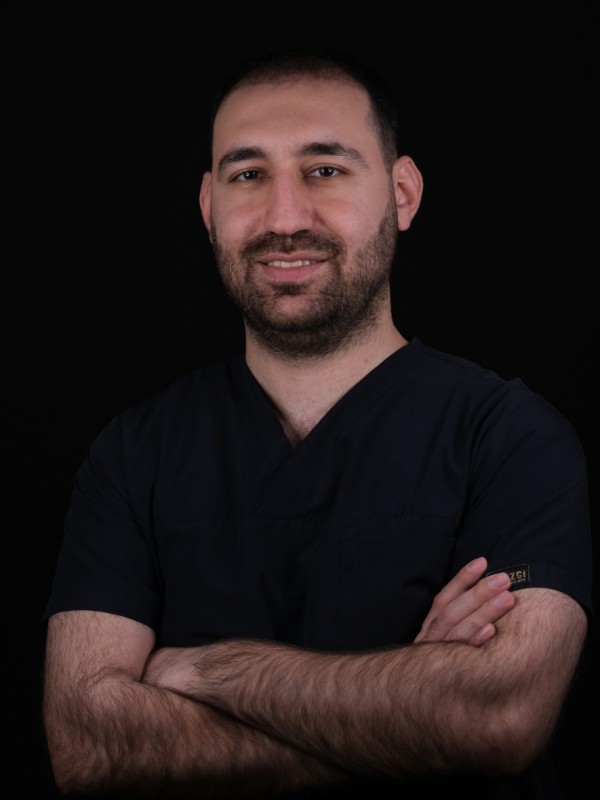
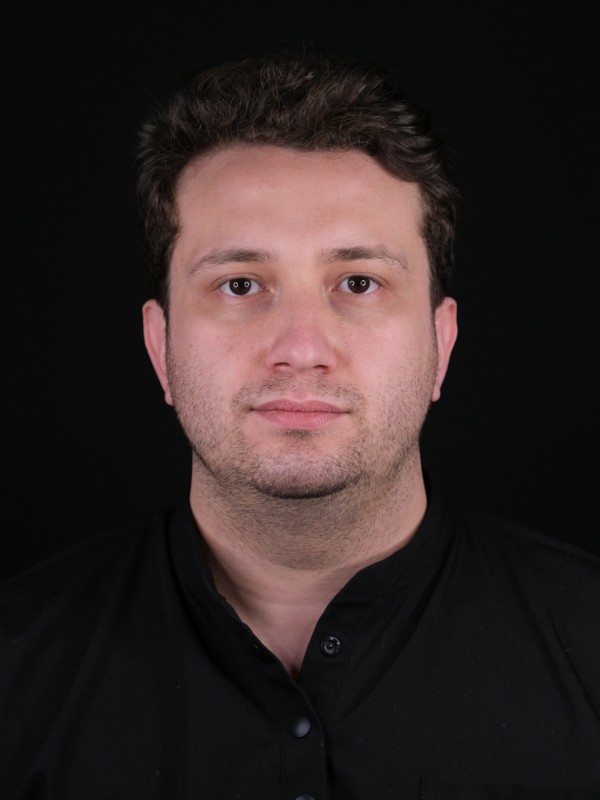
Dt. Muhammed Yancar

Dt. Muhammed Yancar

Responsible Manager · Dentist

He graduated from Okan University Faculty of Dentistry (2022). He works as the responsible manager and dentist at Bağcılar Dental Polyclinic. He is a member of the Turkish Prosthodontics and Implantology Association (TPİD) and the Turkish Dental Association (TDB).

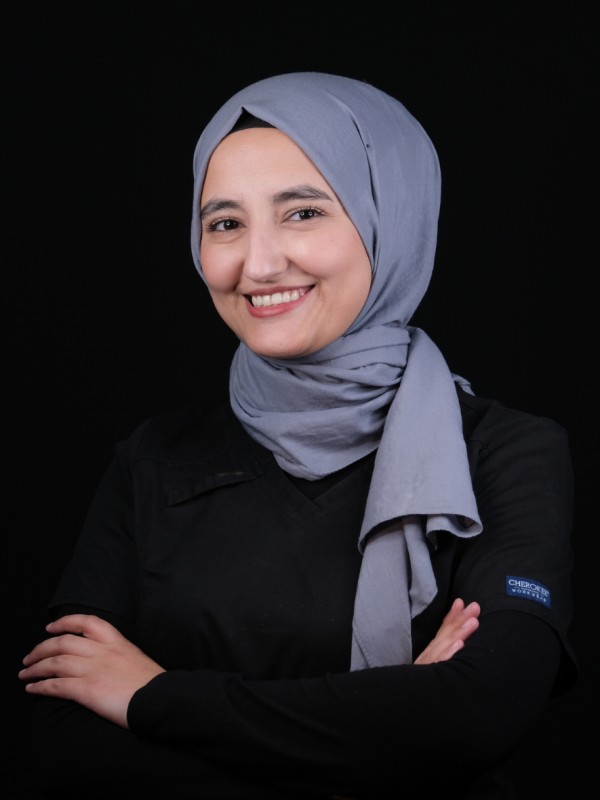
Dr. Dt. Remziye Kuşağlı

Dr. Dt. Remziye Kuşağlı

Responsible Dentist

He graduated from Dicle University Faculty of Dentistry (2005); He has 21 years of experience. It specializes in implant-supported dentures, All-on-4/All-on-6, zirconium, laminate and E-max coating treatments. He is a member of TDB.

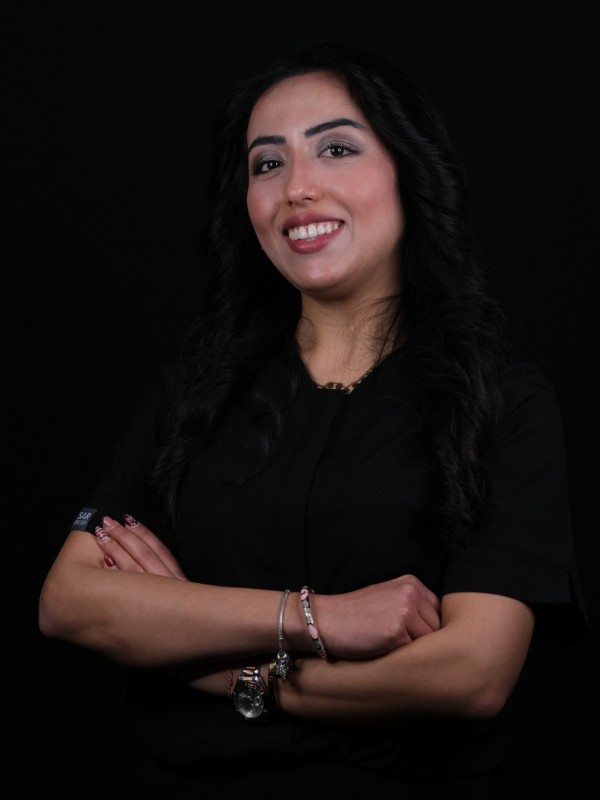
Uzm. Dr. Dt. Nazlı Altın

Uzm. Dr. Dt. Nazlı Altın

Oral and Maxillofacial Surgery Specialist

He graduated from Istanbul University Faculty of Dentistry; He completed his doctorate in oral, dental and maxillofacial surgery. He specializes in complex cases with implant surgery, jaw surgery and bone grafting.
Uzm. Dt. Uğur Derdiyok

Uzm. Dt. Uğur Derdiyok

Oral and Maxillofacial Surgery Specialist

He graduated from Ankara University Faculty of Dentistry; He completed his specialization in oral, dental and maxillofacial surgery at Kırıkkale University. He is an expert in surgical practices with 11 years of experience.

Uzm. Dt. Ceren Çetinkaya

Uzm. Dt. Ceren Çetinkaya

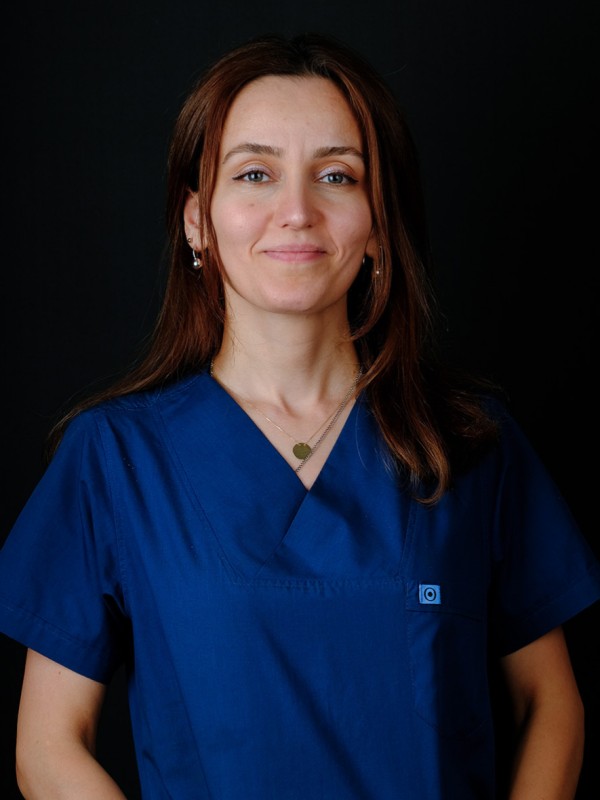
Orthodontic Specialist

He graduated from Ege University Faculty of Dentistry; He completed his orthodontics specialization at Istanbul University. He is experienced in fixed and transparent plate treatments and focuses on functional and aesthetic results.

Dr. Dt. Hakan Şahin

Dr. Dt. Hakan Şahin

Pedodontics Specialist (Pediatric Dentist)

He graduated from Atatürk University Faculty of Dentistry; He completed his pedodontics specialization. It has been providing preventive and therapeutic services in children's dental health for many years.

Uzm. Dt. Natiga Israfilova

Uzm. Dt. Natiga Israfilova

Prosthetic Dentistry Specialist

He is a graduate of Azerbaijan Medical University; He completed his prosthetic dentistry specialization at Eskişehir Osmangazi University. With 20 years of experience, he is an expert in implant prostheses, All-on-4/6, zirconium, laminate and E-max applications.

Dt. Nur Küçük

Dt. Nur Küçük

Prosthodontics & Digital Dentistry

He graduated from Istanbul Medipol University, Department of Dentistry; He continues his doctoral education in prosthetic dentistry. He works on aesthetic and functional restorations and smile design with CAD/CAM systems.

Dt. Mehmet Emin Ceylan

Dt. Mehmet Emin Ceylan

Implant & Prosthesis

He graduated from Istanbul Aydin University Faculty of Dentistry; He has 7 years of experience. He specializes in implant-supported dentures, All-on-4/All-on-6 restorations, full mouth dentures and zirconium applications.

Dt. Zeynep Demirhan

Dt. Zeynep Demirhan

Prosthodontics & Aesthetic Dentistry

He graduated from Bezmiâlem Vakıf University, Faculty of Dentistry. He is experienced in prosthetic treatments, smile design, implant-supported prostheses and treatments under sedation; focuses on patient satisfaction.

Dt. Seda Şahle Alemdar

Dt. Seda Şahle Alemdar

Implant & Aesthetics · Digital

He graduated from Abant İzzet Baysal University Faculty of Dentistry (2020). He is experienced in implant-supported dentures, smile design, digital measurement systems and aesthetic restorations.

Dt. Muhammed Ali Almaz

Dt. Muhammed Ali Almaz

Implant & Aesthetic Dentistry

He graduated from Gazi University Faculty of Dentistry (2021); He has 5 years of experience. He works with health tourism patients in the fields of implant prostheses, All-on-4, zirconium, aesthetic fillings and teeth whitening.
Dt. Berkay Pehlivanoğlu

Dt. Berkay Pehlivanoğlu

Restorative & Prosthetic

He graduated from Marmara University Faculty of Dentistry (2021); He has 6 years of experience. He works in the fields of endodontics (root canal treatment), restorative treatments, zirconium/E-max/laminate prosthesis and implant-supported prosthesis.

Dt. Esranur Çelik

Dt. Esranur Çelik

Restorative & Periodontology

He graduated from Süleyman Demirel University Faculty of Dentistry (2017); He has 9 years of experience. He works in periodontology (gum), restorative and endodontic treatments and aesthetic smile design.

Dt. Havva Öztürk

Dt. Havva Öztürk

General & Restorative Dentistry

He graduated from Bolu Abant İzzet Baysal University Faculty of Dentistry (2023). Works in restorative, endodontic, periodontal, prosthetic and pedodontic treatments; Follows current treatments closely.

Dt. Sümeyya Aydınlık

Dt. Sümeyya Aydınlık

Dentist

He graduated from Istanbul Yeni Yüzyıl University, Department of Dentistry (2020); Has approximately 5 years of experience. In addition to general dentistry, he works in implant prosthesis, restorative and endodontic treatments.

Dt. Hasip Altun

Dt. Hasip Altun

General Dentistry

He graduated from Yüzüncü Yıl University Faculty of Dentistry (2018). He has clinical experience in general dentistry and restorative treatments; It stands out with its patient-oriented approach.

Dt. Birsen Er

Dt. Birsen Er

Implant & Aesthetic Dentistry

He graduated from Istanbul University Faculty of Dentistry (2002); He has 24 years of experience. He works in the fields of implant-supported prostheses, All-on-4, zirconium restorations, aesthetic fillings, root canal treatment (endodontics) and teeth whitening.

✦ Our Videos
✦ Trusted Worldwide

What Our Patients Say

Google★★★★★
Trustpilot★★★★★
4.6/5 1.682+ Happy Patients 30+ Countries
A
Ayşe Kaya ★★★★★

I did not feel any pain during my implant treatment. The team is extremely attentive, I was informed at every stage. I love my new smile!

M
Mehmet Yıldız ★★★★★

My zirconium crowns looked very natural. It is excellent in terms of price-performance, I recommend it with peace of mind.

H
Hans Müller ★★★★★

I came from Germany for All-on-4 treatment. The clinic was very modern and hygiene was perfect. Translator support made my job much easier.

E
Elena Petrova ★★★★★

I came for my smile design; Everything was considered, including reception, hotel and transportation. My teeth were literally reborn.

F
Fatma Demir ★★★★★

My gum treatment was very successful. My doctor explained everything patiently, and my fear of the dentist was completely gone.

J
James Wilson ★★★★★

I came from London for laminate veneer. Professional team, painless procedure and great result. It was worth every penny.

Z
Zeynep Arslan ★★★★★

My orthodontic treatment proceeded as planned. The transparent record was very comfortable, no one even noticed. Thanks!

A
Andrei Popescu ★★★★★

I came from Romania for implants. From CT scan to treatment, everything started on the same day. I am very pleased with the result.

H
Hatice Şahin ★★★★☆

After teeth whitening, my teeth became visibly whiter. I got results in one session, it was very practical.

S
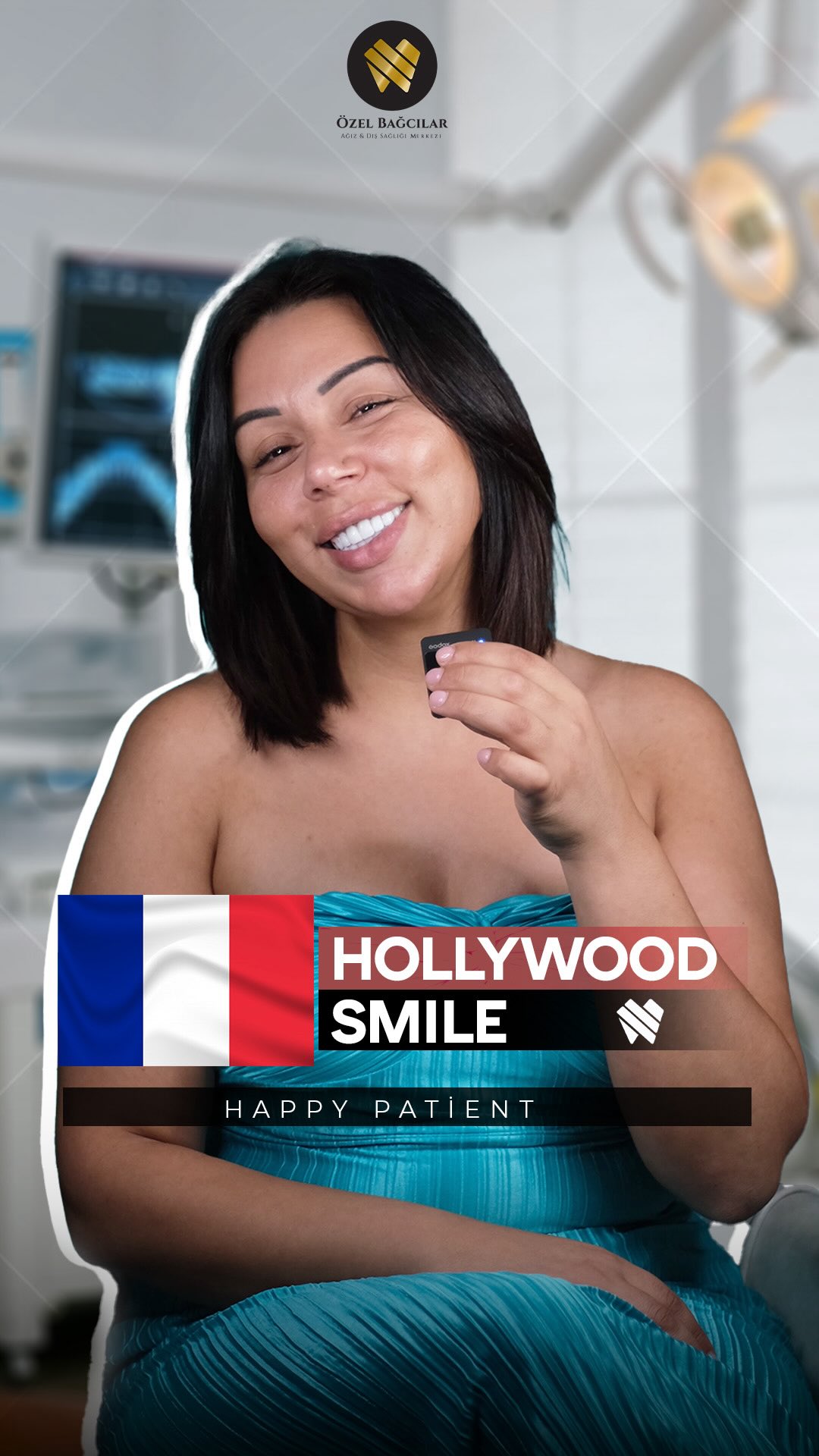
Sophie Dubois ★★★★★

I chose it for Hollywood Smile from France. The attention of the doctors and the naturalness of the result were far beyond my expectations.

A
Ali Çelik ★★★★★

My root canal treatment was painless and I returned to work the same day. Modern devices make a difference, well done.

M
Maria Rossi ★★★★★

I came from Italy for zirconium. It is much more advantageous than Europe in terms of both price and quality. I definitely recommend it.

E
Emine Yılmaz ★★★★★

We came for my mother's prosthetic teeth, they were very interested. The patience shown to elderly patients is admirable.

V
Viktor Ivanov ★★★★★

After the smile design, my self-confidence skyrocketed. The clinic is clean and the team is friendly. I recommend it to everyone from Sofia.

A
Ayşe Kaya ★★★★★

I did not feel any pain during my implant treatment. The team is extremely attentive, I was informed at every stage. I love my new smile!

M
Mehmet Yıldız ★★★★★

My zirconium crowns looked very natural. It is excellent in terms of price-performance, I recommend it with peace of mind.

H
Hans Müller ★★★★★

I came from Germany for All-on-4 treatment. The clinic was very modern and hygiene was perfect. Translator support made my job much easier.

E
Elena Petrova ★★★★★

I came for my smile design; Everything was considered, including reception, hotel and transportation. My teeth were literally reborn.

F
Fatma Demir ★★★★★

My gum treatment was very successful. My doctor explained everything patiently, and my fear of the dentist was completely gone.

J
James Wilson ★★★★★

I came from London for laminate veneer. Professional team, painless procedure and great result. It was worth every penny.

Z
Zeynep Arslan ★★★★★

My orthodontic treatment proceeded as planned. The transparent record was very comfortable, no one even noticed. Thanks!

A
Andrei Popescu ★★★★★

I came from Romania for implants. From CT scan to treatment, everything started on the same day. I am very pleased with the result.

H
Hatice Şahin ★★★★☆

After teeth whitening, my teeth became visibly whiter. I got results in one session, it was very practical.

S
Sophie Dubois ★★★★★

I chose it for Hollywood Smile from France. The attention of the doctors and the naturalness of the result were far beyond my expectations.

A
Ali Çelik ★★★★★

My root canal treatment was painless and I returned to work the same day. Modern devices make a difference, well done.

M
Maria Rossi ★★★★★

I came from Italy for zirconium. It is much more advantageous than Europe in terms of both price and quality. I definitely recommend it.

E
Emine Yılmaz ★★★★★

We came for my mother's prosthetic teeth, they were very interested. The patience shown to elderly patients is admirable.

V
Viktor Ivanov ★★★★★

After the smile design, my self-confidence skyrocketed. The clinic is clean and the team is friendly. I recommend it to everyone from Sofia.

B
Burak Aydın ★★★★★

I had a combination of implant and zirconium. The result is incredibly natural. The appointment and follow-up process was very orderly.

A
Anna Schmidt ★★★★☆

My laminate veneer treatment went well. It took a little waiting, but the result was perfect. Thanks for the translator support.

S
Selin Koç ★★★★★

I had gum aesthetics and whitening. I have no hesitation when laughing anymore. I am grateful to the entire team.
R
Robert Brown ★★★★★

My All-on-6 treatment changed my life. I came from England; The attention shown and the result achieved were perfect.

G
Gülşah Eren ★★★★★

We came for my child's dental treatment, they treated the child patients very kindly. He was treated without fear, we are very happy.

D
Dimitar Georgiev ★★★★★

Implant prices are very affordable compared to Bulgaria, and the quality is high. The entire process was completed in 4 days.

O
Okan Demirtaş ★★★★★

I can't recognize myself in photos after my smile design. My doctor's sense of aesthetics is really good.

C
Claudia Fischer ★★★★★

I came for my implant treatment, it was painless and fast. The clinic is above German standards, I am very pleased.

M
Merve Polat ★★★★★

I had a combination of orthodontics and whitening. The result is great, the team is very professional and caring.

L
Lucas Martin ★★★★★

I came from Paris for laminate veneer. I was very pleased with the natural result and warm attention. Thanks!

İ
İbrahim Kara ★★★★☆

My dental bridge treatment was durable and comfortable. Pricing was transparent, there were no surprise fees.

N
Natalia Sokolova ★★★★★

I came from Russia for smile design. The service quality and attention were excellent, my teeth turned out as I dreamed.

D
Deniz Aksoy ★★★★★

I had teeth whitening in one session, the difference was immediately obvious. It was a fast, clean and professional experience.

T
Thomas Becker ★★★★★

I came for All-on-4 and walked out smiling the same day with temporary teeth. The interest and technology are top notch, thank you very much.

B
Burak Aydın ★★★★★

I had a combination of implant and zirconium. The result is incredibly natural. The appointment and follow-up process was very orderly.

A
Anna Schmidt ★★★★☆

My laminate veneer treatment went well. It took a little waiting, but the result was perfect. Thanks for the translator support.

S
Selin Koç ★★★★★

I had gum aesthetics and whitening. I have no hesitation when laughing anymore. I am grateful to the entire team.

R
Robert Brown ★★★★★

My All-on-6 treatment changed my life. I came from England; The attention shown and the result achieved were perfect.

G
Gülşah Eren ★★★★★

We came for my child's dental treatment, they treated the child patients very kindly. He was treated without fear, we are very happy.

D
Dimitar Georgiev ★★★★★

Implant prices are very affordable compared to Bulgaria, and the quality is high. The entire process was completed in 4 days.

O
Okan Demirtaş ★★★★★

I can't recognize myself in photos after my smile design. My doctor's sense of aesthetics is really good.

C
Claudia Fischer ★★★★★

I came for my implant treatment, it was painless and fast. The clinic is above German standards, I am very pleased.

M
Merve Polat ★★★★★

I had a combination of orthodontics and whitening. The result is great, the team is very professional and caring.

L
Lucas Martin ★★★★★

I came from Paris for laminate veneer. I was very pleased with the natural result and warm attention. Thanks!

İ
İbrahim Kara ★★★★☆

My dental bridge treatment was durable and comfortable. Pricing was transparent, there were no surprise fees.

N
Natalia Sokolova ★★★★★

I came from Russia for smile design. The service quality and attention were excellent, my teeth turned out as I dreamed.

D
Deniz Aksoy ★★★★★

I had teeth whitening in one session, the difference was immediately obvious. It was a fast, clean and professional experience.

T
Thomas Becker ★★★★★

I came for All-on-4 and walked out smiling the same day with temporary teeth. The interest and technology are top notch, thank you very much.

✦ Our Brands
Straumann
Nobel Biocare
Astra Tech
Medentika
Bredent SKY
Straumann
Nobel Biocare
Astra Tech
Medentika
Bredent SKY
✦ Contact
Get in touch

İstanbul Bağcılarour central clinic

Merkez Mahallesi 675. Sokak No: 1-7/A-B, 34203 Bağcılar/İstanbul, Turkey

Open in Google Maps