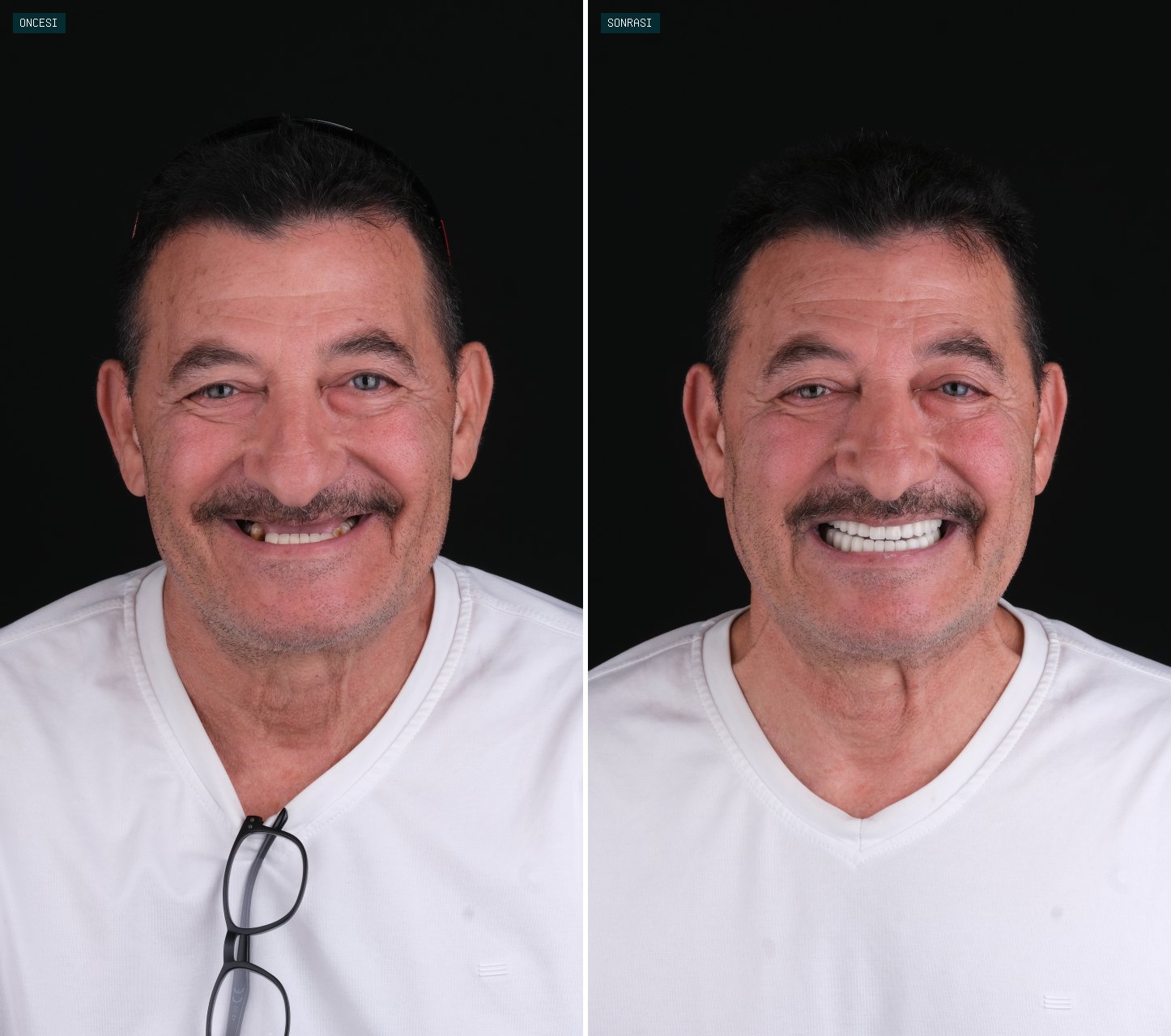
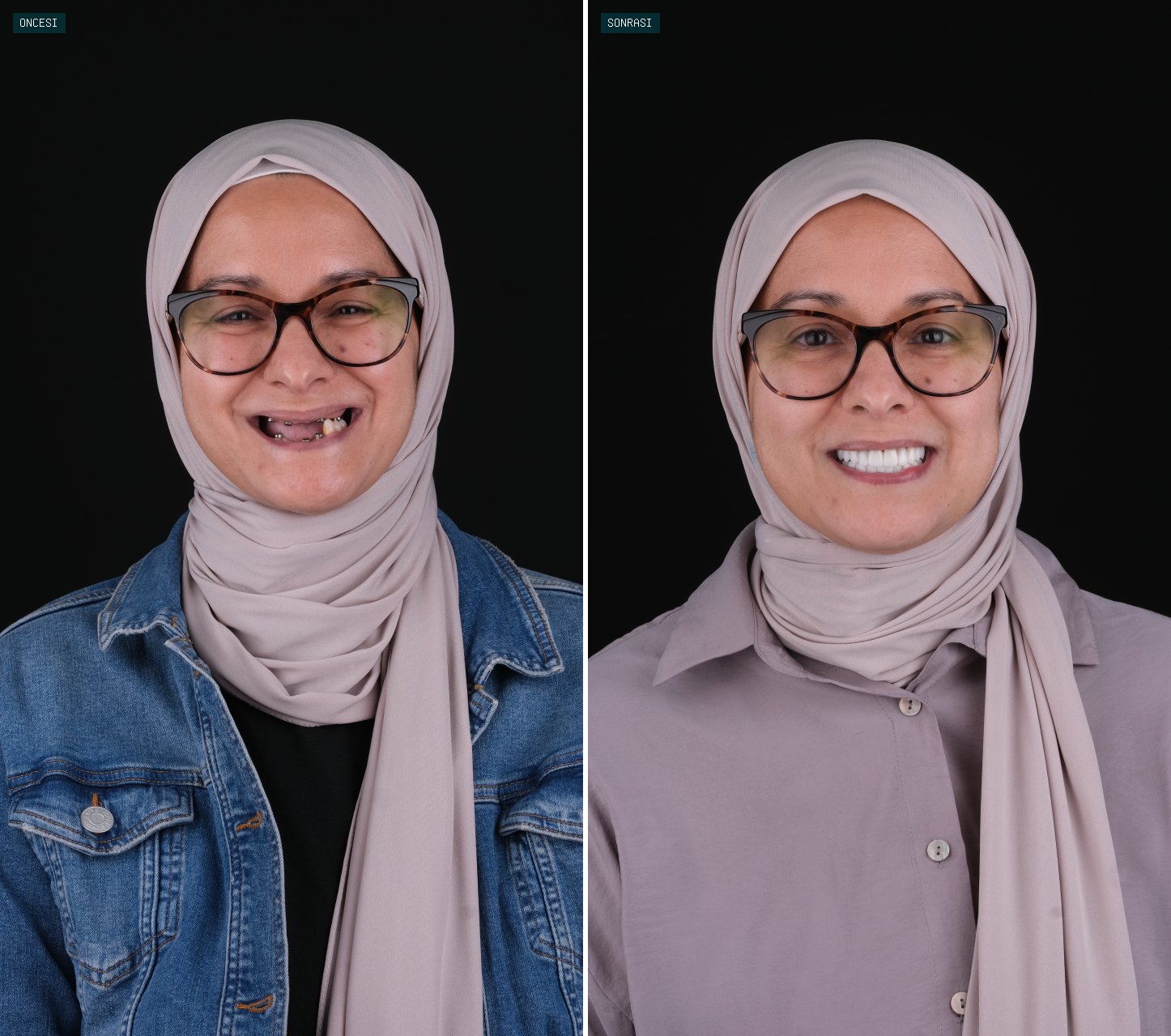
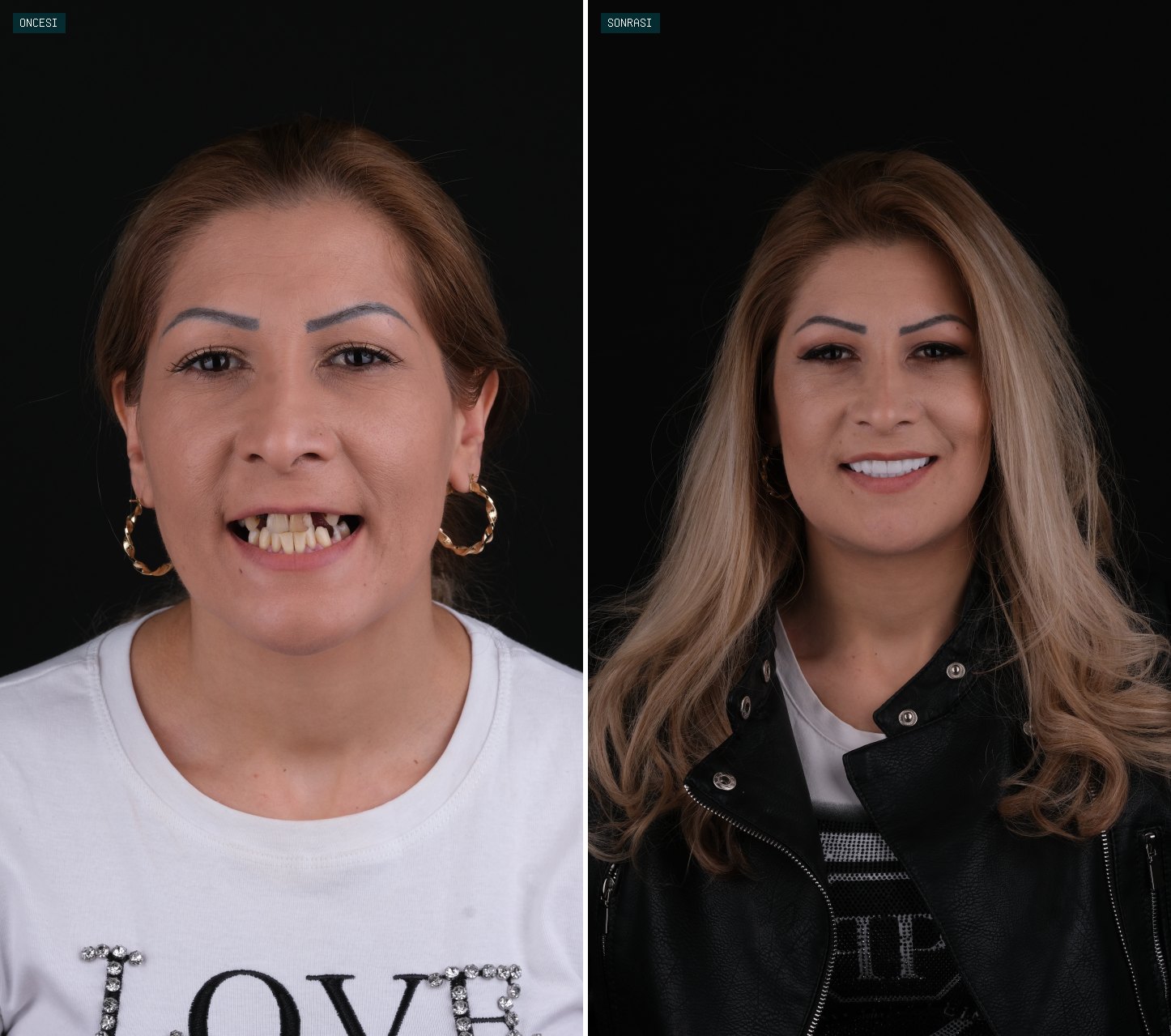
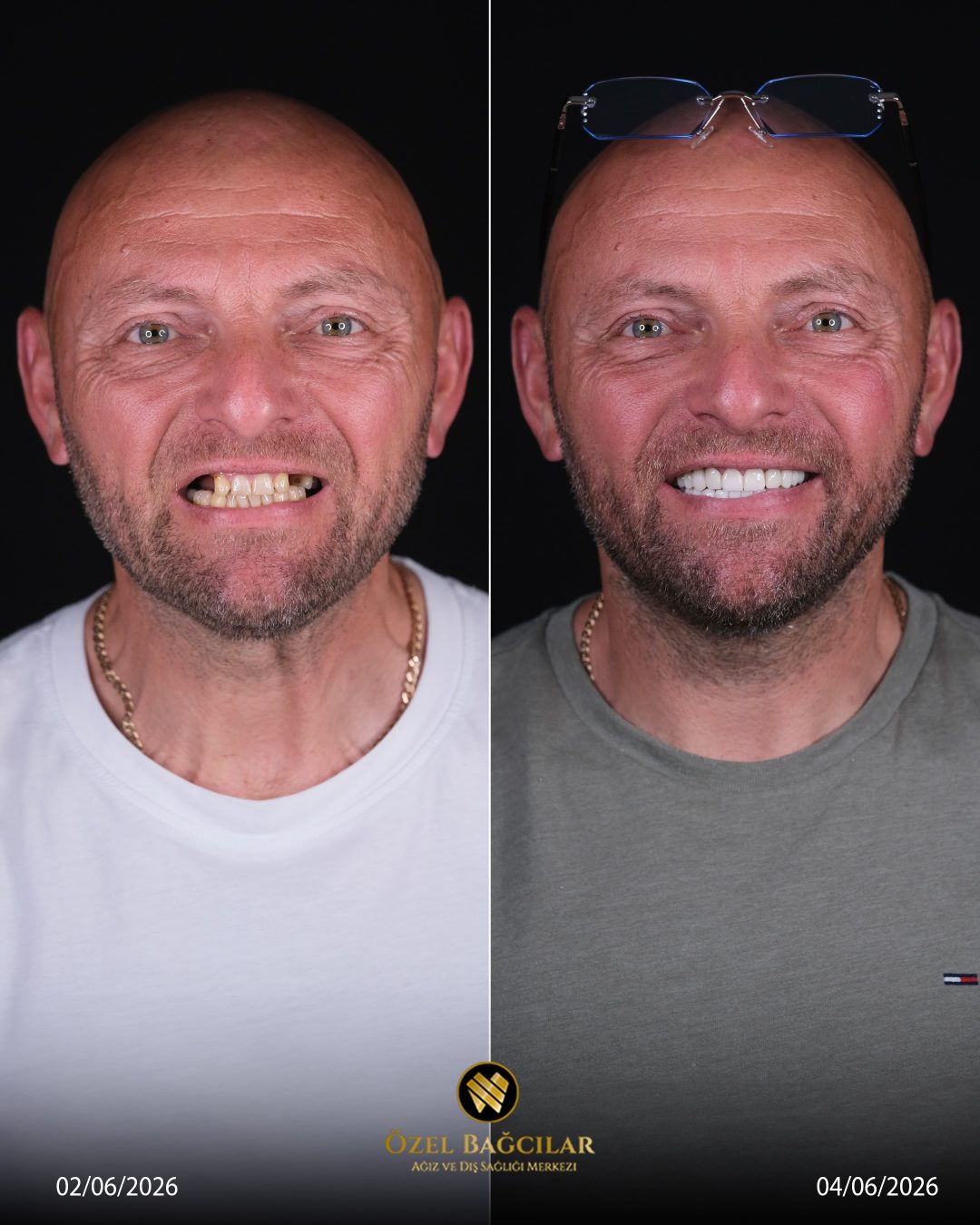
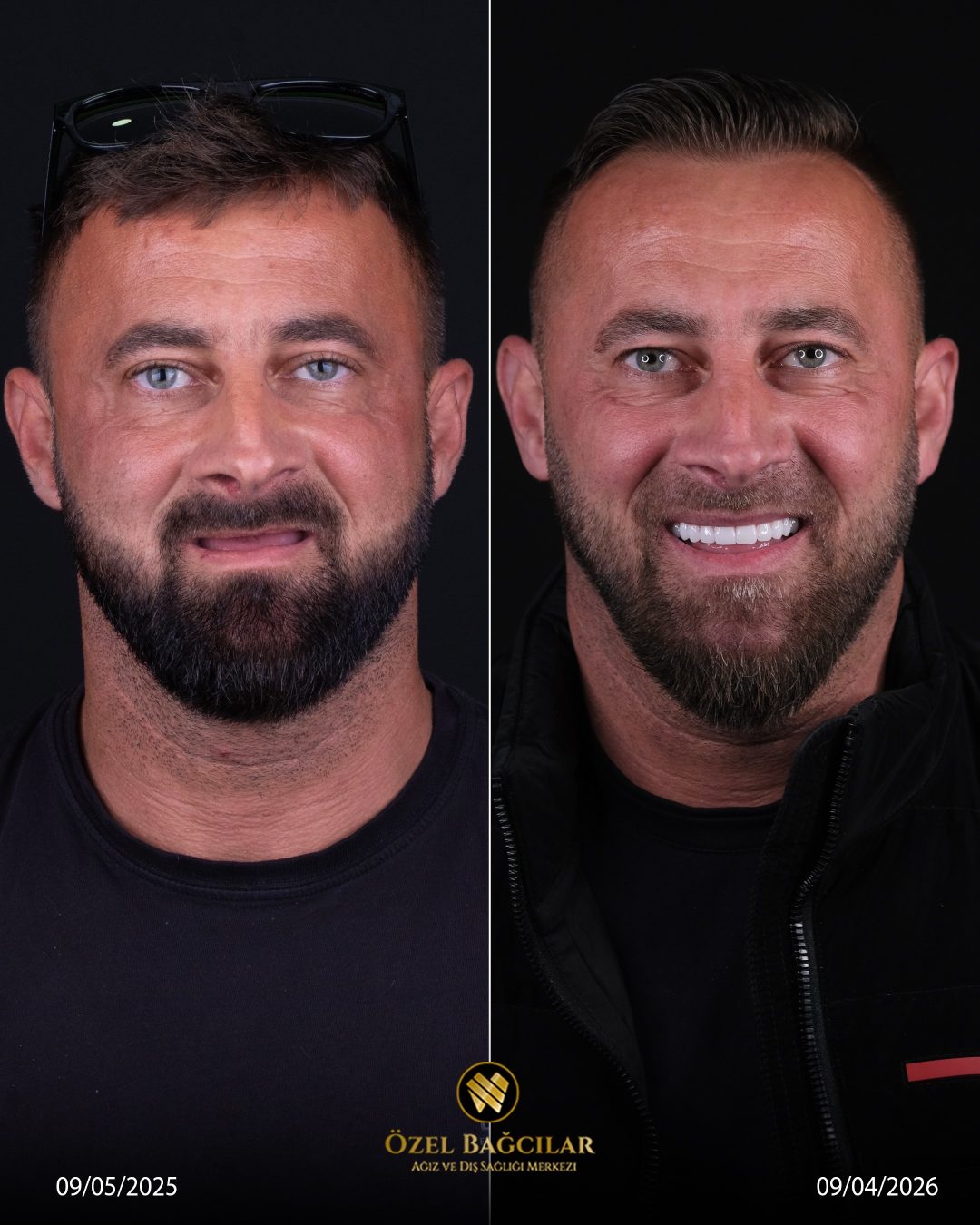
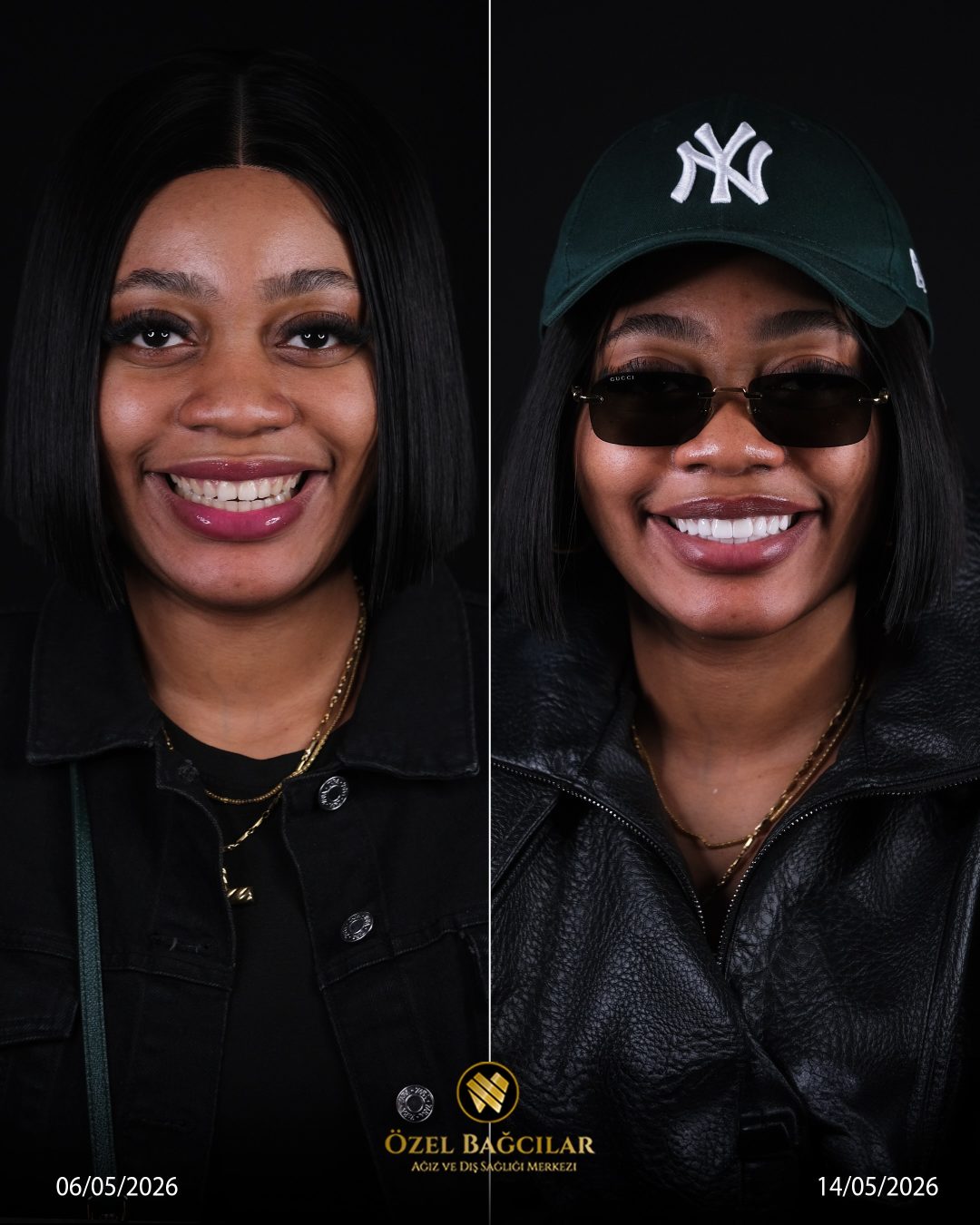
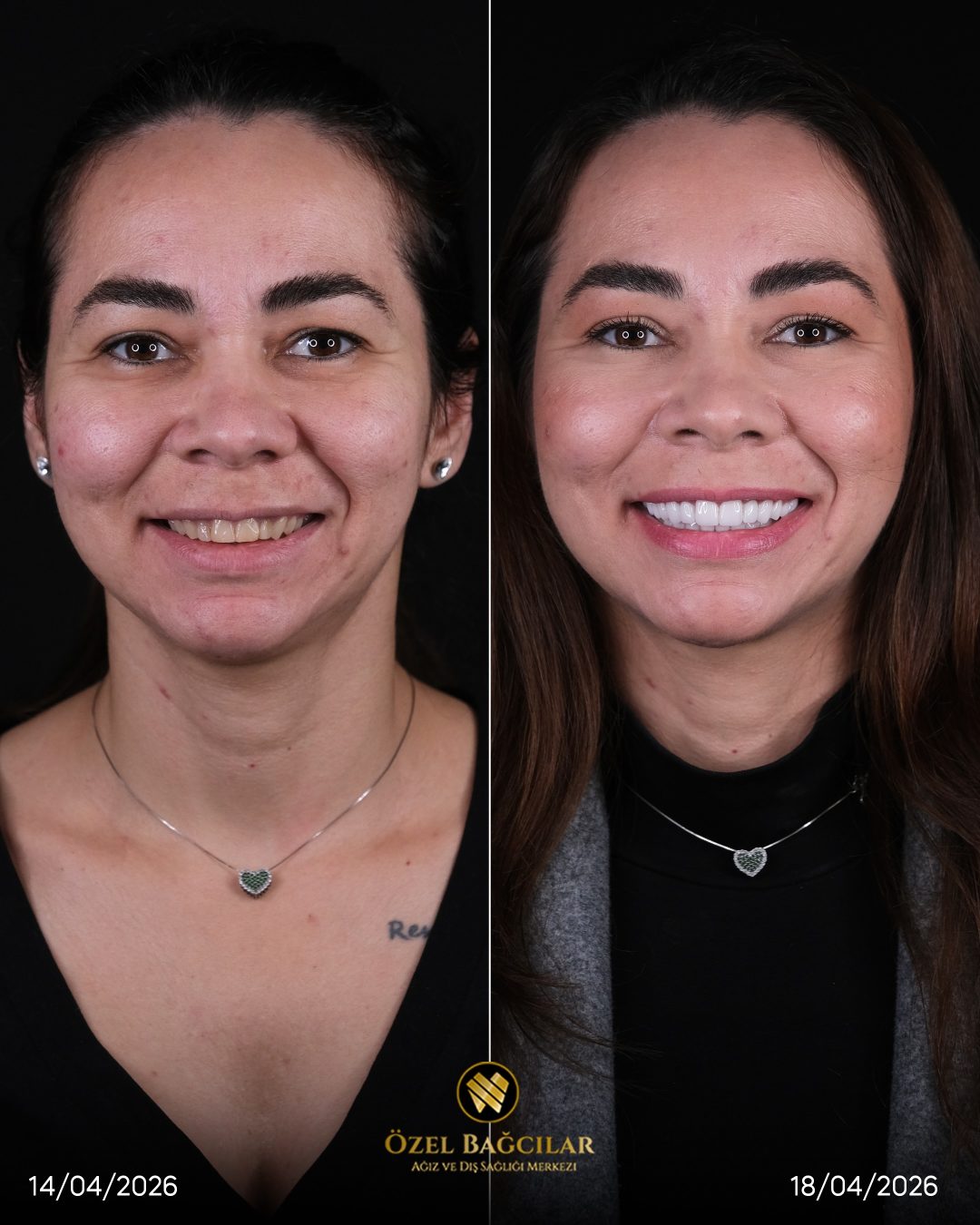
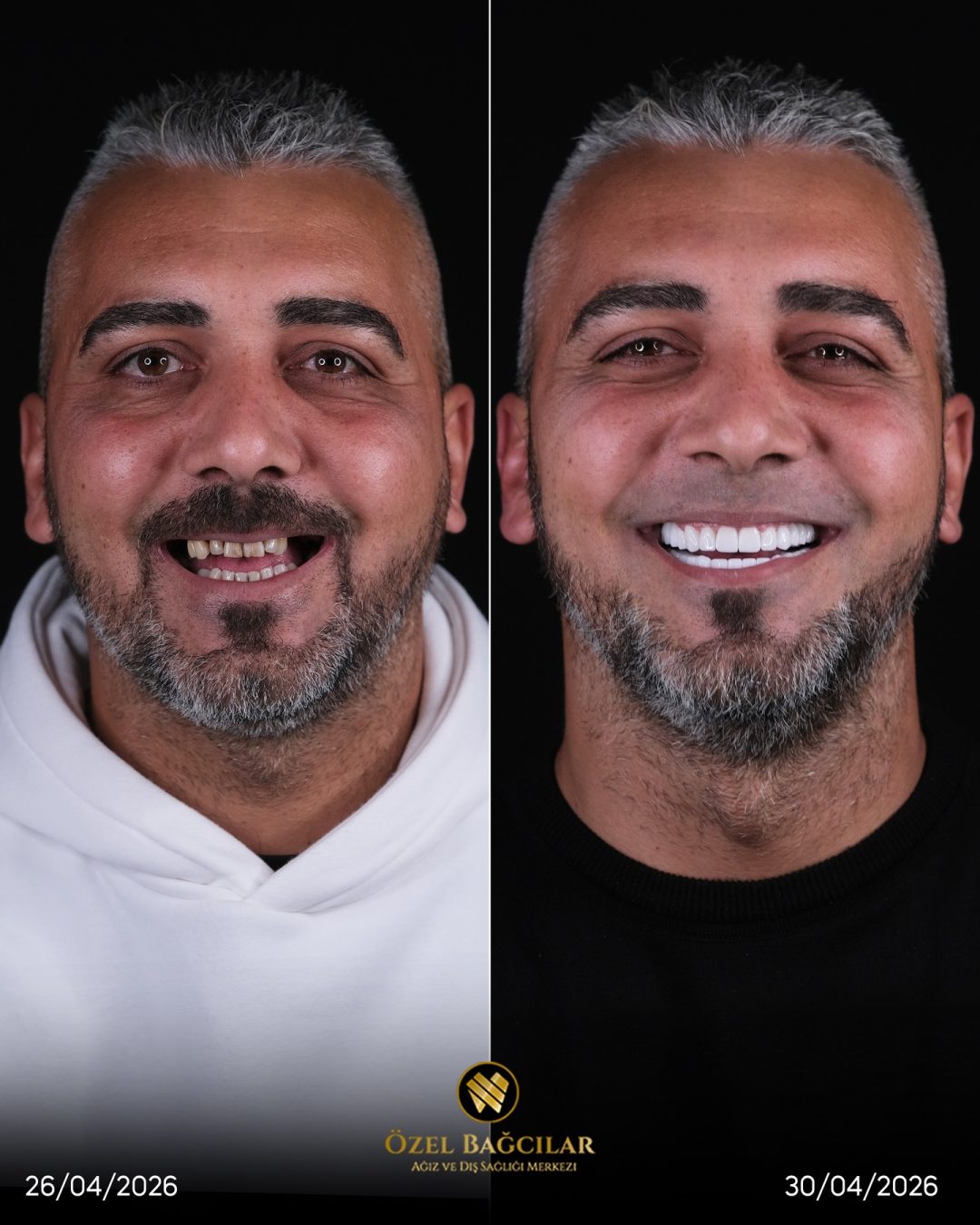
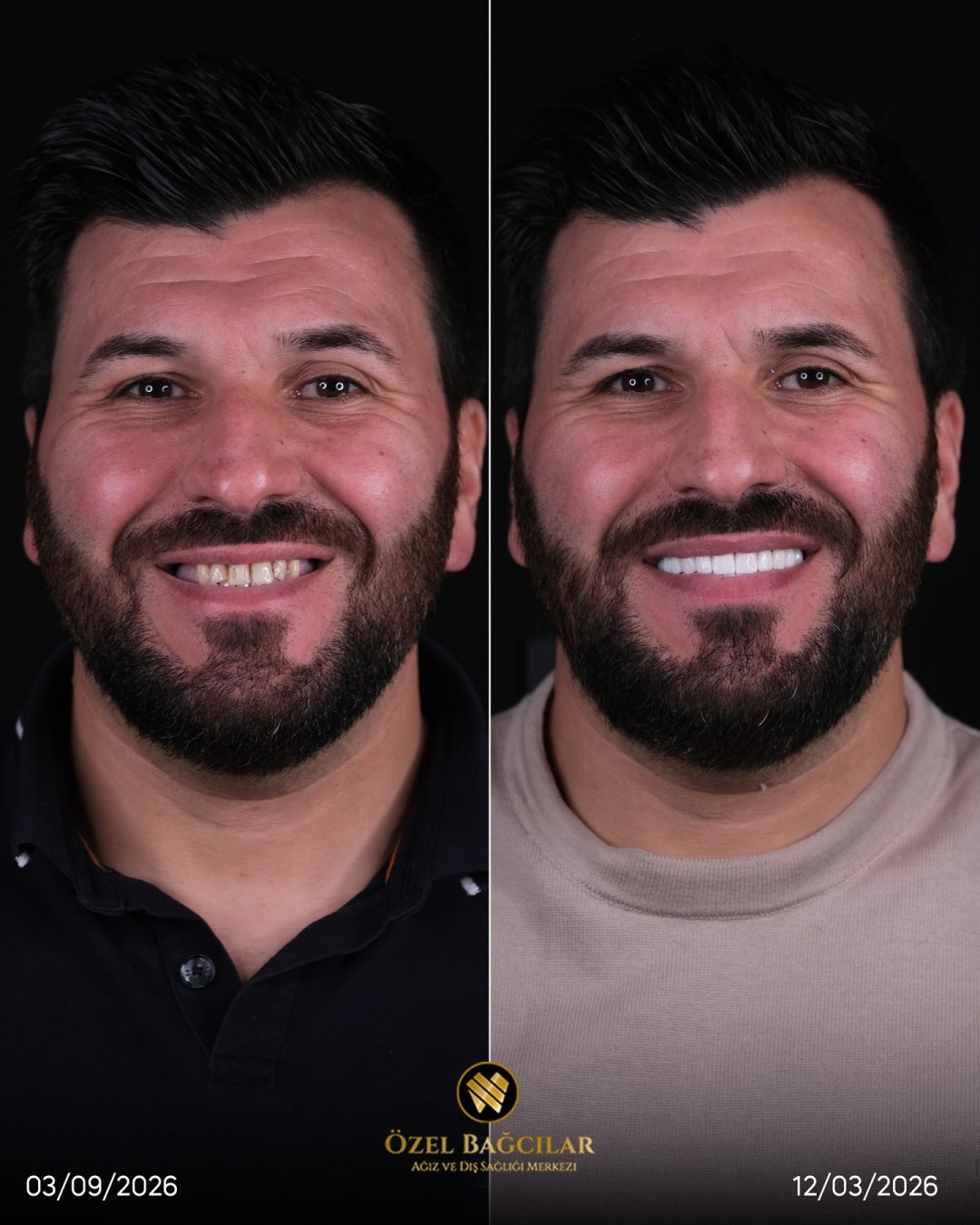
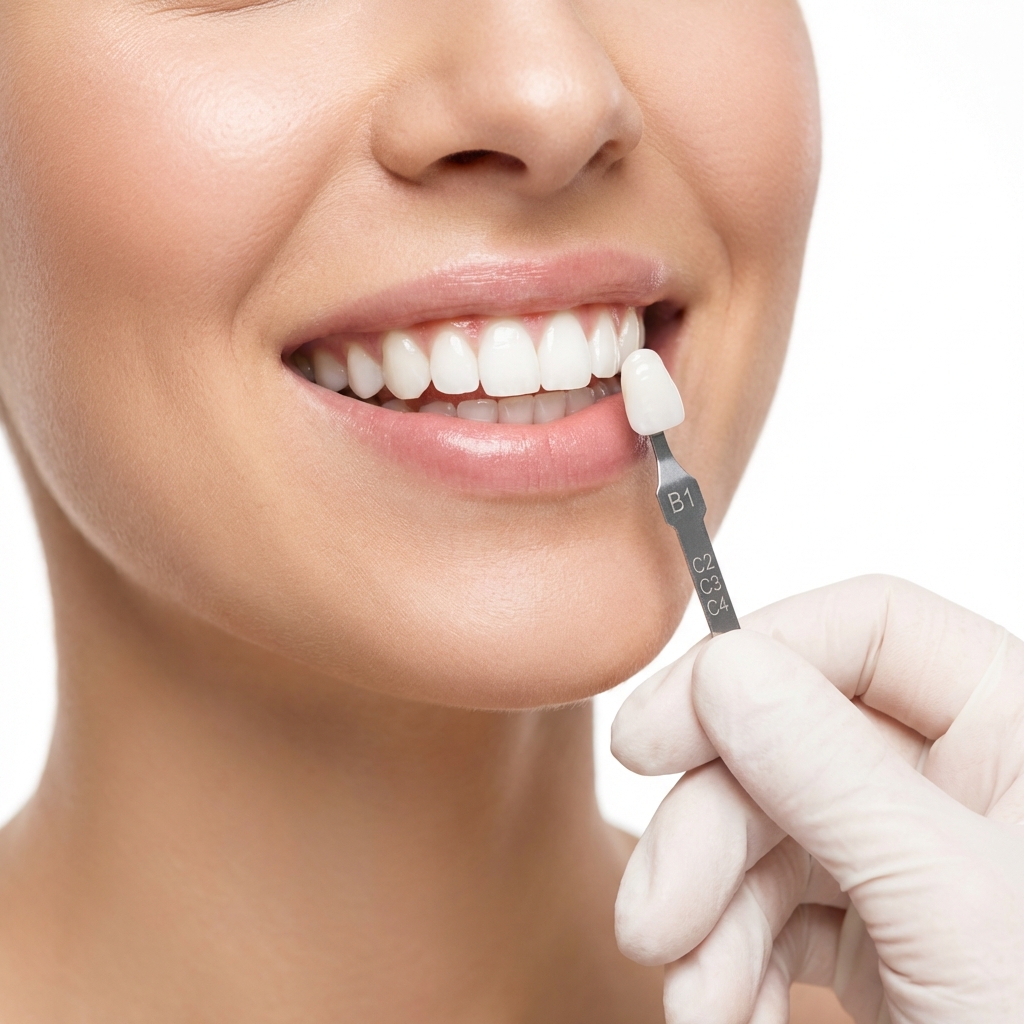
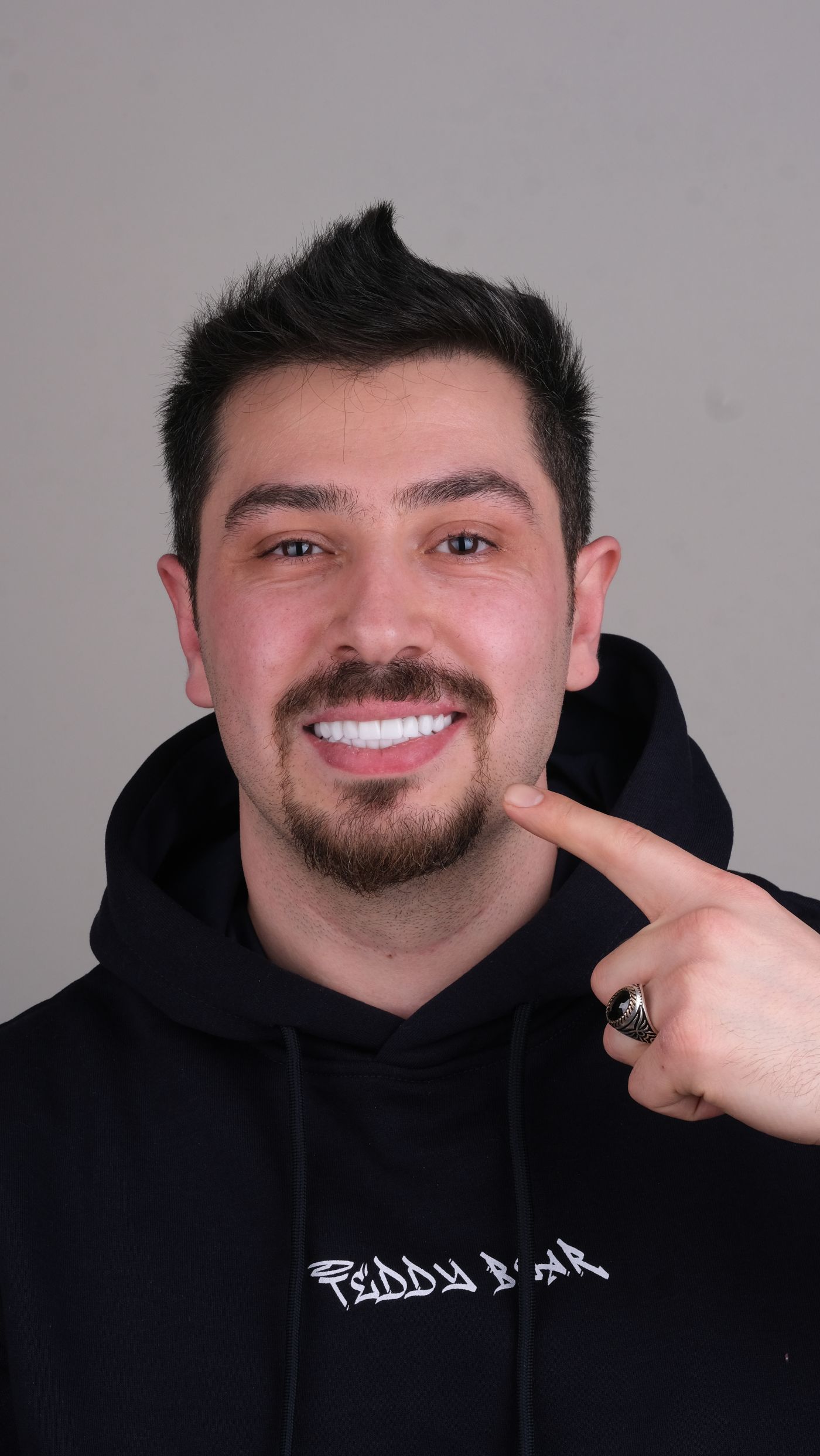
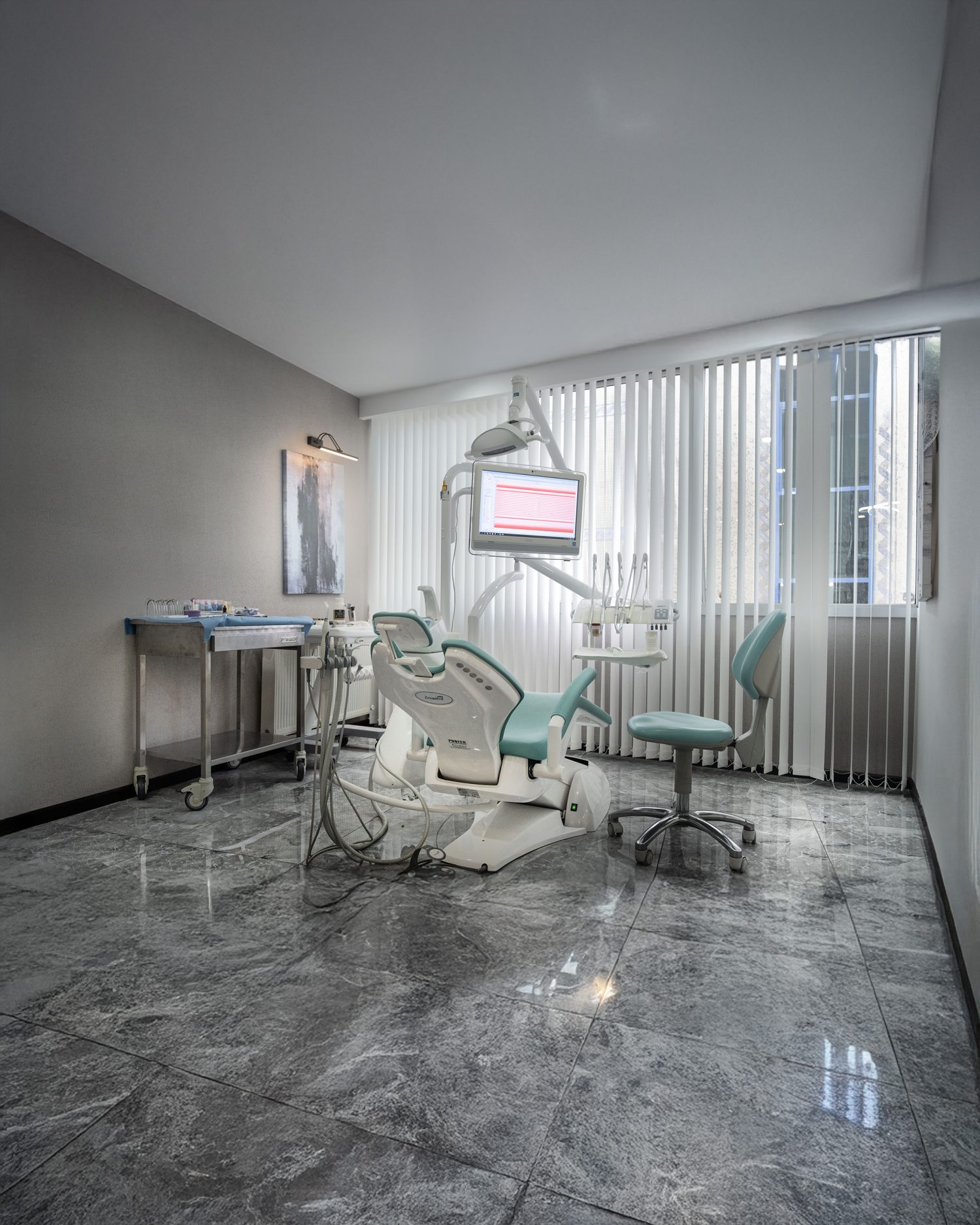
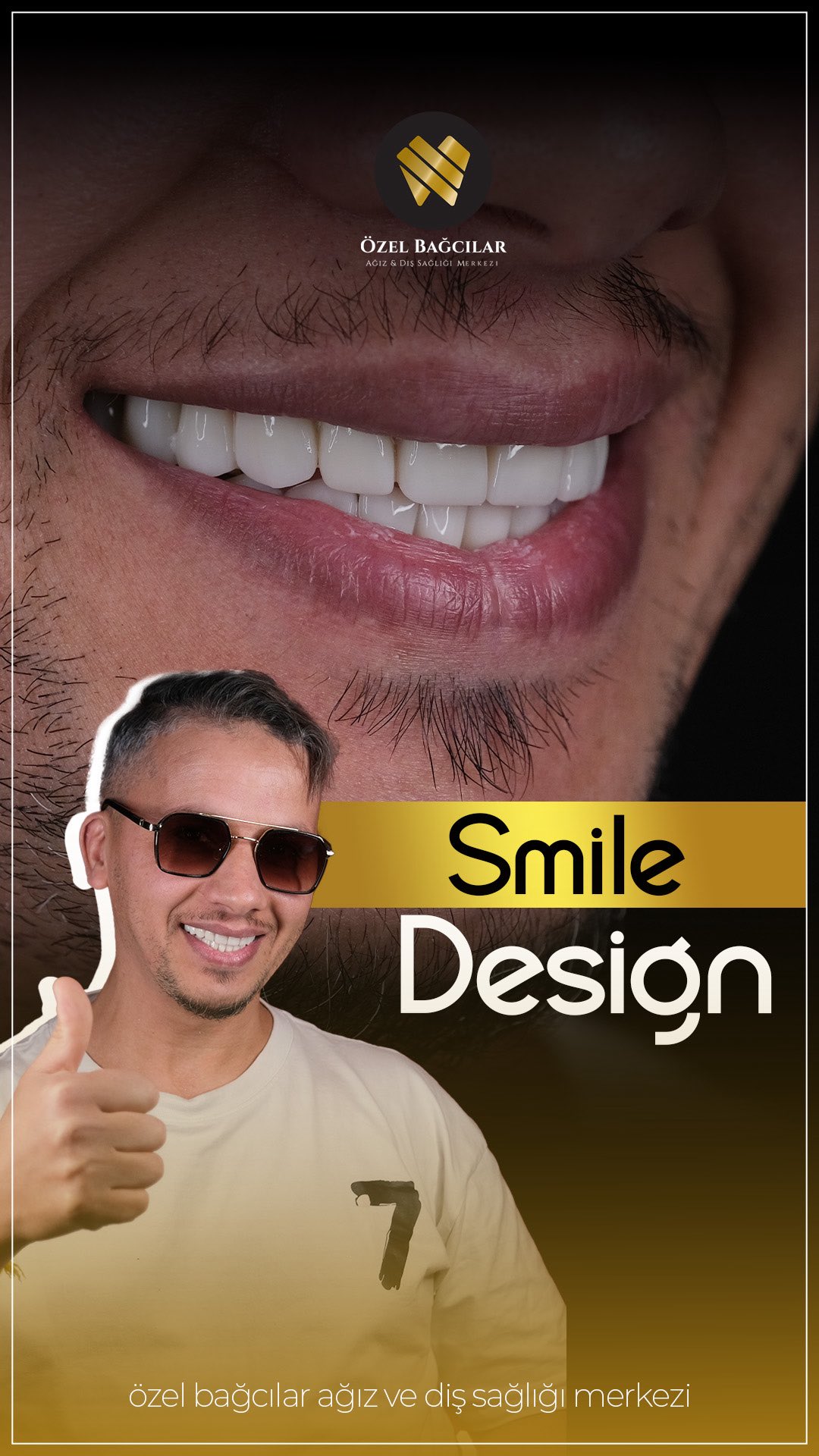
Zirconia (zirconium dioxide) is a metal-free, white and highly durable ceramic. Unlike traditional porcelain-fused-to-metal crowns it does not cast a dark shadow at the gum line and is far less opaque, transmitting light close to natural enamel.
Thanks to its strength under chewing forces, zirconia is the material of choice for back teeth, longer bridges and implant-supported prosthetics. For the anterior region, multilayer zirconia delivers excellent aesthetic outcomes too.
At our clinic, every zirconia crown is designed and milled with CAD/CAM technology to millimetric precision. The accurate marginal seal minimises secondary decay, supports gum health and prevents recession.
With excellent thermal insulation, you will not feel hot/cold sensitivity. Zirconia crowns are a long-lasting solution where both function and aesthetics matter.
What Zirconia Actually Is — a Ceramic, Not a Metal
The material meant by "zirconia crown" is zirconium dioxide. It is a ceramic, not a metal alloy. The distinction matters, because every advantage zirconia has comes from it: with no metal substructure there is no dark line at the gum margin, and light can pass through the restoration.
In traditional crowns the substructure is metal with porcelain fired over it. Because metal does not transmit light, such a crown — however well made — cannot reproduce the optical behaviour of a natural tooth. And as the gum recedes over the years the metal margin becomes visible; that is the grey line people describe at the edge of an old crown.
Zirconium dioxide is also among the highest-strength ceramics used in dentistry. That is why it can be used at the front and the back, for single crowns and for longer bridges alike.
It is worth saying at the outset that there is no single zirconia. Generations and translucency grades differ genuinely from one another, and the next section covers the question actually worth asking when you receive a quote.
Zirconia Is Not One Material
Two clinics can both write "zirconia crown" on a plan and place genuinely different objects. The difference comes from three places: the generation, the layering, and who finishes it.
Generation. First-generation zirconia is very strong but opaque, and looks lifeless at the front. Later generations increased translucency, but that gain was made by giving up some strength. So "more translucent" does not always mean "better" — for a heavy grinder it can mean the opposite.
Monolithic or layered? A monolithic crown is milled from a single piece; it is the most durable option and ideal for posterior teeth. In a layered crown, aesthetic porcelain is fired over a zirconia core; it looks livelier at the front, but the outer porcelain is more prone to chipping.
Multilayer discs sit between the two: colour and translucency are graded within the disc itself, so the restoration stays one piece while gaining a natural transition towards the incisal edge.
We choose the generation and the type per case: high-strength grades on molars, more translucent grades at the front. Selecting one disc for a whole mouth is easy, and it is not correct.
Zirconia or Laminate Veneer — Which Tooth Gets Which
This is the most consequential question in the plan, and the answer varies from tooth to tooth. They are different treatments, not cheaper and more expensive versions of one another. The difference is not in the quality of the material but in how much tooth each one removes and what each one solves.
A crown is the right option where a tooth has lost substantial structure: a large existing filling, a root-treated tooth, or one at risk of fracture. On those teeth the aim is to hold the tooth together before anything else.
Cutting a sound tooth all the way round simply because its colour or shape is disliked is the most common over-treatment in dentistry. On that tooth the right answer is usually a laminate veneer or composite bonding.
A good plan is usually mixed: monolithic zirconia on two molars, laminate veneers on four front teeth, bonding on one chipped edge. At the consultation you are told what is planned for each tooth and why.
The Appointments, Step by Step
Examination and planning. Radiographs are taken and decay and gum health assessed. Where there is active decay or gum disease, those are treated first.
Preparation. Under local anaesthetic the tooth is reduced by the thickness the crown needs. That is one to two millimetres from every surface, and it passes through the enamel into the dentine — we say so plainly.
Impression or digital scan. With an intraoral scanner no impression material is needed, which is a real difference for patients with a strong gag reflex.
Temporary crown. The tooth is never left exposed; you speak and eat with a temporary.
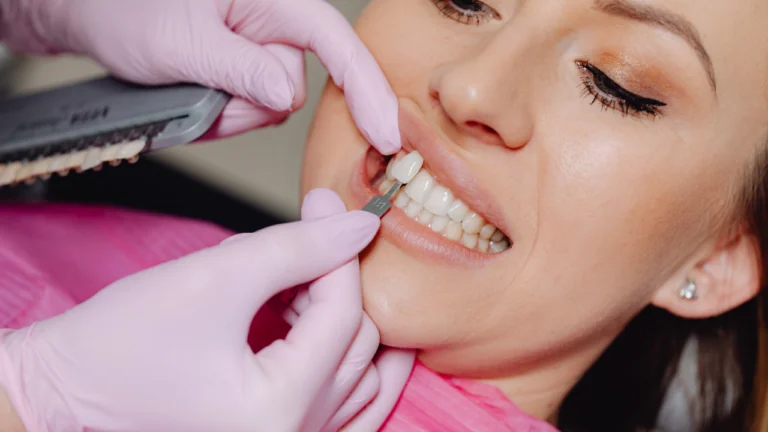
Try-in. Colour, shape and occlusion are checked in the mouth. A result you are not happy with is not accepted because your flight is tomorrow — the laboratory is in the building and it is remade within the same visit.
Cementation. The bite is checked, the crown is polished and aftercare instructions are given.
The whole sequence usually takes five to seven working days. For patients travelling within the city the same stages run as separate appointments.
One thing said in advance: some sensitivity for a few days after crowning a vital tooth is ordinary and it settles. Pain that persists, that lingers after cold, or that wakes you at night is different and needs assessing — in which case root canal treatment may come into the picture.
Zirconia and the Gum — Correcting Two Common Claims
Two claims about zirconia are repeated constantly and neither is true as stated. Telling patients the accurate version is better than letting them be disappointed later.
"Zirconia does not attract plaque." No restorative surface is plaque-proof. A well-polished zirconia surface does make plaque harder to attach — that much is true. But the health of the gum around the crown still depends on daily brushing, interdental cleaning and regular check-ups. The belief that a crown ends the need for care is the commonest cause of decay at the crown margin.
"Zirconia does not cause gum recession." Recession is not caused by the crown material. It is driven by plaque, aggressive brushing, a thin gingival biotype and gum disease. What zirconia genuinely gives you is different: even where the gum recedes, there is no metal underneath to show as a dark line.
With those two corrected, zirconia's real advantages remain — and they are strong enough on their own: metal-free, light-transmitting, high strength and good tissue tolerance.
Sensitivity: What Is Normal and What Is Not
Compared with a metal-backed crown, zirconia conducts heat far less, so hot and cold sensitivity is markedly reduced. But saying it never happens would not be accurate, and we do not say it.
When a vital tooth is prepared for a crown the pulp is inflamed to some degree. That can produce sensitivity to cold over the first days, sometimes the first weeks. If it is steadily decreasing, it is ordinary and needs no treatment.
What is different: sensitivity that is increasing rather than fading, pain that lingers well after the cold has gone, pain that starts on its own, or pain that wakes you at night. Those are signs of irreversible pulpitis and should not be waited out.
If you feel pain at one specific point when biting, the cause is usually not sensitivity but a high bite. That is corrected in a few minutes and it should be — a crown left high is both uncomfortable and overloads the teeth around it.
Grinding and the Night Guard
Grinding and clenching are the single largest factor in how long ceramic work survives, and they go unmentioned in most quotes. We mention them.
Zirconia is a strong ceramic, but a night-long overload strains any ceramic. Highly translucent grades are more vulnerable here, which is why for a known grinder we select a higher-strength or multilayer type. Saying "I grind" when you ask for a quote directly changes the material choice.
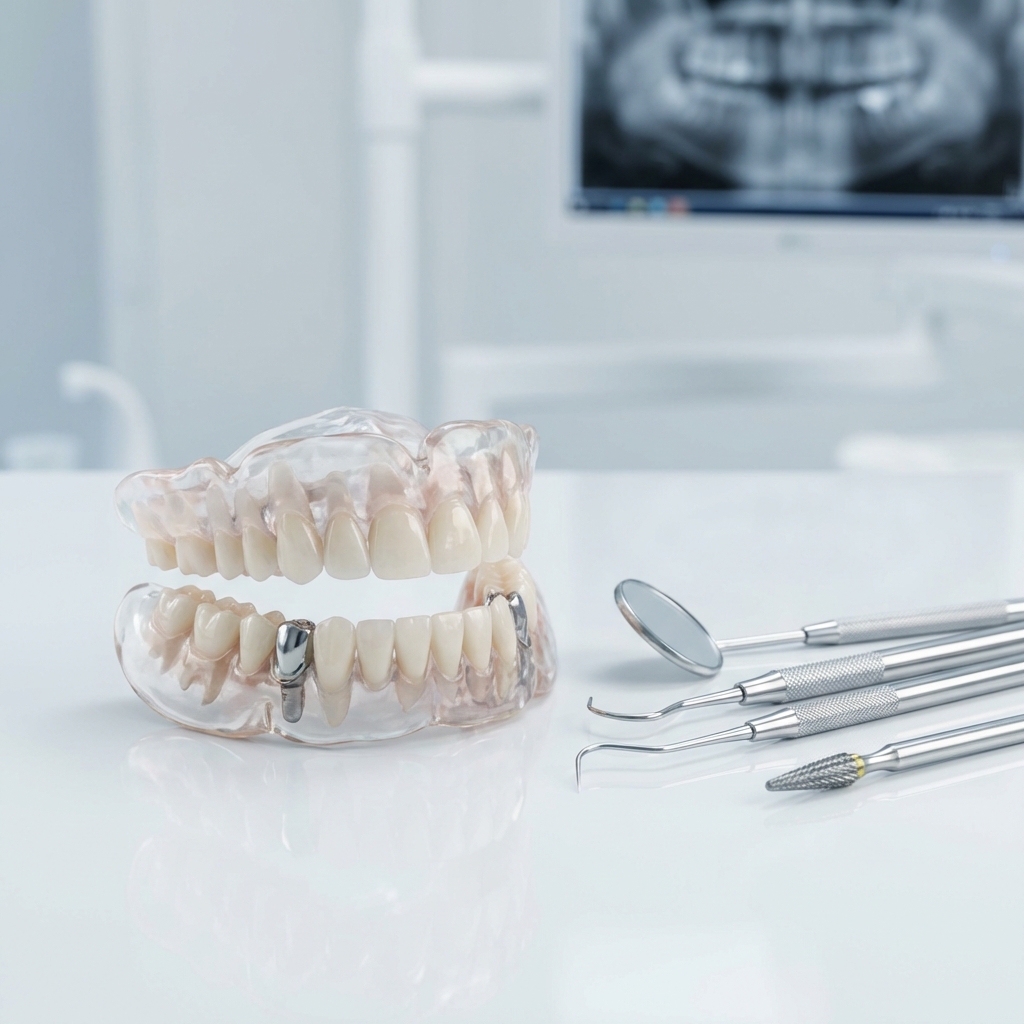
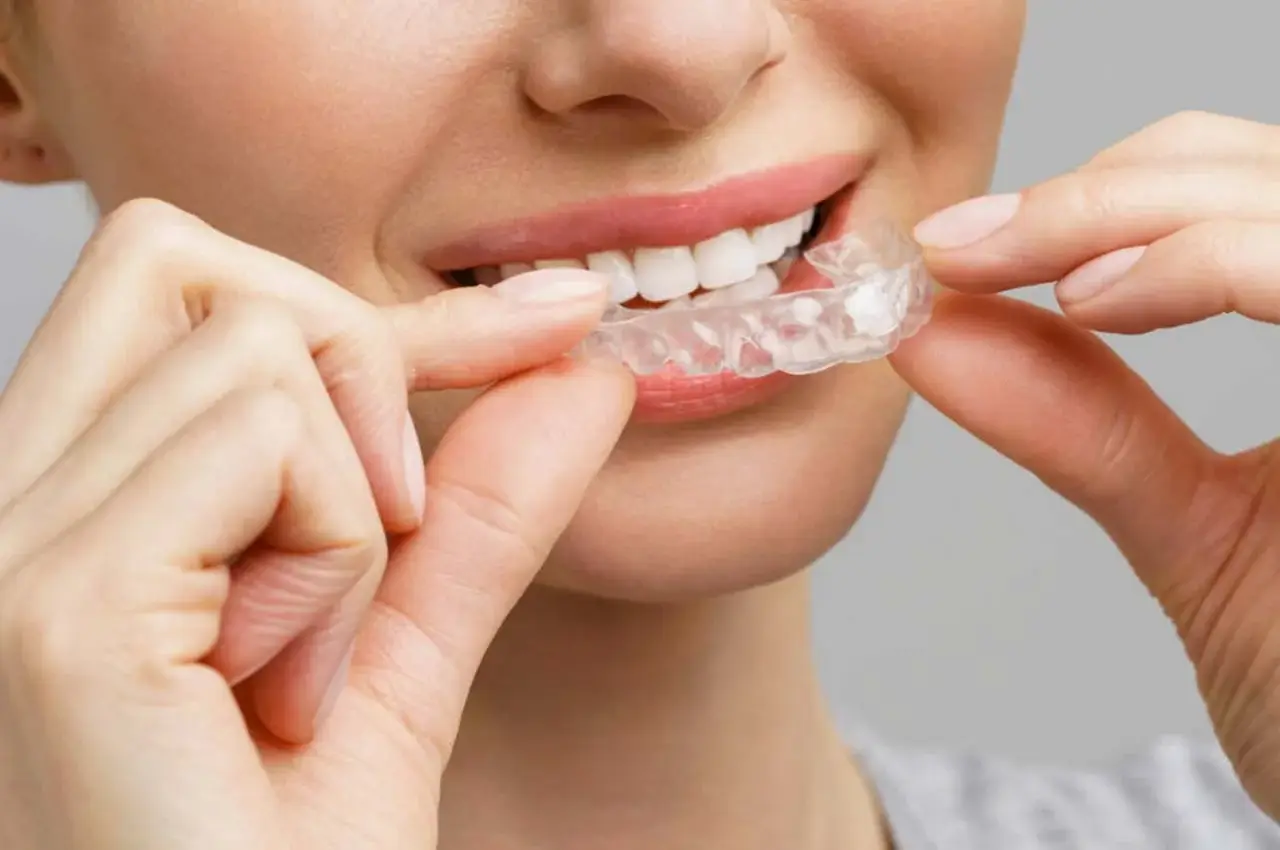
The second protection is a night guard. It is made after the restorative work is finished — against the teeth you now have. A guard made beforehand does not fit afterwards. Because it is produced in the building it is usually ready within a day and checked in your mouth before you leave.
The guard is also a condition of our lifetime guarantee. We write that as a balance rather than a restriction: protecting ceramic from a load it was not designed for serves you as much as it serves us.
Where grinding goes alongside disturbed sleep or snoring, that needs separate assessment and a guard may not be the right device at all.
Aftercare and How Long It Lasts
Zirconia does not decay. That is an advantage and it is also misleading: the natural tooth underneath can decay and the gum around it can become inflamed. What decides longevity is not the brand of the material but the cleaning at the crown margin.
Brushing twice daily with a soft brush, paying attention to the gum margin.
Daily interdental cleaning — floss or an interdental brush. Where a bridge has been made, super floss is needed beneath the pontic; we practise the technique with you at the fit appointment.
A check-up and professional clean every six months.
A night guard if you grind.
No biting hard objects, no nail-biting, no chewing ice. Ceramic is hard but it does not flex.
With those conditions met, a well-made zirconia crown serves for many years. We do not quote a fixed number of years, because what decides it is the mouth rather than the crown.
Like every treatment carried out here, zirconia restorations carry a lifetime guarantee on materials and workmanship. What it covers and what falls outside it — accidental damage, neglect, missed recommended check-ups, not wearing the prescribed night guard — is set out in writing.
Three Questions to Ask Before Accepting a Quote
These three questions explain most of the difference between two quotes for the same work. If they can be answered without checking, the clinic chose the material; if they cannot, it accepts whatever the laboratory supplies.
Which generation of zirconia? The translucent grades suited to the front and the high-strength grades suited to the back are different materials.
Monolithic or layered? Their fracture behaviour and their aesthetics differ; a clinic should be able to say which was chosen and why.
Who makes it? Is the laboratory in the building or contracted out? That decides whether a crown you dislike at try-in can be remade in the same visit.
There is a fourth question, and it tells you more than the total on the quote: how long does the guarantee run, what does it cover, and is it in writing? A five-year warranty and a lifetime guarantee are not the same offer.
Our answers appear in your written plan: which material on which tooth, which grade, where it is made, and the scope of the guarantee.
Zirconia Bridges and Zirconia on Implants
Zirconia is not limited to single crowns. Its strength allows it to be used for bridges and for work on implants, and each has its own considerations.
In a bridge. Zirconia can carry multi-unit bridges without a metal substructure, which means no dark line at the gum margin. Against that, a bridge requires preparing the teeth on either side of the gap. Where those teeth are sound that is a permanent cost, and the implant alternative should always be discussed. Our bridge page sets out that comparison in detail.
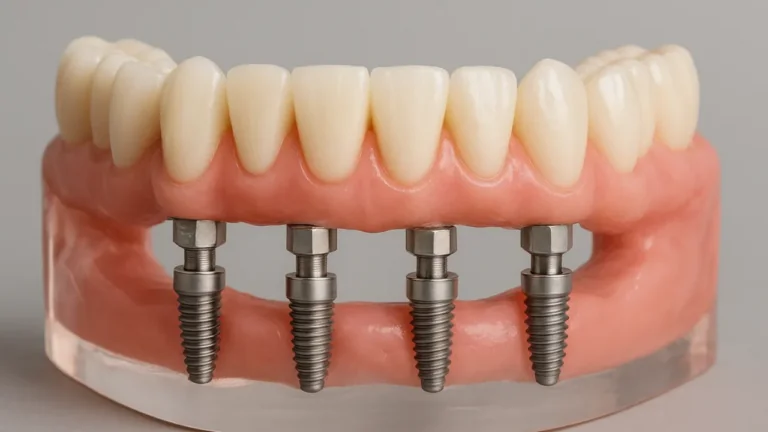
On implants. Zirconia is widely used for implant crowns and full-arch bridges. Here we use a screw-retained design wherever the case allows: it is retrievable, and there is no risk of excess cement left beneath the gum. Cement left in that position can become the cause of inflammation around the implant years later.
Full-arch zirconia bridges resist staining and wear far better than acrylic on a metal frame and hold their appearance for many years. Fracture is uncommon but not unknown, usually at a cantilever or around a screw access channel. We say so at the outset, because repairing a large piece of work is itself a large piece of work.
Benefits
Metal-free, biocompatible structure
High chewing strength, resistant to fracture
No greying at the gum line
Prevents hot/cold sensitivity
Perfect fit thanks to CAD/CAM
Ideal choice for implant-supported prosthetics
✦ Frequently Asked Questions
Frequently Asked Questions
01How long do zirconia crowns last?
With proper care and regular check-ups, many years — what determines the lifespan is oral hygiene, gum health and any clenching habit rather than the material itself. Our treatments carry a lifetime guarantee on materials and workmanship.
02How does it interact with the gum?
Zirconia is highly biocompatible: no allergic reactions, low plaque accumulation and no gum recession.
03How many sessions are needed?
First session for preparation and digital impression, second session for try-in and bonding. Total time around 5–7 working days.
04Does it cause issues during MRI?
No. Zirconia contains no metal and causes no problems during MRI or X-ray imaging.
A safe, comfortable and transparent treatment process at every stage with our experienced physicians.
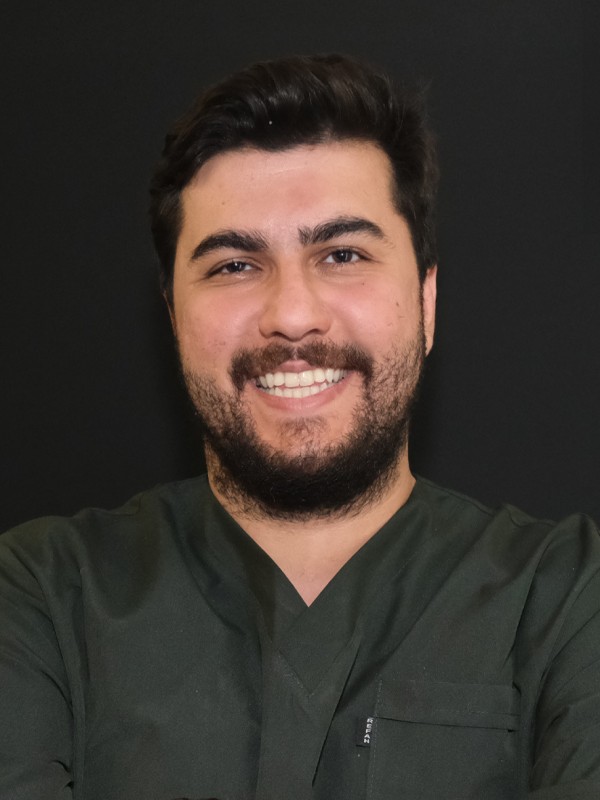
Dt. Muhammed Yancar
Responsible Manager · Dentist
He graduated from Okan University Faculty of Dentistry (2022). He works as the responsible manager and dentist at Bağcılar Dental Polyclinic. He is a member of the Turkish Prosthodontics and Implantology Association (TPİD) and the Turkish Dental Association (TDB).
Dr. Dt. Remziye Kuşağlı
Responsible Dentist
He graduated from Dicle University Faculty of Dentistry (2005); He has 21 years of experience. It specializes in implant-supported dentures, All-on-4/All-on-6, zirconium, laminate and E-max coating treatments. He is a member of TDB.
Uzm. Dr. Dt. Nazlı Altın
Oral and Maxillofacial Surgery Specialist
He graduated from Istanbul University Faculty of Dentistry; He completed his doctorate in oral, dental and maxillofacial surgery. He specializes in complex cases with implant surgery, jaw surgery and bone grafting.
Uzm. Dt. Uğur Derdiyok
Oral and Maxillofacial Surgery Specialist
He graduated from Ankara University Faculty of Dentistry; He completed his specialization in oral, dental and maxillofacial surgery at Kırıkkale University. He is an expert in surgical practices with 11 years of experience.
Uzm. Dt. Ceren Çetinkaya
Orthodontic Specialist
He graduated from Ege University Faculty of Dentistry; He completed his orthodontics specialization at Istanbul University. He is experienced in fixed and transparent plate treatments and focuses on functional and aesthetic results.
Dr. Dt. Hakan Şahin
Pedodontics Specialist (Pediatric Dentist)
He graduated from Atatürk University Faculty of Dentistry; He completed his pedodontics specialization. It has been providing preventive and therapeutic services in children's dental health for many years.
Uzm. Dt. Natiga Israfilova
Prosthetic Dentistry Specialist
He is a graduate of Azerbaijan Medical University; He completed his prosthetic dentistry specialization at Eskişehir Osmangazi University. With 20 years of experience, he is an expert in implant prostheses, All-on-4/6, zirconium, laminate and E-max applications.
Dt. Nur Küçük
Prosthodontics & Digital Dentistry
He graduated from Istanbul Medipol University, Department of Dentistry; He continues his doctoral education in prosthetic dentistry. He works on aesthetic and functional restorations and smile design with CAD/CAM systems.
Dt. Mehmet Emin Ceylan
Implant & Prosthesis
He graduated from Istanbul Aydin University Faculty of Dentistry; He has 7 years of experience. He specializes in implant-supported dentures, All-on-4/All-on-6 restorations, full mouth dentures and zirconium applications.
Dt. Zeynep Demirhan
Prosthodontics & Aesthetic Dentistry
He graduated from Bezmiâlem Vakıf University, Faculty of Dentistry. He is experienced in prosthetic treatments, smile design, implant-supported prostheses and treatments under sedation; focuses on patient satisfaction.
Dt. Seda Şahle Alemdar
Implant & Aesthetics · Digital
He graduated from Abant İzzet Baysal University Faculty of Dentistry (2020). He is experienced in implant-supported dentures, smile design, digital measurement systems and aesthetic restorations.
Dt. Muhammed Ali Almaz
Implant & Aesthetic Dentistry
He graduated from Gazi University Faculty of Dentistry (2021); He has 5 years of experience. He works with health tourism patients in the fields of implant prostheses, All-on-4, zirconium, aesthetic fillings and teeth whitening.
Dt. Berkay Pehlivanoğlu
Restorative & Prosthetic
He graduated from Marmara University Faculty of Dentistry (2021); He has 6 years of experience. He works in the fields of endodontics (root canal treatment), restorative treatments, zirconium/E-max/laminate prosthesis and implant-supported prosthesis.
Dt. Esranur Çelik
Restorative & Periodontology
He graduated from Süleyman Demirel University Faculty of Dentistry (2017); He has 9 years of experience. He works in periodontology (gum), restorative and endodontic treatments and aesthetic smile design.
Dt. Havva Öztürk
General & Restorative Dentistry
He graduated from Bolu Abant İzzet Baysal University Faculty of Dentistry (2023). Works in restorative, endodontic, periodontal, prosthetic and pedodontic treatments; Follows current treatments closely.
Dt. Sümeyya Aydınlık
Dentist
He graduated from Istanbul Yeni Yüzyıl University, Department of Dentistry (2020); Has approximately 5 years of experience. In addition to general dentistry, he works in implant prosthesis, restorative and endodontic treatments.
Dt. Hasip Altun
General Dentistry
He graduated from Yüzüncü Yıl University Faculty of Dentistry (2018). He has clinical experience in general dentistry and restorative treatments; It stands out with its patient-oriented approach.
Dt. Birsen Er
Implant & Aesthetic Dentistry
He graduated from Istanbul University Faculty of Dentistry (2002); He has 24 years of experience. He works in the fields of implant-supported prostheses, All-on-4, zirconium restorations, aesthetic fillings, root canal treatment (endodontics) and teeth whitening.