Google Reviews 4.6/5 1.682+ Happy Patients 30+ Countries

Persistent Bad Breath — Dental Causes and Treatment

✦ Common Problems

Persistent Bad Breath — Dental Causes and Treatment

Where bad breath actually comes from, how to identify the source, what genuinely works, and when the cause is not dental at all.

12+ Years of Experience
1682+ Happy Patients
25 Specialist Physicians
99% Success Rate
Lifetime Guarantee
Bağcılar Dental Clinic

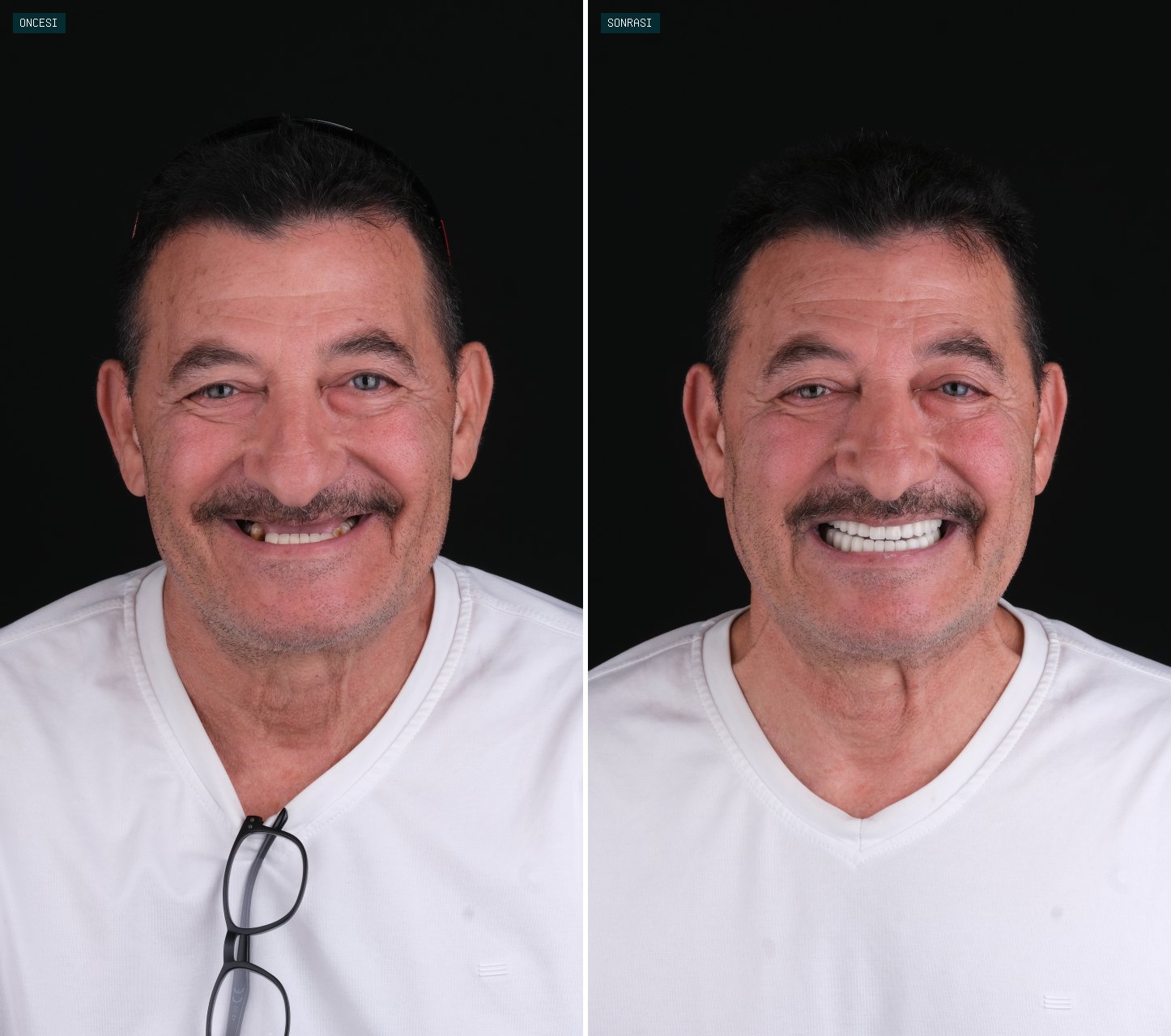
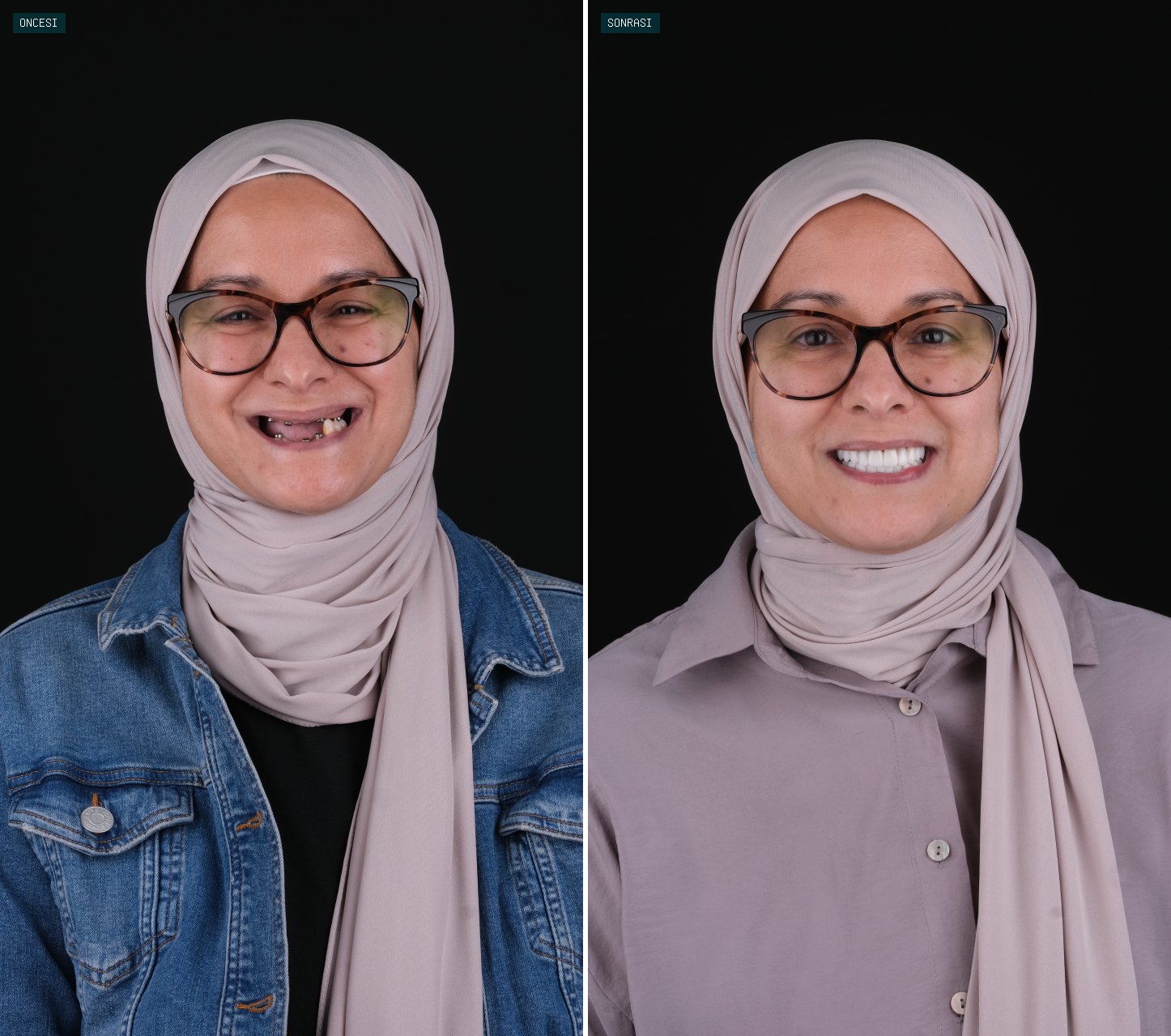
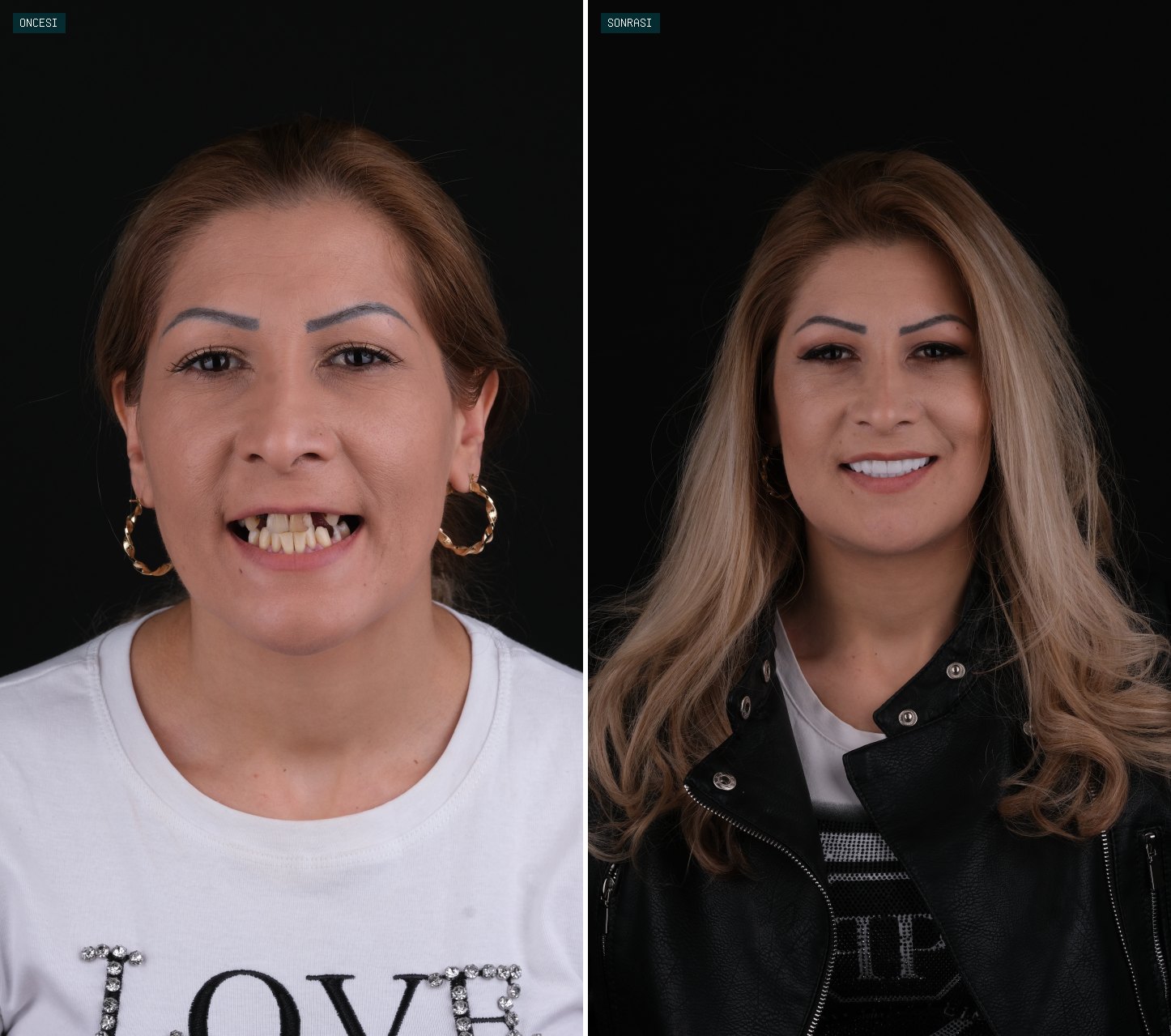
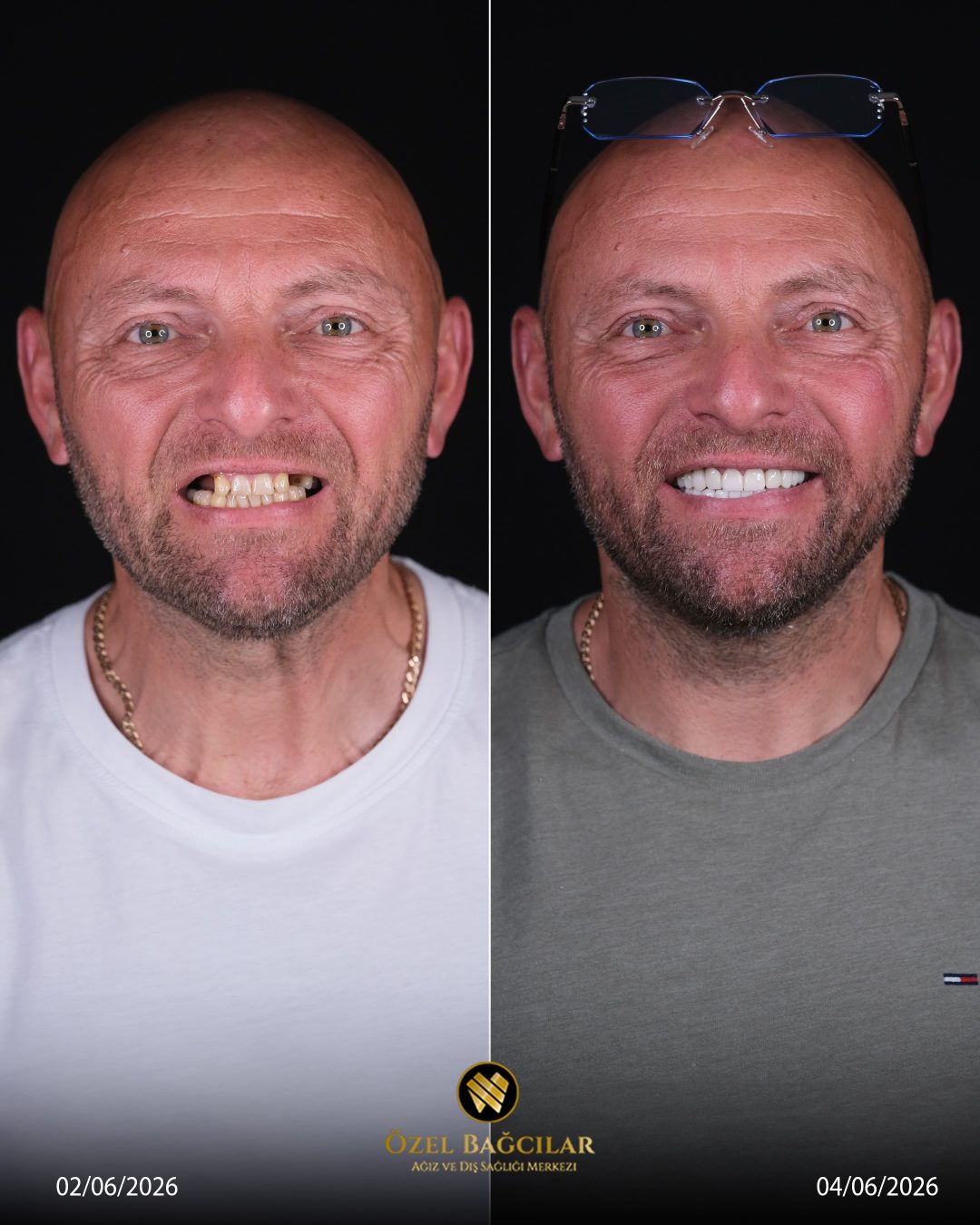
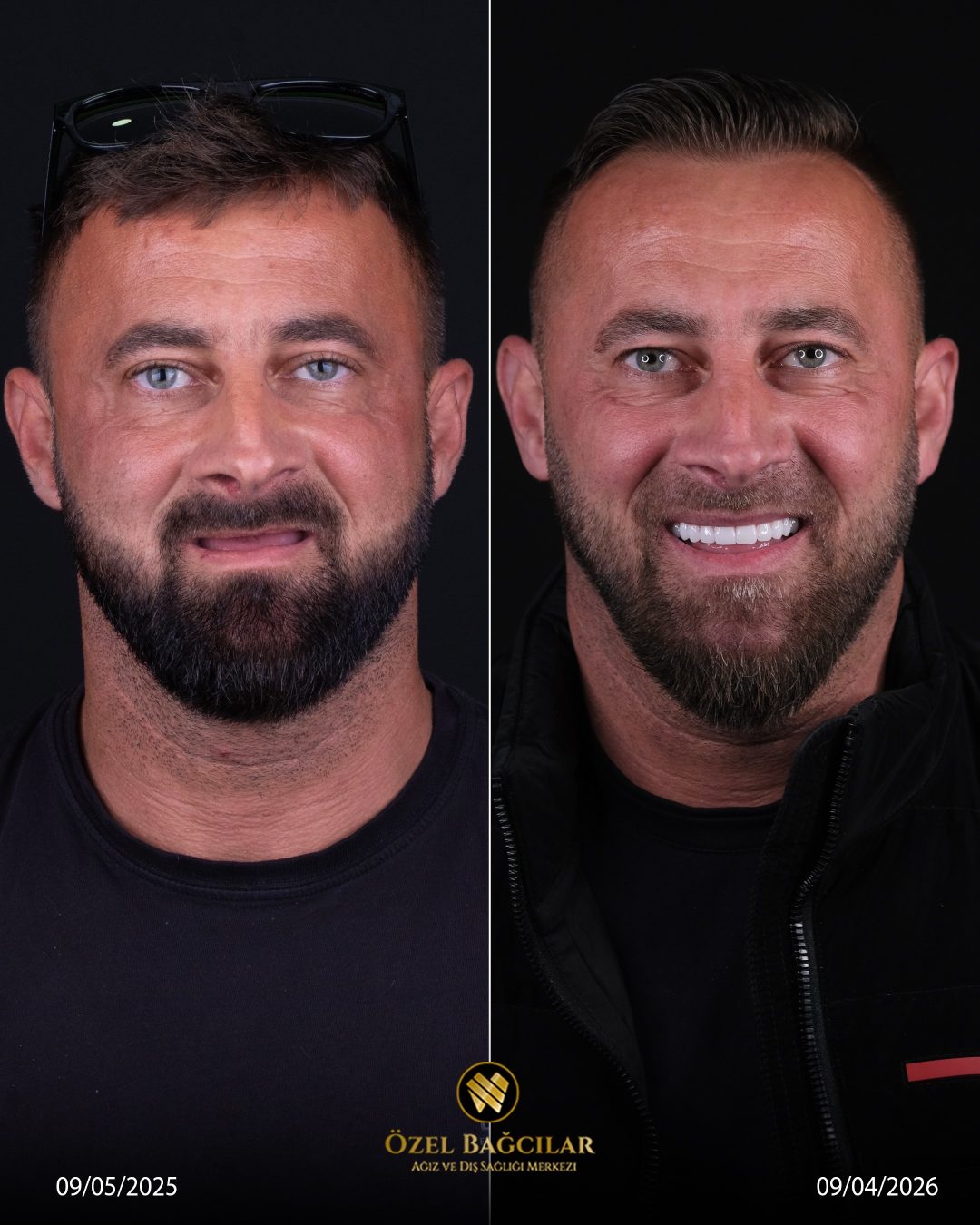
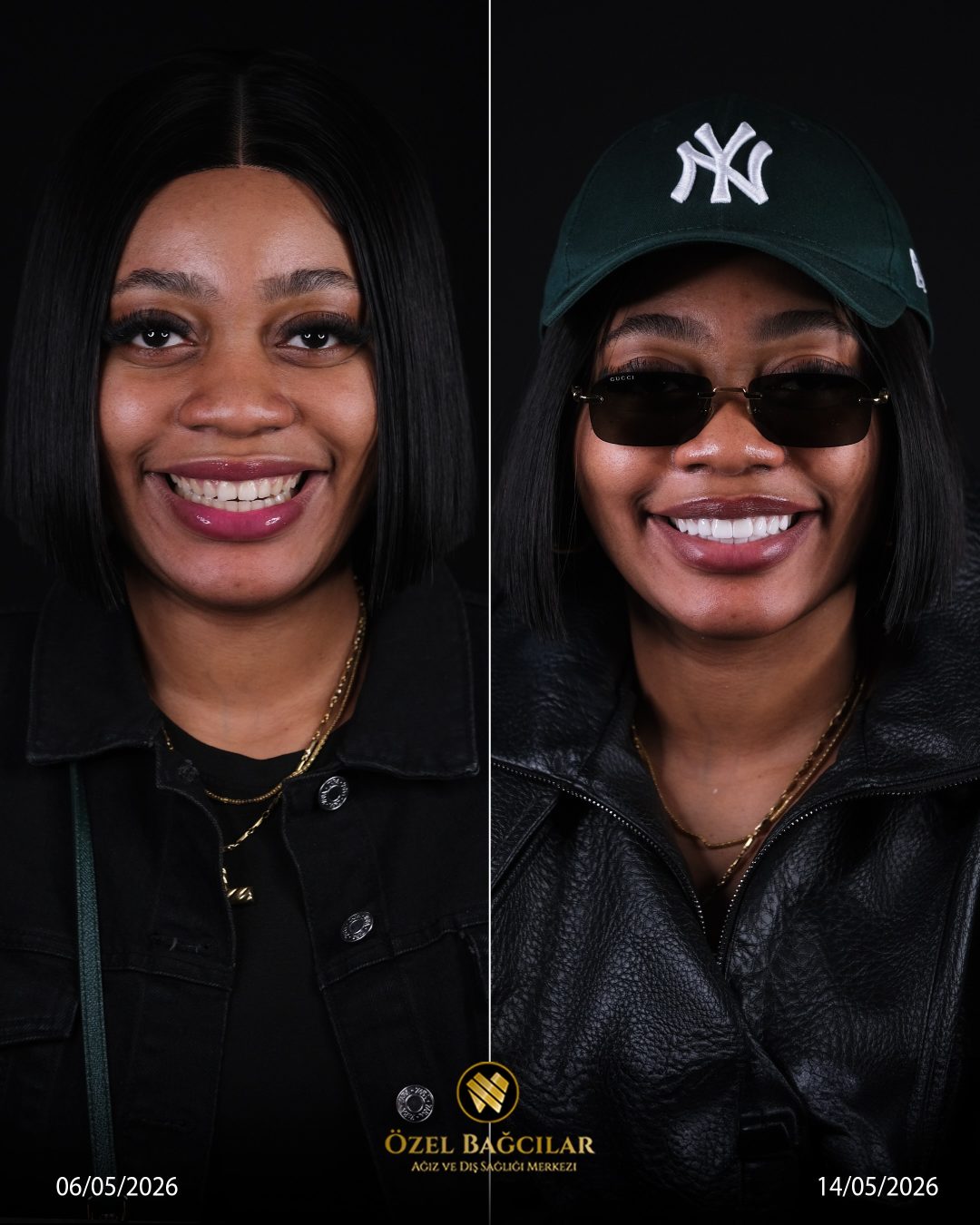
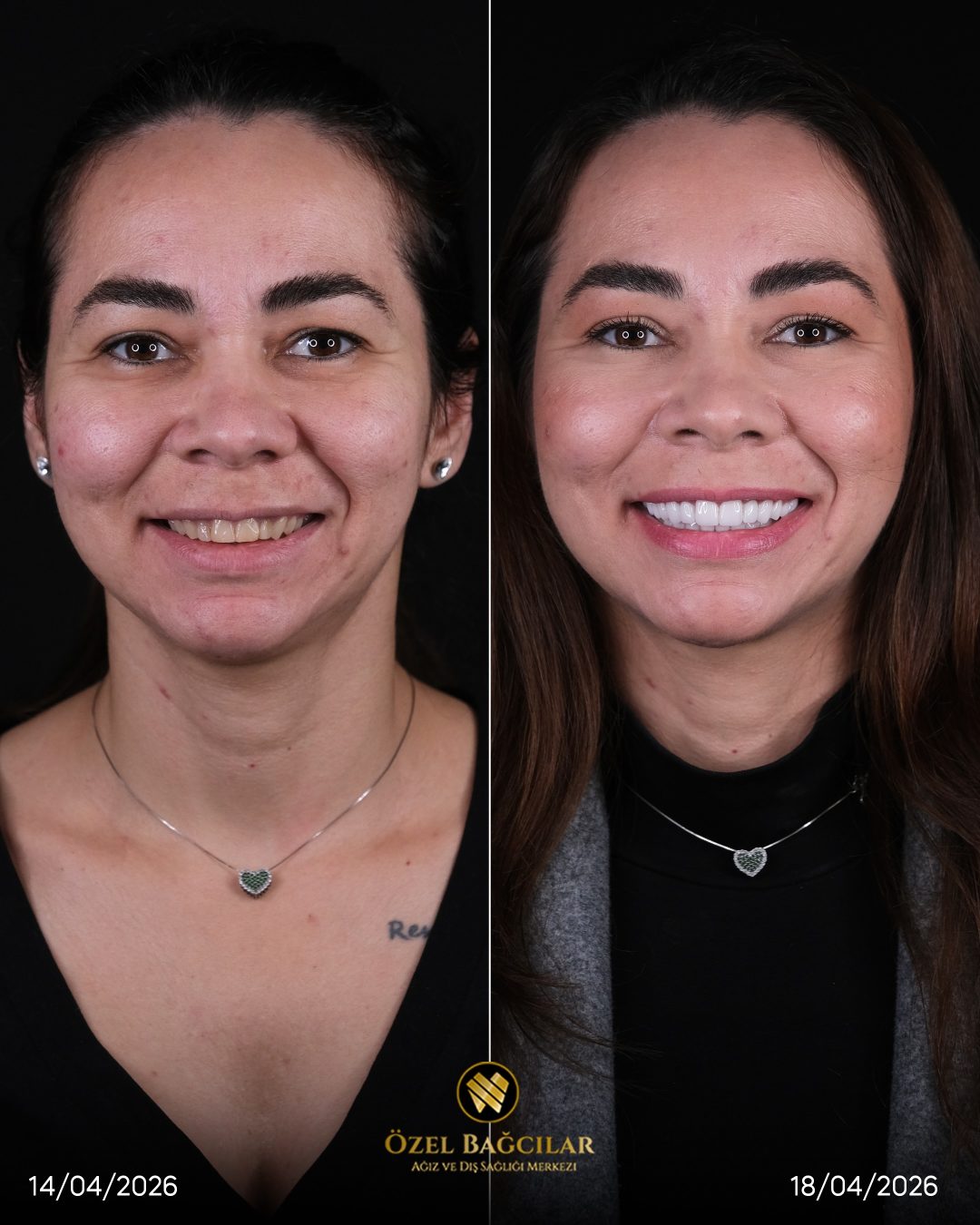
Before & After

Bağcılar Diş öncesi sonrası

Persistent bad breath has a source, and in the large majority of cases that source is inside the mouth. That is good news, because mouth-based causes are identifiable and treatable — unlike the vague explanations people are often given about digestion or diet.

The specific chemistry is well understood. Bacteria break down proteins and release volatile sulphur compounds, which are what the nose detects. Everything that genuinely helps works by reducing either the bacteria or the material they feed on. Everything that only masks the smell wears off within the hour.

This page identifies the actual sources in order of how common they are, explains how to work out which applies to you, sets out what works and what does not, and is clear about the minority of cases where the cause is medical rather than dental.

Where the Smell Comes From

Odour is produced by anaerobic bacteria — species that thrive without oxygen — breaking down proteins from food debris, dead cells and blood. The by-products are volatile sulphur compounds, principally hydrogen sulphide and methyl mercaptan, both detectable by the human nose at extremely low concentrations.

Two conditions have to be met: a supply of protein, and an oxygen-poor place for the bacteria to work. That combination explains every significant source in the mouth — the crevices at the back of the tongue, the pockets around teeth with gum disease, the spaces under a poorly fitting restoration.

It also explains why saliva matters so much. Saliva carries oxygen, physically washes debris away and contains antibacterial components. Anything that reduces saliva flow tips the balance towards the bacteria — which is why bad breath is worst on waking, after hours of reduced flow.

Morning breath is therefore normal and not a condition. What matters clinically is breath odour that persists through the day despite ordinary cleaning, because that indicates a continuing source rather than an overnight accumulation.

One consequence of this chemistry is worth stating plainly: anything that only changes how the mouth smells for half an hour is not treating the problem. The test of any measure is whether it reduces the bacteria or the protein they feed on. Everything else — including most of what is sold for the purpose — is temporary by design.

The Tongue — The Largest Single Source

In people with healthy gums and no untreated decay, the tongue accounts for the majority of odour production. This surprises most patients, who assume the problem must be their teeth.

The upper surface of the tongue, particularly towards the back, is covered in papillae with deep crevices between them. Those crevices trap food debris, dead cells and bacteria, and they are protected from oxygen and from the mechanical cleaning of eating and speaking. It is close to an ideal environment for the bacteria involved.

A visible white or yellowish coating is a reasonable indicator, though not a reliable one — a coated tongue is not always malodorous and a clean-looking tongue can still be the source. The definitive test is simple: scrape the back of the tongue with a clean plastic spoon, let it dry for a few seconds, and smell it.

Cleaning it is equally simple and is the single most effective self-help measure available. A tongue scraper used from as far back as comfortable, drawn forward several times, removes considerably more than a toothbrush does. It should be done gently and daily rather than aggressively and occasionally.

One caution about technique. Scraping hard enough to make the tongue sore is counterproductive — damaged tissue sheds more cells, which is exactly the protein supply you were trying to remove. Light pressure repeated daily removes more over a week than one aggressive session, the same principle that applies to brushing at the gum margin.

Gum Disease

Periodontal disease is the most clinically important dental cause, because it is progressive, frequently painless, and destroys the support around teeth while producing the odour.

As the attachment between gum and tooth breaks down, pockets form. Those pockets are oxygen-poor, hold debris, and cannot be cleaned by brushing — they are a purpose-built environment for odour-producing bacteria. Bleeding contributes further, since blood is a protein source.

The distinguishing features are gums that bleed when brushed or flossed, tenderness, and in more advanced cases, recession and loosening teeth. Bad breath accompanied by any of these is a reason to have the gums assessed properly rather than to buy stronger mouthwash.

Treatment resolves the odour in most cases, because it removes both the bacteria and the environment they need. That treatment is professional cleaning above and below the gum line, sometimes over several appointments, combined with a cleaning routine that reaches between teeth.

There is a practical marker worth knowing. Gum disease severe enough to cause persistent odour has almost always caused some bone loss as well, which means the assessment should include measuring pockets rather than only looking at the gums. Where it has progressed far enough to loosen teeth, replacement planning may need to run alongside the periodontal treatment rather than after it.

Teeth, Fillings and Restorations

The teeth themselves are a less common source than most people expect, but there are specific situations where they are clearly responsible.

Untreated decay creates a soft, protein-rich cavity that traps food and harbours bacteria. Deep decay reaching the nerve, or an abscess, produces a characteristically foul odour and usually other symptoms alongside.

Failing restorations matter more than intact ones. A filling with a gap at its margin, or a crown that no longer seals, creates exactly the sheltered space bacteria need. The restoration may look fine and function normally while leaking at the edge.

Dentures are a frequent and under-discussed source. Acrylic is porous, and a denture worn overnight and cleaned inadequately develops a substantial bacterial and fungal load. Removing it at night and cleaning it properly resolves a surprising number of persistent cases. The same applies around implants where tissue is inflamed.

Bridges deserve a specific mention. The false tooth sits above the gum and the space underneath cannot be reached by ordinary flossing — it needs a threader or an interdental brush. A bridge cleaned as though it were three separate teeth traps debris in exactly the place nobody is cleaning, and it is a recurring source in patients who are otherwise meticulous. How bridges compare with implants covers the maintenance difference.

Dry Mouth

Reduced saliva flow is a major contributor and one of the most frequently overlooked, partly because patients do not connect a dry mouth with an odour problem.

Medication is the commonest cause. A long list of drug classes reduce salivary flow — antidepressants, antihistamines, blood pressure medications, diuretics and others. Anyone taking several medications is likely to have some degree of dryness.

Other causes include mouth breathing, particularly during sleep and especially with nasal obstruction; dehydration; alcohol and caffeine; and certain medical conditions affecting the salivary glands. Radiotherapy to the head and neck reduces flow markedly and often long-term.

Management targets the dryness rather than the odour. Frequent water, sugar-free gum to stimulate flow, saliva substitutes, humidifying the bedroom and addressing nasal obstruction all help. Alcohol-based mouthwashes should be avoided here specifically, because the drying effect outweighs any antibacterial benefit.

Dryness also raises decay risk substantially, because saliva neutralises acid and returns minerals to the enamel surface. A patient with persistent dry mouth and bad breath frequently has both problems developing at once, and treating only the odour leaves the more serious one running. Fluoride application and shorter recall intervals usually form part of the plan.

Identifying Your Source

Working out which source applies narrows treatment considerably and prevents months of buying products aimed at the wrong problem.

Identifying the source of persistent bad breath
SourceHow to recognise itWhat resolves it
Tongue coatingSpoon test smells; visible coatingDaily tongue scraping
Gum diseaseBleeding on brushing; tender gumsProfessional cleaning, then maintenance
Decay or failing fillingFood trapping; sensitivity; visible cavityRestorative treatment
Denture-relatedOdour worst with denture inOvernight removal and proper cleaning
Dry mouthPersistent dryness; multiple medicationsStimulate and substitute saliva
Tonsil stonesSmall white lumps; odour comes in episodesMedical assessment
Non-oral causeNo dental findings; odour persists after treatmentMedical referral

Self-assessment is genuinely difficult because you cannot smell your own breath — the olfactory system adapts to constant stimuli. Licking the inside of the wrist, letting it dry and smelling it gives an approximation. Asking someone you trust is more reliable and worth the awkwardness.

Causes Outside the Mouth

A minority of cases originate elsewhere, and they are worth recognising because dental treatment will not help them.

Tonsil stones are the commonest non-dental cause. Small calcified deposits form in the tonsil crypts and produce a strong odour disproportionate to their size. The pattern is episodic rather than constant, and patients sometimes cough one up.

Sinus and nasal conditions contribute through post-nasal drip, which supplies protein to the back of the tongue, and through the mouth breathing that nasal obstruction causes. Chronic sinusitis is a recognised cause.

Gastro-oesophageal reflux is often blamed and less often responsible than assumed. It can contribute, particularly where reflux reaches the throat, but the digestive tract is normally closed and is not a common route for odour.

Systemic conditions produce characteristic odours — a sweet acetone smell in uncontrolled diabetes, a fishy or ammoniacal smell in advanced kidney or liver disease. These are distinctive and accompanied by other symptoms, and they warrant medical rather than dental attention.

It is worth completing the dental side before pursuing these, because the investigations are more involved and the yield is lower. A thorough examination including periodontal assessment and a check of every restoration margin either finds the source or genuinely rules the mouth out — and that second result is what makes a medical referral worth making.

Food, Drink and Habits

Dietary causes are real but usually temporary, and they are distinguished from persistent halitosis by resolving within a day.

Garlic and onion contain sulphur compounds absorbed into the bloodstream and released through the lungs. That is why brushing does not eliminate garlic breath — it is not coming from the mouth at that point and simply has to be metabolised.

Coffee and alcohol both dry the mouth and are mildly acidic. Low-carbohydrate diets produce ketones with a distinctive sweetish odour that is not a dental problem at all. Skipping meals reduces saliva stimulation and worsens odour through the day.

Smoking deserves separate mention because it acts through several routes at once: its own residual odour, reduced saliva, and a substantially increased risk of the gum disease that is itself a primary cause. It is the habit most worth addressing for breath specifically.

Meal timing matters more than people expect. Long gaps without eating reduce saliva stimulation, which is why breath is often worst in the late afternoon in people who skip lunch. Chewing anything at all restores flow within minutes — a considerably more effective intervention than a mint, and it works by a different mechanism.

What Actually Works

Effective measures reduce bacteria or the material they feed on. The order below reflects how much difference each typically makes.

  1. Clean the tongue daily. A scraper rather than a brush, used from as far back as comfortable. The highest-yield single measure for most people.
  2. Clean between the teeth. Brushing reaches roughly three surfaces of five. Interdental brushes or floss reach the two that harbour most debris.
  3. Treat gum disease properly. Professional cleaning below the gum line, then a maintenance interval that keeps it stable.
  4. Repair leaking restorations and decay. Removes the sheltered spaces bacteria occupy.
  5. Address dryness. Water, sugar-free gum, saliva substitutes, and a review of medication with your doctor where appropriate.
  6. Use an appropriate mouthwash. Alcohol-free, with zinc or chlorine dioxide, which neutralise sulphur compounds rather than masking them.

Chlorhexidine is effective but stains teeth brown with prolonged use and is intended for short courses. It is an excellent short-term measure and a poor daily habit — a distinction often lost in the instructions on the bottle.

What Does Not Work

Several widely used approaches either do nothing or make matters worse, and they account for a great deal of wasted effort.

Masking. Mints, gum and strongly flavoured mouthwash cover odour for twenty to thirty minutes. Sugar-containing mints actively feed the bacteria. Sugar-free gum is genuinely useful, but because it stimulates saliva rather than because of its flavour.

Alcohol-based mouthwash. Kills bacteria briefly and dries the mouth, which favours the anaerobic species responsible. For a patient whose problem is dryness, this is precisely the wrong product.

Brushing harder or more often. Does not reach the tongue surface or between the teeth, and causes abrasion and recession which creates new spaces for debris to collect.

Treating it as a digestive problem without a dental examination. The overwhelming majority of persistent cases are oral in origin, and starting with the mouth resolves most of them far more quickly.

Whitening in the hope of freshening. Whitening changes the colour of teeth and has no effect whatever on odour. Patients occasionally pursue cosmetic treatment for a problem that is bacterial and end up with whiter teeth and the same complaint. Establishing the source first avoids spending in the wrong direction.

When to See a Doctor Instead

Most cases are dental, but some are not, and the distinction is usually clear from the pattern.

If a thorough dental examination finds healthy gums, no decay, sound restorations and a clean tongue, and the odour persists after those have been confirmed, the source is likely to be elsewhere. That is the point to involve a doctor rather than to repeat dental treatment.

Specific features that point away from the mouth include odour that comes in episodes rather than constantly, a distinctive sweet or ammoniacal quality, accompanying symptoms such as weight loss, thirst or persistent sore throat, and a history of sinus problems or reflux.

There is also a condition where the patient perceives an odour that others cannot detect. It is genuinely distressing and is not resolved by further dental treatment, which can make it worse by reinforcing the concern. Recognising it requires objective assessment and honesty from the clinician.

How the Source Is Traced Rather Than Masked

The examination looks for a source rather than prescribing a product. That means assessing the gums with measurements, checking every restoration margin, examining the tongue coating, and asking about medication and dry mouth.

Where gum disease is found, that is treated first and reassessed, because it resolves the odour in the majority of those cases. Where the tongue is the source, technique matters more than any product and we demonstrate it rather than describing it.

Where the examination is genuinely clear and the problem persists, we say so and suggest medical assessment rather than proposing further dental work. Repeating treatments that have not helped is not a plan.

Our clinic has treated patients from more than thirty countries over twelve years. All treatments carry a lifetime guarantee, subject to attending the recommended check-ups and following the aftercare given, and excluding accidental damage or neglect. For gum treatment in particular, maintenance is the part that determines whether the result holds. If you are planning treatment from abroad, what the first appointment involves and how follow-up works afterwards are both worth reading beforehand.

Keeping It Under Control

Once the source has been treated, staying free of it is a routine rather than a course of treatment. The routine is short, and the parts of it that matter most are the parts most often skipped.

  1. Scrape the tongue every morning, before brushing rather than after — it is easier to reach the back of the tongue on a mouth that has not just been foamed with paste.
  2. Clean between every tooth once a day. Which tool matters far less than doing it; the best one is the one you will actually use.
  3. Keep to the recall interval you were given. Gum disease recurs quietly, and the interval is set from your own risk rather than a standard six months.
  4. Drink water through the day rather than in occasional large amounts, particularly if you take medication that dries the mouth.
  5. Clean any denture or appliance outside the mouth and leave it out overnight.

If odour returns despite all of this, that is information rather than failure — it usually means a source was missed or a new one has appeared, most often a restoration that has started to leak or a pocket that has reopened. It is worth reassessing rather than escalating the products.

Frequently Asked Questions

Why does my breath smell even though I brush twice a day?
Because brushing reaches the teeth, and the largest source in most people is the back of the tongue. Brushing also misses the surfaces between teeth, which harbour most debris. Adding daily tongue scraping and interdental cleaning resolves a large proportion of cases.
Is bad breath always caused by poor hygiene?
No. Gum disease can progress despite good brushing, dry mouth from medication is entirely outside your control, and tonsil stones have nothing to do with hygiene at all. Assuming it is a cleaning failure often means the actual cause goes uninvestigated for years.
How can I tell if my breath smells?
You cannot smell your own breath reliably because the olfactory system adapts to constant stimuli. Scraping the back of the tongue with a clean spoon and smelling the residue gives a good indication. Asking someone you trust is more reliable, if less comfortable.
Does mouthwash help?
It depends entirely on the type. Alcohol-based washes mask odour briefly and dry the mouth, which makes the underlying problem worse. Alcohol-free formulations containing zinc or chlorine dioxide neutralise sulphur compounds and are genuinely useful alongside proper cleaning.
Can gum disease cause bad breath without pain?
Yes, and this is the most important reason to have persistent bad breath assessed. Periodontal disease is frequently painless until advanced. Bleeding when brushing is the usual early sign, and bad breath is often the symptom that finally prompts the appointment.
Why is my breath worse in the morning?
Saliva flow drops substantially during sleep, so bacteria are neither washed away nor exposed to the oxygen saliva carries. Morning breath is normal and not a condition. What matters clinically is odour that persists through the day after ordinary cleaning.
Do tongue scrapers really work?
Yes, and they are more effective than a toothbrush on the tongue surface. The crevices between the papillae at the back of the tongue trap the material that produces odour, and a scraper removes considerably more of it. Used gently and daily rather than aggressively and occasionally.
Can my stomach cause bad breath?
Less often than commonly assumed. The digestive tract is normally closed and is not a usual route for odour. Reflux reaching the throat can contribute in some people, but the overwhelming majority of persistent cases are oral in origin and resolve with dental treatment.
What are tonsil stones?
Small calcified deposits that form in the crypts of the tonsils, trapping debris and bacteria. They produce a strong odour disproportionate to their size, and the pattern is episodic rather than constant. They are a medical rather than dental matter and sometimes need specialist attention.
Can dentures cause bad breath?
Frequently, and it is under-discussed. Acrylic is porous and a denture worn overnight with inadequate cleaning develops a substantial bacterial and fungal load. Removing it at night, cleaning it properly and soaking it appropriately resolves many persistent cases on its own.
Does dry mouth cause bad breath?
Yes, and it is one of the most overlooked causes. Saliva carries oxygen, washes away debris and contains antibacterial components. Reduced flow, most often from medication, tips the balance towards the anaerobic bacteria responsible for odour. It also raises decay risk at the same time, so it is worth addressing for more than breath alone.
Will treating my gums fix the problem?
In the majority of cases where gum disease is present, yes. Treatment removes both the bacteria and the oxygen-poor pockets they occupy. Where odour persists after gum health is confirmed stable, the source is elsewhere and should be investigated rather than treated again.
Is bad breath a sign of something serious?
Usually not — it is usually a tongue or gum problem. Certain distinctive odours do indicate systemic disease, such as a sweet acetone smell in uncontrolled diabetes, but these come with other symptoms. Persistent odour with no dental findings warrants medical assessment.
How long does it take to improve?
Tongue cleaning often produces a noticeable difference within days. Gum treatment improves things over the following weeks as inflammation settles. Restorative work resolves that specific source immediately. Where several sources coexist, improvement is stepwise rather than sudden. It is worth reassessing after each stage rather than judging the whole plan on the first change.
What does treatment cost?
We do not publish price lists, because the cause determines the treatment and the range is wide — some patients need only a hygiene appointment and technique advice, others a course of periodontal treatment. An examination establishes which before anything is quoted.

Ready to start your treatment?

Get a free online assessment and a transparent treatment plan from our Istanbul clinic.

Contact
✦ Our Patients
✦ Our Clinic
✦ Our doctors

Our Expert Staff

A safe, comfortable and transparent treatment process at every stage with our experienced physicians.

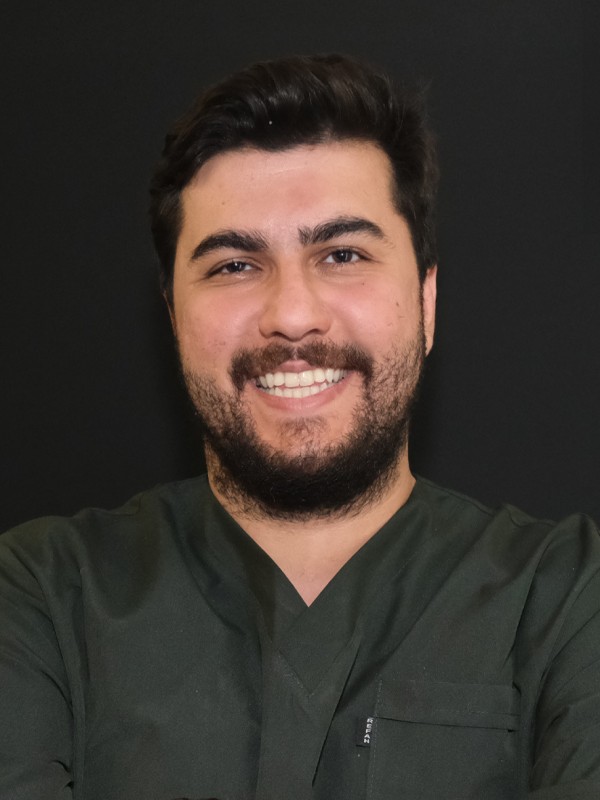
Dt. Muhammed Yancar

Dt. Muhammed Yancar

Responsible Manager · Dentist

He graduated from Okan University Faculty of Dentistry (2022). He works as the responsible manager and dentist at Bağcılar Dental Polyclinic. He is a member of the Turkish Prosthodontics and Implantology Association (TPİD) and the Turkish Dental Association (TDB).

Dr. Dt. Remziye Kuşağlı

Dr. Dt. Remziye Kuşağlı

Responsible Dentist

He graduated from Dicle University Faculty of Dentistry (2005); He has 21 years of experience. It specializes in implant-supported dentures, All-on-4/All-on-6, zirconium, laminate and E-max coating treatments. He is a member of TDB.

Uzm. Dr. Dt. Nazlı Altın

Uzm. Dr. Dt. Nazlı Altın

Oral and Maxillofacial Surgery Specialist

He graduated from Istanbul University Faculty of Dentistry; He completed his doctorate in oral, dental and maxillofacial surgery. He specializes in complex cases with implant surgery, jaw surgery and bone grafting.

Uzm. Dt. Uğur Derdiyok

Uzm. Dt. Uğur Derdiyok

Oral and Maxillofacial Surgery Specialist

He graduated from Ankara University Faculty of Dentistry; He completed his specialization in oral, dental and maxillofacial surgery at Kırıkkale University. He is an expert in surgical practices with 11 years of experience.

Uzm. Dt. Ceren Çetinkaya

Uzm. Dt. Ceren Çetinkaya

Orthodontic Specialist

He graduated from Ege University Faculty of Dentistry; He completed his orthodontics specialization at Istanbul University. He is experienced in fixed and transparent plate treatments and focuses on functional and aesthetic results.

Dr. Dt. Hakan Şahin

Dr. Dt. Hakan Şahin

Pedodontics Specialist (Pediatric Dentist)

He graduated from Atatürk University Faculty of Dentistry; He completed his pedodontics specialization. It has been providing preventive and therapeutic services in children's dental health for many years.

Uzm. Dt. Natiga Israfilova

Uzm. Dt. Natiga Israfilova

Prosthetic Dentistry Specialist

He is a graduate of Azerbaijan Medical University; He completed his prosthetic dentistry specialization at Eskişehir Osmangazi University. With 20 years of experience, he is an expert in implant prostheses, All-on-4/6, zirconium, laminate and E-max applications.

Dt. Nur Küçük

Dt. Nur Küçük

Prosthodontics & Digital Dentistry

He graduated from Istanbul Medipol University, Department of Dentistry; He continues his doctoral education in prosthetic dentistry. He works on aesthetic and functional restorations and smile design with CAD/CAM systems.

Dt. Mehmet Emin Ceylan

Dt. Mehmet Emin Ceylan

Implant & Prosthesis

He graduated from Istanbul Aydin University Faculty of Dentistry; He has 7 years of experience. He specializes in implant-supported dentures, All-on-4/All-on-6 restorations, full mouth dentures and zirconium applications.

Dt. Zeynep Demirhan

Dt. Zeynep Demirhan

Prosthodontics & Aesthetic Dentistry

He graduated from Bezmiâlem Vakıf University, Faculty of Dentistry. He is experienced in prosthetic treatments, smile design, implant-supported prostheses and treatments under sedation; focuses on patient satisfaction.

Dt. Seda Şahle Alemdar

Dt. Seda Şahle Alemdar

Implant & Aesthetics · Digital

He graduated from Abant İzzet Baysal University Faculty of Dentistry (2020). He is experienced in implant-supported dentures, smile design, digital measurement systems and aesthetic restorations.

Dt. Muhammed Ali Almaz

Dt. Muhammed Ali Almaz

Implant & Aesthetic Dentistry

He graduated from Gazi University Faculty of Dentistry (2021); He has 5 years of experience. He works with health tourism patients in the fields of implant prostheses, All-on-4, zirconium, aesthetic fillings and teeth whitening.

Dt. Berkay Pehlivanoğlu

Dt. Berkay Pehlivanoğlu

Restorative & Prosthetic

He graduated from Marmara University Faculty of Dentistry (2021); He has 6 years of experience. He works in the fields of endodontics (root canal treatment), restorative treatments, zirconium/E-max/laminate prosthesis and implant-supported prosthesis.

Dt. Esranur Çelik

Dt. Esranur Çelik

Restorative & Periodontology

He graduated from Süleyman Demirel University Faculty of Dentistry (2017); He has 9 years of experience. He works in periodontology (gum), restorative and endodontic treatments and aesthetic smile design.

Dt. Havva Öztürk

Dt. Havva Öztürk

General & Restorative Dentistry

He graduated from Bolu Abant İzzet Baysal University Faculty of Dentistry (2023). Works in restorative, endodontic, periodontal, prosthetic and pedodontic treatments; Follows current treatments closely.

Dt. Sümeyya Aydınlık

Dt. Sümeyya Aydınlık

Dentist

He graduated from Istanbul Yeni Yüzyıl University, Department of Dentistry (2020); Has approximately 5 years of experience. In addition to general dentistry, he works in implant prosthesis, restorative and endodontic treatments.

Dt. Hasip Altun

Dt. Hasip Altun

General Dentistry

He graduated from Yüzüncü Yıl University Faculty of Dentistry (2018). He has clinical experience in general dentistry and restorative treatments; It stands out with its patient-oriented approach.

Dt. Birsen Er

Dt. Birsen Er

Implant & Aesthetic Dentistry

He graduated from Istanbul University Faculty of Dentistry (2002); He has 24 years of experience. He works in the fields of implant-supported prostheses, All-on-4, zirconium restorations, aesthetic fillings, root canal treatment (endodontics) and teeth whitening.

✦ Our Videos
✦ Trusted Worldwide

What Our Patients Say

Google★★★★★
Trustpilot★★★★★
4.6/5 1.682+ Happy Patients 30+ Countries
A
Ayşe Kaya ★★★★★

I did not feel any pain during my implant treatment. The team is extremely attentive, I was informed at every stage. I love my new smile!

M
Mehmet Yıldız ★★★★★

My zirconium crowns looked very natural. It is excellent in terms of price-performance, I recommend it with peace of mind.

H
Hans Müller ★★★★★

I came from Germany for All-on-4 treatment. The clinic was very modern and hygiene was perfect. Translator support made my job much easier.

E
Elena Petrova ★★★★★

I came for my smile design; Everything was considered, including reception, hotel and transportation. My teeth were literally reborn.

F
Fatma Demir ★★★★★

My gum treatment was very successful. My doctor explained everything patiently, and my fear of the dentist was completely gone.

J
James Wilson ★★★★★

I came from London for laminate veneer. Professional team, painless procedure and great result. It was worth every penny.

Z
Zeynep Arslan ★★★★★

My orthodontic treatment proceeded as planned. The transparent record was very comfortable, no one even noticed. Thanks!

A
Andrei Popescu ★★★★★

I came from Romania for implants. From CT scan to treatment, everything started on the same day. I am very pleased with the result.

H
Hatice Şahin ★★★★☆

After teeth whitening, my teeth became visibly whiter. I got results in one session, it was very practical.

S
Sophie Dubois ★★★★★

I chose it for Hollywood Smile from France. The attention of the doctors and the naturalness of the result were far beyond my expectations.

A
Ali Çelik ★★★★★

My root canal treatment was painless and I returned to work the same day. Modern devices make a difference, well done.

M
Maria Rossi ★★★★★

I came from Italy for zirconium. It is much more advantageous than Europe in terms of both price and quality. I definitely recommend it.

E
Emine Yılmaz ★★★★★

We came for my mother's prosthetic teeth, they were very interested. The patience shown to elderly patients is admirable.

V
Viktor Ivanov ★★★★★

After the smile design, my self-confidence skyrocketed. The clinic is clean and the team is friendly. I recommend it to everyone from Sofia.

A
Ayşe Kaya ★★★★★

I did not feel any pain during my implant treatment. The team is extremely attentive, I was informed at every stage. I love my new smile!

M
Mehmet Yıldız ★★★★★

My zirconium crowns looked very natural. It is excellent in terms of price-performance, I recommend it with peace of mind.

H
Hans Müller ★★★★★

I came from Germany for All-on-4 treatment. The clinic was very modern and hygiene was perfect. Translator support made my job much easier.

E
Elena Petrova ★★★★★

I came for my smile design; Everything was considered, including reception, hotel and transportation. My teeth were literally reborn.

F
Fatma Demir ★★★★★

My gum treatment was very successful. My doctor explained everything patiently, and my fear of the dentist was completely gone.

J
James Wilson ★★★★★

I came from London for laminate veneer. Professional team, painless procedure and great result. It was worth every penny.

Z
Zeynep Arslan ★★★★★

My orthodontic treatment proceeded as planned. The transparent record was very comfortable, no one even noticed. Thanks!

A
Andrei Popescu ★★★★★

I came from Romania for implants. From CT scan to treatment, everything started on the same day. I am very pleased with the result.

H
Hatice Şahin ★★★★☆

After teeth whitening, my teeth became visibly whiter. I got results in one session, it was very practical.

S
Sophie Dubois ★★★★★

I chose it for Hollywood Smile from France. The attention of the doctors and the naturalness of the result were far beyond my expectations.

A
Ali Çelik ★★★★★

My root canal treatment was painless and I returned to work the same day. Modern devices make a difference, well done.

M
Maria Rossi ★★★★★

I came from Italy for zirconium. It is much more advantageous than Europe in terms of both price and quality. I definitely recommend it.

E
Emine Yılmaz ★★★★★

We came for my mother's prosthetic teeth, they were very interested. The patience shown to elderly patients is admirable.

V
Viktor Ivanov ★★★★★

After the smile design, my self-confidence skyrocketed. The clinic is clean and the team is friendly. I recommend it to everyone from Sofia.

B
Burak Aydın ★★★★★

I had a combination of implant and zirconium. The result is incredibly natural. The appointment and follow-up process was very orderly.

A
Anna Schmidt ★★★★☆

My laminate veneer treatment went well. It took a little waiting, but the result was perfect. Thanks for the translator support.

S
Selin Koç ★★★★★

I had gum aesthetics and whitening. I have no hesitation when laughing anymore. I am grateful to the entire team.

R
Robert Brown ★★★★★

My All-on-6 treatment changed my life. I came from England; The attention shown and the result achieved were perfect.

G
Gülşah Eren ★★★★★

We came for my child's dental treatment, they treated the child patients very kindly. He was treated without fear, we are very happy.

D
Dimitar Georgiev ★★★★★

Implant prices are very affordable compared to Bulgaria, and the quality is high. The entire process was completed in 4 days.

O
Okan Demirtaş ★★★★★

I can't recognize myself in photos after my smile design. My doctor's sense of aesthetics is really good.

C
Claudia Fischer ★★★★★

I came for my implant treatment, it was painless and fast. The clinic is above German standards, I am very pleased.

M
Merve Polat ★★★★★

I had a combination of orthodontics and whitening. The result is great, the team is very professional and caring.

L
Lucas Martin ★★★★★

I came from Paris for laminate veneer. I was very pleased with the natural result and warm attention. Thanks!

İ
İbrahim Kara ★★★★☆

My dental bridge treatment was durable and comfortable. Pricing was transparent, there were no surprise fees.

N
Natalia Sokolova ★★★★★

I came from Russia for smile design. The service quality and attention were excellent, my teeth turned out as I dreamed.

D
Deniz Aksoy ★★★★★

I had teeth whitening in one session, the difference was immediately obvious. It was a fast, clean and professional experience.

T
Thomas Becker ★★★★★

I came for All-on-4 and walked out smiling the same day with temporary teeth. The interest and technology are top notch, thank you very much.

B
Burak Aydın ★★★★★

I had a combination of implant and zirconium. The result is incredibly natural. The appointment and follow-up process was very orderly.

A
Anna Schmidt ★★★★☆

My laminate veneer treatment went well. It took a little waiting, but the result was perfect. Thanks for the translator support.

S
Selin Koç ★★★★★

I had gum aesthetics and whitening. I have no hesitation when laughing anymore. I am grateful to the entire team.

R
Robert Brown ★★★★★

My All-on-6 treatment changed my life. I came from England; The attention shown and the result achieved were perfect.

G
Gülşah Eren ★★★★★

We came for my child's dental treatment, they treated the child patients very kindly. He was treated without fear, we are very happy.

D
Dimitar Georgiev ★★★★★

Implant prices are very affordable compared to Bulgaria, and the quality is high. The entire process was completed in 4 days.

O
Okan Demirtaş ★★★★★

I can't recognize myself in photos after my smile design. My doctor's sense of aesthetics is really good.

C
Claudia Fischer ★★★★★

I came for my implant treatment, it was painless and fast. The clinic is above German standards, I am very pleased.

M
Merve Polat ★★★★★

I had a combination of orthodontics and whitening. The result is great, the team is very professional and caring.

L
Lucas Martin ★★★★★

I came from Paris for laminate veneer. I was very pleased with the natural result and warm attention. Thanks!

İ
İbrahim Kara ★★★★☆

My dental bridge treatment was durable and comfortable. Pricing was transparent, there were no surprise fees.

N
Natalia Sokolova ★★★★★

I came from Russia for smile design. The service quality and attention were excellent, my teeth turned out as I dreamed.

D
Deniz Aksoy ★★★★★

I had teeth whitening in one session, the difference was immediately obvious. It was a fast, clean and professional experience.

T
Thomas Becker ★★★★★

I came for All-on-4 and walked out smiling the same day with temporary teeth. The interest and technology are top notch, thank you very much.

✦ Our Brands
Straumann
Nobel Biocare
Astra Tech
Medentika
Bredent SKY
Straumann
Nobel Biocare
Astra Tech
Medentika
Bredent SKY
✦ Contact
Get in touch

İstanbul Bağcılarour central clinic

Merkez Mahallesi 675. Sokak No: 1-7/A-B, 34203 Bağcılar/İstanbul, Turkey

Open in Google Maps