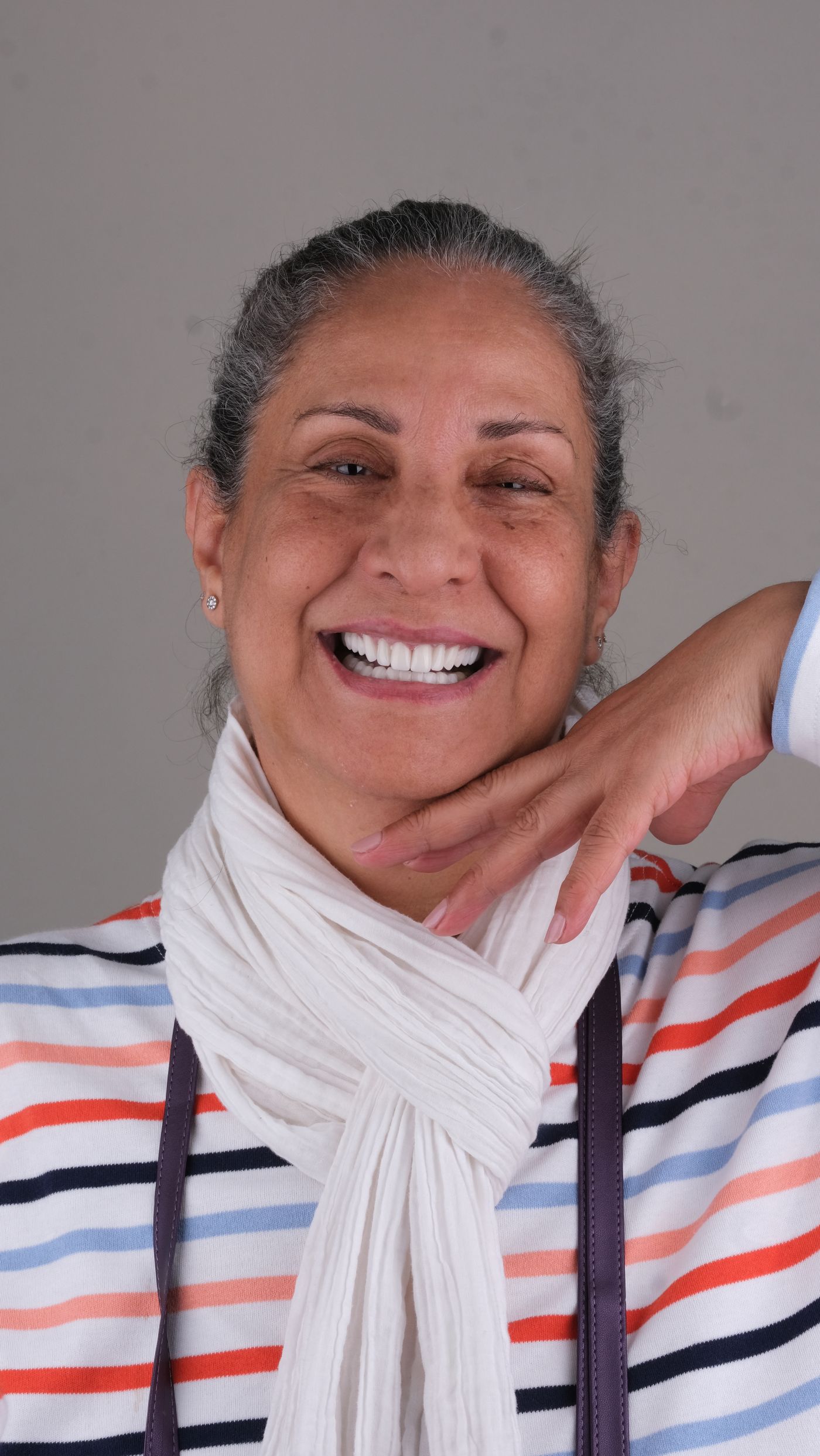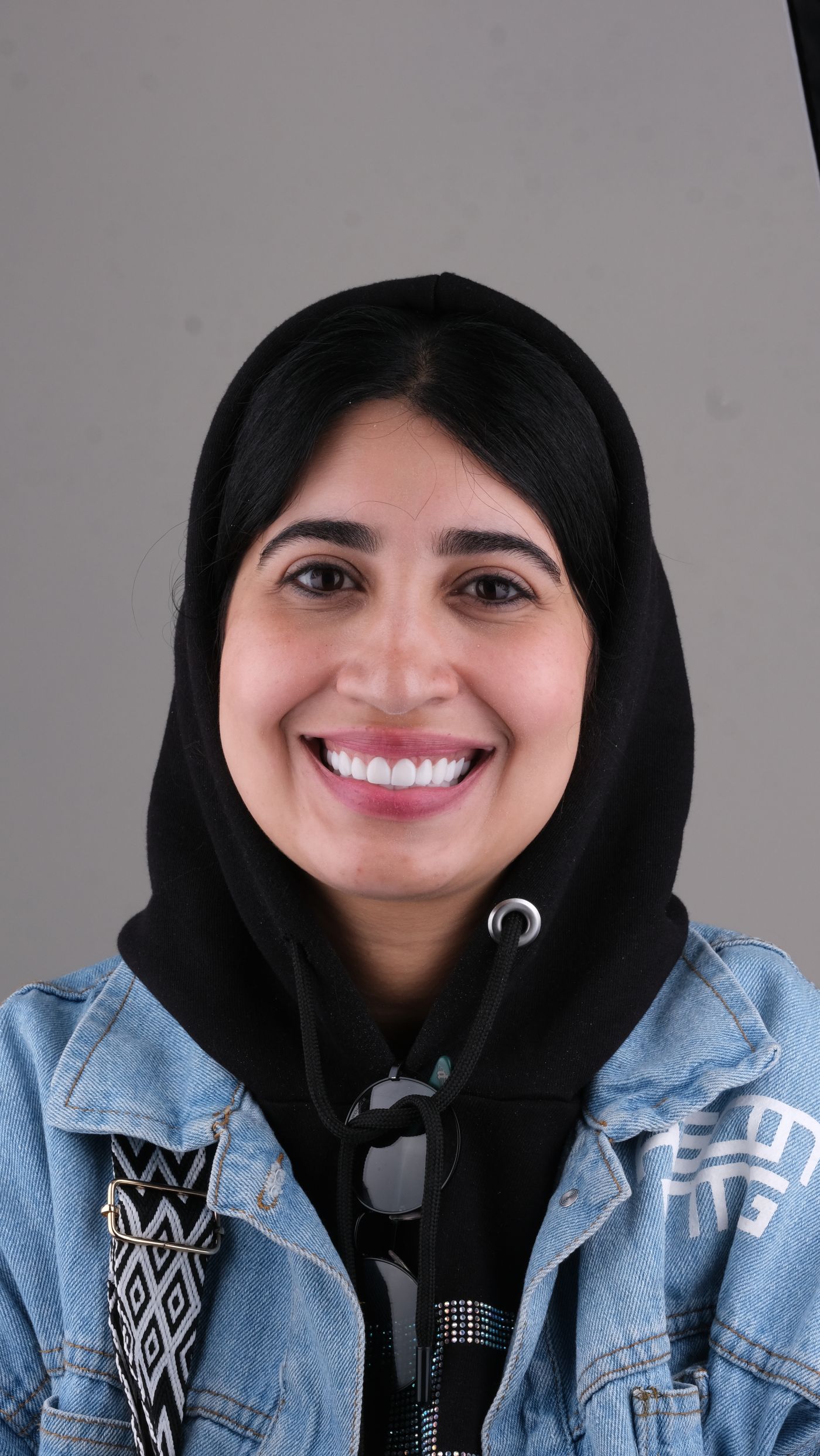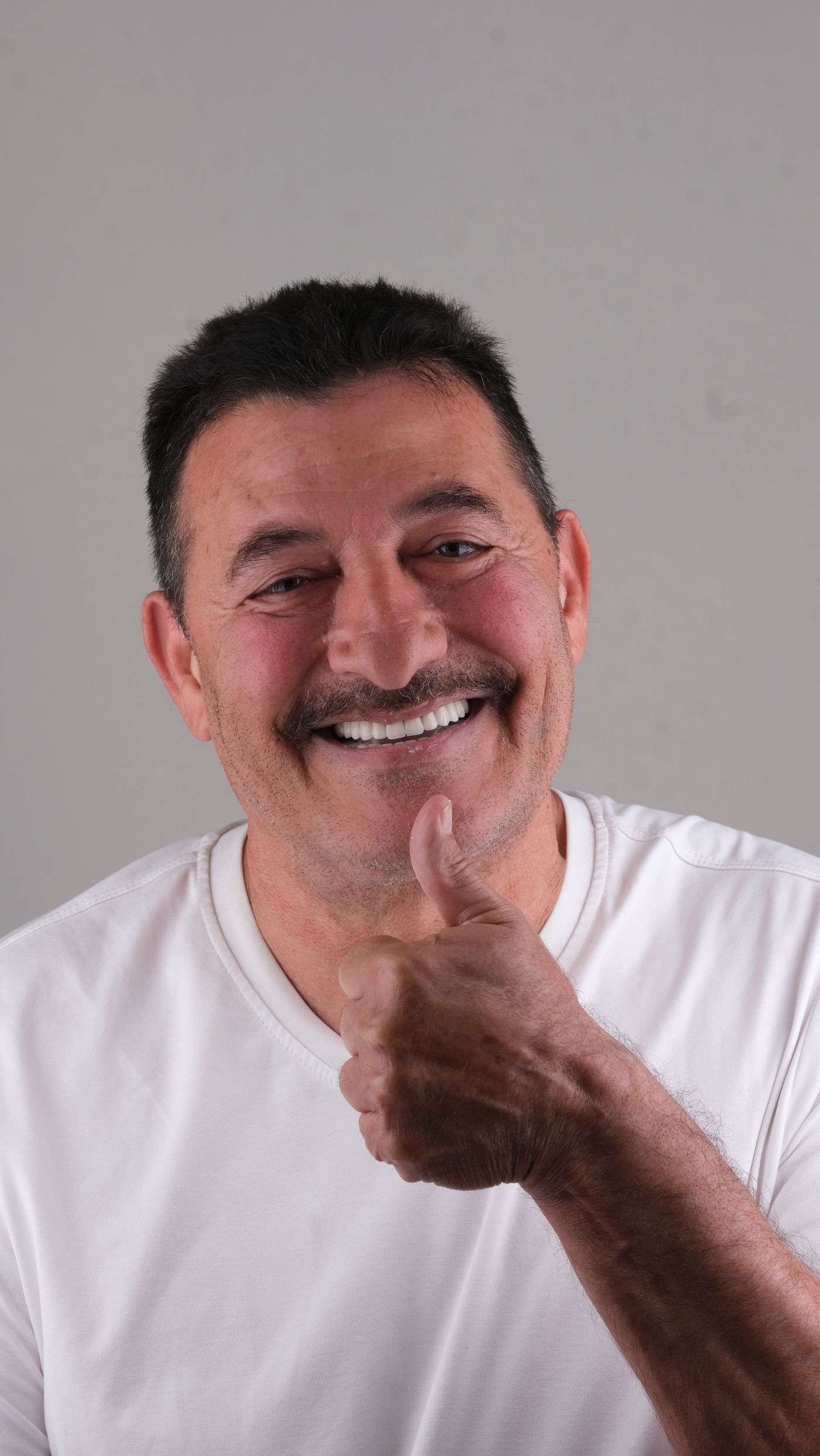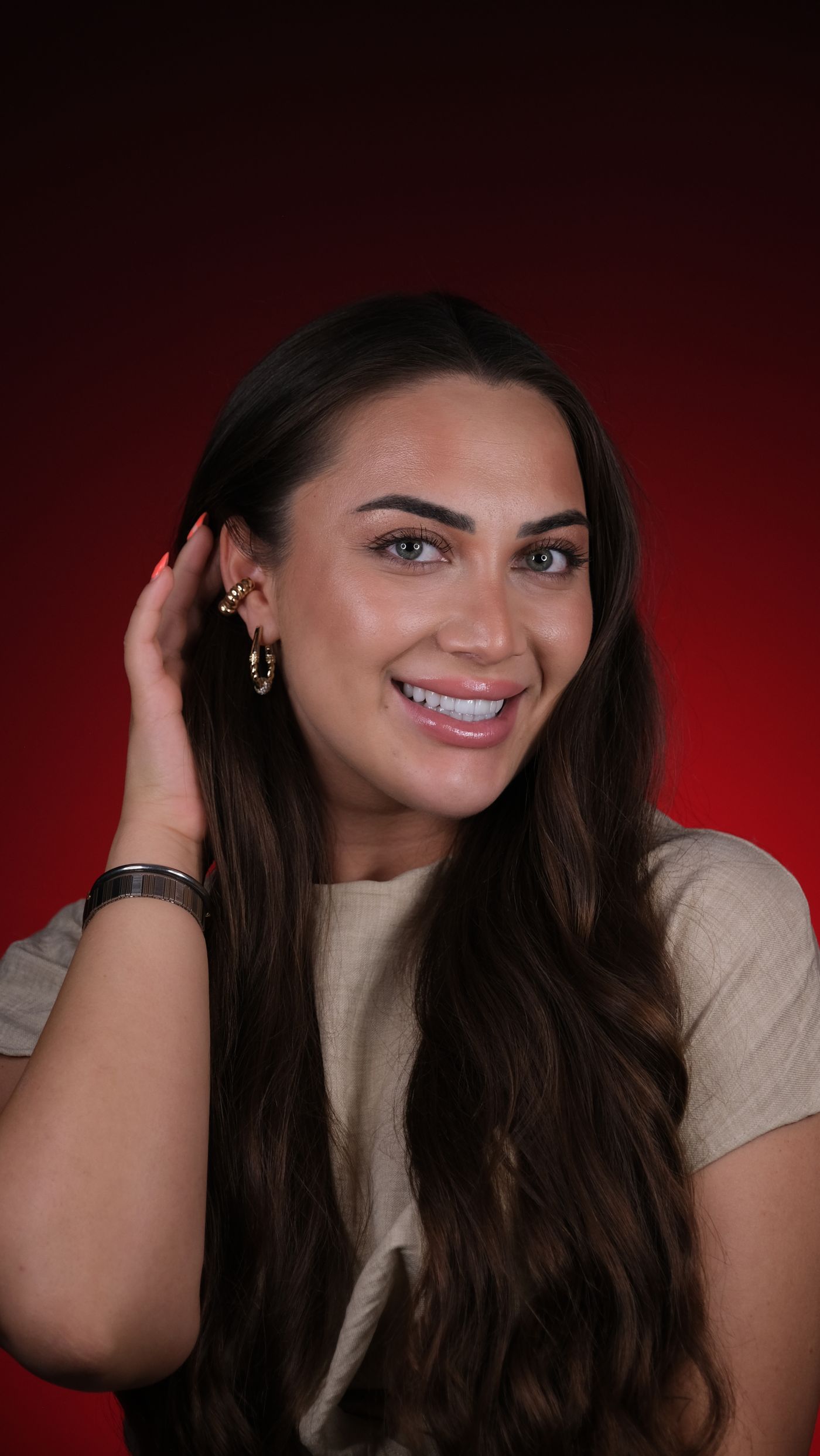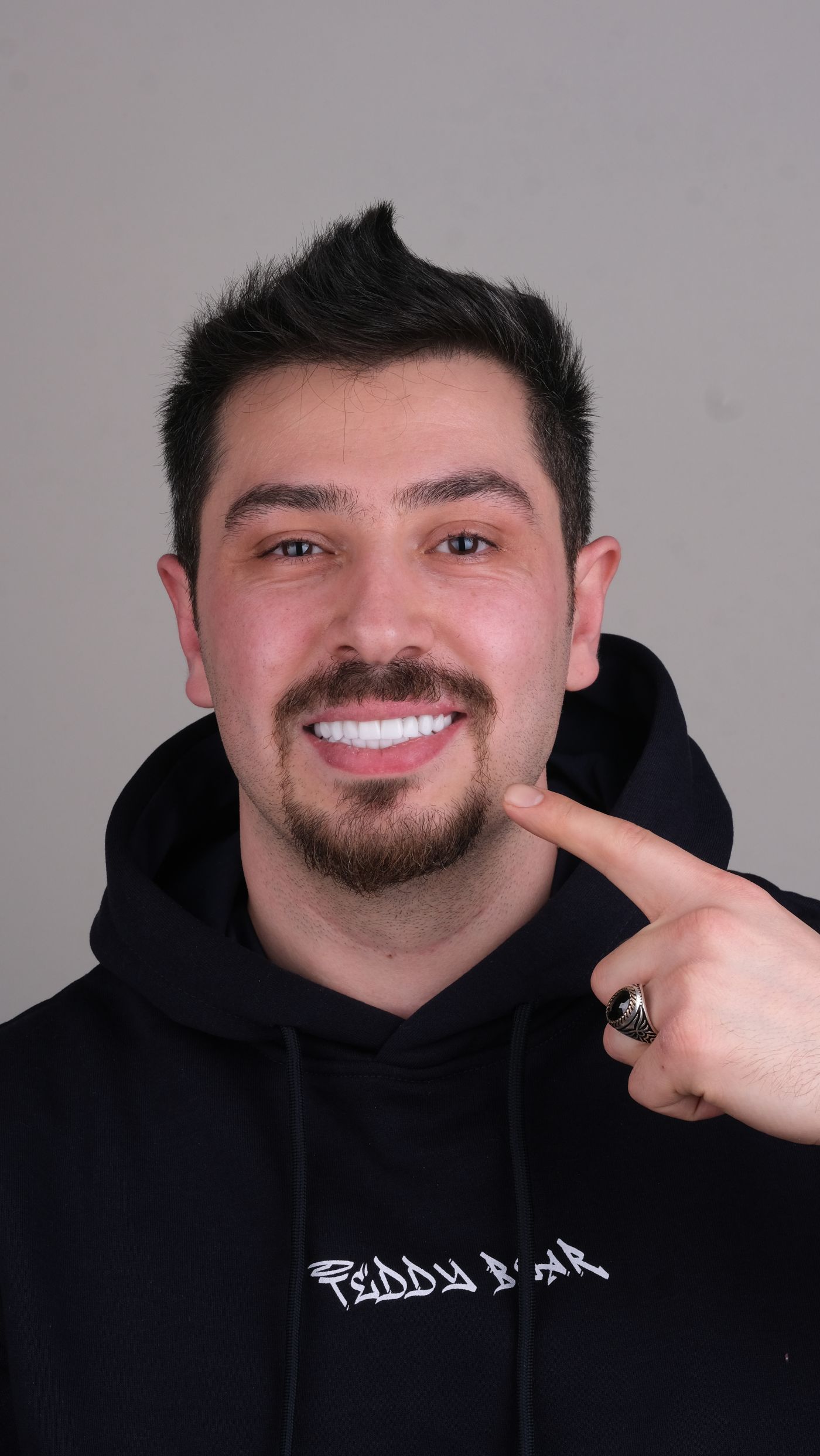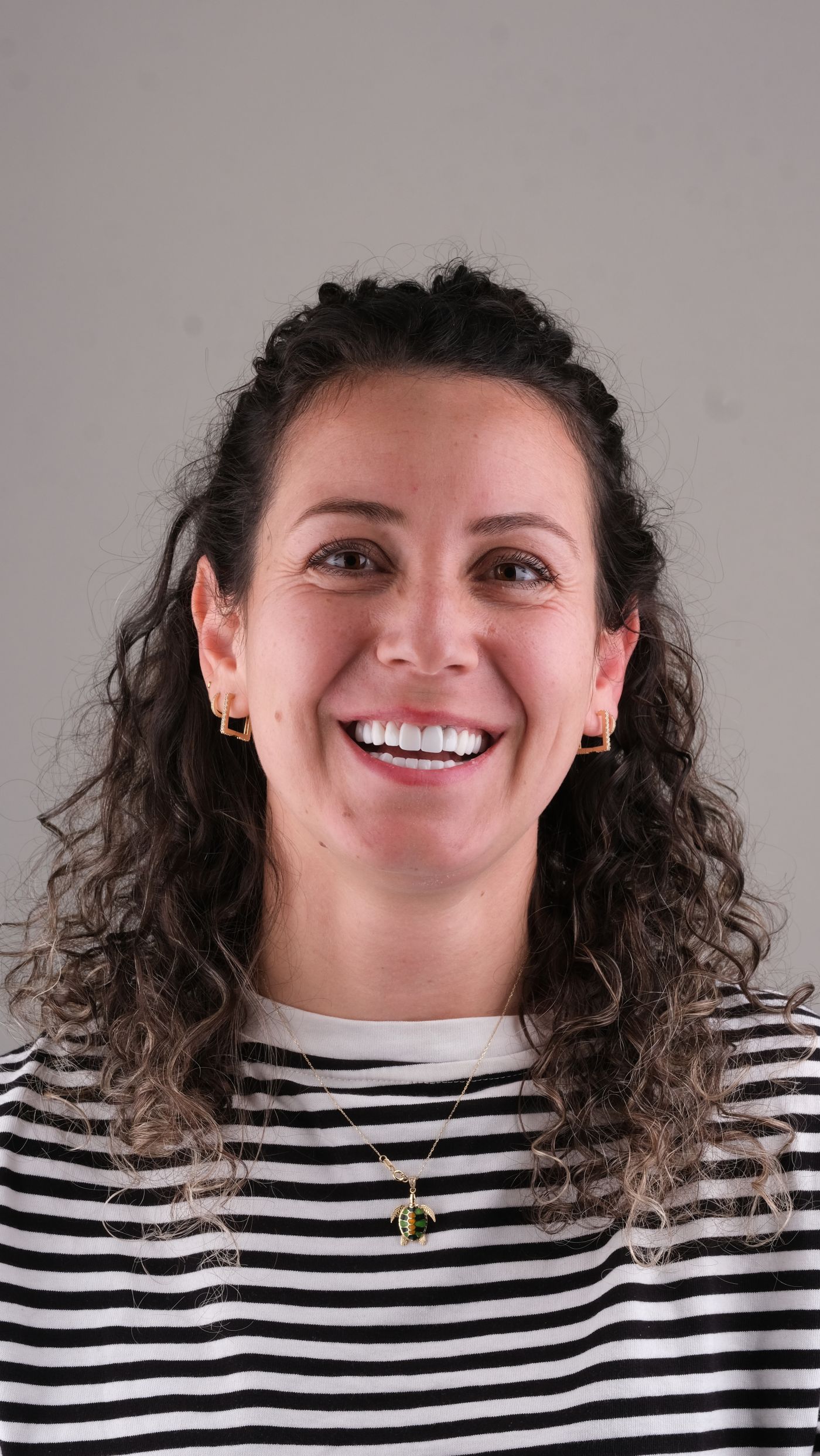
Google Reviews 4.6/5 1.682+ Happy Patients 30+ Countries

Crooked Teeth — Straightening Options by Case

✦ Common Problems

Crooked Teeth — Straightening Options by Case

Crowding, rotation and bite problems explained, with the realistic options for each — aligners, braces, veneers — and when each is the wrong choice.

12+ Years of Experience
1682+ Happy Patients
25 Specialist Physicians
99% Success Rate
Lifetime Guarantee
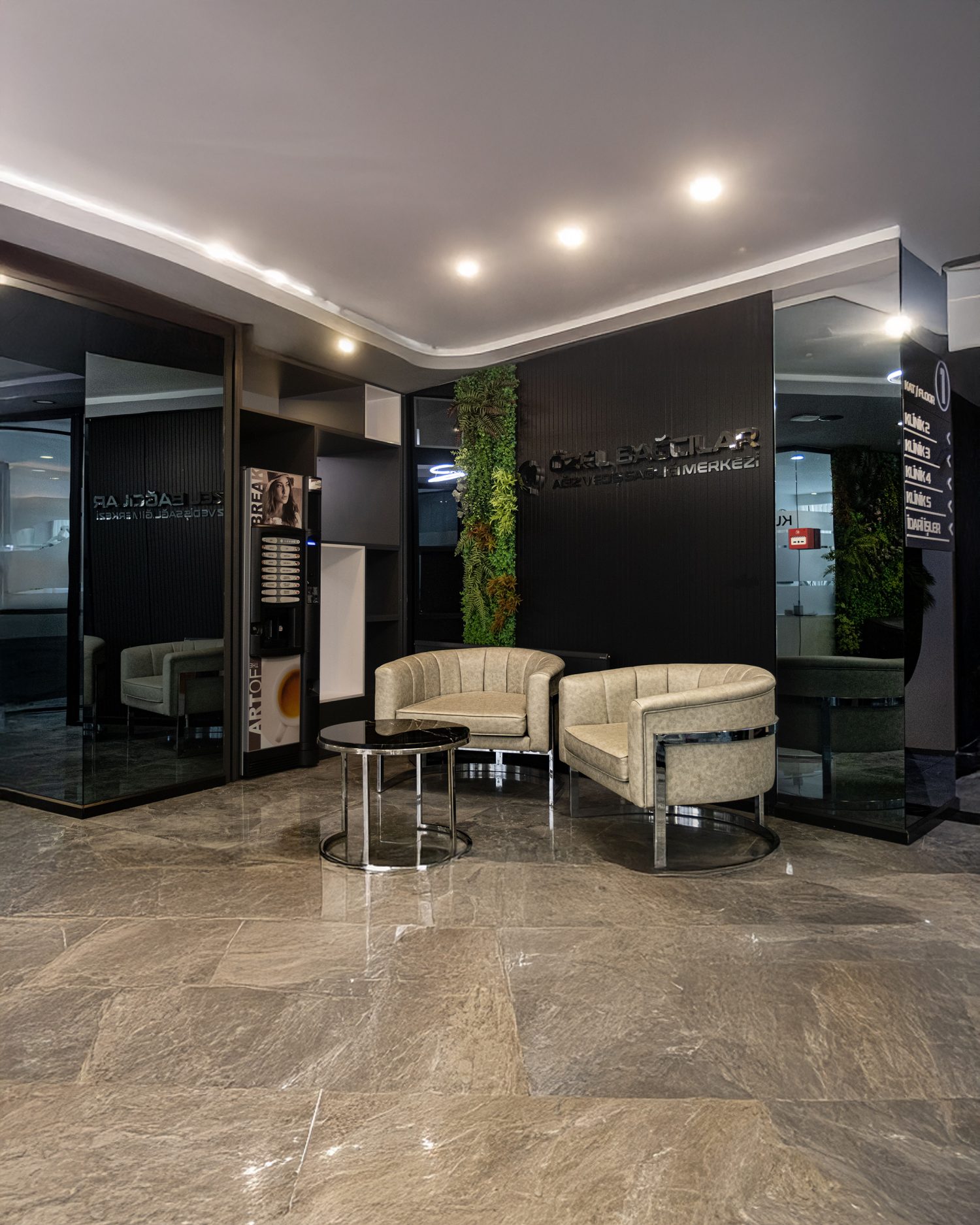
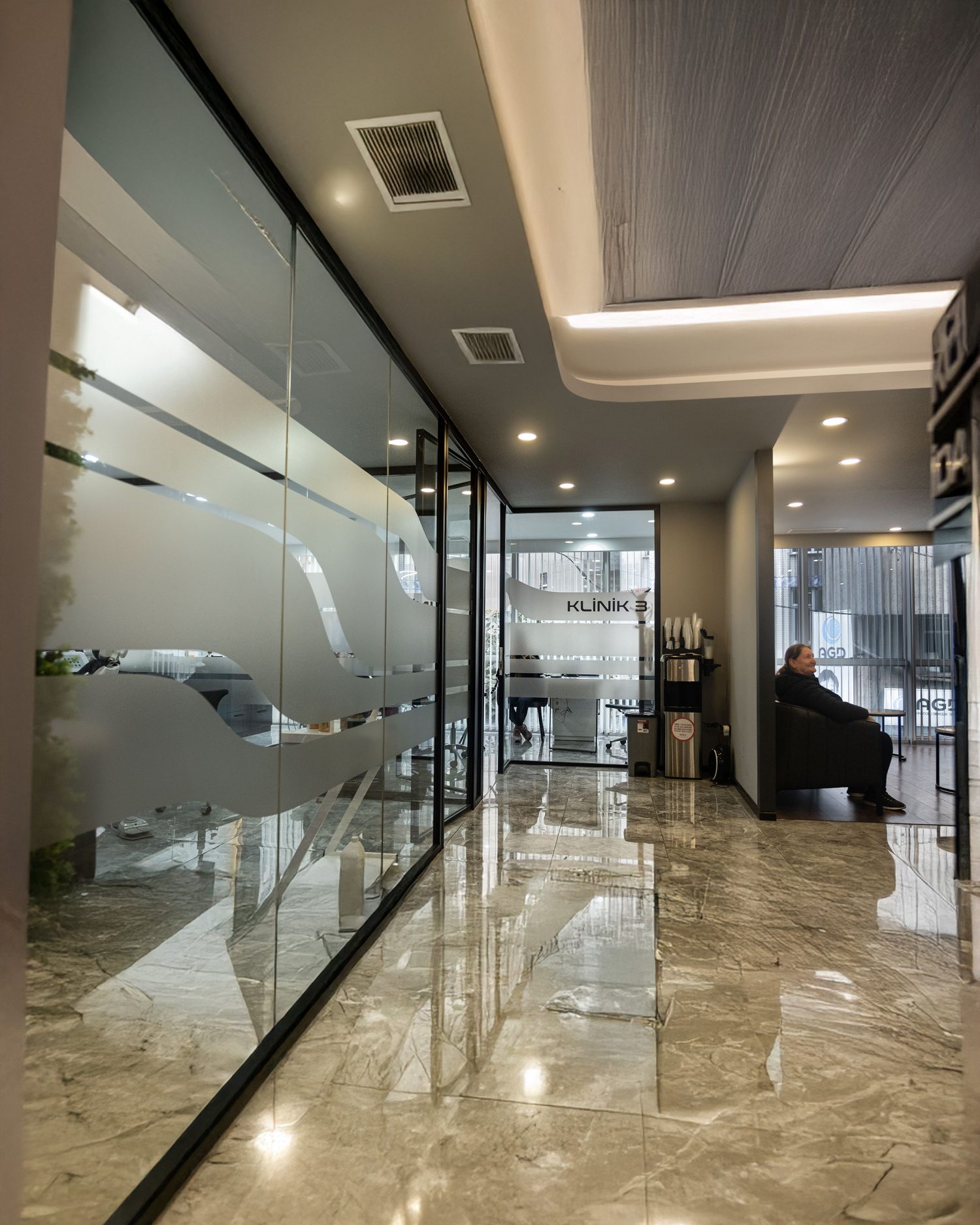
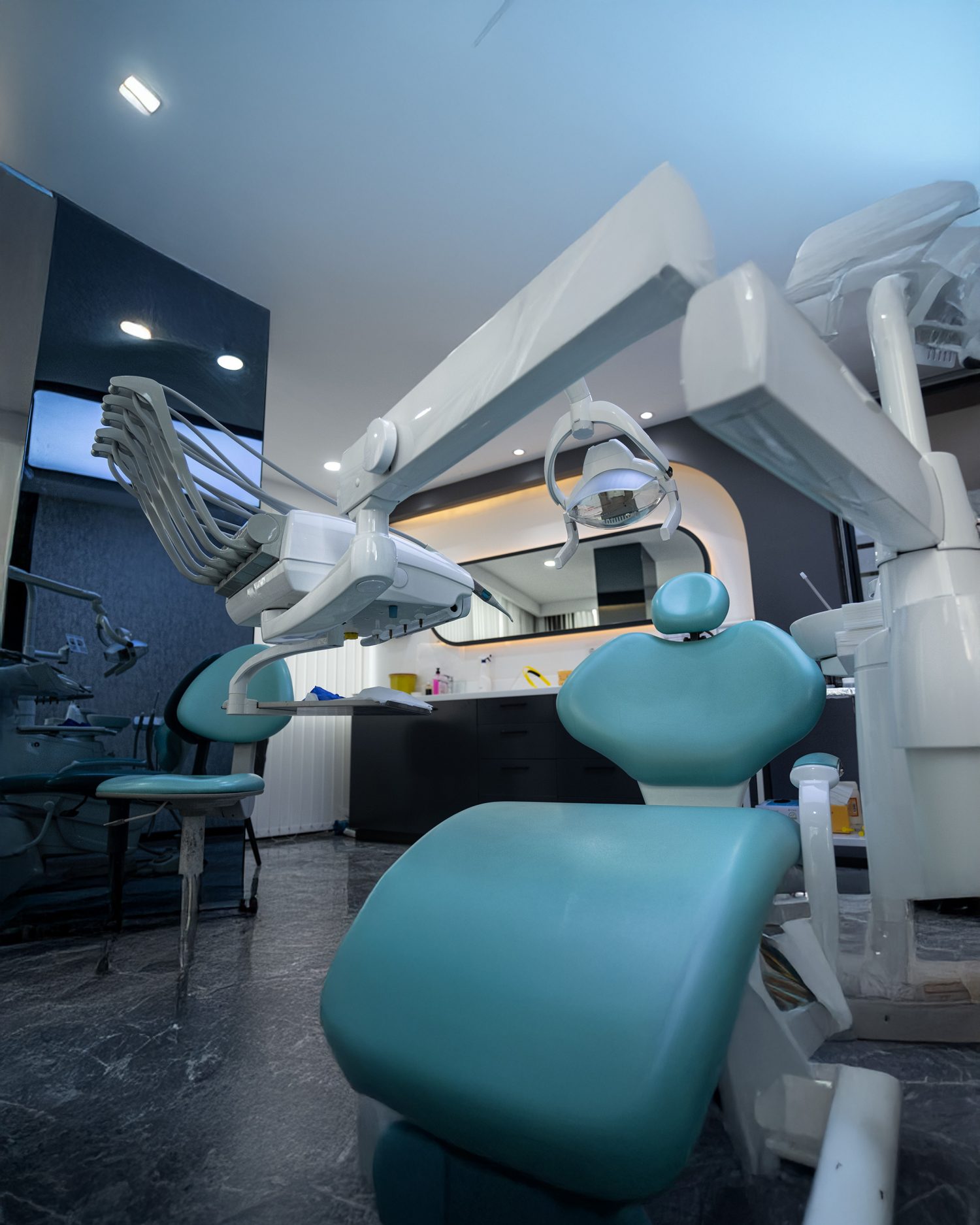
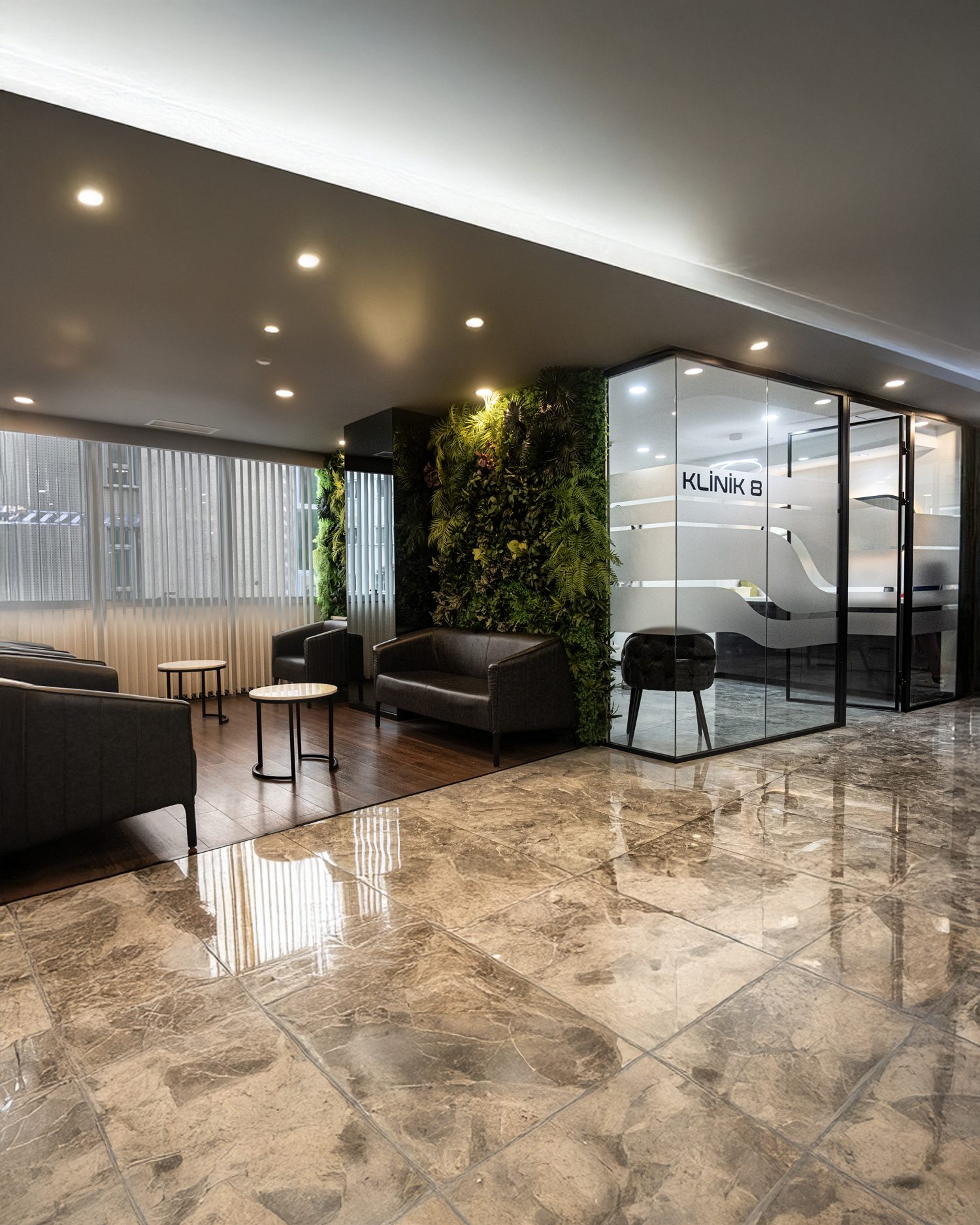
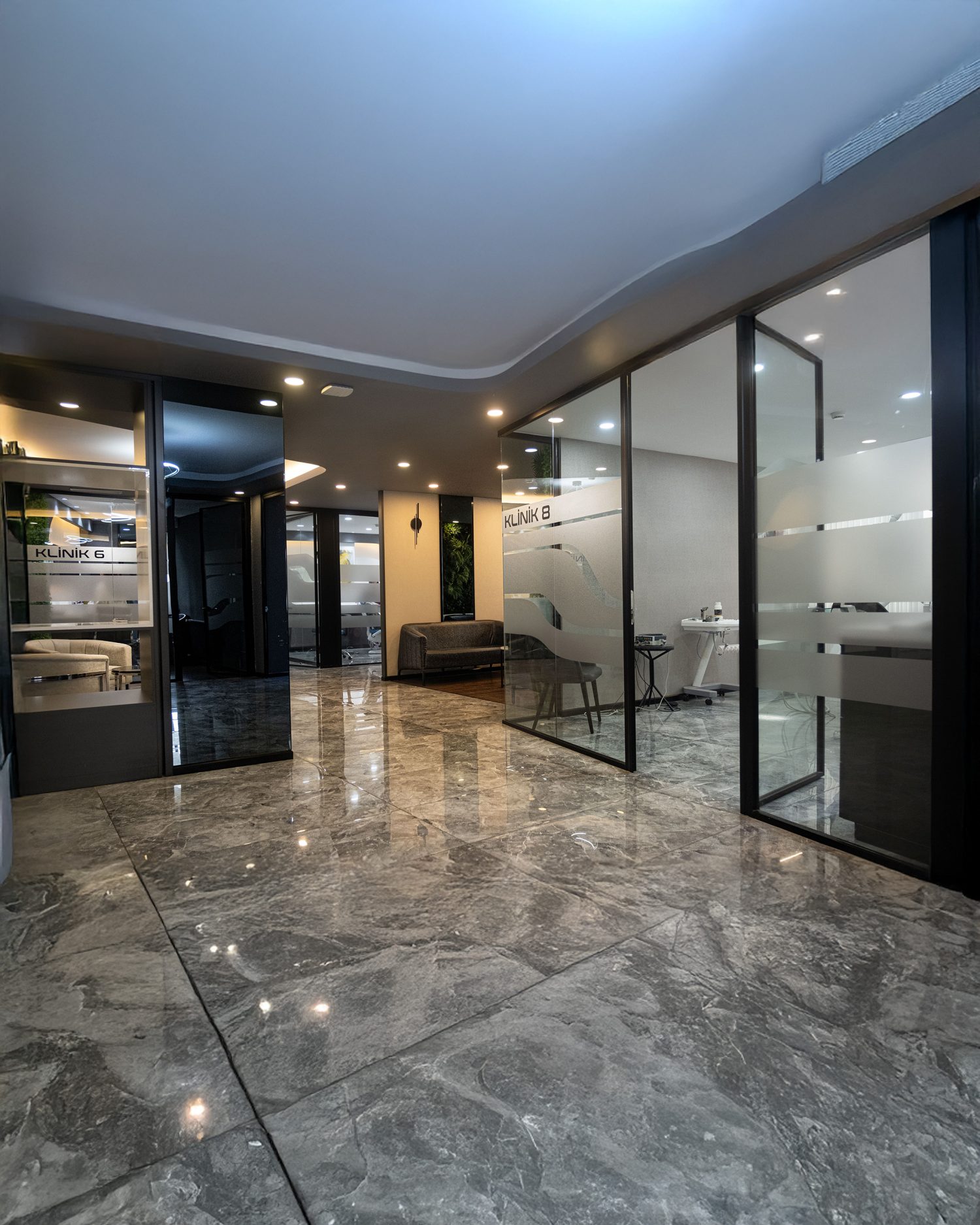
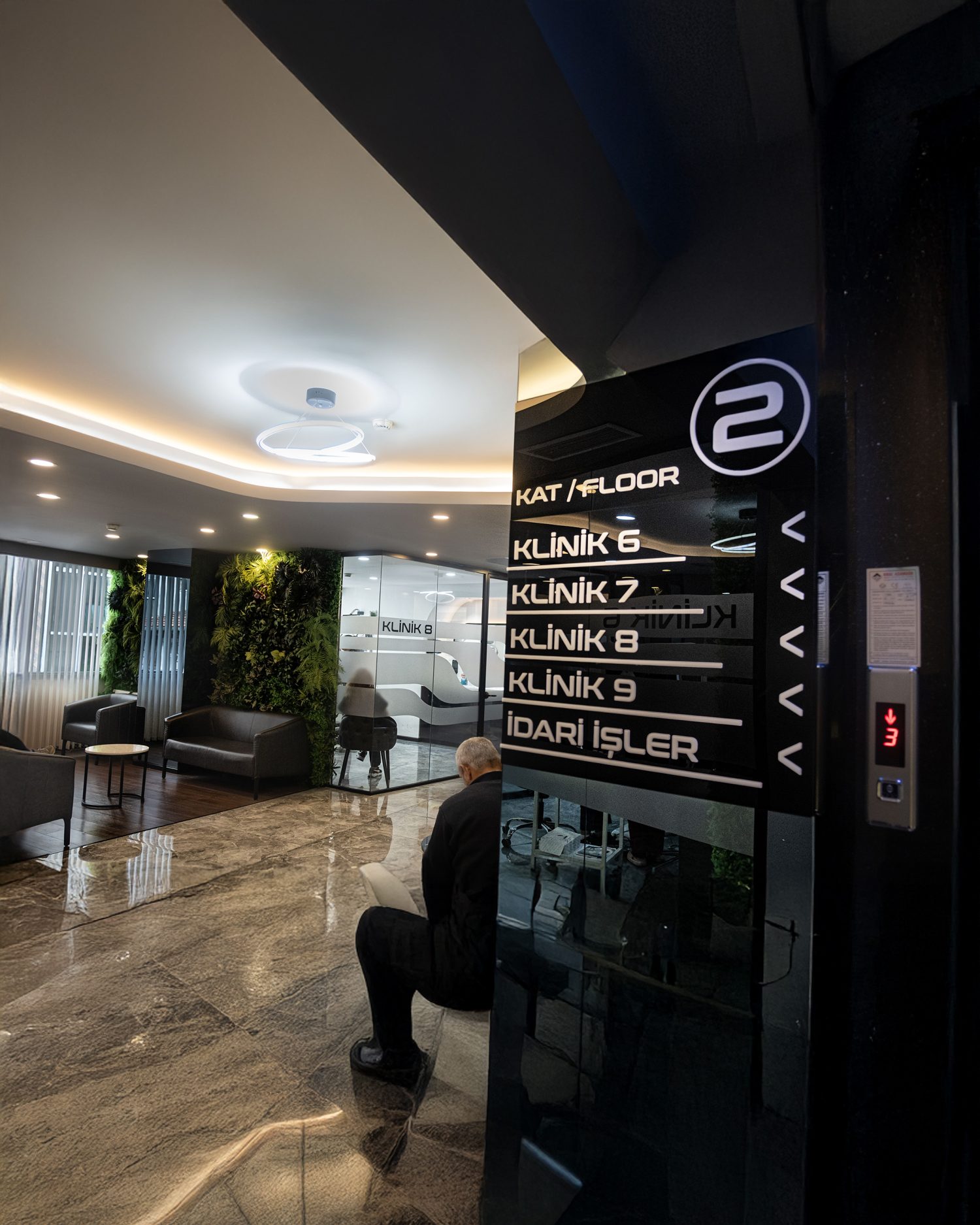
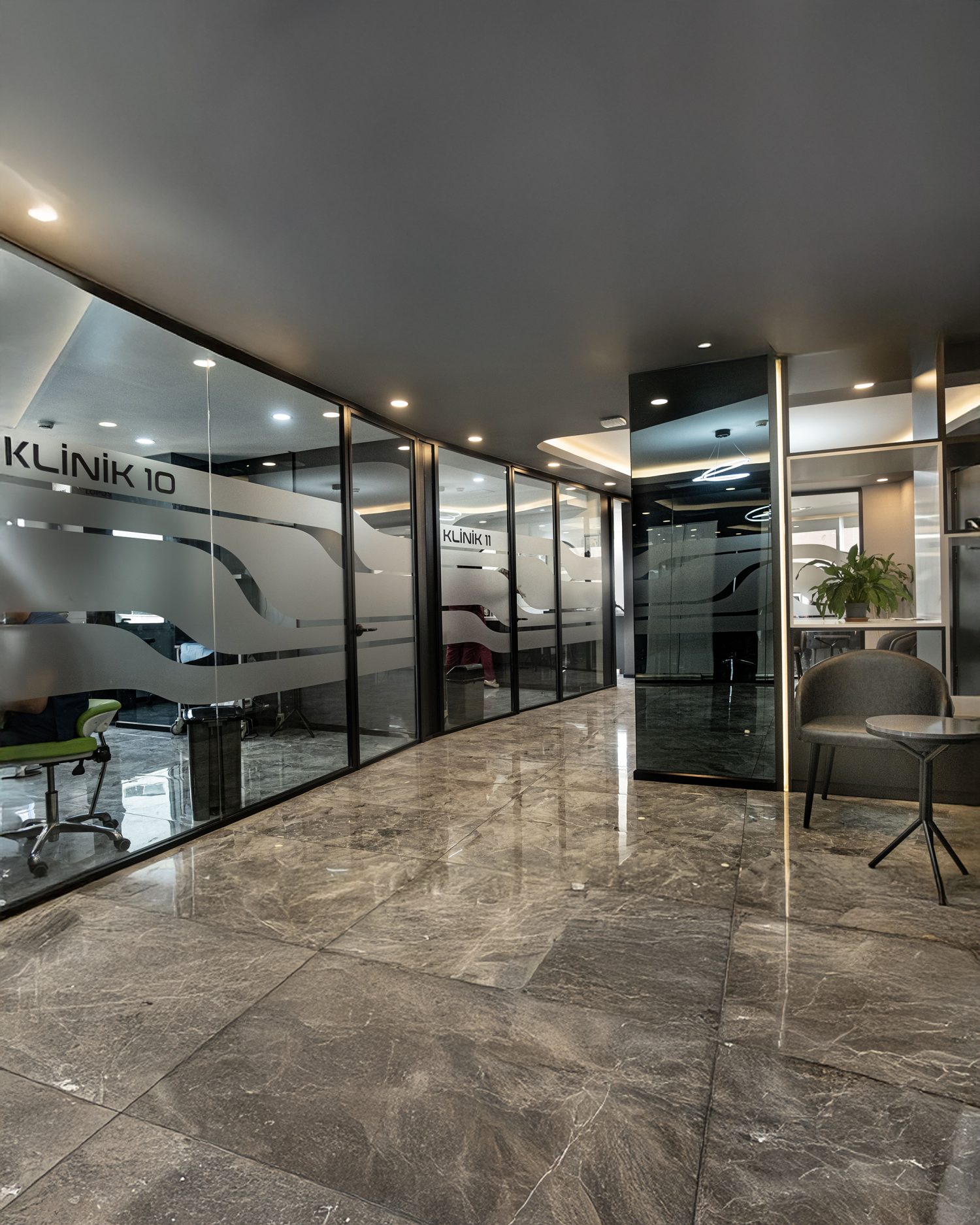
Bağcılar Dental Clinic

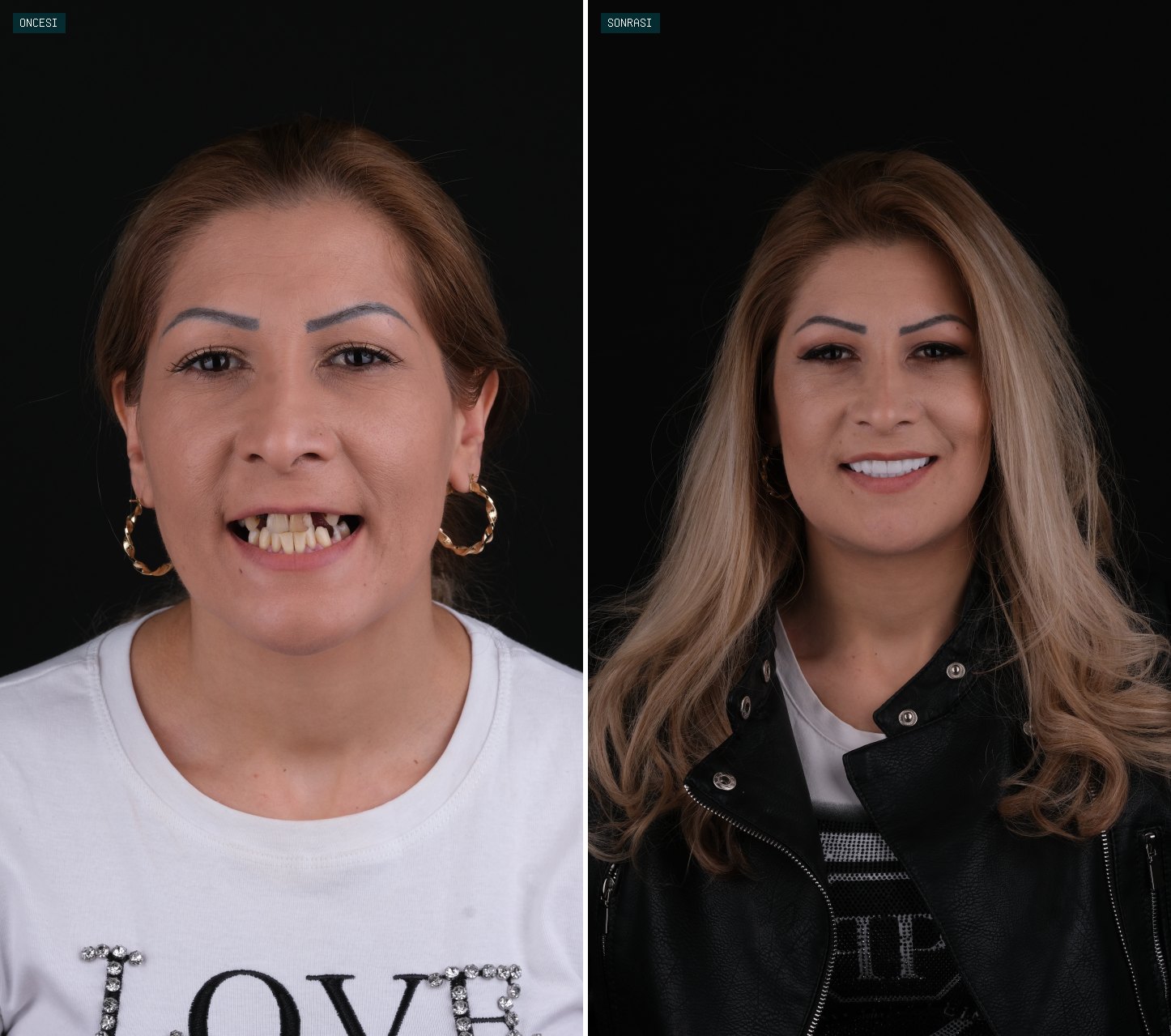
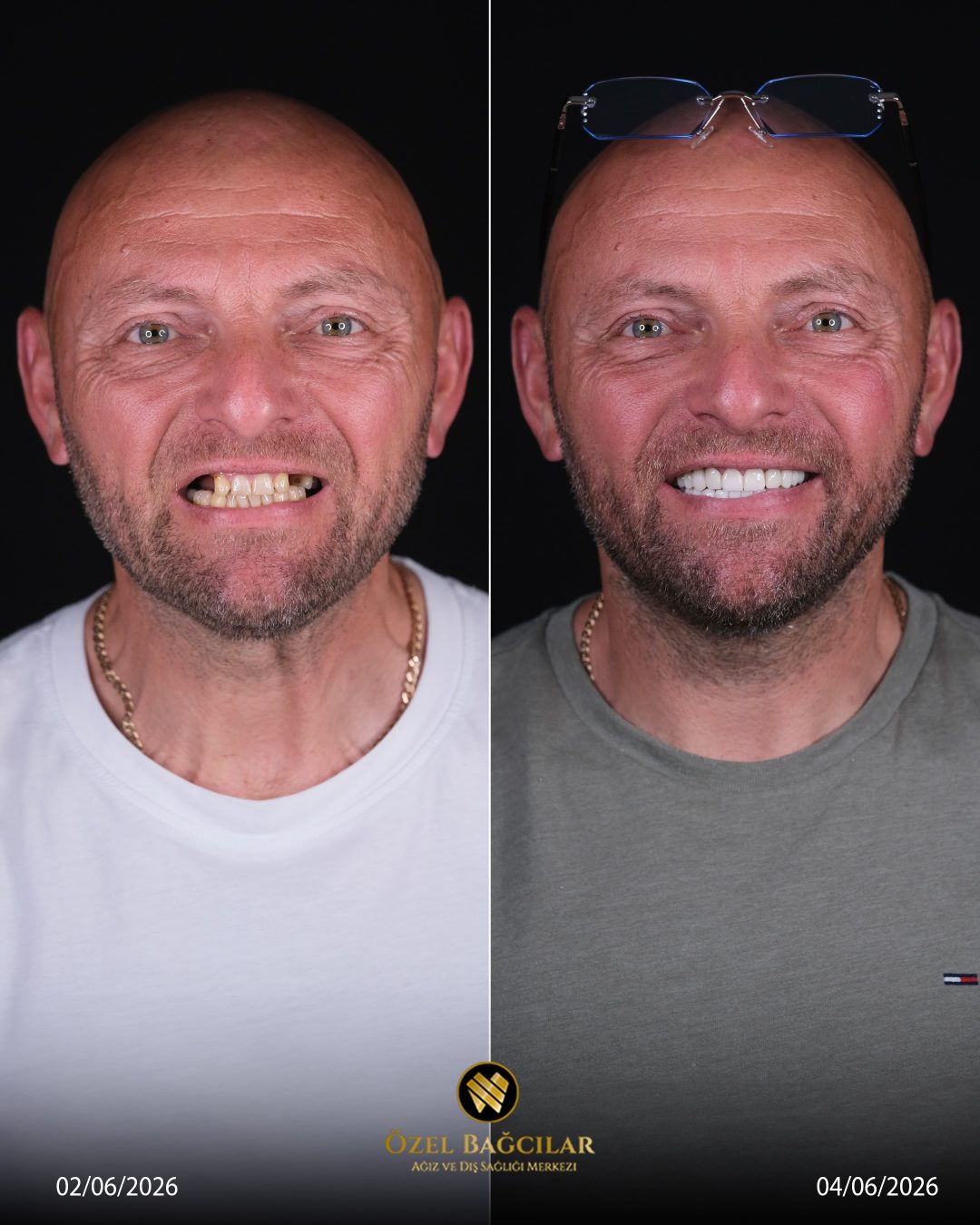
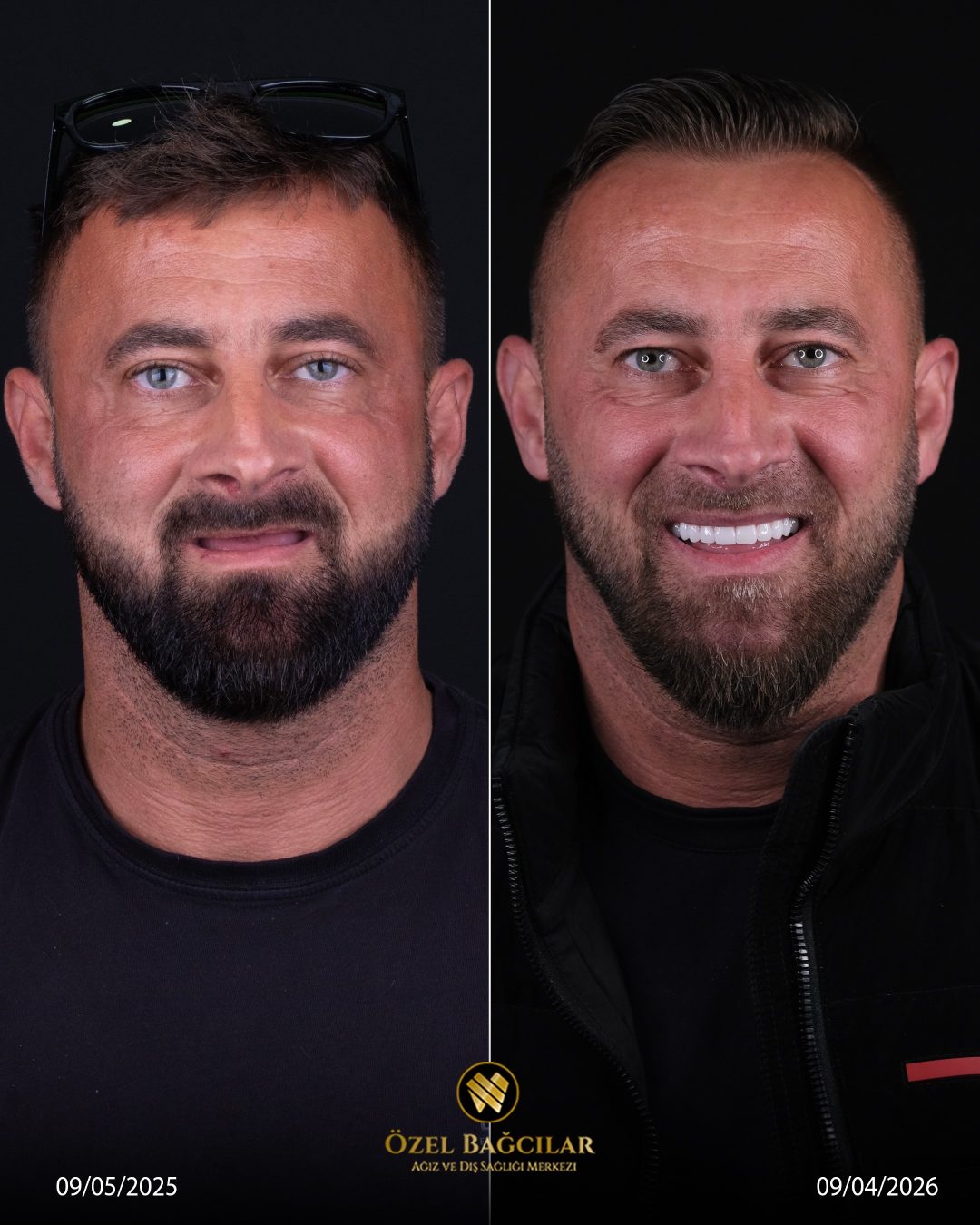
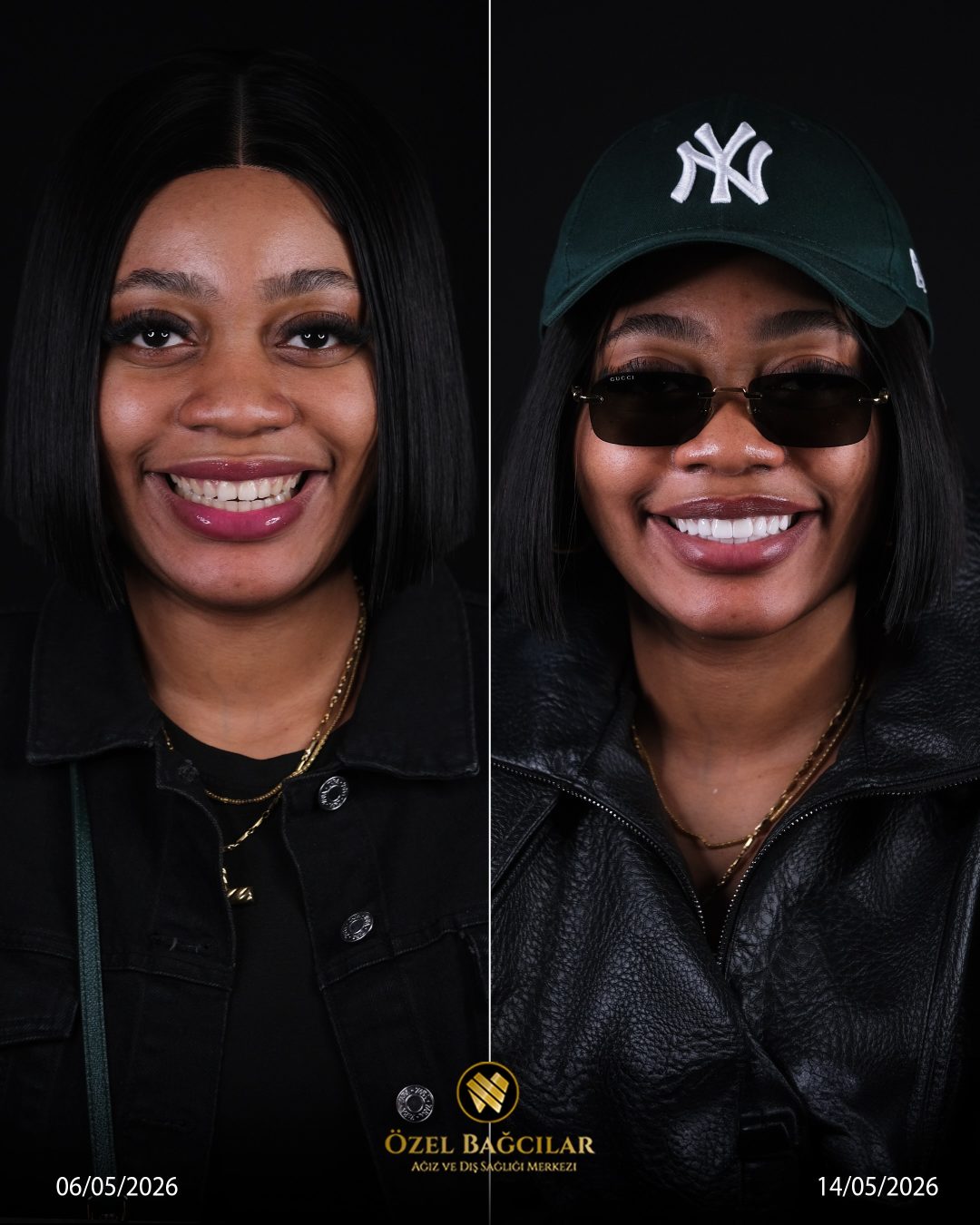
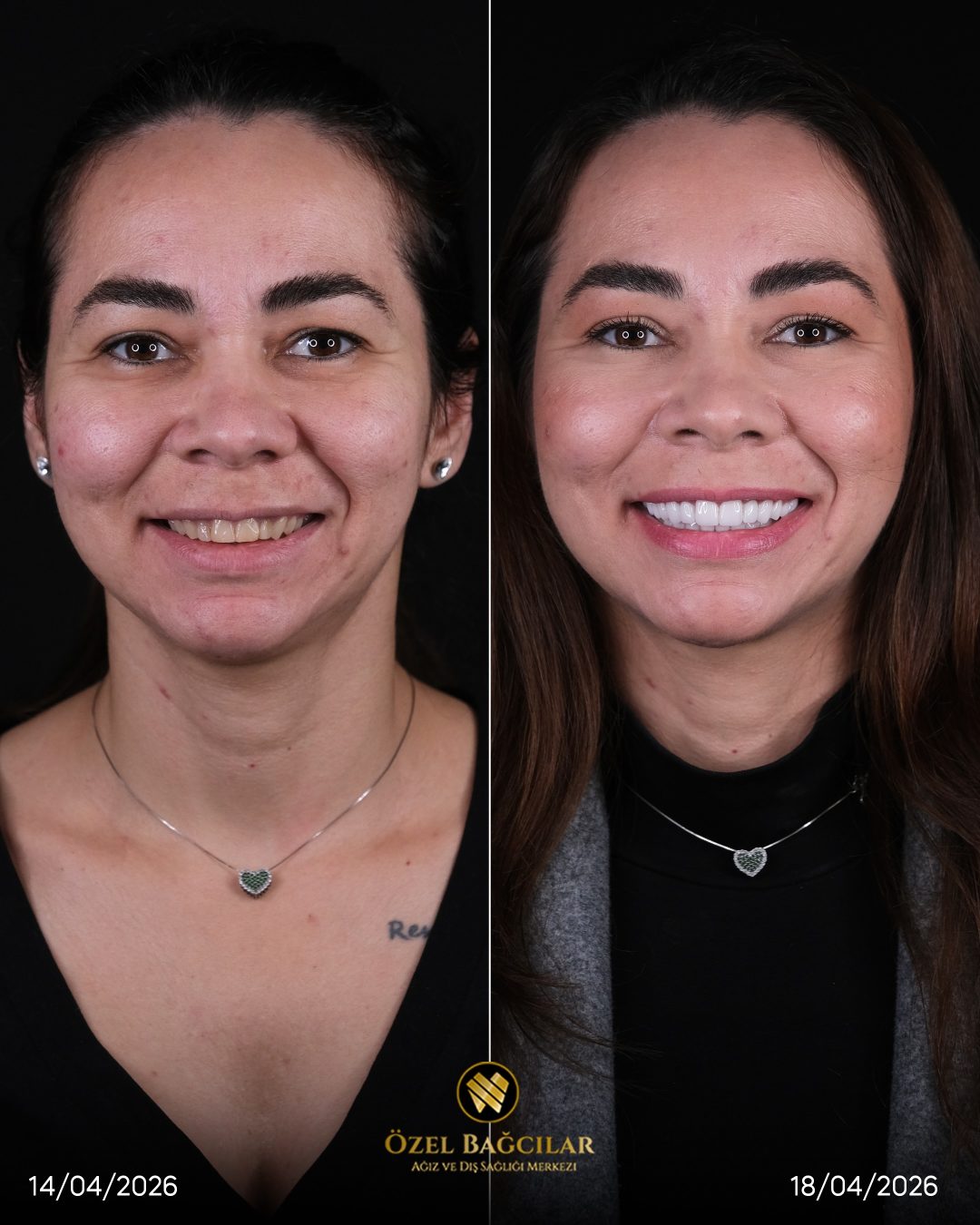
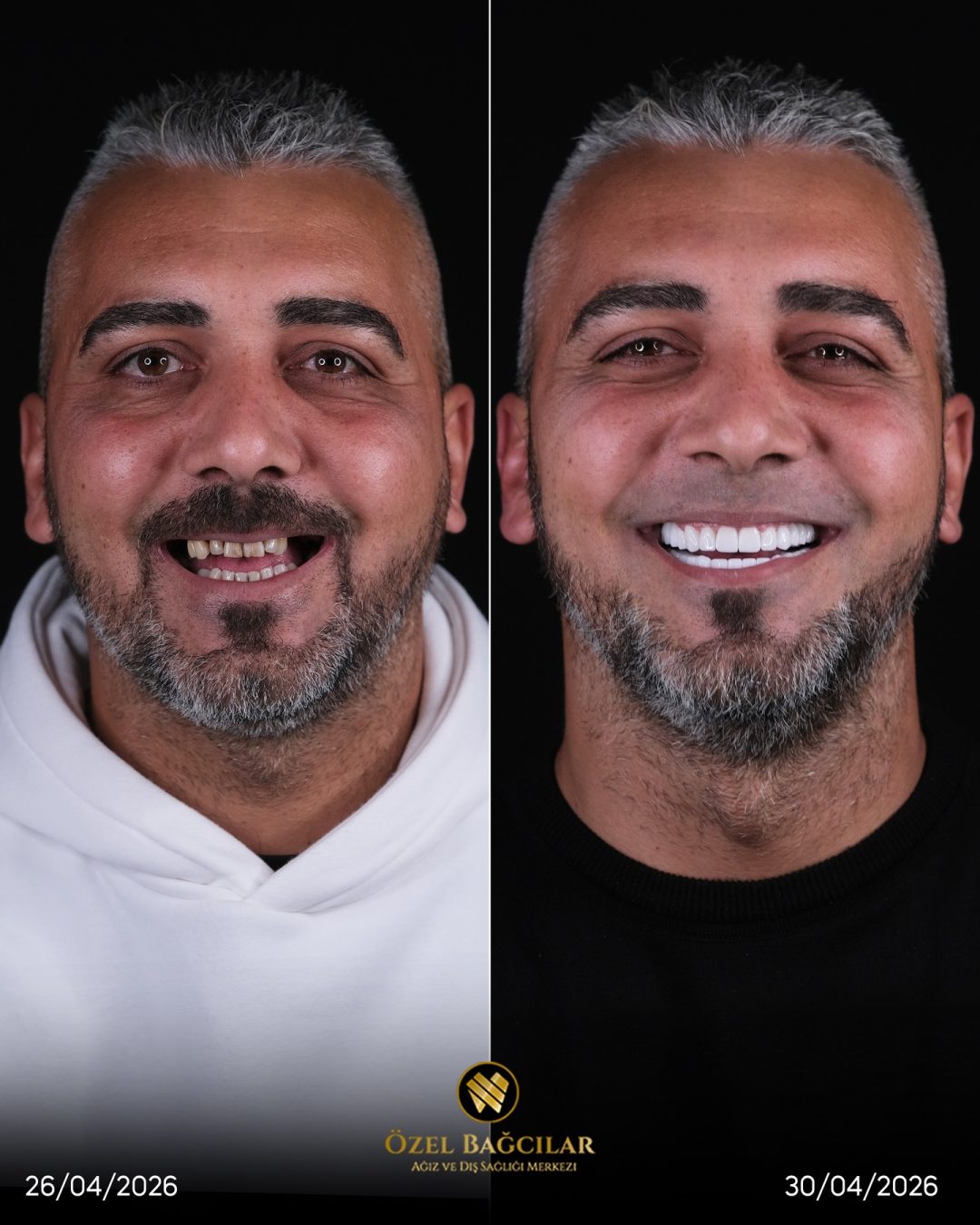
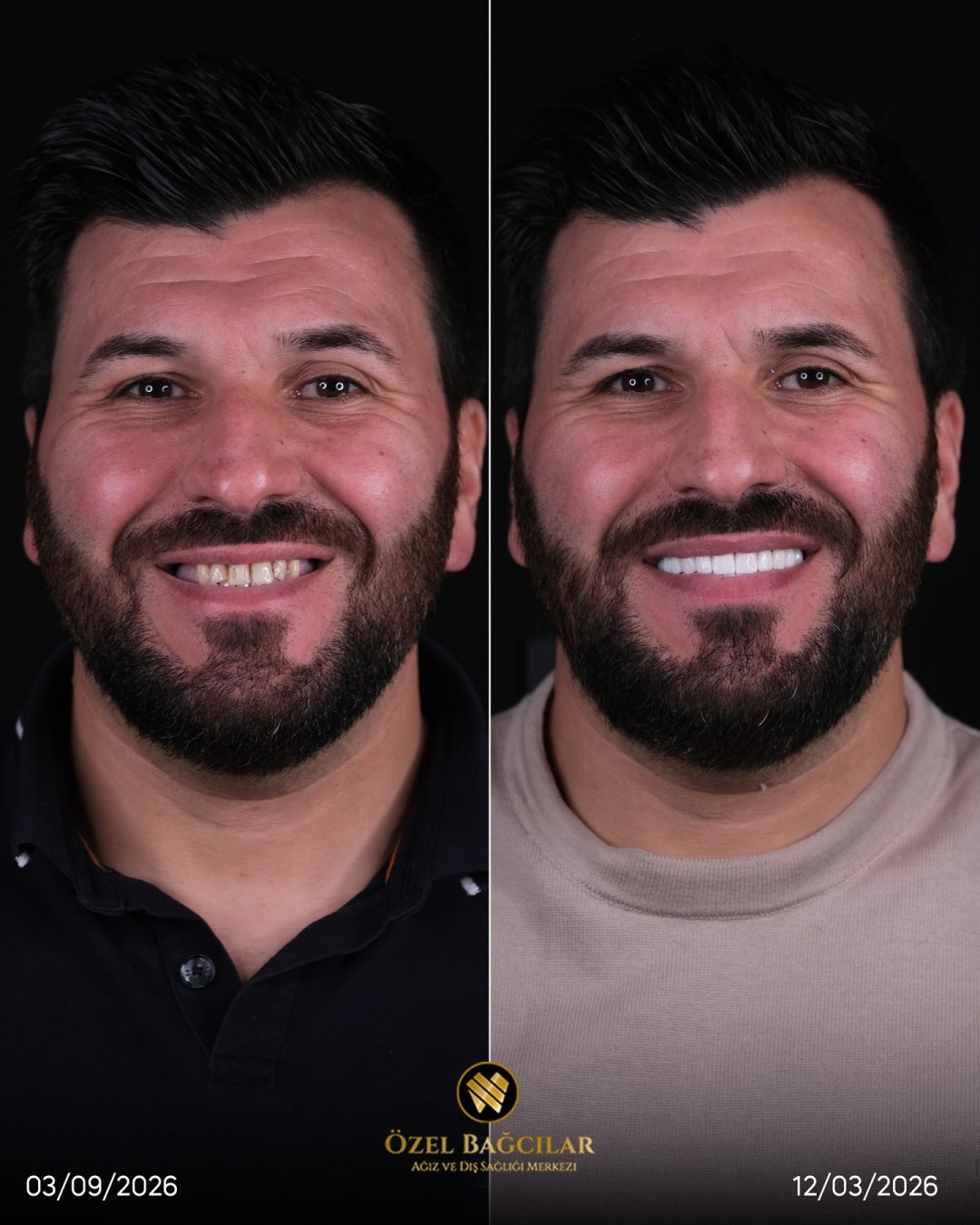
Before & After

Bağcılar Diş öncesi sonrası

"Crooked teeth" covers several different problems that happen to look similar in a mirror. Mild crowding of the lower front teeth, a single rotated incisor, and an upper jaw that does not meet the lower correctly are three distinct conditions with three distinct treatments, and the wrong one produces a result that looks acceptable for a year and then fails.

The most consequential decision is whether to move the teeth or to cover them. Orthodontics moves them, which takes months and changes nothing about the teeth themselves. Veneers cover them, which takes weeks and permanently removes enamel. Both are legitimate; they suit different cases and different priorities.

This page sorts the problem into its actual categories, explains which treatments genuinely apply to each, and is direct about the situations where the popular quick option is the wrong one.

What Kind of Crooked

Before any treatment is discussed, the problem needs a name. Four patterns cover the overwhelming majority of cases, and they respond differently.

  • Crowding. Not enough room in the arch, so teeth overlap. The commonest presentation, usually worst in the lower front teeth.
  • Rotation. An individual tooth turned about its own axis. Often a single tooth in an otherwise reasonable arch.
  • Protrusion. Teeth angled forward. Sometimes a tooth position problem, sometimes a jaw relationship problem — and the distinction changes everything.
  • Bite discrepancy. Overbite, underbite, crossbite or open bite. The teeth may be individually straight while the two jaws do not meet correctly.

The reason this matters is that the first two are tooth problems and the last two frequently are not. Straightening individual teeth in a mouth where the jaws themselves are mismatched produces a row of neat teeth that still do not meet properly — and a bite that does not work wears teeth down and loads the jaw joint abnormally.

Why It Is Worth Treating

Appearance is the reason most patients ask, and it is a perfectly legitimate one. But there are functional arguments that are worth knowing even if appearance is your only concern.

Overlapping teeth are harder to clean. Plaque accumulates in the spaces a brush cannot reach and floss cannot pass, which raises the risk of decay and gum disease specifically in those areas. Patients with crowded lower incisors often have excellent hygiene everywhere else and persistent problems in that one region.

An uneven bite distributes chewing force unevenly. Some teeth take more load than they were built for, which produces wear facets, sensitivity, and over years, cracks. A tooth that fractures without obvious cause is frequently one that has been overloaded by a bite discrepancy for a decade.

There is also the jaw joint. Not every bite problem causes joint symptoms — the relationship is weaker than some marketing suggests — but where there is persistent clicking, locking or morning jaw ache alongside a marked discrepancy, correcting the bite is treating a cause rather than a symptom.

Clear Aligners

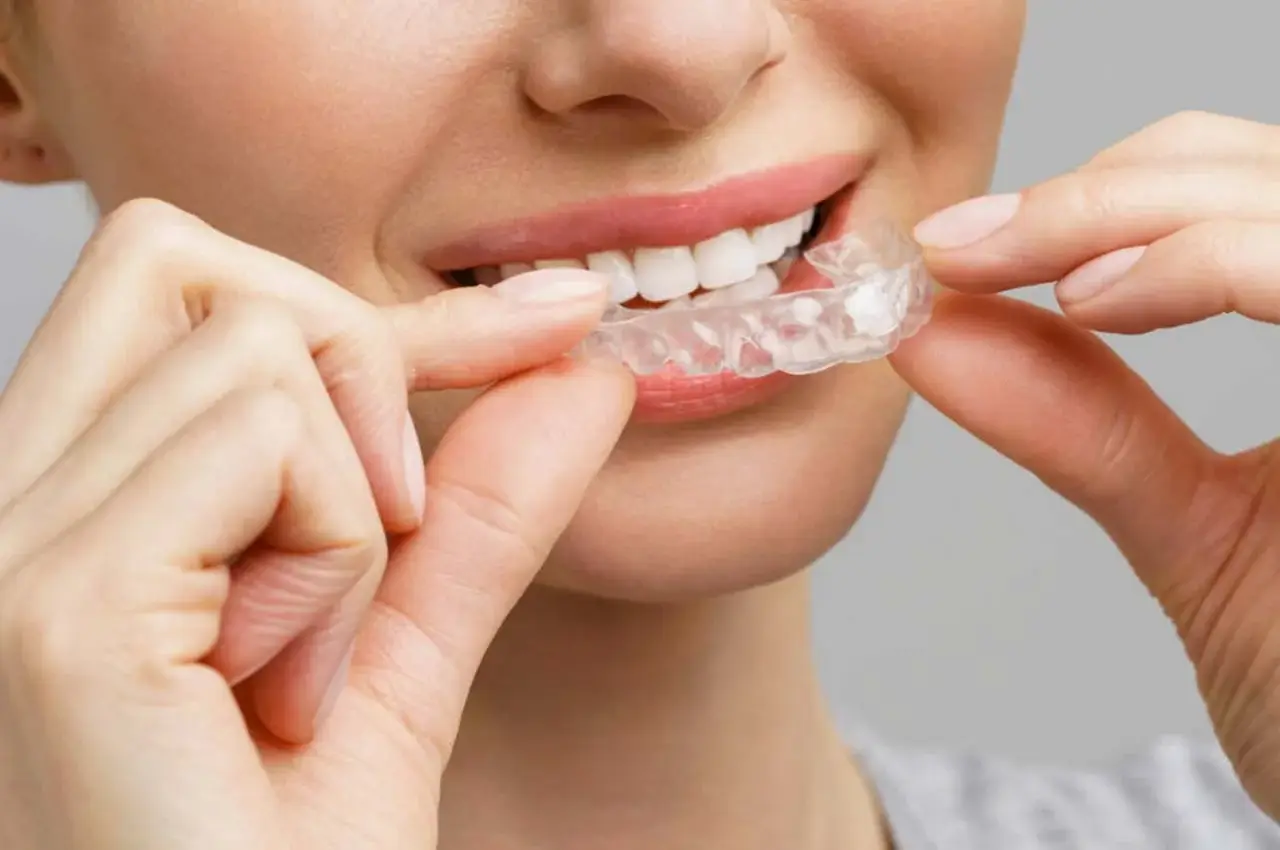
A sequence of removable transparent trays, each slightly different from the last, moving teeth a fraction of a millimetre at a time. They have become the default adult treatment for mild to moderate cases, and for good reason.

The advantages are practical rather than clinical. They are removed for eating, so nothing is off the menu. They are removed for cleaning, so hygiene is unchanged. They are close to invisible, which for adults in client-facing work is often the deciding factor. Discomfort is limited to a day or two after each change.

They are excellent at tipping crowns, closing spaces and derotating mild rotations. They are weaker at bodily root movement, at correcting significant bite discrepancies, and at extrusion — pulling a tooth down. Cases needing those movements are either treated with attachments and elastics, which reduce the cosmetic advantage, or with fixed braces.

The honest limitation is compliance. Twenty to twenty-two hours a day is not a suggestion; it is the mechanism. Patients who wear them for twelve hours do not get a slower result, they get an unpredictable one, because the teeth partially relapse between wears. How aligner treatment is planned goes into the process in detail.

Fixed Braces

Brackets bonded to the teeth connected by a wire. Older, less fashionable, and still the most capable tool in orthodontics for anything genuinely complex.

Because the appliance is fixed, force is continuous and compliance is not a variable. Because the wire engages every tooth, the orthodontist can control root position, not just crown position — which matters for closing extraction spaces, correcting severe rotations and managing significant bite correction.

Ceramic brackets reduce visibility substantially, and lingual braces placed on the tongue side are effectively invisible from outside — at the cost of a longer adaptation period for speech and tongue comfort. Neither changes the underlying capability.

The genuine drawbacks are cleaning and diet. Food traps around brackets, and patients with existing decay risk need to accept that seriously before starting. Hard and sticky foods break brackets. For a complex case in a motivated patient, these are manageable inconveniences; for a mild case in a reluctant one, aligners are the better fit. The direct comparison sets out where each wins.

Veneers — The Fast Route and Its Limits

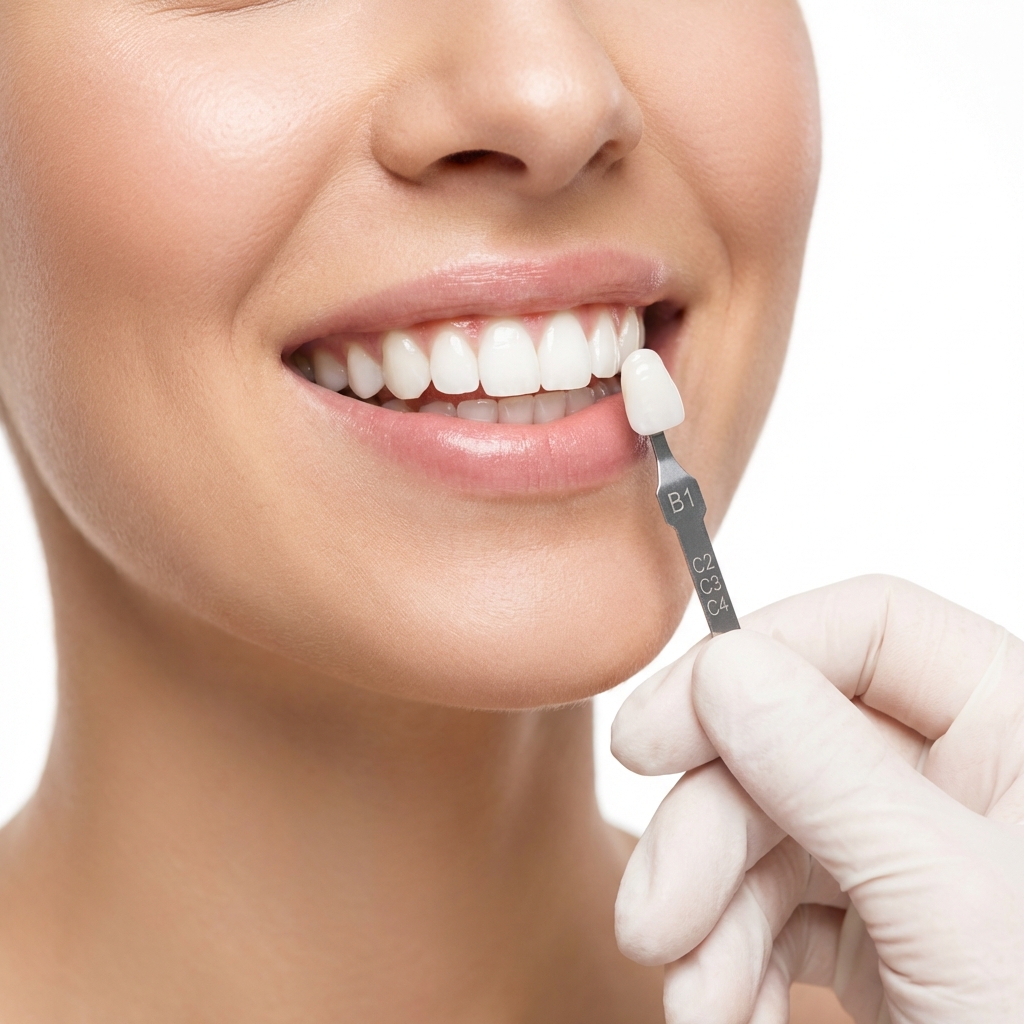
Veneers do not straighten teeth. They cover the front surfaces with ceramic shaped to look straight, while the teeth underneath remain exactly where they were. For the right case this is a legitimate and excellent treatment. For the wrong one it is the most over-sold procedure in cosmetic dentistry.

Where the teeth are only mildly irregular, veneers produce in two weeks what orthodontics would take a year to achieve, and they simultaneously change colour and shape. If a patient wants all three things and the irregularity is small, the argument for veneers is strong.

Where the teeth are significantly crooked, the ceramic has to bridge a large discrepancy between where the tooth is and where the finished surface needs to be. The only way to do that is to remove a great deal of enamel from the prominent teeth — sometimes reducing them close to the nerve, which brings the risk of needing root canal treatment on teeth that were healthy.

This is the situation to be most careful about when comparing quotes internationally, and it applies to clinics everywhere rather than to any one country. A plan that proposes veneers on markedly crooked teeth without mentioning orthodontics as an alternative is not presenting the full picture. The combination — align first, then minimal veneers if still wanted — removes a fraction of the tooth structure.

Which Treatment for Which Case

Matching treatment to presentation
PresentationUsual first choiceAlso possible
Mild lower crowdingAlignersFixed braces if roots need moving
Single rotated front toothAlignersVeneer if mild and colour also wanted
Moderate crowding, extractions neededFixed bracesAligners in selected cases
Protrusion from tooth positionAligners or braces
Protrusion from jaw relationshipBraces, sometimes with surgery
Deep overbiteFixed bracesAligners with attachments
CrossbiteFixed bracesAligners in mild cases
Mild irregularity, colour also a concernVeneersAlign first, then bonding

Two rows deserve emphasis. Protrusion appears twice because the same appearance has two different causes, and only an assessment distinguishes them — moving teeth cannot fix a jaw that is positioned differently. And the last row is the only one where veneers appear as a first choice, which is a deliberate reflection of how narrow that indication actually is.

Two adjacent problems sit outside this table because they are treated differently. A gap rather than crowding is a space problem, covered in closing a diastema, and teeth that are straight but discoloured are a colour problem, covered in why teeth go yellow. Patients frequently arrive describing one and actually wanting another, which is why the assessment starts with what bothers you rather than with what you have asked for.

Adults and Children Are Different Cases

Timing changes what is possible. In a growing child, the jaws themselves can be influenced — expansion appliances widen a narrow upper jaw, functional appliances guide jaw growth, and space can be created rather than found. That window closes when growth finishes.

In an adult, the jaws are fixed. Teeth can be moved within them, space can be created by extraction or by narrowing teeth slightly at their contact points, but the underlying skeletal relationship cannot be changed without surgery. This is why some cases that would have been straightforward at twelve become compromises at thirty-five.

Adult treatment also runs slightly slower — bone remodels less readily — and requires more attention to gum health, since teeth cannot safely be moved through bone that is already being lost to periodontal disease. Where gum disease is present, it is stabilised first without exception.

None of this is a reason for an adult to abandon the idea. The overwhelming majority of adult cases are treatable, and the results are stable when retained. It simply means the assessment is more involved than in a teenager, and that gum health is checked before rather than after.

One adult-specific point is worth raising because it surprises people. Teeth that have been in the same position for decades often have restorations, worn contact points and slightly different root positions than the textbook. Moving them can expose old fillings at the margins or open small spaces where the shapes no longer match. None of this is dangerous, but it means a short restorative tidying-up phase after alignment is common rather than exceptional, and it belongs in the plan from the start rather than arriving as an unexpected extra. Where an old fracture or large filling is already present, that tooth is usually addressed after alignment, when its final position is known.

What Alignment Does Not Fix

Straightening changes position. It does not change colour, shape, wear or the condition of individual teeth, and patients are sometimes disappointed at the end of a long treatment for exactly this reason. Expectations set properly at the start prevent it.

Teeth that were discoloured before treatment will be discoloured afterwards, neatly arranged. Chipped or worn edges stay chipped. Old restorations that no longer match will match even less once they are in a more visible position. None of this is a criticism of orthodontics; it is simply the boundary of what moving teeth achieves.

This is why the sequence for a full aesthetic result runs alignment first, then whitening, then any restorative work matched to the new shade. Doing restorative work first wastes it, because the restorations end up in the wrong positions and sometimes cannot be moved safely at all.

The upside is that aligning first almost always reduces how much restorative work is needed afterwards, and how much tooth has to be removed for it. A patient who arrives asking for ten veneers frequently needs four after alignment, or none. Planning the sequence before anything is prepared is what makes that saving possible.

Retention — The Part Everyone Skips

Teeth move throughout life. They drift forward slowly with age regardless of whether they were ever treated, which is why lower front crowding appears in people in their thirties who had perfectly aligned teeth as teenagers.

After orthodontic treatment this tendency is stronger, because the fibres around each tooth have been stretched and pull back towards the original position for months. Retention is not an optional add-on at the end of treatment; it is part of the treatment.

A bonded wire behind the front teeth is the most reliable option because it does not depend on the patient remembering. It does need checking periodically, since the bond can fail on one tooth without any obvious sign. Removable retainers work equally well when worn, and the honest evidence on long-term wear is not encouraging.

Any orthodontic plan quoted without a retention plan is incomplete. Ask what type, for how long, and what happens if it debonds after you have gone home — particularly relevant if you are treated abroad.

Space — Where It Comes From

Crowding is a space problem, and every treatment that resolves it has to find that space somewhere. There are only four sources, and knowing which one your plan uses tells you a great deal about what treatment will involve.

  1. Expansion. Widening the arch outwards. Effective in growing children, more limited in adults where the bone is fixed and gum recession becomes a risk if teeth are pushed beyond their bony envelope.
  2. Proclination. Tipping the front teeth slightly forward, which gains a surprising amount of room. It changes lip support, so there is a limit before the profile is affected.
  3. Interproximal reduction. Removing a fraction of a millimetre of enamel between teeth. Painless and, within limits, harmless — but it is permanent and should be quantified in the plan rather than mentioned in passing.
  4. Extraction. Removing teeth, usually premolars, to create substantial space. Reserved for marked crowding where the other three cannot provide enough.

A plan that promises to resolve significant crowding without naming its space source is incomplete. If the answer is extraction, that should be discussed before you commit rather than discovered midway. If the answer is enamel reduction, ask how much and between which teeth — and if it becomes a great deal, the trade-offs are worth weighing against the alternative.

Treatment Away From Home

Orthodontics is the least travel-friendly of the treatments on this site, because it is measured in months of adjustments rather than days of appointments. That does not make it impossible, but it changes how it is planned.

Aligner treatment adapts reasonably well. The planning, scanning and first delivery happen in person; subsequent trays can often be sent, with reviews by photograph and a smaller number of in-person checks. Fixed braces need regular physical adjustment and suit patients who can attend routinely.

A hybrid worth considering: orthodontic treatment locally, with any restorative or cosmetic work done afterwards in a single planned trip. Aligning first almost always reduces how much restorative work is needed, and reduces how much tooth must be removed for it.

Whatever the arrangement, agree in advance what happens if something breaks after you travel home, who handles it, and whether it is covered. Guarantee terms and aftercare arrangements matter more in orthodontics than in any other treatment because the commitment is so long.

How We Choose Between Aligning and Restoring

The assessment separates the four presentations described above before discussing appliances, because the appliance follows the diagnosis rather than the other way round. That includes checking how the jaws relate to each other, not only how the teeth look from the front.

Where a patient asks specifically for veneers on crooked teeth, we explain what would need to be removed to achieve it and offer the alignment route as the alternative. Sometimes veneers remain the right answer and we proceed; often the patient chooses to align first once the enamel cost is made concrete. Either way the decision is informed.

Our clinic has treated patients from more than thirty countries over twelve years. All treatments carry a lifetime guarantee, subject to attending the recommended reviews and following aftercare, and excluding accidental damage or neglect. For orthodontics, retainer wear is explicitly part of that — relapse without retention is a predictable outcome rather than a treatment failure, and we would rather be clear about it at the start than argue about it later.

Frequently Asked Questions

Can crooked teeth be fixed without braces?
Yes, in most mild to moderate cases. Clear aligners move teeth using removable trays and handle the majority of adult crowding and rotation. Veneers can make mildly irregular teeth look straight without moving them. Complex bite correction still generally requires fixed braces.
Am I too old for orthodontic treatment?
No. Teeth move at any age as long as the supporting bone is healthy. Treatment in adults takes slightly longer because bone remodels more slowly, and gum health must be stable first. Adults now make up a substantial proportion of orthodontic patients in most practices.
Are veneers a quicker alternative to braces?
For mild irregularity, yes — weeks rather than months, and they change colour and shape at the same time. For genuinely crooked teeth they are not a like-for-like alternative, because achieving a straight appearance requires removing a great deal of enamel from the prominent teeth.
How long does aligner treatment take?
Simple cases commonly finish within a few months; moderate crowding typically takes closer to a year, and complex cases longer. The timeline depends on how far teeth must move and on wearing the trays twenty to twenty-two hours a day, which affects predictability as much as speed.
Do crooked teeth cause health problems?
They raise the risk of decay and gum disease in the overlapping areas because those surfaces are hard to clean. An uneven bite also concentrates chewing force on particular teeth, causing wear and sometimes fractures. Whether that justifies treatment is an individual judgement.
Will I need teeth removed?
Only if there is not enough room in the arch for the teeth you have. Modern practice avoids extraction where possible, using arch expansion or slight narrowing of teeth at their contact points. Marked crowding sometimes still requires it, and that should be explained clearly beforehand.
Do I have to wear a retainer forever?
Effectively yes. Teeth drift throughout life whether or not they were treated, and after orthodontics the tendency to return is stronger for the first year. A bonded wire behind the front teeth is the most reliable option because it does not rely on remembering to wear anything.
Is lingual bracing as effective as normal braces?
Clinically yes — the mechanics are the same, applied from the tongue side. The difference is adaptation: speech is affected for a few weeks and the tongue takes time to adjust. It costs more because placement and adjustment are technically more demanding.
Can I straighten only my front teeth?
Limited treatment addressing only the visible teeth exists and is quicker and cheaper. It suits mild cases where the bite is otherwise sound. It cannot correct bite problems, and if the crowding is caused by a lack of space further back, the result tends not to hold.
What if my bite is the problem rather than my teeth?
Then straightening individual teeth will not fix it. Bite discrepancies are corrected with fixed braces, sometimes combined with jaw surgery in marked skeletal cases. This is why the assessment looks at how the jaws relate to each other and not only at how the teeth look.
Does orthodontic treatment hurt?
There is pressure and tenderness for a day or two after each adjustment or tray change, usually manageable with ordinary painkillers and softer food. It is a dull ache rather than sharp pain, and it decreases as treatment progresses. Fixed braces can also rub the cheeks initially.
Can I have orthodontics if I have crowns or implants?
Crowned teeth can be moved, though brackets bond less reliably to ceramic and need special preparation. Implants cannot be moved at all — they are fused to bone — so they become fixed anchor points, and their position has to be worked around in the treatment plan.
Will straightening my teeth change my face?
Minor alignment changes rarely alter facial appearance. Treatments that retract protruding front teeth can change lip support and profile noticeably, which is sometimes desired and sometimes not. This should be discussed and, where relevant, simulated before treatment begins so that the change is a decision rather than a surprise at the end of a long course of treatment.
Can crooked teeth be treated while I am abroad?
Aligner treatment adapts reasonably well — planning and first delivery in person, later trays sent, reviews largely by photograph. Fixed braces need regular physical adjustment and suit patients who can attend routinely. Many patients align at home and travel for restorative work afterwards.
How much does straightening cost?
We do not publish price lists, because the range between a few months of limited aligner treatment and full fixed appliance therapy with bite correction is very wide. Send photographs and we will explain which category your case falls into before you make any commitment.

Ready to start your treatment?

Get a free online assessment and a transparent treatment plan from our Istanbul clinic.

Contact
✦ Our Patients
✦ Our Clinic
✦ Our doctors

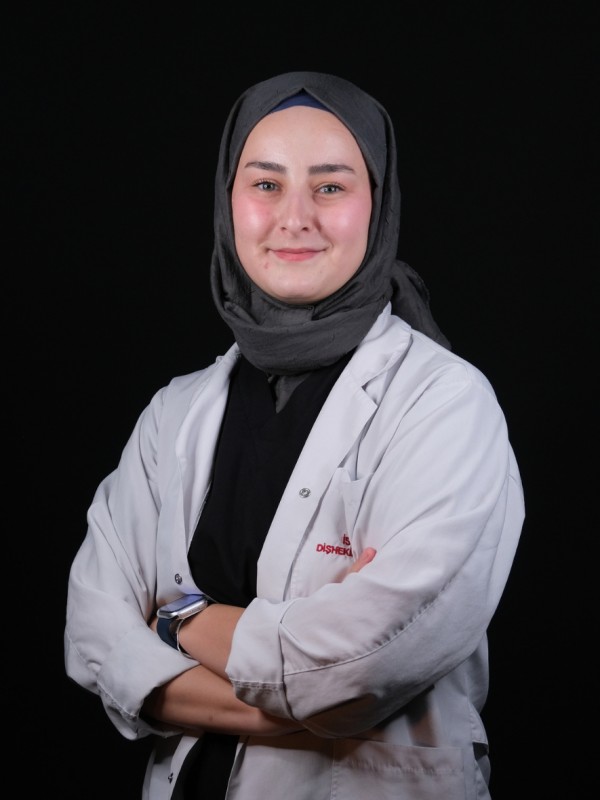
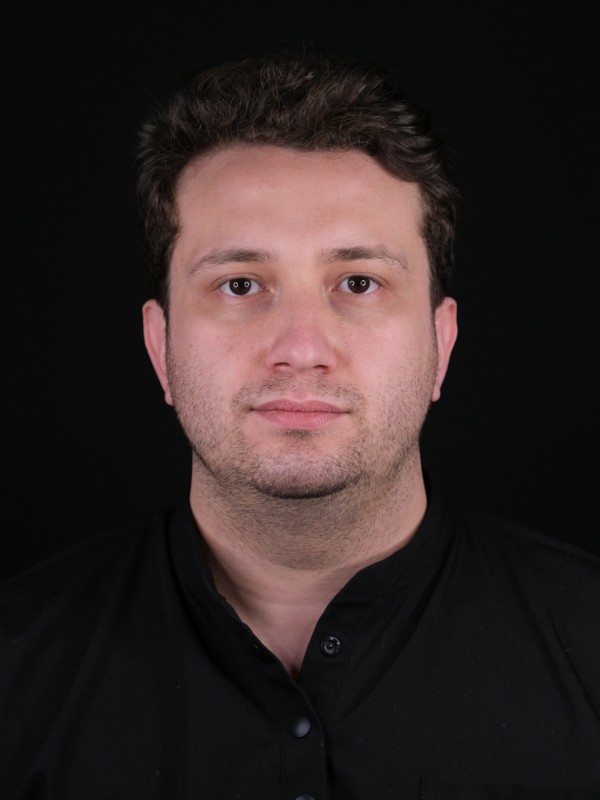
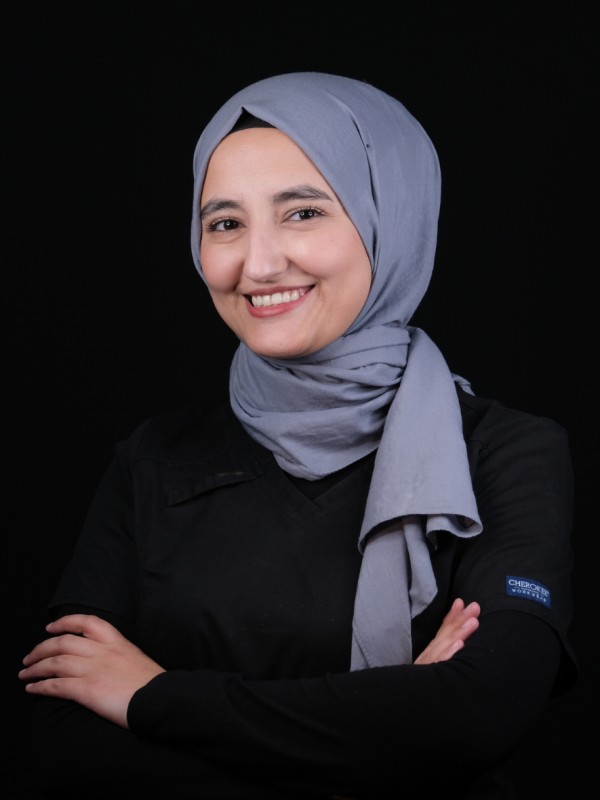
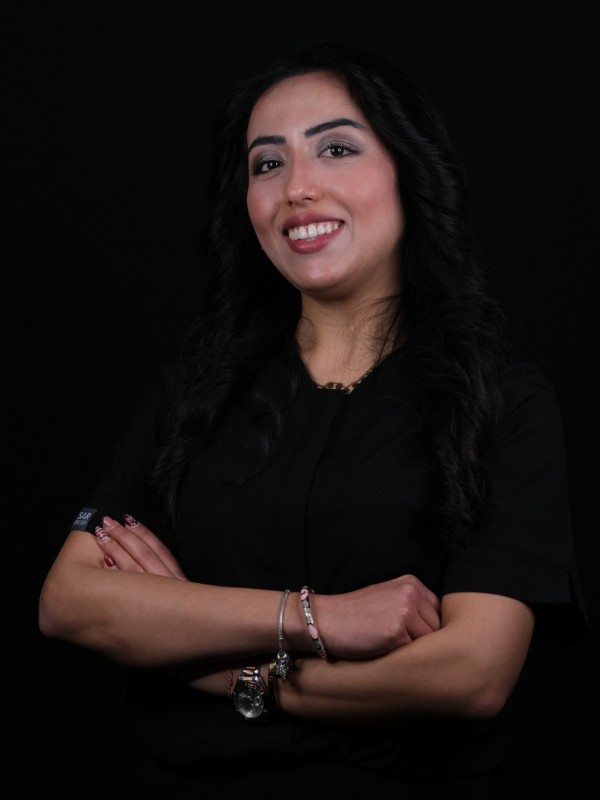
Our Expert Staff

A safe, comfortable and transparent treatment process at every stage with our experienced physicians.

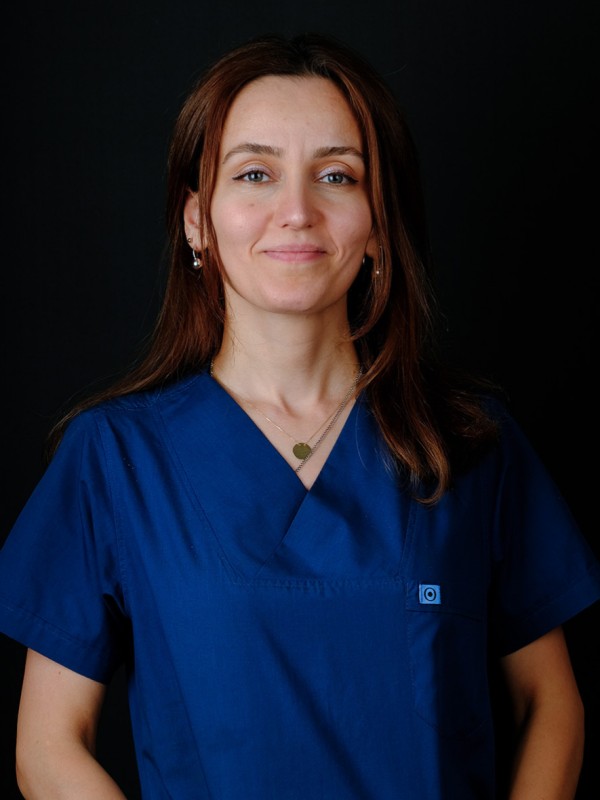
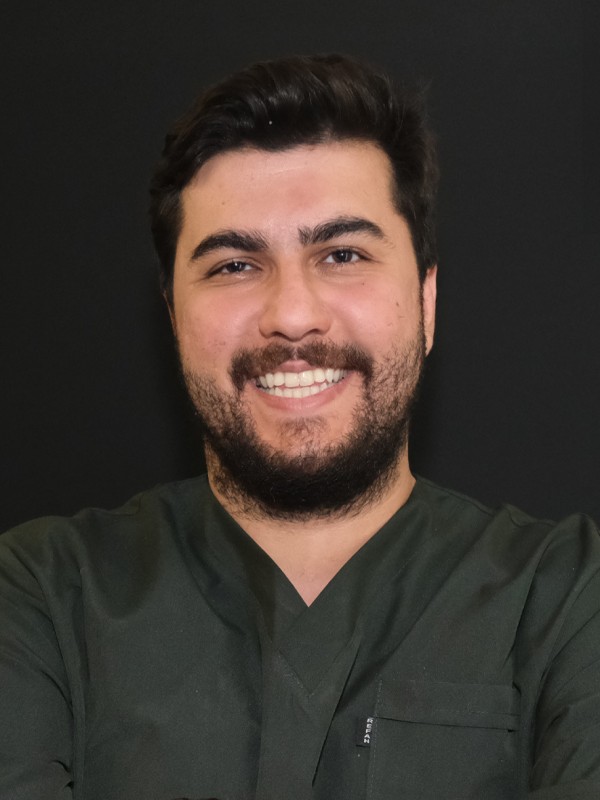
Dt. Muhammed Yancar

Dt. Muhammed Yancar

Responsible Manager · Dentist

He graduated from Okan University Faculty of Dentistry (2022). He works as the responsible manager and dentist at Bağcılar Dental Polyclinic. He is a member of the Turkish Prosthodontics and Implantology Association (TPİD) and the Turkish Dental Association (TDB).

Dr. Dt. Remziye Kuşağlı

Dr. Dt. Remziye Kuşağlı

Responsible Dentist

He graduated from Dicle University Faculty of Dentistry (2005); He has 21 years of experience. It specializes in implant-supported dentures, All-on-4/All-on-6, zirconium, laminate and E-max coating treatments. He is a member of TDB.

Uzm. Dr. Dt. Nazlı Altın

Uzm. Dr. Dt. Nazlı Altın

Oral and Maxillofacial Surgery Specialist

He graduated from Istanbul University Faculty of Dentistry; He completed his doctorate in oral, dental and maxillofacial surgery. He specializes in complex cases with implant surgery, jaw surgery and bone grafting.

Uzm. Dt. Uğur Derdiyok

Uzm. Dt. Uğur Derdiyok

Oral and Maxillofacial Surgery Specialist

He graduated from Ankara University Faculty of Dentistry; He completed his specialization in oral, dental and maxillofacial surgery at Kırıkkale University. He is an expert in surgical practices with 11 years of experience.

Uzm. Dt. Ceren Çetinkaya

Uzm. Dt. Ceren Çetinkaya

Orthodontic Specialist

He graduated from Ege University Faculty of Dentistry; He completed his orthodontics specialization at Istanbul University. He is experienced in fixed and transparent plate treatments and focuses on functional and aesthetic results.

Dr. Dt. Hakan Şahin

Dr. Dt. Hakan Şahin

Pedodontics Specialist (Pediatric Dentist)

He graduated from Atatürk University Faculty of Dentistry; He completed his pedodontics specialization. It has been providing preventive and therapeutic services in children's dental health for many years.

Uzm. Dt. Natiga Israfilova

Uzm. Dt. Natiga Israfilova

Prosthetic Dentistry Specialist

He is a graduate of Azerbaijan Medical University; He completed his prosthetic dentistry specialization at Eskişehir Osmangazi University. With 20 years of experience, he is an expert in implant prostheses, All-on-4/6, zirconium, laminate and E-max applications.

Dt. Nur Küçük

Dt. Nur Küçük

Prosthodontics & Digital Dentistry

He graduated from Istanbul Medipol University, Department of Dentistry; He continues his doctoral education in prosthetic dentistry. He works on aesthetic and functional restorations and smile design with CAD/CAM systems.

Dt. Mehmet Emin Ceylan

Dt. Mehmet Emin Ceylan

Implant & Prosthesis

He graduated from Istanbul Aydin University Faculty of Dentistry; He has 7 years of experience. He specializes in implant-supported dentures, All-on-4/All-on-6 restorations, full mouth dentures and zirconium applications.

Dt. Zeynep Demirhan

Dt. Zeynep Demirhan

Prosthodontics & Aesthetic Dentistry

He graduated from Bezmiâlem Vakıf University, Faculty of Dentistry. He is experienced in prosthetic treatments, smile design, implant-supported prostheses and treatments under sedation; focuses on patient satisfaction.

Dt. Seda Şahle Alemdar

Dt. Seda Şahle Alemdar

Implant & Aesthetics · Digital

He graduated from Abant İzzet Baysal University Faculty of Dentistry (2020). He is experienced in implant-supported dentures, smile design, digital measurement systems and aesthetic restorations.

Dt. Muhammed Ali Almaz

Dt. Muhammed Ali Almaz

Implant & Aesthetic Dentistry

He graduated from Gazi University Faculty of Dentistry (2021); He has 5 years of experience. He works with health tourism patients in the fields of implant prostheses, All-on-4, zirconium, aesthetic fillings and teeth whitening.

Dt. Berkay Pehlivanoğlu

Dt. Berkay Pehlivanoğlu

Restorative & Prosthetic

He graduated from Marmara University Faculty of Dentistry (2021); He has 6 years of experience. He works in the fields of endodontics (root canal treatment), restorative treatments, zirconium/E-max/laminate prosthesis and implant-supported prosthesis.

Dt. Esranur Çelik

Dt. Esranur Çelik

Restorative & Periodontology

He graduated from Süleyman Demirel University Faculty of Dentistry (2017); He has 9 years of experience. He works in periodontology (gum), restorative and endodontic treatments and aesthetic smile design.

Dt. Havva Öztürk

Dt. Havva Öztürk

General & Restorative Dentistry

He graduated from Bolu Abant İzzet Baysal University Faculty of Dentistry (2023). Works in restorative, endodontic, periodontal, prosthetic and pedodontic treatments; Follows current treatments closely.

Dt. Sümeyya Aydınlık

Dt. Sümeyya Aydınlık

Dentist

He graduated from Istanbul Yeni Yüzyıl University, Department of Dentistry (2020); Has approximately 5 years of experience. In addition to general dentistry, he works in implant prosthesis, restorative and endodontic treatments.

Dt. Hasip Altun

Dt. Hasip Altun

General Dentistry

He graduated from Yüzüncü Yıl University Faculty of Dentistry (2018). He has clinical experience in general dentistry and restorative treatments; It stands out with its patient-oriented approach.

Dt. Birsen Er

Dt. Birsen Er

Implant & Aesthetic Dentistry

He graduated from Istanbul University Faculty of Dentistry (2002); He has 24 years of experience. He works in the fields of implant-supported prostheses, All-on-4, zirconium restorations, aesthetic fillings, root canal treatment (endodontics) and teeth whitening.

✦ Our Videos
✦ Trusted Worldwide

What Our Patients Say

Google★★★★★
Trustpilot★★★★★
4.6/5 1.682+ Happy Patients 30+ Countries
A
Ayşe Kaya ★★★★★

I did not feel any pain during my implant treatment. The team is extremely attentive, I was informed at every stage. I love my new smile!

M
Mehmet Yıldız ★★★★★

My zirconium crowns looked very natural. It is excellent in terms of price-performance, I recommend it with peace of mind.

H
Hans Müller ★★★★★

I came from Germany for All-on-4 treatment. The clinic was very modern and hygiene was perfect. Translator support made my job much easier.

E
Elena Petrova ★★★★★

I came for my smile design; Everything was considered, including reception, hotel and transportation. My teeth were literally reborn.

F
Fatma Demir ★★★★★

My gum treatment was very successful. My doctor explained everything patiently, and my fear of the dentist was completely gone.

J
James Wilson ★★★★★

I came from London for laminate veneer. Professional team, painless procedure and great result. It was worth every penny.

Z
Zeynep Arslan ★★★★★

My orthodontic treatment proceeded as planned. The transparent record was very comfortable, no one even noticed. Thanks!

A
Andrei Popescu ★★★★★

I came from Romania for implants. From CT scan to treatment, everything started on the same day. I am very pleased with the result.

H
Hatice Şahin ★★★★☆

After teeth whitening, my teeth became visibly whiter. I got results in one session, it was very practical.
S
Sophie Dubois ★★★★★

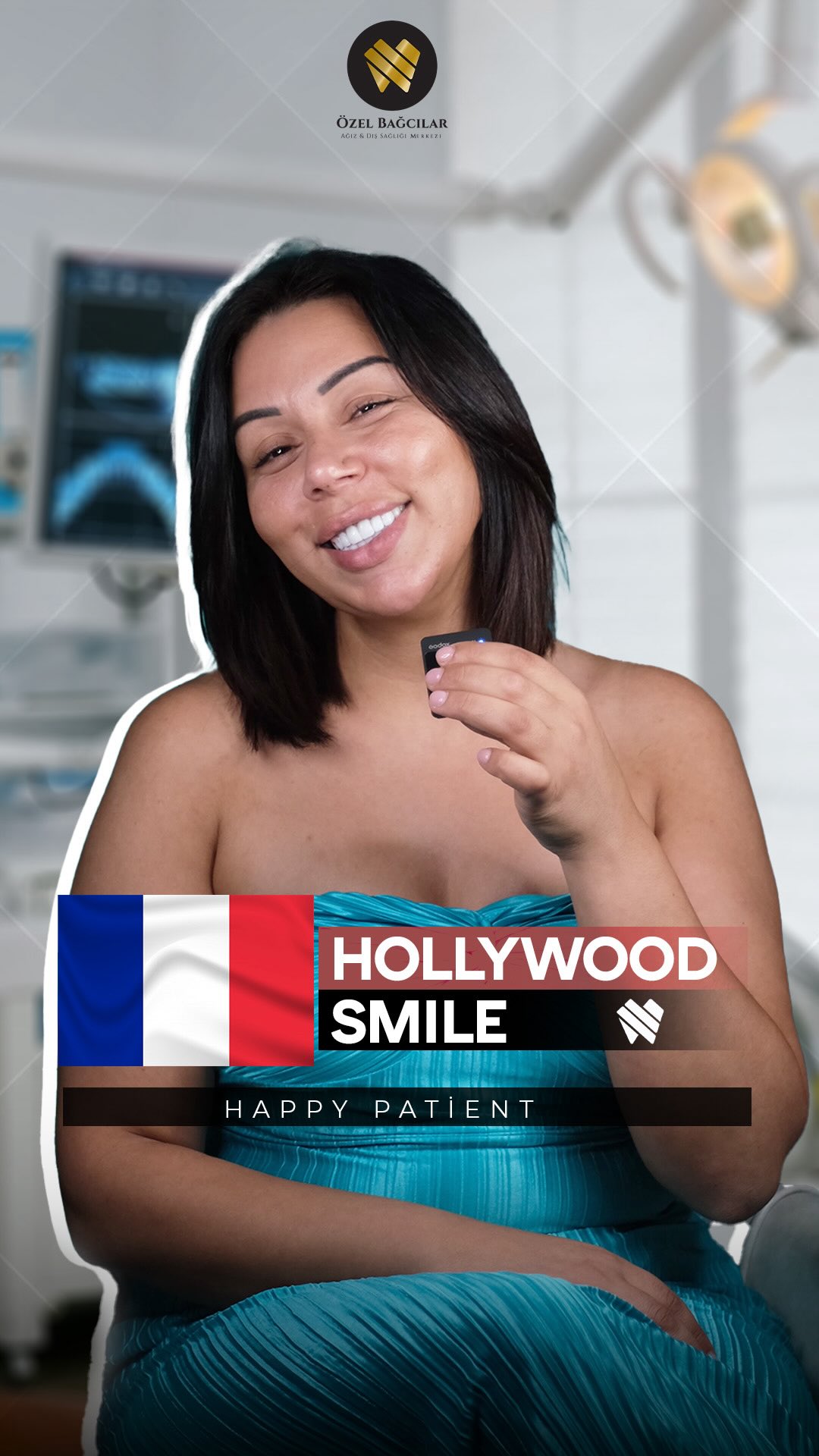
I chose it for Hollywood Smile from France. The attention of the doctors and the naturalness of the result were far beyond my expectations.

A
Ali Çelik ★★★★★

My root canal treatment was painless and I returned to work the same day. Modern devices make a difference, well done.

M
Maria Rossi ★★★★★

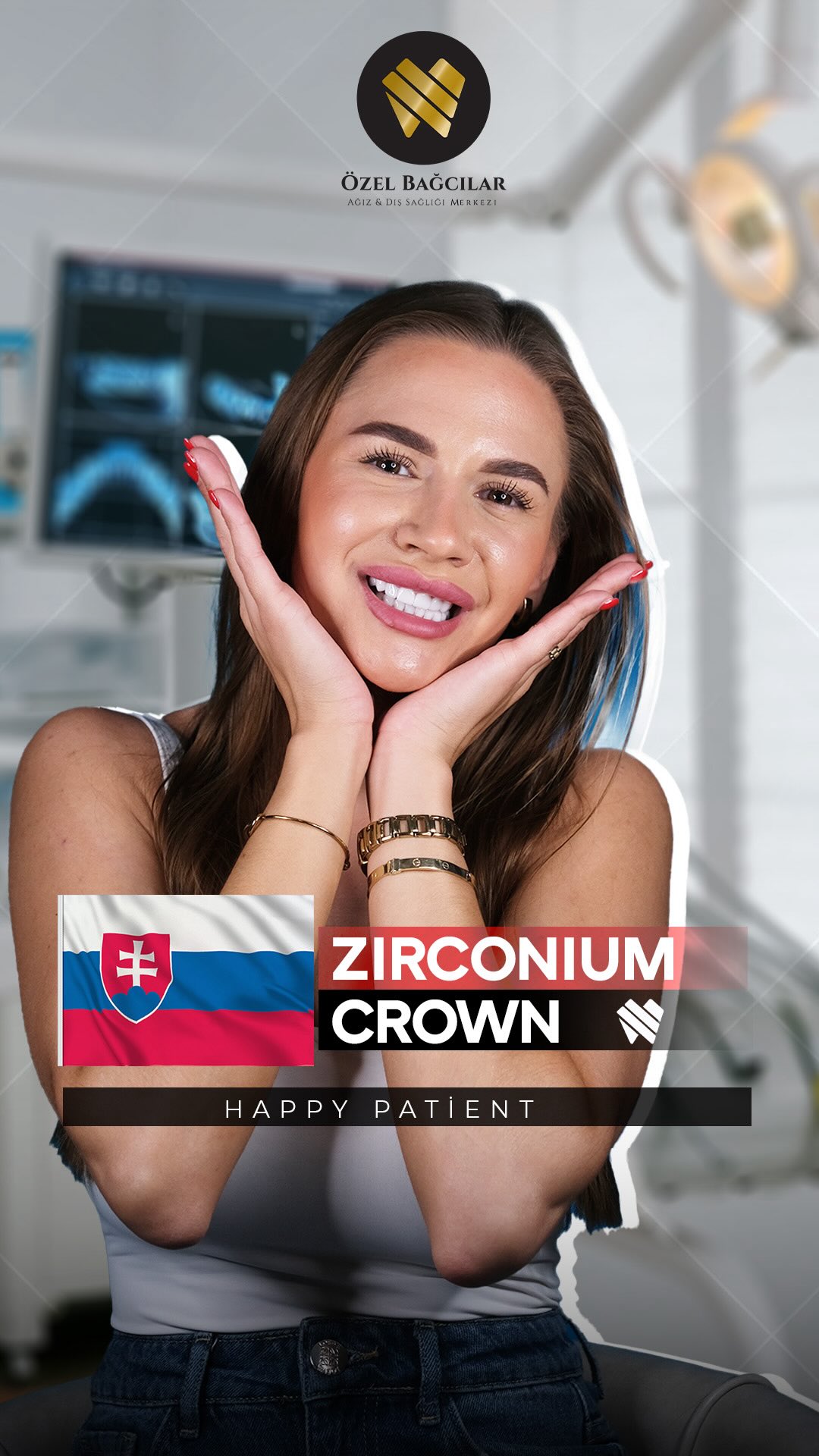
I came from Italy for zirconium. It is much more advantageous than Europe in terms of both price and quality. I definitely recommend it.

E
Emine Yılmaz ★★★★★

We came for my mother's prosthetic teeth, they were very interested. The patience shown to elderly patients is admirable.

V
Viktor Ivanov ★★★★★

After the smile design, my self-confidence skyrocketed. The clinic is clean and the team is friendly. I recommend it to everyone from Sofia.

A
Ayşe Kaya ★★★★★

I did not feel any pain during my implant treatment. The team is extremely attentive, I was informed at every stage. I love my new smile!

M
Mehmet Yıldız ★★★★★

My zirconium crowns looked very natural. It is excellent in terms of price-performance, I recommend it with peace of mind.

H
Hans Müller ★★★★★

I came from Germany for All-on-4 treatment. The clinic was very modern and hygiene was perfect. Translator support made my job much easier.

E
Elena Petrova ★★★★★

I came for my smile design; Everything was considered, including reception, hotel and transportation. My teeth were literally reborn.

F
Fatma Demir ★★★★★

My gum treatment was very successful. My doctor explained everything patiently, and my fear of the dentist was completely gone.

J
James Wilson ★★★★★

I came from London for laminate veneer. Professional team, painless procedure and great result. It was worth every penny.
Z
Zeynep Arslan ★★★★★

My orthodontic treatment proceeded as planned. The transparent record was very comfortable, no one even noticed. Thanks!

A
Andrei Popescu ★★★★★

I came from Romania for implants. From CT scan to treatment, everything started on the same day. I am very pleased with the result.

H
Hatice Şahin ★★★★☆

After teeth whitening, my teeth became visibly whiter. I got results in one session, it was very practical.

S
Sophie Dubois ★★★★★

I chose it for Hollywood Smile from France. The attention of the doctors and the naturalness of the result were far beyond my expectations.

A
Ali Çelik ★★★★★

My root canal treatment was painless and I returned to work the same day. Modern devices make a difference, well done.

M
Maria Rossi ★★★★★

I came from Italy for zirconium. It is much more advantageous than Europe in terms of both price and quality. I definitely recommend it.

E
Emine Yılmaz ★★★★★

We came for my mother's prosthetic teeth, they were very interested. The patience shown to elderly patients is admirable.

V
Viktor Ivanov ★★★★★

After the smile design, my self-confidence skyrocketed. The clinic is clean and the team is friendly. I recommend it to everyone from Sofia.

B
Burak Aydın ★★★★★

I had a combination of implant and zirconium. The result is incredibly natural. The appointment and follow-up process was very orderly.

A
Anna Schmidt ★★★★☆

My laminate veneer treatment went well. It took a little waiting, but the result was perfect. Thanks for the translator support.

S
Selin Koç ★★★★★

I had gum aesthetics and whitening. I have no hesitation when laughing anymore. I am grateful to the entire team.

R
Robert Brown ★★★★★

My All-on-6 treatment changed my life. I came from England; The attention shown and the result achieved were perfect.

G
Gülşah Eren ★★★★★

We came for my child's dental treatment, they treated the child patients very kindly. He was treated without fear, we are very happy.

D
Dimitar Georgiev ★★★★★

Implant prices are very affordable compared to Bulgaria, and the quality is high. The entire process was completed in 4 days.

O
Okan Demirtaş ★★★★★

I can't recognize myself in photos after my smile design. My doctor's sense of aesthetics is really good.

C
Claudia Fischer ★★★★★

I came for my implant treatment, it was painless and fast. The clinic is above German standards, I am very pleased.

M
Merve Polat ★★★★★

I had a combination of orthodontics and whitening. The result is great, the team is very professional and caring.

L
Lucas Martin ★★★★★

I came from Paris for laminate veneer. I was very pleased with the natural result and warm attention. Thanks!

İ
İbrahim Kara ★★★★☆

My dental bridge treatment was durable and comfortable. Pricing was transparent, there were no surprise fees.

N
Natalia Sokolova ★★★★★

I came from Russia for smile design. The service quality and attention were excellent, my teeth turned out as I dreamed.

D
Deniz Aksoy ★★★★★

I had teeth whitening in one session, the difference was immediately obvious. It was a fast, clean and professional experience.

T
Thomas Becker ★★★★★

I came for All-on-4 and walked out smiling the same day with temporary teeth. The interest and technology are top notch, thank you very much.

B
Burak Aydın ★★★★★

I had a combination of implant and zirconium. The result is incredibly natural. The appointment and follow-up process was very orderly.

A
Anna Schmidt ★★★★☆

My laminate veneer treatment went well. It took a little waiting, but the result was perfect. Thanks for the translator support.

S
Selin Koç ★★★★★

I had gum aesthetics and whitening. I have no hesitation when laughing anymore. I am grateful to the entire team.

R
Robert Brown ★★★★★

My All-on-6 treatment changed my life. I came from England; The attention shown and the result achieved were perfect.

G
Gülşah Eren ★★★★★

We came for my child's dental treatment, they treated the child patients very kindly. He was treated without fear, we are very happy.

D
Dimitar Georgiev ★★★★★

Implant prices are very affordable compared to Bulgaria, and the quality is high. The entire process was completed in 4 days.

O
Okan Demirtaş ★★★★★

I can't recognize myself in photos after my smile design. My doctor's sense of aesthetics is really good.

C
Claudia Fischer ★★★★★

I came for my implant treatment, it was painless and fast. The clinic is above German standards, I am very pleased.

M
Merve Polat ★★★★★

I had a combination of orthodontics and whitening. The result is great, the team is very professional and caring.

L
Lucas Martin ★★★★★

I came from Paris for laminate veneer. I was very pleased with the natural result and warm attention. Thanks!

İ
İbrahim Kara ★★★★☆

My dental bridge treatment was durable and comfortable. Pricing was transparent, there were no surprise fees.

N
Natalia Sokolova ★★★★★

I came from Russia for smile design. The service quality and attention were excellent, my teeth turned out as I dreamed.

D
Deniz Aksoy ★★★★★

I had teeth whitening in one session, the difference was immediately obvious. It was a fast, clean and professional experience.

T
Thomas Becker ★★★★★

I came for All-on-4 and walked out smiling the same day with temporary teeth. The interest and technology are top notch, thank you very much.

✦ Our Brands
Straumann
Nobel Biocare
Astra Tech
Medentika
Bredent SKY
Straumann
Nobel Biocare
Astra Tech
Medentika
Bredent SKY
✦ Contact
Get in touch

İstanbul Bağcılarour central clinic

Merkez Mahallesi 675. Sokak No: 1-7/A-B, 34203 Bağcılar/İstanbul, Turkey

Open in Google Maps