










Before You Fly: What to Send
The single thing that makes a first day productive is imaging sent in advance. A panoramic radiograph taken by your own dentist within the last year lets the plan be discussed properly before you book anything, and it means the first appointment confirms a plan rather than starting one.
Photographs help more than people expect. Front view with a natural smile, front view with the teeth together, both side views, and one of each arch from above. Ordinary phone photographs in daylight are sufficient — nothing specialist is needed.
Send your current medications and any medical conditions at the same time, including anything taken in the past for bone density. These change surgical planning and they are not questions anyone wants to be asking for the first time on the day of treatment.
With those three things a video consultation becomes genuinely useful rather than a formality — what that conversation should cover sets out what can and cannot be settled remotely.
Before You Fly: What to Arrange
Check your passport validity and whether you need a visa. Many nationalities enter Turkey visa-free for short stays and others use a straightforward electronic visa, but the rules differ by country and by passport type — the entry requirements are worth checking rather than assuming.
Book flights around the treatment plan rather than the other way round. If the plan needs two trips, knowing that before booking saves a great deal. Leave a day of margin at the end: a final review appointment before flying is standard and it should not be squeezed.
Travel insurance is worth having for the trip itself. Read the clause about planned treatment abroad specifically, since some policies exclude it. The treatment guarantee and the insurance cover different things and neither substitutes for the other.
Tell us your flight numbers and times once they are booked. Transfers and accommodation are arranged directly rather than through an agency — how those arrangements work sets out what is included.
Which Airport, and Why It Matters
Istanbul has two international airports on opposite sides of the city, and choosing the wrong one adds real time to every transfer of your trip rather than just the first.
Istanbul Airport (IST) is on the European side, north-west of the city, and is the closer of the two to Bağcılar. Most long-haul and European flights arrive here, and the transfer is comfortably the shorter one.
Sabiha Gökçen (SAW) is on the Asian side, south-east of the city. Flights are often cheaper, and the saving is frequently consumed by a transfer that crosses the whole of Istanbul — including the Bosphorus over the Bosphorus, which in traffic is a substantially longer journey.
If both are options at similar fares, choose Istanbul Airport. If Sabiha Gökçen is significantly cheaper, it remains workable — just build the extra time into the day. How the airport connection works covers both routes.
Getting to Bağcılar
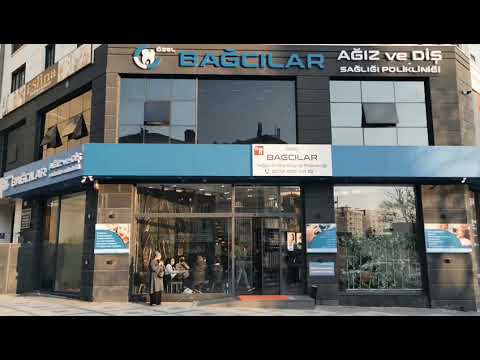
Bağcılar is a district on the European side of Istanbul, inland from the airport and well connected to the rest of the city. It is a residential and commercial district rather than a tourist one, which is worth knowing so the surroundings are not a surprise.
Transfers are arranged directly by us. A driver meets you in arrivals with your name, and takes you to your accommodation or to the clinic depending on your flight time. There is no separate agency in between, and nothing to arrange yourself on arrival.
Istanbul traffic is genuinely heavy and journey times vary considerably with the hour. A transfer that takes forty minutes at ten in the morning can take twice that at six in the evening, which is worth accounting for when choosing flight times.
The metro is a practical alternative for moving around the city between appointments and is unaffected by traffic. Where the clinic sits and how to reach it by public transport is set out separately.
If you prefer to arrange your own accommodation, that is entirely workable — tell us where you are staying and appointments are scheduled around the journey. Most patients stay close to the clinic simply because it removes an hour of travel from each appointment day, not because they are required to.
What Day One Actually Looks Like
The first appointment follows the same structure whatever the treatment, and it is longer than a routine dental visit because it does several things at once. Expect to be at the clinic for a couple of hours.
| Stage | What happens | Roughly how long |
|---|---|---|
| Arrival and paperwork | Medical history reviewed, consent forms, questions | 20–30 minutes |
| Examination | Teeth, gums charted, bite assessed, photographs | 30–40 minutes |
| Imaging | Panoramic radiograph, CT where implants are planned | 15–20 minutes |
| Plan discussion | Findings, options, tooth-by-tooth plan confirmed | 30–45 minutes |
| Treatment start — restorative | Preparation or scanning often begins the same day | Varies |
| Treatment start — surgical | Usually the following day, after the plan is agreed | Varies |
If imaging was sent in advance, the plan discussion is a confirmation rather than a first draft, and the day is considerably shorter. That is the main practical reason to send it.
The Paperwork and Consent
You will complete a medical history form and sign consent for the specific treatment planned. Consent is not a formality — it should name the procedure, the risks, the alternatives and what happens if something does not go as expected.
Read it rather than signing it. If it describes a treatment different from the one you discussed, or is vaguer than the written plan, say so before signing. That mismatch is worth catching on the first day rather than the last.
You should also receive the itemised costs and the guarantee terms in writing at this stage if you have not already. Nothing should be due before the plan is agreed, and the payment schedule should be set out rather than negotiated in the chair — how payment is normally arranged covers the usual structure.
Bring photographic identification. It is needed for clinic records and, where relevant, for the health tourism documentation that applies to international patients.
Language, and Whether You Need an Interpreter
Clinical conversations happen in your own language. That is not a courtesy — consent given in a language you do not fully understand is not consent, and planning decisions are too detailed to be conducted through guesswork.
For patients travelling from countries where we treat regularly, that is arranged as a matter of course rather than on request. It covers the consultation, the consent discussion and the aftercare instructions, which are the three points where precision actually matters.
Outside the clinic, English is widely understood in shops, restaurants and taxis in Istanbul, and translation applications handle the rest comfortably. Most patients find the practical side far easier than they expected.
How interpreting is arranged sets out which languages are covered and how it works across the different stages of a treatment plan.
Written material follows the same rule. Your treatment plan, consent forms, aftercare instructions and guarantee are given in your own language rather than translated verbally on the day, so you can read them properly and take them home in a form you can refer back to.
If you are bringing a family member who translates for you, that is welcome and it does not replace the arrangement. Medical vocabulary is specific, and asking a relative to carry the weight of a consent discussion is unfair to both of you.
Imaging on the Day
Even where you have sent imaging in advance, some is usually repeated or added. A panoramic radiograph older than about a year no longer reflects the current state, and bone levels and existing restorations do change.
Where implants are planned, a CT scan is taken at the clinic if you have not brought a recent one. It is a short, painless scan, and it is what determines the number of implants, whether grafting is needed and whether the timetable runs to one trip or two.
An intraoral scan replaces impressions for most laboratory work. It takes a few minutes with a small camera, and it produces a digital model used for design, for the laboratory and for your records.
All of it is yours to take home. Copies of radiographs, scans and photographs are provided at the end of treatment as a matter of course, along with material records and the written guarantee.
Does Treatment Start the Same Day?
Often, and it depends on what is planned. The general rule is that restorative work frequently begins on day one, while surgery usually begins on day two — not for scheduling reasons but because the plan should be agreed before anything irreversible happens.
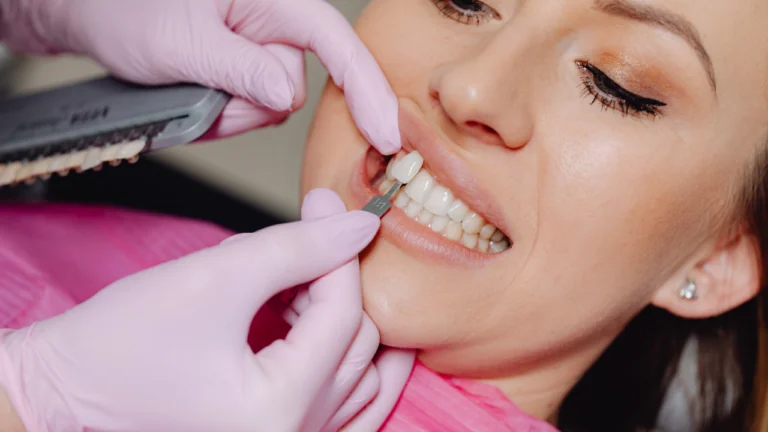
For veneers or crowns, the design stage commonly starts the same day: photographs, scanning, shade discussion and often a mock-up. Preparation follows once the shape has been agreed, which is usually the next appointment.
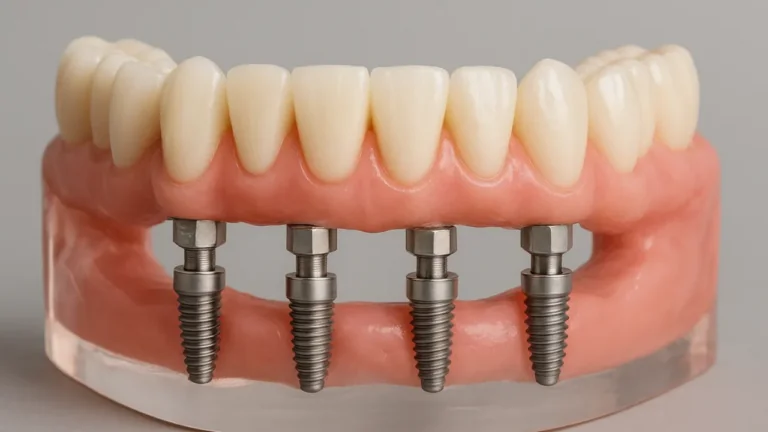
For implants, the CT is read and the plan confirmed on day one, with surgery the following day. Where extractions are needed first, they may be done immediately or staged, depending on what the scan shows.
For gum treatment, the first session frequently starts the same day, since it is the foundation everything else waits on. How the days divide up by treatment sets out the realistic sequence for each.
Whitening is the one thing that often has to come first regardless of the rest, because the shade has to stabilise before any ceramic is matched to it. Where it is part of the plan, it is usually started on day one for that reason alone.
What to Bring to the Appointment
Very little, but the few things that matter are easy to forget in the rush of travelling.
- Passport or photographic identification.
- A written list of your current medications, with doses.
- Details of medical conditions, allergies and previous surgery.
- Any dental records, radiographs or treatment histories you hold.
- Old dentures, night guards or retainers, even if they no longer fit.
- A note of what bothers you most about your teeth, written down beforehand.
- Contact details for your dentist at home, if you have one.
The last item on that list matters more than it looks. Sending your records back to your own dentist afterwards makes continuing care straightforward, and it is easier to arrange while you are still here.
Old appliances are genuinely useful even when they are unusable. A denture that never fitted well shows exactly what the problem was, and a worn night guard shows where the grinding forces fall.
Between Appointments
Most treatment plans have gaps — a day while the laboratory works, an afternoon between a preparation and a fitting. Those are yours, and Istanbul is an easy city to spend them in.
After surgery the first day is different: rest, cold compresses, soft food and no exertion. Sightseeing on the afternoon of an implant placement is not a good plan, and the aftercare instructions explain why in detail.
After restorative appointments there is usually no restriction beyond eating carefully with temporaries. Avoid anything sticky, chew on the other side, and clean around them by pulling floss out sideways.
The historic centre is roughly a forty-minute journey from Bağcılar by metro and easily done between appointments — what is worth seeing with limited time is set out with travel times from this side of the city.
Keep the clinic's direct contact details on your phone rather than in an email you would have to search for. Questions between appointments are normal and answering them takes a minute — waiting until the next visit to mention something is how small problems become scheduling problems.
Practical Questions Patients Ask
The ones that come up most often, answered plainly. None of them are unusual and none should be awkward to ask.
Payment: card and bank transfer are both normal, staged with the treatment rather than taken in full at the start. Cash is not required and should not be insisted on by any clinic.
Companions: bringing someone is fine and often sensible, particularly for surgical treatment where sedation is involved. Travelling alone is equally workable and very common — what to arrange if you are on your own covers the practical points.
Time off work: build in the day after surgery, and remember that swelling peaks around day two or three rather than immediately. For restorative work there is usually no recovery period at all beyond the appointments themselves.
Weather and season matter more than people expect. Istanbul summers are hot, which is worth considering if surgery with swelling is planned, and winters are mild but wet. Spring and autumn are the easiest times to recover comfortably between appointments.
Before You Fly Home
A final review appointment before departure is standard rather than optional. The bite is checked, any adjustment made, sutures reviewed, and you are given the chance to raise anything that has not felt right.
You should leave with a complete record: radiographs and scans, clinical photographs, the material record for every restoration, the implant passport where implants were placed, aftercare instructions in your language, and the written guarantee.
Make sure you know how to reach us directly after you land, and what photographs to send if anything concerns you. Most post-treatment questions are resolved in a message with a clear picture attached.
And keep those records somewhere permanent rather than in the travel folder. They are what makes the work serviceable anywhere in the world — how the guarantee works from abroad explains what to do if you ever need it.
If you have a dentist at home, ask us to send your records to them directly. Continuing care is far easier when the person seeing you next already has the radiographs, the material list and the implant details rather than starting from a description.