







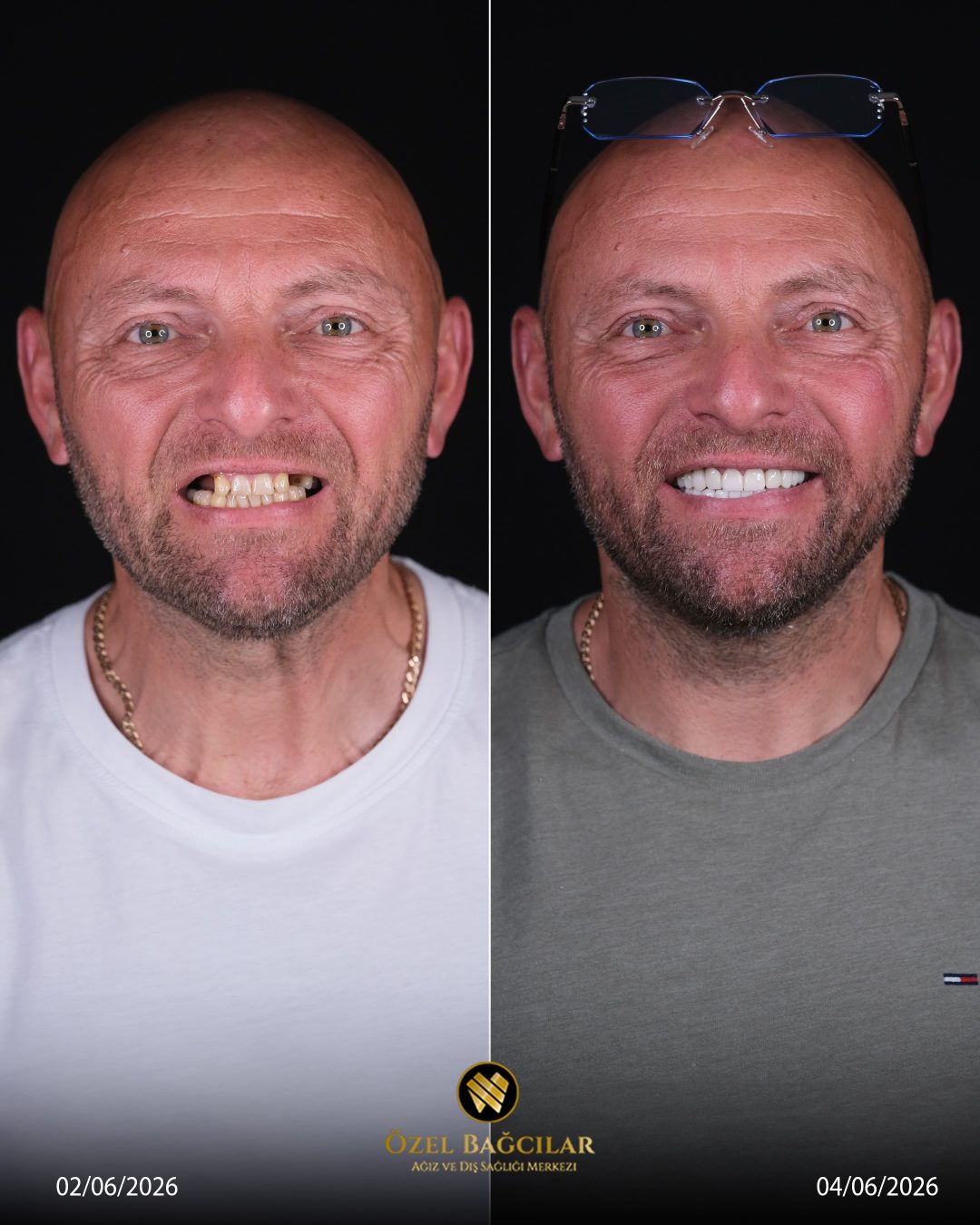
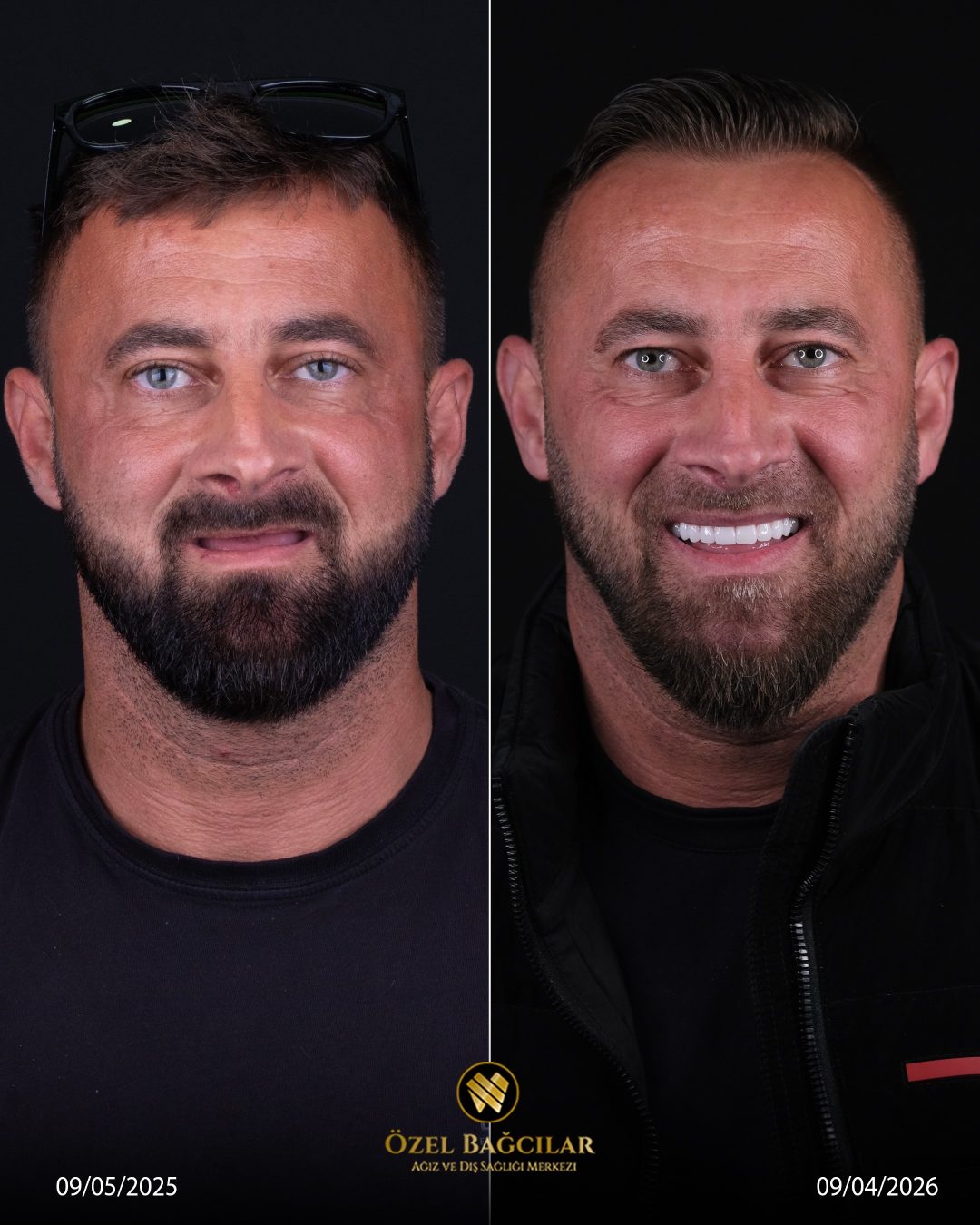

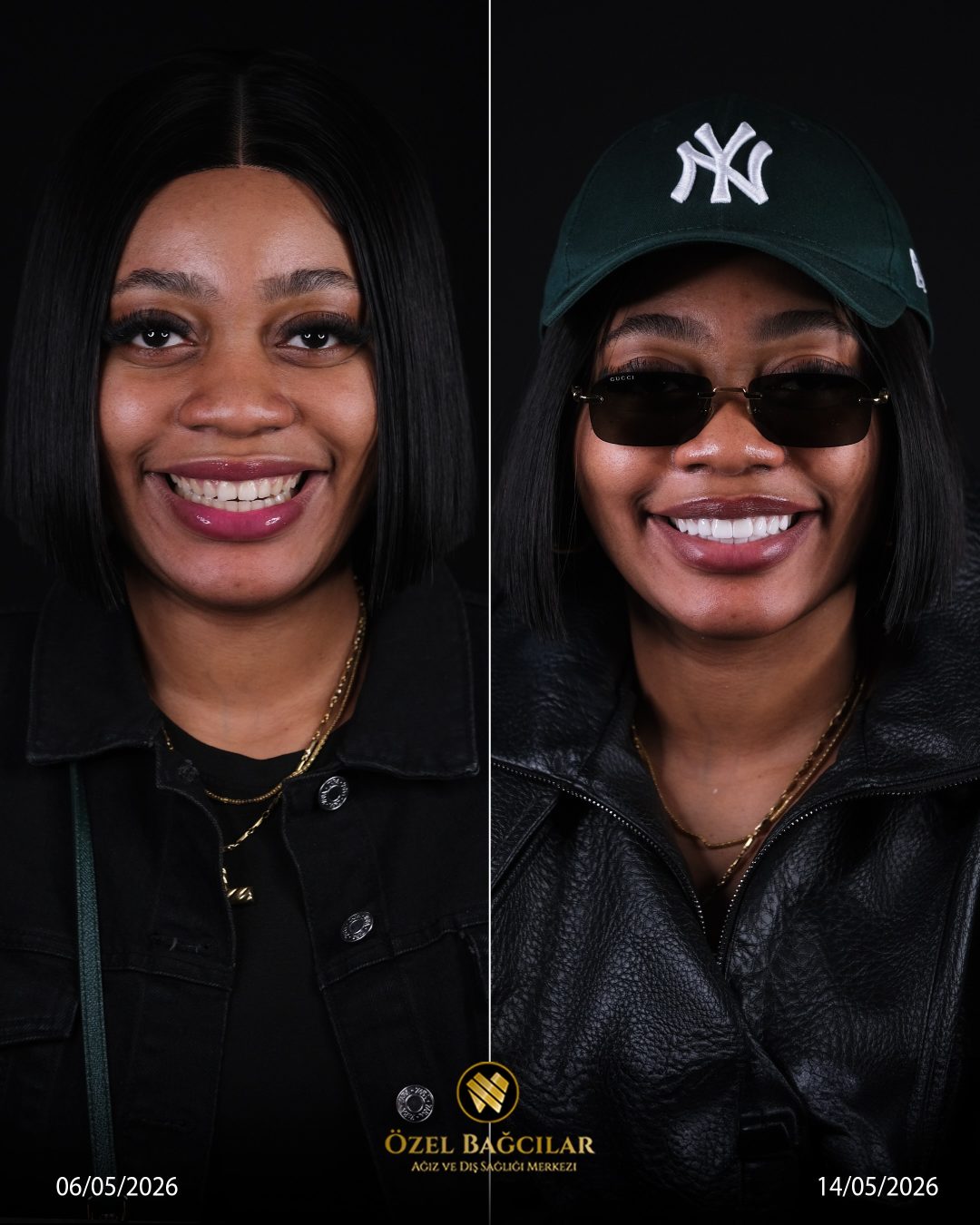


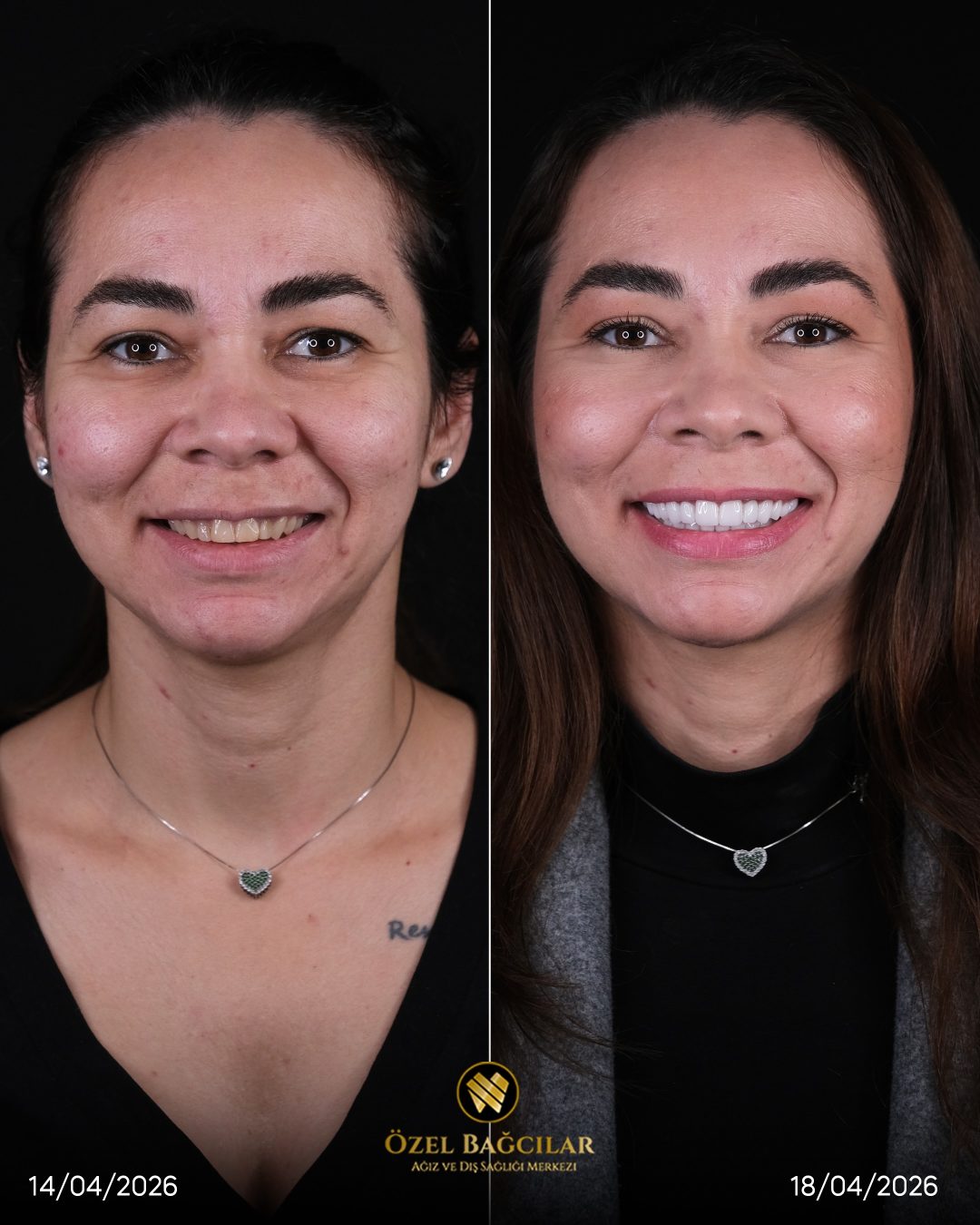

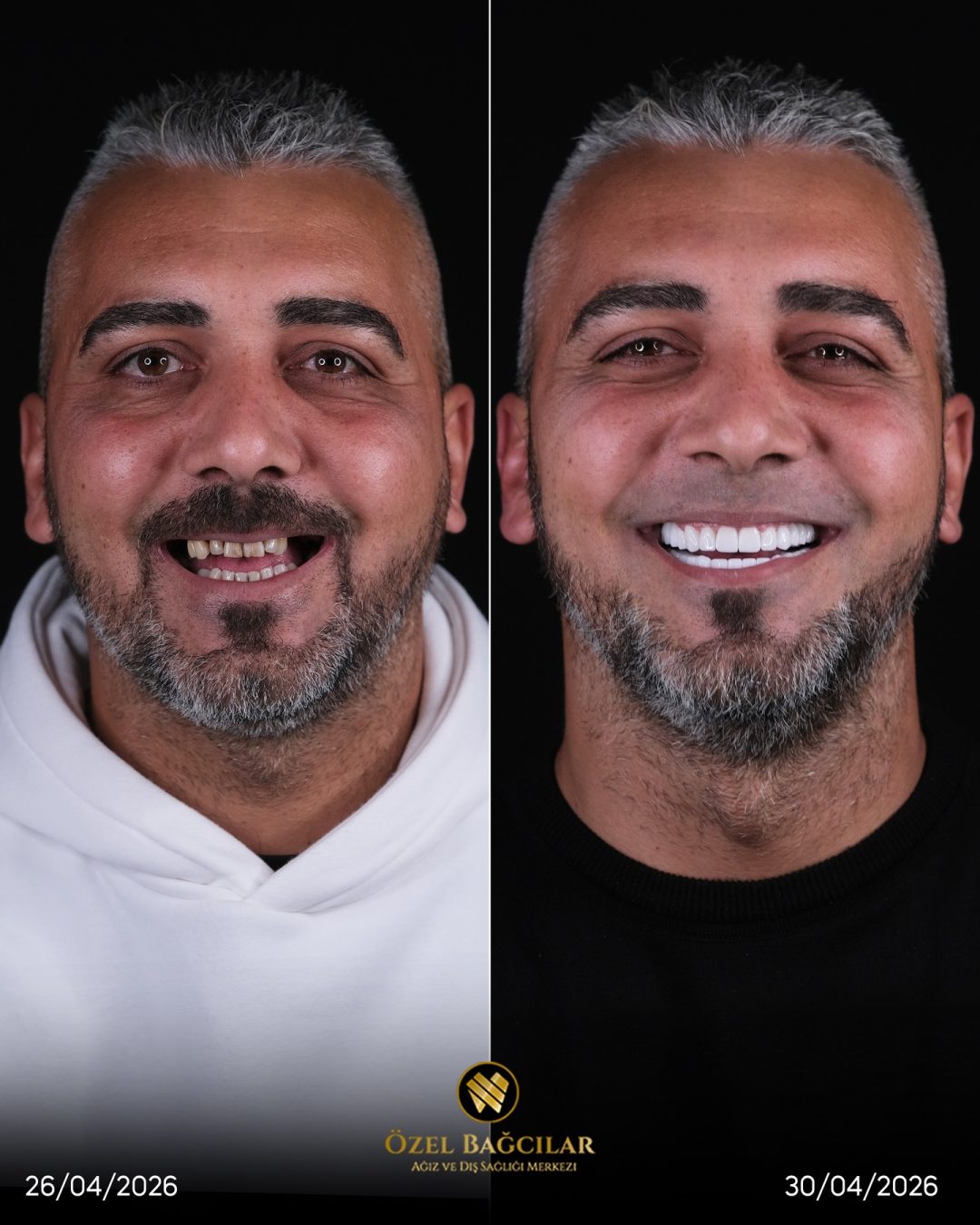
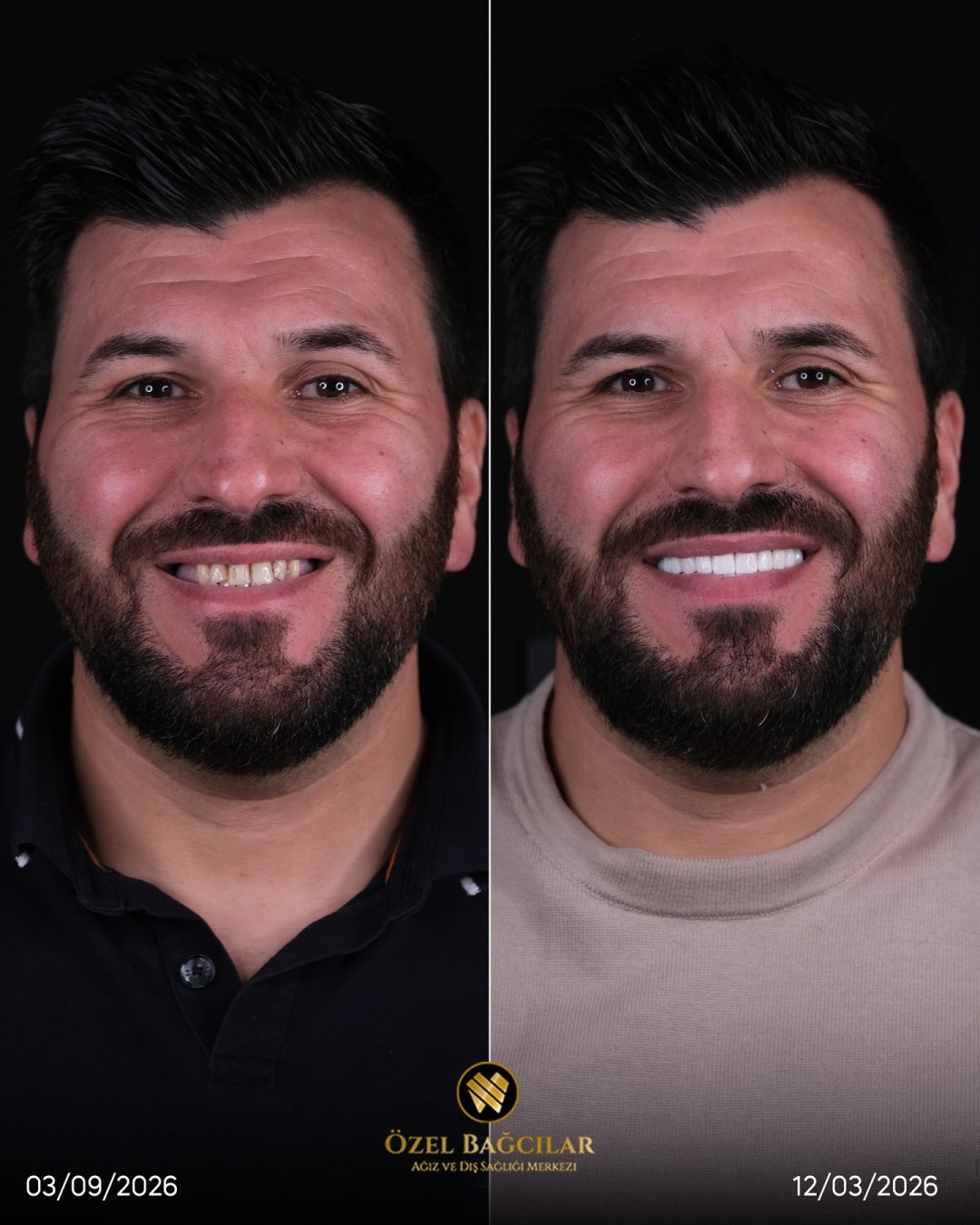
What Bonding Actually Is
A tooth-coloured resin containing fine ceramic particles, applied to the tooth in layers, shaped by hand and hardened with a light. The dentist is also the technician, and the whole result is created in the mouth in one sitting.
The bond is chemical and mechanical. The enamel surface is etched, a bonding agent applied, and the composite cured onto it. That bond to enamel is strong and durable — bonding to dentine or to old composite is considerably less so.
In its additive form nothing is removed from the tooth at all. Resin is added where length, width or shape is missing, which makes it the only genuinely reversible treatment in cosmetic dentistry.
Where the tooth has to be reshaped rather than added to, a small amount of surface may be adjusted. That is still an order of magnitude less than a veneer preparation and considerably less than a crown.
The result is finished the same day. There is no laboratory stage, no temporary and no second visit — which for a patient travelling changes what fits into a trip.
What Actually Determines the Figure
Five things, and only one of them is the material — which is the cheapest component by a wide margin.
How many teeth. Bonding is priced per tooth and the work per tooth is substantial, so this is the largest multiplier exactly as it is with veneers.
How much is being changed on each. Repairing a chipped corner is a fraction of the work of rebuilding an entire front surface to change the shape, and both are described by the same word.
The layering approach. A single shade of composite applied in one mass is quick and looks flat. A result built from several shades and translucencies to reproduce a natural gradient takes considerably longer and looks like a tooth.
And the finishing. Contouring and polishing is where a substantial part of the time goes, and it is what determines both how the result catches light and how quickly it stains — the comparison with porcelain turns partly on this.
Where existing restorations are being replaced with composite, add their removal to the time. Old bonding, old fillings and failed margins all have to come out cleanly first, and that is work before any of the visible work begins.
Why Polishing Is Not a Finishing Touch
The single most under-appreciated variable in composite work, and the one that explains most of the difference between two results.
Composite stains through its surface. A highly polished surface has less microscopic roughness for pigment to lodge in, and it holds its appearance far longer than an inadequately polished one.
That polishing is a sequence of progressively finer discs, strips and pastes, and it takes real time per tooth. It is the step most easily shortened when an appointment is running long, and the consequence appears months later.
Surface texture matters as well as smoothness. Natural enamel is not glassy — it has fine horizontal texture that scatters light, and a result polished to a flat mirror finish reads as artificial for that reason.
So a bonding result that stains within a year is usually a finishing problem rather than a material one, and it is worth understanding as something the operator controls.
What Bonding Is Genuinely Good For
Six situations, and in each of them it is the correct treatment rather than a budget substitute for something else.
| Situation | Why bonding suits it | Alternative |
|---|---|---|
| Chipped incisal corner | Repaired in one visit, invisibly, no preparation | Veneer — far more tooth removed |
| Single midline gap | Closed additively, both teeth widened slightly | Veneers or orthodontics |
| Small spacing across front teeth | Each tooth widened by a fraction | Orthodontics, which takes months |
| Worn incisal edges | Length rebuilt without preparation | Crowns, if wear is severe |
| Peg-shaped lateral incisor | Built to normal proportion additively | Veneer or crown |
| Young patient wanting change | Reversible, adjustable, keeps every option | Nothing else is reversible |
The last row is the strongest case. A patient in their twenties with sound teeth who wants a modest change has every option open afterwards, which is not true of any preparation-based treatment.
The peg lateral case is worth noting too. It is a common developmental variation, the tooth is sound, and building it to normal proportion additively is far better than crowning a healthy tooth.
It also finishes orthodontic treatment well. Teeth moved into position frequently need only small shape corrections afterwards, and doing that in composite rather than veneers keeps a conservative treatment conservative all the way through.
Where Porcelain Is the Better Answer
Honesty in the other direction, because bonding is not the answer to everything and over-selling it produces disappointment on a different schedule.
Where a large shade change is wanted across the whole smile. Composite can be made lighter, but a substantial shade change over many teeth is more predictable and more stable in porcelain.
Where eight or ten teeth are being redesigned together. Consistency across that many hand-built units in one appointment is genuinely difficult, and laboratory work made to a single design matches better.
Where the patient stains heavily. A heavy coffee drinker or smoker will see composite change within a couple of years and porcelain will not, and that is a predictable enough difference to plan around.
And where the teeth already carry large restorations. Composite bonds best to enamel; a tooth with little enamel left is a case for coverage rather than addition.
And where the teeth grind heavily. Composite wears faster than ceramic under a strong habit, so a heavy grinder gets less service from it — though the habit needs managing with a guard whichever material is chosen.
Where the teeth are worn rather than chipped, the assessment widens again. Generalised wear is a bite problem before it is a restorative one, and adding composite without addressing the cause simply wears the composite instead.
The Maintenance Cycle
Composite is maintained rather than replaced, and understanding the cycle in advance is what makes the comparison with porcelain honest.
Re-polishing periodically, which removes accumulated surface stain and restores the gloss. It is a short appointment, it can be done at a routine hygiene visit, and it is the main recurring item.
Repair when it chips. That is direct, done in a single appointment, and usually invisible — which is one of composite's genuine structural advantages over ceramic, where a chip usually means remaking.
Refreshing eventually, when polishing no longer restores the appearance and the accumulated small repairs have changed the shape. That is a decision at a routine appointment rather than a failure.
Across a long horizon those smaller repeated costs accumulate, which is why the cost per year narrows against porcelain even though the placement figure is far lower.
None of that is onerous and most of it happens at routine appointments you were attending anyway. What it does require is understanding it in advance, because a patient expecting porcelain behaviour will read normal maintenance as failure.
The polishing appointment fits into an ordinary hygiene visit rather than needing its own. The recall interval you are given is when it happens, which means it costs time you were already spending.
How It Behaves Over Years
Realistic expectations rather than either the marketing version or the dismissive one, both of which are common.
Colour changes gradually, mostly at the margins and in any surface roughness. The rate is individual and behavioural — coffee, tea, red wine and especially smoking accelerate it considerably.
Gloss dulls over months and is restored by polishing. That is normal and it is the main reason for the periodic appointment rather than a sign of poor material.
Edges chip, particularly where composite has been left thin on a biting surface. Much of what is blamed on the material is really a design decision made at placement about thickness.
And the bond can fail, though far less often than patients expect. Where it does, it is usually at a margin where the composite met dentine rather than enamel, which is a case-selection issue rather than a material one.
The gum margin is the other place to watch. Composite meeting the gum needs to be contoured so it does not overhang, because an overhang collects plaque and inflames the tissue around an otherwise good restoration.
Bonding Around Whitening
The sequencing rule applies here exactly as it does to porcelain, and it is missed more often because bonding feels like a smaller treatment.
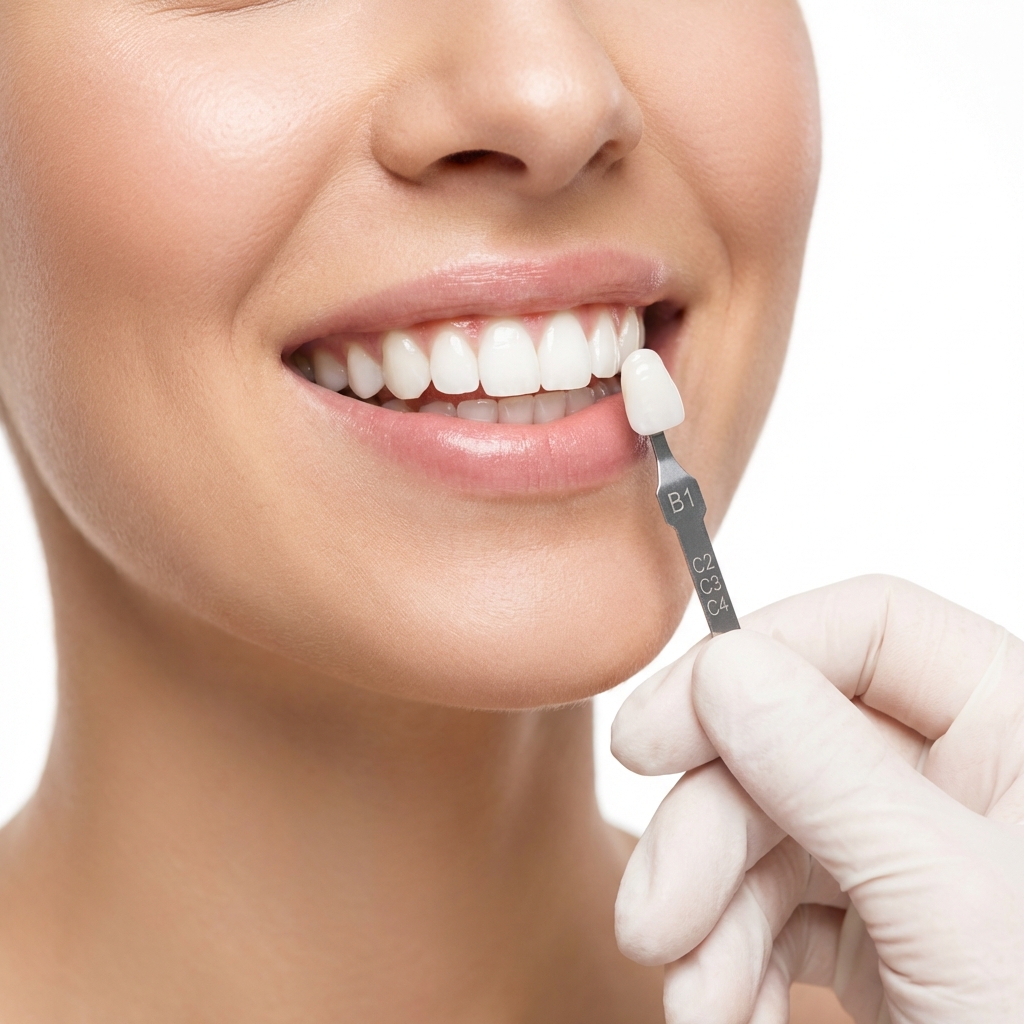
Composite does not lighten. Once placed in a given shade it stays there, so any whitening planned has to happen first with a stabilisation period before the shade is matched.
Whitening after bonding leaves the composite darker than the teeth around it. Correcting that means replacing the bonding, which is a smaller loss than remaking porcelain but an avoidable one.
Where existing bonding is present and you want to whiten, plan on replacing it. That is a normal part of the treatment rather than an unexpected addition, and it should be in the quote.
How whitening is sequenced sets out the interval, and the same rule governs every restorative material in the mouth.
The same applies to a shade you may want later. If you think you might whiten in future, bonding to your current shade means replacing it then — which is a small cost, and worth knowing about before rather than after.
Bonding as a Trial
An under-used application and one of the strongest arguments for it in a patient who is uncertain.
Where someone is unsure about a shape, a length or how much change they want, building it in composite lets them live with it for months rather than an hour in a mock-up.
If they like it, it can stay — composite is a definitive treatment, not only a provisional one. If they want to adjust it, adjusting composite is trivial. If they want to move to porcelain later, almost no tooth has been spent.
That sequence keeps every option open, which is the opposite of what a preparation-based treatment does. It costs a delay and some money, and it prevents the most expensive mistake in cosmetic dentistry.
It is particularly valuable for younger patients and for anyone who has never had restorative work and does not yet know what they will think of it — where it fits in the design process is worth reading alongside.
It is the same principle as a mock-up, extended over months rather than an hour. The mock-up stage shows you a shape before preparation; bonding lets you live with it before deciding whether preparation is warranted at all.
For a Patient Travelling
Bonding has a practical advantage over every laboratory-based treatment, and it changes what can be achieved in a short trip.
It is completed in one appointment. No impression, no laboratory turnaround, no temporary and no second visit — which means it can fit into a trip planned around something else entirely.
That makes it well suited to combining. A patient coming for implants can have front-tooth bonding done during the same visit at no additional travel cost, which is frequently how small cosmetic complaints get resolved.
It also means the result is seen and approved before you leave the chair. There is no gap between decision and outcome in which expectations can drift.
The maintenance happens at home. Polishing and small repairs are ordinary dentistry that any dentist can provide, so distance does not complicate it — the timetable shows how it fits alongside other treatment.
It also works as a first step. Bonding on one trip while a larger restorative plan is designed means you leave with an improvement rather than a temporary, and the porcelain follows when the laboratory work is ready.
What to Ask Before Agreeing
Five questions, and the answers separate a considered treatment from a quick one.
- Is any tooth structure being removed, and if so how much and why?
- How many shades will be used, and will translucency be layered?
- How long is planned per tooth?
- What polishing sequence is used, and is it included in the appointment time?
- What is the maintenance expectation — how often polished, and when refreshed?
The third is unusually informative for a dental question. Bonding done properly takes real time per tooth, and a plan allocating a few minutes each is describing a different treatment.
The first establishes whether this is additive bonding or something closer to a veneer preparation with composite instead of porcelain — which is a materially different proposition.
The fifth sets the expectation that makes patients happy with composite. Those who understand it is maintained are satisfied for years; those who expected porcelain behaviour are disappointed within one.
Where Bonding Beats Everything
Worth stating plainly, because the treatment is frequently presented as a compromise and in these cases it is straightforwardly the best answer.
One chipped front tooth in an otherwise healthy mouth. Repaired in an hour, matched to the neighbour, no preparation, and repairable again if it chips. Nothing else comes close.
A single space between the front teeth in a patient who does not want orthodontics. Closed additively by widening both teeth slightly, in one appointment — the options for a midline gap start here rather than with veneers.
Finishing after orthodontic treatment. Teeth in the right position frequently need only small shape corrections, and doing that in composite rather than veneers keeps the conservative result conservative.
And any case in a patient young enough that the treatment will be revisited several times over a lifetime. Every revisit that removes no tooth is one that keeps the options open.
And the worn incisal edge in a patient who grinds. Rebuilding lost length additively restores the appearance without preparing anything, which keeps every option open while the habit is brought under control with a guard.
It also repairs a chipped porcelain veneer as a temporary measure. That is not a permanent fix — a fractured veneer is generally remade — but it makes a front tooth presentable while the replacement is planned.
Bonding on a Short Trip to İstanbul
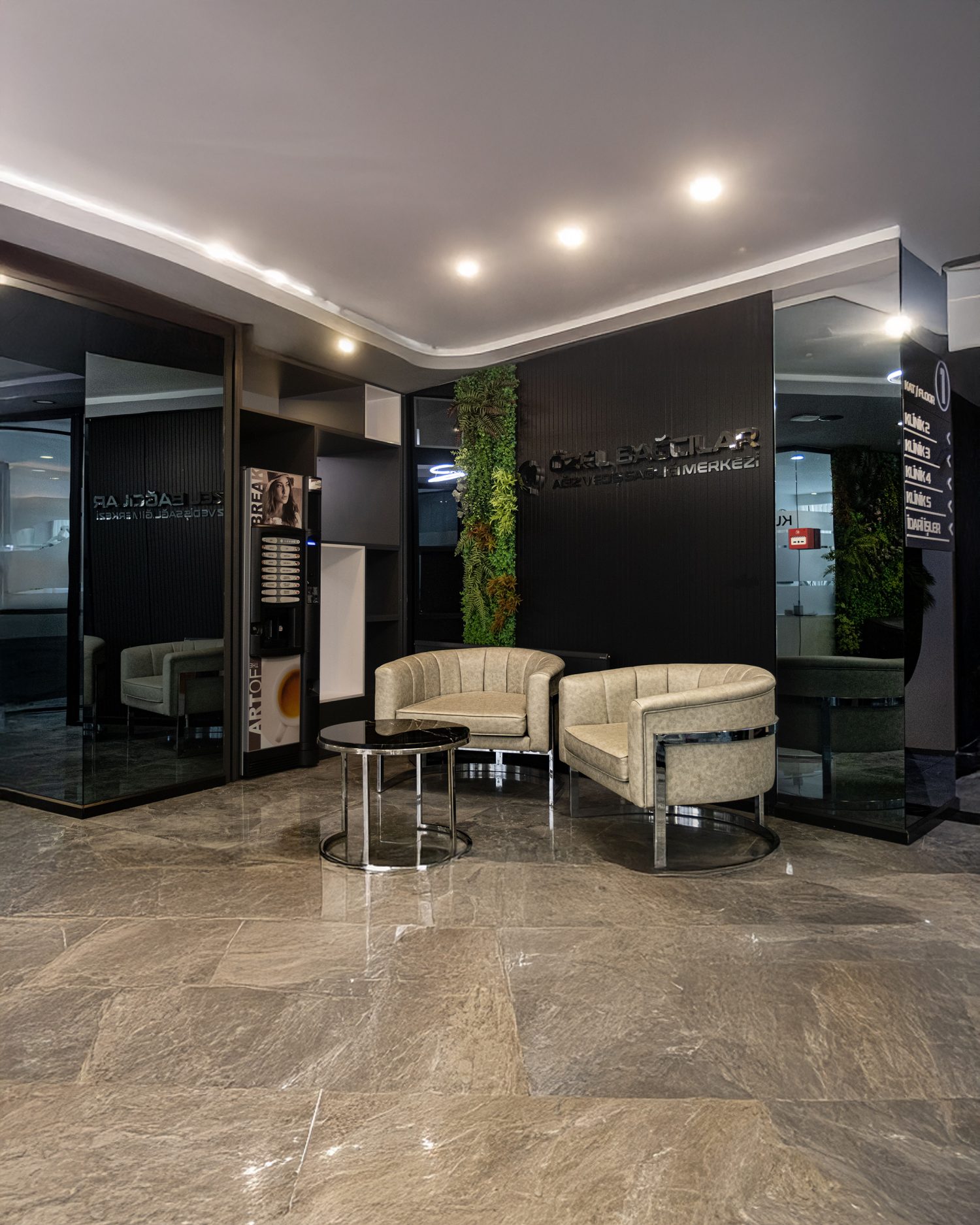
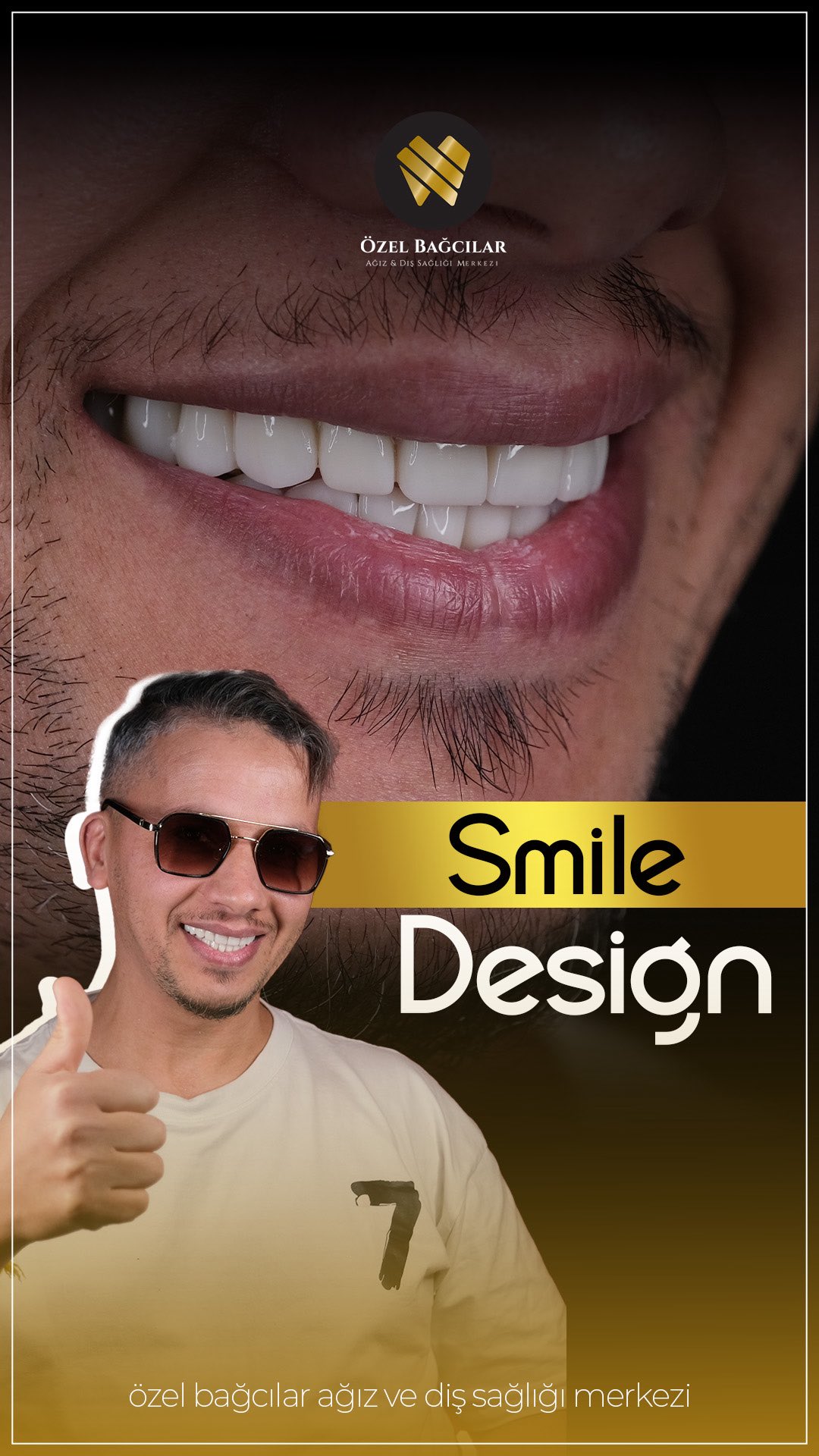
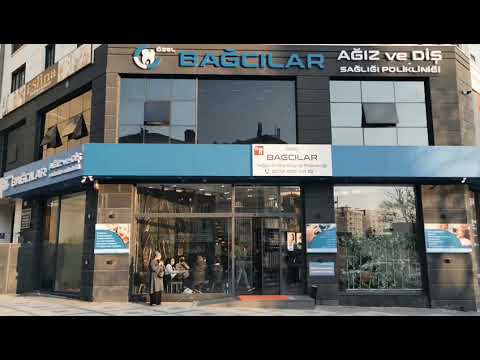
Composite bonding is the treatment that fits a Turkish trip most easily and is offered least often, because it is the least profitable thing a clinic can propose. It is done in a single appointment, needs no laboratory, no temporary and no second visit, and on the right case it produces a result that would otherwise have cost the patient eight prepared teeth. A patient who arrives in Bağcılar asking about veneers and leaves with bonding on four teeth has usually had the better outcome, and we would rather say that than sell the larger plan.
This is the specific place where treatment abroad has earned its poor reputation. A chipped edge, a small gap, slightly short lateral incisors, an old discoloured restoration on a front tooth — all of these are bonding cases, and all of them are routinely quoted as ten-unit veneer packages, because a package is easier to price and easier to sell. Preparing eight sound teeth to solve a problem on two is not a preference. It is a permanent decision made on your behalf.
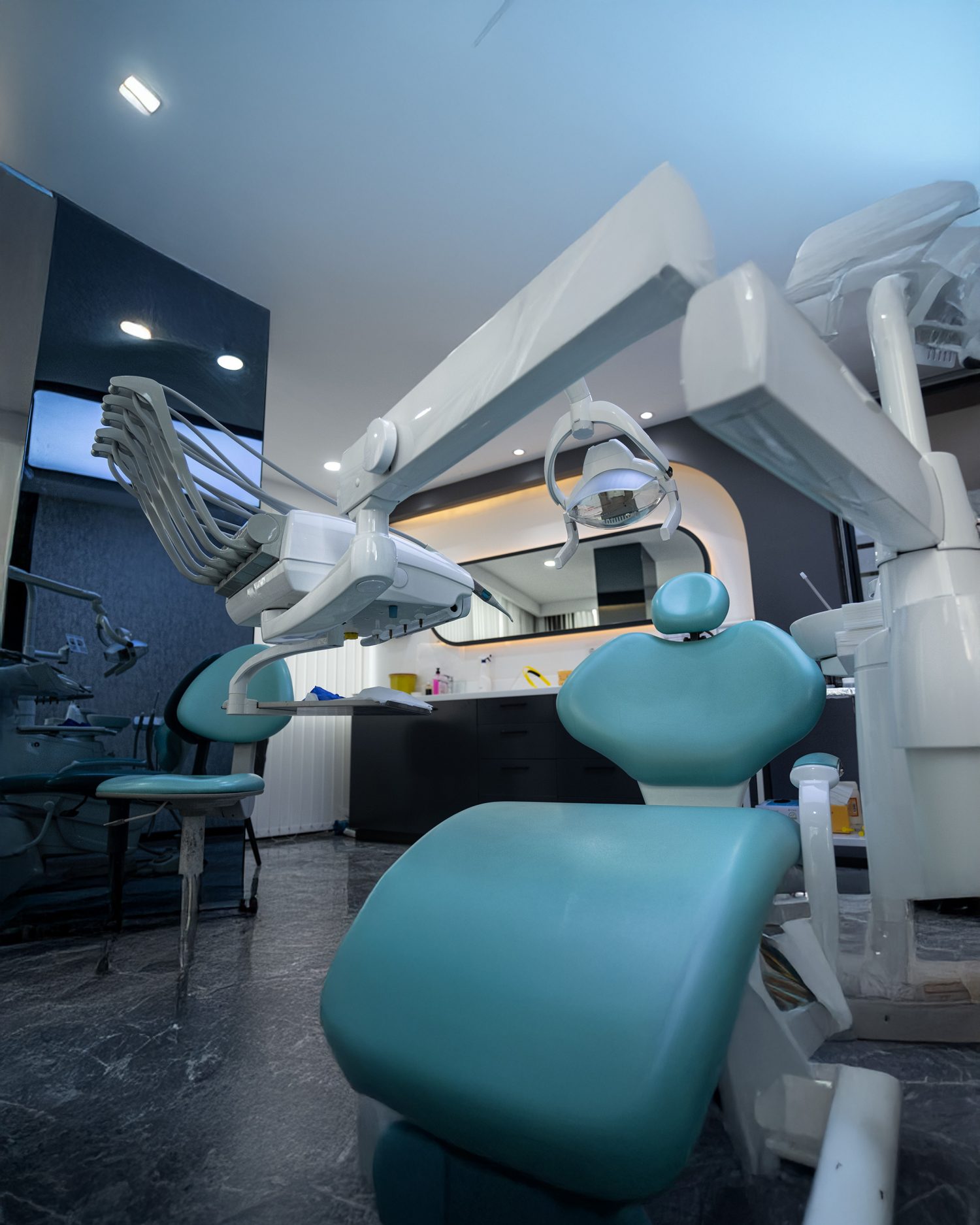
The practical İstanbul advantage is time rather than logistics. Bonding is chairside artistry priced by the hour, and an unhurried appointment produces a visibly different result from a rushed one. A clinic running a fixed package schedule cannot give you three hours for four teeth. A single-case appointment can, and the difference shows in the surface texture and the way the composite catches light rather than in anything you could photograph on the day.
Bonding is not permanent and we will not describe it as such — it stains, it chips at the edges, and it is polished or repaired over the years. What we do commit to is that the work carries our lifetime guarantee on materials and workmanship, and that where porcelain is genuinely the better answer you will be told so rather than sold the cheaper option.
Because bonding needs one appointment and no laboratory, it is the treatment that suits a short trip best — which makes it a realistic option even for readers in the UK and Ireland who would not travel for something larger. It is also the one most often replaced by a veneer package, which is what the package structure is designed to do.
How We Quote Bonding
Per tooth, with the amount of work on each stated rather than averaged, because a chip repair and a full shape change are different treatments at the same tooth.
Whether any preparation is involved is stated explicitly. Where the answer is none, that is the point of the treatment and it belongs in writing rather than being assumed.
The layering approach and the time allocated are part of the plan. A result built from several shades takes longer and looks like a tooth, and it is quoted as what it is rather than as the same item done faster.
Whitening comes first where it is planned, with the stabilisation interval, and where existing bonding will need replacing after whitening that is stated before rather than after.
And the maintenance expectation is set out — how often polishing, what repair involves, and when refreshing is likely — alongside a lifetime guarantee on materials and workmanship, with the exclusions stated plainly.