












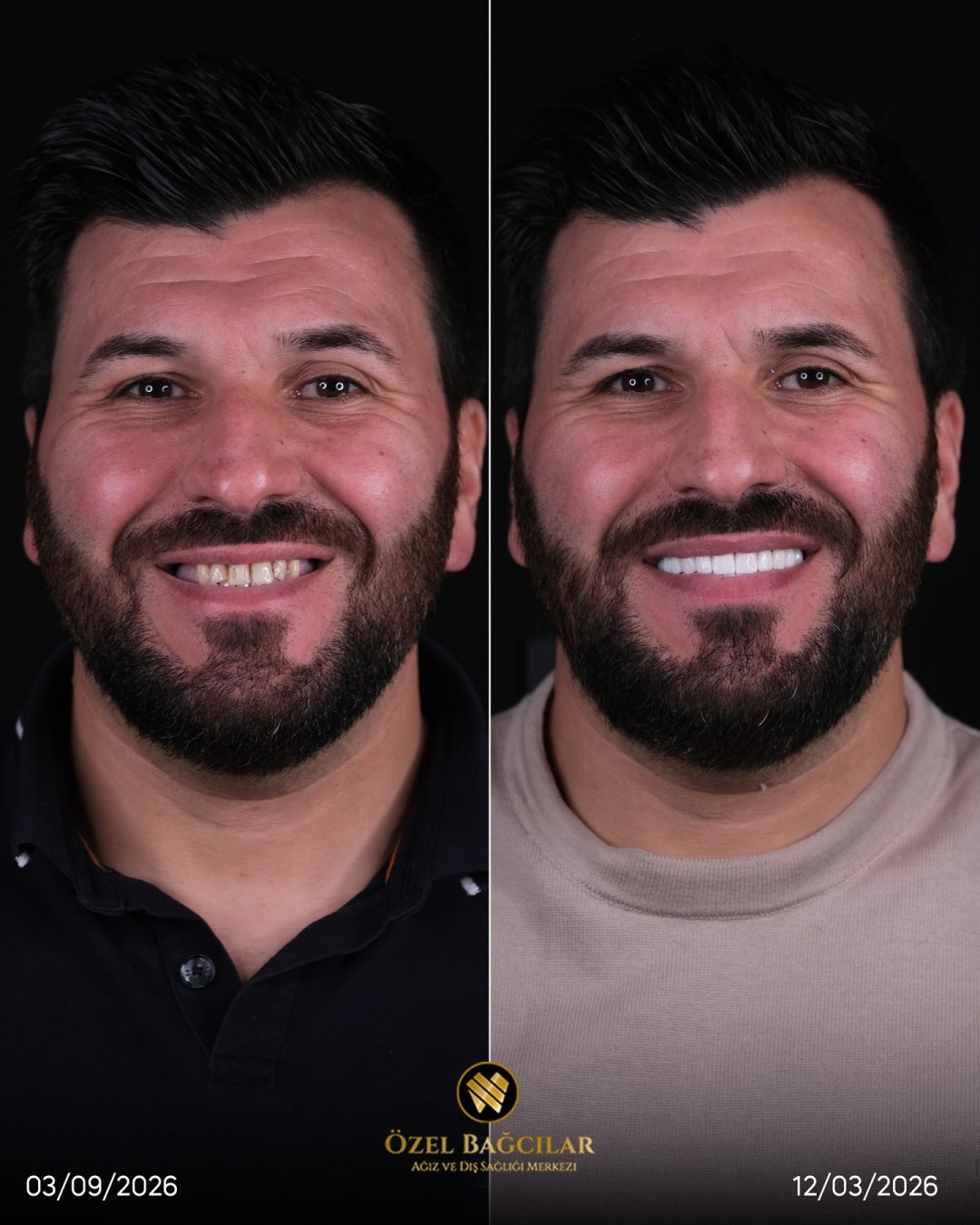
In Türkiye the Design Should Produce the Quote
This is the structural point and everything else follows from it. A figure cannot exist before a design, because the design determines how many teeth are involved and what happens to each.
The design stage is short. Photographs, an examination, measurements of tooth proportion and lip position, radiographs where teeth are restored, and a conversation about what specifically bothers you.
From that comes a list: this tooth needs nothing, this one needs whitening only, these two need bonding, these four need veneers, this one needs a crown because it is root-treated.
The quote is that list with figures attached. Which is why it is never a round number and why it differs between two patients who described the same complaint in the same words.
A figure produced before that list exists is a package rather than a quote — which is a different thing entirely and worth understanding before comparing anything.
It also means the quote can change during the design conversation, and downwards more often than up. Patients who see a proposed shape on their own face frequently ask for fewer teeth to be included rather than more, once it is clear what each one contributes.
The Lines That Come Before the Ceramic
The largest source of variation between two proposals, and the most commonly omitted from a headline figure.
Gum treatment, where there is any inflammation or pocketing. Margins bonded to gums that are not healthy become visible as the tissue settles afterwards, and correcting that means remaking the restorations.
Decay and failing old restorations. Veneers bond to enamel, and there has to be enamel to bond to — a tooth with little sound structure is a crown case rather than a veneer one, and that changes both the plan and the figure.
Root treatment, where an existing one has failed or where preparation would approach the pulp. That is a finding rather than a choice, and it is invisible without radiographs.
And build-ups where a tooth cannot hold a restoration on its own. Each of these is a separate line with its own timing, and together they are what turn one figure into another — the gum line specifically is the one most often left out.
The Full Line List
What a complete smile makeover quote contains. Use it to check what is absent from a proposal, which is more informative than what is present.
| Line | What determines it | Commonly omitted? |
|---|---|---|
| Examination, photographs, radiographs | Always required | No |
| Gum treatment | Charting findings | Frequently |
| Fillings and old restoration replacement | Decay and failing work found | Frequently |
| Root treatment | Radiographic findings | Sometimes |
| Build-ups | How much structure remains | Sometimes |
| Whitening | Whether natural teeth stay visible | Frequently |
| Digital design and mock-up | Should be standard | Sometimes |
| Gum contouring | Proportion assessment | Sometimes |
| Restorations, per tooth by material | The design | No |
| Temporaries | Any laboratory-made plan | Usually included |
| Try-in appointment | Should be standard | Sometimes |
| Night guard | Signs of grinding or clenching | Usually |
| Review before departure | Should not be charged | No |
Six of those thirteen are marked as frequently or sometimes omitted, and five of the six are preparatory. That distribution is the whole reason a package figure and a plan figure look so different.
Why the Order Is Fixed
Not a matter of preference. Several stages depend on the ones before them, and reversing any of those relationships wastes work.
Gum treatment before restorative work, with a healing interval. The gum position at the moment of impression is the position the margin is made to, and inflamed tissue is not at its true position.
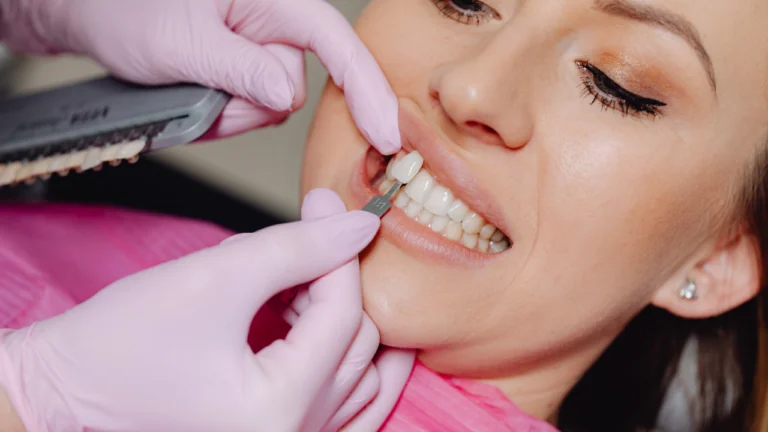
Whitening before shade matching, with a stabilisation period of about two weeks. Ceramic cannot be lightened afterwards, so any whitening planned has to happen first or the restorations end up darker than everything around them.
Alignment before restoration, where both are in the plan. Teeth moved after restorations are made change the contacts, and the restorations were designed for the old positions.
Gum contouring before preparation, with healing time. The margin keeps settling for weeks, and ceramic fitted to a moving gum line ends up wrong — the contouring timeline sets out how long that takes.
What the Tooth Count Depends On
The largest multiplier in the whole figure, and the one that should come from assessment rather than from a menu.
How many teeth show when you smile is individual — determined by lip length and mobility rather than by the teeth. Some people show six, many show eight or ten, a few show the lower arch as well.
Of those, only the ones that actually need changing belong in the plan. A tooth that shows and is already the right shape and shade needs nothing, and including it is enamel removed for no benefit.
The one legitimate reason the number rises is the shade transition. Ending at a natural break in the arch — the canine rather than the lateral incisor — reads better, which argues for six rather than four in many cases.
Ask which teeth are in the plan by number, and which of them are currently sound and unrestored. Those two answers determine both the figure and the permanent cost, and only one of them appears on a quote.
Material Lines and What Moves Them
Less variable than the tooth count and more variable than people expect, because the same material name covers different laboratory processes.
Composite is placed directly in the mouth with no laboratory stage. It is the least expensive line and it removes little or no tooth, which makes it a genuine option rather than a budget one.
Porcelain veneers vary by how they are made. A pressed monolithic veneer and a hand-layered one built to reproduce natural translucency differ substantially in technician hours, and both are honestly described as porcelain.
Crowns cost more than veneers because more preparation, more material and more laboratory work are involved — and because they are usually specified for teeth that also needed something doing underneath.
Which material for which tooth is a clinical decision rather than a budget one. The comparison sets out where each genuinely belongs, and a plan naming one material for every tooth has not made the decision.
Where a tooth is already crowned, replacing it is part of the plan rather than optional. Old ceramic will not match new work in shade or translucency, and a single unreplaced unit beside fresh restorations is more visible than the original crown ever was.
The Stages You Should Not Accept Being Cut
Three, and removing any of them makes a plan cheaper and worse in a way that is not visible until afterwards.
The mock-up. Proposed shapes placed over your unprepared teeth so you can see and wear them before anything is drilled. It also lets preparation be done through the approved shape, which frequently means less enamel removed than otherwise.
The try-in. Finished restorations tried in before bonding, so fit and shade can be checked while changes are still straightforward. After bonding they are not straightforward at all.
The night guard, where there is any sign of grinding. It costs a fraction of remaking front teeth, and most fractures in well-made veneers happen at night to people who did not believe they ground their teeth.
A quote without those three is cheaper on paper. It is also a plan with the protective stages removed, and the saving is borrowed from the version of you who lives with the result.
How the Visits Divide
The figure and the timetable are connected, because a plan with more stages needs more days and sometimes more trips.
A straightforward makeover on healthy foundations runs about five to seven working days in a single trip: assessment and design, mock-up, preparation and temporaries, laboratory work, try-in, bonding and review.
Where whitening is needed first, add the stabilisation period. Where gum treatment is needed, add its healing and re-evaluation interval — that is what usually turns a one-trip plan into a two-trip one.
Where alignment is part of the plan, the restorative stage moves to a later trip entirely, and the orthodontic months sit in between with remote review.
Check any proposed schedule against the realistic timetables. A plan that fits into fewer days than the stages allow has removed one of them rather than found efficiency.
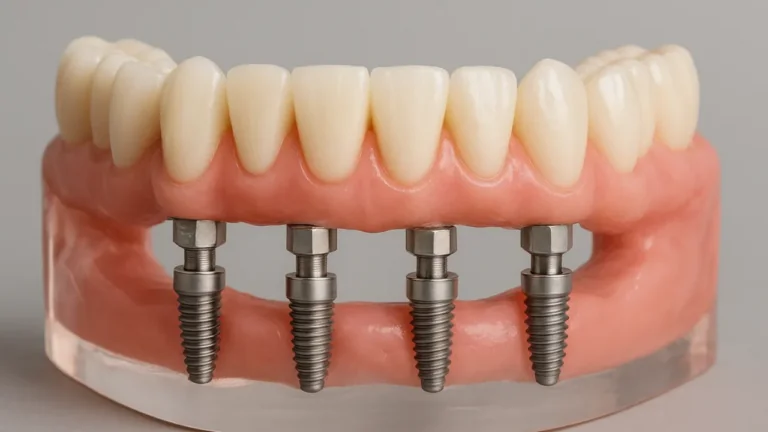
Where implants are part of the plan, the timetable changes character entirely. Integration takes months regardless of what else is happening, so the restorative stage waits and the plan becomes a two-trip one by definition.
Comparing Two Makeover Quotes
Normalise first. Two figures mean nothing side by side until they describe the same work on the same teeth.
- List the teeth in each plan by number and compare the sets.
- Establish which teeth in each are veneers, crowns or bonding.
- Establish the material for each, and whether it is milled or hand-layered.
- Find the preparatory lines in both: gums, decay, root treatments, build-ups.
- Check whether whitening is included and where it sits in the sequence.
- Check for a mock-up and a try-in stage in both.
- Check whether a night guard is included.
- Count the visits and the days each requires.
In practice this exercise closes most of the apparent gap. A quote that looked substantially higher frequently turns out to include four lines the other omitted.
Where a genuine difference remains after that, it is usually the tooth count or the laboratory method — and both are decisions you can then make deliberately rather than by accident.
What Is Not in Any Quote
Two things, and both belong in your own arithmetic even though no clinic lists them.
Travel and accommodation, multiplied by the number of visits. A one-trip plan and a two-trip plan are different propositions at the same clinic figure, and the second trip is easy to overlook when the first is being booked.
And maintenance. Hygiene appointments at the interval you are given, replacement of the night guard as it wears, and eventual refreshing where composite is part of the plan.
Neither is large relative to the treatment. Both are real, and the maintenance one is what determines whether the work lasts a decade or considerably longer.
The third thing not in any quote is the tooth structure removed. That is the permanent cost, it never appears as a line, and it is the reason the conservative alternative deserves asking about at every tooth — the coverage question is where it is decided.
Time is the fourth. A plan needing two trips costs two absences from work, and for many patients that is a larger practical constraint than any of the figures involved.
Where a Quote Should Get Smaller
A properly built quote frequently comes in below what a patient expected, and it is worth knowing the situations where that should happen.
Where the complaint is shade alone and the teeth are healthy and well aligned. Whitening solves it, nothing is prepared, and the figure is a fraction of a restorative plan.
Where one or two teeth are the problem rather than the whole smile. Bonding a chipped corner or closing a single space is an hour of work, not a treatment plan — closing a midline gap frequently needs nothing more.
Where alignment would remove the need for most of the restorations. Teeth in the right position often need only whitening and minor bonding, and that changes the count from ten to two.
Where gum contouring corrects the proportion. Teeth that looked short because the gum covered them need no added length at all once the margin is corrected.
And where the teeth are worn rather than discoloured or misshapen, the treatment is a different one altogether. Rebuilding lost height is a reconstruction with its own sequence, and pricing it as a cosmetic makeover misdescribes what is being done.
How We Build a Quote
Design first, in every case, and no figure until the design exists. Photographs, proportion measurements, radiographs where teeth are restored, and a discussion of what specifically you want changed.
Then a plan listing every tooth individually: what is proposed for it, in which material, and why. Where a tooth needs nothing, it says so. Where a tooth is sound and unrestored, it says that too, alongside the conservative alternative.
Preparatory work is listed separately with its own timing, so you can see what happens on which visit rather than being handed a week and a total. Nothing is bundled and nothing is added afterwards.
The mock-up and the try-in are standard rather than options, and the night guard is in the plan wherever there is any sign of grinding rather than offered at the end.
The exclusions are stated explicitly, and everything placed carries a lifetime guarantee on materials and workmanship — with those exclusions set out plainly rather than left to be discovered.
Why the Design Has to Come Before the Figure
The structural problem with cosmetic quotes from İstanbul is the order in which they are issued. A figure quoted before a design exists is a figure for a number of units, and once you have accepted it the design is constrained to fit the units you bought. That is backwards, and it is the mechanism by which patients end up with more ceramic than their face needed.
Done in the right order the design comes first — digitally, then as a mock-up you actually wear — and the quote is assembled from it line by line: which teeth, which material on each, what preparatory work the radiographs called for, what is being done to the gum line, whether whitening of the lower arch is included, what retention or a guard adds. Every one of those lines is something you can question. A single package figure is not.
There is a specific Turkish version of this worth naming, because it is common enough to be a pattern. Preparatory items — gum treatment, extractions, root treatment, grafting — are frequently left out of the initial quote and added after arrival, which is why the figure people are quoted and the figure people pay so often differ. Ours are in the plan from the start, and where something genuinely cannot be assessed until we look, it is listed as conditional rather than silently omitted.
One further line belongs on every cosmetic quote and appears on almost none: what happens in ten years. Ceramic does not fail often, but it chips, gums recede, and work eventually needs attention. Everything we fit carries our lifetime guarantee on materials and workmanship, in writing, with the exclusions stated plainly — and knowing that before you compare two quotes changes which of them is actually cheaper.
Where the Quote Meets the Guarantee
The last line worth reading carefully is not a figure at all. What is guaranteed, for how long, and what voids it changes the value of everything above it.
A guarantee covering materials and workmanship means a restoration that fails through fracture, debonding or a manufacturing fault is remade. That is the majority of what can go wrong with the work itself.
What no guarantee covers anywhere is biology and habit: decay in the tooth underneath, gum disease left untreated, or grinding without the prescribed guard. Those exclusions are not evasions — they describe things the clinic cannot control.
Which is why the night guard line in the quote matters more than its size suggests. It is both the cheapest line and the one protecting everything else, and how guards are made and maintained is worth reading before deciding to leave it out.
Read the terms alongside the figure rather than after accepting it. Ours are published in full for that reason, and a clinic that provides them only on request has arranged the sequence to suit itself.
Finally, a note about how to compare an İstanbul quote with one from home, because people usually compare the wrong things. The figures are not comparable line for line: a Turkish quote typically includes the laboratory work, the temporaries and the consultation that a home quote itemises separately, and it excludes the travel that a home quote never had. What is comparable is the design, the material named on each tooth, the preparatory work listed, and the guarantee behind it. Put those four side by side and the comparison becomes real. Put the totals side by side and it does not.