










What "Safe" Actually Means in This Context
Safety in dentistry splits into three separate questions, and mixing them together is why the topic feels so hard to research. The first is clinical safety: infection control, sterile instruments, correct anaesthesia. The second is material safety: whether what goes into your mouth is what was promised. The third is decision safety: whether the treatment you were given was the treatment you needed.
The first two are largely solved problems in any licensed clinic, in any country. They are regulated, inspected, and easy to document. If a clinic cannot answer questions about them clearly, that alone tells you enough.
The third is where the real risk sits, and it is not specific to Turkey. A patient who flies in for a week, has never met the dentist, and has already paid for flights is in a weak position to say no to a bigger plan than they came for. That pressure exists in every country with a medical tourism market.
So the useful version of this question is not "is Turkey safe" but "how do I tell a clinic that will treat only what needs treating from one that will not." The rest of this page is about that.
Regulation: Who Licenses Turkish Dentists
Dentistry in Turkey is a five-year undergraduate degree taken directly after secondary school, followed by licensing through the Ministry of Health. Specialists — oral surgeons, orthodontists, periodontists, prosthodontists — complete a further postgraduate programme and hold a separate specialist registration.
Clinics are licensed separately from the people working in them. A private dental polyclinic holds a Ministry of Health operating licence covering its premises, equipment, sterilisation facilities and staffing, and is subject to inspection. Clinics treating international patients under the health tourism framework hold an additional authorisation on top of that.
This matters because it gives you something concrete to ask for. A licence number, a specialist registration, the name of the dentist who will actually perform the surgery. A clinic that answers those questions in one message is operating normally. One that deflects them is telling you something.
You can read more on how to interpret the credentials a clinic advertises in our guide to accreditations and certifications, including which ones mean something and which are simply memberships.
Sterilisation and Cross-Infection Control
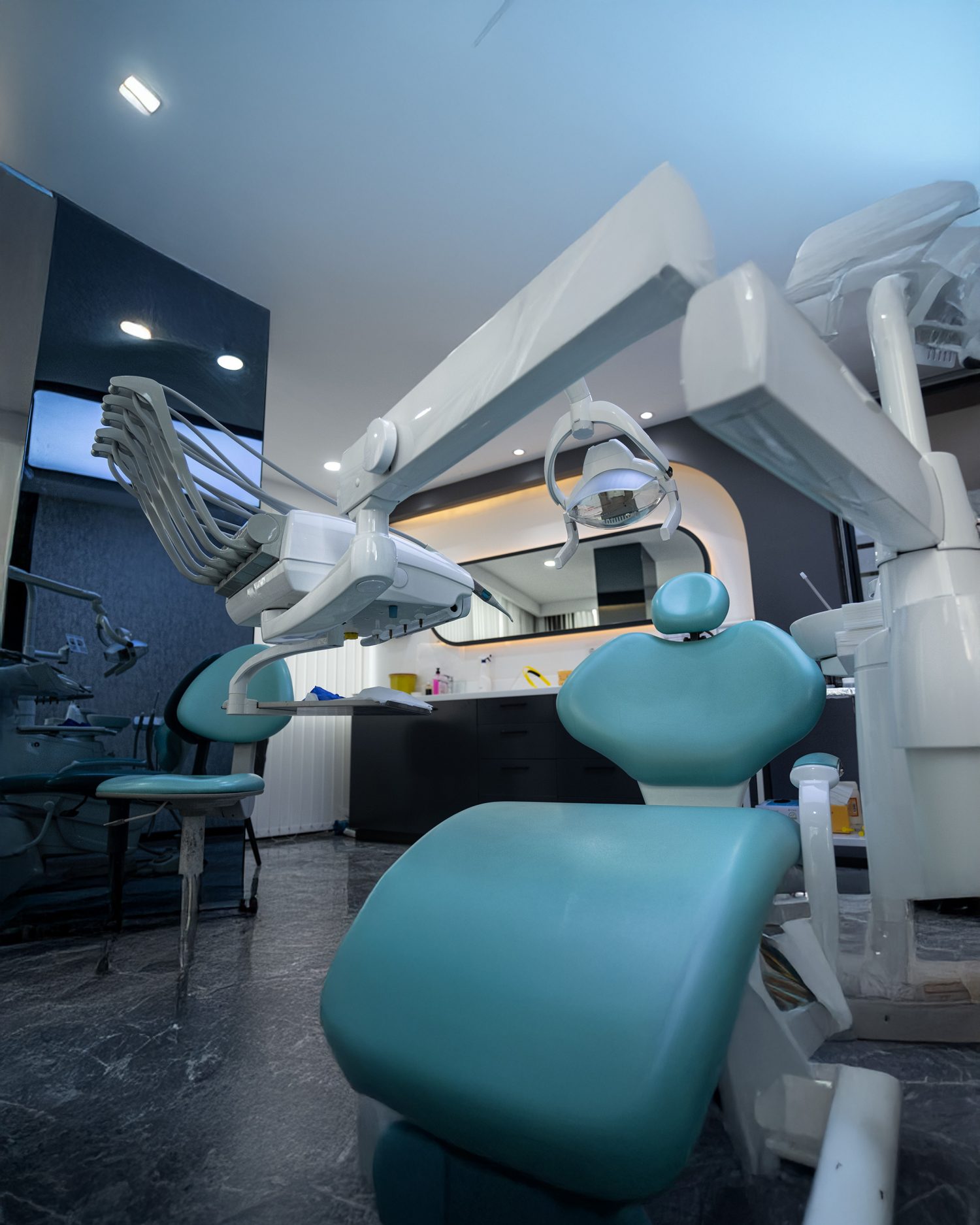
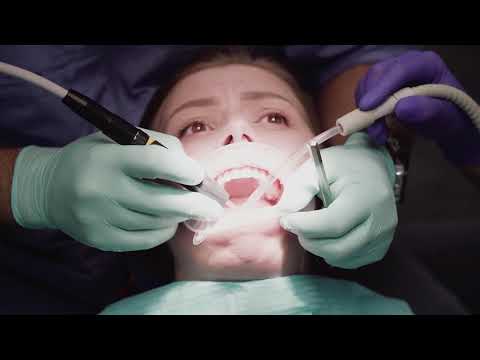
This is the fear people arrive with and the easiest one to put to rest. The standard in any licensed clinic is single-use for anything that can be single-use — needles, gloves, suction tips, saliva ejectors, prophylaxis cups, surgical drapes — and autoclave sterilisation for everything that cannot.
An autoclave sterilises under pressurised steam at 134°C. What separates a properly run sterilisation room from a nominally equipped one is not the machine but the verification: an indicator on every pouch confirming the pack has been through a cycle, with the autoclave's own cycle record and an in-load indicator confirming that the cycle reached temperature, and biological indicators run periodically to confirm the autoclave still kills spores.
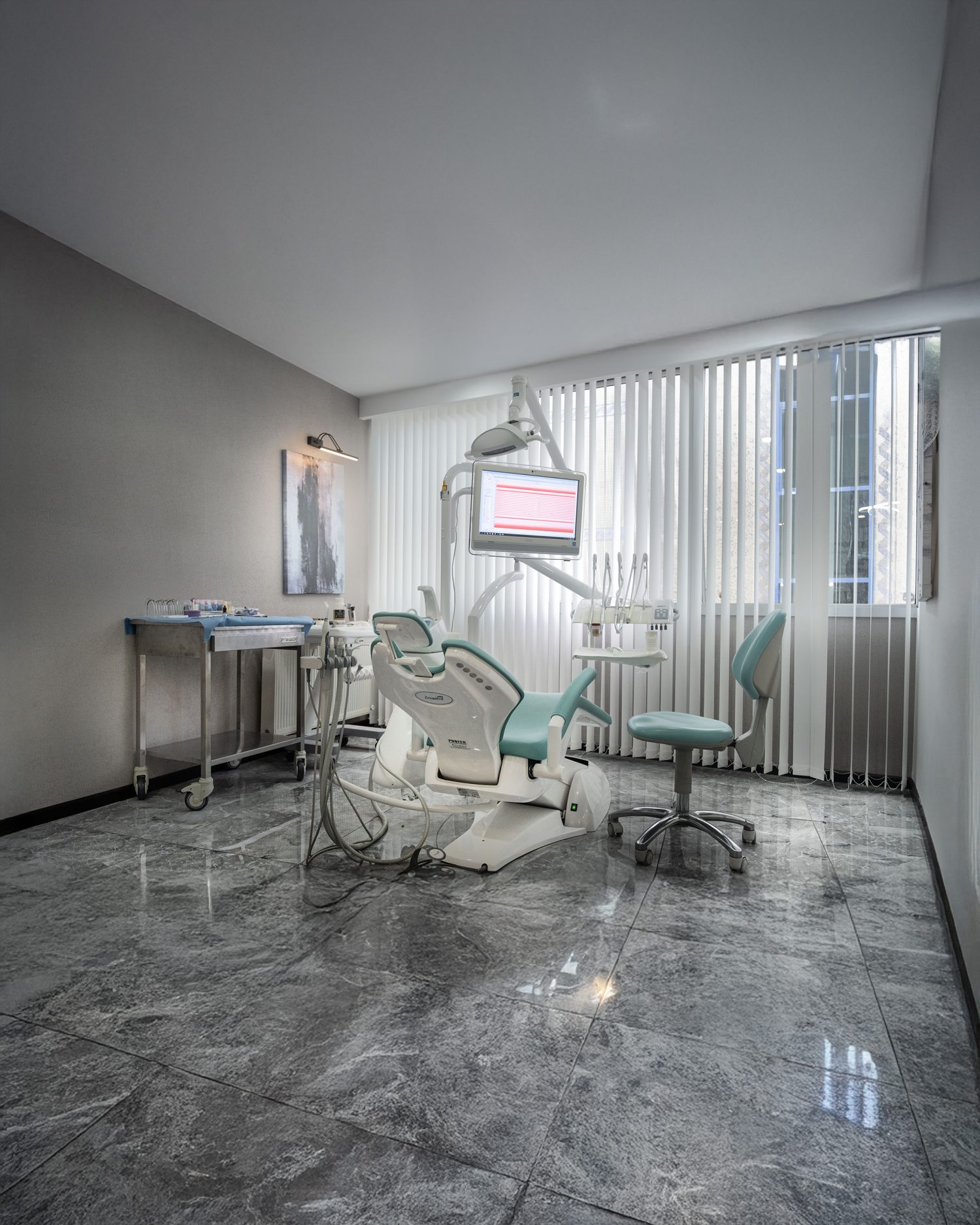
Sealed pouches should be opened in front of you, not before you sit down. Implant surgery adds a further layer — a sterile field, sterile gowns, and a separate surgical suite rather than a general treatment chair.
Ask what indicators the clinic uses and how often biological testing is run. The answer takes a competent clinic ten seconds. Our sterilisation protocol sets out ours in detail, step by step.
Materials: Where Genuine Variation Exists
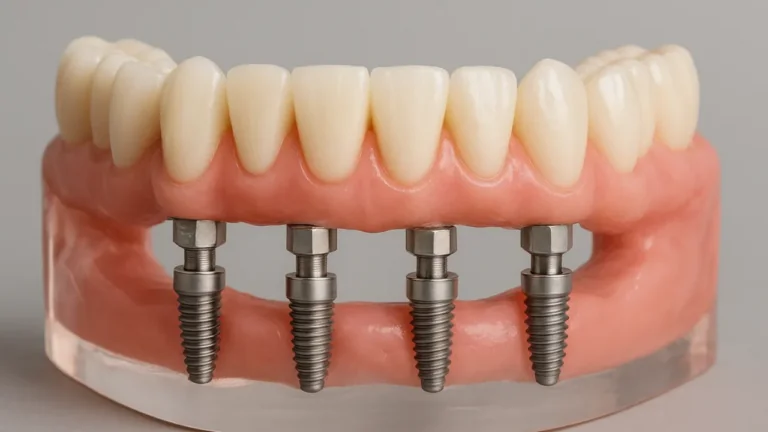
Here there is real variation, and it is worth understanding rather than worrying about. Implants are not a single product. There are premium systems with three or four decades of published survival data and a global parts supply, mid-range systems from established manufacturers, and inexpensive systems with little independent literature behind them.
All of them are regulated products and all of them will integrate with bone in most patients. The difference appears years later. If a component fails or an abutment needs replacing in a decade, a widely distributed system can be serviced by any dentist anywhere. An obscure one may leave you with an implant that is perfectly healthy in the bone and unrestorable above it.
The same logic applies to ceramics. Zirconia and lithium disilicate from established manufacturers behave predictably; unbranded blanks vary batch to batch. This is why a quote should name the brand and system, not the category.
Ask for the implant passport — the sticker card recording brand, reference and lot number for each fixture placed. How implant brands actually differ explains what to look for on it.
The Risk That Matters Most: Over-Treatment
If something goes wrong with dental work abroad, statistically it is more likely to be this than an infection. Over-treatment means healthy tooth structure removed that did not need removing, and it is irreversible in a way that almost nothing else in dentistry is.
The classic case is a patient who wants straighter, whiter front teeth and leaves with twenty crowns. Crowning a healthy tooth removes roughly a millimetre and a half from every surface — through the enamel and into the dentine beneath, since enamel is thinner than that near the gum. That tooth is now a restored tooth for life. If the crown fails in fifteen years it is replaced with another crown; there is no route back to the original tooth.
Sometimes that is the right trade. A tooth that is already heavily filled, root-treated or fractured has little to lose. A sound, unrestored tooth that is simply in the wrong position has a great deal to lose, and alignment is usually the more conservative answer.
The protection is a written plan that lists each tooth by number and says what is proposed for it and why. Not "upper and lower veneers" — tooth 13, tooth 12, tooth 11, each with a reason. A plan written that way is hard to inflate, which is precisely why it is worth insisting on.
Time Pressure and Why It Causes Problems
The second real risk is a timetable built around a flight rather than around biology. Some treatments genuinely can be completed in a week. Others cannot, and compressing them is where avoidable failures come from.
Crowns and veneers on healthy foundations are a legitimate one-trip treatment: preparation, temporaries, laboratory work, fitting. Implants are not. Bone needs roughly three to six months to integrate with the fixture before it can carry a permanent crown, and that interval is not negotiable by scheduling.
Immediate-loading protocols exist and work in selected cases, but they are a clinical decision based on bone quality and initial stability measured at surgery — not a marketing promise made before anyone has seen a scan. When immediate loading is appropriate covers the criteria.
Ask how many visits the plan needs and how long each one is, before you book anything. Realistic timetables by treatment gives the actual numbers so you can check a proposed schedule against them.
What to Verify, and How
Most of what people worry about can be confirmed in writing before you travel. The table below sets out what is worth asking for and what a normal answer looks like. None of it requires specialist knowledge to interpret.
| What to verify | How to verify it | What a normal answer looks like |
|---|---|---|
| Clinic licence | Ask for the Ministry of Health licence and health tourism authorisation | Sent as a document, without hesitation |
| Who performs the surgery | Ask for the name and specialist registration of the treating dentist | A named person, not "our surgical team" |
| Implant system | Ask which brand and system, and for the implant passport afterwards | A specific brand and reference, given before you pay |
| Ceramic materials | Ask which zirconia or glass-ceramic the laboratory uses | A named manufacturer and product |
| Sterilisation | Ask about chemical and biological indicator use | Both, with a stated testing frequency |
| Treatment plan | Ask for it tooth by tooth, with a reason for each | A written list by tooth number |
| Timetable | Ask how many visits and how long between them | Numbers that match the biology, not the flight |
| Guarantee | Ask what is covered, for how long, and what voids it | In writing, with the exclusions stated |
A clinic that answers all eight without friction has told you more about how it operates than any review page could. The pattern of the answers matters as much as their content.
The regulatory question people actually want answered is usually a comparison with home rather than an absolute. How Turkish licensing compares with the GDC, the Dental Council of Ireland, state boards in the US or the Bundeszahnärztekammer is set out on the pages for UK, Irish, American and German patients, alongside what changes about aftercare in each system.
Medical History, Anaesthesia and Existing Conditions
Dental treatment is minor surgery, and the same medical caution applies as at home. Blood thinners, bisphosphonates, uncontrolled diabetes, recent radiotherapy to the head or neck, and immunosuppressive treatment all change the plan — sometimes the timing, sometimes the approach, occasionally the answer.
This is why a proper clinic asks for your full medical history and current medications before quoting, not after you arrive. A questionnaire that only asks about allergies is not a medical history.
Local anaesthetic is what nearly all dental treatment uses, including implant surgery. Sedation is available for anxiety or for long surgical sessions and changes what you need to arrange around the appointment — fasting beforehand, and someone to accompany you home afterwards.
If you take anticoagulants, do not stop them on your own initiative before travelling. That decision belongs to the doctor who prescribed them, in conversation with the dental team, and stopping them unsupervised carries a far greater risk than the bleeding it is meant to prevent.
If Something Goes Wrong After You Fly Home
This is the question that separates a clinic that has thought about international patients from one that has not. Problems are uncommon but they are not rare enough to leave unplanned, and the plan should exist before you need it.
Minor issues — a high bite, a loose temporary, sensitivity that lingers — are usually handled remotely or by any local dentist in a short appointment. What makes that easy is documentation: your radiographs, the implant passport, the materials used, the shade record. A clinic should send all of it as a matter of course, not on request.
Serious problems need the original clinic. That is what a guarantee is for, and why its terms and its length both matter — ours runs for life, in writing. Ours covers materials and workmanship for life, on materials and workmanship, in writing, in writing, with the exclusions stated plainly rather than buried. What our guarantee covers sets out the detail.
Most complications are prevented rather than fixed, and the prevention is aftercare in the first two weeks. The aftercare instructions are worth reading before you travel rather than on the flight home.
Reading Reviews and Before-After Photos Honestly
Both are useful and both are easy to misread. A clinic with only five-star reviews and no substance in any of them is not necessarily good; a clinic with a handful of critical reviews it has answered properly may be considerably better.
What to look for is specificity and time. A review that names the treatment, describes the sequence and mentions something that was difficult reads like a real patient. A review written a year after treatment is worth ten written the afternoon of the final fitting, because dentistry's failures are slow.
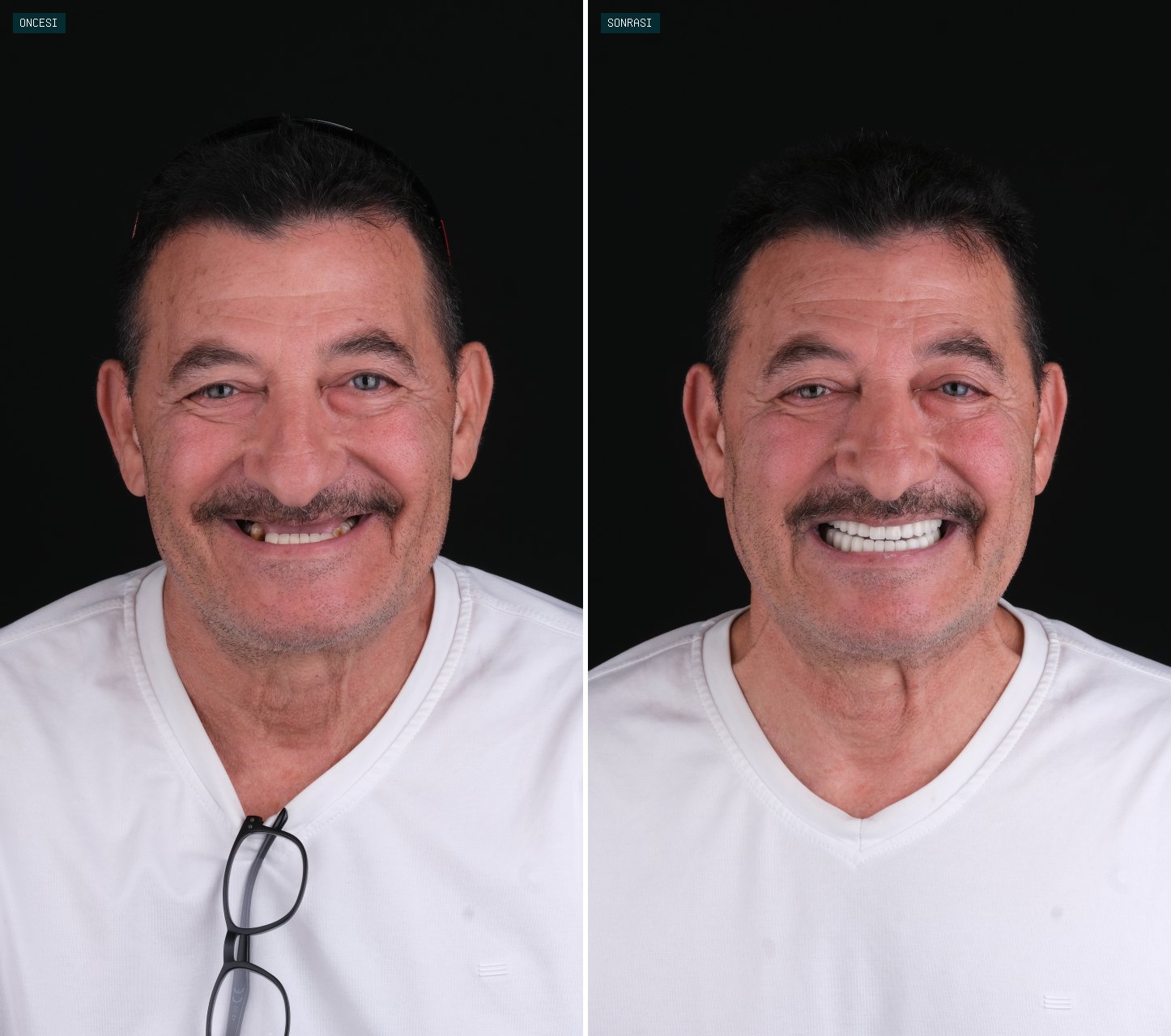
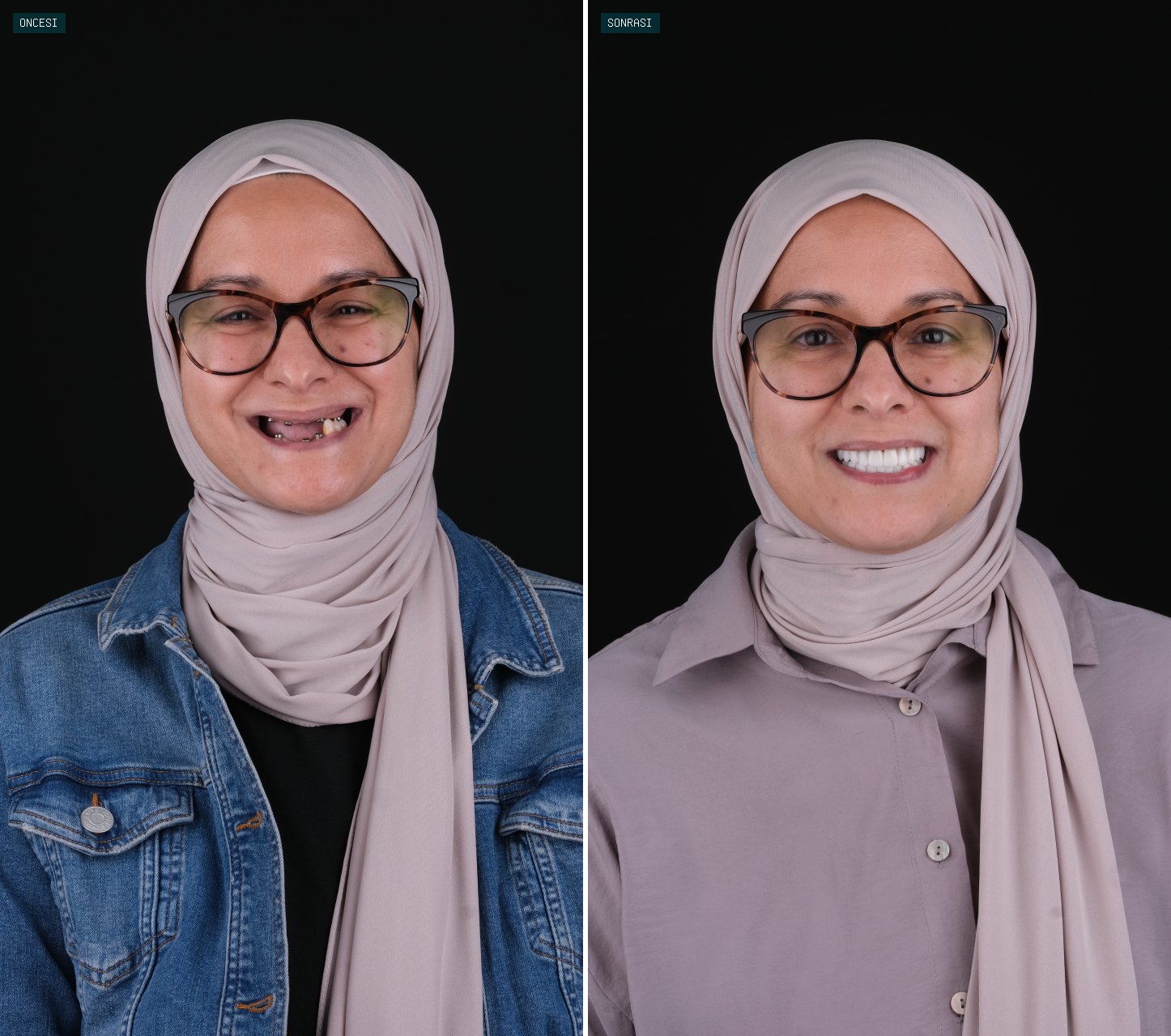
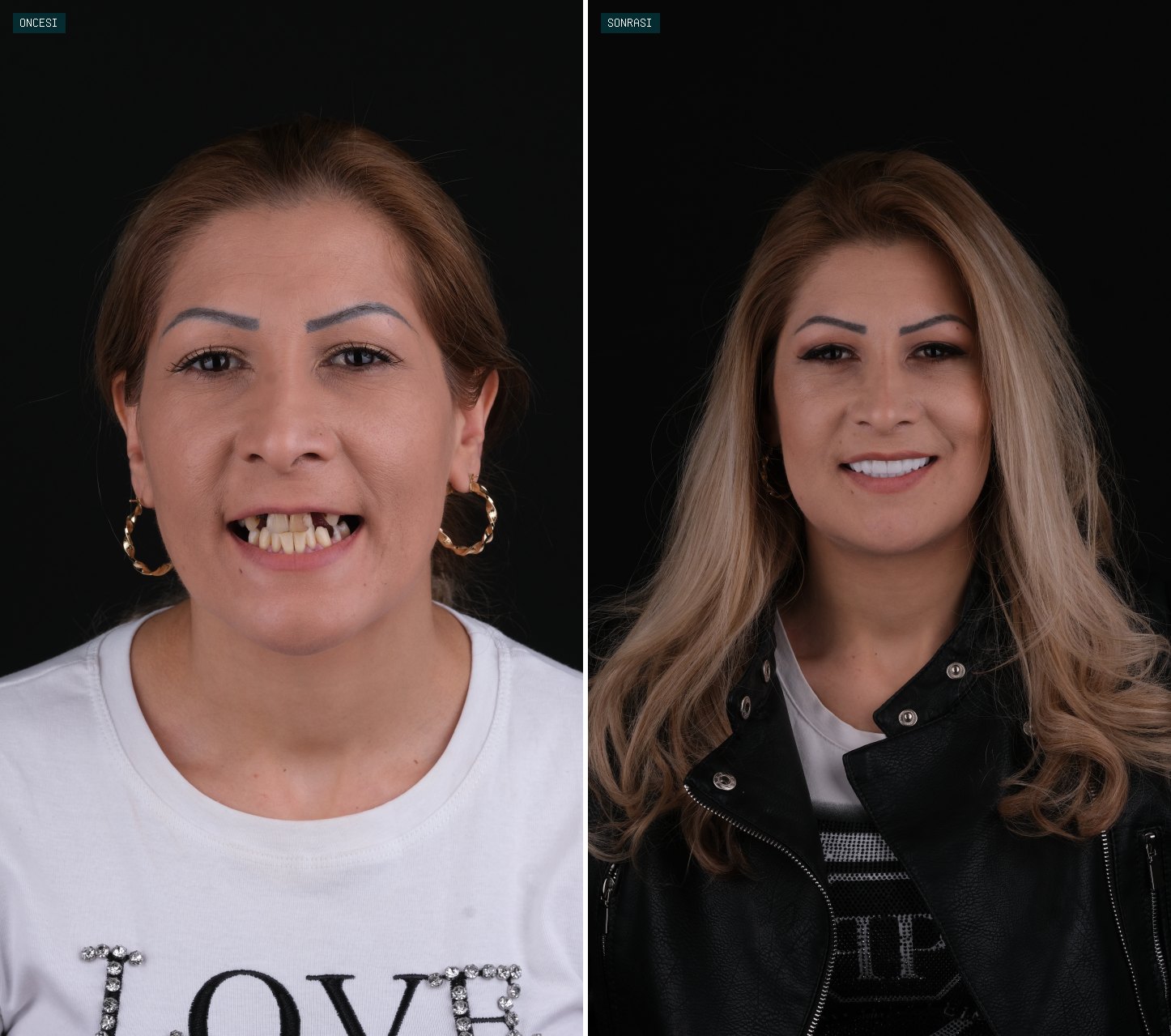
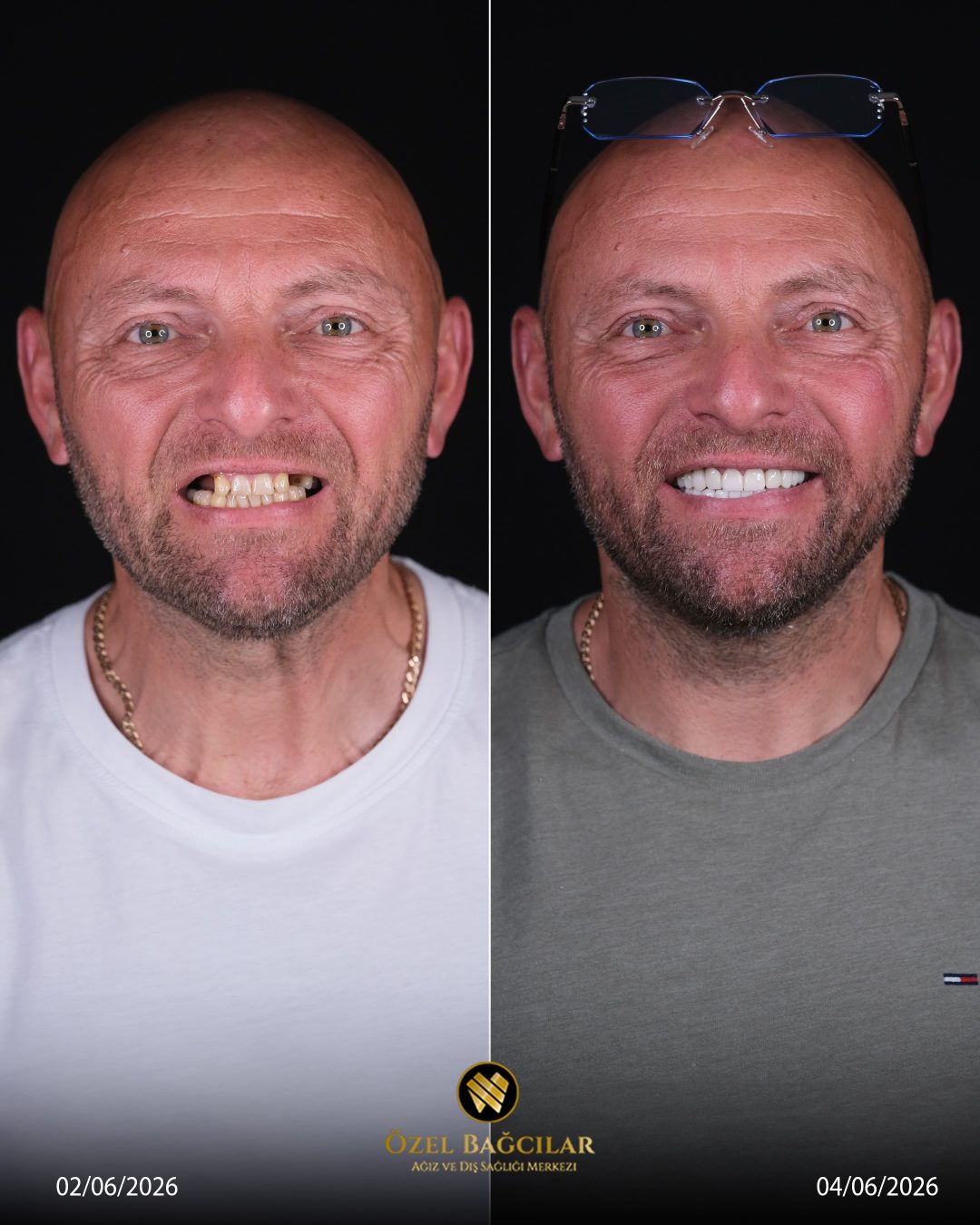
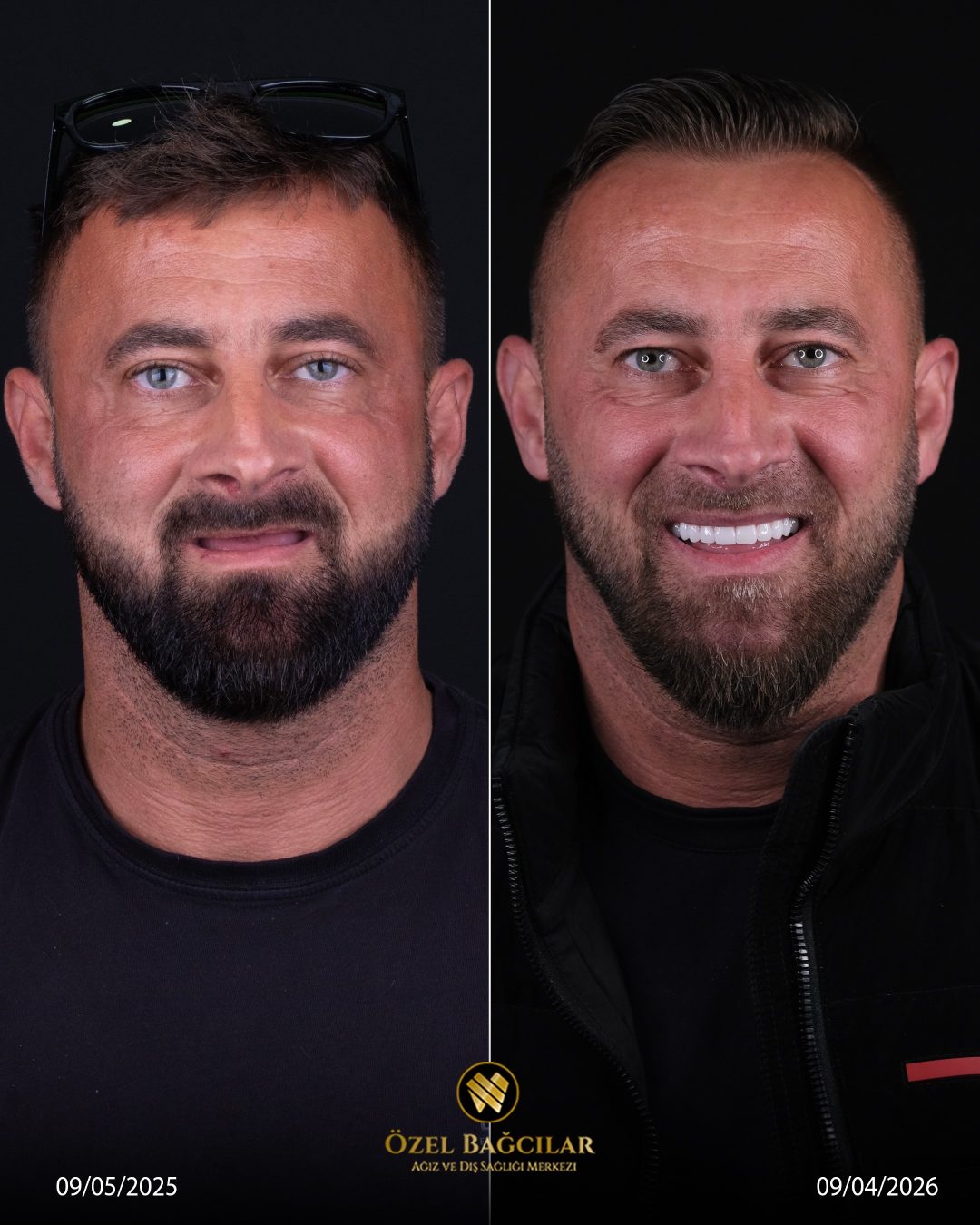
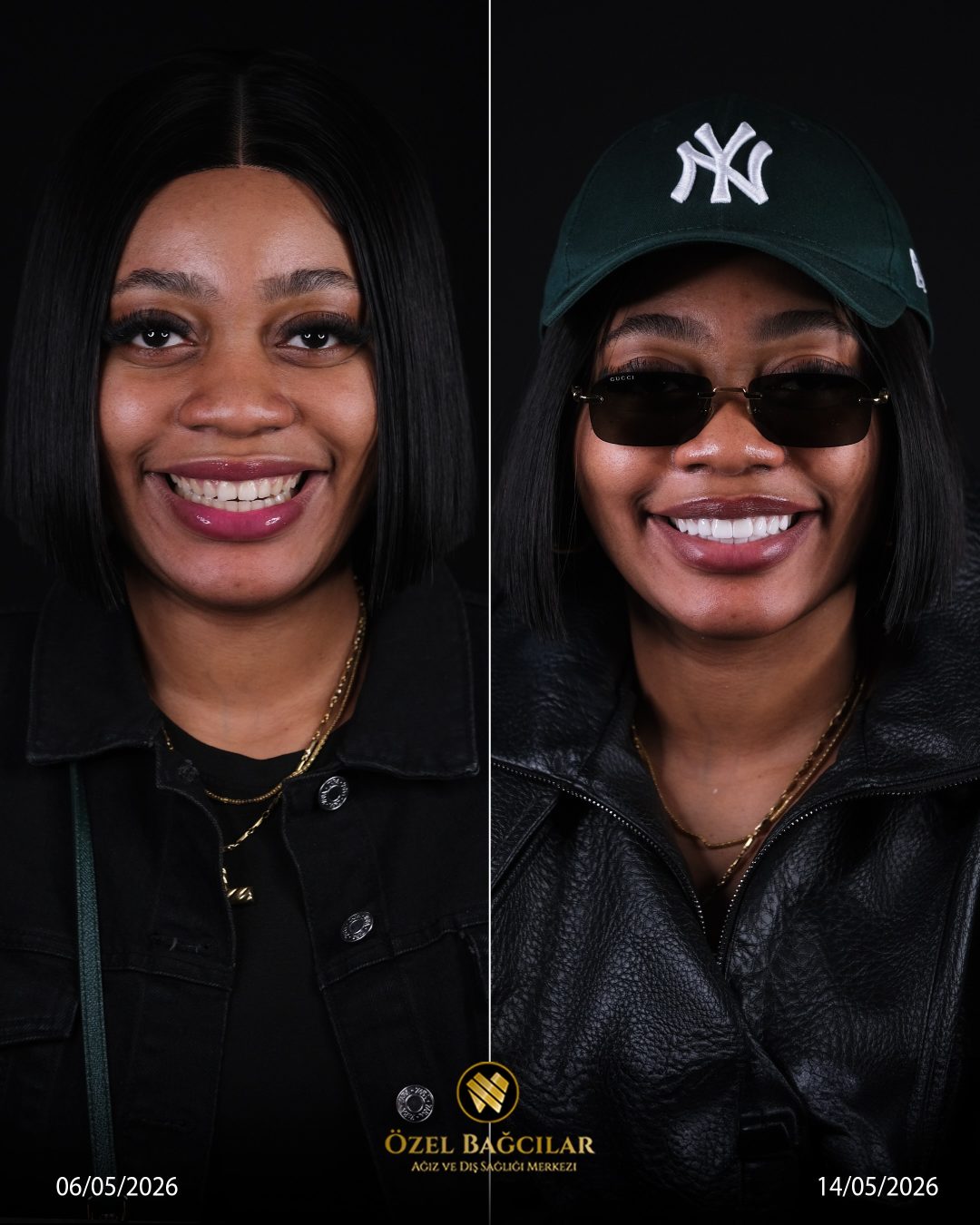
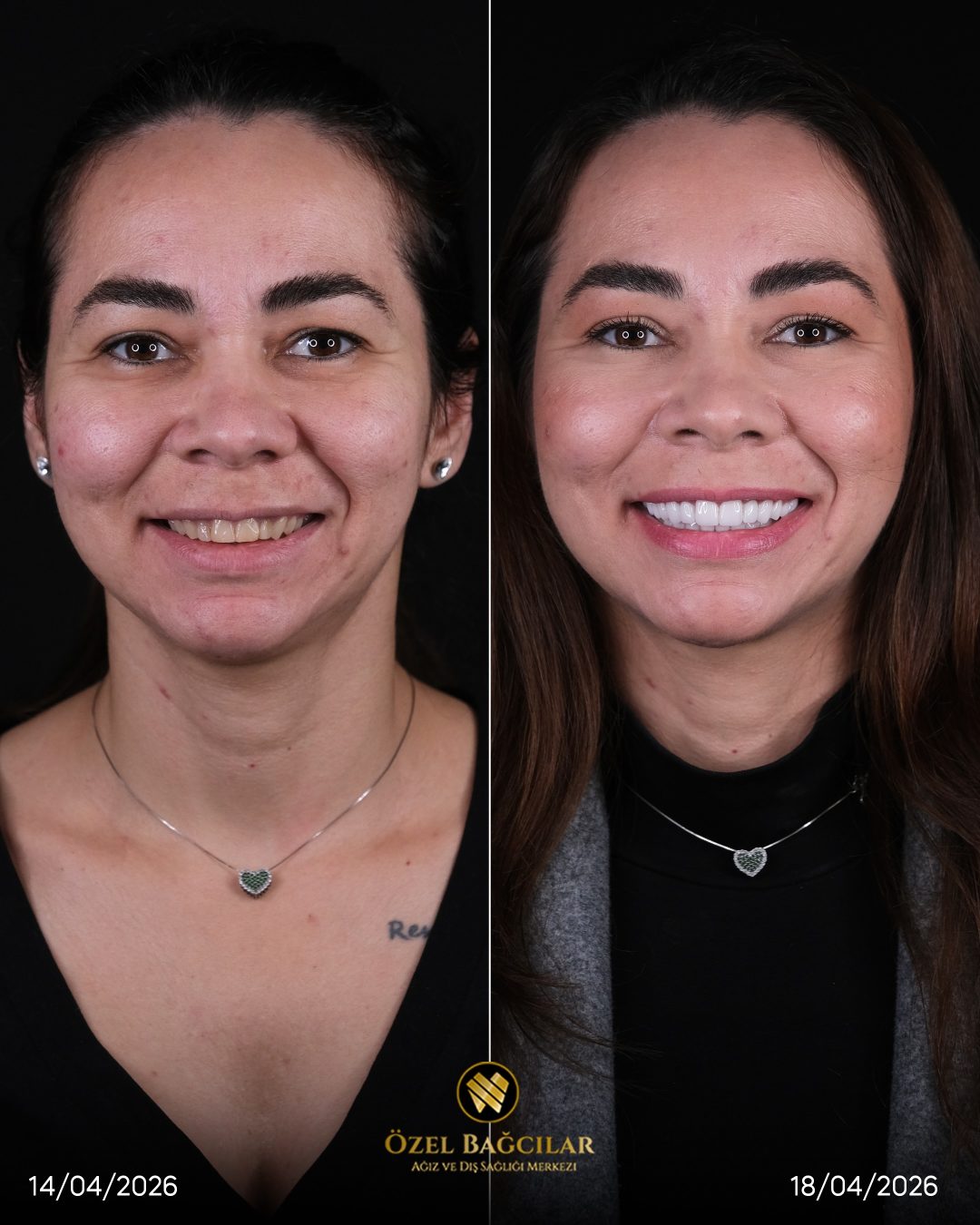
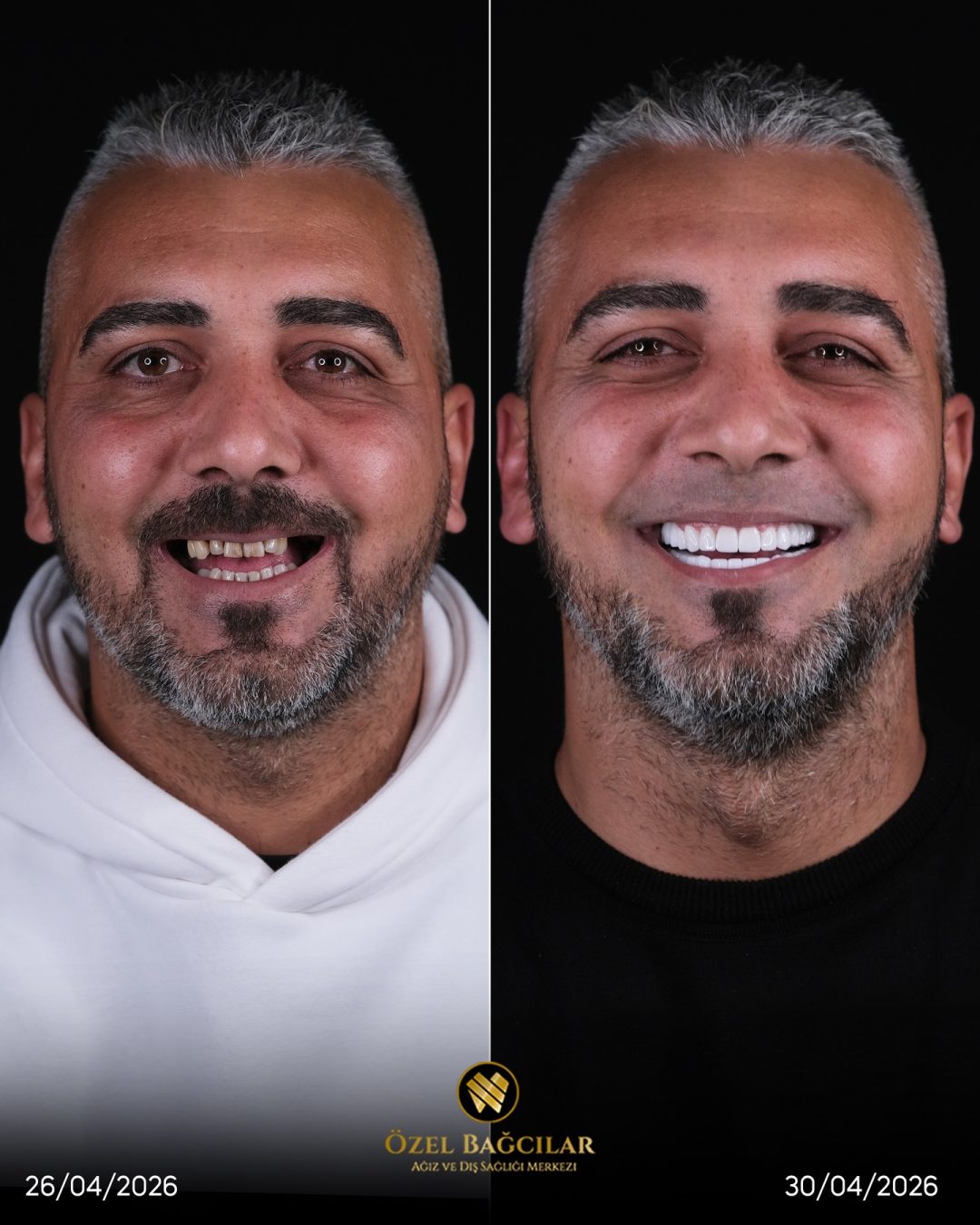
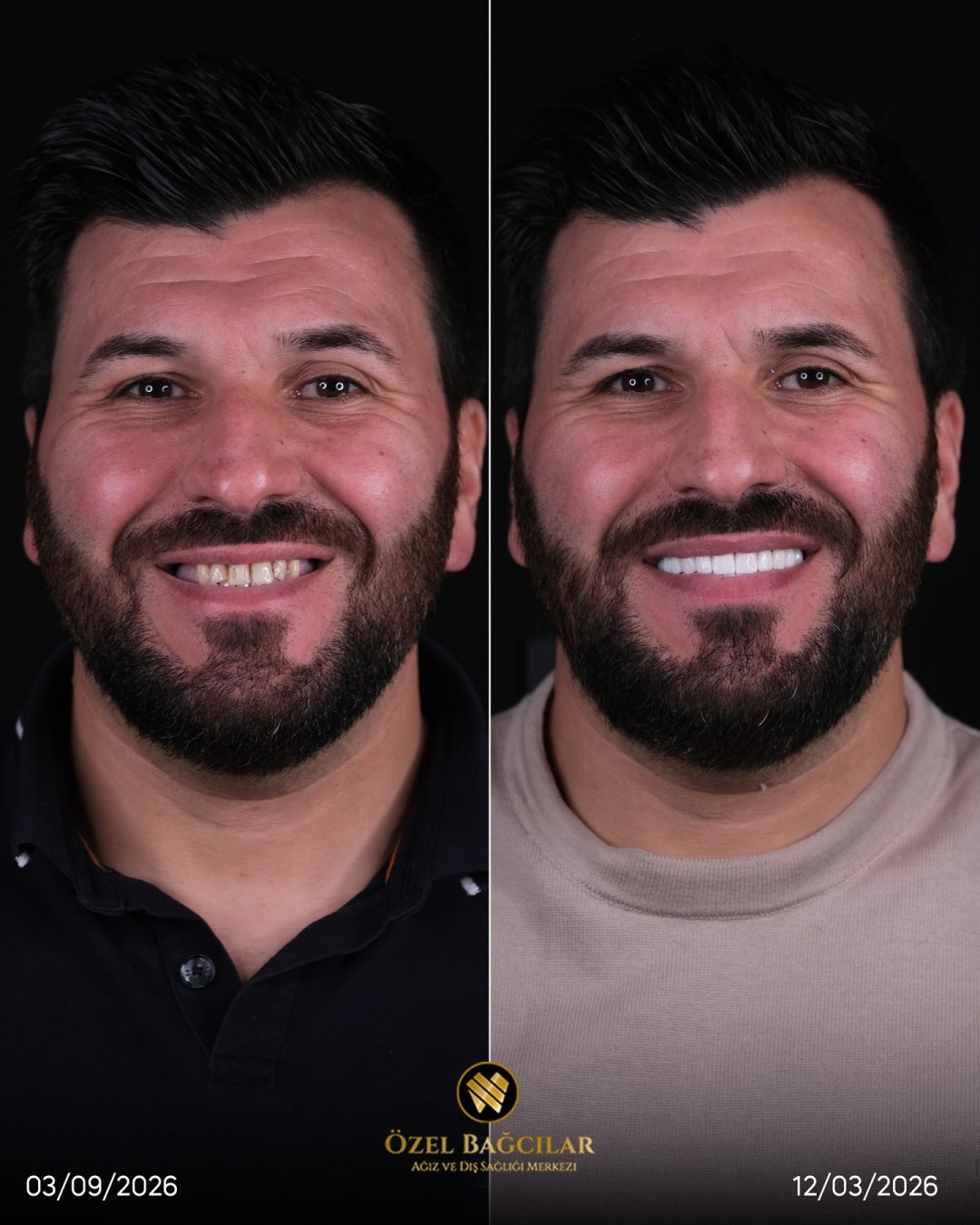
Photographs have their own tells. Compare the lighting, the lip retraction and the camera angle between the two images: a before shot taken under a yellow ceiling light and an after shot taken with a ring flash is comparing cameras, not dentistry. Look for the gums as much as the teeth.
How to read clinic reviews and how to read before-and-after galleries both go through this in more depth, including the patterns that indicate a photograph has been retouched.
Red Flags in a Quote or a Sales Conversation
Some warning signs are reliable enough to act on immediately. A firm price quoted before anyone has seen a radiograph is the clearest of them — nobody can plan implant treatment without knowing what the bone looks like, so a number given without a scan is a sales figure rather than a clinical one.
- A quote produced from photographs alone, with no radiograph or CT requested.
- A treatment plan that grows after you arrive, in a conversation rather than in writing.
- Pressure to decide today, or a discount that expires.
- A full arch of veneers proposed for a complaint about two front teeth.
- No named dentist — only a coordinator, a consultant or a patient manager.
- Refusal to name the implant brand or the ceramic before payment.
- A guarantee described verbally but never sent as a document.
- A schedule for implants that fits entirely inside one short trip, without explanation.
None of these are proof of anything on their own. Two or three together are a pattern, and a pattern is enough. The common thread is momentum: every one of them works by making it awkward to stop and think.
The counter-move is simple and costs nothing. Ask for everything in writing, then take a day. A clinic that is comfortable with that is the kind you want.
The Questions Worth Asking Before a Deposit
These are ordered deliberately. The first three establish who you are dealing with; the middle ones establish what is actually being proposed; the last ones establish what happens afterwards.
- Who is the dentist performing this treatment, and what is their specialist registration?
- Can you send the clinic licence and health tourism authorisation?
- What imaging will you take before finalising the plan?
- Can I have the plan tooth by tooth, with a reason for each tooth?
- Which teeth are you proposing to prepare, and which are healthy and unrestored?
- Is there a more conservative option, and why was it not chosen?
- Which implant system, and which ceramic, and by which manufacturer?
- How many visits, over what total period, and how long is each stay?
- What does the guarantee cover, for how long, and what voids it?
- What records will I be given to take home?
Ten questions, all answerable in a single message by a clinic that works this way already. The answers are also a record — if the plan changes later, you have the original in writing.
If you are unsure what a reasonable first conversation should cover, what to expect from a consultation walks through it from the clinic's side.
How We Handle This at Bağcılar
We will not quote a final plan from photographs. A panoramic radiograph, and a CT scan where implants are involved, comes first — either taken at our clinic or sent by your own dentist. Until we have seen the bone and the existing restorations, any figure would be a guess dressed up as a plan.
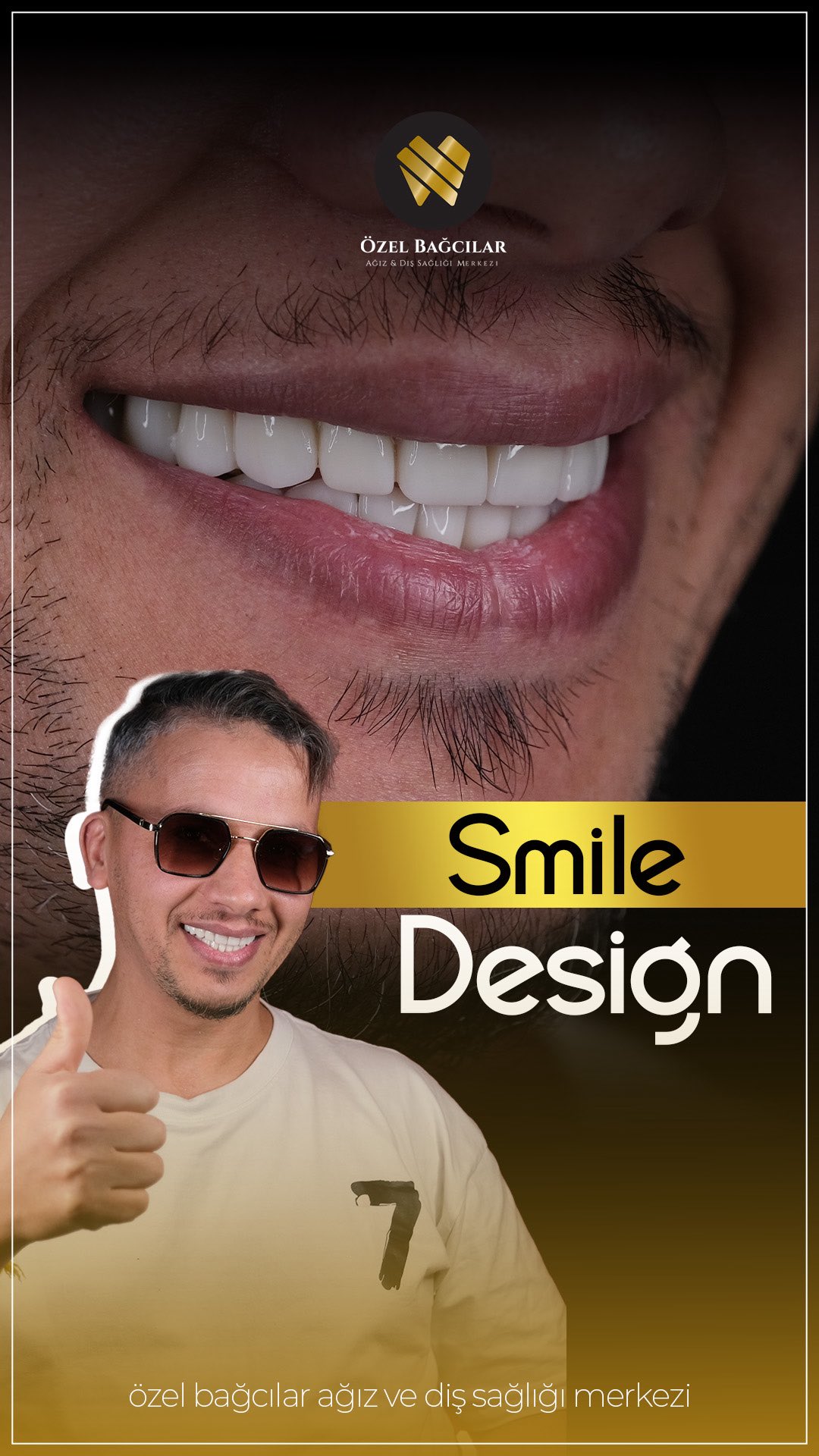
Plans are written tooth by tooth. Where a tooth is sound and unrestored, we say so and we say what the conservative alternative would be, even when it is a smaller treatment than the one you came asking about. If alignment solves the problem, we will tell you that rather than prepare healthy teeth.
Timetables follow the biology. Implants are staged across visits with the integration period between them, and we say at the outset how many trips that means. You leave with your radiographs, your implant passport, the material records and the written guarantee — every treatment we place is guaranteed for life on materials and workmanship.
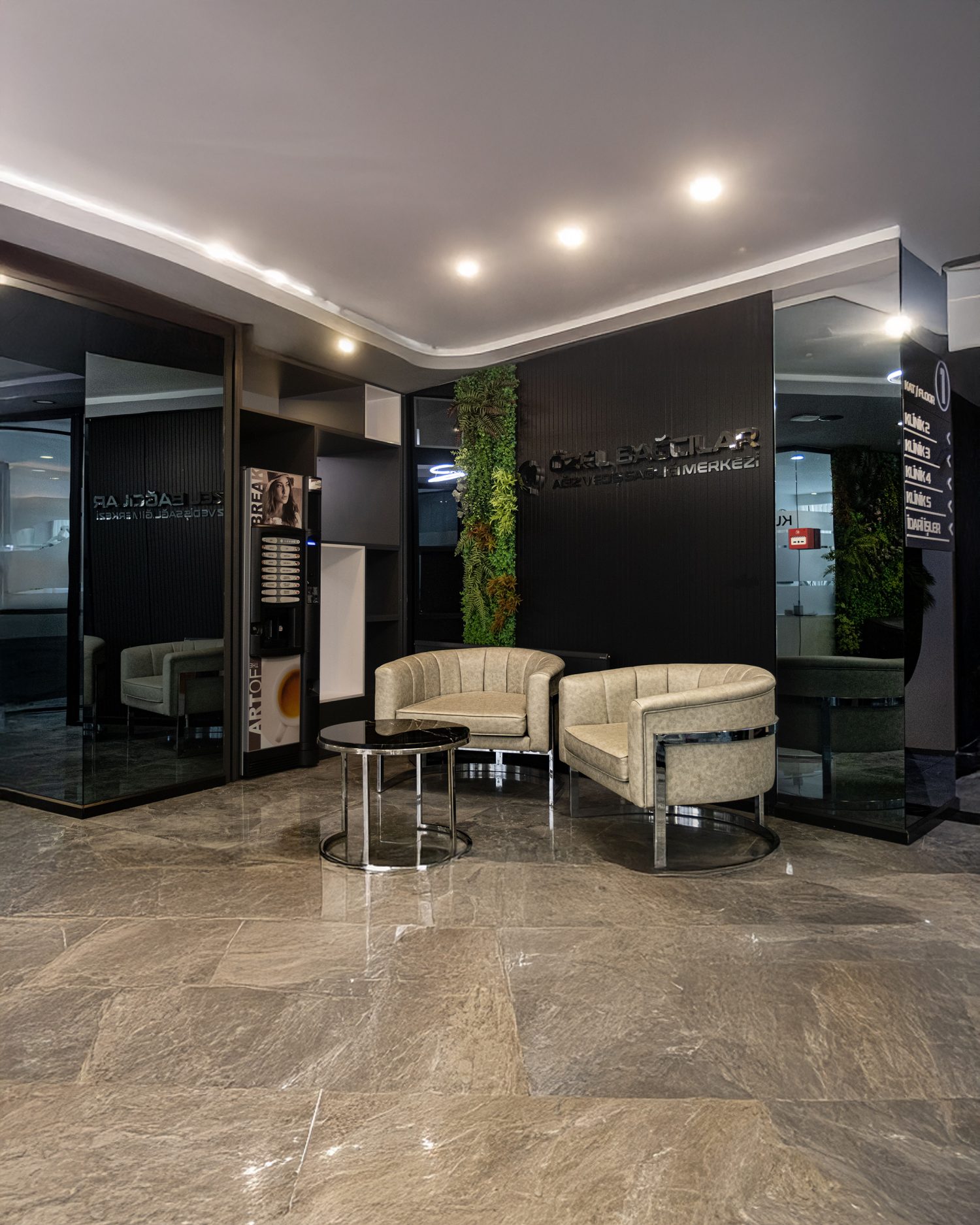
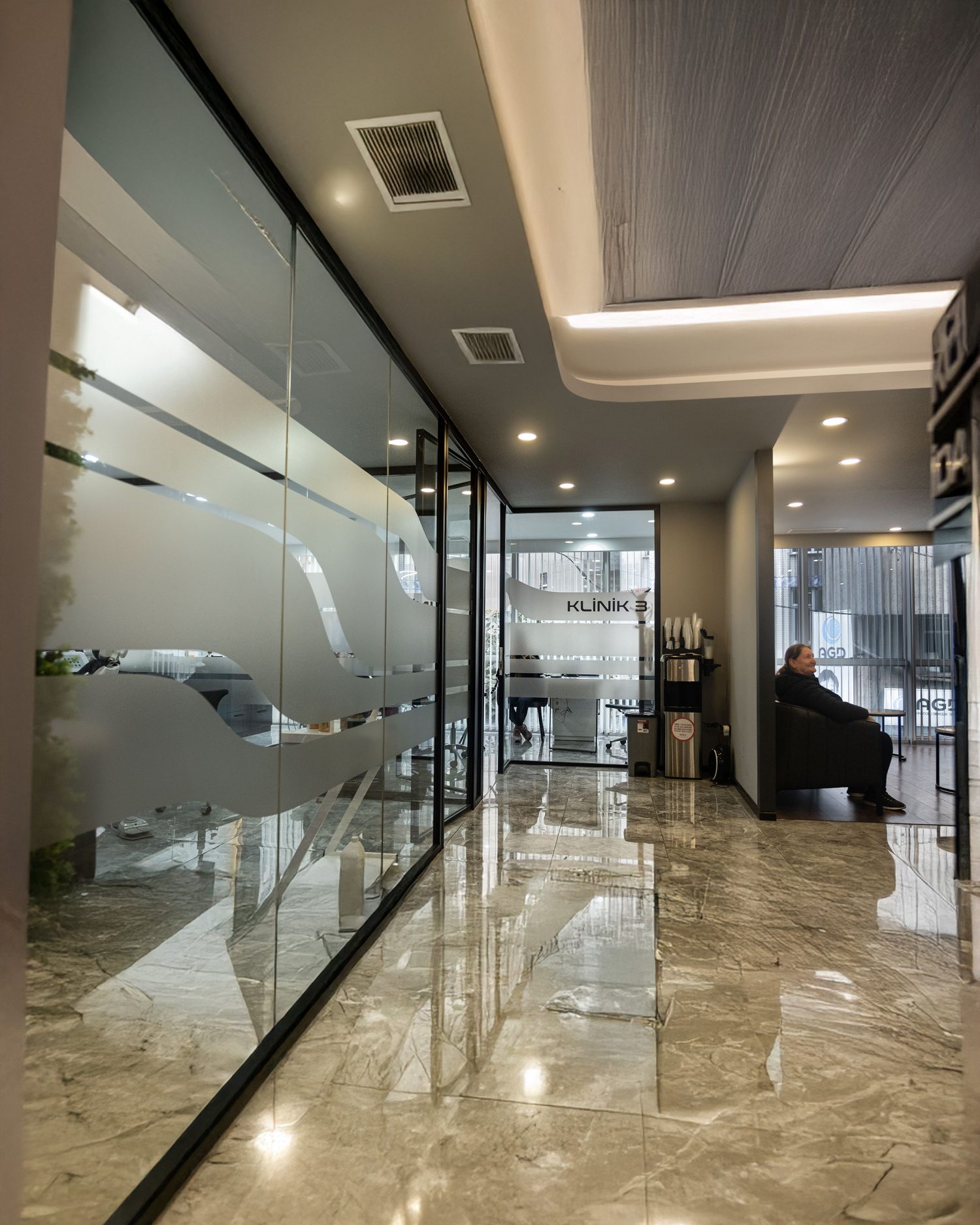
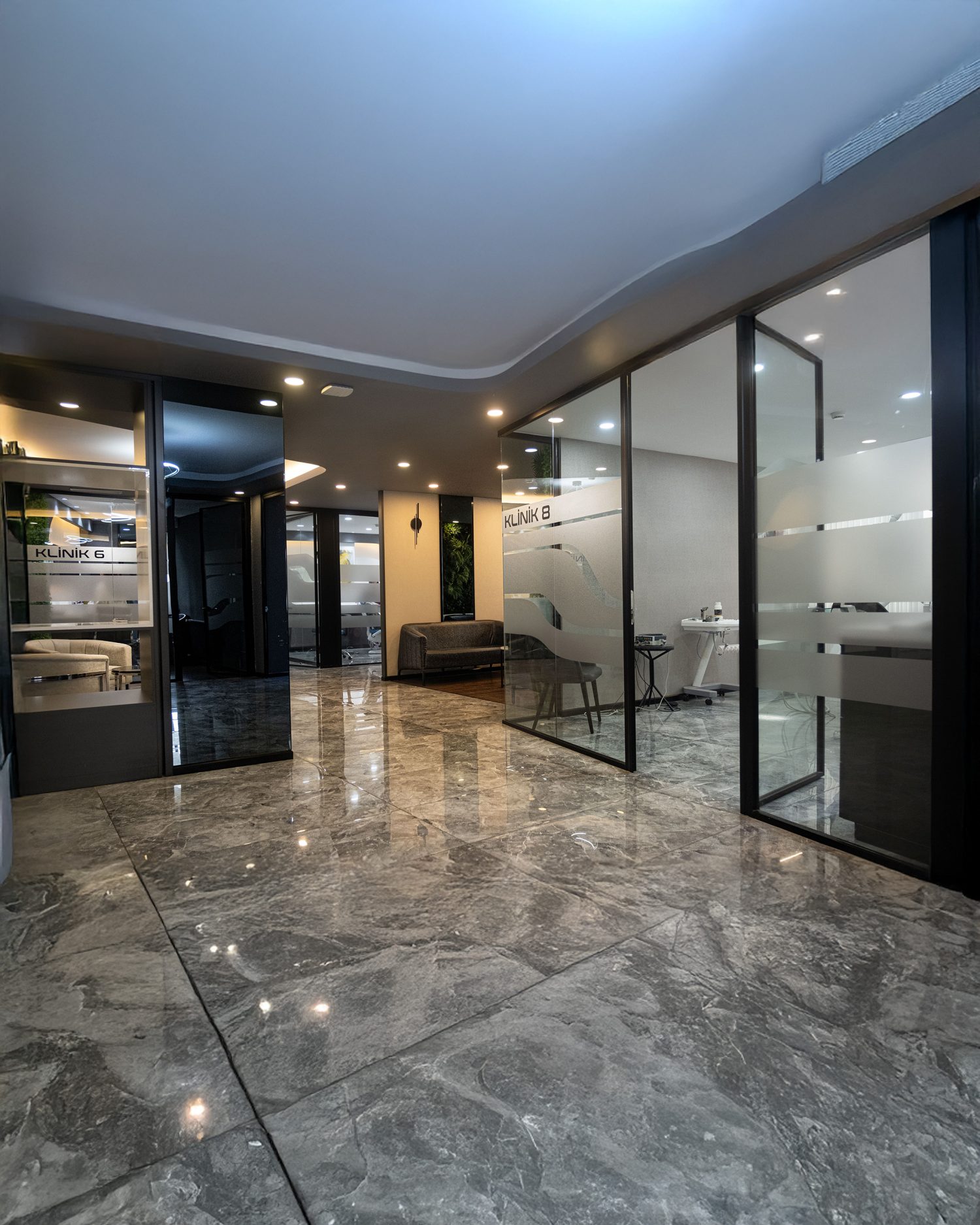
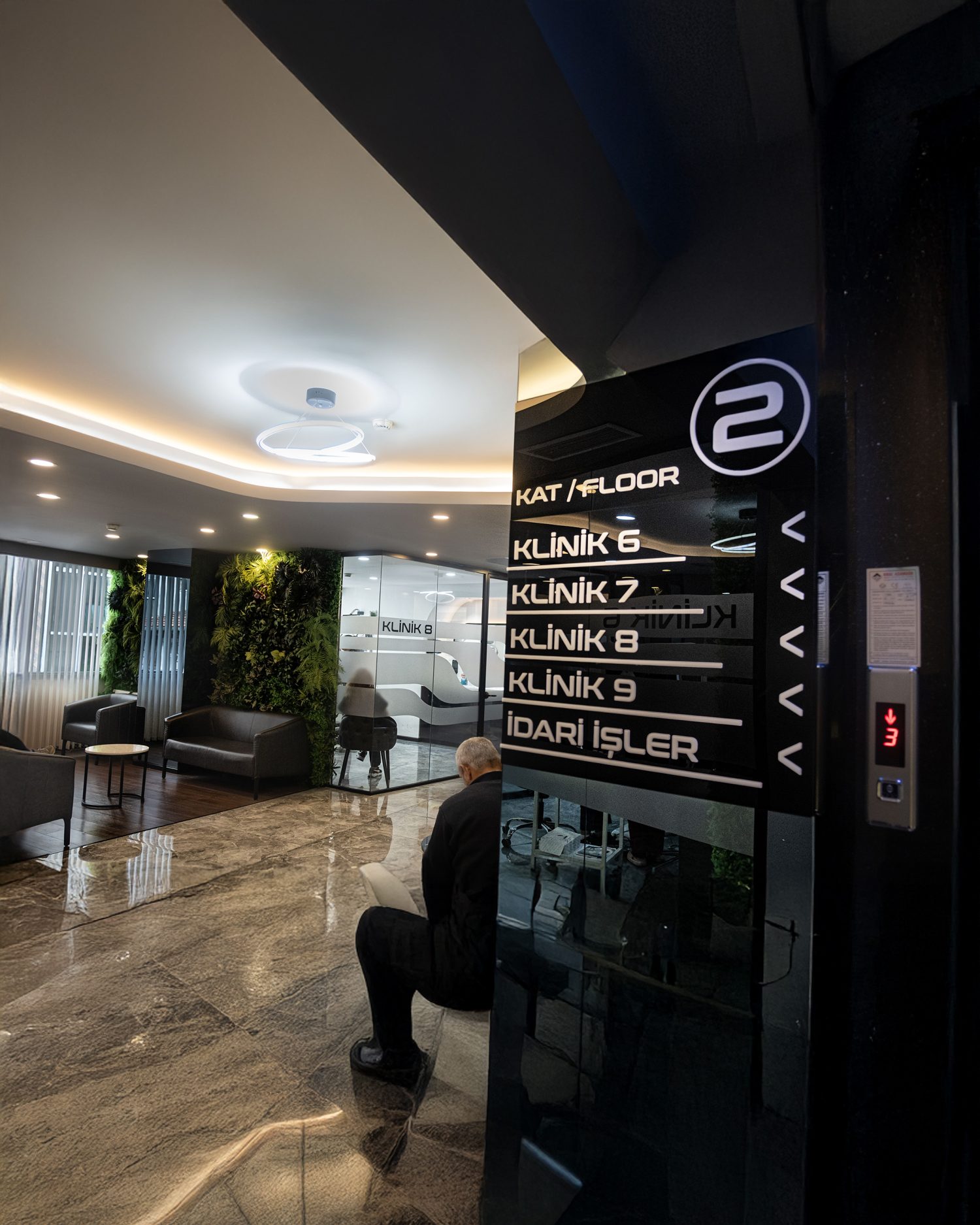
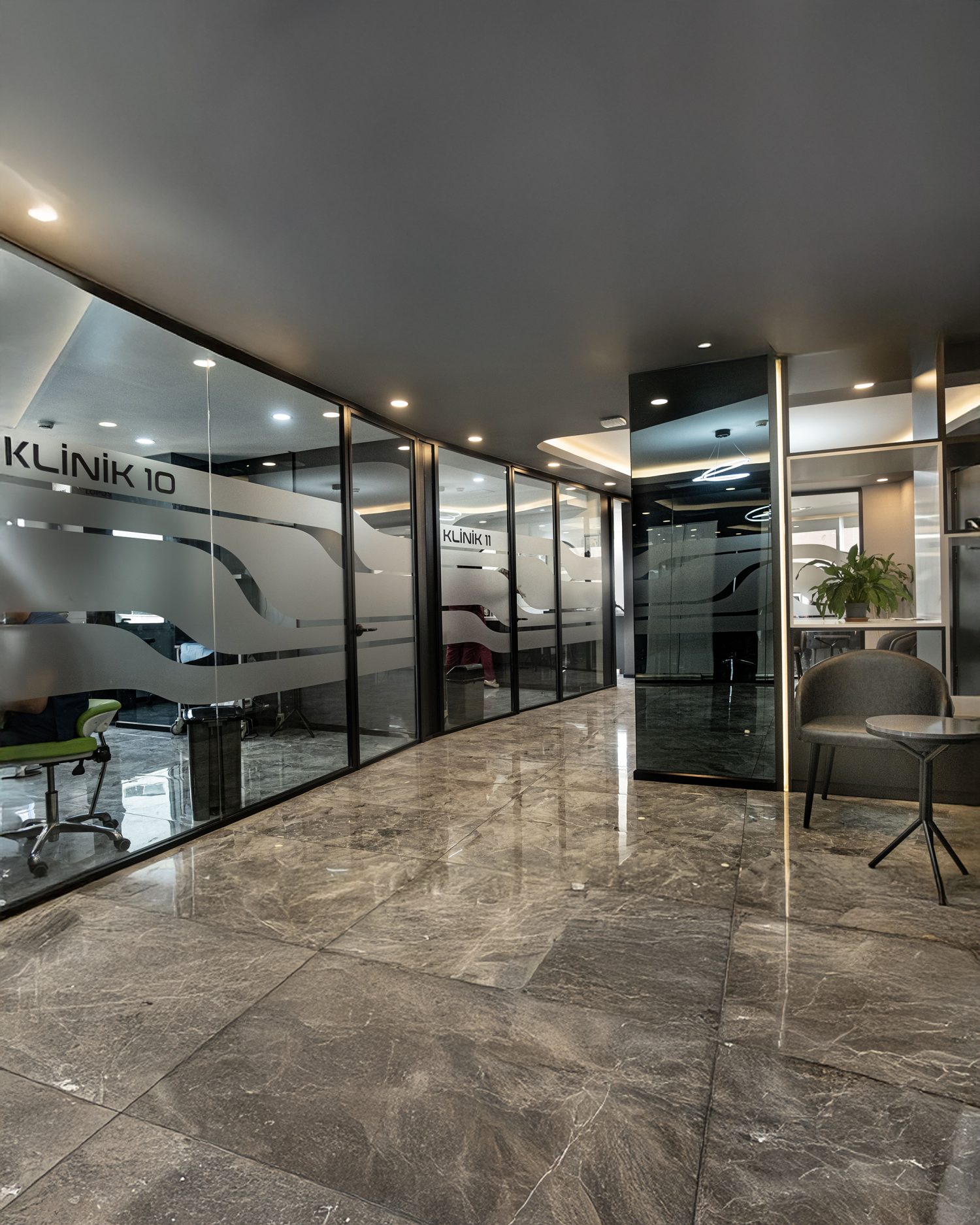
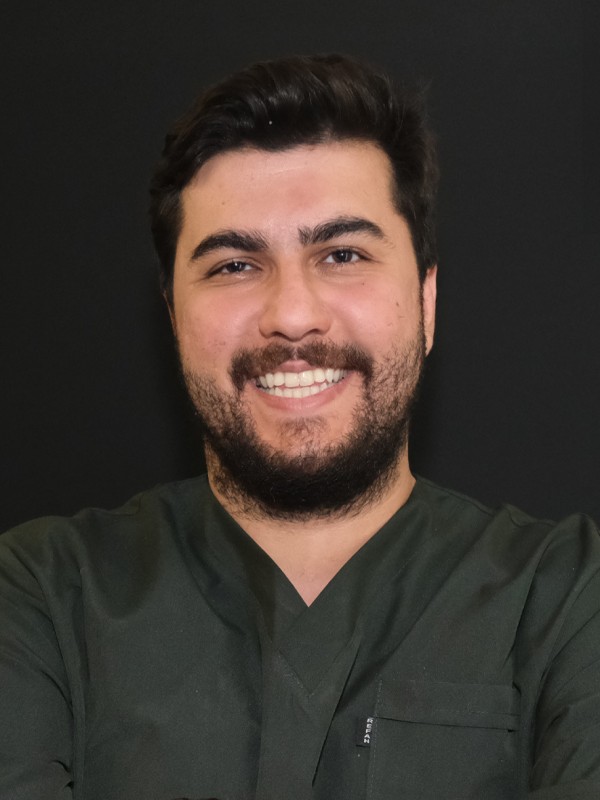
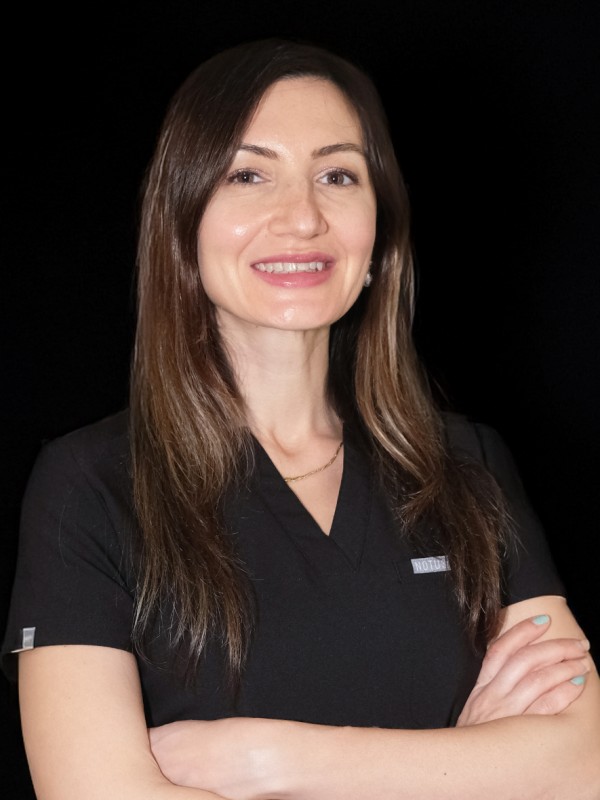
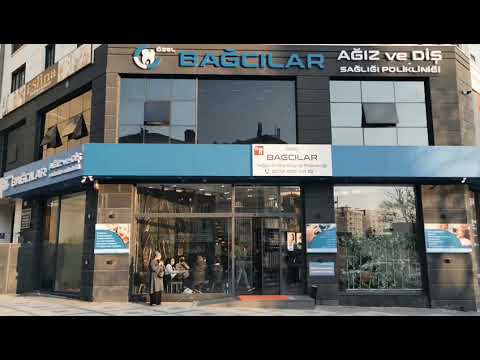
We are in Bağcılar, on the European side of Istanbul, with an oral surgery suite and an in-house laboratory. Where we are and how to reach us, and who you will actually be treated by, are both set out with names rather than titles.