











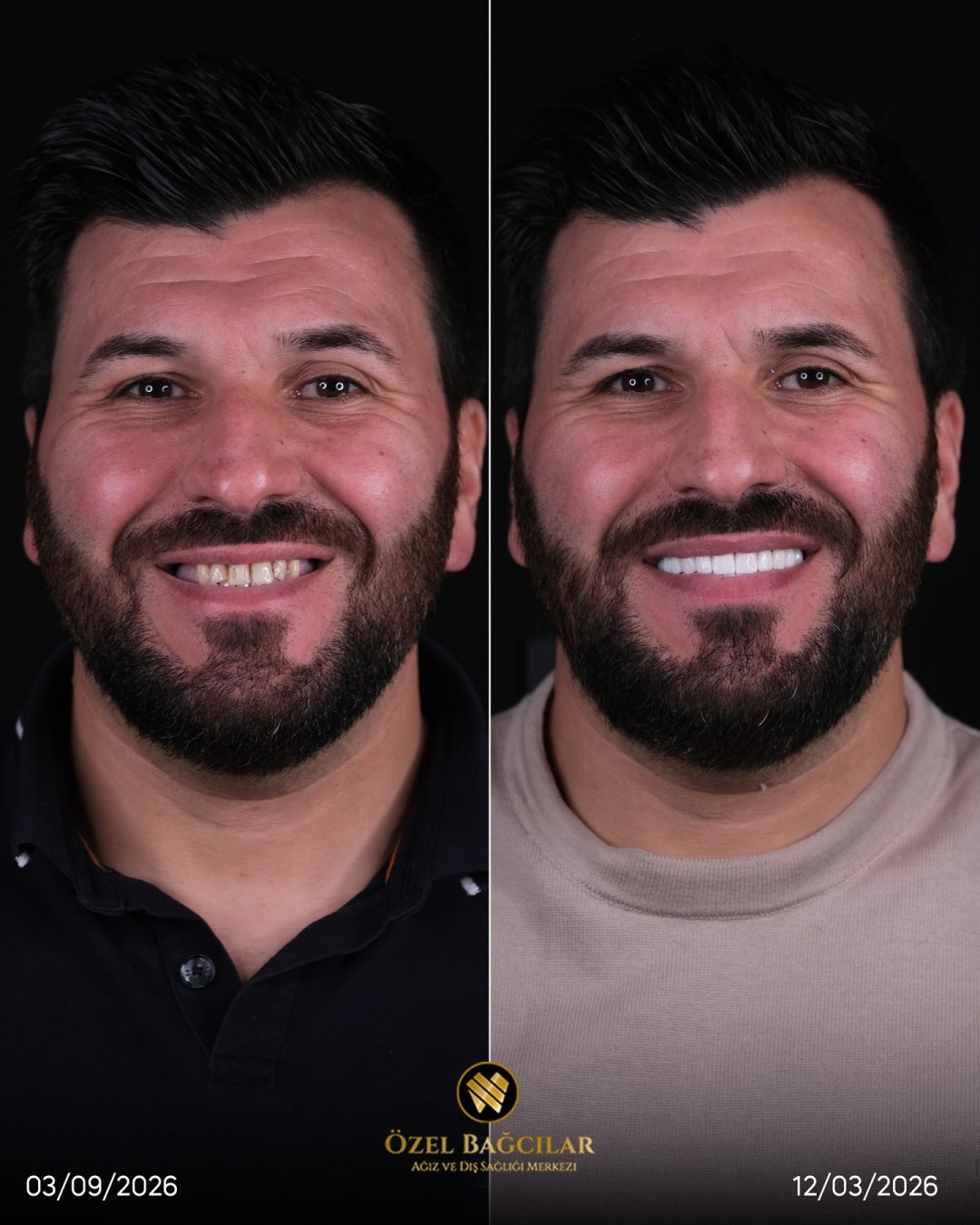
The Core Difference Is How Much Tooth Is Removed
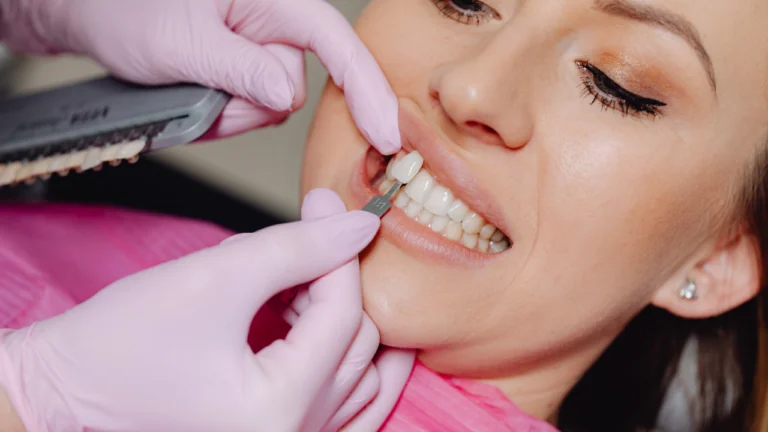
A veneer preparation reduces the front surface of the tooth, and usually a little of the biting edge, by roughly half a millimetre. The back of the tooth, the sides and most of the structure are untouched. On teeth that are being brought forward or lengthened, sometimes almost no reduction is needed at all.
A crown preparation reduces every surface — front, back, both sides and the biting surface — by roughly a millimetre and a half. What remains is a tapered core of tooth with the crown fitted over it like a cap.
That is several times more tooth structure, and it is gone permanently. Enamel does not regenerate. Once a tooth has been prepared for a crown it will be restored with a crown for the rest of its life; if the crown fails in twenty years, the replacement is another crown.
So the honest framing of this decision is not "which restoration do I want" but "how much of this tooth genuinely needs covering." A clinic that starts from the second question is planning; one that starts from the first is selling.
What a Veneer Can and Cannot Do
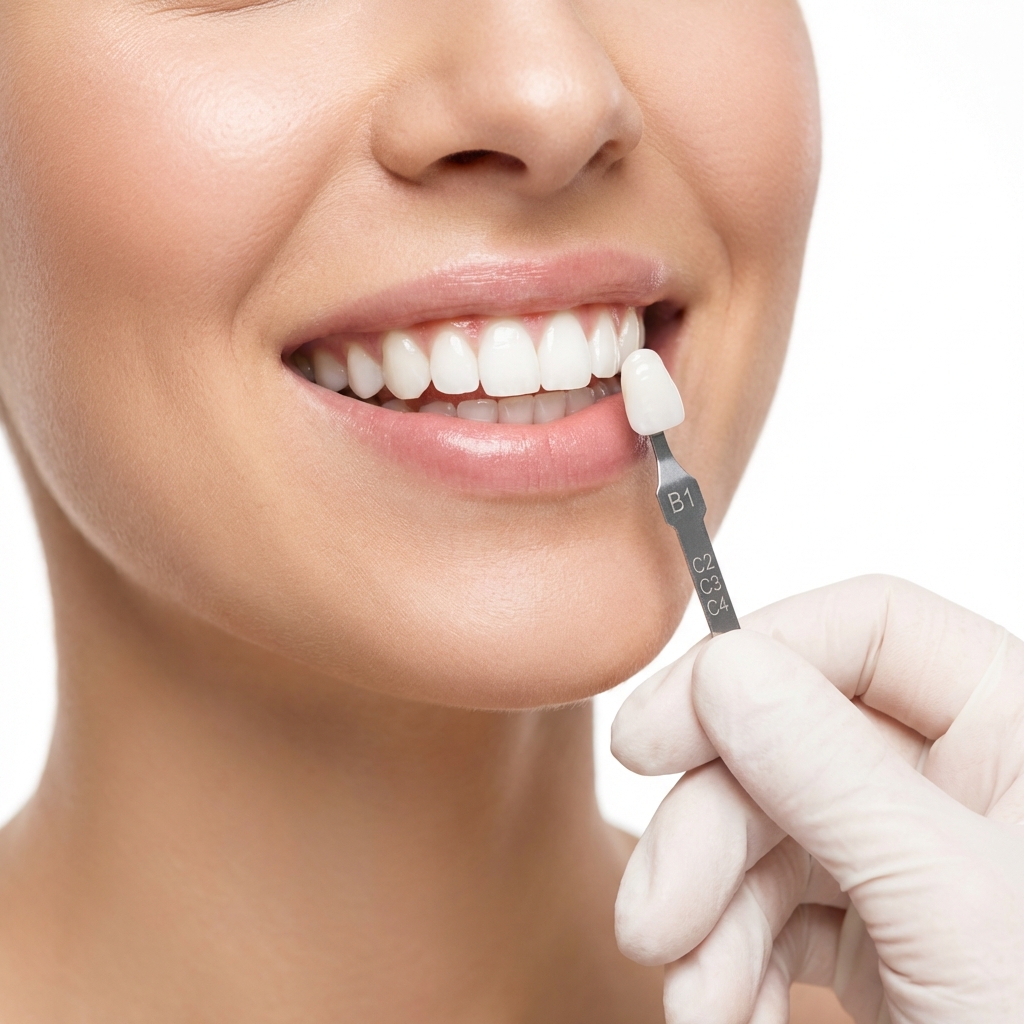
A veneer changes what the front of a tooth looks like. It can alter shade, shape, width, length and surface texture, and it can close small spaces or correct minor rotations that would otherwise need orthodontics.
It bonds to enamel, and that bond is the whole basis of its strength. Enamel bonding is reliable and durable; bonding to dentine or to old composite is considerably less so. This single fact determines most of the cases where a veneer is unsuitable.
What a veneer cannot do is hold a weakened tooth together. It does not encircle, so it provides no protection against a tooth splitting under load. A tooth with a large existing filling or a crack needs to be held from all sides, and a veneer does not do that.
It also cannot correct large positional problems. Where teeth are significantly crowded or protruding, alignment is the appropriate treatment and veneers placed instead would need excessive preparation to compensate.
When a Crown Is Genuinely Necessary
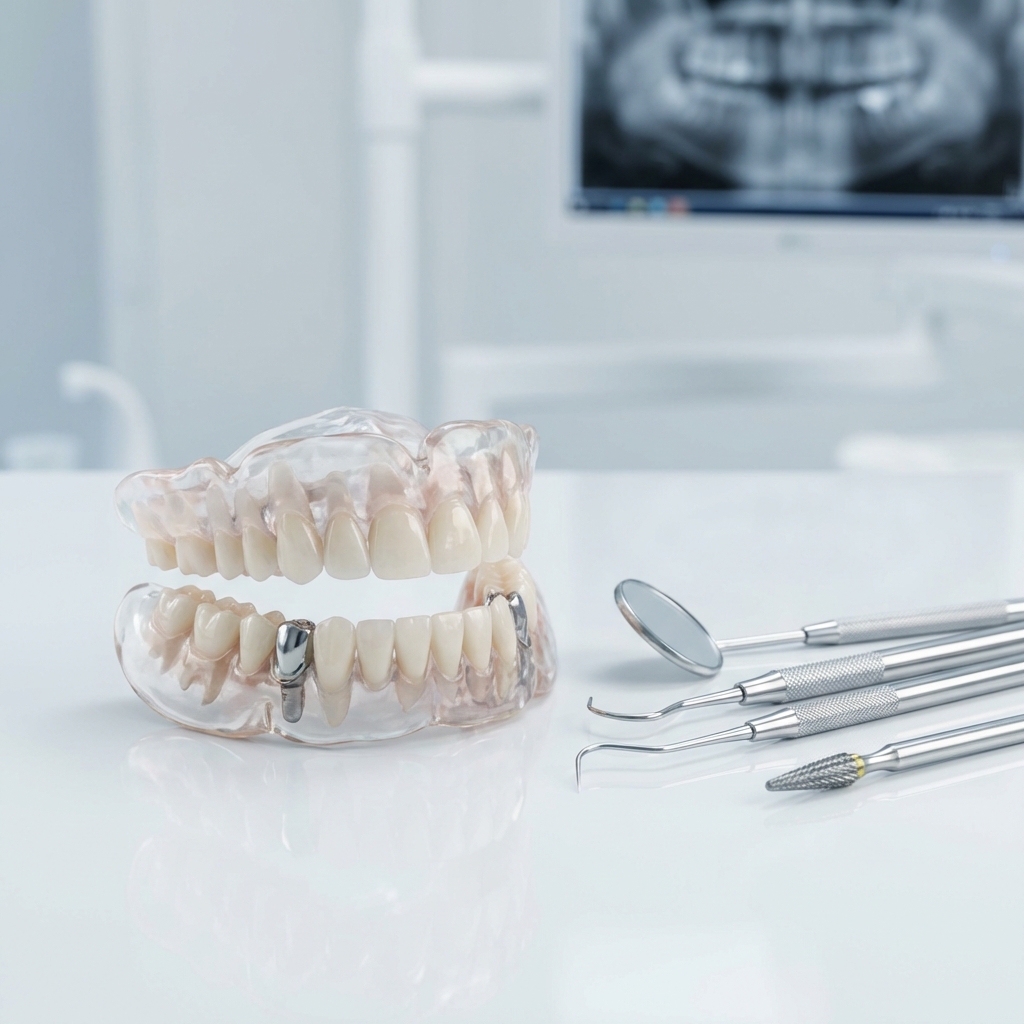
A crown encircles the tooth, and that is its purpose: it holds the remaining structure together and distributes force around it rather than through it. That makes it the correct treatment whenever the tooth is structurally compromised.
The clearest cases are large existing restorations, cracked teeth, teeth with little enamel remaining, and teeth that have been root-treated. A root-treated back tooth in particular is significantly more likely to fracture without full coverage, and crowning it is protective rather than cosmetic.
Severe internal discolouration is another. A tooth that has darkened from the inside after trauma or root treatment may show through a thin veneer regardless of the ceramic used, and full coverage gives the technician enough thickness to mask it properly.
In each of these the crown is not the more aggressive option — it is the option that keeps the tooth. Refusing a crown on a cracked molar to preserve enamel risks losing the tooth entirely.
Veneers and Crowns Compared, Line by Line
The table sets out the practical differences. Note that appearance is not among them: a well-made veneer and a well-made crown are indistinguishable to anyone looking at the smile.
| Veneer | Crown | |
|---|---|---|
| Coverage | Front surface and biting edge | Entire tooth, all surfaces |
| Tooth removed | Around 0.5 mm from one surface | Around 1.5 mm from every surface |
| Bonds to | Enamel — strongest available bond | Whatever remains, enamel or dentine |
| Protects a weak tooth | No — it does not encircle | Yes — that is its main function |
| Suits root-treated teeth | Rarely | Usually the correct choice |
| Suits sound, unrestored teeth | Yes, the conservative option | Overtreatment in most cases |
| Appearance | Excellent on front teeth | Equally good when well made |
| If it fails | Replaced, or converted to a crown | Replaced with another crown |
| Reversibility | Limited — enamel does not return | None |
Read the last two rows together. Neither is reversible in any meaningful sense, but a veneered tooth retains the option of a crown later. A crowned tooth has no smaller option remaining.
The Deciding Question: How Much Sound Tooth Is Left
This is what a clinician is actually assessing, and it is worth understanding because it lets you follow the reasoning rather than take the conclusion on trust.
A tooth that is intact or has only small fillings has plenty of enamel, bonds predictably, and is strong enough not to need encircling. That is a veneer case, and preparing it for a crown removes healthy structure for no clinical benefit.
A tooth where a large filling occupies much of the crown, or where a cusp has already fractured, has neither adequate bonding surface nor adequate strength. That is a crown case, and placing a veneer would produce a restoration that debonds or a tooth that splits.
The middle ground is genuinely a judgement call, and it depends on where the tooth sits, how you bite, and whether you grind. That is a conversation worth having explicitly rather than a decision made silently on your behalf.
Front Teeth and Back Teeth Are Different Problems
The forces are not comparable. Front teeth shear and tear; back teeth crush, with several times the load. That changes both the material choice and the coverage decision.
On front teeth, veneers do most of the work in aesthetic dentistry precisely because the loads are manageable and the appearance requirement is high. Translucent materials that would be inappropriate on a molar perform well here and look markedly better.
On back teeth, veneers are rarely the answer. The loads are high, the teeth are usually already restored, and appearance matters far less. A crown in a strong material is the standard treatment, and monolithic zirconia is generally the right choice there.
This is also why a well-planned smile design frequently uses both — veneers where the smile shows and crowns further back where teeth are already compromised. How the plan is built sets out how the two are combined.
Premolars sit between the two worlds and are where opinions differ most. They show in a wide smile, they carry real chewing load, and they are frequently already filled. The answer there usually follows the filling: substantial old restorations point to a crown, an intact premolar points to a veneer.
Can Anyone Tell the Difference From Outside?
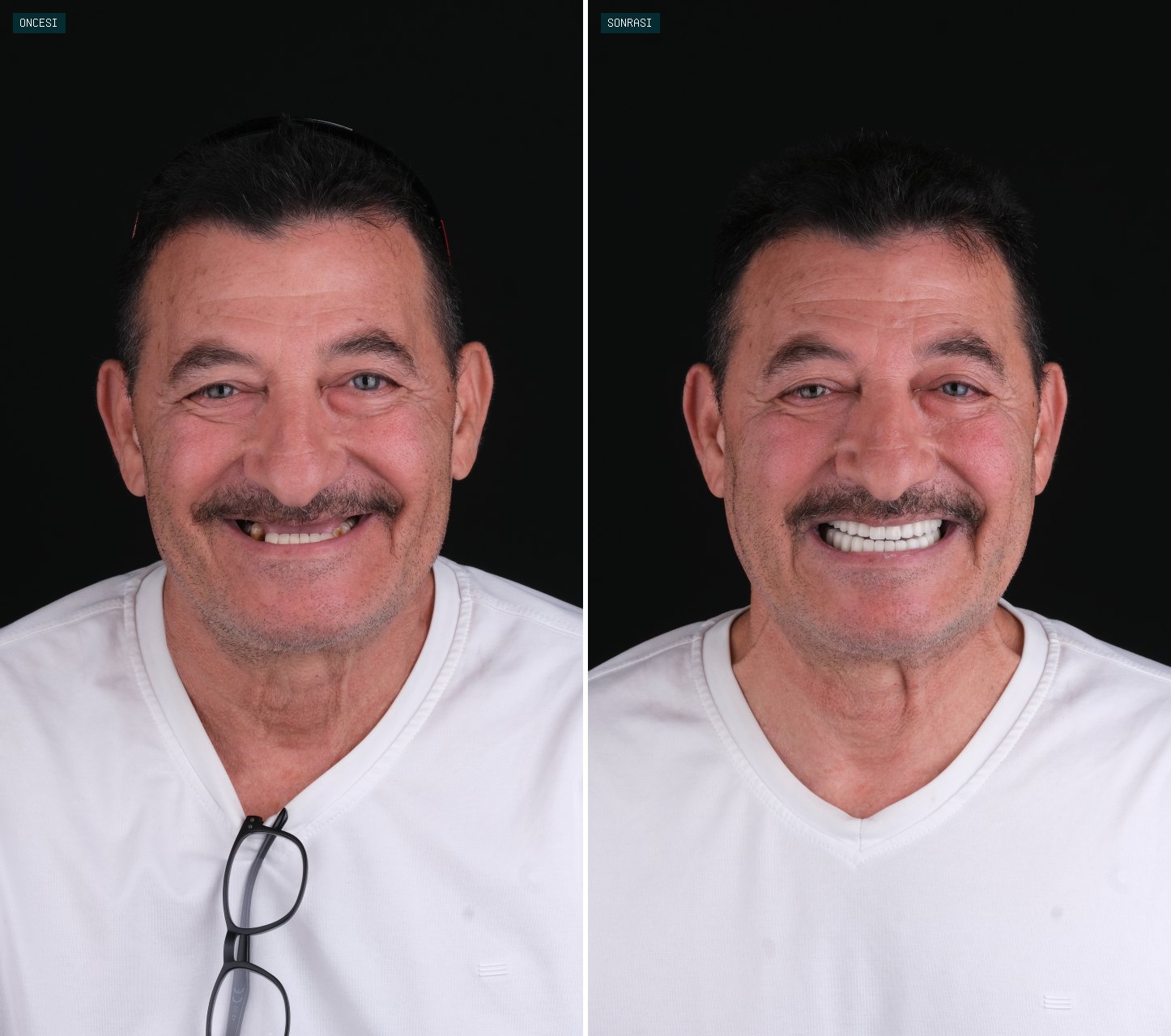
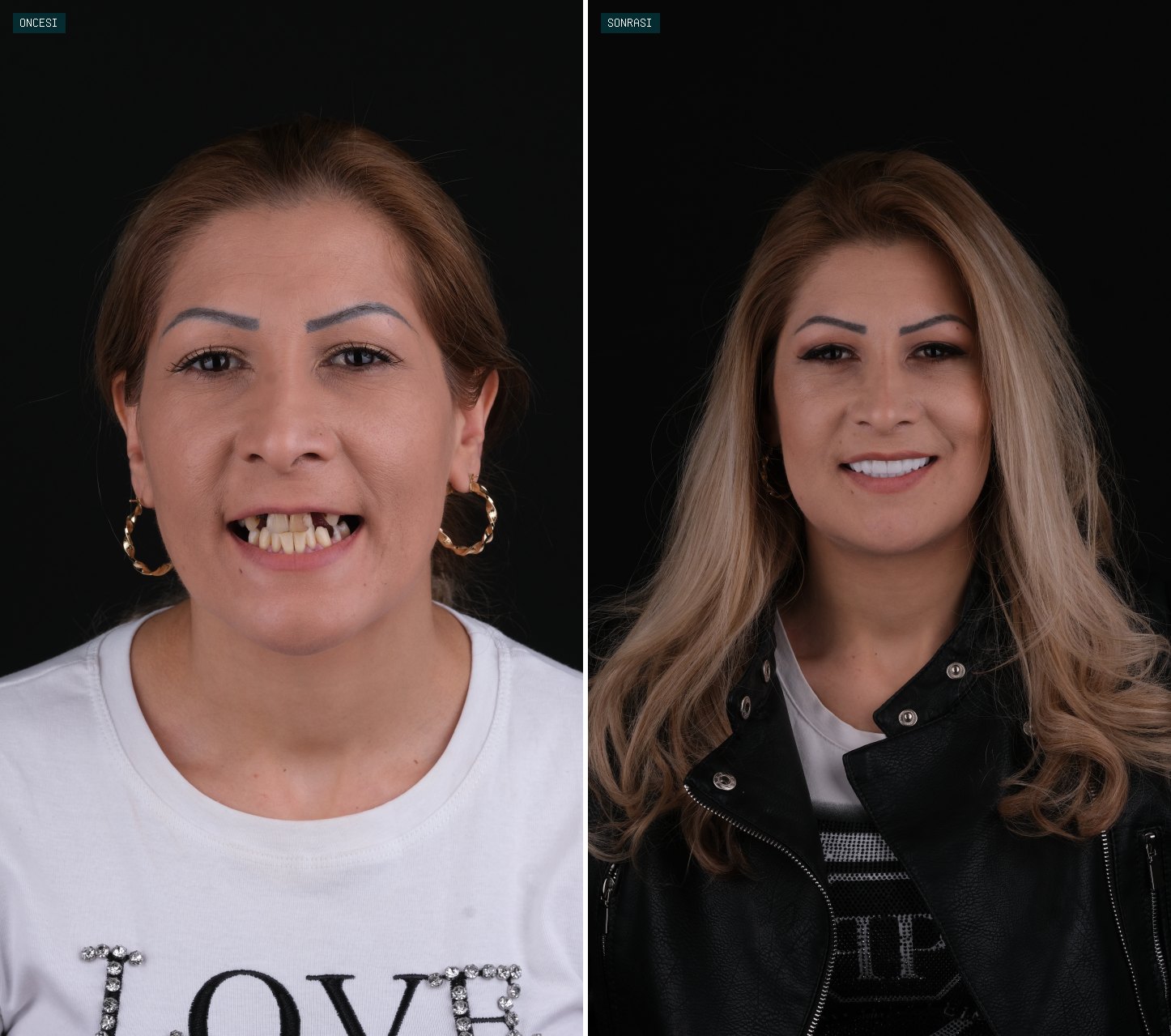
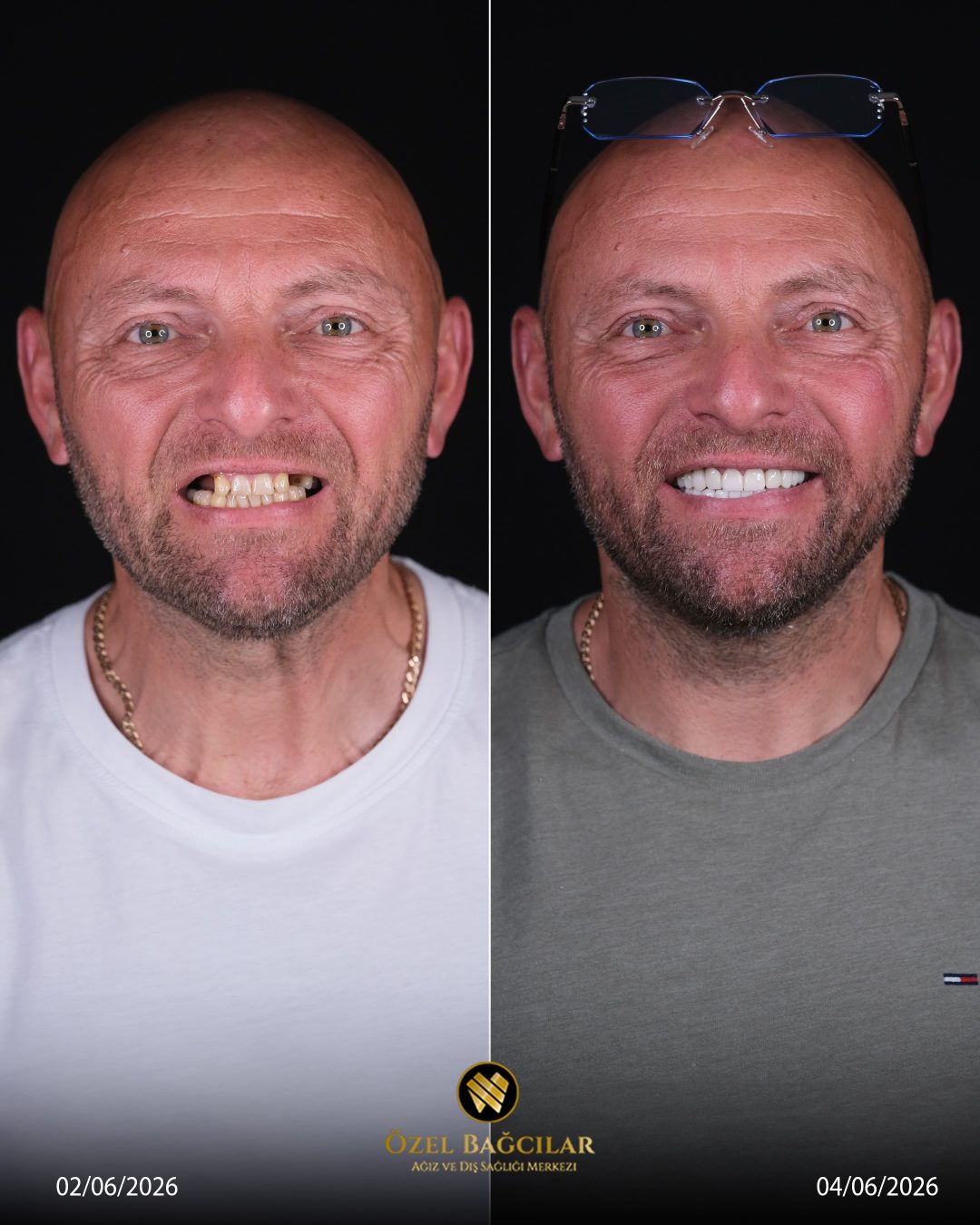
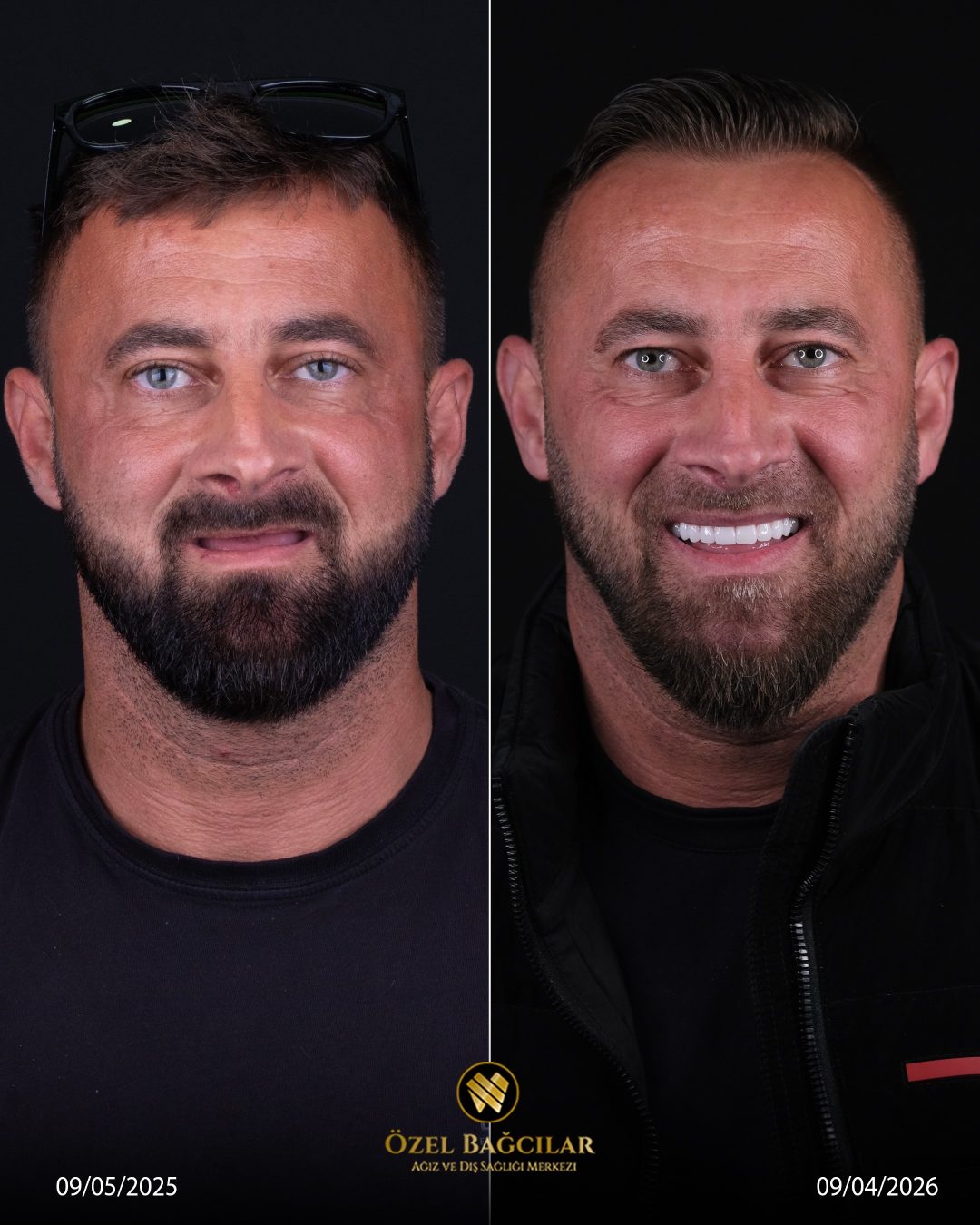
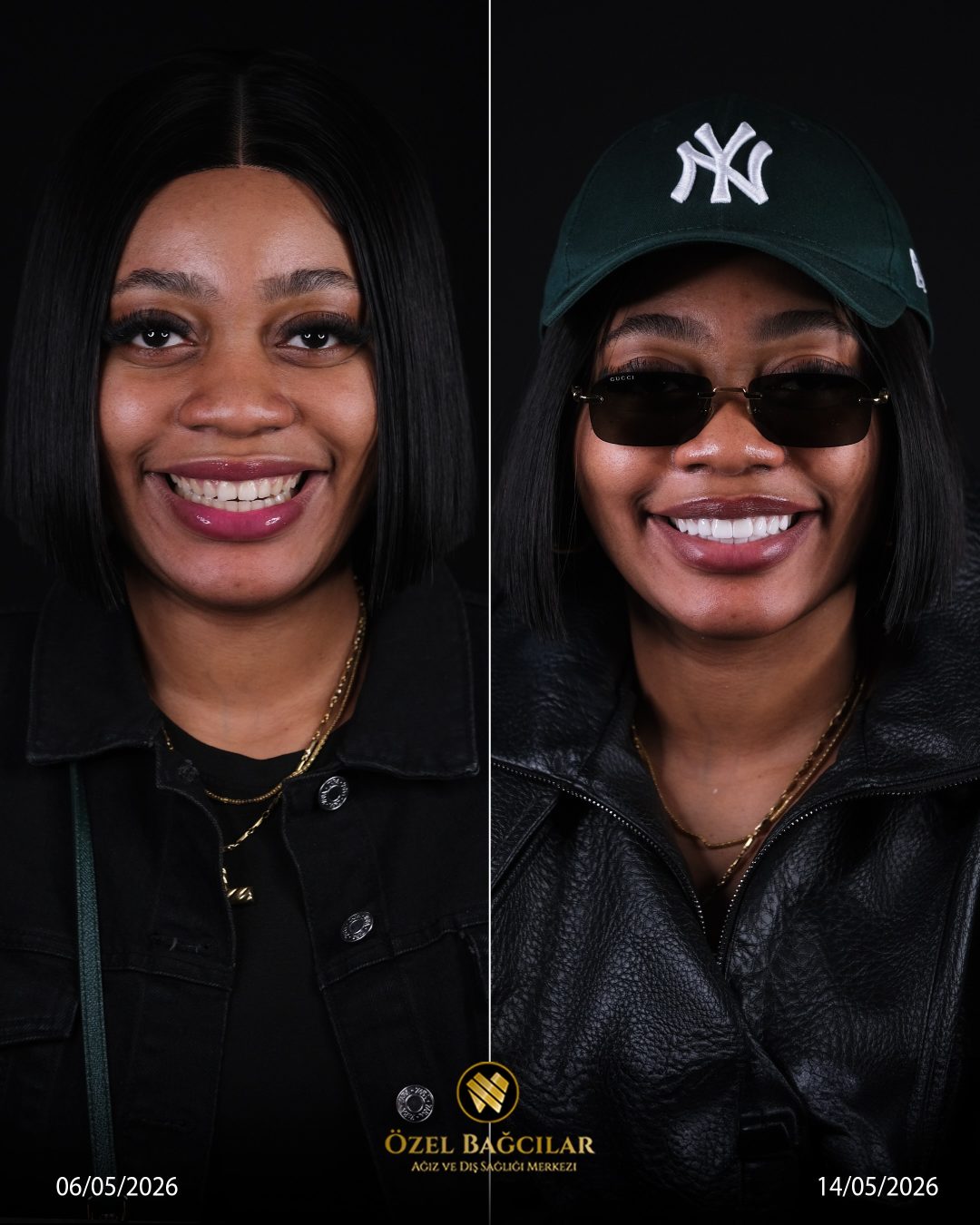
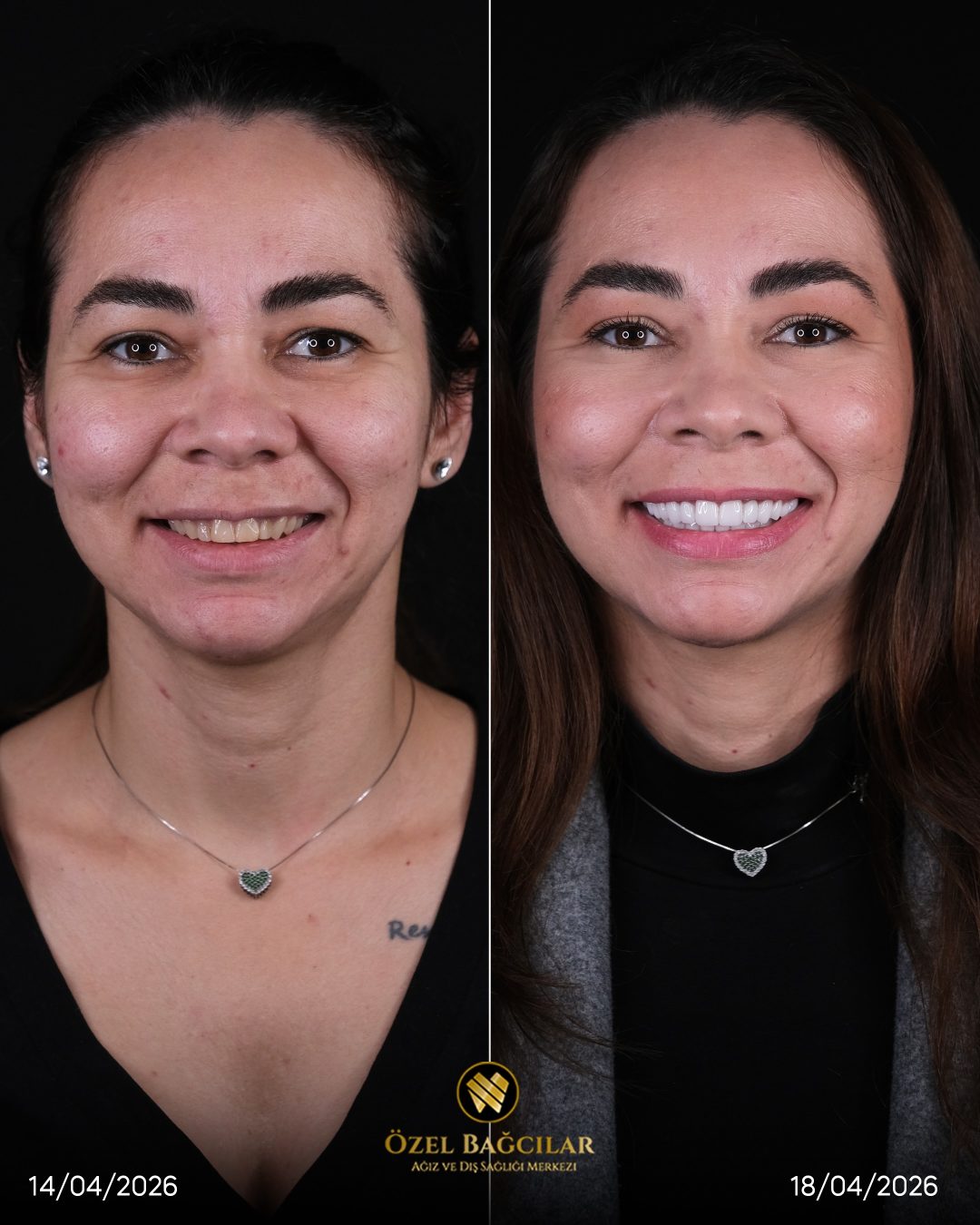
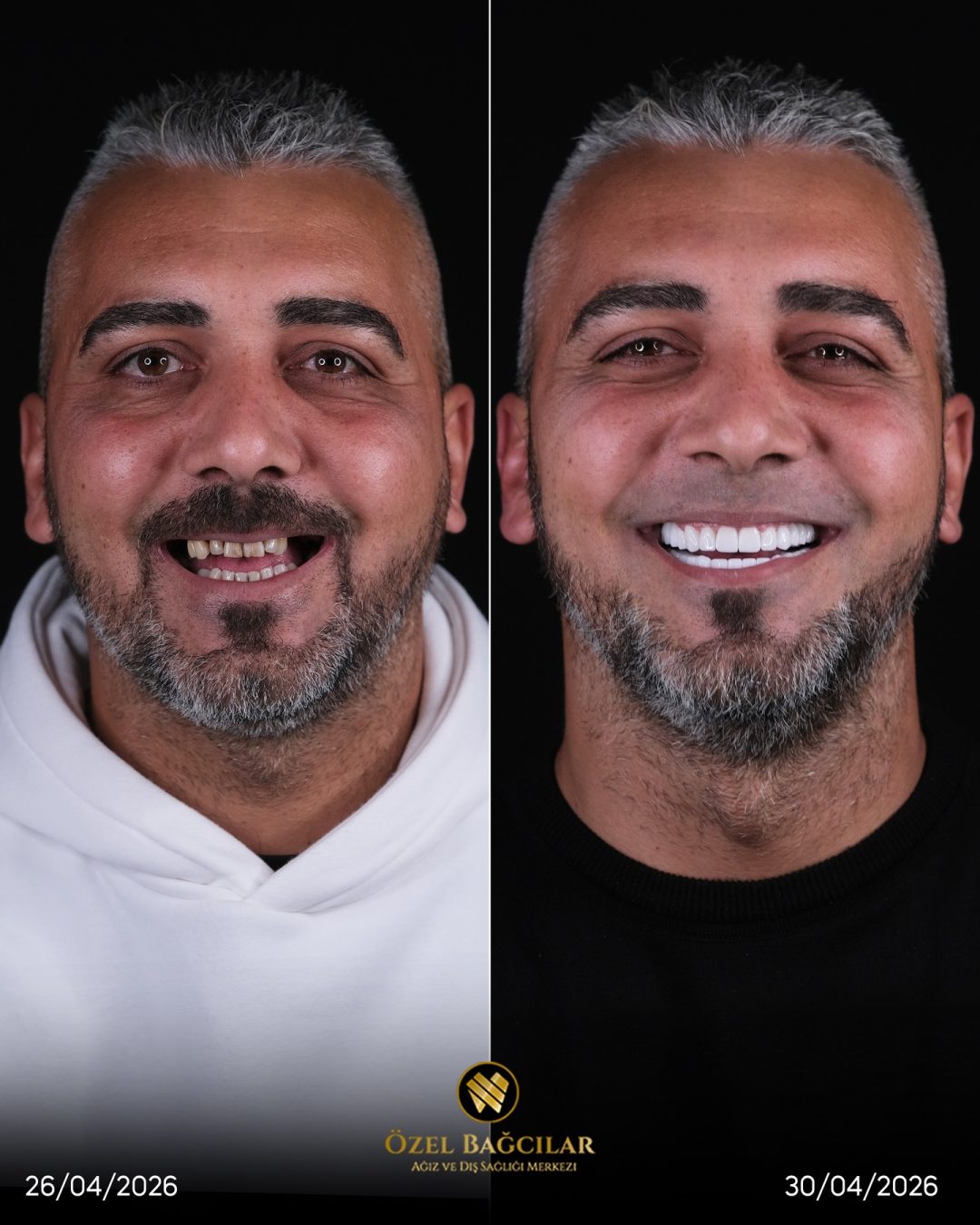
No. This surprises people, because the two treatments sound so different, but from the front a well-made veneer and a well-made crown present the same ceramic surface. The difference is entirely in what sits behind it.
What does show is the quality of the work and the material chosen. Opaque ceramic on a front tooth looks flat regardless of whether it is a veneer or a crown; a well-layered restoration looks alive in either form. The material comparison matters far more to appearance than the coverage decision does.
There is one genuine aesthetic advantage to veneers, and it is subtle. Because less tooth is removed, more natural dentine remains underneath to transmit light, and the result can have a depth that is harder to reproduce over a prepared core.
The margin is the other tell, and it is about workmanship rather than type. A restoration whose edge sits precisely at the gum line and is polished properly disappears; one with a visible step collects stain and shows as a dark line within a year.
Longevity and What Actually Ends Each
Both last a long time when well made and well maintained — well beyond a decade is normal, and considerably longer is common. What ends them differs, and the difference is worth knowing because it tells you what to protect.
Veneers most often fail by debonding or chipping, and almost always because of force: grinding, biting hard objects, or a bite that concentrates load on one edge. The ceramic itself does not wear out. Managing a grinding habit is the single largest factor in how long front veneers last.
Crowns most often fail because of what happens underneath them. Decay at the margin, or a root fracture in a tooth that was already weak. The crown is usually intact when it is replaced; the tooth beneath it is the problem.
That difference explains the maintenance emphasis. Veneers need protection from force; crowns need cleaning at the margin. Both need the same hygiene interval, and both are covered by a lifetime guarantee on materials and workmanship.
The Honest Position on Reversibility
Veneers are frequently described as reversible. They are not, and it is worth being precise about this because the claim influences decisions.
Enamel removed for a veneer preparation does not grow back. If a veneer is removed and not replaced, the tooth underneath is smaller, more sensitive and usually a different colour than it was. It needs restoring with something.
What is true is that a veneer preserves options. A veneered tooth can later receive another veneer or, if it becomes compromised, a crown. A crowned tooth has already spent that option and cannot go back to anything smaller.
There is one genuinely reversible option in this space: composite bonding placed with no preparation at all. It is not suitable for every case and it does not last as long, but where it works it leaves the tooth exactly as it was — the comparison with porcelain covers where that trade-off falls.
When a Mixed Plan Is the Right Answer
Most well-designed restorative plans use both, and a plan that proposes one material and one approach for every tooth in the mouth has usually not looked at the teeth individually.
A typical example: two front teeth that are heavily filled and slightly dark receive crowns, the four teeth either side of them receive veneers because they are sound, and nothing further back is touched at all. Six restorations, two types, one design.
From the outside that plan is invisible — the restorations match because the same technician made them in the same materials to the same design. From the patient's point of view it is four teeth that kept most of their structure.
This is what a tooth-by-tooth written plan looks like in practice, and it is why asking for one matters. A single line reading "twenty units" cannot express any of it.
The one requirement is that everything is made together, by the same technician, in materials chosen to match. Restorations placed years apart by different laboratories diverge in shade and translucency, which is what makes a piecemeal history visible in a way a mixed plan never is.
The Wrong Reasons to Choose a Crown
Crowns are sometimes proposed on sound teeth for reasons that do not survive examination. These are the ones worth recognising.
- "Crowns are stronger." On a sound tooth this is backwards — the strongest configuration is an intact tooth with minimal preparation.
- "Crowns last longer." The evidence does not support a meaningful difference on teeth suitable for either.
- "It gives a more even result." Evenness comes from the design and the technician, not from coverage.
- "We can make the teeth straighter this way." Where the movement required is significant, this means cutting healthy teeth to fake alignment.
- "It is what the package includes." A package is a pricing structure, not a diagnosis.
The counter-question is simple and it settles most of these: which of these teeth are currently sound and unrestored, and what would the conservative option be for each? Ask it in writing.
Where the answer is that most of the teeth are already heavily restored, crowns may well be correct. Where the answer is that they are intact, the cases that come back for correction overwhelmingly began here.
There is a legitimate version of the evenness argument worth separating out. Where teeth differ substantially in position, the amount of preparation needed to bring them into one plane may itself exceed a veneer preparation on the worst of them. That is a real reason for a crown on that particular tooth, and it applies to one or two teeth rather than to a whole arch.
Cost Over Time Rather Than at Placement
Crowns generally cost more than veneers to place, because more preparation, more material and more laboratory work are involved. That difference is real but it is not the whole comparison.
The larger cost of an unnecessary crown is structural rather than financial. A tooth prepared for a crown at thirty will be re-crowned perhaps twice in a lifetime, and each remake removes a little more. A tooth veneered at thirty may still have the option of a first crown at sixty.
Where a crown is genuinely indicated the arithmetic reverses entirely. A veneer placed on a tooth that needed a crown fails, and the replacement is a crown anyway — so the conservative choice has cost a restoration and gained nothing.
What the two cost to place is set out in the veneer quote breakdown and the crown quote breakdown, both structured so you can compare two proposals line by line.
Which One We Recommend, and Why
Tooth by tooth, on the evidence, and written down. Each tooth in the plan is listed with what is proposed for it and why — the amount of sound structure remaining, whether it is root-treated, how much enamel is available to bond to, and where it sits in the bite.
Where a tooth is sound and unrestored we say so explicitly, and we state what the conservative alternative is. Sometimes that alternative is a smaller treatment than the one you came asking about, and sometimes it is no treatment at that tooth at all.
Radiographs are part of this rather than optional. Existing fillings, root treatments, cracks and bone levels are not reliably visible on examination alone, and they change the answer. Gum health is assessed first, because restorations bonded to inflamed tissue fail regardless of type.
Whatever is placed carries a lifetime guarantee on materials and workmanship, in writing — with the exclusions stated plainly rather than left to be discovered later.