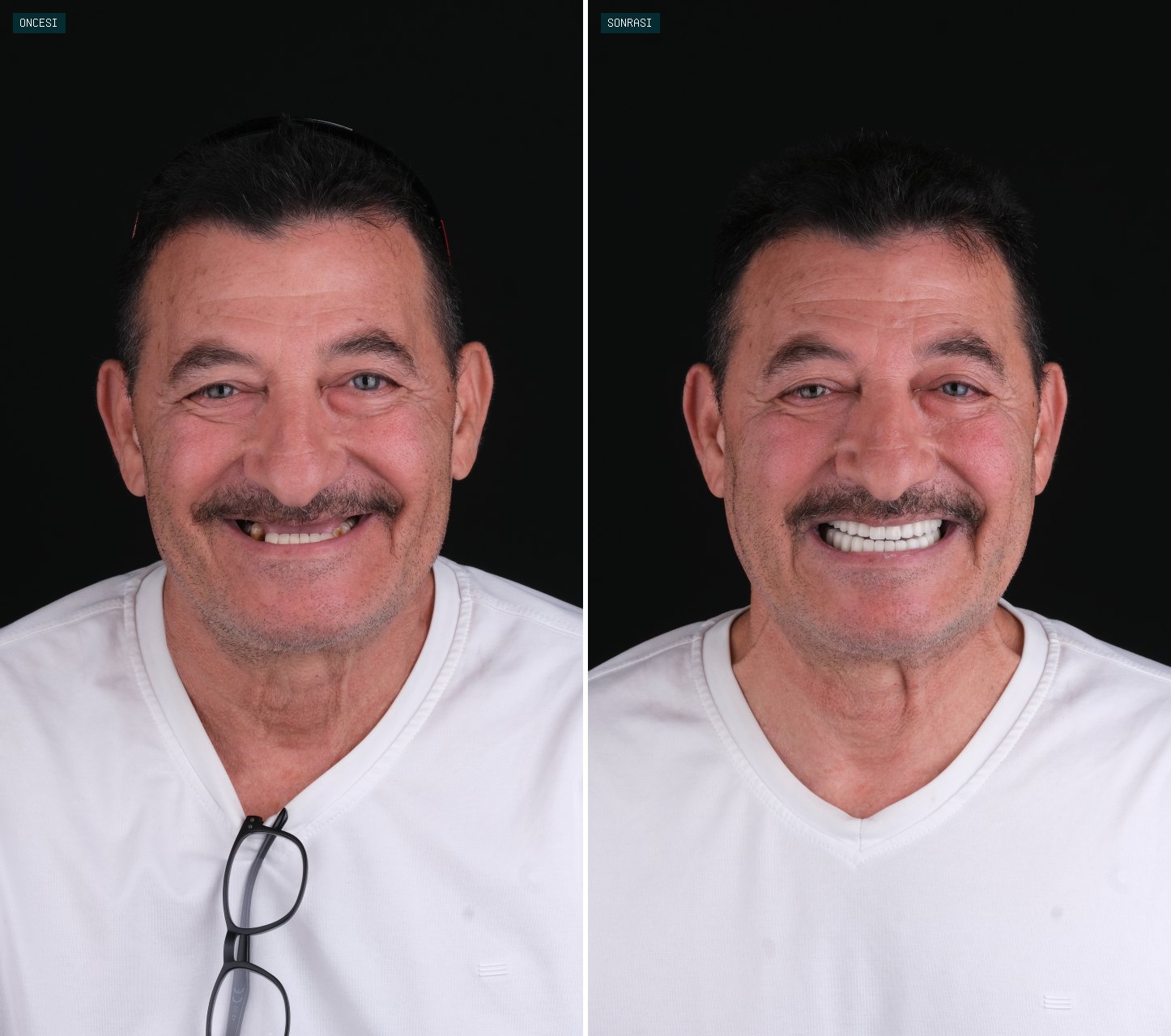
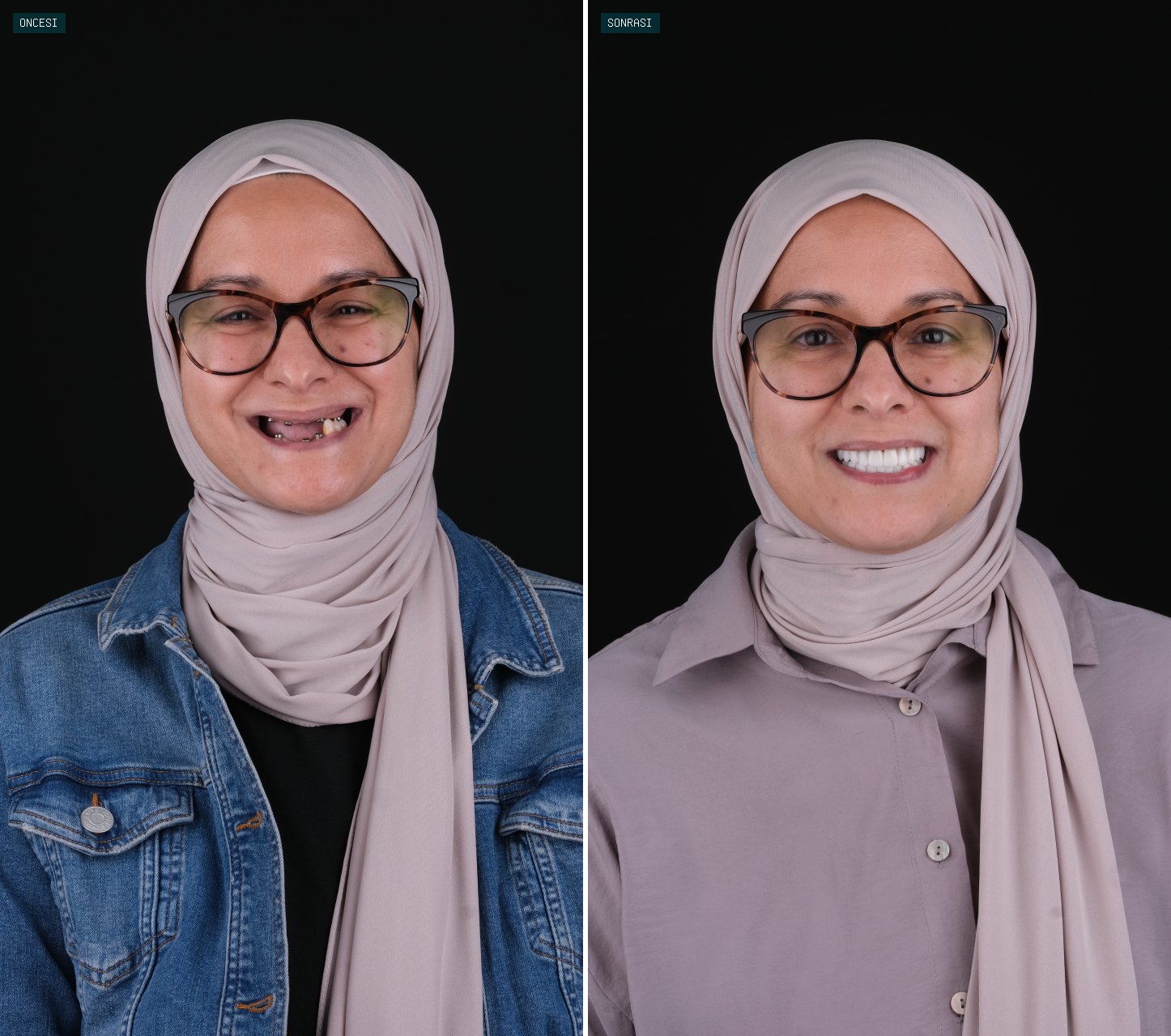
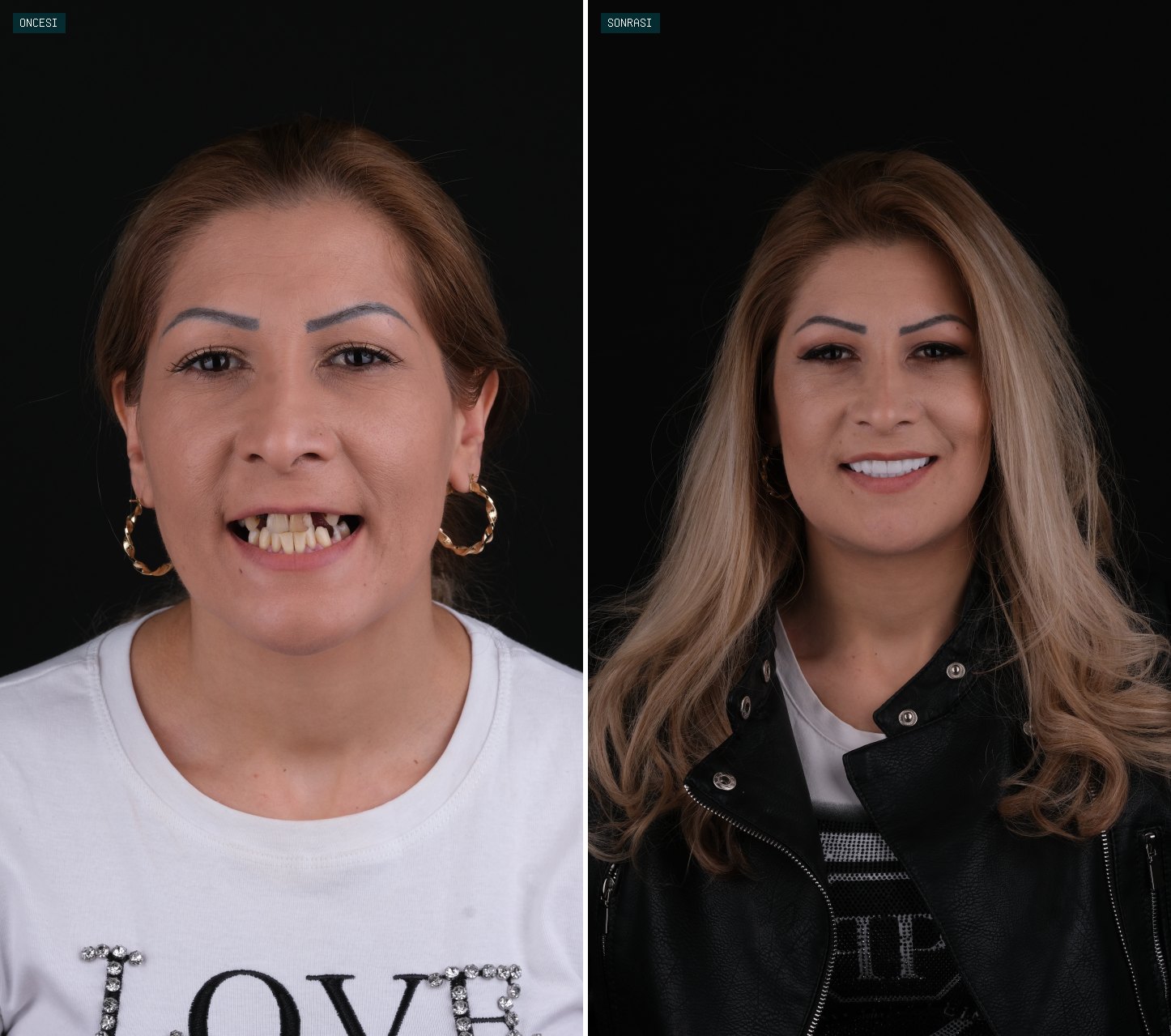
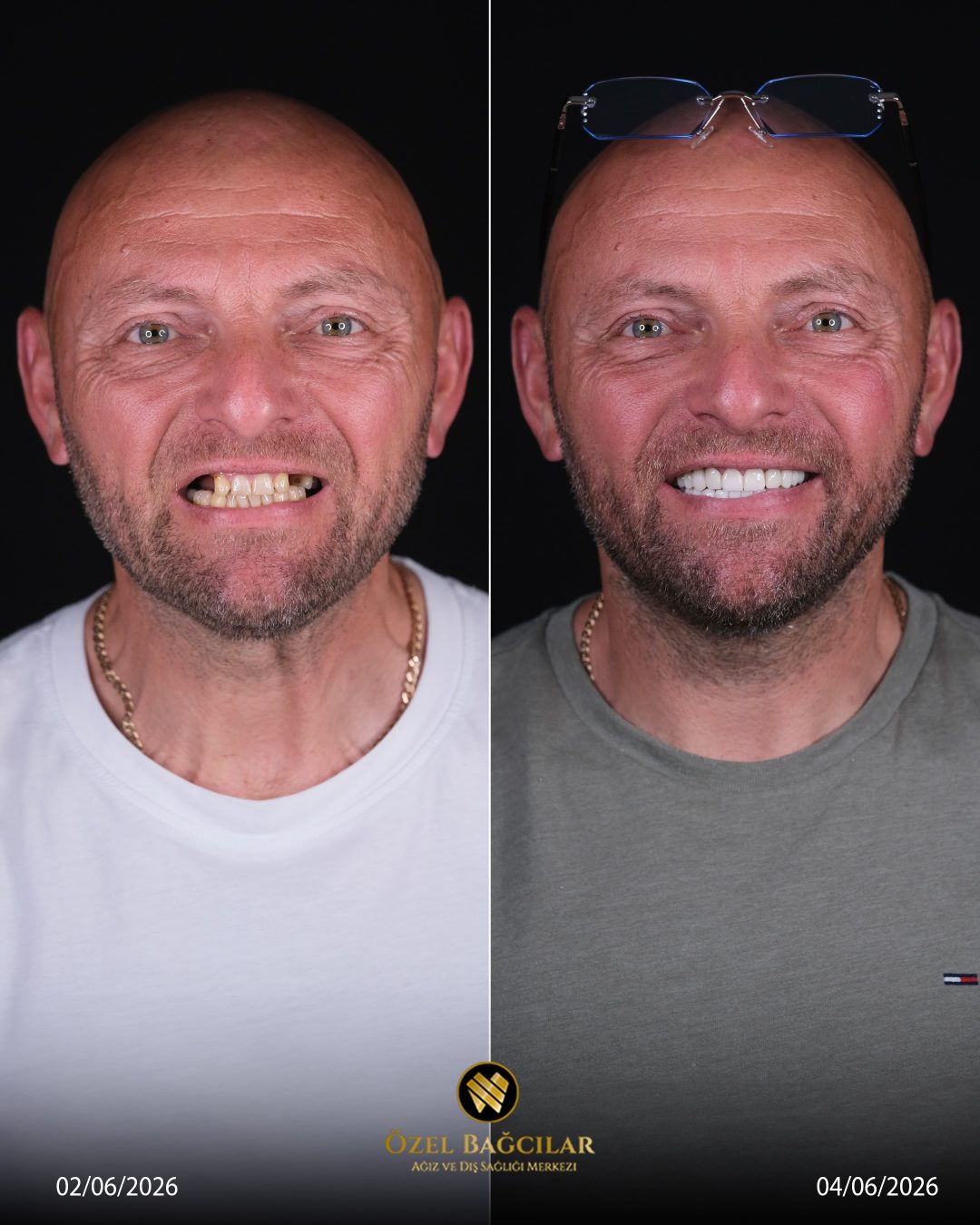
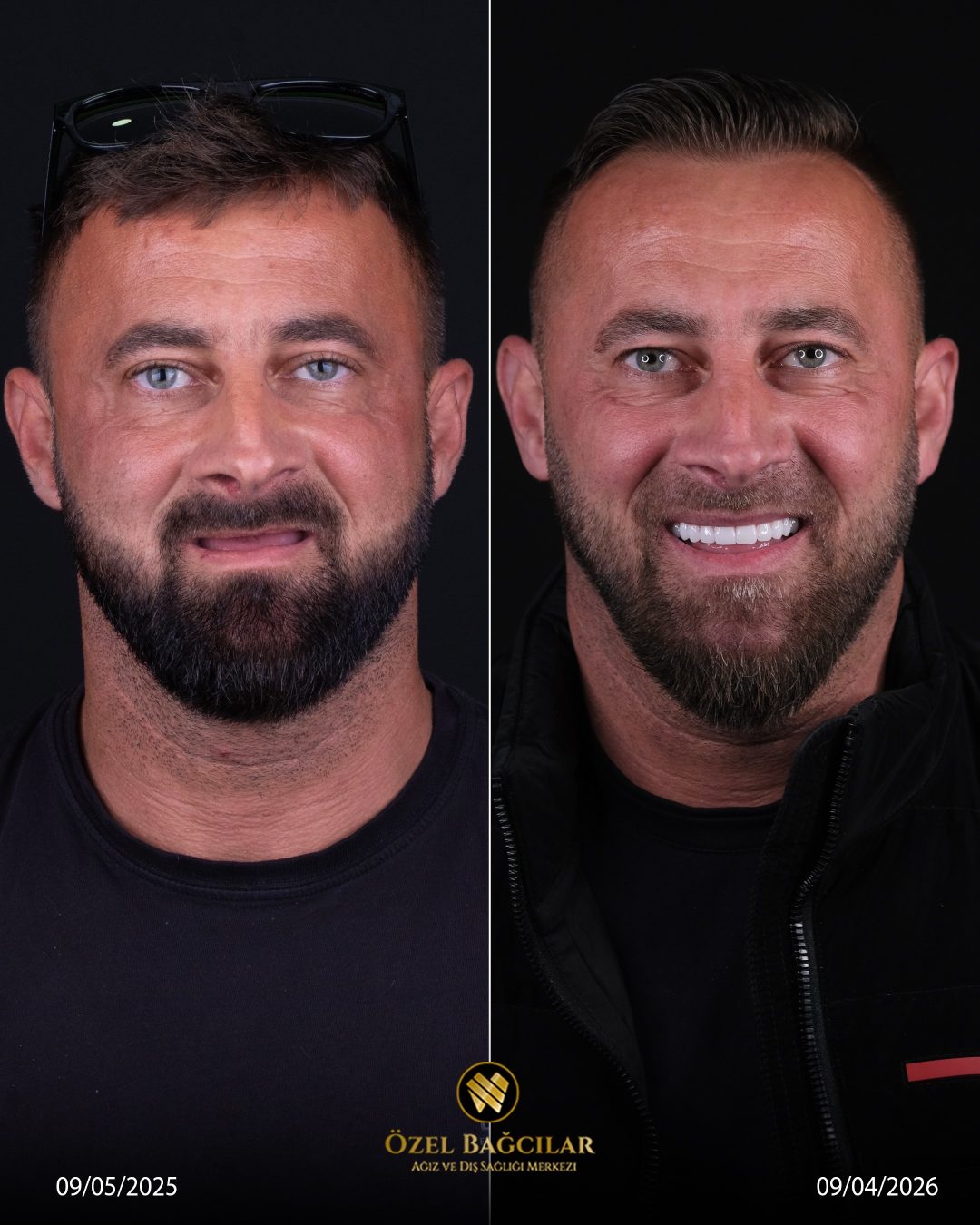
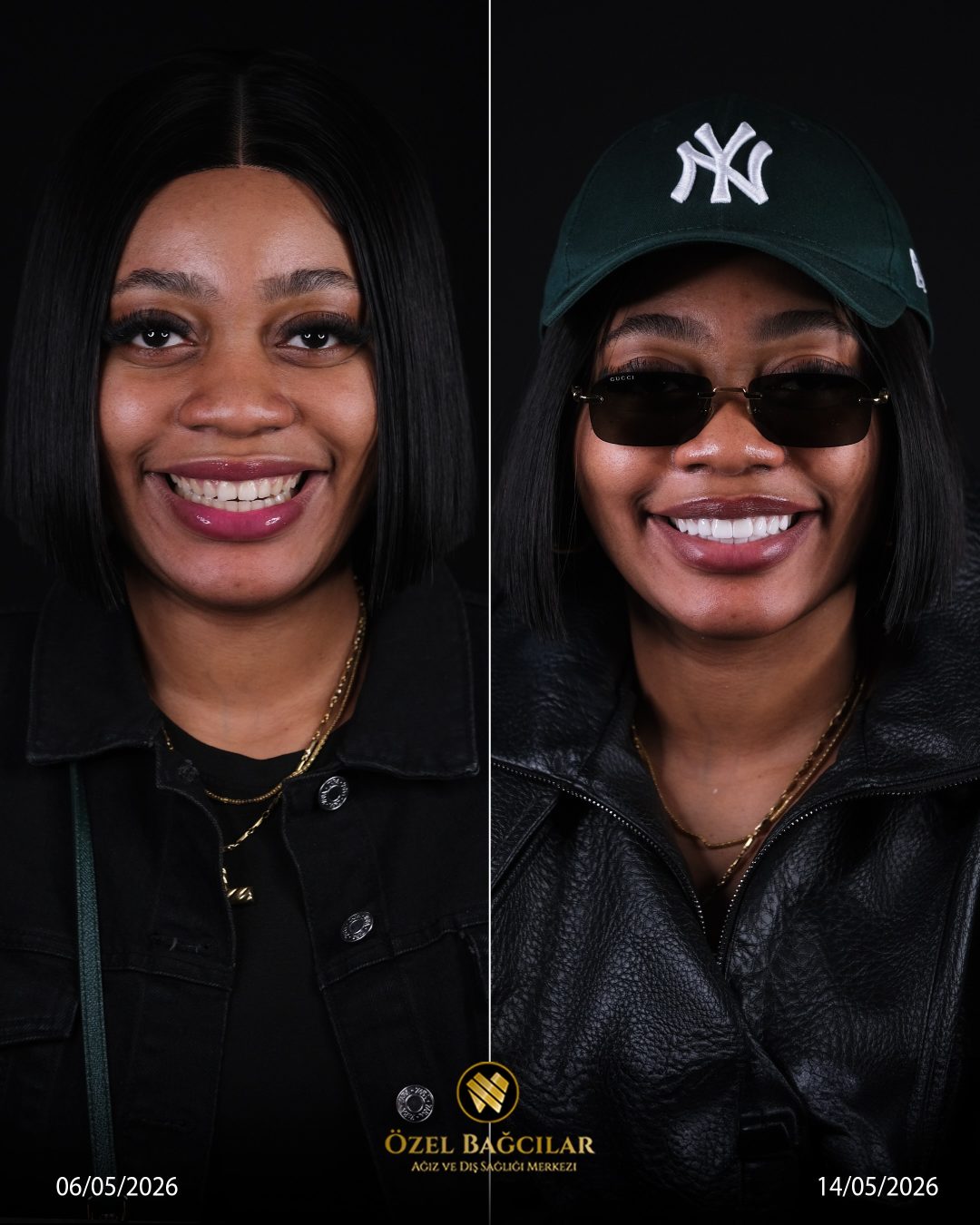
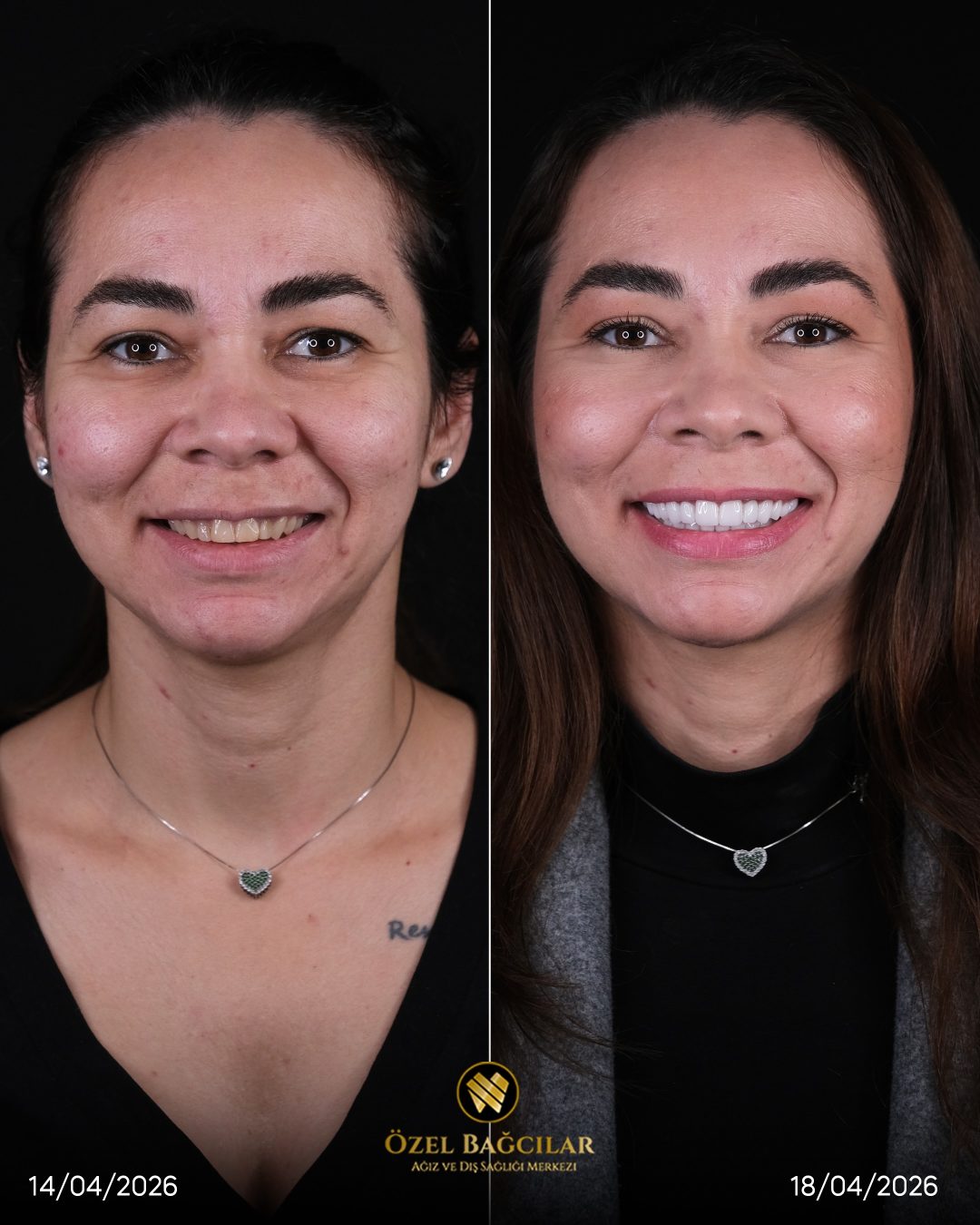
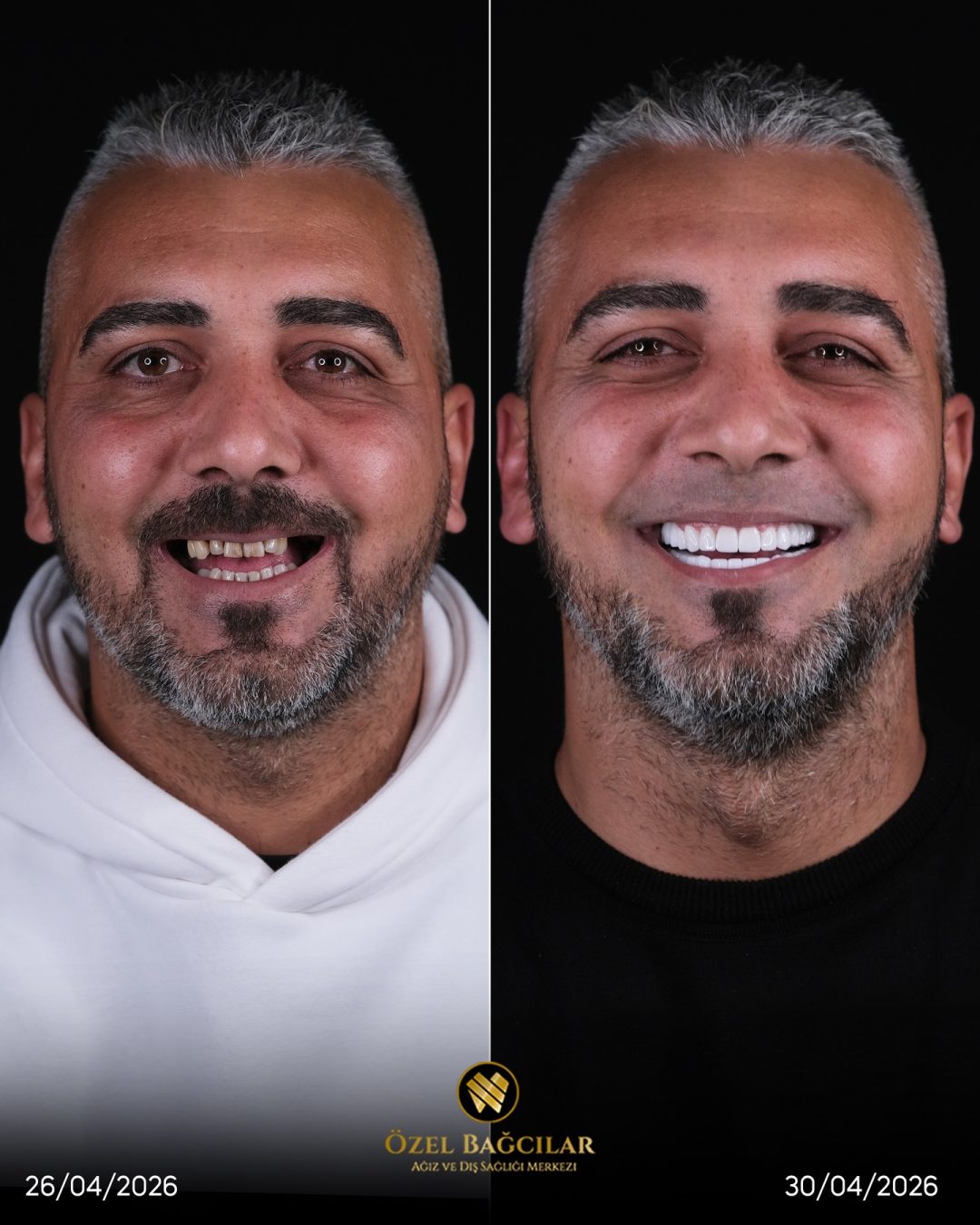
Google Reviews 4.6/5 1.682+ Happy Patients 30+ Countries

Language and Interpreting — Why It Is a Clinical Issue

✦ Planning Your Trip

Language and Interpreting — Why It Is a Clinical Issue

Consent given in a language you do not fully control is not consent. Where precision actually matters, and what to ask any clinic about it.

12+ Years of Experience
1682+ Happy Patients
25 Specialist Physicians
99% Success Rate
Lifetime Guarantee
Bağcılar Dental Clinic

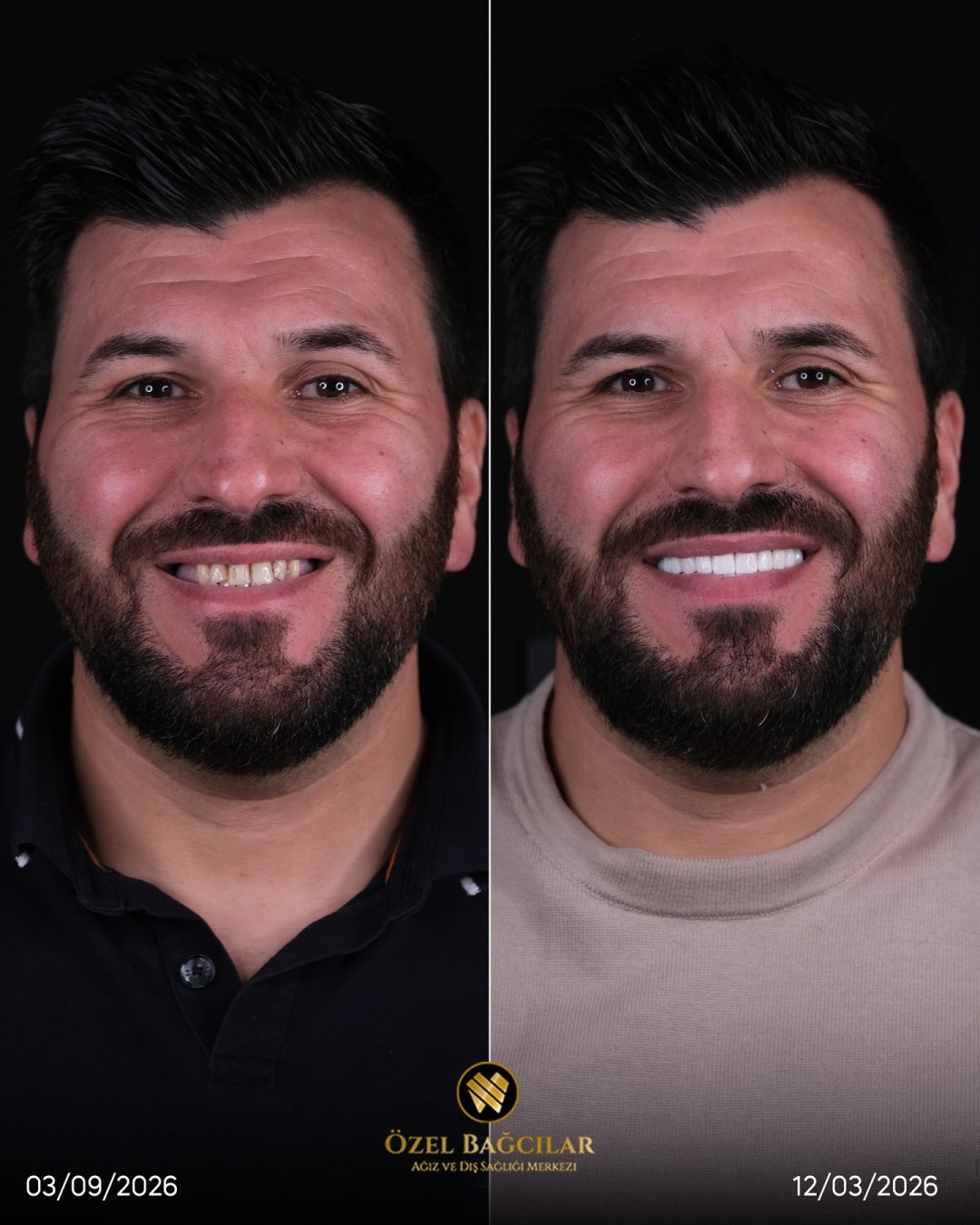
Before & After

Bağcılar Diş öncesi sonrası

Language is treated as a convenience in health tourism and it is not one. Three points in a treatment plan require genuine precision, and at each of them a misunderstanding produces a clinical consequence rather than an inconvenience.

The first is the consultation, where options are explained and one is chosen. The second is consent, where risks and alternatives are covered. The third is aftercare, where misunderstanding has direct physical consequences in the following days.

Everything else — booking, transfers, scheduling — can be managed with translation applications and goodwill. Those three cannot, and a clinic that treats them the same way has not thought about the difference.

This page sets out where precision genuinely matters, what standard to expect, what to ask any clinic before booking, and how we handle it here.

The Three Points Where It Matters

Worth separating out, because a clinic that speaks your language at reception and not in the surgery has solved the visible half of the problem and not the important one.

The consultation. This is where options are explained and one is chosen — an implant against a bridge, six teeth against ten, alignment before restoration. Those are decisions with permanent consequences and they turn on distinctions that do not survive approximate translation.

The consent discussion. What is being done, what the risks are, what the alternatives were and what happens if something does not go as expected. Consent is a legal and ethical concept that depends on comprehension, and comprehension is exactly what a language barrier removes.

The aftercare instructions. Do not rinse on the first day, do not use a straw, take the pain relief before the anaesthetic wears off, report swelling that is still increasing on day four. Each of those has a physical consequence if it is misunderstood.

Those three are the whole of it. A clinic that gets them right has solved the language question regardless of how the rest of the trip is handled.

A fourth point applies where sedation is planned. The fasting instructions and the escort requirement have to be understood precisely, because an appointment is cancelled if fasting has not been followed and the reason is safety rather than administration.

Written Beats Spoken

The single most useful principle here, and it is the one most often inverted by clinics that treat language as hospitality.

Spoken translation happens once, at speed, in a room where you are also processing a great deal else. You remember some of it, you misremember some of it, and there is nothing to check against afterwards.

Written material stays with you. You read it at your own pace, you read it again on the flight home, and it is what any dispute or any future clinician refers to. That is a categorically different thing.

So the question to ask a clinic is not whether someone speaks your language but whether the treatment plan, consent forms, aftercare instructions and guarantee are provided in writing in it.

A clinic that does this already will send you a sample without difficulty. A clinic that translates verbally on the day will not have one to send, and the absence is the answer — the written plan is the document everything else depends on.

It matters most for the records you take home. The material list and the treatment summary will be read by a dentist in your own country years from now, and they need to be comprehensible to both of you.

What Should Be in Writing, in Your Language

Six documents, and each of them exists in the clinic already. Providing them in your language is a translation task rather than an additional service.

Six documents that should be in your language — none of them is optional
DocumentWhy it must be in your languageWhen you should receive it
Treatment planTooth by tooth, with reasons — the basis of every decisionBefore agreeing anything
Itemised costsWhat is included and what is excludedWith the plan
Consent formsComprehension is what makes consent validBefore treatment
Aftercare instructionsDirect physical consequences if misunderstoodBefore you leave the clinic
Guarantee termsWhat is covered, what voids it, how to claimBefore treatment
Records summaryWhat was done, in what materials, by whomAt the end of treatment

The fourth is the one with the most immediate consequences. Aftercare instructions read imperfectly on the flight home are the difference between a straightforward recovery and an avoidable complication.

The fifth matters years later. A guarantee you cannot read is a guarantee you cannot invoke, and its terms are what govern anything that goes wrong from another country.

The costs document deserves the same care as the clinical one. An itemised quote states what is excluded as well as what is included, and an exclusion misread is a cost discovered rather than agreed.

Which Languages, and Why the Answer Varies

Clinics serving international patients tend to work in the languages of the countries their patients come from, which means the list differs between clinics and between countries.

English is close to universal in clinics treating international patients anywhere, because it functions as the common language of health tourism. That does not mean it is your language, and being expected to use a second language for a consent discussion is a real burden.

This site publishes in twelve languages besides Turkish — Arabic, Bulgarian, German, English, Spanish, Persian, French, Italian, Polish, Portuguese, Romanian and Russian. That reflects where patients come from and what written material is prepared in.

What arrangement applies to your appointments specifically is confirmed when you book rather than assumed from a website. Ask directly, and ask about the three points above rather than in general.

Where a language is not covered, an honest answer is more useful than an optimistic one. A clinic saying "we will arrange an interpreter for that appointment" has told you something real; one saying "everyone here speaks everything" has not.

Family Members as Translators

Common, welcome, and not a substitute for a proper arrangement. The distinction is worth explaining because refusing the help would be wrong and relying on it would be worse.

Medical vocabulary is specific. Words like resorption, integration, prognosis and margin have precise meanings that a fluent bilingual speaker without dental background will approximate, and the approximation is where the misunderstanding enters.

There is also a burden question. Asking a relative to carry a consent discussion makes them responsible for your understanding of a risk, which is unfair to them and unreliable for you.

And there is a candour question. Patients frequently modify what they say when a family member is translating — about anxiety, about smoking, about what they actually want — and that modification affects the plan.

So bring them by all means. They are useful, they remember what you forget, and they should not be the mechanism by which you understand what is being done to you.

There is one exception worth naming. Where a patient has limited literacy in any language, a trusted family member is genuinely part of the arrangement rather than a substitute for it, and the clinic should plan around that explicitly.

Translation Applications

Genuinely useful for most of a trip and genuinely inadequate for the three points where it matters, and the difference is worth being clear about.

For directions, restaurants, shops and ordinary conversation they work well and have made travelling considerably easier than it was. Nothing on this page argues against using them.

For a consent discussion they are not adequate. They translate sentences rather than meaning, they handle specialist vocabulary poorly, and they provide no way for either party to notice that something has been misunderstood.

They are also one-directional in practice. You can understand roughly what is being said; you cannot easily ask the follow-up question that reveals you have not, which is the part that matters.

Use them freely for everything else, and insist on a proper arrangement for the consultation, the consent and the aftercare. That is the correct division of labour.

There is one place they are genuinely valuable in a clinical setting: showing a photograph or a word you have looked up in advance. Preparing the specific vocabulary for your own case before the appointment turns the application into a reference rather than a conduit.

The Consultation Specifically

Where the language question does the most work, because it is where the decisions are made rather than executed.

A proper consultation produces options rather than a proposal, and choosing between them requires understanding what each involves. An implant and a bridge differ in ways that take several sentences to explain, and those sentences have to land.

It also requires you to be able to ask. The most useful question in dentistry — what is the smallest treatment that would address this, and why is it not what you are proposing — is not one you can ask through an application.

And it requires the clinician to understand you. What specifically bothers you, in your own words, is the input the whole plan is built from, and a mistranslation there produces a technically excellent treatment for the wrong complaint.

Which is why a video consultation before travelling is worth having in your own language — what that conversation should cover sets out the ground it needs to reach.

Comparison decisions are the hardest to translate well. Weighing an implant against a bridge turns on what happens to the neighbouring teeth over decades, and that is several sentences of reasoning rather than a single recommendation.

Aftercare, Where the Consequences Are Physical

The point where a language failure produces something you can feel rather than something you regret later.

The first-day instructions after surgery exist for one reason: protecting the blood clot. Do not rinse, do not use a straw, do not smoke, keep your head elevated, apply cold. Each has a mechanism and each has a consequence if it is missed.

The warning signs matter equally. Swelling that is still increasing on day four, pain that worsens from day three, fever, difficulty swallowing — knowing which of those needs immediate local care and which needs a message is not a detail.

Medication instructions are the third. Which to take, when, how often, what to avoid, and what interacts with what you already take. A mistake there is a different order of problem.

All of it should be in writing, in your language, given before you leave rather than explained at the door — the full aftercare guidance is what you should be able to read on the flight home.

Where a night guard or a retainer is part of the plan, its instructions belong in the same document. A guard that is not worn protects nothing, and "wear it at night" is exactly the kind of instruction that survives translation badly.

What to Ask Before Booking

Five questions, all answerable in one message, and the answers tell you whether language has been treated as a clinical matter or a hospitality one.

  1. Will the consultation be in my language, with the treating clinician?
  2. Will the written treatment plan be provided in my language?
  3. Will the consent forms be in my language?
  4. Will the aftercare instructions be in my language, in writing, before I leave?
  5. Can you send me a sample of your written material in my language now?

The fifth is the diagnostic one. A clinic that produces written material in your language routinely has a sample to hand and sends it in minutes; a clinic that translates verbally has nothing to send.

The first is the second most useful. Speaking to the treating clinician rather than to a coordinator, in your own language, is the arrangement that actually matters — a clinical explanation relayed second-hand loses its reasoning.

None of these are unreasonable requests and none require anything a properly organised clinic does not already have.

Ask them alongside the credential questions rather than separately. The documents worth requesting and the language arrangement fit in the same message, and a clinic that answers both completely has told you a great deal in one reply.

Coordinators Versus Clinicians

A distinction that language arrangements frequently obscure, and one worth protecting deliberately.

A coordinator handling scheduling, transfers and accommodation in your language is a legitimate and useful role. Most of a treatment trip is logistics and having someone manage it is genuinely helpful.

It becomes a problem where the coordinator is the only person you deal with. A clinical explanation relayed by a non-clinician is a game of telephone, and the reasoning — which is the part that matters — does not survive the relay.

The line to hold is that clinical questions are answered by clinicians. You should be able to speak to the person treating you, in your language, about the clinical decisions.

That is separate from the conversation about flights and hotels, and a clinic that keeps them separate is organised properly — who will actually treat you is a question with a name for an answer.

A coordinator can also make the arrangement work better rather than worse. Where they schedule the clinical conversations so that the right person and the right language are in the room together, that is exactly what the role is for.

Where Interpreting Is Genuinely Needed

Distinct from a clinic simply working in your language, and worth naming because it applies to a real group of patients.

Where your language is not one the clinic works in routinely, a professional interpreter is the correct arrangement rather than an improvised one. That is arranged in advance and it is a normal thing to request.

Medical interpreting is a discipline with its own training, and an interpreter used to clinical settings handles the vocabulary and the register in a way a general one does not.

Where it is needed, it is needed for the three points rather than for the whole trip. Booking an interpreter for the consultation, the consent discussion and the aftercare briefing covers what matters at a fraction of the cost of continuous presence.

Ask whether that can be arranged before booking flights. A clinic that says yes and names how has thought about it; one that deflects is telling you it has not.

It matters most for complex plans. A reconstruction involves stages, testing appliances and decisions spread across months, and each stage has its own explanation to be understood.

How We Handle It

By treating the three points as clinical rather than hospitable, and by putting everything in writing.

Clinical conversations happen in your language, with the treating clinician rather than relayed through a coordinator. That covers the consultation, the consent discussion and the aftercare briefing.

The written material follows: the treatment plan tooth by tooth, the itemised costs, the consent forms, the aftercare instructions and the guarantee terms, all in your language and all given to you rather than read out.

Where a family member is translating, they are welcome and the arrangement stays in place regardless. Carrying a consent discussion is not something to put on a relative, and having them there for support is a different matter.

Which languages apply to your appointments specifically is confirmed when you book. Ask, and ask for a sample of the written material — what to arrange before flying covers the rest of the preparation.

Frequently Asked Questions

Why is language a clinical issue rather than a convenience?
Because three points in a treatment plan depend on comprehension: the consultation where options are chosen, the consent discussion where risks are covered, and the aftercare instructions where misunderstanding has physical consequences. Everything else can be managed with an application and goodwill.
What matters more, spoken or written?
Written, considerably. Spoken translation happens once at speed with nothing to check against afterwards. Written material stays with you, is read at your own pace, and is what any future clinician or any dispute refers to. Ask what is provided in writing.
Which documents should be in my language?
The treatment plan tooth by tooth, the itemised costs, the consent forms, the aftercare instructions, the guarantee terms and the records summary. All six exist in the clinic already, so providing them in your language is a translation task rather than an additional service.
Can my family member translate for me?
They are welcome and it is not a substitute. Medical vocabulary is specific and a fluent bilingual speaker without dental background will approximate it. There is also a candour question — patients modify what they say about anxiety or smoking when a relative is translating.
Are translation applications good enough?
For directions, restaurants and ordinary conversation, entirely. For a consent discussion, no — they translate sentences rather than meaning, handle specialist vocabulary poorly, and give neither party a way to notice something has been misunderstood. Preparing the vocabulary for your own case beforehand makes them a useful reference.
Which languages do you work in?
This site publishes in twelve languages besides Turkish — Arabic, Bulgarian, German, English, Spanish, Persian, French, Italian, Polish, Portuguese, Romanian and Russian. What arrangement applies to your specific appointments is confirmed when you book rather than assumed. Ask about the three key points specifically rather than about the clinic in general.
What should I ask a clinic about language?
Whether the consultation will be with the treating clinician in your language, whether the plan, consent forms and aftercare will be written in it, and whether they can send you a sample of that written material now. The last is the diagnostic question.
Why does the sample request work as a test?
Because a clinic that produces written material in your language routinely has one to hand and sends it in minutes. A clinic that translates verbally on the day has nothing to send, and the absence answers the question more clearly than any assurance would.
Should I speak to the dentist or a coordinator?
The dentist, for anything clinical. A coordinator handling scheduling and logistics in your language is useful and legitimate. It becomes a problem where they are the only person you deal with, because a clinical explanation relayed second-hand loses its reasoning.
What if my language is not one the clinic works in?
A professional interpreter is the correct arrangement, booked in advance. Medical interpreting is its own discipline and an interpreter used to clinical settings handles the vocabulary properly. It is needed for the three key points rather than for the whole trip.
Is English enough if it is my second language?
It may be for scheduling and not for consent. Being expected to make permanent treatment decisions in a second language is a real burden, and a clinic treating international patients should be able to offer better. Ask rather than assuming you must manage.
Why does the aftercare need to be written?
Because the consequences are physical and immediate. Do not rinse on the first day, do not use a straw, take pain relief before the anaesthetic wears off, report swelling still increasing on day four — each has a mechanism, and you will read them on the flight home.
Does the guarantee need to be in my language?
Yes. A guarantee you cannot read is a guarantee you cannot invoke, and its terms are what govern anything that goes wrong once you are back home. What is covered, what voids it and how a claim is made all need to be comprehensible to you.
Will the consultation be with the dentist directly?
It should be, and it is worth confirming before booking. The plan is explained by the person who wrote it rather than relayed, and you need to be able to ask follow-up questions — particularly the one about what the smaller treatment would be.
When is all this confirmed?
At the booking stage rather than on arrival. Ask which languages apply to your specific appointments, ask for a sample of the written material, and get the answer before flights are booked. It is far easier to arrange in advance than to improvise.

Ready to start your treatment?

Get a free online assessment and a transparent treatment plan from our Istanbul clinic.

Contact
✦ Our Patients
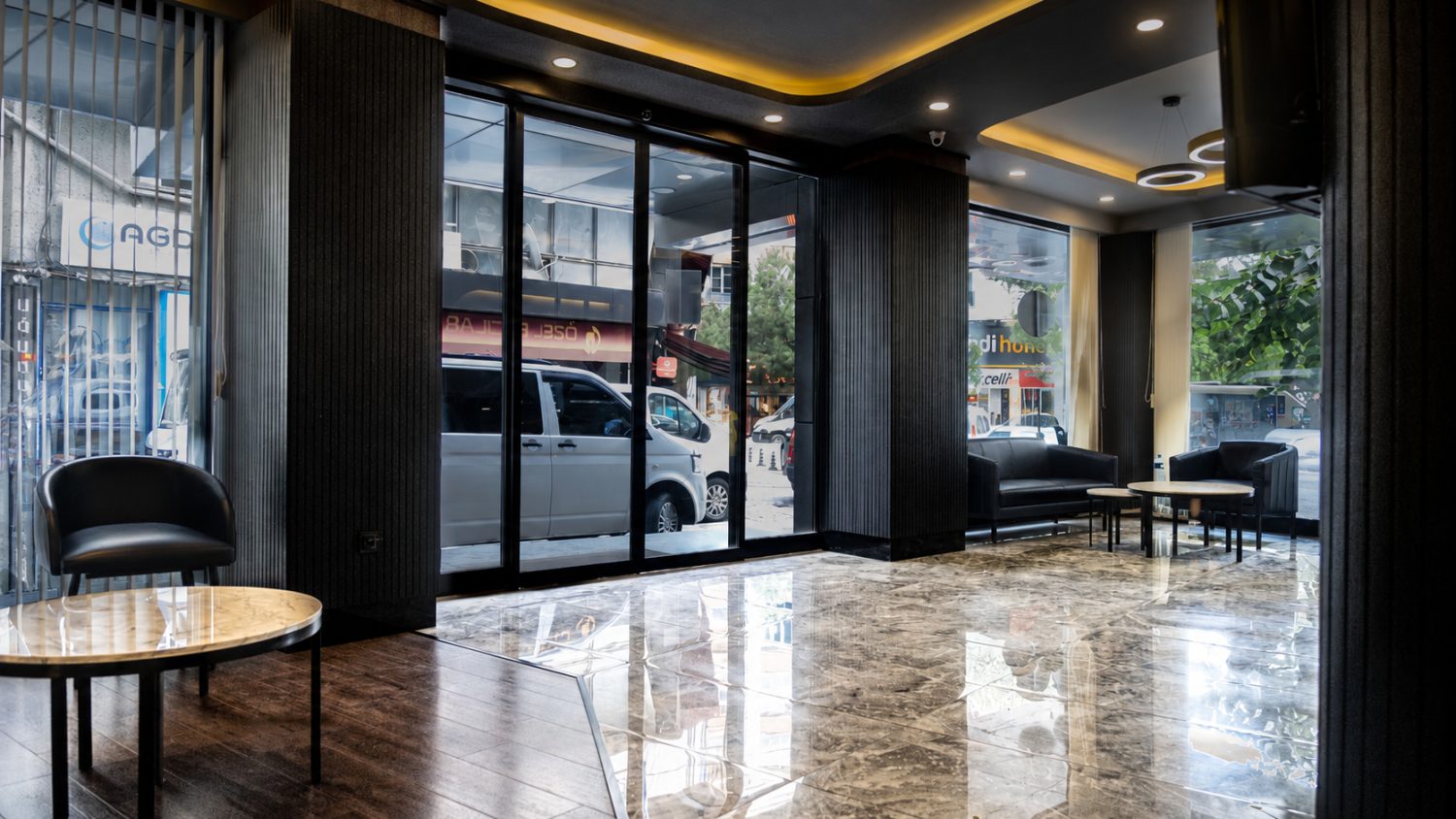
✦ Our Clinic
✦ Our doctors

Our Expert Staff

A safe, comfortable and transparent treatment process at every stage with our experienced physicians.

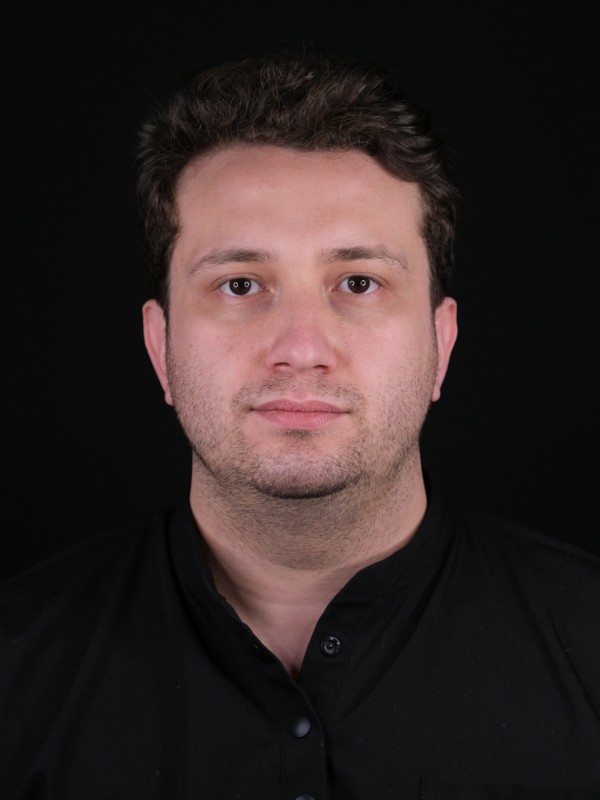
Dt. Muhammed Yancar

Dt. Muhammed Yancar

Responsible Manager · Dentist

He graduated from Okan University Faculty of Dentistry (2022). He works as the responsible manager and dentist at Bağcılar Dental Polyclinic. He is a member of the Turkish Prosthodontics and Implantology Association (TPİD) and the Turkish Dental Association (TDB).

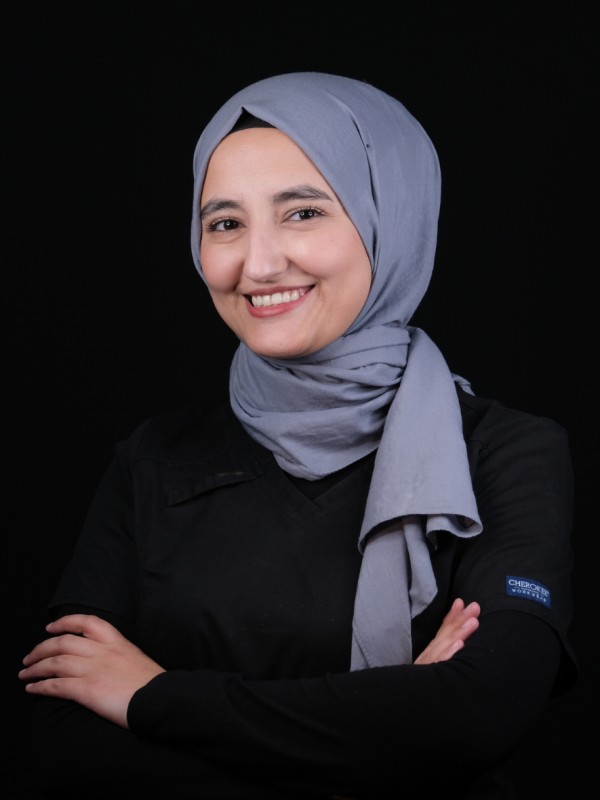
Dr. Dt. Remziye Kuşağlı

Dr. Dt. Remziye Kuşağlı

Responsible Dentist

He graduated from Dicle University Faculty of Dentistry (2005); He has 21 years of experience. It specializes in implant-supported dentures, All-on-4/All-on-6, zirconium, laminate and E-max coating treatments. He is a member of TDB.

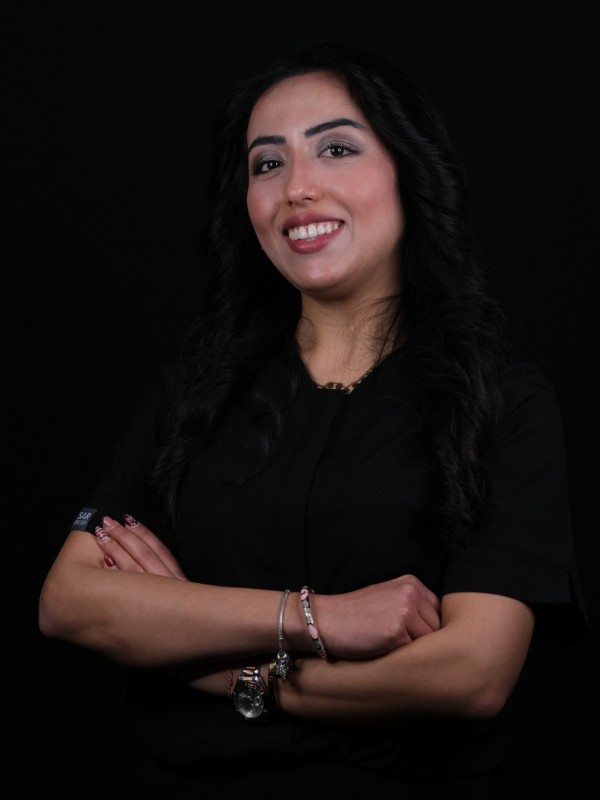
Uzm. Dr. Dt. Nazlı Altın

Uzm. Dr. Dt. Nazlı Altın

Oral and Maxillofacial Surgery Specialist

He graduated from Istanbul University Faculty of Dentistry; He completed his doctorate in oral, dental and maxillofacial surgery. He specializes in complex cases with implant surgery, jaw surgery and bone grafting.

Uzm. Dt. Uğur Derdiyok

Uzm. Dt. Uğur Derdiyok

Oral and Maxillofacial Surgery Specialist

He graduated from Ankara University Faculty of Dentistry; He completed his specialization in oral, dental and maxillofacial surgery at Kırıkkale University. He is an expert in surgical practices with 11 years of experience.

Uzm. Dt. Ceren Çetinkaya

Uzm. Dt. Ceren Çetinkaya

Orthodontic Specialist

He graduated from Ege University Faculty of Dentistry; He completed his orthodontics specialization at Istanbul University. He is experienced in fixed and transparent plate treatments and focuses on functional and aesthetic results.

Dr. Dt. Hakan Şahin

Dr. Dt. Hakan Şahin

Pedodontics Specialist (Pediatric Dentist)

He graduated from Atatürk University Faculty of Dentistry; He completed his pedodontics specialization. It has been providing preventive and therapeutic services in children's dental health for many years.

Uzm. Dt. Natiga Israfilova

Uzm. Dt. Natiga Israfilova

Prosthetic Dentistry Specialist

He is a graduate of Azerbaijan Medical University; He completed his prosthetic dentistry specialization at Eskişehir Osmangazi University. With 20 years of experience, he is an expert in implant prostheses, All-on-4/6, zirconium, laminate and E-max applications.

Dt. Nur Küçük

Dt. Nur Küçük

Prosthodontics & Digital Dentistry

He graduated from Istanbul Medipol University, Department of Dentistry; He continues his doctoral education in prosthetic dentistry. He works on aesthetic and functional restorations and smile design with CAD/CAM systems.

Dt. Mehmet Emin Ceylan

Dt. Mehmet Emin Ceylan

Implant & Prosthesis

He graduated from Istanbul Aydin University Faculty of Dentistry; He has 7 years of experience. He specializes in implant-supported dentures, All-on-4/All-on-6 restorations, full mouth dentures and zirconium applications.

Dt. Zeynep Demirhan

Dt. Zeynep Demirhan

Prosthodontics & Aesthetic Dentistry

He graduated from Bezmiâlem Vakıf University, Faculty of Dentistry. He is experienced in prosthetic treatments, smile design, implant-supported prostheses and treatments under sedation; focuses on patient satisfaction.
Dt. Seda Şahle Alemdar

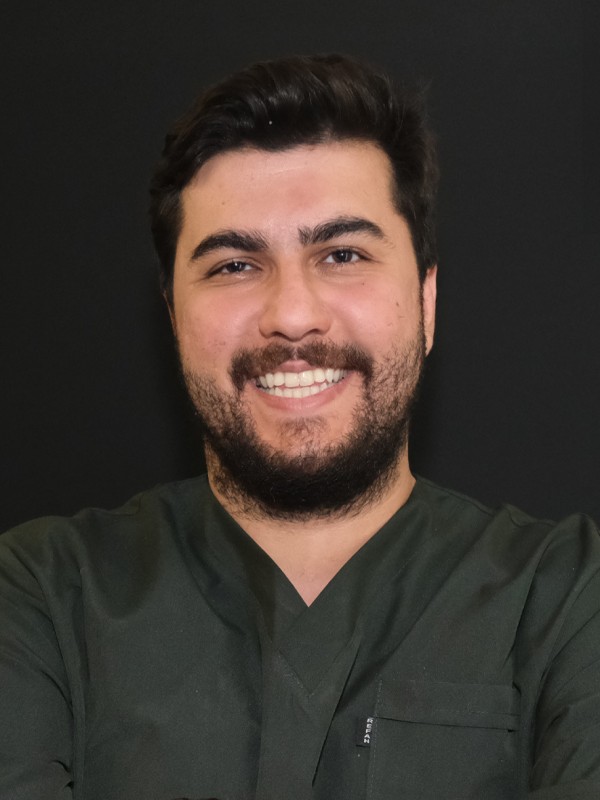
Dt. Seda Şahle Alemdar

Implant & Aesthetics · Digital

He graduated from Abant İzzet Baysal University Faculty of Dentistry (2020). He is experienced in implant-supported dentures, smile design, digital measurement systems and aesthetic restorations.

Dt. Muhammed Ali Almaz

Dt. Muhammed Ali Almaz

Implant & Aesthetic Dentistry

He graduated from Gazi University Faculty of Dentistry (2021); He has 5 years of experience. He works with health tourism patients in the fields of implant prostheses, All-on-4, zirconium, aesthetic fillings and teeth whitening.

Dt. Berkay Pehlivanoğlu

Dt. Berkay Pehlivanoğlu

Restorative & Prosthetic

He graduated from Marmara University Faculty of Dentistry (2021); He has 6 years of experience. He works in the fields of endodontics (root canal treatment), restorative treatments, zirconium/E-max/laminate prosthesis and implant-supported prosthesis.

Dt. Esranur Çelik

Dt. Esranur Çelik

Restorative & Periodontology

He graduated from Süleyman Demirel University Faculty of Dentistry (2017); He has 9 years of experience. He works in periodontology (gum), restorative and endodontic treatments and aesthetic smile design.

Dt. Havva Öztürk

Dt. Havva Öztürk

General & Restorative Dentistry

He graduated from Bolu Abant İzzet Baysal University Faculty of Dentistry (2023). Works in restorative, endodontic, periodontal, prosthetic and pedodontic treatments; Follows current treatments closely.

Dt. Sümeyya Aydınlık

Dt. Sümeyya Aydınlık

Dentist

He graduated from Istanbul Yeni Yüzyıl University, Department of Dentistry (2020); Has approximately 5 years of experience. In addition to general dentistry, he works in implant prosthesis, restorative and endodontic treatments.

Dt. Hasip Altun

Dt. Hasip Altun

General Dentistry

He graduated from Yüzüncü Yıl University Faculty of Dentistry (2018). He has clinical experience in general dentistry and restorative treatments; It stands out with its patient-oriented approach.

Dt. Birsen Er

Dt. Birsen Er

Implant & Aesthetic Dentistry

He graduated from Istanbul University Faculty of Dentistry (2002); He has 24 years of experience. He works in the fields of implant-supported prostheses, All-on-4, zirconium restorations, aesthetic fillings, root canal treatment (endodontics) and teeth whitening.

✦ Our Videos
✦ Trusted Worldwide

What Our Patients Say

Google★★★★★
Trustpilot★★★★★
4.6/5 1.682+ Happy Patients 30+ Countries
A
Ayşe Kaya ★★★★★

I did not feel any pain during my implant treatment. The team is extremely attentive, I was informed at every stage. I love my new smile!

M
Mehmet Yıldız ★★★★★

My zirconium crowns looked very natural. It is excellent in terms of price-performance, I recommend it with peace of mind.

H
Hans Müller ★★★★★

I came from Germany for All-on-4 treatment. The clinic was very modern and hygiene was perfect. Translator support made my job much easier.

E
Elena Petrova ★★★★★

I came for my smile design; Everything was considered, including reception, hotel and transportation. My teeth were literally reborn.
F
Fatma Demir ★★★★★

My gum treatment was very successful. My doctor explained everything patiently, and my fear of the dentist was completely gone.

J
James Wilson ★★★★★

I came from London for laminate veneer. Professional team, painless procedure and great result. It was worth every penny.

Z
Zeynep Arslan ★★★★★

My orthodontic treatment proceeded as planned. The transparent record was very comfortable, no one even noticed. Thanks!

A
Andrei Popescu ★★★★★

I came from Romania for implants. From CT scan to treatment, everything started on the same day. I am very pleased with the result.

H
Hatice Şahin ★★★★☆

After teeth whitening, my teeth became visibly whiter. I got results in one session, it was very practical.

S
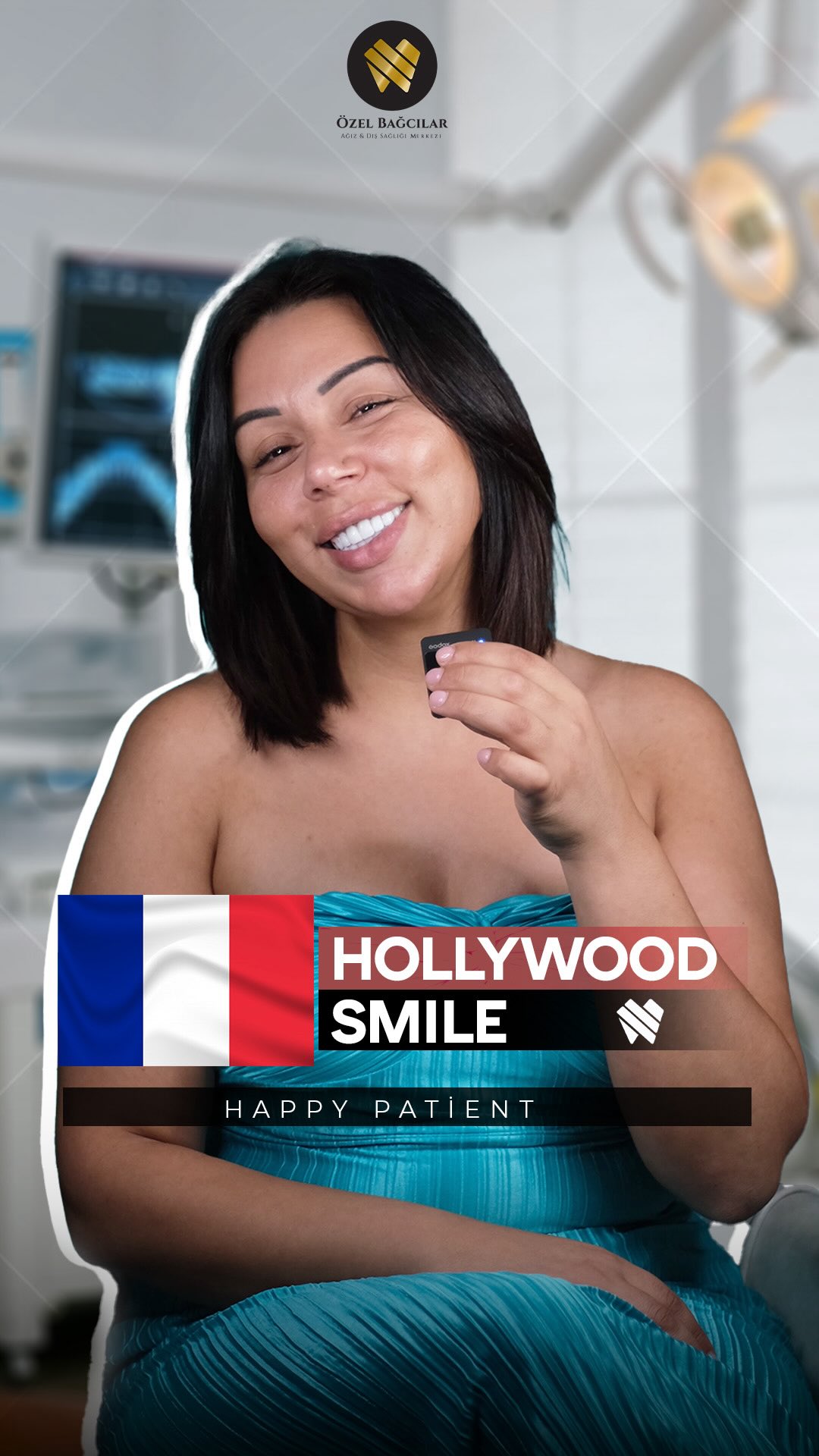
Sophie Dubois ★★★★★

I chose it for Hollywood Smile from France. The attention of the doctors and the naturalness of the result were far beyond my expectations.

A
Ali Çelik ★★★★★

My root canal treatment was painless and I returned to work the same day. Modern devices make a difference, well done.

M
Maria Rossi ★★★★★

I came from Italy for zirconium. It is much more advantageous than Europe in terms of both price and quality. I definitely recommend it.

E
Emine Yılmaz ★★★★★

We came for my mother's prosthetic teeth, they were very interested. The patience shown to elderly patients is admirable.

V
Viktor Ivanov ★★★★★

After the smile design, my self-confidence skyrocketed. The clinic is clean and the team is friendly. I recommend it to everyone from Sofia.

A
Ayşe Kaya ★★★★★

I did not feel any pain during my implant treatment. The team is extremely attentive, I was informed at every stage. I love my new smile!

M
Mehmet Yıldız ★★★★★

My zirconium crowns looked very natural. It is excellent in terms of price-performance, I recommend it with peace of mind.

H
Hans Müller ★★★★★

I came from Germany for All-on-4 treatment. The clinic was very modern and hygiene was perfect. Translator support made my job much easier.

E
Elena Petrova ★★★★★

I came for my smile design; Everything was considered, including reception, hotel and transportation. My teeth were literally reborn.
F
Fatma Demir ★★★★★

My gum treatment was very successful. My doctor explained everything patiently, and my fear of the dentist was completely gone.

J
James Wilson ★★★★★

I came from London for laminate veneer. Professional team, painless procedure and great result. It was worth every penny.

Z
Zeynep Arslan ★★★★★

My orthodontic treatment proceeded as planned. The transparent record was very comfortable, no one even noticed. Thanks!

A
Andrei Popescu ★★★★★

I came from Romania for implants. From CT scan to treatment, everything started on the same day. I am very pleased with the result.

H
Hatice Şahin ★★★★☆

After teeth whitening, my teeth became visibly whiter. I got results in one session, it was very practical.

S
Sophie Dubois ★★★★★

I chose it for Hollywood Smile from France. The attention of the doctors and the naturalness of the result were far beyond my expectations.

A
Ali Çelik ★★★★★

My root canal treatment was painless and I returned to work the same day. Modern devices make a difference, well done.

M
Maria Rossi ★★★★★

I came from Italy for zirconium. It is much more advantageous than Europe in terms of both price and quality. I definitely recommend it.

E
Emine Yılmaz ★★★★★

We came for my mother's prosthetic teeth, they were very interested. The patience shown to elderly patients is admirable.

V
Viktor Ivanov ★★★★★

After the smile design, my self-confidence skyrocketed. The clinic is clean and the team is friendly. I recommend it to everyone from Sofia.

B
Burak Aydın ★★★★★

I had a combination of implant and zirconium. The result is incredibly natural. The appointment and follow-up process was very orderly.

A
Anna Schmidt ★★★★☆

My laminate veneer treatment went well. It took a little waiting, but the result was perfect. Thanks for the translator support.

S
Selin Koç ★★★★★

I had gum aesthetics and whitening. I have no hesitation when laughing anymore. I am grateful to the entire team.

R
Robert Brown ★★★★★

My All-on-6 treatment changed my life. I came from England; The attention shown and the result achieved were perfect.

G
Gülşah Eren ★★★★★

We came for my child's dental treatment, they treated the child patients very kindly. He was treated without fear, we are very happy.

D
Dimitar Georgiev ★★★★★

Implant prices are very affordable compared to Bulgaria, and the quality is high. The entire process was completed in 4 days.

O
Okan Demirtaş ★★★★★

I can't recognize myself in photos after my smile design. My doctor's sense of aesthetics is really good.

C
Claudia Fischer ★★★★★

I came for my implant treatment, it was painless and fast. The clinic is above German standards, I am very pleased.

M
Merve Polat ★★★★★

I had a combination of orthodontics and whitening. The result is great, the team is very professional and caring.

L
Lucas Martin ★★★★★

I came from Paris for laminate veneer. I was very pleased with the natural result and warm attention. Thanks!

İ
İbrahim Kara ★★★★☆

My dental bridge treatment was durable and comfortable. Pricing was transparent, there were no surprise fees.

N
Natalia Sokolova ★★★★★

I came from Russia for smile design. The service quality and attention were excellent, my teeth turned out as I dreamed.

D
Deniz Aksoy ★★★★★

I had teeth whitening in one session, the difference was immediately obvious. It was a fast, clean and professional experience.

T
Thomas Becker ★★★★★

I came for All-on-4 and walked out smiling the same day with temporary teeth. The interest and technology are top notch, thank you very much.

B
Burak Aydın ★★★★★

I had a combination of implant and zirconium. The result is incredibly natural. The appointment and follow-up process was very orderly.

A
Anna Schmidt ★★★★☆

My laminate veneer treatment went well. It took a little waiting, but the result was perfect. Thanks for the translator support.

S
Selin Koç ★★★★★

I had gum aesthetics and whitening. I have no hesitation when laughing anymore. I am grateful to the entire team.

R
Robert Brown ★★★★★

My All-on-6 treatment changed my life. I came from England; The attention shown and the result achieved were perfect.

G
Gülşah Eren ★★★★★

We came for my child's dental treatment, they treated the child patients very kindly. He was treated without fear, we are very happy.

D
Dimitar Georgiev ★★★★★

Implant prices are very affordable compared to Bulgaria, and the quality is high. The entire process was completed in 4 days.

O
Okan Demirtaş ★★★★★

I can't recognize myself in photos after my smile design. My doctor's sense of aesthetics is really good.

C
Claudia Fischer ★★★★★

I came for my implant treatment, it was painless and fast. The clinic is above German standards, I am very pleased.

M
Merve Polat ★★★★★

I had a combination of orthodontics and whitening. The result is great, the team is very professional and caring.

L
Lucas Martin ★★★★★

I came from Paris for laminate veneer. I was very pleased with the natural result and warm attention. Thanks!

İ
İbrahim Kara ★★★★☆

My dental bridge treatment was durable and comfortable. Pricing was transparent, there were no surprise fees.

N
Natalia Sokolova ★★★★★

I came from Russia for smile design. The service quality and attention were excellent, my teeth turned out as I dreamed.

D
Deniz Aksoy ★★★★★

I had teeth whitening in one session, the difference was immediately obvious. It was a fast, clean and professional experience.

T
Thomas Becker ★★★★★

I came for All-on-4 and walked out smiling the same day with temporary teeth. The interest and technology are top notch, thank you very much.

✦ Our Brands
Straumann
Nobel Biocare
Astra Tech
Medentika
Bredent SKY
Straumann
Nobel Biocare
Astra Tech
Medentika
Bredent SKY
✦ Contact
Get in touch

İstanbul Bağcılarour central clinic

Merkez Mahallesi 675. Sokak No: 1-7/A-B, 34203 Bağcılar/İstanbul, Turkey

Open in Google Maps