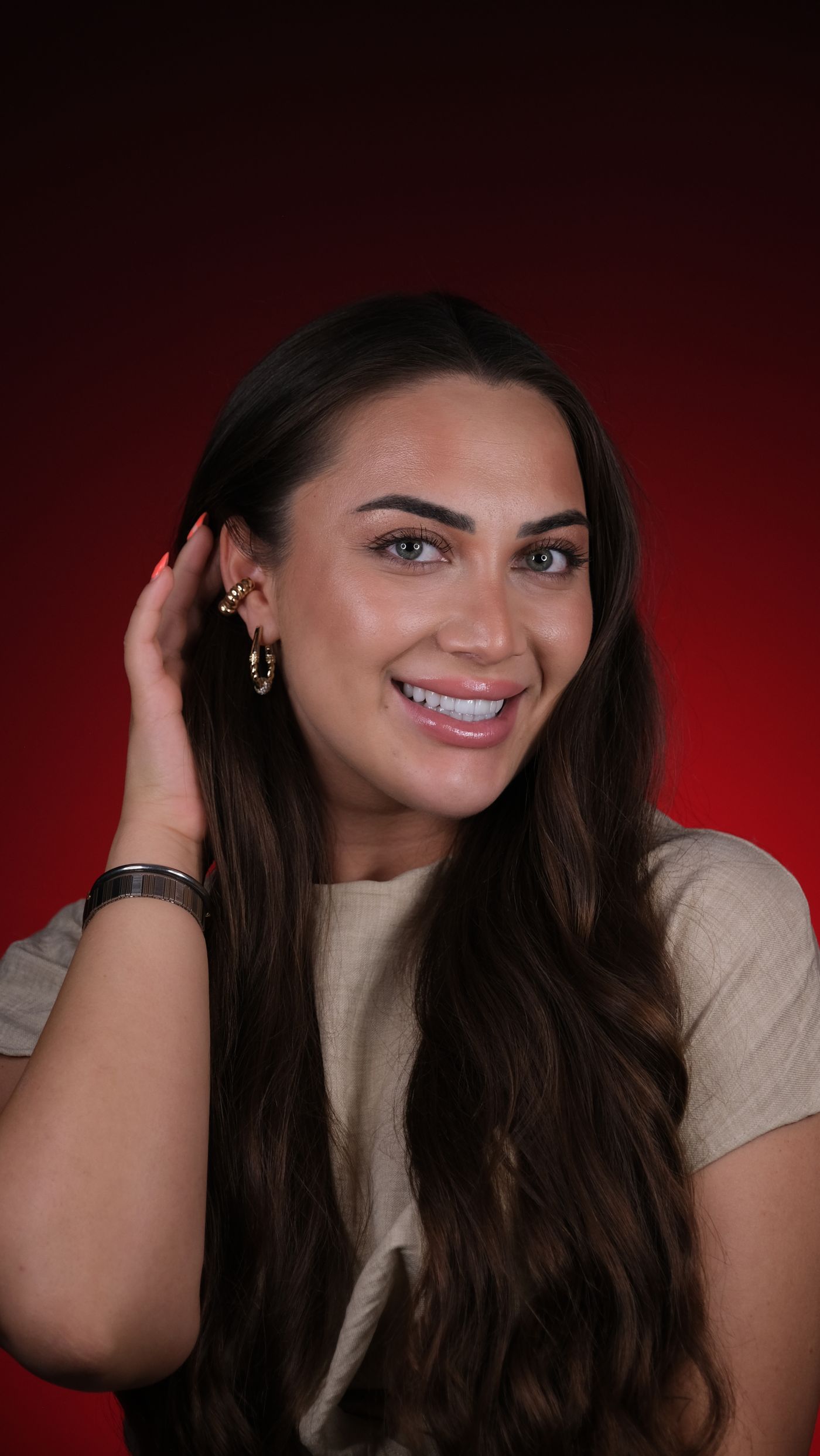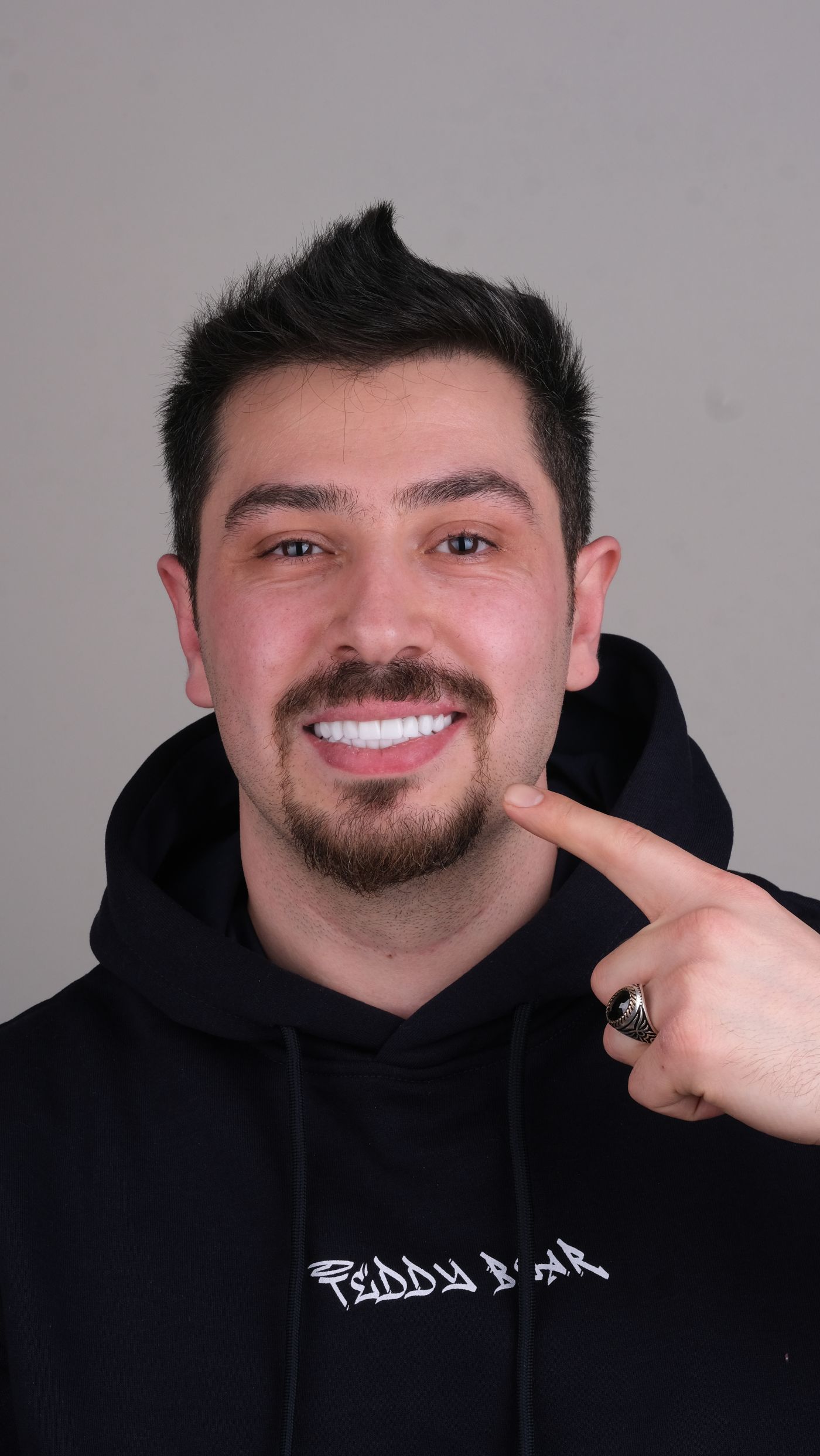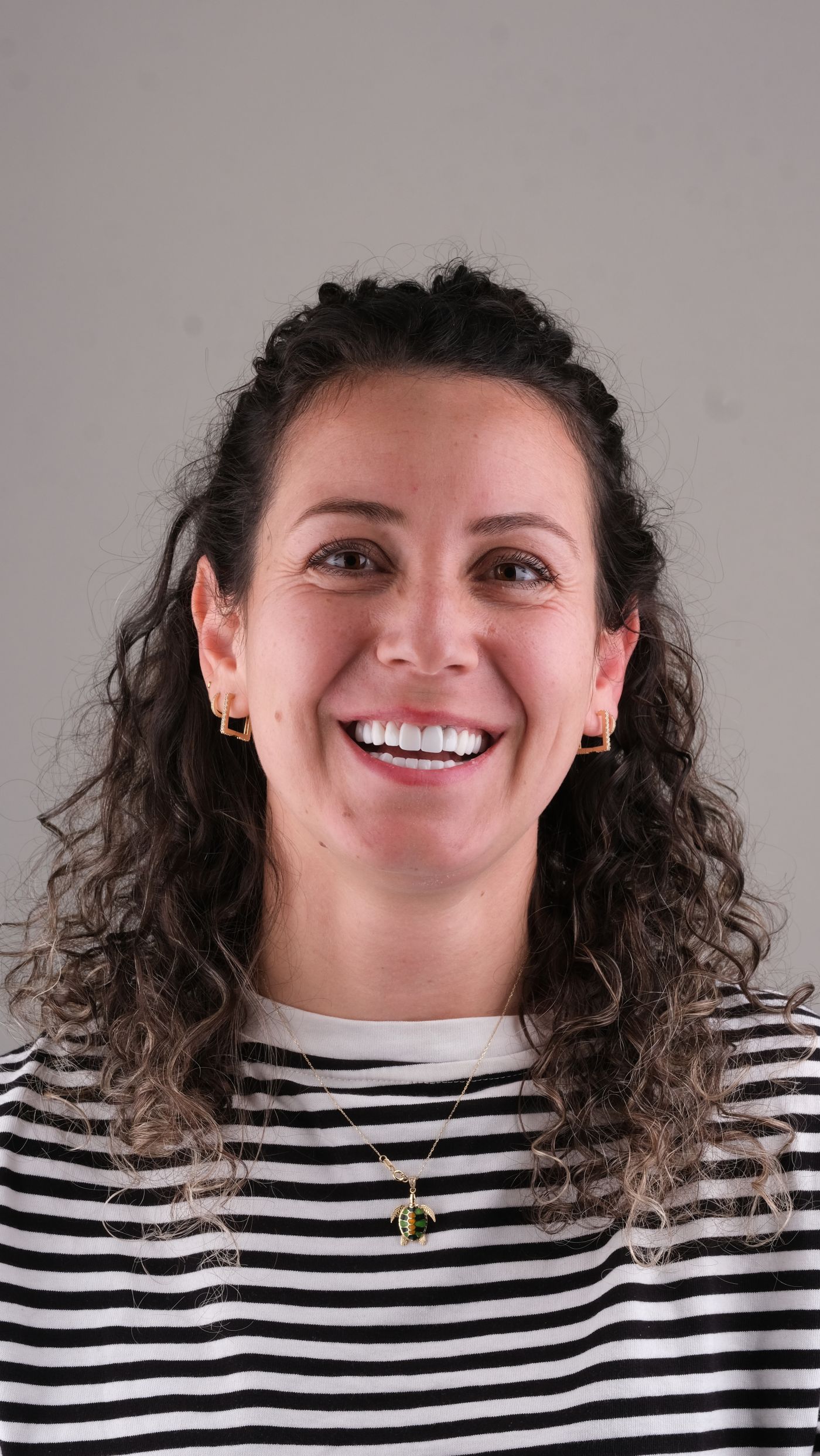
Google Reviews 4.6/5 1.682+ Happy Patients 30+ Countries

Implant vs Bridge — Cost, Lifespan and Bone Health

✦ Compare Options

Implant vs Bridge — Cost, Lifespan and Bone Health

Implant or bridge for a missing tooth: what each does to the neighbouring teeth, how long they last, and the situations where a bridge is the better choice.

12+ Years of Experience
1682+ Happy Patients
25 Specialist Physicians
99% Success Rate
Lifetime Guarantee
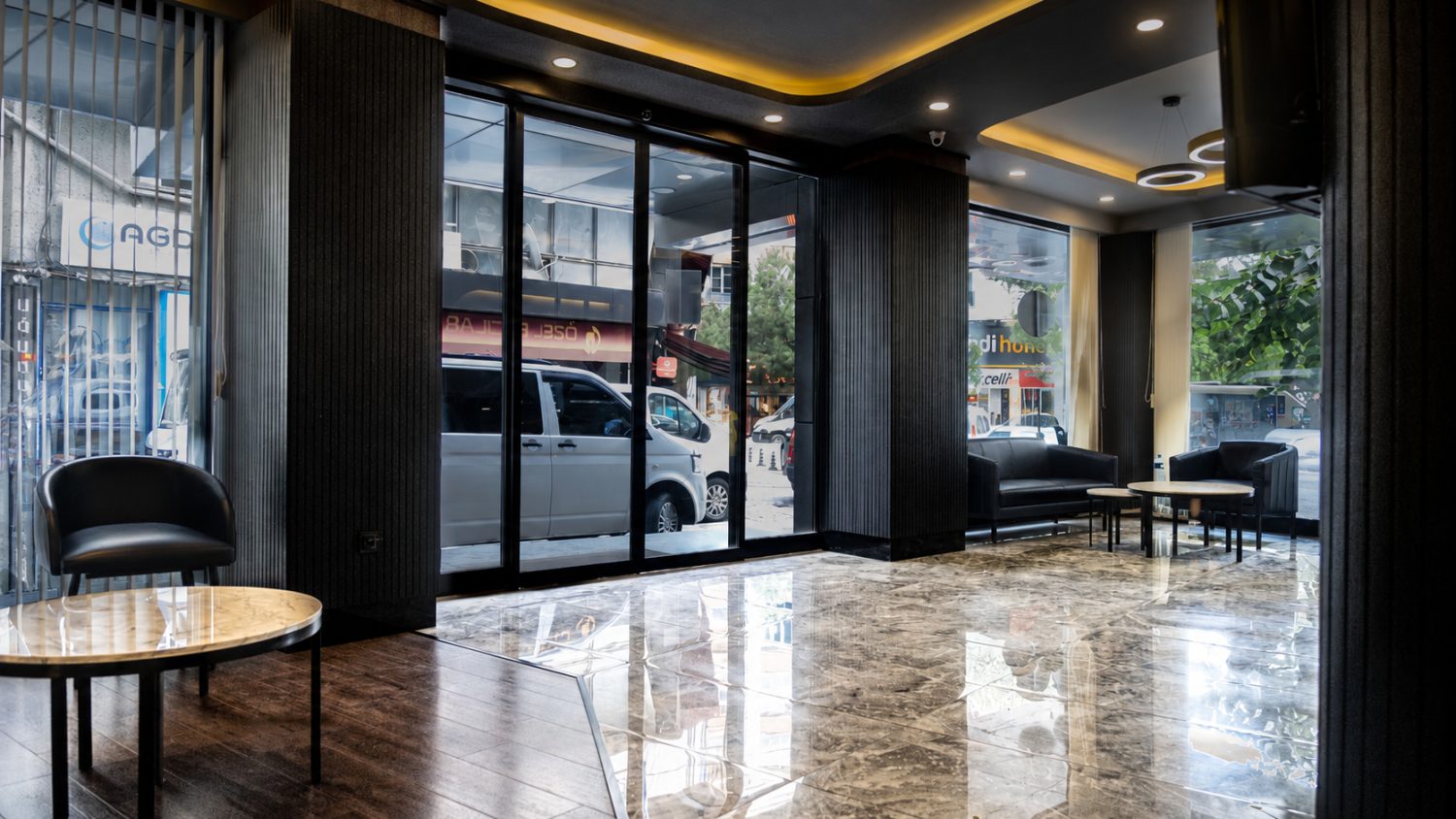
Bağcılar Dental Clinic

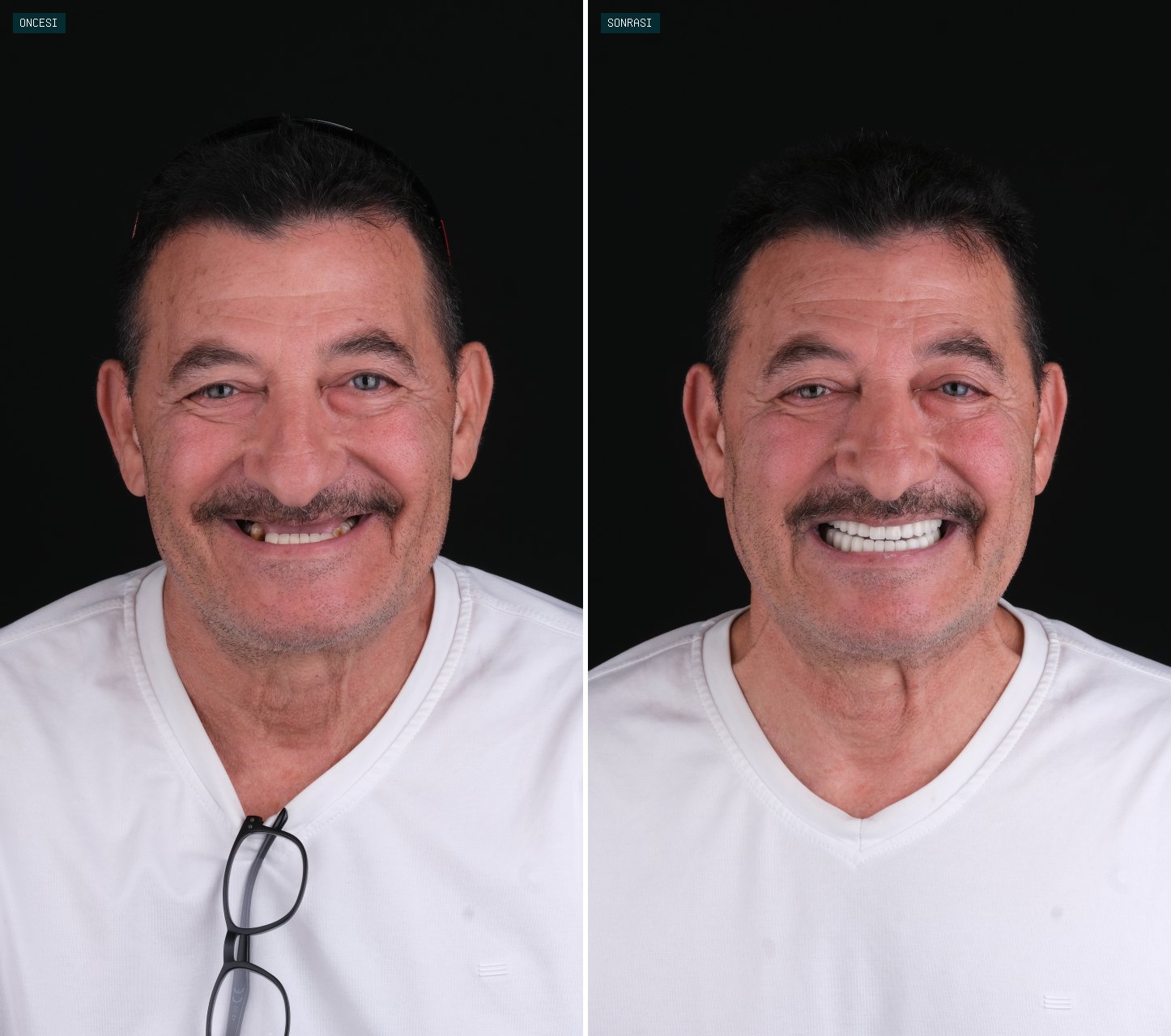
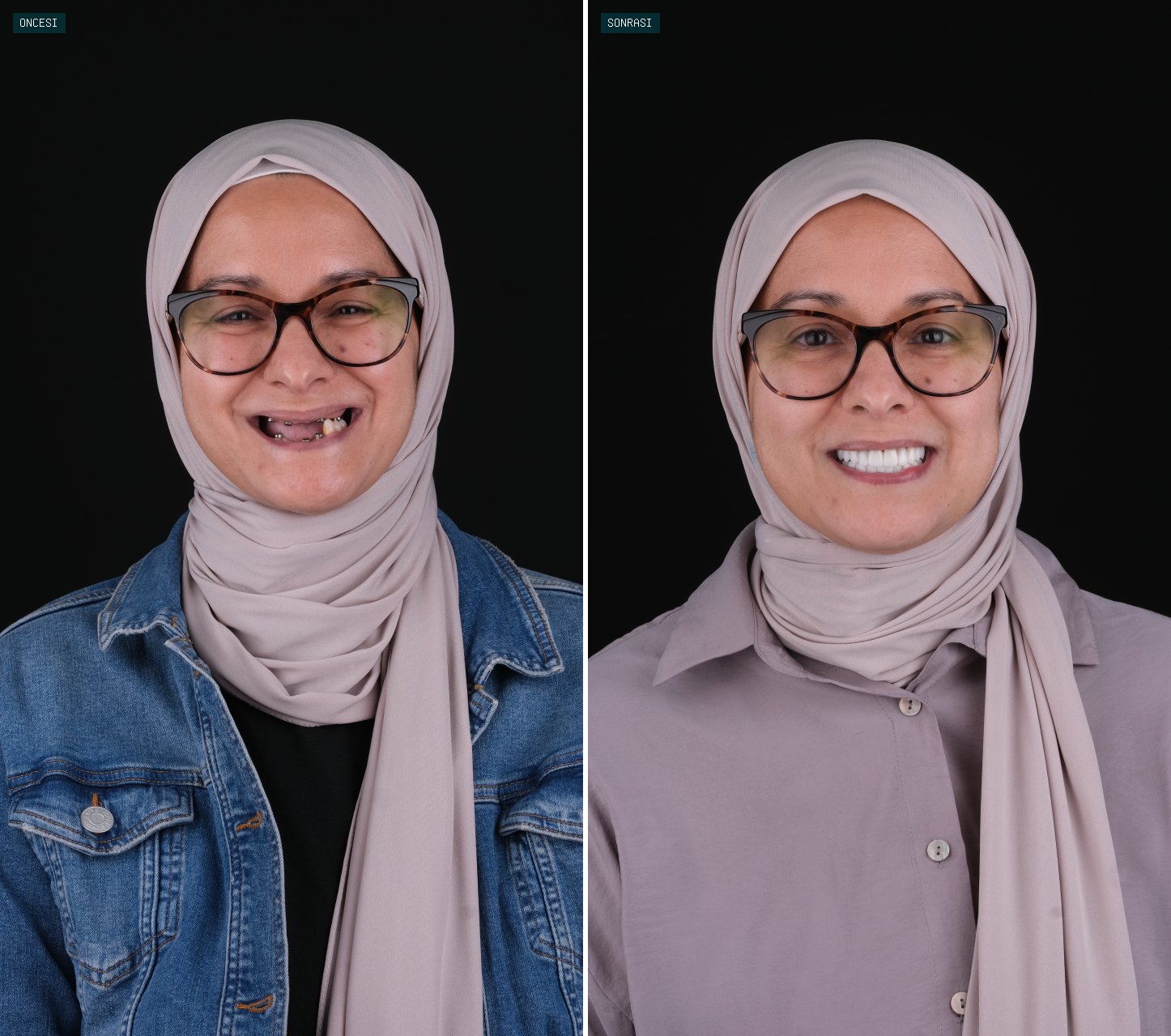
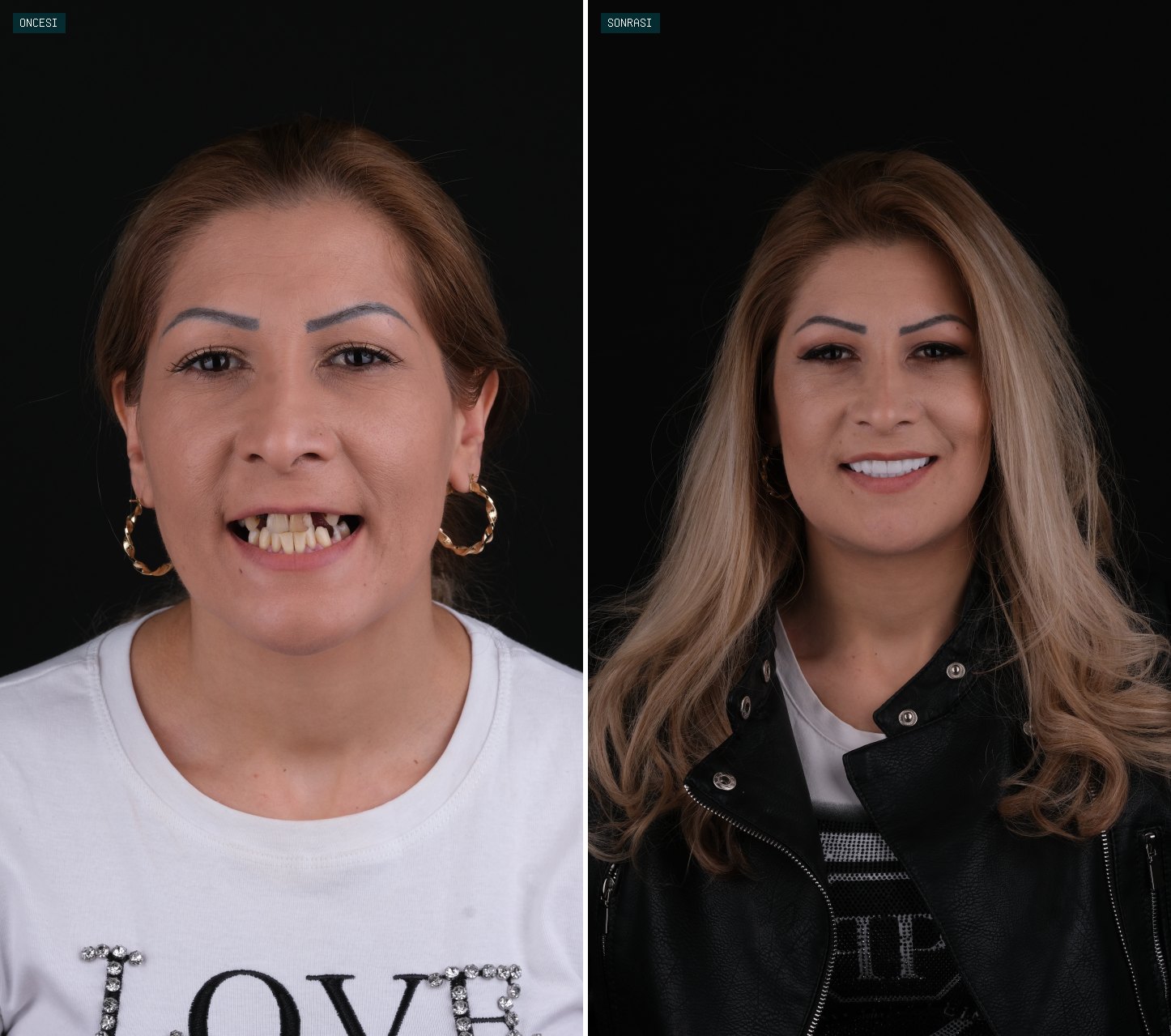
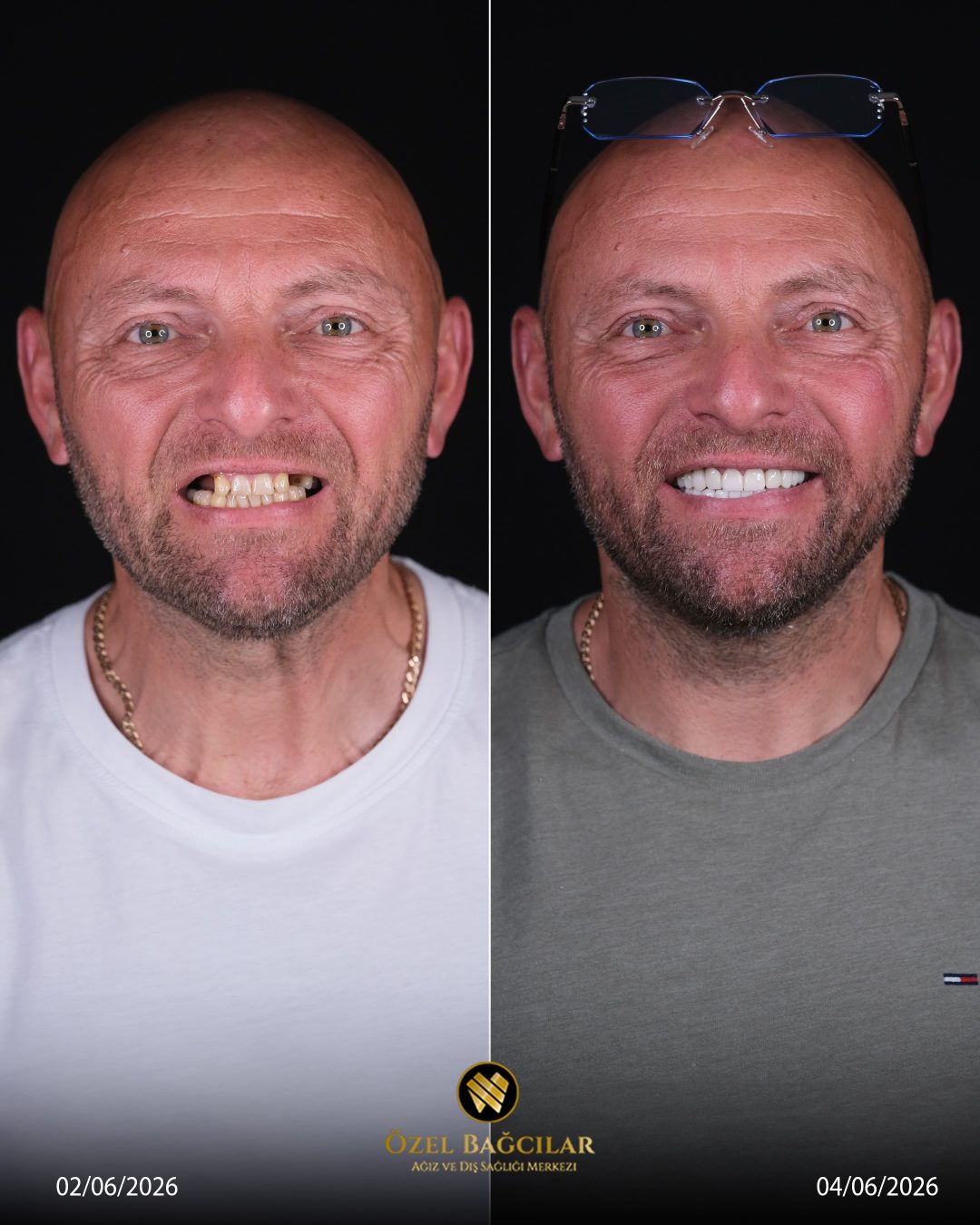
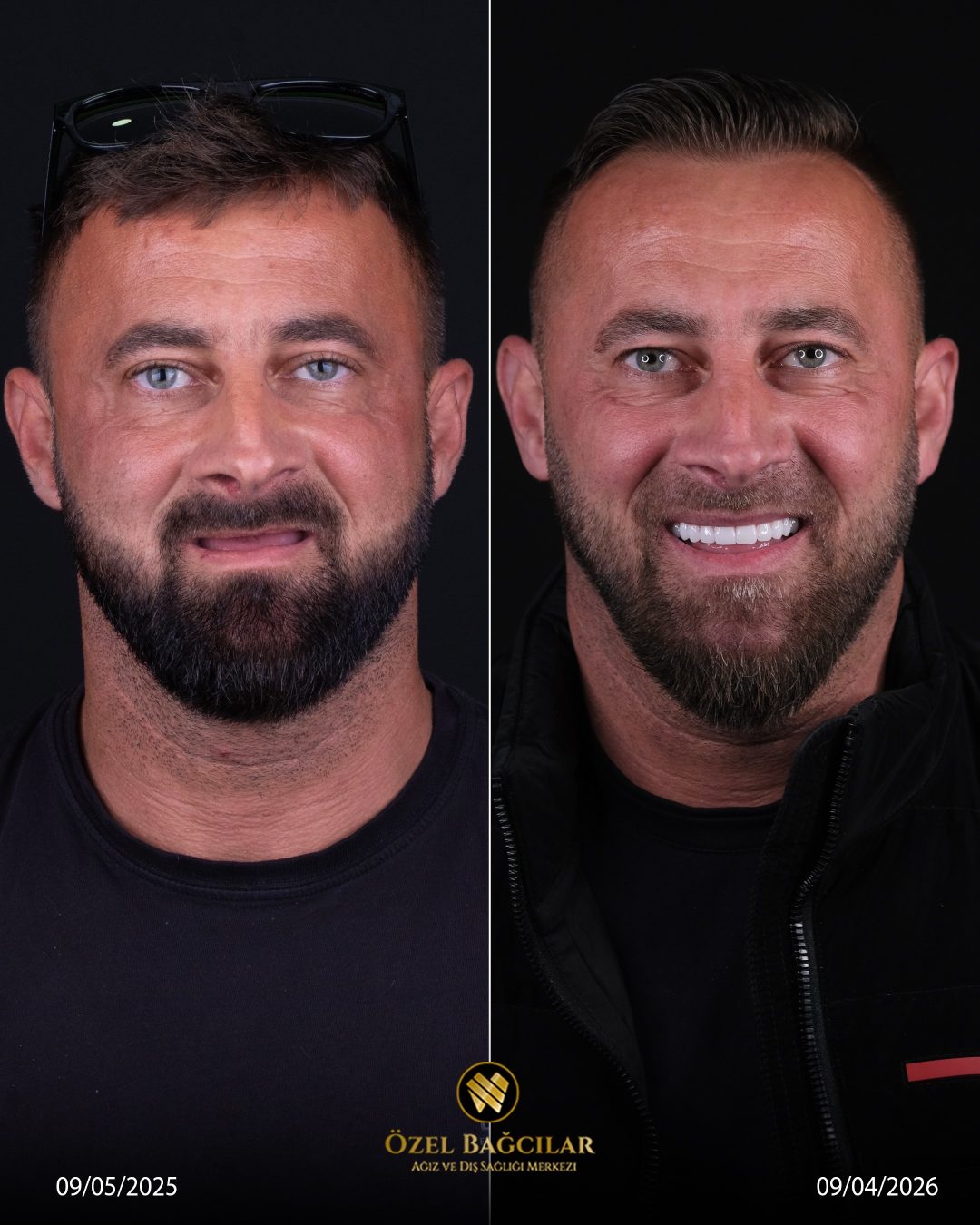
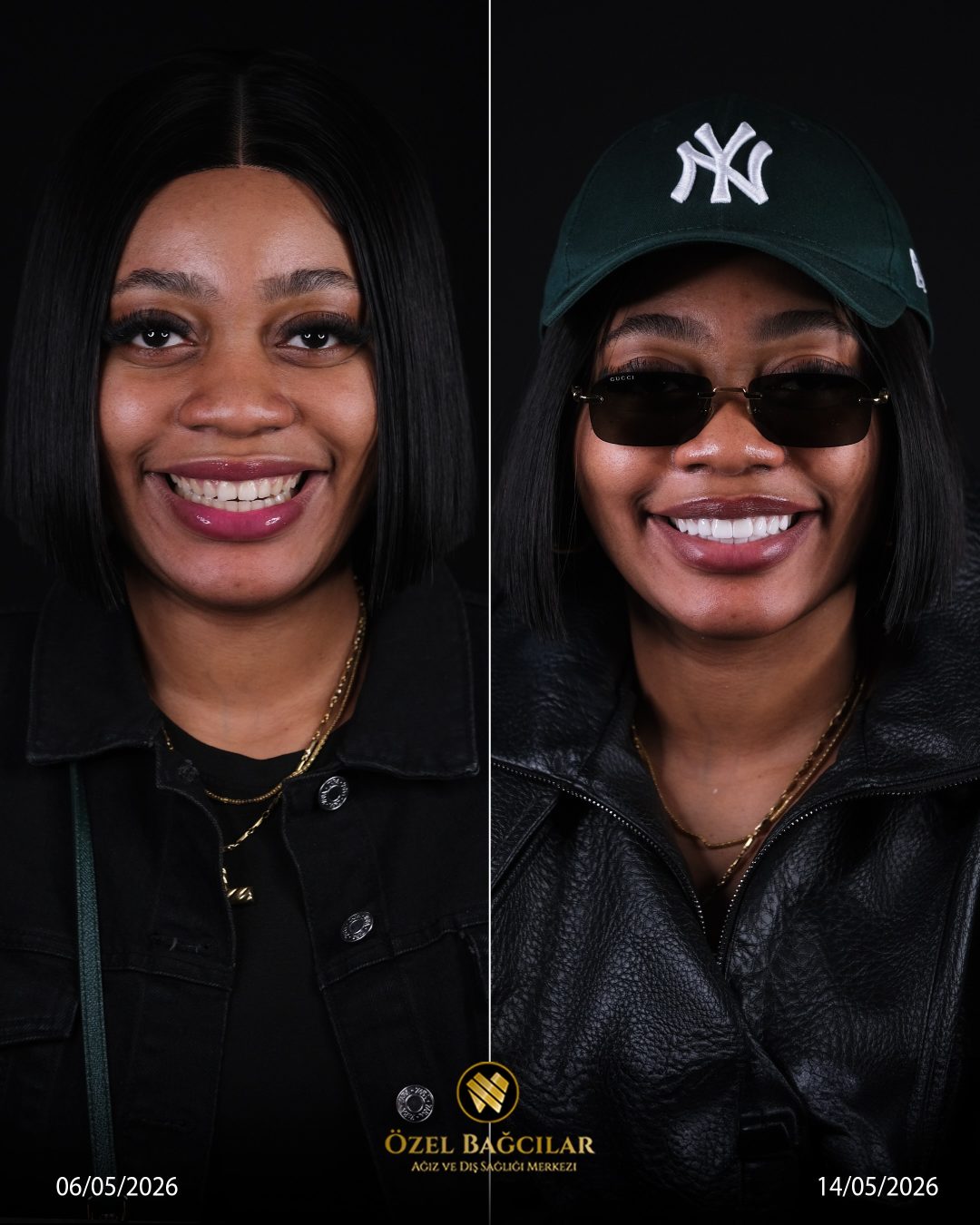
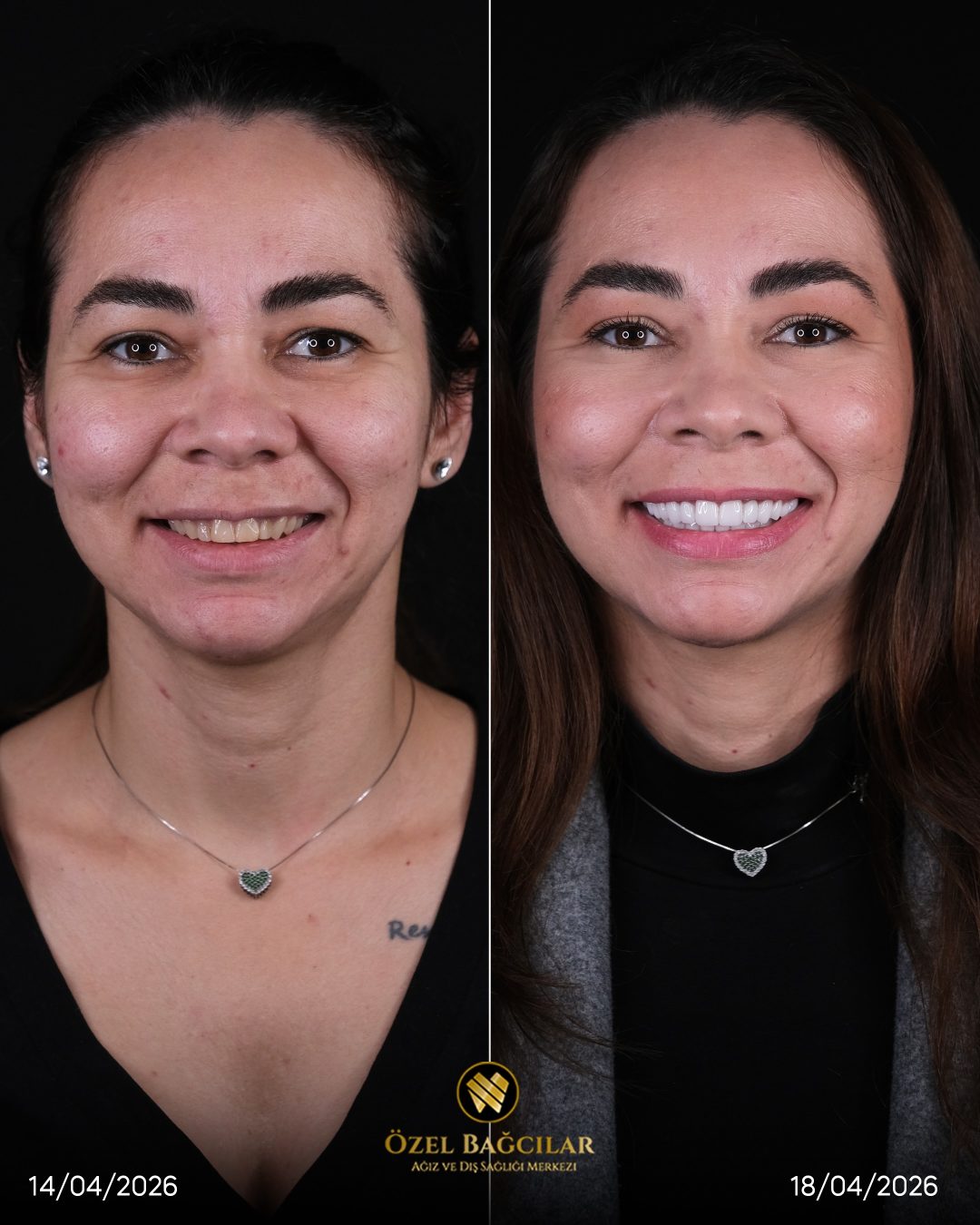
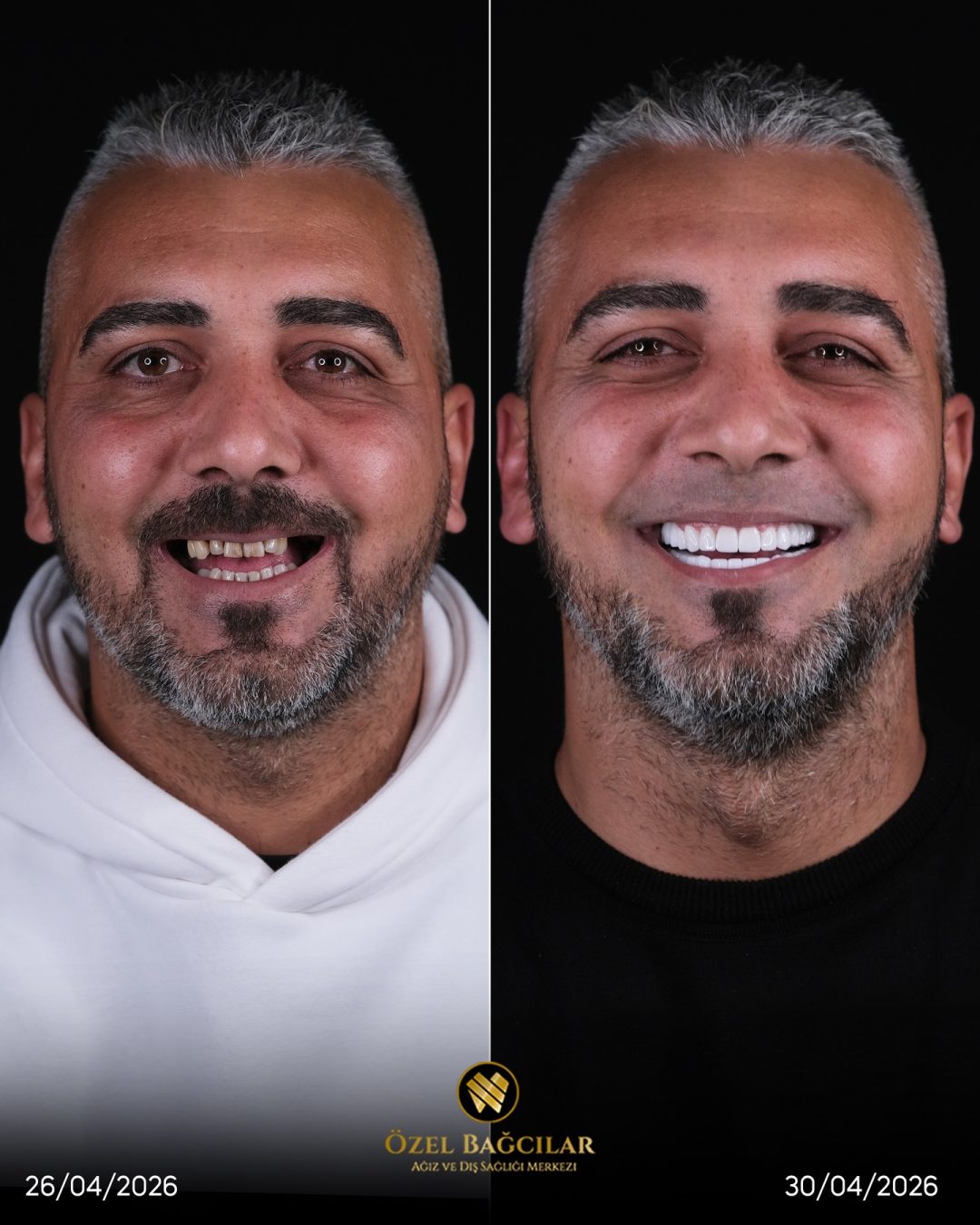
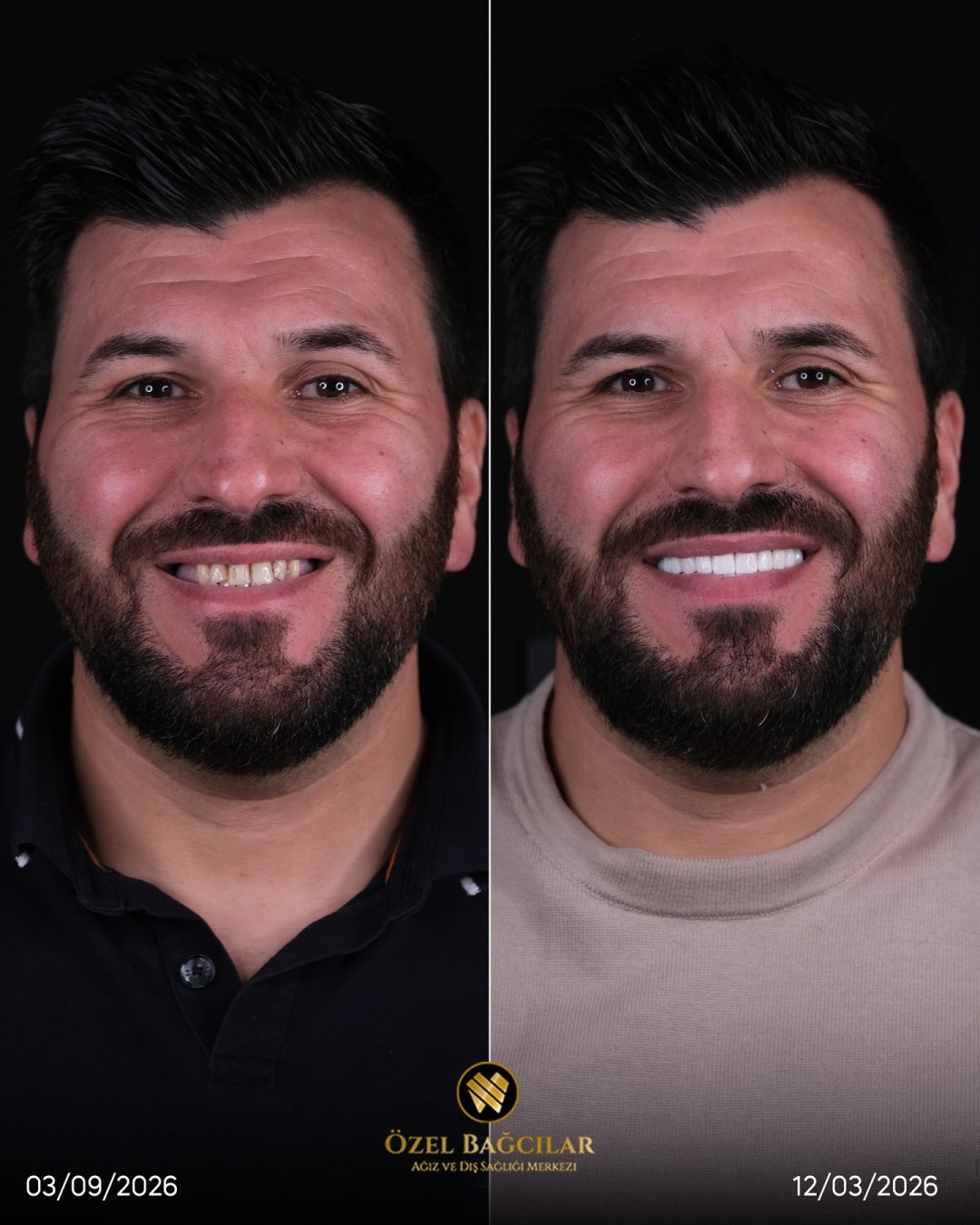
Before & After

Bağcılar Diş öncesi sonrası

For a single missing tooth between two healthy neighbours, this is the decision most patients face. Both options fill the gap, both are fixed, and both restore chewing. What separates them is what happens to everything around the gap.

An implant replaces the root. It stands alone, keeps the bone loaded, and leaves the neighbouring teeth untouched. A bridge borrows support from those neighbours, which means cutting them down permanently — and it does nothing for the bone underneath the gap.

That asymmetry drives most recommendations towards implants. But it does not decide every case, and there are situations where a bridge is genuinely the better answer. This page sets out both honestly, including the cases where the usual advice is wrong.

What Each One Actually Is

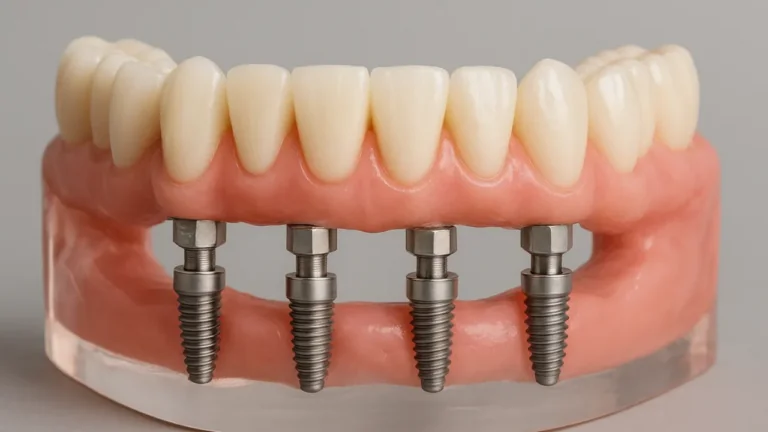
A dental implant is a titanium post placed into the jawbone where the root used to be. Bone grows onto its surface over several months, after which a crown is attached. It is a free-standing replacement: nothing else in the mouth is involved.

A bridge is a single connected unit of three crowns. The two outer ones are cemented over the teeth either side of the gap; the middle one hangs between them, resting on the gum. To fit those outer crowns, both neighbouring teeth are reduced in size all the way around.

The structural difference is worth holding onto. An implant transfers chewing force into the bone, exactly as a root does. A bridge transfers it into two teeth that are now carrying three teeth' worth of load.

Everything else on this page follows from those two facts. The implant question is about the bone; the bridge question is about the neighbours.

There is a third option that belongs in the comparison for completeness: a removable partial denture. It is the least invasive and least expensive way to fill a gap, and for some patients it is the right answer. The full range of replacement options covers where it fits alongside these two.

What Happens to the Neighbouring Teeth

This is the single strongest argument against a bridge when the adjacent teeth are healthy, and it is often glossed over.

Preparing a tooth for a bridge removes one to two millimetres from every surface — through the enamel and into the dentine beneath, since enamel is thinner than that near the gum. That is permanent. The tooth will need to be covered for the rest of its life, and if the bridge fails, the options narrow rather than reset.

A proportion of prepared teeth subsequently develop pulp problems and need root canal treatment. The risk is higher on teeth that were already restored and lower on untouched ones, but it is never zero — and it applies to a tooth that had nothing wrong with it before.

There is also a maintenance consequence. Because the three units are joined, ordinary floss cannot pass between them. Cleaning underneath requires threaders or interdental brushes daily, and patients who do not adapt to that develop decay at the margins of teeth that were previously sound.

What Happens to the Bone

Under a bridge, the bone where the tooth used to be continues to resorb. Nothing is loading it, and the body reclaims material it no longer considers necessary.

The visible consequence appears after several years: a gap opens between the underside of the false tooth and the gum, because the ridge has shrunk away from it. It is cosmetic rather than dangerous, but it traps food and it is a common reason bridges are remade before their materials have failed.

An implant prevents this. The post transmits force into the surrounding bone with every bite, and the bone responds by maintaining itself. This is not a marginal benefit — it is the reason implants are recommended over bridges in most guidelines.

It also matters for the future. If a bridge fails in fifteen years and an implant is then wanted, the ridge underneath may have resorbed enough to need grafting first. Choosing a bridge now can mean paying for a graft later.

Time and Number of Visits

This is where the bridge wins clearly, and for some patients it is decisive.

A conventional bridge takes two appointments across about a week: preparation and impressions, then fitting. There is no surgery, no healing period, and no waiting for anything to integrate.

An implant takes three to six months from placement to final crown. Placement itself is quick, but bone integration cannot be accelerated. For patients travelling, that means two trips rather than one — though the healing happens at home rather than abroad. The timing of each pathway is set out in detail separately.

Where the tooth is visible and a fixed result is needed within days — before a wedding, a return to work, a fixed deadline — the bridge is the honest answer even if the implant would be better in the long run.

There is a middle path worth knowing about. With immediate loading, a fixed temporary tooth is fitted at or shortly after implant placement, so you are not left with a visible gap during the months of healing. It does not shorten the treatment, but it removes the objection most patients actually have to the implant timeline — which is the gap, not the wait.

Side by Side

Implant and bridge compared
ImplantBridge
Healthy teeth cutNoneTwo, permanently
Preserves bone under the gapYesNo
Surgery requiredYesNo
Time to completion3–6 monthsAbout a week
Visits if travellingTwo tripsOne trip
Daily cleaningLike a natural toothThreaders or interdental brushes
Typical lifespanLongestLong, limited by supporting teeth
Decay risk in the restorationNone — titaniumYes, at the crown margins
If it failsReplace the implantOften loses supporting teeth too

The final row is the one patients underestimate. When an implant fails, one site is affected. When a bridge fails because one supporting tooth has decayed or fractured, the whole unit comes out — and you may be replacing two or three teeth instead of one.

One row deserves expansion. "Decay risk in the restoration" reads as a minor technical point and is in fact decisive over decades. Titanium does not decay, so an implant crown has no vulnerable margin against a living tooth. A bridge has two such margins — one continuous margin around each supporting tooth — each sitting at the gum line where plaque collects and where decay is hardest to detect and hardest to restore.

That is why bridge failure so often takes a supporting tooth with it. The bridge is intact; the tooth underneath has quietly decayed. By the time it is found, restoring that tooth may not be possible, and a three-unit problem becomes a five-unit one. How crown margins fail applies to every unit of a bridge.

The Cost Comparison Over Time

A bridge usually costs less up front. Whether it costs less overall depends entirely on the timeframe, and the crossover point is closer than most people expect.

Bridges have a finite life. Published survival figures typically put them somewhat below implants at ten and fifteen years, and the limiting factor is usually not the bridge itself but decay or fracture in one of the supporting teeth.

When it is remade, the supporting teeth are prepared again — removing more structure each time. After two or three cycles, one of those teeth is often unrestorable, at which point the three-unit bridge becomes a five-unit bridge or an implant case with less bone than there was at the start.

We do not publish price lists, so this is a structural argument rather than a numerical one. But the pattern is consistent: an implant placed once and maintained is frequently cheaper across twenty years than a bridge remade twice, even though it costs more today.

When the Bridge Is the Better Choice

The usual recommendation favours implants, and it should. But there are situations where a bridge is genuinely correct, and a clinic that never proposes one is not assessing individually.

  • The neighbouring teeth already need crowns. If both have large failing fillings or existing crowns, they were going to be prepared anyway. The bridge then costs almost nothing extra in tooth structure.
  • Surgery is contraindicated. Certain bone medications, recent radiotherapy to the jaw, uncontrolled medical conditions, or a patient who simply declines surgery.
  • Insufficient bone and grafting is declined. Where rebuilding the ridge is needed but the patient does not want a further procedure or the added months.
  • A fixed deadline. Where a result is needed within days rather than months.
  • Heavy smoking that will not change. Implant failure rates rise substantially, and a bridge avoids that specific risk.
  • Very young patients. Implants are not placed until jaw growth is complete; a bridge or a temporary solution bridges the gap until then.

When the Implant Is Clearly Better

The reverse cases are equally clear, and in these the argument for an implant is strong enough that a bridge proposal deserves a second opinion.

Both neighbours are untouched and healthy. Grinding down two sound teeth to replace one is a poor trade when an alternative exists that touches neither.

The gap is at the back of the arch. A bridge needs support at both ends. Where the missing tooth is the last one, there is nothing behind it — a cantilever bridge is possible but places heavy leverage on a single tooth.

More than one tooth is missing in a row. Long spans stress the supporting teeth disproportionately. Two implants supporting three teeth is usually more predictable than a long bridge.

The patient is young. An implant placed at thirty may serve for decades. A bridge placed at thirty will likely be remade two or three times, with the supporting teeth degrading each round.

Variants Worth Knowing About

The choice is not strictly binary, and two intermediate options are frequently not mentioned.

A resin-bonded bridge — sometimes called a Maryland bridge — has a false tooth attached to a thin metal or ceramic wing bonded to the back of one neighbouring tooth. Almost no tooth structure is removed. It is less durable than a conventional bridge and unsuitable for heavy bite areas, but for a single missing front tooth in a young patient it is an excellent conservative choice.

An implant-supported bridge uses implants rather than natural teeth as the supports. Where several teeth are missing in a row, two implants can carry three or four teeth — fewer implants than teeth, and no natural teeth involved. This is the standard approach for larger gaps and scales up to full-arch treatment.

Both are worth asking about specifically, because a clinic that offers only the two main options will not always raise them.

How Each One Fails

Comparing failure modes is more useful than comparing success rates, because it tells you what you are exposed to.

Implants fail either early, if integration does not occur, or late through peri-implantitis — infection destroying the surrounding bone. Late failure is largely preventable with maintenance and is painless until advanced, which is why routine review matters.

Bridges fail through decay at the crown margins, fracture of a supporting tooth, or loss of the cement seal. Decay under a bridge is silent because the crown looks intact, and by the time it is found the supporting tooth may be beyond saving.

The asymmetry is important. An implant failure costs you an implant. A bridge failure can cost you two natural teeth that were healthy before the bridge was made.

Both failure modes share one contributing factor worth naming: gum disease. It undermines the supporting teeth of a bridge and the bone around an implant equally, and stabilising it before either treatment is not optional.

Making the Decision

  1. Look at the neighbours first. Healthy and untouched points strongly to an implant. Already crowned or heavily filled points to a bridge.
  2. Check the bone on a 3D scan. Adequate bone makes the implant straightforward. Insufficient bone raises the question of grafting, and that changes the timeline.
  3. Be honest about time. If months are genuinely not available, that is a legitimate reason to choose a bridge.
  4. Be honest about cleaning. A bridge requires daily threading. If you know you will not do it, the bridge will fail early.
  5. Consider your age. The longer the restoration must last, the stronger the argument for the implant.
  6. Ask what happens when it fails. Both will eventually need attention. The difference is what is lost when they do.

Where the answer is genuinely balanced, either choice is defensible. What is not defensible is a recommendation made without looking at the neighbouring teeth and the bone, because those two answers decide most cases.

How We Weigh the Two Options With You

The assessment starts with the teeth either side of the gap rather than with the gap itself. If they are sound, we will argue for an implant and explain what a bridge would cost them. If they already need crowning, we will say that a bridge has become the efficient option.

Bone volume is measured on a 3D scan rather than estimated, because the answer determines whether the implant route is straightforward, needs grafting, or is impractical. That measurement is shown to the patient rather than described.

Where a resin-bonded bridge would serve — a single front tooth, a young patient, healthy neighbours — we raise it, even though it is the least expensive option on the list. Removing the least tooth structure that solves the problem is the principle we work to.

Our clinic works with implant systems chosen for their long-term outcome data and for components that remain available years later, so a restoration can still be serviced long after it is fitted. Both routes carry our lifetime guarantee on materials and workmanship — what it covers and what voids it is set out plainly rather than in small print, and it runs for life rather than for a fixed number of years.

What Happens Before Either Treatment

Both routes assume the site is ready, and frequently it is not. Two things are checked before the choice is even made, and skipping them undermines whichever option is chosen.

Gum health. Active periodontal disease affects both — it undermines the teeth supporting a bridge and the bone around an implant. It is stabilised first without exception, and where it has already caused significant bone loss, that changes which option is realistic.

The bite. If the opposing tooth has over-erupted into the gap — which happens within a few years of losing a tooth — there may not be enough vertical space for a crown of adequate thickness. Correcting that requires either reducing the opposing tooth or moving it orthodontically, and it adds time to the plan.

This is the practical reason not to leave a gap for years. The decision between implant and bridge is straightforward in the first year and progressively less so afterwards, as bone resorbs and neighbouring teeth drift. Food trapping around tilted teeth is the everyday symptom that usually prompts people to act, and by then the options have already narrowed.

Frequently Asked Questions

Is an implant always better than a bridge?
No, though it is the usual recommendation when the neighbouring teeth are healthy, because a bridge requires cutting them down permanently. Where those teeth already need crowns, where surgery is contraindicated, or where a result is needed within days, a bridge is genuinely the better choice.
How much of the neighbouring teeth is removed for a bridge?
One to two millimetres from every surface, all the way around. That is permanent — the teeth will need covering for the rest of their lives. A proportion also develop pulp problems afterwards and need root canal treatment, on teeth that had nothing wrong with them before.
Does a bridge damage the bone?
It does not damage it, but it does not preserve it either. Nothing loads the bone under the false tooth, so the ridge continues to resorb. After some years a visible gap opens between the bridge and the gum, and if an implant is wanted later, grafting may be needed first.
Which lasts longer?
Implants, in most published comparisons. The limiting factor for a bridge is usually not the bridge itself but decay or fracture in one of the supporting teeth. When that happens the whole unit is replaced, and each cycle removes more structure from those teeth.
Is a bridge cheaper?
Up front, usually yes. Over twenty years frequently not, because bridges are typically remade while an implant maintained properly is not. We do not publish price lists, so this is a structural point rather than a numerical one — but the pattern is consistent.
How long does each take?
A bridge takes about a week across two appointments, with no surgery and no healing period. An implant takes three to six months from placement to final crown, though the healing happens at home. For patients travelling that means one trip versus two.
Can I have a bridge if I have already lost bone?
Yes, and that is one of the situations where a bridge is a reasonable choice. A bridge sits above the gum and does not need bone underneath. The cosmetic result may be affected if the ridge has shrunk considerably, since a gap can show beneath the false tooth.
What is a Maryland bridge?
A resin-bonded bridge, where the false tooth is attached to a thin wing bonded to the back of one neighbouring tooth. Almost no tooth structure is removed. It is less durable and unsuitable for heavy bite areas, but excellent for a single missing front tooth in a young patient.
Can two implants replace three teeth?
Yes. An implant-supported bridge uses implants as the supports rather than natural teeth, so you need fewer implants than teeth. This is the standard approach for larger gaps and is generally more predictable than a long bridge supported by natural teeth.
Is cleaning a bridge difficult?
It is different rather than difficult, but it must be done. Ordinary floss cannot pass between joined units, so a threader or interdental brush is needed daily to clean underneath. Patients who do not adapt to this develop decay at the margins of previously sound teeth.
What if I grind my teeth?
It affects both, and it changes the plan rather than the choice. A bridge under heavy grinding forces stresses the supporting teeth; an implant transmits force directly to bone with no cushioning ligament. Either way a protective appliance becomes part of the treatment.
Can a failed bridge be replaced with an implant?
Usually yes, but the ridge may have resorbed in the intervening years and grafting may be needed first. This is one of the hidden costs of choosing a bridge — the implant option gets more expensive and more involved the longer the bridge is in place.
Is the implant surgery painful?
It should not be — it is done under local anaesthetic and most patients describe it as less uncomfortable than an extraction. Soreness for two to three days afterwards is normal and managed with ordinary painkillers. Sedation is available for anxious patients.
What if the gap is at the very back?
A bridge needs support at both ends, and if the missing tooth is the last one there is nothing behind it. A cantilever bridge is possible but places heavy leverage on a single tooth. An implant is generally the better solution for the last tooth in the arch.
Which do you recommend?
It depends on the two teeth either side and on the bone, and those are the first things we assess. Healthy untouched neighbours point strongly to an implant; teeth already needing crowns point to a bridge. A recommendation made without examining both is not a recommendation.

Ready to start your treatment?

Get a free online assessment and a transparent treatment plan from our Istanbul clinic.

Contact
✦ Our Patients
✦ Our Clinic
✦ Our doctors

Our Expert Staff

A safe, comfortable and transparent treatment process at every stage with our experienced physicians.

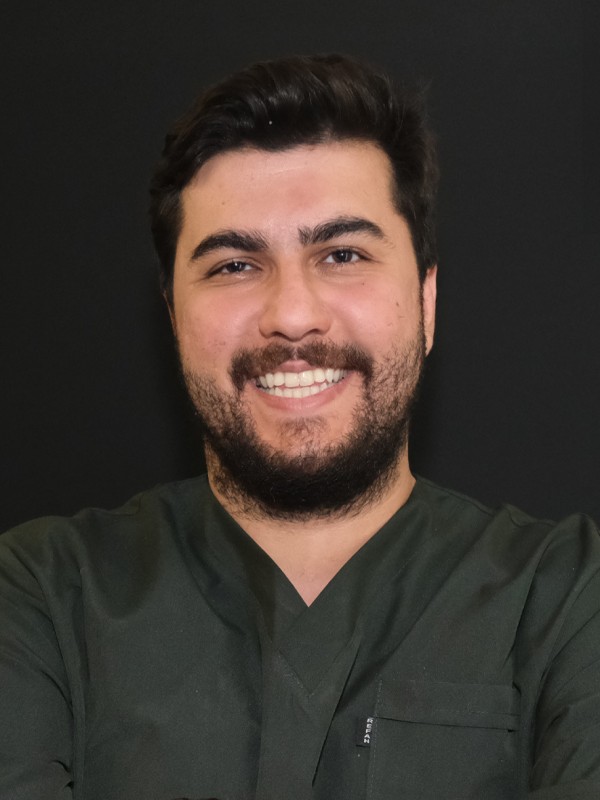
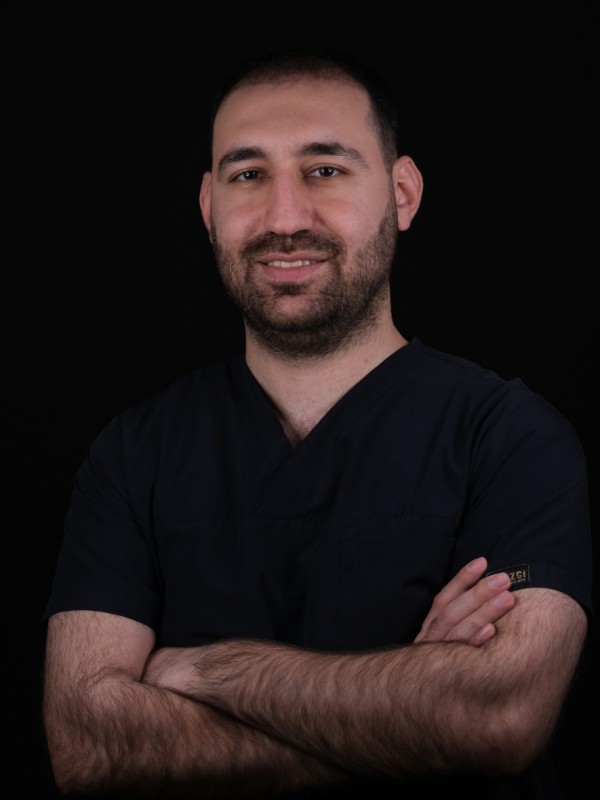
Dt. Muhammed Yancar

Dt. Muhammed Yancar

Responsible Manager · Dentist

He graduated from Okan University Faculty of Dentistry (2022). He works as the responsible manager and dentist at Bağcılar Dental Polyclinic. He is a member of the Turkish Prosthodontics and Implantology Association (TPİD) and the Turkish Dental Association (TDB).

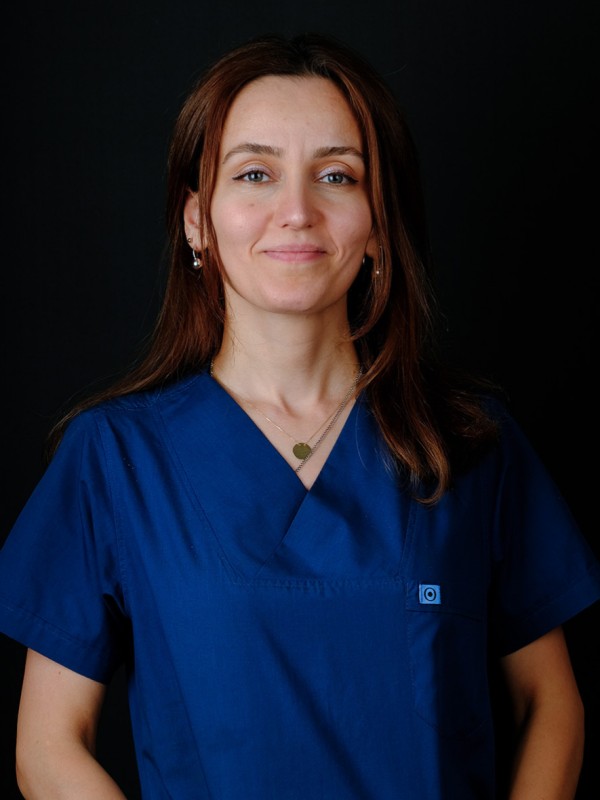
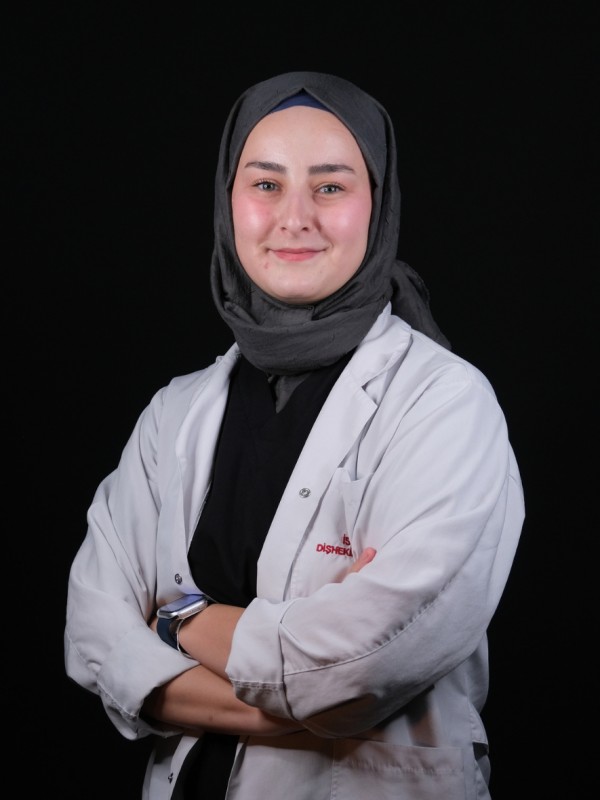
Dr. Dt. Remziye Kuşağlı

Dr. Dt. Remziye Kuşağlı

Responsible Dentist

He graduated from Dicle University Faculty of Dentistry (2005); He has 21 years of experience. It specializes in implant-supported dentures, All-on-4/All-on-6, zirconium, laminate and E-max coating treatments. He is a member of TDB.

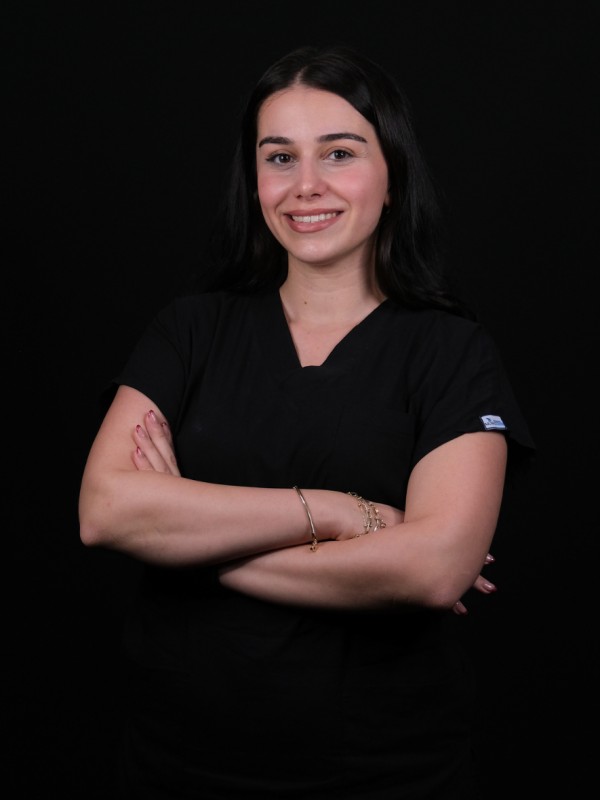
Uzm. Dr. Dt. Nazlı Altın

Uzm. Dr. Dt. Nazlı Altın

Oral and Maxillofacial Surgery Specialist

He graduated from Istanbul University Faculty of Dentistry; He completed his doctorate in oral, dental and maxillofacial surgery. He specializes in complex cases with implant surgery, jaw surgery and bone grafting.

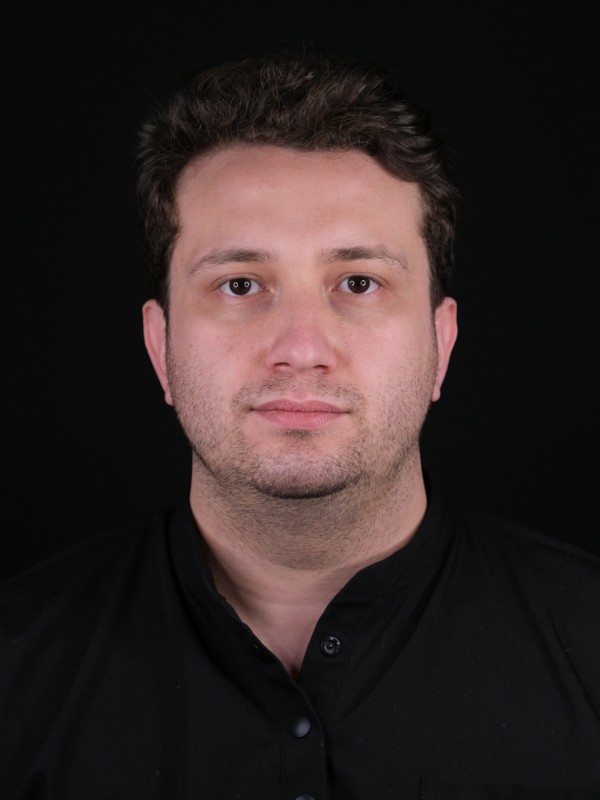
Uzm. Dt. Uğur Derdiyok

Uzm. Dt. Uğur Derdiyok

Oral and Maxillofacial Surgery Specialist

He graduated from Ankara University Faculty of Dentistry; He completed his specialization in oral, dental and maxillofacial surgery at Kırıkkale University. He is an expert in surgical practices with 11 years of experience.

Uzm. Dt. Ceren Çetinkaya

Uzm. Dt. Ceren Çetinkaya

Orthodontic Specialist

He graduated from Ege University Faculty of Dentistry; He completed his orthodontics specialization at Istanbul University. He is experienced in fixed and transparent plate treatments and focuses on functional and aesthetic results.

Dr. Dt. Hakan Şahin

Dr. Dt. Hakan Şahin

Pedodontics Specialist (Pediatric Dentist)

He graduated from Atatürk University Faculty of Dentistry; He completed his pedodontics specialization. It has been providing preventive and therapeutic services in children's dental health for many years.

Uzm. Dt. Natiga Israfilova

Uzm. Dt. Natiga Israfilova

Prosthetic Dentistry Specialist

He is a graduate of Azerbaijan Medical University; He completed his prosthetic dentistry specialization at Eskişehir Osmangazi University. With 20 years of experience, he is an expert in implant prostheses, All-on-4/6, zirconium, laminate and E-max applications.

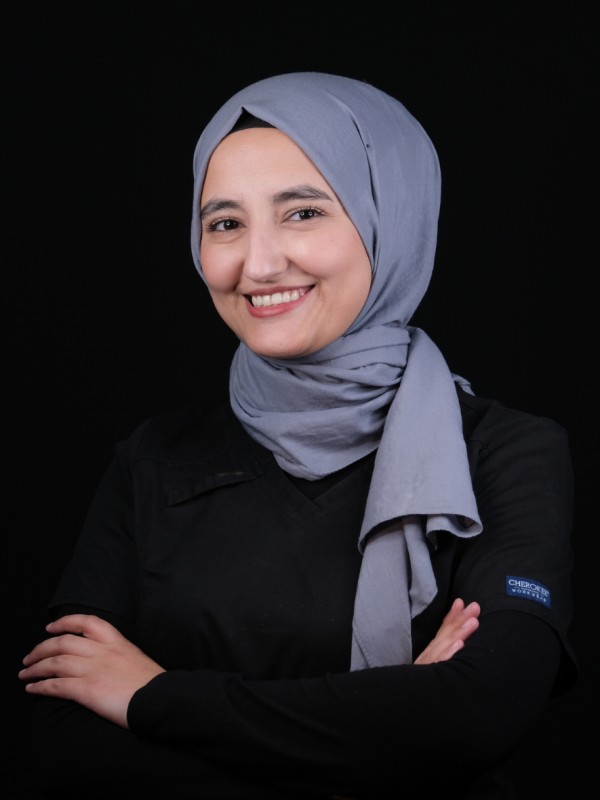
Dt. Nur Küçük

Dt. Nur Küçük

Prosthodontics & Digital Dentistry

He graduated from Istanbul Medipol University, Department of Dentistry; He continues his doctoral education in prosthetic dentistry. He works on aesthetic and functional restorations and smile design with CAD/CAM systems.

Dt. Mehmet Emin Ceylan

Dt. Mehmet Emin Ceylan

Implant & Prosthesis

He graduated from Istanbul Aydin University Faculty of Dentistry; He has 7 years of experience. He specializes in implant-supported dentures, All-on-4/All-on-6 restorations, full mouth dentures and zirconium applications.

Dt. Zeynep Demirhan

Dt. Zeynep Demirhan

Prosthodontics & Aesthetic Dentistry

He graduated from Bezmiâlem Vakıf University, Faculty of Dentistry. He is experienced in prosthetic treatments, smile design, implant-supported prostheses and treatments under sedation; focuses on patient satisfaction.

Dt. Seda Şahle Alemdar

Dt. Seda Şahle Alemdar

Implant & Aesthetics · Digital

He graduated from Abant İzzet Baysal University Faculty of Dentistry (2020). He is experienced in implant-supported dentures, smile design, digital measurement systems and aesthetic restorations.

Dt. Muhammed Ali Almaz

Dt. Muhammed Ali Almaz

Implant & Aesthetic Dentistry

He graduated from Gazi University Faculty of Dentistry (2021); He has 5 years of experience. He works with health tourism patients in the fields of implant prostheses, All-on-4, zirconium, aesthetic fillings and teeth whitening.

Dt. Berkay Pehlivanoğlu

Dt. Berkay Pehlivanoğlu

Restorative & Prosthetic

He graduated from Marmara University Faculty of Dentistry (2021); He has 6 years of experience. He works in the fields of endodontics (root canal treatment), restorative treatments, zirconium/E-max/laminate prosthesis and implant-supported prosthesis.

Dt. Esranur Çelik

Dt. Esranur Çelik

Restorative & Periodontology

He graduated from Süleyman Demirel University Faculty of Dentistry (2017); He has 9 years of experience. He works in periodontology (gum), restorative and endodontic treatments and aesthetic smile design.

Dt. Havva Öztürk

Dt. Havva Öztürk

General & Restorative Dentistry

He graduated from Bolu Abant İzzet Baysal University Faculty of Dentistry (2023). Works in restorative, endodontic, periodontal, prosthetic and pedodontic treatments; Follows current treatments closely.

Dt. Sümeyya Aydınlık

Dt. Sümeyya Aydınlık

Dentist

He graduated from Istanbul Yeni Yüzyıl University, Department of Dentistry (2020); Has approximately 5 years of experience. In addition to general dentistry, he works in implant prosthesis, restorative and endodontic treatments.

Dt. Hasip Altun

Dt. Hasip Altun

General Dentistry

He graduated from Yüzüncü Yıl University Faculty of Dentistry (2018). He has clinical experience in general dentistry and restorative treatments; It stands out with its patient-oriented approach.

Dt. Birsen Er

Dt. Birsen Er

Implant & Aesthetic Dentistry

He graduated from Istanbul University Faculty of Dentistry (2002); He has 24 years of experience. He works in the fields of implant-supported prostheses, All-on-4, zirconium restorations, aesthetic fillings, root canal treatment (endodontics) and teeth whitening.

✦ Our Videos
✦ Trusted Worldwide

What Our Patients Say

Google★★★★★
Trustpilot★★★★★
4.6/5 1.682+ Happy Patients 30+ Countries
A
Ayşe Kaya ★★★★★

I did not feel any pain during my implant treatment. The team is extremely attentive, I was informed at every stage. I love my new smile!

M
Mehmet Yıldız ★★★★★

My zirconium crowns looked very natural. It is excellent in terms of price-performance, I recommend it with peace of mind.
H
Hans Müller ★★★★★

I came from Germany for All-on-4 treatment. The clinic was very modern and hygiene was perfect. Translator support made my job much easier.

E
Elena Petrova ★★★★★

I came for my smile design; Everything was considered, including reception, hotel and transportation. My teeth were literally reborn.

F
Fatma Demir ★★★★★

My gum treatment was very successful. My doctor explained everything patiently, and my fear of the dentist was completely gone.

J
James Wilson ★★★★★

I came from London for laminate veneer. Professional team, painless procedure and great result. It was worth every penny.

Z
Zeynep Arslan ★★★★★

My orthodontic treatment proceeded as planned. The transparent record was very comfortable, no one even noticed. Thanks!

A
Andrei Popescu ★★★★★

I came from Romania for implants. From CT scan to treatment, everything started on the same day. I am very pleased with the result.

H
Hatice Şahin ★★★★☆

After teeth whitening, my teeth became visibly whiter. I got results in one session, it was very practical.

S
Sophie Dubois ★★★★★

I chose it for Hollywood Smile from France. The attention of the doctors and the naturalness of the result were far beyond my expectations.

A
Ali Çelik ★★★★★

My root canal treatment was painless and I returned to work the same day. Modern devices make a difference, well done.

M
Maria Rossi ★★★★★

I came from Italy for zirconium. It is much more advantageous than Europe in terms of both price and quality. I definitely recommend it.

E
Emine Yılmaz ★★★★★

We came for my mother's prosthetic teeth, they were very interested. The patience shown to elderly patients is admirable.

V
Viktor Ivanov ★★★★★

After the smile design, my self-confidence skyrocketed. The clinic is clean and the team is friendly. I recommend it to everyone from Sofia.

A
Ayşe Kaya ★★★★★

I did not feel any pain during my implant treatment. The team is extremely attentive, I was informed at every stage. I love my new smile!

M
Mehmet Yıldız ★★★★★

My zirconium crowns looked very natural. It is excellent in terms of price-performance, I recommend it with peace of mind.

H
Hans Müller ★★★★★

I came from Germany for All-on-4 treatment. The clinic was very modern and hygiene was perfect. Translator support made my job much easier.

E
Elena Petrova ★★★★★

I came for my smile design; Everything was considered, including reception, hotel and transportation. My teeth were literally reborn.

F
Fatma Demir ★★★★★

My gum treatment was very successful. My doctor explained everything patiently, and my fear of the dentist was completely gone.

J
James Wilson ★★★★★

I came from London for laminate veneer. Professional team, painless procedure and great result. It was worth every penny.

Z
Zeynep Arslan ★★★★★

My orthodontic treatment proceeded as planned. The transparent record was very comfortable, no one even noticed. Thanks!

A
Andrei Popescu ★★★★★

I came from Romania for implants. From CT scan to treatment, everything started on the same day. I am very pleased with the result.

H
Hatice Şahin ★★★★☆

After teeth whitening, my teeth became visibly whiter. I got results in one session, it was very practical.

S
Sophie Dubois ★★★★★

I chose it for Hollywood Smile from France. The attention of the doctors and the naturalness of the result were far beyond my expectations.

A
Ali Çelik ★★★★★

My root canal treatment was painless and I returned to work the same day. Modern devices make a difference, well done.

M
Maria Rossi ★★★★★

I came from Italy for zirconium. It is much more advantageous than Europe in terms of both price and quality. I definitely recommend it.

E
Emine Yılmaz ★★★★★

We came for my mother's prosthetic teeth, they were very interested. The patience shown to elderly patients is admirable.

V
Viktor Ivanov ★★★★★

After the smile design, my self-confidence skyrocketed. The clinic is clean and the team is friendly. I recommend it to everyone from Sofia.

B
Burak Aydın ★★★★★

I had a combination of implant and zirconium. The result is incredibly natural. The appointment and follow-up process was very orderly.

A
Anna Schmidt ★★★★☆

My laminate veneer treatment went well. It took a little waiting, but the result was perfect. Thanks for the translator support.

S
Selin Koç ★★★★★

I had gum aesthetics and whitening. I have no hesitation when laughing anymore. I am grateful to the entire team.

R
Robert Brown ★★★★★

My All-on-6 treatment changed my life. I came from England; The attention shown and the result achieved were perfect.

G
Gülşah Eren ★★★★★

We came for my child's dental treatment, they treated the child patients very kindly. He was treated without fear, we are very happy.

D
Dimitar Georgiev ★★★★★

Implant prices are very affordable compared to Bulgaria, and the quality is high. The entire process was completed in 4 days.

O
Okan Demirtaş ★★★★★

I can't recognize myself in photos after my smile design. My doctor's sense of aesthetics is really good.

C
Claudia Fischer ★★★★★

I came for my implant treatment, it was painless and fast. The clinic is above German standards, I am very pleased.

M
Merve Polat ★★★★★

I had a combination of orthodontics and whitening. The result is great, the team is very professional and caring.

L
Lucas Martin ★★★★★

I came from Paris for laminate veneer. I was very pleased with the natural result and warm attention. Thanks!

İ
İbrahim Kara ★★★★☆

My dental bridge treatment was durable and comfortable. Pricing was transparent, there were no surprise fees.

N
Natalia Sokolova ★★★★★

I came from Russia for smile design. The service quality and attention were excellent, my teeth turned out as I dreamed.

D
Deniz Aksoy ★★★★★

I had teeth whitening in one session, the difference was immediately obvious. It was a fast, clean and professional experience.

T
Thomas Becker ★★★★★

I came for All-on-4 and walked out smiling the same day with temporary teeth. The interest and technology are top notch, thank you very much.

B
Burak Aydın ★★★★★

I had a combination of implant and zirconium. The result is incredibly natural. The appointment and follow-up process was very orderly.

A
Anna Schmidt ★★★★☆

My laminate veneer treatment went well. It took a little waiting, but the result was perfect. Thanks for the translator support.

S
Selin Koç ★★★★★

I had gum aesthetics and whitening. I have no hesitation when laughing anymore. I am grateful to the entire team.

R
Robert Brown ★★★★★

My All-on-6 treatment changed my life. I came from England; The attention shown and the result achieved were perfect.

G
Gülşah Eren ★★★★★

We came for my child's dental treatment, they treated the child patients very kindly. He was treated without fear, we are very happy.

D
Dimitar Georgiev ★★★★★

Implant prices are very affordable compared to Bulgaria, and the quality is high. The entire process was completed in 4 days.

O
Okan Demirtaş ★★★★★

I can't recognize myself in photos after my smile design. My doctor's sense of aesthetics is really good.

C
Claudia Fischer ★★★★★

I came for my implant treatment, it was painless and fast. The clinic is above German standards, I am very pleased.

M
Merve Polat ★★★★★

I had a combination of orthodontics and whitening. The result is great, the team is very professional and caring.

L
Lucas Martin ★★★★★

I came from Paris for laminate veneer. I was very pleased with the natural result and warm attention. Thanks!

İ
İbrahim Kara ★★★★☆

My dental bridge treatment was durable and comfortable. Pricing was transparent, there were no surprise fees.

N
Natalia Sokolova ★★★★★

I came from Russia for smile design. The service quality and attention were excellent, my teeth turned out as I dreamed.

D
Deniz Aksoy ★★★★★

I had teeth whitening in one session, the difference was immediately obvious. It was a fast, clean and professional experience.

T
Thomas Becker ★★★★★

I came for All-on-4 and walked out smiling the same day with temporary teeth. The interest and technology are top notch, thank you very much.

✦ Our Brands
Straumann
Nobel Biocare
Astra Tech
Medentika
Bredent SKY
Straumann
Nobel Biocare
Astra Tech
Medentika
Bredent SKY
✦ Contact
Get in touch

İstanbul Bağcılarour central clinic

Merkez Mahallesi 675. Sokak No: 1-7/A-B, 34203 Bağcılar/İstanbul, Turkey

Open in Google Maps