










The Types, and Why the Distinction Matters
"Laser" describes a category of instrument rather than a device, and the types within it are as different from each other as a scalpel is from a drill. Grouping them under one word is the source of most of the confusion.
Diode lasers are the most common in general practice. They work on soft tissue — gum, mucosa — and cannot cut enamel or bone. They are relatively inexpensive, which is why they are widespread.
Erbium lasers can work on hard tissue as well as soft, so they can be used on enamel and dentine. They are considerably more expensive and correspondingly less common in general practice.
Carbon dioxide and Nd:YAG lasers occupy other positions again, with different absorption characteristics that suit particular surgical and periodontal applications.
So a clinic saying it uses a laser has told you very little. The useful question is which type, for which procedure, and what it changes — and that is a question with a specific answer.
Where the Evidence Is Genuinely Supportive
Several applications where a laser does something a conventional instrument does less well, and it is worth separating these from the marketing.
Soft-tissue surgery is the clearest. Cutting gum with a diode, Nd:YAG or CO₂ laser seals small blood vessels as it goes, so bleeding is minimal and the field stays visible. Erbium wavelengths are absorbed by water rather than blood, so they cut soft tissue well but seal it poorly — one reason the type of laser is the first question to ask. For a procedure where seeing what you are doing matters, that is a real advantage.
Gum contouring specifically benefits. The margin can be shaped precisely with very little bleeding, which makes the result easier to judge during the procedure — though the planning matters far more than the instrument in determining whether the result lasts.
Frenectomy — releasing a tight fold of tissue — is another established application, with less bleeding and frequently less need for sutures.
And decontamination of periodontal pockets or around implants, where laser energy reduces bacterial load. The evidence here is reasonable as an adjunct to conventional treatment rather than as a replacement for it.
Implant surgery is a further case where decontamination is being studied. Inflammation around a fixture is what ends most implants, and laser decontamination as an adjunct in treating it has developing evidence rather than settled evidence.
Where the Evidence Is Thinner
Applications where lasers are marketed heavily and the demonstrable advantage over conventional treatment is smaller than the marketing implies.
Cavity preparation with an erbium laser is possible and it works. Whether the result is better than a well-used conventional handpiece is less clear, and the procedure is generally slower.
The genuine advantage there is comfort — laser preparation of a small cavity can sometimes be done without local anaesthetic, which matters for anxious patients and for children more than it does clinically.
Laser whitening is the most overstated application. The active agent is the same peroxide used in any professional whitening; the laser accelerates the reaction, and studies comparing final results after some weeks show limited difference.
What it does provide is speed within a single appointment, which is a convenience rather than a better outcome — how whitening actually works sets out why the chemistry is the same either way.
The Comparison, Honestly
Set out by application, with the honest assessment in the last column rather than a general endorsement.
| Application | Laser type | Advantage | Honest assessment |
|---|---|---|---|
| Gum contouring | Diode or erbium | Minimal bleeding, clear field | Genuine, though planning matters more |
| Frenectomy | Diode or erbium | Less bleeding, often no sutures | Genuine |
| Periodontal decontamination | Diode or Nd:YAG | Reduces bacterial load | Reasonable as an adjunct, not a replacement |
| Cavity preparation | Erbium only | Sometimes without anaesthetic | Works; slower, and comfort rather than outcome |
| Whitening activation | Various | Faster within one appointment | Convenience; chemistry is unchanged |
| Implant site decontamination | Various | Reduces bacterial load | Adjunct; evidence developing |
| Mouth ulcer treatment | Low-level | Symptom relief | Modest, short-term |
Read the last column as the point of the table. Two applications are genuinely better with a laser, two are reasonable adjuncts, and the rest are conveniences presented as clinical advantages.
What a Laser Cannot Do
The limits are worth stating plainly, because marketing tends to imply a general superiority rather than specific applications.
It does not make a treatment plan better. A laser used to prepare twenty teeth that needed four is a very precisely executed over-treatment, and no instrument addresses that.
It does not replace conventional periodontal treatment. Mechanical removal of deposits from root surfaces is what treats periodontal disease; laser decontamination is an addition to that rather than a substitute for it.
It does not change the biology of healing. An implant placed with laser-assisted site preparation still needs three to six months to integrate, and a gum margin contoured with a laser still takes weeks to settle.
And it does not compensate for technique. A poorly designed preparation, an inaccurate margin or a badly chosen material produces the same result whichever instrument made it — which is true of every piece of equipment rather than of lasers specifically.
The Comfort Argument
The strongest patient-facing case for lasers, and it is worth taking seriously rather than dismissing along with the overclaims.
For soft-tissue procedures, less bleeding usually means less swelling afterwards and frequently fewer or no sutures. That is a real difference in the experience even where the final result is comparable.
For small cavity preparation with an erbium laser, the possibility of avoiding an injection matters disproportionately to anxious patients and to children. Comfort is a legitimate clinical goal rather than a luxury.
The absence of the drill sound and vibration is not trivial either. For a phobic patient, the sensory experience is frequently what they are avoiding rather than pain.
None of that makes the dentistry better. It makes it more tolerable, which for a patient who has been avoiding treatment is the difference between having it and not — and the other approaches to that problem are worth weighing alongside.
There is a group for whom this matters more than any of the clinical arguments: patients who have avoided dentistry for years because of the sensory experience. For them, anything that makes an appointment tolerable is what determines whether treatment happens at all, and that is a real clinical outcome rather than a comfort one.
Lasers in Periodontal Treatment
The application with the largest gap between marketing claims and clinical consensus, and worth setting out carefully because gum disease is common.
Periodontal disease is treated by removing bacterial deposits from root surfaces mechanically. That is the treatment, it has decades of evidence behind it, and nothing replaces it.
Laser decontamination as an adjunct — used alongside mechanical debridement rather than instead of it — has reasonable supporting evidence for additional bacterial reduction, and the size of the added benefit is modest.
Protocols marketed as laser-only periodontal treatment are the ones to approach carefully. Where mechanical debridement is not being done thoroughly, the essential part of the treatment is missing regardless of what else is added.
So the question to ask is whether the laser is being used alongside conventional treatment or instead of it. What proper periodontal treatment involves sets out the stages it should not replace.
The maintenance phase is where the question recurs. Periodontal disease is controlled rather than cured, and the shortened recall interval afterwards is what holds the result — with or without any adjunct used during the active phase.
How to Evaluate a Laser Claim
Four questions, and they work on any clinic in any country. The answers distinguish a considered clinical tool from a marketing asset.
- Which type of laser, and what wavelength?
- For which specific procedures in my plan would it be used?
- What difference does it make to the outcome, as distinct from the experience?
- Is it being used alongside conventional treatment or instead of it?
The third is the diagnostic one. A clinic that distinguishes between outcome and experience is thinking clearly; one that presents comfort advantages as clinical superiority is not.
The fourth matters most for periodontal treatment specifically, where substitution rather than addition is the risk.
A clinic with a considered answer will give you one in a sentence per question. Vagueness here is the same signal it is everywhere else — the instrument was bought for the website rather than for the dentistry.
Ask them at the consultation rather than by email beforehand. The answers are more revealing in conversation, because a clinic that has thought about it explains the reasoning and one that has not changes the subject.
Why Instruments Are Marketed So Heavily
Worth understanding, because it explains a pattern you will see across clinic websites and it is not unique to lasers.
Equipment is photographable and specific. "We use a laser" is concrete in a way that "we plan carefully and prepare conservatively" is not, even though the second determines your outcome and the first rarely does.
It is also differentiating in a market where the underlying materials and protocols are identical everywhere. A clinic with the same implants and the same ceramics as its competitors needs something to point at.
And it appeals to a reasonable instinct. Newer technology usually is better in most fields, and it is not unreasonable for a patient to assume the same holds in dentistry.
Where it holds, the specific claim can be stated and defended. Where a clinic cannot say what difference an instrument makes, the instrument is doing marketing work rather than clinical work.
The pattern repeats across every technology cycle in dentistry, which is worth remembering. Each new instrument arrives with strong claims, settles into the narrow set of applications where it genuinely helps, and is then marketed for years as though the broader claims had held.
What Actually Determines Your Outcome
The counterweight to this whole page, and it is the same answer as for every equipment question.
Whether the treatment was correctly indicated. The largest risk in restorative dentistry is doing more than was needed, and no instrument affects that in either direction.
How much tooth structure was removed. That is the irreversible part, it is determined by the plan and the preparation, and it is invisible in any photograph of equipment.
Whether the foundation was addressed first. Gum health, decay and failing restorations dealt with before anything cosmetic is placed — that sequence determines longevity more than any instrument.
And whether the timetable respects biology. Integration periods and healing intervals are the same regardless of what is on the bench, and a compressed schedule is a worse signal than an absent laser.
And whether the clinician tells you when nothing needs doing. That single behaviour predicts more about your long-term outcome than any equipment list, and it is visible in the first consultation if you are listening for it.
Where a Laser Would Change Your Plan
Narrowly, and it is worth knowing the specific cases rather than treating it as a general preference.
Gum contouring as part of a smile design, where the reduced bleeding makes the margin easier to judge during the procedure and healing is frequently more comfortable.
A frenectomy, particularly in a child, where avoiding sutures and reducing bleeding genuinely changes the experience of a small procedure.
Periodontal treatment as an adjunct, where the additional decontamination is a modest benefit on top of thorough mechanical debridement rather than a replacement for it.
And small cavity preparation in an anxious patient or a child, where the possibility of avoiding an injection is worth more than any difference in the filling itself.
Outside those, the honest answer is that it makes very little difference to what you end up with. That is not an argument against having one; it is an argument against choosing a clinic because of one.
It is worth asking about specifically if gum contouring is part of a wider design. Where contouring sits in the sequence matters more than the instrument, and the healing interval before ceramic is fitted is unchanged either way.
Lasers in Turkish Clinics — Marketing and Substance
Almost every clinic website in İstanbul mentions a laser, and the word is doing very little work on most of them. Laser dentistry is neither a treatment nor a specification; it is a category containing several wavelengths that do genuinely different things, and a clinic that will not name the type has told you nothing. Diode, Nd:YAG, erbium and CO₂ are not interchangeable, and the one that suits gum contouring is not the one that suits hard tissue.
That matters commercially as well as clinically, because the laser is often the line that justifies a higher figure. If it is on your quote, it is reasonable to ask which wavelength, for which step, and what it changes about the result rather than about the marketing. Where the honest answer is a more comfortable appointment, that is a real benefit and we will say so. Where the honest answer is that a blade would have given the same outcome, we say that too.
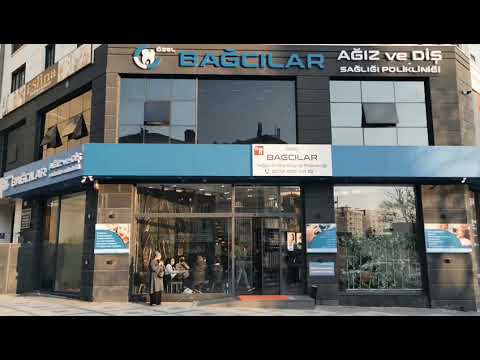
What Türkiye genuinely offers here is availability. Equipment of this kind is capital that has to be used to be worth owning, and İstanbul's volume means clinics can justify several wavelengths where a smaller practice can justify none. In Bağcılar the choice between a laser and a blade is made per case rather than per invoice, and the rest of the equipment, and what each machine genuinely changes is described the same way.
The claims we will not make are the ones the category is known for. Lasers do not make dentistry painless, they do not remove the need for anaesthetic in every case, and they do not treat gum disease on their own — laser use in periodontal therapy is an adjunct to proper mechanical debridement rather than a replacement for it.
Two treatments account for most legitimate laser use here, and both have their own page: reshaping the gum line before restorative work and periodontal therapy, where the laser is an adjunct rather than the treatment. If a laser appears on your quote for anything else, that is the point to ask what it changes.
The Same Test, Applied to Everything Else
This page is really about a habit rather than about lasers. Every claim a clinic makes about equipment can be tested the same way, and applying the test consistently is worth more than knowing anything about any particular instrument.
The test is: what specific thing does this change about my specific procedure, and is that a difference in outcome or in experience? Both are legitimate; conflating them is not.
A three-dimensional scan changes implant planning from an estimate to a measurement, which is an outcome difference. An in-house laboratory changes how quickly a shade correction happens, which is mostly a schedule difference with an outcome effect at the margins.
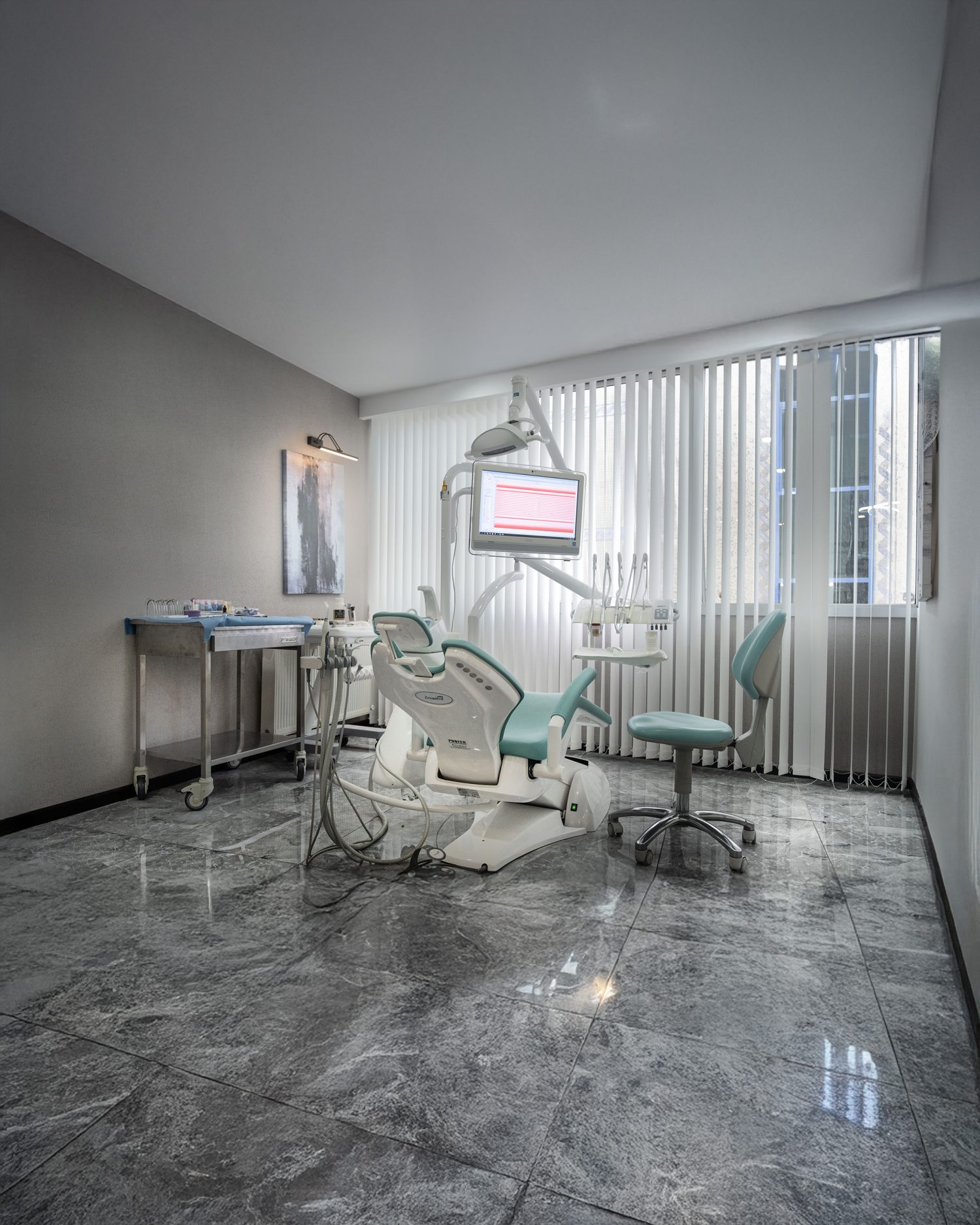
A digital design tool changes how well a proposal can be discussed before anything is prepared, which is a communication difference with real consequences. A photograph of a modern treatment room changes nothing at all.
Run every claim through that filter and the equipment section of any clinic website becomes readable in about two minutes — which leaves the remaining attention for the treatment plan, where the answer actually is.