












What a Collapsed Bite Actually Is
Teeth meeting at a particular height is not incidental. That height — the vertical dimension — determines the resting length of the chewing muscles, the position of the jaw joints, how the lips sit and how much tooth shows when you speak.
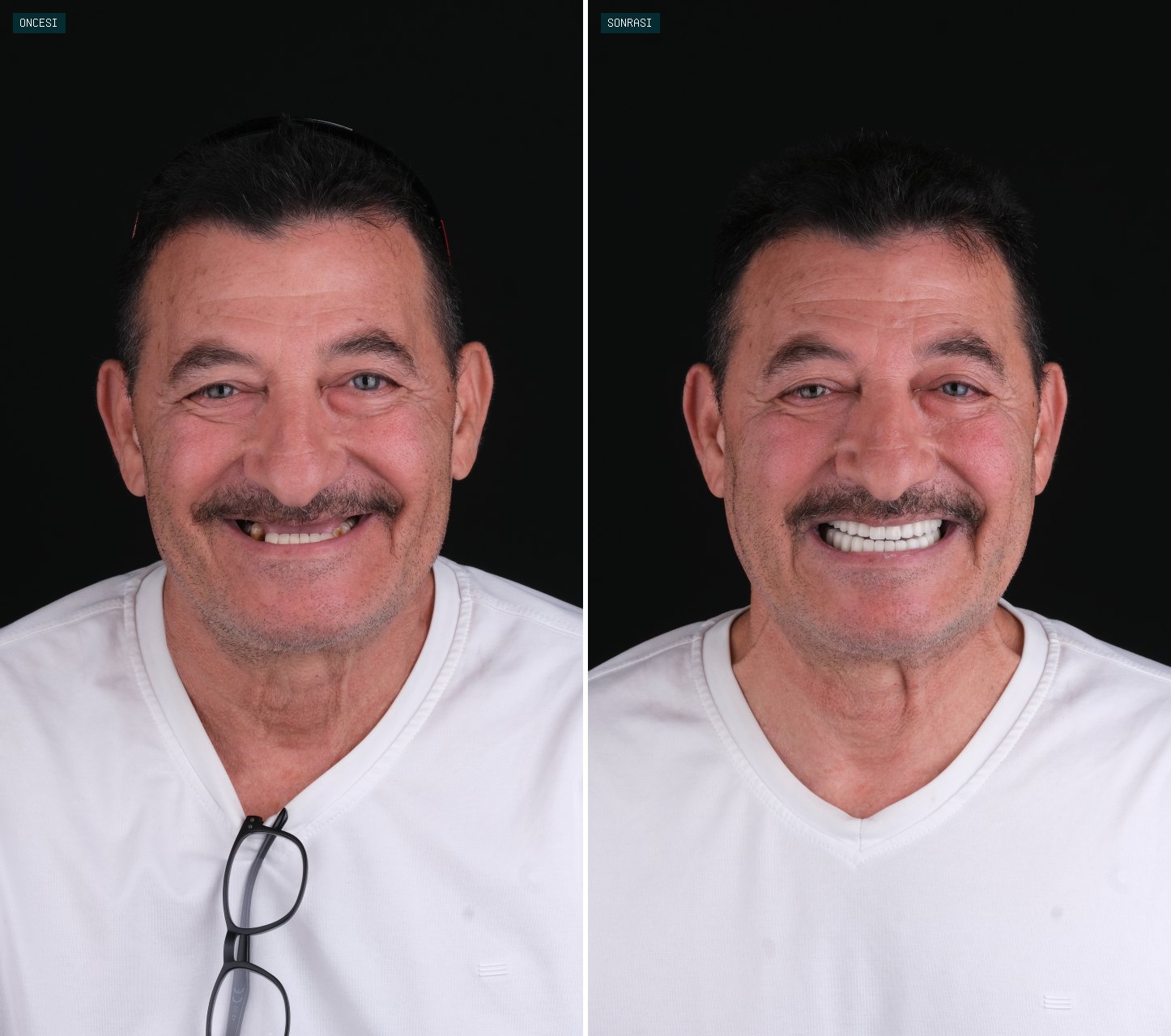
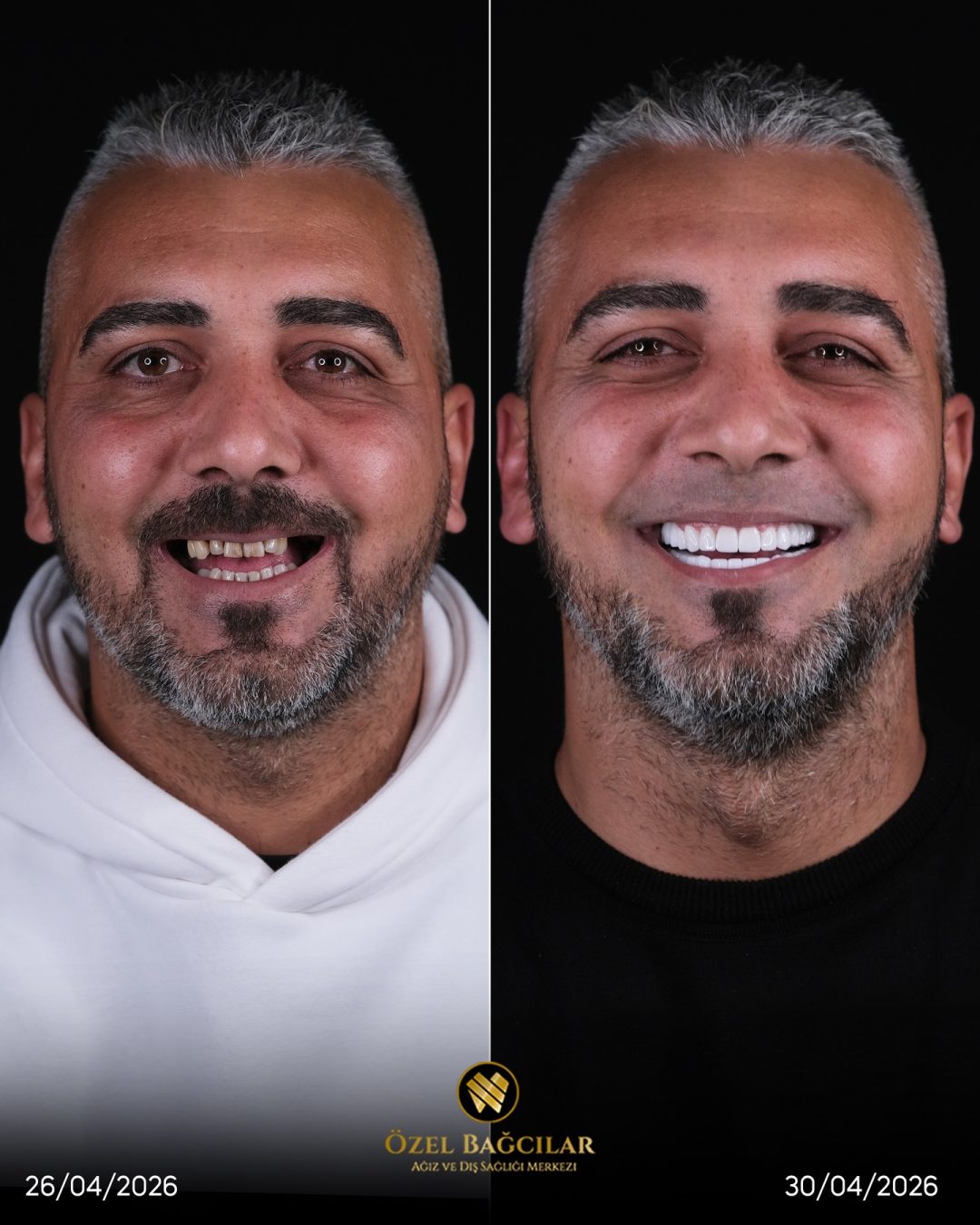
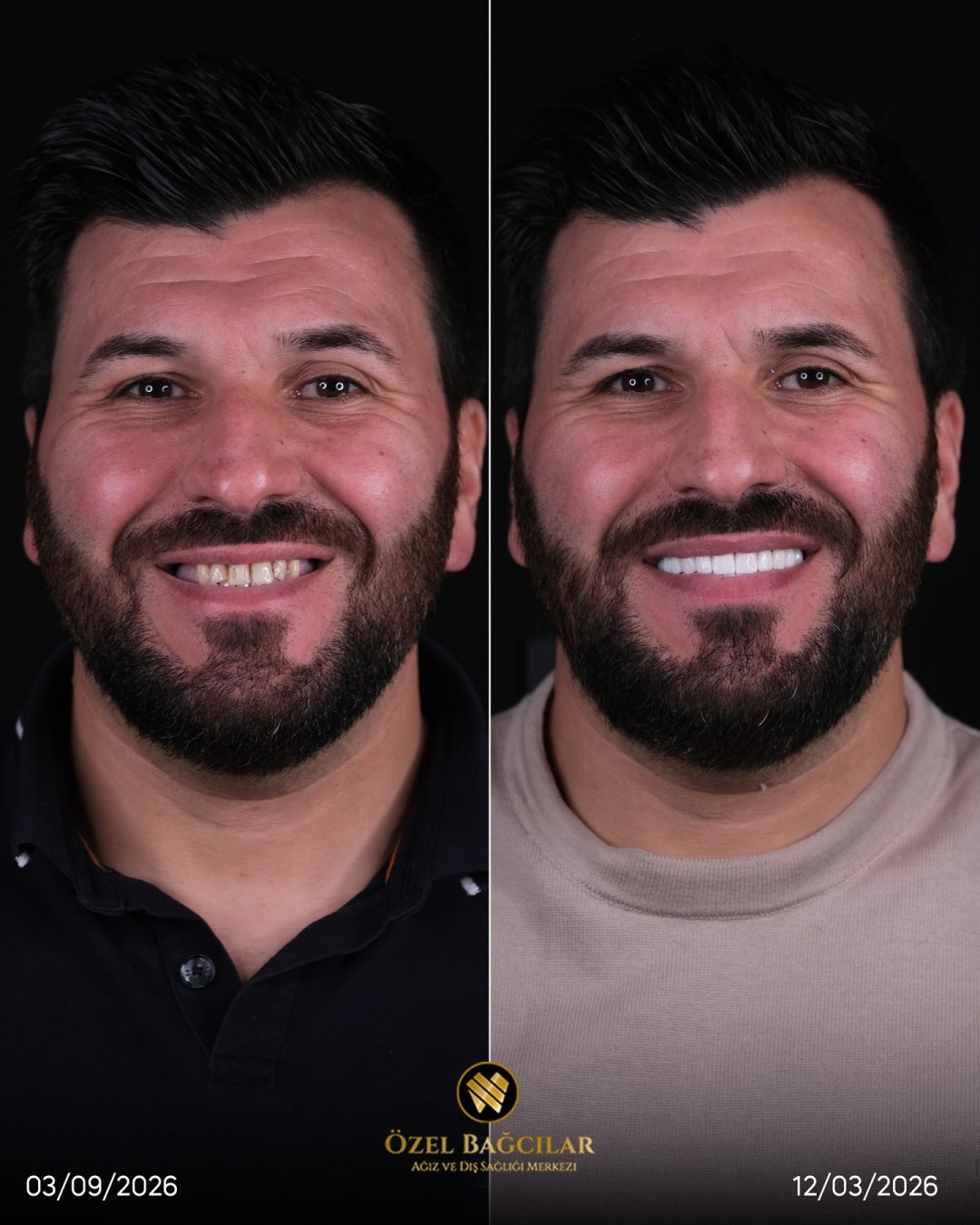
When teeth wear down, the jaws usually compensate by continued eruption and the height is maintained; in a minority that compensation does not keep pace and the vertical dimension is genuinely lost — which is a measurement rather than an assumption. The muscles shorten, the chin comes forward and up, the lower face becomes visibly shorter, and the lines running from the corners of the mouth deepen. People often describe it as looking older rather than as a dental problem.
Function changes with it. Chewing becomes less efficient because there is less space for food between the arches. Speech can alter subtly. The jaw joints work from a different position than the one they developed in.
And once the height has gone, no amount of individual restoration returns it. Rebuilding one worn tooth to its original length in a mouth where every tooth has shortened produces a single tooth in premature contact, which then fails.
That is why this is a whole-mouth treatment rather than a series of individual ones. The height has to be re-established across the arch, and everything has to be rebuilt to the new position together.
Finding Out Why It Happened
This comes before any restoration, because the cause continues underneath whatever is built on top of it. Three quite different processes produce similar looking wear, and they need entirely different management.
Attrition is tooth against tooth — grinding and clenching, usually at night. The wear is flat, matched between upper and lower teeth, and often accompanied by muscle tenderness or a history of morning jaw ache.
Erosion is chemical, from acid. The pattern is different: cupped hollows in the biting surfaces, thinning at the necks of teeth, and a smooth glassy appearance. Dietary acid, reflux and vomiting are the usual sources, and reflux frequently goes undiagnosed.
Abrasion is mechanical from something other than teeth — aggressive brushing with an abrasive paste being the most common. It shows as notching at the gum line rather than on the biting surfaces.
Most severe cases are a combination, and identifying the mix determines the management. Ceramic placed over unmanaged reflux erodes at the margins; ceramic placed over unmanaged grinding fractures — which is why the habit is addressed first.
Missing back teeth are a fourth contributor and the most preventable one. When molars go unreplaced, the front teeth take loads they were never designed for and wear accelerates — which is why replacing back teeth matters even where nobody sees them.
Establishing the New Bite Position
This is the part that separates a reconstruction from a set of crowns, and it is the part that takes time rather than skill alone.
The clinician has to decide where the jaws should meet — how much height to restore. Too little and the problem is not solved; too much and the muscles are over-stretched, producing discomfort, difficulty closing and restorations under constant load.
The starting points are measurable: how much tooth shows at rest and when speaking, the freeway space between the teeth when the jaw is relaxed, facial proportions, and old photographs where they exist. Records of what the teeth looked like before wear are genuinely useful here.
From those a proposed position is designed on articulated models, and the whole plan is built to it. Every restoration in the mouth will be made to that position, which is why getting it right before anything is prepared matters so much.
The proposed position is then tested rather than assumed correct — and that testing stage is the single most reliable indicator of whether a plan is a genuine reconstruction.
The Testing Stage Nobody Should Skip
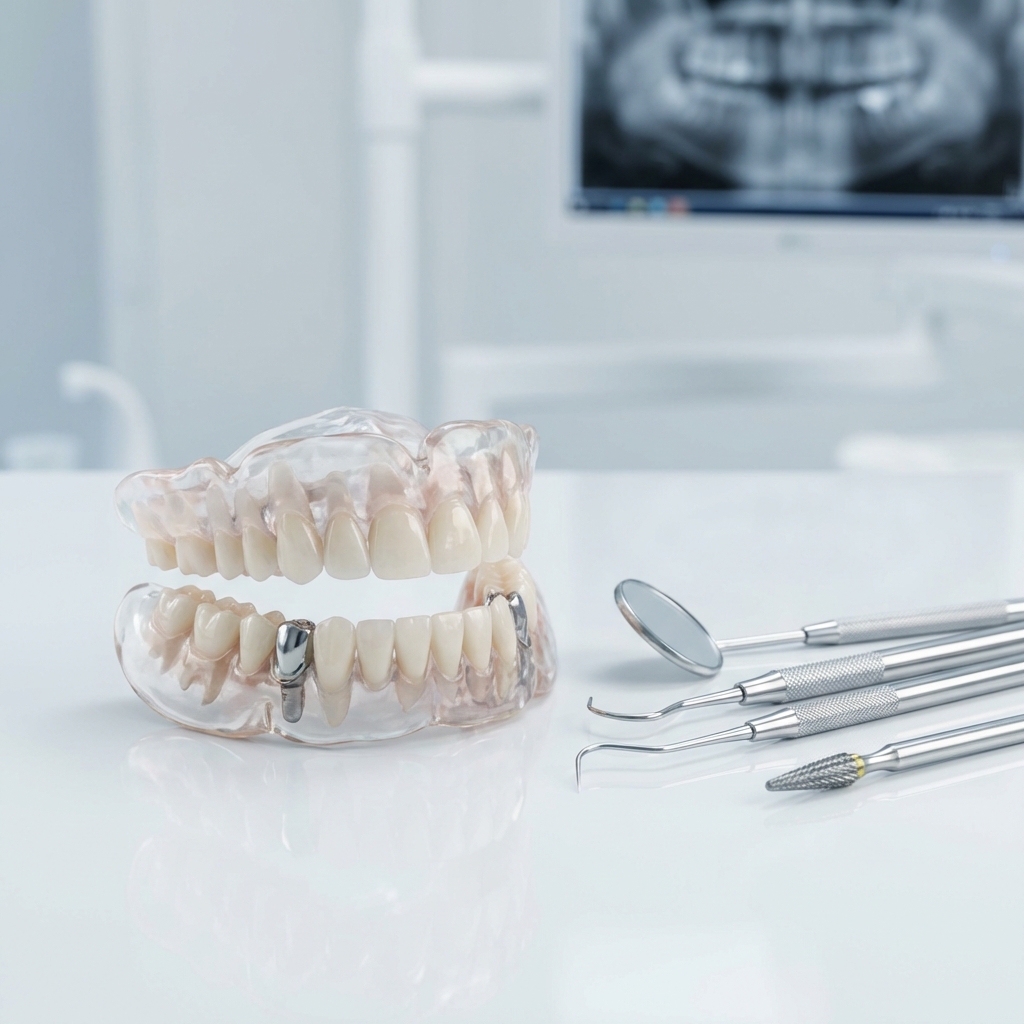
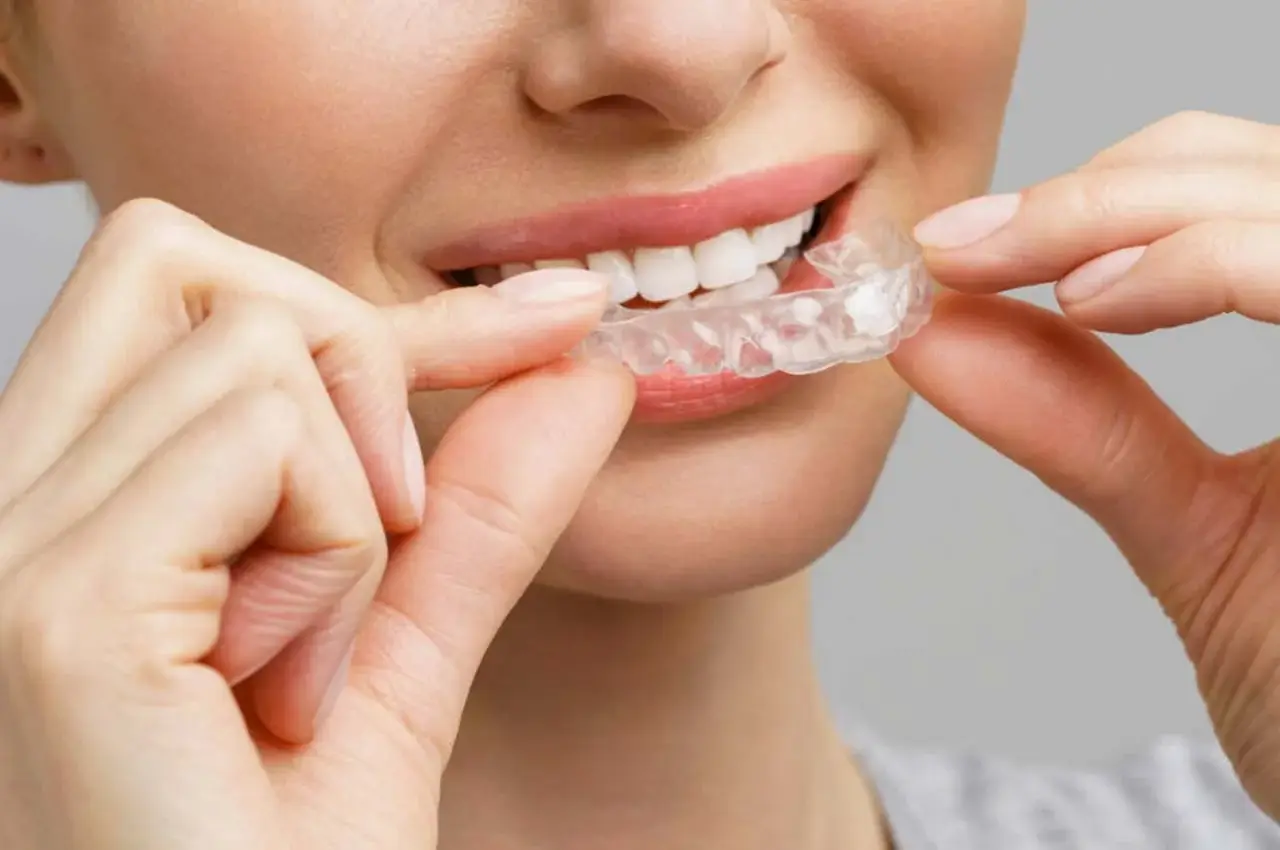
Before any tooth is prepared, the new bite is tried out in a removable appliance worn for weeks. It looks like a night guard built to the proposed height, and it lets the muscles and joints experience the position without anything being committed.
You wear it, eat with it, speak with it, and report what happens. Discomfort, muscle fatigue, difficulty finding a comfortable closing position or joint symptoms all indicate the proposed height is wrong and can be adjusted — cheaply, at that stage.
Where it is comfortable, that position is transferred into the permanent restorations with confidence. Where it is not, it is changed and tested again. Either way nothing irreversible has happened.
This is also the stage most often omitted, because it adds weeks and produces nothing photographable. A plan that goes from examination to preparation without it is committing you to a bite position nobody has tested.
If a single-week full-mouth plan is proposed, this is the step that has been removed. Ask specifically how the new vertical dimension will be tested before the permanent work is made.
Ask what happens to the appliance afterwards as well. In most reconstructions it becomes the template for the night guard you will wear indefinitely, since it already holds the position the restorations were made to — how guards are made and maintained covers the ongoing part.
The Sequence, Stage by Stage
A genuine reconstruction runs across months. The table sets out the stages and what each is for, so a proposed timetable can be checked against it.
| Stage | What happens | Roughly how long |
|---|---|---|
| Assessment | Examination, gum charting, radiographs, photographs, scans, joint assessment | One visit |
| Cause management | Reflux referral, grinding management, dietary review | Begins immediately, continues throughout |
| Foundation work | Gum treatment, decay, failed root treatments, extractions | Weeks to months, depending on what is found |
| Design and articulation | New vertical dimension designed on mounted models | Laboratory stage |
| Testing appliance | New bite worn removably and reported on | Several weeks, adjusted as needed |
| Provisional restorations | Temporary crowns built to the tested position | Worn for weeks to months |
| Definitive restorations | Permanent work made to the proven position, arch by arch | Two or more visits |
| Protection and review | Night guard, bite refinement, maintenance schedule | Ongoing |
Two things stand out in that table. Foundation work comes long before anything cosmetic, and there are two separate stages where the new position is worn before it is made permanent.
Why It Cannot Be Done in a Week
The physical work could be. Preparing and fitting a full mouth of crowns is achievable in six or seven days by a competent team with an in-house laboratory. That is not the constraint.
The constraint is that changing the vertical dimension changes how the muscles and joints work, and the body needs weeks to tell you whether it accepts the new position. That information arrives on its own schedule and cannot be requested faster.
Foundation work has its own timeline. Gum treatment needs re-evaluation weeks later. Root treatments need to be shown to have settled. Extractions need healing. None of that compresses either.
A single-week full-mouth plan therefore is not a faster version of this treatment. It is a different treatment: crowns fitted at approximately the existing height, which addresses appearance without addressing the collapse.
Sometimes that is a legitimate choice made knowingly. What it should not be is the same treatment presented as though the omitted stages did not matter — the realistic timetables set out what each treatment actually needs.
Material Choices Across a Whole Mouth
One material for every tooth is the wrong answer here more clearly than anywhere else, because a full mouth spans every functional zone.
Molars carry the heaviest loads and appearance matters least. Monolithic zirconia is the standard, and in a rebuilt bite it is often the only sensible choice — the restorations are taking forces that shortened the original teeth.
Front teeth need translucency and carry lighter loads, so glass-ceramic usually performs better aesthetically. The exception is a patient whose grinding is severe, where strength wins even at the front.
Premolars are decided case by case, and in a reconstruction that decision is made with the bite scheme rather than in isolation. How the teeth guide against each other during side movements determines which teeth take load and when.
Where teeth have been worn to the point of needing significant height added rather than replaced, adhesive techniques can sometimes add it without preparation at all — the material comparison sets out where each belongs.
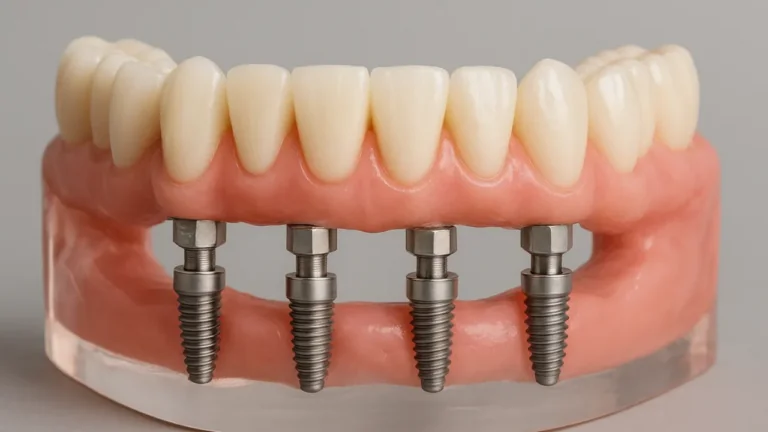
Where teeth are missing as well as worn, the plan spans both. How each space is filled is decided alongside the restorative materials rather than afterwards, because the implant crowns have to be made to the same new bite position as everything else.
The Conservative Alternative
Full-coverage crowns on every tooth is one way to do this, and for many worn mouths it is not the only way. The alternative deserves to be raised, because it removes far less tooth.
Where teeth are worn but structurally sound, additive techniques can rebuild the lost height with bonded composite or thin ceramic onlays, without the circumferential preparation a crown requires. The height is added to what remains rather than replacing it.
This works because opening the bite creates space. Restoring at a greater vertical dimension means there is room for material without removing tooth structure to make it, which is the opposite of the usual situation.
It is more technically demanding, it requires the wear to be within a certain range, and composite versions need maintenance over years. It is not always possible and it is not always the better answer.
But it should be raised. A worn but sound dentition treated with twenty-eight crowns has had a great deal of tooth removed to solve a problem that additive treatment can sometimes address — and the coverage question applies across the whole mouth here rather than to one tooth.
The Jaw Joints
Any treatment changing where the jaws meet involves the joints, and they need assessing before rather than being discovered afterwards.
The assessment covers how far the jaw opens, whether it deviates to one side on opening, whether there are clicks or crepitus, and whether the muscles are tender to palpation. Symptoms are recorded before treatment as a baseline.
Active joint symptoms are managed before reconstruction rather than during it. Restoring a mouth to a position the joints cannot tolerate produces a patient who is uncomfortable in permanent restorations, which is the hardest situation to correct in dentistry.
The testing appliance does double duty here. It stabilises the joints in the proposed position, and how symptoms respond over several weeks is genuinely informative about whether that position is right.
Where joint problems are significant, they may need managing for months before any reconstruction begins. That is a legitimate delay rather than an obstacle, and skipping it is how a technically excellent reconstruction ends up unworn.
Who Actually Needs This
It is a large treatment and it is over-prescribed. The genuine indications are reasonably specific.
- Severe generalised wear with measurable loss of facial height.
- Extensive existing restorations that have all reached the end of their life together.
- A combination of missing teeth and worn remaining teeth that need planning as one.
- A bite that has collapsed after long-term tooth loss at the back.
- Severe erosion where the cause has been identified and managed.
What is not an indication is wanting a whiter, straighter smile. That is a cosmetic goal and it is usually achieved with far less treatment — often alignment, whitening and a small number of restorations.
Nor is a mouth with several failing restorations that could be replaced individually. Sequential replacement over years is frequently the better plan and it keeps far more tooth structure.
The test is whether the vertical dimension has genuinely been lost. Where it has not, a full reconstruction is doing something that did not need doing — and the design process reaches a comparable appearance with a fraction of the intervention.
Age is worth weighing here too. A patient in their thirties with early wear has decades ahead in which restorations will be remade at least once, so the conservative option matters more — additive composite can hold the position while the cause is brought under control.
Living With a Reconstructed Bite
The maintenance requirement is higher than for individual restorations and it is worth understanding before committing, because it is permanent.
A night guard is mandatory rather than advisable where grinding contributed. The habit that wore the original teeth has not gone away, and ceramic is harder but not indestructible. Guards also wear and need replacing periodically.
Cleaning matters more than before. Every restoration has a margin, and a full mouth has a great many of them. Daily interdental cleaning is what prevents decay at those margins, and hygiene intervals are usually shorter than standard.
Where erosion was the cause, the dietary or medical management continues indefinitely. Reflux treated during reconstruction and abandoned afterwards erodes the margins of the new work in the same way it eroded the teeth.
Bite refinement in the first months is normal rather than a sign of a problem. Small adjustments as the muscles settle into the new position are part of the treatment, and they are why a review before you fly home matters.
Gum health is the other maintenance strand. A full mouth of restorations has a margin at every tooth, and the shortened hygiene interval after extensive work exists because those margins are where problems begin rather than because anything is wrong.
Planning It as a Visiting Patient
Full mouth reconstruction is the treatment least suited to a single trip, and the most workable arrangement acknowledges that from the start.
A realistic structure is three visits. The first covers assessment, foundation work and the testing appliance. The second fits provisional restorations at the tested position. The third makes them permanent.
The intervals between them are working time rather than waiting — you wear the appliance, then the provisionals, and report how each behaves. Much of the value of the treatment is generated in those intervals.
Where that is genuinely impossible, a staged approach treating one arch at a time across two visits is more honest than compressing everything into one. It takes longer overall and it preserves the testing stages.
What should be resisted is a plan that fits because the stages were removed. Asking how the new bite will be tested is the single question that establishes which kind of plan you have been offered.
Full-Mouth Cases and Why They Are Staged in İstanbul
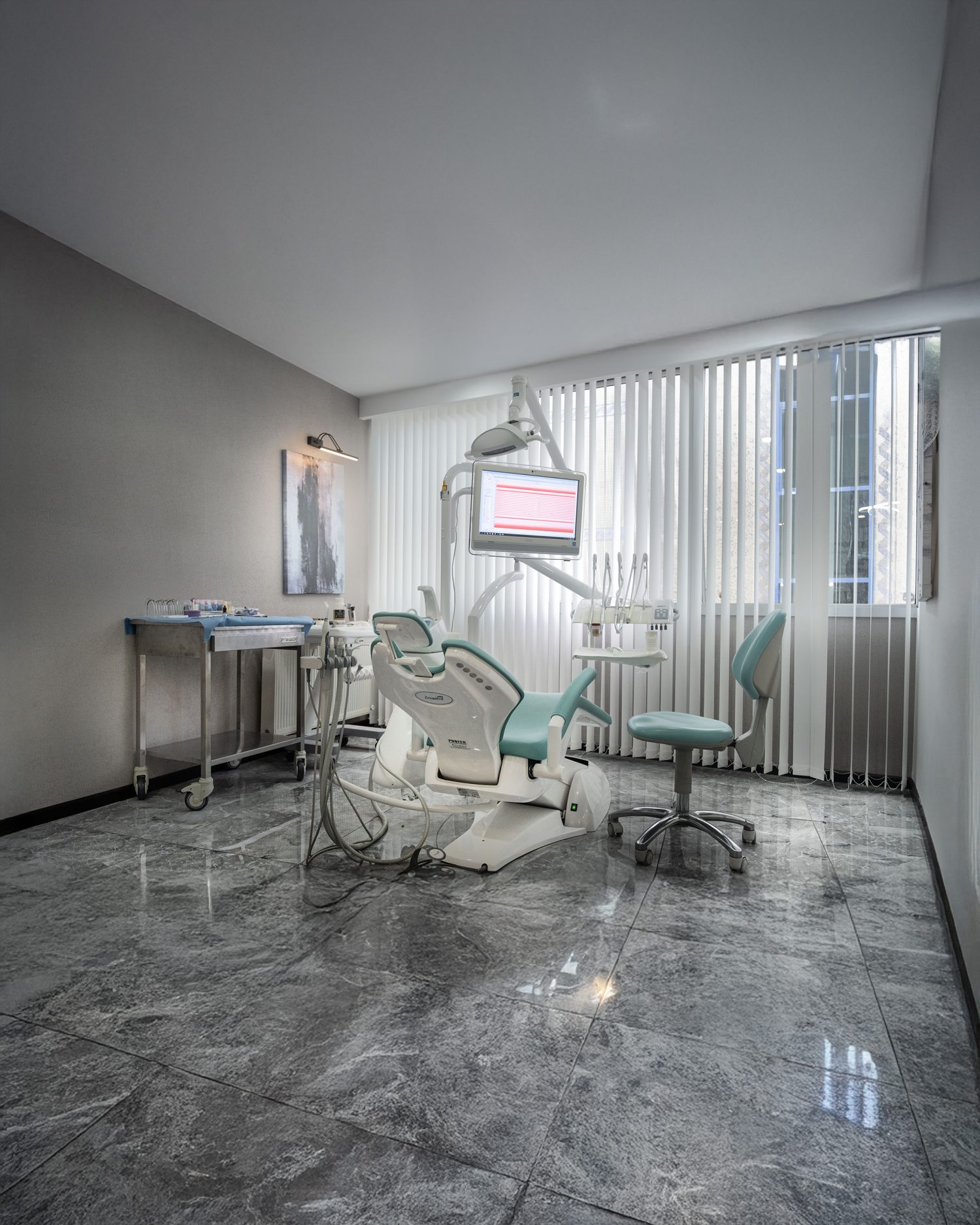
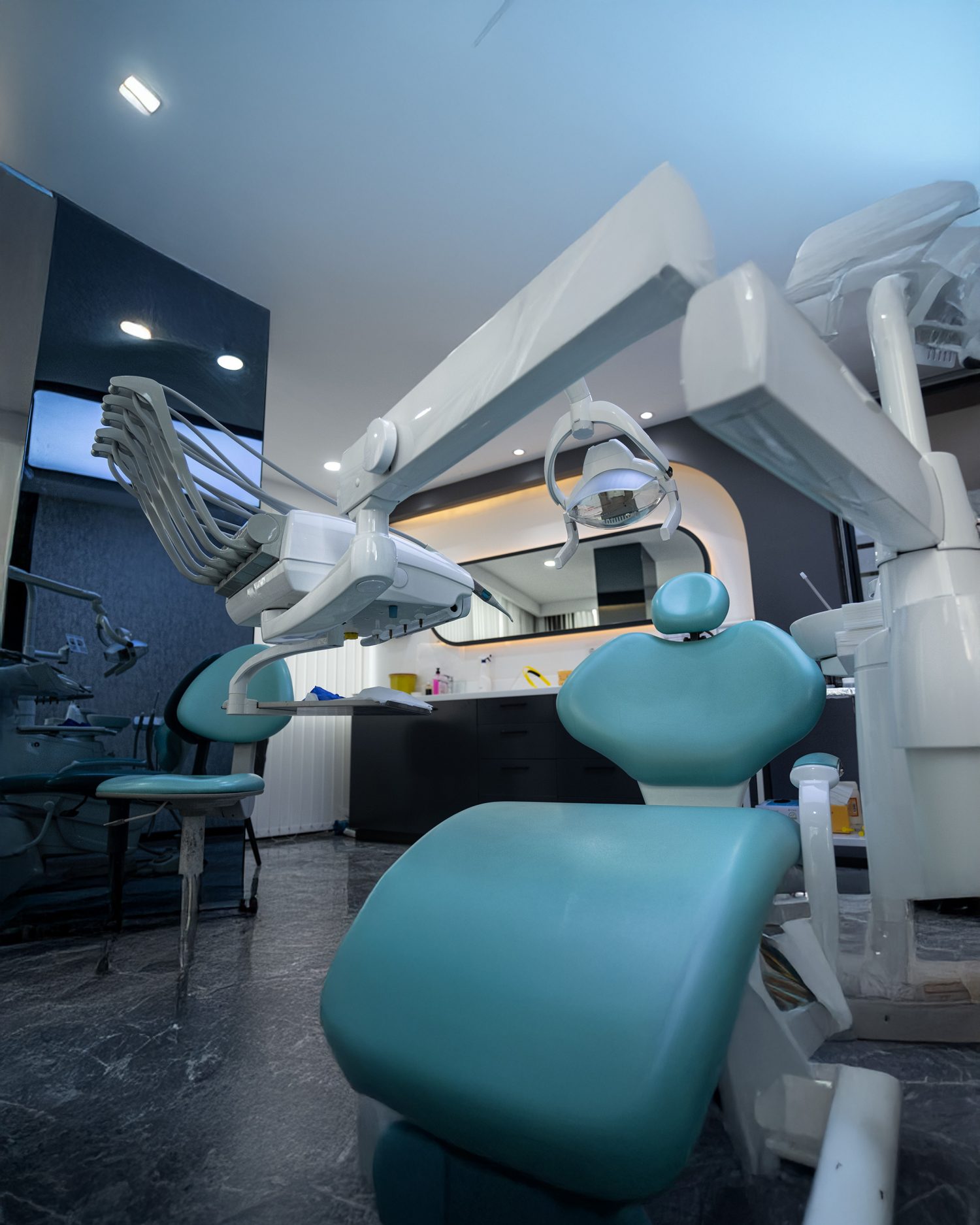
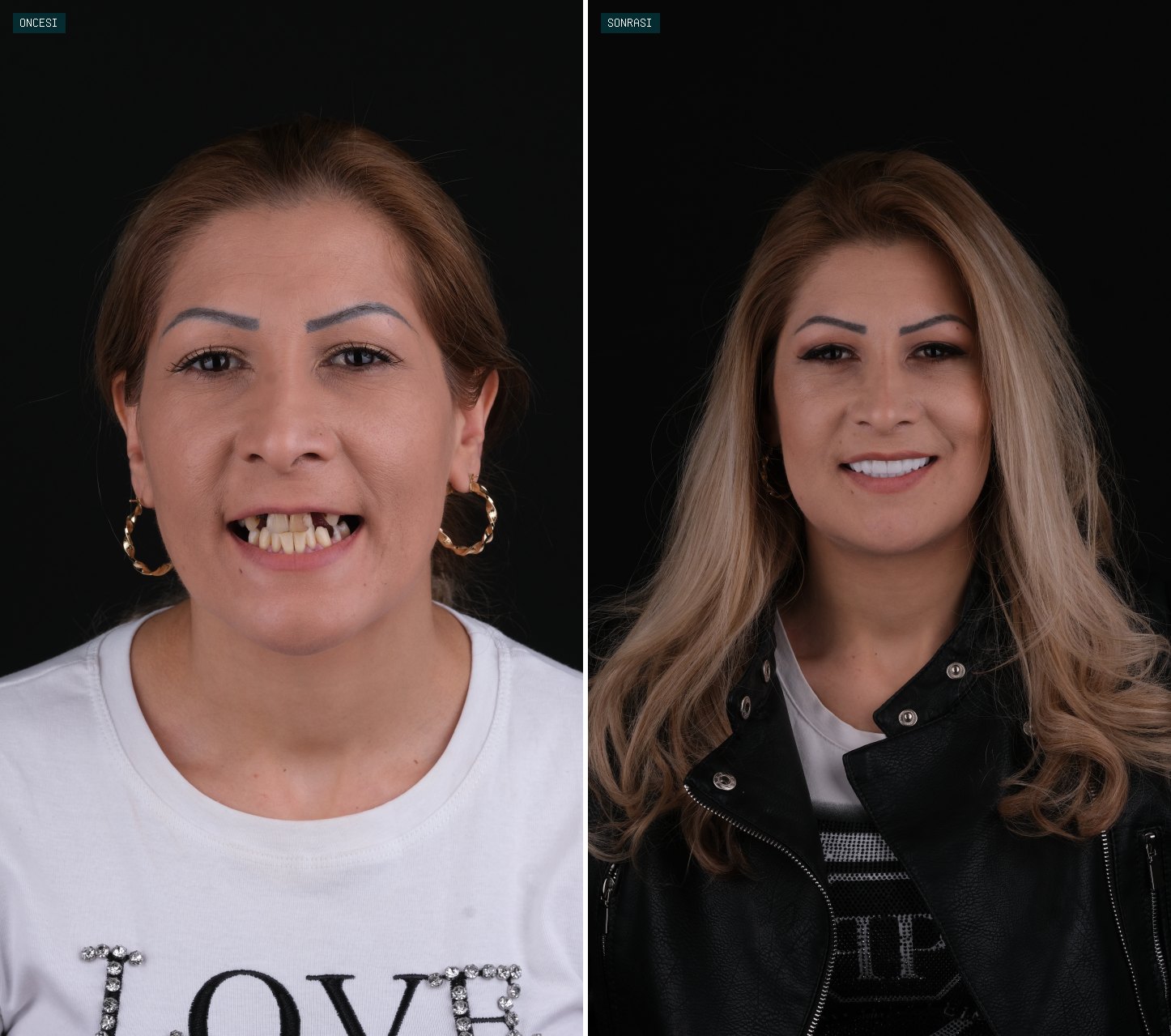
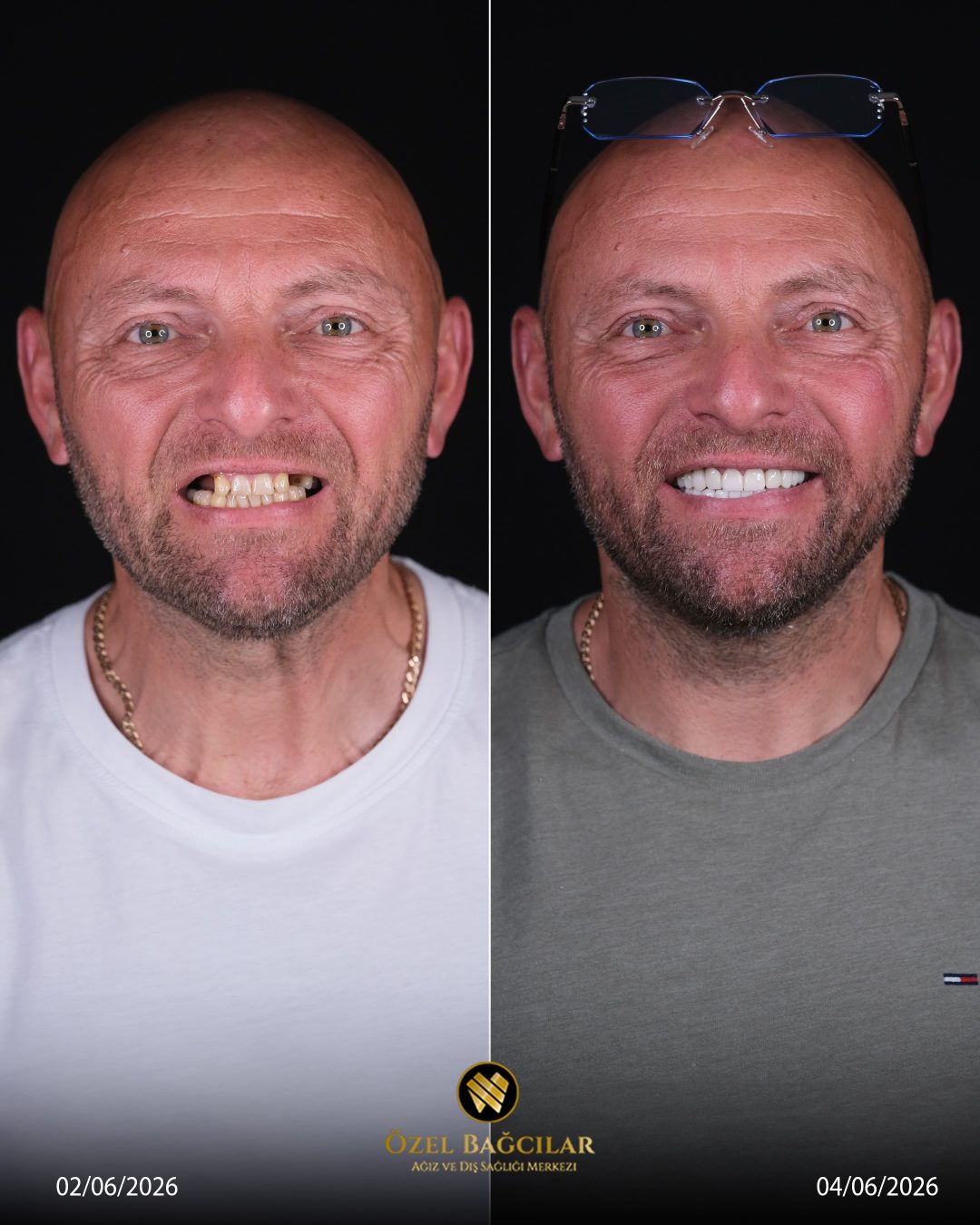
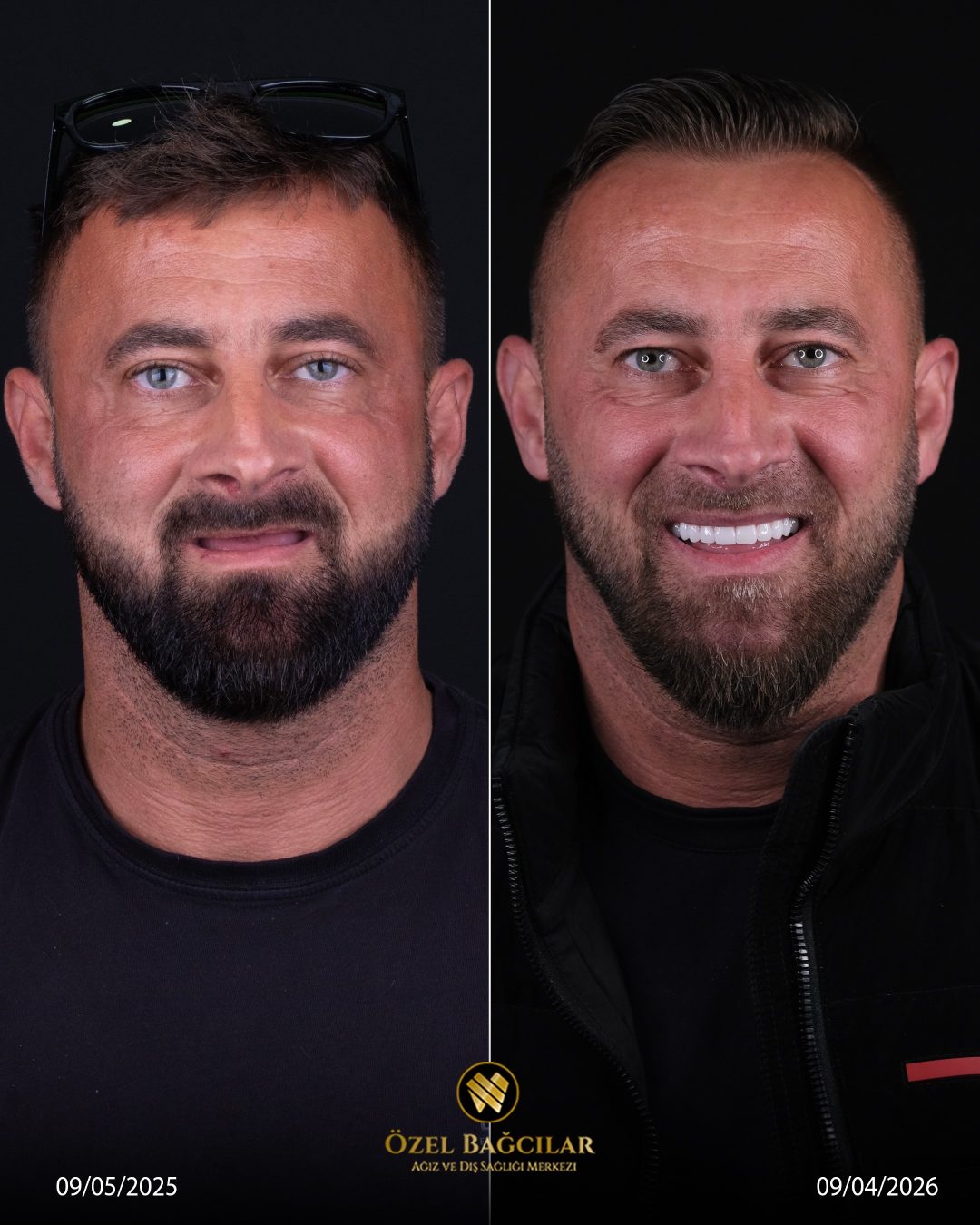
A full-mouth restoration is the largest thing dentistry does to a healthy person, and it is the treatment where the difference between a well-run Turkish clinic and a badly run one is most visible. Done properly it is staged: assessment and records, stabilisation of anything active, a provisional phase you live in and test, and only then the definitive work. Done as a package it is compressed into one trip, and the provisional phase — the one that establishes whether the new bite works — is the stage that gets removed.
That provisional phase is the whole argument for staging. Temporaries at the planned vertical dimension are worn for weeks, and how you chew, speak and sleep in them is the evidence for whether the plan is right. Where the answer is no, the change costs a set of temporaries. After the ceramic is made, the same change costs the ceramic. No amount of digital planning substitutes for wearing the result.
For an international patient that means two visits to Bağcılar, several months apart, with the provisional period spent at home rather than in Türkiye. Some patients have a check-up with their own dentist during that interval and send us the notes; some send photographs. Either is normal. What is not normal, and what we will not do, is issue definitive ceramic on a bite nobody has lived in.
The other reason these cases suit İstanbul is that the specialities involved — periodontics, endodontics, prosthodontics, surgery — are in one building rather than spread across four referrals with four waiting lists. Who does what, and how to verify them is worth reading before you commit to a case of this size, here or anywhere.
How We Approach Reconstruction at Bağcılar
Cause first. Before any restorative discussion, we establish why the wear happened — attrition, erosion, abrasion or a combination — because that determines what will happen to the new restorations.
Foundation before appearance. Gum treatment, decay, failed root treatments and any extractions are dealt with and shown to be stable before the reconstruction is designed. That frequently adds a visit and it is not negotiable.
The new vertical dimension is designed on articulated models and tested in a removable appliance before any tooth is prepared. Provisional restorations follow at the proven position and are worn before anything permanent is made.
Where an additive approach can rebuild the height without full-coverage preparation, we propose it — including when it is the smaller treatment. Where it cannot, we say why.
The plan is written arch by arch and tooth by tooth with materials and reasons, the visit structure is set out before you book flights, and everything placed carries a lifetime guarantee on materials and workmanship — with the exclusions stated plainly, including the night guard requirement.