












When a Tooth Genuinely Cannot Be Saved
There are situations where extraction is straightforwardly the right treatment, and recognising them makes the borderline cases easier to identify by contrast.
A vertical root fracture is the clearest. The crack runs down the root and bacteria track along it into the bone; there is no restoration that seals it and no root treatment that reaches it. The tooth is lost at the moment the fracture occurs.
Advanced periodontal disease is the second. Where most of the supporting bone has gone and the tooth is mobile, there is nothing to attach a restoration to. The tooth is not diseased so much as unsupported.
Decay extending well below the gum and into the root leaves nothing to build on. A restoration needs a band of sound tooth structure above the bone to grip; where that is absent, anything placed will fail and take the remaining structure with it.
And teeth that are causing problems by position rather than condition — impacted wisdom teeth damaging the tooth in front, or teeth being removed as part of an orthodontic plan to create space. Both are removals of healthy teeth for sound reasons.
When It Is a Decision Rather Than a Necessity
Far more cases sit here than most patients realise, and this is where a second opinion is genuinely worth having.
A tooth with a failed root treatment can frequently be re-treated. Success rates for retreatment are good, and where retreatment is not possible an apicectomy — surgery at the root tip — is sometimes an option. Both preserve a tooth that would otherwise be extracted.
A tooth with substantial decay but sound root structure can often be rebuilt with a post and crown, or by crown lengthening to expose more structure. It is more work than an extraction and it keeps the tooth.
Moderate periodontal involvement is treatable. A tooth with a poor prognosis is not the same as a hopeless one, and stabilising the gums frequently changes the assessment substantially — what gum treatment can achieve sets out the realistic range.
The honest framing is that keeping a compromised tooth is sometimes the right choice and sometimes postponing an inevitable extraction at the cost of more bone. Which it is depends on the specifics, and it deserves a proper explanation rather than a verdict.
What Actually Happens During an Extraction
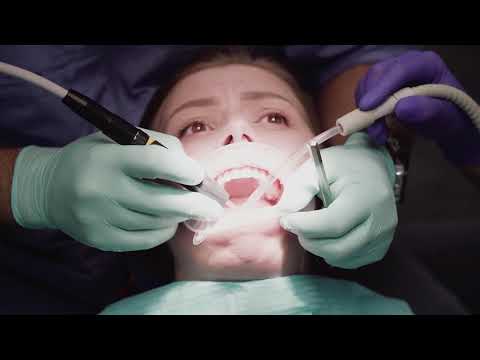
The procedure is far less dramatic than its reputation, and knowing the sequence removes most of the anxiety around it.
Local anaesthetic first, and enough of it — you should feel pressure and movement but not pain. If you feel anything sharp, that is not something to endure; more anaesthetic is given and it takes a moment.
A simple extraction uses instruments to widen the socket gradually and ease the tooth out. Teeth are held by a ligament rather than cemented into bone, and the technique is about stretching that ligament rather than pulling. It is usually quick.
A surgical extraction is needed where the tooth is broken at gum level, has divergent or curved roots, or is impacted. The gum is lifted, a small amount of bone may be removed, and the tooth is sometimes sectioned into pieces to come out along its own path.
Sectioning sounds worse and is usually gentler, because removing a tooth in parts requires far less force than removing it whole. The socket is then cleaned, and stitches are placed where a flap was raised.
What Happens to the Bone Afterwards
This is the part that determines your options for years, and it is rarely discussed at the extraction appointment.
Bone exists to support teeth. Once a tooth is removed, the bone that held it has no function and begins to resorb — quickly at first, with the most significant change happening in the first months, then more slowly but continuously.
The loss is greatest in width, and it happens mostly from the outer surface. That matters specifically for implants, which need width as much as height, and it is why a socket left to heal alone frequently cannot take an implant without grafting later.
It also affects the neighbours. Teeth either side of a space tend to tilt into it over years and the opposing tooth can over-erupt into the gap, which changes the bite and complicates whatever is eventually placed.
None of this is an argument for panic. It is an argument for deciding what will replace the tooth before it comes out — the replacement options are easier and cheaper to deliver when the bone is still there.
Socket Preservation: The Decision Made at Extraction
A small graft placed into the socket at the time of removal maintains the ridge shape while it heals. It is the single most cost-effective thing in implant dentistry and it can only be done at that one appointment.
The material is placed into the empty socket, covered with a membrane, and the gum closed over it. It acts as a scaffold that the body's own bone replaces over several months, and it substantially reduces the collapse that would otherwise occur.
The economics are stark. A preservation graft at the time of extraction is a modest addition to that appointment; rebuilding the same bone two years later is a separate surgery with its own healing period, and it costs several times as much.
It is not needed in every case. Where the tooth is a back molar that will not be replaced, or where the bone is already extensively lost, it may not change the outcome. But where an implant is even a possibility, it usually should be done.
Ask about it before the extraction, not afterwards. How grafting works sets out the difference between preserving bone and rebuilding it — the second is considerably harder.
Immediate Implant Placement
In some cases the implant goes in at the same appointment as the extraction, which shortens the whole treatment substantially. It is not always possible and the criteria are specific.
It requires no active infection at the site, enough intact bone around the socket to hold the implant stably, and healthy gum tissue. Whether those conditions are met is assessed from a CT scan beforehand and confirmed at surgery once the tooth is out.
Where it works, it saves months and one healing cycle, and it often gives a better gum contour at the front — though it does not by itself stop the outer plate of bone from resorbing, which is why the gap around an immediate implant is normally grafted at the same appointment. For a front tooth in particular that can produce a noticeably better gum contour.
Where it does not, forcing it produces a poorly positioned implant, which is a far worse outcome than waiting. The decision has to remain open until the tooth is actually out and the socket can be seen.
A clinic that promises immediate placement before the extraction has committed to something it cannot yet know — the criteria for placing and loading early are measured, not predicted.
Recovery Day by Day
The pattern is predictable enough to set out, and knowing it makes the difference between normal healing and a worrying week.
| Period | What is normal | What is not |
|---|---|---|
| First hours | Oozing, numbness, pressure from gauze | Bleeding not settling with an hour of firm pressure |
| Day 1 | Pink saliva, swelling beginning, soreness | Heavy bleeding, severe pain despite medication |
| Days 2–3 | Swelling at its peak, stiffness, bruising possible | Fever, swelling spreading toward eye or neck |
| Days 3–4 | Swelling starting to fall, pain decreasing | Pain returning sharply — the dry socket pattern |
| Days 5–7 | Soreness settling, eating easier, sutures loosening | Persistent bad taste with an empty-looking socket |
| Weeks 2–4 | Gum closed over, socket filling in | Sharp fragment persisting, or numbness not resolving |
The single most useful signal is direction. Ordinary healing improves each day after the second; anything that reverses that trend is worth reporting rather than waiting out.
Dry Socket, and How to Avoid It
The complication everyone has heard of. It is unpleasant, it is easily treated, and it is largely preventable by three instructions given on the day.
It happens when the blood clot is lost from the socket before the tissue underneath has healed, leaving bone exposed to the mouth. It is not an infection, though it is intensely painful and often radiates towards the ear.
The pattern is distinctive: improvement for two days, then pain returning sharply around day three or four, with a bad taste and a socket that looks empty rather than filled with clot.
The main risk factors are smoking, using straws, forceful rinsing or spitting on the first day, and surgical removal of lower wisdom teeth. Three of those four are entirely within your control, which is why the first-day rules matter so much.
Treatment is quick — the socket is irrigated and a medicated dressing placed, with rapid relief, sometimes repeated once. Any dentist can do it if you are already home, and the full aftercare instructions cover the rest of the recovery.
Wisdom Teeth Are a Separate Question
They come up in nearly every extraction conversation and they follow different rules, mainly because they are so often removed while symptomless.
The case for removal is clear where there is recurrent infection around a partially erupted tooth, decay in it or in the tooth in front, a cyst, or damage being caused to the second molar. Those are treatments rather than precautions.
The case is weaker for a fully impacted, symptomless tooth causing no damage. Removing it involves surgery with real risks — including nerve proximity in the lower jaw — and current thinking has moved away from routine prophylactic removal.
Age matters. Removal is easier and healing faster in younger patients, and roots are less developed. That argues for deciding rather than deferring indefinitely where removal is likely to be needed eventually.
The wisdom tooth question in full covers the assessment, the surgery and the recovery, which differs enough from ordinary extraction to warrant its own account.
Where a wisdom tooth is being removed because it has damaged the molar in front, that second tooth needs its own plan. It has frequently decayed on the surface facing the wisdom tooth, and restoring it is the part of the appointment that actually matters.
Deciding the Replacement Before the Extraction
This is the sequencing point that changes outcomes most, and it is the one most often reversed. The replacement plan should exist before the tooth comes out.
If an implant is likely, socket preservation is done at the extraction and immediate placement may be possible. If a bridge is planned, the neighbouring teeth are assessed before anything is removed. If nothing will replace it, that is a decision with consequences worth understanding.
Leaving a space is legitimate in some positions — a back molar with a healthy opposing tooth pattern, for instance. It is less advisable where neighbours will tilt or the opposing tooth will over-erupt, which changes the bite over years.
The options and what each requires are set out in the implant and bridge comparison and the full replacement overview, both of which are easier decisions made before the bone has changed.
Where multiple teeth are being removed, that planning matters more rather than less. A staged clearance with preservation grafting keeps options open that a clearance without it closes.
Extraction as Part of a Larger Plan
Most extractions in a health-tourism context are not isolated events. They are the first step of a reconstruction, and the sequencing across visits needs planning before flights are booked.
Where implants will follow, the usual sequence is extraction with preservation grafting, a healing period of two to four months, then placement — or immediate placement where the criteria are met. That is two visits at minimum.
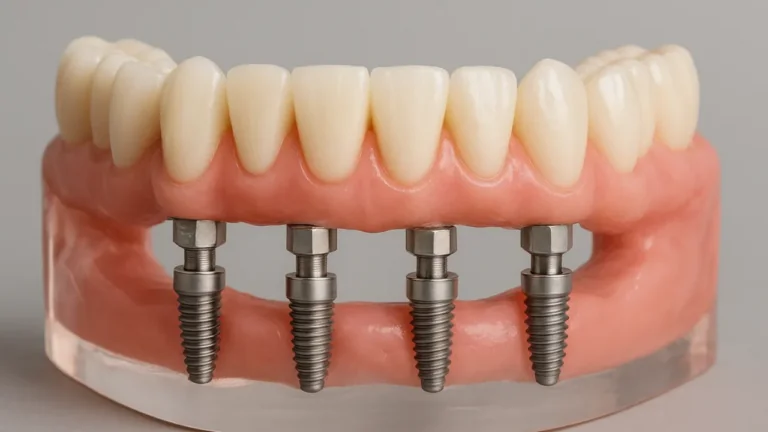
Where a full arch is planned, extractions and implant placement frequently happen at the same appointment, with a temporary bridge fitted within a day or two. How full-arch treatment is structured sets out the whole sequence.
Where restorative work will follow on remaining teeth, extractions come first because they change the bite. Crowns made before a nearby extraction may not fit the altered occlusion afterwards.
None of this is complicated, but it has to be decided in advance. A plan built around a single trip that includes extractions and permanent restorations has usually skipped a healing period that exists for a reason.
Medical Considerations
Extraction is minor surgery and the same caution applies as anywhere else. Most of these change how the procedure is managed rather than whether it can happen.
Anticoagulants and antiplatelet medication increase bleeding but rarely prevent extraction. They are managed with local measures — careful technique, haemostatic material in the socket, sutures. Stopping them unsupervised carries a far greater risk than the bleeding does.
Bisphosphonates and related bone medications matter considerably, including ones taken years ago, because they affect how bone heals after extraction. This is one of the most important things to declare and one of the most commonly forgotten.
Uncontrolled diabetes slows healing and raises infection risk. Previous radiotherapy to the head or neck changes the assessment substantially for teeth in the irradiated field.
All of it is established at the consultation from a full medical history rather than at the appointment itself. A questionnaire asking only about allergies has not asked the questions that matter here.
Extractions Inside a Treatment Trip
Extractions are rarely the reason anyone flies to İstanbul and they are frequently part of the plan once radiographs are read — a tooth that cannot be saved under an old bridge, a broken root, a molar that has been quietly infected for years. Where they appear on a plan they change its shape, because what follows an extraction is decided in the same appointment: the socket is grafted, an implant is placed immediately, or the site is left to heal for a later visit.
Which of those applies is a decision that has to be made before you travel rather than at the chair, because it decides how long the trip is. Immediate placement can save an entire second visit where the bone and the infection status allow it. Where they do not, socket preservation at the time of extraction is what keeps the later implant straightforward — and skipping it because it was not in the package is how a simple case becomes a grafting case eighteen months later.
The İstanbul-specific point is timing around the flight. A straightforward extraction is no obstacle to flying the next day. A surgical removal with bone work is scheduled early in the trip so the swelling peak, which falls on the second or third day, does not coincide with the journey home. That is a scheduling decision we make at booking rather than a restriction we discover afterwards.
One thing worth raising before you book: if you take anticoagulants, bisphosphonates, or have had radiotherapy to the jaws, say so at the enquiry stage rather than on arrival. None of these rules out treatment, and all of them change how the extraction is planned and what is arranged around it.
How We Approach Extraction at Bağcılar
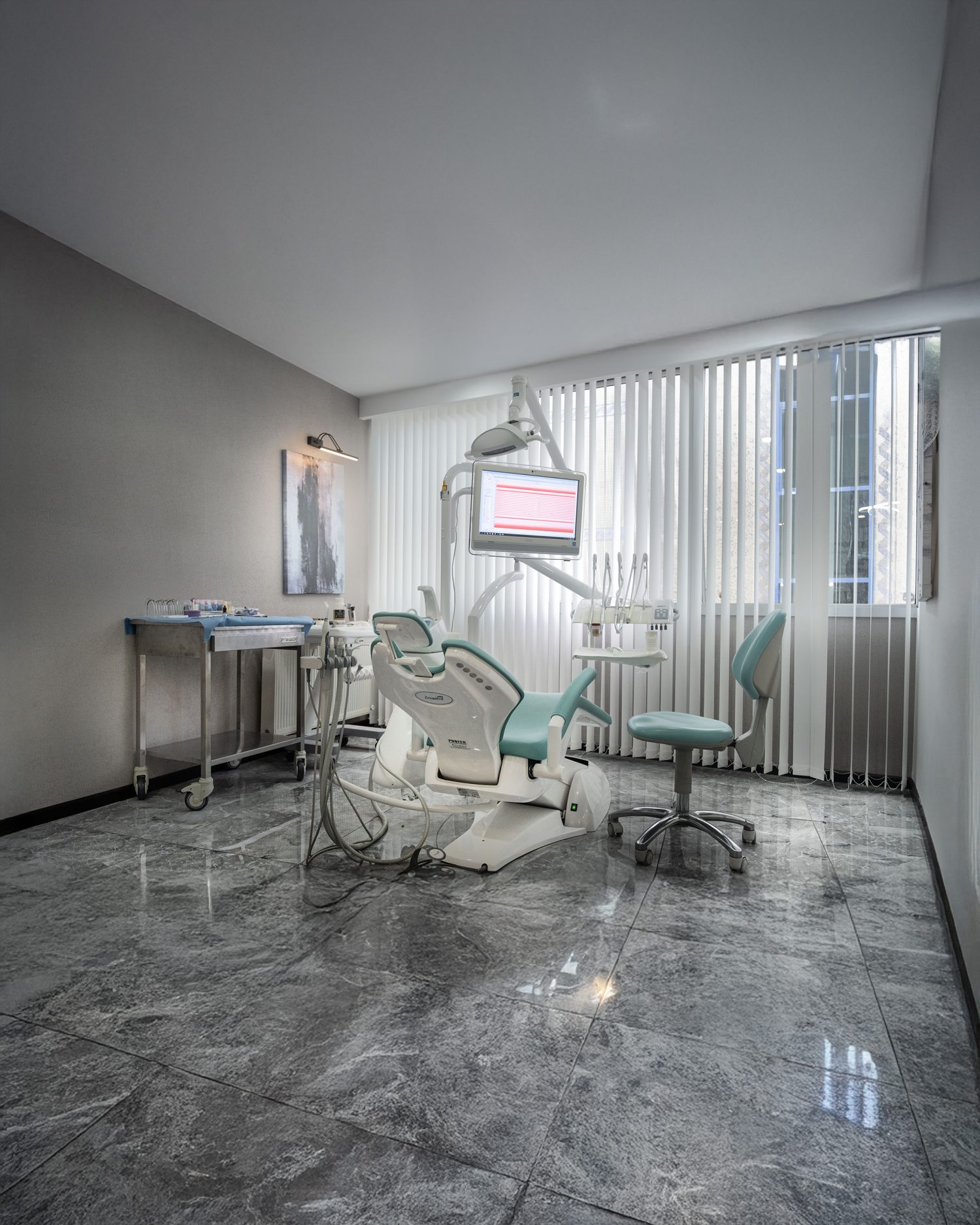
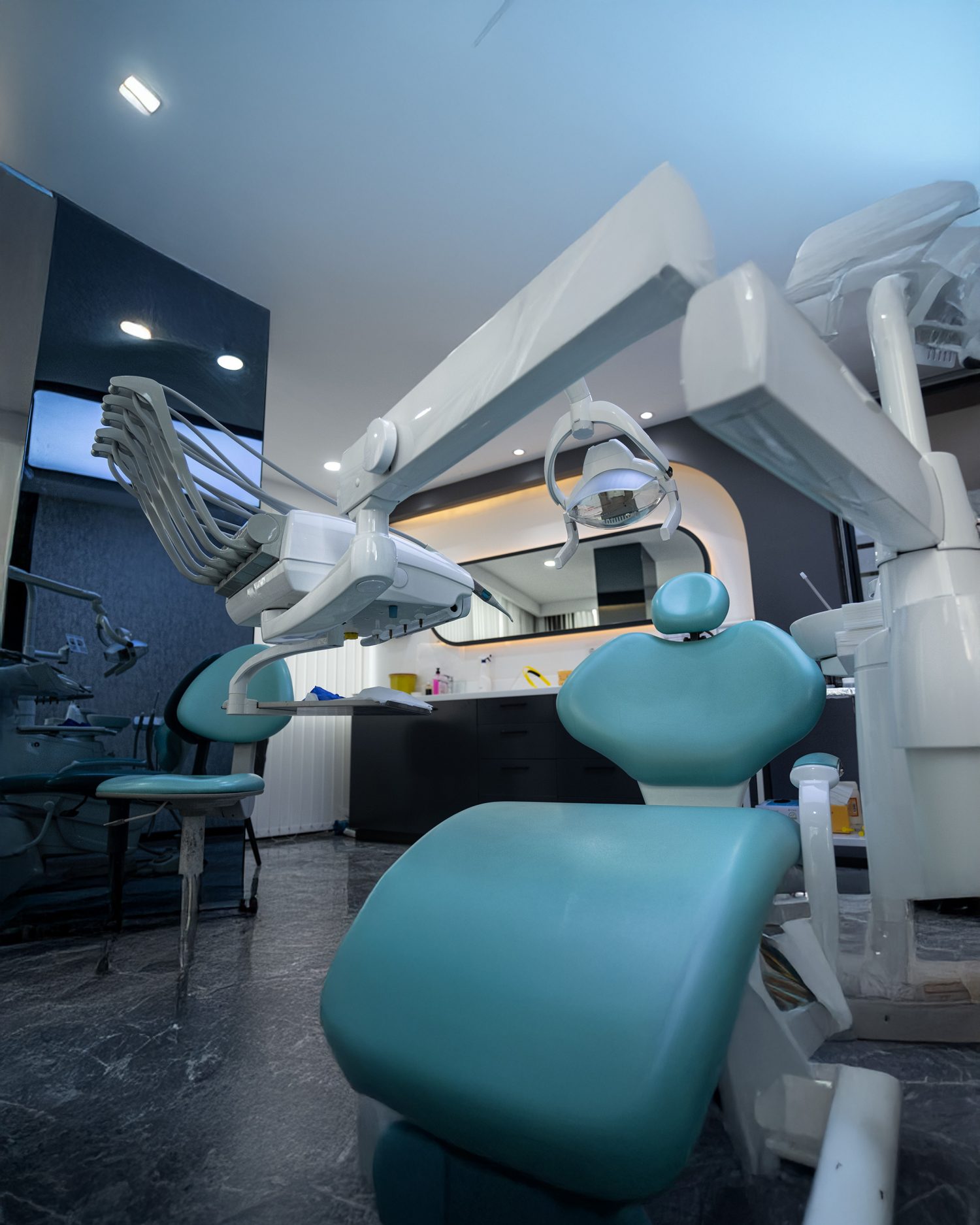
Reluctantly, and with the reasoning written down. Every tooth proposed for removal is listed individually with why it cannot be saved, and where a tooth is restorable we say so along with what restoring it would involve.
Radiographs are part of that rather than optional. Root fractures, the extent of decay below the gum, bone levels and the state of previous root treatments are not reliably visible on examination, and they are what the decision turns on.
The replacement plan is decided before the extraction. That determines whether socket preservation is done, whether immediate implant placement is a possibility, and how the visits are arranged — none of which can be added retrospectively.
Where a tooth is borderline, we say it is borderline. A second opinion on an irreversible treatment is always reasonable, and being told a tooth is hopeless when it is merely compromised is the most consequential error available in dentistry.
Whatever replaces the tooth carries a lifetime guarantee on materials and workmanship, in writing — with the exclusions set out plainly rather than left to be discovered.