

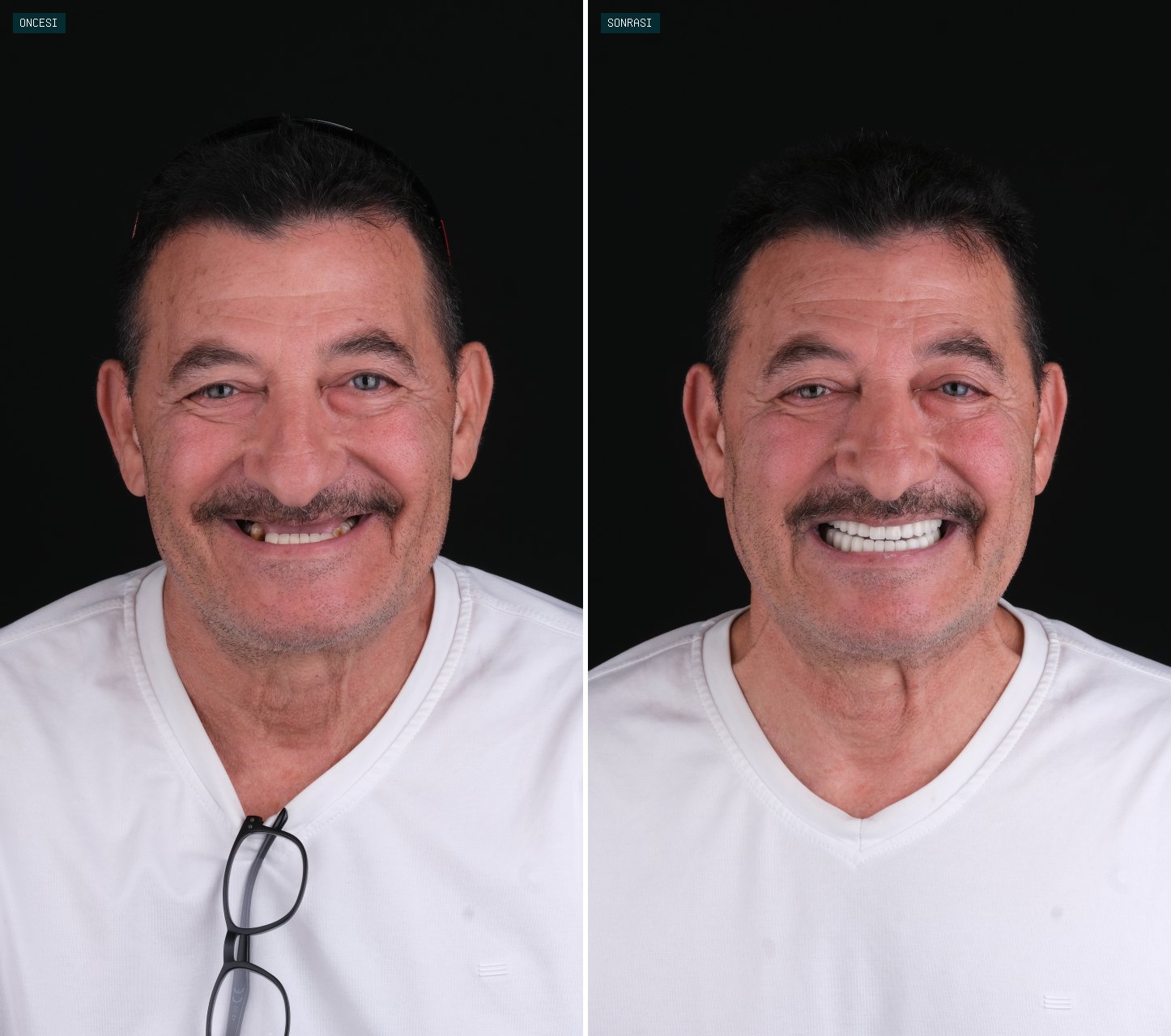


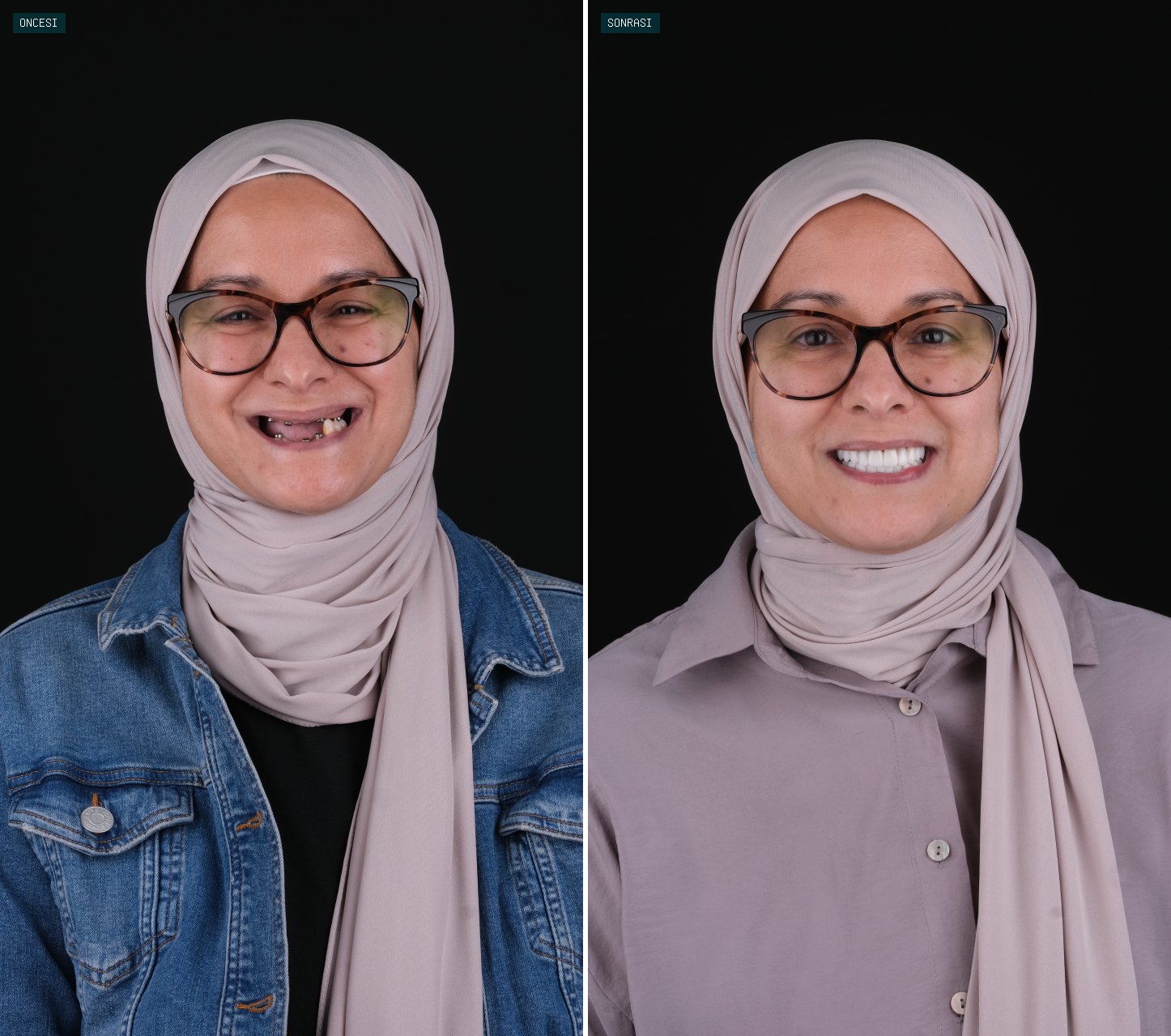


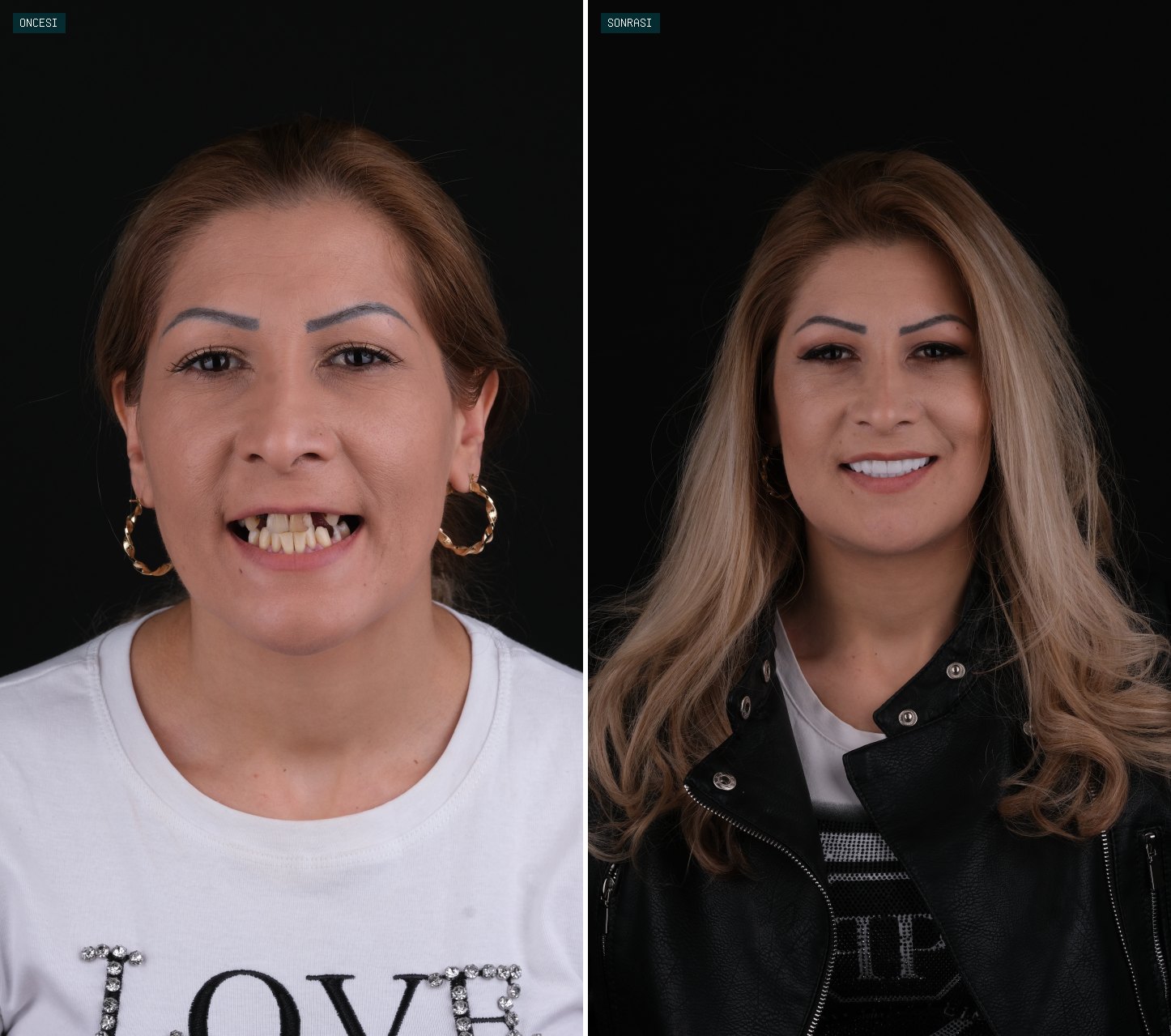

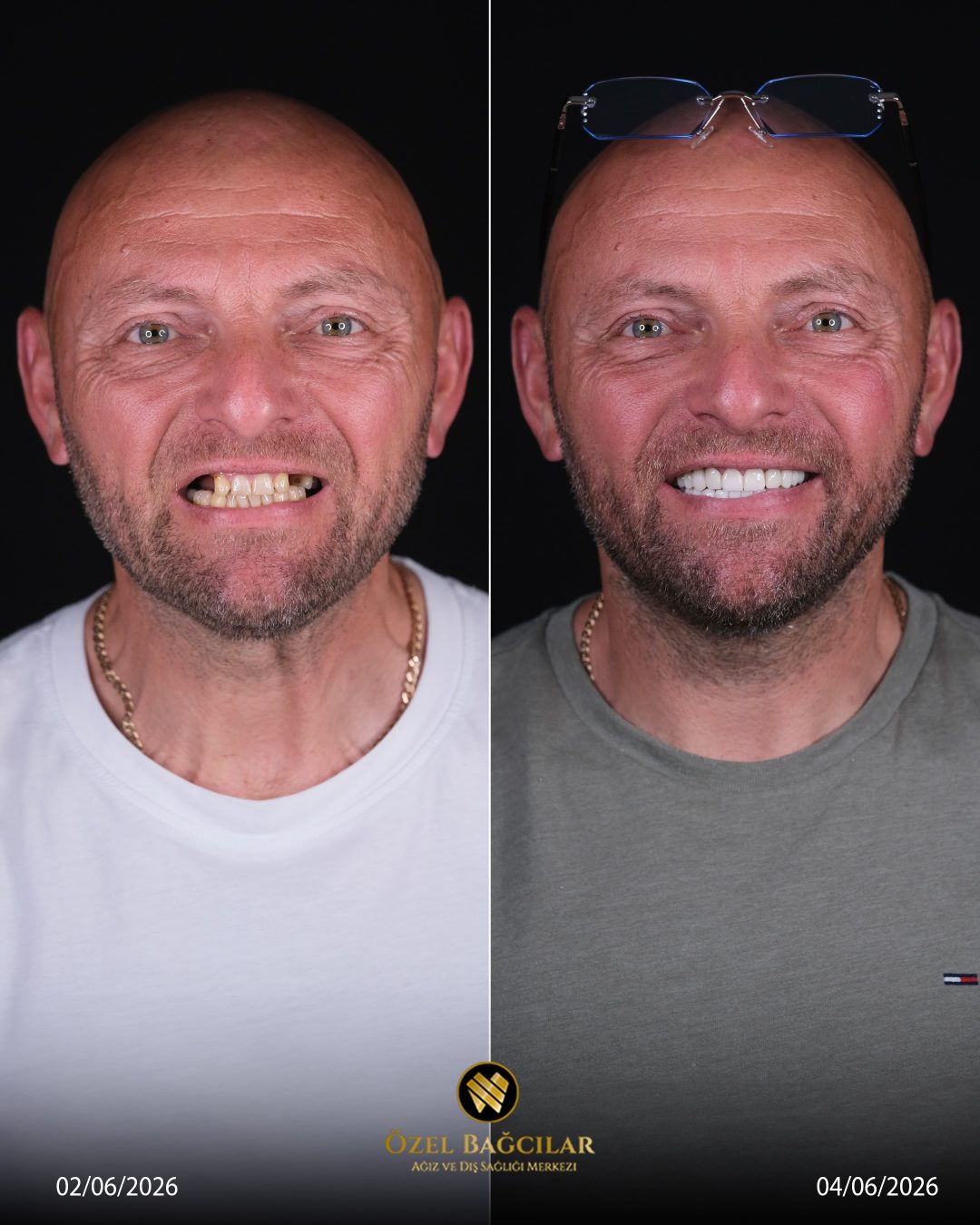
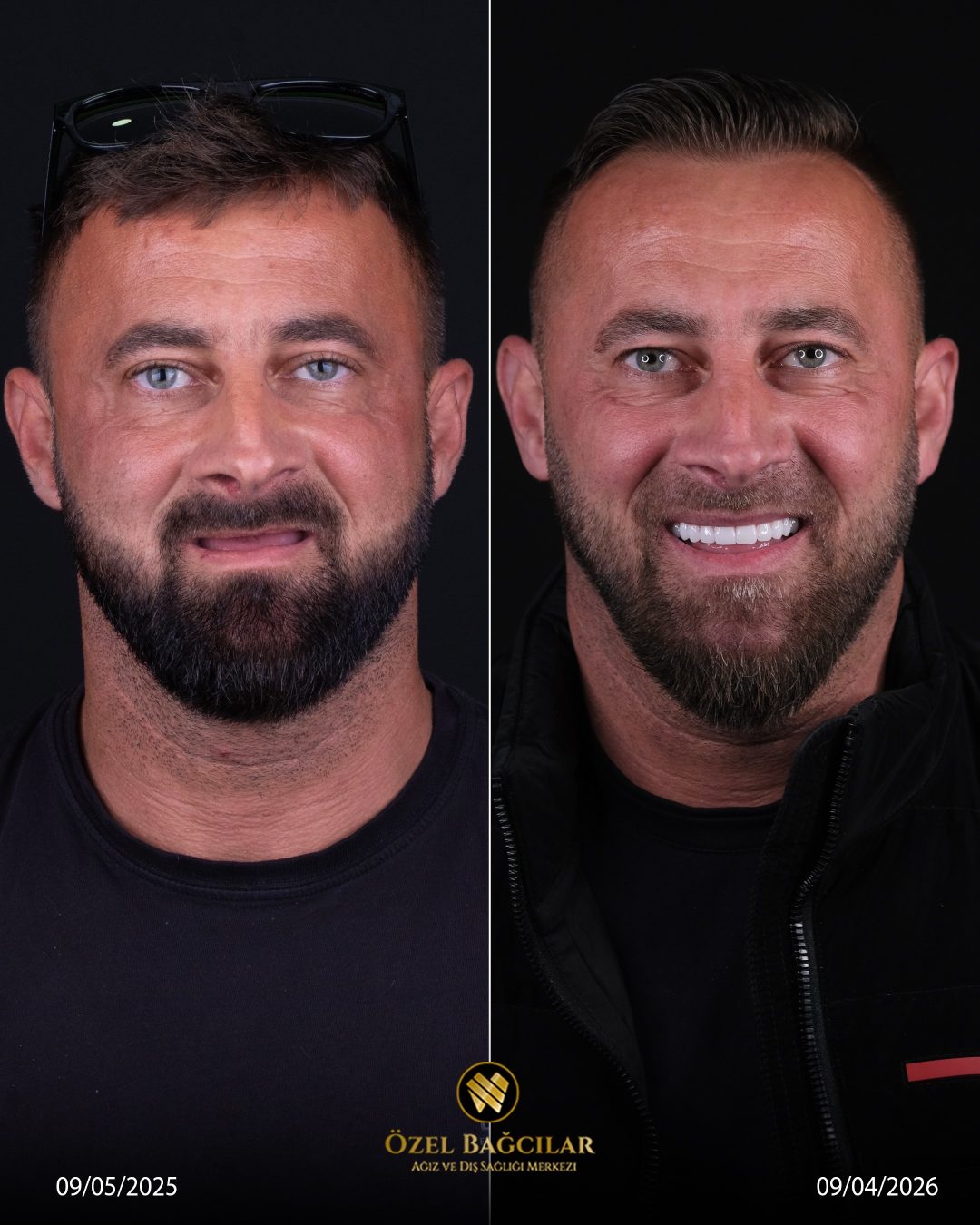

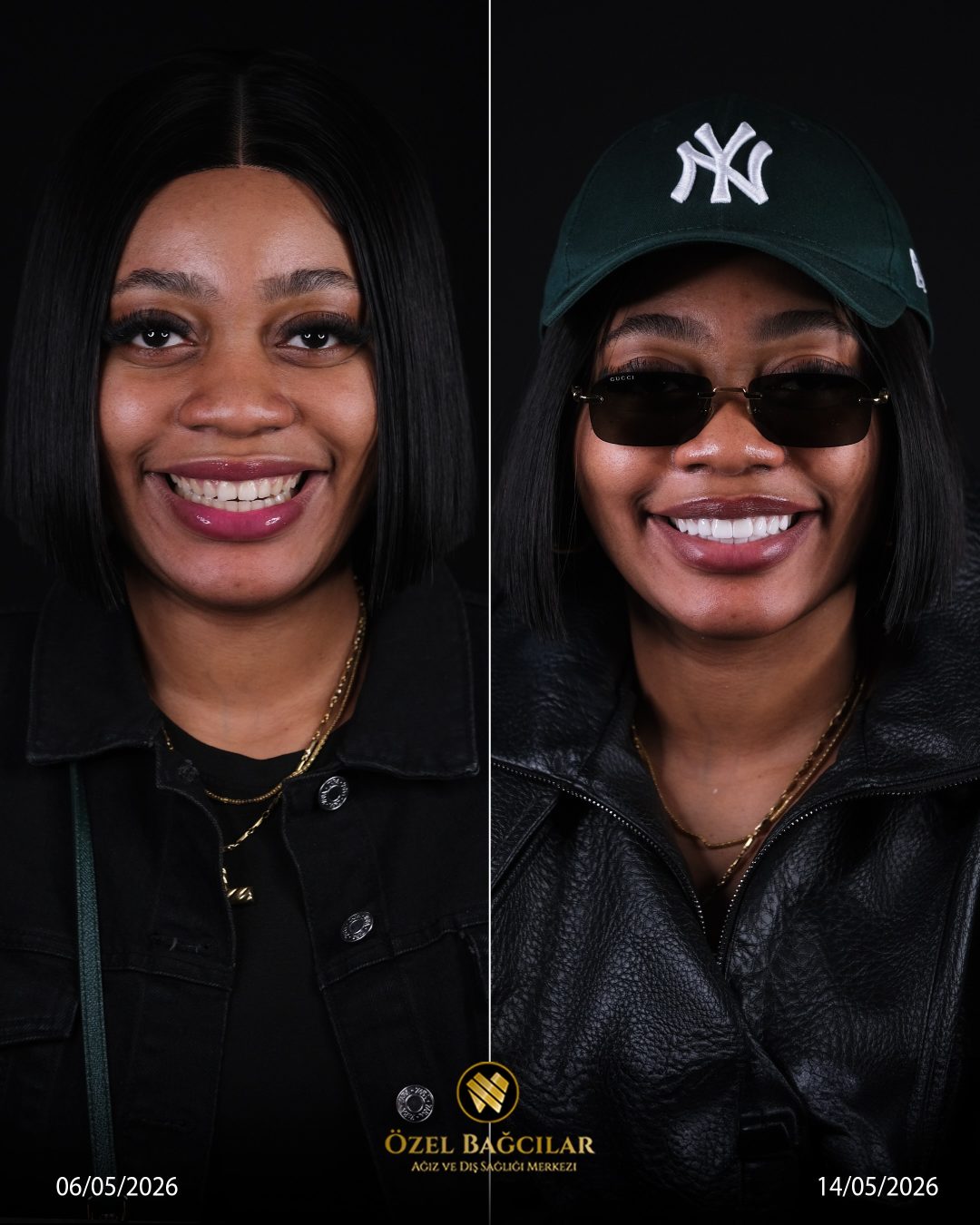


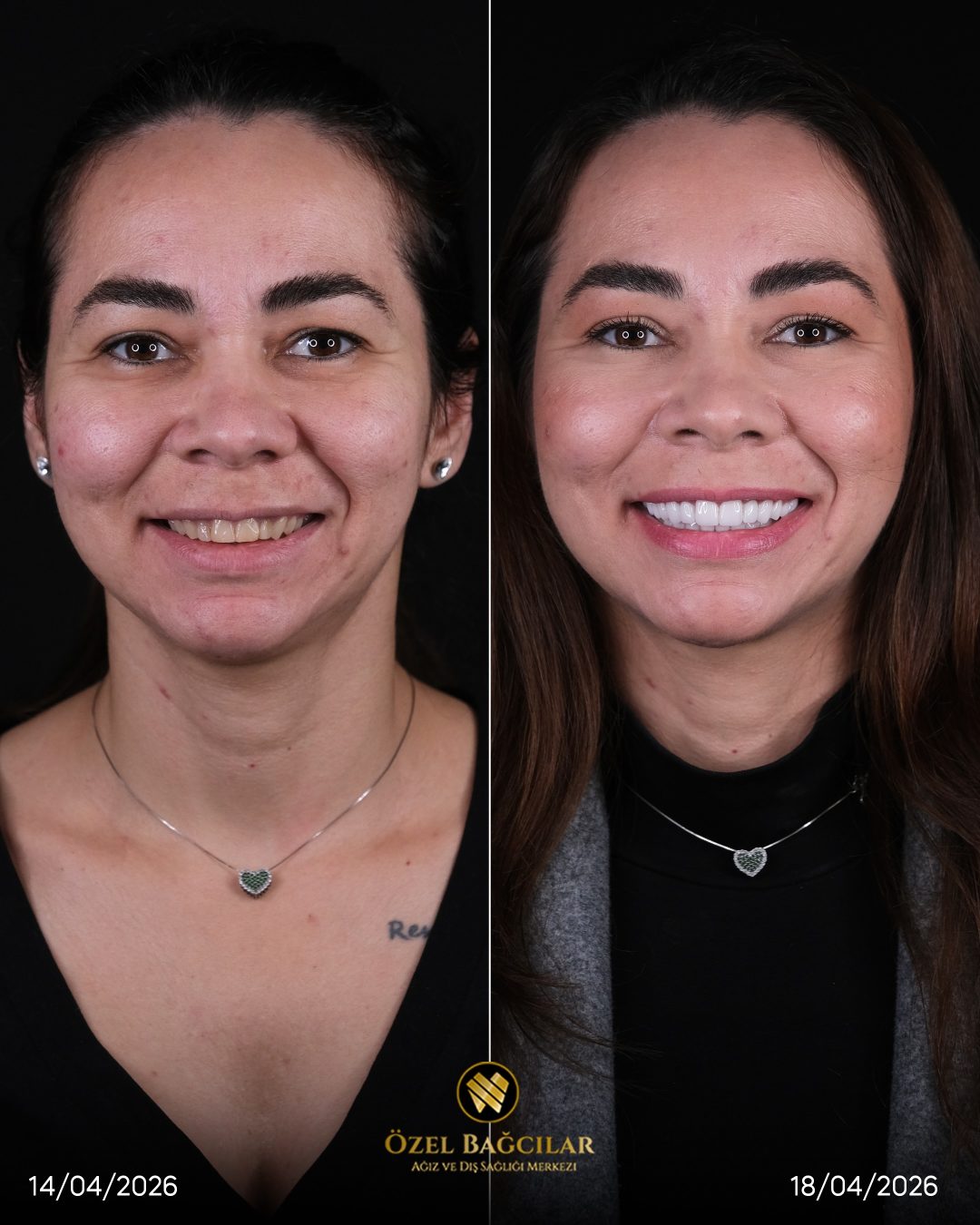

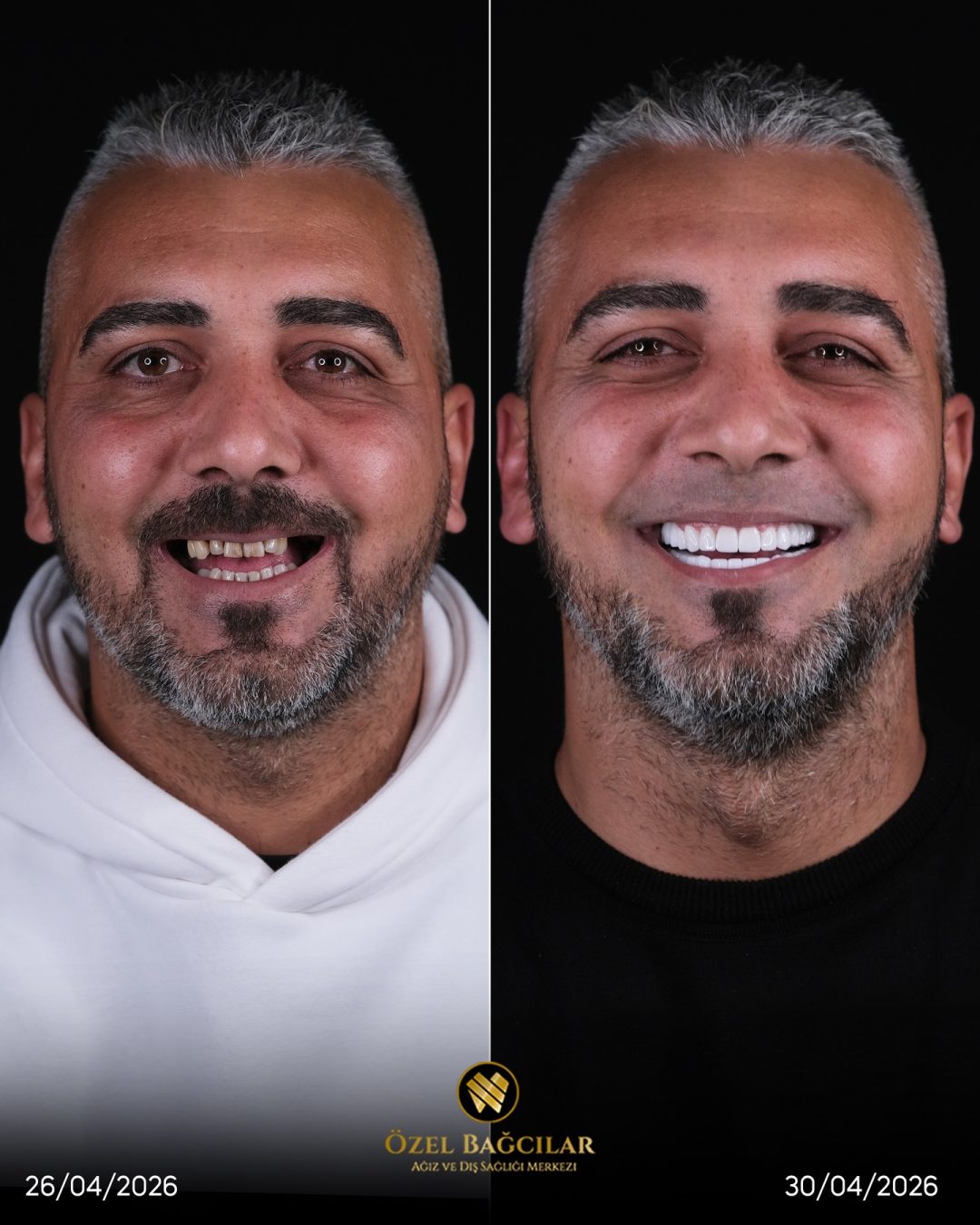
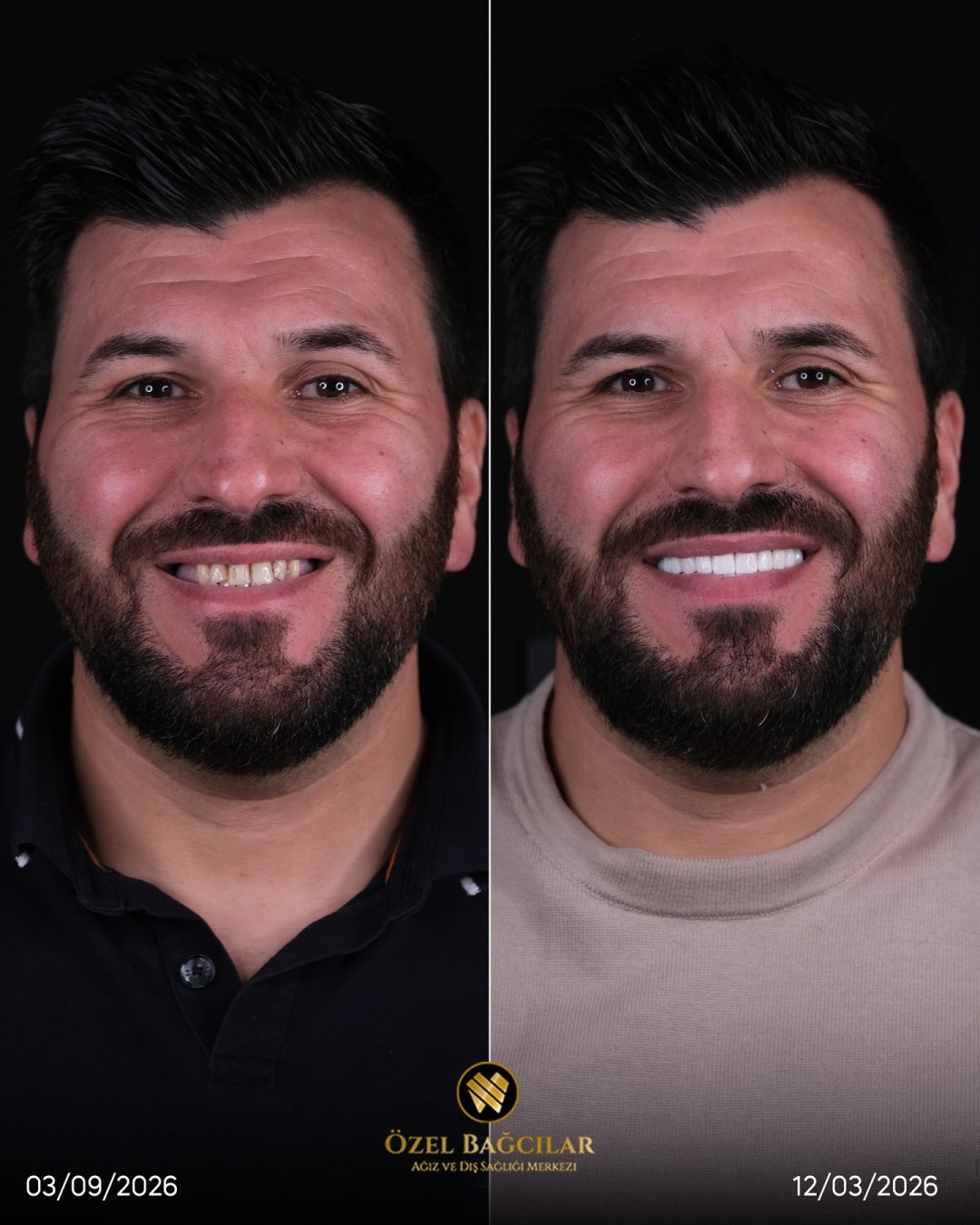
What "Full Mouth" Actually Means
The phrase is used loosely and it covers several quite different treatments, which is the first reason quotes are hard to compare. It can mean one arch or two, and it can mean a fixed bridge or a removable one clipping onto implants.
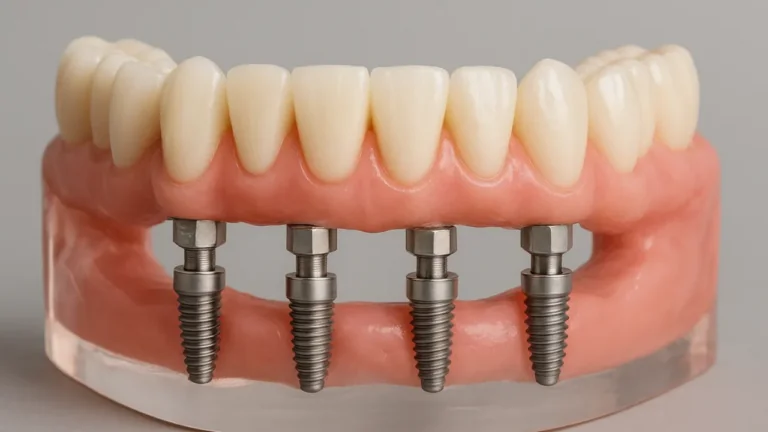
One arch on four to six implants with a fixed bridge is the most common version. Both arches doubles almost every line in the quote — implants, components, bridge, surgical time — and it is the version people usually have in mind when they use the phrase.
An implant-retained overdenture is a different treatment at a different scale. Two implants in the lower jaw and a denture that clips onto them costs a fraction of a fixed arch and solves the most common complaint about lower dentures.
And full-mouth rehabilitation on natural teeth is a fourth thing entirely, involving crowns on existing teeth rather than implants. It is sometimes quoted under the same heading, which is confusing rather than dishonest.
So the first question about any full-mouth quote is which of these it is for. How the implant count is decided and the comparison with removable options both feed into that answer.
Decision One: How Many Implants
The largest single line, and the one that should come from a CT scan rather than from a menu. Bone height, width and density in each region determine what each implant can carry, and therefore how many the bridge needs.
Four is well-documented and appropriate where the bone supports it, particularly in the lower jaw where density is higher. Six is proposed more often in the upper jaw, where bone is softer and the sinuses reduce available height at the back.
More is not automatically better. Placing implants where bone is poor to reach a target number creates weak supports rather than strong ones, and makes the bridge harder to seat without strain.
What the difference buys is redundancy. With six, losing one implant in five years often means the bridge can be maintained on the remaining five. With four, it usually means revisiting the whole restoration.
Where a clinic offers you a choice between four and six by price rather than by scan, the choice being offered is commercial. The correct number is the number your bone supports well, and it can differ between your two arches.
Decision Two: What the Bridge Is Made Of
This is frequently the larger line and it receives a fraction of the attention the implant count does. The bridge is what you live with, what people see, and what most often needs attention over the years.
Acrylic teeth on a metal frame is the lighter and less expensive option. It absorbs some shock, it can be repaired chairside, and individual teeth can be replaced. The teeth wear and stain over years, and it will need refurbishment.
Monolithic zirconia is the premium option and behaves quite differently. It does not stain, does not wear, and holds its appearance almost indefinitely. It is also rigid, transmitting load to the implants rather than absorbing it, and harder to repair if damaged.
The choice interacts with the implant count and cannot be made separately from it. A rigid zirconia bridge on four implants in soft bone concentrates force at the supports in a way the same bridge on six does not.
A quote with six implants and an acrylic bridge and one with four and zirconia are not comparable at all, even if the totals are similar. How the materials differ sets out the properties driving the decision.
Decision Three: The Teeth That Are Still There
This is the line that deserves the most scrutiny and gets the least, because it is the only part of the treatment that is completely irreversible.
Full-arch treatment assumes the arch is being replaced. Where teeth remain, they either have to come out or the plan has to work around them, and extracting restorable teeth to simplify a treatment plan is not a clinical decision.
There is a legitimate version of it. Teeth with advanced periodontal disease, failed root treatments, root fractures or extensive decay have a poor prognosis, and removing them as part of a planned reconstruction is sound.
There is also an illegitimate version, and it is not rare: sound or restorable teeth cleared to make a full arch quicker and simpler to deliver. Once they are gone there is no route back, and the patient has no way to evaluate the decision afterwards.
Ask for the prognosis of each remaining tooth individually, in writing. Where some are sound, ask what a plan preserving them would look like — the options for partial tooth loss frequently reach a good result without a full clearance.
Decision Four: Extractions and Grafting
The line most often missing from a low quote, and the one that varies most between patients. It is also where the honest and the incomplete quote diverge most sharply.
Extractions are priced individually and vary with difficulty — a mobile tooth with advanced bone loss comes out simply, while a root-treated molar with divergent roots is a surgical procedure. A full clearance of an arch is a substantial line on its own.
Socket preservation grafting at the time of extraction is the cheapest form of bone management by a wide margin, because it prevents loss rather than reversing it. Where extractions and implant planning happen together, it is almost always worth doing.
Larger grafting is needed where bone has already gone. Building bone back adds both cost and healing time, and in the upper back jaw a sinus lift is frequently required as well.
Angled implant placement avoids much of this, which is the whole point of the full-arch protocols. But it does not avoid all of it, and a quote for a severely resorbed jaw with no grafting line has either planned around it or omitted it.
The Full Quote, Line by Line
The table sets out what a complete full-arch quote contains. As with any implant quote, what is absent tells you more than what is present.
| Line item | What it covers | Commonly omitted? |
|---|---|---|
| Consultation, CT and planning | Imaging and surgical planning | No |
| Extractions | Removal of remaining teeth, priced individually | Sometimes |
| Socket preservation | Grafting at the time of extraction | Often |
| Bone graft or sinus lift | Building bone where volume is short | Often |
| Implant fixtures | Four to eight per arch, by system | No |
| Multi-unit abutments | Connectors between fixtures and bridge | Frequently |
| Temporary fixed bridge | The teeth worn during integration | Frequently |
| Permanent bridge | The final restoration, by material | No |
| Second-visit fitting | Adjustment, bite refinement, review | Sometimes |
| Night guard | Protecting the bridge where grinding is present | Usually |
| Review and guarantee | Follow-up and written cover | Should not be charged |
Multi-unit abutments and the temporary bridge are the two most commonly missing, and between them they are a substantial amount. Neither is optional: the abutments are how the bridge attaches, and the temporary is what you wear for months.
The Temporary Bridge Is Not Optional
Between surgery and the permanent restoration there are months, and something has to be in your mouth during them. That something is a fixed temporary bridge, and it is a real piece of laboratory work rather than a courtesy.
It is usually fitted within a day or two of surgery, which is what allows patients to leave the clinic with fixed teeth. That immediacy is a defining feature of full-arch treatment and much of why people choose it.
It also does clinical work. It shapes the gum contours the permanent bridge will sit against, lets speech and bite be assessed before the final restoration is made, and gives you months to say what you would like changed.
Because it is deliberately kept out of heavy function, it is treated as a placeholder rather than a tooth — soft diet, no biting with it, report immediately if it loosens. That is a real constraint for several months and it should be explained in advance.
A quote that does not mention it has either bundled it silently or left it to be added later. Ask specifically, because it is one of the largest of the commonly omitted lines.
Two Trips, and What the Second One Costs
Full-arch implant treatment cannot be completed in one visit, and any plan that says otherwise is describing something biology does not permit. Bone needs three to six months to integrate before it can carry a permanent restoration.
The first trip covers extractions, implant placement and the temporary bridge — usually a stay of several days to a week. The second covers the permanent bridge: try-in, adjustment, bite refinement and fitting, typically a shorter but still multi-day visit.
That second trip has flights and accommodation of its own, and no clinic lists them. They are part of the real total and should be in your comparison even though they are not in anyone's quote.
Occasionally a third visit is needed — where grafting was extensive, where healing took longer than expected, or where the bridge needs more refinement than usual. It is not common and it is worth asking about.
The realistic timetable sets out how the days divide between the visits, which is what you need to book flights and time off work against.
Why Two Quotes Differ So Much
Assume both clinics are honest. There are still six legitimate reasons the totals diverge, and separating those from the illegitimate ones is the whole exercise.
- A different implant system — the largest and most defensible difference.
- A different number of implants, from a genuine difference in reading the scan.
- A different bridge material, which is frequently the largest line of all.
- Different extraction and grafting requirements, judged from the same imaging.
- One arch quoted against two.
- A temporary bridge included in one and not the other.
The illegitimate reasons look similar from outside. Multi-unit abutments left out, grafting omitted that will be needed, an unnamed implant system, a temporary bridge to be added later, or teeth included in the clearance that did not need removing.
Laying both quotes against the table above resolves most of it in twenty minutes. Where one has fewer lines, ask why — a clinic with a genuine reason gives it immediately and specifically.
How the individual component lines are built is set out in the single-implant breakdown, which applies to each fixture in a full arch as well.
What a Very Low Full-Arch Quote Usually Means
This treatment attracts the widest range of advertised figures in dentistry, and the low end of that range almost always resolves into one of five things.
A budget implant system, which performs adequately in the early years and may not be supportable in fifteen. For a full arch this matters more than for a single tooth, because every fixture carries part of one restoration.
An acrylic bridge quoted as though it were the final restoration, when it is closer to a long-term temporary in construction. Or the temporary quoted as the whole treatment, with the permanent bridge to follow as a second payment.
Grafting omitted from a jaw that will need it, multi-unit abutments left off the list, or a single arch presented in a way that reads as both. Each of these is a real amount, and each appears after the commitment has been made.
The protection is the same as everywhere else: the itemised list, the system named, the bridge material named, in writing, before a deposit. The wider set of checks covers what else to establish first.
Long-Term Cost and Maintenance
A full-arch bridge is not a fitted-and-forgotten restoration. It has ongoing requirements, and a comparison that stops at the placement figure misses several of them.
Daily cleaning underneath the bridge is essential and different from cleaning natural teeth — the bridge sits slightly clear of the gum and that space has to be cleaned with specialised brushes or an irrigator, every day, indefinitely.
Professional maintenance usually means the bridge is unscrewed and cleaned at intervals, then refitted. That is a scheduled appointment rather than a repair, and it is worth knowing about before treatment rather than after.
Acrylic bridges need refurbishment as the teeth wear — replacing the acrylic over the same framework. Zirconia bridges typically do not, which is part of what the material difference buys over decades.
And the night guard, where grinding is present, is not optional. A rigid bridge under an unmanaged grinding habit transmits that force straight into the implants — managing the habit protects the whole restoration.
Budget for the hygiene appointments as part of the treatment rather than as an extra. The interval after full-arch work is usually shorter than the standard six months, and what those appointments cover is what keeps the gum around the implants healthy — which is what decides how long the whole thing lasts.
Comparing Full-Arch Quotes Fairly
Normalise first, then compare. Two totals mean nothing side by side until they describe the same treatment on the same number of arches.
- Confirm how many arches each quote covers.
- Count the implants in each, and ask what the CT showed.
- Establish the bridge material in each — this is often the largest line.
- Check whether multi-unit abutments are included.
- Check whether the temporary bridge is included.
- Find the extraction and grafting lines, and compare them against the same scan.
- Count the trips each requires, and add the travel that implies.
- Read both guarantees for what they cover, what voids them, and how long they run — all three. A guarantee that expires in five years and a lifetime guarantee on the same materials and workmanship are not the same offer.
In practice this exercise closes most of the gap and occasionally reverses it. A quote that looked substantially higher frequently turns out to include two lines the other one omitted.
Where a genuine difference remains, it is usually the implant system or the bridge material, and both are decisions you can now make deliberately rather than by accident.
Why Full-Arch Quotes From Türkiye Vary So Much
Two İstanbul clinics can quote for the same jaw and produce figures that look like different treatments, because they are. The number of implants is the first variable — four, six or eight changes the surgery, the prosthetic design and what happens if one fails. The bridge material is the second: acrylic on a titanium bar, monolithic zirconia and layered ceramic are not interchangeable and do not age alike. Neither variable is visible in a single package figure.
The third variable is the one that catches most people out. A quote for a full arch frequently excludes the extractions, the socket grafting, and the temporary bridge worn during integration — three things almost every full-arch case actually needs. When they appear on arrival as additions, the total moves substantially, and the patient has already flown. Ours are itemised in the plan before you book, including the ones that are conditional on what the CBCT shows.
The fourth is the part nobody quotes at all: what happens in ten years. An acrylic bridge on a bar is expected to be refurbished or remade during that period; a monolithic zirconia bridge usually is not, but it is more expensive to repair if it does fracture. Which trade-off suits you depends on your bite and your circumstances, not on which one the clinic prefers to make. Where four implants stop being enough covers the first variable in detail.
Whatever is chosen is written into the plan by name, and the finished work carries our lifetime guarantee on materials and workmanship, in writing, with the exclusions stated plainly.
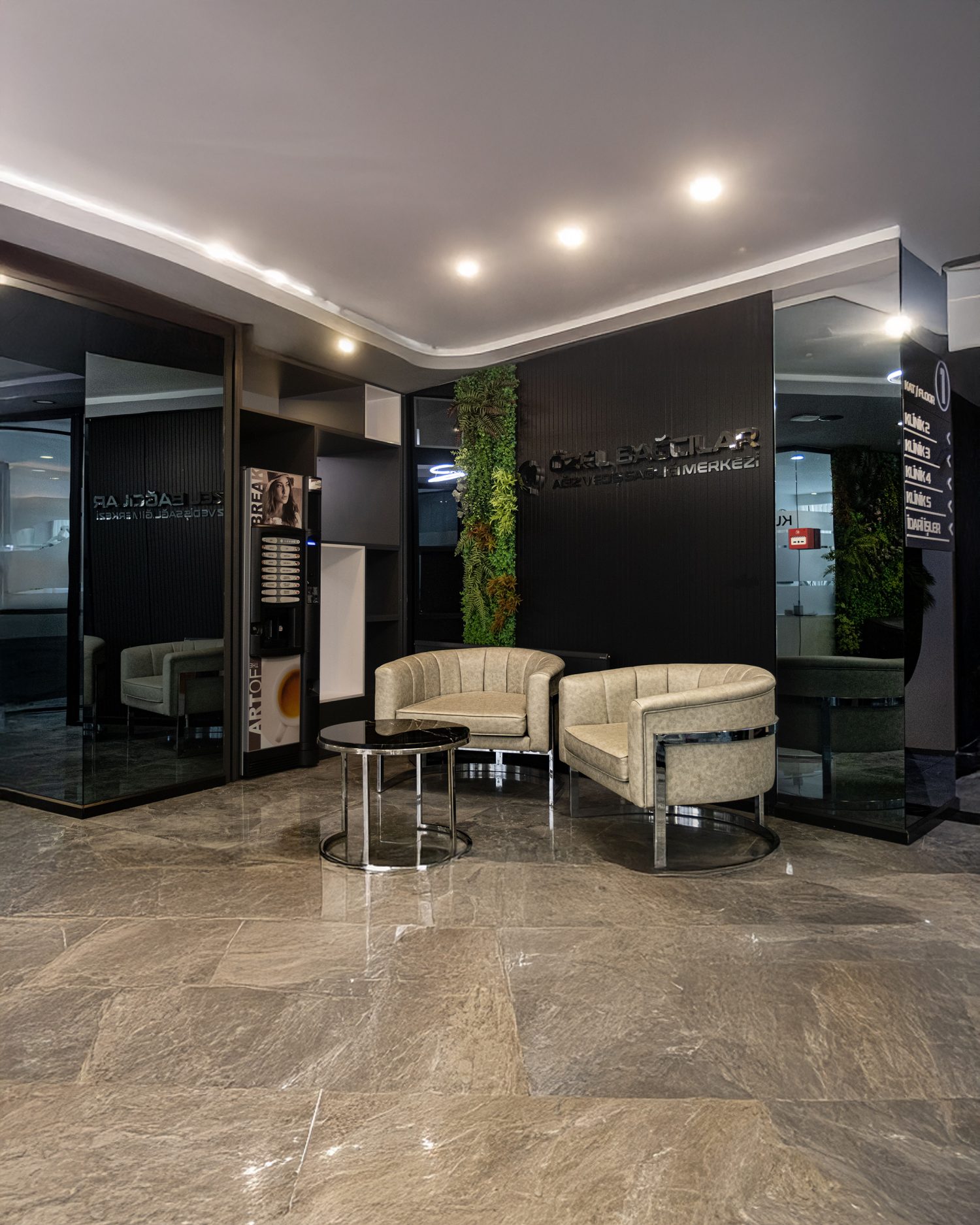
How We Quote at Bağcılar
CT scan first, arch by arch, before any figure is discussed. Bone height, width and density are measured in each region and the implant count follows from what they support — which frequently means a different number in the upper jaw than in the lower.
Every remaining tooth is assessed individually with its prognosis written down. We will not extract sound or restorable teeth to make a full-arch plan simpler, and where part of the arch can be saved, the plan says so even when that produces a more complicated treatment.
The quote is itemised against every line in the table above, including the multi-unit abutments, the temporary bridge and the number of visits. Nothing is bundled into a single figure, and nothing is added afterwards.
The bridge material is chosen with the implant count rather than separately, and the reasoning is explained. Your bite, whether you grind and what the opposing arch consists of all feed into it.
Everything we place carries a lifetime guarantee on materials and workmanship, in writing — with the exclusions stated plainly, including what maintenance is expected of you and what happens if a component fails years from now.
Full-arch work is the case where the journey itself becomes part of the decision, and the calculation differs sharply by country. If you are flying from Canada or Australia, the number of visits dominates everything else and the plan is built to reduce it. From the UK or Ireland, where the flight is four hours, staging the treatment across two visits costs very little and often produces the better result. Those pages set out how each is planned.