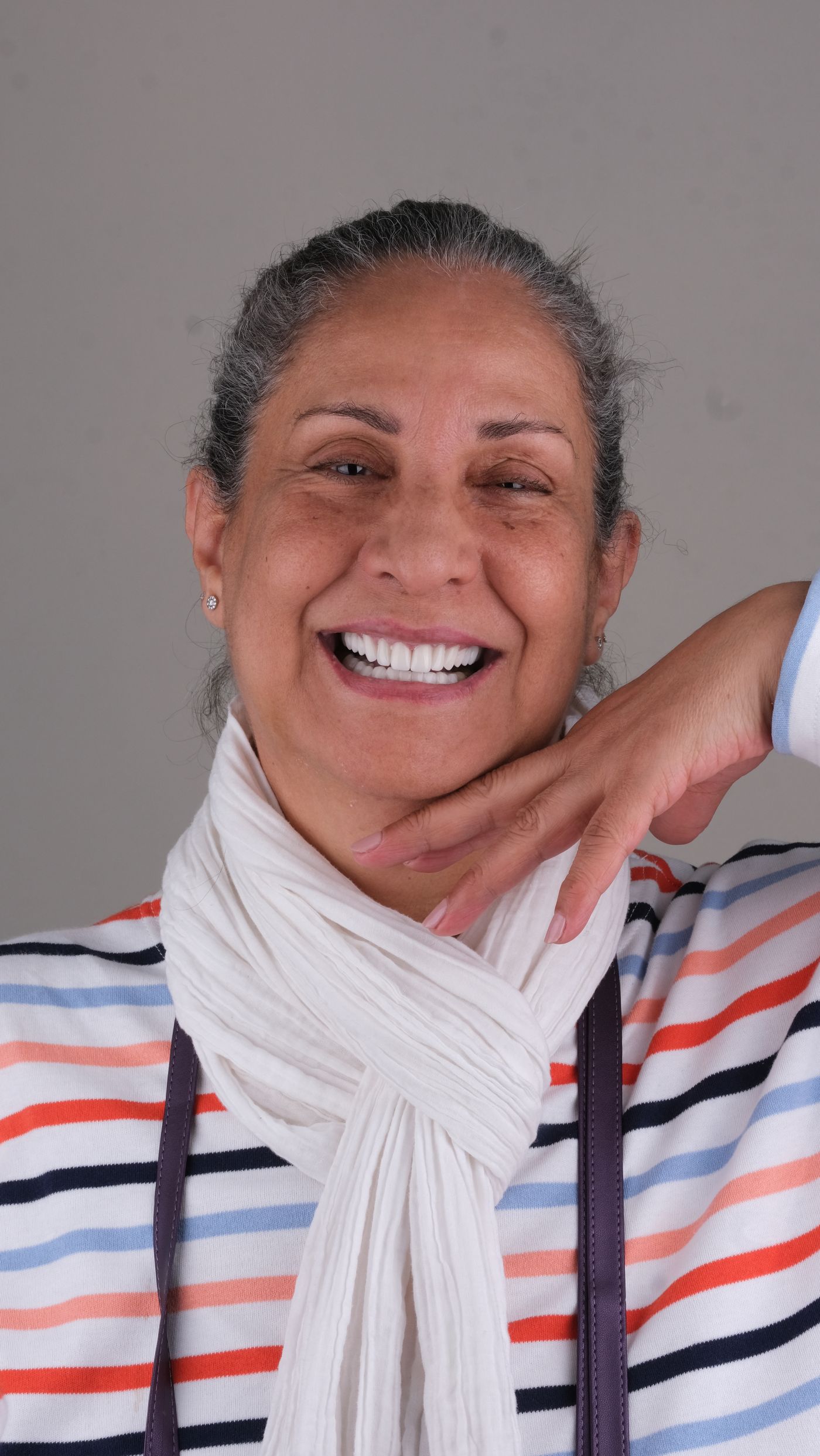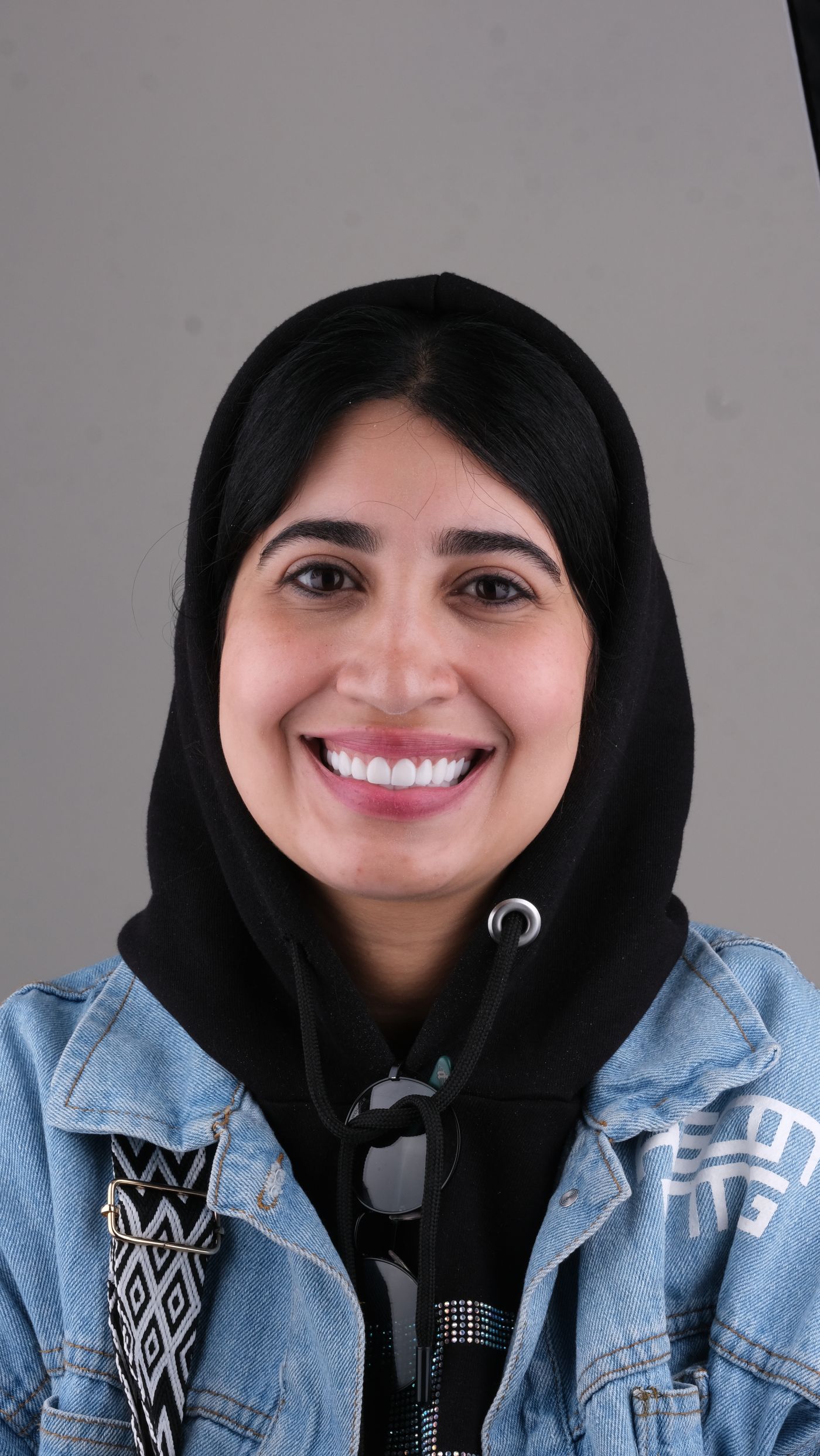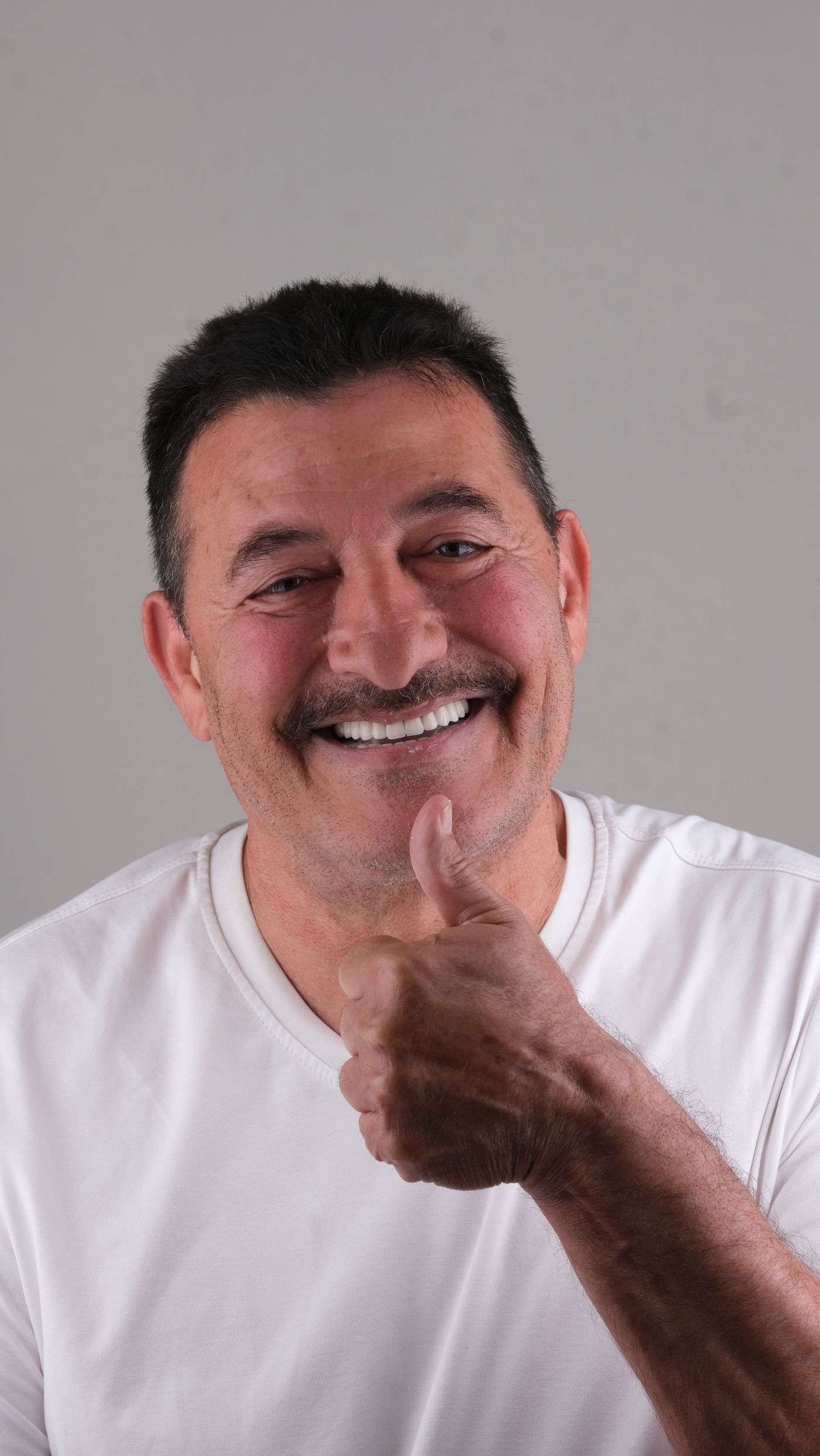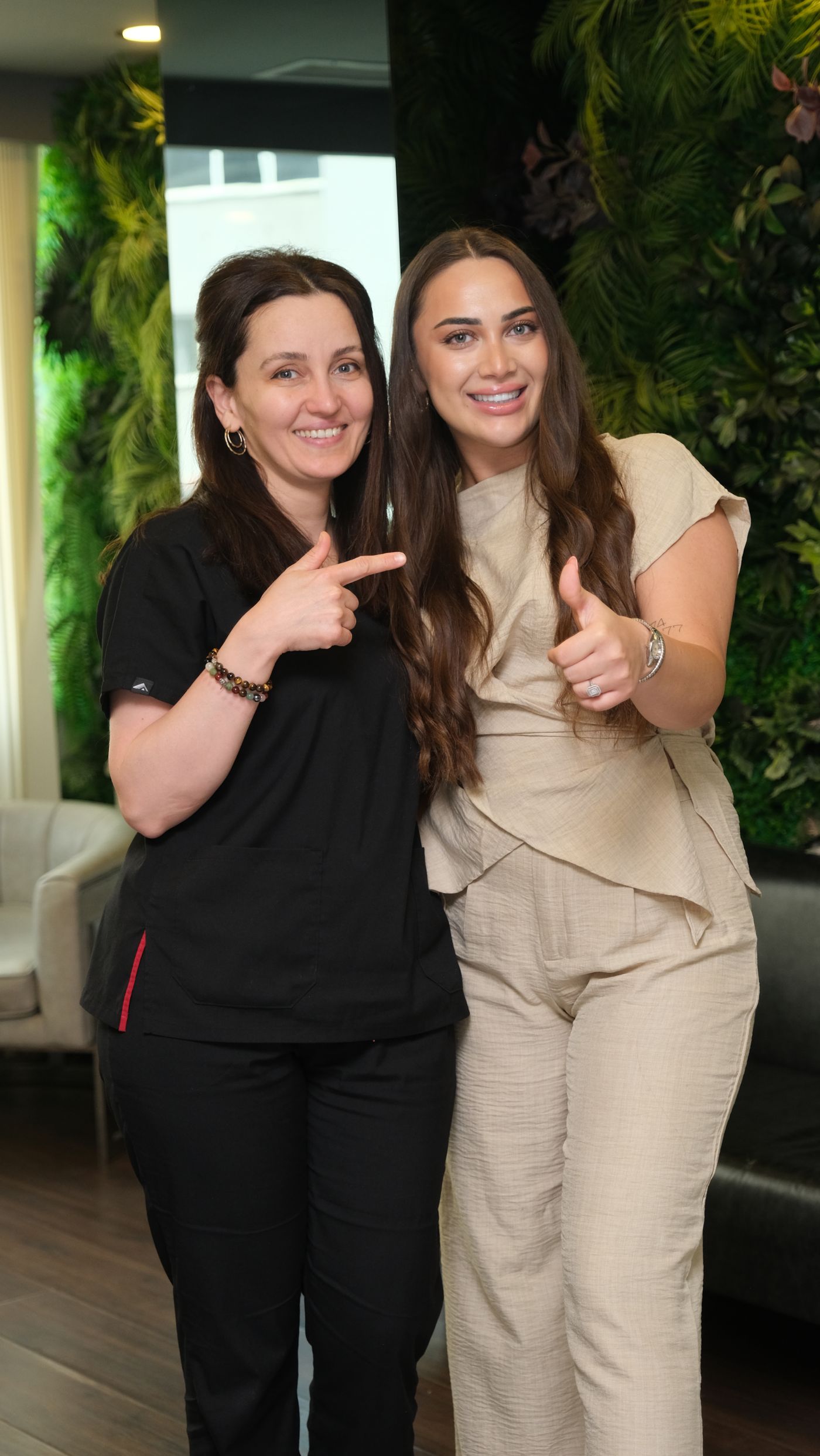
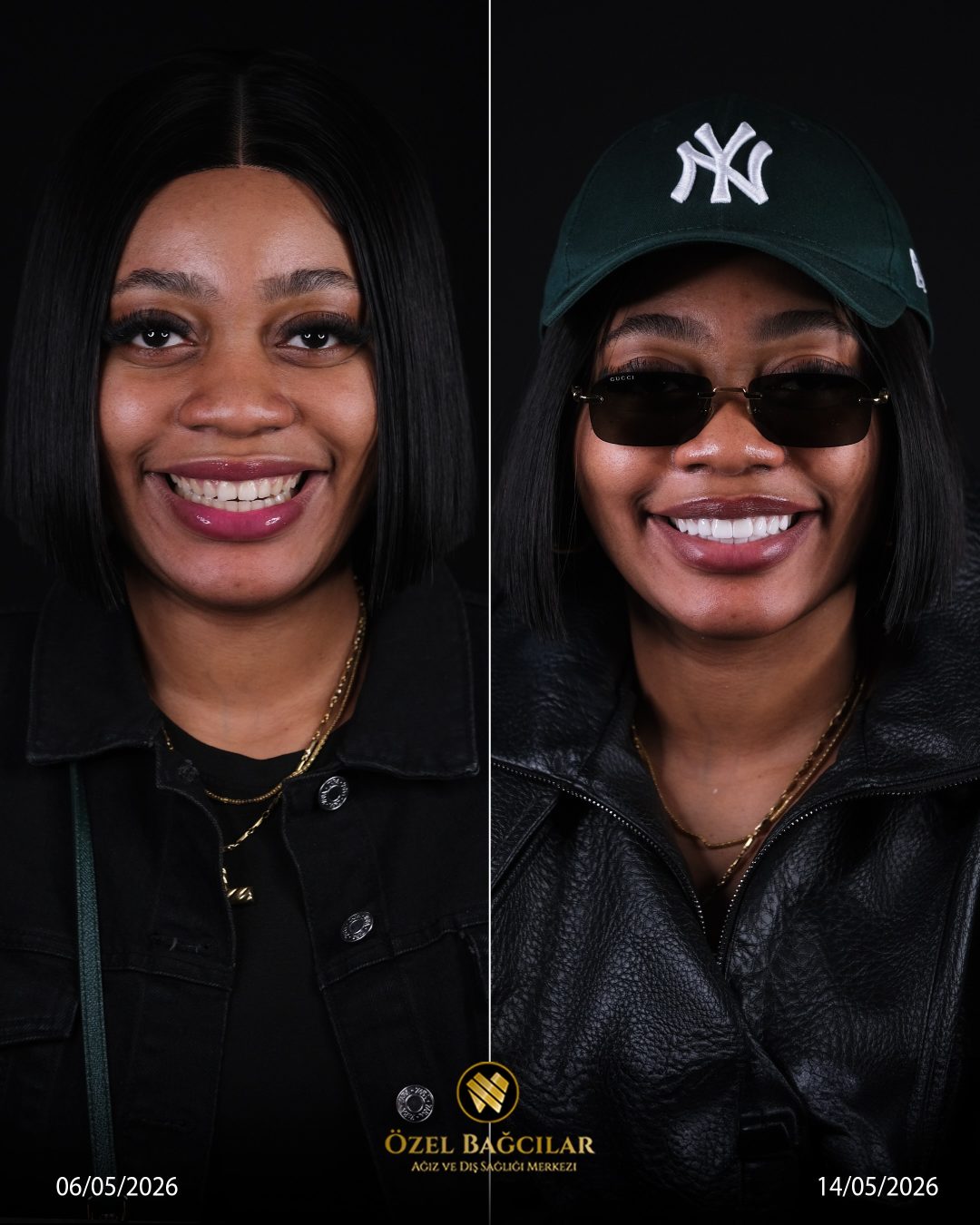
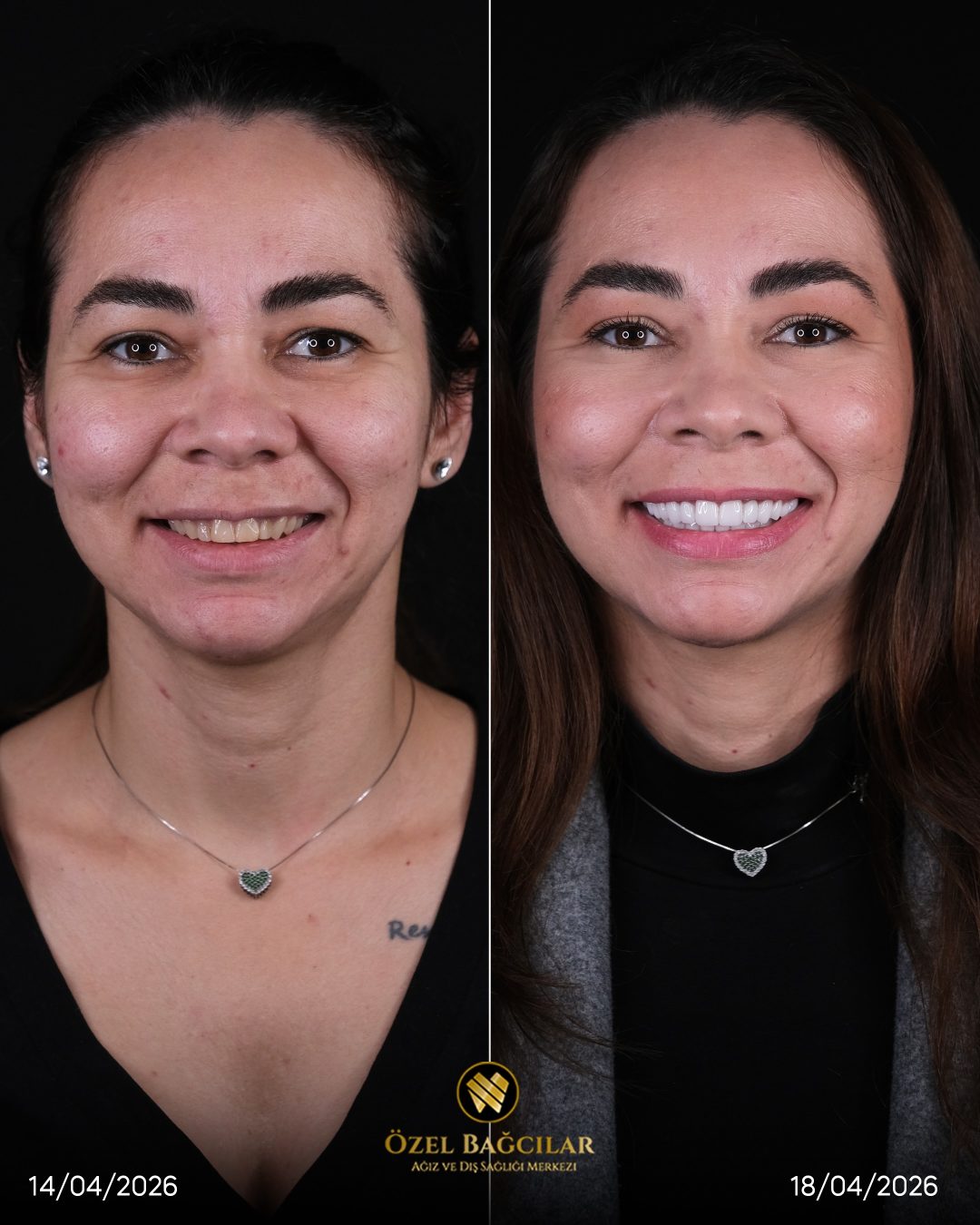
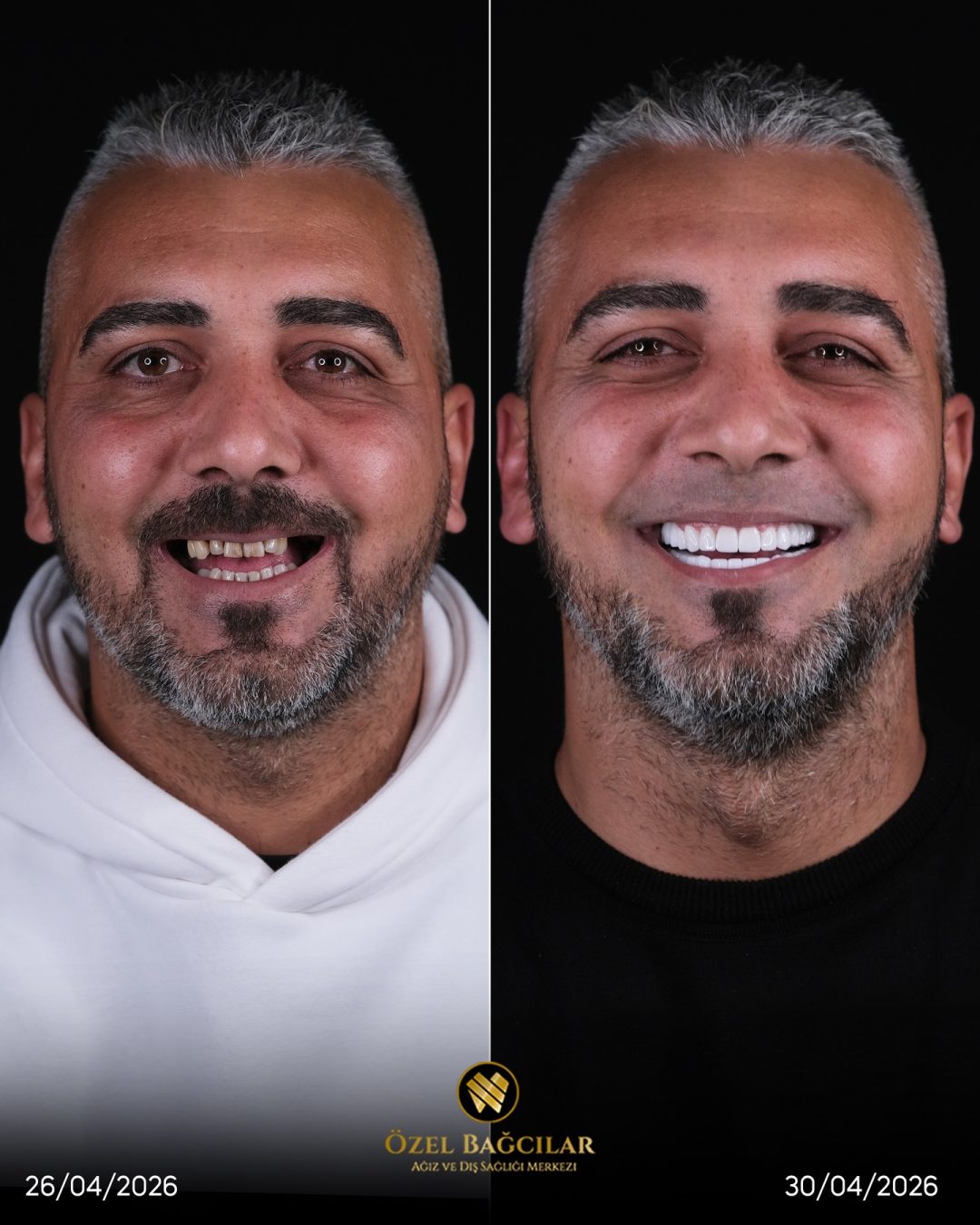
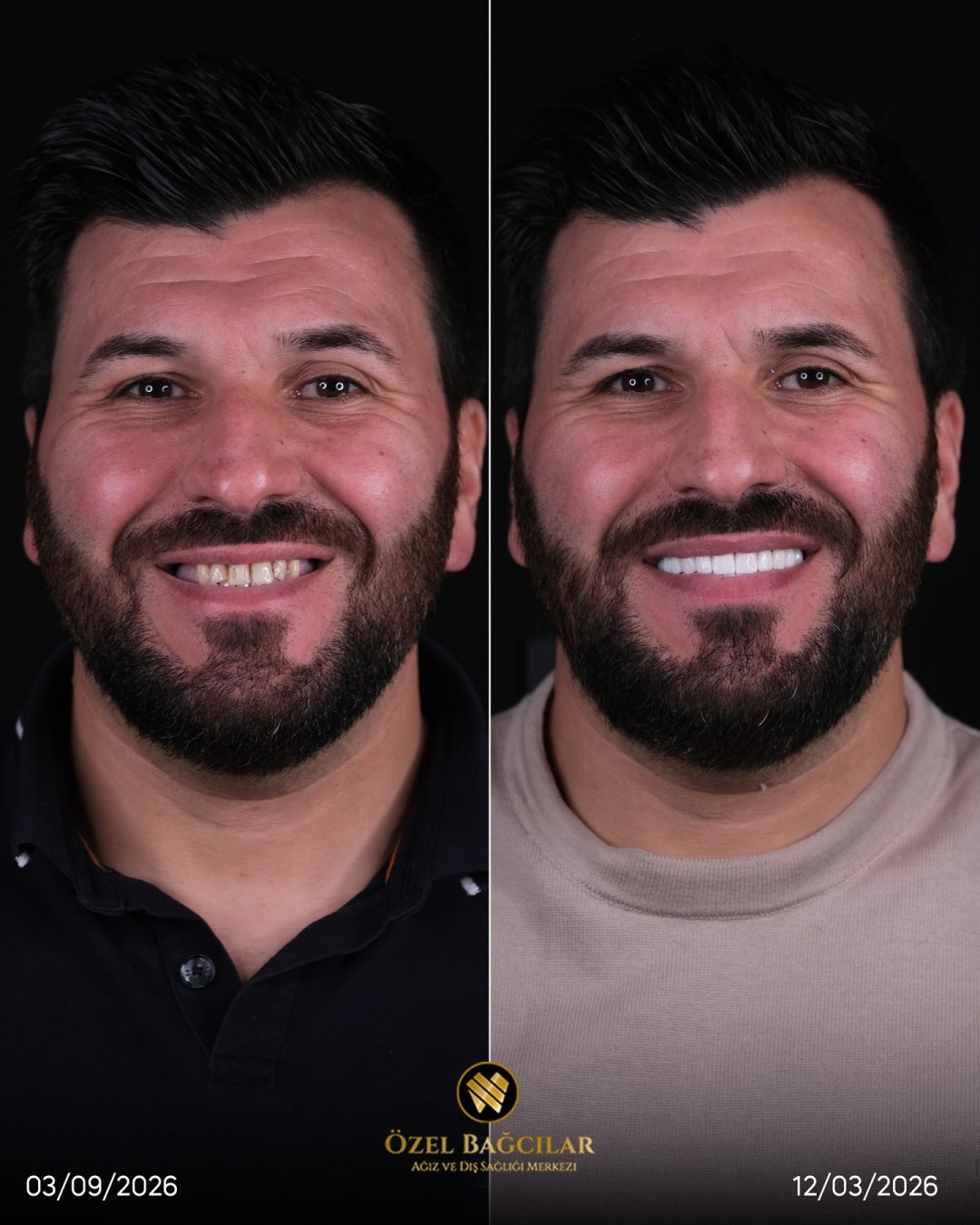
Google Reviews 4.6/5 1.682+ Happy Patients 30+ Countries

Zirconia Crowns — Strength, Aesthetics and Where They Fit

✦ Treatment Guides

Zirconia Crowns — Strength, Aesthetics and Where They Fit

Zirconia generations explained, monolithic versus layered, wear on opposing teeth, and the situations where zirconia is and is not the right choice.

12+ Years of Experience
1682+ Happy Patients
25 Specialist Physicians
99% Success Rate
Lifetime Guarantee
Bağcılar Dental Clinic

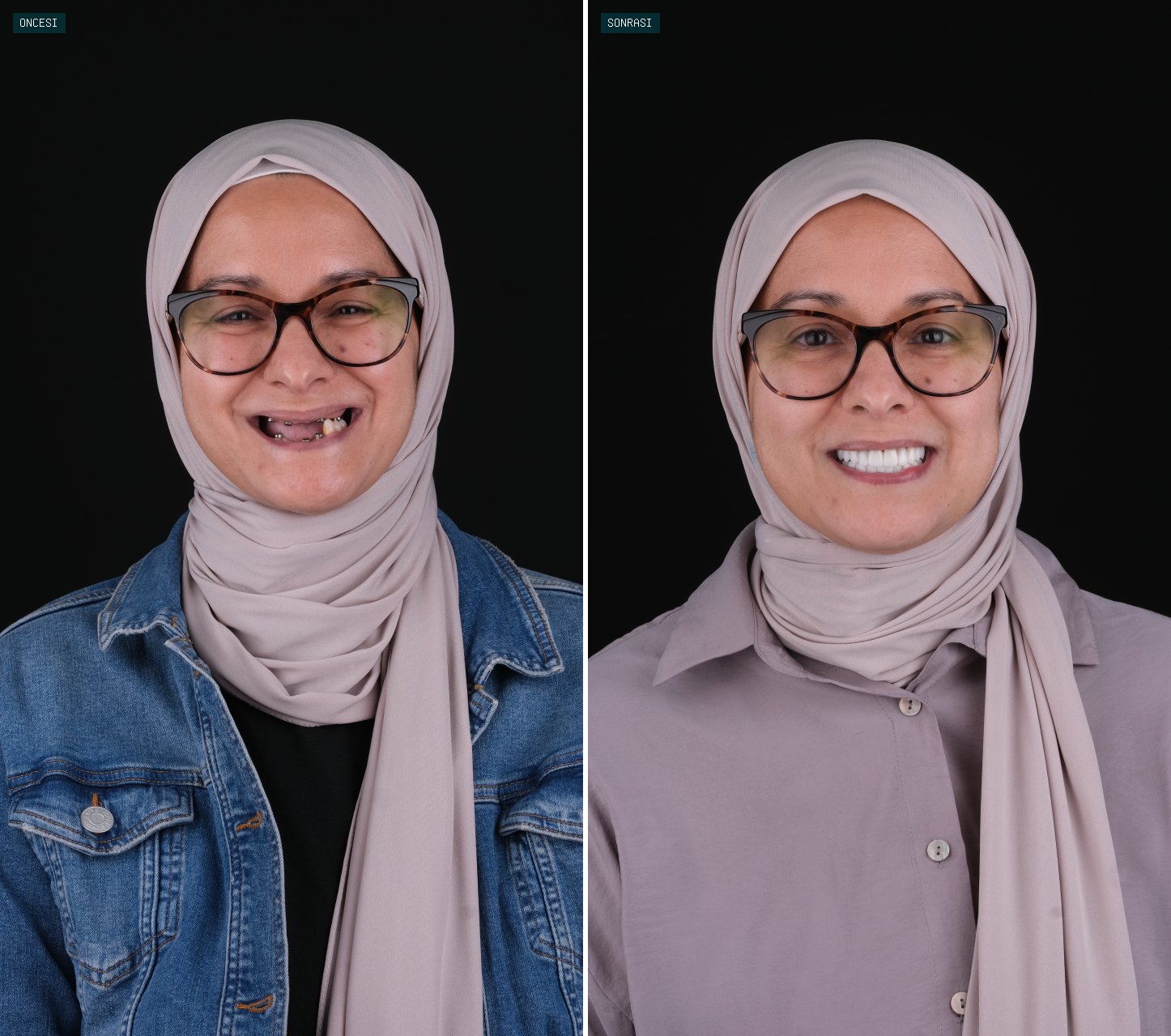
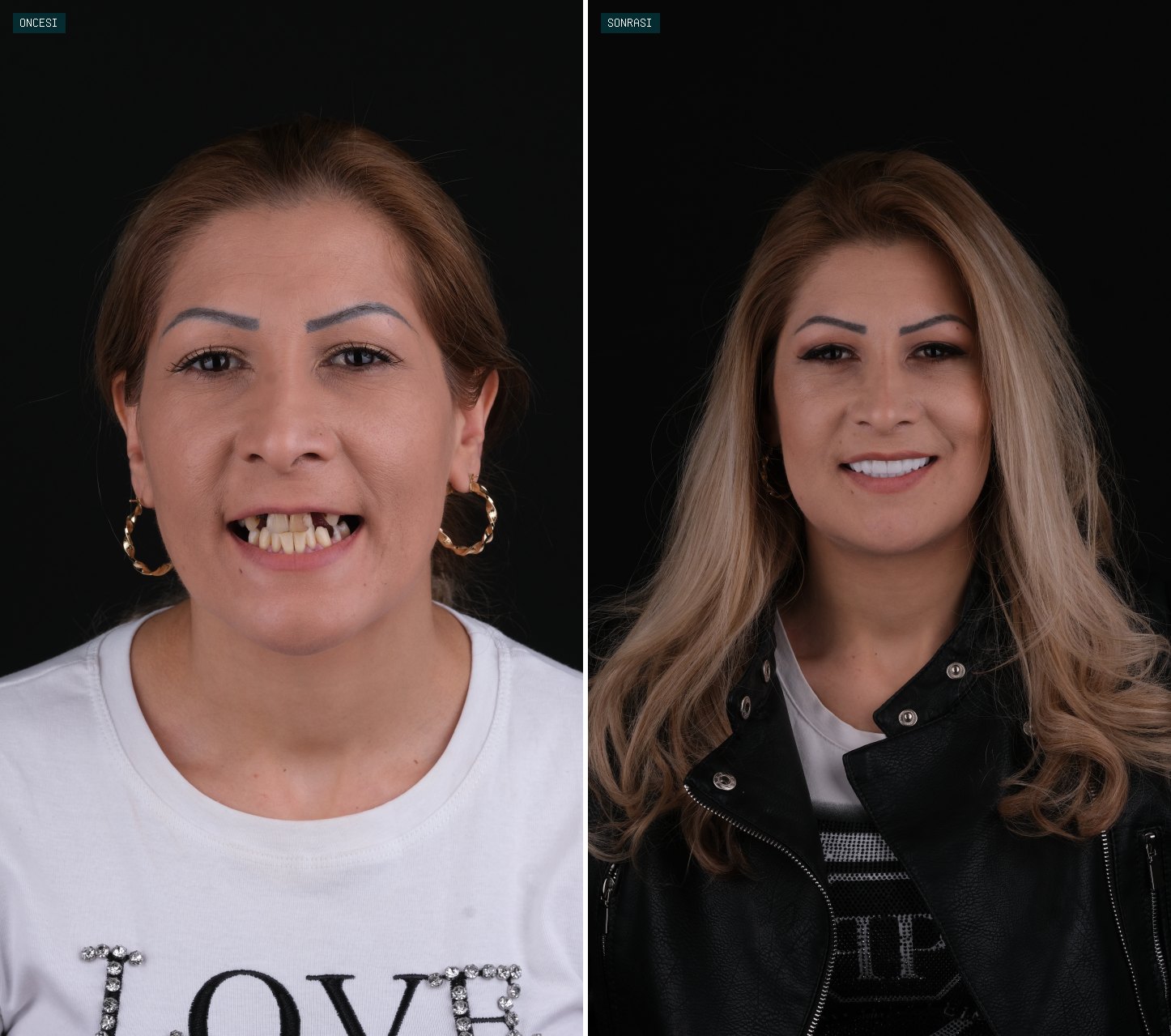
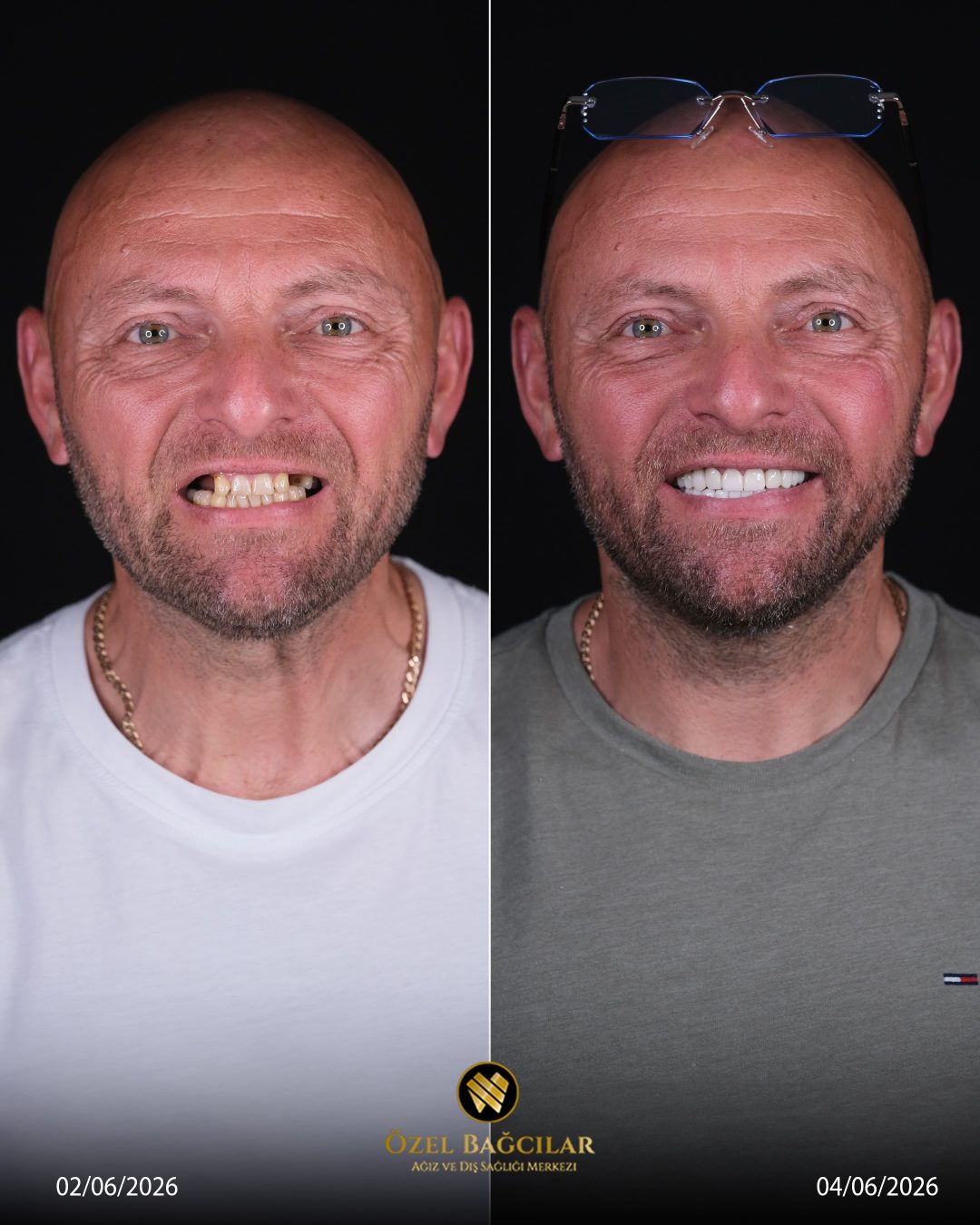
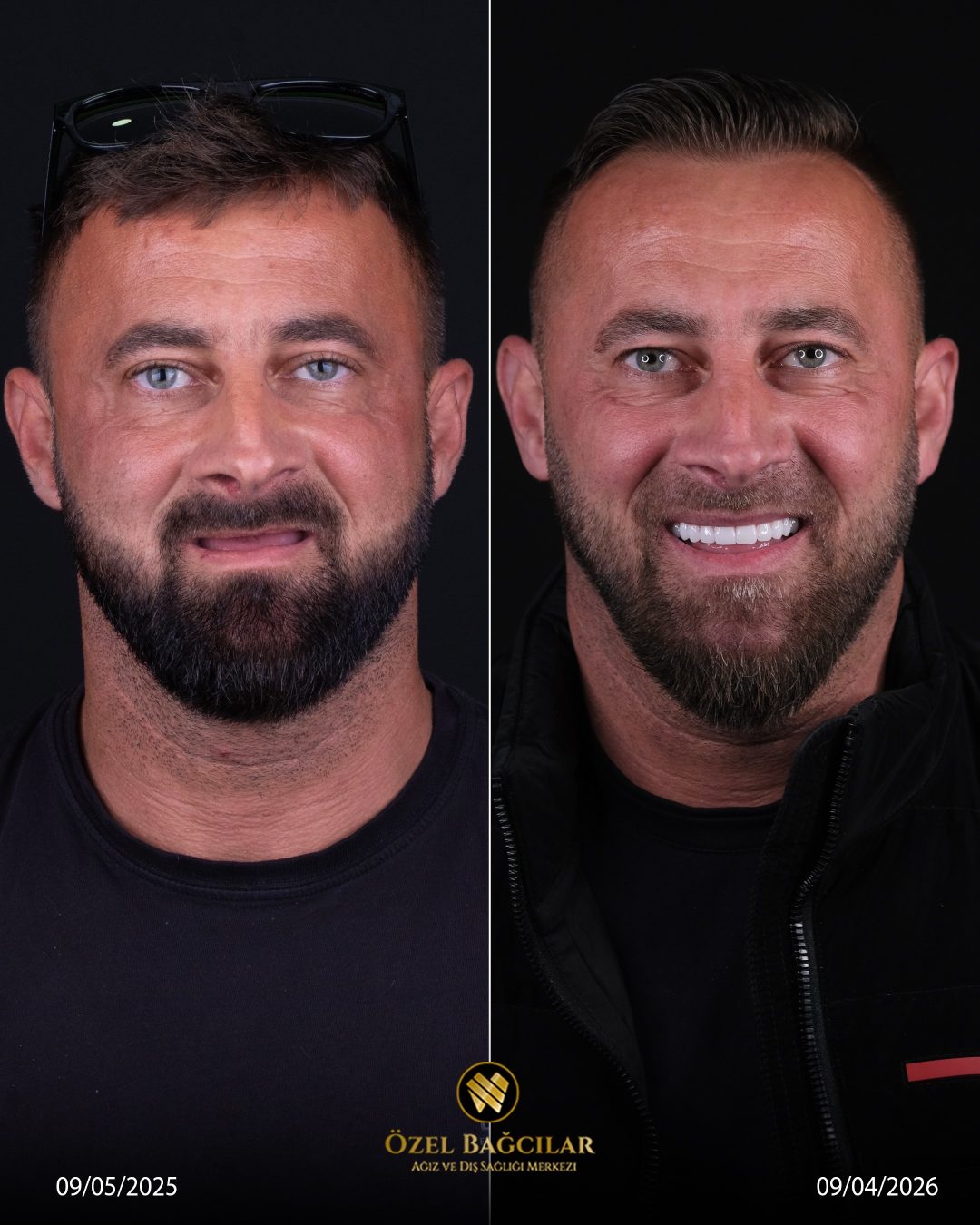
Before & After

Bağcılar Diş öncesi sonrası

Zirconia has become the default tooth-coloured crown material in much of the world, and for good reasons. It is exceptionally strong, it contains no metal so there is no dark line at the gum, and modern versions look considerably better than the opaque white blocks that gave early zirconia its reputation.

But "zirconia" is not one material. There are several generations with markedly different properties, and a crown described simply as zirconia could be either the strongest ceramic available or one of the more translucent and less robust formulations. The difference matters clinically and it is rarely explained.

This page covers what zirconia actually is, how the generations differ, when monolithic beats layered, the long-running question of wear on opposing teeth, and where zirconia is genuinely the wrong choice. For crowns in general — when you need one, what the process involves — the main crowns page covers the ground.

What Zirconia Is

Zirconia is zirconium dioxide, a ceramic rather than a metal despite the metallic-sounding name. In dentistry it is used in a stabilised form that gives it a property unusual among ceramics: a degree of resistance to crack propagation.

When a crack starts in most ceramics it runs. In stabilised zirconia, the stress at the crack tip triggers a change in the crystal structure that expands slightly and compresses the crack closed. The mechanism is called transformation toughening, and it is why zirconia has fracture resistance far beyond other dental ceramics.

That property is what allows zirconia to be used in thin sections, in long bridges, and in patients whose bite would fracture other tooth-coloured materials. It is also why it is the standard material for full-arch reconstruction where forces are highest.

It arrives at the laboratory as a block that is milled by machine to the required shape, then sintered at high temperature. The milling is done oversized because the material shrinks predictably during sintering — a detail that explains why zirconia work is entirely digital rather than hand-built.

The Generations — The Distinction Nobody Explains

Successive generations of dental zirconia have traded strength for translucency, and knowing which one is being used tells you far more than the word "zirconia" alone.

First generation was very strong and very opaque — essentially white. It was used as a substructure with porcelain layered over it for appearance, in the same way metal had been.

Second and third generations increased translucency by adjusting the crystal composition, which reduced strength correspondingly. These are the materials used for monolithic crowns in the aesthetic zone.

Multi-layered blocks are the current development: a single block with a strength gradient, more opaque and stronger at the base, more translucent towards the biting edge. This mimics the natural gradient of a tooth without requiring separate layering.

The practical consequence for a patient is that "zirconia" on a treatment plan is an incomplete description. Asking which generation and whether it is monolithic tells you whether you are getting the strongest tooth-coloured material available or a more translucent formulation with different properties. Both are legitimate; they are not interchangeable, and the choice should follow the position and the bite.

Monolithic Versus Layered

This distinction affects durability more than any other single decision in zirconia work, and patients are almost never asked about it.

Layered zirconia uses a zirconia core with feldspathic porcelain fired over it for appearance. The core is enormously strong; the porcelain on top is not. Chipping of that outer layer is the commonest failure mode, and it is why early zirconia bridges developed a reputation for chipping despite the core never breaking.

Monolithic zirconia is milled entirely from one block with no layering. There is no weaker outer material to chip. Modern translucent and multi-layered blocks look considerably better than earlier monolithic work, and for most posterior cases the appearance is entirely acceptable.

The practical rule most clinicians now follow: monolithic for back teeth, monolithic for anyone who grinds, and layered only where maximum appearance is needed on visible teeth and the bite is favourable.

There is a middle option worth knowing about: a monolithic crown with a thin layer of porcelain applied only to the visible outer surface, leaving the biting surface as solid zirconia. It gives most of the appearance benefit with most of the durability, and is a sensible compromise for premolars that are both visible and load-bearing.

The Types Compared

Zirconia types compared
High-strength (opaque)TranslucentMulti-layeredLayered with porcelain
Relative strengthHighestLowerGradedCore strong, surface weak
TranslucencyLowHighGradedHigh at surface
Chipping riskVery lowVery lowVery lowModerate
Best positionMolars, long bridgesFront teethAnywhereFront, favourable bite
Suits grindersYesNot preferredYesNo
Full-arch bridgesYesLess suitableYesNot preferred

The final column is the one to watch when comparing quotes. A crown described as "zirconia" that is in fact zirconia layered with porcelain has a meaningfully different chipping risk from a monolithic one, and in a grinder that difference determines how long it lasts. Asking which is being used is a reasonable question.

The strength figures behind this table are laboratory measurements, and laboratory strength does not translate directly into clinical survival. A weaker material used correctly outperforms a stronger one used badly. Margin fit, bite adjustment and adequate thickness matter more than the number on a datasheet — which is why the general principles of crown longevity apply regardless of which ceramic is chosen.

Wear on the Opposing Tooth

The most persistent objection to zirconia is that its hardness wears down the natural teeth it bites against. The evidence is more nuanced than the claim, and the nuance is practically important.

Hardness alone does not determine wear; surface roughness does. Studies consistently show that well-polished zirconia produces wear comparable with or lower than natural enamel and considerably lower than feldspathic porcelain.

The problem arises with unpolished or adjusted-and-not-repolished surfaces. When a crown is ground during bite adjustment at fitting, the glazed surface is removed and the exposed material is abrasive. If it is not repolished, it acts like sandpaper against the opposing tooth.

The practical consequence is a question worth asking: if the crown is adjusted at fitting, is it repolished afterwards? A polishing kit takes a minute and is the difference between a kind restoration and an abrasive one. This is a technique issue rather than a material issue.

Where Zirconia Excels

There are situations where zirconia is not merely acceptable but clearly the right material, and they share a common feature: high force.

  • Molars. The highest chewing loads and the least visibility. Monolithic zirconia is close to ideal here.
  • Heavy grinders. Where other tooth-coloured materials fracture, zirconia usually does not.
  • Long bridges. The strength allows spans that would fail in other ceramics, which matters in bridge versus implant decisions.
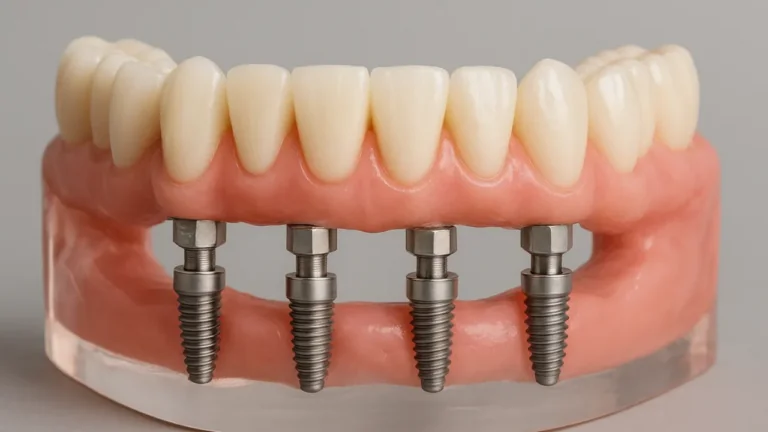
  • Full-arch implant bridges. Where an entire arch is carried on four to six implants, the framework takes substantial load.
  • Limited preparation space. Zirconia can be made thinner than layered alternatives, which means removing less tooth.
  • Metal allergy or objection. Entirely metal-free, with no dark line if the gum recedes.

It is also the usual material where a crown is placed after root canal treatment on a back tooth, because those teeth are brittle and the binding effect of a strong crown is exactly what they need.

Where It Is Not the Right Choice

Being clear about the limits is more useful than listing advantages, and there are genuine situations where something else is better.

A single front tooth beside a natural one. The hardest match in dentistry. Natural enamel has a depth and translucency that layered lithium disilicate reproduces more convincingly than any monolithic material. Where the match must be perfect, E-max often wins.

Where the tooth underneath is very dark. Translucent zirconia lets the underlying colour show through. A more opaque version blocks it but looks flatter. This is a genuine trade-off and sometimes a different approach is better.

Very thin veneers. For minimal-preparation veneers, lithium disilicate bonds more reliably to enamel. Zirconia's bonding chemistry is different and less forgiving in very thin sections.

Where repairability matters. Zirconia cannot be repaired in the mouth. A chipped composite or a layered ceramic can sometimes be patched; a fractured monolithic crown is replaced.

There is a further situation worth naming: where the patient wants a result that can be adjusted later. Zirconia's colour is fixed at manufacture and it cannot be lightened, reshaped meaningfully or repaired. A patient still deciding on the final appearance of several front teeth is often better served by a provisional phase in composite first, seeing the shape in daily use, and committing to ceramic afterwards.

Whitening sequence matters for the same reason. Any whitening should be completed and allowed to settle for around two weeks before the crown is made, so the shade is matched to the final colour of the surrounding teeth rather than the original one. Doing it afterwards leaves the crown darker than everything around it, permanently.

Zirconia on Implants

Zirconia is widely used for implant crowns and bridges, and the considerations differ slightly from crowns on natural teeth.

The absence of a periodontal ligament means force is transmitted directly into bone with no cushioning. A material that resists fracture is therefore advantageous, and monolithic zirconia is the common choice for posterior implant crowns.

For the abutment itself, zirconia offers an aesthetic advantage over titanium where the gum is thin — a titanium abutment can show as a grey shadow through thin tissue. Hybrid abutments with a titanium base and a zirconia superstructure combine the strength of one with the appearance of the other.

Screw retention is generally preferred, and zirconia accommodates it well. Avoiding cement beneath the gum removes one of the preventable causes of peri-implantitis.

For full-arch cases the framework material carries different considerations again, since it must span between implants rather than sit on a single abutment. Zirconia frameworks are rigid and strong; titanium frameworks with acrylic teeth are lighter and repairable. Both are used routinely in full-arch treatment and the choice follows bite force and maintenance preference.

Full-Arch Zirconia Bridges

For patients having a whole arch replaced on implants, zirconia is one of two main options and the choice has genuine consequences.

A monolithic zirconia bridge is strong, does not stain, resists wear and gives a stable appearance over many years. It is heavier than the alternative and, if it does fracture, it is replaced rather than repaired.

The alternative — acrylic teeth on a titanium framework — is lighter, absorbs some force, and is repairable chairside if a tooth chips. It stains and wears over years, and will need refurbishment sooner.

Neither is universally better. Heavy bite forces favour zirconia; a patient who values repairability and lower cost of maintenance may be better served by acrylic. The decision belongs in the full-arch planning discussion rather than being made by default.

Weight is a genuine consideration that is rarely mentioned. A full-arch zirconia bridge is noticeably heavier than an acrylic one, and while most patients adapt without comment, some find an upper zirconia bridge takes longer to feel natural. It is worth handling both materials at the planning appointment rather than deciding from a description.

How It Is Made

Zirconia work is entirely digital, which has implications for what a clinic needs and for what can be done in a single visit.

The preparation is scanned rather than impressed, the crown is designed in software, and a milling machine cuts it from a pre-sintered block. The block is softer at this stage; the final hardness comes from sintering afterwards at temperatures above one thousand four hundred degrees.

Sintering causes predictable shrinkage, so the crown is milled oversized by a calculated factor. This is why zirconia cannot be hand-built the way traditional porcelain was, and why the accuracy depends on the scan and the software rather than on manual skill.

The sintering cycle takes hours, which is the practical constraint on same-day zirconia. Speed-sintering protocols have shortened it considerably, and single-visit zirconia crowns are now feasible where a clinic has the equipment.

One consequence of the digital workflow is that the design file is stored. If a crown is lost or fractured years later, it can often be remade from the original file without repeating the preparation and scan — provided the tooth underneath has not changed. That is a small but real advantage of digital dentistry over traditional impressions.

Longevity and Failure

Published survival data for zirconia crowns is good and compares favourably with other ceramic systems, particularly for monolithic restorations on posterior teeth.

When zirconia work fails, the pattern differs from other materials. The framework rarely breaks. What fails is either the layered porcelain chipping, the cement seal, or — as with any crown — the tooth or margin underneath.

A phenomenon called low-temperature degradation, where the crystal structure changes slowly in a wet environment, was a concern in earlier generations. Modern dental zirconias are formulated to resist it, and clinical relevance in current materials appears limited.

As with every restoration on this site, the determining factor is not the ceramic. It is the margin, the bite and what happens to the tooth underneath — which is why gum health and routine examination matter more to longevity than the choice between one ceramic and another.

Where a zirconia restoration does fail early, the cause is worth establishing rather than simply remaking. Repeated fracture in the same position usually means the bite is loading that tooth abnormally, and replacing the crown without adjusting the occlusion produces the same result a second time. The pattern is the same one seen with veneers that fail repeatedly.

Zirconia and the Turkish Dental Market

Zirconia became the default material in Turkish dentistry for reasons that are partly clinical and partly industrial. It mills predictably, it does not require a skilled ceramist to produce an acceptable result, and it suits high-volume laboratory work. That combination made it the backbone of the package offer, and it is why almost every quote from İstanbul contains the word — often without saying which zirconia.

The consequence is a genuine quality spread that patients cannot see from a website. A third or fourth generation multi-layered disc, milled and finished by a technician who characterises it by hand, and a first-generation opaque block milled in bulk are both sold as zirconium crowns. In the mouth they are not comparable: one has depth and translucency at the incisal edge, the other has the flat uniform brightness that made the phrase Turkish teeth a criticism rather than a description.

That reputation is deserved by some clinics and unfair to others, and the way to tell them apart is to ask about the disc rather than about the country. Which generation. Monolithic or layered. Milled here or bought in finished. A clinic that answers those three without checking chose the material. One that cannot has accepted whatever the laboratory supplies.

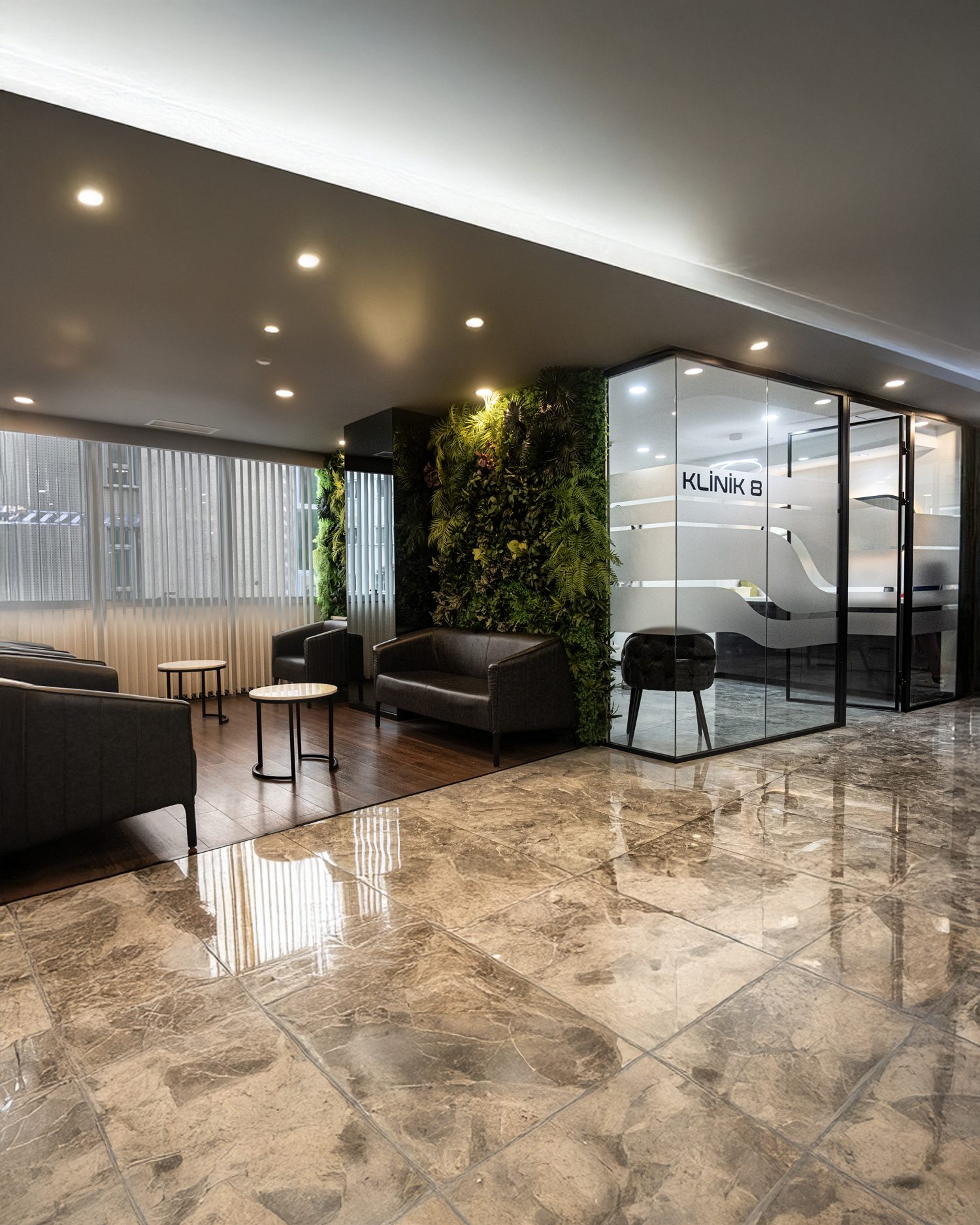
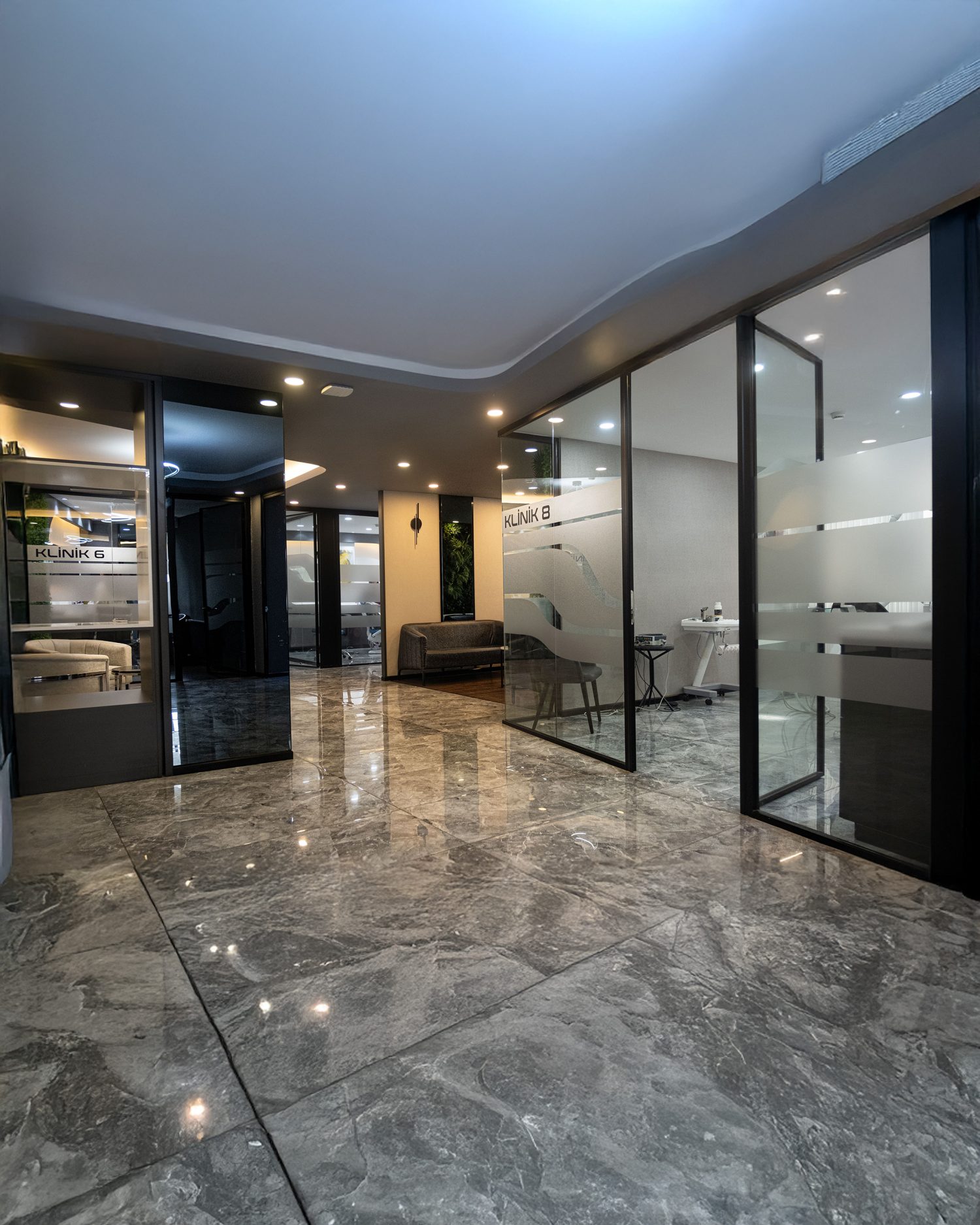
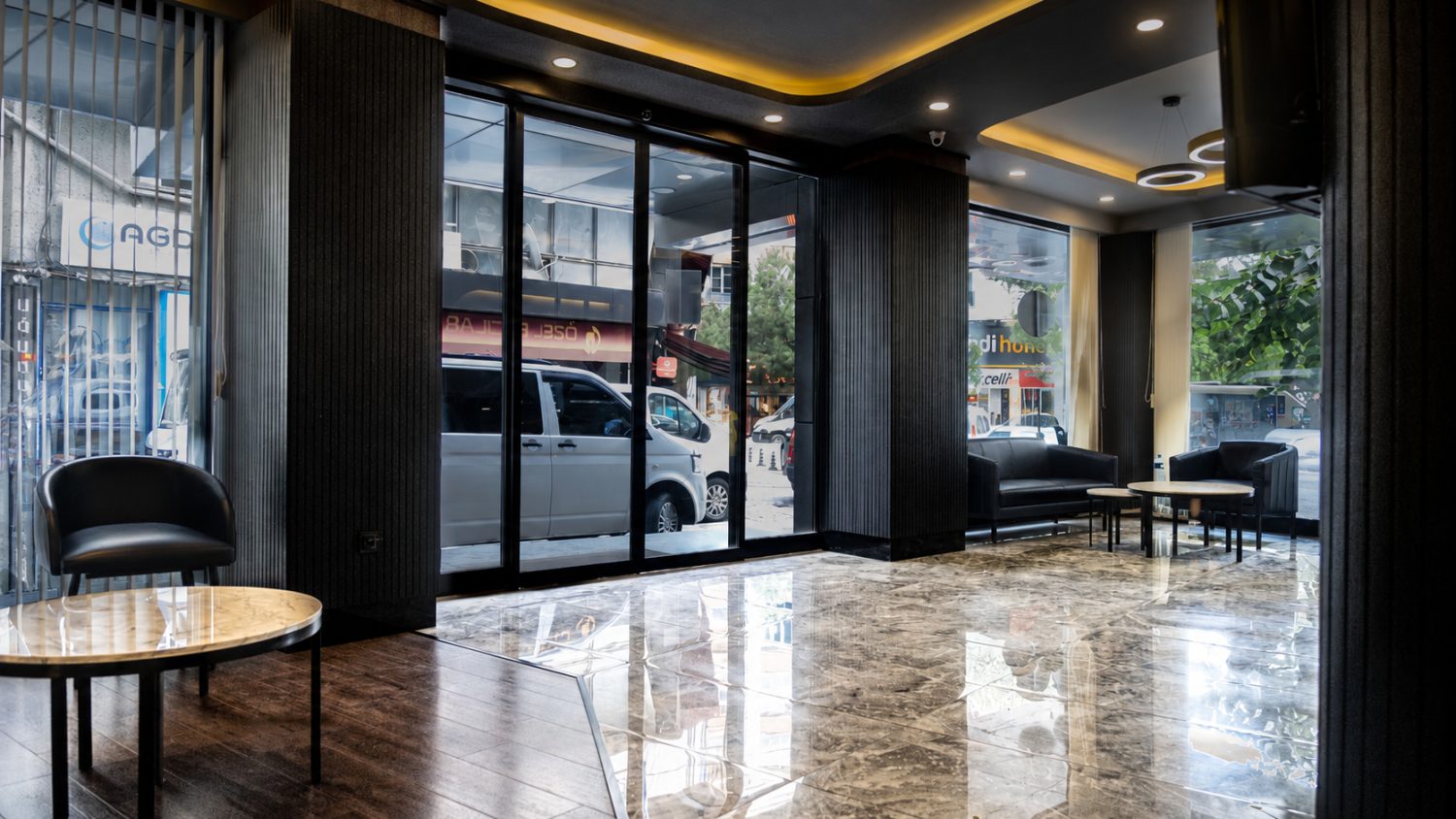
Ours is milled and finished in the building in Bağcılar, and the grade is selected per tooth rather than per case — a high-strength grade on molars and a more translucent one at the front, which is a different decision from choosing one disc for the whole arch. Where lithium disilicate is the better answer instead covers the cases where the right choice is not zirconia at all.

How the Zirconia Grade Is Chosen Per Tooth

We specify which zirconia is being used rather than describing everything as "zirconia", because the generations differ enough to change the outcome. For posterior crowns and for grinders that generally means monolithic; for visible teeth it means selecting for translucency and accepting the trade-off consciously.

Where a crown is adjusted at fitting, it is repolished. This is a small step that is genuinely skipped in busy practice, and it is the difference between a restoration that is kind to the opposing tooth and one that abrades it.

Where zirconia is not the right material — a single front tooth needing maximum translucency, or a very thin veneer — we say so and use lithium disilicate instead. Using one material for everything is a workflow preference rather than a clinical decision.

Our clinic has treated patients from more than thirty countries over twelve years. All treatments carry a lifetime guarantee, subject to attending the recommended check-ups and following the aftercare given, and excluding accidental damage or neglect. For grinders, wearing the protective appliance is part of that — zirconia is the most fracture-resistant tooth-coloured option available, but nothing survives indefinitely against unmanaged nocturnal force.

Frequently Asked Questions

Is zirconia stronger than porcelain?
Substantially, yes. Zirconia resists fracture through a mechanism called transformation toughening, where stress at a crack tip triggers a crystal change that compresses the crack closed. This gives it fracture resistance far beyond conventional dental ceramics. In practical terms it allows thinner restorations, longer bridges and better outcomes in patients with heavy bite forces.
Does zirconia damage the teeth it bites against?
Well-polished zirconia produces wear comparable with natural enamel and lower than feldspathic porcelain. The problem is surface roughness, not hardness. A crown adjusted at fitting and not repolished is abrasive, which is a technique issue rather than a property of the material.
What is monolithic zirconia?
A crown milled entirely from one block with no porcelain layered over it. Because there is no weaker outer material, it does not chip the way layered zirconia does. It is the standard choice for back teeth and for anyone who grinds.
Does zirconia look natural?
Modern translucent and multi-layered zirconia looks convincing and is entirely acceptable for most positions. For a single front tooth beside a natural one, layered lithium disilicate still reproduces enamel translucency more faithfully. The gap has narrowed considerably but has not closed.
Is there metal in a zirconia crown?
No. Zirconium dioxide is a ceramic despite the metallic-sounding name. There is no metal substructure, so there is no dark line at the gum margin if recession occurs, and it suits patients with metal sensitivities or a preference for metal-free restorations.
How long do zirconia crowns last?
Published survival data is good and compares favourably with other ceramic systems, particularly for monolithic posterior crowns. As with any crown, failure is usually decay at the margin or a problem with the tooth underneath rather than fracture of the ceramic.
Can a zirconia crown be repaired if it chips?
Monolithic zirconia rarely chips, but if it fractures it is replaced rather than repaired — the material cannot be reliably patched in the mouth. Layered zirconia where the outer porcelain chips can sometimes be repaired with composite as an interim measure.
Is zirconia suitable for front teeth?
Yes, using the more translucent formulations, and results are good. Where the requirement is matching a single natural tooth exactly, lithium disilicate is often the better choice. Where several front teeth are being treated together, zirconia performs very well. Multi-layered blocks with a built-in translucency gradient have narrowed the gap considerably in recent years.
What is the difference between zirconia and E-max?
Zirconia is stronger; E-max is more translucent. Zirconia suits back teeth, grinders and long bridges. E-max suits front teeth and thin veneers where appearance is paramount and forces are moderate. Neither is universally better and they are chosen by position and bite.
Are zirconia crowns thicker than other types?
The opposite, generally. Zirconia's strength means it can be made thinner than layered alternatives while remaining durable, which allows less tooth to be removed during preparation. That conservation of tooth structure is an under-appreciated advantage. Preserving tooth structure has long-term value that is easy to overlook when comparing materials on appearance alone.
Can zirconia be used on implants?
Yes, widely, and it is the common choice for posterior implant crowns. Its fracture resistance is useful because an implant has no cushioning ligament and transmits force directly to bone. Zirconia abutments also avoid a grey shadow showing through thin gum tissue.
Will my zirconia crown stain?
Zirconia resists staining far better than composite or acrylic, and its colour is stable over many years. This is one of its practical advantages over acrylic and composite restorations, particularly for patients who drink a lot of coffee or tea.
How is a zirconia crown made?
Entirely digitally. The preparation is scanned, the crown designed in software, then milled from a pre-sintered block and fired at high temperature. The block shrinks predictably during firing, so it is milled oversized by a calculated factor to compensate.
Can I have a zirconia crown in one visit?
Where a clinic has milling and speed-sintering equipment, yes. The sintering cycle is the constraint and has shortened considerably. For a posterior crown the result is excellent; for a front tooth requiring subtle layering, laboratory work still gives a better match.
How much does a zirconia crown cost?
We do not publish price lists. The cost depends on which zirconia is used, whether it is monolithic or layered, and whether preparatory treatment is needed first. Send photographs and a recent radiograph and we will explain what is likely to be appropriate.

Ready to start your treatment?

Get a free online assessment and a transparent treatment plan from our Istanbul clinic.

Contact
✦ Our Patients
✦ Our Clinic
✦ Our doctors

Our Expert Staff

A safe, comfortable and transparent treatment process at every stage with our experienced physicians.

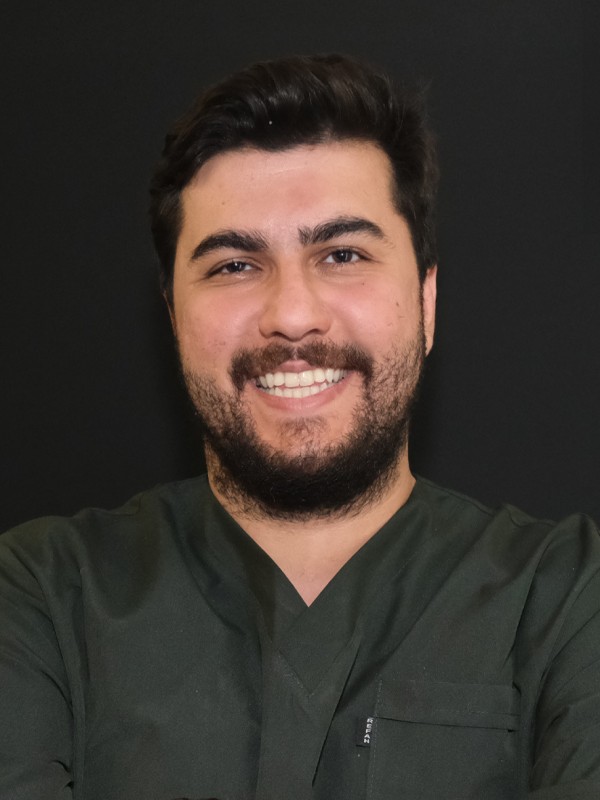
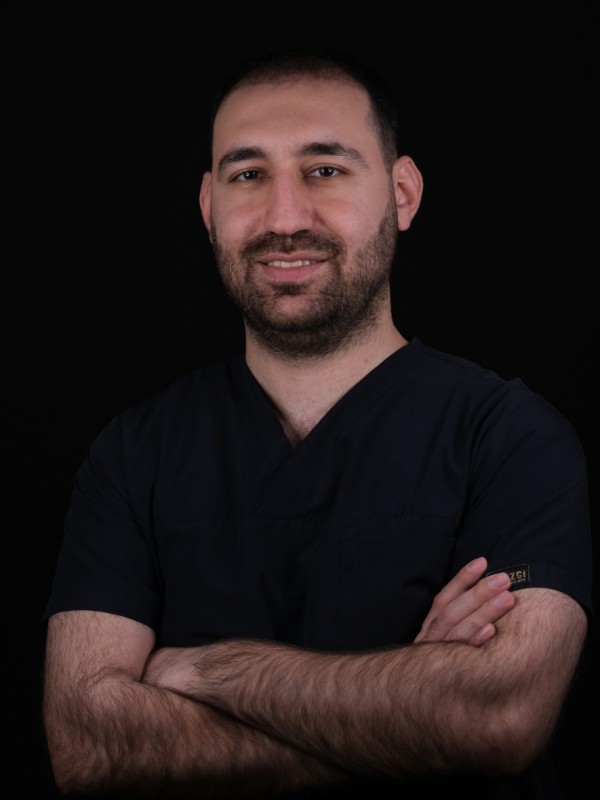
Dt. Muhammed Yancar

Dt. Muhammed Yancar

Responsible Manager · Dentist

He graduated from Okan University Faculty of Dentistry (2022). He works as the responsible manager and dentist at Bağcılar Dental Polyclinic. He is a member of the Turkish Prosthodontics and Implantology Association (TPİD) and the Turkish Dental Association (TDB).

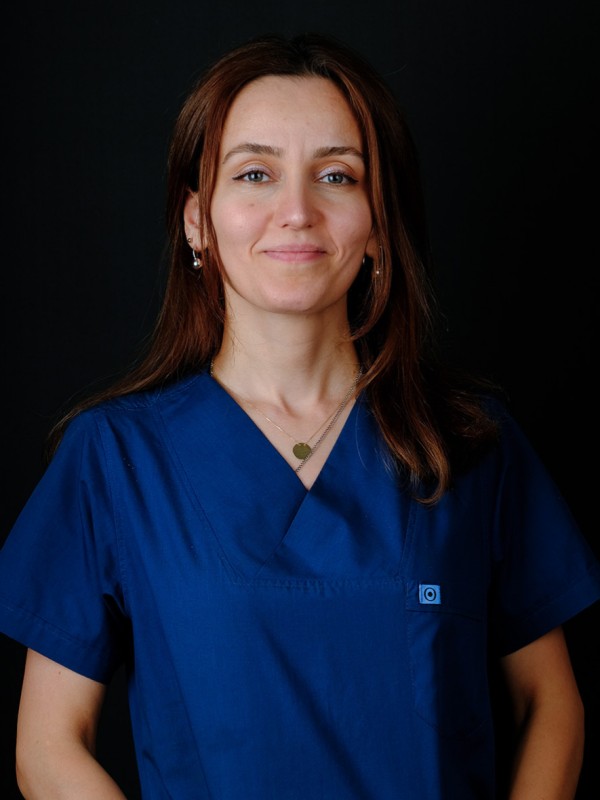
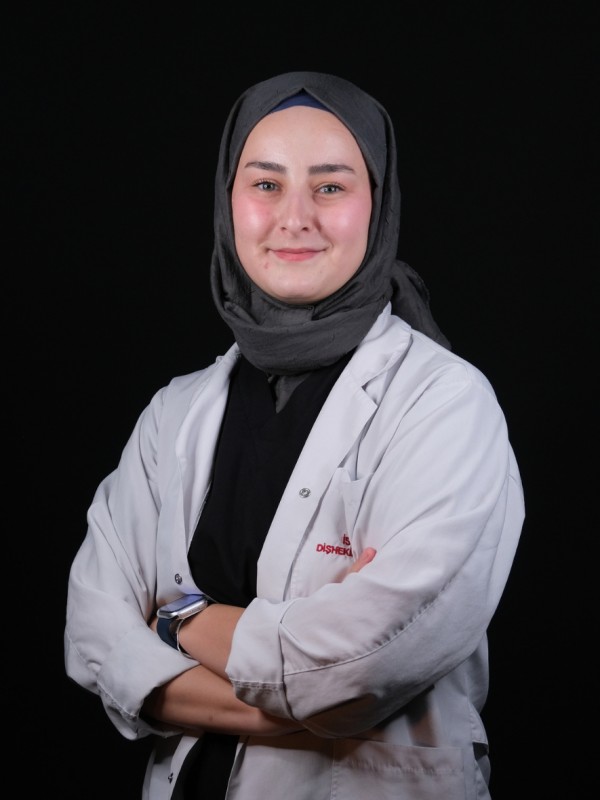
Dr. Dt. Remziye Kuşağlı

Dr. Dt. Remziye Kuşağlı

Responsible Dentist

He graduated from Dicle University Faculty of Dentistry (2005); He has 21 years of experience. It specializes in implant-supported dentures, All-on-4/All-on-6, zirconium, laminate and E-max coating treatments. He is a member of TDB.

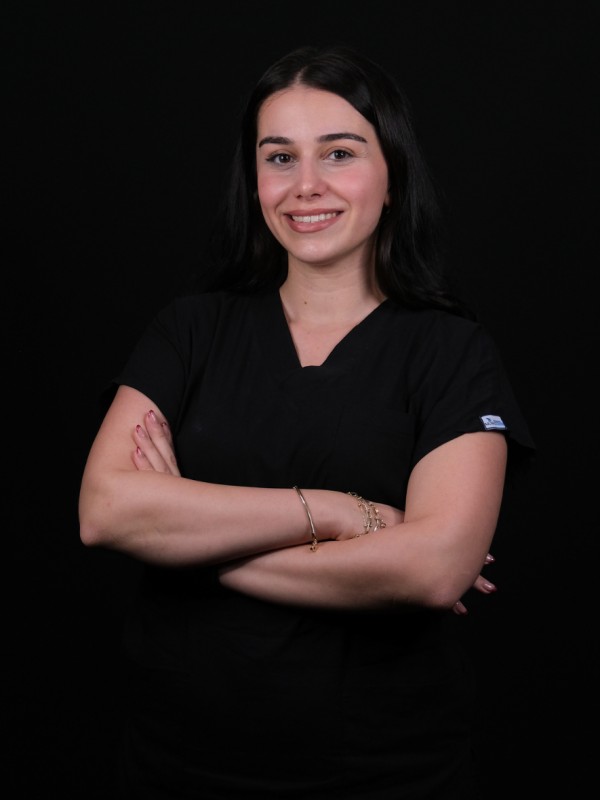
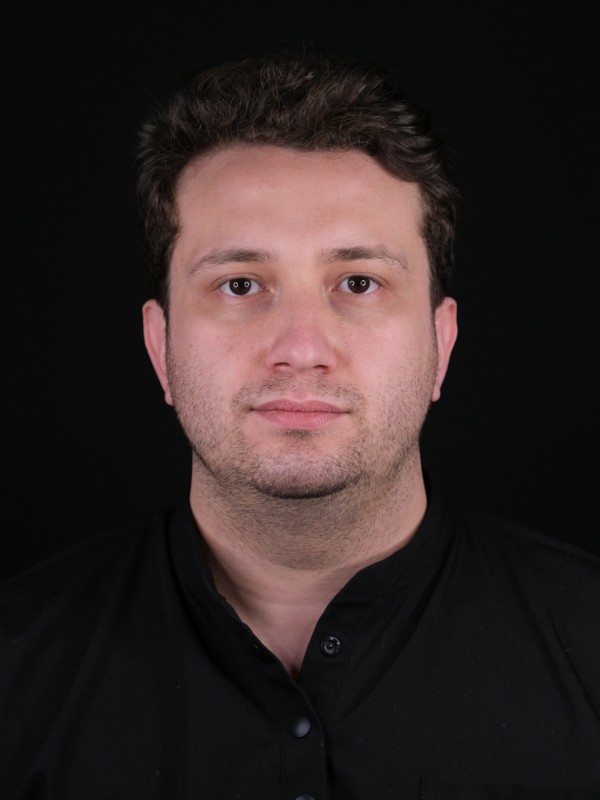
Uzm. Dr. Dt. Nazlı Altın

Uzm. Dr. Dt. Nazlı Altın

Oral and Maxillofacial Surgery Specialist

He graduated from Istanbul University Faculty of Dentistry; He completed his doctorate in oral, dental and maxillofacial surgery. He specializes in complex cases with implant surgery, jaw surgery and bone grafting.

Uzm. Dt. Uğur Derdiyok

Uzm. Dt. Uğur Derdiyok

Oral and Maxillofacial Surgery Specialist

He graduated from Ankara University Faculty of Dentistry; He completed his specialization in oral, dental and maxillofacial surgery at Kırıkkale University. He is an expert in surgical practices with 11 years of experience.

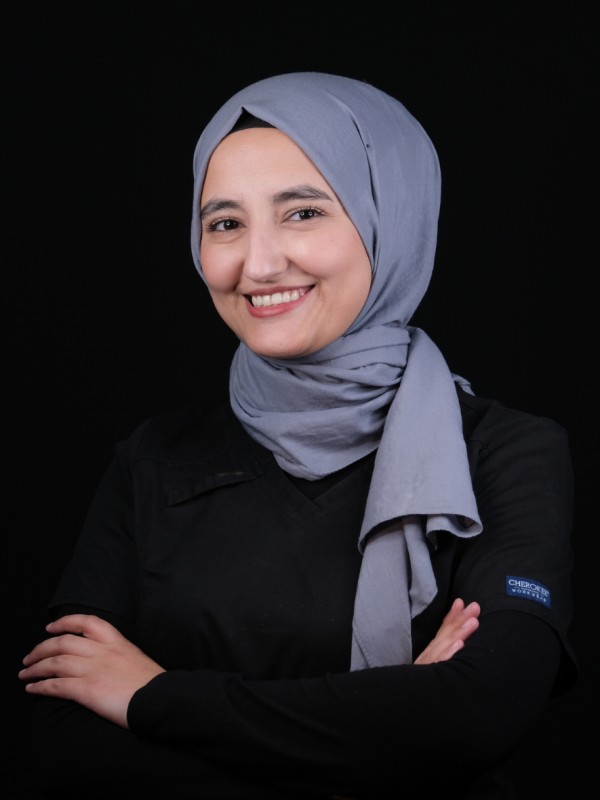
Uzm. Dt. Ceren Çetinkaya

Uzm. Dt. Ceren Çetinkaya

Orthodontic Specialist

He graduated from Ege University Faculty of Dentistry; He completed his orthodontics specialization at Istanbul University. He is experienced in fixed and transparent plate treatments and focuses on functional and aesthetic results.

Dr. Dt. Hakan Şahin

Dr. Dt. Hakan Şahin

Pedodontics Specialist (Pediatric Dentist)

He graduated from Atatürk University Faculty of Dentistry; He completed his pedodontics specialization. It has been providing preventive and therapeutic services in children's dental health for many years.

Uzm. Dt. Natiga Israfilova

Uzm. Dt. Natiga Israfilova

Prosthetic Dentistry Specialist

He is a graduate of Azerbaijan Medical University; He completed his prosthetic dentistry specialization at Eskişehir Osmangazi University. With 20 years of experience, he is an expert in implant prostheses, All-on-4/6, zirconium, laminate and E-max applications.

Dt. Nur Küçük

Dt. Nur Küçük

Prosthodontics & Digital Dentistry

He graduated from Istanbul Medipol University, Department of Dentistry; He continues his doctoral education in prosthetic dentistry. He works on aesthetic and functional restorations and smile design with CAD/CAM systems.

Dt. Mehmet Emin Ceylan

Dt. Mehmet Emin Ceylan

Implant & Prosthesis

He graduated from Istanbul Aydin University Faculty of Dentistry; He has 7 years of experience. He specializes in implant-supported dentures, All-on-4/All-on-6 restorations, full mouth dentures and zirconium applications.

Dt. Zeynep Demirhan

Dt. Zeynep Demirhan

Prosthodontics & Aesthetic Dentistry

He graduated from Bezmiâlem Vakıf University, Faculty of Dentistry. He is experienced in prosthetic treatments, smile design, implant-supported prostheses and treatments under sedation; focuses on patient satisfaction.

Dt. Seda Şahle Alemdar

Dt. Seda Şahle Alemdar

Implant & Aesthetics · Digital

He graduated from Abant İzzet Baysal University Faculty of Dentistry (2020). He is experienced in implant-supported dentures, smile design, digital measurement systems and aesthetic restorations.

Dt. Muhammed Ali Almaz

Dt. Muhammed Ali Almaz

Implant & Aesthetic Dentistry

He graduated from Gazi University Faculty of Dentistry (2021); He has 5 years of experience. He works with health tourism patients in the fields of implant prostheses, All-on-4, zirconium, aesthetic fillings and teeth whitening.

Dt. Berkay Pehlivanoğlu

Dt. Berkay Pehlivanoğlu

Restorative & Prosthetic

He graduated from Marmara University Faculty of Dentistry (2021); He has 6 years of experience. He works in the fields of endodontics (root canal treatment), restorative treatments, zirconium/E-max/laminate prosthesis and implant-supported prosthesis.

Dt. Esranur Çelik

Dt. Esranur Çelik

Restorative & Periodontology

He graduated from Süleyman Demirel University Faculty of Dentistry (2017); He has 9 years of experience. He works in periodontology (gum), restorative and endodontic treatments and aesthetic smile design.

Dt. Havva Öztürk

Dt. Havva Öztürk

General & Restorative Dentistry

He graduated from Bolu Abant İzzet Baysal University Faculty of Dentistry (2023). Works in restorative, endodontic, periodontal, prosthetic and pedodontic treatments; Follows current treatments closely.

Dt. Sümeyya Aydınlık

Dt. Sümeyya Aydınlık

Dentist

He graduated from Istanbul Yeni Yüzyıl University, Department of Dentistry (2020); Has approximately 5 years of experience. In addition to general dentistry, he works in implant prosthesis, restorative and endodontic treatments.

Dt. Hasip Altun

Dt. Hasip Altun

General Dentistry

He graduated from Yüzüncü Yıl University Faculty of Dentistry (2018). He has clinical experience in general dentistry and restorative treatments; It stands out with its patient-oriented approach.

Dt. Birsen Er

Dt. Birsen Er

Implant & Aesthetic Dentistry

He graduated from Istanbul University Faculty of Dentistry (2002); He has 24 years of experience. He works in the fields of implant-supported prostheses, All-on-4, zirconium restorations, aesthetic fillings, root canal treatment (endodontics) and teeth whitening.

✦ Our Videos
✦ Trusted Worldwide

What Our Patients Say

Google★★★★★
Trustpilot★★★★★
4.6/5 1.682+ Happy Patients 30+ Countries
A
Ayşe Kaya ★★★★★

I did not feel any pain during my implant treatment. The team is extremely attentive, I was informed at every stage. I love my new smile!

M
Mehmet Yıldız ★★★★★

My zirconium crowns looked very natural. It is excellent in terms of price-performance, I recommend it with peace of mind.

H
Hans Müller ★★★★★

I came from Germany for All-on-4 treatment. The clinic was very modern and hygiene was perfect. Translator support made my job much easier.

E
Elena Petrova ★★★★★

I came for my smile design; Everything was considered, including reception, hotel and transportation. My teeth were literally reborn.

F
Fatma Demir ★★★★★

My gum treatment was very successful. My doctor explained everything patiently, and my fear of the dentist was completely gone.

J
James Wilson ★★★★★

I came from London for laminate veneer. Professional team, painless procedure and great result. It was worth every penny.

Z
Zeynep Arslan ★★★★★

My orthodontic treatment proceeded as planned. The transparent record was very comfortable, no one even noticed. Thanks!

A
Andrei Popescu ★★★★★

I came from Romania for implants. From CT scan to treatment, everything started on the same day. I am very pleased with the result.

H
Hatice Şahin ★★★★☆

After teeth whitening, my teeth became visibly whiter. I got results in one session, it was very practical.

S
Sophie Dubois ★★★★★

I chose it for Hollywood Smile from France. The attention of the doctors and the naturalness of the result were far beyond my expectations.

A
Ali Çelik ★★★★★

My root canal treatment was painless and I returned to work the same day. Modern devices make a difference, well done.

M
Maria Rossi ★★★★★

I came from Italy for zirconium. It is much more advantageous than Europe in terms of both price and quality. I definitely recommend it.

E
Emine Yılmaz ★★★★★

We came for my mother's prosthetic teeth, they were very interested. The patience shown to elderly patients is admirable.

V
Viktor Ivanov ★★★★★

After the smile design, my self-confidence skyrocketed. The clinic is clean and the team is friendly. I recommend it to everyone from Sofia.

A
Ayşe Kaya ★★★★★

I did not feel any pain during my implant treatment. The team is extremely attentive, I was informed at every stage. I love my new smile!

M
Mehmet Yıldız ★★★★★

My zirconium crowns looked very natural. It is excellent in terms of price-performance, I recommend it with peace of mind.

H
Hans Müller ★★★★★

I came from Germany for All-on-4 treatment. The clinic was very modern and hygiene was perfect. Translator support made my job much easier.

E
Elena Petrova ★★★★★

I came for my smile design; Everything was considered, including reception, hotel and transportation. My teeth were literally reborn.

F
Fatma Demir ★★★★★

My gum treatment was very successful. My doctor explained everything patiently, and my fear of the dentist was completely gone.

J
James Wilson ★★★★★

I came from London for laminate veneer. Professional team, painless procedure and great result. It was worth every penny.

Z
Zeynep Arslan ★★★★★

My orthodontic treatment proceeded as planned. The transparent record was very comfortable, no one even noticed. Thanks!

A
Andrei Popescu ★★★★★

I came from Romania for implants. From CT scan to treatment, everything started on the same day. I am very pleased with the result.

H
Hatice Şahin ★★★★☆

After teeth whitening, my teeth became visibly whiter. I got results in one session, it was very practical.

S
Sophie Dubois ★★★★★

I chose it for Hollywood Smile from France. The attention of the doctors and the naturalness of the result were far beyond my expectations.

A
Ali Çelik ★★★★★

My root canal treatment was painless and I returned to work the same day. Modern devices make a difference, well done.

M
Maria Rossi ★★★★★

I came from Italy for zirconium. It is much more advantageous than Europe in terms of both price and quality. I definitely recommend it.

E
Emine Yılmaz ★★★★★

We came for my mother's prosthetic teeth, they were very interested. The patience shown to elderly patients is admirable.

V
Viktor Ivanov ★★★★★

After the smile design, my self-confidence skyrocketed. The clinic is clean and the team is friendly. I recommend it to everyone from Sofia.

B
Burak Aydın ★★★★★

I had a combination of implant and zirconium. The result is incredibly natural. The appointment and follow-up process was very orderly.

A
Anna Schmidt ★★★★☆

My laminate veneer treatment went well. It took a little waiting, but the result was perfect. Thanks for the translator support.

S
Selin Koç ★★★★★

I had gum aesthetics and whitening. I have no hesitation when laughing anymore. I am grateful to the entire team.

R
Robert Brown ★★★★★

My All-on-6 treatment changed my life. I came from England; The attention shown and the result achieved were perfect.

G
Gülşah Eren ★★★★★

We came for my child's dental treatment, they treated the child patients very kindly. He was treated without fear, we are very happy.

D
Dimitar Georgiev ★★★★★

Implant prices are very affordable compared to Bulgaria, and the quality is high. The entire process was completed in 4 days.

O
Okan Demirtaş ★★★★★

I can't recognize myself in photos after my smile design. My doctor's sense of aesthetics is really good.

C
Claudia Fischer ★★★★★

I came for my implant treatment, it was painless and fast. The clinic is above German standards, I am very pleased.

M
Merve Polat ★★★★★

I had a combination of orthodontics and whitening. The result is great, the team is very professional and caring.

L
Lucas Martin ★★★★★

I came from Paris for laminate veneer. I was very pleased with the natural result and warm attention. Thanks!

İ
İbrahim Kara ★★★★☆

My dental bridge treatment was durable and comfortable. Pricing was transparent, there were no surprise fees.

N
Natalia Sokolova ★★★★★

I came from Russia for smile design. The service quality and attention were excellent, my teeth turned out as I dreamed.

D
Deniz Aksoy ★★★★★

I had teeth whitening in one session, the difference was immediately obvious. It was a fast, clean and professional experience.

T
Thomas Becker ★★★★★

I came for All-on-4 and walked out smiling the same day with temporary teeth. The interest and technology are top notch, thank you very much.

B
Burak Aydın ★★★★★

I had a combination of implant and zirconium. The result is incredibly natural. The appointment and follow-up process was very orderly.

A
Anna Schmidt ★★★★☆

My laminate veneer treatment went well. It took a little waiting, but the result was perfect. Thanks for the translator support.

S
Selin Koç ★★★★★

I had gum aesthetics and whitening. I have no hesitation when laughing anymore. I am grateful to the entire team.

R
Robert Brown ★★★★★

My All-on-6 treatment changed my life. I came from England; The attention shown and the result achieved were perfect.

G
Gülşah Eren ★★★★★

We came for my child's dental treatment, they treated the child patients very kindly. He was treated without fear, we are very happy.

D
Dimitar Georgiev ★★★★★

Implant prices are very affordable compared to Bulgaria, and the quality is high. The entire process was completed in 4 days.

O
Okan Demirtaş ★★★★★

I can't recognize myself in photos after my smile design. My doctor's sense of aesthetics is really good.

C
Claudia Fischer ★★★★★

I came for my implant treatment, it was painless and fast. The clinic is above German standards, I am very pleased.

M
Merve Polat ★★★★★

I had a combination of orthodontics and whitening. The result is great, the team is very professional and caring.

L
Lucas Martin ★★★★★

I came from Paris for laminate veneer. I was very pleased with the natural result and warm attention. Thanks!

İ
İbrahim Kara ★★★★☆

My dental bridge treatment was durable and comfortable. Pricing was transparent, there were no surprise fees.

N
Natalia Sokolova ★★★★★

I came from Russia for smile design. The service quality and attention were excellent, my teeth turned out as I dreamed.

D
Deniz Aksoy ★★★★★

I had teeth whitening in one session, the difference was immediately obvious. It was a fast, clean and professional experience.

T
Thomas Becker ★★★★★

I came for All-on-4 and walked out smiling the same day with temporary teeth. The interest and technology are top notch, thank you very much.

✦ Our Brands
Straumann
Nobel Biocare
Astra Tech
Medentika
Bredent SKY
Straumann
Nobel Biocare
Astra Tech
Medentika
Bredent SKY
✦ Contact
Get in touch

İstanbul Bağcılarour central clinic

Merkez Mahallesi 675. Sokak No: 1-7/A-B, 34203 Bağcılar/İstanbul, Turkey

Open in Google Maps