


Treatments


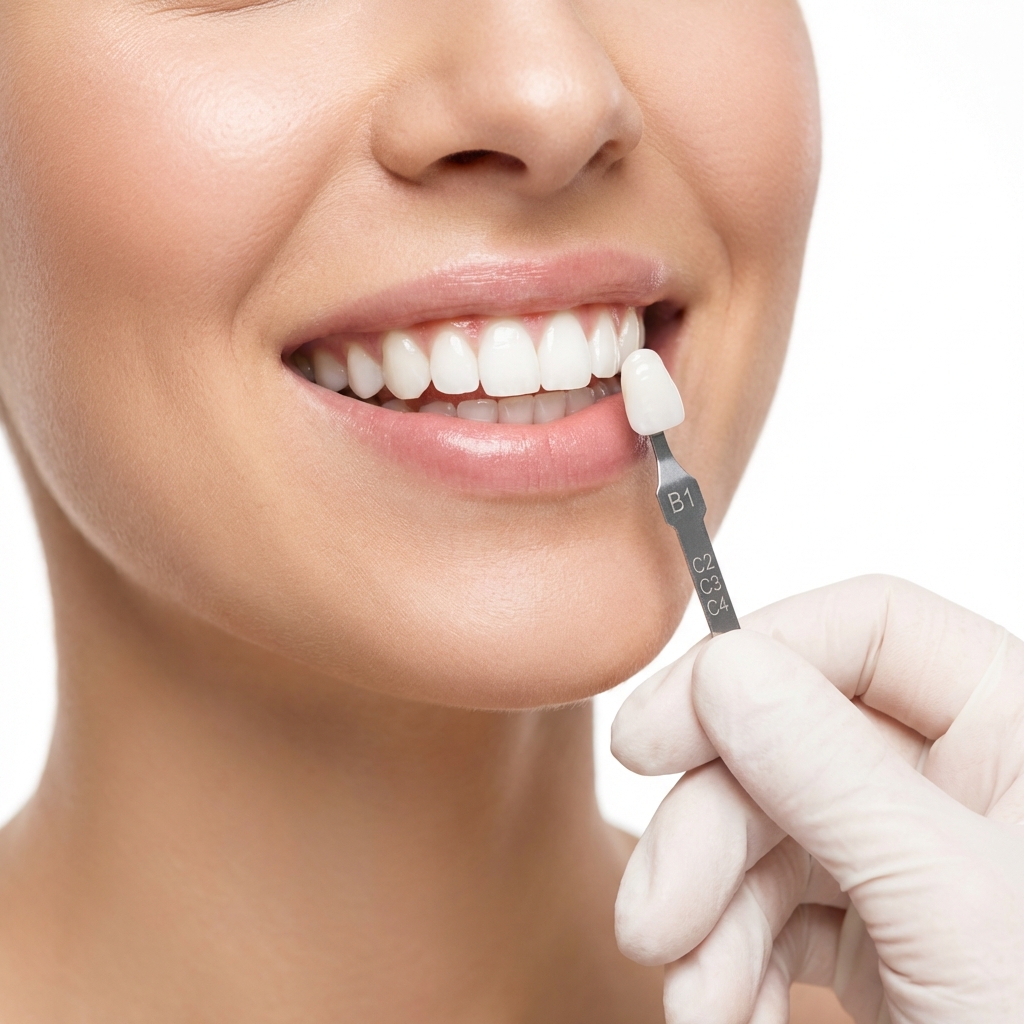

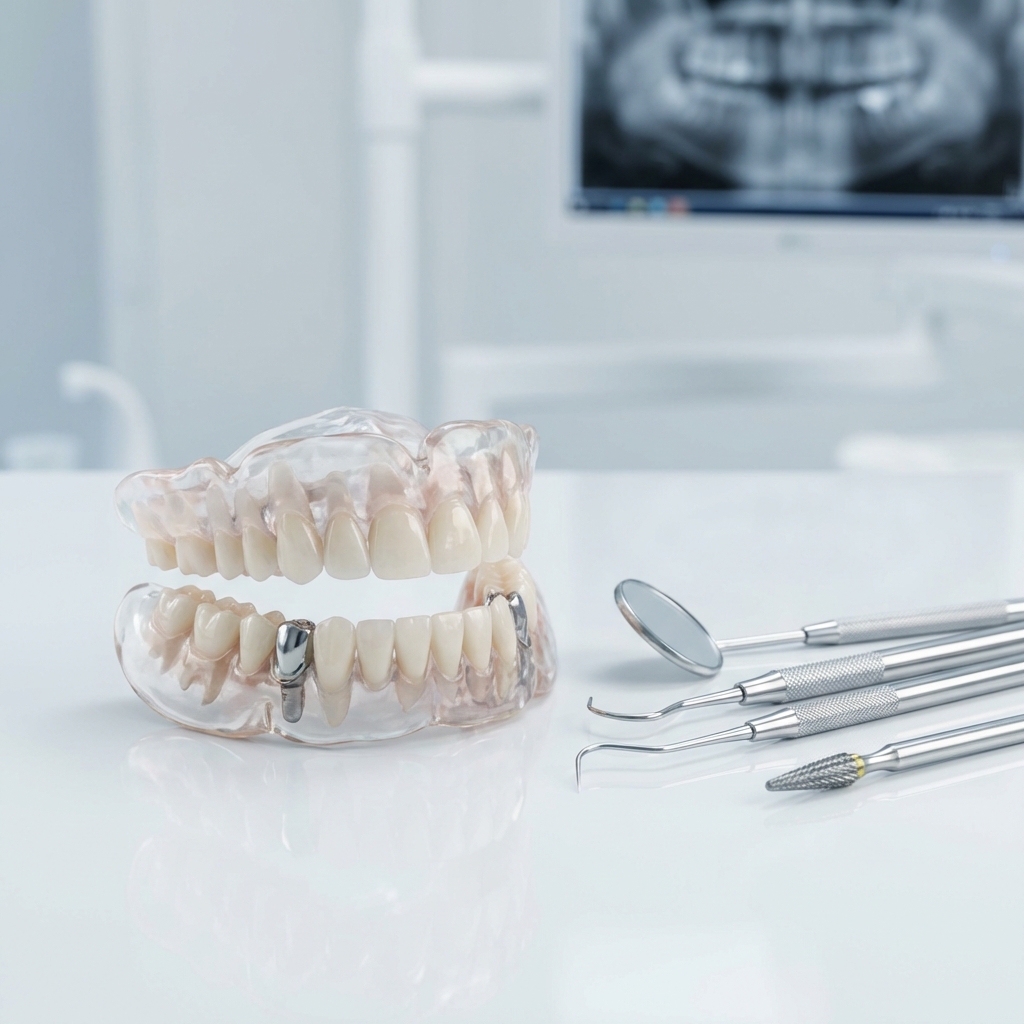


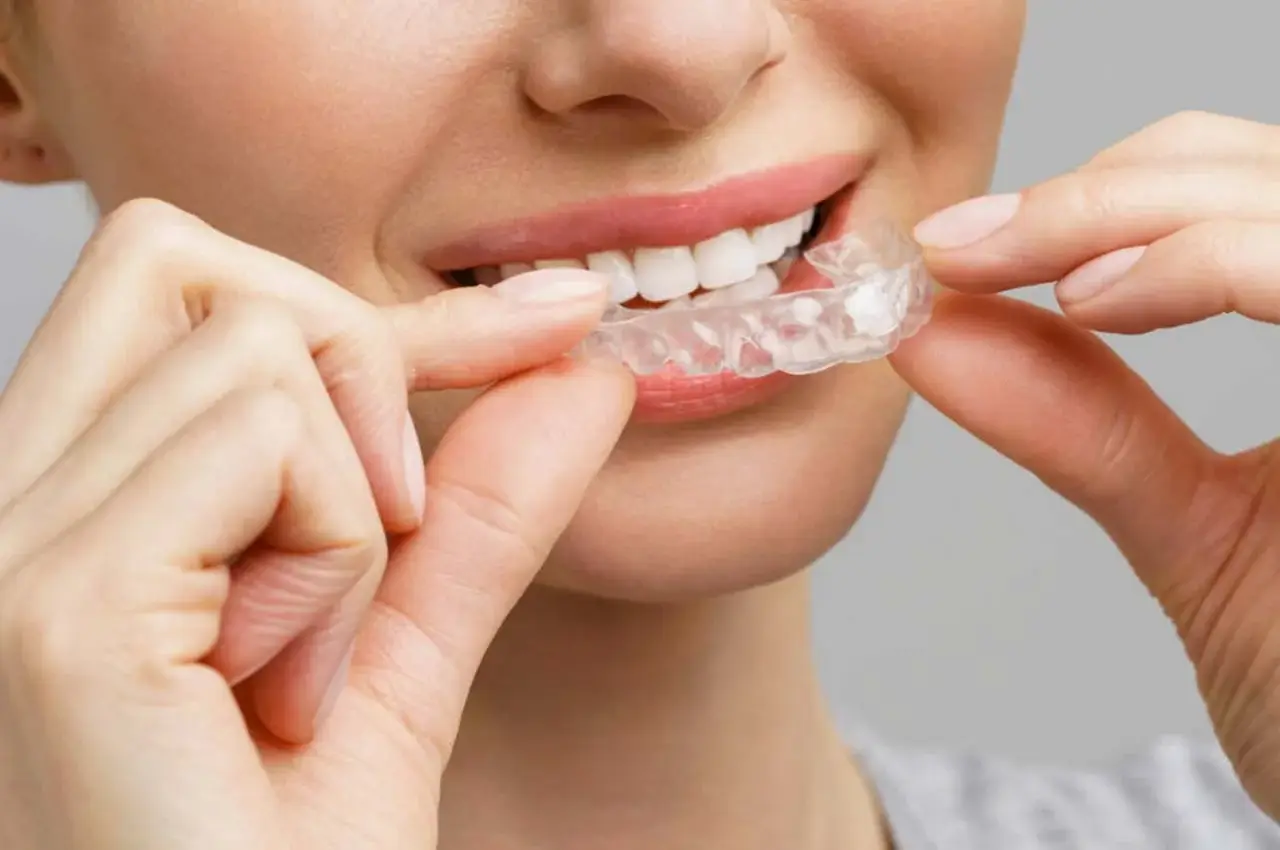

At our clinic in Bağcılar, İstanbul, everything from implants to orthodontics, from gum treatment to aesthetic restorations is carried out under one roof. The cards below take you to each treatment's detailed page.
This page is about the process rather than the treatments themselves: how a treatment plan is built, what costs nothing, what the lifetime guarantee actually covers, and what to look for when you are handed a plan. If you want to know which treatment fits your problem, our treatments page has a problem-to-treatment table.
How a Treatment Plan Is Built
The sequence is the same for every patient and no step is skipped.
- Examination. Every tooth, the gums, the bite relationship and existing restorations are assessed individually.
- Panoramic X-ray. Decay you cannot see, bone levels, root tip areas and impacted teeth.
- 3D scan where needed. Particularly for implant planning; a panoramic X-ray does not show bone width or the position of anatomical structures.
- Periodontal measurement. Six points around every tooth.
- Prioritisation. Pain and infection first, then preventive work, aesthetics last.
- Written plan. What will be done to which tooth, why, and what the alternatives are — in writing.
The fifth step is the one most often skipped. A patient arriving with an aesthetic request usually needs gum health and existing decay dealt with first; a restoration placed on an unhealthy foundation lasts less time than it should.
The sixth step is what stays in your hands. Because the plan is written, you can consider it at home and take it to another dentist. We recommend that.
What Costs Nothing
Three things are free, with no conditions attached:
- Examination. A full assessment.
- Panoramic X-ray.
- A written treatment plan. Yours to take away.
We set it up this way for a reason: before deciding on treatment, a patient needs to know what is actually going on in their mouth. Getting that information should not require committing to anything.
Taking the plan to another dentist is entirely reasonable and we say so openly. A second opinion is the right reflex, particularly where the work is extensive and irreversible — cutting down healthy teeth, for instance.
When you assess a plan, the thing to look for is this: were alternatives discussed? A plan offering a single option has not actually compared anything. Why the least invasive option falls short should be explained.
What the Lifetime Guarantee Covers
Every treatment carried out at our clinic is covered by a lifetime guarantee on materials and workmanship. This is the clinic's own commitment — not to be confused with a manufacturer's material warranty.
The scope, the duration and the exclusions are given in writing. When you assess a guarantee, look at all three: what it covers, what voids it, and how long it runs. A five-year guarantee and a lifetime guarantee on the same materials and workmanship are not the same offer.
One condition keeps the guarantee alive, and it is a reasonable one: regular check-ups. The reason is not procedural. Tissues around an implant can become diseased silently in the early stage; leakage starting at a crown margin progresses without pain. Both are dealt with simply when caught at a check-up, and not simply when they are not.
If a night guard was recommended and is not being worn, fractures caused by clenching fall outside the cover — the same logic: a preventable load left unprevented.
In short, the guarantee is a claim that we do the work properly, and we put it in writing.
What an In-House Laboratory Changes
For crowns, bridges, dentures, night guards and mouthguards, the laboratory stage determines how long treatment takes.
When work is sent out, every try-in means another send-and-wait cycle. A small shade or contact adjustment found at try-in adds another appointment.
Because our laboratory is in the building, adjustments found at try-in are usually made the same day. That changes two things: total time shortens and — more importantly — because adjusting is cheap, adjusting actually happens. In a long cycle both patient and dentist drift towards "it will do"; a short cycle removes that pressure.
For patients travelling from another city or country it directly reduces the number of visits. Impression, try-in and fit can be scheduled on consecutive days.
The technician being able to see the patient is a gain in itself: for anterior shade selection, direct observation beats a photograph by a clear margin.
Preparing for Your Appointment
How productive a first appointment is depends largely on what you bring to it.
- Your medication. Supplements included. Blood thinners, diabetes medication and bone medication directly affect planning.
- Systemic conditions. Heart disease, diabetes, blood pressure, bleeding disorders.
- Allergies. Drug and latex in particular.
- Previous X-rays and treatment records, if you have them.
- Pregnancy or breastfeeding.
- A description of your complaint. How long, what triggers it, how long it lasts, whether it worsens at night.
The last item is the single most decisive part of diagnosis. Pain in the same area means entirely different things depending on duration and trigger: a short pain that arrives with a stimulus and fades in seconds, versus pain that arrives on its own and worsens at night, are two different treatments.
If you clench or grind, say so. Morning jaw fatigue, flattened incisal edges, or a partner who hears the grinding — all three bear directly on the plan.
One note on timing: a full first assessment — examination, X-ray and going through the plan — can take forty-five minutes. Don't book it into a slot you have to rush out of; having time to ask questions makes a real difference to how well you understand the plan.
If you are travelling in, we schedule appointments to fall on the same day where possible. Mention it when you call; for anything needing impressions and lab work, our in-house laboratory reduces the number of visits.
Frequently Asked Questions
Is the examination really free?
Yes. The examination, the panoramic X-ray and a written treatment plan cost nothing, with no conditions attached. You can take the plan away, consider it at home and show it to another dentist.
Can I take the plan to another dentist?
Of course, and we recommend it. A second opinion is the right reflex, particularly where the work is extensive and irreversible — such as cutting down healthy teeth. That is why the plan is given in writing.
What does the lifetime guarantee cover?
Every treatment carried out at our clinic is covered by a lifetime guarantee on materials and workmanship. The scope, the exclusions and the check-up condition are given in writing. This is the clinic's own commitment, not a manufacturer's material warranty.
Why is there a check-up condition?
Because most problems begin silently. Tissues around an implant can become diseased painlessly in the early stage, and leakage at a crown margin progresses unnoticed. Both are dealt with simply when caught at a check-up.
How long does treatment take?
It depends on the treatment: a filling takes one visit, a bridge one to two weeks, dentures two to four weeks, and implants three to six months because of bone integration. Our in-house laboratory noticeably shortens anything requiring lab work.
Is everything done at the same clinic?
Yes. Implant surgery, root canal treatment, gum treatment, orthodontics, prosthetics and aesthetic restorations are all carried out under one roof. That spares you being passed between clinics and keeps the plan coherent.
How do I find out which treatment suits me?
The problem-to-treatment table on our treatments page shows which options come into play for each complaint. The actual decision follows examination, X-ray and measurement; the same complaint can have different causes.