







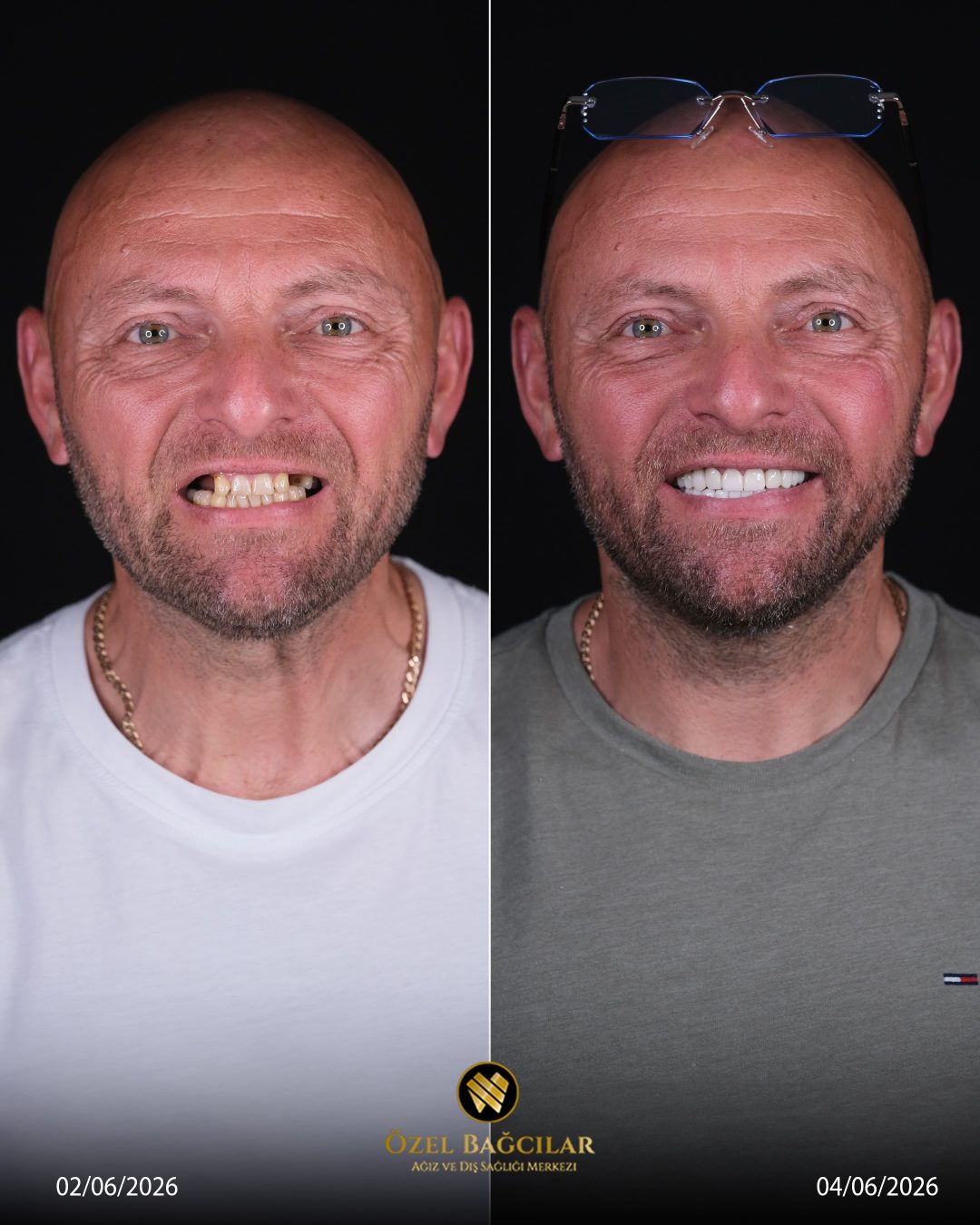
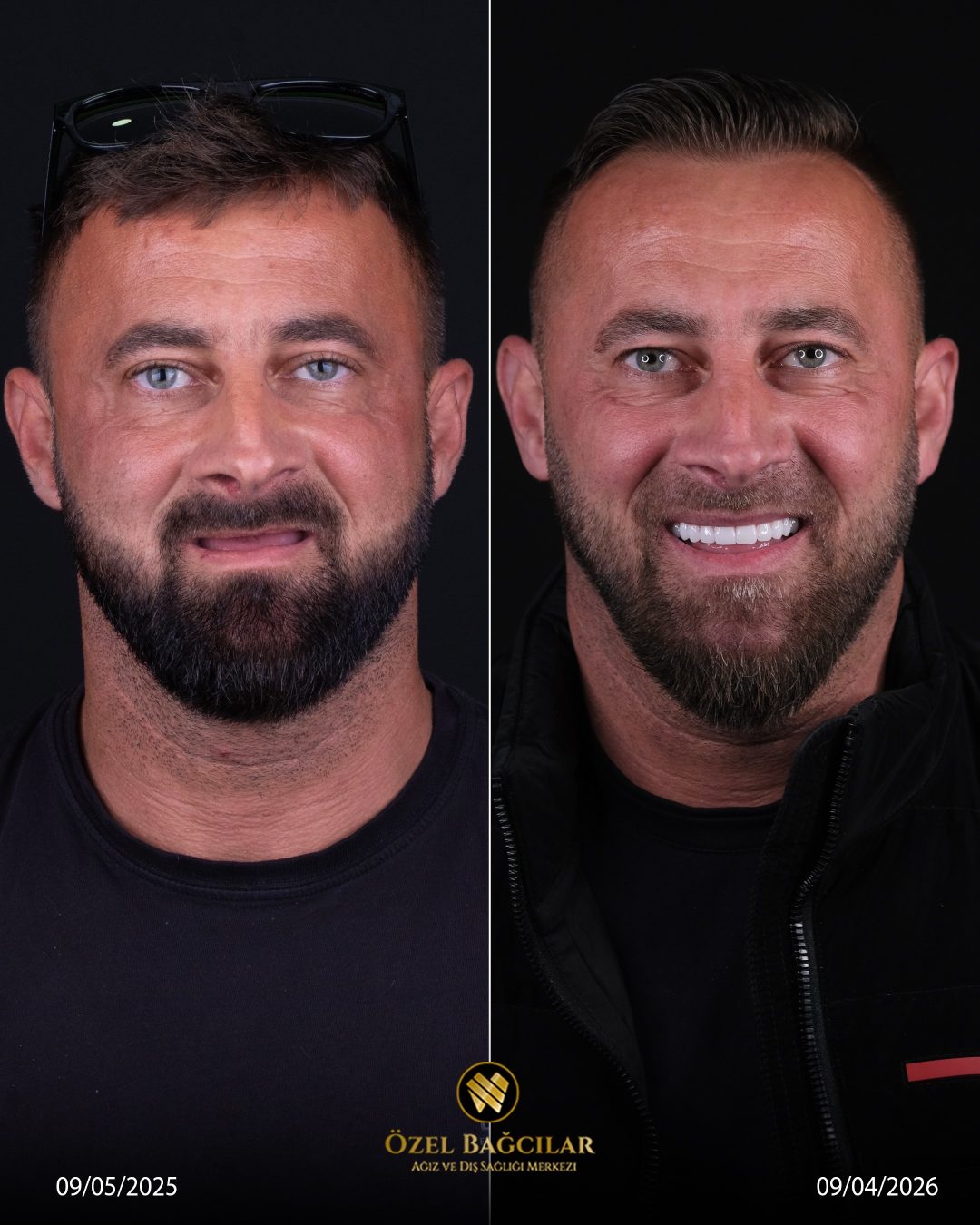




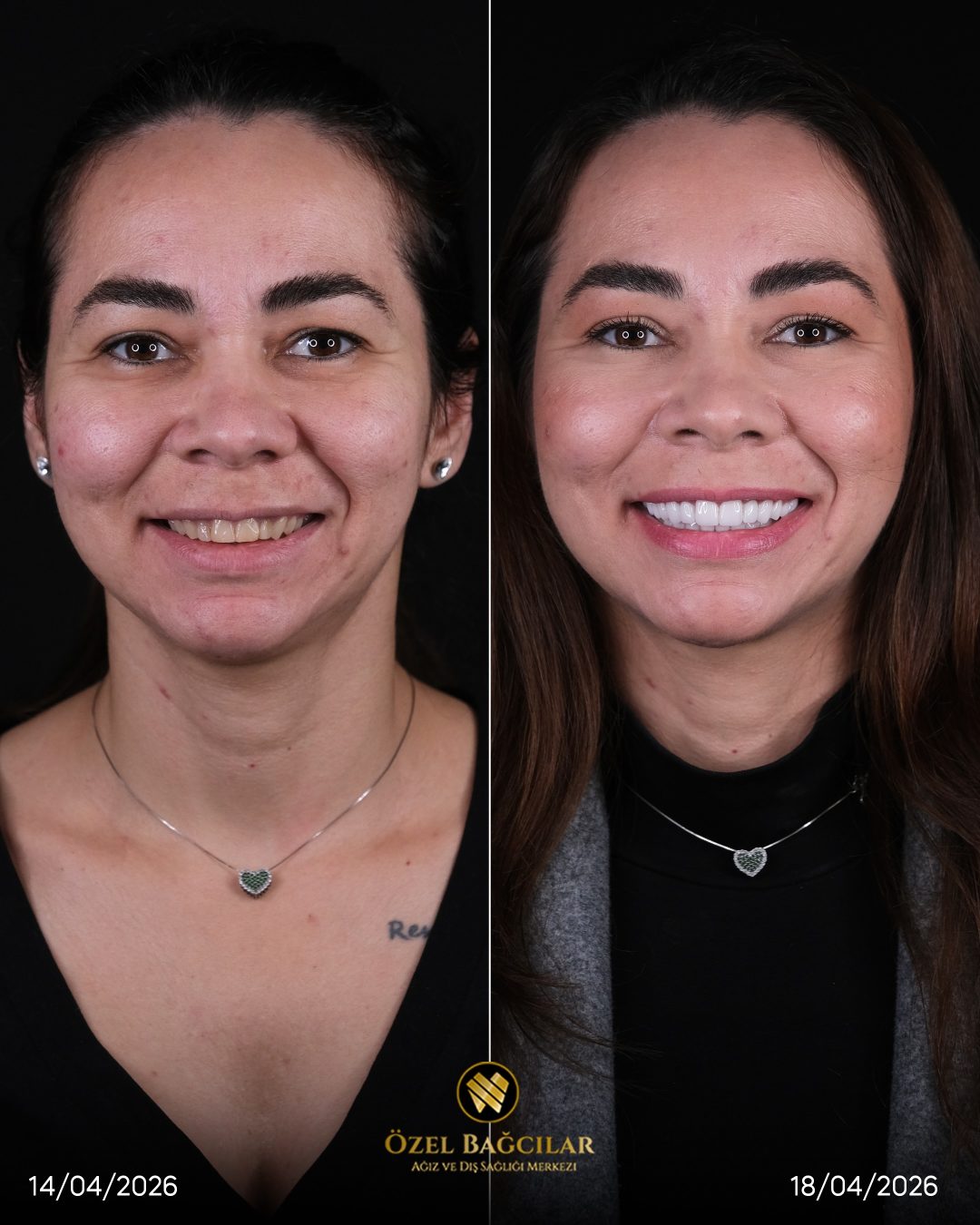

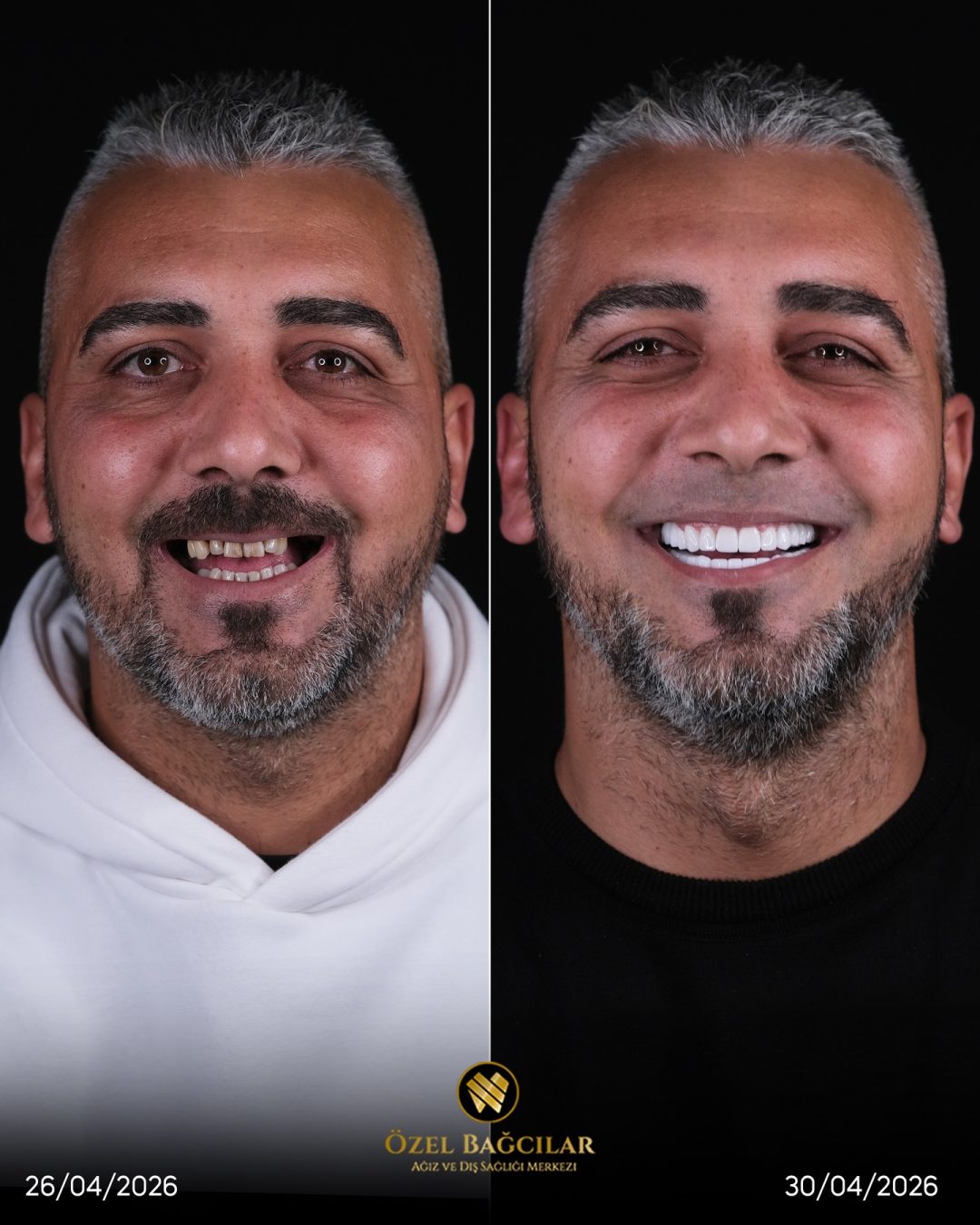
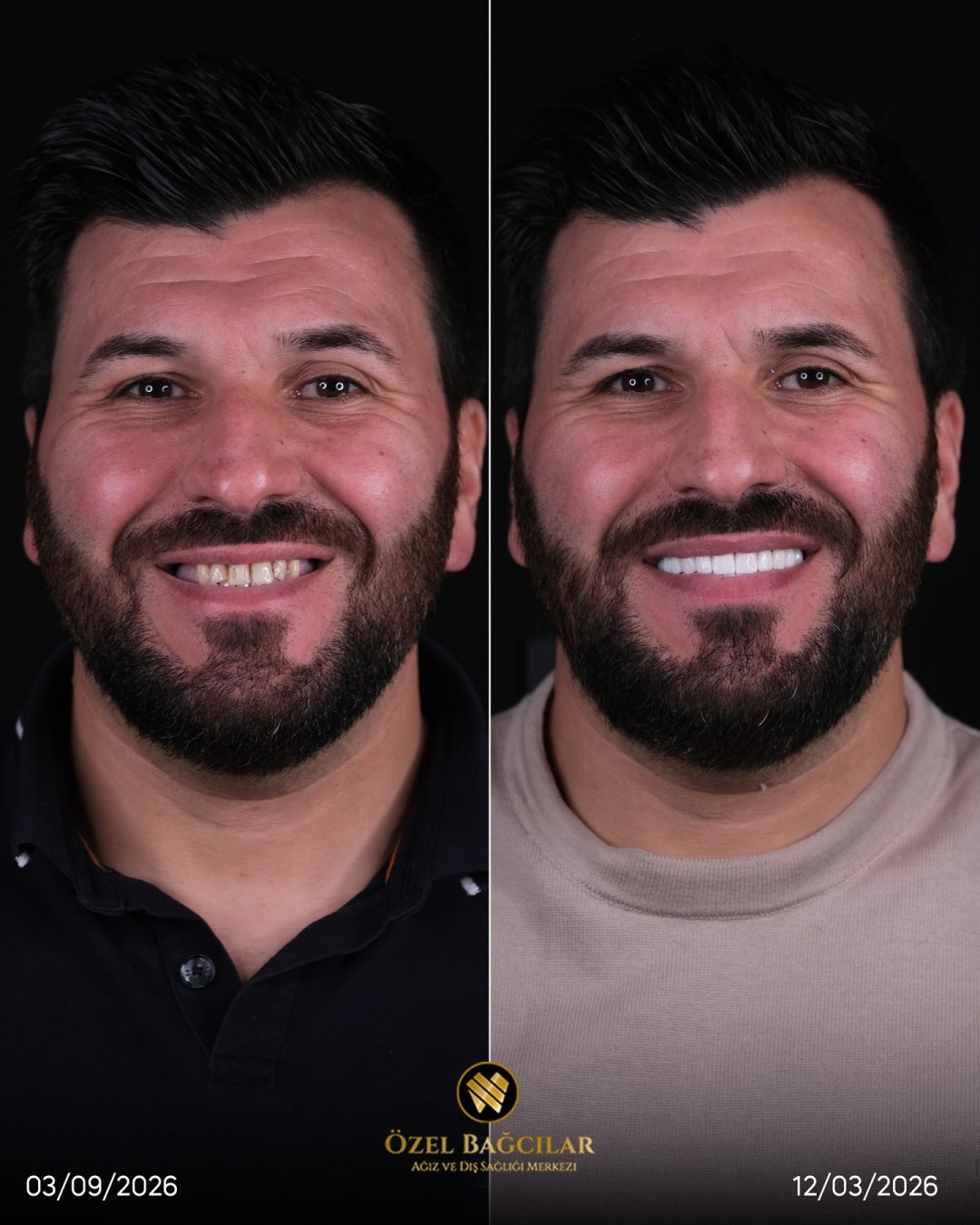
What Smile Design Actually Is
The term covers a structured planning process borrowed from prosthodontics. Before any treatment, the clinician records what the smile currently does — how much tooth shows at rest, how much when smiling, where the midline sits, how the gum line runs — and then designs a target that fits the face rather than an abstract ideal.
Only after that target exists does the question of treatment arise. Sometimes the answer is veneers. Often it is a combination: align first, whiten, then restore two or four teeth rather than ten. Occasionally the answer is that nothing needs restoring at all.
This is the opposite of how the treatment is usually sold. "A Hollywood smile" names a material and a tooth count before anyone has looked at the face. That sequence produces the results people recognise as artificial — uniform, too white, too straight, unrelated to the person wearing them.
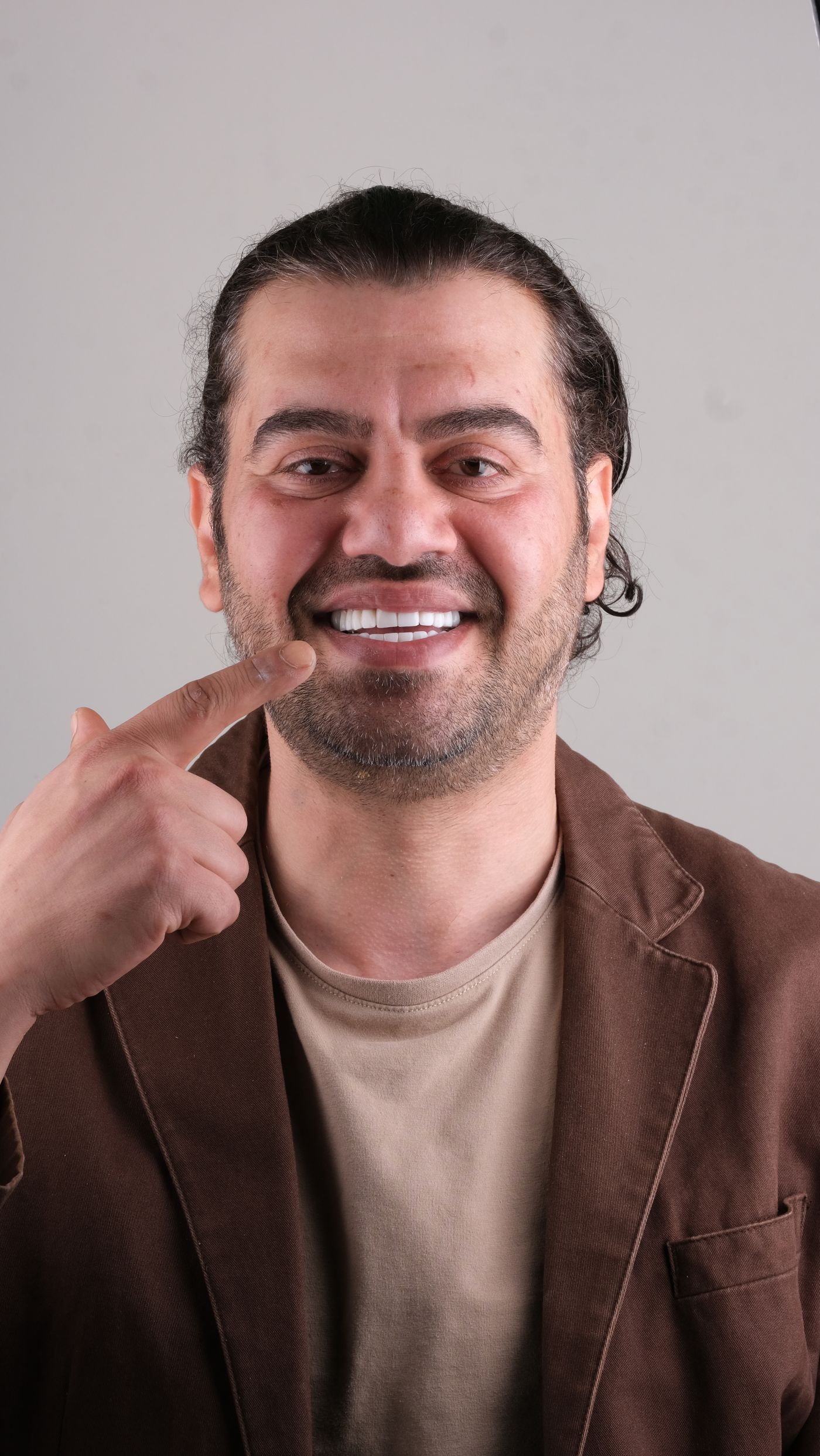
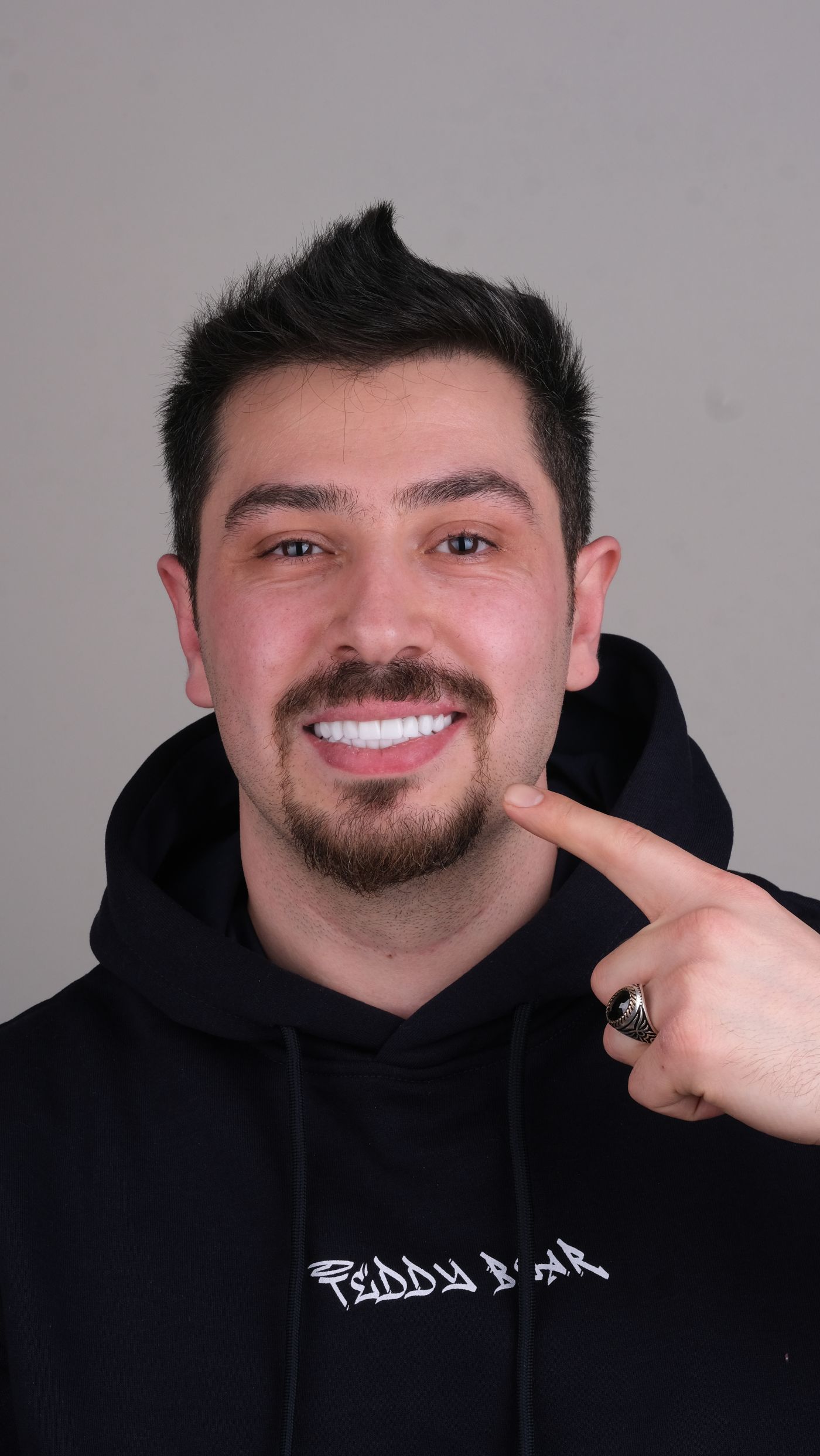
A well-designed smile is generally not noticed as dental work. It is noticed as the person looking well. That is the standard the planning stage exists to reach.
The Assessment That Comes First
The clinical examination covers three layers, and skipping any of them is where problems start. The foundation is health: decay, failing old restorations, root canal status, and above all the gums. Ceramic bonded to inflamed gums looks wrong within months and fails within years.
The second layer is function. How the teeth meet, whether there is an edge-to-edge bite, whether there is wear from grinding. A patient who grinds and is given thin ceramic veneers without addressing the habit will fracture them, and the grinding needs managing first.
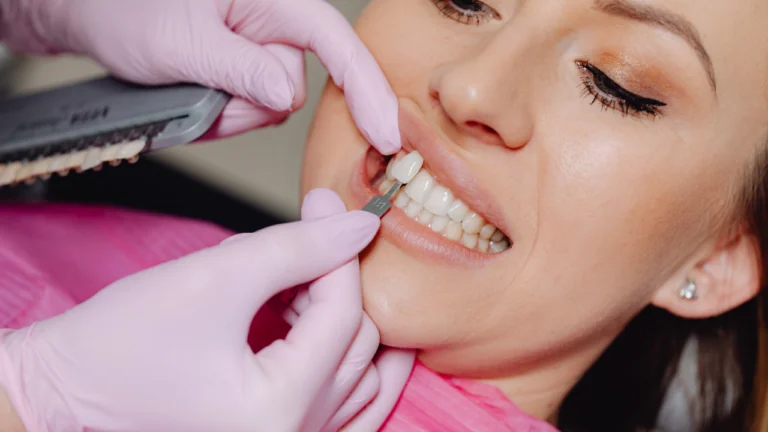
The third is aesthetic: tooth proportion, midline, smile line, gum display, shade and the relationship to the lower lip. This layer is photographed and measured rather than judged by eye, because the eye adapts to what it sees every day.
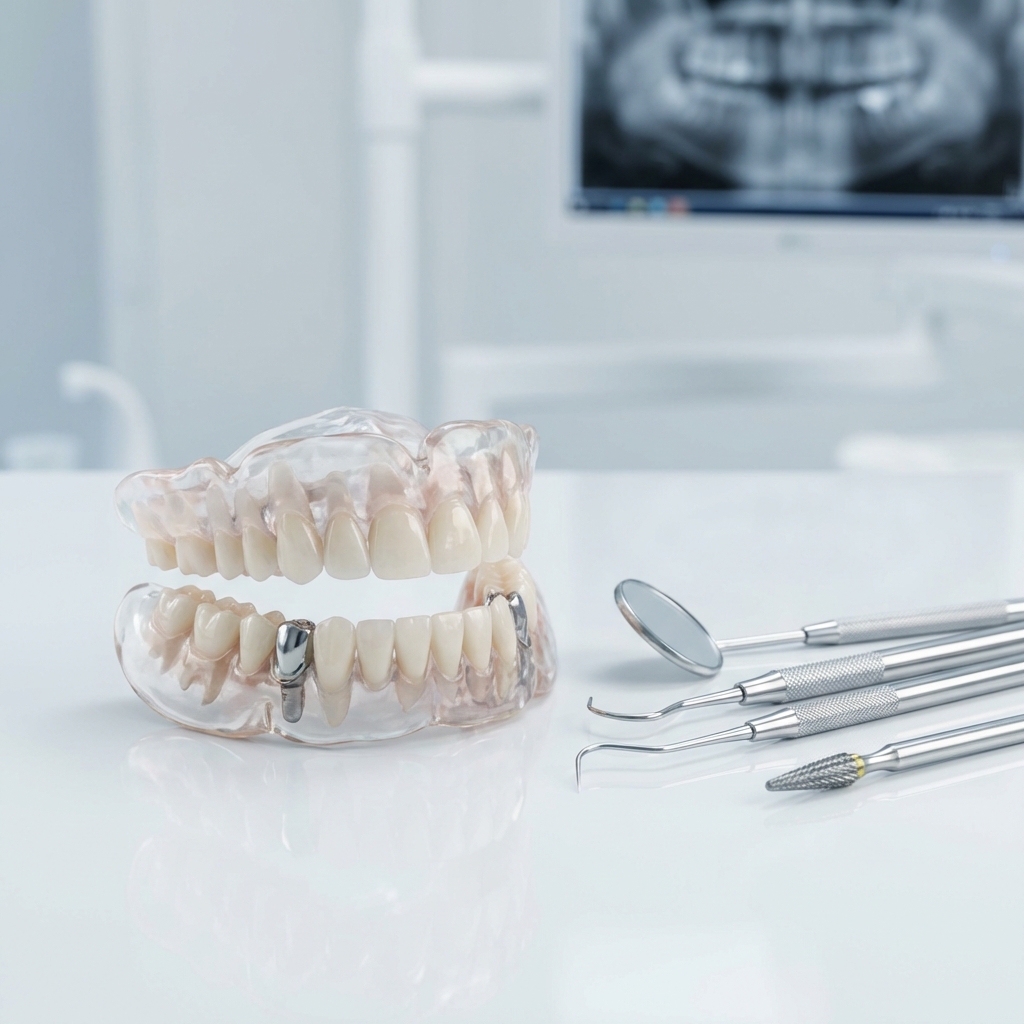
Radiographs complete the picture. Root-treated teeth, existing posts, bone levels and hidden decay all change what is possible. If the gums need attention first, gum treatment comes before any restorative work, not after.
Digital Smile Design — What the Software Does
Digital planning starts with photographs and video of the face at rest, speaking and smiling, plus a scan or impression of the teeth. The software overlays a proposed tooth design onto the photographs, so proportions can be adjusted against the actual face rather than against a template.
Its real value is communication. You see a rendering of the proposal, say what you do not like, and the design is changed before anything irreversible happens. Disagreements about width, length or shade are far cheaper to resolve on a screen than in ceramic.
What it does not do is guarantee the outcome. A render is a two-dimensional image of a three-dimensional result that also has to function, and software does not know how your lip moves or how the teeth meet. It is a design tool, not a prediction.
This is why the digital stage is followed by a physical one. The design is transferred to a wax model, and from that model into your mouth as a trial smile you can actually see and wear.
Mock-Ups and Trial Smiles
The mock-up is the single most useful step in the whole process, and it is the one most often skipped. Tooth-coloured resin is placed over your unprepared teeth in the shape of the planned design. Nothing is drilled, nothing is bonded permanently, and it comes off in minutes.
For an hour or so you can see the proposed length and width in your own face, in normal light, in a mirror rather than a photograph. You can speak, which is when most length problems reveal themselves, and you can photograph it and think about it away from the clinic.
It also serves a clinical purpose. Preparation is done through the mock-up, which means the dentist removes enamel relative to the final shape rather than relative to the existing tooth. Where the design adds length or projection, sometimes almost no enamel needs removing at all.
If a clinic proposes to prepare a full set of front teeth without a mock-up stage, that is worth questioning. It is the step that turns an irreversible decision into a reversible one.
Choosing How to Build It
Once the design is agreed, the question becomes which treatment delivers each part of it with the least removal of healthy tooth. Usually it is a combination rather than a single answer, and the table sets out what each option does well.
| Option | What it changes | Tooth removal | Best suited to |
|---|---|---|---|
| Whitening | Shade only | None | Healthy, well-aligned teeth that are simply dark |
| Composite bonding | Shape, small gaps, chips | Little or none | Small corrections, younger patients, reversible cases |
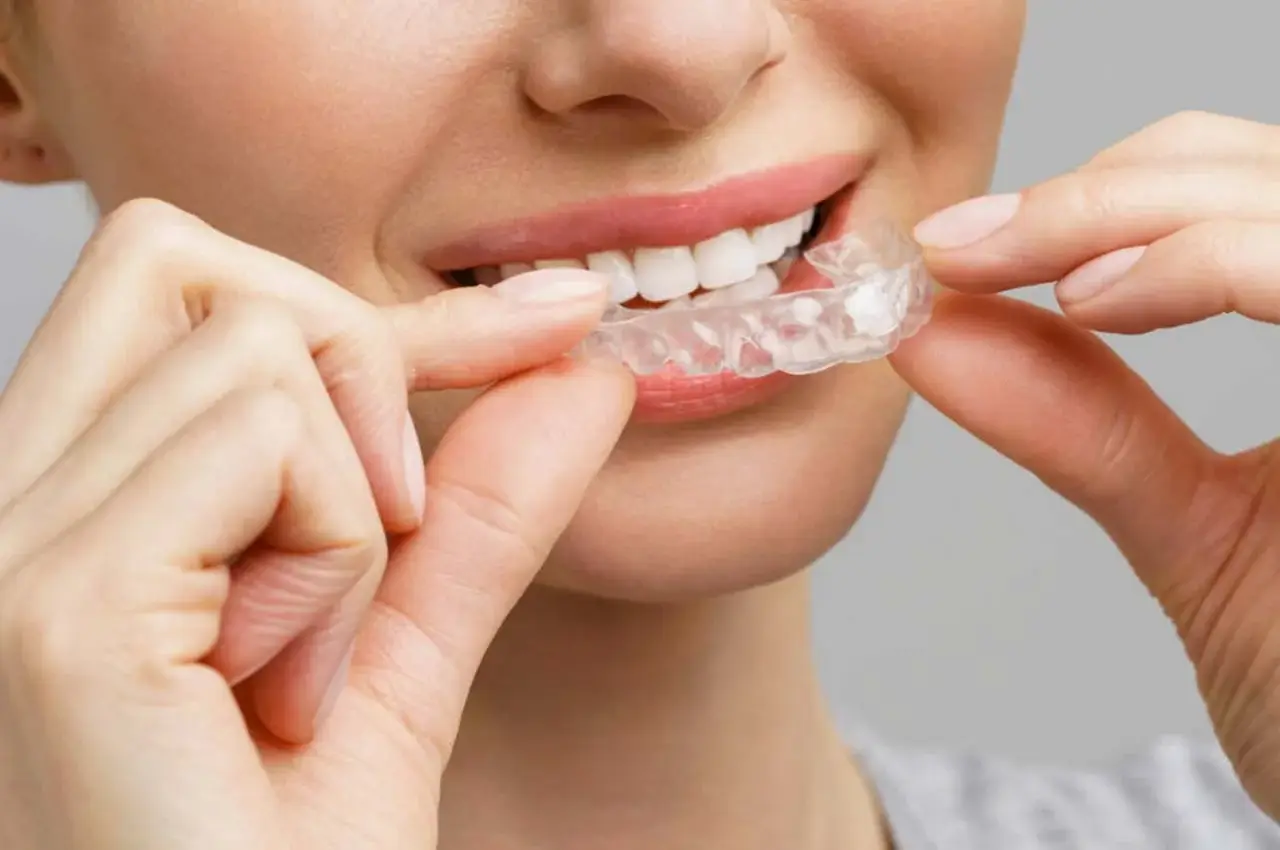
| Orthodontics | Position and alignment | None | Crowding, rotation, gaps, protrusion |
| Porcelain veneers | Shape, shade, minor position | Front surface only | Front teeth needing shape and shade change together |
| Crowns | Everything, on one tooth | All surfaces | Teeth already heavily restored or root-treated |
| Gum contouring | Gum line and tooth proportion | None | Short-looking teeth, uneven or excessive gum display |
Read that column on tooth removal carefully, because it is the one that cannot be undone. The difference between veneers and crowns and composite against porcelain go through the trade-offs case by case.
Proportion, Midline and the Smile Line
Three measurements do most of the work in making a result look natural. The first is the width-to-length ratio of the central incisors, which sits in a fairly narrow range in most attractive smiles. Teeth wider than that look blunt; narrower and they look artificial.
The second is the midline — the join between the two front teeth. It should be vertical and it should relate to the face, and of the two, vertical matters more. A midline that is slightly off-centre but upright reads as normal; one that is centred but tilted reads as wrong even to people who cannot say why.
The third is the smile line: the curve formed by the edges of the upper teeth, which in most natural smiles follows the curve of the lower lip. A flat edge across all six front teeth is the single most recognisable sign of poorly-planned veneer work.
Small asymmetries are part of what makes a smile look real. Perfectly identical left and right sides are not found in nature, and a design that removes every irregularity removes the thing that made the face specific.
Shade — Why It Is Decided Before Preparation
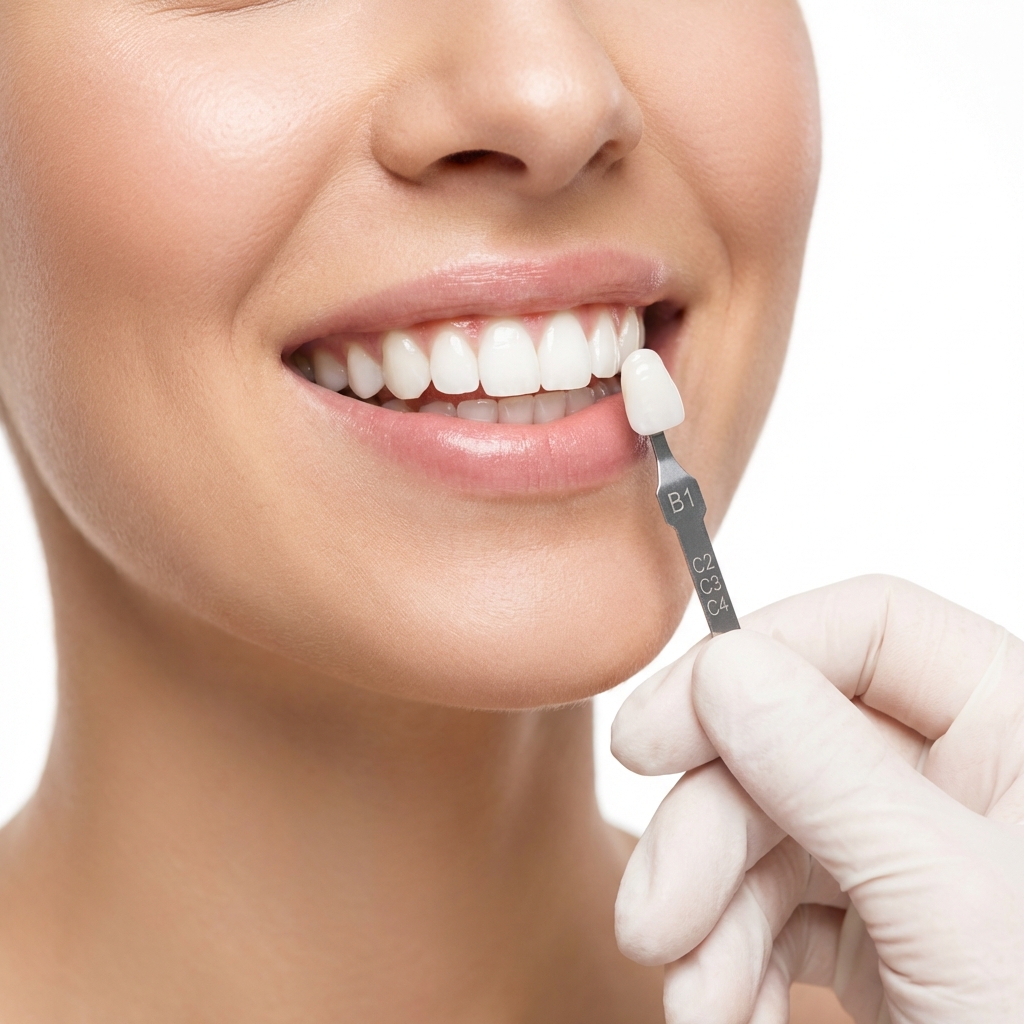
Ceramic does not respond to whitening. Once a veneer or crown is made in a given shade, that shade is fixed for its life. Everything around it can be whitened; the restoration cannot.
This sets the sequence. If any whitening is planned, it happens first, the shade is allowed to stabilise for a couple of weeks, and only then is the ceramic matched. Doing it the other way round means the natural teeth end up lighter than the restorations, which is the mismatch people notice.
Shade choice itself is not a single number. A natural tooth is more translucent at the edge, more saturated at the neck, and slightly different from its neighbour. A good technician builds that gradient in. A shade taken as one flat value produces teeth that look like tiles.
If existing discolouration is the main complaint rather than shape, it is worth understanding why teeth darken in the first place — some causes respond to whitening alone and need no restoration at all.
When the Gums Are Part of the Design
Teeth can look short for two entirely different reasons: they are short, or the gum covers too much of them. The treatments are not interchangeable, and getting this wrong means adding ceramic length to a tooth that was already the right size.
Where the gum sits low over otherwise normal teeth, contouring reshapes the gum margin and exposes the tooth that was already there. It is a small procedure under local anaesthetic, and it changes the proportion without touching the tooth at all.
Uneven gum height between the two central incisors is a common and easily fixed asymmetry, and it is often more visible than anything about the teeth themselves. It is worth checking in the mirror before assuming the teeth are the problem.
Where excessive gum display comes from the way the upper lip moves or from jaw proportion, contouring alone will not solve it and the design has to account for that. Gum contouring covers which cases respond and which do not.
The sequence matters here as much as the decision. Contouring is done before any preparation, with at least six weeks allowed for a soft-tissue reshape, and three months or more where bone was recontoured into its final position, because ceramic fitted to a gum line that is still healing will show a gap when it finishes moving.
When Alignment Should Come First
This is the decision that most often separates a conservative plan from a destructive one. Teeth that are crowded, rotated or protruding can be moved into position, or they can be cut down and rebuilt in the position they should have been in.
Moving them costs time — several months to a year and a half — and removes no tooth structure. Rebuilding them costs weeks and removes enamel permanently from every tooth involved. For a patient in their twenties or thirties with healthy unrestored teeth, that trade is rarely worth taking.
Aligning first also usually reduces how much restorative work is needed at all. Teeth that are already in the right position often need only whitening and a little bonding, rather than a full set of veneers.
Braces against clear aligners covers what each can move, and how aligner treatment runs for patients travelling explains how the visits are arranged when you are not local.
There is a middle route worth knowing about. Limited alignment, moving only the teeth that show, often takes a few months rather than a year and brings the arch close enough that bonding finishes the job. It will not correct a bite problem, but for a purely aesthetic complaint it removes no tooth at all.
How Many Teeth to Include
The honest answer is: as few as achieve the design. Which teeth show when you smile is individual — some people show six upper teeth, many show eight or ten, and a few show the lower arch as well. Treating teeth that never appear serves no purpose.
The standard packages of twenty or twenty-eight units exist because they are easy to price and easy to sell, not because that many teeth needed treating. A plan built from an assessment produces an odd-looking number — sometimes four, sometimes ten — and that irregularity is a good sign.
There is a design constraint that pushes the number up slightly: shade transitions look best at a natural break in the arch, so extending to the canine is often better than stopping at the lateral incisor. That is a reason for six rather than four, not a reason for twenty.
If a full arch is genuinely proposed, ask which of those teeth are currently sound and unrestored, and what the conservative alternative would be for each. The answer to that question tells you how the plan was built.
The Sequence, Visit by Visit
A typical smile design involving veneers runs over one trip of roughly five to seven working days, provided the foundation work is already done and no alignment is needed. The order is fixed by what depends on what.
- Examination, photographs, radiographs and a scan or impression of both arches.
- Any whitening, followed by a stabilisation period before shade is recorded.
- Digital design and discussion, then a wax model built to the agreed proposal.
- Mock-up placed and worn, with adjustments made until the shape is agreed.
- Preparation through the approved mock-up, and temporaries fitted the same day.
- Laboratory production, with the technician seeing you for shade in person.
- Try-in of the finished restorations before bonding, to check fit and shade.
- Bonding, bite adjustment, polishing, and a review appointment before you fly.
Where gum contouring is part of the plan it happens before preparation, with healing time built in. Where alignment is involved the whole sequence moves to a later trip. Realistic timetables sets out how the visits divide up in each case.
Living With the Result
Ceramic does not decay, but the tooth underneath it does, and the margin where the two meet is where problems begin. Daily flossing at those margins matters more after restorative work than before it, and so does a professional clean at the usual interval.
Grinding is the main mechanical risk. A night guard is not optional for anyone who grinds, and it is far cheaper than remaking front teeth. Most fractures in well-made veneers happen at night, to people who did not think they ground their teeth.
Avoid using front teeth as tools. Opening packaging, biting thread, holding pins — the habits that a natural tooth tolerates are the ones that chip a ceramic edge. Hard foods bitten directly with the front teeth are worth cutting instead.
Well-made porcelain work lasts well over a decade and often considerably longer with that care. Ours carries a lifetime guarantee on materials and workmanship, set out in writing — what that covers and what it excludes is stated plainly rather than buried.
Designing a Smile Before You Fly to İstanbul
The most consequential thing about having cosmetic work done abroad is that the design conversation and the treatment usually fall in the same week. At home you might see a mock-up, go away, think about it and come back. On a treatment trip the temptation is to compress all of that into a morning — and compressing it is how people end up with teeth that are technically excellent and not what they wanted.
So the design is done before you travel rather than after you land. Photographs and, where possible, an intraoral scan or impressions sent ahead produce a digital design you look at from home, discuss, and change while changing it costs nothing. By the time you arrive in Bağcılar the argument about tooth length and midline has already happened. What happens on the first day is a physical mock-up in your mouth built from that design — teeth you wear, speak with, photograph and show to somebody whose opinion you trust, before a single tooth is prepared.
That mock-up is the point of no return and it deserves to be treated as one. Anything you are unsure about is changed at that stage, in wax or composite, as many times as it takes. Preparation is irreversible; a mock-up is not. A clinic that prepares teeth on the morning of your arrival has removed your last opportunity to say no, and it has done so for scheduling reasons rather than clinical ones.
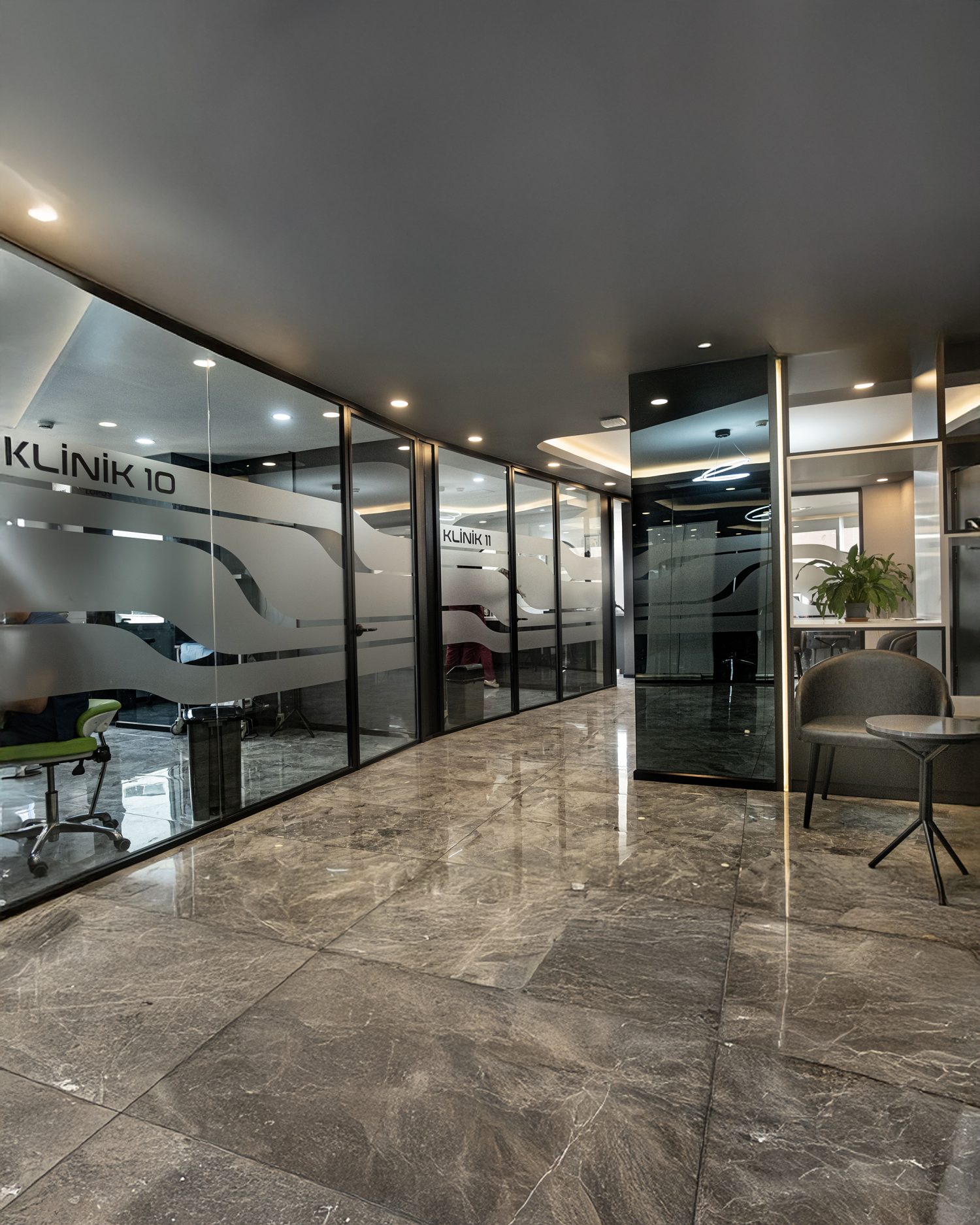
İstanbul's contribution to all of this is the laboratory. A design is only as good as the ceramist who executes it, and the reason the city has a reputation in cosmetic dentistry is a deep pool of technicians who do this daily. Ours works in the building, which means the design, the mock-up and the final ceramic are one continuous conversation rather than three handovers. How the quote is then built from the design follows in that order, never the reverse.
When Smile Design Is the Wrong Answer
Sometimes the correct professional advice is a smaller treatment than the one the patient came asking for, and a clinic that never says so is not assessing anything.
If the complaint is shade alone and the teeth are healthy and well-aligned, whitening solves it without touching a single tooth. If it is one chipped corner, bonding solves it in an hour. If it is a single space between the front teeth, the options for closing it start well short of veneers.
Active gum disease, untreated decay or an unmanaged grinding habit are all reasons to postpone rather than proceed. Restorations built on an unstable foundation fail, and they fail in ways that cost more to correct than the original treatment.
Where previous restorative work has gone wrong, the fix is a different conversation from a first-time design — correcting failed veneers covers what can be salvaged and what has to be remade.
Age is worth weighing too. In a patient in their late teens or early twenties the pulp sits closer to the surface and the teeth have decades of use ahead of them, so any preparation carries a longer consequence. Bonding and alignment are usually the right answers at that stage, with restorative work left as an option for later if it is ever needed at all.