











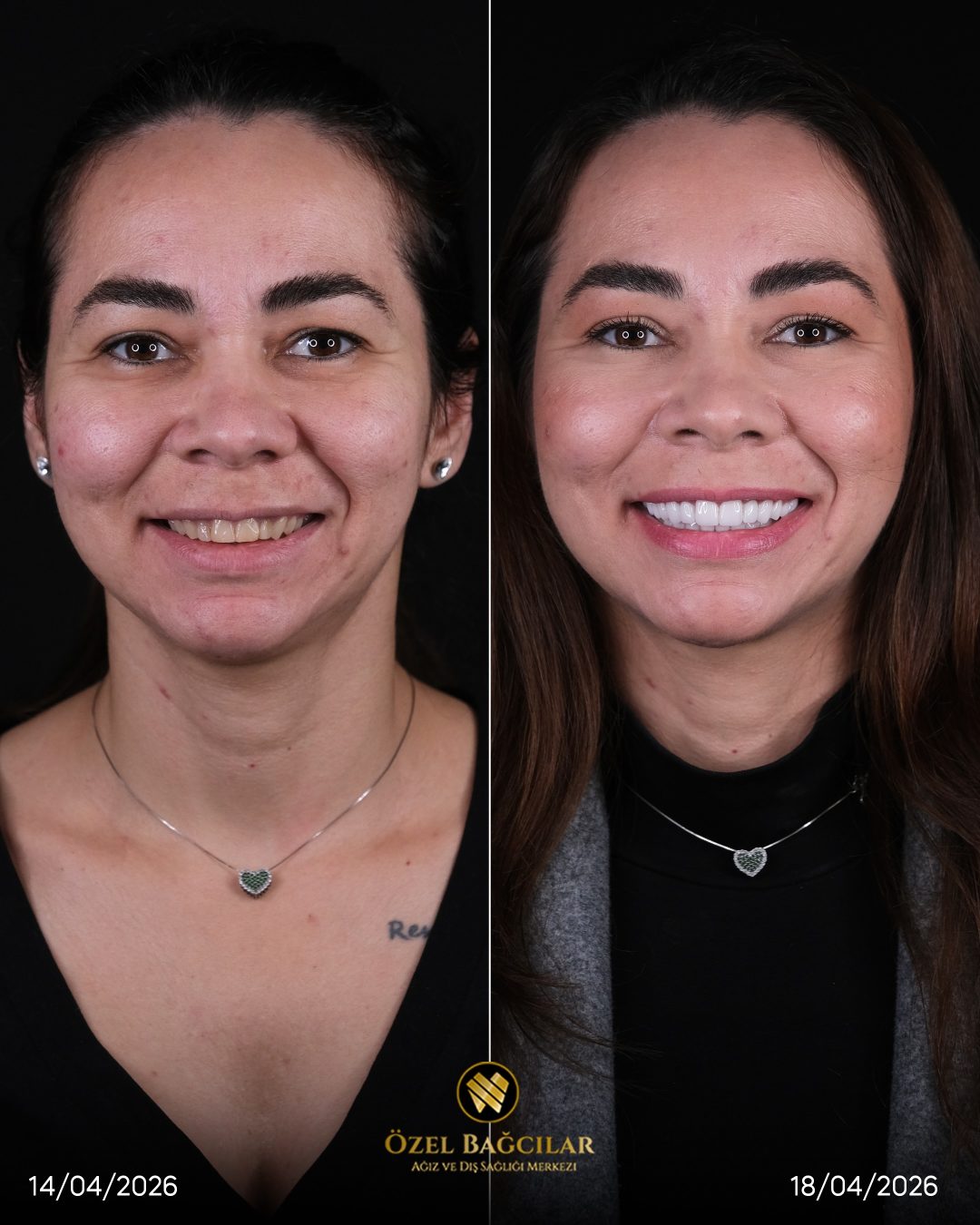

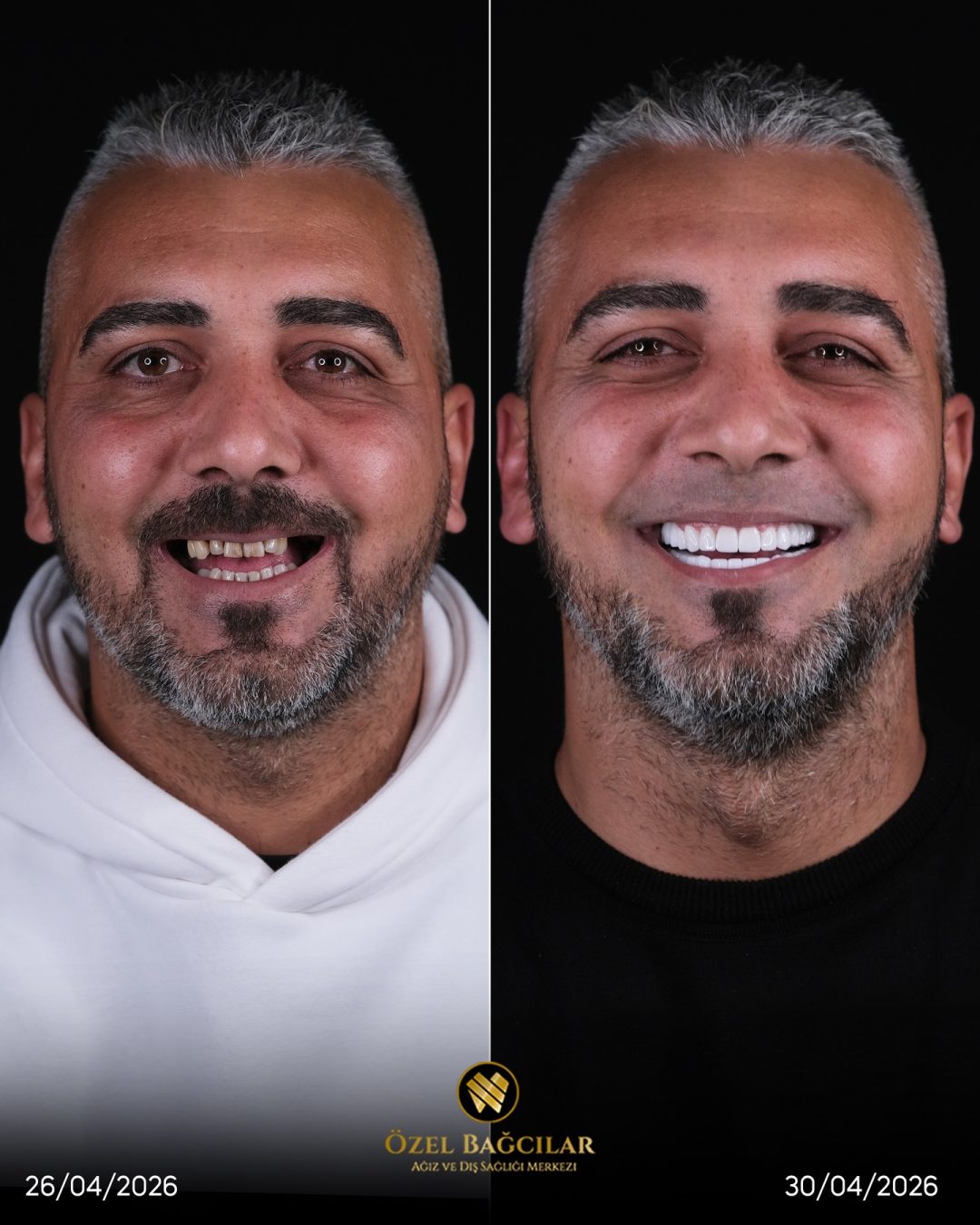
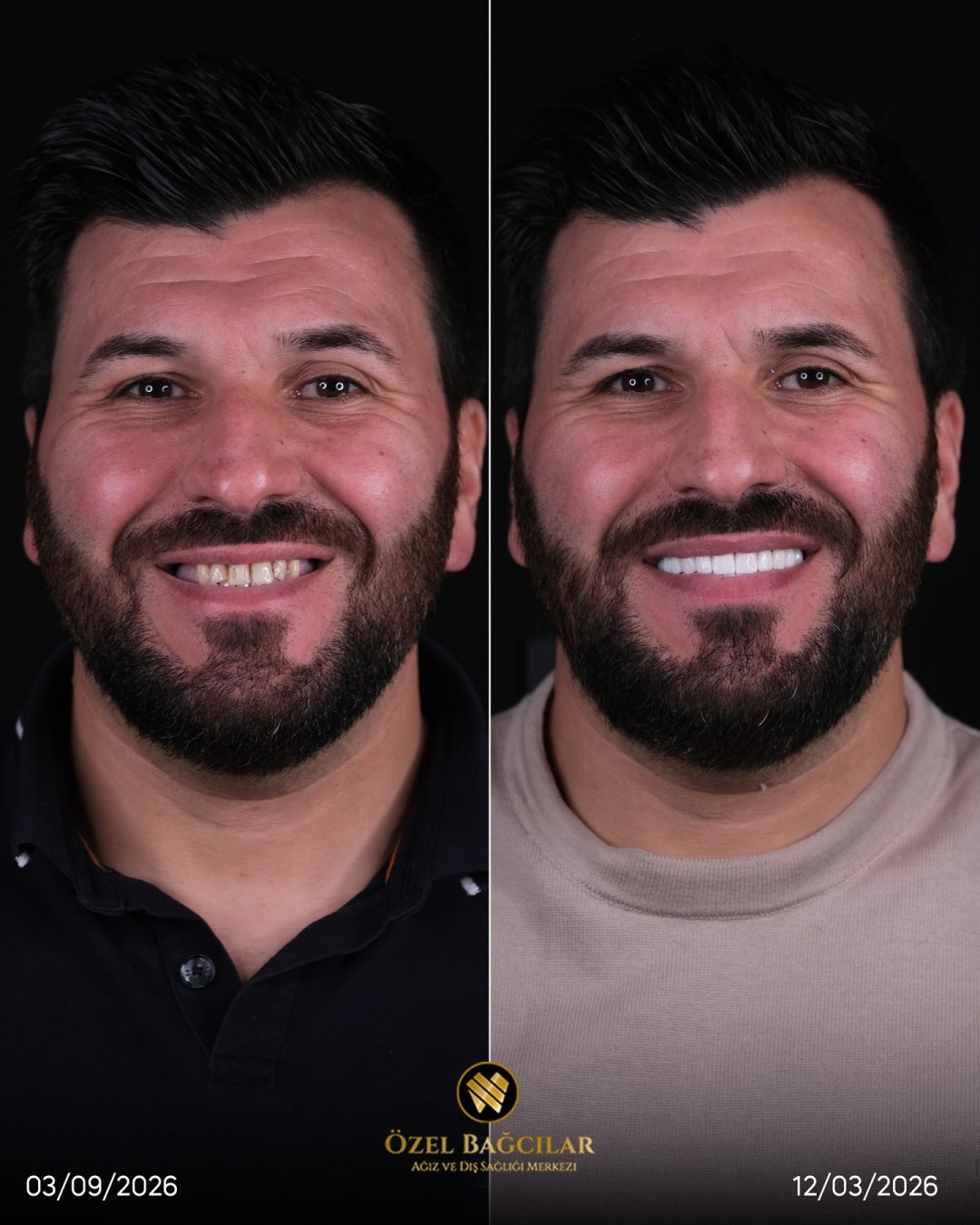
What a Crown Quote Actually Contains
Rarely one line, and the additional ones are findings rather than upsells. A figure quoted without an examination cannot have accounted for any of them.
The crown itself is the visible line: the laboratory-made restoration, priced by material and by how it is made. That is the part most quotes show and the part that varies least.
Preparation and the temporary crown are usually included, and worth confirming. You wear the temporary between appointments, and it protects the prepared tooth and shapes the gum margin the final crown will meet.
Then come the lines that appear after an examination: a core build-up where the remaining tooth cannot hold a crown on its own, a post where a root-treated tooth has too little structure, root treatment itself where the pulp is involved, and gum treatment where the margin sits on inflamed tissue.
Those four are what turn one figure into another, and they are exactly what a photograph cannot show — which is why radiographs come first rather than after a quote has been given.
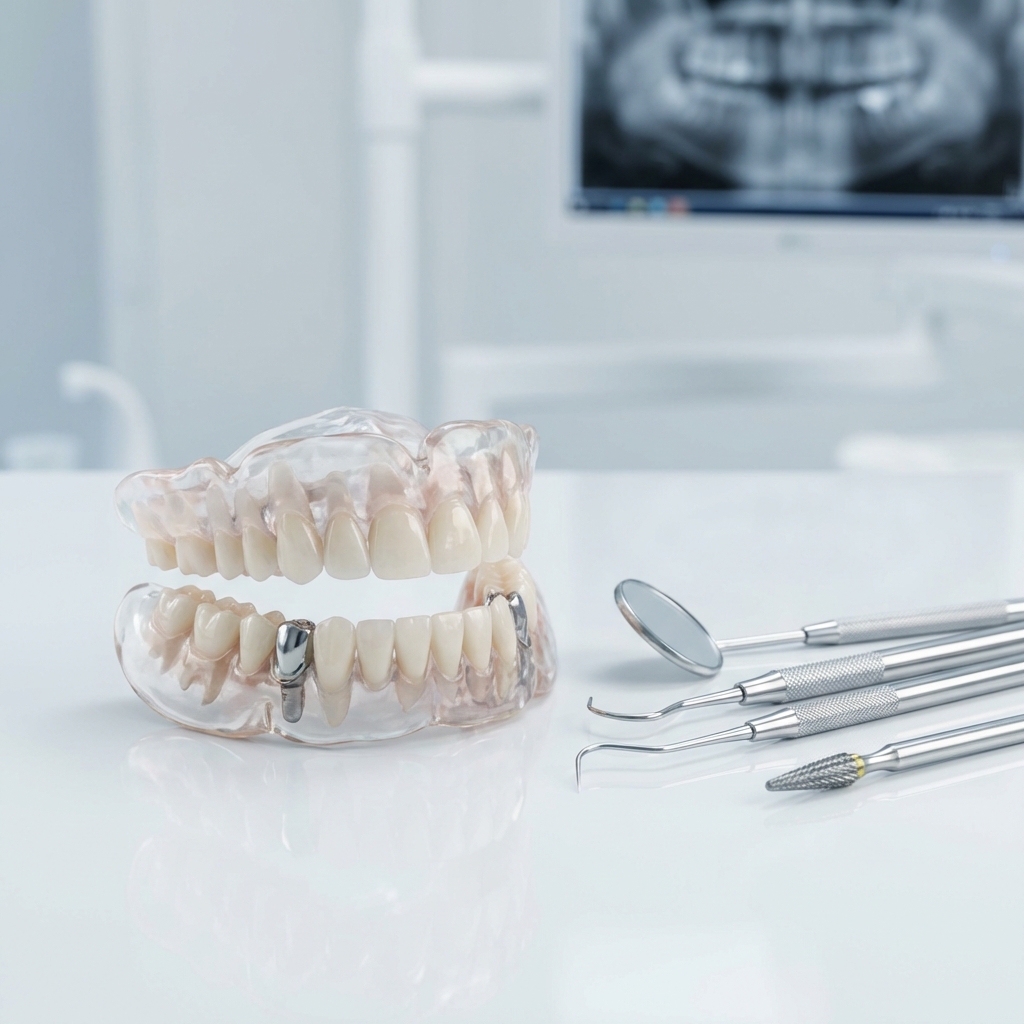
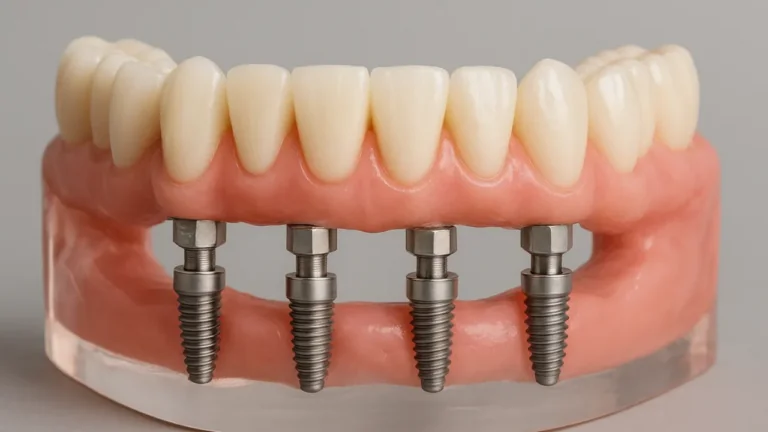
Where the crown sits on an implant rather than a tooth, the lines change entirely — an abutment replaces the build-up and there is no preparation at all. That version of the quote has its own components and should not be compared with a natural-tooth crown.
The Build-Up Question
The single most common additional line, and the one most often discovered rather than planned.
A crown grips the tooth around its circumference. It needs a continuous band of sound tooth wall standing above the preparation margin to encircle — the ferrule, conventionally at least a millimetre and a half high — and without it the crown sits on a filling rather than on a tooth.
Where decay or an old restoration has taken most of the crown of the tooth, that structure has to be rebuilt first with a bonded core. That is a separate procedure with its own cost, and it is not optional.
Where even a build-up leaves too little, crown lengthening is sometimes used to expose more tooth surgically. That involves the gum and a small amount of bone, and it adds a healing interval before the crown can be made.
And where none of that produces an adequate foundation, the honest answer is that the tooth is not restorable — which is a decision worth a second opinion rather than a verdict to accept quickly.
The Materials, Compared
Four are in normal use, and the differences between them are functional rather than a quality ladder. The table sets out where each belongs.
| Material | Strength | Appearance | Best position |
|---|---|---|---|
| Monolithic zirconia | Very high | Good, improving by generation | Molars, premolars, bridges, implants |
| Layered zirconia | High core, chippable surface | Excellent | Front teeth needing masking |
| Glass-ceramic | Good | Closest to natural enamel | Front teeth, veneers, single units |
| Metal-ceramic | High | Good, with an opaque core | Long bridges, heavy bites |
| Gold alloy | Excellent, kind to opposing teeth | Metallic | Back teeth where appearance is irrelevant |
| Temporary acrylic | Low, by design | Adequate | Between appointments only |
Gold is included because it deserves to be. It wears at a rate close to enamel, is exceptionally kind to the opposing tooth and needs less preparation than any ceramic. It is chosen against for appearance rather than for performance.
Cost differences between the ceramics come mostly from laboratory time rather than from the material — how the two main ceramics differ matters more to the result than to the figure.
Where a bridge rather than a single crown is involved, the material calculation changes again because force runs through the connectors. How bridges are priced and specified follows different rules from single units.
Why Laboratory Method Drives the Figure
The part that explains why two quotes for the same material can differ substantially and both be honest.
A milled monolithic crown is designed digitally and cut from a block. The machine does most of the work, finishing is a matter of staining and polishing, and the whole process is measured in hours.
A layered crown is built by hand. A technician applies porcelain in successive layers of different translucency to reproduce the gradient of a natural tooth, fires it, adjusts and repeats. That is skilled time and a great deal of it.
The difference is visible in the result, particularly at the front where a flat monolithic crown next to a natural incisor reads as a restoration and a layered one does not.
It is also why asking which material is only half the question. Ask how it is made and whether the technician sees you for shade — those answers explain the figure far better than the material name does.
The Bite Changes the Material
Frequently treated as an aesthetic decision alone, and it is not. How your teeth meet determines what a crown has to survive.
A heavy bite, an edge-to-edge relationship at the front, or a grinding habit all load a restoration far beyond the average. Glass-ceramic that would perform well in a normal bite fractures in that environment.
Which is why the assessment includes how the teeth come together, whether there is wear on the opposing teeth, and whether you clench at night — questions that change the answer rather than filling in a form.
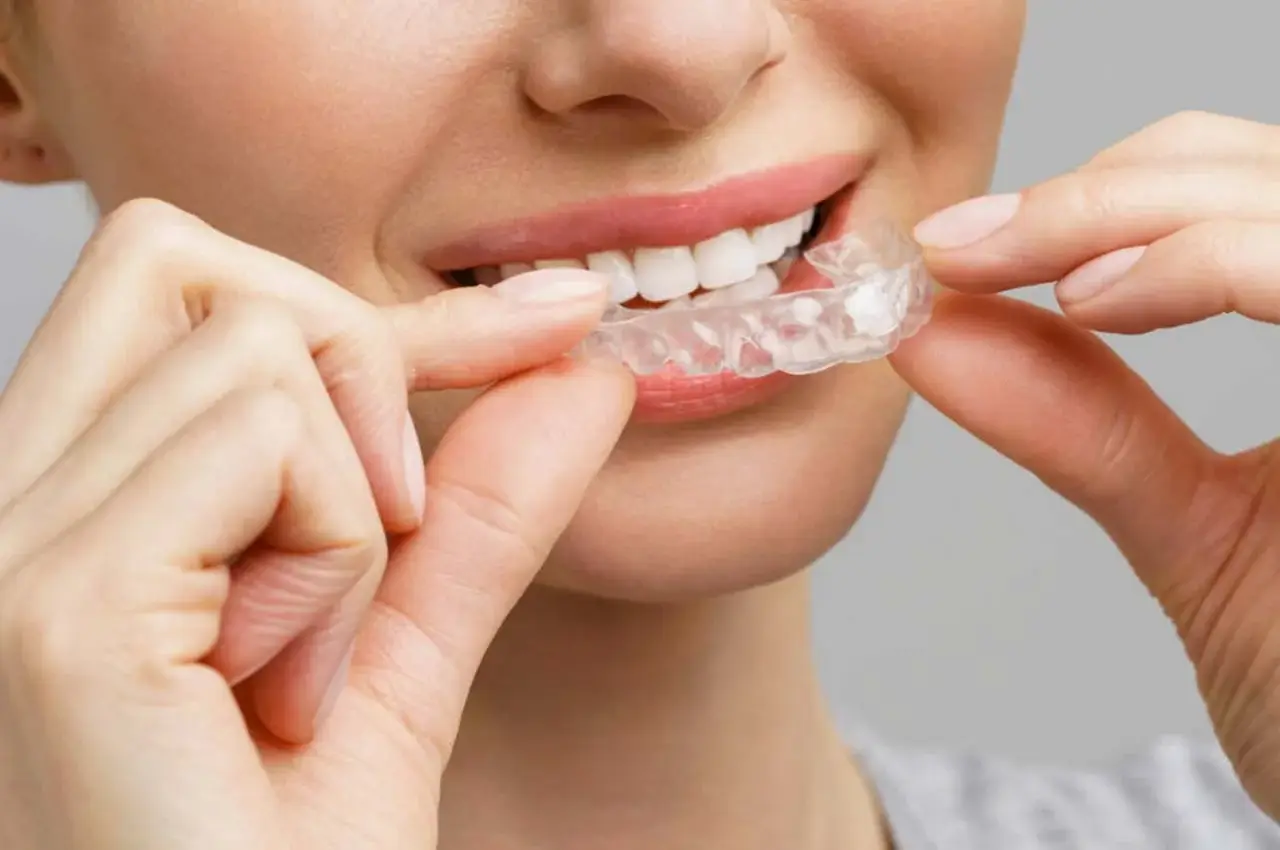
Where grinding is present, the material choice shifts towards zirconia and a night guard becomes part of the plan rather than an optional extra. Managing the habit is what determines how long any crown lasts.
A crown made without that assessment may be technically excellent and still fail early, and the patient is usually blamed for something that should have been diagnosed before the material was chosen.
Posts, and Why They Are Not Always Needed
A common line on crown quotes for root-treated teeth, and it is over-used. Understanding what a post does explains when it is justified.
A post does not strengthen a tooth. It retains a core build-up where there is too little coronal structure left for the core to stay put on its own. That is its only function.
Where enough tooth remains above the gum, no post is needed and placing one removes root dentine for nothing. Post preparation itself carries a risk of root fracture, particularly in narrow roots.
Front teeth with small access cavities frequently need no post at all. Back teeth with substantial remaining walls likewise. The decision comes from what is actually left, measured rather than assumed.
Where a post appears on a quote, ask why — the answer should reference how much tooth structure remains rather than the fact that the tooth was root-treated. How root treatment itself is quoted is a separate matter.
The Temporary Stage
Usually included and worth understanding, because it does more than fill a gap between appointments.
It protects the prepared tooth, which is sensitive without enamel. It maintains the space so the neighbouring teeth do not drift. And it shapes the gum margin the final crown will meet, which affects how invisible that margin ends up being.
It is cemented with deliberately weak cement so it can be removed easily, which also means it can come off. Avoid sticky food, chew on the other side, and clean around it by pulling floss out sideways rather than up through the contact.
On a front tooth it is also a preview. If the shape is not what you expected, the temporary stage is when to say so — changing a temporary is trivial and changing a bonded crown is not.
If a plan does not mention temporaries, ask. A crown appointment without one means either same-day chairside milling or a prepared tooth left exposed, and they are very different propositions.
How Long Crowns Last and What Ends Them
Well beyond a decade is normal, and considerably longer is common. What ends them is rarely the crown.
Decay at the margin is the commonest cause. The crown covers the tooth but the junction where they meet remains vulnerable, and it is exactly where a brush reaches poorly. Daily cleaning between the teeth matters more after crown work than before it.
Fracture of the tooth underneath is the second, particularly in root-treated teeth with little remaining structure. That is frequently the end of the tooth rather than of the crown.
Gum recession over years exposes the margin, which shows as a line and collects stain. That is an appearance problem rather than a failure, and it is more likely where the gum was not healthy when the crown was made.
Ceramic fracture is the least common in a well-chosen material, and when it happens the cause is nearly always force — an unmanaged grinding habit, or a material chosen without assessing the bite.
Why Two Crown Quotes Differ
Five legitimate reasons, and separating them from the rest takes both proposals side by side for a few minutes.
- A different material, or the same material made differently.
- One includes a build-up or a post and the other has not examined for it.
- One includes gum treatment where the margin sits on inflamed tissue.
- One includes root treatment that the other has not diagnosed.
- One quotes chairside and the other laboratory work with a try-in stage.
The second and fourth are the ones that make a low quote grow. Both are findings from an examination, and a quote produced from photographs cannot have accounted for either.
Ask both for the plan tooth by tooth with what is proposed and why. Where one has fewer lines for the same tooth, ask what it found — a clinic with a genuine reason answers immediately.
And ask which teeth are currently sound. That surfaces the biological cost that no figure shows, and it is the question a package-based plan cannot answer.
Crowns Within a Larger Plan
Rarely a single item. Most crown quotes sit inside a plan with several teeth, and the sequencing matters as much as the individual figures.
Gum treatment comes first wherever there is any involvement, with the healing interval built in. Margins bonded to inflamed tissue become visible as the gum settles, and correcting that means remaking the crown.
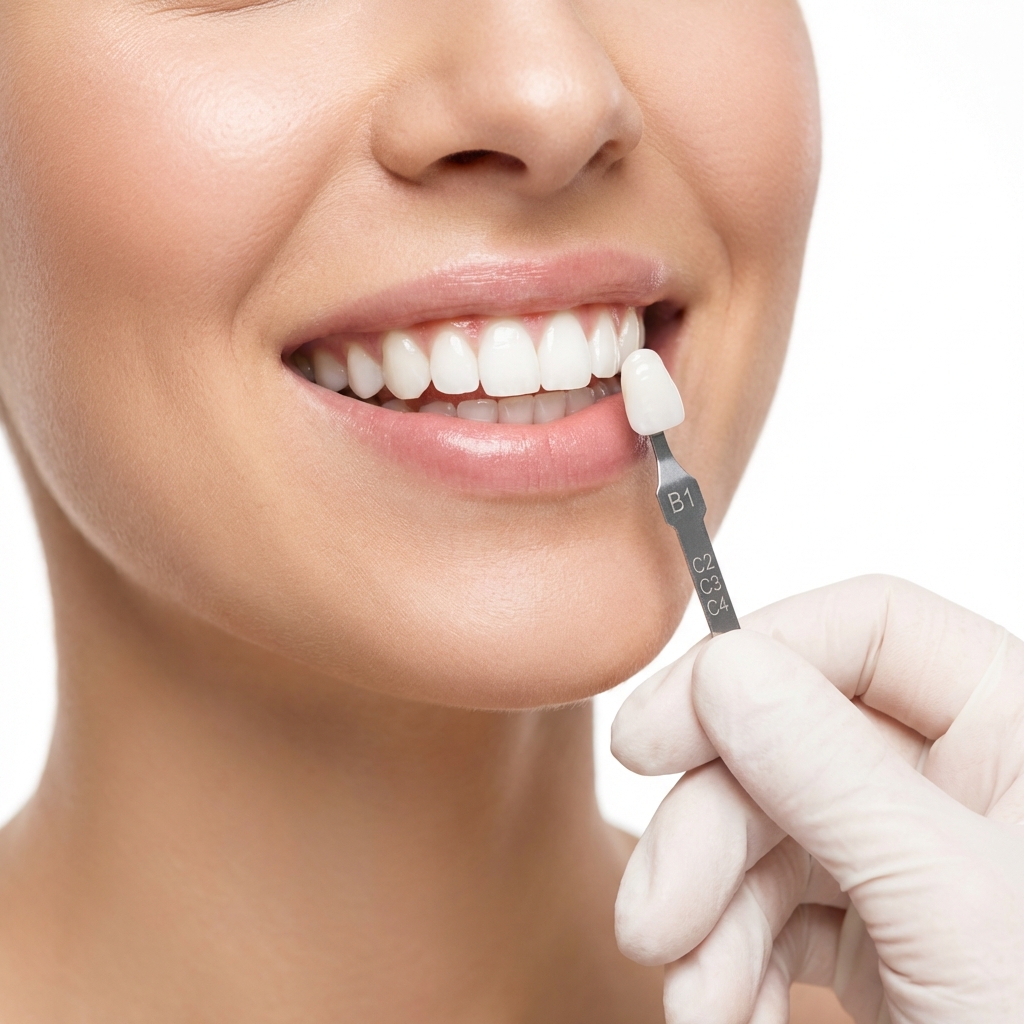
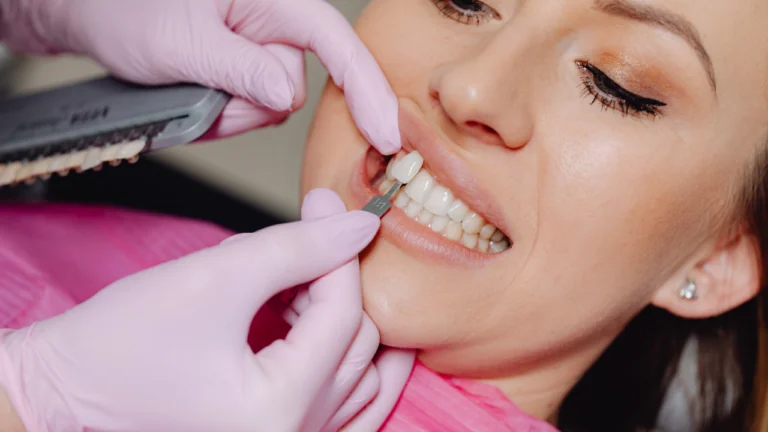
Whitening comes before shade matching, always, with a stabilisation period. Ceramic cannot be lightened afterwards, so any whitening planned has to happen before the crown is made.
Where alignment is part of the plan, it precedes the restorative stage. Teeth moved after crowns are made change the contacts, and the crowns were designed for the old positions.
That sequence is what a proper plan sets out visit by visit — the realistic timetable shows how many days each stage needs and what cannot be compressed.
Where several crowns are being made together, they should be made together rather than sequentially. Restorations produced months apart by different batches diverge slightly in shade, and that mismatch is visible in a way a single unit never is.
Reading a Turkish Crown Quote
Quotes from İstanbul clinics tend to differ from home-country quotes in structure rather than only in figure, and the structure is where the surprises live. A home-country quote is usually issued per item after an examination. A quote from abroad is often issued as a package before anybody has looked in your mouth, and the package is priced on the assumption that nothing underneath the crown needs attention. When something does — decay under an old restoration, a cracked cusp, a root that needs treating — the package does not cover it, and the conversation happens on the day.
That is the mechanism behind almost every account of a Turkish quote that changed on arrival. It is avoidable, and the way to avoid it is to insist that the quote is built after radiographs have been read rather than before. Ours are. Where we cannot see something without looking, we say so in the plan rather than leaving it to be discovered — a tooth listed as "crown, subject to assessment of the root" is more useful to you than a confident figure that is about to change.
Ask any İstanbul clinic three questions before you accept a crown quote. What material, by name, and is it monolithic or layered. Who makes it, and is that laboratory in the building or contracted out. And what happens if the shade is wrong at try-in — is a remake included in what you have been quoted, or is it a new line. Why two zirconia quotes for the same mouth differ goes through the material question in detail.
The last line to check is the one that outlives the trip. A crown fitted in Bağcılar carries our lifetime guarantee on materials and workmanship, in writing. A guarantee that expires in five years and one that runs for life are not the same offer, whatever the rest of the quote says.
How We Quote Crowns
Examination and radiographs first, because most of the figure is determined by the tooth rather than by the crown.
Each tooth is listed individually with its material, the reason for that material, and any build-up, post, root treatment or gum treatment needed first — each with its own timing rather than bundled.
Where a tooth is sound and unrestored, we say so and set out what the conservative alternative would be. A crown on a healthy tooth is the most consequential thing that can be proposed unnecessarily.
Material is chosen by position and by your bite rather than applied across a plan. A treatment plan here commonly names two or three different ceramics for different teeth, each with a reason written beside it.
The laboratory is in the building and the technician sees you in person for shade, and everything placed carries a lifetime guarantee on materials and workmanship — with the exclusions stated plainly.