










The Two Kinds of Discolouration
Every case of yellowing falls into one of two categories, and telling them apart is the single most useful thing you can do before spending money on any product.
Extrinsic staining sits on the outside of the enamel. It comes from pigments in food and drink — coffee, tea, red wine, dark berries, curry — and from tobacco. Enamel is not perfectly smooth; it has microscopic pores that trap these pigments over years. This type responds well to both professional cleaning and bleaching.
Intrinsic discolouration comes from the dentine underneath. Dentine is naturally yellow-brown, and enamel is semi-translucent, so what you see is a blend of the two. If the dentine darkens, or the enamel covering it thins, the tooth looks yellower regardless of how clean the surface is. Bleaching does reach this layer, but works more slowly and less completely than on surface staining.
A rough self-test: if your teeth look noticeably brighter immediately after a professional cleaning, a good part of the problem is extrinsic and whitening will help. If cleaning makes little visible difference, the colour is coming from underneath.
Why Enamel Thins With Age
The most common cause of gradual yellowing has nothing to do with staining. Enamel wears throughout life — from chewing, from brushing, and from acid in diet and stomach reflux. As it thins, more of the yellow dentine below shows through, and the dentine itself lays down additional layers with age, becoming darker.
This is why teeth in your forties are naturally a different colour from teeth in your twenties, and why the change is so gradual that most people notice it from an old photograph rather than in the mirror.
Acid erosion accelerates it markedly. Fizzy drinks, citrus, wine and reflux all soften enamel temporarily; brushing within the next half hour then removes the softened layer. Over years this is a substantial amount of enamel. It is also why the advice to wait before brushing after acidic food is not fussiness.
Age-related yellowing responds only partially to whitening, because you are not removing stain — you are trying to lighten dentine through a thinner window. Results are real but modest, and this is the group most likely to consider veneers if the appearance genuinely bothers them.
Causes You Can Change
Some contributors are within your control, and addressing them makes any treatment last longer.
- Tobacco. Both tar and nicotine stain heavily and quickly. This is the most reversible major cause and the one that most often re-stains whitened teeth within months.
- Coffee, tea and red wine. Not equally — tea stains more than coffee for most people because of its tannin content. Rinsing with water after drinking helps more than people expect.
- Brushing technique. Both too little and too hard cause problems. Under-brushing leaves plaque that picks up pigment; aggressive brushing with a hard brush abrades enamel and exposes dentine at the gum line.
- Some mouthwashes. Chlorhexidine, used long-term, causes characteristic brown staining. It is an excellent short-term antiseptic and a poor daily habit.
- Untreated plaque and tartar. Hardened tartar is porous and absorbs pigment readily. It cannot be brushed off and needs professional cleaning.
Diet changes alone rarely reverse existing discolouration, but they change the rate at which it returns. That matters most immediately after whitening, when enamel is temporarily more porous and picks up stain faster than usual.
Causes You Cannot Change
Several causes of intrinsic discolouration are fixed, and knowing you have one prevents wasted effort on the wrong treatment.
Tetracycline staining comes from antibiotics taken during tooth development in childhood. It produces grey or brown horizontal banding and is notoriously resistant to bleaching. Significant cases are usually treated with veneers rather than whitening.
Fluorosis results from excess fluoride during development and appears as white flecks or, in more marked cases, brown mottling. Mild fluorosis sometimes improves with microabrasion; more pronounced cases need covering.
Trauma to a single tooth is the most common reason for one tooth being darker than its neighbours. The nerve dies, blood products break down inside the tooth, and it darkens from within over months or years. This needs root canal treatment followed by internal bleaching or a crown — external whitening will not touch it.
Genetics sets your baseline enamel thickness and translucency. Some people simply have thinner, more translucent enamel and darker dentine. This is not a problem to be fixed so much as a starting point to be worked with.
What Whitening Can and Cannot Do
| Type of discolouration | Response to whitening |
|---|---|
| Coffee, tea, wine, tobacco stain | Good — this is what bleaching is for |
| Plaque and tartar build-up | Cleaning first; whitening then works well |
| Age-related dentine yellowing | Partial — real but modest change |
| Mild fluorosis | Variable; sometimes worsens contrast |
| Tetracycline banding | Poor — usually needs veneers |
| Single dark tooth from trauma | None externally; needs internal treatment |
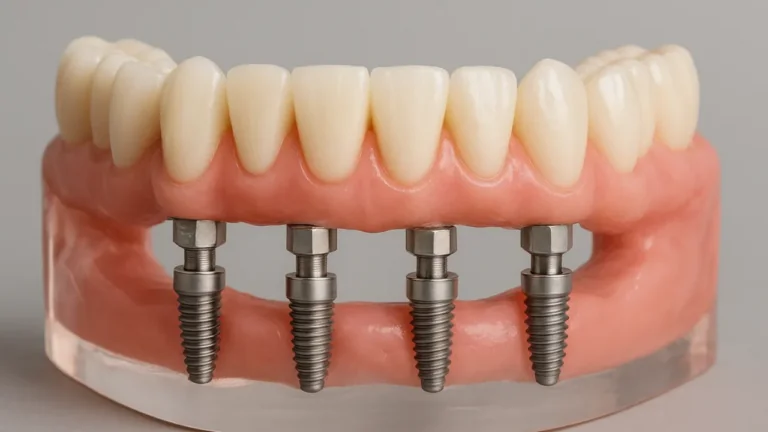
| Crowns, veneers and fillings | None — restorations do not lighten |
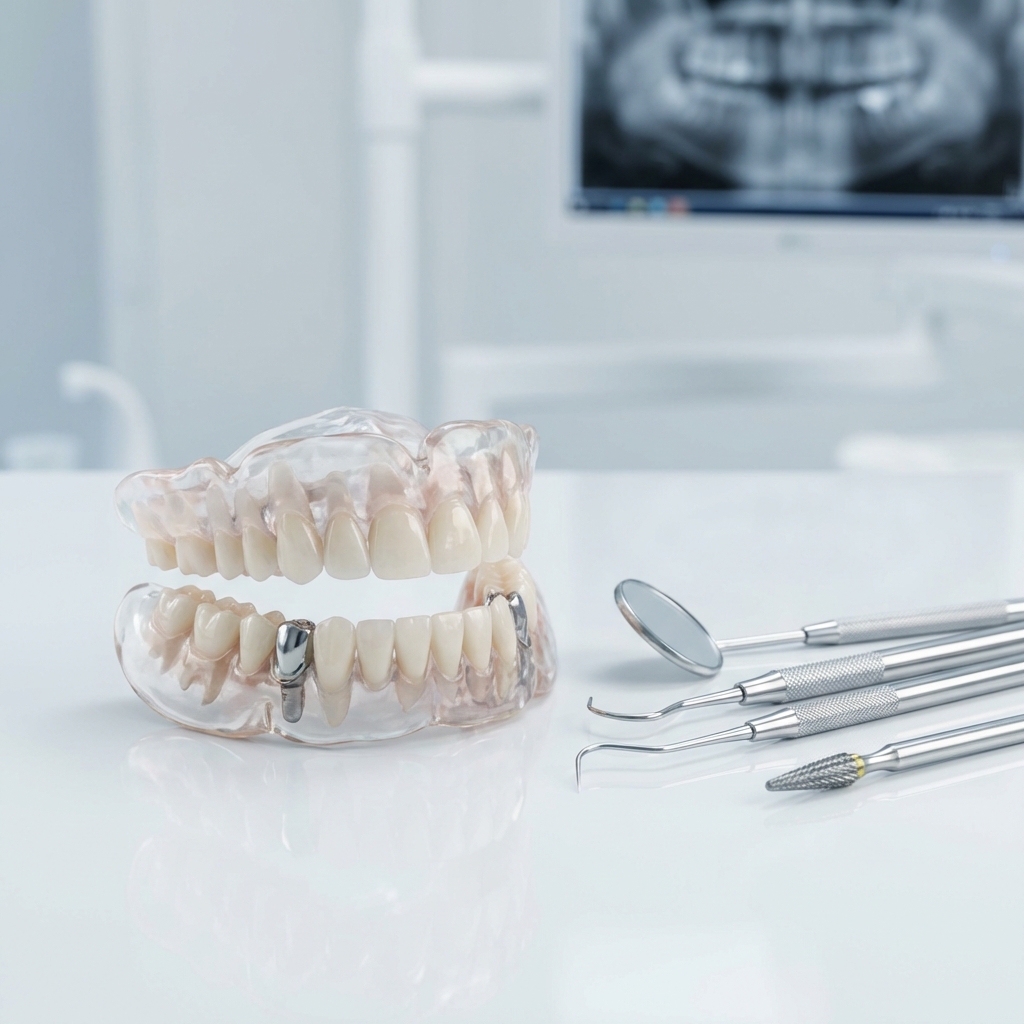
The last row is the one that causes the most trouble in practice. If you have white fillings or a crown on a front tooth and you whiten the natural teeth around them, the restorations stay exactly the colour they were — and now they do not match. This is not a fault in the whitening; it is a sequencing problem. Whitening is done first, and restorations are replaced afterwards to the new shade.
Sensitivity and Safety
Temporary sensitivity is the most common side effect of whitening and affects a large proportion of patients. It typically appears during treatment and settles within a few days of finishing. Desensitising gel, a lower concentration, or shorter wear times all reduce it.
Peroxide whitening at supervised concentrations has a long safety record and has not been shown to cause permanent enamel damage. The genuine risks come from unsupervised use: gel contacting gums without protection causes chemical burns, and whitening over untreated decay or a leaking filling allows peroxide into the tooth.
This is the practical argument for having a check-up before whitening rather than after. Untreated decay, active gum disease and exposed root surfaces all need attention first — root surfaces are dentine, not enamel, and they do not whiten but do become sensitive.
Whitening is not recommended during pregnancy or breastfeeding, and not for children whose teeth are still developing. These are precautionary positions rather than evidence of harm, but they are the standard advice across the profession and we follow them. If you are in either category and the discolouration is affecting your confidence, it is still worth having the cause identified now so that a plan is ready when whitening becomes appropriate — and so that anything treatable, such as underlying gum inflammation, is not left in the meantime.
How Whitening Actually Works
Understanding the mechanism explains most of what whitening can and cannot do. The active ingredient — hydrogen peroxide, or carbamide peroxide which breaks down into it — diffuses through the enamel and into the dentine, where it reacts with the large pigment molecules that cause discolouration and breaks them into smaller, less visible ones.
Two things follow from that. First, whitening does not remove anything from the tooth; it changes the pigment chemically. That is why it does not thin enamel the way abrasive products do. Second, it can only act on pigment molecules it can reach — which is why it works on stain distributed through the tooth structure and does nothing at all to ceramic, composite or metal, whose colour is not caused by pigment of that kind.
The reaction also explains sensitivity. Peroxide temporarily increases the permeability of the enamel and dentine, so the fluid movement inside the dentine tubules that signals "cold" happens more readily. It is a temporary physiological effect, not damage, and it resolves as the tooth rehydrates over the following days.
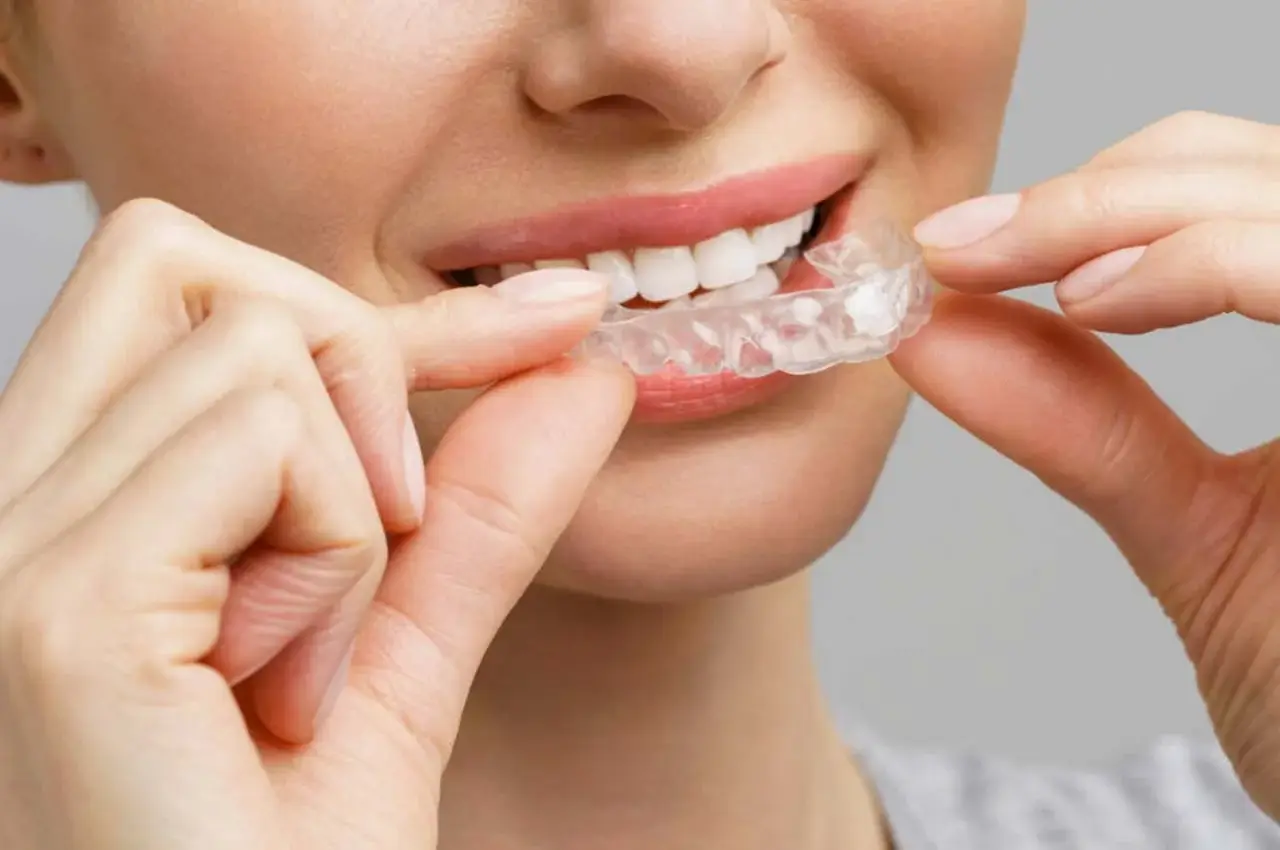
Concentration and contact time trade off against each other. A high concentration for one hour in the clinic and a low concentration for two weeks at home reach broadly similar endpoints. What does not work is a low concentration for a short time, which is the fundamental limitation of most over-the-counter strips. Where the discolouration is intrinsic rather than pigment-based — as with fluorosis, other developmental enamel defects, or tetracycline banding — no concentration reaches it usefully. Those cases are covered instead by veneers or bonding, which mask the colour rather than trying to change it.
Keeping the Result
Whitening is not permanent. Teeth re-stain at a rate that depends almost entirely on habits, and the first forty-eight hours after treatment matter most because enamel is temporarily more porous and takes up pigment unusually quickly. Treating those two days seriously is the cheapest thing you can do to protect the result.
- For two days after whitening, avoid coffee, tea, red wine, tomato sauce, curry and tobacco entirely.
- Rinse with water after staining drinks rather than waiting to brush.
- Use a straw for iced coffee and cold dark drinks — it genuinely reduces contact.
- Keep to routine professional cleaning; tartar re-absorbs pigment quickly.
- Top up with home trays occasionally rather than repeating full clinic sessions.
Most patients who maintain properly find the result holds for a year or more before a short top-up. Heavy coffee drinkers and smokers should expect that interval to be considerably shorter, and it is more honest to plan for that than to be disappointed by it.
Whitening as Part of a Wider Plan
For a substantial number of patients, colour is not the only thing they want changed — it is simply the easiest thing to name. When alignment, shape, worn edges or old restorations are also involved, whitening on its own produces a brighter version of the same problem.
The usual sequence when several factors are present runs in a specific order. Gum health and any decay are treated first, because whitening over inflamed gums or leaking fillings is both uncomfortable and unwise. Alignment is corrected next where it matters, since moving teeth after restoring them wastes the restorations — straightening options differ considerably by case. Whitening comes third, and restorations are matched to the settled shade last.
Getting that order wrong is expensive rather than dangerous. New crowns matched to unwhitened teeth cannot be lightened later, so the only remedy is remaking them. This is the most common avoidable mistake in cosmetic dentistry and it costs patients more than any single treatment on this page.
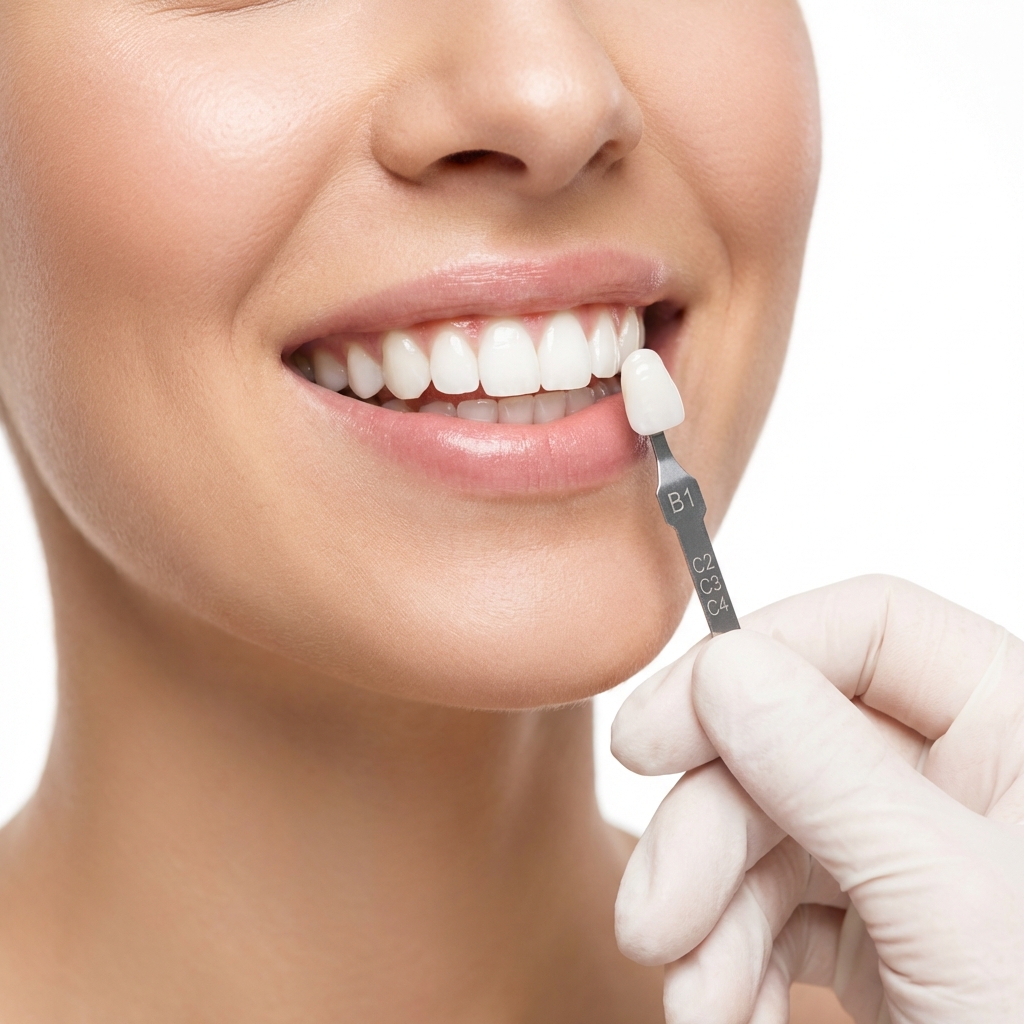
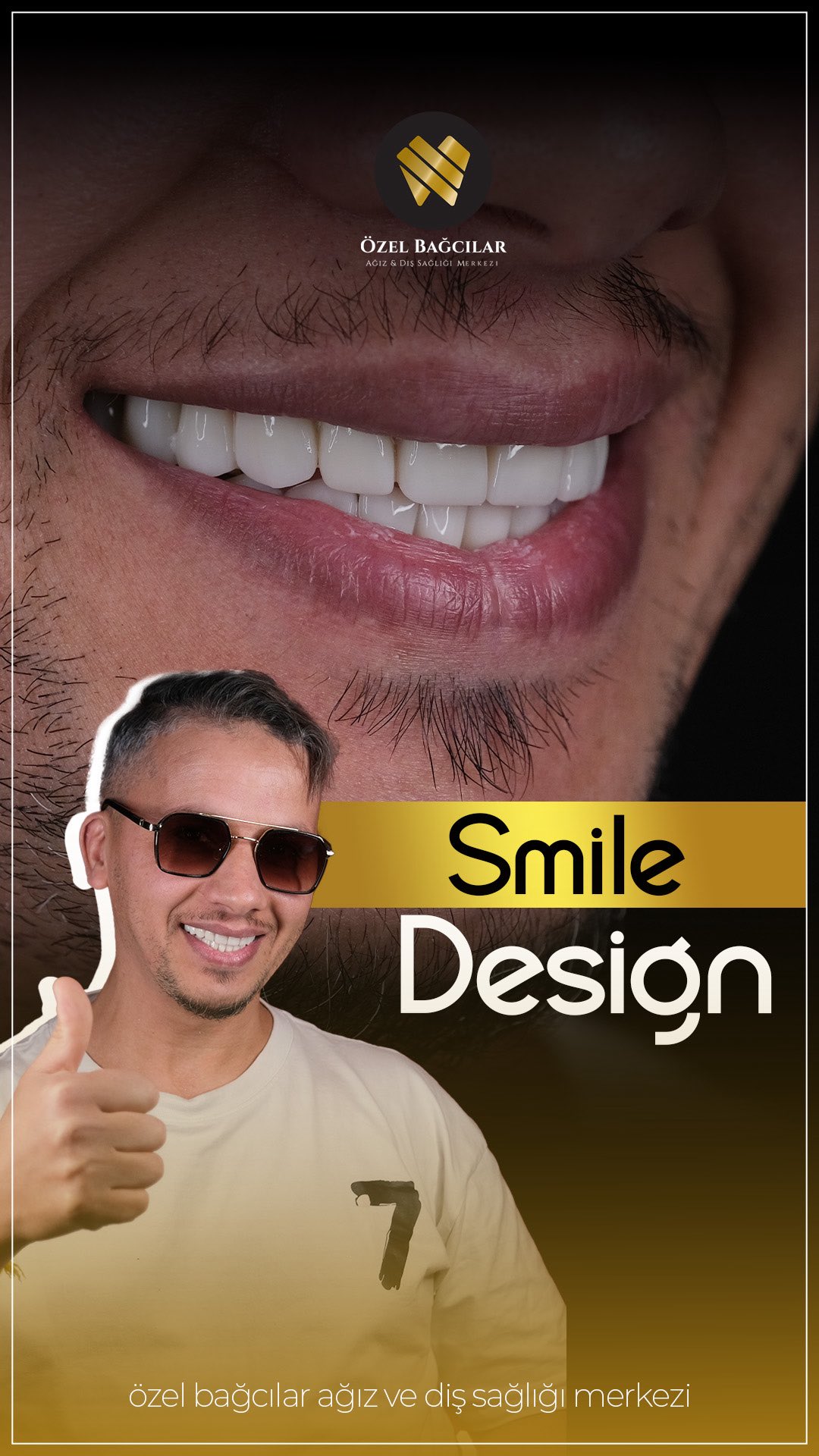
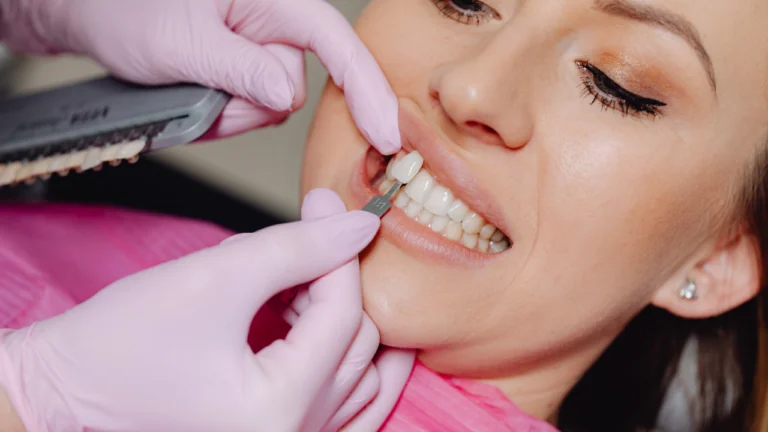
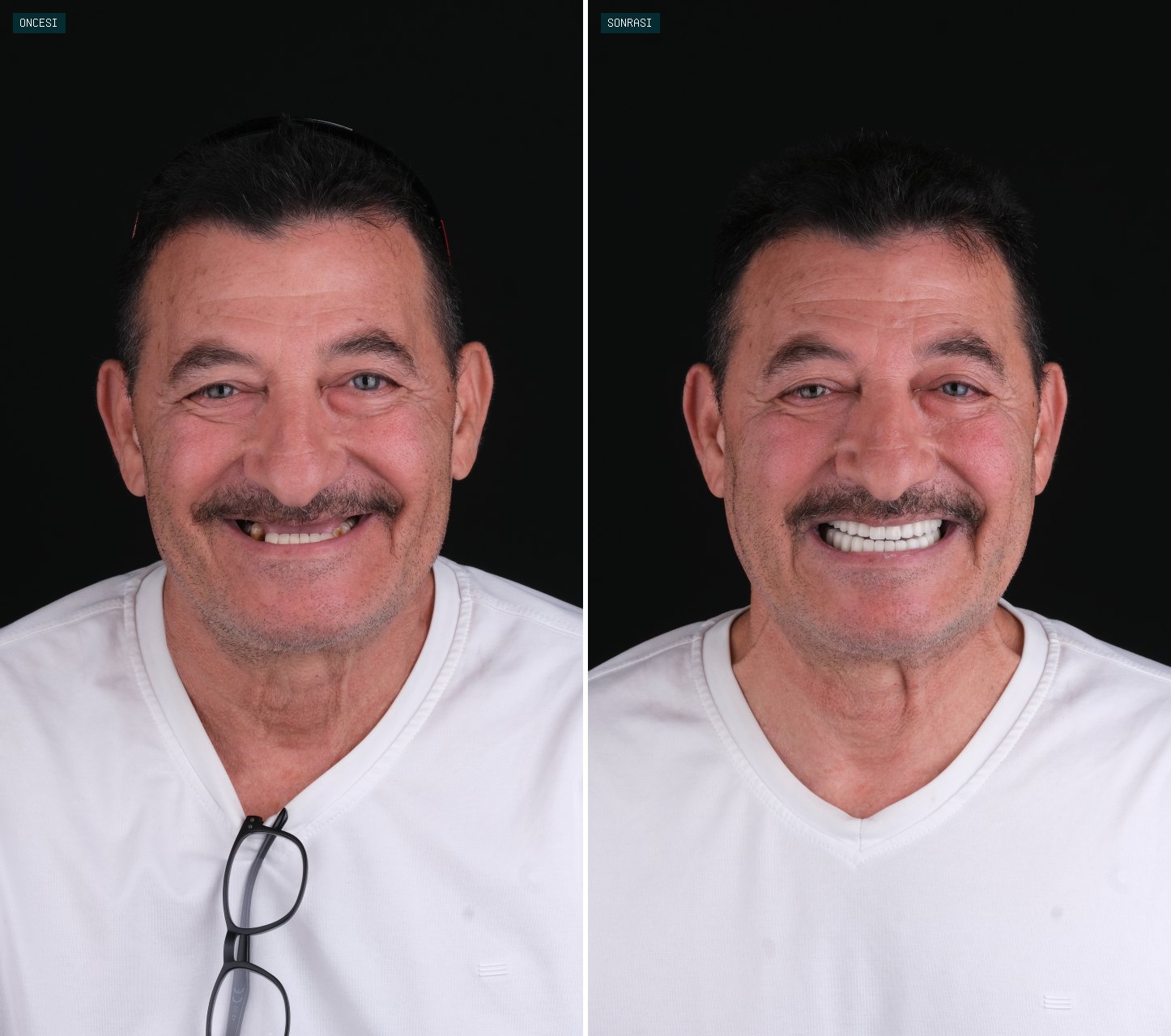
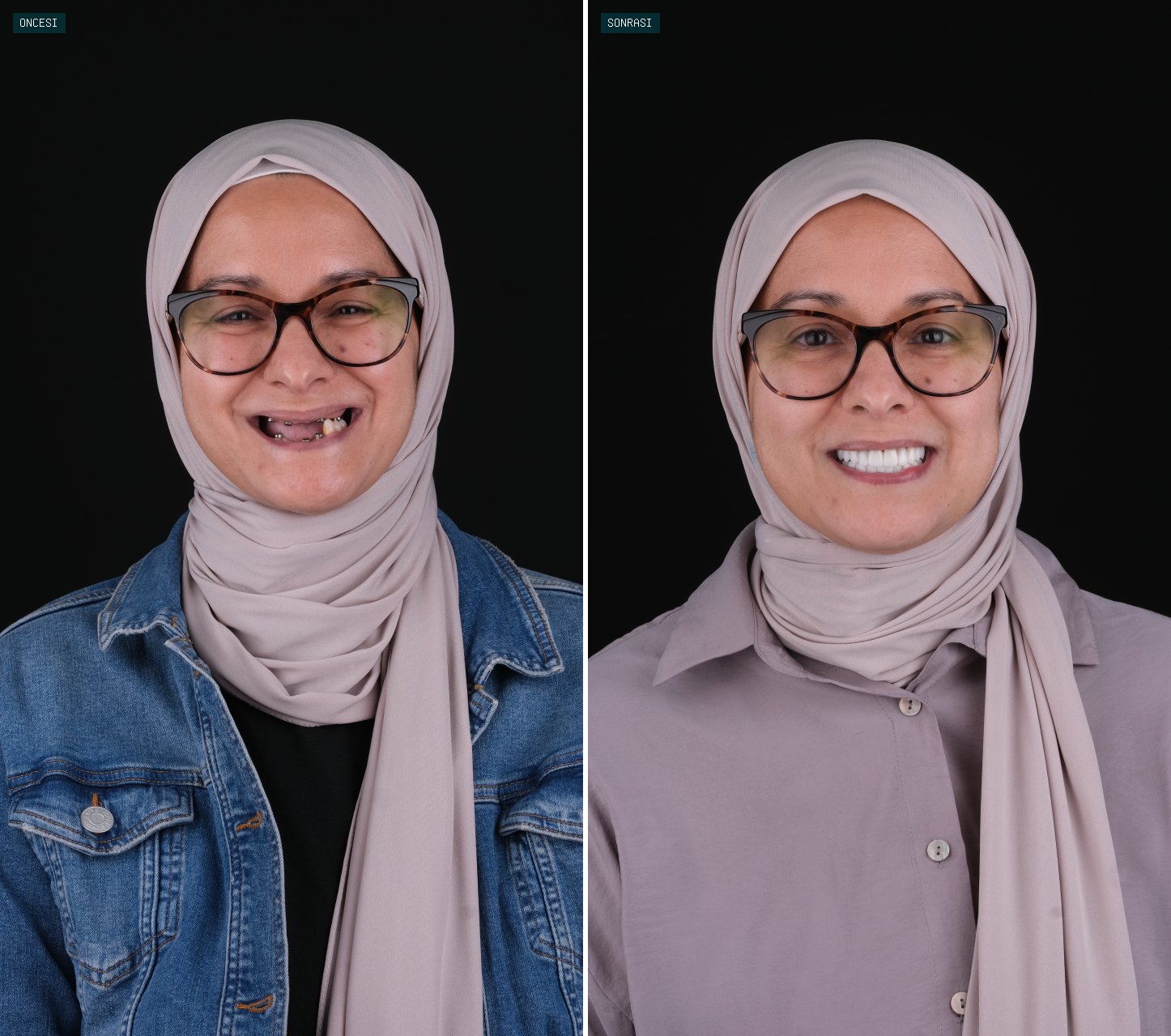
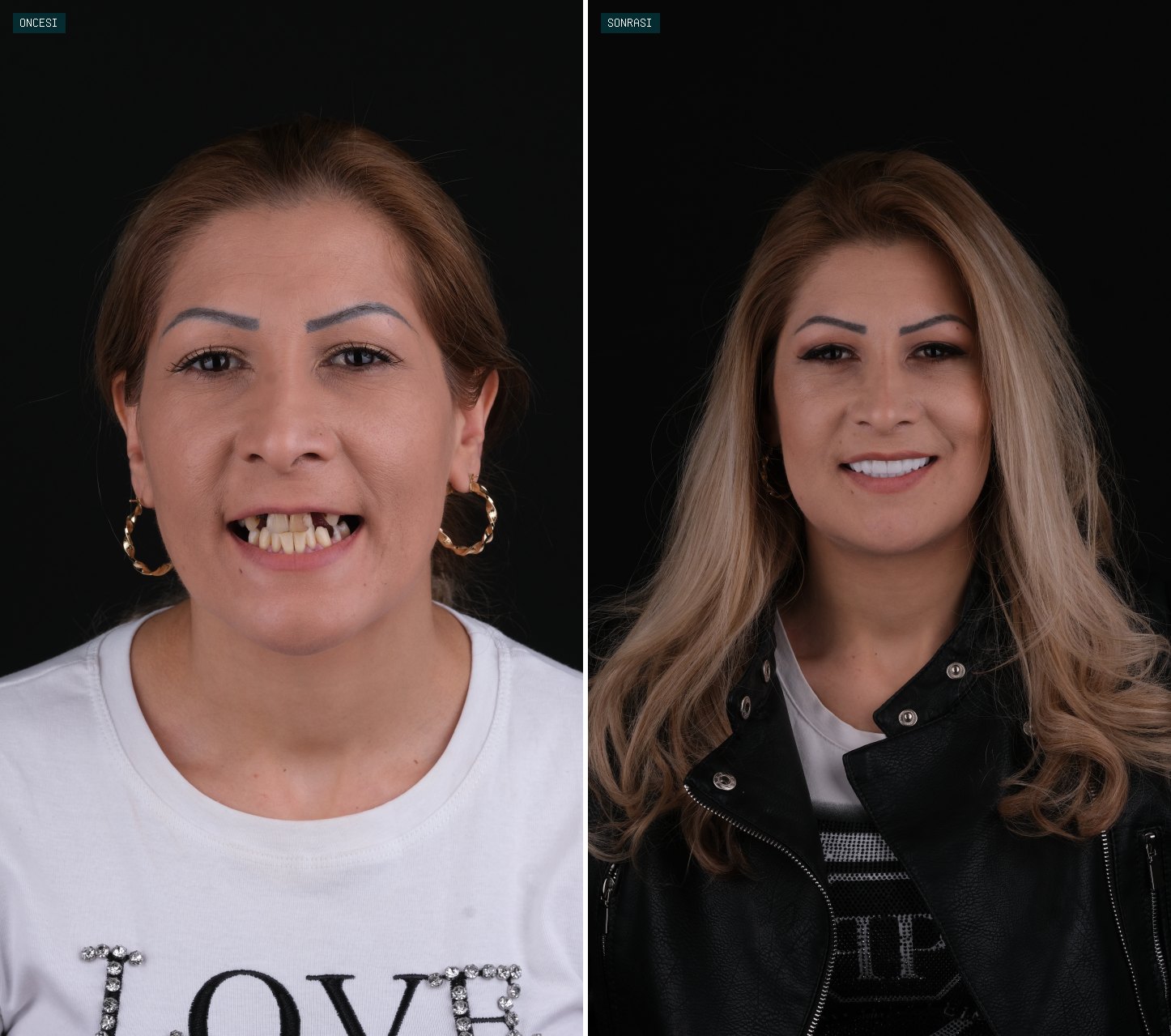
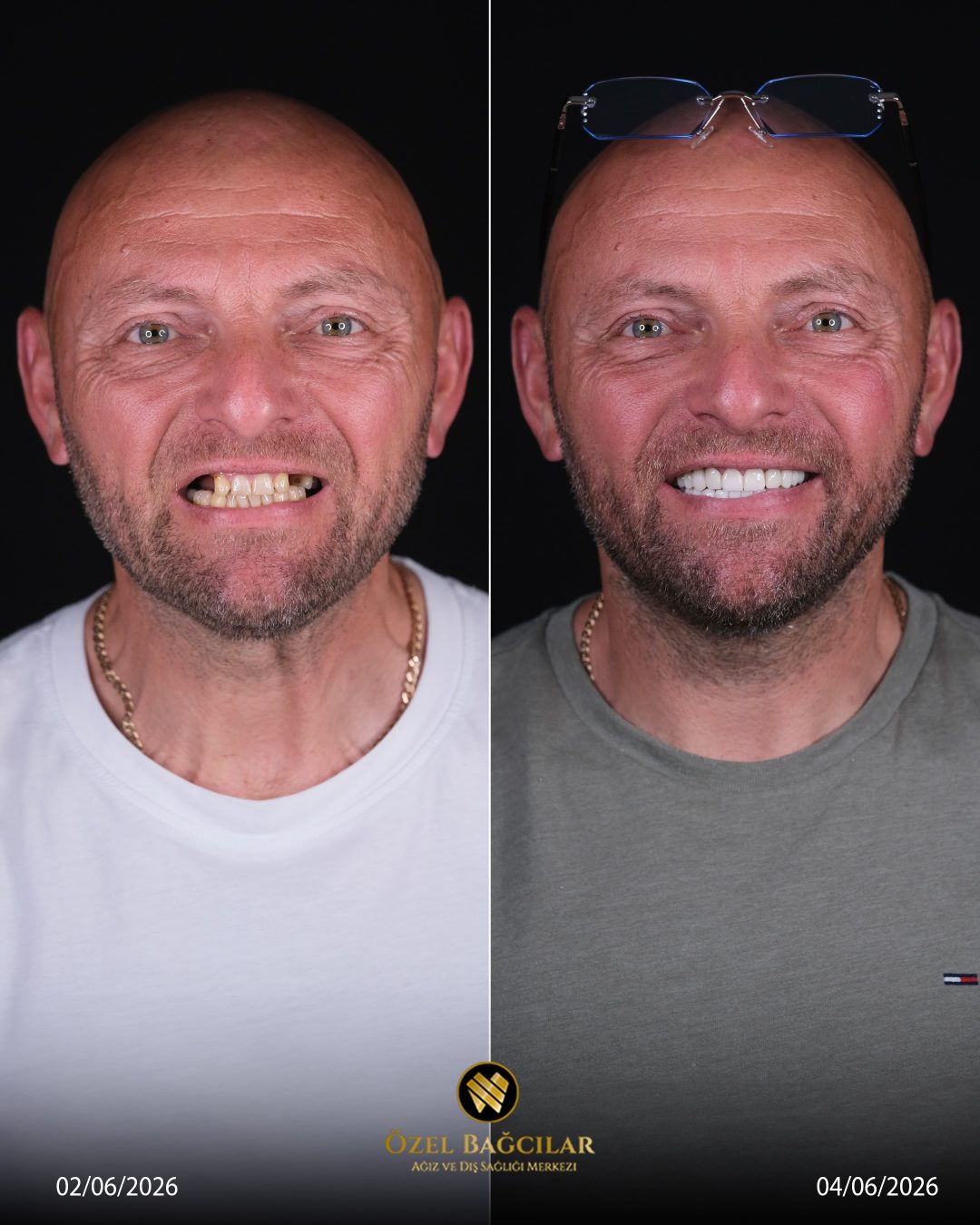
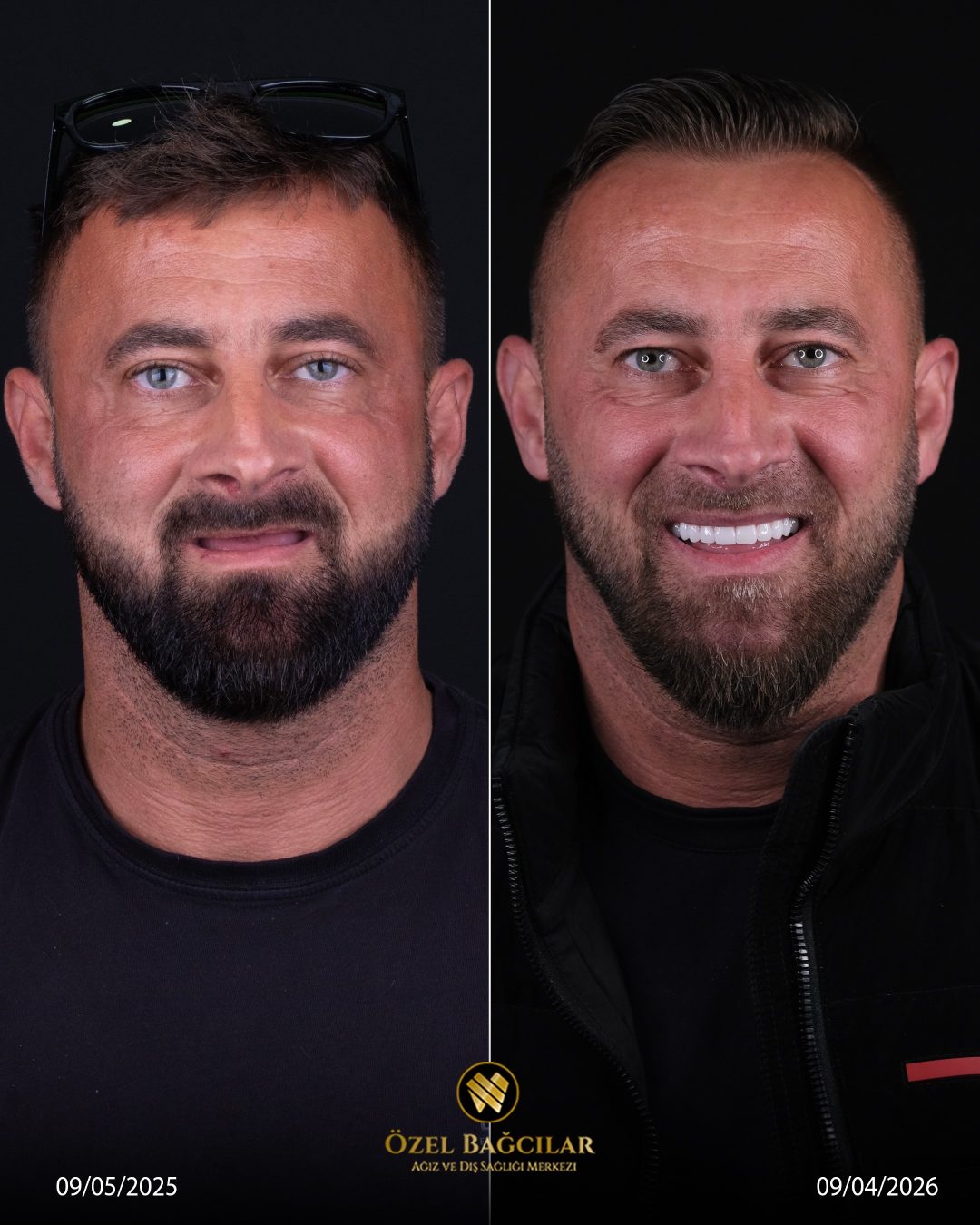
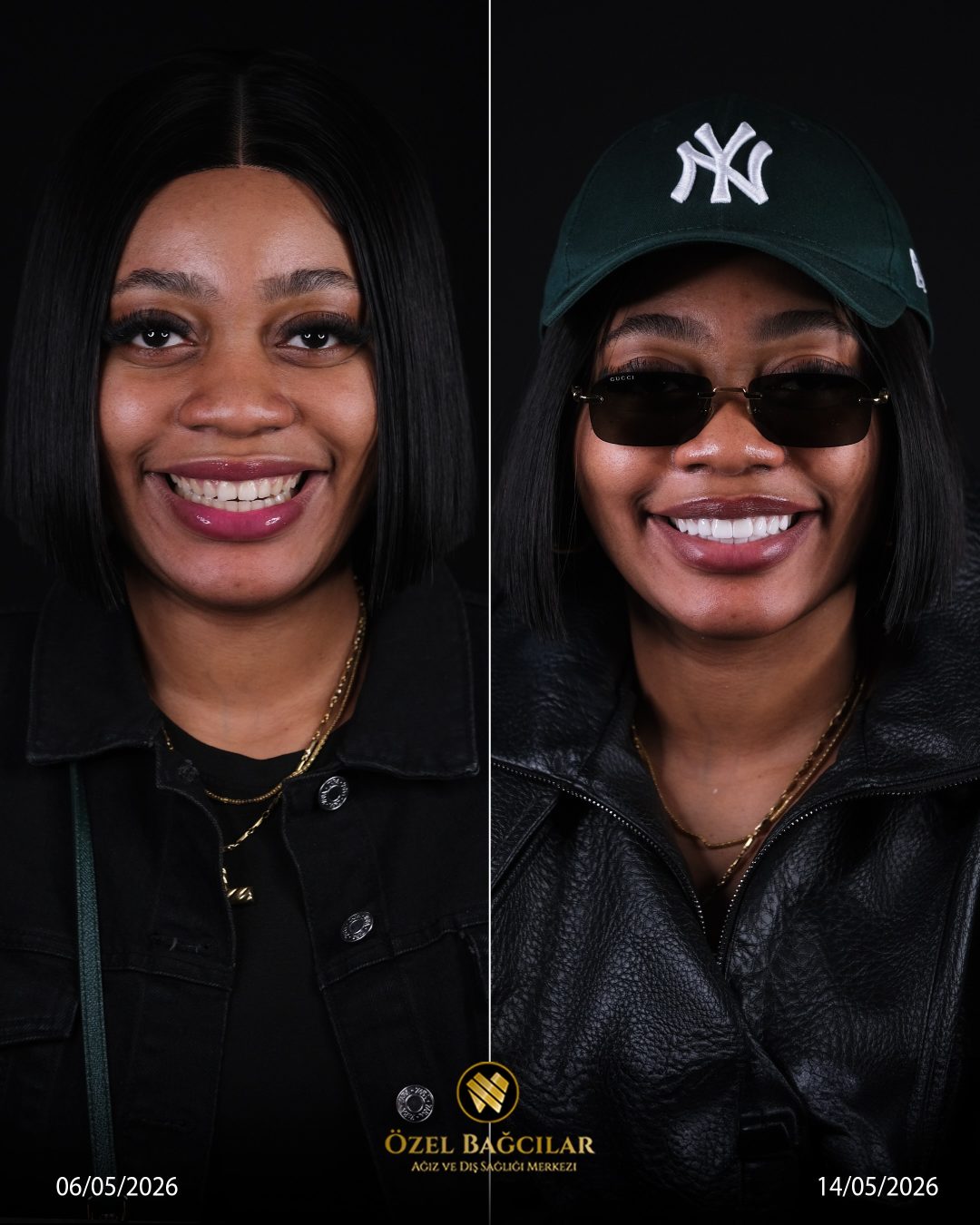
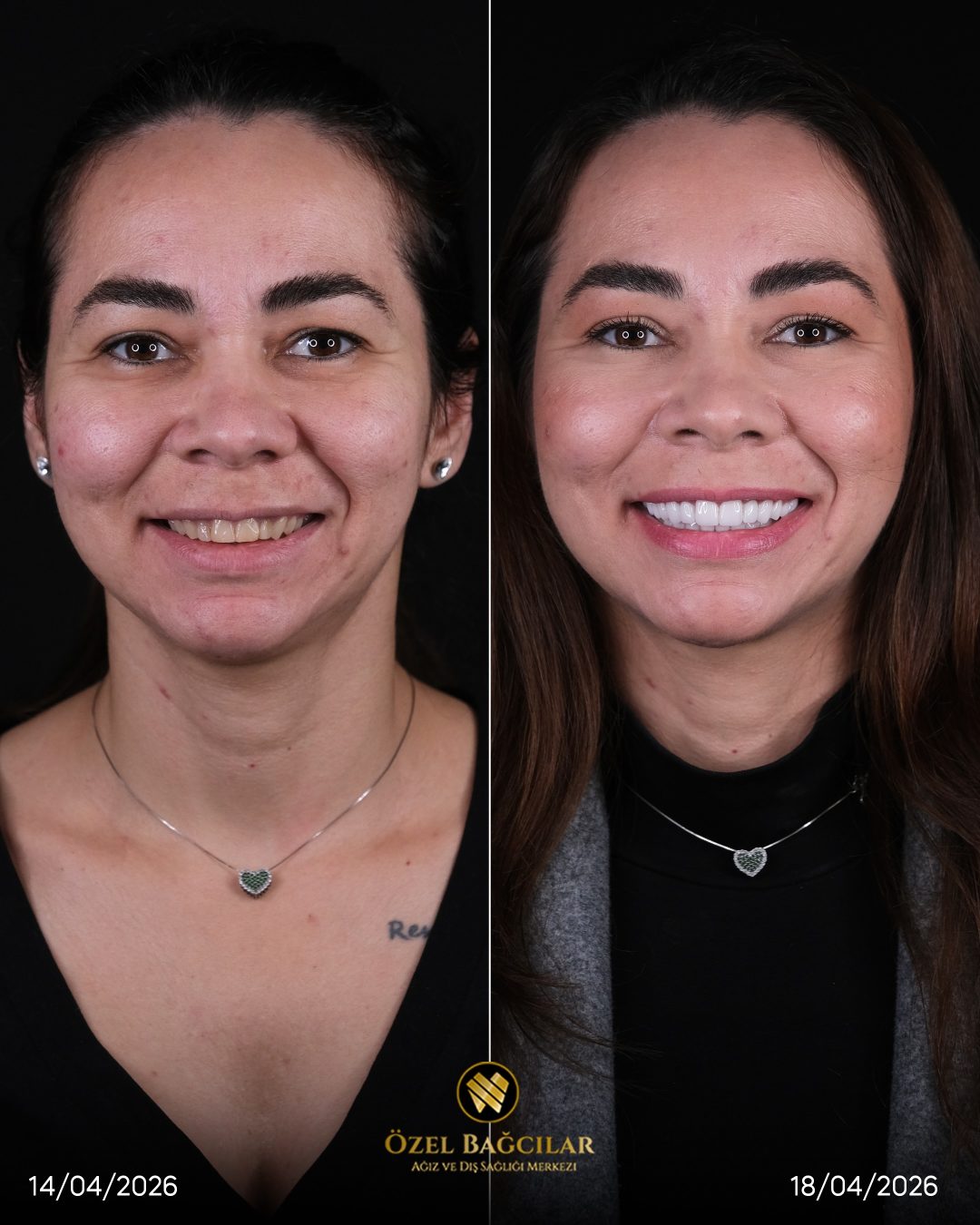
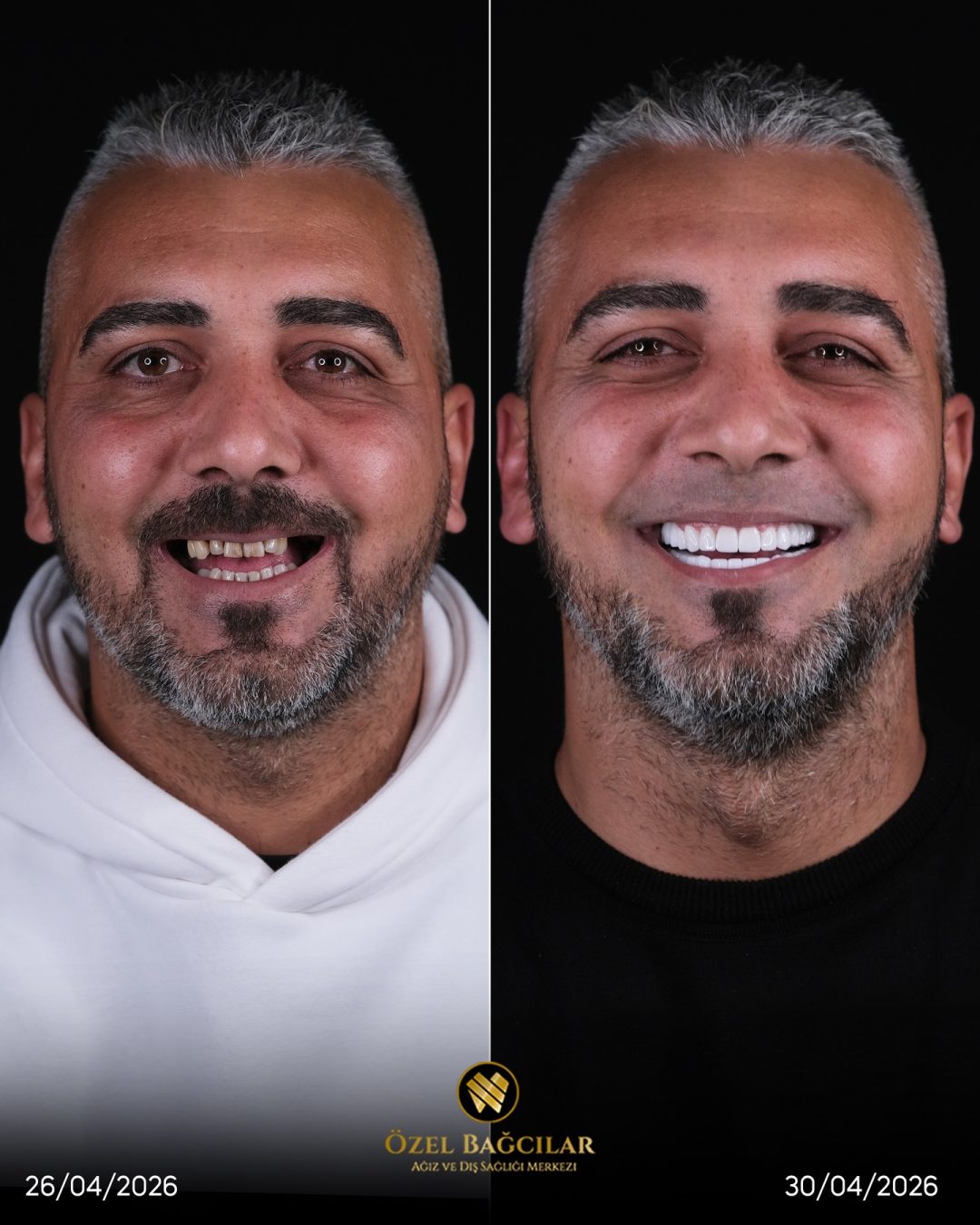
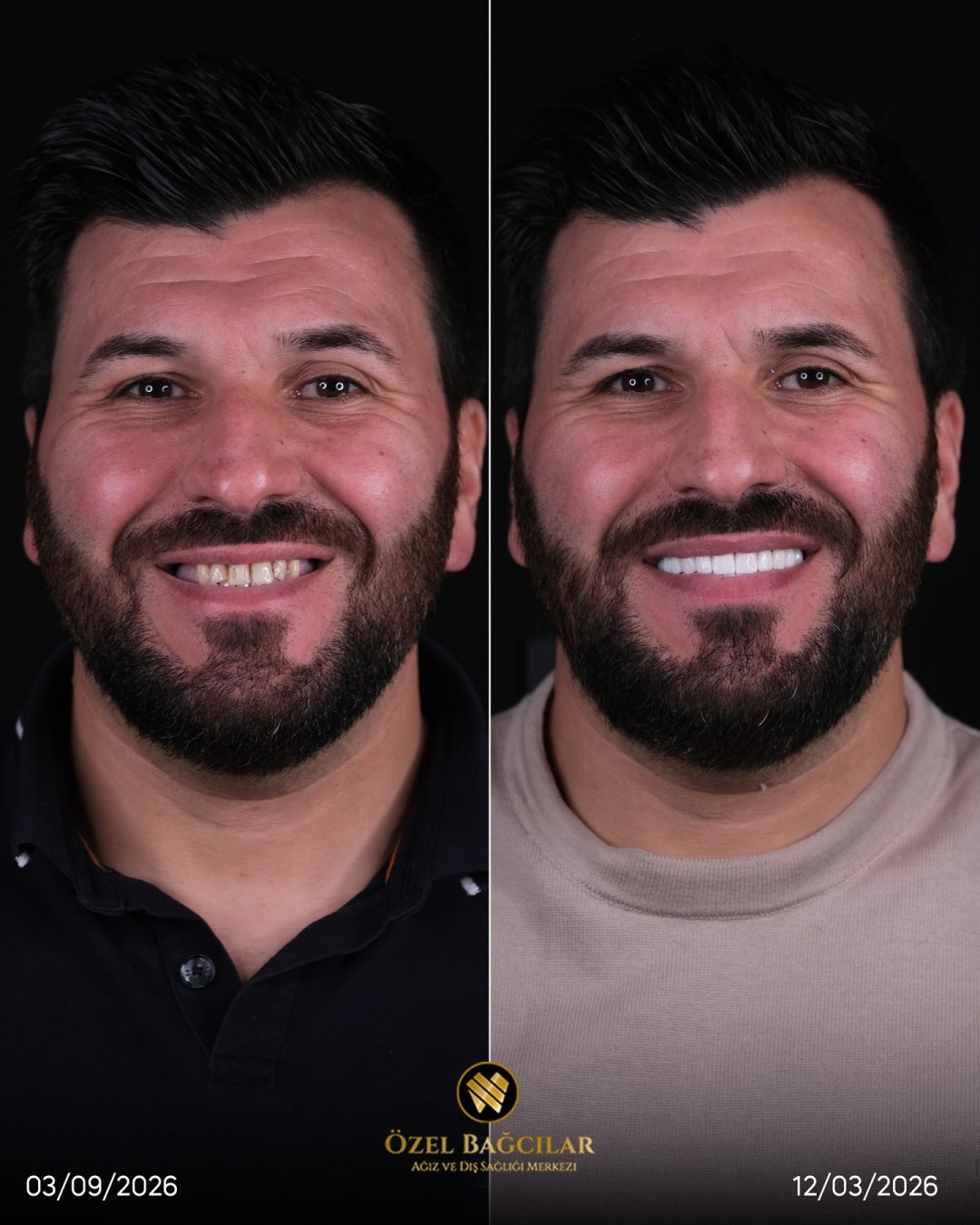
Where the plan involves several teeth, previewing the result before anything is prepared is worth the extra appointment. Photographs and a digital mock-up show what the shade and shape will actually look like on your face rather than on a shade guide. Judging before-and-after images explains what to look for — and what to be sceptical of — when comparing results between clinics.
How We Work Out Why Your Teeth Are Dark
The first appointment is diagnostic rather than cosmetic. The point is to establish which of the causes above applies, because that determines whether whitening is worth doing at all — and we would rather say so before you pay for it than after. That assessment includes checking for decay, gum health and existing restorations, all of which change the plan. What to check before choosing any clinic covers the questions worth asking wherever you are treated.
Where existing restorations are present on front teeth, we plan the sequence explicitly: whiten first, allow the shade to stabilise for around two weeks, then match new restorations to the settled colour. Doing this in the wrong order is the most common reason a whitening result looks wrong afterwards.
Our clinic has treated patients from more than thirty countries over twelve years. All treatments carry a lifetime guarantee, subject to attending the recommended check-ups and following aftercare, and excluding accidental damage or neglect. Whitening is by its nature a maintained result rather than a permanent one, and we say that at the outset. If you are considering combining whitening with other work, the timing of each stage is worth planning before you book.