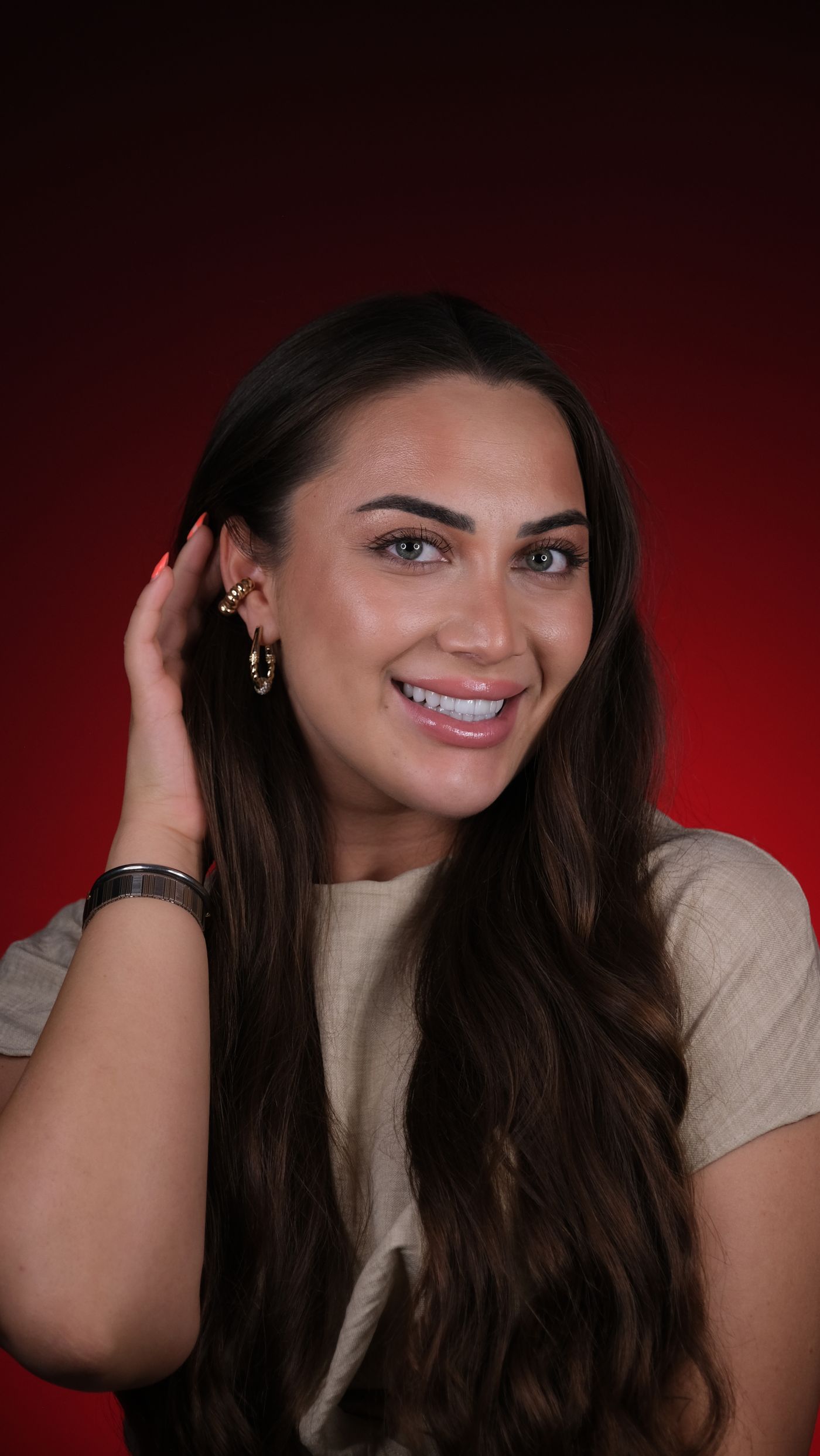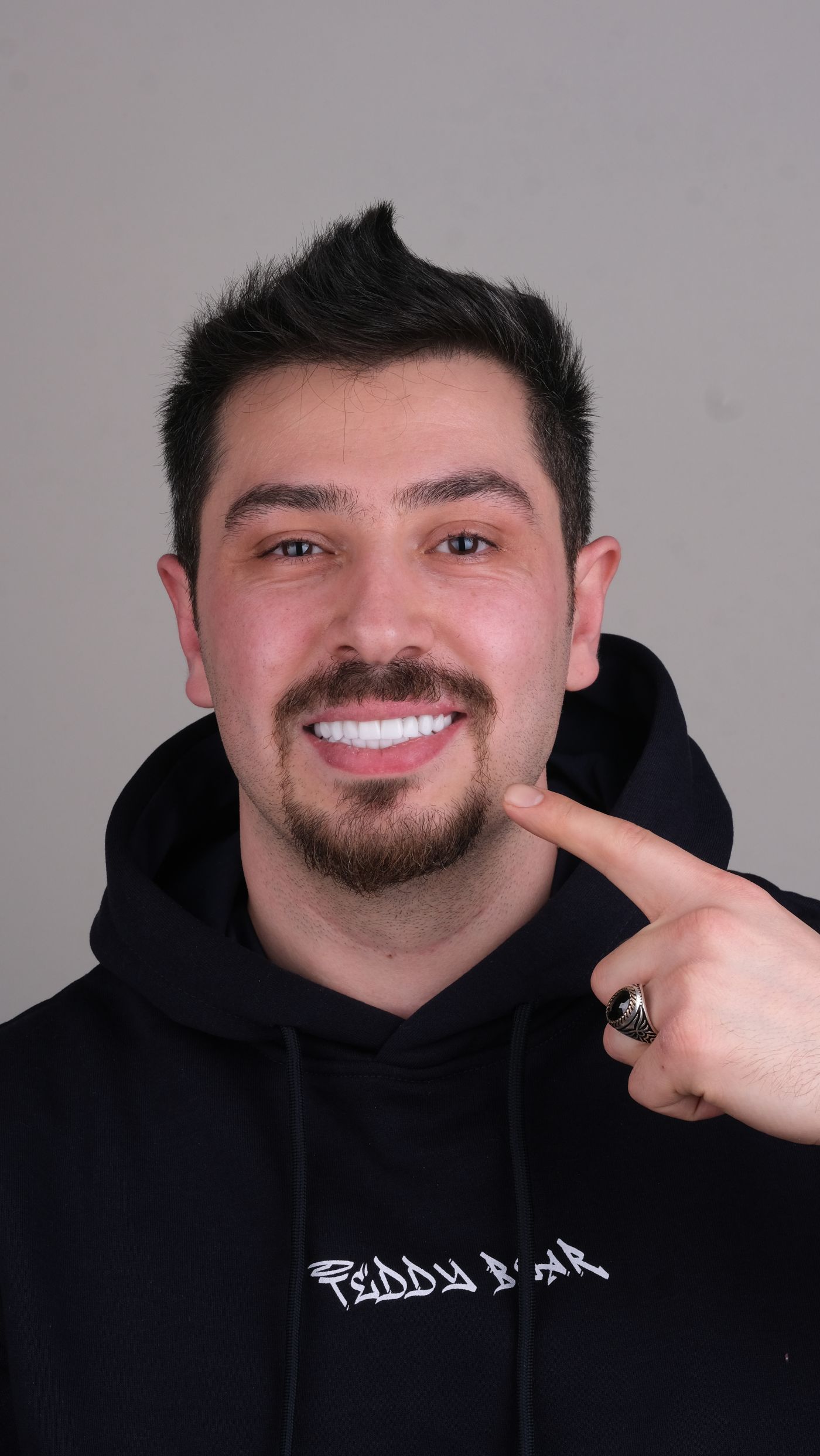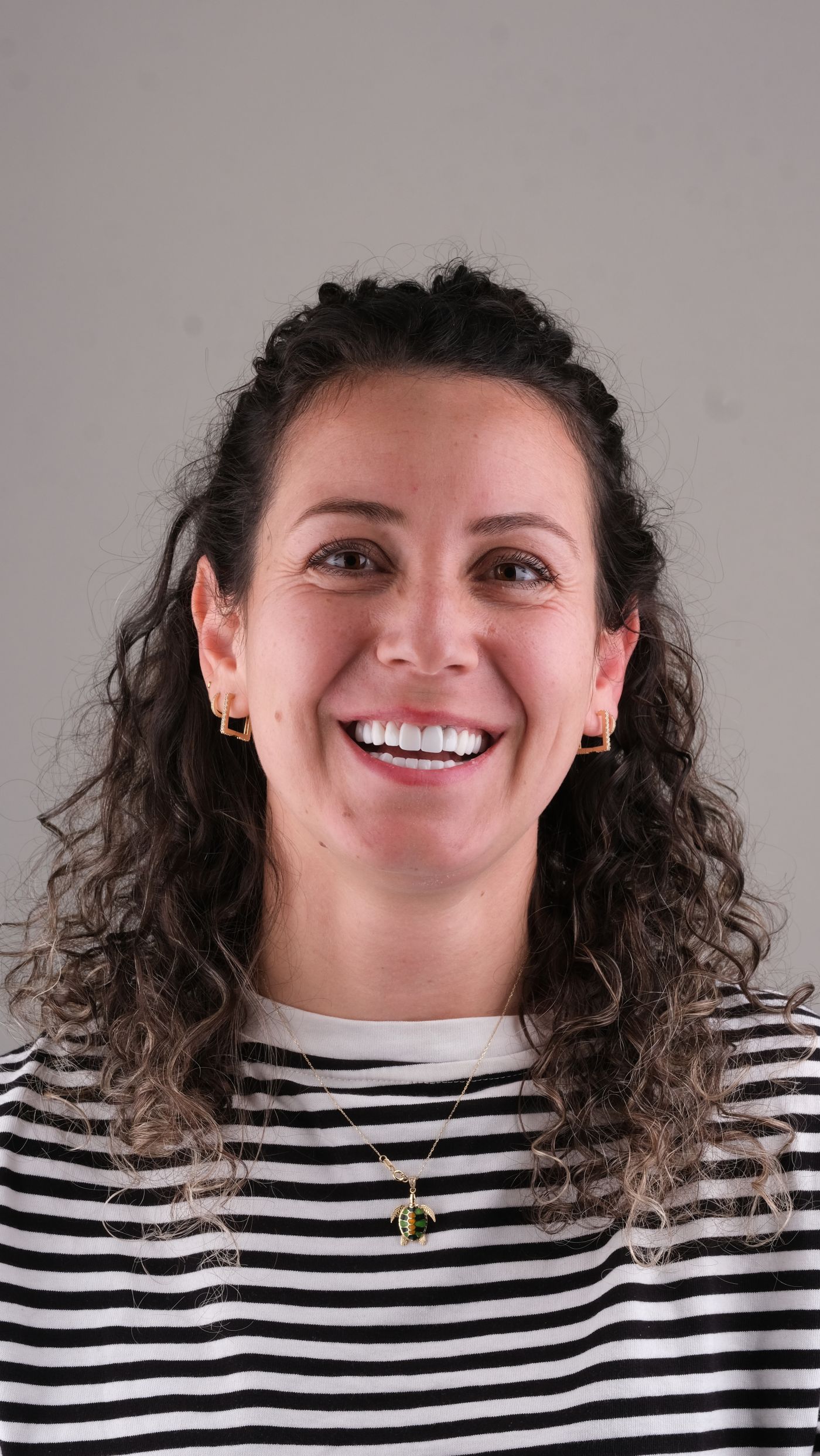
Google Reviews 4.6/5 1.682+ Happy Patients 30+ Countries

Clear Aligner Treatment in Turkey — How It Works From Abroad

✦ Treatment Guides

Clear Aligner Treatment in Turkey — How It Works From Abroad

How clear aligner treatment is planned, issued in batches and monitored remotely when you live in another country — visits, refinements and retention.

12+ Years of Experience
1682+ Happy Patients
25 Specialist Physicians
99% Success Rate
Lifetime Guarantee
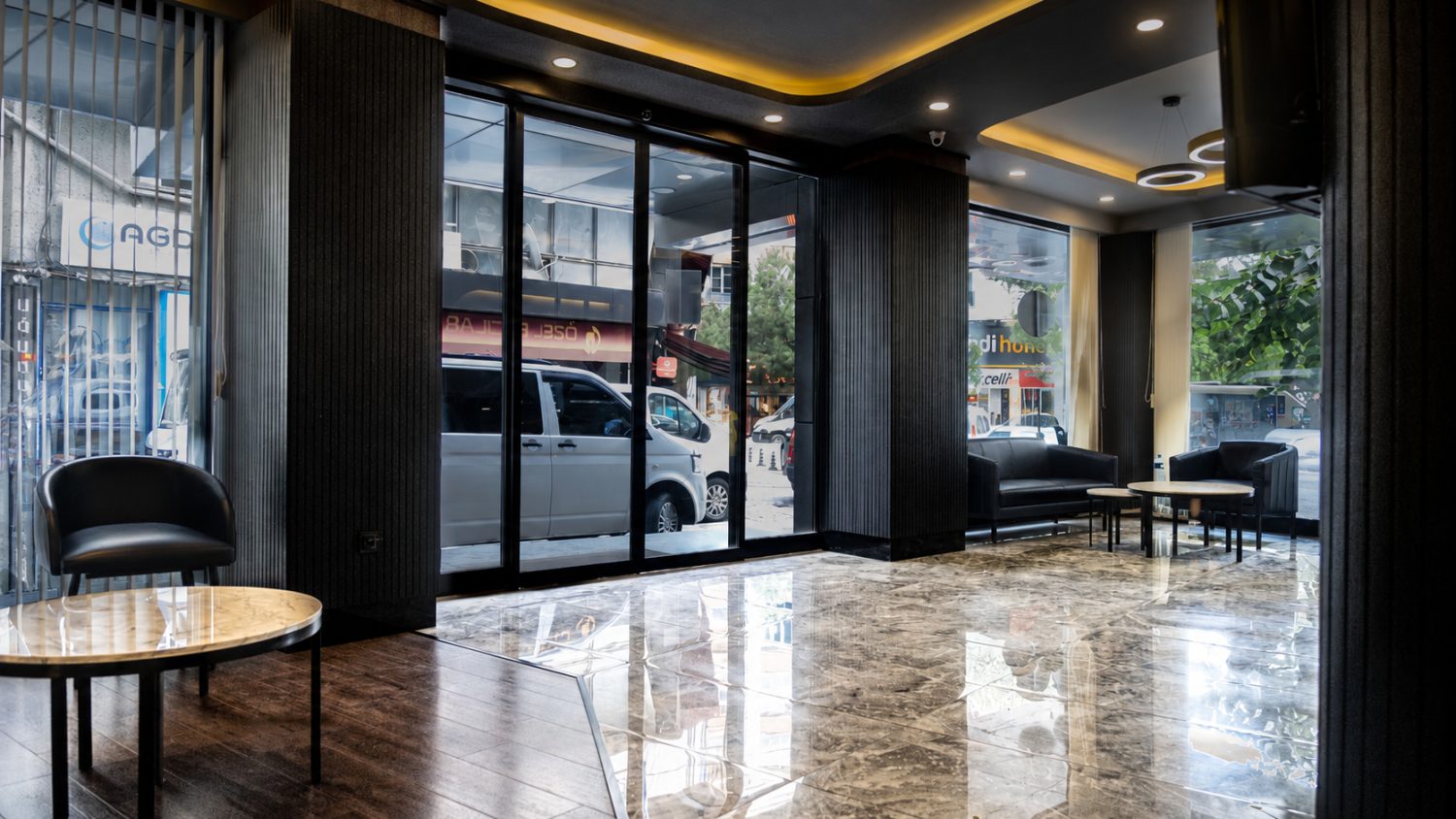
Bağcılar Dental Clinic

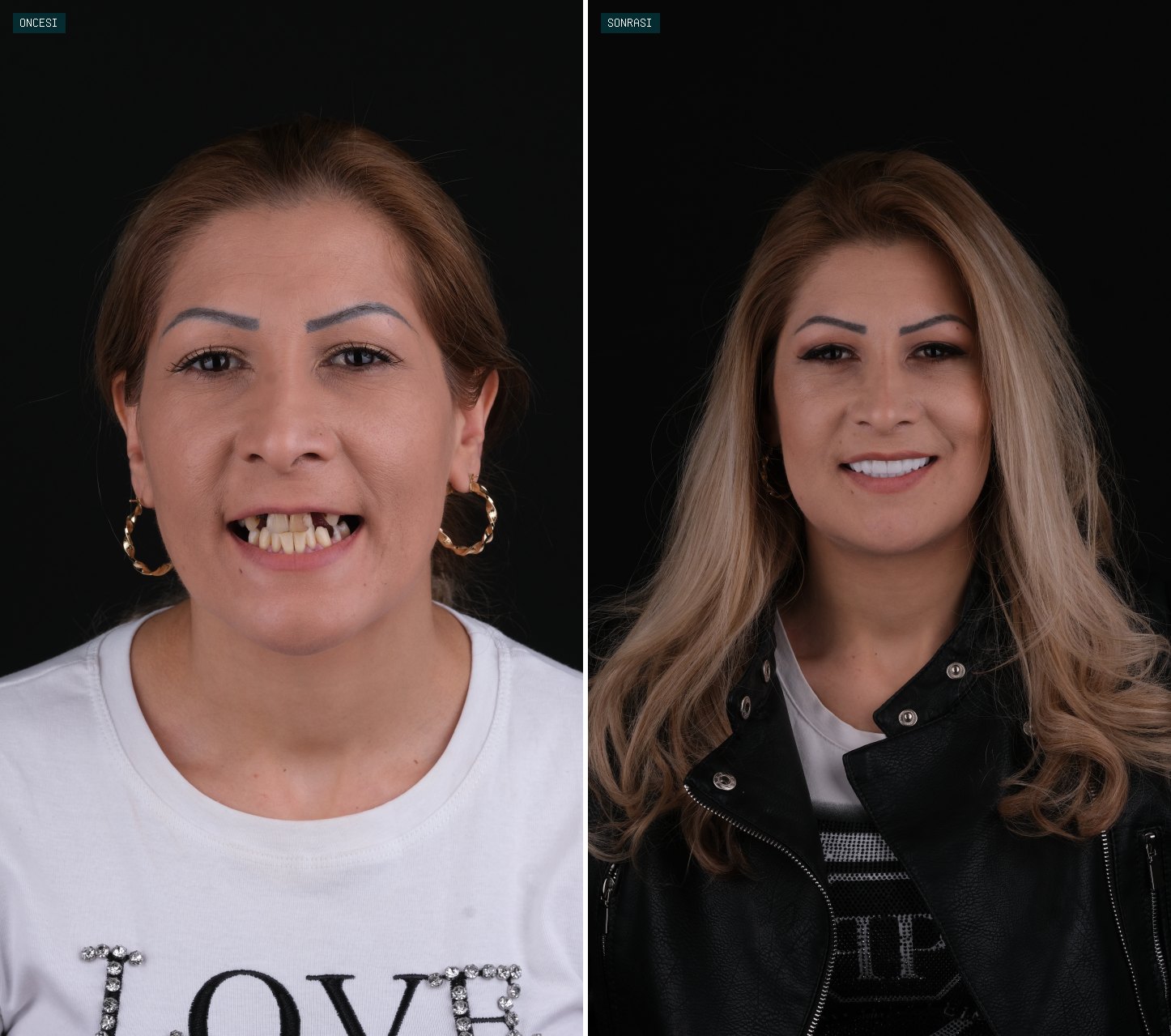
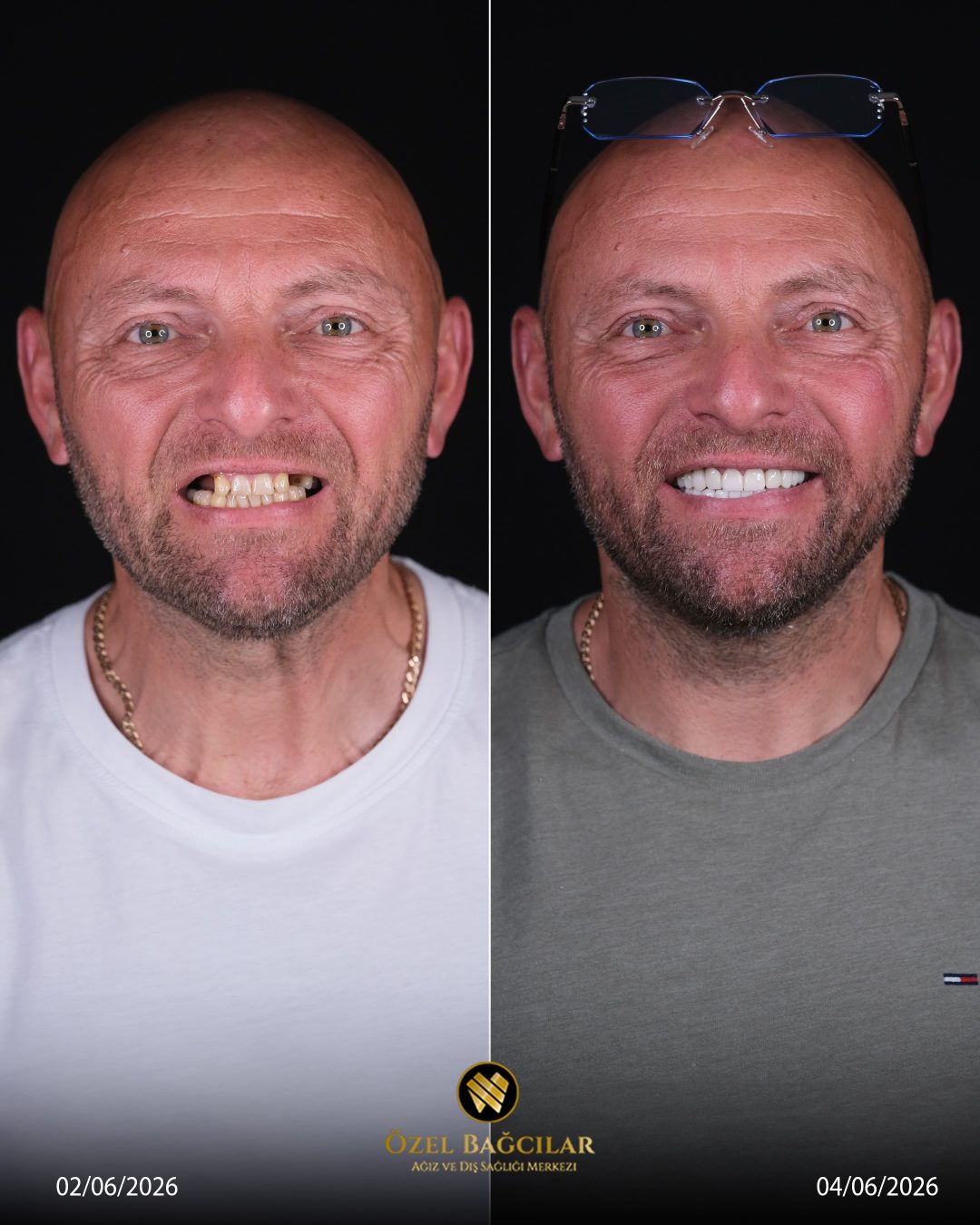
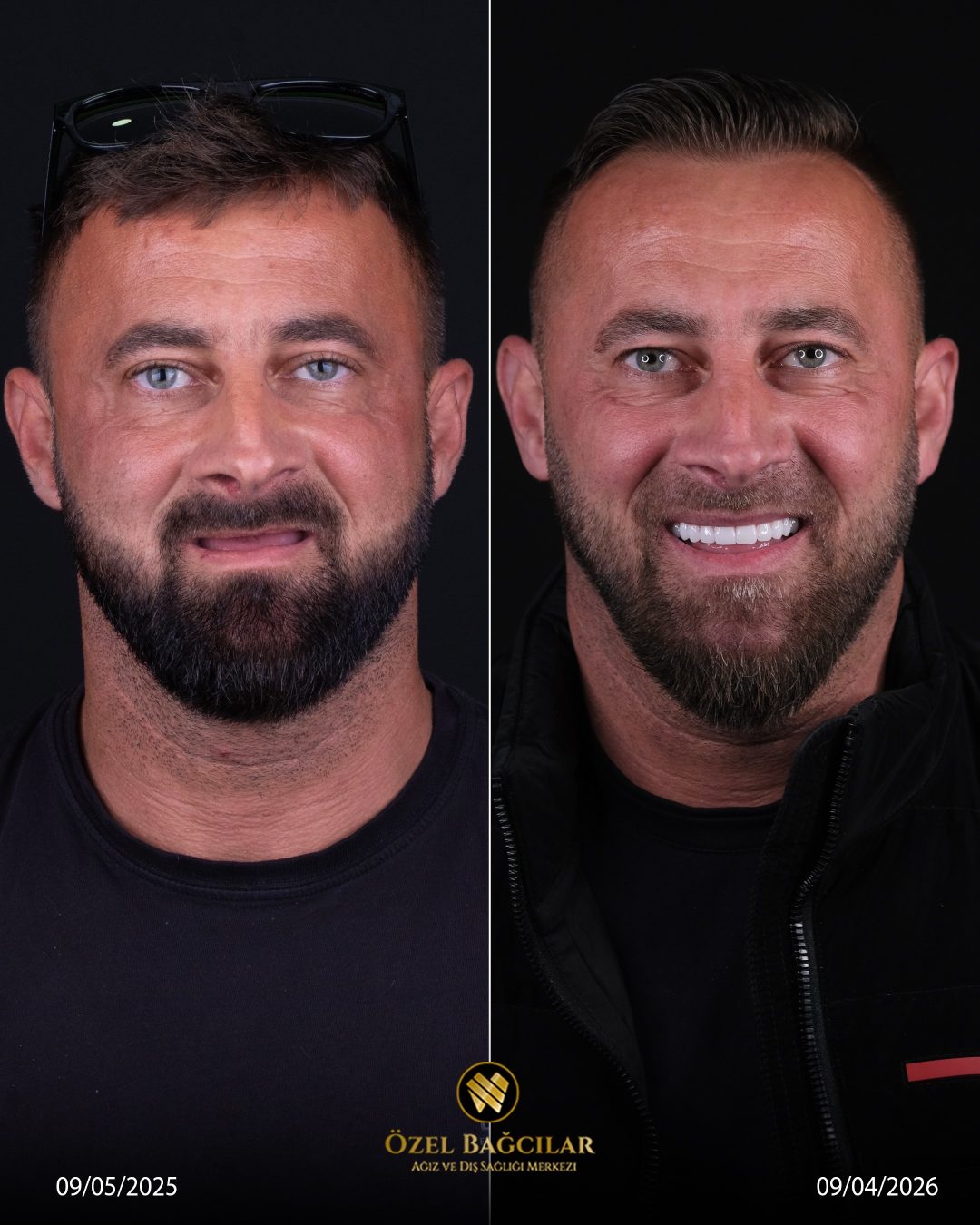
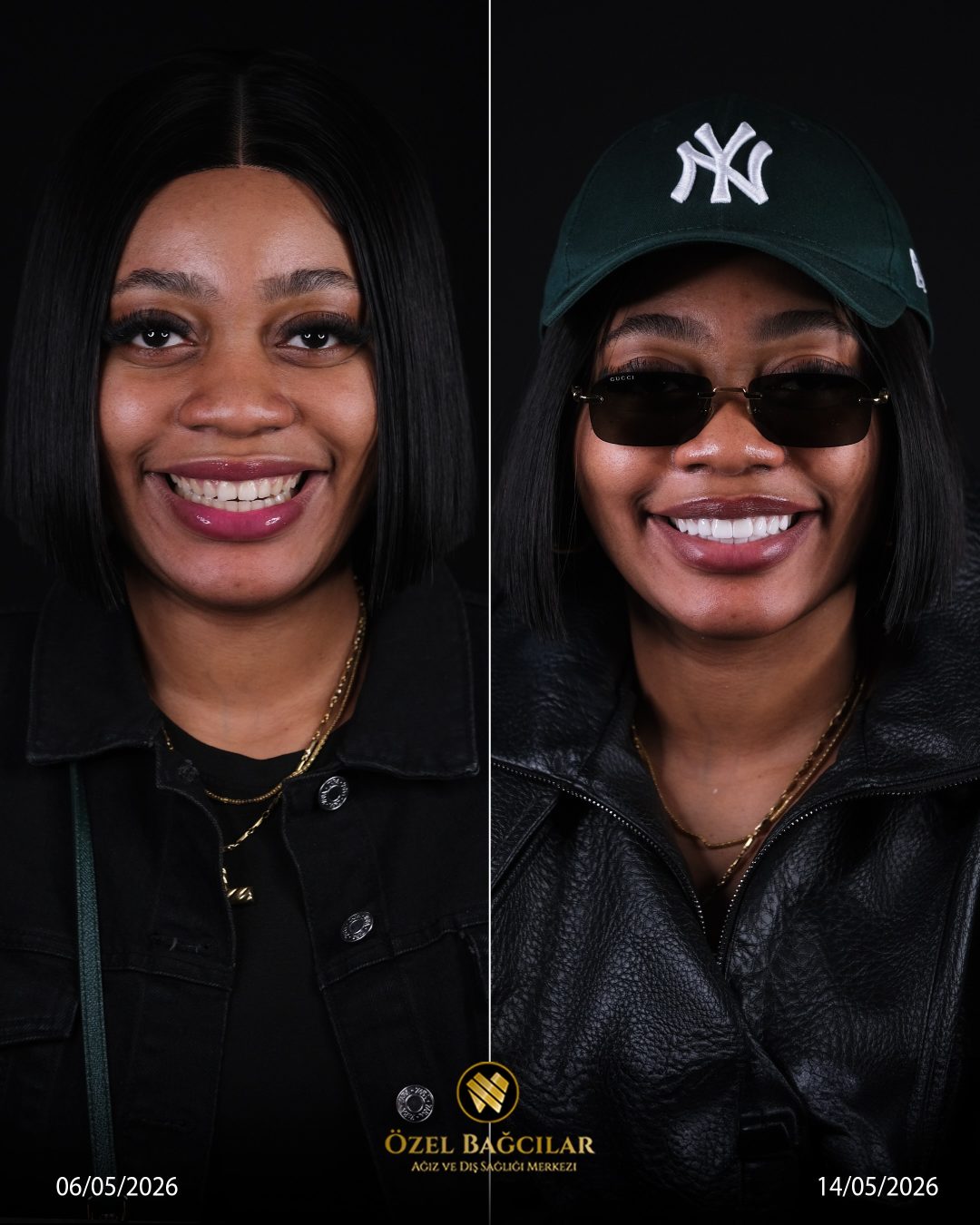
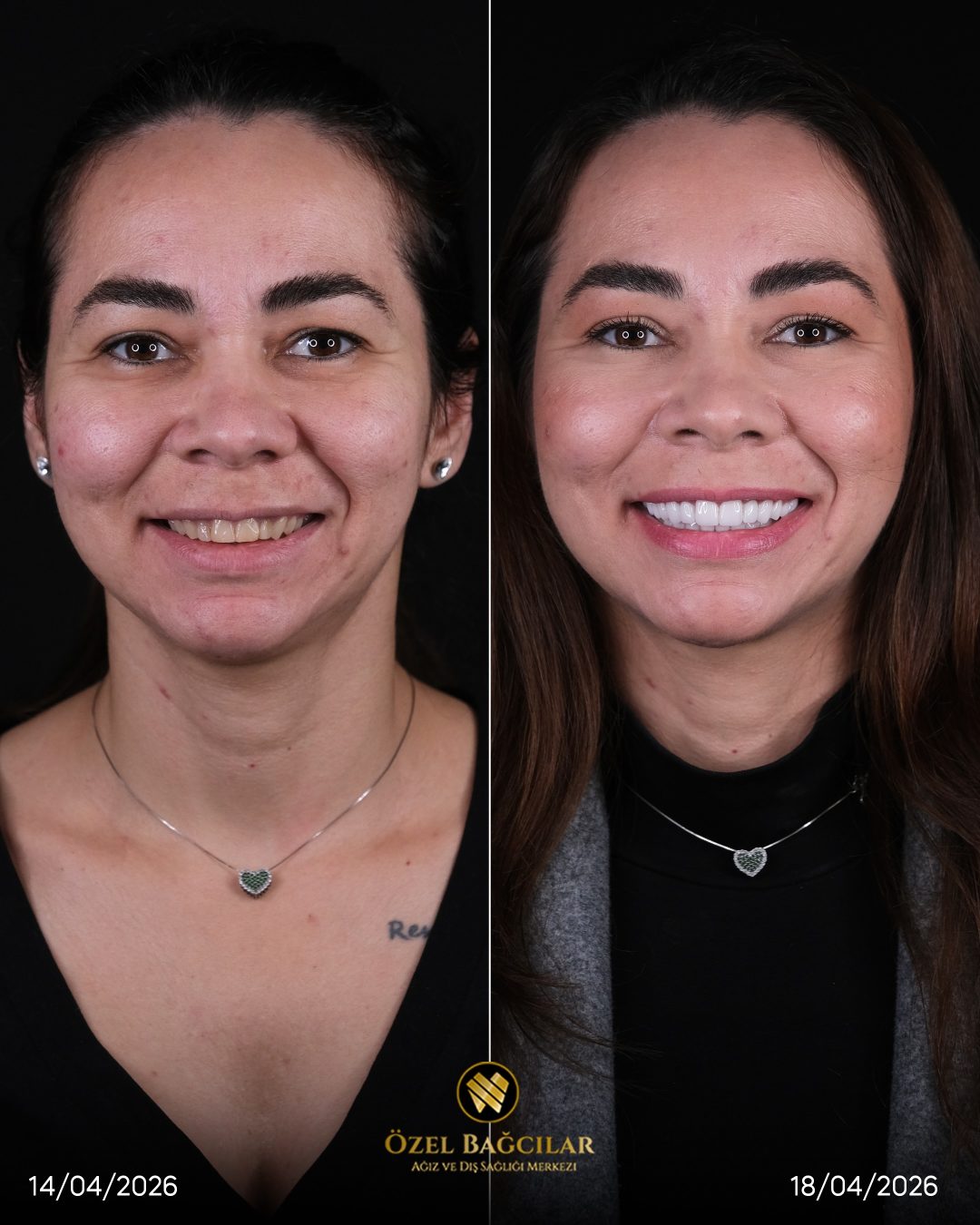
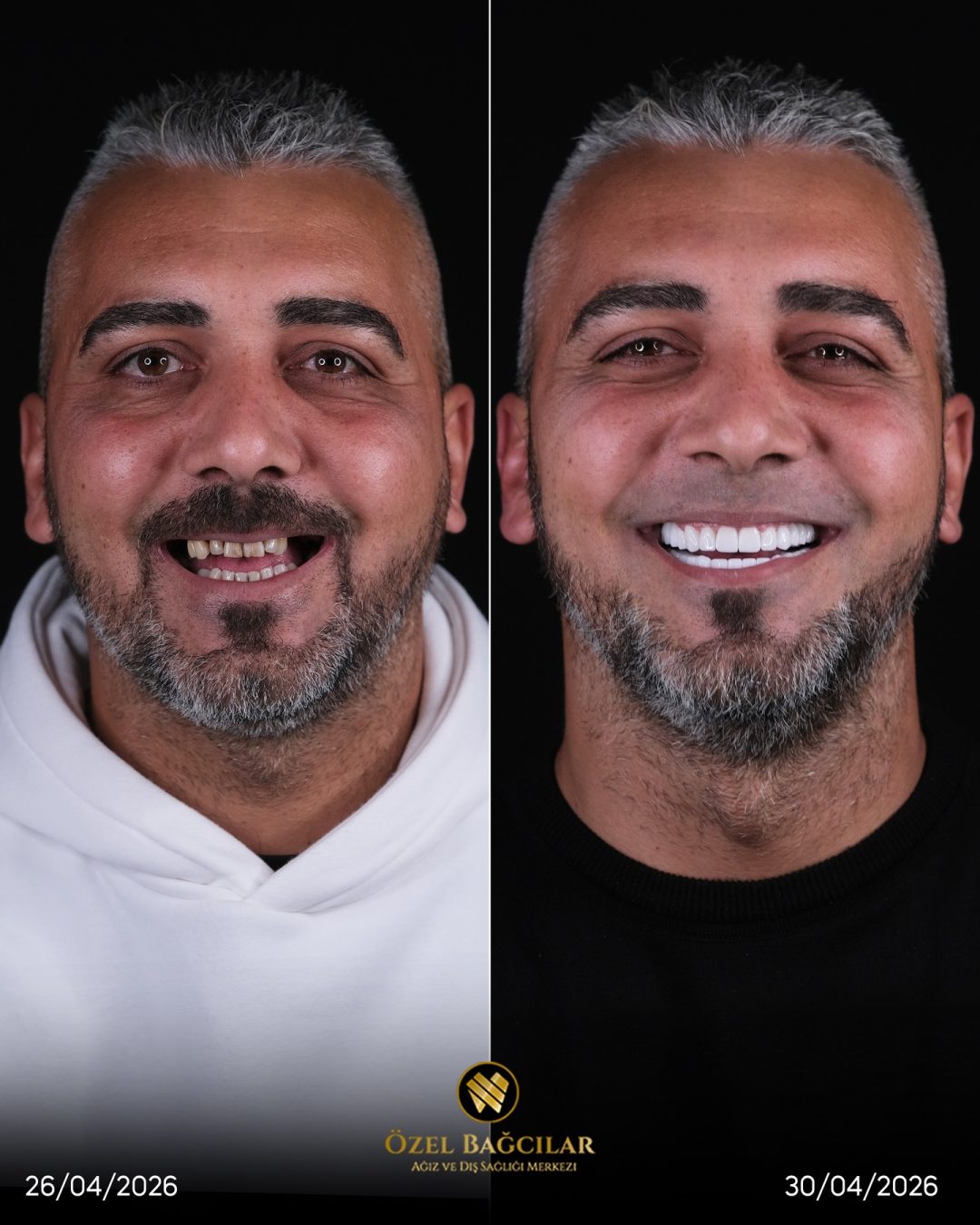
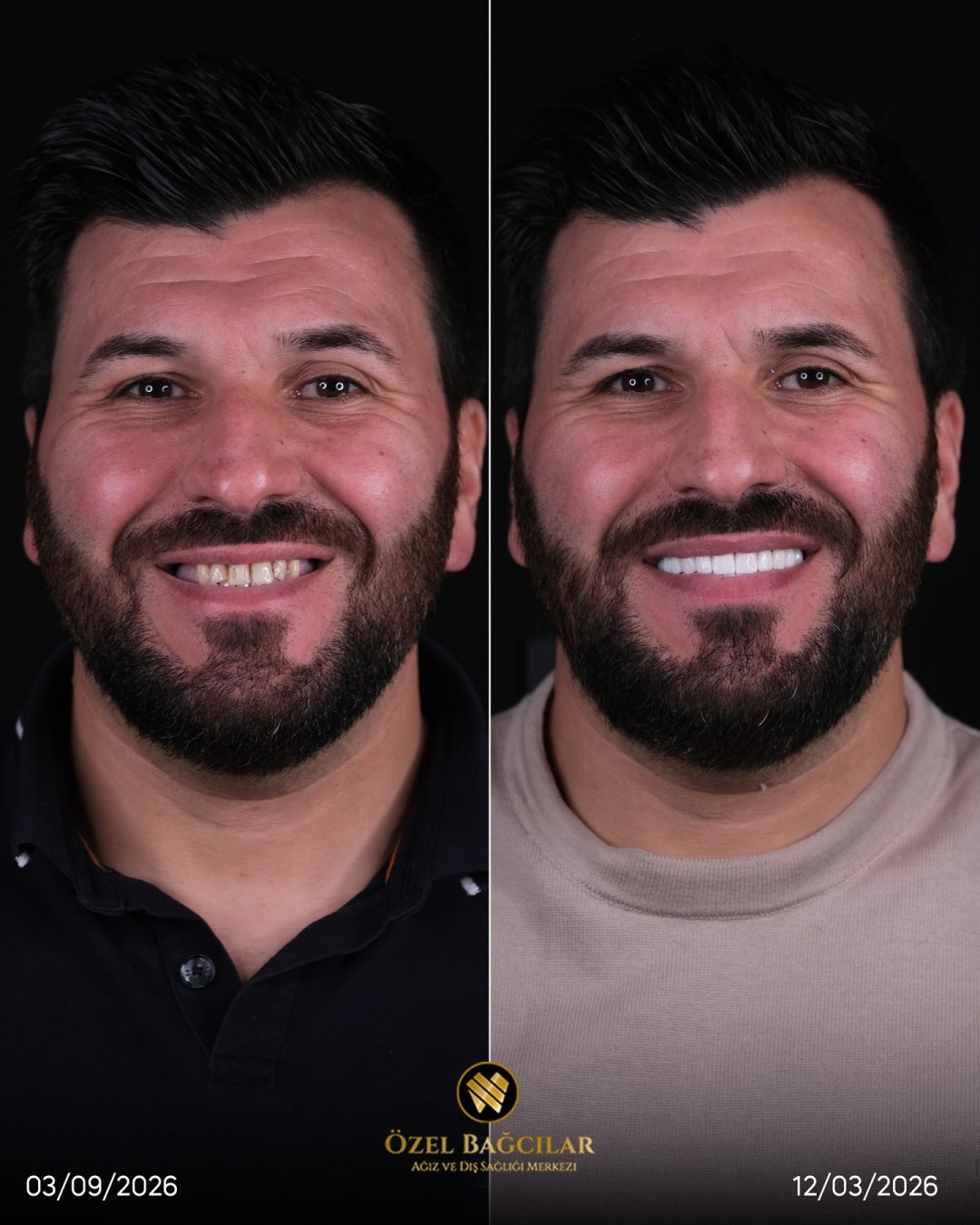
Before & After

Bağcılar Diş öncesi sonrası

Orthodontics takes months. That single fact makes it look impossible for someone travelling for treatment, and it is the reason most patients never ask about it — even when it is the treatment that would actually solve their problem without touching a healthy tooth.

It is entirely workable, and the reason is that aligner treatment separates the planning from the delivery. The planning happens once, in person, from a scan and radiographs. The delivery is a series of aligners you take home and change on a schedule.

What that means in practice is a small number of trips rather than a monthly appointment, with progress reviewed from photographs in between. This page sets out how the schedule actually works, what happens when teeth do not track as planned, and what the retention stage requires.

It also covers the honest limits. Not every case suits aligners, and not every case suits remote management, and both of those are established from records before anything is promised.

How Aligner Treatment Is Structured

Treatment begins with records: a digital scan of both arches, a panoramic radiograph, photographs, and a lateral cephalogram where the bite relationship needs assessing. From those, a three-dimensional plan is built showing every tooth's path from where it is to where it should be.

That plan is divided into steps, and each step becomes one aligner. Each aligner moves the teeth a fraction of a millimetre, is worn for a set period, and is then replaced by the next in the series.

The whole series is manufactured from the single plan. That is what makes remote treatment possible: once the plan is approved, the aligners exist, and they do not need to be made one appointment at a time.

You approve the plan before manufacturing begins. The projected end position is shown as a simulation, which is useful for agreeing the goal — though it is a plan rather than a guarantee, and teeth do not always track exactly as software predicts.

The First Trip: Records and Attachments

The first visit establishes whether aligners are appropriate at all. Gum health is assessed and charted, because teeth cannot be moved through inflamed periodontal tissue without causing harm, and any active disease is treated first.

Existing restorations matter too. Crowns, bridges and heavily filled teeth behave differently under orthodontic force, and bonding attachments to ceramic requires a different technique from bonding to enamel. Both are manageable and both need knowing about in advance.

Once the plan is approved and the first aligners have been made, attachments are bonded — small tooth-coloured composite shapes that give the aligner something to grip. Interproximal reduction, a very slight polishing between teeth to create space, is sometimes done at the same stage.

You leave with the first batch of aligners, the changing schedule, and instructions. From that point the treatment is largely in your hands, which is the honest description of what aligner treatment is.

Bring any old retainers or study models if you have had orthodontics before. They show where the teeth were and how far they have relapsed, which frequently shortens the plan — and relapse cases are among the quickest aligner treatments there are.

Wearing Them: What the Schedule Requires

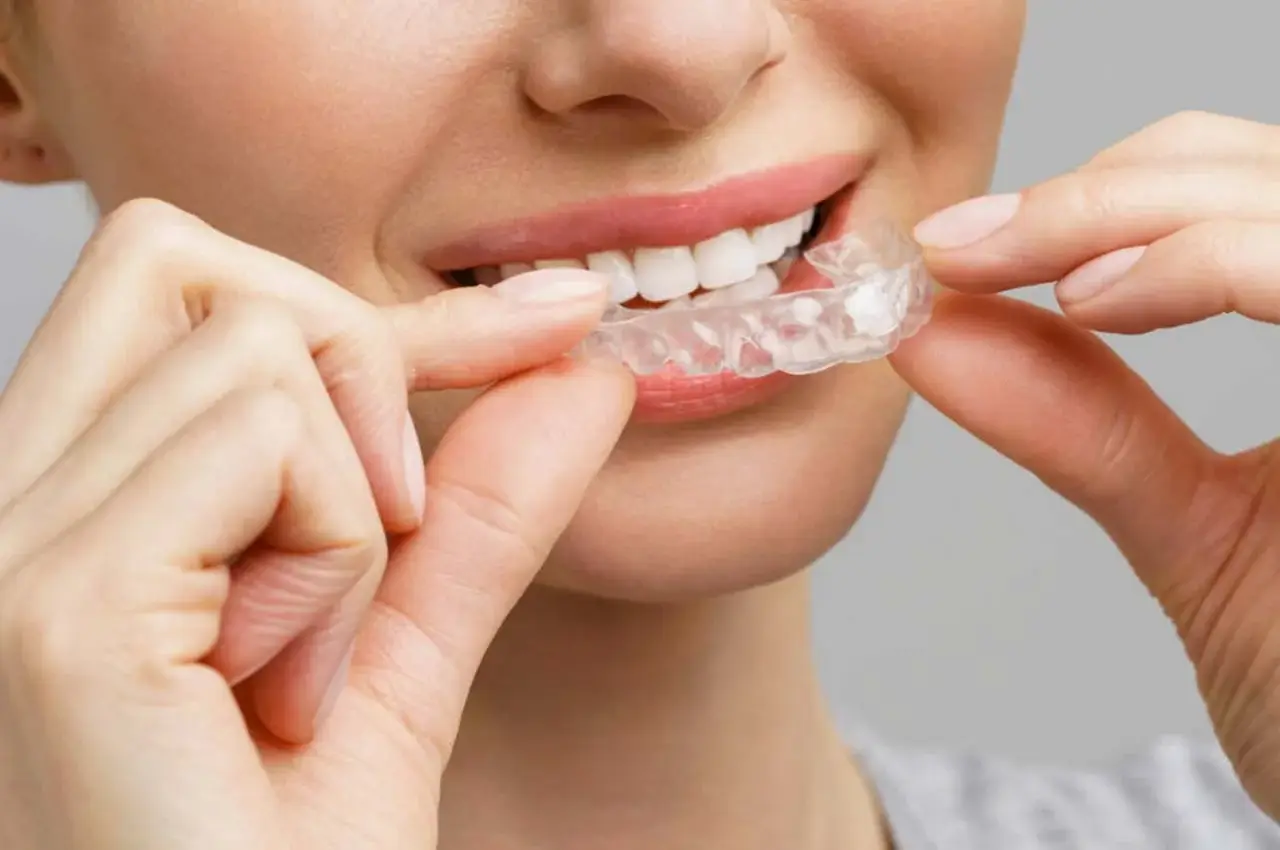
Around twenty-two hours a day, changed on the interval you are given — commonly every one to two weeks depending on the plan. They come out to eat and to clean the teeth, and go back in immediately afterwards.

Nothing but water goes in with them. Coffee and tea stain them and hot drinks can distort the plastic; anything with sugar sits trapped against the teeth. Rinse the mouth and the aligners before replacing them after eating.

Clean them with a soft brush and cool water rather than toothpaste, which is abrasive and clouds the surface. Hot water is the other thing to avoid — it deforms them, and a distorted aligner no longer applies the force it was designed to.

Keep the previous aligner rather than discarding it. If the next one does not seat properly, going back a step for a few days is often the fix, and if one is lost the previous set holds the position until a replacement arrives.

Grinding at night is worth mentioning at the planning stage rather than later. Aligners do protect the teeth from each other while worn, but heavy clenching wears through the plastic faster and the habit itself still needs managing before any restorative finishing is placed.

The Schedule for a Patient Travelling

This is what makes the treatment practical from abroad, and it is worth setting out concretely rather than in general terms.

A typical international schedule — two or three trips rather than monthly appointments
StageWhereWhat happens
Initial assessmentRemotePhotographs and any existing radiographs reviewed
First tripClinicScan, radiographs, gum assessment, plan discussed
Plan approvalRemoteSimulation reviewed and agreed before manufacture
Attachment visitClinicAttachments bonded, first batch of aligners issued
Months 1–5HomeAligners changed on schedule, photographs sent at intervals
Mid-treatment reviewClinic or remoteProgress checked, next batch issued
Refinement scanClinicNew scan if teeth have not tracked exactly
CompletionClinicAttachments removed, retention fitted

The number of trips depends on how long the case runs and whether refinements are needed. A short case can be completed in two visits; a comprehensive one usually needs three.

Book the trips in the order the plan sets out rather than around cheap fares. The gap between the attachment visit and the first review is dictated by how many aligners were issued, and arriving early for a review achieves nothing because the teeth will not have moved yet.

Remote Monitoring Between Visits

Progress is checked from photographs you take yourself at set intervals — usually with a small plastic retractor that holds the lips clear, so the same views can be compared over time.

What is being looked for is tracking: whether each aligner is seating fully against the teeth, particularly at the edges. A visible gap between the aligner and a tooth edge means that tooth is not keeping up with the plan, and it is far easier to correct early.

Where tracking is poor, the usual response is to slow the changing interval, return to the previous aligner for a period, or use small rubber chewing devices to seat the aligner more fully. All of that is manageable at a distance.

What cannot be assessed remotely is gum health in any detail, or root position. Those need the in-person review points, which is why the schedule includes them rather than running entirely on photographs.

Refinements: Why They Are Normal

Teeth rarely follow a digital plan exactly. Bone density varies, some teeth move faster than others, and a plan built for an average response meets an individual biology. Refinement is how the gap is closed.

Partway through, or at the end of the initial series, a new scan is taken of where the teeth actually are. A revised plan is built from that position, and a further set of aligners is made to finish the job.

This is not a failure and it is not unusual. A majority of comprehensive cases involve at least one refinement stage, and a clinician who claims otherwise is describing simple cases or is not being straightforward.

What matters is whether refinements are included in the quoted figure. Ask directly, because a plan that excludes them can grow substantially — how orthodontic treatment should be quoted sets out the complete list of lines.

The refinement scan is also the point at which the finishing plan is settled. If a small amount of whitening or bonding is intended at the end, it is scheduled from here, once the final tooth positions are known rather than predicted.

What Aligners Cannot Do

Being clear about the limits is more useful than listing capabilities, because an unsuitable case accepted for aligners produces a compromised result rather than a failed one — which is harder to recognise.

Severe rotations of round teeth, bodily movement of roots through bone, closing large extraction spaces and correcting significant skeletal bite discrepancies are all beyond what a shell delivers reliably. The full comparison with fixed appliances sets out where each is stronger.

Cases involving multiple crowns and bridges need particular care. Attachments bond less securely to ceramic than to enamel, and a bridge splints teeth together so they cannot move independently at all.

And a patient who will not wear them twenty-two hours a day is not a suitable case regardless of the malocclusion. That is worth establishing honestly at the start rather than discovering at month four.

Where teeth are missing as well as misaligned, the plan becomes a joint one. Space has to be opened or closed deliberately depending on what will fill it, and that decision belongs with the replacement plan rather than being settled by the aligner sequence alone.

Gum Health Comes First

Orthodontic force applied to teeth with active periodontal disease accelerates bone loss. This is not a caution to be noted and moved past — it is a contraindication until the disease is controlled.

Adults are far more likely to have this than teenagers, and it is frequently undiagnosed because early gum disease is silent. Full charting at the first visit is how it is found, and it is one of the reasons the first trip involves a proper examination rather than just a scan.

Where disease is present, treatment and a period of stability come first. That delays orthodontics by months rather than ruling it out, and moving teeth afterwards is both safe and often easier.

Aligners have a genuine advantage during treatment here. Because they come out for brushing, hygiene is unchanged throughout, whereas fixed appliances make cleaning harder at precisely the wrong moment.

Where recession has already occurred, moving teeth needs particular care about direction: pushing a tooth outward through a thin plate of bone worsens it. That is a planning constraint read from the scan and the charting, and it is one of the things a photograph-based assessment cannot see.

Attachments, Interproximal Reduction and Elastics

Three components of aligner treatment that patients are often not told about until the day. None of them are problematic; all of them are better understood in advance.

Attachments are bonded composite shapes giving the aligner grip. They are removed at the end with nothing lost. Their number and position come from the plan, and front teeth often carry them, which affects how discreet the treatment actually is.

Interproximal reduction is a very slight polishing of the contact between adjacent teeth to create space for alignment — a fraction of a millimetre, within enamel, and it does not increase decay risk when done correctly. It is how crowding is resolved without extractions in many cases.

Elastics are small rubber bands hooked between the arches, used where the bite relationship needs correcting as well as the tooth positions. They require the same discipline as the aligners themselves, and they are the part most often abandoned quietly.

Combining Aligners With Restorative Work

This sequence matters and getting it wrong is expensive. Where both alignment and restoration are planned, the teeth are moved first and restored afterwards — almost without exception.

The reason is straightforward: aligning first usually reduces how much restorative work is needed at all. Teeth in the correct position often need only whitening and minor bonding, where the same teeth left crooked would have needed veneers to disguise the position.

Restoring first and then aligning wastes the restorations, because their shape was designed for the old position and the contacts change as the teeth move.

Where a small amount of finishing is planned after alignment, bonding is frequently sufficient — and where more is needed, the design is built on the aligned position rather than compensating for the original one.

Old crowns in the smile zone are the exception worth flagging early. They will not match new work in shade, and their contacts change as neighbouring teeth move, so replacing them is frequently part of the finishing stage rather than an optional extra.

Plan that replacement into the last trip. Doing it before alignment wastes it, and leaving it to a separate visit later adds a journey that could have been avoided.

Retention: The Part That Decides Whether It Lasts

Teeth drift for life. The fibres around each tooth retain memory of the previous position for years, and without retention they pull the teeth back towards it. This is the single largest cause of disappointment in orthodontics, and it is entirely preventable.

A fixed retainer is a thin wire bonded behind the front teeth. It is invisible, requires nothing from the patient day to day, and needs checking periodically to confirm it has not debonded at one end.

A removable retainer is a clear shell worn at night. It requires the patient to remember, indefinitely, which is why fixed retention is often preferred for the lower front teeth specifically — the ones most prone to relapse.

Both are usually used together. What matters is that retention is part of the plan from the start, is included in what you were quoted, and is checked at your ongoing dental appointments rather than forgotten once treatment ends.

Have the retainer checked whenever you have a routine dental appointment. A bonded wire that has debonded at one end still looks present and is no longer holding anything, and it is usually noticed only once the teeth have already begun to move — the maintenance schedule covers what to look for.

Discomfort and What to Expect

The first two or three days of each new aligner produce pressure and tenderness when biting. That is the ligament responding to force and it is the sensation of the treatment working. It settles as the teeth move.

Changing to a new aligner in the evening rather than the morning means the worst of it passes while you sleep. Ordinary pain relief covers it if needed, though most patients stop needing anything after the first few changes.

A slight lisp in the first days is common and disappears as the tongue adapts. Speaking aloud deliberately for a while accelerates the adjustment more than waiting does.

What is not normal is sharp pain, a tooth that becomes loose beyond slight mobility, or gum pain that persists. Those need reporting rather than tolerating, and photographs are usually enough to establish what is happening.

Chewing devices — small firm cylinders bitten on for a few minutes after inserting a new aligner — help it seat fully and often reduce the tenderness as well. They are cheap, they take a minute, and they are the most under-used part of the routine.

Invisalign and Clear Aligners in Türkiye — How It Works From Abroad

Invisalign is available in Türkiye on exactly the same terms as anywhere else — it is a single manufacturer's system, the aligners are produced in the same facilities and the planning software is the same. What differs between clinics, here and at home, is the clinician doing the planning, because the software will happily produce a plan that no biology will deliver. That is the question to ask, and it is not a question about the country.

What Türkiye changes is the logistics, and for an aligner case that is genuinely favourable. Aligners are issued in batches and changed at home on a schedule you control, so the treatment does not need the four-to-eight-week chair visits fixed braces require. Most international cases run on two or three visits to Bağcılar across the whole course, with monitoring by photographs in between and everything else done where you live.

There is a genuine choice here between Invisalign and the other aligner systems, including in-house planned aligners, and the honest position is that for straightforward cases they are closely comparable while for complex movements the established systems have more evidence behind their attachment and staging protocols. Which one is proposed for you should follow from your case rather than from what the clinic has a contract for. Where aligners genuinely cannot do what brackets do is set out separately, and it is the part most clinics skip.

Refinements and retention are the two lines that decide whether the result holds, and they are in the plan here from the beginning rather than raised at the end. A quote from any İstanbul clinic that does not mention both is not yet a complete quote.

How We Arrange It at Bağcılar

Assessment from records first, remotely where you can send them. If the case is outside what aligners deliver reliably, we say so before you travel rather than after — a compromised orthodontic result is worse than a well-executed fixed appliance.

The schedule is built around your trips, not around a local patient's calendar. Aligners are issued in batches sized to the interval between your visits, with photographic review in between and clear instructions on what to send and when.

Gum health is charted and treated before any tooth is moved, and existing restorations are assessed for how they will behave under orthodontic force. Both are established at the first visit rather than discovered later.

Retention is included in the plan and stated in writing, along with whether refinement aligners are covered. Everything we place carries a lifetime guarantee on materials and workmanship — with the exclusions set out plainly.

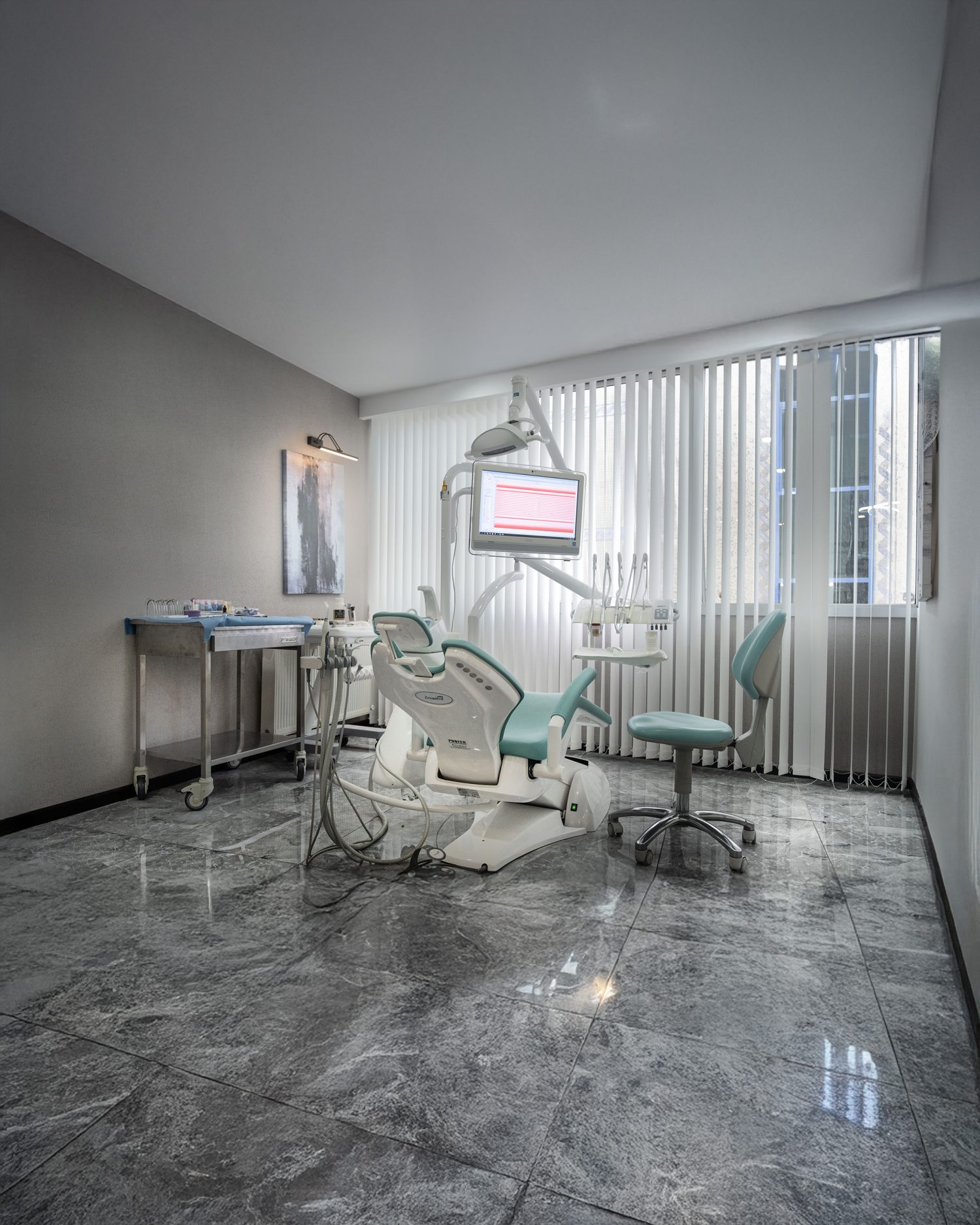
The first visit is a full assessment rather than only a scan, for the reasons set out above — what that appointment covers is the same examination any restorative plan begins with, because the constraints on moving teeth come from the same findings.

Frequently Asked Questions

Can I have aligner treatment if I live in another country?
Yes, and it is one of the more practical treatments to manage remotely. The plan is made once from a scan, and the whole series of aligners is manufactured from it. Most international cases need two or three trips rather than monthly appointments.
How is progress checked between visits?
From photographs you take at set intervals, usually with a small retractor so the same views can be compared. What is being looked for is whether each aligner seats fully against the teeth — a visible gap at a tooth edge means it is not tracking.
What are attachments and do I need them?
Small tooth-coloured composite shapes bonded to the teeth, giving the aligner something to grip so it can produce rotations and other difficult movements. Most cases need them. They are removed at the end with nothing drilled and no enamel lost.
How long must I wear each aligner?
Around twenty-two hours a day, changing to the next on the interval you are given — commonly every one to two weeks. They come out only to eat and clean your teeth. Nothing but water goes in with them. Keep the previous set rather than discarding it, in case one needs to be repeated.
What if I lose an aligner?
Go back to the previous one, which is why you keep them rather than discarding them, and contact us. A replacement can usually be arranged, or the schedule adjusted. What should not happen is skipping forward to the next in the series.
Can aligners fix every case?
No. Severe rotations, bodily root movement, large space closure and significant skeletal bite problems need fixed appliances. Cases involving several crowns or bridges also need particular care, since attachments bond less securely to ceramic than to enamel. Where a case is outside their range we say so before you travel, not afterwards.
What is interproximal reduction?
A very slight polishing of the contact between adjacent teeth — a fraction of a millimetre, entirely within enamel — to create the space needed for alignment. Done correctly it does not increase decay risk, and it avoids extractions in many crowded cases.
Does it hurt?
Pressure and tenderness for the first two or three days of each new aligner, which is the ligament responding to force. Changing in the evening means the worst passes overnight. Sharp pain or persistent gum pain is not normal and should be reported.
Will I speak differently?
A slight lisp in the first days is common and disappears as the tongue adapts. Speaking aloud deliberately speeds that up considerably. By the second week most patients are unaware of the aligners while talking. Reading aloud for ten minutes a day in the first week speeds the adaptation noticeably.
Do I need to treat my gums first?
If there is active periodontal disease, yes, without exception — orthodontic force on diseased tissue accelerates bone loss. It is often undiagnosed in adults because early gum disease is silent, which is why full charting happens at the first visit. Treating it delays orthodontics by months rather than ruling it out entirely.
Should alignment come before veneers or after?
Before, almost always. Aligning first usually reduces how much restorative work is needed at all, since teeth in the right position often need only whitening and minor bonding. Restoring first wastes the work, because contacts change as the teeth move.
Will I need retainers afterwards?
Yes, permanently. Teeth drift for life and the fibres around them retain memory of the old position for years. Usually a thin wire bonded behind the front teeth plus a clear shell worn at night. It should be included in the plan from the start.
How long does treatment take overall?
Simple crowding or relapse commonly resolves in months; comprehensive cases often run eighteen months to two years. Age matters — bone remodels more slowly in adults — and so does wear time, which is the factor producing the widest variation. The plan states an estimate at the outset, and refinement stages are built into it.

Ready to start your treatment?

Get a free online assessment and a transparent treatment plan from our Istanbul clinic.

Contact
✦ Our Patients
✦ Our Clinic
✦ Our doctors

Our Expert Staff

A safe, comfortable and transparent treatment process at every stage with our experienced physicians.

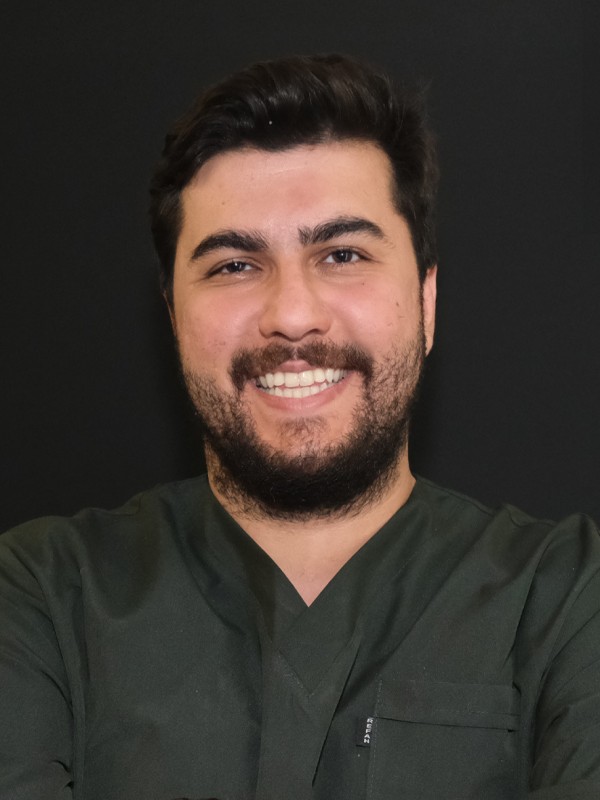
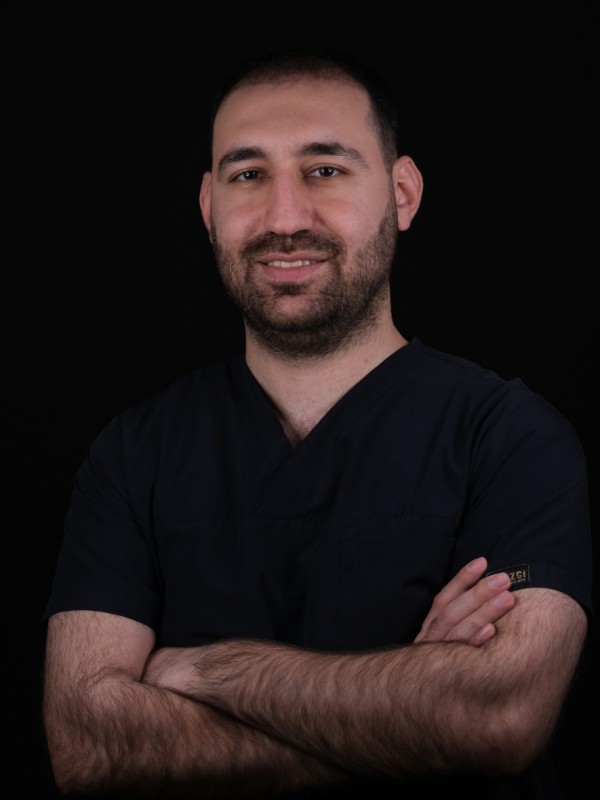
Dt. Muhammed Yancar

Dt. Muhammed Yancar

Responsible Manager · Dentist

He graduated from Okan University Faculty of Dentistry (2022). He works as the responsible manager and dentist at Bağcılar Dental Polyclinic. He is a member of the Turkish Prosthodontics and Implantology Association (TPİD) and the Turkish Dental Association (TDB).

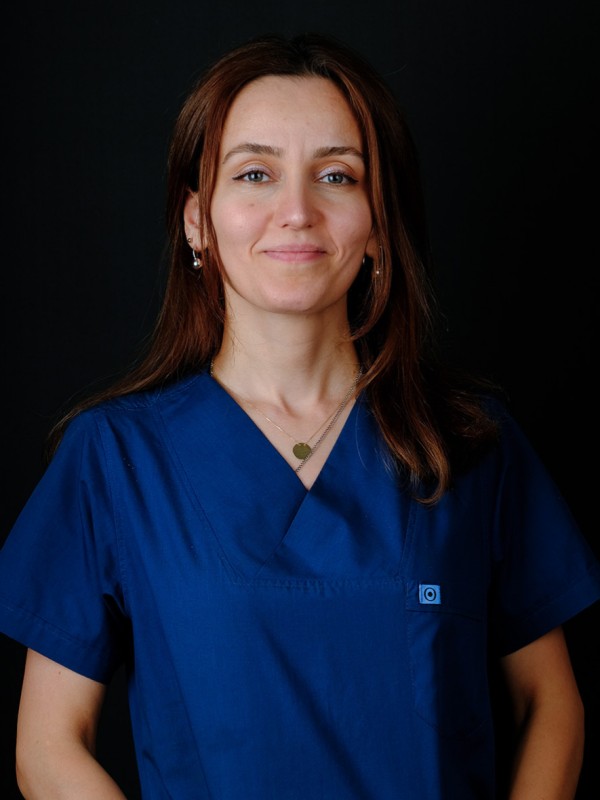
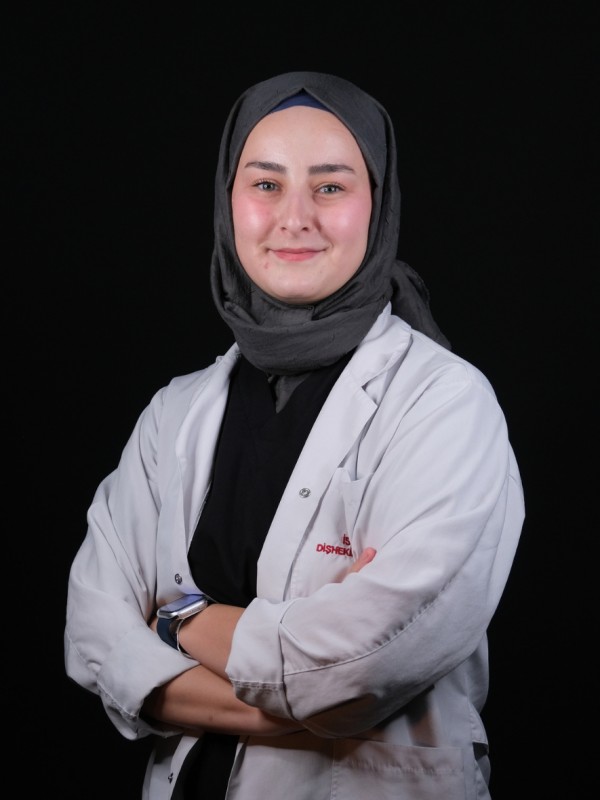
Dr. Dt. Remziye Kuşağlı

Dr. Dt. Remziye Kuşağlı

Responsible Dentist

He graduated from Dicle University Faculty of Dentistry (2005); He has 21 years of experience. It specializes in implant-supported dentures, All-on-4/All-on-6, zirconium, laminate and E-max coating treatments. He is a member of TDB.

Uzm. Dr. Dt. Nazlı Altın

Uzm. Dr. Dt. Nazlı Altın

Oral and Maxillofacial Surgery Specialist

He graduated from Istanbul University Faculty of Dentistry; He completed his doctorate in oral, dental and maxillofacial surgery. He specializes in complex cases with implant surgery, jaw surgery and bone grafting.

Uzm. Dt. Uğur Derdiyok

Uzm. Dt. Uğur Derdiyok

Oral and Maxillofacial Surgery Specialist

He graduated from Ankara University Faculty of Dentistry; He completed his specialization in oral, dental and maxillofacial surgery at Kırıkkale University. He is an expert in surgical practices with 11 years of experience.

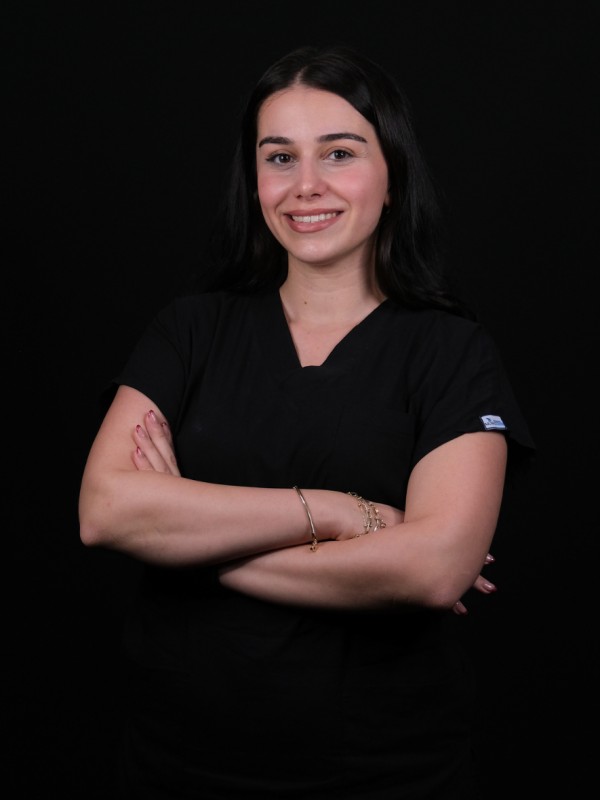
Uzm. Dt. Ceren Çetinkaya

Uzm. Dt. Ceren Çetinkaya

Orthodontic Specialist

He graduated from Ege University Faculty of Dentistry; He completed his orthodontics specialization at Istanbul University. He is experienced in fixed and transparent plate treatments and focuses on functional and aesthetic results.

Dr. Dt. Hakan Şahin

Dr. Dt. Hakan Şahin

Pedodontics Specialist (Pediatric Dentist)

He graduated from Atatürk University Faculty of Dentistry; He completed his pedodontics specialization. It has been providing preventive and therapeutic services in children's dental health for many years.

Uzm. Dt. Natiga Israfilova

Uzm. Dt. Natiga Israfilova

Prosthetic Dentistry Specialist

He is a graduate of Azerbaijan Medical University; He completed his prosthetic dentistry specialization at Eskişehir Osmangazi University. With 20 years of experience, he is an expert in implant prostheses, All-on-4/6, zirconium, laminate and E-max applications.

Dt. Nur Küçük

Dt. Nur Küçük

Prosthodontics & Digital Dentistry

He graduated from Istanbul Medipol University, Department of Dentistry; He continues his doctoral education in prosthetic dentistry. He works on aesthetic and functional restorations and smile design with CAD/CAM systems.

Dt. Mehmet Emin Ceylan

Dt. Mehmet Emin Ceylan

Implant & Prosthesis

He graduated from Istanbul Aydin University Faculty of Dentistry; He has 7 years of experience. He specializes in implant-supported dentures, All-on-4/All-on-6 restorations, full mouth dentures and zirconium applications.

Dt. Zeynep Demirhan

Dt. Zeynep Demirhan

Prosthodontics & Aesthetic Dentistry

He graduated from Bezmiâlem Vakıf University, Faculty of Dentistry. He is experienced in prosthetic treatments, smile design, implant-supported prostheses and treatments under sedation; focuses on patient satisfaction.

Dt. Seda Şahle Alemdar

Dt. Seda Şahle Alemdar

Implant & Aesthetics · Digital

He graduated from Abant İzzet Baysal University Faculty of Dentistry (2020). He is experienced in implant-supported dentures, smile design, digital measurement systems and aesthetic restorations.

Dt. Muhammed Ali Almaz

Dt. Muhammed Ali Almaz

Implant & Aesthetic Dentistry

He graduated from Gazi University Faculty of Dentistry (2021); He has 5 years of experience. He works with health tourism patients in the fields of implant prostheses, All-on-4, zirconium, aesthetic fillings and teeth whitening.

Dt. Berkay Pehlivanoğlu

Dt. Berkay Pehlivanoğlu

Restorative & Prosthetic

He graduated from Marmara University Faculty of Dentistry (2021); He has 6 years of experience. He works in the fields of endodontics (root canal treatment), restorative treatments, zirconium/E-max/laminate prosthesis and implant-supported prosthesis.

Dt. Esranur Çelik

Dt. Esranur Çelik

Restorative & Periodontology

He graduated from Süleyman Demirel University Faculty of Dentistry (2017); He has 9 years of experience. He works in periodontology (gum), restorative and endodontic treatments and aesthetic smile design.

Dt. Havva Öztürk

Dt. Havva Öztürk

General & Restorative Dentistry

He graduated from Bolu Abant İzzet Baysal University Faculty of Dentistry (2023). Works in restorative, endodontic, periodontal, prosthetic and pedodontic treatments; Follows current treatments closely.

Dt. Sümeyya Aydınlık

Dt. Sümeyya Aydınlık

Dentist

He graduated from Istanbul Yeni Yüzyıl University, Department of Dentistry (2020); Has approximately 5 years of experience. In addition to general dentistry, he works in implant prosthesis, restorative and endodontic treatments.

Dt. Hasip Altun

Dt. Hasip Altun

General Dentistry

He graduated from Yüzüncü Yıl University Faculty of Dentistry (2018). He has clinical experience in general dentistry and restorative treatments; It stands out with its patient-oriented approach.

Dt. Birsen Er

Dt. Birsen Er

Implant & Aesthetic Dentistry

He graduated from Istanbul University Faculty of Dentistry (2002); He has 24 years of experience. He works in the fields of implant-supported prostheses, All-on-4, zirconium restorations, aesthetic fillings, root canal treatment (endodontics) and teeth whitening.

✦ Our Videos
✦ Trusted Worldwide

What Our Patients Say

Google★★★★★
Trustpilot★★★★★
4.6/5 1.682+ Happy Patients 30+ Countries
A
Ayşe Kaya ★★★★★

I did not feel any pain during my implant treatment. The team is extremely attentive, I was informed at every stage. I love my new smile!

M
Mehmet Yıldız ★★★★★

My zirconium crowns looked very natural. It is excellent in terms of price-performance, I recommend it with peace of mind.

H
Hans Müller ★★★★★

I came from Germany for All-on-4 treatment. The clinic was very modern and hygiene was perfect. Translator support made my job much easier.

E
Elena Petrova ★★★★★

I came for my smile design; Everything was considered, including reception, hotel and transportation. My teeth were literally reborn.

F
Fatma Demir ★★★★★

My gum treatment was very successful. My doctor explained everything patiently, and my fear of the dentist was completely gone.

J
James Wilson ★★★★★

I came from London for laminate veneer. Professional team, painless procedure and great result. It was worth every penny.

Z
Zeynep Arslan ★★★★★

My orthodontic treatment proceeded as planned. The transparent record was very comfortable, no one even noticed. Thanks!

A
Andrei Popescu ★★★★★

I came from Romania for implants. From CT scan to treatment, everything started on the same day. I am very pleased with the result.

H
Hatice Şahin ★★★★☆

After teeth whitening, my teeth became visibly whiter. I got results in one session, it was very practical.

S
Sophie Dubois ★★★★★

I chose it for Hollywood Smile from France. The attention of the doctors and the naturalness of the result were far beyond my expectations.

A
Ali Çelik ★★★★★

My root canal treatment was painless and I returned to work the same day. Modern devices make a difference, well done.

M
Maria Rossi ★★★★★

I came from Italy for zirconium. It is much more advantageous than Europe in terms of both price and quality. I definitely recommend it.

E
Emine Yılmaz ★★★★★

We came for my mother's prosthetic teeth, they were very interested. The patience shown to elderly patients is admirable.

V
Viktor Ivanov ★★★★★

After the smile design, my self-confidence skyrocketed. The clinic is clean and the team is friendly. I recommend it to everyone from Sofia.

A
Ayşe Kaya ★★★★★

I did not feel any pain during my implant treatment. The team is extremely attentive, I was informed at every stage. I love my new smile!

M
Mehmet Yıldız ★★★★★

My zirconium crowns looked very natural. It is excellent in terms of price-performance, I recommend it with peace of mind.

H
Hans Müller ★★★★★

I came from Germany for All-on-4 treatment. The clinic was very modern and hygiene was perfect. Translator support made my job much easier.

E
Elena Petrova ★★★★★

I came for my smile design; Everything was considered, including reception, hotel and transportation. My teeth were literally reborn.

F
Fatma Demir ★★★★★

My gum treatment was very successful. My doctor explained everything patiently, and my fear of the dentist was completely gone.

J
James Wilson ★★★★★

I came from London for laminate veneer. Professional team, painless procedure and great result. It was worth every penny.

Z
Zeynep Arslan ★★★★★

My orthodontic treatment proceeded as planned. The transparent record was very comfortable, no one even noticed. Thanks!

A
Andrei Popescu ★★★★★

I came from Romania for implants. From CT scan to treatment, everything started on the same day. I am very pleased with the result.

H
Hatice Şahin ★★★★☆

After teeth whitening, my teeth became visibly whiter. I got results in one session, it was very practical.

S
Sophie Dubois ★★★★★

I chose it for Hollywood Smile from France. The attention of the doctors and the naturalness of the result were far beyond my expectations.

A
Ali Çelik ★★★★★

My root canal treatment was painless and I returned to work the same day. Modern devices make a difference, well done.

M
Maria Rossi ★★★★★

I came from Italy for zirconium. It is much more advantageous than Europe in terms of both price and quality. I definitely recommend it.

E
Emine Yılmaz ★★★★★

We came for my mother's prosthetic teeth, they were very interested. The patience shown to elderly patients is admirable.

V
Viktor Ivanov ★★★★★

After the smile design, my self-confidence skyrocketed. The clinic is clean and the team is friendly. I recommend it to everyone from Sofia.

B
Burak Aydın ★★★★★

I had a combination of implant and zirconium. The result is incredibly natural. The appointment and follow-up process was very orderly.

A
Anna Schmidt ★★★★☆

My laminate veneer treatment went well. It took a little waiting, but the result was perfect. Thanks for the translator support.

S
Selin Koç ★★★★★

I had gum aesthetics and whitening. I have no hesitation when laughing anymore. I am grateful to the entire team.

R
Robert Brown ★★★★★

My All-on-6 treatment changed my life. I came from England; The attention shown and the result achieved were perfect.

G
Gülşah Eren ★★★★★

We came for my child's dental treatment, they treated the child patients very kindly. He was treated without fear, we are very happy.

D
Dimitar Georgiev ★★★★★

Implant prices are very affordable compared to Bulgaria, and the quality is high. The entire process was completed in 4 days.

O
Okan Demirtaş ★★★★★

I can't recognize myself in photos after my smile design. My doctor's sense of aesthetics is really good.

C
Claudia Fischer ★★★★★

I came for my implant treatment, it was painless and fast. The clinic is above German standards, I am very pleased.

M
Merve Polat ★★★★★

I had a combination of orthodontics and whitening. The result is great, the team is very professional and caring.

L
Lucas Martin ★★★★★

I came from Paris for laminate veneer. I was very pleased with the natural result and warm attention. Thanks!

İ
İbrahim Kara ★★★★☆

My dental bridge treatment was durable and comfortable. Pricing was transparent, there were no surprise fees.

N
Natalia Sokolova ★★★★★

I came from Russia for smile design. The service quality and attention were excellent, my teeth turned out as I dreamed.

D
Deniz Aksoy ★★★★★

I had teeth whitening in one session, the difference was immediately obvious. It was a fast, clean and professional experience.

T
Thomas Becker ★★★★★

I came for All-on-4 and walked out smiling the same day with temporary teeth. The interest and technology are top notch, thank you very much.

B
Burak Aydın ★★★★★

I had a combination of implant and zirconium. The result is incredibly natural. The appointment and follow-up process was very orderly.

A
Anna Schmidt ★★★★☆

My laminate veneer treatment went well. It took a little waiting, but the result was perfect. Thanks for the translator support.

S
Selin Koç ★★★★★

I had gum aesthetics and whitening. I have no hesitation when laughing anymore. I am grateful to the entire team.

R
Robert Brown ★★★★★

My All-on-6 treatment changed my life. I came from England; The attention shown and the result achieved were perfect.

G
Gülşah Eren ★★★★★

We came for my child's dental treatment, they treated the child patients very kindly. He was treated without fear, we are very happy.

D
Dimitar Georgiev ★★★★★

Implant prices are very affordable compared to Bulgaria, and the quality is high. The entire process was completed in 4 days.

O
Okan Demirtaş ★★★★★

I can't recognize myself in photos after my smile design. My doctor's sense of aesthetics is really good.

C
Claudia Fischer ★★★★★

I came for my implant treatment, it was painless and fast. The clinic is above German standards, I am very pleased.

M
Merve Polat ★★★★★

I had a combination of orthodontics and whitening. The result is great, the team is very professional and caring.

L
Lucas Martin ★★★★★

I came from Paris for laminate veneer. I was very pleased with the natural result and warm attention. Thanks!

İ
İbrahim Kara ★★★★☆

My dental bridge treatment was durable and comfortable. Pricing was transparent, there were no surprise fees.

N
Natalia Sokolova ★★★★★

I came from Russia for smile design. The service quality and attention were excellent, my teeth turned out as I dreamed.

D
Deniz Aksoy ★★★★★

I had teeth whitening in one session, the difference was immediately obvious. It was a fast, clean and professional experience.

T
Thomas Becker ★★★★★

I came for All-on-4 and walked out smiling the same day with temporary teeth. The interest and technology are top notch, thank you very much.

✦ Our Brands
Straumann
Nobel Biocare
Astra Tech
Medentika
Bredent SKY
Straumann
Nobel Biocare
Astra Tech
Medentika
Bredent SKY
✦ Contact
Get in touch

İstanbul Bağcılarour central clinic

Merkez Mahallesi 675. Sokak No: 1-7/A-B, 34203 Bağcılar/İstanbul, Turkey

Open in Google Maps