










Where Bağcılar Actually Is
Istanbul spans two continents, and the first thing to establish is which side of it you need. Bağcılar is on the European side, which is where most international flights arrive and where the historic centre sits.
Within the European side it is inland rather than on the water — west of the historic peninsula, in the belt of dense residential and commercial districts that make up most of the city's population.
It is one of Istanbul's larger districts by population, with the infrastructure that implies: metro and tram connections, main roads, hospitals, and the full range of ordinary services rather than a tourist economy.
The practical consequence for a patient is that it is well connected but not central. Reaching it from the airport is straightforward; reaching it from a hotel in Sultanahmet is a journey rather than a walk.
Which is why transfers matter here more than they would in a city centre location — how they are arranged is set out separately, and they cover every journey rather than only the arrival.
The district is large enough that the exact location within it matters for journey times. When you book, tell us where you are staying and the appointment times are set around the actual journey rather than an assumption — the first-visit guide covers the arrival day in detail.
Getting Here From the Airports
Istanbul has two international airports on opposite sides of the city, and the difference between them is substantial from Bağcılar.
| From | Side of the city | Practical note |
|---|---|---|
| Istanbul Airport (IST) | European, north-west | Closer to Bağcılar — the better choice |
| Sabiha Gökçen (SAW) | Asian, south-east | Crosses the whole city including the Bosphorus |
| By arranged transfer | Either | Driver meets you inside arrivals, tracked to your flight |
| By metro | From IST, with connections | Unaffected by traffic; slower with luggage |
| By taxi | Either | Workable; traffic makes the time unpredictable |
| Traffic effect | Both | A journey can double in the evening peak |
If both airports are available at similar fares, take Istanbul Airport. The difference applies to every transfer of the trip rather than only the first, and over several appointment days it accumulates.
If Sabiha Gökçen is significantly cheaper it remains entirely workable — simply build the extra time into the arrival day rather than scheduling an appointment tightly after landing.
Getting Here From Within Istanbul
Relevant if you are staying centrally, visiting from elsewhere in the city, or living in Istanbul rather than travelling for treatment.
The metro and tram network serves the district and is the reliable option. Istanbul's rail network is extensive, runs to a timetable, and is entirely unaffected by the traffic that makes road journeys unpredictable.
By road the journey time varies considerably by hour. A trip that takes forty minutes mid-morning can take twice that during the evening peak, and planning around that is worth doing rather than discovering.
From the historic centre, the rail journey is straightforward and predictable — longer than a walk and shorter than most people assume from looking at a map of the city.
Where we arrange your accommodation, none of this arises: transfers cover the journey to and from the clinic on every appointment day rather than only the airport runs.
Allow more time than a map suggests on a first journey. Istanbul's scale is not obvious from a map, and a margin you can reduce once you know the route is better than arriving late to an appointment you have flown a long way for.
What the District Is Like
Worth describing honestly, because a patient expecting a tourist neighbourhood and finding a working district has been badly prepared rather than badly served.
It is residential and commercial. Apartment blocks, shops, cafés, markets, schools and businesses — the ordinary fabric of a large city rather than a historic quarter with a view.
That has practical advantages. Pharmacies, supermarkets and restaurants are everywhere and priced for residents rather than visitors, which matters for a trip involving several days of soft food and quiet evenings.
It is also genuinely ordinary, in the sense that you are in a place where people live and work rather than one arranged for visitors. Most patients find that more comfortable than they expected.
What it is not is a sightseeing destination. The things worth seeing in Istanbul are elsewhere, and reaching them is a journey — what is worth seeing with limited time is set out with travel times from here rather than from a central hotel.
Why a Clinic Is Here Rather Than in the Centre
A reasonable question and the answer is straightforward, which is worth saying plainly rather than leaving as an implication.
Commercial rent in central Istanbul is a multiple of rent in a residential district, and a dental clinic occupies a considerable amount of floor space once you include treatment rooms, imaging, decontamination and a laboratory.
That cost is priced into every treatment at a central clinic. Being outside the centre is one of the things that makes the cost structure work, and it is a legitimate part of why treatment here costs what it does.
It also means the clinic serves local patients continuously rather than only international ones. A practice with an ongoing local patient base is subject to a different kind of scrutiny from one whose patients all leave after a week.
That last point is worth more than it first appears. A clinic that has to face the same patients at their next check-up is accountable in a way that a purely tourism-facing operation is not — which is one of the things worth checking anywhere.
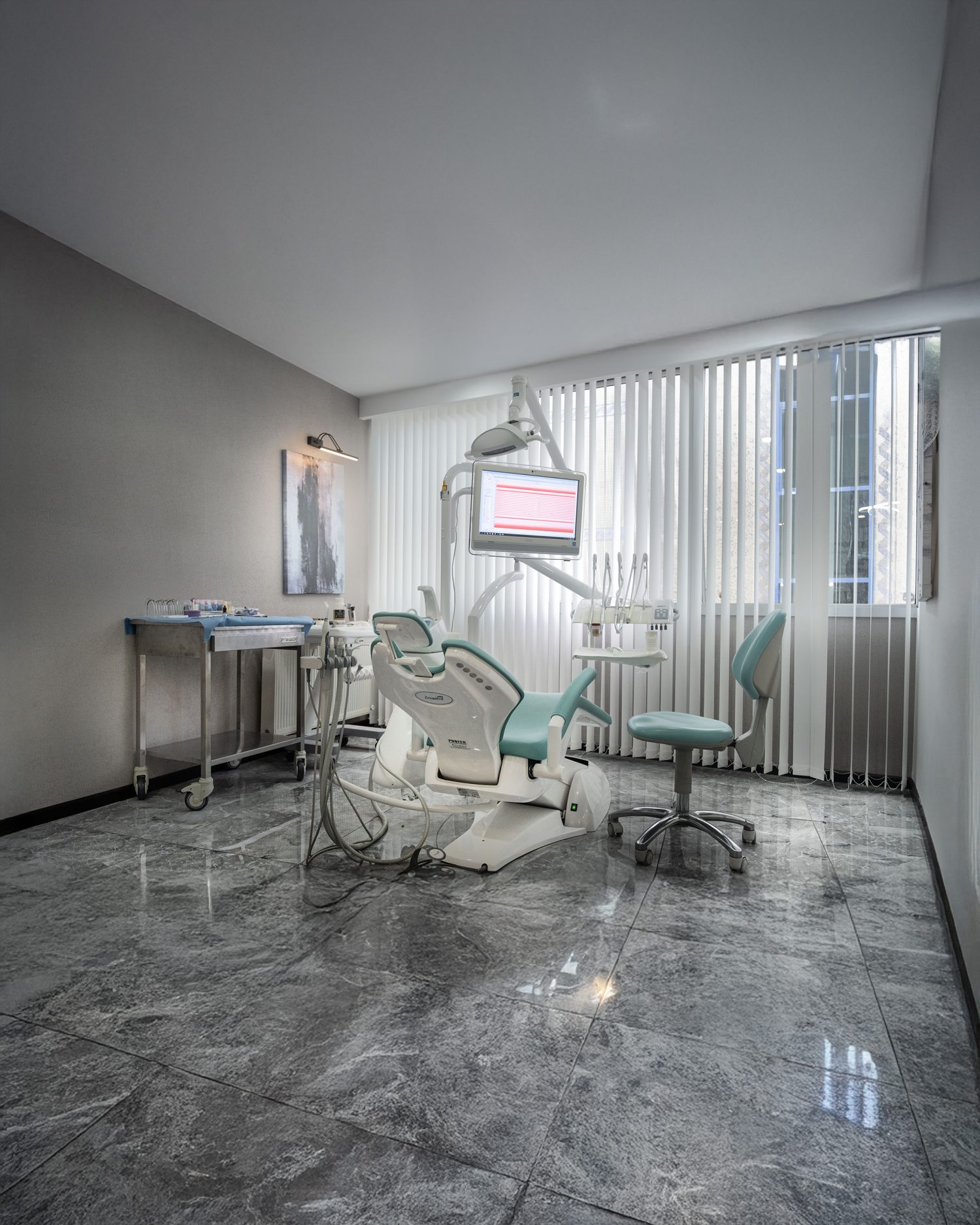
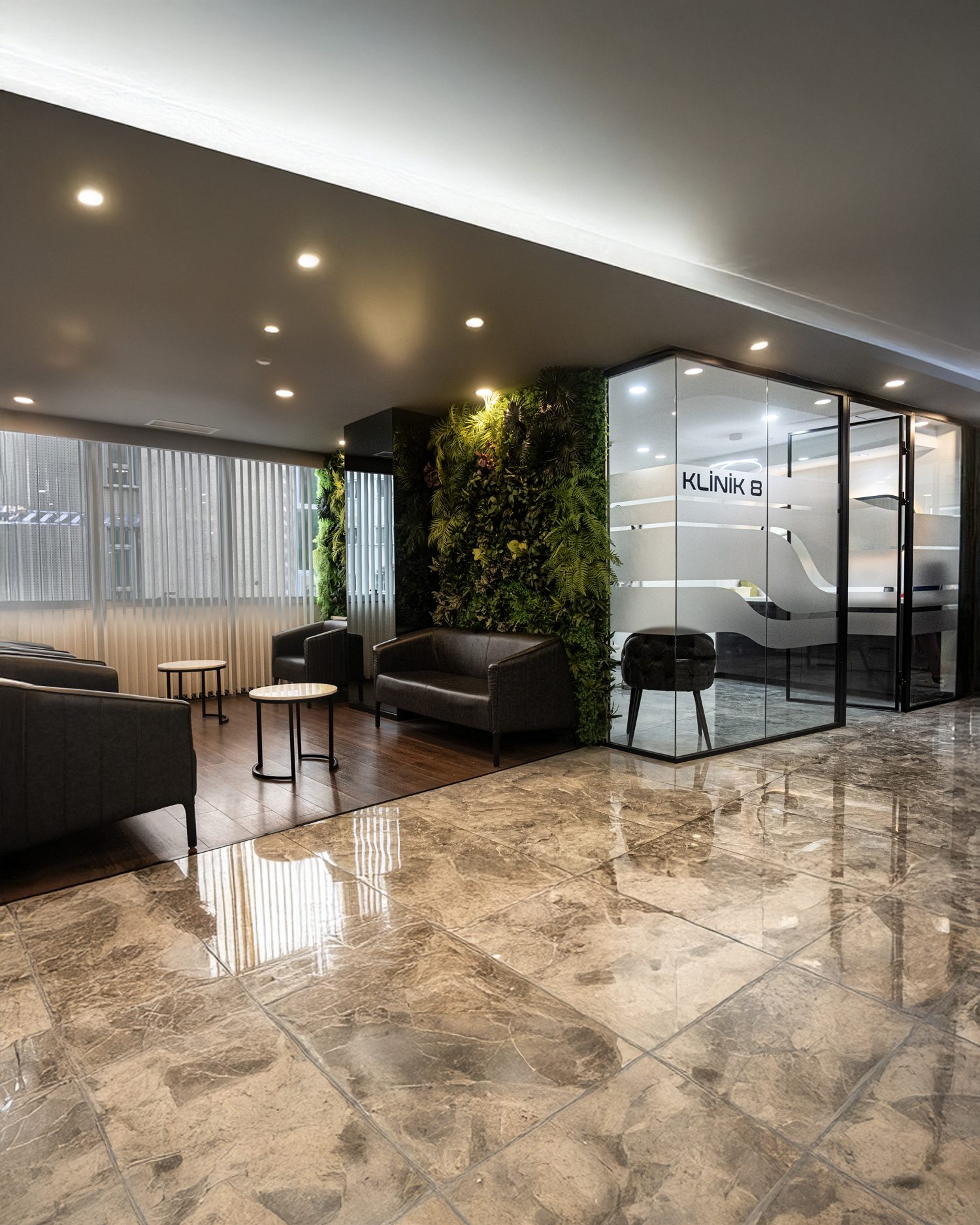
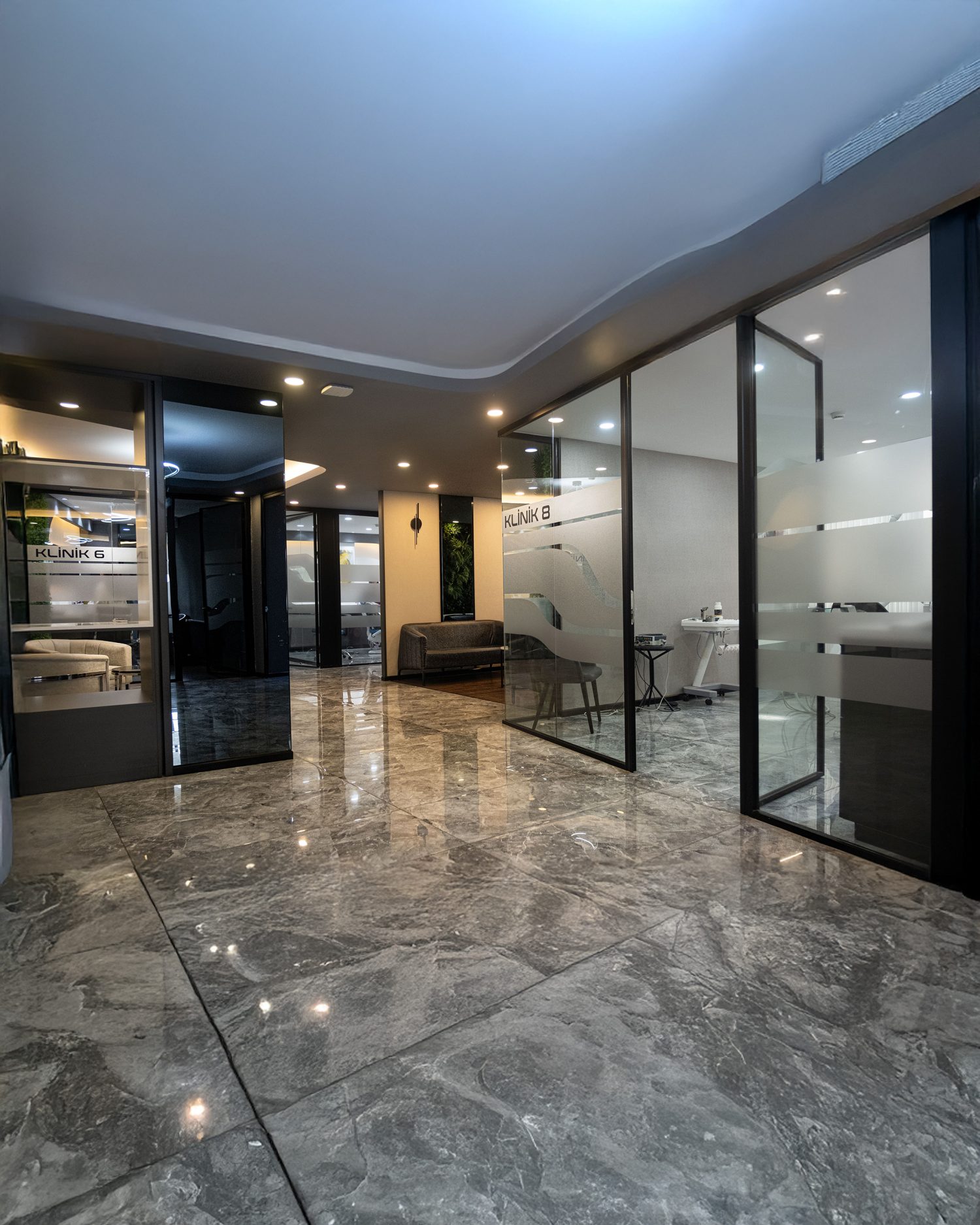
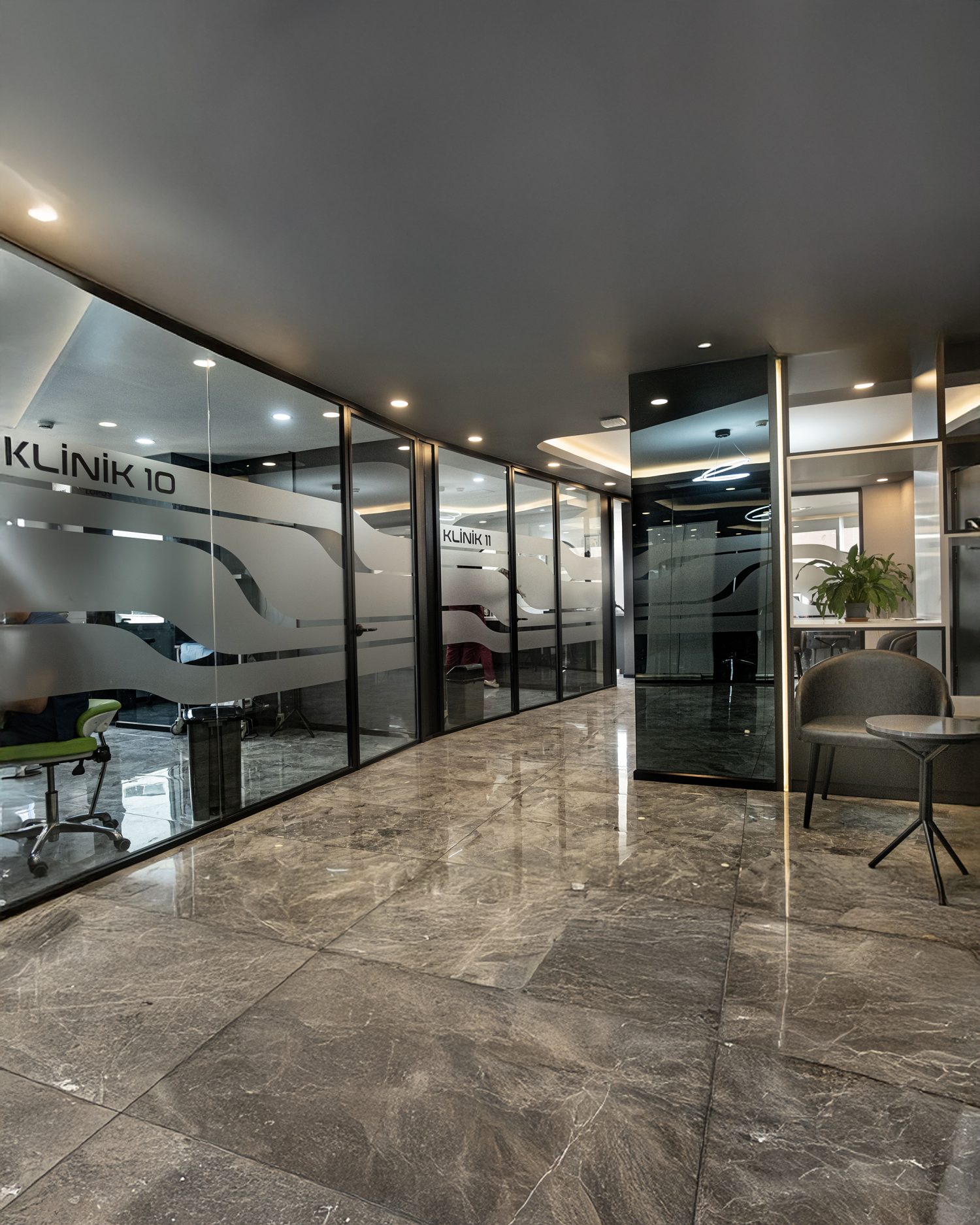
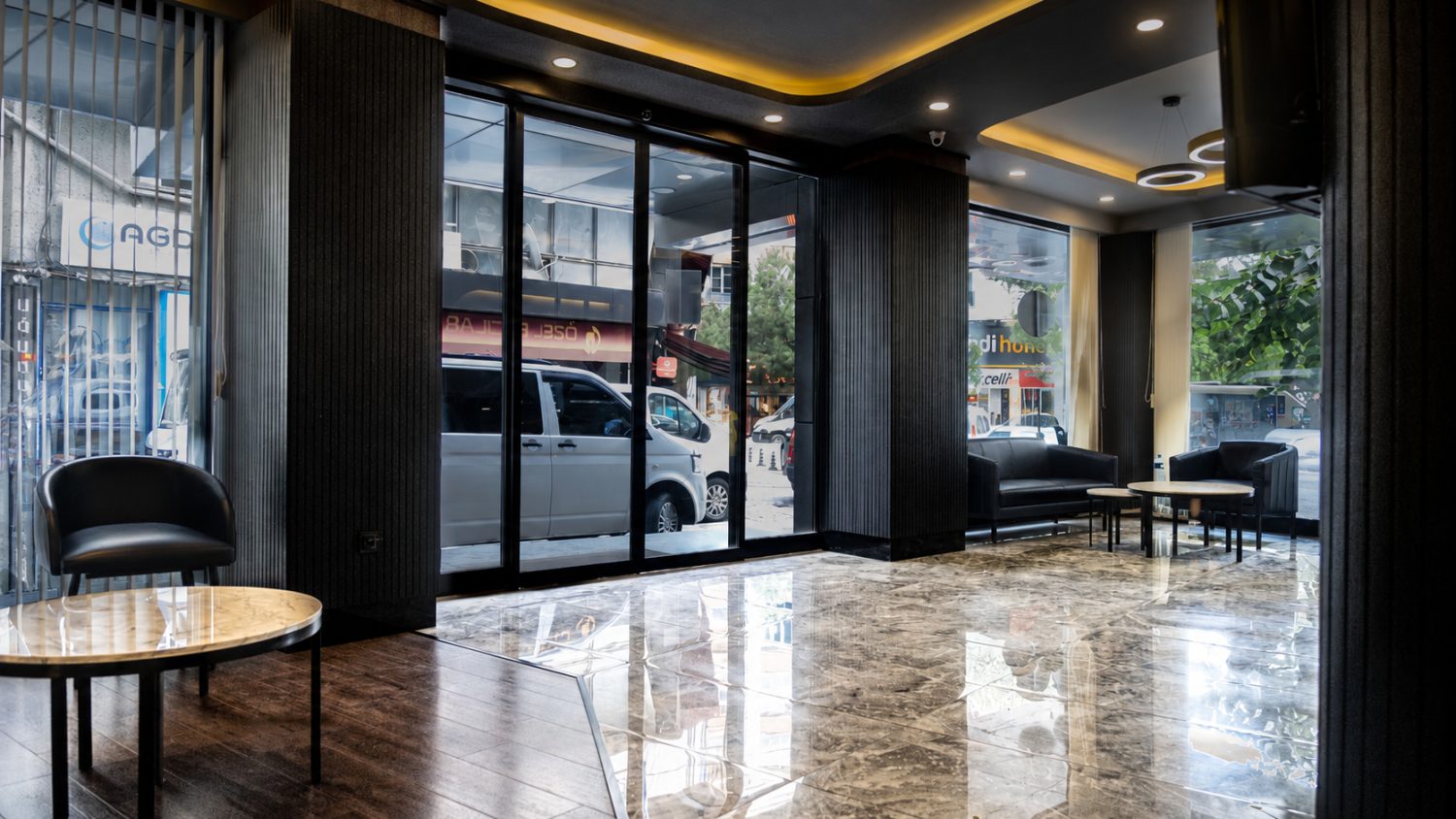
It also shapes what the clinic is equipped for. Imaging, a surgical setting and an in-house laboratory all take floor space, and having them under one roof is considerably easier outside a central rent.
What Being Here Means for Your Trip
Practical consequences rather than abstract ones, and they cut in both directions.
In your favour: shorter journeys from Istanbul Airport, an area where ordinary things are easy and inexpensive, and accommodation nearby that removes travel from your appointment days.
Against: the sightseeing is elsewhere, so free days involve a journey. That is entirely manageable by rail and it is worth knowing rather than assuming you can walk to the Blue Mosque.
Where most patients land is staying close to the clinic for the treatment days and travelling into the centre on the free ones. That removes the journey when you are uncomfortable and keeps it when you are not.
It is also entirely reasonable to stay centrally and travel to appointments if you would rather be in the historic quarter. Appointments are scheduled around wherever you are staying rather than the other way round.
The other practical effect is on cost of living during the trip. Meals, taxis and everyday things are priced for residents rather than visitors, which over a week of appointments adds up in your favour.
The Day After Surgery, Specifically
The one day where location genuinely matters, and the reason most patients stay nearby for the treatment portion of a trip.
Swelling peaks around day two or three rather than immediately, and the day after surgery is for rest, cold compresses and soft food. It is not a day for a long journey across a large city.
Being nearby also means that if something needs checking, it is a short trip rather than an expedition. That is rarely necessary and it removes a background worry when it might be.
Having food already in the room matters more than location on that day, and it is easy to arrange in a district full of ordinary shops — the aftercare instructions set out what to have to hand.
Where you are travelling alone, that proximity is worth more still. It is the single practical arrangement that makes a solo recovery day straightforward rather than something to think about.
It applies to any surgical stage rather than only implants. Extractions follow the same pattern, and a full-arch case concentrates several of them into one appointment with a correspondingly more demanding day afterwards.
Finding Us on the Day
Simple, and worth having sorted before you are standing outside with a phone and no data.
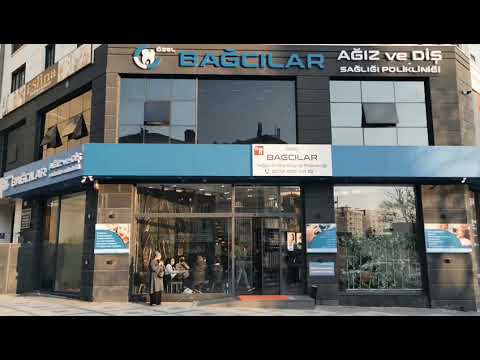
Save the address in your phone's map application before you travel, and save the clinic's direct number alongside it. Both take a minute at home and neither is easy to arrange at the moment you need them.
Where transfers are arranged, none of this arises — a driver takes you to the door on each appointment day. It is worth having anyway as a fallback.
A local SIM or an eSIM makes everything easier and is inexpensive. Maps, messages and the ability to send a photograph if something concerns you all depend on data rather than hotel wifi.
And tell us your arrival time. The schedule is built around when you actually get here rather than when a flight was supposed to land — what the first day involves sets out the rest.
Screenshot the address in Turkish as well as in English. Where you do end up taking a taxi, showing a driver the address written in Turkish removes any ambiguity far faster than pronouncing it does.
The Local Patient Base
Worth mentioning because it is unusual among clinics marketed to international patients and it changes what kind of practice this is.
A district clinic treats the people who live around it — check-ups, hygiene appointments, children, emergencies, the ordinary work that makes up most of dentistry.
That has an effect on how a practice operates. Routine dentistry done continuously keeps a clinic honest about prevention, about conservative treatment and about the things that only show up over years.
It also means the same standards apply to a patient who will be back in six months and one who is flying home on Friday. That is the version of accountability that matters.
For an international patient the practical benefit is that the clinic is not organised solely around a one-week sales cycle. For a resident, it means ongoing care is what the practice actually does rather than a sideline.
It shows in the range of treatment too. A district practice does fillings, root treatments, children's dentistry and emergencies alongside the restorative work, which is a broader clinical base than a purely cosmetic operation maintains.
Practical Things Nearby
The ordinary requirements of a treatment trip, and they are all straightforward in a district like this.
- Pharmacies are widespread and pharmacists are helpful for minor issues.
- Supermarkets for the soft food you will want after surgery.
- Restaurants at every level, priced for residents rather than visitors.
- Cash machines and currency exchange are easy to find.
- Metro and tram connections to the rest of the city.
- Ordinary shops for anything you forgot to pack.
The pharmacy point is worth expanding. Turkish pharmacies dispense a great deal without a prescription and pharmacists are genuinely knowledgeable, which makes minor issues easy to resolve.
Tell us before taking anything after surgery, though. Some painkillers affect clotting, and what is harmless generally is not always harmless in the days after an extraction.
Bottled water is worth mentioning specifically. Tap water is not generally drunk here, bottled is inexpensive and available everywhere, and staying hydrated matters more than usual in the days after surgery.
If You Are Staying Elsewhere
Common, entirely workable, and worth planning around rather than improvising.
Tell us where you are staying when you book. Appointment times are set around the journey rather than around the clinic's convenience, which means avoiding the times when the roads are worst.
Use the rail network rather than the roads where you can. It is predictable, it is unaffected by traffic, and for a journey across Istanbul it is frequently faster as well as more reliable.
Allow more time than a map suggests. Istanbul's scale is not obvious from a map and the traffic is genuinely heavy, so a first journey deserves a margin you can reduce once you know it.
And reconsider for the surgical days specifically. Even patients staying centrally frequently move closer for the two or three days around surgery, and it is worth thinking about in advance.
The airport you fly into affects this too. Arriving at Sabiha Gökçen and staying centrally means two long journeys on the arrival day, which is worth avoiding by choosing the European airport where the fares allow.
What We Arrange
Directly rather than through an agency, which means the people who booked your car and the people treating you are in the same building.
Airport transfers in both directions, arranged against your flight numbers so a delay is tracked rather than missed. A driver meets you inside arrivals with your name.
Transfers between your accommodation and the clinic on every appointment day. Those are the ones people forget to ask about and there are more of them than airport runs.
Accommodation where you want it arranged, chosen for proximity rather than for a view — and entirely optional if you would rather book your own.
What is included is set out in writing before you travel rather than assumed, and everything we place carries a lifetime guarantee on materials and workmanship — with the exclusions stated plainly.
Where sedation is planned or you are travelling alone, tell us at the booking stage. Both change what is arranged around the appointment, and both are far easier to plan in advance than to improvise on the morning.