











Why Treatment Time and Trip Length Differ
Almost every dental treatment has two components. There is the time a dentist spends working on you, and there is the time your body spends healing or a laboratory spends making something. Only the first requires you to be present.
An implant illustrates this most clearly. Placement takes under an hour. Integration with the bone takes three to six months, during which nothing happens that requires a dentist. Then the crown takes two or three appointments over about a week.
So the treatment spans six months but requires roughly ten days in the country, split across two visits. Any clinic quoting a single figure without separating these is either simplifying or misleading, and the difference matters when you are buying flights.
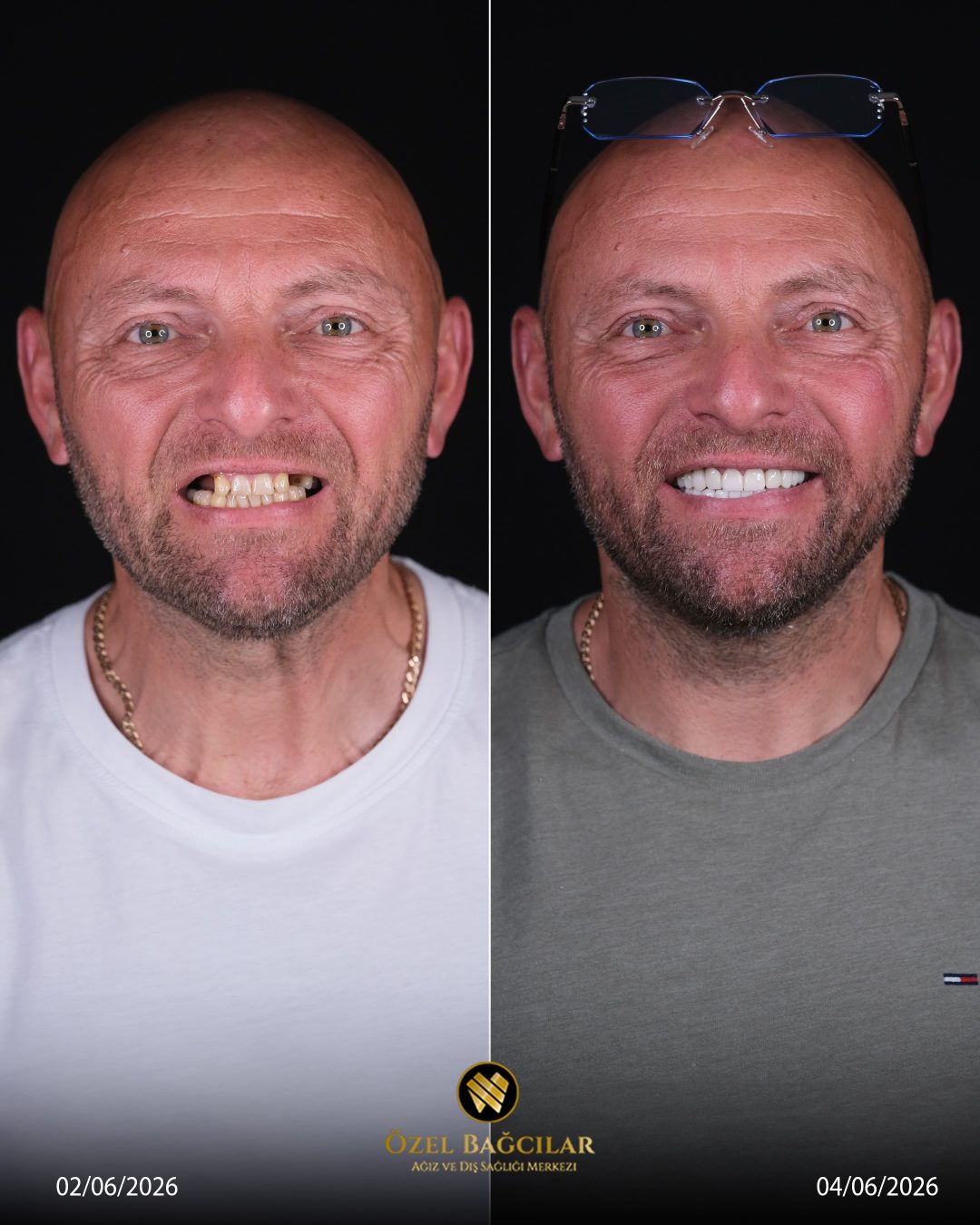
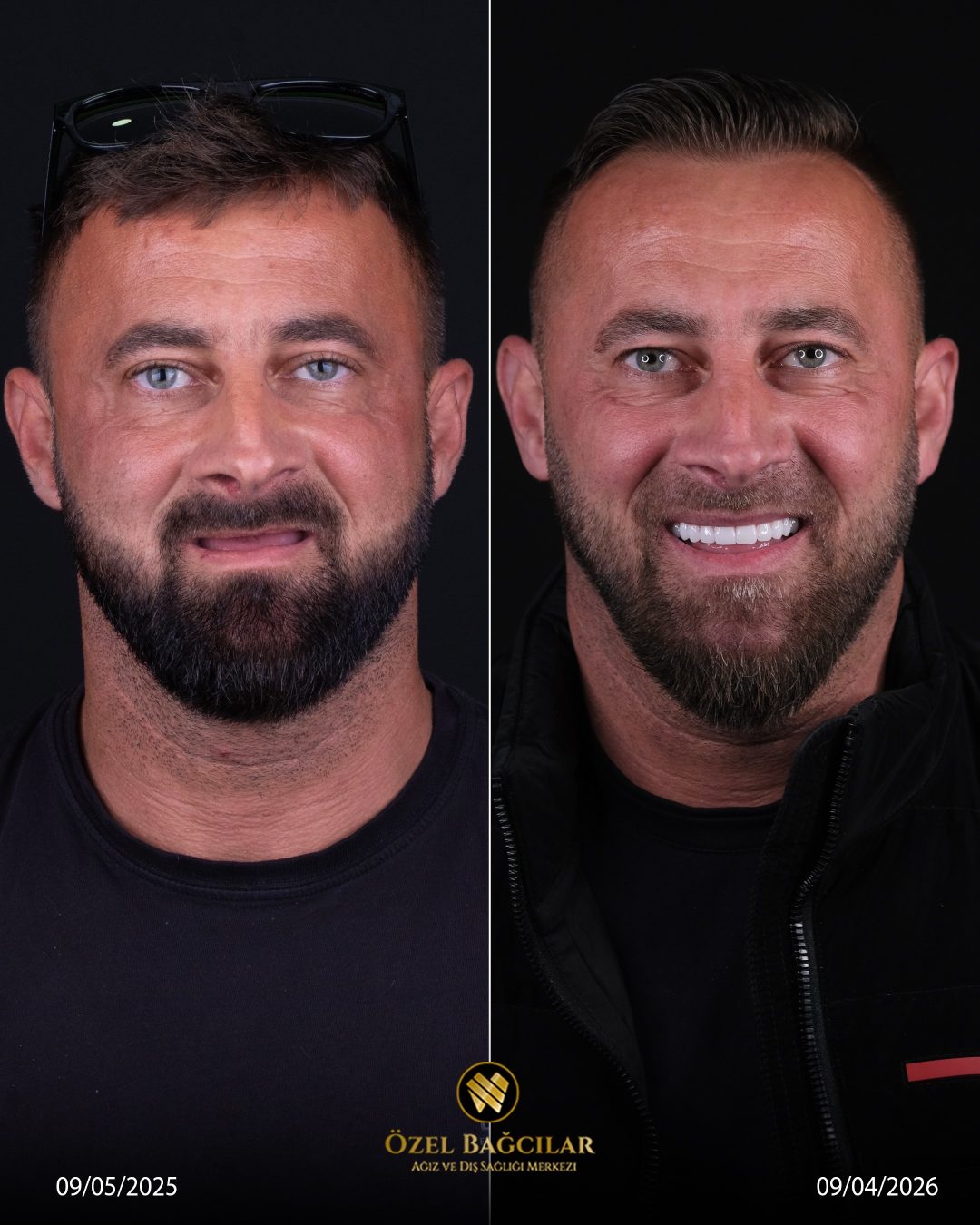
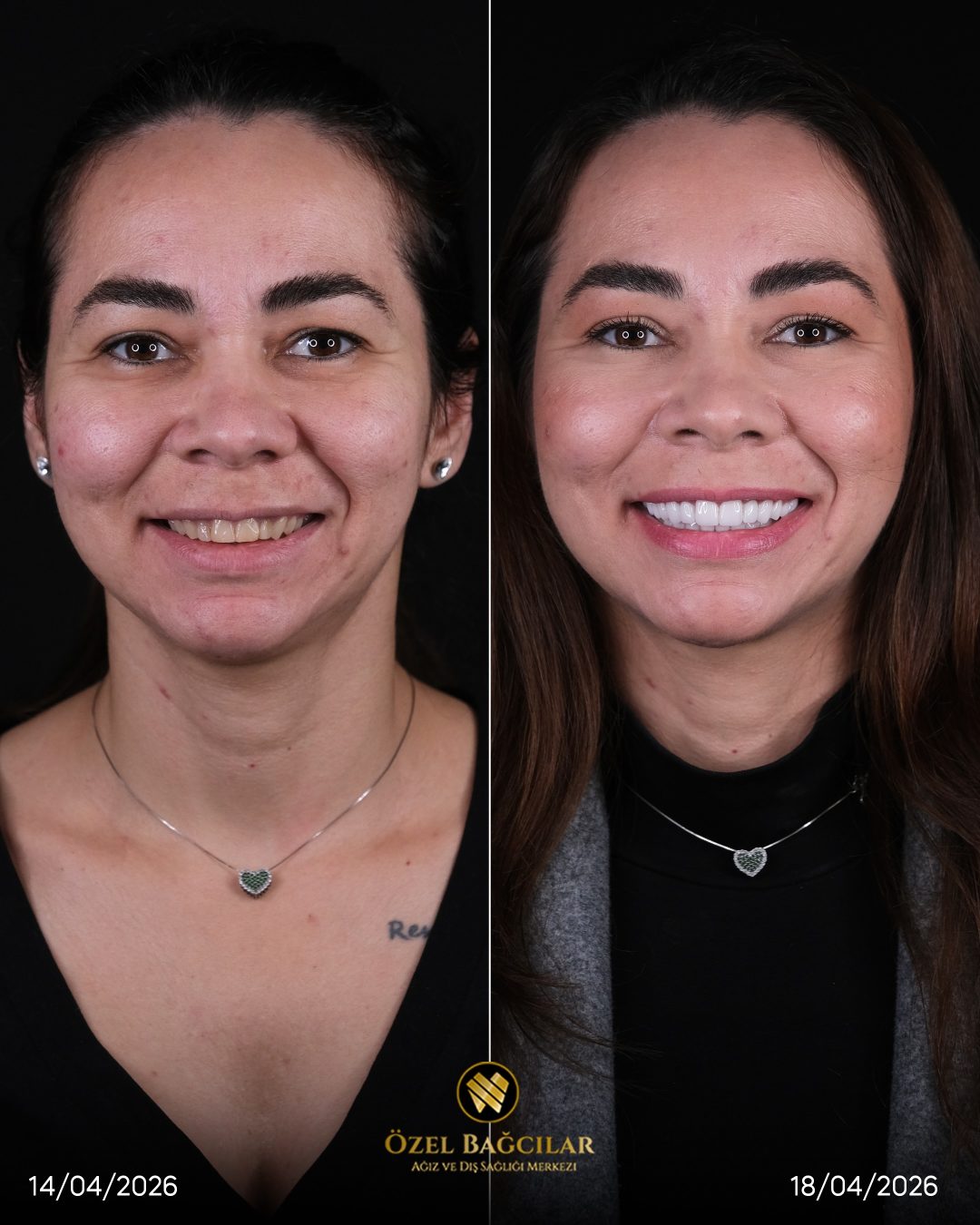
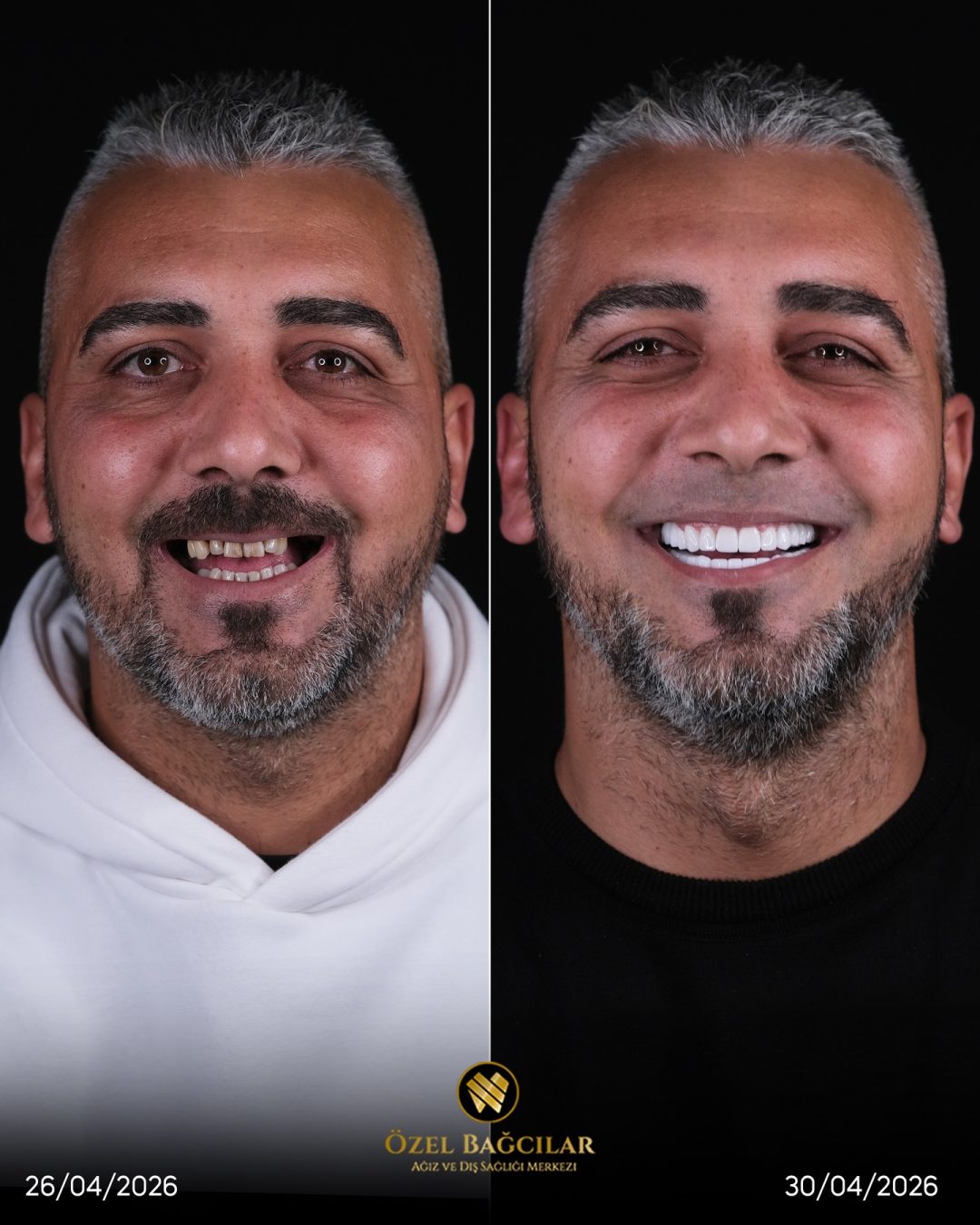
The second constraint is the laboratory. Crowns, veneers and bridges are made outside the mouth, and that takes days regardless of how quickly the dentist works. This is why almost no ceramic work finishes in under five days, and why a three-day trip for a full set of veneers is not a realistic plan.
There is a third component that catches people out: the sequence between treatments. Some things cannot start until others have finished — gum treatment before crown margins, alignment before restorative work. Those dependencies add weeks that have nothing to do with either chair time or healing.
Single Trip Treatments
These finish completely within one visit, with the final restoration fitted before you fly home.
| Treatment | Days needed | Why |
|---|---|---|
| Examination and treatment plan | 1 | Scan, photographs, discussion |
| Professional cleaning | 1 | Single appointment |
| Composite bonding | 1–2 | Done directly in the mouth |
| Teeth whitening | 1–3 | One session or a short course |
| Fillings | 1–2 | Direct restorations |
| Simple extraction | 1 | Plus review before flying |
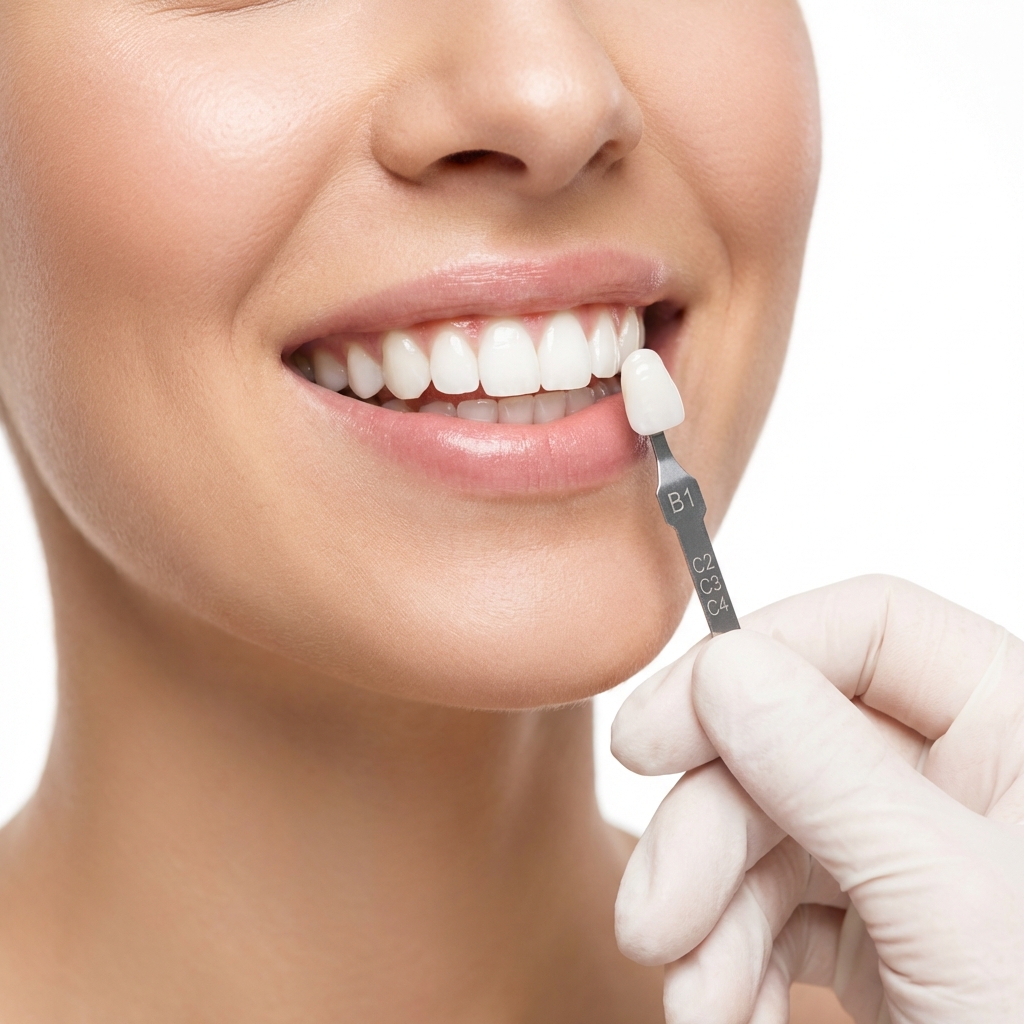
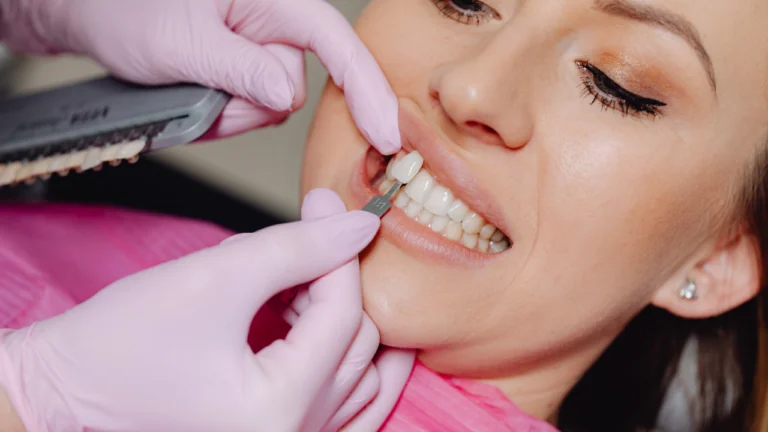
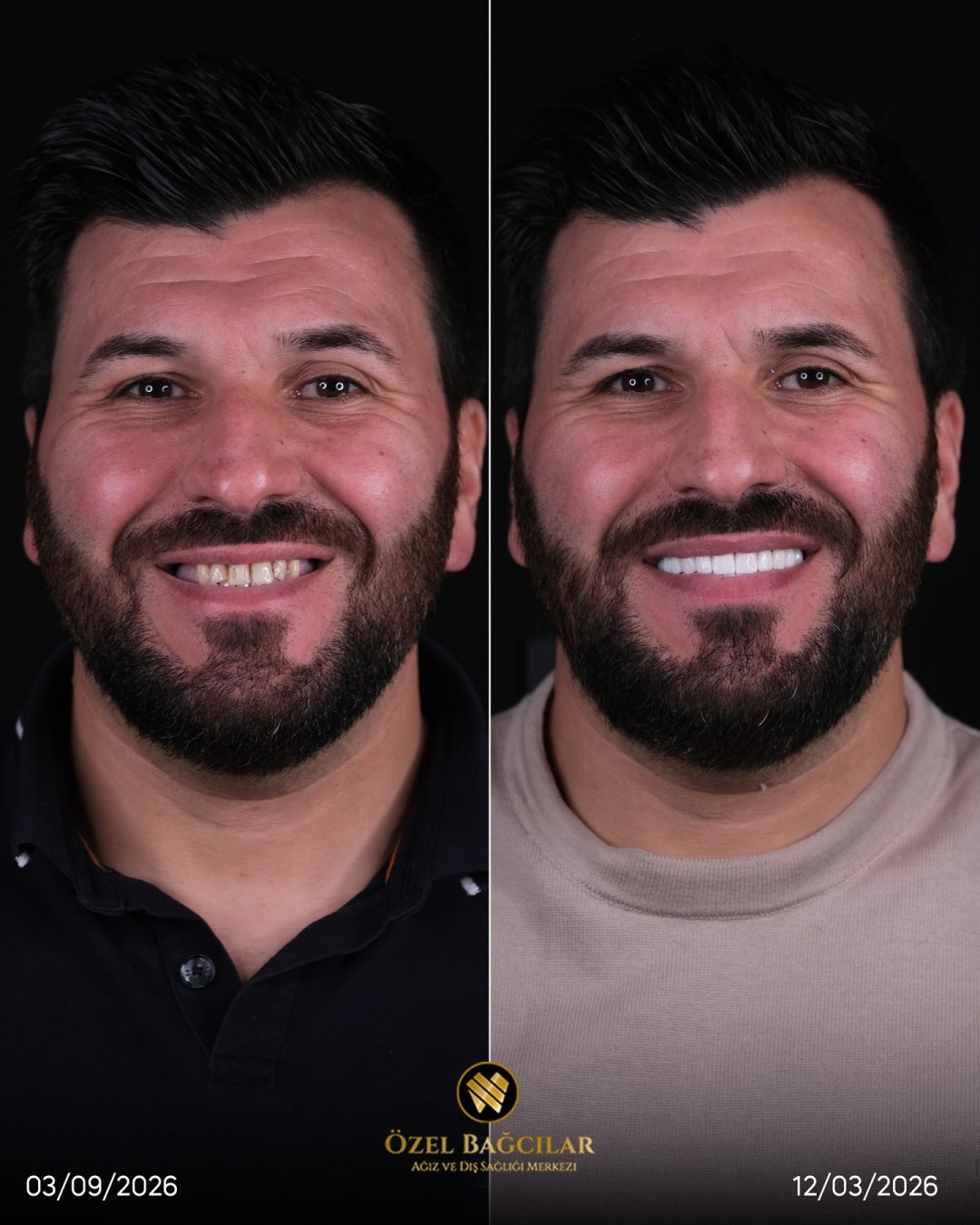
| Crowns and veneers | 5–7 | Laboratory stage is the constraint |
| Root canal treatment | 3–7 | Depends on infection and canals |
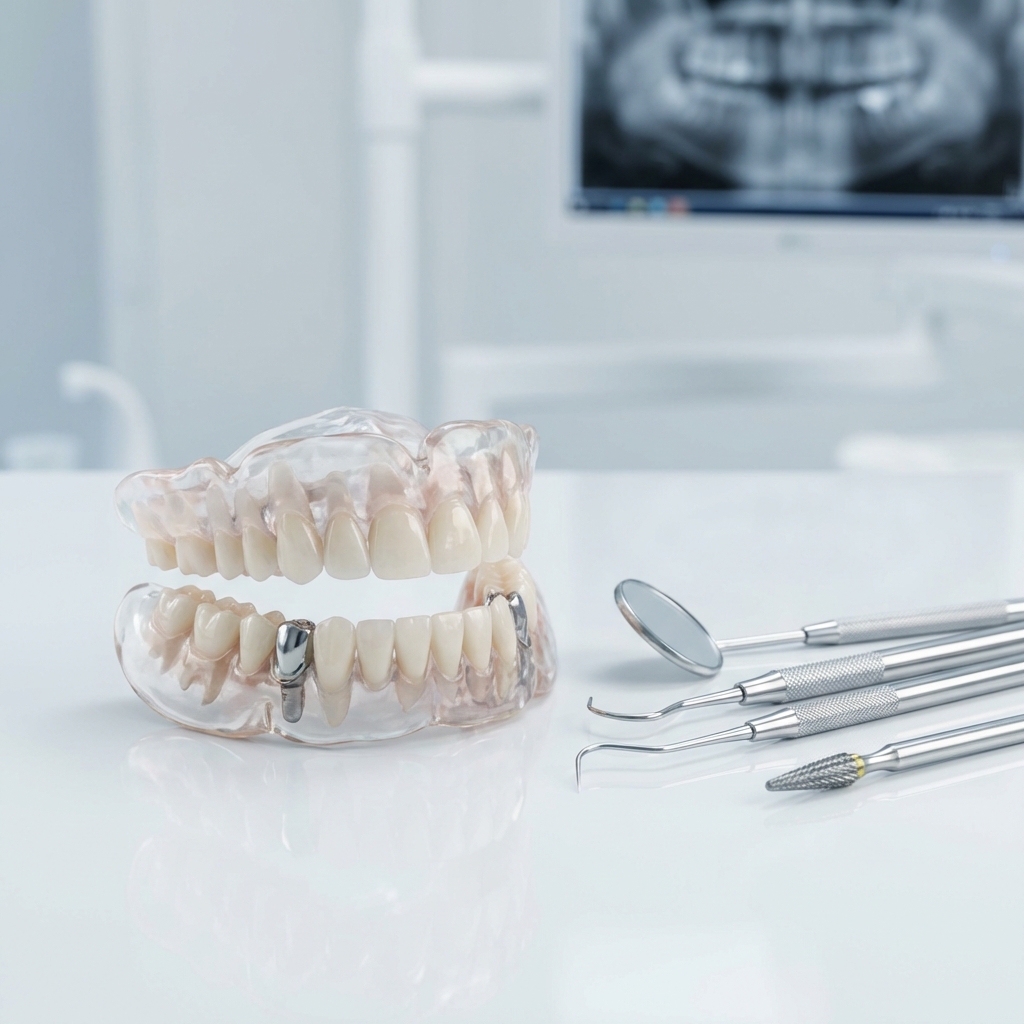
| Full-arch bridge on existing implants | 5–7 | Laboratory work |
The pattern is clear: anything made in a laboratory needs five to seven days, and anything done directly in the mouth needs one or two. A trip combining both is governed by the longer of the two, which is why a week is the standard planning unit for cosmetic work.
Where a tooth is being removed rather than restored, add two to three days before flying and a review appointment. And if the plan is to replace that tooth later, ask about socket preservation at the same appointment — it costs one extra step now and frequently saves a graft and several months afterwards.
Two Trip Treatments
These require a healing period between visits, and that period is spent at home rather than in Turkey.
| Treatment | First trip | Gap | Second trip |
|---|---|---|---|
| Single implant | 3–4 days | 3–6 months | 5–7 days |
| Multiple implants | 4–6 days | 3–6 months | 5–7 days |
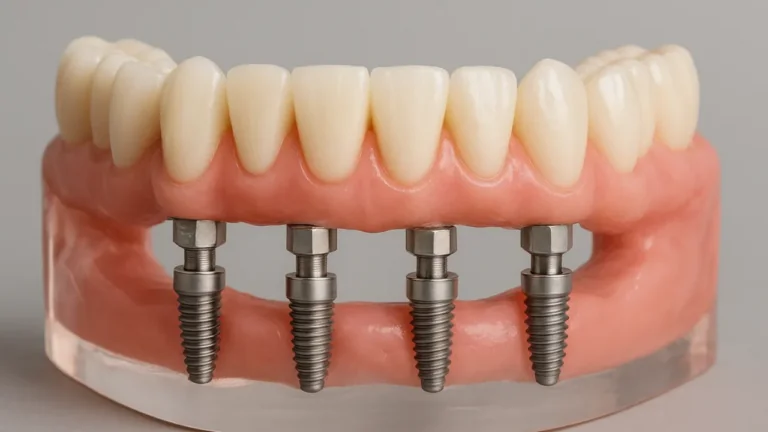
| All-on-4 or All-on-6 | 5–7 days | 3–6 months | 7 days |
| Implant with small graft | 4–6 days | 4–6 months | 5–7 days |
| Sinus lift with implant | 8–10 days | 6–9 months | 5–7 days |
The first trip is shorter than most patients expect, because implant placement itself is quick. What extends it is the review appointment a few days later to check healing, and — where a sinus lift is involved — the restriction on flying in the first week.
With immediate loading, a fixed temporary tooth is fitted during the first trip, so you fly home with teeth rather than a gap. That does not shorten the overall treatment but it changes the experience of the months in between considerably.
One point that shortens plans usefully: if you are already having implants placed, any crowns, veneers or restorative work on other teeth can generally be completed during the second trip while you are there for the implant crown. Planning the whole mouth at the start rather than treating problems as they arise frequently saves an entire visit.
Three Trip Treatments
Where substantial bone rebuilding is required, the plan extends to three visits, and it is better to know that at the outset than to discover it partway through.
The sequence is extraction and grafting, then implant placement several months later once the graft has consolidated, then the restoration after integration. Each stage needs its own healing period and they cannot be compressed.
Typical durations are three to four days for the first trip, three to four for the second, and five to seven for the third — around two weeks in total, spread across twelve to eighteen months.
Whether grafting will be needed can usually be predicted from a scan or panoramic radiograph sent in advance. This is the single most useful thing to establish before booking, because it is the difference between a two-trip plan and a three-trip one.
There is one way to compress this. Where the tooth being removed is not yet causing problems, extraction and grafting can sometimes be arranged locally at home, so that only the implant and restoration stages require travel. Not every dentist will perform grafting to another clinic's plan, but it is worth asking — it removes an entire trip.
What Sets the Minimum Stay in Türkiye
Understanding what governs each stage explains why some things cannot be hurried, and helps distinguish a realistic plan from an optimistic one.
- Laboratory time. Crowns, veneers and bridges are designed, milled or pressed, then finished. Three to five working days is normal and compressing it costs quality.
- Try-in stages. Larger cases include a framework or tooth try-in before final fitting, so you can see and approve the result. Each is a separate appointment with laboratory time either side.
- Biological healing. Osseointegration, graft consolidation and soft tissue maturation happen at their own pace and are not influenced by scheduling.
- Infection control. An infected tooth may need a course of treatment before the definitive work can begin.
- Review appointments. Sutures, healing checks and bite adjustments after fitting. These are short but they set the earliest date you can safely fly.
Any plan that promises complex work in an unusually short time has compressed one of these, and the laboratory stage is usually the one sacrificed. That is worth asking about directly.
How that minimum turns into an actual itinerary depends on the flight. There are direct services to İstanbul from most of the UK and Irish airports, which makes a two-visit plan straightforward. From the United States, Canada and Australia the journey itself argues for compressing the plan into fewer, longer visits, and each of those pages sets out how that is done without rushing the clinical stages.
Combining Treatments in One Trip
Most patients need more than one thing done, and sensible sequencing can save an entire visit.
Treatments that combine well in a single trip: extractions with implant placement, cleaning with whitening, and any number of crowns or veneers made together in the same laboratory batch.
Treatments that must be sequenced rather than combined: whitening before any restoration that has to be colour-matched, gum treatment before crown margins are made, and orthodontic alignment before restorative work — because moving teeth after restoring them wastes the restorations.
The practical consequence is that a plan should be built around the sequence rather than around convenience. Fitting everything into one trip by ignoring the order costs more than a second trip would have.
The most common combination that works well is extraction with immediate implant placement. Where the socket is intact and there is no infection, both are done in the same appointment, which removes a healing period of several months from the plan entirely.
The most common combination that does not work is whitening alongside crowns or veneers made in the same week. The shade has to settle for around two weeks after whitening before ceramic can be matched to it, so doing both in one trip produces a mismatch that cannot be corrected without remaking the restorations.
Planning the First Trip
The first visit is more front-loaded than patients expect, and understanding why prevents the common frustration of "why isn't the dentist working on me yet".
Day one is assessment: 3D imaging, photographs, periodontal charting and a discussion of options. Treatment planning follows, and where a laboratory is involved, the design work starts. Actual treatment usually begins on day one or two.
This matters because a plan made from photographs before you travel is provisional. Something is frequently found on the scan that changes it — a cracked root, unexpected bone loss, an infection. A clinic that adjusts the plan after examining you is doing the right thing, not moving the goalposts.
What the first day actually involves is covered in more detail separately, and the online consultation explains what can usefully be assessed before you travel at all.
It is worth arriving with a list of your medications, any allergies and details of previous dental work — particularly implant records if you have them. This sounds administrative and it genuinely shortens the first appointment, which means treatment starts sooner within a fixed trip length.
Building In Contingency
The most common planning error is booking a return flight for the last scheduled appointment day. Almost every treatment has some possibility of needing an extra day.
Reasons this happens: a laboratory adjustment after try-in, a bite that needs settling before final cementation, swelling that delays a fitting, or a shade that needs remaking. None of these is a failure — they are the normal variance of clinical work.
The practical advice is to add one buffer day to any trip involving laboratory work, and two to any involving surgery. A changeable ticket costs less than leaving with a temporary because the final one was not ready.
There is one hard restriction rather than a soft one. After a sinus lift, flying is generally avoided for one to two weeks because pressure changes can displace the graft. That is not a buffer day — it is a fixed constraint that shapes the whole trip.
Treatment Timings at a Glance
| Treatment | Trips | Total days in Turkey | Span |
|---|---|---|---|
| Whitening | 1 | 1–3 | Days |
| Composite bonding | 1 | 1–2 | Days |
| Veneers or crowns | 1 | 5–7 | One week |
| Root canal plus crown | 1 | 5–7 | One week |
| Single implant | 2 | 8–11 | 3–6 months |
| All-on-4 per arch | 2 | 12–14 | 3–6 months |
| Implant with sinus lift | 2 | 13–17 | 6–9 months |
| Extraction, graft, implant, crown | 3 | 11–15 | 12–18 months |
| Clear aligners | 2+ | 4–6 plus reviews | 6–18 months |
The "span" column is the one worth reading twice. Total days in Turkey is modest for almost everything; the span is what determines when your treatment is actually finished. Confusing the two is the source of most unrealistic expectations in dental travel.
The figures assume treatment proceeds normally. Add a buffer day for laboratory work and two for surgery, and treat any plan that comes in well under these numbers as worth questioning rather than as good value. Compressed timelines almost always come out of the laboratory stage, and that is where poor ceramic work originates.
Orthodontics Is Different
Aligners and braces do not fit the pattern above, because they are measured in months of adjustment rather than days of appointments.
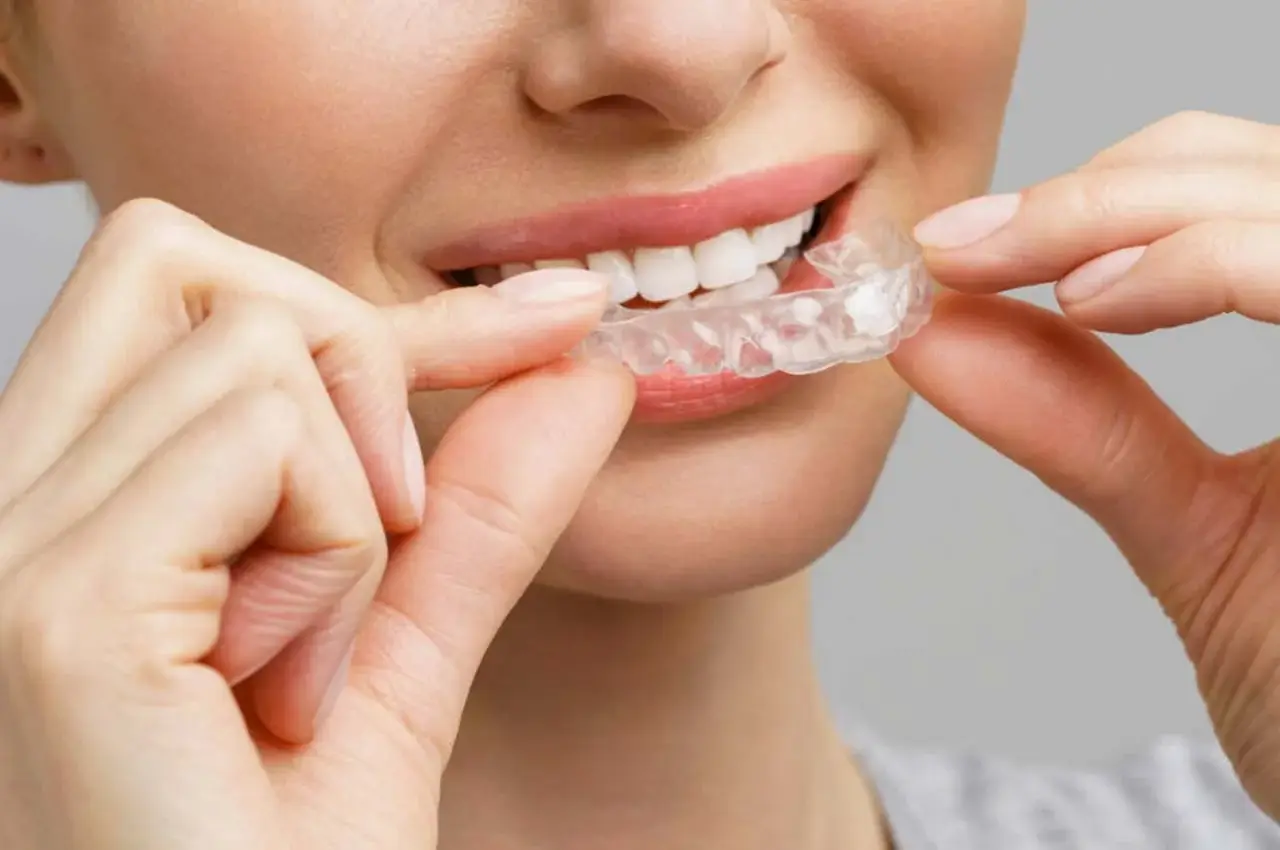
Aligner treatment adapts reasonably: assessment, scanning and first delivery in person, then subsequent trays sent, with reviews largely by photograph and occasional in-person checks. That makes it feasible but not effortless for international patients.
Fixed braces require regular physical adjustment and are a poor fit for treatment abroad unless you travel frequently anyway.
The common and sensible arrangement is orthodontic treatment locally, followed by any restorative or cosmetic work in a single planned trip afterwards. Aligning first almost always reduces how much restorative work is needed, so this sequence saves money as well as time. The comparison between the two appliances covers which suits which case.
Retention is the part that outlasts every trip. A bonded retainer behind the front teeth needs periodic checking for the rest of your life, and that has to happen locally rather than in Turkey. Arranging a dentist at home for that before you start is more sensible than after.
Questions to Ask Before Booking
A clinic should be able to answer all of these before you buy a ticket. If it cannot, the plan is not yet specific enough to book around.
- How many separate trips does this plan require?
- How many days is each trip, and does that include review appointments?
- What is worn between trips, and is it fixed or removable?
- Is grafting likely, and if so does it add a trip?
- What is the earliest I can fly after each stage?
- What happens if the laboratory work needs adjusting — is there time built in?
- What is the plan if something on the scan changes the treatment?
The last one matters most. A plan quoted from photographs is provisional by definition, and the honest answer is that it may change after examination. A clinic that acknowledges this is being straight with you; one that guarantees an unexamined plan is not.
Ask for the answers in writing. Not because anyone is likely to be dishonest, but because a plan discussed by message across several conversations is easy to misremember on both sides — and having the trip structure in one place resolves any later disagreement in seconds.
How We Plan It
We ask for photographs and any recent radiographs before you travel, because they establish the likely scope and — critically — whether grafting is probable. That determines the number of trips, which is the figure you actually need in order to book anything.
The plan we send in advance is described as provisional, because it is. After the 3D scan on day one it is confirmed or adjusted, and any change is explained with the evidence rather than announced.
We schedule review appointments into the trip rather than treating them as optional, and we advise a buffer day for laboratory work and two for surgery. Where flying is restricted after a procedure, we say so before the trip is booked rather than after.
Our clinic has treated patients from more than thirty countries over twelve years, so the logistics are routine rather than exceptional. All treatments carry a lifetime guarantee, subject to attending the recommended check-ups and following the aftercare given, and excluding accidental damage or neglect. How follow-up works once you fly home is worth reading alongside this page.