

Clinic whitening, home trays, supermarket kits and internet recipes do not do the same thing. Where the difference actually lies, why sensitivity happens, and which stains whitening cannot reach at all.
Whitening is one of the few dental treatments people genuinely can do at home — which is exactly why the subject is so full of bad advice. The gap between a professional result and a wasted month usually comes down to two things: whether the discolouration is the kind whitening reaches, and whether the agent stays in contact with the tooth long enough to work.
Why Teeth Change Colour
Stains fall into two groups, and they behave completely differently.
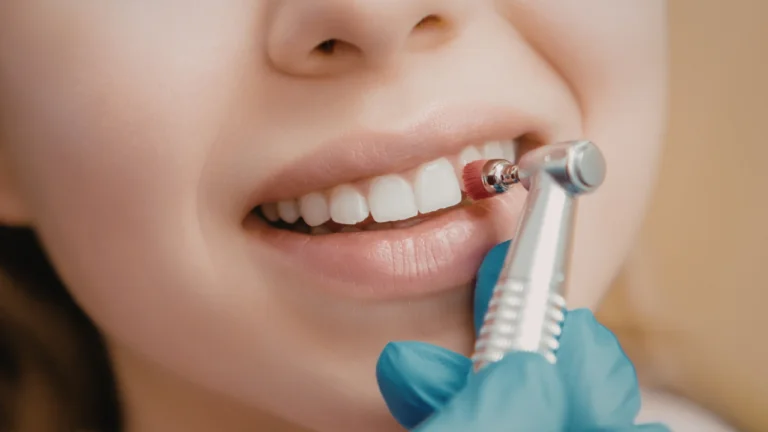
Extrinsic stains sit on the outside of the enamel: tea, coffee, red wine, tobacco, some spices, and the pigmented films that build up over years. These respond well to whitening, and some of what looks like staining is actually hardened plaque that a professional clean removes without any whitening at all.
Intrinsic discolouration is inside the tooth. It comes from ageing — as enamel thins, the yellower dentine beneath shows through more — from trauma, from certain medications taken while teeth were forming, and from fluorosis. Whitening does reach some of this, but the response is slower, less predictable and sometimes partial.
A single dark tooth after root canal treatment is a case of its own. The discolouration is inside a tooth with no living pulp, and it is treated from the inside, with the agent placed within the tooth rather than on it. That is a different procedure with a different success pattern, and it is worth asking about specifically.
The Methods, Honestly Compared
| Method | What it actually does |
|---|---|
| Clinic whitening | Higher concentration under gum protection; result visible in one session |
| Custom home trays | Lower concentration, longer contact; result builds over days, often the most stable |
| Clinic plus home combined | A session to move the shade, trays to consolidate and maintain |
| Supermarket strips and kits | Low concentration, poor fit; modest change on mild surface staining |
| Whitening toothpaste | Abrasive polishing; removes some surface film, does not change tooth colour |
| Charcoal, lemon, bicarbonate | Abrasive or acidic; wears enamel, and thinner enamel looks yellower |
The last row deserves emphasis, because it is the most popular advice online and it works backwards. Enamel does not regenerate. Scrubbing it with an abrasive or bathing it in acid removes the layer that is masking the yellow dentine underneath. The teeth feel clean and get darker.
The difference between a custom tray and a supermarket one is not the gel — it is the fit. A tray made from an impression of your own teeth holds the agent against the enamel and keeps it off the gums. A generic tray does the opposite: gel escapes onto the gum tissue, where it causes irritation, and contact with the tooth is uneven, which is how patchy results happen.
Sensitivity: Expected, Temporary, Manageable
Sensitivity during whitening is common and is not a sign that something is going wrong. The agent passes through enamel into the dentinal tubules, and the nerve responds. It typically settles within a day or two of finishing.
What reduces it in practice: shorter wear times spread over more days rather than long sessions, a desensitising toothpaste started a week or two before treatment, and avoiding very hot or very cold food while the course is running.
What is not normal is pain in one specific tooth rather than general sensitivity across the arch. That usually means something in that tooth — a crack, a leaking filling, decay under a restoration — and it needs looking at rather than pushing through. Whitening over untreated decay drives the agent somewhere it should not go.
Crowns, Veneers and Fillings Do Not Whiten
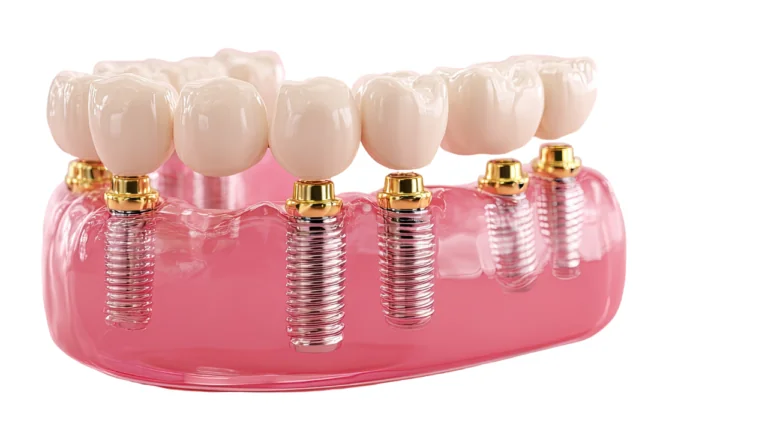
This is the single most important practical point, and it catches people out constantly. Whitening agents work on enamel. Zirconia, porcelain, glass ceramic and composite do not respond at all.
So if you have restorations in the smile zone, whitening the natural teeth around them changes their relationship: what matched before will no longer match. The order is fixed and there is no way round it — whiten first, wait for the shade to settle, then match new restorations to the result. Doing it the other way means replacing the restorations.
Where you already have well-fitting restorations you are happy with, that is worth saying at the examination. Sometimes the right answer is to leave the natural teeth alone and replace one restoration instead.
Making It Last
Whitening is not permanent, and how long it holds depends almost entirely on what happens afterwards.
- The first couple of days after a session, enamel takes up pigment more readily than usual. Coffee, tea, red wine, dark sauces and tobacco do the most damage in that window.
- Over the longer term, drinking staining liquids through a straw and rinsing with water afterwards makes a measurable difference.
- A professional clean at the interval we set removes the film that is dulling the result, and often does more for appearance than repeating the whitening.
- Where trays have been made, a short top-up wear now and again keeps the shade steady without starting from the beginning.
Smoking is the one factor that overwhelms all of the above. It is not a reason not to whiten, but it does change how often you will want to top up, and it is more useful to know that in advance.
Before You Whiten Anything
An examination first is not a formality. Untreated decay, a leaking filling, receding gums with exposed root surface, or gum inflammation all change what whitening will do — and in the case of exposed roots, the exposed surface is not enamel and does not whiten with the rest, which produces a visible band that no one wants.
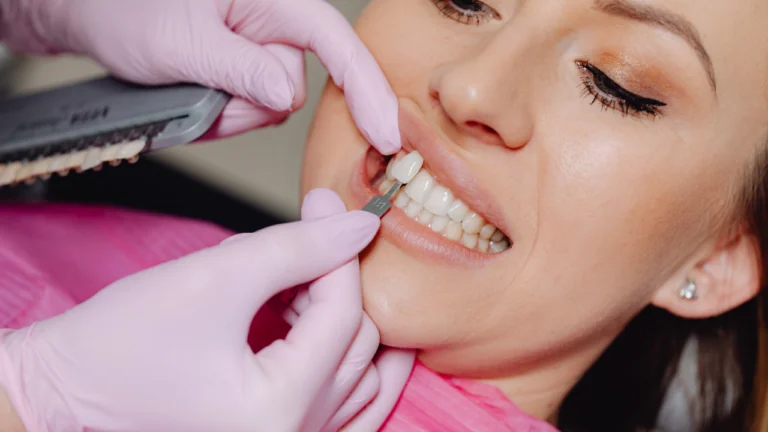
Our first examination is free and includes the x-rays needed to see what is actually there. We will tell you plainly whether your discolouration is the kind whitening reaches and what result is realistic for your teeth, rather than a shade number from a chart.
Everything we place is covered by our lifetime guarantee on materials and workmanship, given by this clinic directly. We do not publish price lists, because what your case needs — a clean, a course of whitening, trays, or restoration work — is not knowable until we have looked. We are in Bagcilar, Istanbul, Monday to Saturday, 09:00 to 19:00.