Google Reviews 4.6/5 1.682+ Happy Patients 30+ Countries

Sinus Lift Surgery — Making Room for Upper Implants

✦ Treatment Guides

Sinus Lift Surgery — Making Room for Upper Implants

Why the upper back jaw runs out of bone, how a sinus lift creates space for implants, the two techniques used, and what recovery involves.

12+ Years of Experience
1682+ Happy Patients
25 Specialist Physicians
99% Success Rate
Lifetime Guarantee
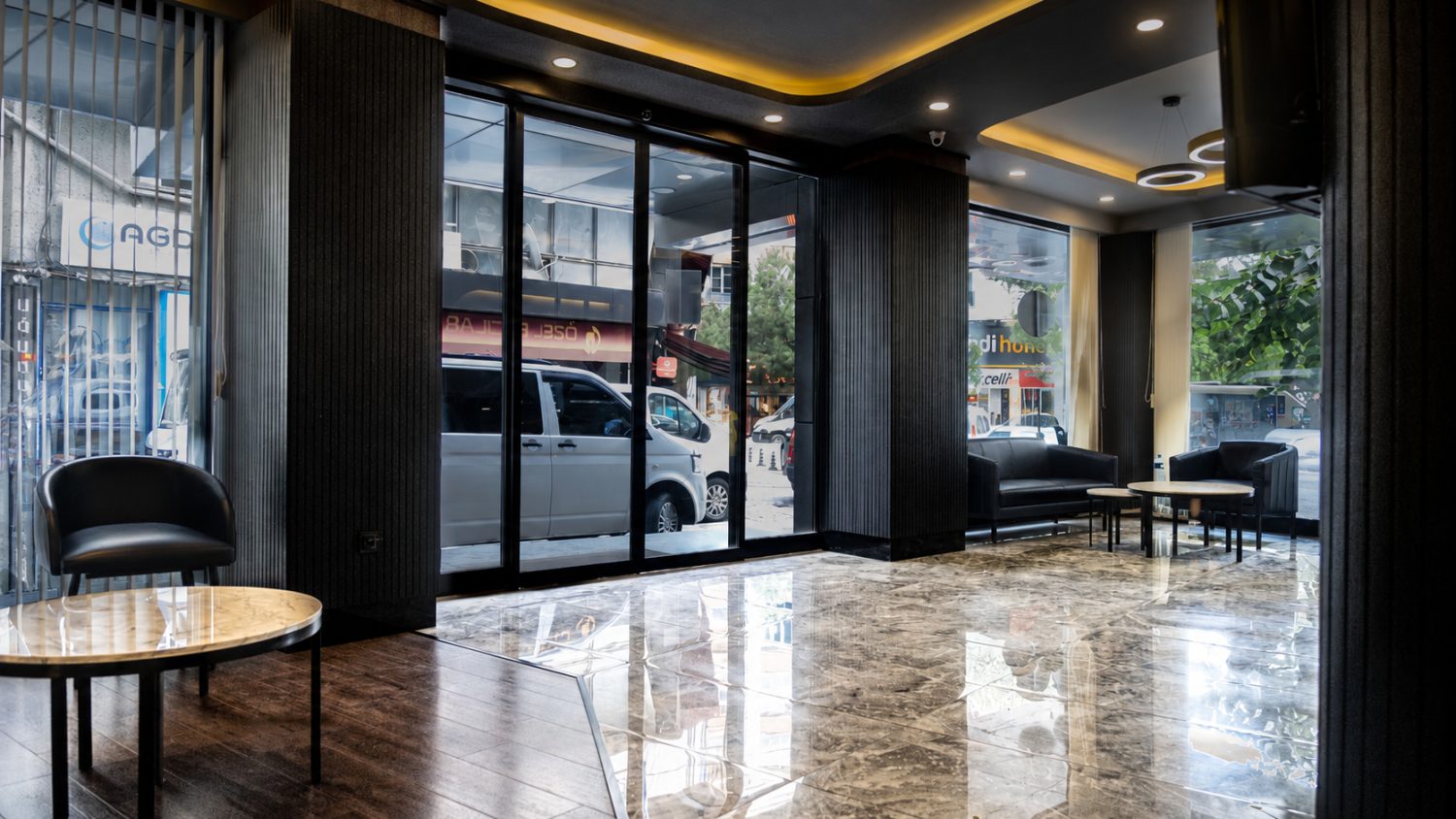
Bağcılar Dental Clinic

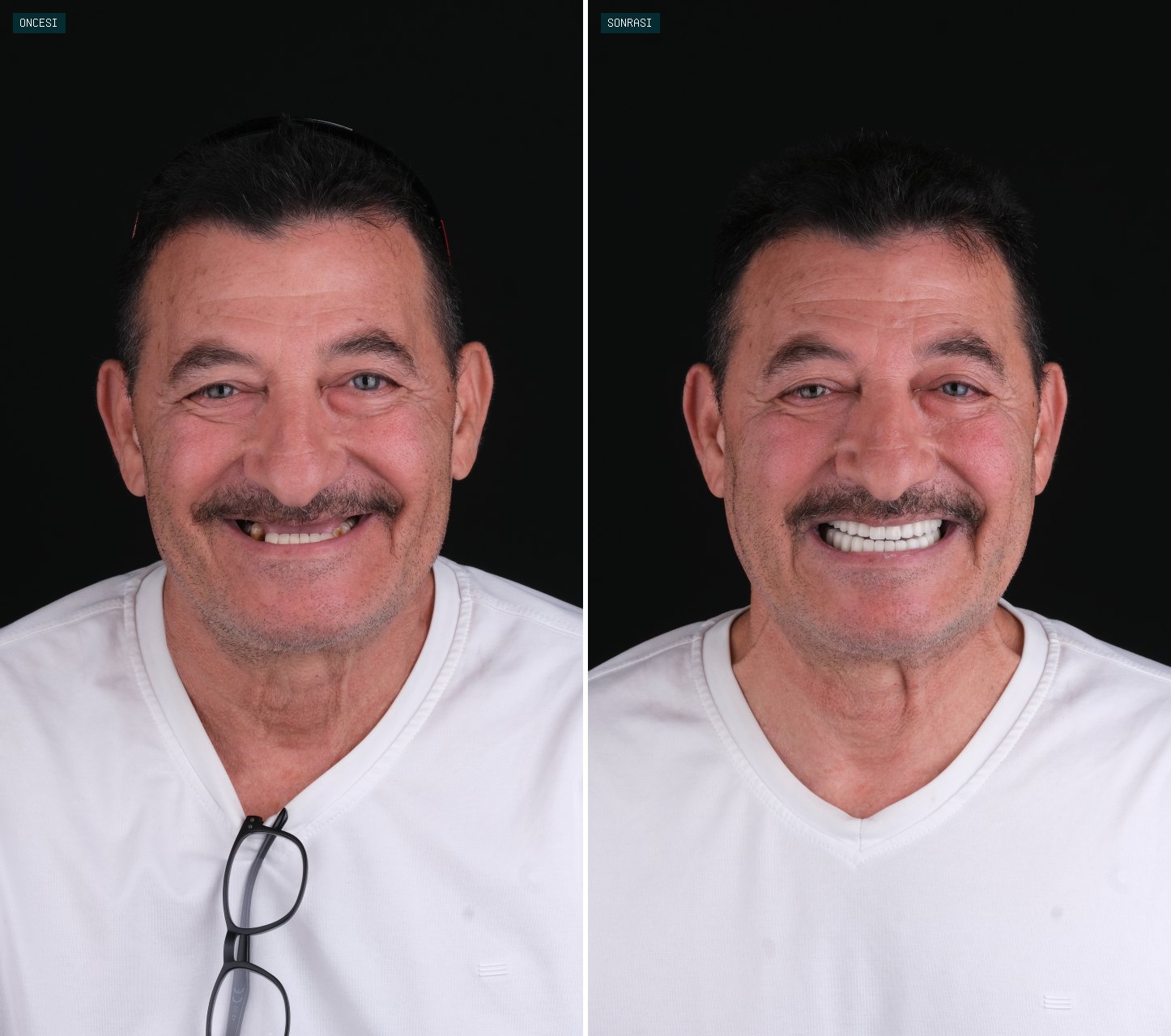
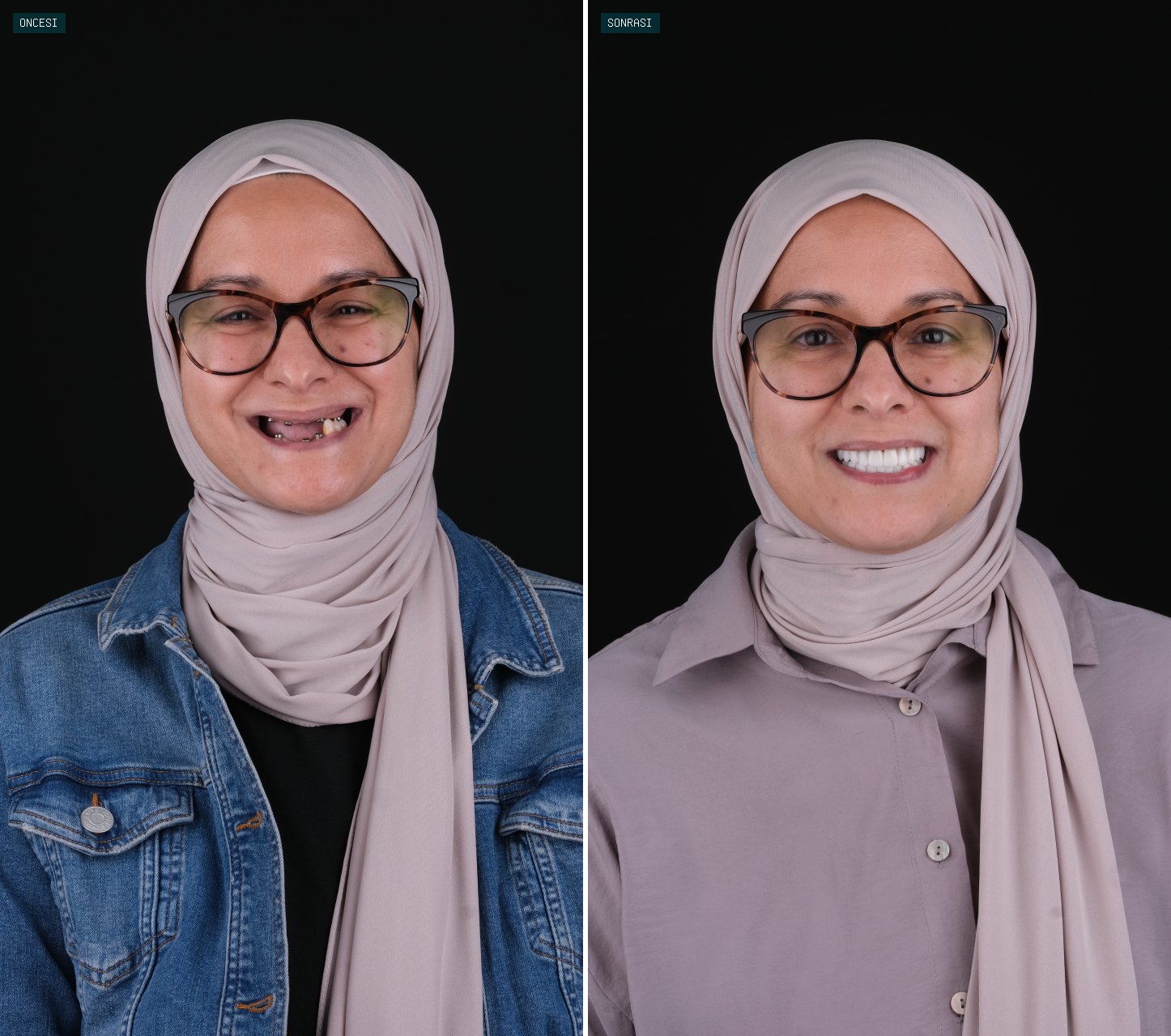
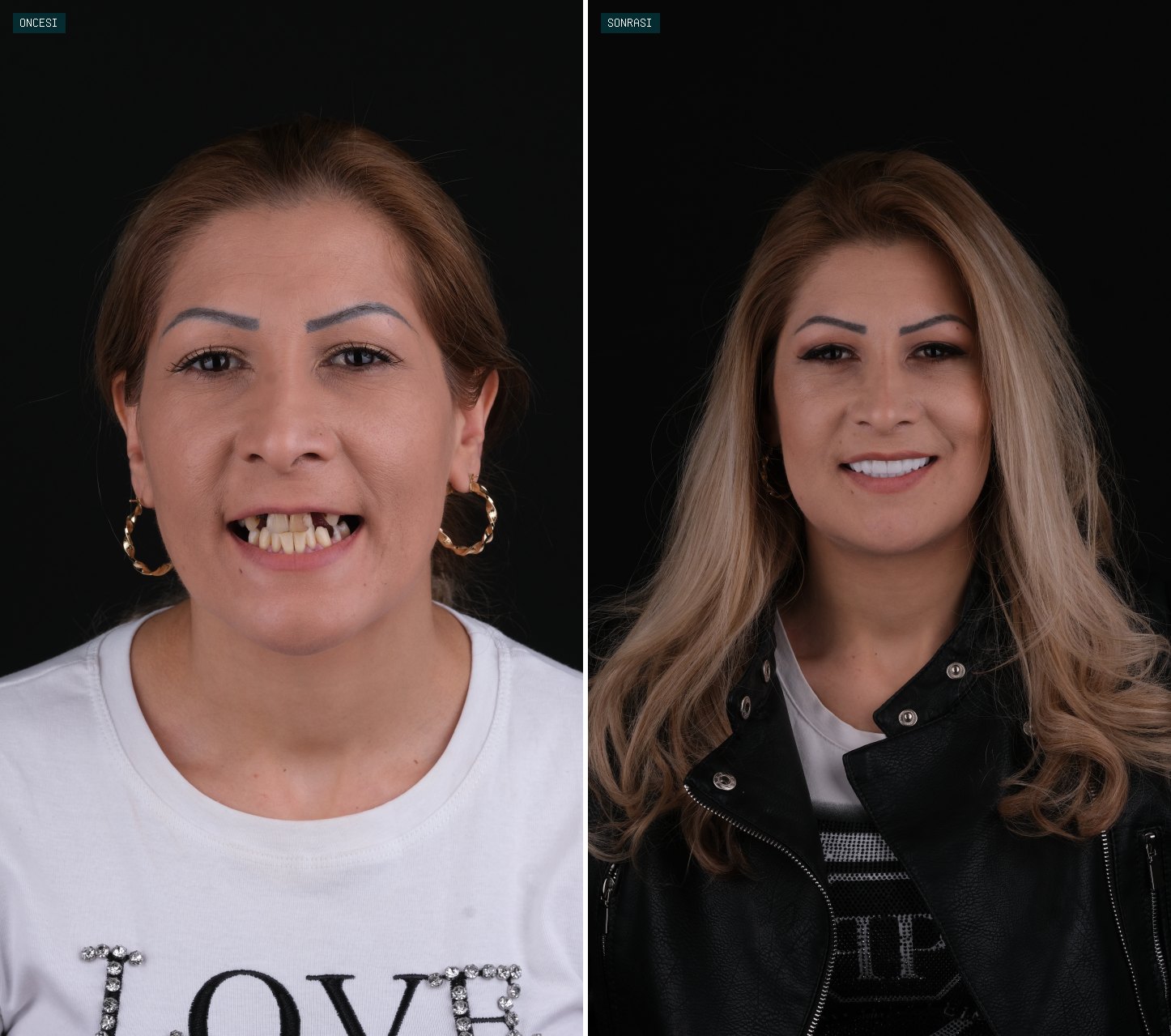
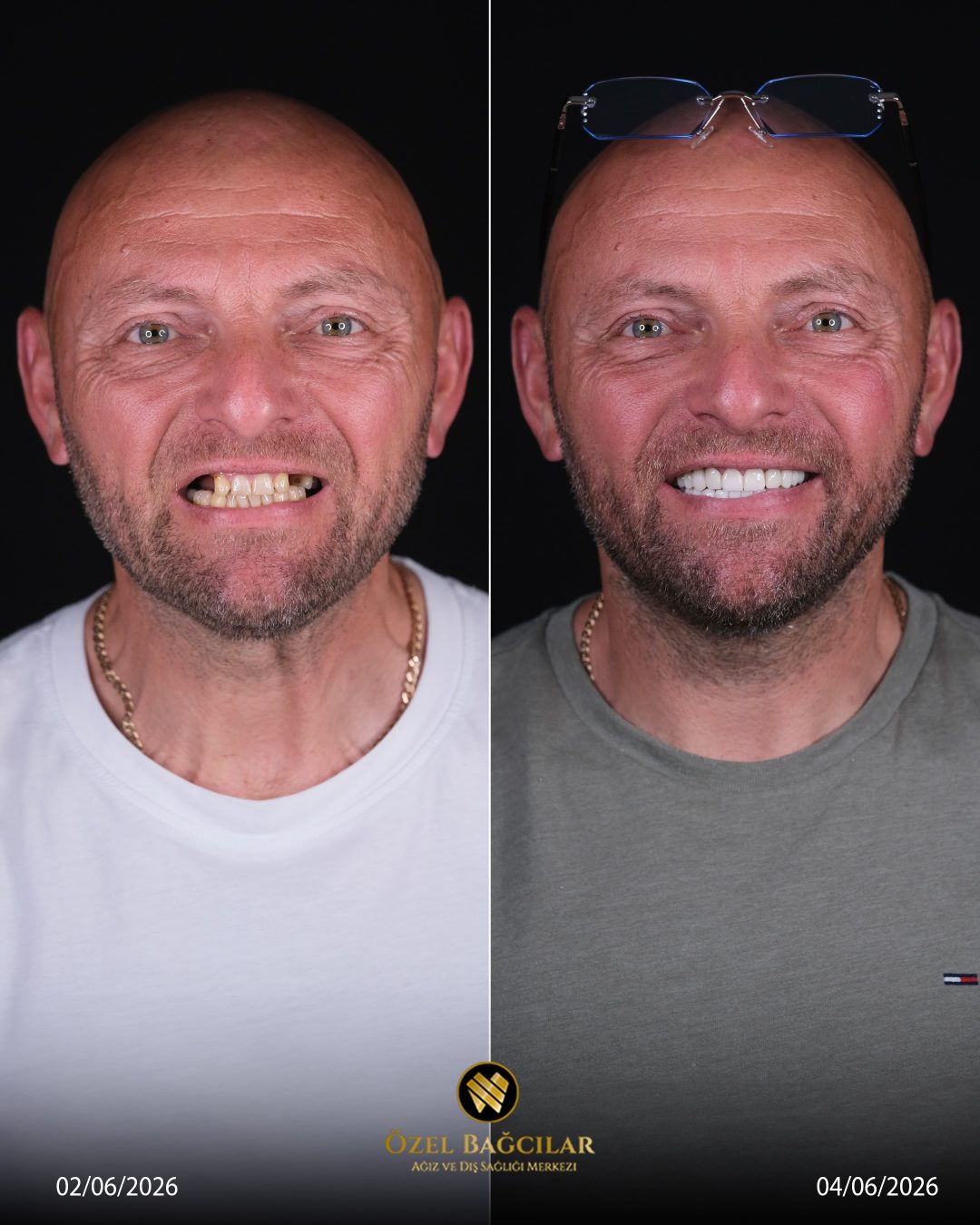
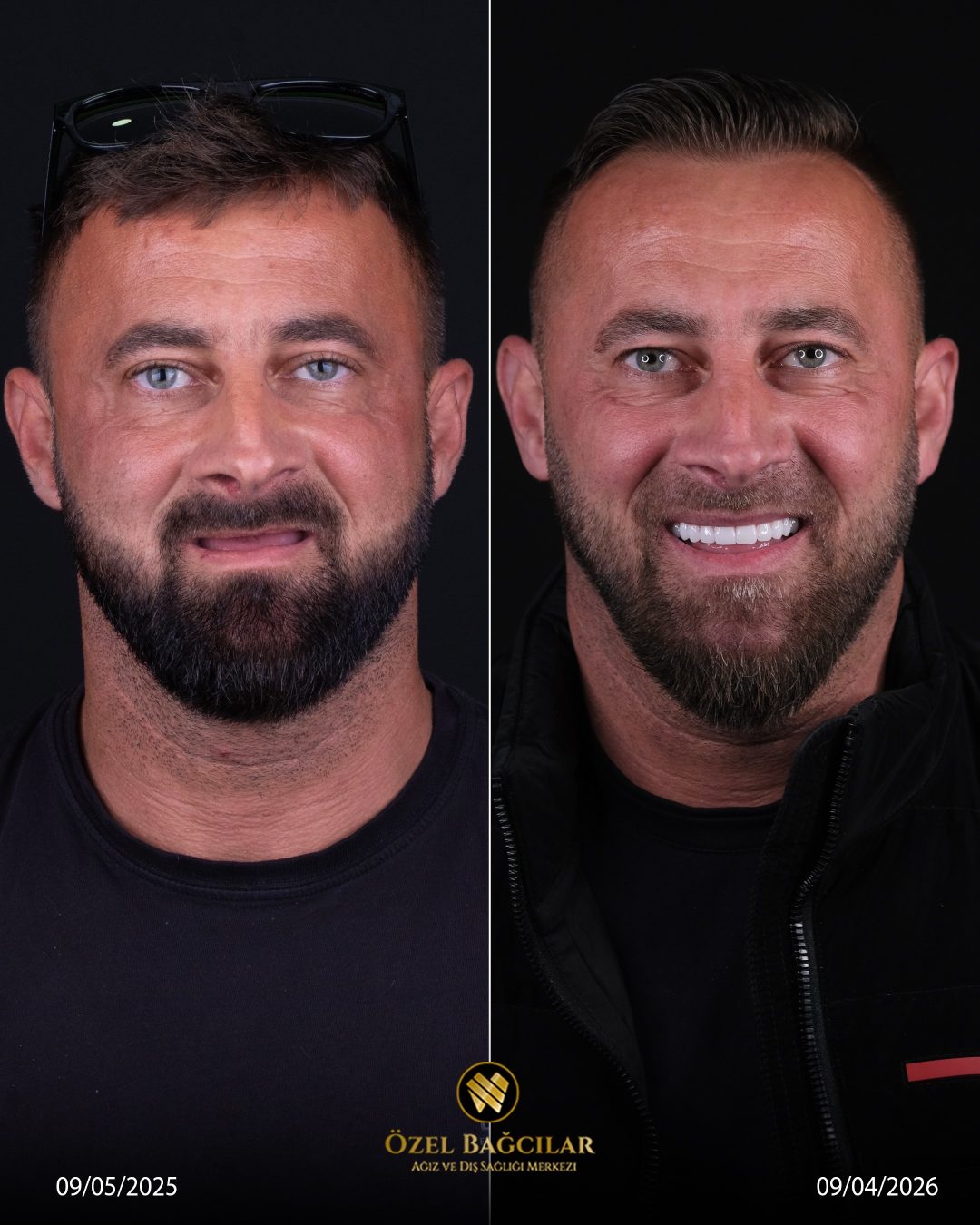
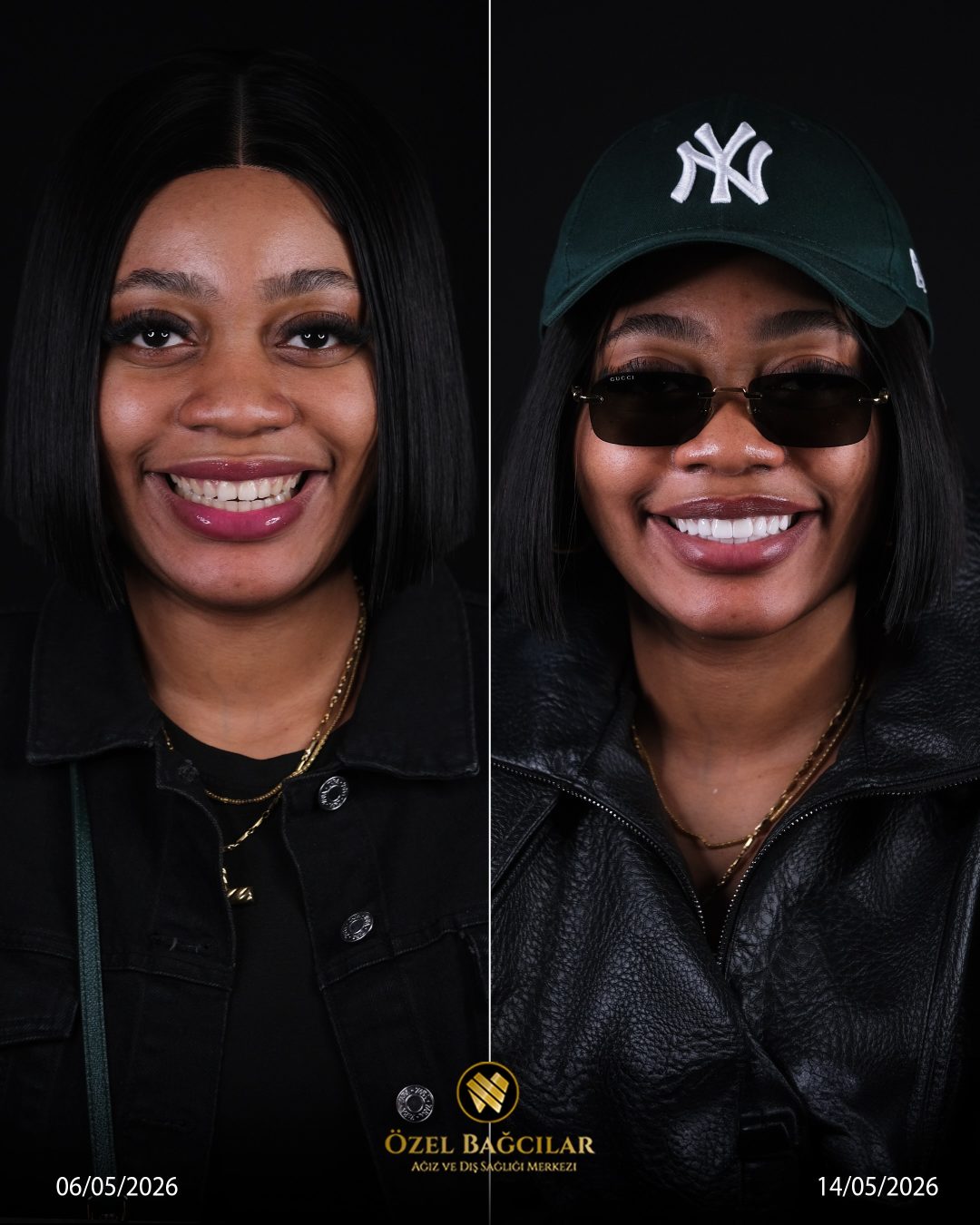
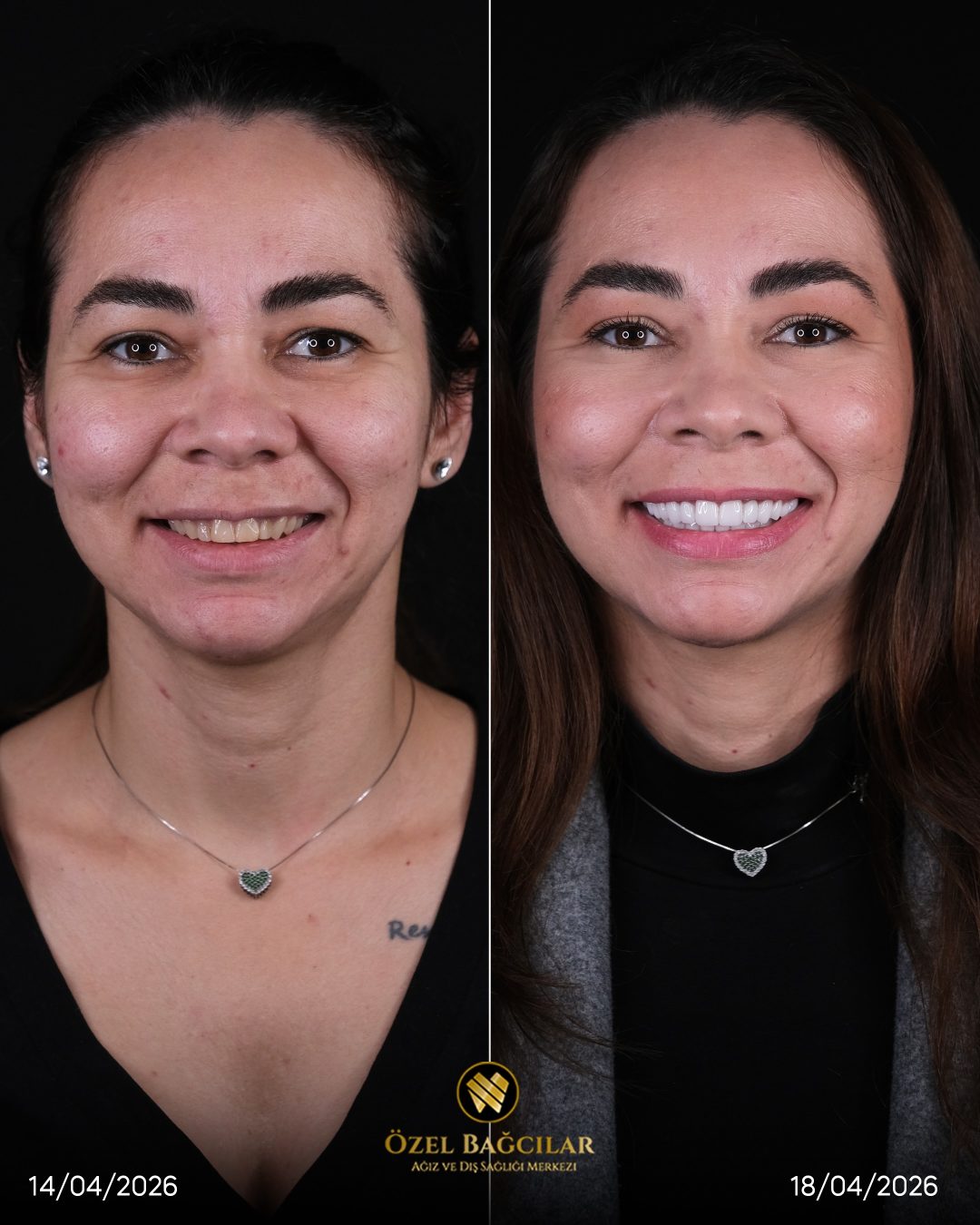
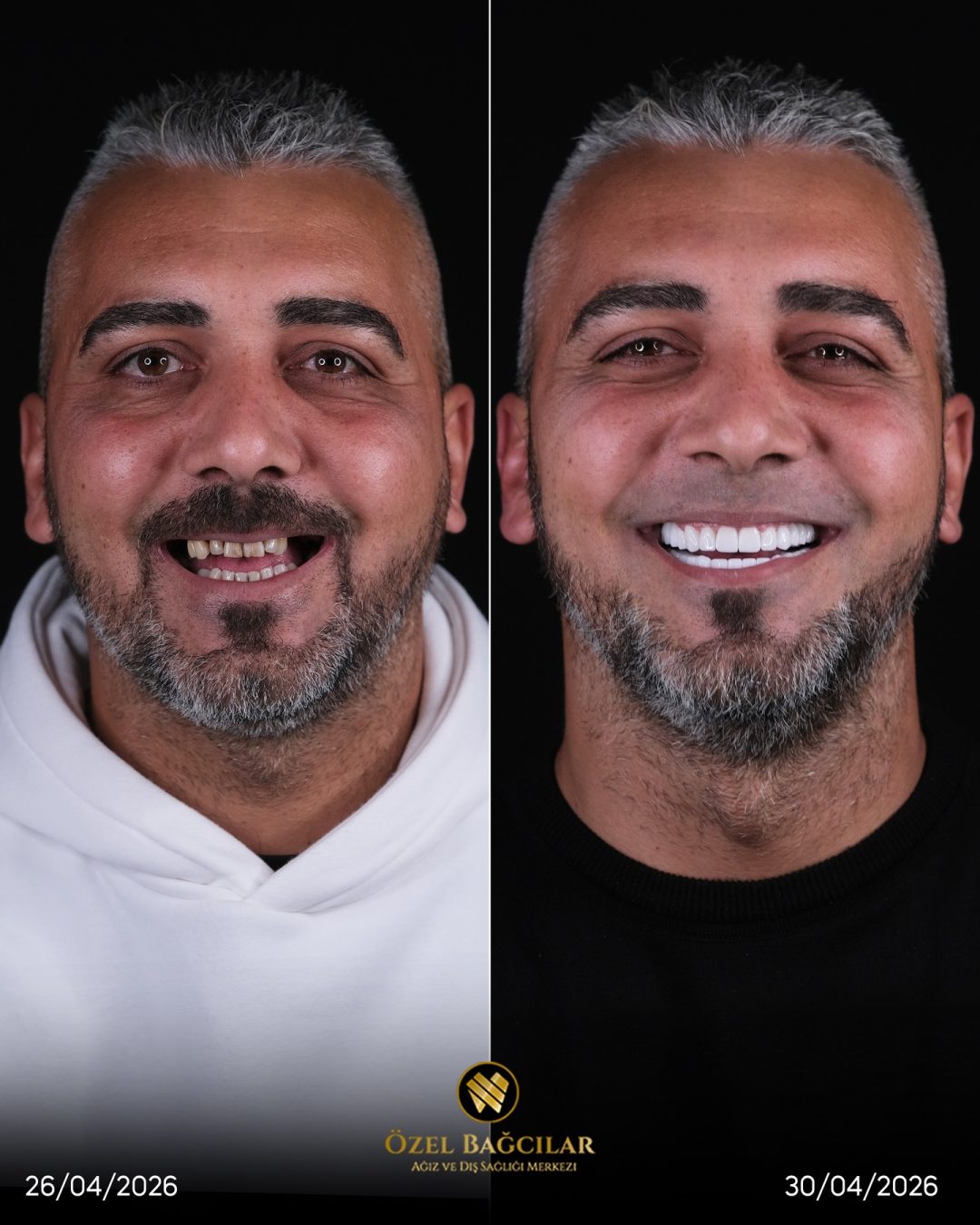
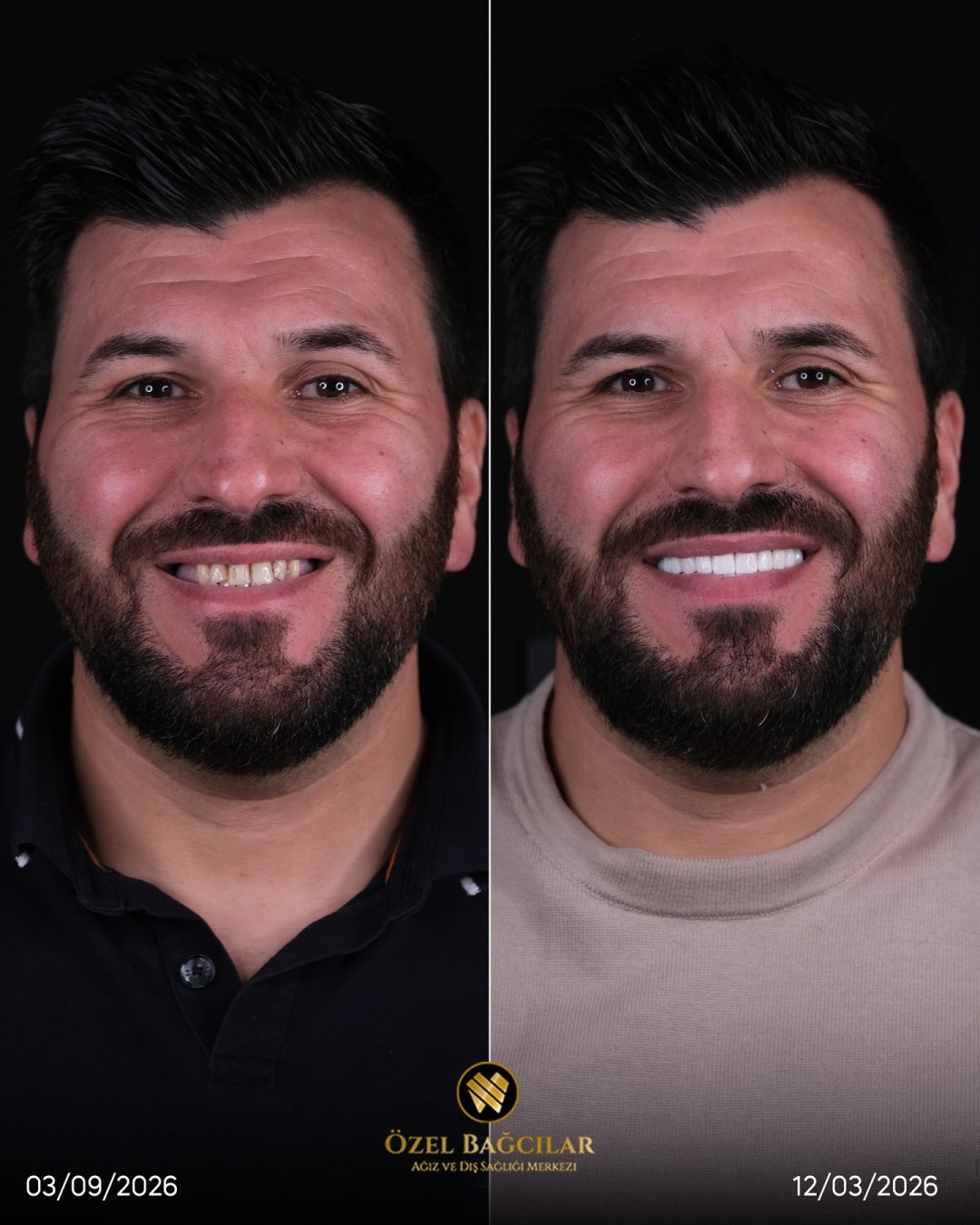
Before & After

Bağcılar Diş öncesi sonrası

The upper back jaw is the most difficult region in the mouth for dental implants, and the reason is anatomical rather than clinical. The maxillary sinus — a large air-filled cavity inside the upper jawbone, behind the cheek — sits directly above the roots of the upper molars, separated from them by a layer of bone that is often only a few millimetres thick to begin with.

When those teeth are lost, two things happen at once. The ridge resorbs from below, as it does everywhere. And the sinus expands downwards into the space, a process called pneumatisation. Bone disappears from both directions, and after some years there may be almost none left.

A sinus lift creates bone where there was none by raising the sinus lining and placing graft material beneath it. This page explains how it works, which of the two techniques applies to which case, what recovery involves, and when the procedure can be avoided altogether.

Why the Upper Back Jaw Is Different

Every region of the jaw resorbs after tooth loss, but the upper back is unique in having a second process working against it from above.

The maxillary sinus is one of the paranasal sinuses — an air-filled cavity lined with a thin membrane, occupying the body of the upper jaw above the back teeth. In many people the roots of the upper molars project into its floor, separated by less than a millimetre of bone.

When those teeth are removed, the sinus tends to expand into the space they occupied. The mechanism is not fully settled but the observation is consistent: the sinus floor moves downwards over the years following extraction.

Combined with resorption of the ridge from below, this leaves a thin band of bone between mouth and sinus. Patients are frequently told there is "no bone" in this region, which is close to literally true — and it is the specific situation the sinus lift was developed to solve.

This is also why acting early after losing an upper molar matters more than elsewhere in the mouth. Socket preservation at the time of extraction holds the ridge and slows pneumatisation, and it is the difference between a straightforward implant in a year and a sinus lift in five.

What the Procedure Achieves

The principle is straightforward. The sinus lining is a continuous membrane; if it is carefully lifted away from the bony floor, a space is created between membrane and bone. Graft material placed into that space acts as a scaffold: your own bone grows into and through it over the following months, and the material is gradually remodelled or, in the case of slow-resorbing minerals, remains as a stable framework within the new bone.

Crucially, the sinus itself is not entered. The membrane stays intact and the air space above it simply becomes slightly smaller. Sinus function is unaffected in the overwhelming majority of cases.

The new bone forms in continuity with the existing ridge, so the total height available for an implant increases from a few millimetres to ten or more. That is the difference between a site that cannot take an implant and one that can.

It is worth being clear that this is a well-established procedure with decades of published outcome data, not a novel technique. Implant survival in grafted sinuses is comparable with implants in native bone, which is why it remains the standard answer for this anatomy.

The Two Techniques

Which technique is used depends almost entirely on how much bone remains beneath the sinus, and the threshold is roughly five millimetres.

The internal or crestal approach works through the implant site itself. The bone is prepared to just below the sinus floor, and the floor is then gently fractured upwards with specialised instruments, lifting the membrane with it. Graft material is introduced through the same channel and the implant is usually placed immediately.

The lateral window approach opens a small window in the outer wall of the jaw, giving direct vision of the membrane. The membrane is lifted under direct view and a larger volume of graft is placed. This is the technique for substantial gains.

The internal approach is less invasive with a quicker recovery but achieves less height and is done semi-blind. The lateral approach achieves more, allows the membrane to be seen and repaired if it tears, and involves more swelling. Neither is better; they address different situations.

Comparing the Approaches

Sinus lift techniques compared
Internal (crestal)Lateral window
Bone remaining below sinus5 mm or moreLess than 5 mm
Height gainedUp to about 4 mmSubstantial
Membrane visibleNoYes
Implant placed at same timeUsuallySometimes
SwellingMinimalModerate to marked
Healing before implantNone if placed together6–9 months if staged
Technique sensitivityModerateHigher

The first row does most of the work. Five millimetres of remaining bone is roughly the point at which an implant can achieve enough stability to be placed at the same time as the lift — which is why that measurement, taken from the 3D scan, effectively decides both the technique and whether treatment happens in one stage or two.

The "swelling" row is worth taking seriously when planning travel. An internal lift produces little more than routine implant surgery. A bilateral lateral window lift produces marked facial swelling for several days, and patients who have arranged meetings or a return flight for day three are frequently caught out by it.

Neither technique is superior in the abstract. Attempting an internal lift where only two millimetres of bone remains risks perforating a membrane nobody can see, and opening a lateral window to gain two millimetres is more surgery than the situation requires. The measurement decides.

Placing the Implant at the Same Time

Whether the implant goes in during the same operation is the question that most affects the timeline, and it comes down to primary stability.

An implant needs to be held firmly by the bone that already exists, before any graft has turned into bone. Where five millimetres or more of native bone remains, that is usually achievable and the implant is placed simultaneously. The graft matures around it during the same healing period.

Where less bone remains, there is nothing to hold the implant and the site must heal first. The graft consolidates over six to nine months, and the implant is placed at a second procedure. This is the staged approach and it is not a failure of planning — it is what the anatomy requires.

The distinction matters for anyone travelling, because it is the difference between two trips and three. It can usually be predicted from a scan sent in advance, which is why sending imaging before you travel changes the accuracy of the plan considerably.

What Is Used to Fill the Space

The materials are the same as in other dental bone grafting, and the sinus is in fact one of the most favourable sites for regeneration.

The reason is that the space created is contained on all sides — bone below, membrane above, bony walls around. Blood vessels grow in readily from the surrounding bone, and graft material held in a contained space consolidates reliably. Success rates here are among the highest in grafting.

Bovine mineral is the most commonly used material and has extensive long-term data in this specific application. Synthetic ceramics and processed human donor bone are also used. Mixtures with the patient's own bone are sometimes preferred in larger lifts.

There is also evidence that in some cases the space will fill with bone with minimal or no graft material, simply because the membrane is held up and the blood clot organises beneath it. This is technique-dependent and not universal, but it illustrates that the containment matters as much as the material.

The Procedure Itself

A lateral window sinus lift takes around an hour per side under local anaesthetic, with sedation available. The internal approach adds only minutes to implant placement.

  1. The gum is lifted to expose the outer wall of the upper jaw.
  2. A window is created in the bone with instruments designed not to cut the membrane behind it.
  3. The membrane is carefully separated from the bony floor and lifted upwards.
  4. Graft material is placed into the space created beneath it.
  5. An implant is placed at the same time if stability allows.
  6. The window is covered with a membrane and the gum closed.

The delicate step is separating the lining without tearing it. It is thin, and in patients who have had chronic sinus inflammation it is often thinner and more adherent. This is where operator experience shows, and it is the reason the procedure is described as technique-sensitive.

Where a perforation does occur, it is usually detected immediately — the membrane moves with breathing, so a tear is visible under direct vision. Small tears are repaired with a collagen membrane and the procedure continues. This is one of the practical advantages of the lateral window approach over the internal one, where the membrane cannot be seen at all.

Recovery

Recovery from a lateral window lift is more noticeable than from routine implant surgery, and knowing what to expect prevents unnecessary alarm.

Swelling of the cheek peaks at forty-eight to seventy-two hours and settles over a week to ten days. Bruising is common. Some nasal discharge, occasionally blood-tinged, is normal in the first days and does not indicate a problem by itself.

Sinus precautions apply for two to four weeks and they matter more here than anywhere else in dentistry: no nose blowing, sneeze with the mouth open, no straws, no diving or air travel where avoidable, and no strenuous exercise. Pressure changes transmitted to the sinus can displace the graft.

Antibiotics and a decongestant are usually prescribed. Most patients return to routine activity within a few days, but the precautions continue well past the point at which they feel recovered — which is exactly why they are frequently abandoned early.

Patients who clench or grind should mention it, because a night guard may need adjusting or temporarily leaving out while the surgical site heals.

Risks and Complications

The procedure has a good safety record, and its complications are specific and well characterised.

  • Membrane perforation. The commonest event, occurring in a meaningful minority of cases. Small tears are repaired with a collagen membrane during surgery and usually do not affect the outcome.
  • Sinusitis. Postoperative sinus infection, typically managed with antibiotics. More likely where sinus disease existed beforehand.
  • Graft displacement. Material migrating into the sinus, usually following a large unrepaired perforation or a breach of the pressure precautions.
  • Infection of the graft. Uncommon, but generally requires removal of the material and a repeat after healing.
  • Bleeding. An artery runs in the lateral wall and is managed routinely, but it is why the window position is planned on the scan.

Pre-existing sinus conditions raise all of these risks, which is why they are assessed beforehand. Chronic sinusitis, nasal polyps or a markedly deviated septum may need treating first, occasionally with an ENT specialist involved.

Smoking raises the risk of every complication in this list and is the strongest modifiable factor. The same applies to unmanaged periodontal disease, which should be stabilised before any grafting procedure is undertaken.

When It Can Be Avoided

A sinus lift is not the only way to restore upper back teeth, and the alternatives should be considered before it is proposed.

Short implants. Modern short implants perform well in reduced bone height and avoid the sinus entirely. Where five or six millimetres of good quality bone remains, this is frequently a legitimate alternative with far less surgery.

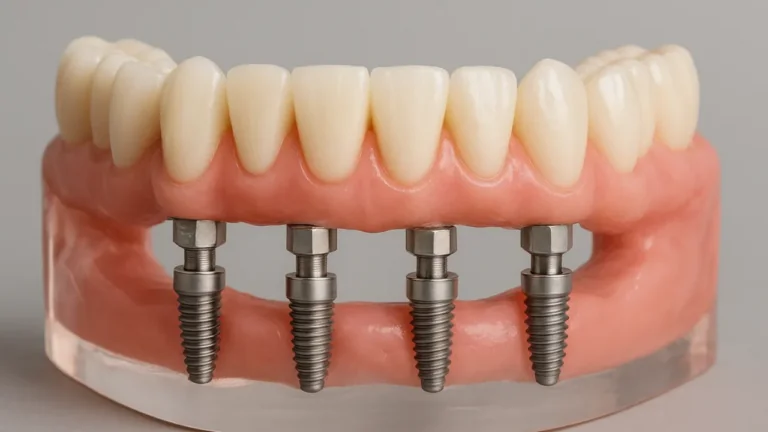
Angled implants. Placing implants at an angle to emerge in the molar region while anchoring in bone further forward. This is the principle behind All-on-4 and it avoids sinus grafting in many full-arch cases.

Zygomatic implants. For severe cases, anchoring in the cheekbone bypasses the region entirely.

Shortening the arch. A legitimate option that is under-discussed. Many patients function perfectly well without second molars, and restoring to the first molar avoids the most difficult region altogether. It is worth asking whether the tooth being replaced is one you genuinely need.

Where several upper teeth are missing rather than one, the calculation changes again — a bridge supported by implants placed further forward may avoid the sinus region entirely. That comparison is worth making before committing to grafting, and the full range of replacement options sets out where each fits.

Fitting a Sinus Lift Into a Travel Plan

Sinus lifts affect travel planning in two ways: the healing period, and the flying restriction.

Where the implant is placed simultaneously, treatment is two trips — the combined procedure, then the restoration after six to nine months. Where it is staged, it becomes three, and the middle trip is a short one for implant placement.

The flying restriction is the practical complication. Air travel involves pressure changes and is generally avoided in the first week or two after a lateral window lift. This means the first trip is longer than for routine implant surgery — plan for around ten days rather than four or five.

Sending a panoramic radiograph or 3D scan in advance usually establishes whether a sinus lift is likely and which technique applies, which in turn determines the number of trips. How treatment time is structured sets out the realistic timings for each pathway.

One further practical point: arrange your return flight with flexibility if you can. Swelling occasionally persists longer than expected, and the pressure restriction is not something to work around with painkillers. A changeable ticket costs less than a displaced graft. Accommodation and transfer arrangements are worth confirming in advance for the same reason.

How We Plan Sinus Lifts at Bağcılar

The decision starts with a measurement on the 3D scan: how much bone remains beneath the sinus floor. That figure determines the technique, whether the implant can be placed simultaneously, and how many visits the treatment requires — so it is established before anything is proposed.

We also assess the sinus itself. Existing inflammation, thickened lining or polyps change the risk profile, and where they are present we address that first rather than proceeding and hoping. Occasionally that means an ENT opinion before dental treatment.

Where a short implant or an angled placement would serve as well, we say so. A sinus lift avoided is a procedure, a healing period and a set of restrictions the patient does not have to accept.

Our clinic has treated patients from more than thirty countries over twelve years, working only with implant systems that carry long-term outcome data and whose components stay available for future service. All treatments carry a lifetime guarantee, subject to attending the recommended appointments and following aftercare, and excluding accidental damage or neglect. For sinus lifts the postoperative pressure precautions are part of that aftercare, and they are the single most common thing patients abandon early.

Planning a Sinus Lift From Outside Türkiye

A sinus lift is the treatment that most often turns a straightforward trip into a staged one, so it is worth understanding how it is sequenced here before you book anything. Where a lateral window graft is needed, the graft has to consolidate for roughly six to nine months before implants can be placed into it. That is biology, and no clinic in İstanbul or anywhere else shortens it. What a Turkish clinic can do is compress everything that is not biology — assessment, CBCT, the surgery itself and the review — into one short visit rather than four separate ones.

Where the residual bone height allows a crestal approach, the graft and the implant go in at the same appointment, and the trip looks much like an ordinary implant trip. Which of the two applies to you is decided by a scan, not by a photograph, which is why any quote issued before a CBCT has been read is a guess. Ours are not issued that way. The grafting materials and how each behaves are set out separately.

The practical İstanbul detail worth knowing is air travel. Flying is not advised for roughly two weeks after a lateral window sinus graft, because pressure changes act on a membrane that has just been repaired. That is not a reason to have the treatment nearer home; it is a reason to build the fortnight into the plan from the start. Most patients spend the recovery period at home in Türkiye's favour — the flight out is before the surgery, and the flight home is scheduled after the review appointment rather than before it. The full timetable, trip by trip covers both routes.

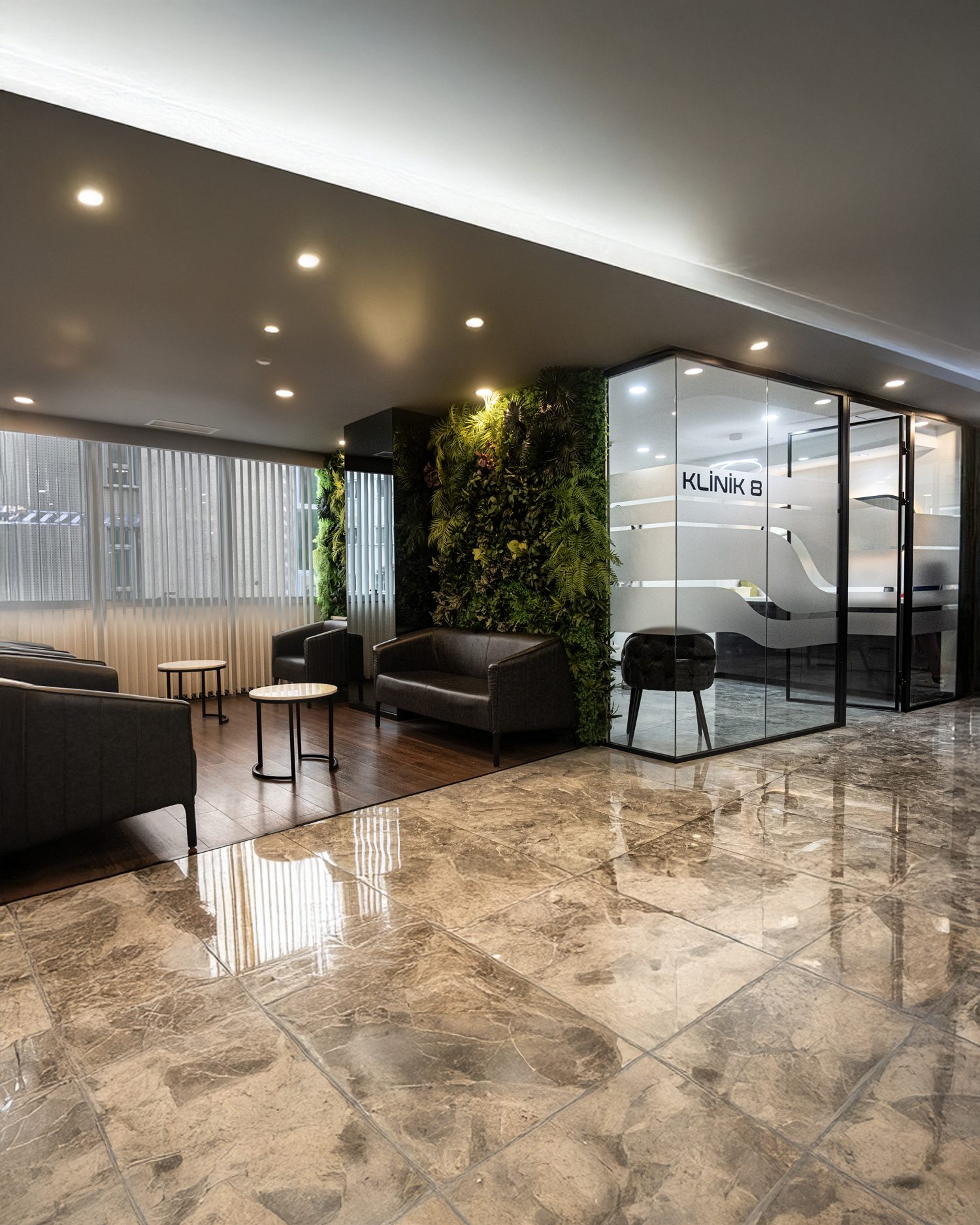
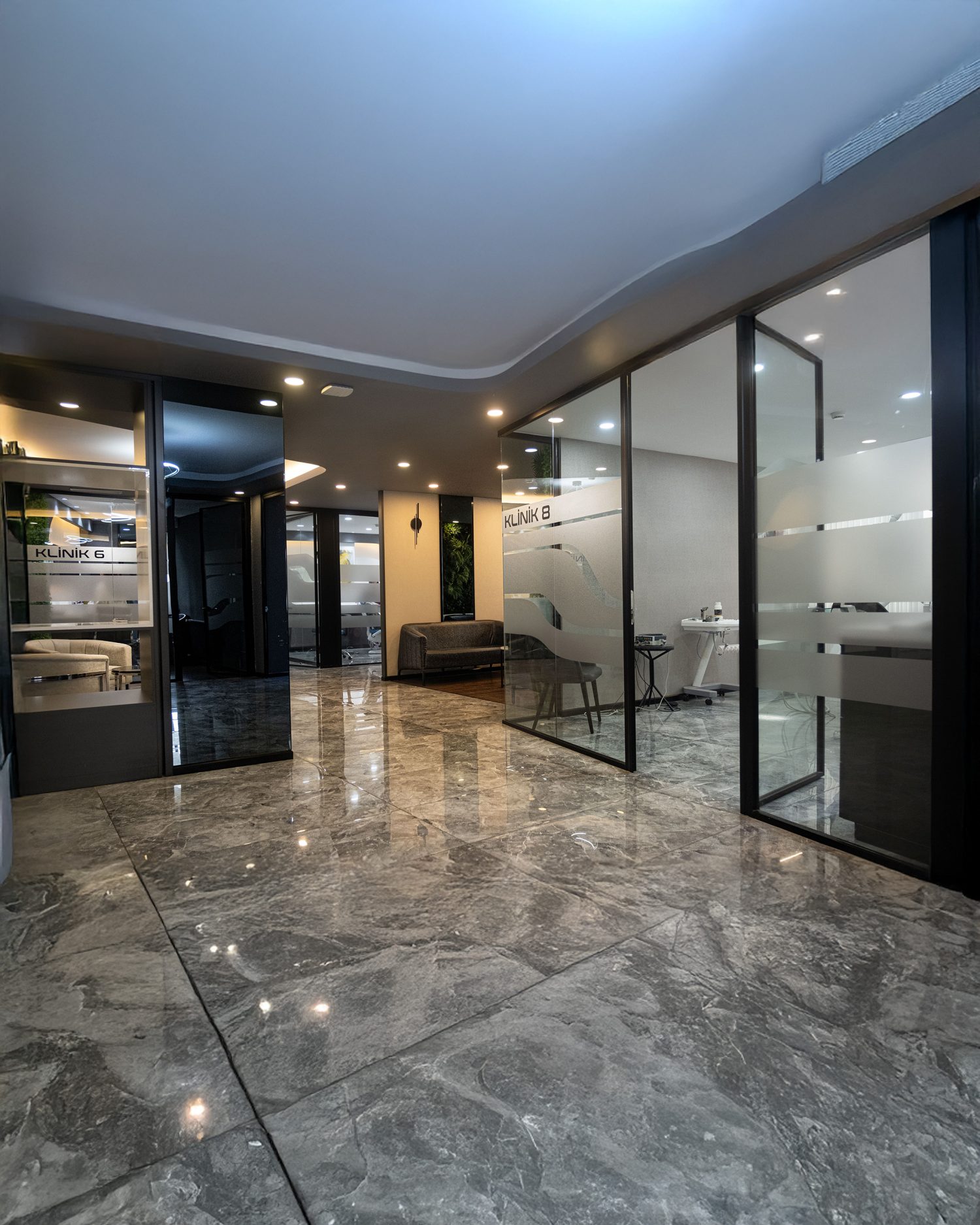
Bağcılar is on the European side, close to the airport and to the hotels the clinic works with, which keeps the daily journey short during that fortnight. Nothing about the aftercare requires you to be in İstanbul for all of it, and nothing about it requires you to manage it alone — the out-of-hours number is the same number you were given on the day.

What Happens to the Graft Over Time

Grafted bone in the sinus does not stay exactly as placed. Over the first year the material is progressively remodelled — resorbed by the body and replaced with the patient's own bone, which is the intended outcome rather than a complication.

Some volume loss during this process is normal and is anticipated in the planning, which is why the graft is placed slightly over-contoured. What matters is that enough height remains around the implant when remodelling settles, and that is assessed on a follow-up scan rather than assumed.

Materials differ in how quickly they turn over. Bovine mineral resorbs very slowly and holds volume for years, which is why it is favoured where maintaining height matters. Faster-resorbing synthetics turn over more completely but lose more volume in the process, and are often mixed with a slower material to balance the two.

Long-term studies of implants in grafted sinuses report stable bone levels comparable with implants in native bone, provided maintenance is kept up. As with any implant, peri-implantitis remains the main long-term threat, and it behaves no differently in grafted bone than anywhere else.

Frequently Asked Questions

What is a sinus lift?
A procedure that creates bone in the upper back jaw by raising the sinus lining and placing graft material in the space beneath it. It is needed because the sinus expands downwards after upper molars are lost, leaving too little bone for an implant to be placed safely.
Is the sinus actually opened?
No. The lining membrane is lifted away from the bony floor but remains intact, so the air space is not entered. The sinus simply becomes slightly smaller. Sinus function is unaffected in the overwhelming majority of cases. Patients occasionally report a temporary feeling of fullness while healing, which settles as swelling subsides.
How much bone do I need for the simpler technique?
Roughly five millimetres. Above that, the internal approach through the implant site is usually possible and the implant can often be placed at the same time. Below it, the lateral window technique is needed and treatment is more likely to be staged.
Can the implant be placed at the same time?
Where five millimetres or more of native bone remains, usually yes — enough to hold the implant stable while the graft matures around it. Where less remains, the site must heal for six to nine months before the implant is placed at a second procedure.
How long does the healing take?
Where the implant is placed simultaneously, six to nine months before the final crown. Where staged, six to nine months for the graft, then a further three to six after the implant is placed. The site is reassessed on a scan rather than scheduled by the calendar.
Is it painful?
Not during, as it is done under local anaesthetic with sedation available. Afterwards, cheek swelling peaks at two to three days and settles over a week to ten days. Most patients describe it as uncomfortable rather than painful, and manageable with prescribed medication.
What are the main risks?
Perforation of the sinus membrane is the commonest event and is usually repaired during surgery without affecting the outcome. Postoperative sinusitis, graft displacement and infection are less common. Pre-existing sinus disease raises all of these risks. Operator experience and pre-existing sinus health influence all of them substantially.
Can I fly after a sinus lift?
Not immediately. Pressure changes during flight can displace the graft, so air travel is generally avoided for one to two weeks after a lateral window lift. This is why the first trip for international patients is planned at around ten days rather than the shorter stay routine implants allow.
What if I already have sinus problems?
They should be assessed and usually treated first. Chronic sinusitis, polyps or a markedly deviated septum raise the complication rate and sometimes require an ENT opinion before dental surgery. It is not necessarily a bar to treatment, but it changes the sequence.
Can I avoid a sinus lift altogether?
Sometimes. Short implants perform well where five or six millimetres of good bone remains. Angled implants can reach the region from bone further forward. And shortening the arch — not replacing second molars — is a legitimate option that is under-discussed and worth asking about.
Will it change my voice or breathing?
No long-term effect on breathing or resonance has been demonstrated. The volume of the sinus is reduced slightly but its drainage and airflow are unaffected. Patients occasionally report a temporary sensation of fullness during healing, which resolves as swelling settles. The sinus continues to drain and ventilate normally, and the reduction in volume is small relative to the whole cavity. No long-term effect on breathing or resonance has been demonstrated.
What is the success rate?
High. Implant survival in grafted sinuses is comparable with implants placed in native bone, and the sinus is one of the more favourable grafting sites because the space created is contained on all sides, which helps the graft consolidate reliably.
What happens if the membrane tears?
Small perforations are common and are repaired during the same operation with a collagen membrane, usually without affecting the result. A large unrepairable tear may mean abandoning the graft that day and repeating it after healing, which is inconvenient rather than dangerous.
Do I need antibiotics?
Usually yes, along with a decongestant, prescribed around the procedure. The sinus is an air-filled space adjacent to the surgical site, and reducing the infection risk in that environment is standard practice rather than an optional extra. Your medical history and any allergies determine the specific prescription, so bring an accurate list of medications.
How much does a sinus lift cost?
We do not publish price lists. The internal technique adds relatively little to an implant procedure; a bilateral lateral window lift with staged implants is a considerably larger undertaking. Send a recent radiograph and we will explain which pathway applies before you travel.

Ready to start your treatment?

Get a free online assessment and a transparent treatment plan from our Istanbul clinic.

Contact
✦ Our Patients
✦ Our Clinic
✦ Our doctors

Our Expert Staff

A safe, comfortable and transparent treatment process at every stage with our experienced physicians.

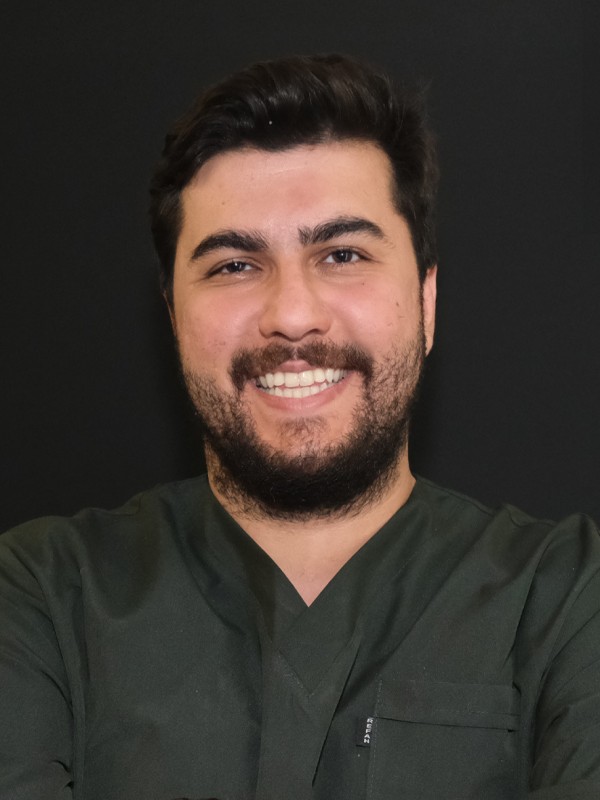
Dt. Muhammed Yancar

Dt. Muhammed Yancar

Responsible Manager · Dentist

He graduated from Okan University Faculty of Dentistry (2022). He works as the responsible manager and dentist at Bağcılar Dental Polyclinic. He is a member of the Turkish Prosthodontics and Implantology Association (TPİD) and the Turkish Dental Association (TDB).

Dr. Dt. Remziye Kuşağlı

Dr. Dt. Remziye Kuşağlı

Responsible Dentist

He graduated from Dicle University Faculty of Dentistry (2005); He has 21 years of experience. It specializes in implant-supported dentures, All-on-4/All-on-6, zirconium, laminate and E-max coating treatments. He is a member of TDB.

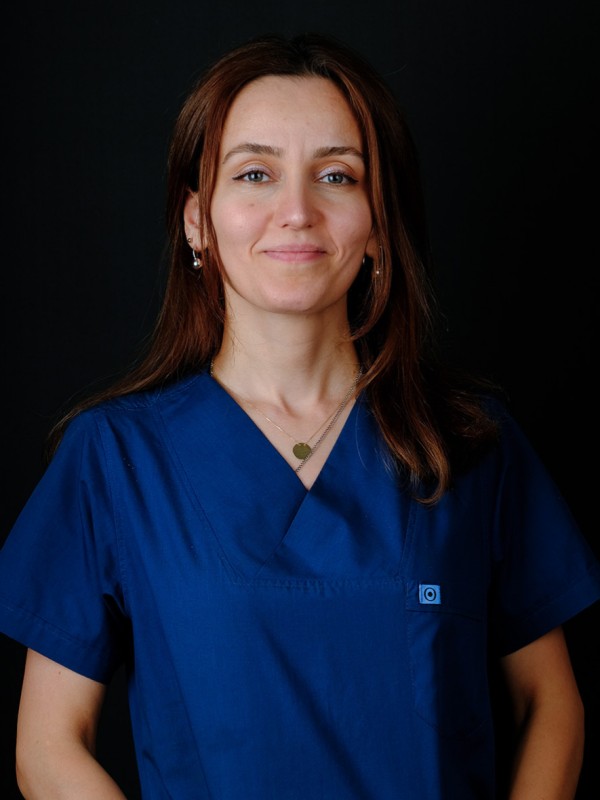
Uzm. Dr. Dt. Nazlı Altın

Uzm. Dr. Dt. Nazlı Altın

Oral and Maxillofacial Surgery Specialist

He graduated from Istanbul University Faculty of Dentistry; He completed his doctorate in oral, dental and maxillofacial surgery. He specializes in complex cases with implant surgery, jaw surgery and bone grafting.

Uzm. Dt. Uğur Derdiyok

Uzm. Dt. Uğur Derdiyok

Oral and Maxillofacial Surgery Specialist

He graduated from Ankara University Faculty of Dentistry; He completed his specialization in oral, dental and maxillofacial surgery at Kırıkkale University. He is an expert in surgical practices with 11 years of experience.

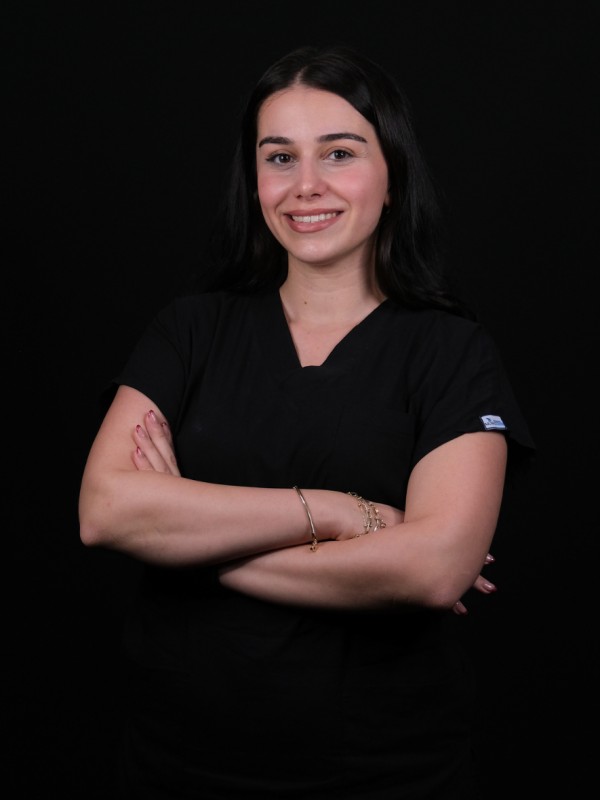
Uzm. Dt. Ceren Çetinkaya

Uzm. Dt. Ceren Çetinkaya

Orthodontic Specialist

He graduated from Ege University Faculty of Dentistry; He completed his orthodontics specialization at Istanbul University. He is experienced in fixed and transparent plate treatments and focuses on functional and aesthetic results.

Dr. Dt. Hakan Şahin

Dr. Dt. Hakan Şahin

Pedodontics Specialist (Pediatric Dentist)

He graduated from Atatürk University Faculty of Dentistry; He completed his pedodontics specialization. It has been providing preventive and therapeutic services in children's dental health for many years.

Uzm. Dt. Natiga Israfilova

Uzm. Dt. Natiga Israfilova

Prosthetic Dentistry Specialist

He is a graduate of Azerbaijan Medical University; He completed his prosthetic dentistry specialization at Eskişehir Osmangazi University. With 20 years of experience, he is an expert in implant prostheses, All-on-4/6, zirconium, laminate and E-max applications.

Dt. Nur Küçük

Dt. Nur Küçük

Prosthodontics & Digital Dentistry

He graduated from Istanbul Medipol University, Department of Dentistry; He continues his doctoral education in prosthetic dentistry. He works on aesthetic and functional restorations and smile design with CAD/CAM systems.

Dt. Mehmet Emin Ceylan

Dt. Mehmet Emin Ceylan

Implant & Prosthesis

He graduated from Istanbul Aydin University Faculty of Dentistry; He has 7 years of experience. He specializes in implant-supported dentures, All-on-4/All-on-6 restorations, full mouth dentures and zirconium applications.

Dt. Zeynep Demirhan

Dt. Zeynep Demirhan

Prosthodontics & Aesthetic Dentistry

He graduated from Bezmiâlem Vakıf University, Faculty of Dentistry. He is experienced in prosthetic treatments, smile design, implant-supported prostheses and treatments under sedation; focuses on patient satisfaction.

Dt. Seda Şahle Alemdar

Dt. Seda Şahle Alemdar

Implant & Aesthetics · Digital

He graduated from Abant İzzet Baysal University Faculty of Dentistry (2020). He is experienced in implant-supported dentures, smile design, digital measurement systems and aesthetic restorations.

Dt. Muhammed Ali Almaz

Dt. Muhammed Ali Almaz

Implant & Aesthetic Dentistry

He graduated from Gazi University Faculty of Dentistry (2021); He has 5 years of experience. He works with health tourism patients in the fields of implant prostheses, All-on-4, zirconium, aesthetic fillings and teeth whitening.

Dt. Berkay Pehlivanoğlu

Dt. Berkay Pehlivanoğlu

Restorative & Prosthetic

He graduated from Marmara University Faculty of Dentistry (2021); He has 6 years of experience. He works in the fields of endodontics (root canal treatment), restorative treatments, zirconium/E-max/laminate prosthesis and implant-supported prosthesis.

Dt. Esranur Çelik

Dt. Esranur Çelik

Restorative & Periodontology

He graduated from Süleyman Demirel University Faculty of Dentistry (2017); He has 9 years of experience. He works in periodontology (gum), restorative and endodontic treatments and aesthetic smile design.

Dt. Havva Öztürk

Dt. Havva Öztürk

General & Restorative Dentistry

He graduated from Bolu Abant İzzet Baysal University Faculty of Dentistry (2023). Works in restorative, endodontic, periodontal, prosthetic and pedodontic treatments; Follows current treatments closely.

Dt. Sümeyya Aydınlık

Dt. Sümeyya Aydınlık

Dentist

He graduated from Istanbul Yeni Yüzyıl University, Department of Dentistry (2020); Has approximately 5 years of experience. In addition to general dentistry, he works in implant prosthesis, restorative and endodontic treatments.

Dt. Hasip Altun

Dt. Hasip Altun

General Dentistry

He graduated from Yüzüncü Yıl University Faculty of Dentistry (2018). He has clinical experience in general dentistry and restorative treatments; It stands out with its patient-oriented approach.

Dt. Birsen Er

Dt. Birsen Er

Implant & Aesthetic Dentistry

He graduated from Istanbul University Faculty of Dentistry (2002); He has 24 years of experience. He works in the fields of implant-supported prostheses, All-on-4, zirconium restorations, aesthetic fillings, root canal treatment (endodontics) and teeth whitening.

✦ Our Videos
✦ Trusted Worldwide

What Our Patients Say

Google★★★★★
Trustpilot★★★★★
4.6/5 1.682+ Happy Patients 30+ Countries
A
Ayşe Kaya ★★★★★

I did not feel any pain during my implant treatment. The team is extremely attentive, I was informed at every stage. I love my new smile!

M
Mehmet Yıldız ★★★★★

My zirconium crowns looked very natural. It is excellent in terms of price-performance, I recommend it with peace of mind.

H
Hans Müller ★★★★★

I came from Germany for All-on-4 treatment. The clinic was very modern and hygiene was perfect. Translator support made my job much easier.

E
Elena Petrova ★★★★★

I came for my smile design; Everything was considered, including reception, hotel and transportation. My teeth were literally reborn.

F
Fatma Demir ★★★★★

My gum treatment was very successful. My doctor explained everything patiently, and my fear of the dentist was completely gone.

J
James Wilson ★★★★★

I came from London for laminate veneer. Professional team, painless procedure and great result. It was worth every penny.

Z
Zeynep Arslan ★★★★★

My orthodontic treatment proceeded as planned. The transparent record was very comfortable, no one even noticed. Thanks!

A
Andrei Popescu ★★★★★

I came from Romania for implants. From CT scan to treatment, everything started on the same day. I am very pleased with the result.

H
Hatice Şahin ★★★★☆

After teeth whitening, my teeth became visibly whiter. I got results in one session, it was very practical.

S
Sophie Dubois ★★★★★

I chose it for Hollywood Smile from France. The attention of the doctors and the naturalness of the result were far beyond my expectations.

A
Ali Çelik ★★★★★

My root canal treatment was painless and I returned to work the same day. Modern devices make a difference, well done.

M
Maria Rossi ★★★★★

I came from Italy for zirconium. It is much more advantageous than Europe in terms of both price and quality. I definitely recommend it.

E
Emine Yılmaz ★★★★★

We came for my mother's prosthetic teeth, they were very interested. The patience shown to elderly patients is admirable.

V
Viktor Ivanov ★★★★★

After the smile design, my self-confidence skyrocketed. The clinic is clean and the team is friendly. I recommend it to everyone from Sofia.

A
Ayşe Kaya ★★★★★

I did not feel any pain during my implant treatment. The team is extremely attentive, I was informed at every stage. I love my new smile!

M
Mehmet Yıldız ★★★★★

My zirconium crowns looked very natural. It is excellent in terms of price-performance, I recommend it with peace of mind.

H
Hans Müller ★★★★★

I came from Germany for All-on-4 treatment. The clinic was very modern and hygiene was perfect. Translator support made my job much easier.

E
Elena Petrova ★★★★★

I came for my smile design; Everything was considered, including reception, hotel and transportation. My teeth were literally reborn.

F
Fatma Demir ★★★★★

My gum treatment was very successful. My doctor explained everything patiently, and my fear of the dentist was completely gone.

J
James Wilson ★★★★★

I came from London for laminate veneer. Professional team, painless procedure and great result. It was worth every penny.

Z
Zeynep Arslan ★★★★★

My orthodontic treatment proceeded as planned. The transparent record was very comfortable, no one even noticed. Thanks!

A
Andrei Popescu ★★★★★

I came from Romania for implants. From CT scan to treatment, everything started on the same day. I am very pleased with the result.

H
Hatice Şahin ★★★★☆

After teeth whitening, my teeth became visibly whiter. I got results in one session, it was very practical.

S
Sophie Dubois ★★★★★

I chose it for Hollywood Smile from France. The attention of the doctors and the naturalness of the result were far beyond my expectations.

A
Ali Çelik ★★★★★

My root canal treatment was painless and I returned to work the same day. Modern devices make a difference, well done.

M
Maria Rossi ★★★★★

I came from Italy for zirconium. It is much more advantageous than Europe in terms of both price and quality. I definitely recommend it.

E
Emine Yılmaz ★★★★★

We came for my mother's prosthetic teeth, they were very interested. The patience shown to elderly patients is admirable.

V
Viktor Ivanov ★★★★★

After the smile design, my self-confidence skyrocketed. The clinic is clean and the team is friendly. I recommend it to everyone from Sofia.

B
Burak Aydın ★★★★★

I had a combination of implant and zirconium. The result is incredibly natural. The appointment and follow-up process was very orderly.

A
Anna Schmidt ★★★★☆

My laminate veneer treatment went well. It took a little waiting, but the result was perfect. Thanks for the translator support.

S
Selin Koç ★★★★★

I had gum aesthetics and whitening. I have no hesitation when laughing anymore. I am grateful to the entire team.

R
Robert Brown ★★★★★

My All-on-6 treatment changed my life. I came from England; The attention shown and the result achieved were perfect.

G
Gülşah Eren ★★★★★

We came for my child's dental treatment, they treated the child patients very kindly. He was treated without fear, we are very happy.

D
Dimitar Georgiev ★★★★★

Implant prices are very affordable compared to Bulgaria, and the quality is high. The entire process was completed in 4 days.

O
Okan Demirtaş ★★★★★

I can't recognize myself in photos after my smile design. My doctor's sense of aesthetics is really good.

C
Claudia Fischer ★★★★★

I came for my implant treatment, it was painless and fast. The clinic is above German standards, I am very pleased.

M
Merve Polat ★★★★★

I had a combination of orthodontics and whitening. The result is great, the team is very professional and caring.

L
Lucas Martin ★★★★★

I came from Paris for laminate veneer. I was very pleased with the natural result and warm attention. Thanks!

İ
İbrahim Kara ★★★★☆

My dental bridge treatment was durable and comfortable. Pricing was transparent, there were no surprise fees.

N
Natalia Sokolova ★★★★★

I came from Russia for smile design. The service quality and attention were excellent, my teeth turned out as I dreamed.

D
Deniz Aksoy ★★★★★

I had teeth whitening in one session, the difference was immediately obvious. It was a fast, clean and professional experience.

T
Thomas Becker ★★★★★

I came for All-on-4 and walked out smiling the same day with temporary teeth. The interest and technology are top notch, thank you very much.

B
Burak Aydın ★★★★★

I had a combination of implant and zirconium. The result is incredibly natural. The appointment and follow-up process was very orderly.

A
Anna Schmidt ★★★★☆

My laminate veneer treatment went well. It took a little waiting, but the result was perfect. Thanks for the translator support.

S
Selin Koç ★★★★★

I had gum aesthetics and whitening. I have no hesitation when laughing anymore. I am grateful to the entire team.

R
Robert Brown ★★★★★

My All-on-6 treatment changed my life. I came from England; The attention shown and the result achieved were perfect.

G
Gülşah Eren ★★★★★

We came for my child's dental treatment, they treated the child patients very kindly. He was treated without fear, we are very happy.

D
Dimitar Georgiev ★★★★★

Implant prices are very affordable compared to Bulgaria, and the quality is high. The entire process was completed in 4 days.

O
Okan Demirtaş ★★★★★

I can't recognize myself in photos after my smile design. My doctor's sense of aesthetics is really good.

C
Claudia Fischer ★★★★★

I came for my implant treatment, it was painless and fast. The clinic is above German standards, I am very pleased.

M
Merve Polat ★★★★★

I had a combination of orthodontics and whitening. The result is great, the team is very professional and caring.

L
Lucas Martin ★★★★★

I came from Paris for laminate veneer. I was very pleased with the natural result and warm attention. Thanks!

İ
İbrahim Kara ★★★★☆

My dental bridge treatment was durable and comfortable. Pricing was transparent, there were no surprise fees.

N
Natalia Sokolova ★★★★★

I came from Russia for smile design. The service quality and attention were excellent, my teeth turned out as I dreamed.

D
Deniz Aksoy ★★★★★

I had teeth whitening in one session, the difference was immediately obvious. It was a fast, clean and professional experience.

T
Thomas Becker ★★★★★

I came for All-on-4 and walked out smiling the same day with temporary teeth. The interest and technology are top notch, thank you very much.

✦ Our Brands
Straumann
Nobel Biocare
Astra Tech
Medentika
Bredent SKY
Straumann
Nobel Biocare
Astra Tech
Medentika
Bredent SKY
✦ Contact
Get in touch

İstanbul Bağcılarour central clinic

Merkez Mahallesi 675. Sokak No: 1-7/A-B, 34203 Bağcılar/İstanbul, Turkey

Open in Google Maps