Google Reviews 4.6/5 1.682+ Happy Patients 30+ Countries

Night Guards in Turkey — Designs, Fit and Lifespan

✦ Treatment Guides

Night Guards in Turkey — Designs, Fit and Lifespan

Which night guard designs work, what they do and do not do, how long they last, and why restorative work depends on them.

12+ Years of Experience
1682+ Happy Patients
25 Specialist Physicians
99% Success Rate
Lifetime Guarantee
Bağcılar Dental Clinic

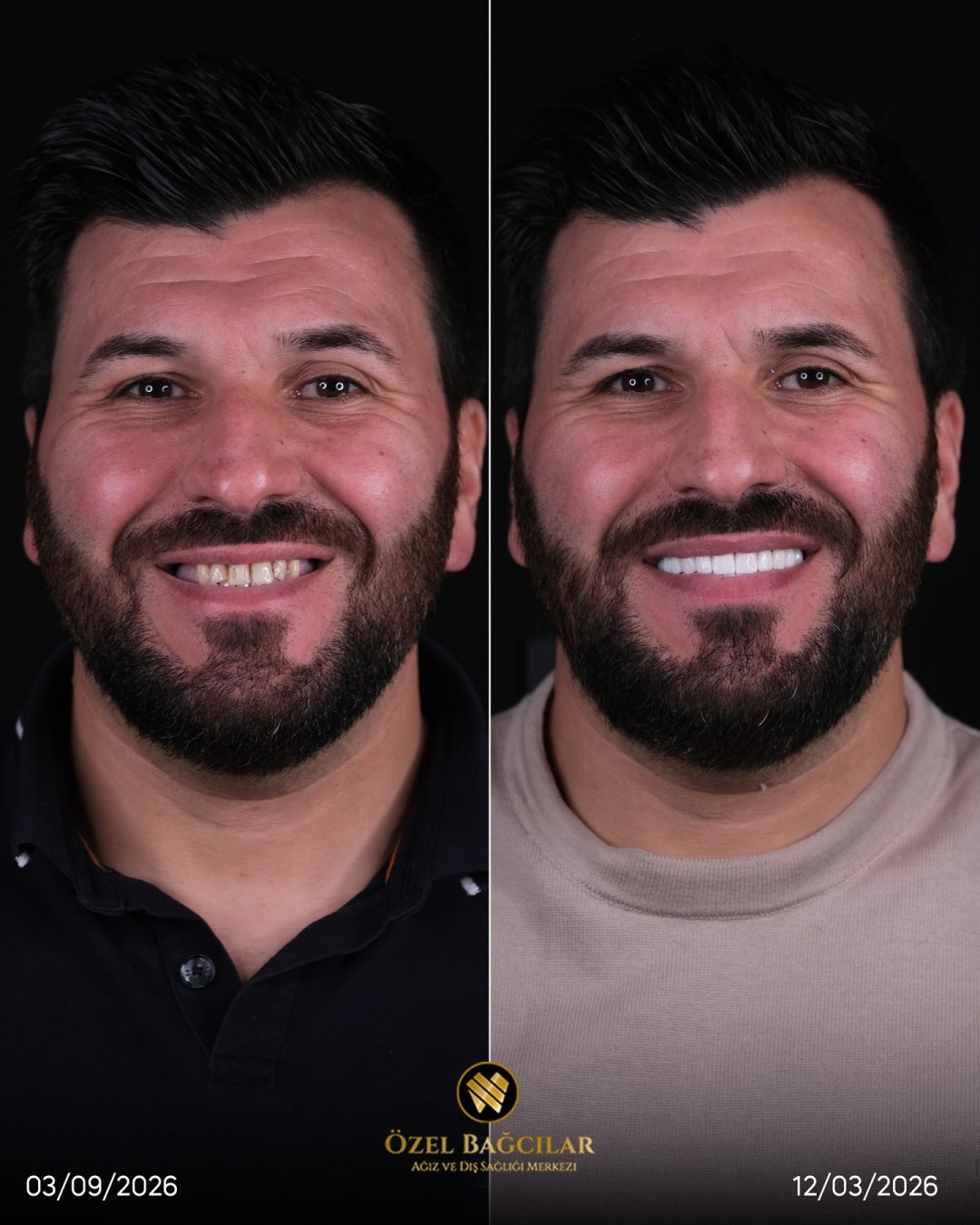
Before & After

Bağcılar Diş öncesi sonrası

A night guard is the least interesting item in any treatment plan and frequently the one that determines whether the rest of it lasts. Ceramic placed on an unmanaged grinding habit fractures, and the guard costs a small fraction of remaking front teeth.

It is also widely misunderstood. A guard does not stop grinding — the habit is neurological and largely originates during sleep, and no appliance switches it off. What it does is put something between the teeth so the force lands on plastic rather than on enamel or ceramic.

That distinction matters because it sets the expectation correctly. Patients who expect a cure are disappointed; patients who understand they are protecting the work wear it consistently.

This page sets out the designs and what each is for, how they are made and why the fabrication matters, how long they last, and where a guard sits within a restorative plan.

What Grinding Actually Does

Understanding the mechanism explains why the guard is not optional and why the damage is so easy to miss until it is substantial.

Bruxism applies force to the teeth for extended periods, mostly during sleep and at levels well beyond normal chewing. Chewing is intermittent and controlled; grinding is sustained and unmodulated.

The result is wear — flat facets on the biting surfaces, matched between upper and lower teeth. Over years that shortens the teeth and reduces the height between the jaws, which changes the lower face.

It also fractures things. Cusps break off molars, ceramic chips or fractures, and restorations debond. Most fractures in well-made veneers happen at night to people who did not believe they ground their teeth.

And it loads the jaw joints and muscles, producing morning tightness, headaches originating in the temples, and joint symptoms in some patients — the full picture of managing it covers the non-appliance side.

Where wear has already reduced the height between the jaws, a guard protects what remains rather than restoring what has gone. Rebuilding lost height is a separate and considerably larger treatment.

What a Guard Does and Does Not Do

Setting the expectation properly is most of what makes a guard successful, because a patient expecting the wrong thing stops wearing it.

It does not stop the grinding. The habit originates in sleep regulation rather than in the teeth, and no appliance addresses that. Many patients grind against the guard exactly as they ground against their teeth.

It does protect. The force lands on acrylic rather than on enamel or ceramic, and the guard wears instead of the teeth. That is the whole function and it is sufficient.

It frequently reduces muscle symptoms. Separating the teeth changes the muscle position and many patients report less morning tightness, though this varies and should not be promised.

And it protects restorations specifically. A crown, a veneer or an implant restoration under an unmanaged habit is on a timer, and the guard is what stops the clock.

It also does not treat a joint problem. Where there is clicking, limited opening or persistent joint pain, that needs assessing on its own terms rather than being handed a guard and reviewed in six months.

The Designs, and What Each Is For

Several exist and they are not interchangeable. A guard designed for the wrong purpose can be ineffective or actively unhelpful.

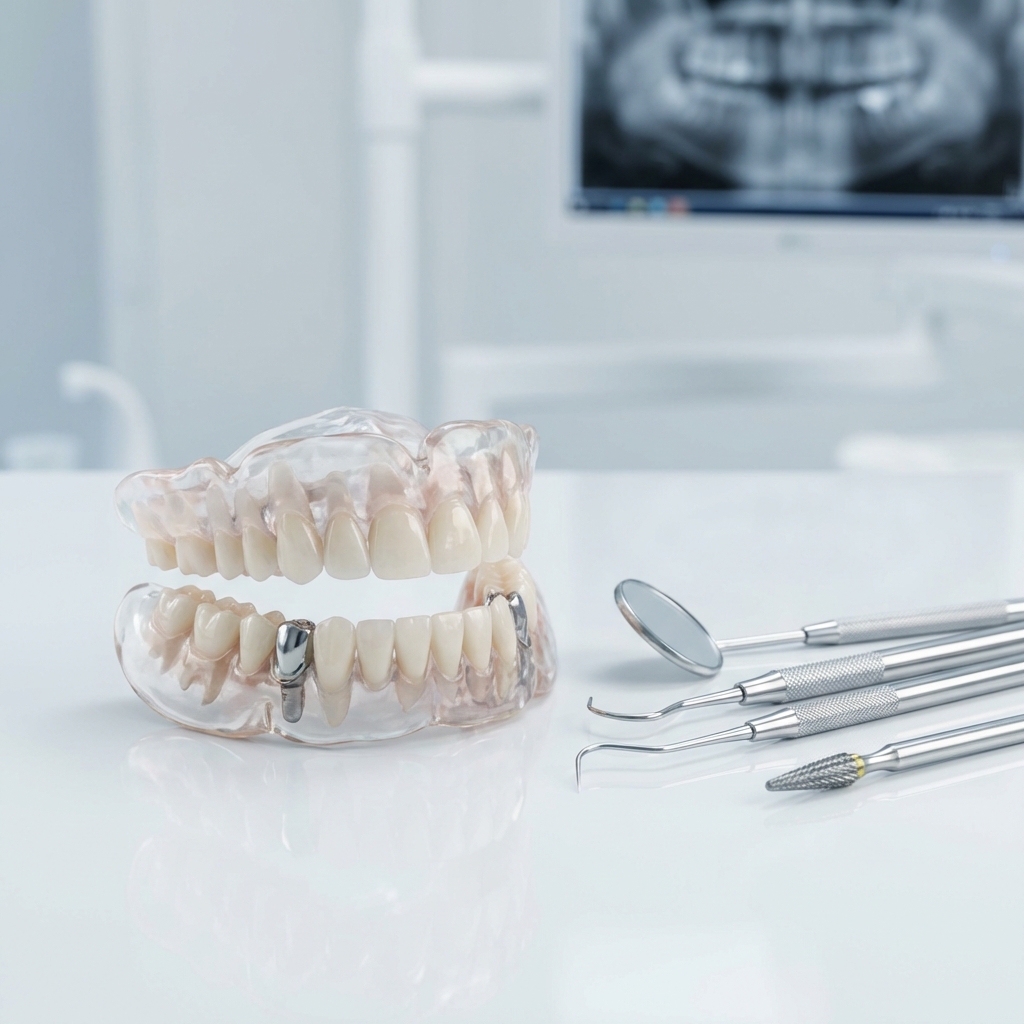
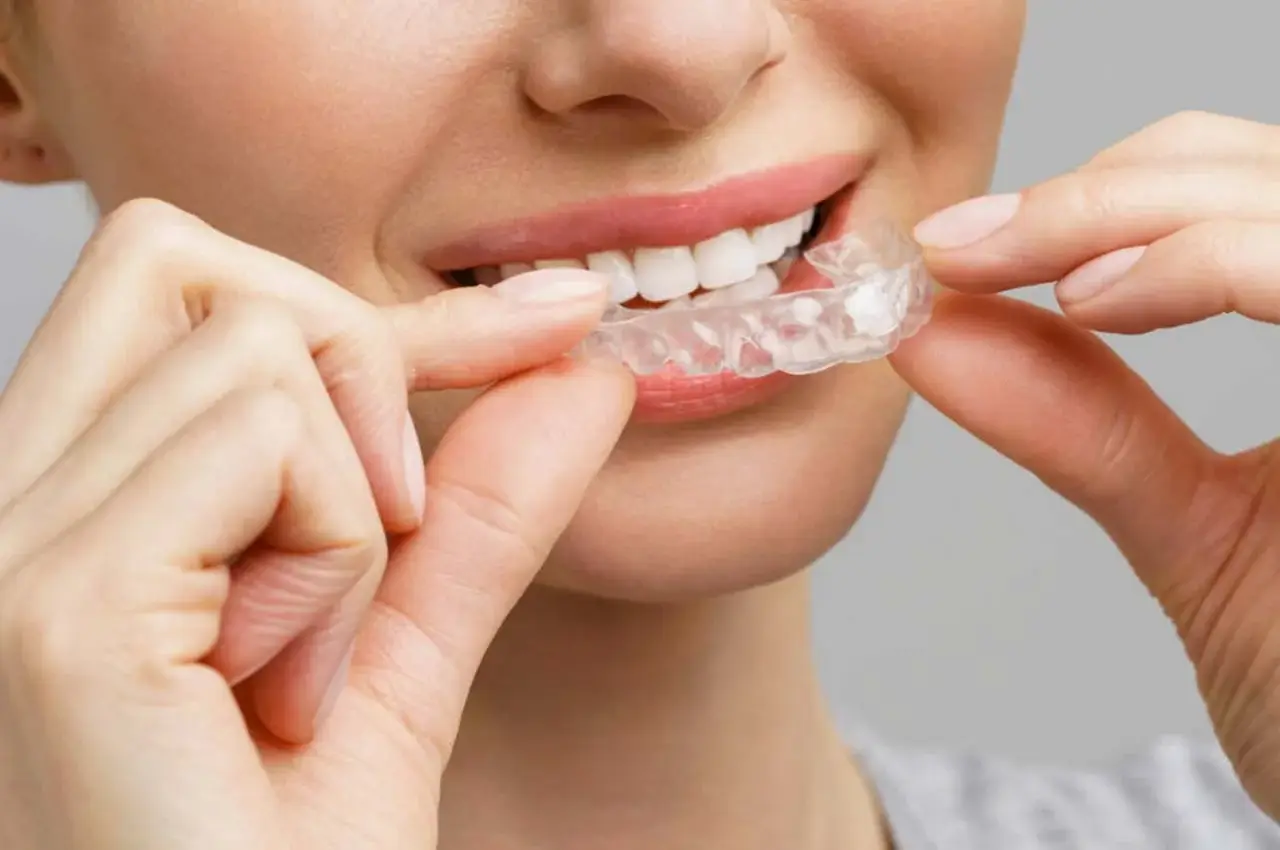
Guard designs — full-coverage hard acrylic is the workhorse and the safe default
DesignWhat it isSuitsCaution
Full-coverage hard acrylicRigid, covers all teeth in one archMost patients; protecting restorationsNeeds proper bite adjustment
Soft guardFlexible, thermoformedShort-term or sports useCan increase clenching in some patients
Dual-laminateSoft inner surface, hard outerComfort with durabilityBulkier than hard acrylic
Anterior-only applianceContacts front teeth onlyShort-term muscle reliefNot for unsupervised long-term use
Boil-and-biteShop-bought, moulded at homeEmergency stopgap onlyPoor fit; can worsen the habit
Repositioning splintAlters jaw position deliberatelySpecific joint diagnosesSpecialist use; changes the bite

The soft guard caution is worth expanding. A soft, chewable material gives some patients something to bite into, which can increase muscle activity rather than reducing it. It remains appropriate for sport and for short-term use.

The anterior-only appliance is effective for muscle relief and carries a real risk if worn unsupervised for long periods, because leaving the back teeth out of contact can allow them to over-erupt.

Where restorations are being planned alongside, the design choice is made with them rather than afterwards. The ceramic chosen and the guard are two halves of the same protection decision.

Why Fabrication Matters

A guard is a simple object made well or badly, and the difference determines whether it is worn.

It starts with an accurate impression or scan. A guard made from a poor impression rocks, presses in the wrong places and is uncomfortable, and an uncomfortable guard ends up in a drawer.

The bite is then adjusted at the fitting so that all the teeth meet the guard evenly. This is the step most often rushed, and an unadjusted guard concentrates force on a few teeth rather than distributing it.

The guidance surfaces matter too — how the jaw slides against the guard when it moves sideways. Done properly this reduces muscle activity; done carelessly it can increase it.

Thickness is a balance. Thin enough to be tolerated, thick enough not to wear through in months. Where a patient grinds heavily, a thicker guard replaced less often is usually the better arrangement.

Upper or Lower

Frequently asked and less important than the questions above, though there are real considerations either way.

An upper guard is the more common default. It is more retentive, covers the teeth most often being protected in aesthetic cases, and is generally better tolerated by patients who do not gag easily.

A lower guard is bulkier against the tongue and better tolerated by patients with a strong gag reflex. It is also the usual choice where the upper teeth carry extensive restorations that would complicate a well-fitting upper appliance.

Only one arch is needed. Wearing a guard on both is unnecessary, more expensive and considerably harder to tolerate.

The decision is practical rather than clinical in most cases, and it is worth raising your own preference — a guard you can tolerate is worth more than a theoretically superior one you do not wear.

Where an upper denture or a full-arch bridge is present, the choice is frequently made for you. A fixed arch changes what a guard has to protect and where it can seat, and that is planned with the restoration rather than afterwards.

How Long They Last

Less time than most patients expect, and this is worth planning for rather than discovering.

A hard acrylic guard in a moderate grinder lasts years. In a heavy grinder it can be worn through in considerably less, and the wear is visible as flattening and perforation at the contact points.

That wear is the guard doing its job. Material lost from the appliance is material not lost from your teeth, and a guard showing heavy wear is evidence the habit is real rather than evidence of a fault.

A perforated guard protects nothing at that point. Once the teeth are contacting through it, the force is landing where it was before and the appliance is cosmetic.

So it needs checking at your routine appointments and replacing when it wears through. That is a small recurring cost and it is what keeps the protection real.

Keep the old one when a replacement is made. A spare is useful if the current guard is lost or damaged, and comparing the wear between them over time is a genuinely useful record of whether the habit is changing.

Guards and Restorative Work

The relationship that makes this page belong in a treatment plan rather than an appendix.

Where restorations are being placed and the patient grinds, the guard is part of the treatment rather than an accessory. It should be in the plan and in the quote from the start.

It is also made after the restorations rather than before, because it has to fit the new shapes. A guard made to the old teeth will not seat properly on new crowns or veneers.

That timing has a practical consequence for patients travelling: the guard is made at the end of the trip, after everything is fitted, which is one more reason not to schedule a departure for the same afternoon as the final bonding.

And it interacts with the guarantee. Grinding without the prescribed guard is a standard exclusion everywhere, because the appliance is the agreed protection — the exclusions are stated plainly rather than left ambiguous.

It applies to implants as much as to ceramic. An implant has no ligament to cushion load the way a natural tooth does, so grinding transmits force straight into the bone around it.

Where a bridge rather than single units is involved, the protection matters more again. A bridge carries load through its connectors, and an unmanaged habit concentrates force exactly where fractures begin.

What Else Helps

The guard is protection rather than treatment, and several other things genuinely reduce the habit or its effects.

  • Sleep quality generally — bruxism is associated with disrupted sleep and with sleep apnoea.
  • Stress management, which has a real if variable effect on nocturnal grinding.
  • Reviewing medications, since some antidepressants are associated with increased bruxism.
  • Reducing caffeine and alcohol in the evening, both of which affect sleep architecture.
  • Daytime awareness training, for the clenching that happens while awake.
  • Correcting a bite that is genuinely interfering, where one is identified.

Sleep apnoea deserves particular attention. There is a recognised association with bruxism, and a patient who snores heavily, wakes unrefreshed or has been told they stop breathing should be assessed for it.

That is a medical referral rather than a dental treatment, and it matters beyond the teeth. Treating the apnoea sometimes reduces the grinding as a side effect.

Daytime clenching is a separate problem with a separate answer. It responds to awareness — noticing and releasing — far better than to any appliance, since most people are not wearing a guard during the day.

Where the bite is genuinely interfering, correcting it can help — but that assessment belongs to an examination rather than to assumption, and the bite analysis is part of any full assessment regardless of why you came.

Shop-Bought Guards

Widely available, inexpensive, and worth understanding rather than dismissing outright.

A boil-and-bite guard moulded at home fits approximately. It provides some barrier between the teeth, which is better than nothing as an emergency measure for a few nights.

As a long-term solution it has real problems. The fit is imprecise, so it can rock and load individual teeth; the material is usually soft, which encourages chewing in some patients; and the bite is not adjusted at all.

It also risks tooth movement. An appliance that does not fit accurately can act like a badly designed orthodontic appliance over months, moving teeth in unintended directions.

Where a patient cannot access a made guard, one is better than none. Where restorations are being protected, a made and adjusted guard is the only sensible answer.

There is one situation where they are the right answer: a patient who grinds and is waiting weeks for a made appliance. A few nights of imprecise protection is better than several weeks of none at all.

Recognising That You Grind

Most patients do not know, because it happens during sleep and there is nobody to observe it. The evidence is on the teeth rather than in memory.

Flat, polished wear facets on the biting surfaces that match between upper and lower teeth. Natural chewing does not produce that pattern; tooth-against-tooth grinding does.

Morning symptoms — jaw tightness, tenderness in the muscles at the temples or the angle of the jaw, headaches on waking that settle through the morning.

Scalloped edges on the tongue and a ridge along the inside of the cheek at the biting level, both from pressing against the teeth.

And restorations that keep failing. A patient on a third replacement of the same crown usually has a force problem rather than a materials problem, and nobody has diagnosed it — which is a common thread in corrective cases.

A partner noticing the sound is the other common route, and it is worth asking. Grinding is audible in many patients, and it is frequently how the habit is identified in someone with no symptoms of their own.

Sensitivity is another quiet sign. Teeth worn through the enamel expose dentine, which responds to cold, and patients frequently treat the sensitivity for years without anyone asking why the enamel went — worn enamel also darkens the teeth as the dentine underneath shows through.

Guards and Aligners Together

A question that comes up whenever orthodontics and grinding coincide, and the answer is more reassuring than patients expect.

Aligners themselves separate the teeth and provide some protection while worn. For a patient in aligner treatment, a separate guard is generally unnecessary during the active phase.

Heavy grinding does wear through aligners faster, which occasionally means a set needs replacing. That is worth mentioning at the planning stage so it is not a surprise.

After treatment, the retainer serves a similar function at night, though a retainer is thinner than a guard and wears through faster in a heavy grinder. Some patients need a guard-thickness retainer for that reason.

With fixed braces the position is different — brackets prevent a conventional guard from seating, and the protection has to be revisited once the appliances come off.

After fixed braces come off, the position resets. A guard can be made once the brackets are removed, and for a patient who grinds it is worth making at the same appointment as the retainers rather than as a separate visit.

Getting a Guard Made While You Are in İstanbul

A night guard is the cheapest item on almost any treatment plan and the one that most often decides whether the expensive items survive. If you grind, the ceramic you have just travelled for is under a load it was never designed for, every night, indefinitely. Having the guard made in the same trip as the restorative work is not an upsell; it is the condition under which the rest of the work is expected to last.

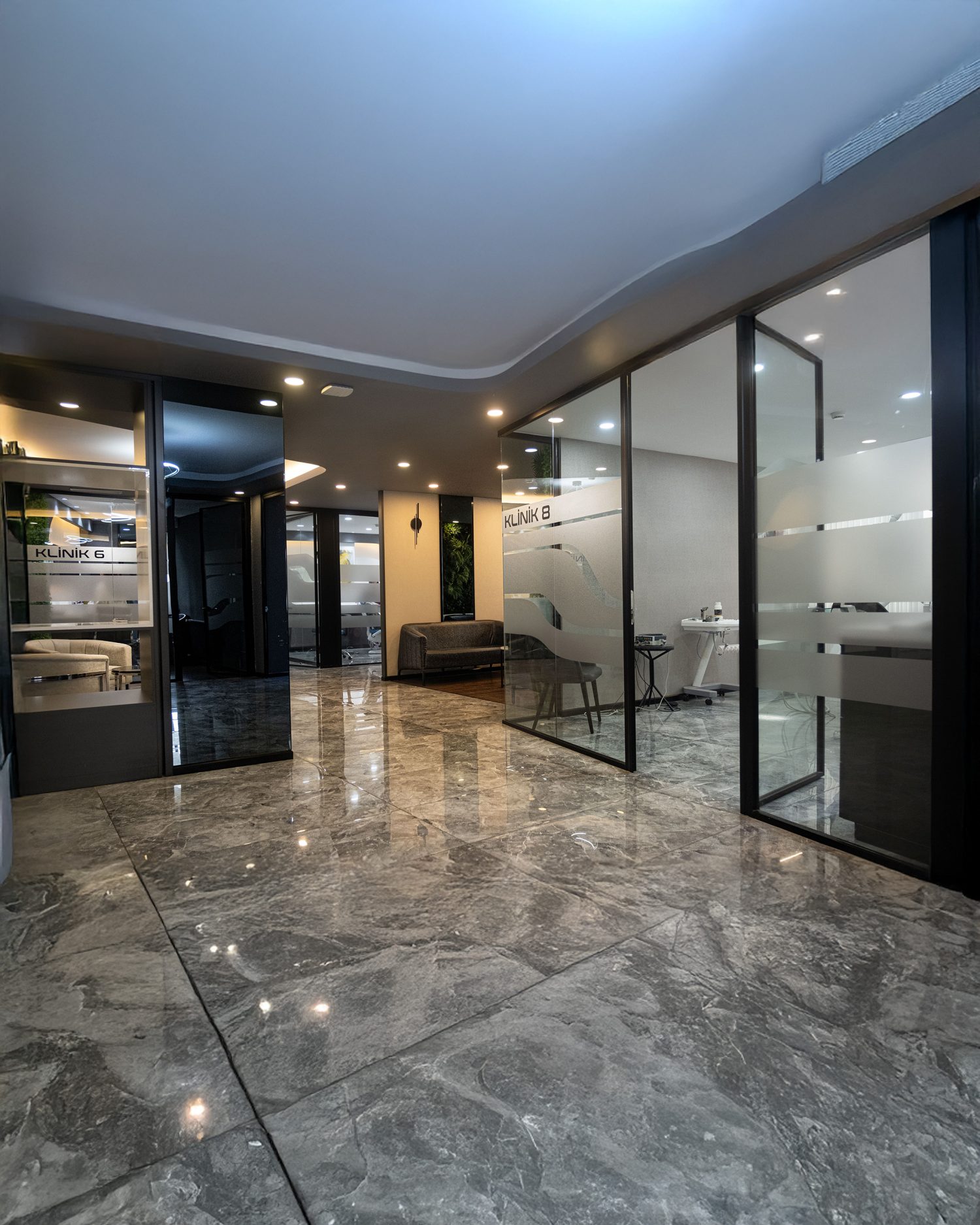
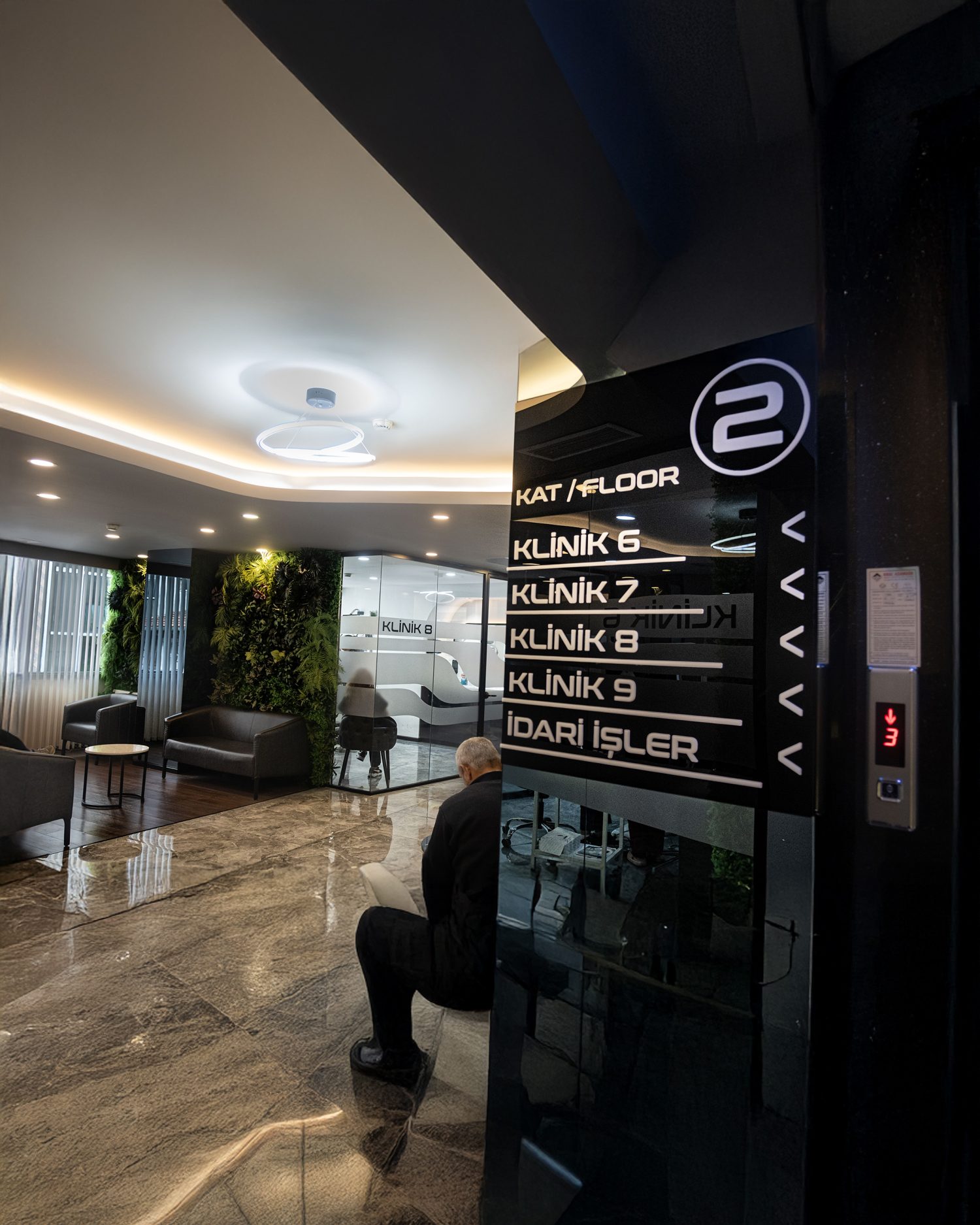
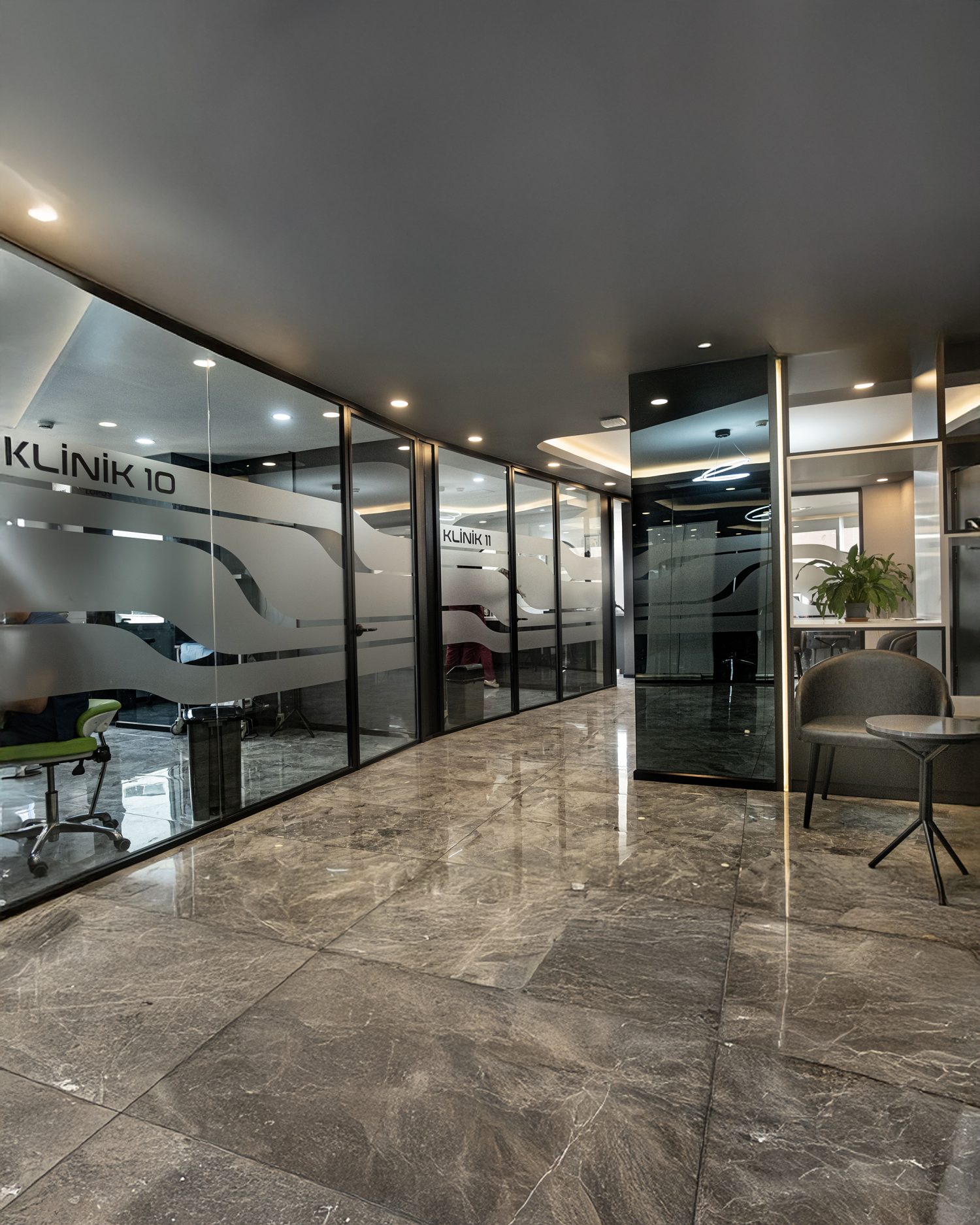
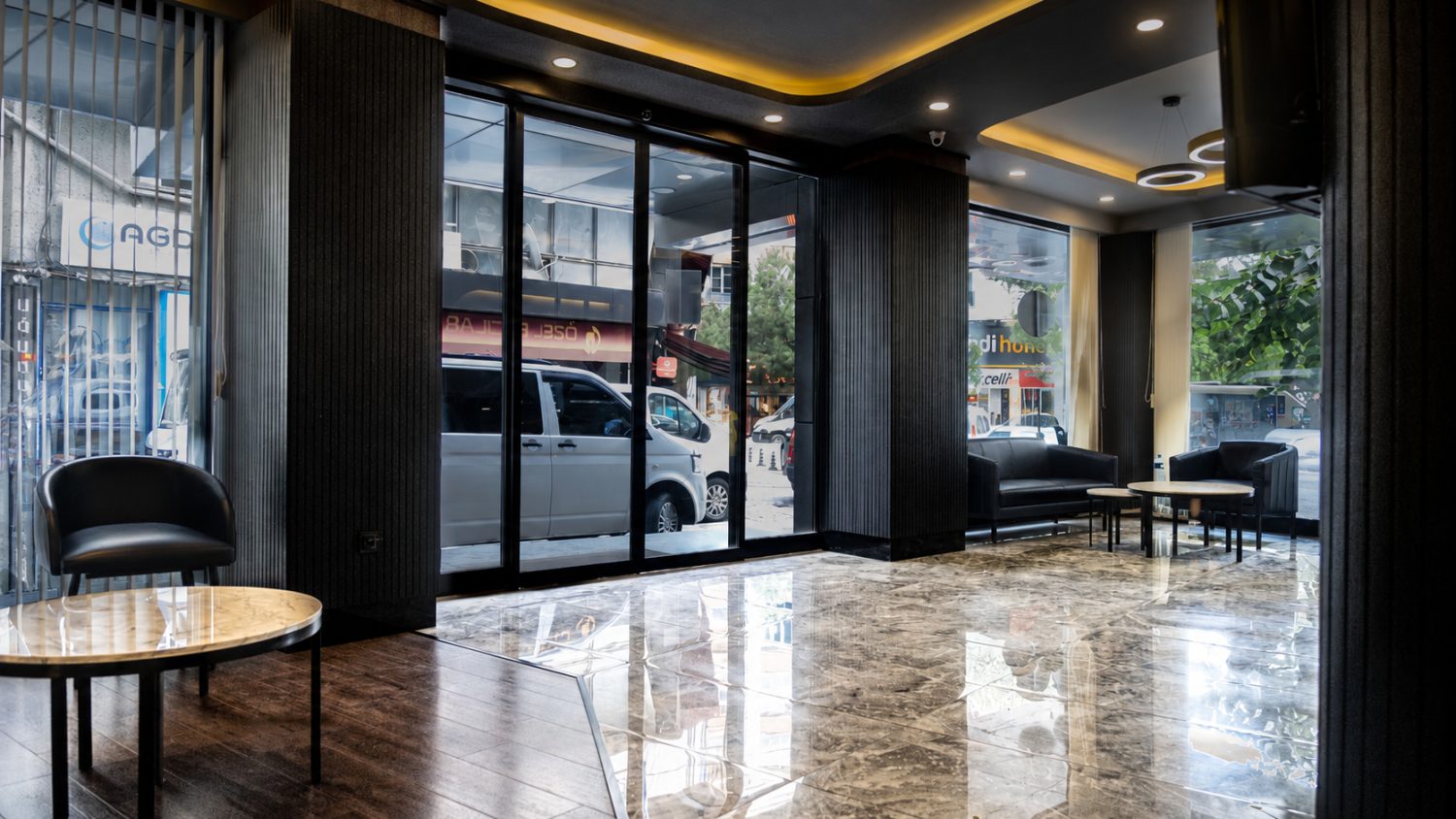
The practical reason to have it made here rather than at home is that it is made against the teeth you now have. A guard scanned before your crowns are fitted does not fit afterwards, and a guard made at home three months later is made against a bite somebody else designed and cannot see. In Bağcılar the scan is taken after the restorative work is finished, and the guard is milled or pressed in the building, usually inside a day, so it is checked in your mouth before you fly rather than posted to you to get on with.

Which design suits you is a clinical decision rather than a catalogue one: a hard full-coverage splint, a soft guard, a dual-laminate, or a Michigan-type splint adjusted against your own jaw movements. A clinic that offers one design to everybody has made the decision for its laboratory rather than for your joint. Where grinding goes alongside disturbed sleep or snoring, that is a different investigation and a guard may be the wrong device entirely — why the habit itself has to be looked at covers where that line falls.

Guards wear out; absorbing that wear is what they are for. Ours are covered by the lifetime guarantee on materials and workmanship, which is not the same thing as covering the wear the guard exists to take, and we say which is which rather than leaving you to find out.

How We Handle Guards

Assessed at the examination rather than offered at the end. Wear facets, muscle tenderness, tongue scalloping and the failure history of any existing restorations are all part of the standard examination.

Where grinding is present and restorative work is planned, the guard is in the plan and in the quote from the start rather than added afterwards. It is not an upsell; it is the thing protecting everything else.

It is made after the restorations are fitted so that it seats on the new shapes, and adjusted at the fitting so that all the teeth contact it evenly. That adjustment is the step that decides whether it is worn.

Where symptoms suggest a joint problem or possible sleep apnoea, we say so and recommend the appropriate assessment rather than treating a guard as the answer to everything.

And you are told how to check it for wear and roughly when to expect replacing it, so that the protection stays real rather than nominal — alongside the rest of the maintenance schedule.

Where a guard is the only treatment needed, that is what we propose. A patient grinding on otherwise healthy teeth needs protection rather than restoration, and restoring worn teeth is a decision to postpone until the habit is under control.

A last practical point for patients treated in Türkiye. If you had restorative work here and grind, the guard is not an optional extra at the end of the trip — it is part of the plan, and it is made in Bağcılar against the finished work rather than ordered later from a laboratory that never saw it. Bring it with you on any return visit so it can be checked against any changes, and replace it when it thins rather than when it splits. A guard that has worn through is not protecting anything, and it is the cheapest thing on the plan to replace.

Frequently Asked Questions

Does a night guard stop grinding?
No — the habit originates in sleep regulation rather than in the teeth, and no appliance switches it off. What a guard does is put acrylic between the teeth so the force lands there instead of on enamel or ceramic. That is sufficient.
Which type of guard is best?
Full-coverage hard acrylic for most patients, particularly where restorations are being protected. Soft guards suit sport and short-term use and can increase clenching in some patients. Anterior-only appliances are for supervised short-term use. Repositioning splints alter the jaw position deliberately and are for specific diagnoses.
Are shop-bought guards any good?
As an emergency measure for a few nights, better than nothing. Long term they fit imprecisely, can rock and load individual teeth, are usually soft enough to encourage chewing, and can move teeth in unintended directions over months. Where restorations are being protected, a made and adjusted guard is the only sensible answer.
Upper or lower?
Usually upper, which is more retentive and better tolerated by most patients. Lower suits people with a strong gag reflex and cases where the upper teeth carry extensive restorations. Only one arch is needed — wearing both is unnecessary. A guard you can tolerate is worth more than a theoretically superior one you do not wear.
How long does a night guard last?
Years in a moderate grinder, considerably less in a heavy one. The wear is the guard doing its job — material lost from the appliance is material not lost from your teeth. Once it perforates it protects nothing and needs replacing.
How do I know if I grind my teeth?
Flat matched wear facets on the biting surfaces, morning jaw tightness or temple headaches, scalloped tongue edges, a ridge inside the cheek at biting level, and restorations that keep failing. Most patients do not know until it is pointed out.
Do I need a guard if I am having veneers?
If there is any sign of grinding, yes, and it belongs in the plan from the start rather than being offered afterwards. Most fractures in well-made veneers happen at night, to people who did not believe they ground their teeth.
Is it made before or after the restorations?
After, because it has to fit the new shapes — a guard made to the old teeth will not seat on new crowns or veneers. For a patient travelling that means it is made at the end of the trip rather than the beginning.
Will the guard fix my jaw pain?
Frequently it helps, by separating the teeth and changing the muscle position, but it should not be promised. Where symptoms are significant, a proper joint assessment comes first rather than assuming a guard is the answer. Many patients do report less morning tightness, but it should not be promised in advance.
Can a badly made guard cause problems?
Yes. An unadjusted guard concentrates force on a few teeth instead of distributing it, a poorly fitting one can move teeth over months, and an anterior-only appliance worn unsupervised long term can let the back teeth over-erupt. The bite adjustment at fitting is the step most often rushed and the one that matters most.
Does grinding affect the guarantee?
Grinding without the prescribed guard is a standard exclusion, because the appliance is the agreed protection for the work. That is stated plainly in the terms rather than left ambiguous, and it is why the guard belongs in the plan.
Do I need a guard while wearing aligners?
Generally not during the active phase — the aligners separate the teeth and provide some protection while worn. Heavy grinding wears through them faster, which occasionally means a set needs replacing, and that is worth flagging at the planning stage. After treatment the retainer serves a similar function, though it is thinner and wears faster.
What else reduces grinding?
Improving sleep quality, stress management, reviewing medications where some are associated with bruxism, reducing evening caffeine and alcohol, and daytime awareness training for waking clenching. Sleep apnoea should be assessed where symptoms suggest it. Daytime clenching responds to awareness far better than to any appliance.
Should I be assessed for sleep apnoea?
If you snore heavily, wake unrefreshed or have been told you stop breathing during sleep, yes. There is a recognised association with bruxism, it matters well beyond the teeth, and treating it sometimes reduces the grinding as a side effect.
How often should the guard be checked?
At your routine appointments. You are looking for flattening and perforation at the contact points, and for whether it still seats properly. A guard that no longer fits or has worn through is protecting nothing. Once the teeth contact through it, the force is landing where it was before.

Ready to start your treatment?

Get a free online assessment and a transparent treatment plan from our Istanbul clinic.

Contact
✦ Our Patients
✦ Our Clinic
✦ Our doctors

Our Expert Staff

A safe, comfortable and transparent treatment process at every stage with our experienced physicians.

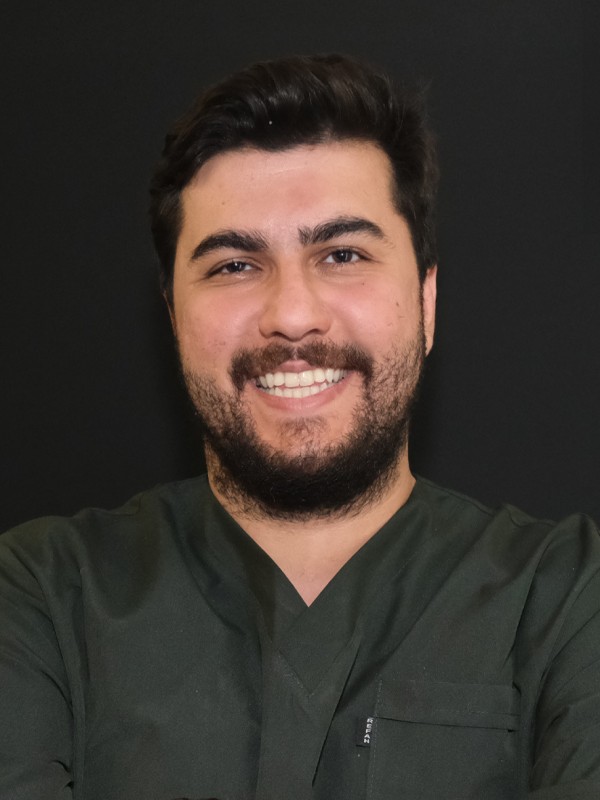
Dt. Muhammed Yancar

Dt. Muhammed Yancar

Responsible Manager · Dentist

He graduated from Okan University Faculty of Dentistry (2022). He works as the responsible manager and dentist at Bağcılar Dental Polyclinic. He is a member of the Turkish Prosthodontics and Implantology Association (TPİD) and the Turkish Dental Association (TDB).

Dr. Dt. Remziye Kuşağlı

Dr. Dt. Remziye Kuşağlı

Responsible Dentist

He graduated from Dicle University Faculty of Dentistry (2005); He has 21 years of experience. It specializes in implant-supported dentures, All-on-4/All-on-6, zirconium, laminate and E-max coating treatments. He is a member of TDB.

Uzm. Dr. Dt. Nazlı Altın

Uzm. Dr. Dt. Nazlı Altın

Oral and Maxillofacial Surgery Specialist

He graduated from Istanbul University Faculty of Dentistry; He completed his doctorate in oral, dental and maxillofacial surgery. He specializes in complex cases with implant surgery, jaw surgery and bone grafting.

Uzm. Dt. Uğur Derdiyok

Uzm. Dt. Uğur Derdiyok

Oral and Maxillofacial Surgery Specialist

He graduated from Ankara University Faculty of Dentistry; He completed his specialization in oral, dental and maxillofacial surgery at Kırıkkale University. He is an expert in surgical practices with 11 years of experience.

Uzm. Dt. Ceren Çetinkaya

Uzm. Dt. Ceren Çetinkaya

Orthodontic Specialist

He graduated from Ege University Faculty of Dentistry; He completed his orthodontics specialization at Istanbul University. He is experienced in fixed and transparent plate treatments and focuses on functional and aesthetic results.

Dr. Dt. Hakan Şahin

Dr. Dt. Hakan Şahin

Pedodontics Specialist (Pediatric Dentist)

He graduated from Atatürk University Faculty of Dentistry; He completed his pedodontics specialization. It has been providing preventive and therapeutic services in children's dental health for many years.

Uzm. Dt. Natiga Israfilova

Uzm. Dt. Natiga Israfilova

Prosthetic Dentistry Specialist

He is a graduate of Azerbaijan Medical University; He completed his prosthetic dentistry specialization at Eskişehir Osmangazi University. With 20 years of experience, he is an expert in implant prostheses, All-on-4/6, zirconium, laminate and E-max applications.

Dt. Nur Küçük

Dt. Nur Küçük

Prosthodontics & Digital Dentistry

He graduated from Istanbul Medipol University, Department of Dentistry; He continues his doctoral education in prosthetic dentistry. He works on aesthetic and functional restorations and smile design with CAD/CAM systems.

Dt. Mehmet Emin Ceylan

Dt. Mehmet Emin Ceylan

Implant & Prosthesis

He graduated from Istanbul Aydin University Faculty of Dentistry; He has 7 years of experience. He specializes in implant-supported dentures, All-on-4/All-on-6 restorations, full mouth dentures and zirconium applications.

Dt. Zeynep Demirhan

Dt. Zeynep Demirhan

Prosthodontics & Aesthetic Dentistry

He graduated from Bezmiâlem Vakıf University, Faculty of Dentistry. He is experienced in prosthetic treatments, smile design, implant-supported prostheses and treatments under sedation; focuses on patient satisfaction.

Dt. Seda Şahle Alemdar

Dt. Seda Şahle Alemdar

Implant & Aesthetics · Digital

He graduated from Abant İzzet Baysal University Faculty of Dentistry (2020). He is experienced in implant-supported dentures, smile design, digital measurement systems and aesthetic restorations.

Dt. Muhammed Ali Almaz

Dt. Muhammed Ali Almaz

Implant & Aesthetic Dentistry

He graduated from Gazi University Faculty of Dentistry (2021); He has 5 years of experience. He works with health tourism patients in the fields of implant prostheses, All-on-4, zirconium, aesthetic fillings and teeth whitening.

Dt. Berkay Pehlivanoğlu

Dt. Berkay Pehlivanoğlu

Restorative & Prosthetic

He graduated from Marmara University Faculty of Dentistry (2021); He has 6 years of experience. He works in the fields of endodontics (root canal treatment), restorative treatments, zirconium/E-max/laminate prosthesis and implant-supported prosthesis.

Dt. Esranur Çelik

Dt. Esranur Çelik

Restorative & Periodontology

He graduated from Süleyman Demirel University Faculty of Dentistry (2017); He has 9 years of experience. He works in periodontology (gum), restorative and endodontic treatments and aesthetic smile design.

Dt. Havva Öztürk

Dt. Havva Öztürk

General & Restorative Dentistry

He graduated from Bolu Abant İzzet Baysal University Faculty of Dentistry (2023). Works in restorative, endodontic, periodontal, prosthetic and pedodontic treatments; Follows current treatments closely.

Dt. Sümeyya Aydınlık

Dt. Sümeyya Aydınlık

Dentist

He graduated from Istanbul Yeni Yüzyıl University, Department of Dentistry (2020); Has approximately 5 years of experience. In addition to general dentistry, he works in implant prosthesis, restorative and endodontic treatments.

Dt. Hasip Altun

Dt. Hasip Altun

General Dentistry

He graduated from Yüzüncü Yıl University Faculty of Dentistry (2018). He has clinical experience in general dentistry and restorative treatments; It stands out with its patient-oriented approach.

Dt. Birsen Er

Dt. Birsen Er

Implant & Aesthetic Dentistry

He graduated from Istanbul University Faculty of Dentistry (2002); He has 24 years of experience. He works in the fields of implant-supported prostheses, All-on-4, zirconium restorations, aesthetic fillings, root canal treatment (endodontics) and teeth whitening.

✦ Our Videos
✦ Trusted Worldwide

What Our Patients Say

Google★★★★★
Trustpilot★★★★★
4.6/5 1.682+ Happy Patients 30+ Countries
A
Ayşe Kaya ★★★★★

I did not feel any pain during my implant treatment. The team is extremely attentive, I was informed at every stage. I love my new smile!

M
Mehmet Yıldız ★★★★★

My zirconium crowns looked very natural. It is excellent in terms of price-performance, I recommend it with peace of mind.

H
Hans Müller ★★★★★

I came from Germany for All-on-4 treatment. The clinic was very modern and hygiene was perfect. Translator support made my job much easier.

E
Elena Petrova ★★★★★

I came for my smile design; Everything was considered, including reception, hotel and transportation. My teeth were literally reborn.

F
Fatma Demir ★★★★★

My gum treatment was very successful. My doctor explained everything patiently, and my fear of the dentist was completely gone.

J
James Wilson ★★★★★

I came from London for laminate veneer. Professional team, painless procedure and great result. It was worth every penny.

Z
Zeynep Arslan ★★★★★

My orthodontic treatment proceeded as planned. The transparent record was very comfortable, no one even noticed. Thanks!

A
Andrei Popescu ★★★★★

I came from Romania for implants. From CT scan to treatment, everything started on the same day. I am very pleased with the result.

H
Hatice Şahin ★★★★☆

After teeth whitening, my teeth became visibly whiter. I got results in one session, it was very practical.

S
Sophie Dubois ★★★★★

I chose it for Hollywood Smile from France. The attention of the doctors and the naturalness of the result were far beyond my expectations.

A
Ali Çelik ★★★★★

My root canal treatment was painless and I returned to work the same day. Modern devices make a difference, well done.

M
Maria Rossi ★★★★★

I came from Italy for zirconium. It is much more advantageous than Europe in terms of both price and quality. I definitely recommend it.

E
Emine Yılmaz ★★★★★

We came for my mother's prosthetic teeth, they were very interested. The patience shown to elderly patients is admirable.

V
Viktor Ivanov ★★★★★

After the smile design, my self-confidence skyrocketed. The clinic is clean and the team is friendly. I recommend it to everyone from Sofia.

A
Ayşe Kaya ★★★★★

I did not feel any pain during my implant treatment. The team is extremely attentive, I was informed at every stage. I love my new smile!

M
Mehmet Yıldız ★★★★★

My zirconium crowns looked very natural. It is excellent in terms of price-performance, I recommend it with peace of mind.

H
Hans Müller ★★★★★

I came from Germany for All-on-4 treatment. The clinic was very modern and hygiene was perfect. Translator support made my job much easier.

E
Elena Petrova ★★★★★

I came for my smile design; Everything was considered, including reception, hotel and transportation. My teeth were literally reborn.

F
Fatma Demir ★★★★★

My gum treatment was very successful. My doctor explained everything patiently, and my fear of the dentist was completely gone.

J
James Wilson ★★★★★

I came from London for laminate veneer. Professional team, painless procedure and great result. It was worth every penny.

Z
Zeynep Arslan ★★★★★

My orthodontic treatment proceeded as planned. The transparent record was very comfortable, no one even noticed. Thanks!

A
Andrei Popescu ★★★★★

I came from Romania for implants. From CT scan to treatment, everything started on the same day. I am very pleased with the result.

H
Hatice Şahin ★★★★☆

After teeth whitening, my teeth became visibly whiter. I got results in one session, it was very practical.

S
Sophie Dubois ★★★★★

I chose it for Hollywood Smile from France. The attention of the doctors and the naturalness of the result were far beyond my expectations.

A
Ali Çelik ★★★★★

My root canal treatment was painless and I returned to work the same day. Modern devices make a difference, well done.

M
Maria Rossi ★★★★★

I came from Italy for zirconium. It is much more advantageous than Europe in terms of both price and quality. I definitely recommend it.

E
Emine Yılmaz ★★★★★

We came for my mother's prosthetic teeth, they were very interested. The patience shown to elderly patients is admirable.

V
Viktor Ivanov ★★★★★

After the smile design, my self-confidence skyrocketed. The clinic is clean and the team is friendly. I recommend it to everyone from Sofia.

B
Burak Aydın ★★★★★

I had a combination of implant and zirconium. The result is incredibly natural. The appointment and follow-up process was very orderly.

A
Anna Schmidt ★★★★☆

My laminate veneer treatment went well. It took a little waiting, but the result was perfect. Thanks for the translator support.

S
Selin Koç ★★★★★

I had gum aesthetics and whitening. I have no hesitation when laughing anymore. I am grateful to the entire team.

R
Robert Brown ★★★★★

My All-on-6 treatment changed my life. I came from England; The attention shown and the result achieved were perfect.

G
Gülşah Eren ★★★★★

We came for my child's dental treatment, they treated the child patients very kindly. He was treated without fear, we are very happy.

D
Dimitar Georgiev ★★★★★

Implant prices are very affordable compared to Bulgaria, and the quality is high. The entire process was completed in 4 days.

O
Okan Demirtaş ★★★★★

I can't recognize myself in photos after my smile design. My doctor's sense of aesthetics is really good.

C
Claudia Fischer ★★★★★

I came for my implant treatment, it was painless and fast. The clinic is above German standards, I am very pleased.

M
Merve Polat ★★★★★

I had a combination of orthodontics and whitening. The result is great, the team is very professional and caring.

L
Lucas Martin ★★★★★

I came from Paris for laminate veneer. I was very pleased with the natural result and warm attention. Thanks!

İ
İbrahim Kara ★★★★☆

My dental bridge treatment was durable and comfortable. Pricing was transparent, there were no surprise fees.

N
Natalia Sokolova ★★★★★

I came from Russia for smile design. The service quality and attention were excellent, my teeth turned out as I dreamed.

D
Deniz Aksoy ★★★★★

I had teeth whitening in one session, the difference was immediately obvious. It was a fast, clean and professional experience.

T
Thomas Becker ★★★★★

I came for All-on-4 and walked out smiling the same day with temporary teeth. The interest and technology are top notch, thank you very much.

B
Burak Aydın ★★★★★

I had a combination of implant and zirconium. The result is incredibly natural. The appointment and follow-up process was very orderly.

A
Anna Schmidt ★★★★☆

My laminate veneer treatment went well. It took a little waiting, but the result was perfect. Thanks for the translator support.

S
Selin Koç ★★★★★

I had gum aesthetics and whitening. I have no hesitation when laughing anymore. I am grateful to the entire team.

R
Robert Brown ★★★★★

My All-on-6 treatment changed my life. I came from England; The attention shown and the result achieved were perfect.

G
Gülşah Eren ★★★★★

We came for my child's dental treatment, they treated the child patients very kindly. He was treated without fear, we are very happy.

D
Dimitar Georgiev ★★★★★

Implant prices are very affordable compared to Bulgaria, and the quality is high. The entire process was completed in 4 days.

O
Okan Demirtaş ★★★★★

I can't recognize myself in photos after my smile design. My doctor's sense of aesthetics is really good.

C
Claudia Fischer ★★★★★

I came for my implant treatment, it was painless and fast. The clinic is above German standards, I am very pleased.

M
Merve Polat ★★★★★

I had a combination of orthodontics and whitening. The result is great, the team is very professional and caring.

L
Lucas Martin ★★★★★

I came from Paris for laminate veneer. I was very pleased with the natural result and warm attention. Thanks!

İ
İbrahim Kara ★★★★☆

My dental bridge treatment was durable and comfortable. Pricing was transparent, there were no surprise fees.

N
Natalia Sokolova ★★★★★

I came from Russia for smile design. The service quality and attention were excellent, my teeth turned out as I dreamed.

D
Deniz Aksoy ★★★★★

I had teeth whitening in one session, the difference was immediately obvious. It was a fast, clean and professional experience.

T
Thomas Becker ★★★★★

I came for All-on-4 and walked out smiling the same day with temporary teeth. The interest and technology are top notch, thank you very much.

✦ Our Brands
Straumann
Nobel Biocare
Astra Tech
Medentika
Bredent SKY
Straumann
Nobel Biocare
Astra Tech
Medentika
Bredent SKY
✦ Contact
Get in touch

İstanbul Bağcılarour central clinic

Merkez Mahallesi 675. Sokak No: 1-7/A-B, 34203 Bağcılar/İstanbul, Turkey

Open in Google Maps