











Sedation Is Not Pain Control
This distinction matters and it is the source of most misunderstanding. Local anaesthetic is what makes the treatment painless. It blocks the nerves supplying the tooth, and it does that job completely.
Sedation does something separate. It reduces awareness, anxiety and the memory of the appointment. A sedated patient still receives local anaesthetic, because sedation on its own does not stop the tooth from feeling anything.
That is why sedation is not an alternative to injections for people who dislike them. The injection still happens — you are simply less bothered by it, and frequently do not remember it.
General anaesthesia is the exception at the far end: the patient is fully unconscious. Even then local anaesthetic is usually given as well, because it controls pain after waking and reduces what is needed during the procedure.
Understanding this changes what to ask for. Someone whose problem is needle phobia needs a different approach from someone whose problem is the sound of the drill, and both differ from someone facing three hours of surgery.
It also does not change the clinical decisions. The same assessment, the same tooth-by-tooth plan and the same materials apply whether or not you are sedated, and the consultation happens fully awake for exactly that reason.
The Levels, and What Each Feels Like
Four distinct levels are used in dentistry, and the differences between them are practical rather than theoretical.
| Level | What it feels like | What it requires of you |
|---|---|---|
| Local anaesthetic only | Fully awake and aware; the area is numb | Nothing — drive, eat, work normally afterwards |
| Inhalation sedation | Relaxed, floaty, fully awake and responsive | No fasting, no escort; wears off in minutes |
| Oral sedation | Drowsy and detached; memory often patchy | Escort home, no driving, a clear day |
| Intravenous sedation | Deeply relaxed; usually little or no memory | Fasting, escort home, no driving, a clear day |
| General anaesthesia | Fully unconscious throughout | Fasting, hospital setting, escort, recovery time |
Inhalation sedation is the one most people have never heard of and the one that suits the widest range of situations, precisely because it demands almost nothing of the patient's schedule.
Intravenous sedation is what most people mean by "being put to sleep", though it is not sleep — you remain conscious and responsive, and simply do not remember it afterwards.
Inhalation Sedation
A mixture of nitrous oxide and oxygen breathed through a small nosepiece throughout the appointment. It takes effect within minutes, the depth can be adjusted continuously, and it clears from the body within minutes of stopping.
The sensation is a mild floating detachment. You remain fully awake, aware and able to talk. What changes is that the appointment stops mattering as much — time passes differently and the anxiety flattens out.
Its practical advantages are considerable. No fasting is required, no escort is needed, and you can drive and return to work afterwards. For a patient travelling alone, that combination makes it the only sedation option that requires no additional planning.
It has a genuine limit: it is mild. For severe phobia, or for a patient who cannot tolerate the appointment at all, it is unlikely to be enough on its own.
It also requires being able to breathe through the nose. A heavy cold or blocked sinuses on the day makes it ineffective, which is worth knowing when scheduling. It is also avoided in early pregnancy, in vitamin B12 deficiency, and after recent eye or middle-ear surgery — part of what the medical history establishes even for the mildest option.
Oral and Intravenous Sedation
These produce a deeper effect and, correspondingly, ask more of your day. Both are described as conscious sedation because you remain responsive throughout.
Oral sedation is a tablet taken before the appointment. It is simple to administer and it has one significant drawback: the depth cannot be adjusted once taken. Some patients are more affected than expected and some less, and there is no way to correct it mid-appointment.
Intravenous sedation is given through a cannula in the arm and titrated to effect, which is the important difference. The clinician adjusts the depth continuously, and where a benzodiazepine has been used its effect can also be reversed with an antagonist if needed.
Most patients remember very little afterwards, which for a severely anxious patient is much of the point. You will have been talking, responding and cooperating throughout, and have no recollection of it.
Both require fasting beforehand, someone to accompany you home, and no driving, alcohol, machinery or important decisions for a full twenty-four hours afterwards. For a patient travelling alone the escort requirement is the one to plan for — what to arrange if you are on your own covers it.
General Anaesthesia in Dentistry
A different proposition from sedation and a considerably larger one. The patient is fully unconscious, an anaesthetist manages the airway and monitors throughout, and the setting is a hospital or an appropriately equipped surgical facility.
It exists for cases where the alternatives genuinely do not work rather than as a premium option. Extensive surgery in a single session, patients for whom cooperation is not possible, and severe phobia that has resisted every other approach.
Children requiring extensive treatment are one of the clearest groups. A young child needing multiple extractions or restorations cannot sit through it awake, and repeated distressing appointments do lasting harm to their relationship with dentistry.
Patients with disabilities that make cooperation impossible are another. Where necessary treatment cannot be delivered any other way, general anaesthesia is what allows it to happen at all, and completing everything in one session is usually the humane choice.
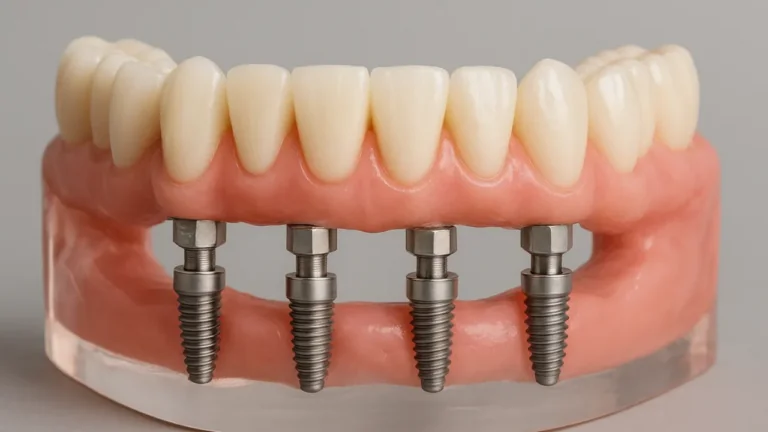
It also permits complex implant surgery — including full-arch work — to be completed in one sitting rather than staged across long appointments, which for some patients is the difference between having the treatment and not.
Who Genuinely Benefits
Sedation is over-offered in some settings and under-offered in others. These are the groups where it makes a real difference.
- Severe dental phobia, particularly where it has prevented treatment for years.
- A strong gag reflex that makes impressions, scanning or back-of-mouth work impossible.
- Long surgical appointments — full-arch implants, multiple extractions, grafting.
- Patients who cannot sit still comfortably for extended periods, for any reason.
- Children needing extensive treatment, where repeated awake appointments would be traumatic.
- Patients with disabilities where cooperation is not achievable.
- Anyone who has had a genuinely bad experience and cannot get past it.
The gag reflex case is worth separating out because it is not anxiety and is frequently misread as such. A severe gag reflex is a physical response, it cannot be willed away, and sedation suppresses it in the great majority of patients where nothing else does.
Long appointments are the other under-appreciated indication. A patient who is not anxious at all may still find three hours in a chair difficult, and sedation makes it pass in what feels like minutes.
What is not an indication is a routine filling in a patient who is mildly nervous. That is usually better served by a clinician who explains what is happening and stops when asked.
Patients who have avoided dentistry for years are the group where it changes most. They typically arrive needing gum treatment and several restorations at once, and a single sedated session that clears the backlog breaks a cycle that repeated short appointments never does.
Medical Suitability
This is assessed before any sedation is agreed, and it can change the answer regardless of how much a patient wants it.
Respiratory conditions matter most. Significant asthma, sleep apnoea and chronic obstructive disease all affect suitability for deeper sedation, because sedatives depress respiration. Sleep apnoea in particular is frequently undiagnosed and needs asking about directly.
Cardiovascular conditions, liver and kidney function, and pregnancy all feed into the assessment. So does body weight, which affects dosing, and age, which affects how sedatives are metabolised.
Current medications are a substantial part of it. Anything acting on the central nervous system — sedatives, antidepressants, opioid painkillers, some antihistamines — interacts with sedation and changes the dose or the choice.
Alcohol and recreational drug use need declaring honestly rather than diplomatically. This is a safety question rather than a moral one, and incomplete information here is genuinely dangerous — it is one of the reasons a full medical history comes before treatment is planned.
It is also assessed against the treatment planned rather than in the abstract. A patient suitable for sedation during an extraction may need a different arrangement for a three-hour surgical session, and the two questions are answered separately.
What to Arrange Around It
The requirements scale with the depth, and they are the part most often discovered late. Planning them properly is what makes the appointment go ahead.
Fasting for intravenous sedation and general anaesthesia — typically no food for several hours beforehand and clear fluids up to a shorter interval. The exact times are given to you and they are not approximate; an appointment is cancelled if they have not been followed.
An escort home for anything beyond inhalation sedation. Not a taxi alone — a person. Judgement and coordination are affected for hours afterwards even when you feel fine, which is exactly why the requirement exists.
A clear day afterwards. No driving, no work requiring concentration, no legal or financial decisions, and ideally no travel. For a patient on a treatment trip that means not scheduling sedation for a departure day.
Comfortable clothing with sleeves that roll up, and someone informed of where you are. None of this is onerous, and all of it is easier arranged in advance than negotiated on the morning.
Sedation for a Patient Travelling Alone
The escort requirement is the practical obstacle, and it comes up constantly in health tourism because a large proportion of patients travel by themselves.
Inhalation sedation is the straightforward answer where it is sufficient. No fasting, no escort, no restriction afterwards — you leave the appointment able to do anything you could have done before it.
Where deeper sedation is genuinely needed, the escort has to be arranged rather than assumed. Clinics treating international patients routinely handle this, and it should be discussed when the appointment is booked rather than on the day.
The other consideration is the day itself. Sedation on the morning of a long flight is a poor plan, and sedation on a day when you had intended to see something of the city is a wasted day. Schedule it where the recovery time fits.
Tell the clinic you are travelling alone when you book, not when you arrive. It changes what can be offered and it is a routine conversation — what to arrange before flying covers the rest of the practical planning.
What Sedation Does Not Solve
It is genuinely useful and it is not a substitute for the things that reduce anxiety in the first place, several of which cost nothing.
It does not replace explanation. A patient who understands what is being done, why, and how long it will take is markedly less anxious than one who does not, and no drug substitutes for that.
It does not replace control. Agreeing a signal to stop, and the clinician actually stopping when it is used, is one of the most effective anxiety interventions available and it requires nothing but willingness.
It does not address needle phobia at its root. Topical anaesthetic gel before the injection, slow delivery, and warming the solution all reduce what is felt considerably, and they are worth asking for regardless of sedation.
And it does not make treatment unnecessary. A phobic patient sedated through extensive work still has to maintain it afterwards, and the underlying anxiety is better addressed alongside rather than routed around indefinitely.
Nor does it change how long treatment takes overall. A sedated appointment can be longer and cover more, but the healing intervals between stages are unaffected — and neither is the guarantee, which covers the same materials and workmanship either way.
Recovery Afterwards
Different for each level, and knowing what to expect prevents the common worry that something has gone wrong.
After inhalation sedation, nothing. The gas clears within minutes of the nosepiece being removed and you leave feeling normal. A short period breathing pure oxygen at the end clears it faster.
After oral or intravenous sedation, drowsiness for several hours and impaired coordination for longer than it feels like. Memory of the afternoon is often patchy, which is expected rather than concerning. Most people sleep.
Nausea is uncommon but possible, particularly if fasting was long. Eating something light once you are home usually settles it. The cannula site may bruise slightly after intravenous sedation.
After general anaesthesia, recovery is monitored before discharge and the remainder of the day is written off entirely. Sore throat from the airway is common and settles, and normal activity resumes the following day for most patients.
Whichever level was used, the ordinary post-treatment instructions still apply underneath it. The aftercare for the procedure itself is unchanged by sedation, and it is worth having in writing rather than relying on what you remember being told.
Sedation Alongside a Treatment Plan
It affects how a plan is sequenced, particularly on a treatment trip, and it is better designed in than added on.
Sedation appointments are usually longer and are scheduled to take advantage of that — combining procedures that would otherwise need separate visits into one session. That is one of its practical benefits rather than an inconvenience.
It suits the surgical stages best. Wisdom tooth removal, multiple extractions, grafting and implant placement are the appointments where it changes the experience most, and where the length justifies it.
It suits the restorative stages less. Fitting crowns or veneers requires you to bite, report how something feels and look in a mirror — all of which need you fully aware. Sedating those appointments would remove the feedback the treatment depends on.
So a typical plan uses it for one or two appointments rather than throughout, and the days are arranged so that the recovery periods do not collide with travel — the timetable by treatment sets out where those appointments fall.
Where a full arch is being placed, the calculation shifts further towards sedation. Full-arch surgery involves extractions, implant placement and a temporary bridge in one long appointment, and that length alone justifies it for many patients.
Sedation and Anaesthesia Arrangements in İstanbul
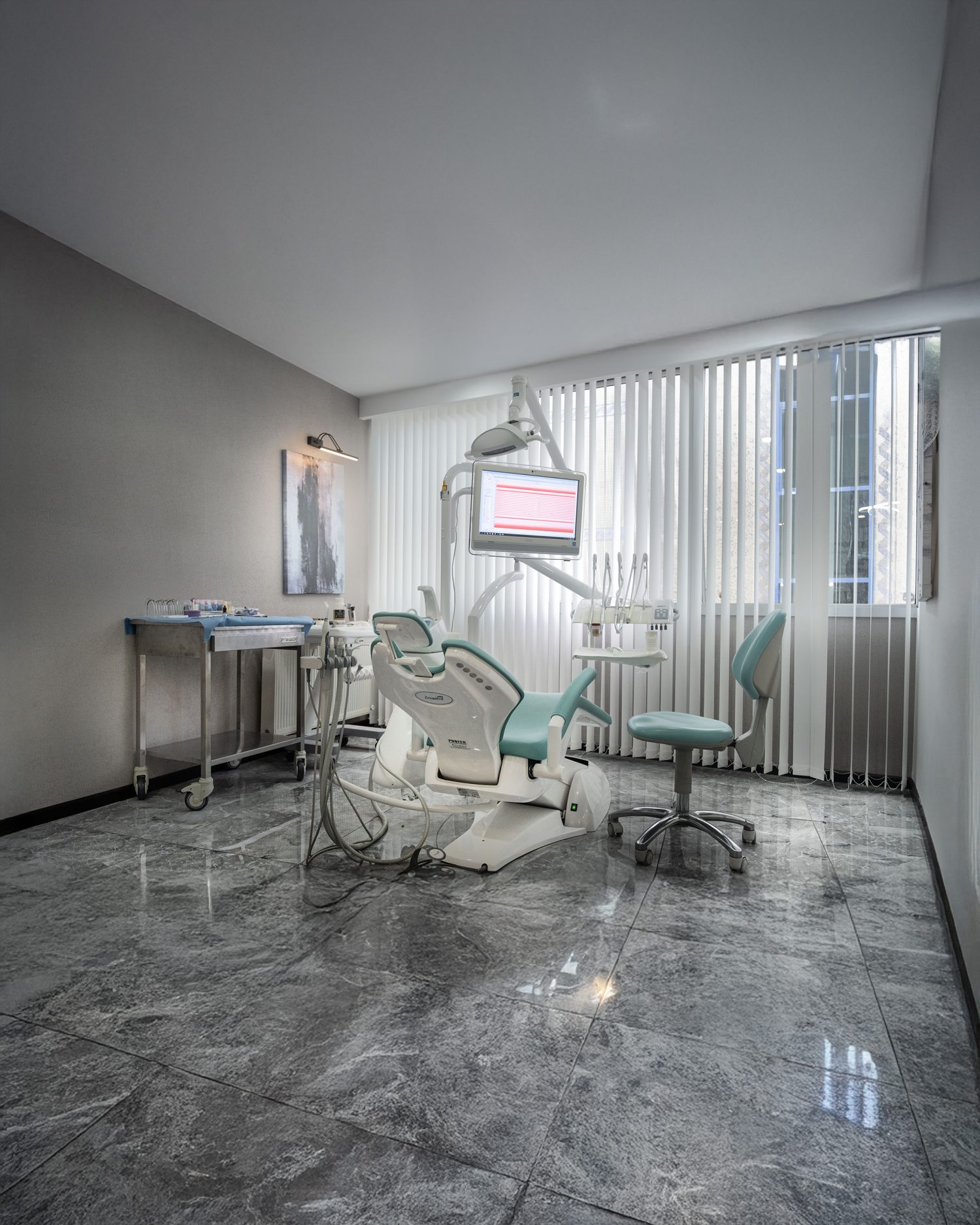
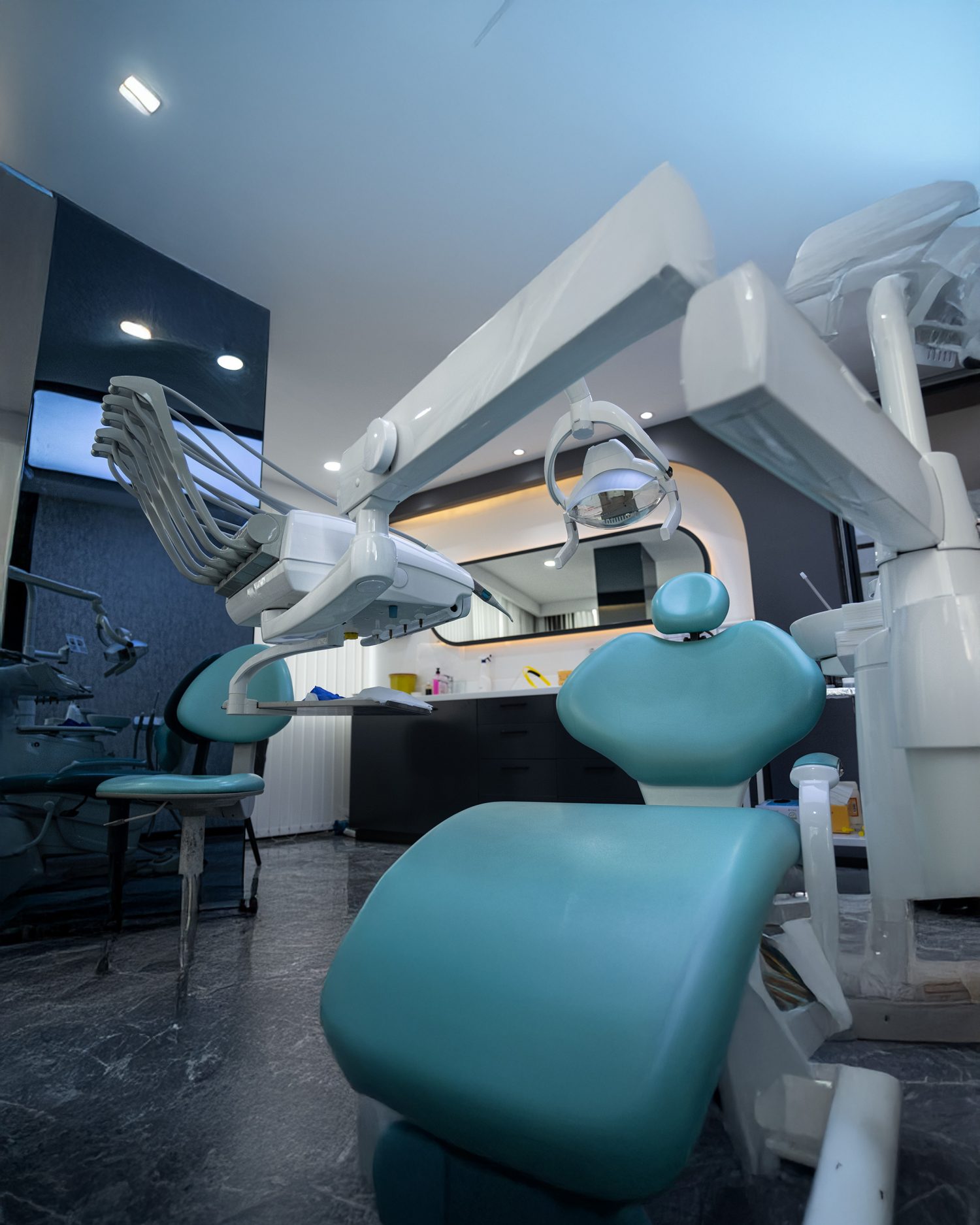
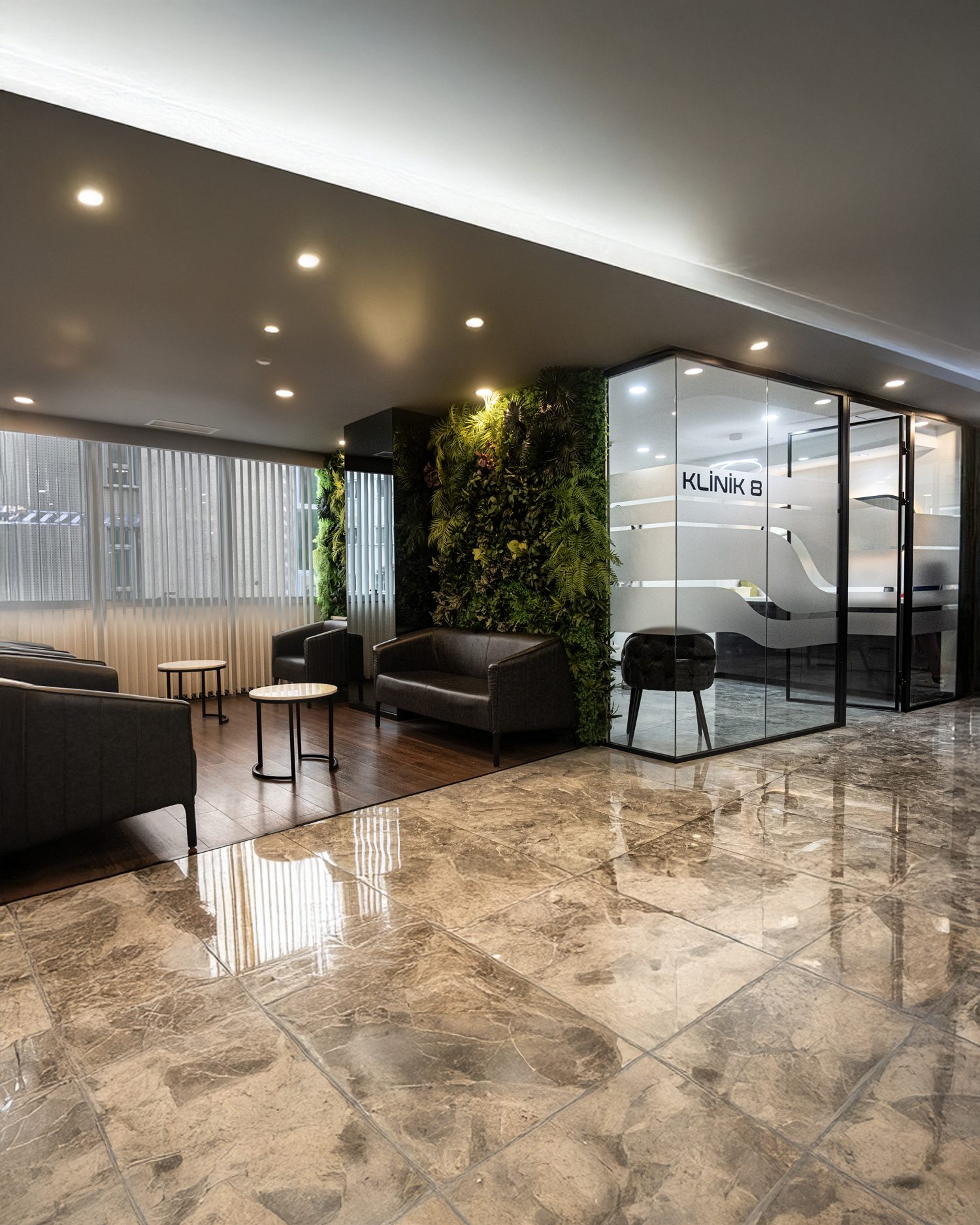
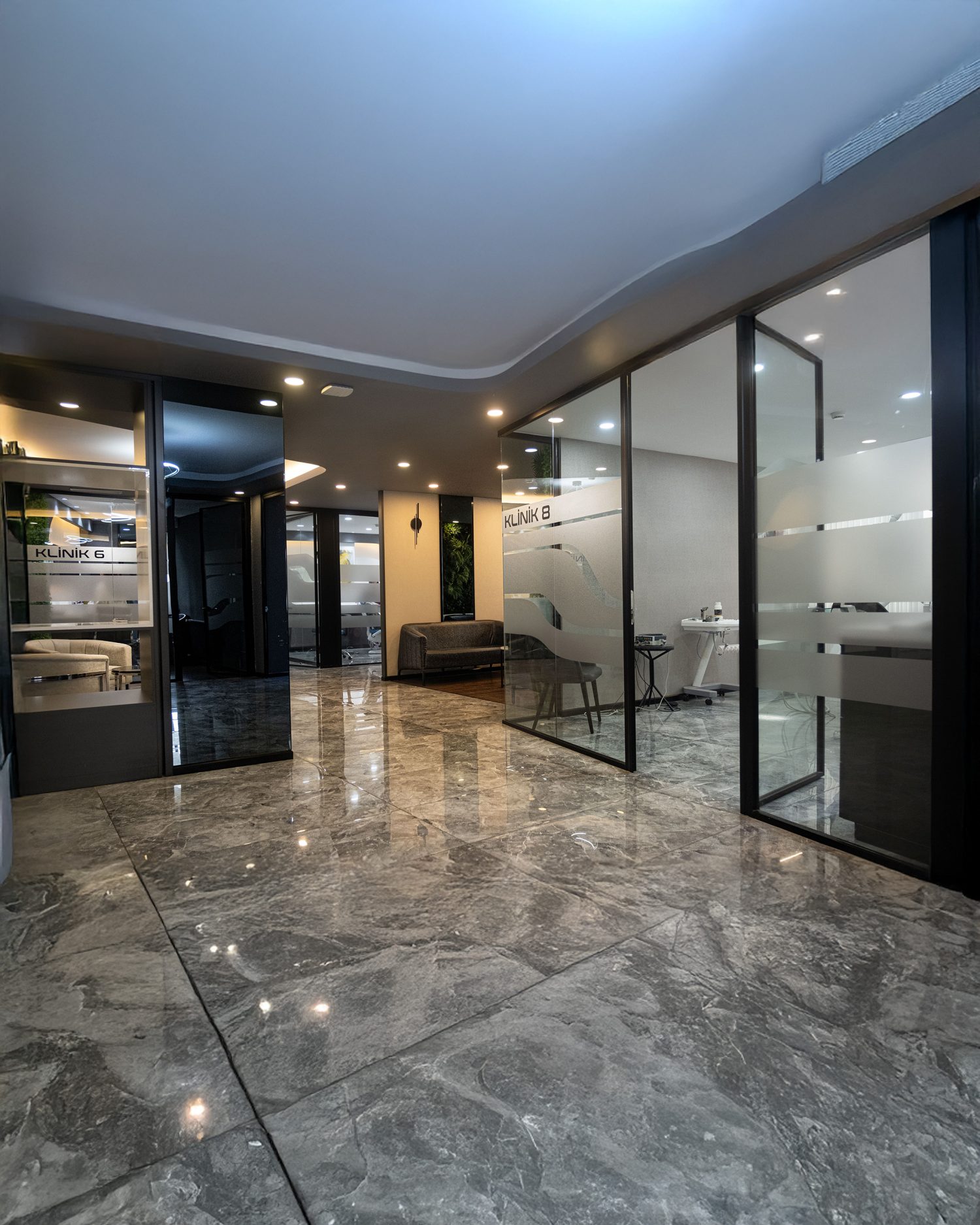
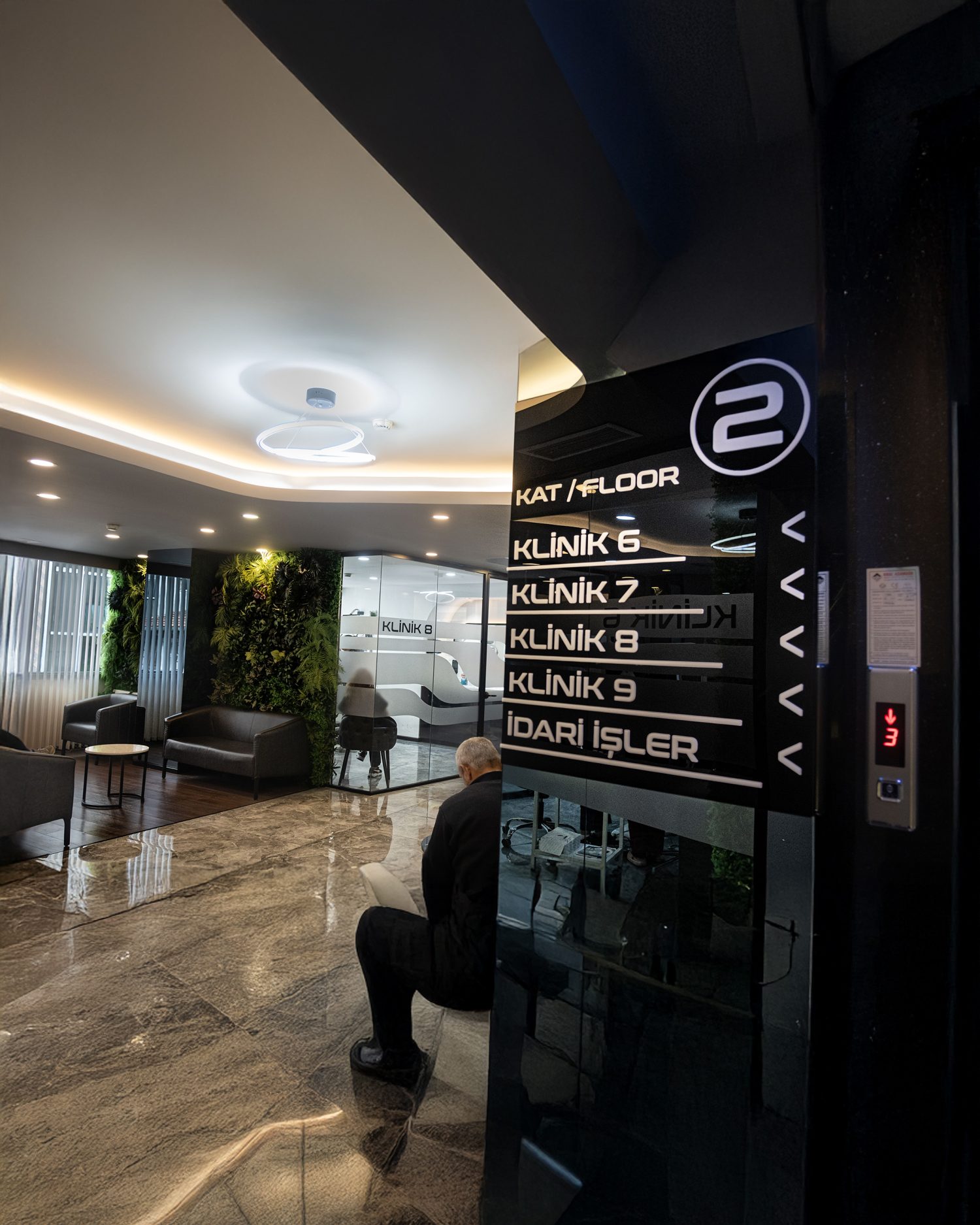
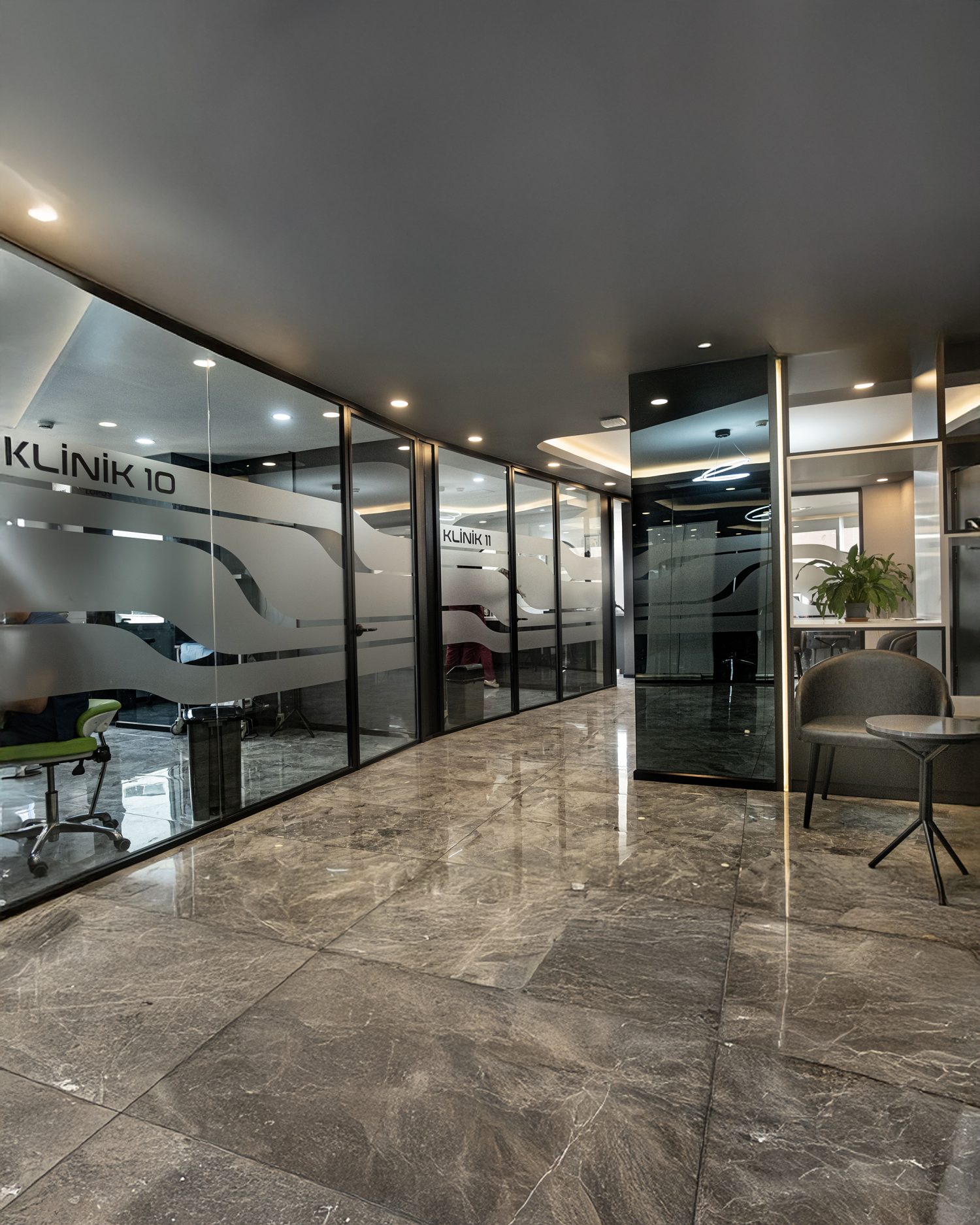
Sedation is one of the genuine practical advantages of treating in Türkiye, and it is worth being specific about why. In many home-country systems, treatment under intravenous sedation or general anaesthesia means a separate referral, a separate waiting list and often a separate building — which is why nervous patients postpone for years. Here the anaesthetist attends the clinic in Bağcılar and the sedation is arranged around your treatment appointment rather than the other way round.
That does not make it a casual decision, and the medical history is where it is settled. Cardiac and respiratory conditions, sleep apnoea, current medication, previous reactions to anaesthesia and pregnancy all change what is appropriate, and all of them need declaring at the booking stage rather than on the morning. A clinic that offers sedation without taking a full history first has skipped the part that keeps it safe.
The rules around it are the same here as anywhere and they interact with travel. You will need to fast beforehand, you will need somebody to accompany you back to your hotel, and you must not drive, drink alcohol, operate anything or make important decisions for a full twenty-four hours. That includes flying home unaccompanied on the same day. Where sedation is planned, the flight is scheduled with that in mind at the point of booking.
For patients travelling alone this is the one treatment that genuinely requires planning ahead — how a solo trip is arranged covers what the clinic organises and what you need to arrange yourself. Nothing about it makes travelling alone unworkable; it simply has to be decided before the day rather than on it.
How Sedation Works at Bağcılar
Sedation and general anaesthesia are both available, including for patients who have avoided dentistry for years, for children needing extensive treatment, and for patients with disabilities where cooperation is not achievable.
It also allows implant surgery — including full-arch work — to be completed under general anaesthesia in a single session where that is the right answer for the patient, rather than staged across long appointments they could not tolerate.
Suitability is assessed from a full medical history before anything is agreed, covering respiratory and cardiovascular conditions, current medications, and anything else affecting how sedatives are handled. That assessment can change the answer, and it happens before you travel rather than on the day.
What is arranged around it is set out in advance: fasting times where they apply, whether an escort is needed, and how long the day afterwards has to stay clear. For patients travelling alone, tell us when booking and it is planned for.
And where sedation is not needed, we say so. A well-explained appointment with an agreed stop signal resolves a great deal of ordinary nervousness, and how the appointment is run matters more than what is added to it.