

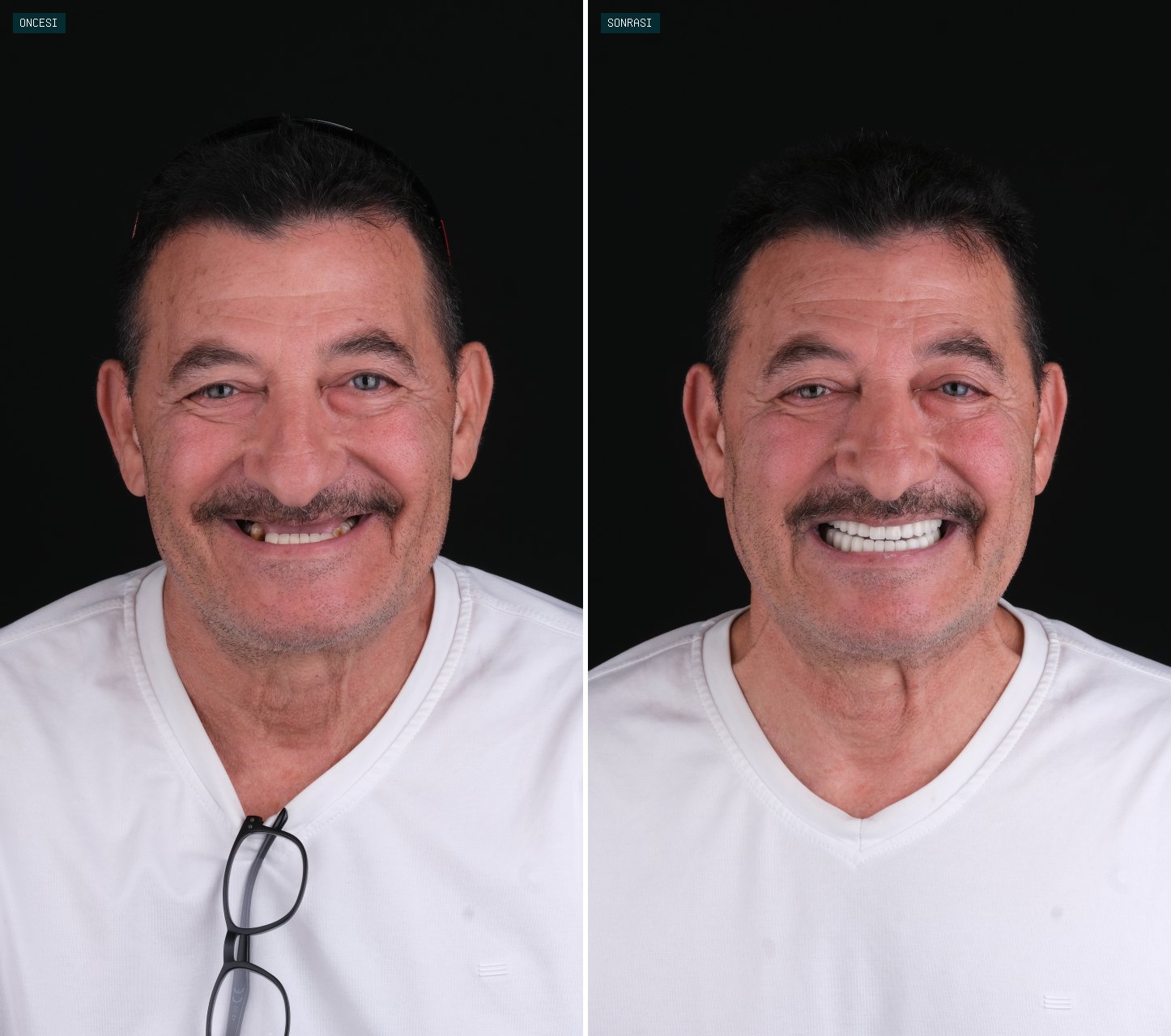


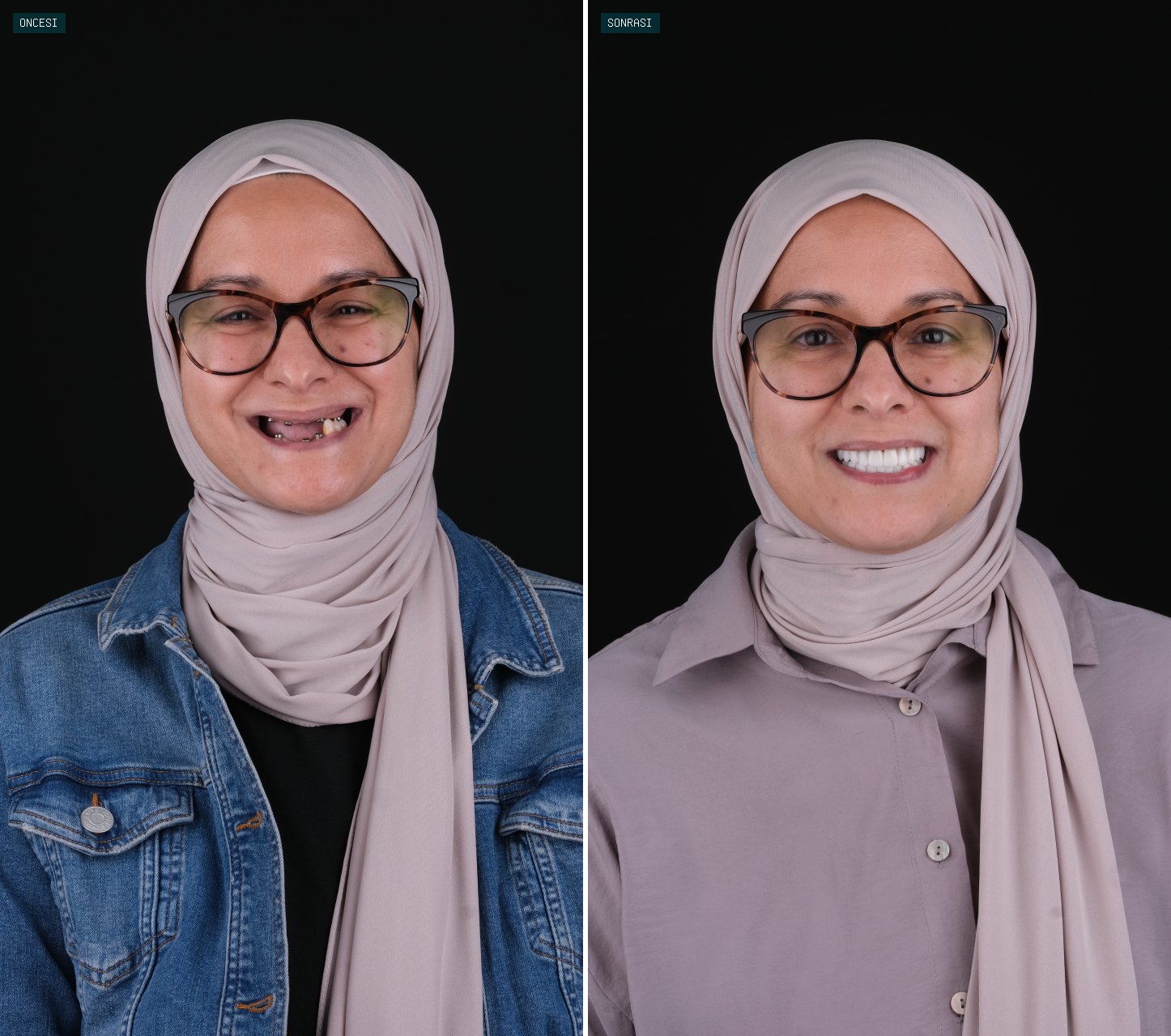


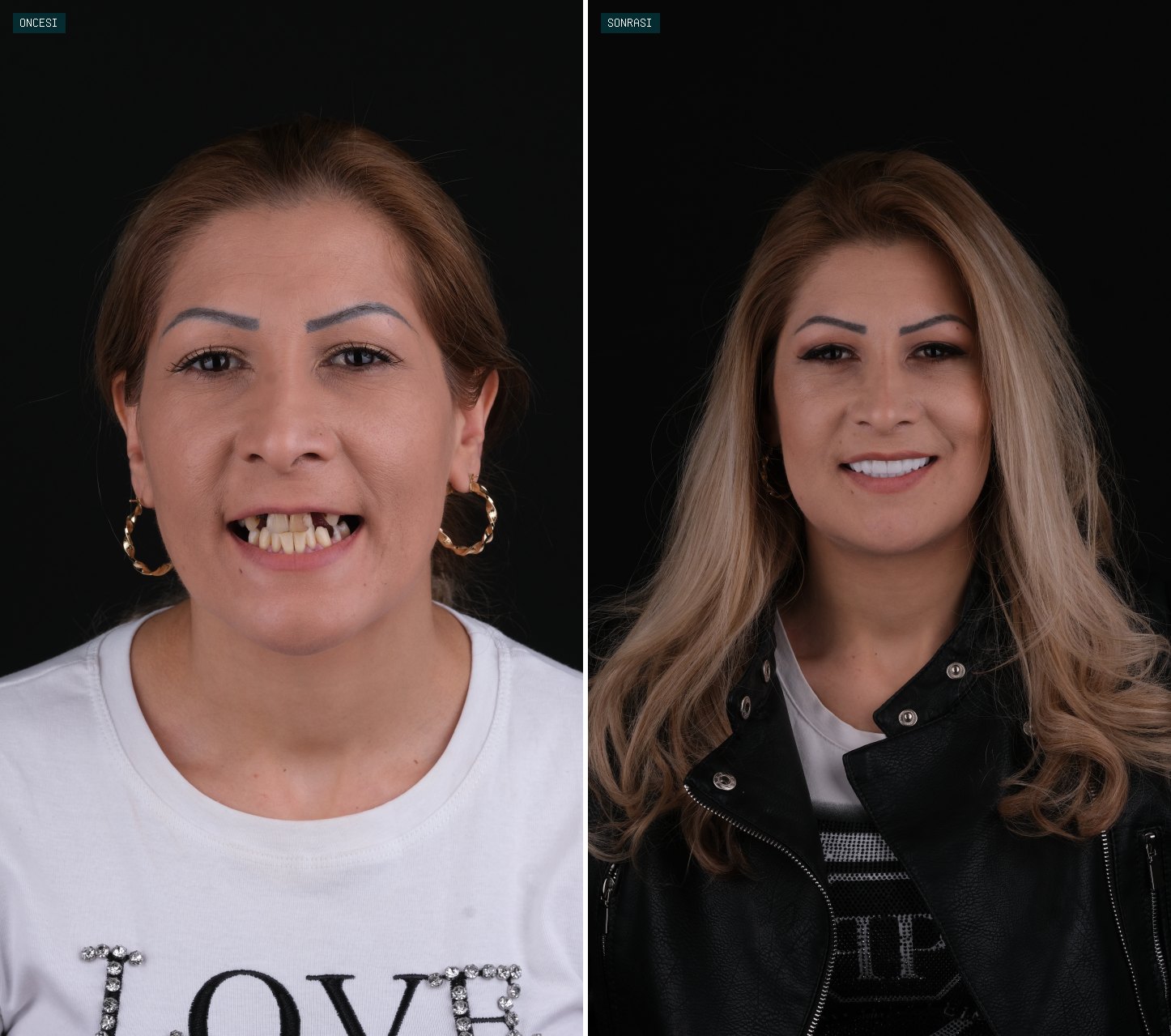

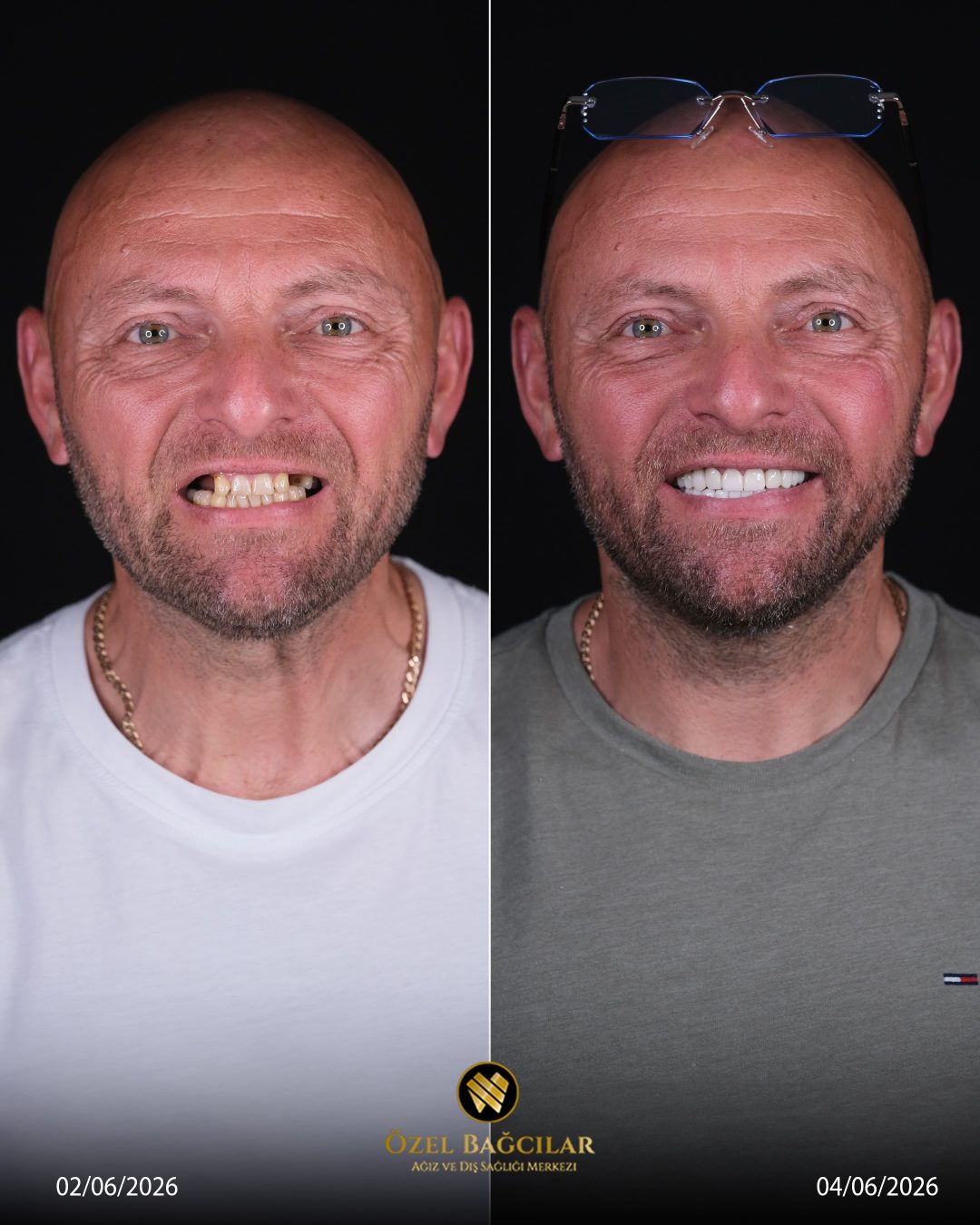




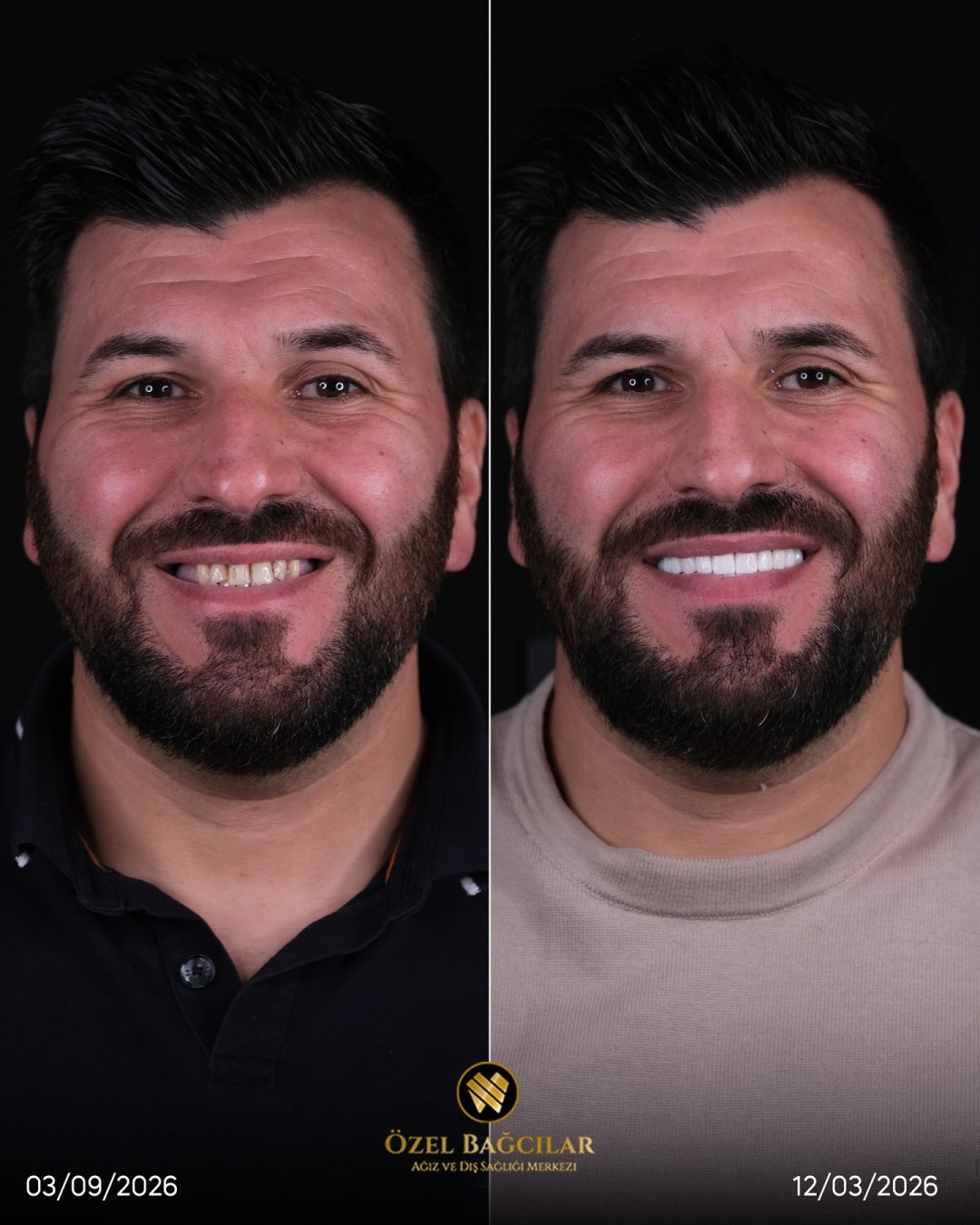
Why the Cause Decides Everything
Teeth darken for several distinct reasons and whitening addresses only some of them. Establishing which applies to you is the entire value of an examination before treatment, and it takes minutes.
Extrinsic staining sits on the surface — coffee, tea, red wine, tobacco, and the pigments in dark foods, held in the microscopic texture of the enamel. This responds extremely well, and some of it comes off with a professional clean before any whitening is needed at all.
Intrinsic discolouration sits within the tooth. Some of it responds well — the general yellowing of ageing, for instance. Some responds partially, such as tetracycline banding from childhood antibiotics, which usually improves without resolving.
Then there is the category that does not respond at all: enamel that has thinned with age or erosion, letting the naturally yellow dentine beneath show through. Whitening the enamel does not change what is visible through it, and this is the case most often mis-sold.
A single dark tooth after trauma or root treatment is a fourth situation with its own treatment. Why teeth darken in the first place goes through each cause and what actually helps.
How Whitening Chemically Works
Every professional whitening product works through the same chemistry, whatever the branding. Hydrogen peroxide, either directly or released from carbamide peroxide, penetrates the enamel and reacts with the pigmented molecules held within it.
The reaction breaks those molecules into smaller, less pigmented ones. The tooth structure itself is unchanged — no enamel is removed and nothing is applied to the surface. This is why properly conducted whitening does not damage teeth.
Concentration and contact time are the two variables. A high concentration for a short period and a low concentration for a long period reach comparable results; they differ in how the treatment is delivered rather than in what they achieve.
This matters commercially, because it means the clinic session and the home kit are not different products with different capabilities. They are the same chemistry arranged differently, and a clinic presenting one as fundamentally superior is overstating the difference.
Products sold without peroxide — whitening toothpastes, charcoal preparations, activated powders — are abrasives. They remove surface stain by scrubbing, they do not whiten the tooth, and used aggressively they thin the enamel, which makes teeth look darker over time.
The Methods, and What Each Costs You
Three approaches are in normal use, and the figure follows the method and the number of sessions rather than a fixed rate.
| Method | How it works | What determines the figure |
|---|---|---|
| Professional clean first | Removes surface stain mechanically | Often included; sometimes all that is needed |
| In-clinic whitening | High concentration gel, gums protected, one to three sessions | Number of sessions needed |
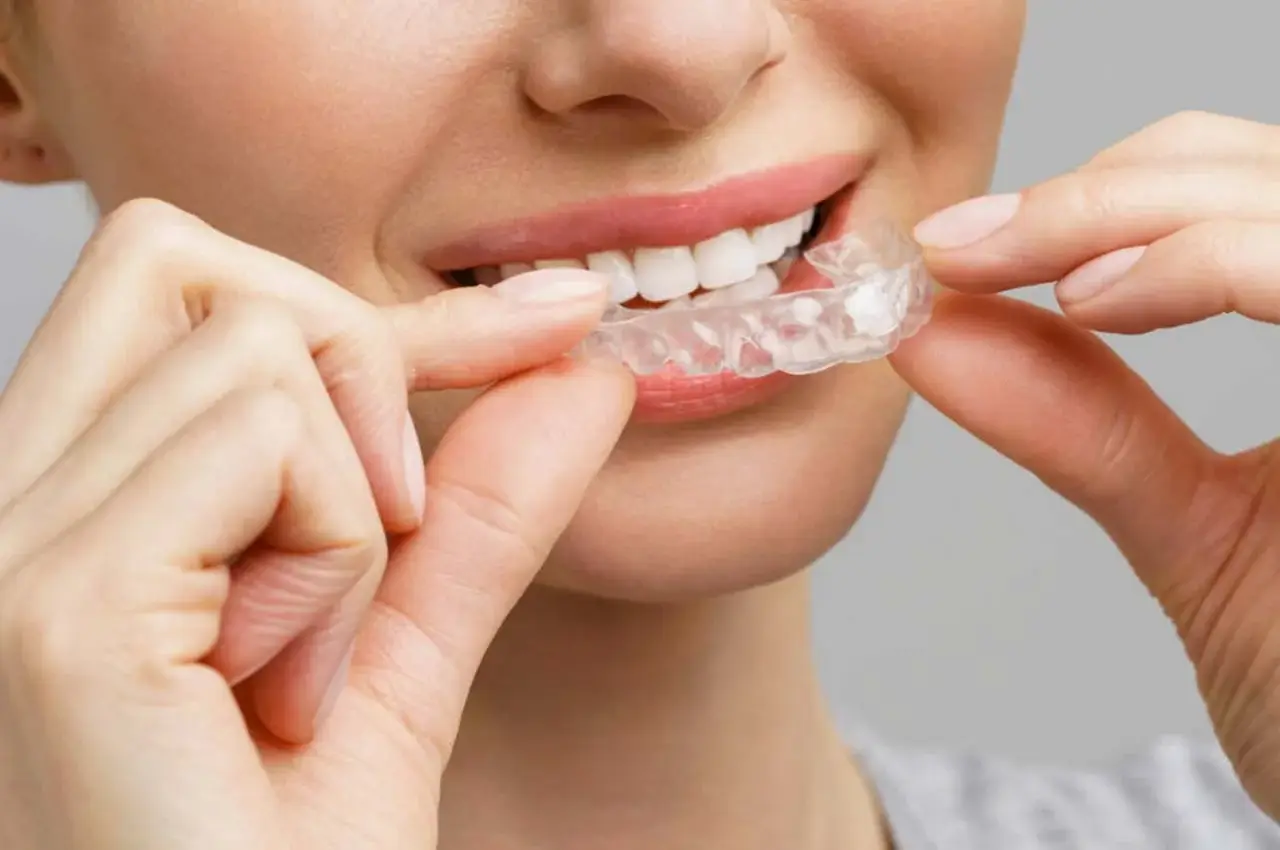
| Custom home trays | Lower concentration in trays made to fit your teeth, worn nightly | Tray fabrication plus gel quantity |
| Combined | One clinic session then home trays to finish and maintain | Both elements, but fewer clinic sessions |
| Internal bleaching | Gel placed inside a root-treated tooth | Single tooth; number of applications |
| Top-up gel | Refills for existing trays, months or years later | Gel only — the trays already exist |
The combined approach is what most clinics recommend and it is recommended for a good reason. The clinic session produces a visible change quickly; the home trays consolidate it and are then kept for maintenance.
Those trays are the part with lasting value. Made once, they can be reused for years with nothing but a new syringe of gel, which makes maintenance a small recurring cost rather than a repeated treatment.
What No Whitening Changes
This is the single most important limitation and the one that causes the most disappointment when it is discovered afterwards rather than explained beforehand.
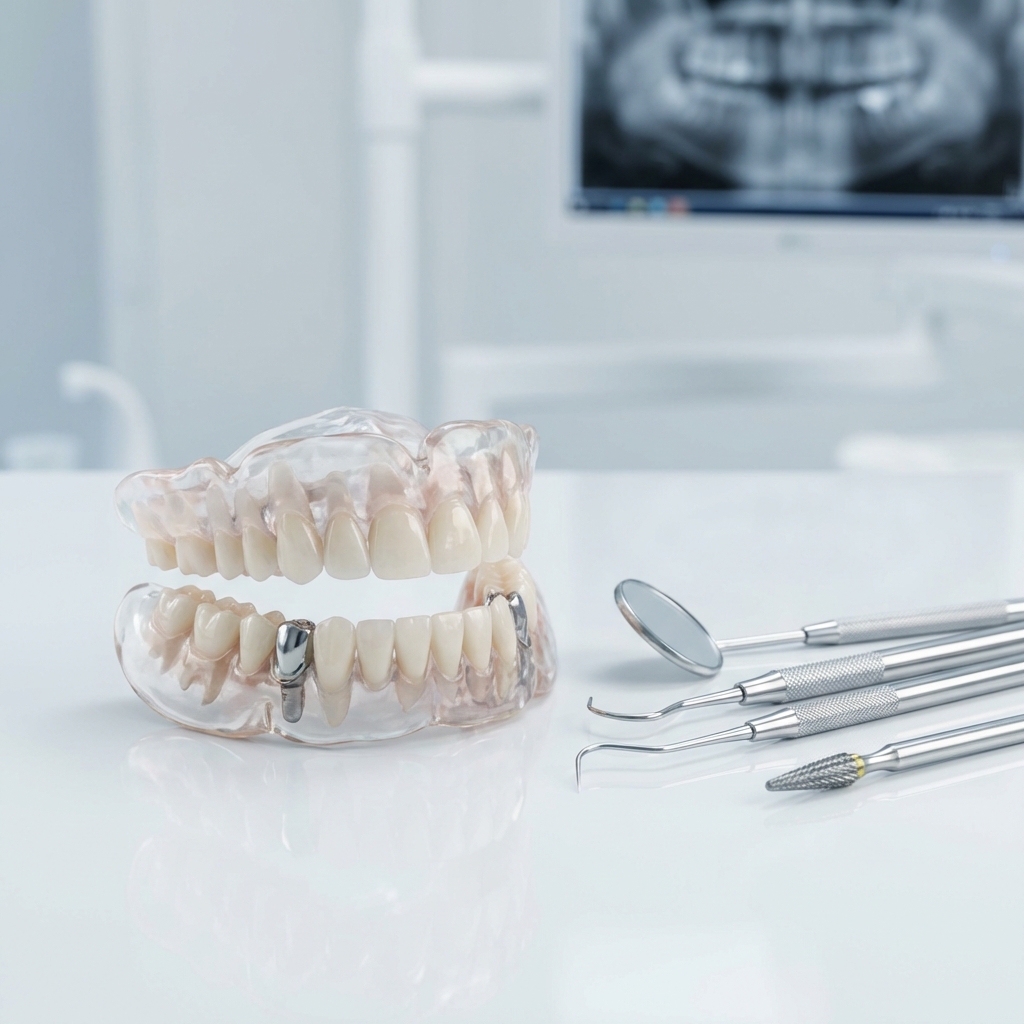
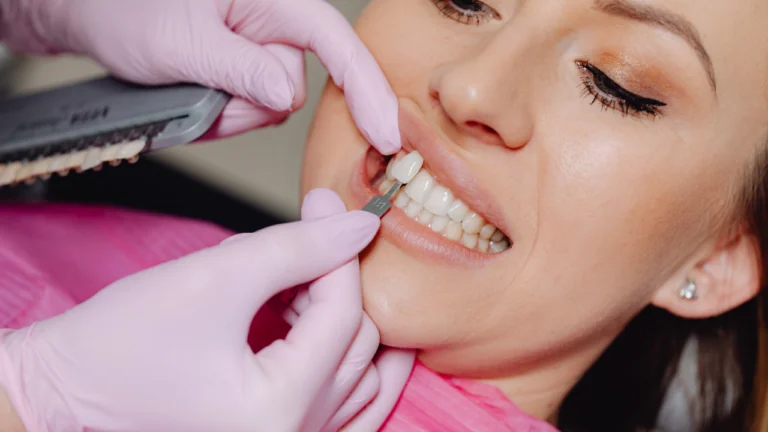
Whitening acts on natural tooth structure. Crowns, veneers, composite fillings and bridges do not lighten at all. They are made in a fixed shade and they stay in it — permanently, for as long as they are in your mouth.
The consequence is a sequencing rule with no exceptions: whitening comes first, the shade is allowed to stabilise for a couple of weeks, and only then is any ceramic matched to it. Reversing that order leaves the restorations darker than the teeth around them.
If you already have restorations in the smile zone and whiten your natural teeth, those restorations will no longer match. That is not a fault — it is arithmetic — and it means replacing them becomes part of the plan.
This is why whitening is discussed at the design stage rather than at the end. Where it fits in a wider plan sets out the sequence, and it is one of the most common ordering mistakes in cosmetic dentistry.
Sensitivity: What Is Normal
The most common side effect by a wide margin, affecting most patients to some degree, and almost always temporary, and almost always temporary. Understanding the mechanism makes it far less alarming.
Peroxide passes through enamel into the dentine, where the fluid-filled tubules connect to the nerve. That transit produces short sharp sensations, usually to cold, typically for a day or two after treatment. Nothing is being damaged.
It is managed rather than endured. A desensitising toothpaste used for a week or two beforehand reduces it considerably, shorter application periods help, and spacing sessions further apart helps more. A fluoride gel applied after treatment settles it faster.
Gum irritation is the other common effect, and it comes from gel contact rather than from the whitening itself. Well-fitted trays and correct gel quantity prevent most of it; over-filled trays cause it.
What is not normal is prolonged pain, sensitivity that persists for weeks, or pain localised to one tooth. That usually indicates something else — a crack, decay, or exposed dentine at the neck of a tooth — and it needs examining rather than pushing through.
How Long the Result Lasts
Longer than most people expect, and the variation between patients is almost entirely behavioural rather than clinical.
A patient who drinks little coffee, does not smoke and maintains hygiene may keep the result for years with occasional top-ups. A heavy coffee drinker who smokes may see noticeable regression within months. Same treatment, different outcomes.
Maintenance is what makes the difference, and it is cheap. A night or two of gel in the existing trays every few months holds the shade indefinitely. That is why the trays are the part of the treatment with lasting value.
Practical habits help as much as the gel. Rinsing with water after coffee, tea or red wine, and using a straw for cold staining drinks, both slow the process measurably at no cost at all.
What does not help is whitening toothpaste. It is abrasive, it roughens the surface it is meant to be cleaning, and a rougher surface holds stain more readily. It makes the problem worse over a period of years.
Hygiene appointments do part of the work for you. A professional clean removes the surface film that daily brushing leaves behind, and keeping the interval you are given holds the shade better than any product does — the maintenance schedule covers what that interval should be.
The Single Dark Tooth
A different problem with a different treatment, and one worth separating out because external whitening barely touches it.
When a tooth darkens after trauma or root treatment, the discolouration comes from inside — blood breakdown products or old root filling material within the dentine. Whitening applied to the outside is working on the wrong side of the problem.
Internal bleaching addresses it directly. Whitening agent is sealed inside the tooth through the existing root treatment access and replaced at intervals until the shade matches the neighbours. It is conservative, effective in most cases, and inexpensive relative to the alternative.
The alternative is a crown or veneer, and it means preparing a tooth that otherwise needed nothing beyond a colour change. Trying internal bleaching first is almost always the right sequence.
It requires a sound root treatment underneath. Where the root filling has failed, that needs addressing first — bleaching a tooth with an untreated infection underneath solves nothing.
When Whitening Is Not the Answer
Recognising these situations in advance saves money and disappointment, and a clinic that never reaches this conclusion for anyone is selling rather than assessing.
- Thin enamel showing yellow dentine through it — whitening the enamel changes nothing visible.
- Extensive existing restorations in the smile zone — they will not lighten and will no longer match.
- Severe tetracycline banding — improvement is real but usually partial.
- White spot lesions from decalcification — whitening can make the contrast worse, not better.
- Active decay or untreated gum disease — those come first, without exception.
- Unrealistic expectations of a shade brighter than any natural tooth.
In the first two cases the honest alternatives are restorative, and they are considerably larger treatments. That is a reason to explain the situation properly rather than to sell whitening as a cheaper substitute that will not work.
For thin enamel specifically, minimal bonding is often the conservative answer rather than full veneers — it adds the thickness that has been lost without preparing the tooth further.
Where a front tooth has chipped rather than darkened, the treatment is different again. What to do with a broken tooth sets out when bonding is enough and when more is needed, and shade is usually the smaller half of that problem.
Home Kits, Salons and Why the Difference Matters
Whitening is available from a wide range of sources at a wide range of prices, and the differences are worth understanding because two of them carry real risks.
Over-the-counter strips and generic trays use low concentrations and produce modest results on surface staining. They are safe in normal use and they are not a substitute for treatment where the cause is intrinsic. Generic trays fit poorly, which is what causes most gum irritation.
Non-dental whitening — in salons or by unqualified operators — is the category to avoid. Nobody has examined the teeth, so decay, cracks and gum disease go unnoticed, and gum protection is frequently inadequate. Whitening an undiagnosed cracked tooth is genuinely painful.
The value of professional treatment is the examination as much as the gel. Establishing why the teeth are dark, checking there is nothing that contraindicates treatment, protecting the gums properly, and making trays that fit — that is what you are paying for.
It is also why whitening should never be the first appointment in a plan. It follows the examination, and where there is decay or inflammation it follows their treatment as well.
What Determines the Figure
Six things, in roughly descending order of impact, and none of them is a fixed rate per shade.
- Whether a professional clean alone achieves enough — sometimes it does.
- How many clinic sessions the discolouration needs to respond.
- Whether custom trays are made, and whether they are yours to keep.
- How much gel the home phase requires and over what period.
- Whether any teeth need internal bleaching separately.
- Whether existing restorations in the smile zone will need replacing afterwards.
The last one is the largest by a wide margin and it is not really a whitening cost at all. If four visible restorations will no longer match, the true cost of whitening includes remaking them, and that should be established before starting rather than discovered afterwards.
The trays are the item worth confirming. Custom trays made from impressions of your own teeth should be yours to keep, reusable for years with new gel. Trays that stay at the clinic turn maintenance into a repeated treatment.
Where whitening sits inside a larger plan, it is usually a small line — how a veneer quote is built sets out where it belongs in the sequence and why it appears before the ceramic rather than after.
Whitening Around Existing Dental Work
A common situation with no perfect solution, and it is better to plan for it than to be surprised by it.
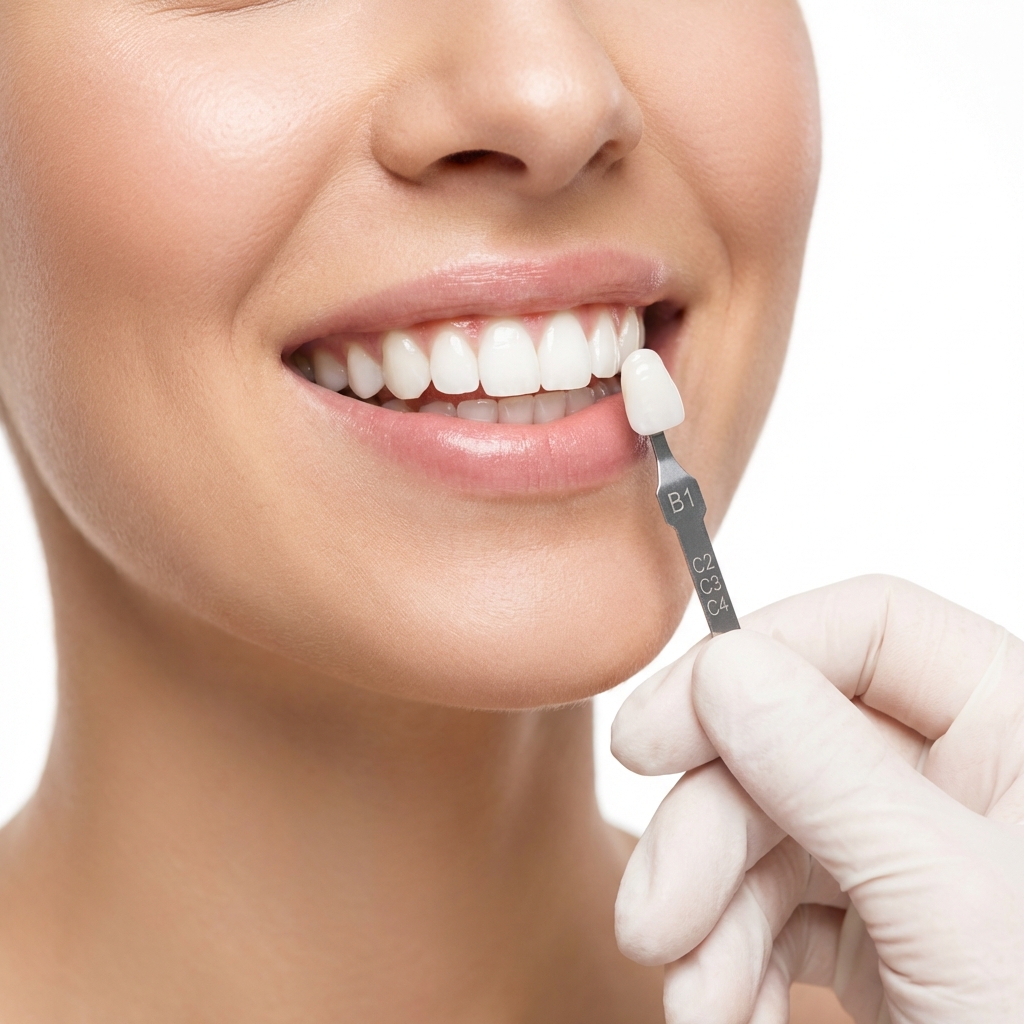
If you have crowns or veneers on front teeth and whiten the natural teeth around them, the restorations become the darker elements. How noticeable that is depends on how much lighter the natural teeth become and where the restorations sit.
There are three honest options. Accept the mismatch, which is sometimes fine if the restorations are not prominent. Whiten and then replace the restorations to match, which is the complete solution and the expensive one. Or do not whiten, and keep the current match.
Which is right depends on how many restorations are involved and how visible they are. A single crown on a lateral incisor is a different problem from four crowns across the front.
What should not happen is whitening being sold without this being explained. If you have existing restorations in the smile zone, the conversation about replacing them belongs before treatment starts, not after — as the restoration comparison sets out for the replacement decision.
How We Approach Whitening at Bağcılar
Examination first, always, and it is short. What we are establishing is why the teeth are dark, because that determines whether whitening will do anything useful — and in a meaningful number of cases the honest answer is that it will not.
A professional clean comes before any assessment of shade. Surface staining removed mechanically sometimes accounts for most of the complaint, and judging the underlying colour through a layer of stain produces the wrong plan.
Where whitening is appropriate, the usual approach is combined: a clinic session for a visible change, then custom trays to consolidate and maintain. The trays are yours, and maintenance afterwards is a syringe of gel rather than a repeat treatment.
Where restorations in the smile zone will be affected, that is set out before treatment starts, with the three options and what each involves. Nobody should discover a mismatch after paying for whitening.
And where whitening is not the answer, we say so and explain what is — including when that is a larger treatment than you came asking about, and including when it is nothing at all. What a consultation should cover sets out the wider process.
Whitening as Part of a Turkish Treatment Plan
Whitening is the item most often given away in İstanbul packages and the one whose position in the sequence matters most. It is not the first appointment. Active decay and untreated gum disease come before it, without exception, because bleaching an inflamed mouth is uncomfortable and bleaching over decay treats nothing. A clinic that starts a treatment trip with whitening because it is the quick win has sequenced the week for the itinerary rather than for the mouth.
Its other position in the sequence is before ceramic, not after. Crowns and veneers do not change colour when they are bleached, so the shade of your natural teeth has to be settled first and the ceramic matched to it. Getting that order wrong is the commonest cause of a mismatched front tooth, and it is not correctable afterwards without remaking the ceramic. Where whitening sits in a full smile plan sets out the whole order.
Practically, in-clinic whitening in Bağcılar is one appointment of about an hour and a half, usually combined with take-home trays made from a scan on the same day, because the trays are what maintain the result rather than the session. The shade continues to settle for about two weeks, which means the shade you fly home with is not the final one — worth knowing before you photograph anything or match anything to it.
Türkiye's regulations on peroxide concentration are aligned with European ones, so the gels used here are the same materials used in a European surgery. Any clinic promising a result that professional-strength peroxide cannot deliver — a uniform bright white from a single session on tetracycline staining, for example — is describing a photograph rather than a treatment.
Whitening Inside a Larger Treatment Plan
Whitening rarely sits on its own. Most patients asking about it are really asking about how their smile looks overall, and shade is only one of the three things that decide that — the others being shape and position.
Where the complaint is shade alone and the teeth are healthy and well aligned, whitening is the complete answer and nothing else is needed. That is a real and reasonably common outcome, and it is the cheapest good result in dentistry.
Where shape is also part of it — a chipped edge, a tooth slightly shorter than its neighbour, a space between the front teeth — whitening first and then a small amount of bonding frequently finishes the job without preparing a single tooth.
Where position is the issue, alignment comes first and whitening afterwards, because teeth that have moved are easier to clean and whiten evenly. The alignment options set out what that adds to the timetable.
Only where all three need changing at once does the plan become restorative, and even then the whitening stage comes first so the ceramic can be matched to a settled shade. How the larger plans are built sets out the sequence, and it always begins here.