

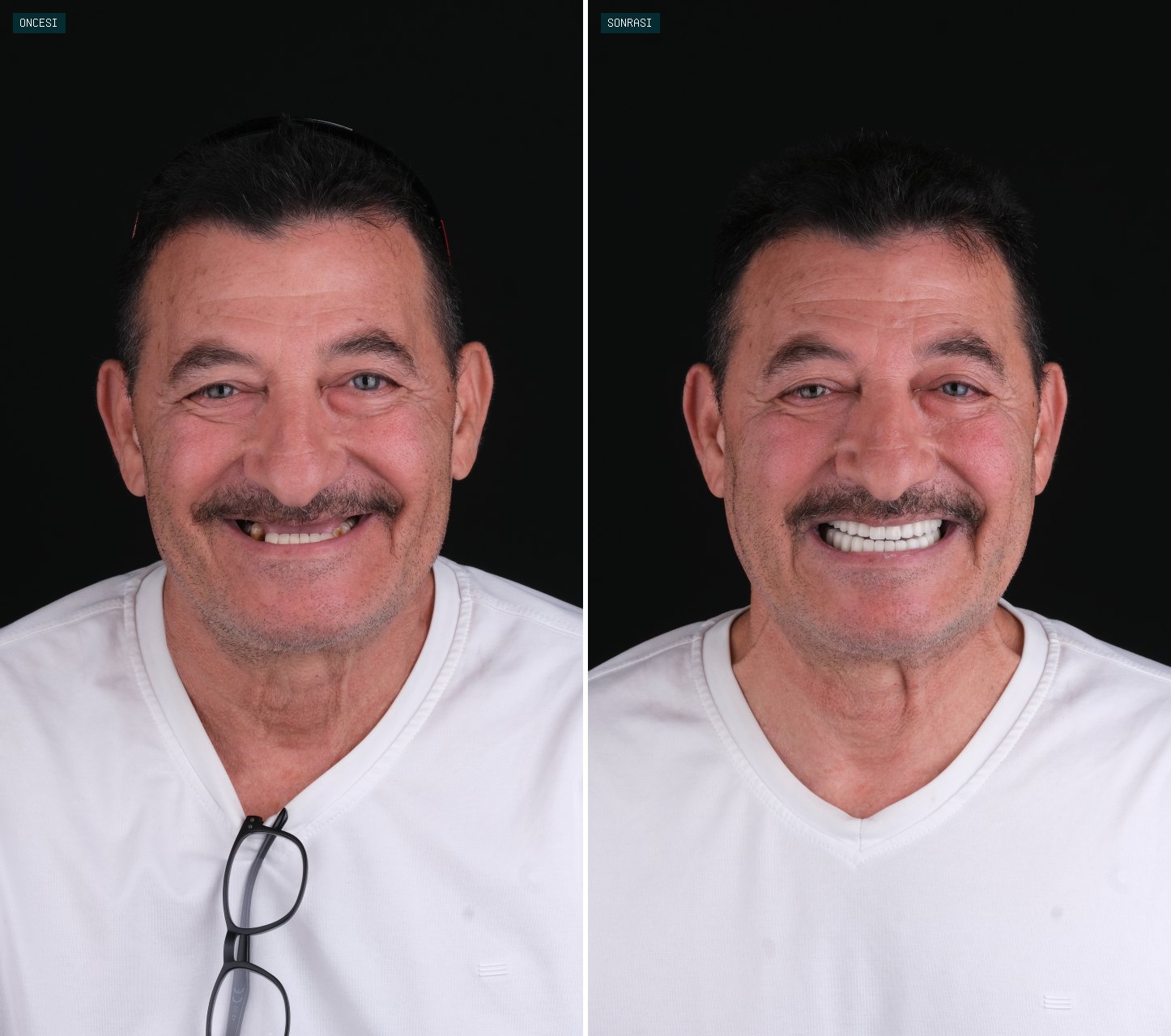


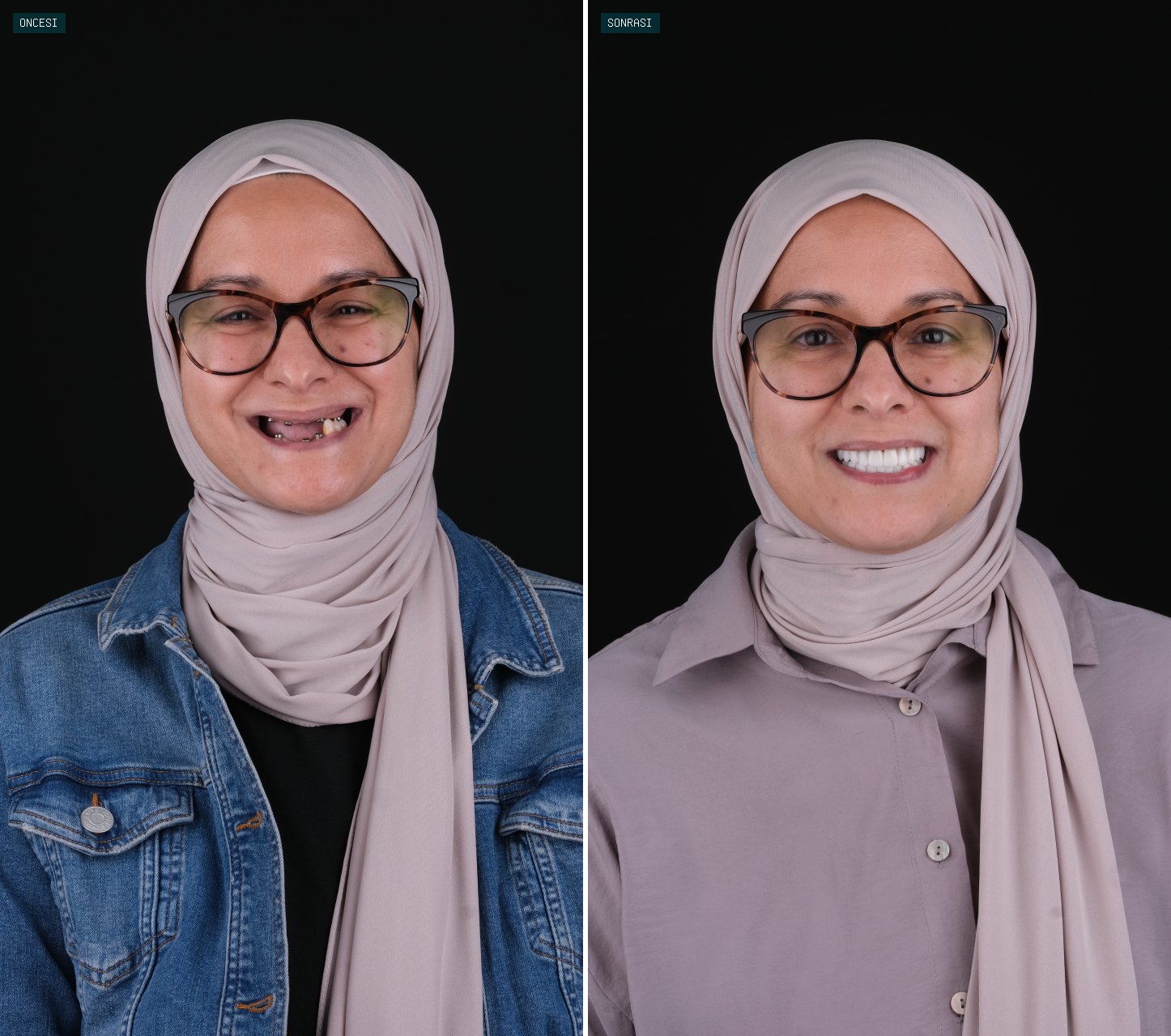


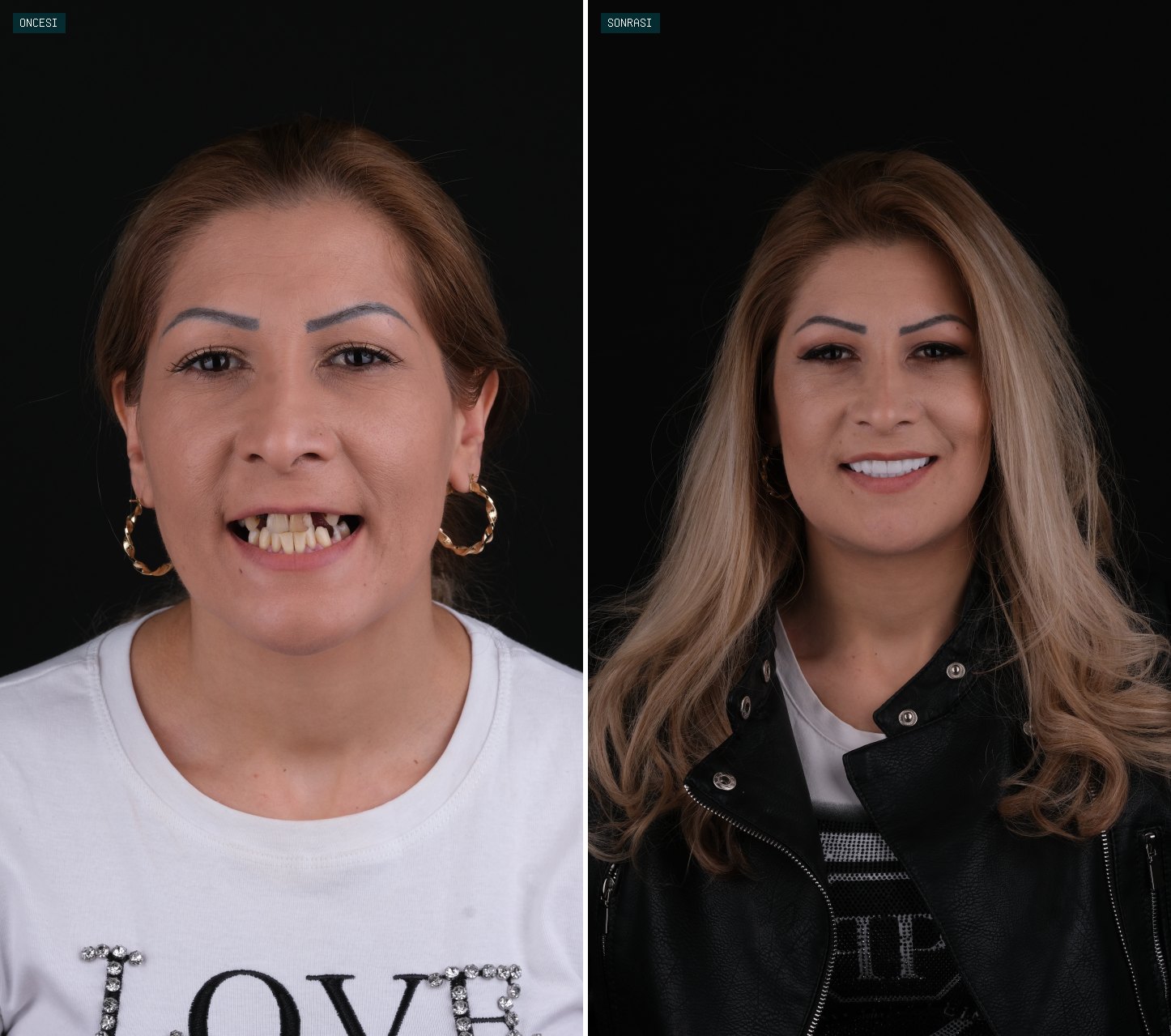

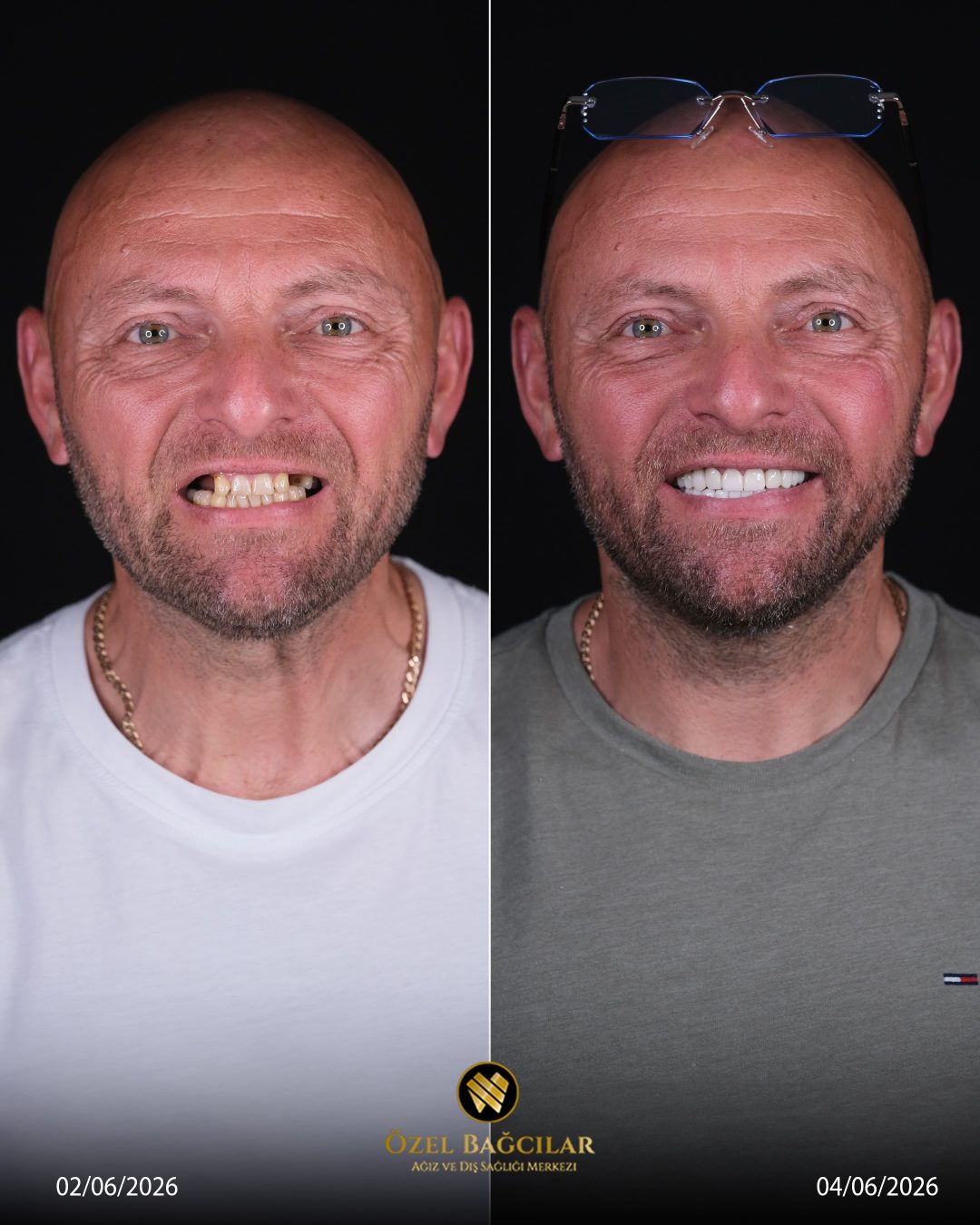




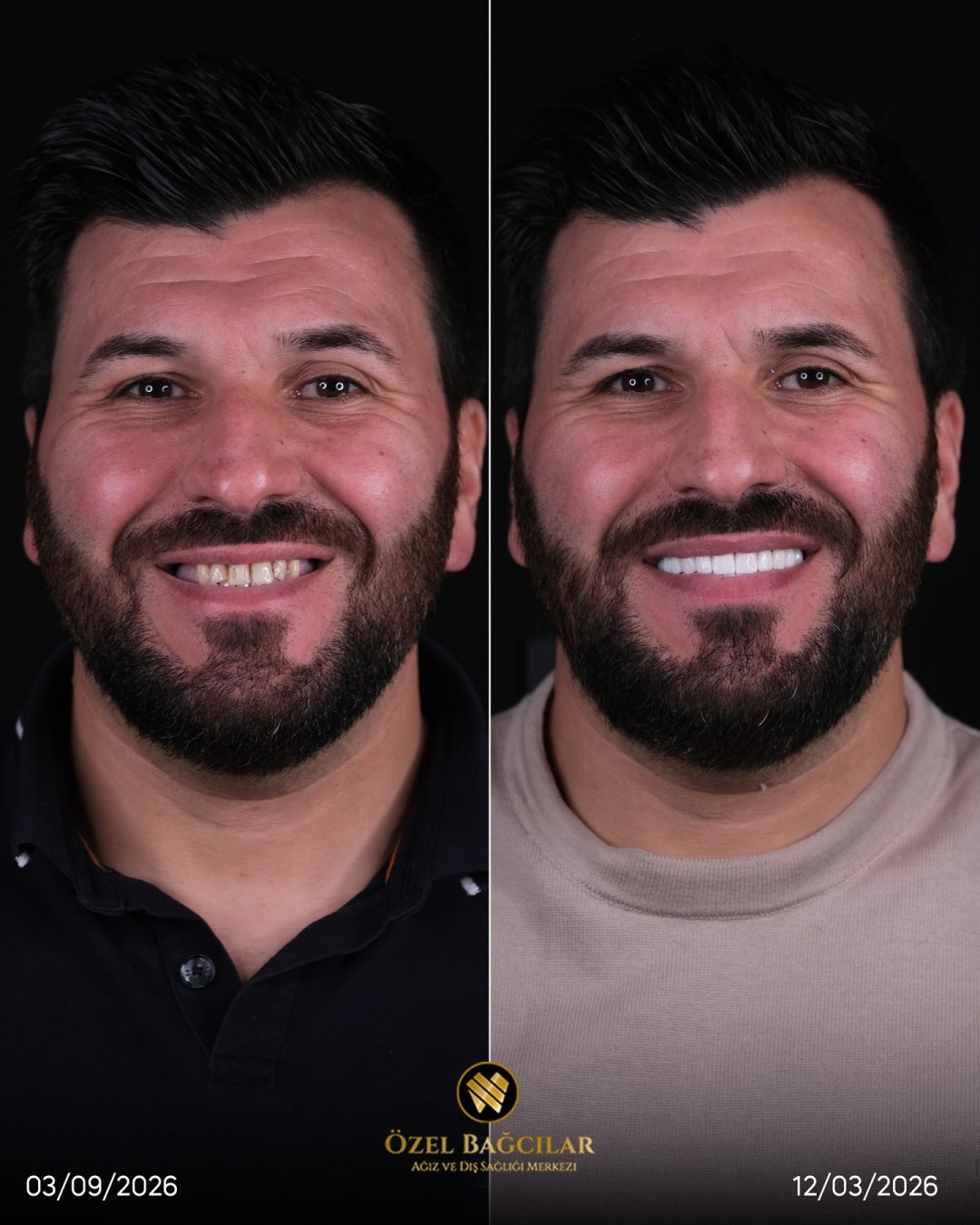
What the Look Actually Consists Of
The version most people picture has four identifiable characteristics, and each of them is a choice made by a clinician rather than a property of the material.
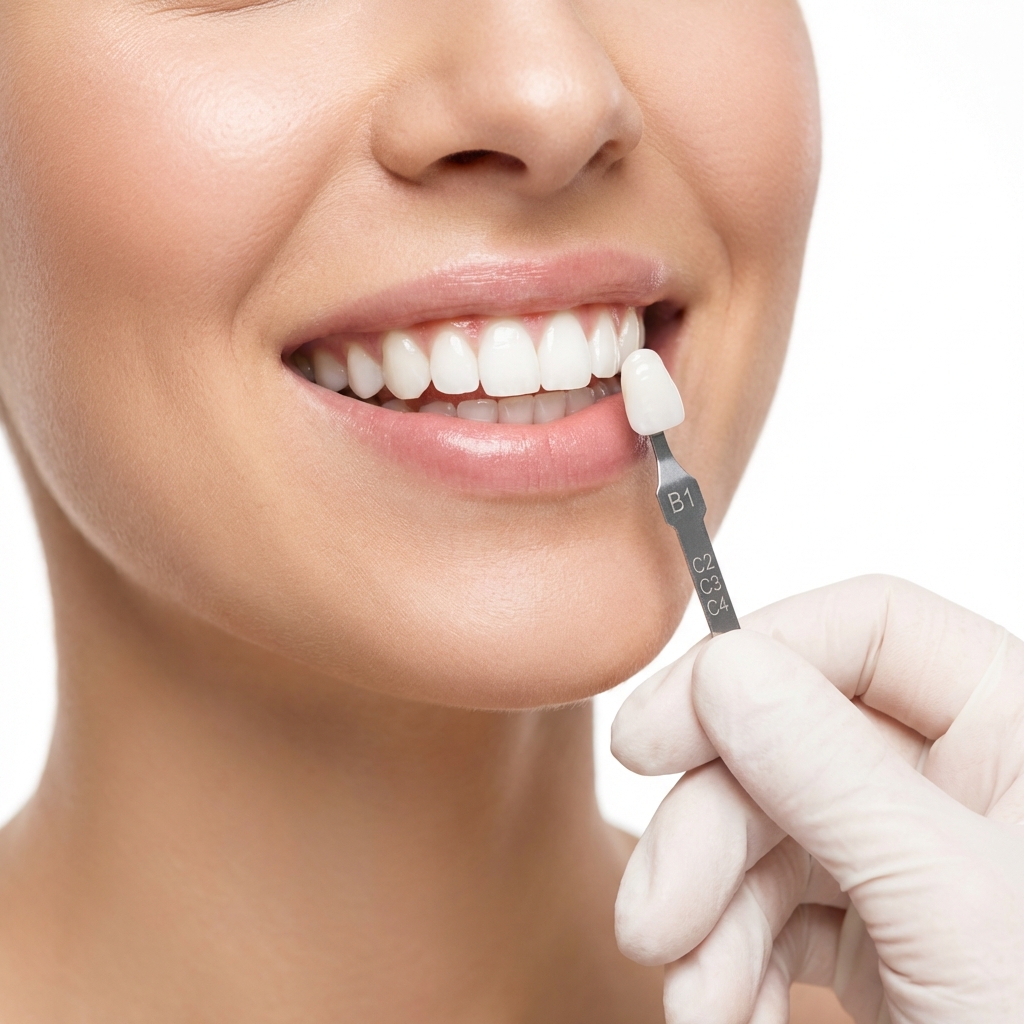
Uniformity. Every tooth the same shade, the same surface texture, and proportionally similar. Natural teeth vary — canines are slightly darker and more saturated, laterals differ from centrals — and removing that variation is what the eye reads as artificial.
Brightness beyond the natural range. Shades whiter than any tooth found in a human mouth, which is why the result reads as applied rather than as teeth someone happens to have.
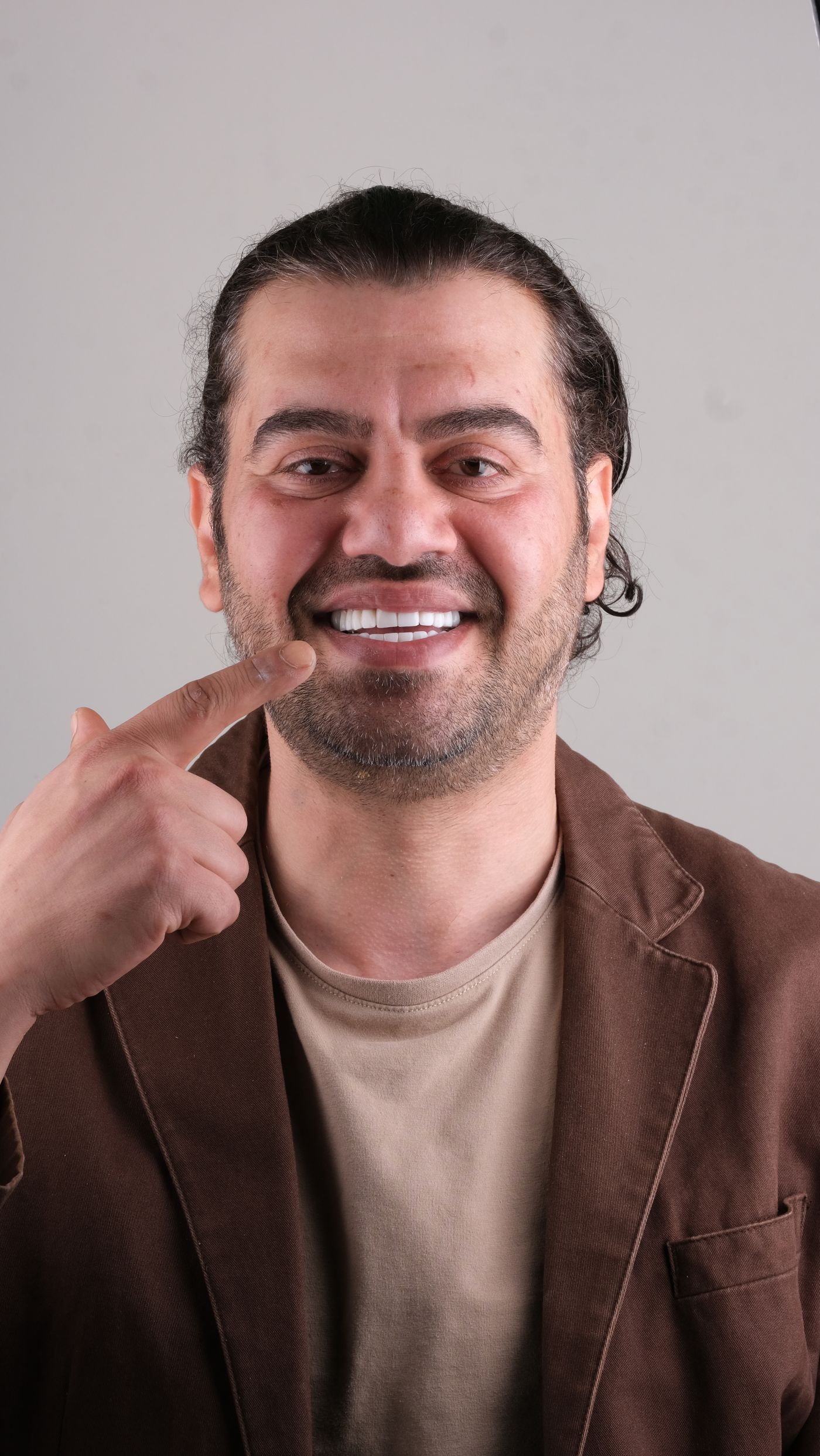
A flat incisal edge line. Natural upper teeth follow the curve of the lower lip; a straight line across all six front teeth is the single most recognisable signature of the look and it is a laboratory instruction rather than an accident.
And scale — a large number of teeth treated together, frequently including teeth that never show when the patient smiles. That last is the part with permanent consequences, and it comes from the package rather than from the aesthetic.
Where the Term Came From
It describes a period aesthetic rather than a contemporary one, which is worth knowing because the look has moved on considerably.
Mid-century film work produced very bright, very even teeth for on-screen reasons: lighting was harsh, film stock was unforgiving, and the effect had to read from a distance in black and white.
Contemporary aesthetic dentistry moved away from that decades ago, towards results that read as the patient's own teeth in better condition. The reference cases in the professional literature are notable for being difficult to identify as restorations at all.
The term survived in marketing because it is instantly comprehensible and instantly aspirational. It communicates a promise in two words, which is exactly what a package name is for.
So a patient asking for a Hollywood smile and a clinician hearing it may be picturing quite different results — and that mismatch is the commonest cause of disappointment in cosmetic dentistry.
The Package Problem
The pricing structure rather than the aesthetic, and it is the part with lasting consequences.
A package fixes the number of teeth before an examination. Twenty units, twenty-eight units — round numbers chosen because they are easy to price and easy to sell, not because that many teeth needed treating.
That inverts the correct order. The tooth count should come from an assessment of what shows when you smile and what genuinely needs changing, which is individual and produces an odd-looking number — four, six, sometimes ten.
The consequence is permanent. Every tooth in the package is prepared, and preparation removes enamel that does not grow back. A sound tooth included because it was in the count is a tooth committed to being restored for life.
Which is why the useful question about any package is not what it costs but which of those teeth are currently sound and unrestored. The coverage question applies to every one of them individually.
What You Are Actually Buying
Separating the components makes the decision clearer, because a package bundles things that should be decided separately.
| Component | What it should depend on | What a package fixes it to |
|---|---|---|
| Number of teeth | How many show and need changing | A round number chosen in advance |
| Which teeth | Assessment, tooth by tooth | A standard set |
| Restoration type | How much structure each tooth has | Usually one type for all |
| Material | Position and bite | Usually one material for all |
| Shade | Your face, skin and preference | Frequently a house default |
| Preparatory work | What the examination finds | Often excluded entirely |
| Design stage | Your proportions and lip position | Sometimes omitted |
Read the last row carefully. A plan without a design stage and a mock-up has skipped the step that lets you see the proposed result before any tooth is prepared, which is the one genuinely protective part of the process.
The Number That Actually Matters
How many teeth show when you smile, and it is individual enough that no package can be right for more than a fraction of patients.
Some people show six upper teeth when smiling naturally. Many show eight or ten. A few show the lower arch as well. That range is determined by lip length and lip mobility rather than by anything about the teeth.
Teeth that do not appear gain nothing from a veneer. They are prepared, they carry a restoration for life, and nobody ever sees them — which is a permanent cost for no benefit whatsoever.
There is one legitimate reason the number rises slightly. Shade transitions look best at a natural break in the arch, so extending to the canine frequently reads better than stopping at the lateral incisor. That argues for six rather than four.
It does not argue for twenty. The gap between what shows and what a package includes is where the biological cost of these treatments sits — how the count should be decided sets out the assessment it should come from.
Shade, and the Range That Exists in Nature
The second defining characteristic of the look, and the one patients have the strongest opinions about before seeing anything.
Natural teeth occupy a range, and the brightest end of it is lighter than most people assume. A genuinely bright natural shade is achievable and looks like healthy teeth rather than like dentistry.
Beyond that range the result stops reading as teeth. It is not a matter of taste in the way it is usually framed — the eye recognises the absence of translucency and internal variation, and registers it as artificial without being able to say why.
Skin tone and age are part of it. A shade that looks well on one face reads as conspicuous on another, and a very bright result ages less gracefully than a natural one as the rest of the face changes.
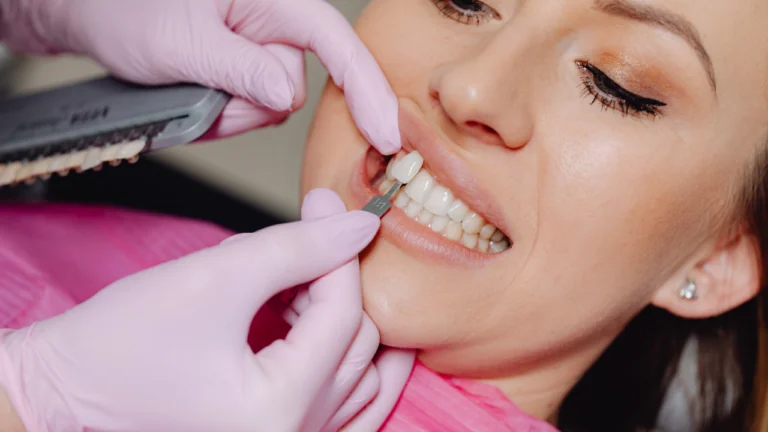
This is a decision to make on your own face rather than from a photograph. The mock-up stage lets you see the proposed shade in daylight before anything is made, and it is the only reliable way to judge it.
What Usually Goes Wrong
The patterns that bring patients back for correction are consistent enough to list, and every one of them originates in the planning rather than the execution.
- Sound teeth prepared because they were in the package count.
- A flat edge line that reads as artificial from across a room.
- A shade beyond the natural range, unchangeable once the ceramic is made.
- Teeth all the same width, ignoring the natural proportion between centrals, laterals and canines.
- Margins bonded to gums that were inflamed and later receded, exposing a dark line.
- Crowns where veneers would have done, removing several times as much tooth.
- No mock-up, so the first sight of the result was after preparation.
Correcting any of these means remaking the restorations, and the teeth underneath have already been prepared. The second attempt starts from less tooth than the first did.
Which is why the planning stage is worth more attention than the price. What can be done when this goes wrong sets out what is salvageable and what is not.
Gum health underlies several of those. Margins bonded to inflamed tissue look correct at fitting and expose a line months later as the gum settles, which is why the gum stage comes first rather than being skipped for time.
What Most People Actually Want
Worth saying because the term obscures it, and because the honest answer is frequently a smaller treatment.
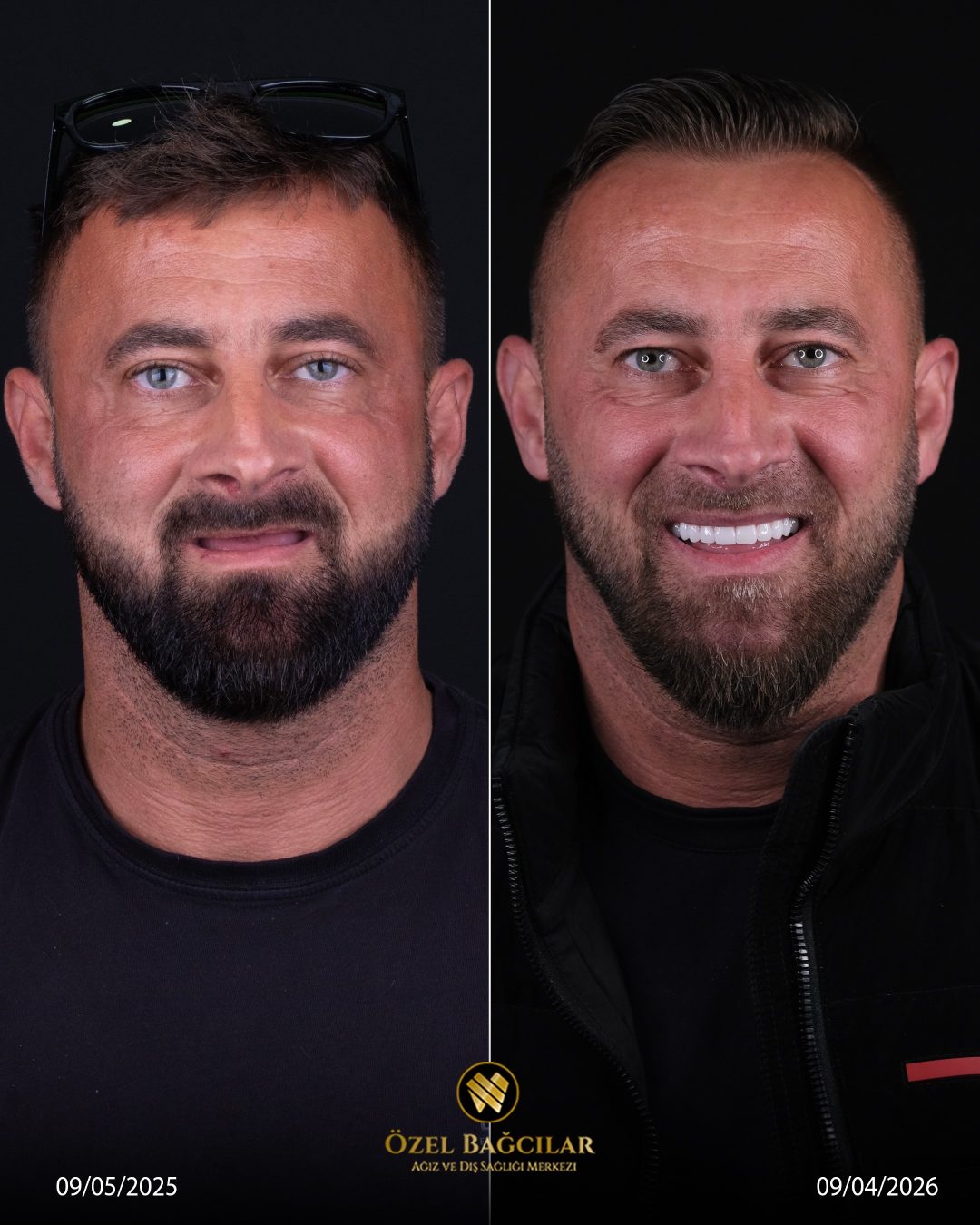
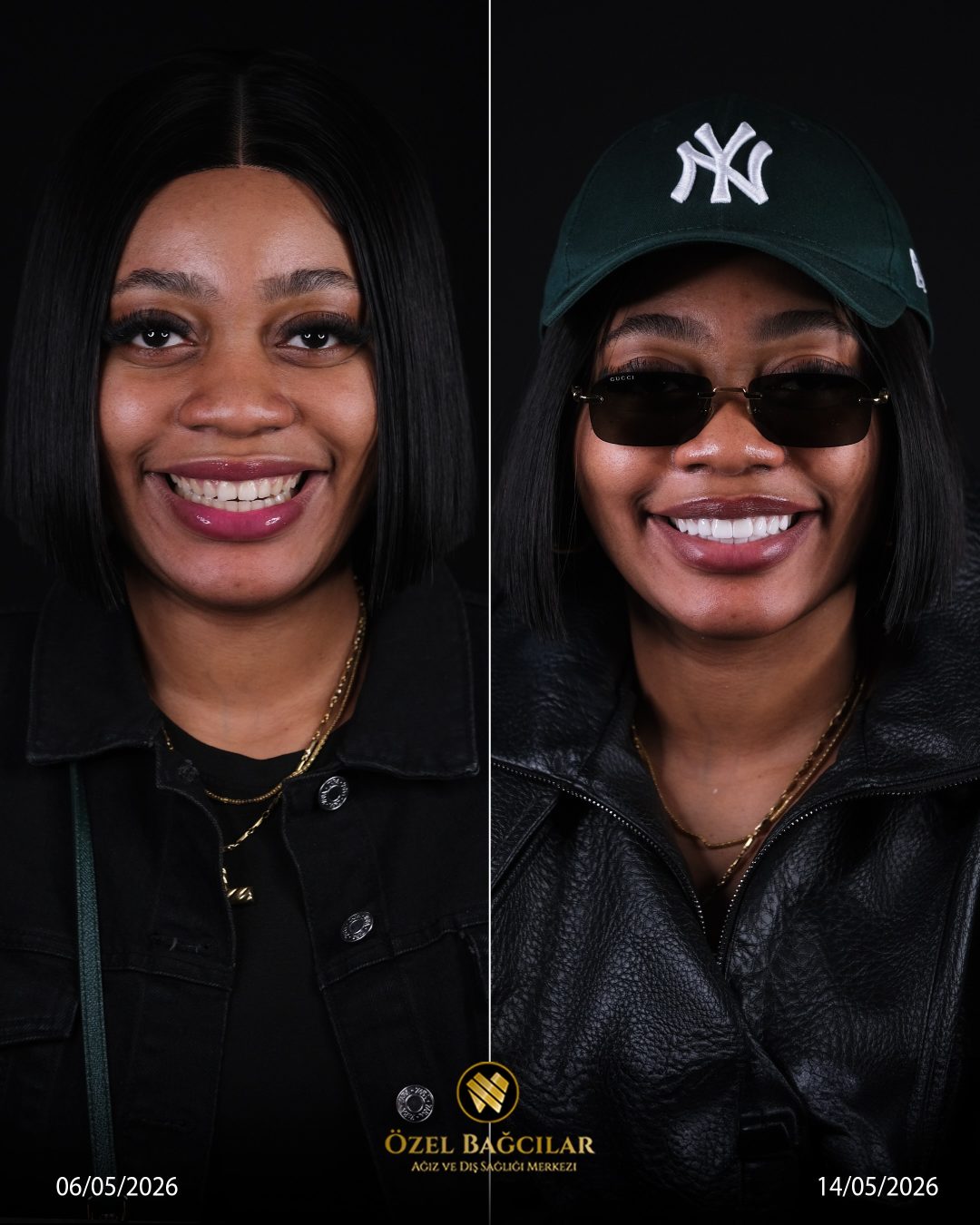
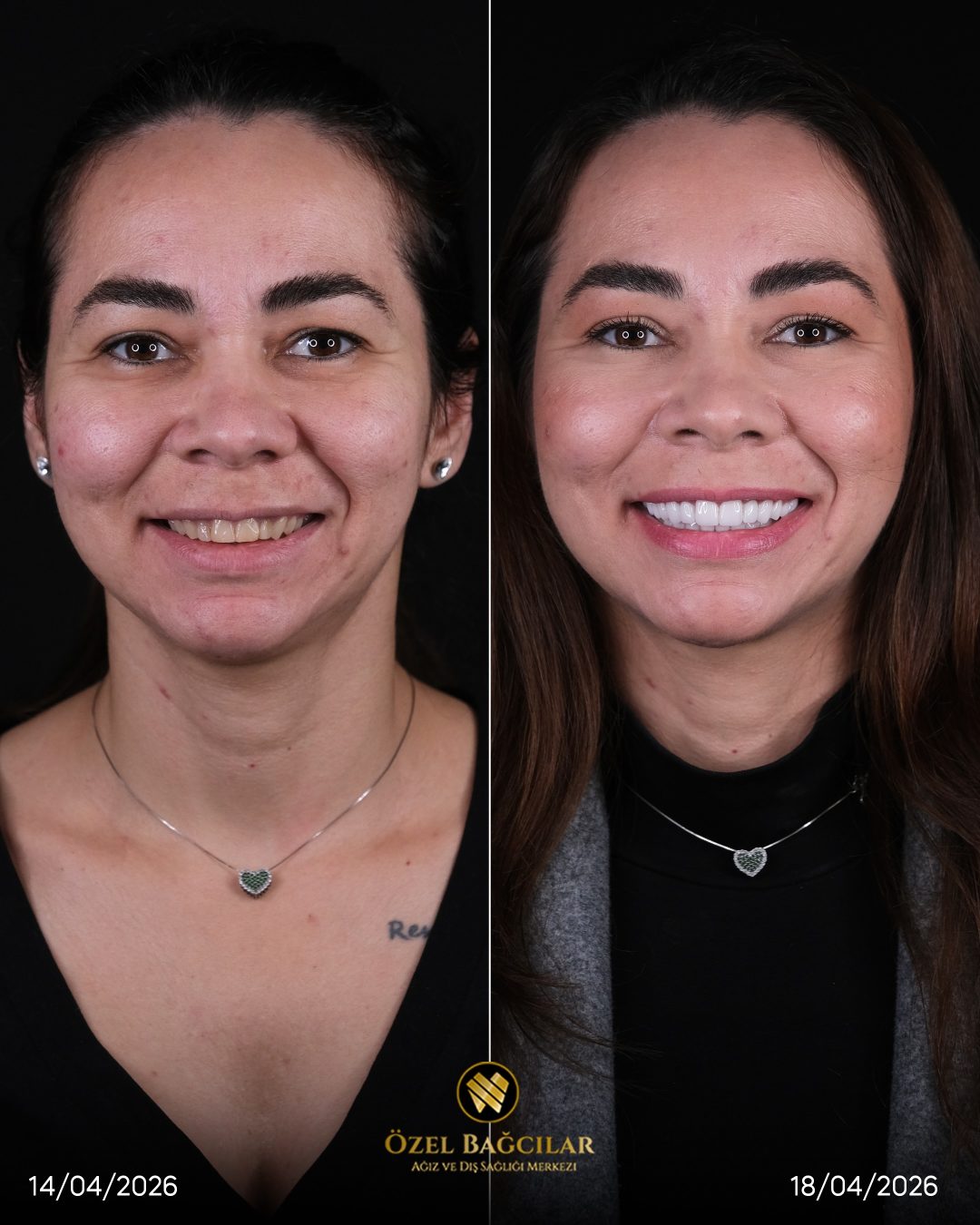
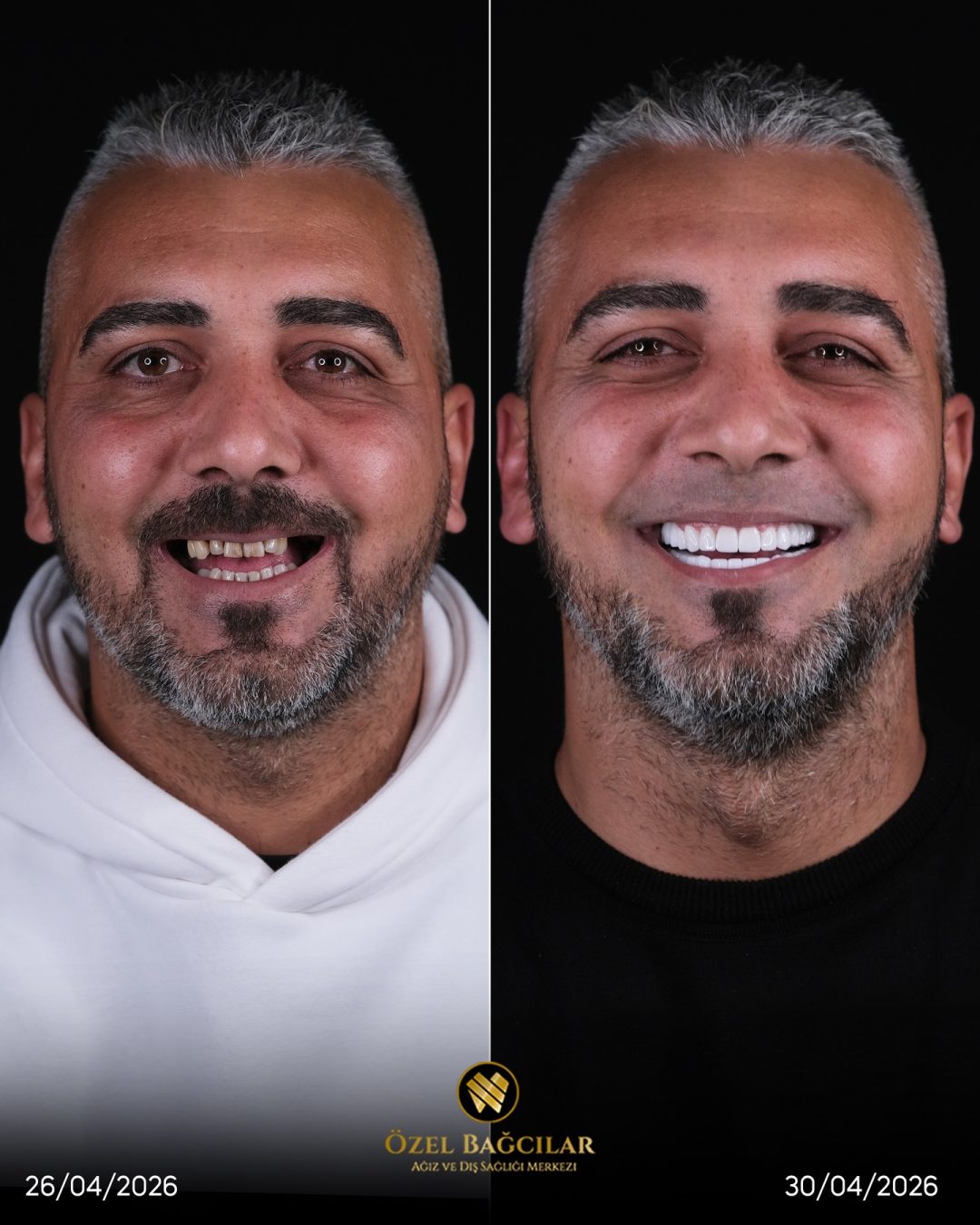
Most patients asking for a Hollywood smile want their teeth to look even, healthy and noticeably brighter. They do not want to be visibly identifiable as someone who has had work done.
That result is usually achievable with considerably less intervention than a package implies. Whitening, minor alignment and a small number of restorations reach it in many cases, and the teeth that were sound stay sound.
The mock-up stage is where this becomes concrete. Seeing a proposed shape and shade on your own face for an hour changes what people ask for — almost always in the direction of something less uniform.
A clinic that reaches that conclusion for you is assessing rather than selling. One that only ever proposes the package is doing the opposite, whatever the figure attached to it.
The photographs a clinic publishes are worth reading with this in mind. A gallery in which every result is uniform and very bright is showing you the house aesthetic rather than a range, and how to read a gallery sets out what the variation between cases should look like.
The Conservative Route to the Same Result
Set out concretely, because "a smaller treatment" is easy to assert and less easy to picture.
Whitening first. Where the complaint is largely shade and the teeth are healthy and reasonably aligned, this alone gets most patients most of the way — and it prepares no teeth at all.
Alignment second, where position is part of the problem. Moving teeth removes no structure, and teeth in the right position frequently need only bonding afterwards rather than veneers — the alignment options set out what that adds in time.
Gum contouring third, where teeth look short because the gum covers too much of them. That exposes tooth already present rather than adding length in ceramic, and it touches no tooth structure.
Restoration last, and only on the teeth that still need it after the first three. That is frequently two or four rather than twenty, and the result is indistinguishable from the front.
Composite sits between whitening and porcelain and is under-used in this conversation. Additive bonding frequently removes no tooth at all, and for a patient unsure about a shape it lets them live with one for months rather than an hour.
Why the Package Is Priced That Way
Not because clinics are dishonest, but because of what a package is designed to do commercially. Understanding the mechanism makes it easier to read.
A single figure is easy to advertise, easy to compare against a competitor and easy to say yes to. An itemised plan requires an examination first, which is slower and cannot be quoted from a photograph.
It also transfers risk. A fixed price for a fixed count means the clinic knows its costs, and any preparatory work found later becomes an addition to the figure rather than a variation within it.
That is where packages grow. Gum treatment, root treatments, build-ups, whitening and a night guard are frequently outside the package, and they are exactly what an examination finds.
The correction is to ask for the plan tooth by tooth before agreeing to any figure, and to ask specifically what is excluded — an itemised quote states the exclusions rather than leaving them to arise.
When a Large Plan Is Genuinely Right
It happens, and dismissing every extensive treatment would be as wrong as selling one to everybody.
Where most of the front teeth already carry large restorations, crowns or failed veneers, treating them together is correct and the biological argument against it has already been settled by their condition.
Where there is generalised wear with genuine loss of height, the treatment is a reconstruction rather than a cosmetic exercise, and it does legitimately involve many teeth — rebuilding a worn bite is a different treatment with a different rationale.
Where a previous large treatment has failed, the correction usually has to be at least as extensive as the original, because the teeth were already prepared.
In each of those the number of teeth comes from findings rather than from a package, and the plan should still list them individually with a reason beside each.
Missing teeth alongside the aesthetic complaint is a fourth case. Where spaces have to be filled as well as teeth reshaped, the plan spans both and how each space is restored is decided alongside the design rather than after it.
How to Read a Package Offer
Five questions, and the answers tell you whether you are looking at a treatment plan or a price list.
- Which specific teeth are included, by number?
- Which of those are currently sound and unrestored?
- Are they veneers or crowns, and why that choice for each tooth?
- Which material, and is it the same for every tooth?
- What is excluded — gum treatment, root treatments, build-ups, whitening, a night guard?
The second is the diagnostic one. A plan built from an examination can answer it immediately; a package cannot, because the count was set before anyone looked.
The fifth is where the figure grows. Preparatory work is discovered rather than chosen, and a package that has not accounted for it will.
If the answers are vague, that is the answer. Take the offer away and ask for a written plan instead — what a proper consultation produces is a different document entirely.
Why the Package Was Invented in İstanbul
Hollywood smile is not a clinical term and it did not come from dentistry. It came from marketing, and it became a fixed product in İstanbul for a simple commercial reason: a package with one figure and one number of teeth is far easier to sell to somebody three thousand kilometres away than a plan that depends on what is found in their mouth. That is the whole origin of it, and understanding it explains most of what goes wrong.
A twenty-unit package prices twenty units. It does not price the root canal under the tooth that was already dying, the gum treatment the radiographs called for, or the extraction of a tooth that could not be saved — and it has no mechanism for reducing the number when only twelve teeth actually show. So the package tends to be delivered as sold, whether or not the mouth needed all of it, because reducing it means re-pricing it. Preparing eight sound teeth that nobody sees is not a cosmetic decision. It is a permanent one.
We do not sell that package, and this is the page where saying so costs us enquiries. What we do instead is design the smile first — a digital design and a mock-up you wear before anything is prepared — and then quote the treatment that design actually requires, tooth by tooth. Sometimes that is sixteen units. Frequently it is six veneers and bonding on two more. Occasionally it is orthodontics and whitening and no ceramic at all.
İstanbul is a genuinely good place to have this treatment done, for the same reasons it became the capital of the package: volume, competition, strong ceramists, and laboratories that will iterate a shade rather than send whatever came off the mill. Those advantages are real. They simply do not require you to buy twenty of anything.
The package is sold hardest to readers in Britain and Ireland, where the contrast with private cosmetic fees is largest. What actually accounts for that gap is worth understanding before you judge any package on its figure, and how a quote is properly assembled from a design is the alternative this page is arguing for.
How We Handle This
We do not sell packages, and this page exists because the term brings people here expecting one.
The design comes before any figure. Photographs, measurements of proportion and lip position, and a discussion of what specifically bothers you — then a plan listing the teeth that genuinely need changing.
Where teeth are sound and unrestored, we say so and set out the conservative route: whitening, alignment or contouring first, and restoration only on what still needs it afterwards. That frequently produces a much smaller plan than the one people arrive expecting.
The mock-up is standard rather than an extra. You see and wear the proposed shape and shade on your own teeth, in daylight, before anything is prepared — and shade is agreed there rather than from a chart.
Everything is itemised, including what is excluded, and everything placed carries a lifetime guarantee on materials and workmanship — how a quote is actually assembled sets out the lines it contains.