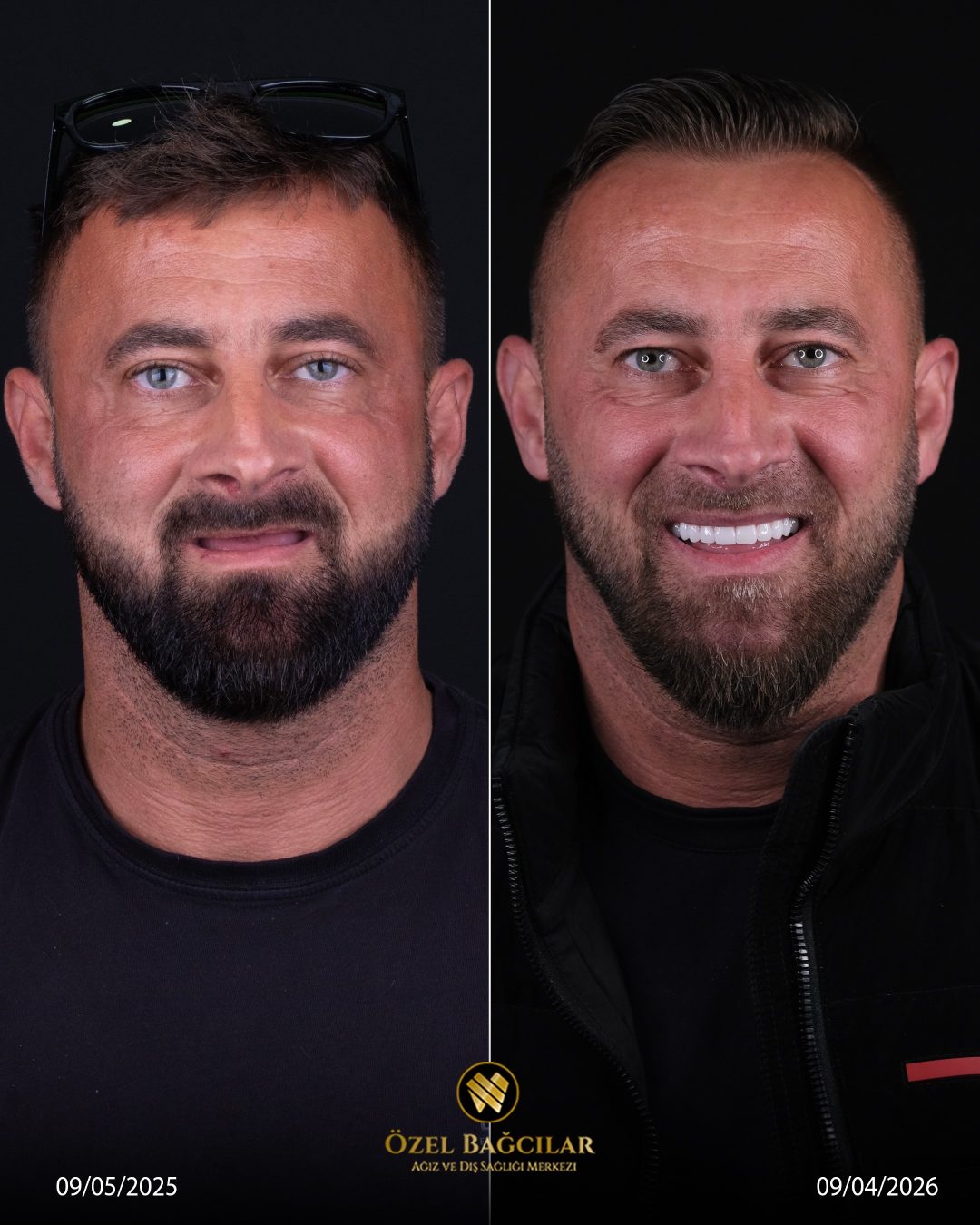
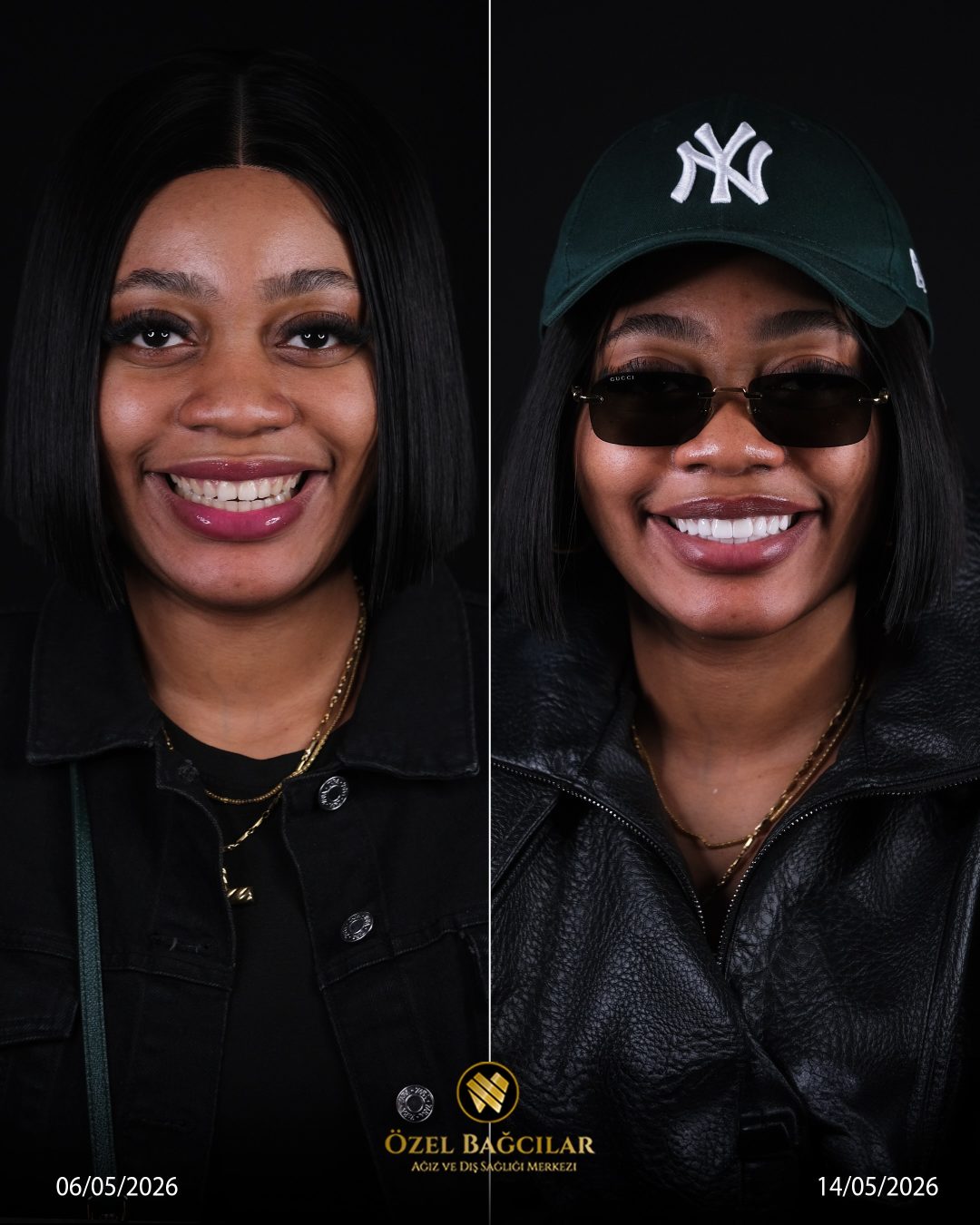
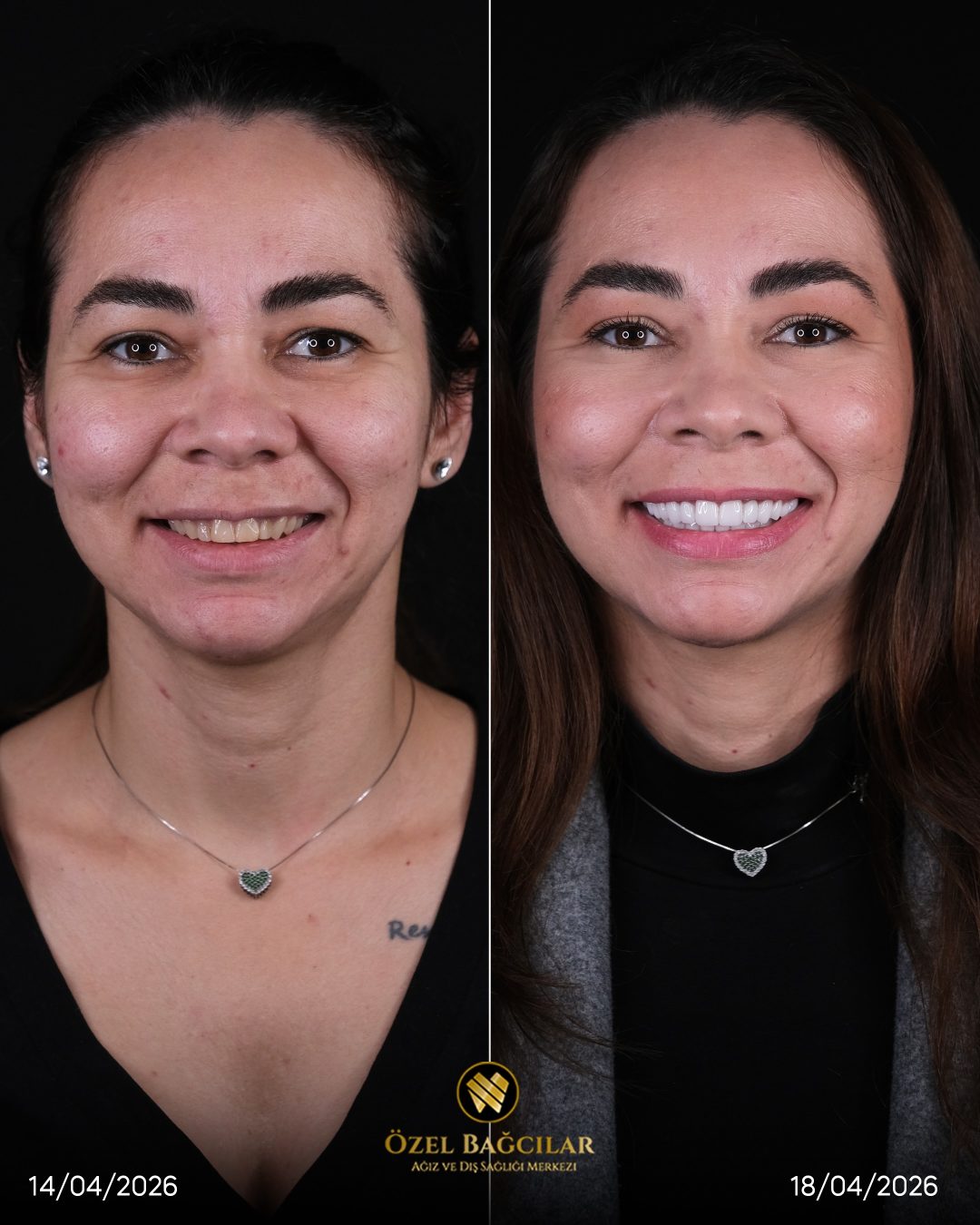
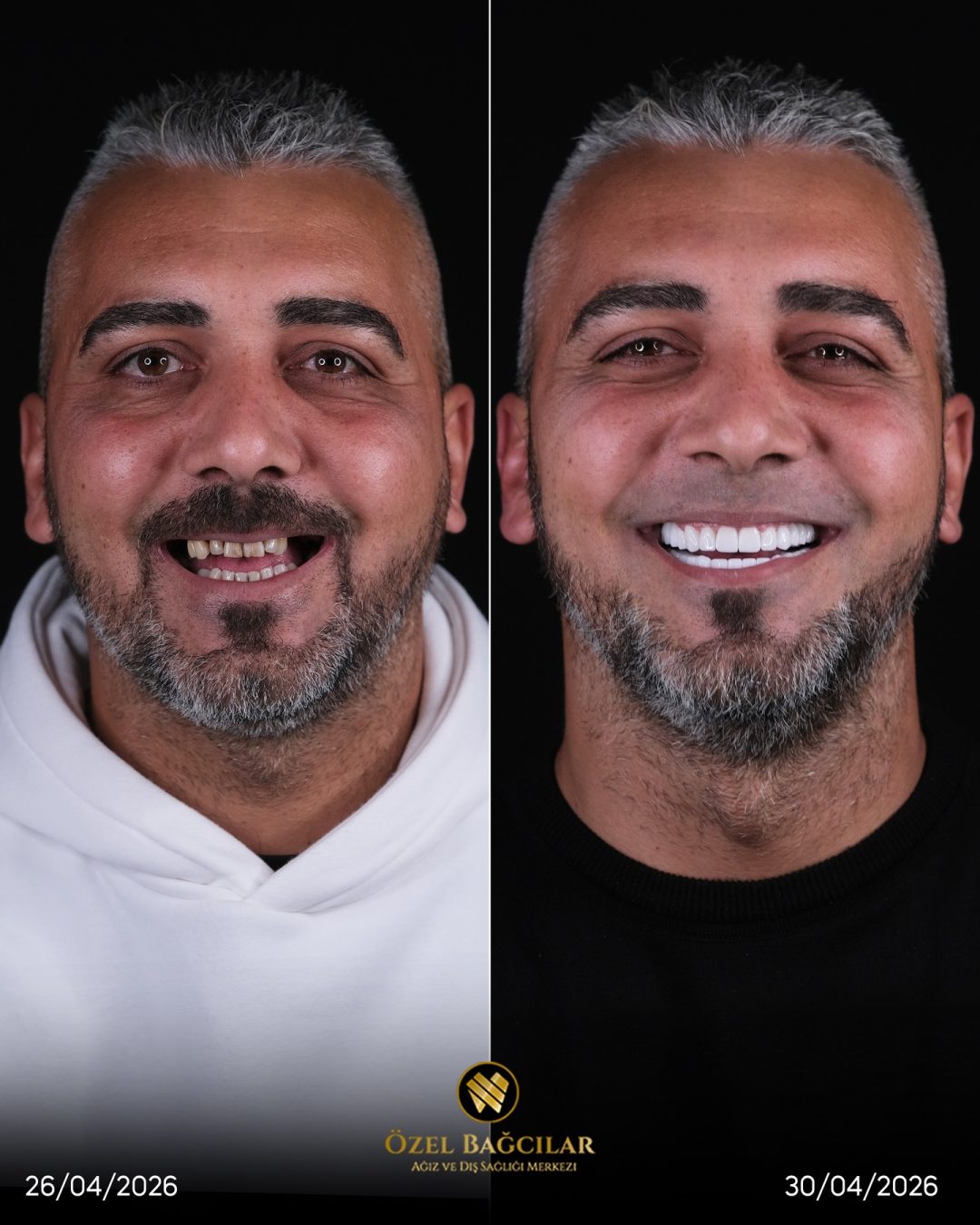
Google Reviews 4.6/5 1.682+ Happy Patients 30+ Countries

Teeth Grinding — The Damage It Causes and How to Stop

✦ Common Problems

Teeth Grinding — The Damage It Causes and How to Stop

Bruxism explained: how to tell if you grind, the damage it does to teeth and jaw, and what night guards and other treatments really achieve.

12+ Years of Experience
1682+ Happy Patients
25 Specialist Physicians
99% Success Rate
Lifetime Guarantee
Bağcılar Dental Clinic

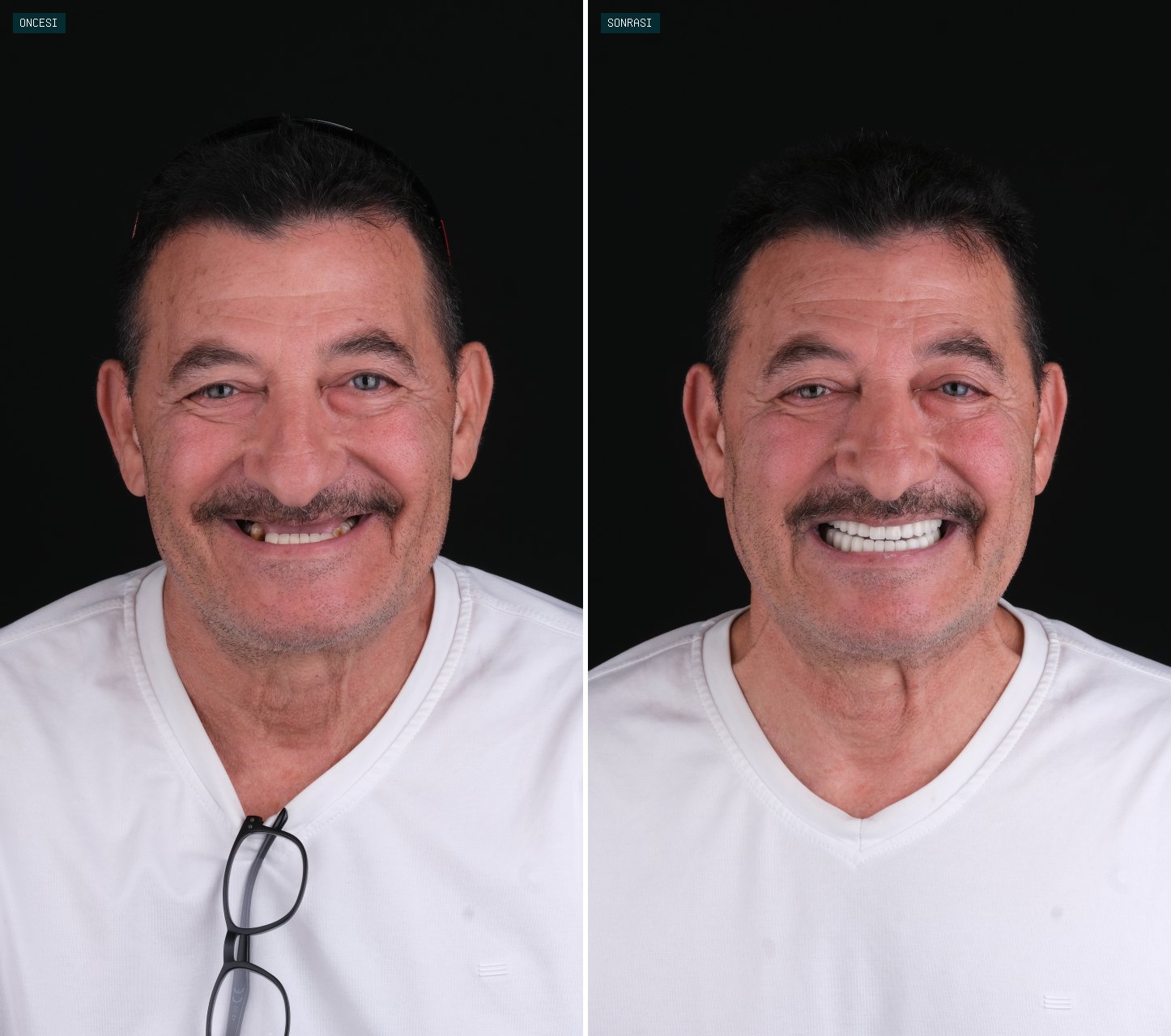
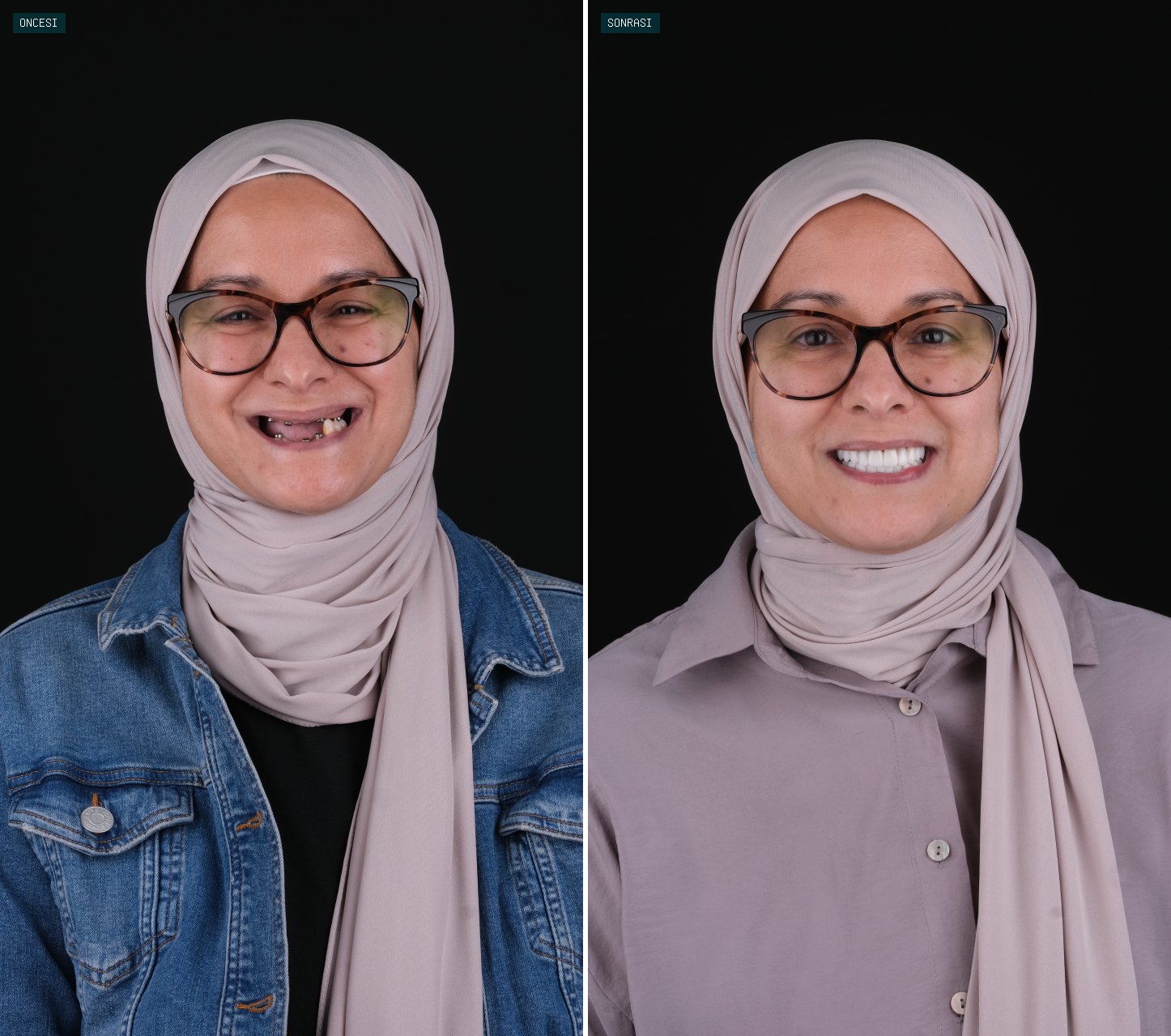
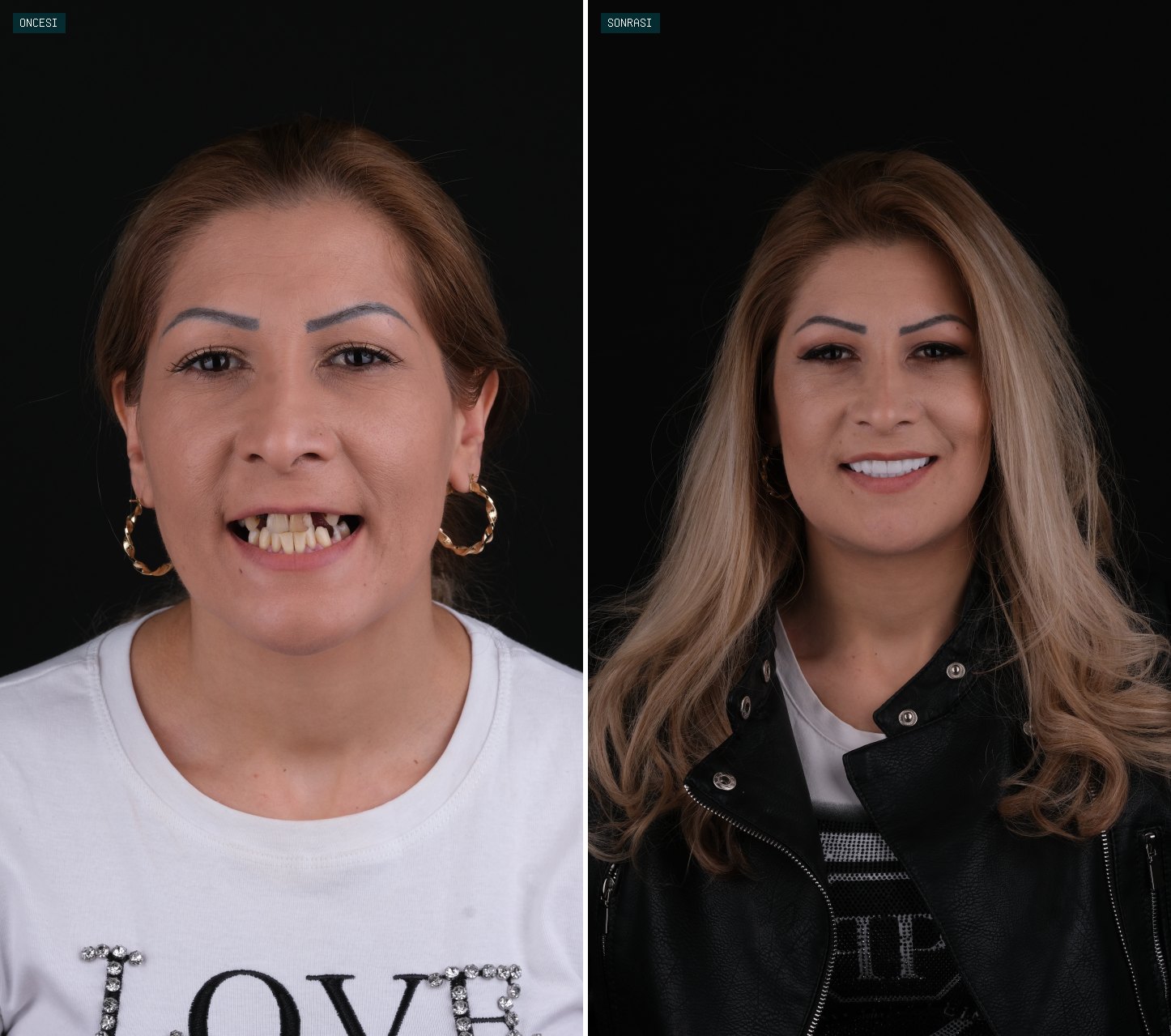
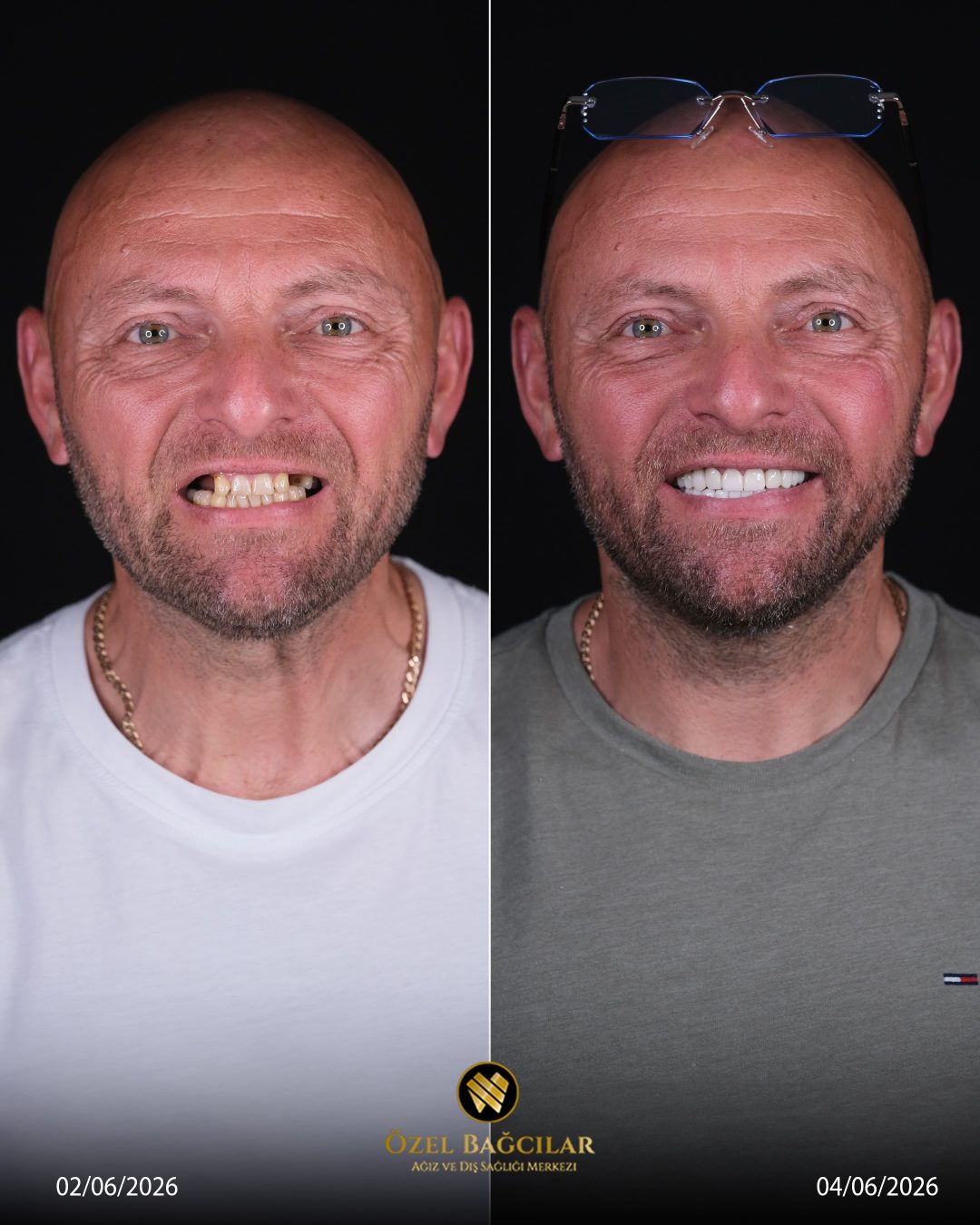
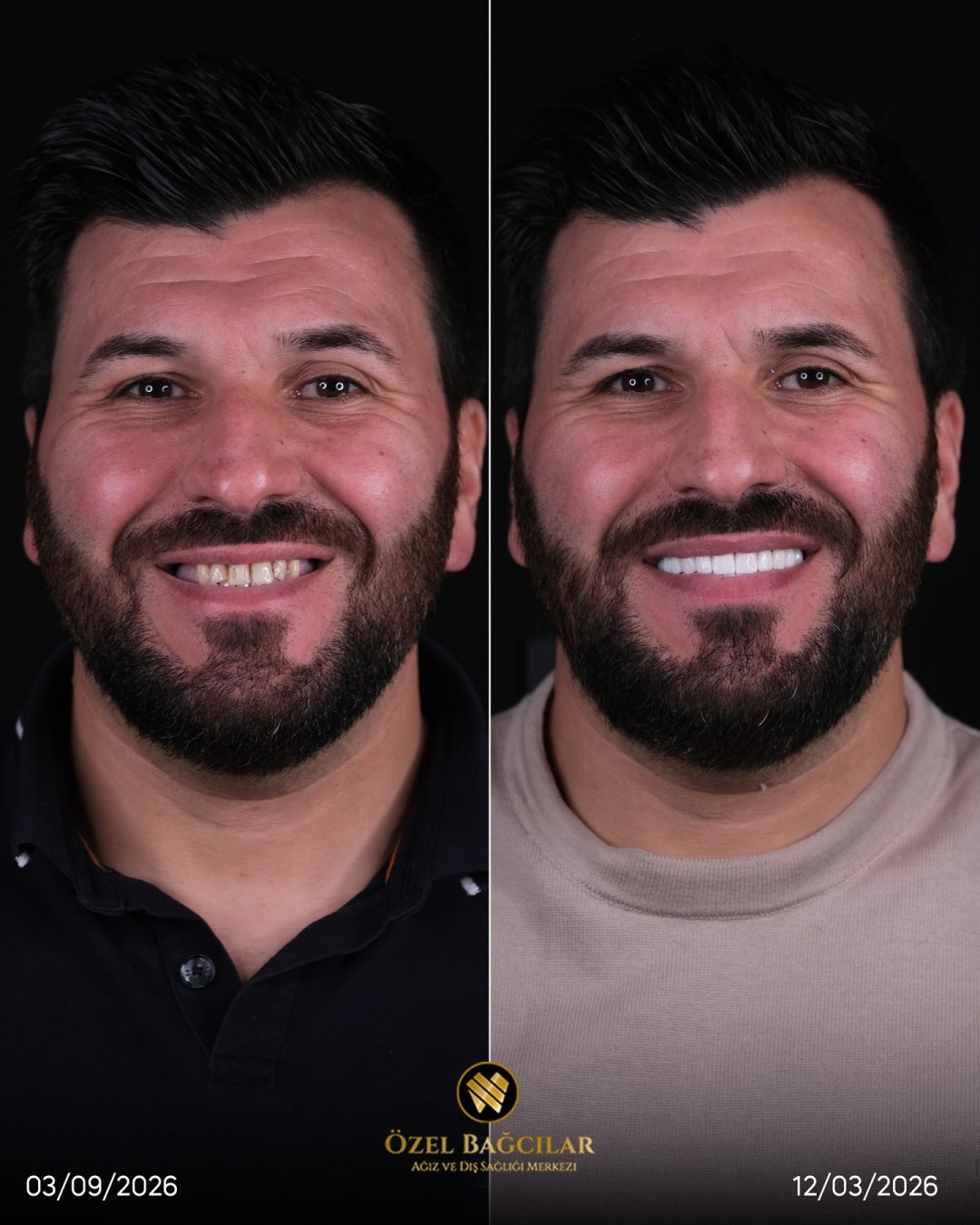
Before & After

Bağcılar Diş öncesi sonrası

Most people who grind their teeth do not know they do it. Sleep bruxism happens during unconscious phases of sleep, produces forces several times higher than normal chewing, and is usually discovered either by a partner who hears it or by a dentist who sees the wear pattern.

The damage accumulates slowly and silently. Enamel flattens, edges chip, restorations fail early, teeth become sensitive, and in some people the jaw joint and the muscles around it start to complain. By the time it becomes uncomfortable enough to investigate, years of wear have often already happened.

This page explains what bruxism is, how to recognise it in yourself, what it actually damages, and — importantly — what treatment can and cannot do. Nothing reliably stops grinding altogether. Protecting the teeth from it is a different and achievable goal.

What Bruxism Actually Is

Bruxism is repetitive jaw muscle activity — clenching, grinding or bracing the jaw — that is not related to eating or speaking. It is classified as a movement behaviour rather than a disease, which matters because it explains why there is no cure to be prescribed.

The forces involved are the surprising part. Normal chewing generates a fraction of what the jaw muscles are capable of, because feedback from the teeth and joint limits it. During sleep that feedback is reduced, so a grinding episode can produce forces several times higher than any conscious bite, sustained for seconds at a time and repeated through the night.

Nothing in the mouth is designed for that. Enamel is exceptionally hard but brittle, ceramics are stronger in compression than in shear, and implants have no ligament to cushion the load. Each of these fails in a characteristic way under sustained lateral force, which is why an experienced dentist can often identify a grinder from the wear pattern alone.

It is also extremely common. Estimates vary widely by definition and method, but a substantial minority of adults grind at some point, and a smaller proportion do so severely enough to cause damage. Being told you grind is not a diagnosis of anything unusual.

Sleep Grinding and Daytime Clenching Are Different

These two are frequently lumped together and should not be. They have different triggers, different patterns of damage and different treatments.

Sleep bruxism is rhythmic grinding during sleep, associated with brief arousals and, in some people, with disordered breathing. It is involuntary and cannot be consciously controlled. The damage is characteristic: flat wear facets, particularly on the canines and front teeth.

Awake bruxism is mostly clenching rather than grinding, and it is a habit rather than a sleep phenomenon. It happens during concentration, stress or physical effort — the jaw is held tight for long periods without movement. Because there is less sliding, there is less wear, but the muscle fatigue and joint loading can be worse.

The distinction changes the treatment. Awake clenching responds to awareness training and habit interruption, because the person can learn to notice and release. Sleep grinding does not respond to those things at all, because there is nobody awake to apply them — which is why a guard is the mainstay there.

What Causes It

The understanding of causes has shifted considerably. Bite irregularities were once blamed for almost all bruxism; current evidence puts far more weight on central and sleep-related factors.

  • Sleep arousals. Brief partial awakenings through the night are strongly associated with grinding episodes. This is now considered a primary driver of sleep bruxism.
  • Stress and anxiety. Well established for awake clenching and probably contributory in sleep bruxism. Periods of high stress frequently coincide with worsening symptoms.
  • Disordered breathing in sleep. Grinding often occurs at the end of an apnoea event. This association matters medically and is covered separately below.
  • Medications and substances. Some antidepressants, stimulants, alcohol, caffeine and nicotine all raise bruxism activity.
  • Bite factors. Still relevant, particularly where a high restoration or a marked discrepancy makes one tooth take disproportionate load — but no longer regarded as the main cause in most people.

This shift has practical consequences. It means grinding cannot be reliably cured by straightening teeth or by adjusting the bite, and a plan that promises that should be treated with scepticism.

How to Tell If You Grind

Since most grinding happens asleep, self-diagnosis relies on the traces it leaves rather than the act itself.

  1. Morning symptoms. Jaw ache, tightness or fatigue on waking, often easing through the morning. This is the single most reliable indicator.
  2. Headaches at the temples. The temporalis is a jaw-closing muscle; a dull ache there on waking frequently reflects a night of clenching.
  3. Flat, shiny wear areas. Visible on the biting edges, and characteristically matching between upper and lower when the jaw slides sideways.
  4. Sensitivity without decay. Enamel worn thin transmits temperature more readily, and notches at the gum line accompany the pattern.
  5. Restorations failing early. Crowns chipping, fillings breaking, veneers debonding sooner than they should.
  6. Being told. A partner hearing it is direct evidence, though absence of noise proves nothing — clenching is silent.

A dentist confirms it by examining wear facets, checking whether they align when the jaw moves, palpating the jaw muscles for tenderness, and looking for scalloping along the edge of the tongue where it has been pressed against the teeth.

What It Damages

The damage is progressive and follows a reasonably predictable order, which is useful because it means early intervention prevents most of it.

Enamel goes first. Biting edges flatten, the natural translucent edge of front teeth disappears, and teeth appear shorter. Once through to the dentine, wear accelerates because dentine is considerably softer.

Structure follows. Cracks develop and propagate under repeated flexing, producing the cracked tooth syndrome pattern of pain on releasing a bite. Cusps shear off, particularly on teeth weakened by large fillings.

Restorations are the most visible casualty. Ceramic chips, composite wears, crowns debond, and implants come under load they were not planned for. Grinding is the commonest reason expensive work fails earlier than it should, and it is why an unprotected grinder is a poor candidate for extensive cosmetic treatment.

Supporting tissue is affected too. Lateral forces are associated with gum recession and with the wedge-shaped notches at the neck of the tooth that often accompany it.

Worn front teeth also change the way a smile reads, because the translucent edge that makes a tooth look alive is the first thing to go. Patients often describe their teeth as looking older without being able to say why. Rebuilding that edge is straightforward, but only once the grinding is controlled — otherwise it is work that will need redoing.

Beyond the Teeth

For a proportion of patients the muscular and joint symptoms matter more than the dental ones, and they are what prompts the appointment.

Muscle pain is the commonest. The masseter and temporalis are being exercised for hours; the result is the same ache any overworked muscle produces, plus sometimes visible enlargement of the masseter giving a squarer jawline.

Joint symptoms include clicking, limited opening and, less often, locking. The relationship between bruxism and joint disorders is real but not simple — plenty of grinders have no joint symptoms and plenty of joint problems have nothing to do with grinding.

Headache is frequently reported, typically dull and around the temples on waking. Ear symptoms — fullness, ringing, ache with no ear pathology — are also common, because the joint sits immediately in front of the ear canal. Patients often see several specialists before the jaw is considered.

Neck and shoulder tension belongs on the list as well. The muscles that position the head work against the jaw-closing muscles, and sustained clenching recruits them. Patients frequently describe the whole complaint as neck pain and are surprised when it eases once the jaw is protected.

Reading the Signs

Different signs point towards different aspects of the problem, which helps direct treatment rather than applying the same guard to everyone.

Signs of bruxism and what they indicate
SignWhat it suggestsMain implication
Flat wear facets that match on slidingSleep grindingProtection needed
Morning jaw ache, no visible wearClenching rather than grindingGuard plus muscle management
Daytime jaw tightnessAwake bruxismHabit awareness, not a guard
Notches at the gum lineLateral flexing forcesGuard plus restorative repair
Repeated chipping of one restorationLocalised overloadBite adjustment first
Loud grinding heard at nightSleep bruxism, often severeAssess breathing in sleep
Tongue scallopingSustained pressure against teethOften clenching

The second and third rows explain why a night guard is not the answer to everything. A patient whose problem is daytime clenching during work gains little from an appliance worn asleep, and will conclude that treatment failed when in fact the wrong treatment was given.

Night Guards — What They Do

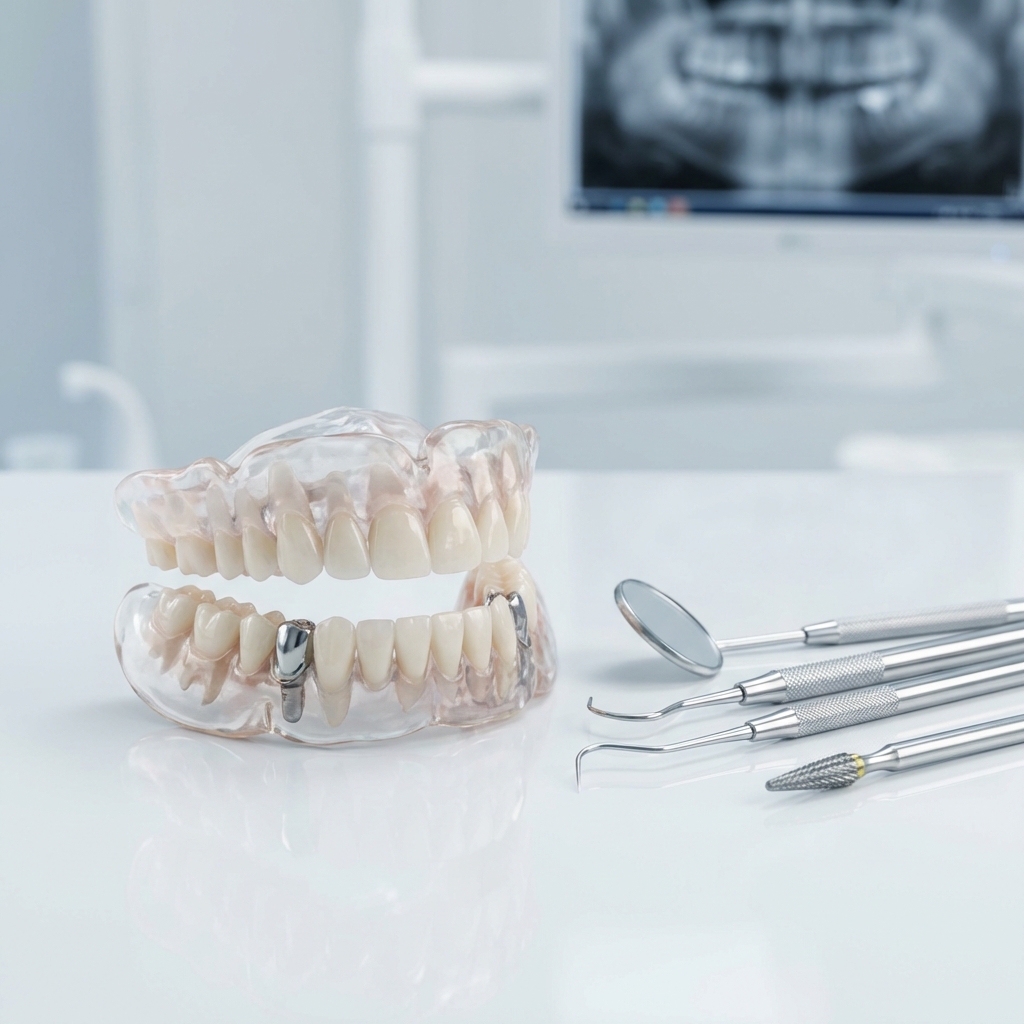
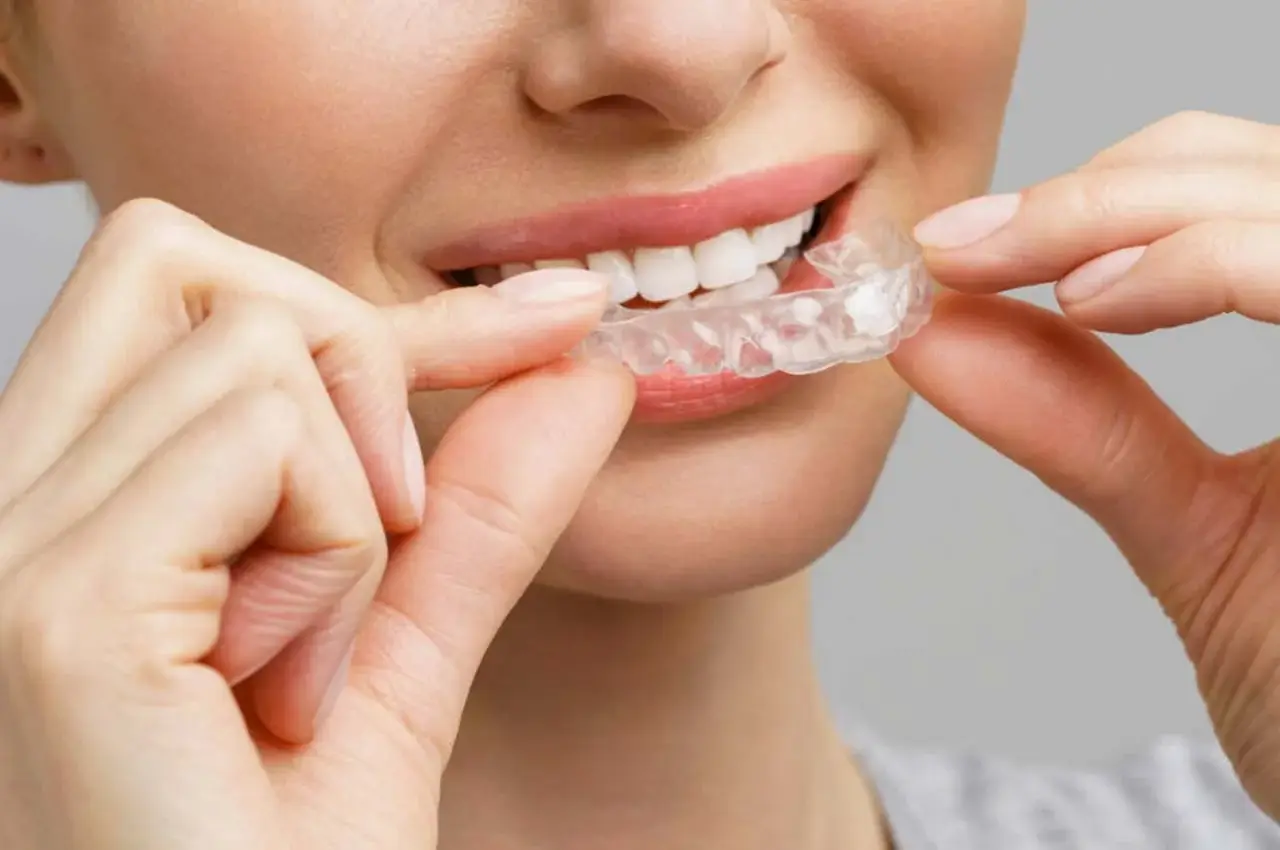
A night guard is a hard acrylic appliance worn over one arch during sleep. It is the mainstay of management and the most important thing to understand about it is what it does not do.

It does not stop grinding. The muscle activity continues. What changes is what the force acts on: a replaceable piece of acrylic instead of irreplaceable enamel and restorations. Framing it as protection rather than treatment prevents the disappointment of discovering you still grind.

A properly made guard is hard, not soft. Soft rubber guards, including boil-and-bite versions from a pharmacy, are comfortable but fit only approximately, so force concentrates unevenly. Some studies also suggest soft material may increase muscle activity in a subset of patients. Hard laboratory-made appliances remain the standard for bruxism; soft guards have a role in sports trauma protection.

The guard also needs to be adjusted so the teeth meet evenly on it. An unadjusted guard that contacts on one or two points concentrates force exactly where you least want it. This is the practical difference between a laboratory-made, fitted appliance and one made from an impression alone.

Repairing the Damage

Where wear has already occurred, restoring it is a separate decision from protecting against further loss — and the order matters.

Minor edge wear on front teeth is often restored with composite bonding, adding back the lost length. It is conservative and repairable, which suits a grinder because the repair will eventually chip and can simply be redone.

Extensive wear across many teeth is a bigger undertaking. Where the bite height has been lost, rebuilding it involves planning the whole arch rather than treating teeth individually — the territory of full mouth restoration. It is one of the most demanding treatments in dentistry and should never be started without a plan for protecting the result.

This is the rule that matters most: restore after the protection is in place, not before. New restorations placed in an unprotected grinding mouth fail predictably, and the patient reasonably concludes the work was poor when in fact the cause was never addressed. Alignment issues that concentrate force are corrected at the same stage.

Choosing Materials for a Grinding Mouth

Restorative planning changes when the forces are abnormal, and the changes are specific rather than general caution. A grinder is not simply a patient who needs the same treatment with more warnings attached.

  • Thickness over beauty at the back. Molars take the highest load and are least visible. Full-contour zirconia there resists fracture far better than a layered ceramic chosen for translucency nobody will see.
  • Fewer joined units where possible. Long spans concentrate stress at the connectors, which is where they break. This is one argument for implants over a long bridge in a heavy grinder.
  • Repairable materials at the front. Composite chips more readily than porcelain but is repaired in one appointment. For a patient who will chip something eventually, repairability has real value.
  • A guard designed alongside the restorations. Made after the work is finished, to fit the new shapes, rather than an old guard pressed back into service.

None of this is exotic, and it costs nothing extra to plan for. What does cost is discovering the grinding after the work is done — which is why the assessment looks for it before any cosmetic plan is proposed rather than after the first failure.

Other Approaches

Beyond guards, several approaches have a role, and it is worth being clear about the evidence behind each.

Bite adjustment — selectively reshaping teeth so they meet evenly — helps where a specific high spot is concentrating force, typically after a new restoration. It is not a general cure for bruxism and irreversibly removes enamel, so it should be targeted rather than routine.

Botulinum toxin injected into the masseter reduces muscle force and can substantially relieve muscular pain and reduce masseter bulk. It does not address the cause, wears off over months, and repeated use can affect chewing strength. It is a legitimate option for severe muscular symptoms rather than a first step.

Behavioural approaches — awareness training, relaxation, biofeedback — have good support for awake clenching and weaker support for sleep bruxism. Improving sleep hygiene, reducing evening alcohol and caffeine, and addressing stress are low-risk and worth doing regardless.

Material choice is the one nobody mentions. Where restorations are needed in a grinder, monolithic zirconia resists fracture considerably better than layered ceramic, and the difference is substantial rather than marginal. Choosing the material for the forces involved is part of the treatment, which is why the ceramic comparison matters more for grinders than for anyone else.

The Sleep Breathing Connection

This is the most medically important section on the page. Sleep bruxism is associated with obstructive sleep apnoea, and grinding episodes frequently occur at the end of a breathing interruption.

The significance is that untreated sleep apnoea is a cardiovascular risk factor, not merely a nuisance. Fitting a night guard and going no further, in a patient who also snores heavily, wakes unrefreshed and is sleepy during the day, protects the teeth while leaving the underlying condition unaddressed.

The signs worth taking seriously alongside grinding are loud habitual snoring, witnessed pauses in breathing, waking with a dry mouth or headache, and daytime sleepiness that is out of proportion to hours slept. Any combination of these warrants a medical sleep assessment rather than a dental one.

There is a practical caution too. Some appliances used for bruxism can worsen apnoea by altering jaw position. Where sleep-disordered breathing is suspected, the assessment should come before the appliance, not after.

Living With It

Bruxism is managed rather than cured, and that framing makes the practical advice easier to follow. The aim is fewer episodes, less force, and a replaceable surface absorbing whatever remains.

  • Wear the guard every night rather than during bad phases — the damaging nights are not predictable in advance.
  • Replace it when it is visibly worn through. A perforated guard protects nothing and can trap plaque against the teeth.
  • Reduce evening alcohol and caffeine, both of which increase bruxism activity.
  • Notice and release daytime clenching. Lips together, teeth apart is the resting position; most clenchers are surprised how often they are not in it.
  • Have the guard checked at routine appointments. Fit changes as teeth and restorations change.
  • Treat new sensitivity or chipping promptly rather than waiting — early repair is always more conservative.

Expect the pattern to fluctuate. Most people grind more during stressful periods and less otherwise, which is normal and not a sign that treatment has stopped working.

How We Assess Grinding Before Treating It

Assessment starts by establishing which type of bruxism is present and what it has already damaged. Wear facets are examined for whether they match on lateral movement, muscles are palpated for tenderness, and existing restorations are checked for the characteristic early failures.

Where sleep-disordered breathing is suggested by the history, we say so and recommend a medical assessment before fitting an appliance. That is a referral rather than a treatment, and it occasionally matters more than anything we can do in the mouth.

For patients considering cosmetic or restorative work, grinding changes the plan rather than preventing it. Protection is arranged first, the restorative material is chosen with the forces in mind, and the maintenance interval is set accordingly. Proceeding without that sequence is how veneer and crown work fails early.

Our clinic has treated patients from more than thirty countries over twelve years. All treatments carry a lifetime guarantee, subject to attending the recommended check-ups and following the aftercare given, and excluding accidental damage or neglect. For grinders that specifically includes wearing the protective appliance — restorations destroyed by unprotected bruxism are a predictable outcome rather than a treatment failure, and we would rather set that out plainly at the start. The full guarantee terms explain what is and is not covered.

Frequently Asked Questions

How do I know if I grind my teeth in my sleep?
The most reliable signs are morning jaw ache or tightness that eases through the morning, dull headaches around the temples on waking, and flat shiny wear areas on the biting edges. A partner hearing it is direct evidence, but silence proves nothing because clenching makes no noise.
Can teeth grinding be cured?
No treatment reliably stops bruxism, because it originates centrally rather than in the mouth. The realistic and achievable aim is protecting the teeth from the force and managing the muscular symptoms. Framing it as protection rather than cure prevents a lot of disappointment.
Are shop-bought night guards any good?
Boil-and-bite guards are soft, and soft material can increase muscle activity because the jaw chews into it. They also fit approximately, so force concentrates unevenly. For bruxism a hard, laboratory-made and adjusted guard is the appropriate appliance.
Is grinding caused by stress?
Stress is well established as a driver of daytime clenching and probably contributes to sleep grinding. But sleep bruxism is also strongly linked to brief sleep arousals and to disordered breathing, so attributing it entirely to stress can mean missing something more important.
Can straightening my teeth stop grinding?
Generally no. Bite irregularities were once thought to cause most bruxism; current evidence puts far more weight on central and sleep-related factors. Correcting a specific high spot that concentrates force is worthwhile, but alignment is not a cure for grinding.
Will grinding damage my veneers or crowns?
Yes, and it is the commonest reason such work fails earlier than expected. Ceramic chips, crowns debond and composite wears under sustained lateral force. This is why protection is arranged before restorative treatment rather than afterwards, and why material choice changes for grinders.
Can I have implants if I grind?
Usually yes, with adaptations. Implants have no ligament to cushion force, so it transmits directly to bone. Planning typically involves more implants to spread load, careful bite design, and a protective appliance as a non-optional part of the treatment rather than an accessory.
Does Botox work for teeth grinding?
Injected into the jaw muscles it reduces force and can substantially relieve muscular pain and reduce masseter bulk. It does not address the underlying cause, wears off over months, and repeated use can affect chewing strength. It suits severe muscular symptoms rather than routine cases.
Why do I wake up with headaches?
The temporalis is a jaw-closing muscle running across the side of the head. Hours of clenching fatigue it, producing a dull ache around the temples that is worst on waking and eases through the morning. It is one of the more reliable indicators of night-time clenching.
Is grinding linked to sleep apnoea?
There is a recognised association, and grinding episodes often occur at the end of a breathing interruption. If you also snore heavily, wake unrefreshed or feel sleepy during the day, a medical sleep assessment is worth arranging before fitting any dental appliance.
Can children grind their teeth?
Yes, and it is common in children, frequently resolving on its own as the adult teeth come through. It is usually monitored rather than treated unless there is significant wear or pain. Appliances are used cautiously in growing children. Appliances are used cautiously in growing children because they can affect jaw development.
Should I repair worn teeth or protect them first?
Protect first. New restorations placed in an unprotected grinding mouth fail predictably, and it is a genuinely expensive mistake. The correct sequence is protection, then repair, then maintenance — with the material chosen in the knowledge of the forces involved. Reversing that order is one of the more expensive mistakes in dentistry and it is entirely avoidable.
How much does treatment cost?
We do not publish price lists, because the range from a single protective appliance to rebuilding a worn-down bite is very wide, and many patients need only the former. Photographs and a description of your symptoms are enough for us to explain which category you fall into.

Ready to start your treatment?

Get a free online assessment and a transparent treatment plan from our Istanbul clinic.

Contact
✦ Our Patients
✦ Our Clinic
✦ Our doctors

Our Expert Staff

A safe, comfortable and transparent treatment process at every stage with our experienced physicians.

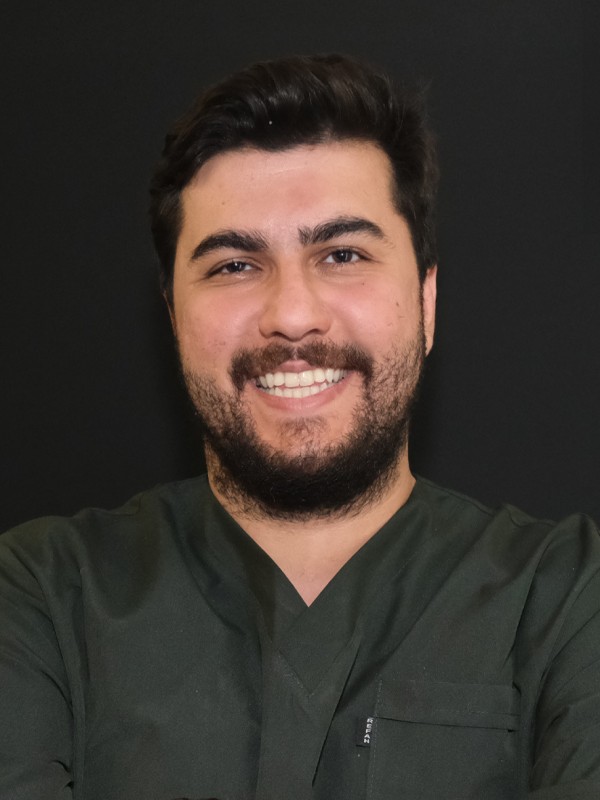
Dt. Muhammed Yancar

Dt. Muhammed Yancar

Responsible Manager · Dentist

He graduated from Okan University Faculty of Dentistry (2022). He works as the responsible manager and dentist at Bağcılar Dental Polyclinic. He is a member of the Turkish Prosthodontics and Implantology Association (TPİD) and the Turkish Dental Association (TDB).

Dr. Dt. Remziye Kuşağlı

Dr. Dt. Remziye Kuşağlı

Responsible Dentist

He graduated from Dicle University Faculty of Dentistry (2005); He has 21 years of experience. It specializes in implant-supported dentures, All-on-4/All-on-6, zirconium, laminate and E-max coating treatments. He is a member of TDB.

Uzm. Dr. Dt. Nazlı Altın

Uzm. Dr. Dt. Nazlı Altın

Oral and Maxillofacial Surgery Specialist

He graduated from Istanbul University Faculty of Dentistry; He completed his doctorate in oral, dental and maxillofacial surgery. He specializes in complex cases with implant surgery, jaw surgery and bone grafting.

Uzm. Dt. Uğur Derdiyok

Uzm. Dt. Uğur Derdiyok

Oral and Maxillofacial Surgery Specialist

He graduated from Ankara University Faculty of Dentistry; He completed his specialization in oral, dental and maxillofacial surgery at Kırıkkale University. He is an expert in surgical practices with 11 years of experience.

Uzm. Dt. Ceren Çetinkaya

Uzm. Dt. Ceren Çetinkaya

Orthodontic Specialist

He graduated from Ege University Faculty of Dentistry; He completed his orthodontics specialization at Istanbul University. He is experienced in fixed and transparent plate treatments and focuses on functional and aesthetic results.

Dr. Dt. Hakan Şahin

Dr. Dt. Hakan Şahin

Pedodontics Specialist (Pediatric Dentist)

He graduated from Atatürk University Faculty of Dentistry; He completed his pedodontics specialization. It has been providing preventive and therapeutic services in children's dental health for many years.

Uzm. Dt. Natiga Israfilova

Uzm. Dt. Natiga Israfilova

Prosthetic Dentistry Specialist

He is a graduate of Azerbaijan Medical University; He completed his prosthetic dentistry specialization at Eskişehir Osmangazi University. With 20 years of experience, he is an expert in implant prostheses, All-on-4/6, zirconium, laminate and E-max applications.

Dt. Nur Küçük

Dt. Nur Küçük

Prosthodontics & Digital Dentistry

He graduated from Istanbul Medipol University, Department of Dentistry; He continues his doctoral education in prosthetic dentistry. He works on aesthetic and functional restorations and smile design with CAD/CAM systems.

Dt. Mehmet Emin Ceylan

Dt. Mehmet Emin Ceylan

Implant & Prosthesis

He graduated from Istanbul Aydin University Faculty of Dentistry; He has 7 years of experience. He specializes in implant-supported dentures, All-on-4/All-on-6 restorations, full mouth dentures and zirconium applications.

Dt. Zeynep Demirhan

Dt. Zeynep Demirhan

Prosthodontics & Aesthetic Dentistry

He graduated from Bezmiâlem Vakıf University, Faculty of Dentistry. He is experienced in prosthetic treatments, smile design, implant-supported prostheses and treatments under sedation; focuses on patient satisfaction.

Dt. Seda Şahle Alemdar

Dt. Seda Şahle Alemdar

Implant & Aesthetics · Digital

He graduated from Abant İzzet Baysal University Faculty of Dentistry (2020). He is experienced in implant-supported dentures, smile design, digital measurement systems and aesthetic restorations.

Dt. Muhammed Ali Almaz

Dt. Muhammed Ali Almaz

Implant & Aesthetic Dentistry

He graduated from Gazi University Faculty of Dentistry (2021); He has 5 years of experience. He works with health tourism patients in the fields of implant prostheses, All-on-4, zirconium, aesthetic fillings and teeth whitening.

Dt. Berkay Pehlivanoğlu

Dt. Berkay Pehlivanoğlu

Restorative & Prosthetic

He graduated from Marmara University Faculty of Dentistry (2021); He has 6 years of experience. He works in the fields of endodontics (root canal treatment), restorative treatments, zirconium/E-max/laminate prosthesis and implant-supported prosthesis.

Dt. Esranur Çelik

Dt. Esranur Çelik

Restorative & Periodontology

He graduated from Süleyman Demirel University Faculty of Dentistry (2017); He has 9 years of experience. He works in periodontology (gum), restorative and endodontic treatments and aesthetic smile design.

Dt. Havva Öztürk

Dt. Havva Öztürk

General & Restorative Dentistry

He graduated from Bolu Abant İzzet Baysal University Faculty of Dentistry (2023). Works in restorative, endodontic, periodontal, prosthetic and pedodontic treatments; Follows current treatments closely.

Dt. Sümeyya Aydınlık

Dt. Sümeyya Aydınlık

Dentist

He graduated from Istanbul Yeni Yüzyıl University, Department of Dentistry (2020); Has approximately 5 years of experience. In addition to general dentistry, he works in implant prosthesis, restorative and endodontic treatments.

Dt. Hasip Altun

Dt. Hasip Altun

General Dentistry

He graduated from Yüzüncü Yıl University Faculty of Dentistry (2018). He has clinical experience in general dentistry and restorative treatments; It stands out with its patient-oriented approach.

Dt. Birsen Er

Dt. Birsen Er

Implant & Aesthetic Dentistry

He graduated from Istanbul University Faculty of Dentistry (2002); He has 24 years of experience. He works in the fields of implant-supported prostheses, All-on-4, zirconium restorations, aesthetic fillings, root canal treatment (endodontics) and teeth whitening.

✦ Our Videos
✦ Trusted Worldwide

What Our Patients Say

Google★★★★★
Trustpilot★★★★★
4.6/5 1.682+ Happy Patients 30+ Countries
A
Ayşe Kaya ★★★★★

I did not feel any pain during my implant treatment. The team is extremely attentive, I was informed at every stage. I love my new smile!

M
Mehmet Yıldız ★★★★★

My zirconium crowns looked very natural. It is excellent in terms of price-performance, I recommend it with peace of mind.

H
Hans Müller ★★★★★

I came from Germany for All-on-4 treatment. The clinic was very modern and hygiene was perfect. Translator support made my job much easier.

E
Elena Petrova ★★★★★

I came for my smile design; Everything was considered, including reception, hotel and transportation. My teeth were literally reborn.

F
Fatma Demir ★★★★★

My gum treatment was very successful. My doctor explained everything patiently, and my fear of the dentist was completely gone.

J
James Wilson ★★★★★

I came from London for laminate veneer. Professional team, painless procedure and great result. It was worth every penny.

Z
Zeynep Arslan ★★★★★

My orthodontic treatment proceeded as planned. The transparent record was very comfortable, no one even noticed. Thanks!

A
Andrei Popescu ★★★★★

I came from Romania for implants. From CT scan to treatment, everything started on the same day. I am very pleased with the result.

H
Hatice Şahin ★★★★☆

After teeth whitening, my teeth became visibly whiter. I got results in one session, it was very practical.

S
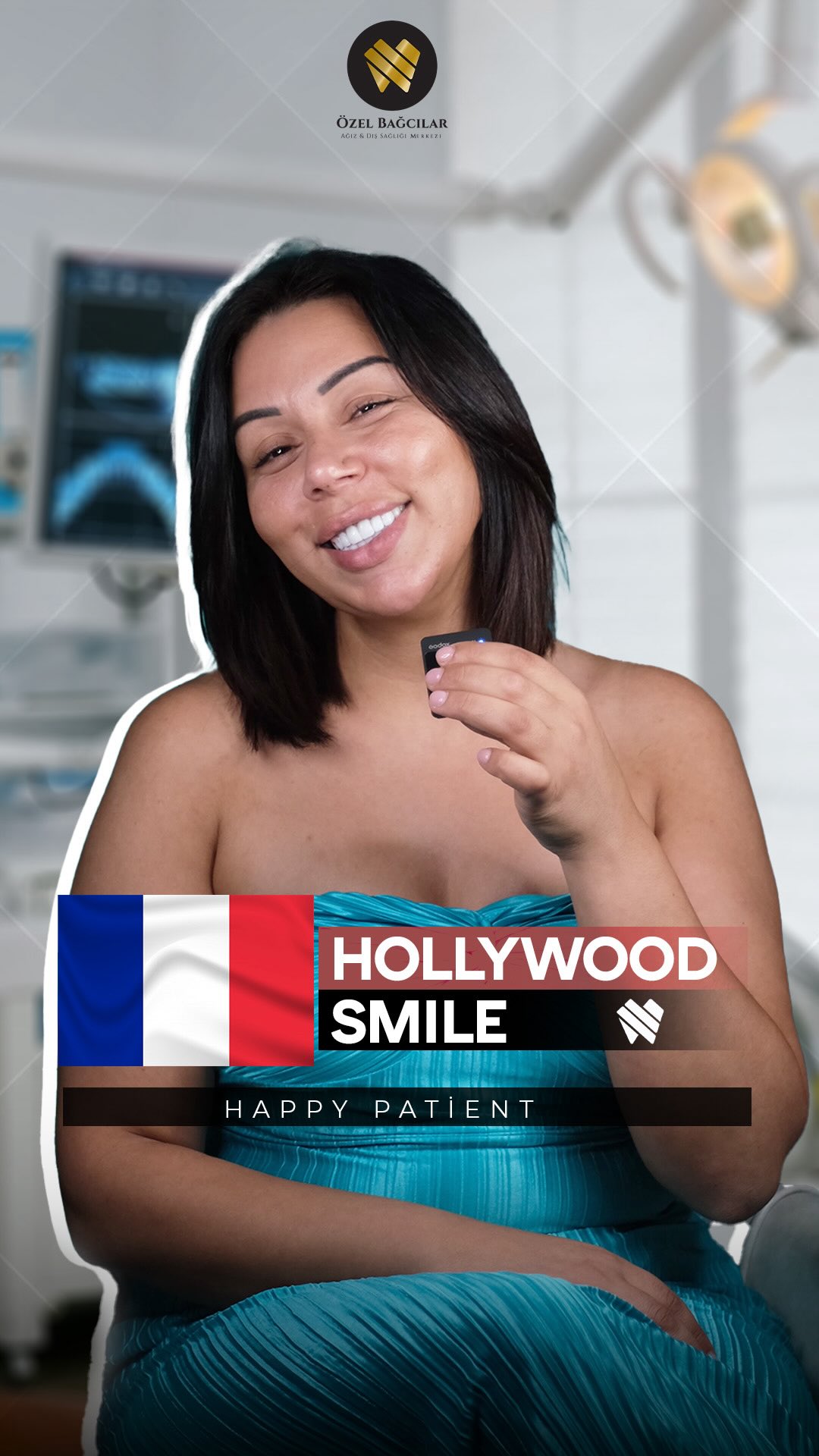
Sophie Dubois ★★★★★

I chose it for Hollywood Smile from France. The attention of the doctors and the naturalness of the result were far beyond my expectations.

A
Ali Çelik ★★★★★

My root canal treatment was painless and I returned to work the same day. Modern devices make a difference, well done.

M
Maria Rossi ★★★★★

I came from Italy for zirconium. It is much more advantageous than Europe in terms of both price and quality. I definitely recommend it.

E
Emine Yılmaz ★★★★★

We came for my mother's prosthetic teeth, they were very interested. The patience shown to elderly patients is admirable.

V
Viktor Ivanov ★★★★★

After the smile design, my self-confidence skyrocketed. The clinic is clean and the team is friendly. I recommend it to everyone from Sofia.

A
Ayşe Kaya ★★★★★

I did not feel any pain during my implant treatment. The team is extremely attentive, I was informed at every stage. I love my new smile!

M
Mehmet Yıldız ★★★★★

My zirconium crowns looked very natural. It is excellent in terms of price-performance, I recommend it with peace of mind.

H
Hans Müller ★★★★★

I came from Germany for All-on-4 treatment. The clinic was very modern and hygiene was perfect. Translator support made my job much easier.

E
Elena Petrova ★★★★★

I came for my smile design; Everything was considered, including reception, hotel and transportation. My teeth were literally reborn.

F
Fatma Demir ★★★★★

My gum treatment was very successful. My doctor explained everything patiently, and my fear of the dentist was completely gone.

J
James Wilson ★★★★★

I came from London for laminate veneer. Professional team, painless procedure and great result. It was worth every penny.

Z
Zeynep Arslan ★★★★★

My orthodontic treatment proceeded as planned. The transparent record was very comfortable, no one even noticed. Thanks!

A
Andrei Popescu ★★★★★

I came from Romania for implants. From CT scan to treatment, everything started on the same day. I am very pleased with the result.

H
Hatice Şahin ★★★★☆

After teeth whitening, my teeth became visibly whiter. I got results in one session, it was very practical.

S
Sophie Dubois ★★★★★

I chose it for Hollywood Smile from France. The attention of the doctors and the naturalness of the result were far beyond my expectations.

A
Ali Çelik ★★★★★

My root canal treatment was painless and I returned to work the same day. Modern devices make a difference, well done.

M
Maria Rossi ★★★★★

I came from Italy for zirconium. It is much more advantageous than Europe in terms of both price and quality. I definitely recommend it.

E
Emine Yılmaz ★★★★★

We came for my mother's prosthetic teeth, they were very interested. The patience shown to elderly patients is admirable.

V
Viktor Ivanov ★★★★★

After the smile design, my self-confidence skyrocketed. The clinic is clean and the team is friendly. I recommend it to everyone from Sofia.

B
Burak Aydın ★★★★★

I had a combination of implant and zirconium. The result is incredibly natural. The appointment and follow-up process was very orderly.

A
Anna Schmidt ★★★★☆

My laminate veneer treatment went well. It took a little waiting, but the result was perfect. Thanks for the translator support.

S
Selin Koç ★★★★★

I had gum aesthetics and whitening. I have no hesitation when laughing anymore. I am grateful to the entire team.

R
Robert Brown ★★★★★

My All-on-6 treatment changed my life. I came from England; The attention shown and the result achieved were perfect.

G
Gülşah Eren ★★★★★

We came for my child's dental treatment, they treated the child patients very kindly. He was treated without fear, we are very happy.

D
Dimitar Georgiev ★★★★★

Implant prices are very affordable compared to Bulgaria, and the quality is high. The entire process was completed in 4 days.

O
Okan Demirtaş ★★★★★

I can't recognize myself in photos after my smile design. My doctor's sense of aesthetics is really good.

C
Claudia Fischer ★★★★★

I came for my implant treatment, it was painless and fast. The clinic is above German standards, I am very pleased.

M
Merve Polat ★★★★★

I had a combination of orthodontics and whitening. The result is great, the team is very professional and caring.

L
Lucas Martin ★★★★★

I came from Paris for laminate veneer. I was very pleased with the natural result and warm attention. Thanks!

İ
İbrahim Kara ★★★★☆

My dental bridge treatment was durable and comfortable. Pricing was transparent, there were no surprise fees.

N
Natalia Sokolova ★★★★★

I came from Russia for smile design. The service quality and attention were excellent, my teeth turned out as I dreamed.

D
Deniz Aksoy ★★★★★

I had teeth whitening in one session, the difference was immediately obvious. It was a fast, clean and professional experience.

T
Thomas Becker ★★★★★

I came for All-on-4 and walked out smiling the same day with temporary teeth. The interest and technology are top notch, thank you very much.

B
Burak Aydın ★★★★★

I had a combination of implant and zirconium. The result is incredibly natural. The appointment and follow-up process was very orderly.

A
Anna Schmidt ★★★★☆

My laminate veneer treatment went well. It took a little waiting, but the result was perfect. Thanks for the translator support.

S
Selin Koç ★★★★★

I had gum aesthetics and whitening. I have no hesitation when laughing anymore. I am grateful to the entire team.

R
Robert Brown ★★★★★

My All-on-6 treatment changed my life. I came from England; The attention shown and the result achieved were perfect.

G
Gülşah Eren ★★★★★

We came for my child's dental treatment, they treated the child patients very kindly. He was treated without fear, we are very happy.

D
Dimitar Georgiev ★★★★★

Implant prices are very affordable compared to Bulgaria, and the quality is high. The entire process was completed in 4 days.

O
Okan Demirtaş ★★★★★

I can't recognize myself in photos after my smile design. My doctor's sense of aesthetics is really good.

C
Claudia Fischer ★★★★★

I came for my implant treatment, it was painless and fast. The clinic is above German standards, I am very pleased.

M
Merve Polat ★★★★★

I had a combination of orthodontics and whitening. The result is great, the team is very professional and caring.

L
Lucas Martin ★★★★★

I came from Paris for laminate veneer. I was very pleased with the natural result and warm attention. Thanks!

İ
İbrahim Kara ★★★★☆

My dental bridge treatment was durable and comfortable. Pricing was transparent, there were no surprise fees.

N
Natalia Sokolova ★★★★★

I came from Russia for smile design. The service quality and attention were excellent, my teeth turned out as I dreamed.

D
Deniz Aksoy ★★★★★

I had teeth whitening in one session, the difference was immediately obvious. It was a fast, clean and professional experience.

T
Thomas Becker ★★★★★

I came for All-on-4 and walked out smiling the same day with temporary teeth. The interest and technology are top notch, thank you very much.

✦ Our Brands
Straumann
Nobel Biocare
Astra Tech
Medentika
Bredent SKY
Straumann
Nobel Biocare
Astra Tech
Medentika
Bredent SKY
✦ Contact
Get in touch

İstanbul Bağcılarour central clinic

Merkez Mahallesi 675. Sokak No: 1-7/A-B, 34203 Bağcılar/İstanbul, Turkey

Open in Google Maps