







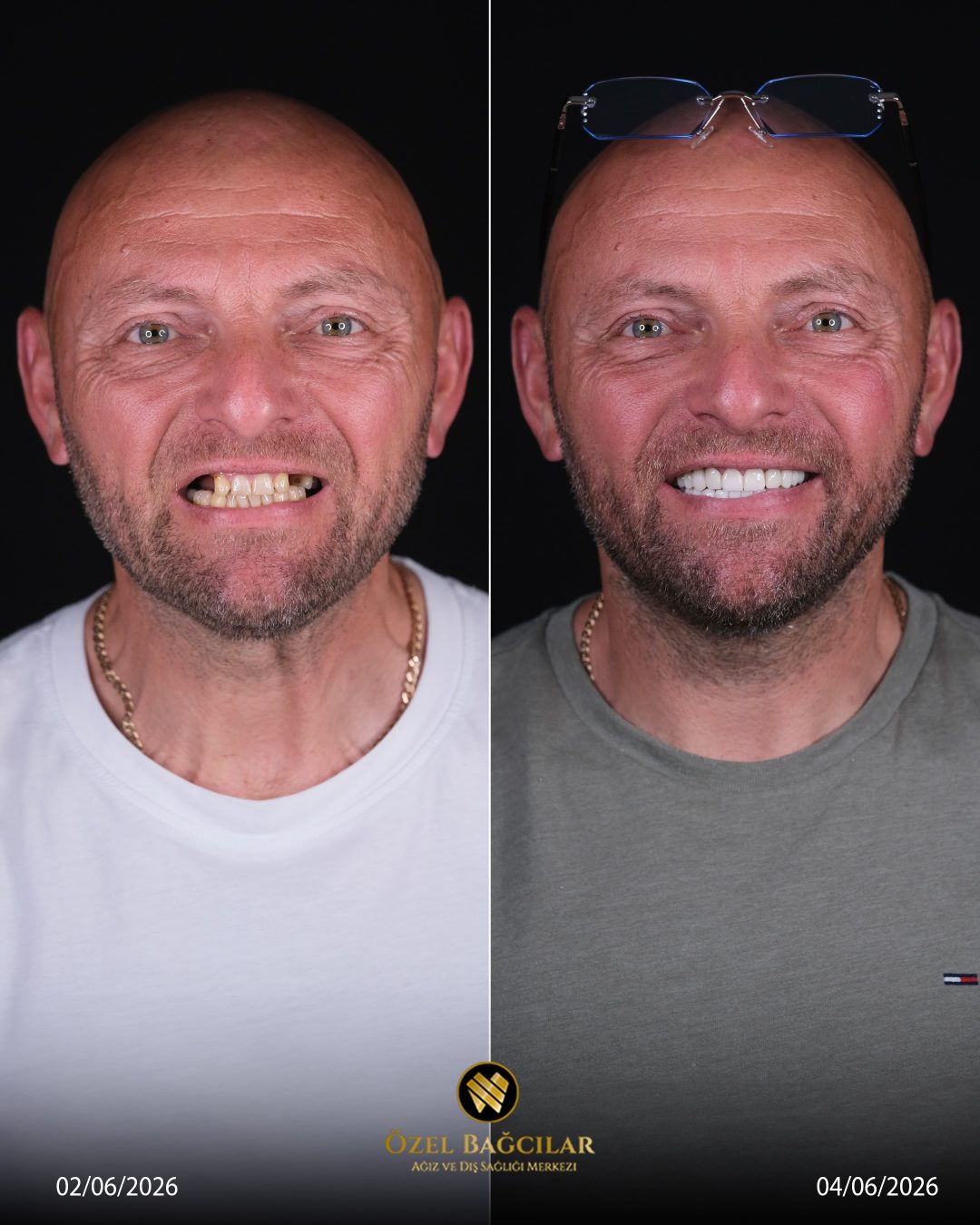
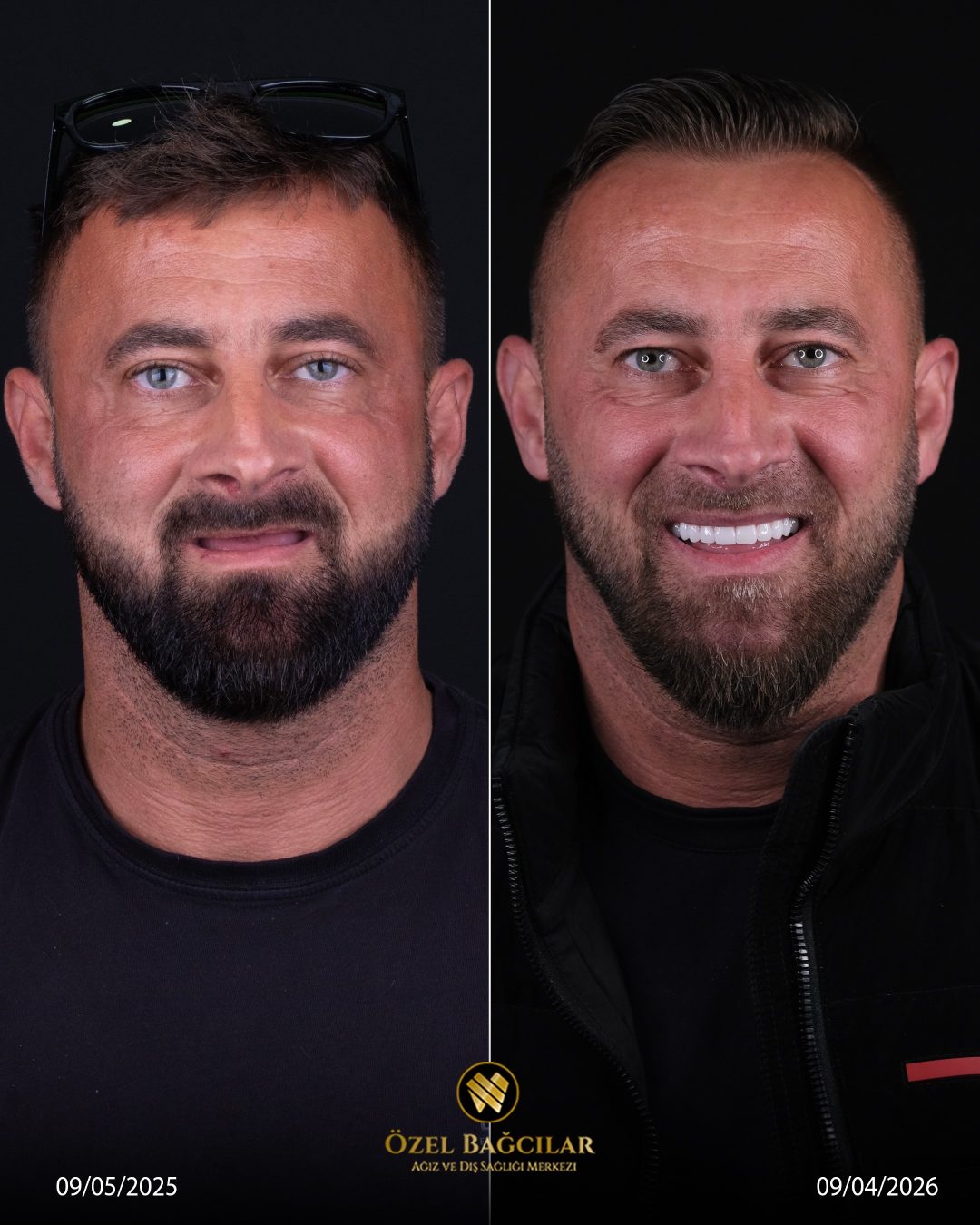




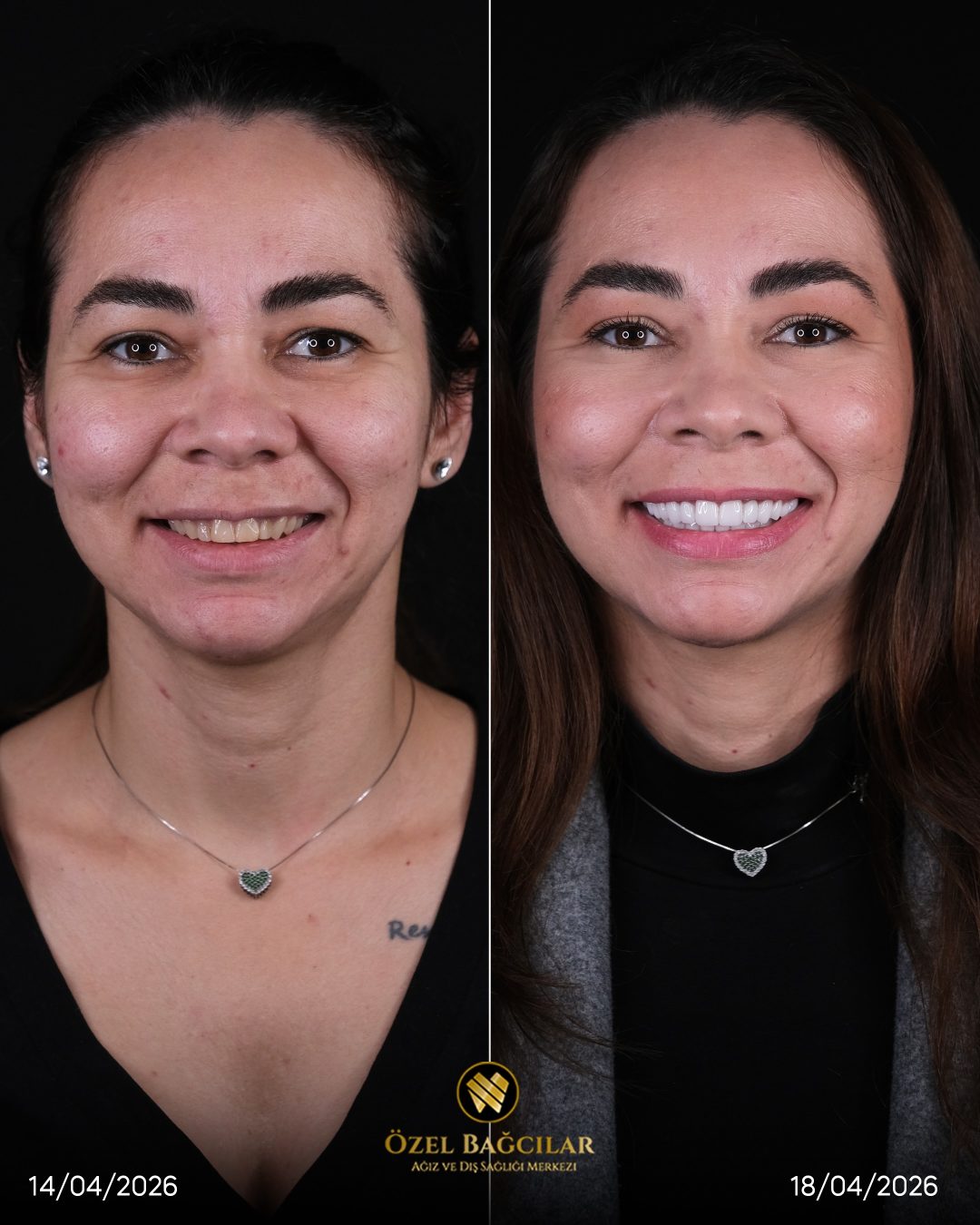

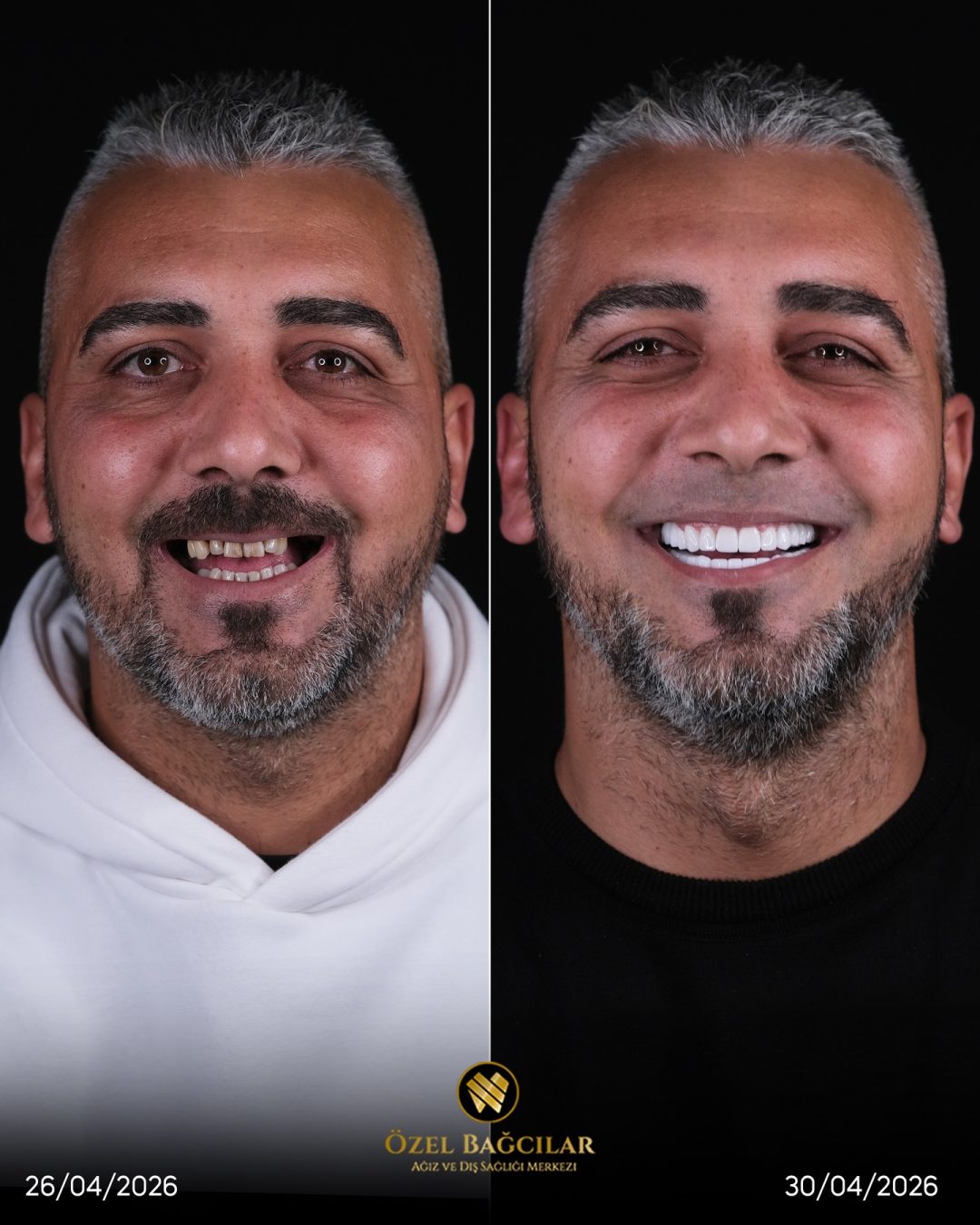
The Types, and What Each Is For
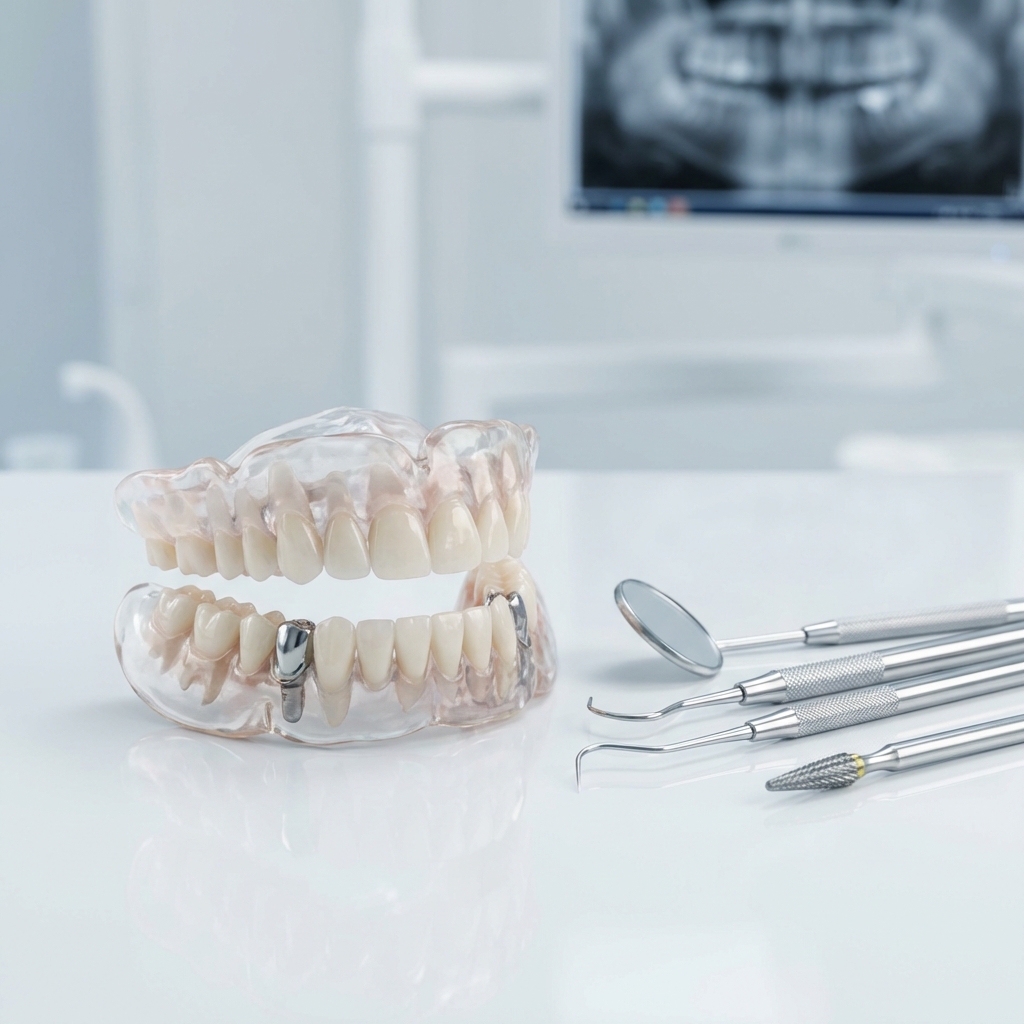
Four in normal use, and they are different treatments rather than grades of one. Which applies to you is determined by how many teeth remain and where.
A complete denture replaces a whole arch and is held by suction against the gum. Uppers hold considerably better than lowers because the palate provides surface for suction to work against.
A partial denture replaces some teeth and clasps onto the remaining ones. It is more stable because it has teeth to hold, and it places load on those teeth, which is a long-term consideration for them.
An immediate denture is fitted at the same appointment as extractions, so you are never without teeth. It needs relining within months because the ridge changes rapidly as the sockets heal — that is planned rather than a fault.
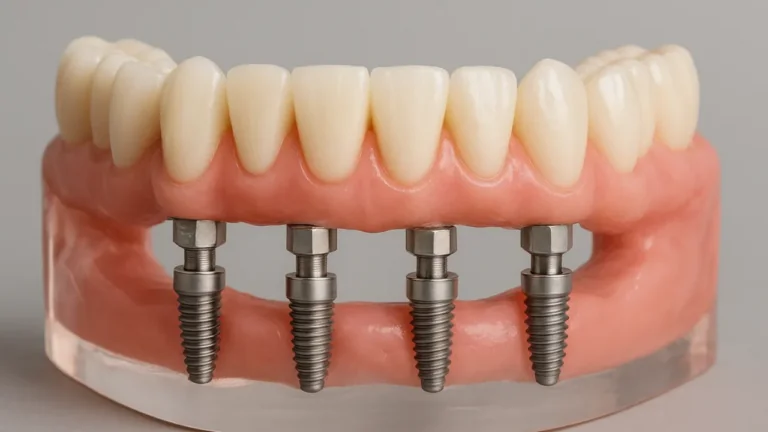
And an implant-retained overdenture clips onto implants rather than relying on suction. It is a different economic proposition and frequently the best value of all four — how it works in practice is set out separately.
Where some teeth remain and are failing, the sequence matters. What replaces them should be decided before they come out, because an immediate denture, a partial and an implant plan each imply a different extraction strategy.
What Separates a Good Denture From a Cheap One
Not the material, mostly. Acrylic is acrylic and the teeth come from the same manufacturers. What differs is the number of stages and the care taken at each.
The impression. A preliminary impression followed by a custom tray and a second, border-moulded impression captures the functional shape of the tissues — how far the denture can extend without being displaced by the cheek or the tongue.
The bite registration. Recording where the jaws meet, at what height, and how they move sideways. Get this wrong and the denture rocks, the face height is wrong and the patient is uncomfortable in a way no adjustment fixes.
The tooth setting. Position, angulation and the relationship to the lip are decided on a wax model. A denture set up carelessly looks like dentures; one set up well is difficult to identify.
And the try-in. The waxed denture is placed in the mouth so appearance and bite can be assessed while everything is still adjustable — after processing into acrylic, changes mean remaking.
The Stages a Complete Denture Should Go Through
Six appointments in a conventional sequence. Compressing them is where cheap dentures come from, and the compression is invisible in the finished object.
| Stage | What happens | What is lost if skipped |
|---|---|---|
| Preliminary impression | First impression, custom tray made from it | Fit at the borders |
| Working impression | Border-moulded in a custom tray | Suction and stability |
| Bite registration | Jaw relationship and face height recorded | Comfort and function |
| Try-in | Waxed denture assessed in the mouth | Any chance to change appearance |
| Fit and adjustment | Processed denture fitted, sore spots relieved | Nothing — always done |
| Review | Further adjustment after a week of use | Early comfort |
A two-appointment denture skips the working impression and the try-in. It is faster and cheaper, and the patient sees the result for the first time when it is no longer changeable.
For a patient travelling, all five can be completed within a single visit of about a week. That is a scheduling matter rather than a reason to remove stages.
Why the Fit Changes
The single most important thing to understand about denture ownership, and the reason the initial figure is not the whole cost.
Bone exists to support teeth. Once they are gone the ridge resorbs — quickly in the first year after extractions, then more slowly but continuously for the rest of your life.
A denture is made to fit the ridge as it is on the day the impression was taken. From that day the foundation is changing underneath it, so the fit deteriorates regardless of how well it was made.
Relining rebuilds the fitting surface to match the changed ridge. It is normal maintenance rather than a repair, it is needed periodically, and it is far cheaper than a new denture.
Eventually the shape has changed enough that relining no longer works and the denture is remade. That cycle is the real long-term cost, and it is why the comparison with implants looks different at year two and year twenty.
The Lower Denture Problem
Worth its own section because it is the source of most denture unhappiness and it has a specific solution.
An upper complete denture covers the palate, which gives a large surface for suction. A lower denture has only a horseshoe of ridge, with the tongue on one side and the cheek on the other, both moving constantly.
The result is that lower dentures are held far less securely, and as the ridge resorbs they become progressively less stable. Adhesive manages the symptom and does not address the cause.
Patients frequently blame themselves or the denture, and neither is usually at fault. A well-made lower denture on a resorbed ridge is doing all that a removable appliance can do.
Two implants change it completely. The denture clips onto them, stops moving while eating, and no longer needs to be held in place by the tongue — and it requires far less bone than a fixed arch does.
Immediate Dentures and Their Cycle
Fitted on the day of extractions so that you are never without teeth, and they have a specific and predictable maintenance pattern.
Because they are made before the teeth come out, the fit is based on a prediction of what the ridge will look like afterwards. It is always approximate, and it is meant to be.
The ridge then changes rapidly as the sockets heal, so the denture loosens over the first months. A temporary reline is normal during that period, sometimes more than once.
After healing settles — commonly several months — a definitive reline or a remake produces the denture you keep. Budgeting for that from the start is the honest way to price an immediate denture.
It is worth it for most patients. The alternative is months without teeth while the ridge heals, and how extractions are staged is planned around that rather than around the appliance.
Socket preservation grafting at the extraction appointment slows the resorption considerably and keeps implant options open. That decision is made at the extraction rather than afterwards, and it is worth raising before rather than after.
Partial Dentures and the Teeth They Clasp
A different set of considerations, and the important one is what happens to the remaining teeth.
Clasps grip the teeth either side of the spaces. That transmits load to those teeth every time you chew, and it traps plaque around them where the clasp sits.
Over years that combination causes decay and periodontal problems in the abutment teeth more often than in teeth without clasps. Meticulous cleaning around them is not optional.
The framework material matters here. A cobalt-chromium framework is thinner, more rigid and better supported than an all-acrylic partial, which is bulkier and rests more heavily on the gum.
For one or two missing teeth, a removable partial is rarely the best answer. A fixed option avoids the clasping entirely, and a partial denture for a short span is usually a temporary measure rather than a plan.
Clasp visibility is the other common objection. A clasp on a canine or premolar shows when you smile, and while designs exist to hide them, they constrain where the framework can be supported — which is a real trade rather than a preference.
What Determines the Figure
Six things, roughly in order of impact, and only one of them is the material.
- Which type — complete, partial, immediate or implant-retained.
- How many stages the process includes, particularly whether there is a try-in.
- The framework, where a partial is involved — cast metal against all-acrylic.
- The teeth used, which vary in quality of appearance and wear resistance.
- Any extractions and healing time needed first.
- Whether implants are part of the plan, which changes the treatment entirely.
The second is the one that separates two quotes that look similar. A denture made over five appointments and one made over two are different pieces of work described by the same word.
The fifth is frequently a whole separate stage. Where teeth have to come out first, the sequence and the healing interval belong in the plan rather than being discovered.
And the sixth changes everything about the economics — the comparison is worth reading before deciding on the basis of the initial figure alone.
The Maintenance Cycle, Priced Honestly
Four recurring items, none large individually and all real over a lifetime of ownership.
Relining, periodically, as the ridge changes. This is the main one and it is not avoidable — a denture that has not been relined in many years is sitting on a foundation it no longer matches.
Adjustment for sore spots, particularly in the first weeks of any new denture. That is included in the initial treatment and occasional afterwards.
Repairs. Dentures break, usually by being dropped. A fracture repair is quick and inexpensive; a denture broken more than once usually indicates a fit problem rather than clumsiness.
And eventual remaking, when relining can no longer compensate for the changed ridge. How often that happens depends on resorption rate, which varies considerably between people.
Regular examinations continue too, and they matter more than people expect. The tissues under a denture need checking, and any remaining teeth need the same periodontal attention as they would without one.
A denture worn continuously without review for years is the situation where problems accumulate quietly — ill-fitting appliances cause tissue changes that are far easier to prevent than to correct.
Where the Money Is Worth Spending
Three places, and none of them is the most expensive version of the appliance.
The stages. Paying for a working impression and a try-in produces a denture that fits and looks the way you agreed. Saving on those produces one you accept because it is already made.
Two implants in the lower jaw, where a lower denture is the problem. That is the single highest-value intervention in denture dentistry — a fraction of the cost of a fixed arch and it solves the complaint people actually have.
And the teeth themselves, modestly. Better denture teeth resist wear and look more natural, and the difference is visible over years as cheaper teeth flatten and lose their surface.
Where the money is not worth spending is on an elaborate upper denture in a patient whose real problem is the lower one — which is a surprisingly common misallocation.
And on the extractions themselves where they are part of the plan. How they are done, and whether the ridge is preserved, determines what the denture has to sit on for the rest of your life.
Living With a New Denture
The first weeks are the hardest and the adaptation is real. Knowing what is normal prevents people abandoning an appliance that would have worked.
Increased saliva at first, which settles within days. A sense of bulk, which the tongue adapts to. Sore spots where the denture presses, which are relieved at adjustment appointments rather than endured. Any sore spot that has not healed within two to three weeks must be examined rather than adjusted again — that is a rule with no exceptions.
Eating takes practice. Start with soft food cut small, chew on both sides at once to balance the denture, and avoid biting with the front teeth, which tips the appliance.
Speech adapts within a week or two for most people, and reading aloud deliberately speeds it considerably. A persistent difficulty with particular sounds usually indicates a tooth position issue that can be corrected.
Clean them out of the mouth with a denture brush and soap or a dedicated cleaner, not toothpaste, which is abrasive. Leave them out at night unless told otherwise — the tissues need the rest.
If you grind or clench, say so. Denture teeth wear faster than natural enamel and a heavy habit flattens them within a few years, which changes the face height as surely as losing teeth did — managing the habit applies to removable work as much as to fixed.
Dentures as a Visiting Patient
Workable within a single trip, with one caveat that needs planning around.
A complete denture through all five stages fits comfortably into a week, particularly with a laboratory in the building where a try-in adjustment can be turned around the same day.
The caveat is extractions. Where teeth have to come out first, the ridge changes for months afterwards, so a denture made immediately will need relining and possibly remaking once healing settles.
That is handled either by making an immediate denture and planning the reline for a second visit or with your own dentist, or by extracting on one trip and making the denture on another.
Which is right depends on how many teeth are involved and how long you can be away — the realistic timetables set out both routes.
Bring your existing denture even if it no longer fits. It shows how the teeth were set, where the problems were and what you did not like, which shortens the design conversation considerably — along with the other records worth bringing.
Having Dentures Made in İstanbul
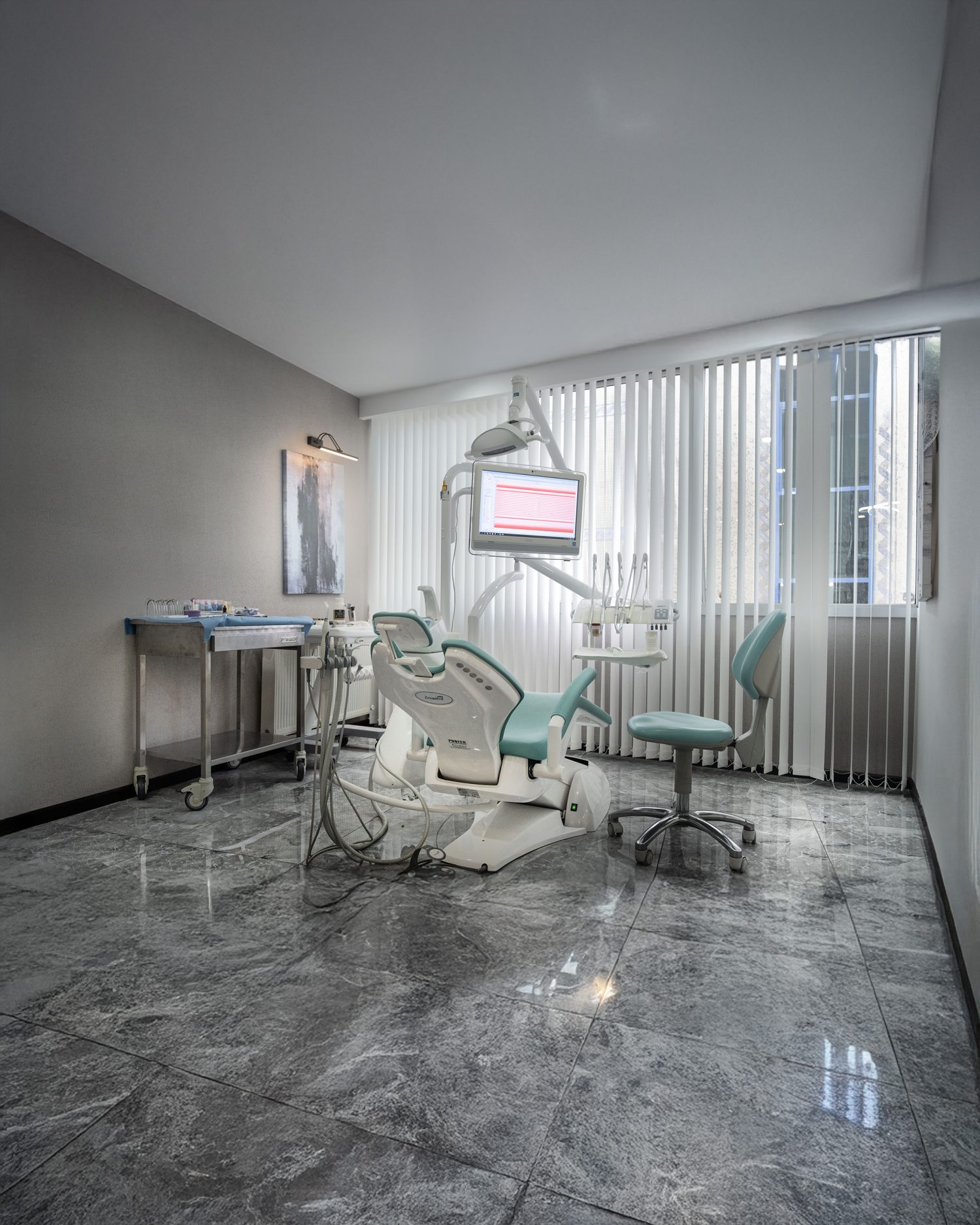
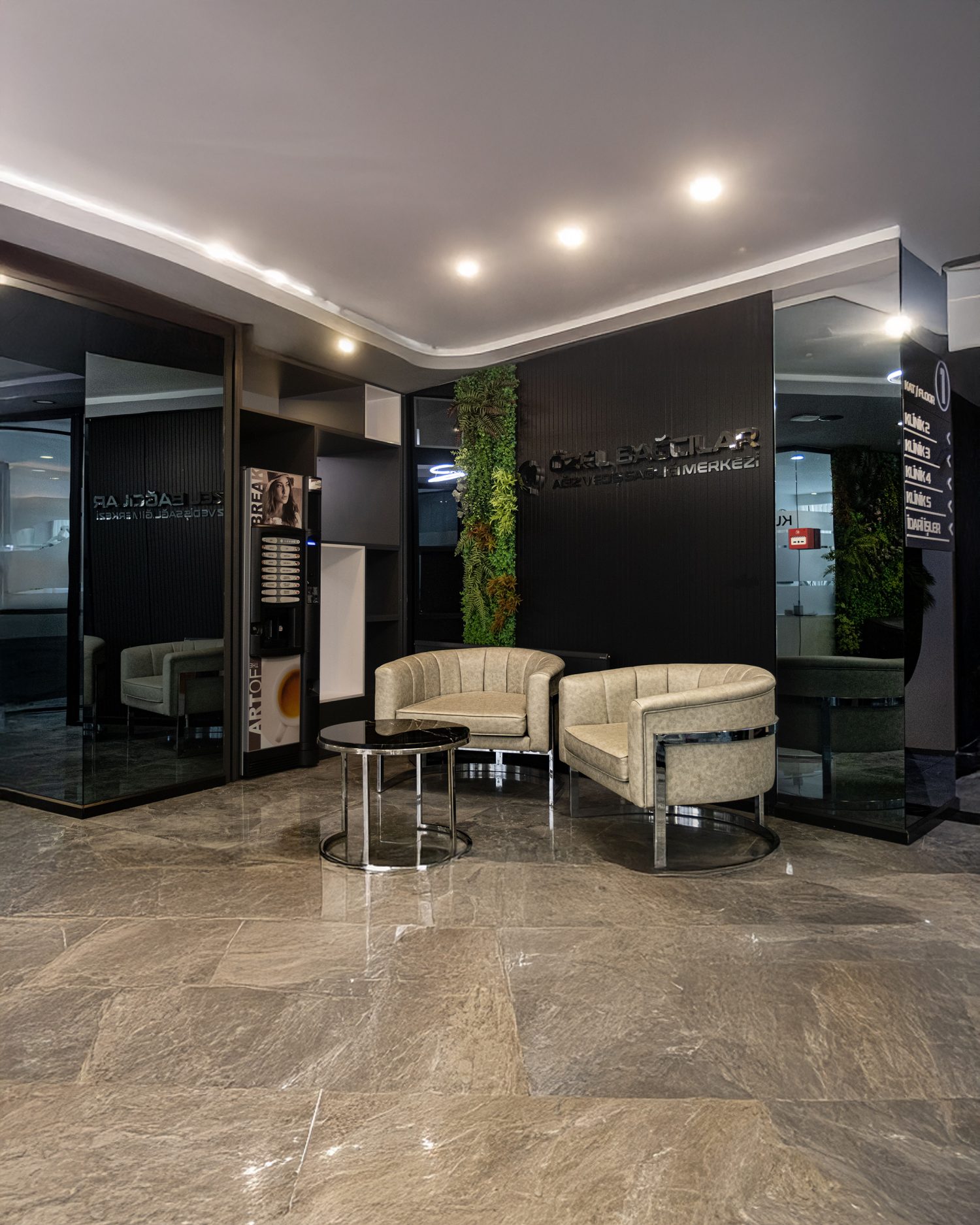
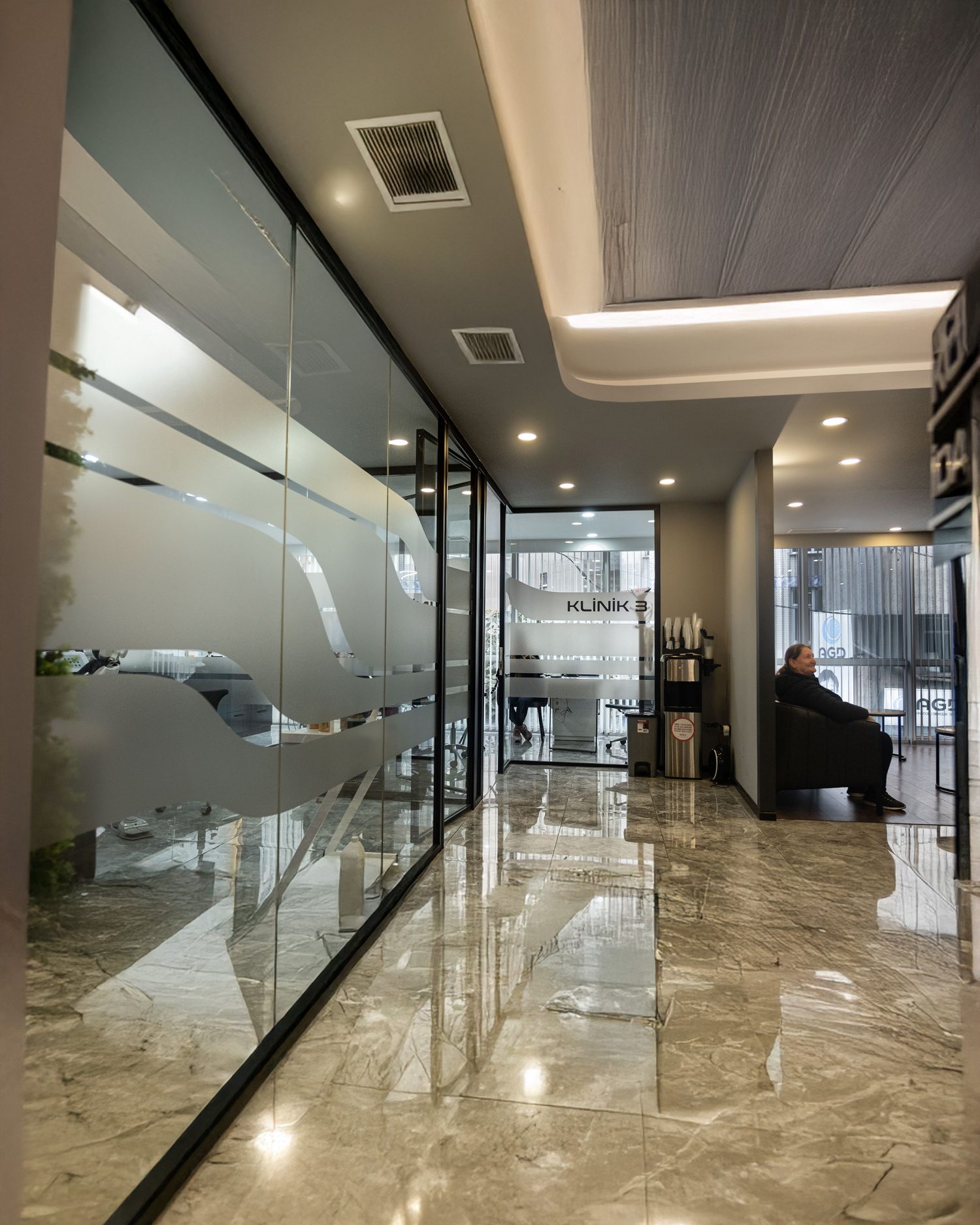
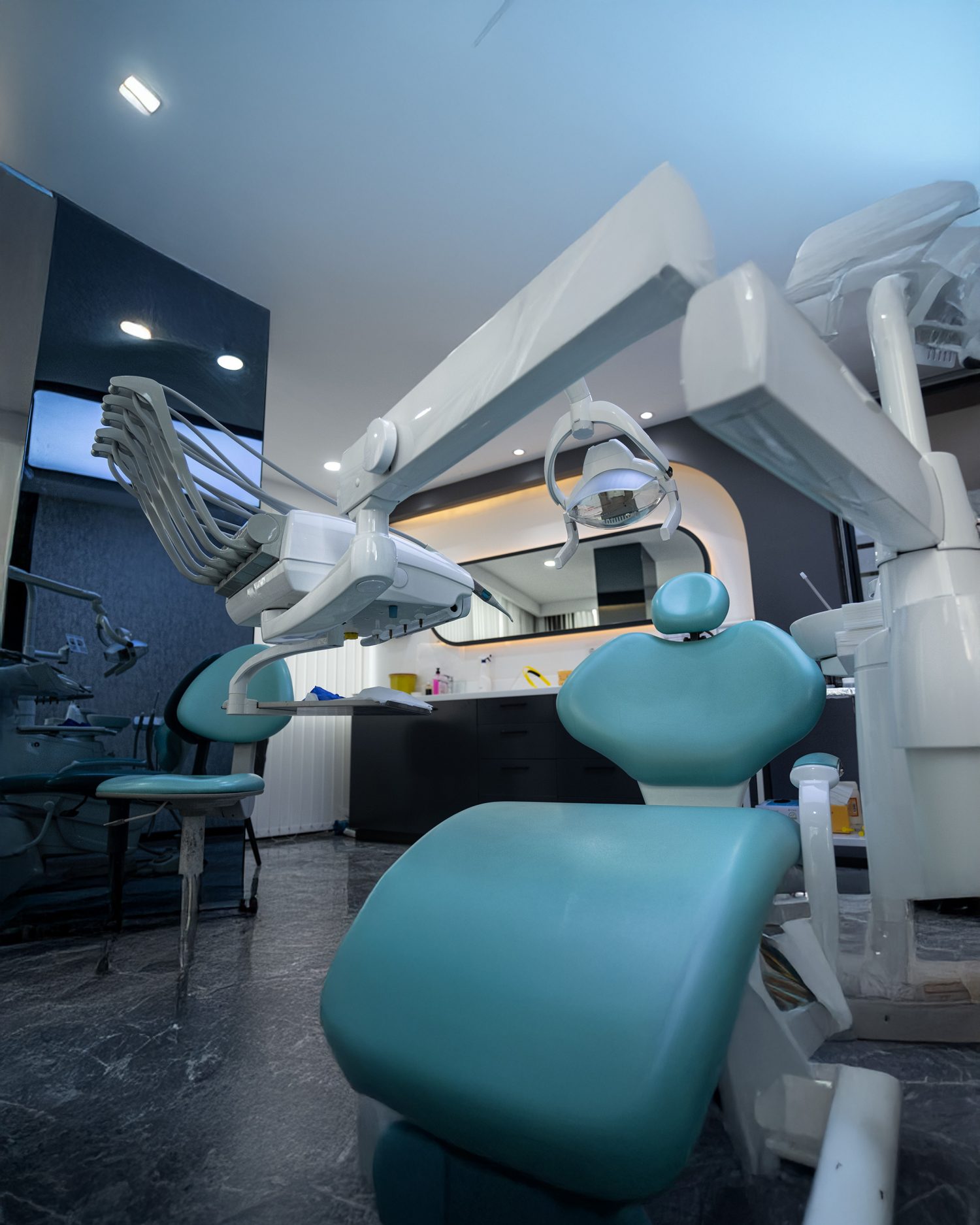
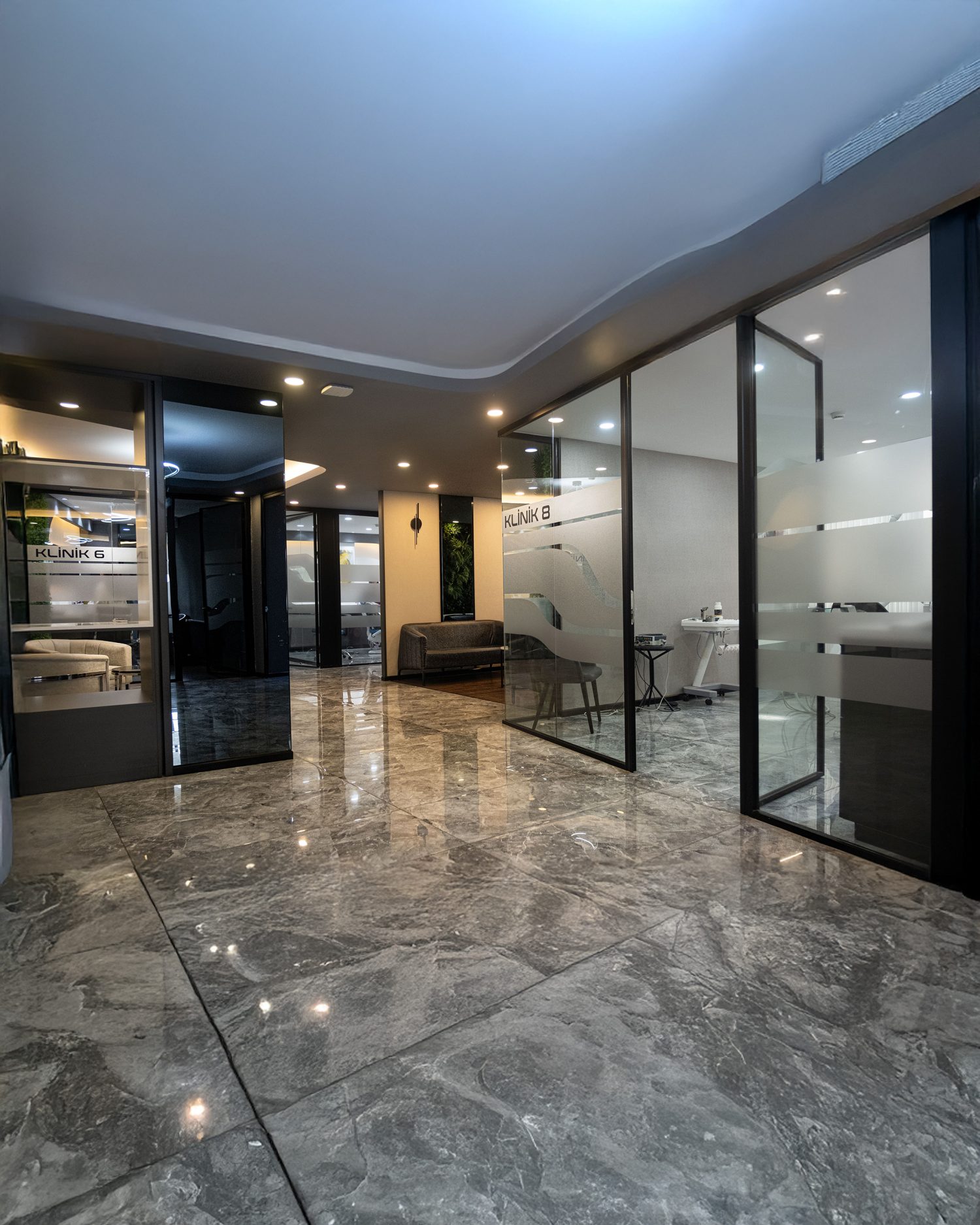
Dentures are made rather than fitted, and that distinction decides whether a Turkish trip works for them. A conventional denture is a sequence of appointments — primary impressions, secondary impressions in a custom tray, a bite registration, a wax try-in you look at and speak with, and the fit — each depending on laboratory work in between. At home that sequence takes six weeks because the work travels. In Bağcılar it takes about a week, because the laboratory is in the building and the technician can see you rather than a plaster model of you.
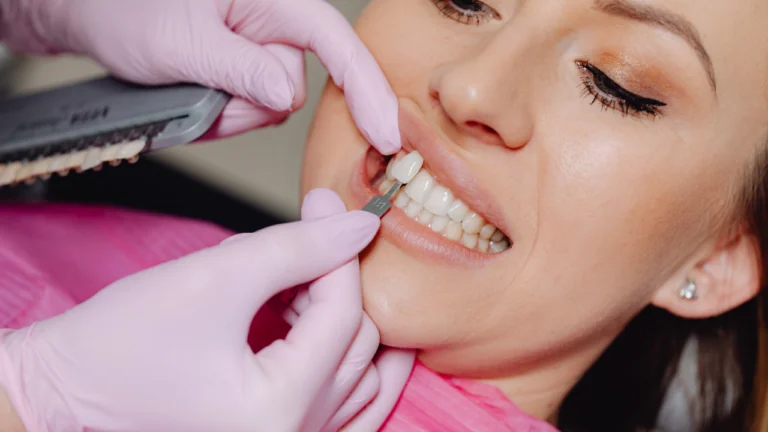
The try-in is the appointment that matters and the one most often skipped abroad. A wax try-in is where tooth position, lip support and the midline are decided while they can still be changed, and where you get to say the teeth look too even or too white before anything is processed. A clinic that goes from impression to finished denture without a try-in has removed the only stage at which your opinion could have altered the result. Ours does not, and if the try-in is wrong it is re-set and tried again in the same trip.
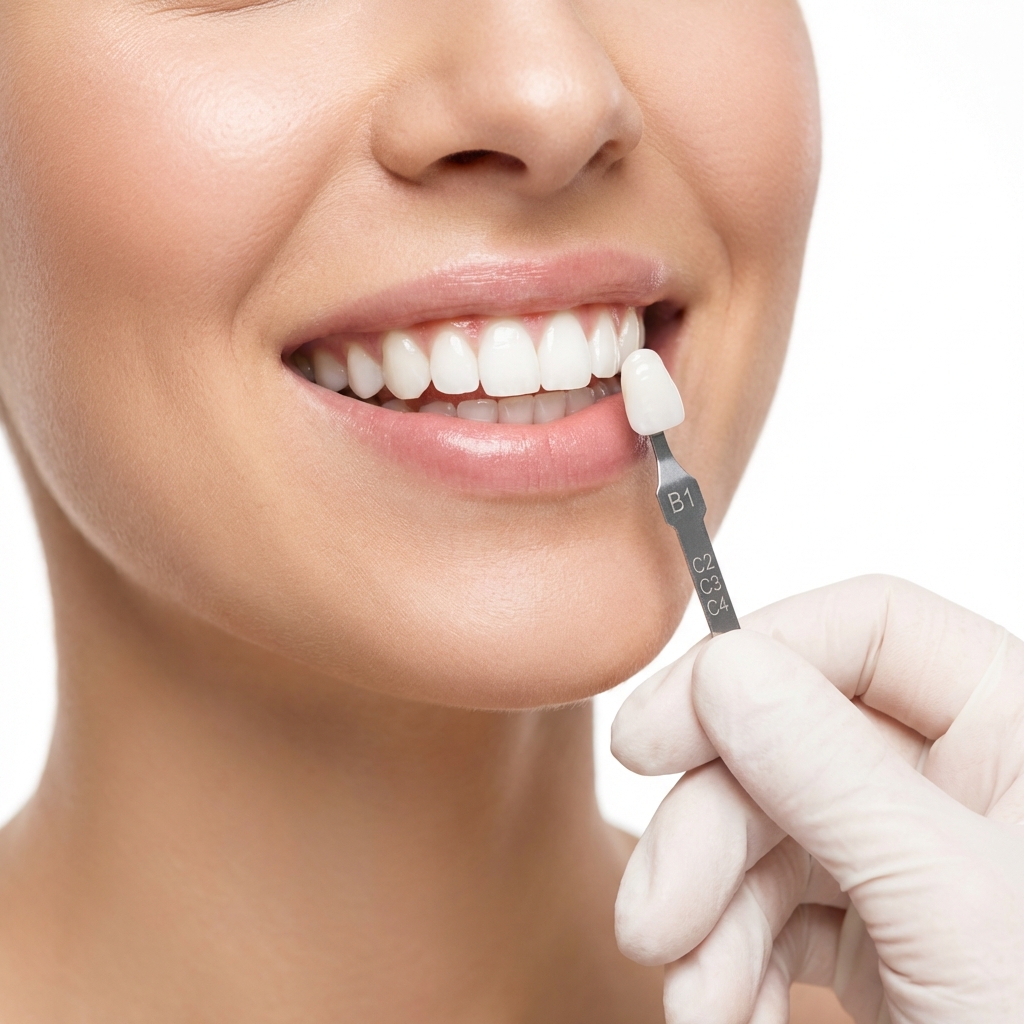
The variable nobody quotes is the teeth themselves. Denture teeth range from simple two-layer acrylic to multi-layered composite sets with genuinely different optical depth, and both appear on a quote as a denture. Ask which set, by name. Ask what the base is made of. Ask how many try-in appointments are included rather than assumed. Those three answers explain almost every difference between two İstanbul quotes for the same mouth.
If you are weighing up whether to stabilise a lower denture with implants while you are here, the implant-retained option is worth reading first — the decision is far easier to make before the denture is made than after.
How We Approach Dentures
Through the full sequence rather than a compressed one, because the stages are what determine whether the result is worn or kept in a drawer.
Working impressions in custom trays, bite registration with the face height assessed rather than assumed, and a try-in before anything is processed. You see and approve the appearance while it is still wax.
Where the lower arch is the problem, we raise the implant-retained option explicitly rather than waiting to be asked. Two implants and a clip-fit denture solve the instability that no amount of remaking will.
Where a partial is planned for one or two teeth, we say what the fixed alternatives are and what the clasps will do to the abutment teeth over years.
The reline and remake cycle is explained before treatment rather than discovered, and everything we place carries a lifetime guarantee on materials and workmanship — with relining identified as maintenance rather than as a fault being corrected.