

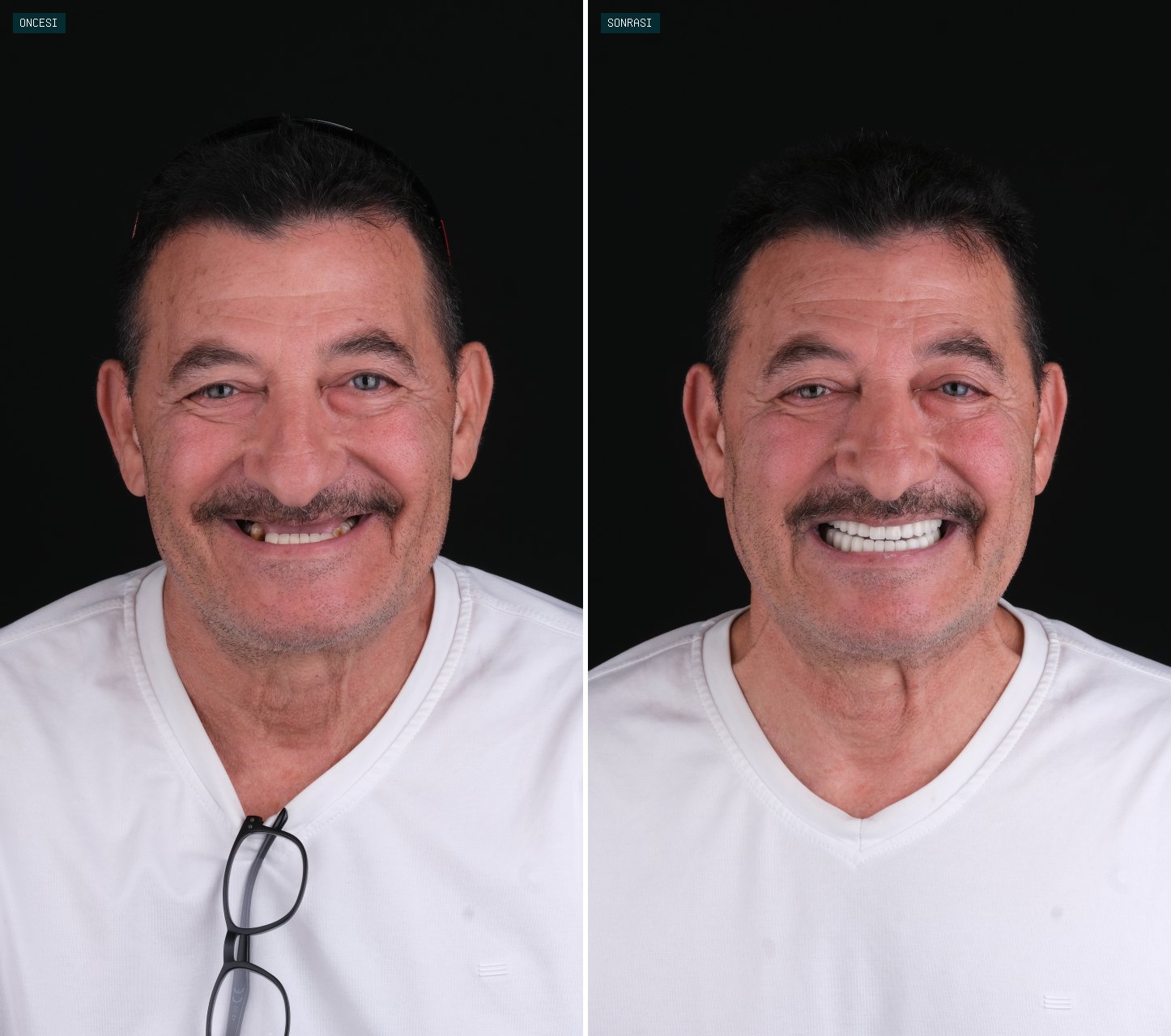


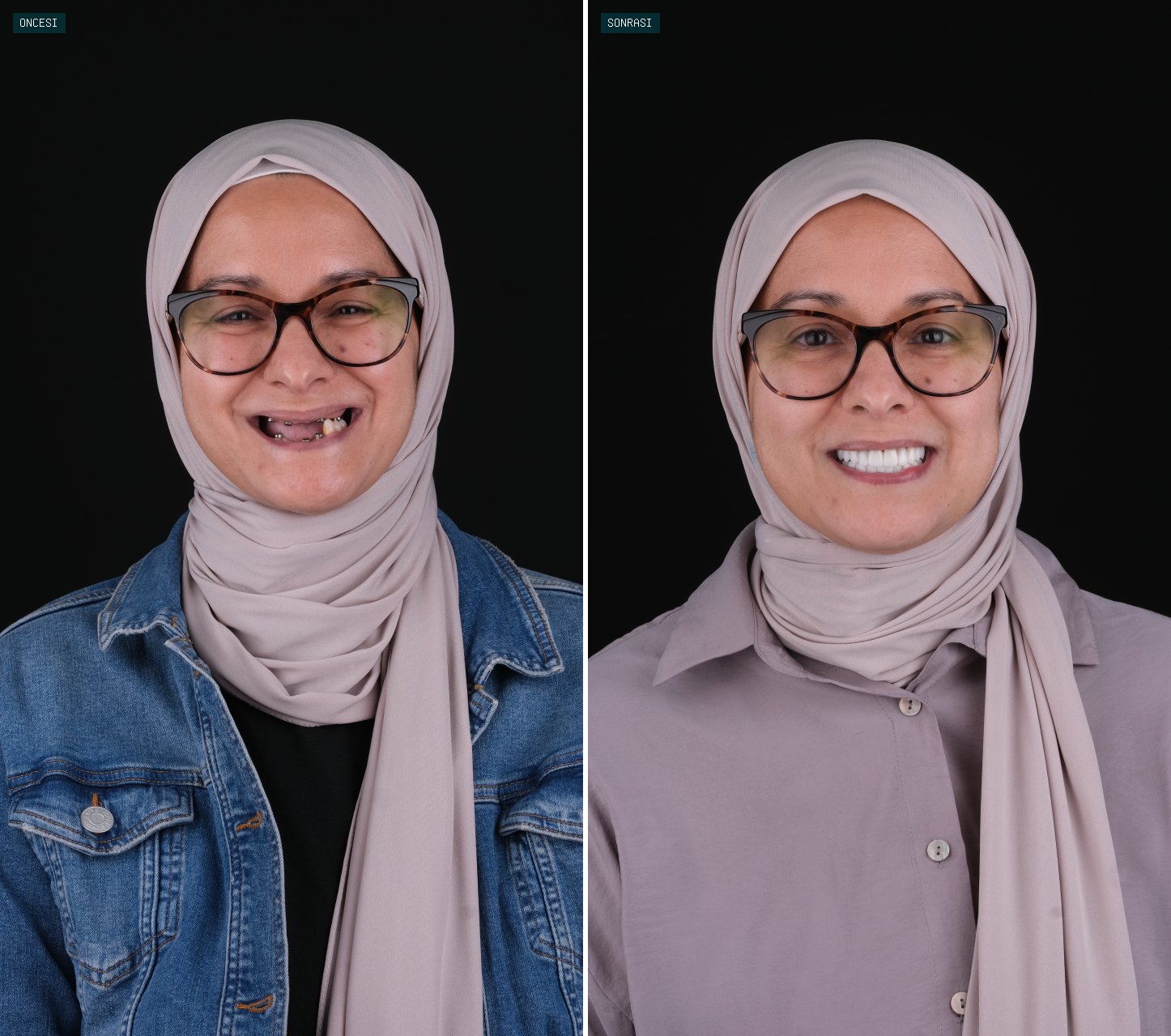


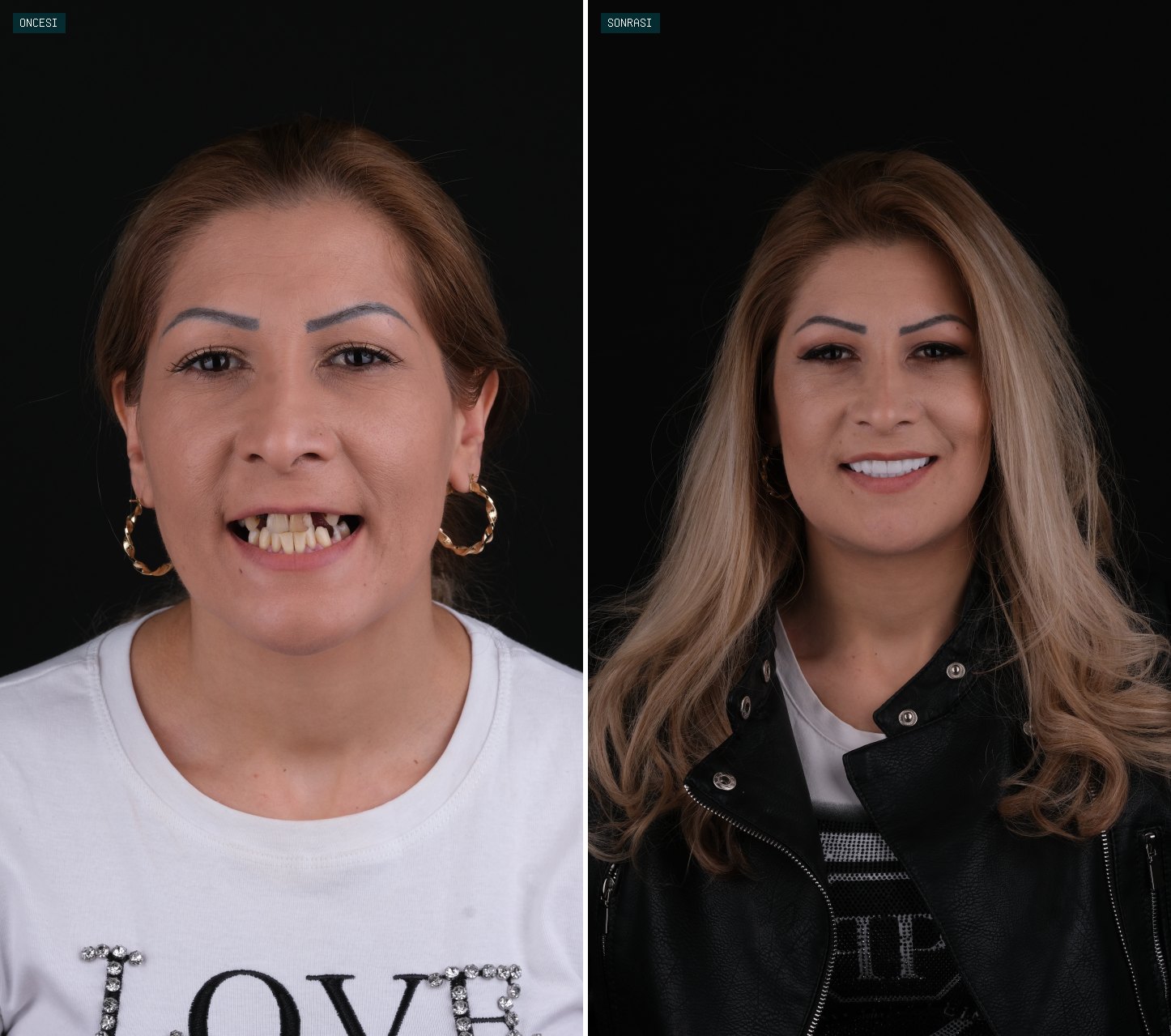

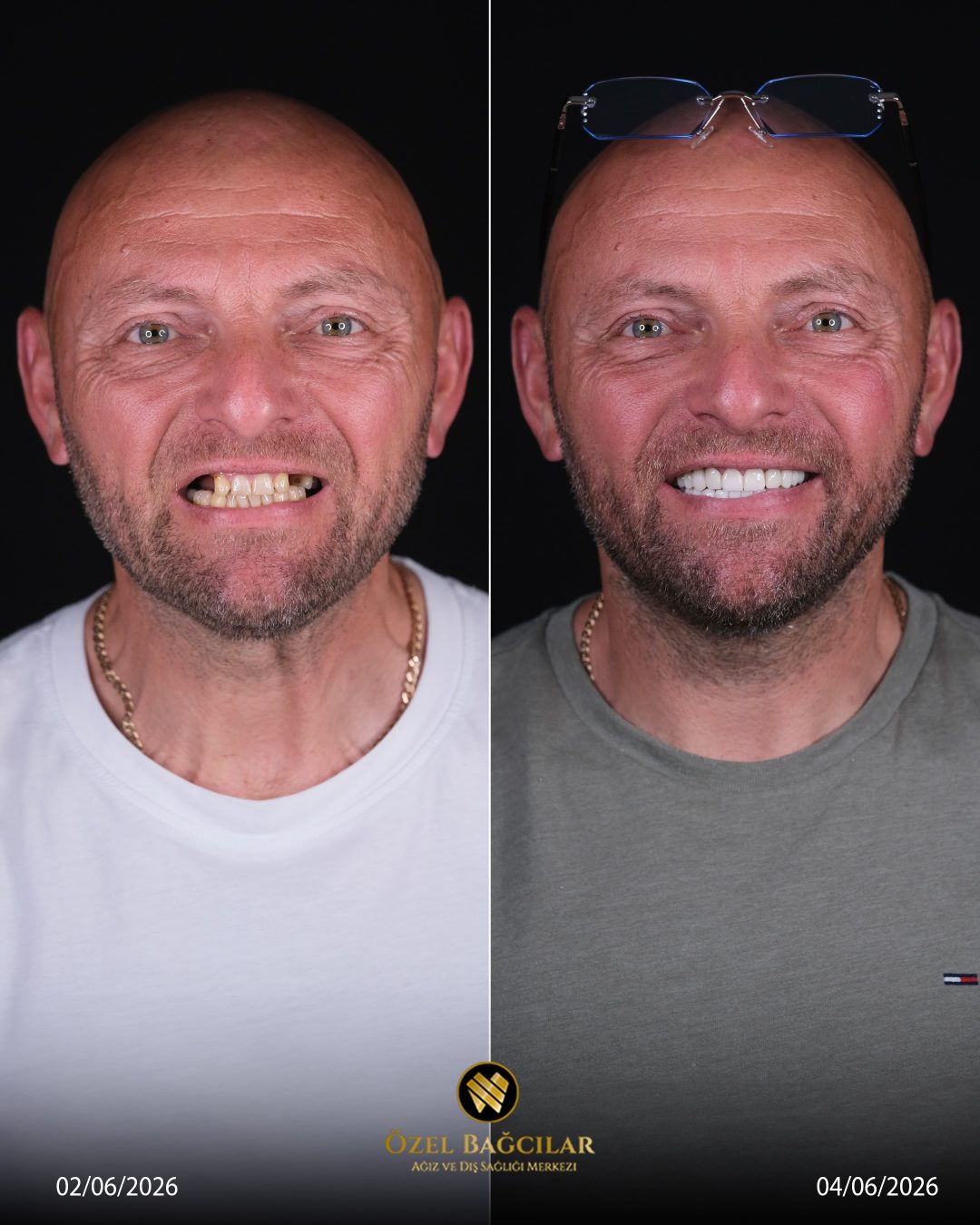
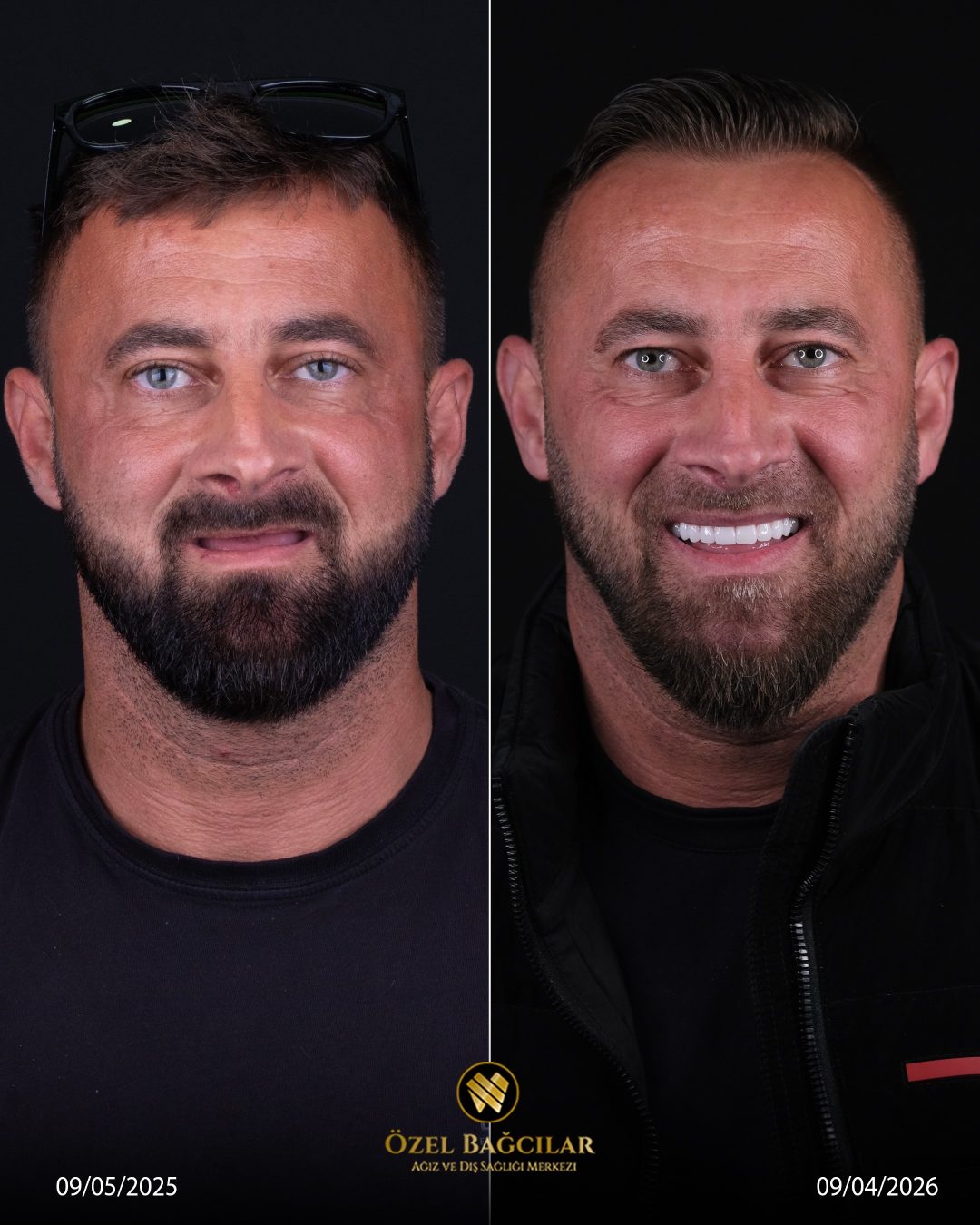




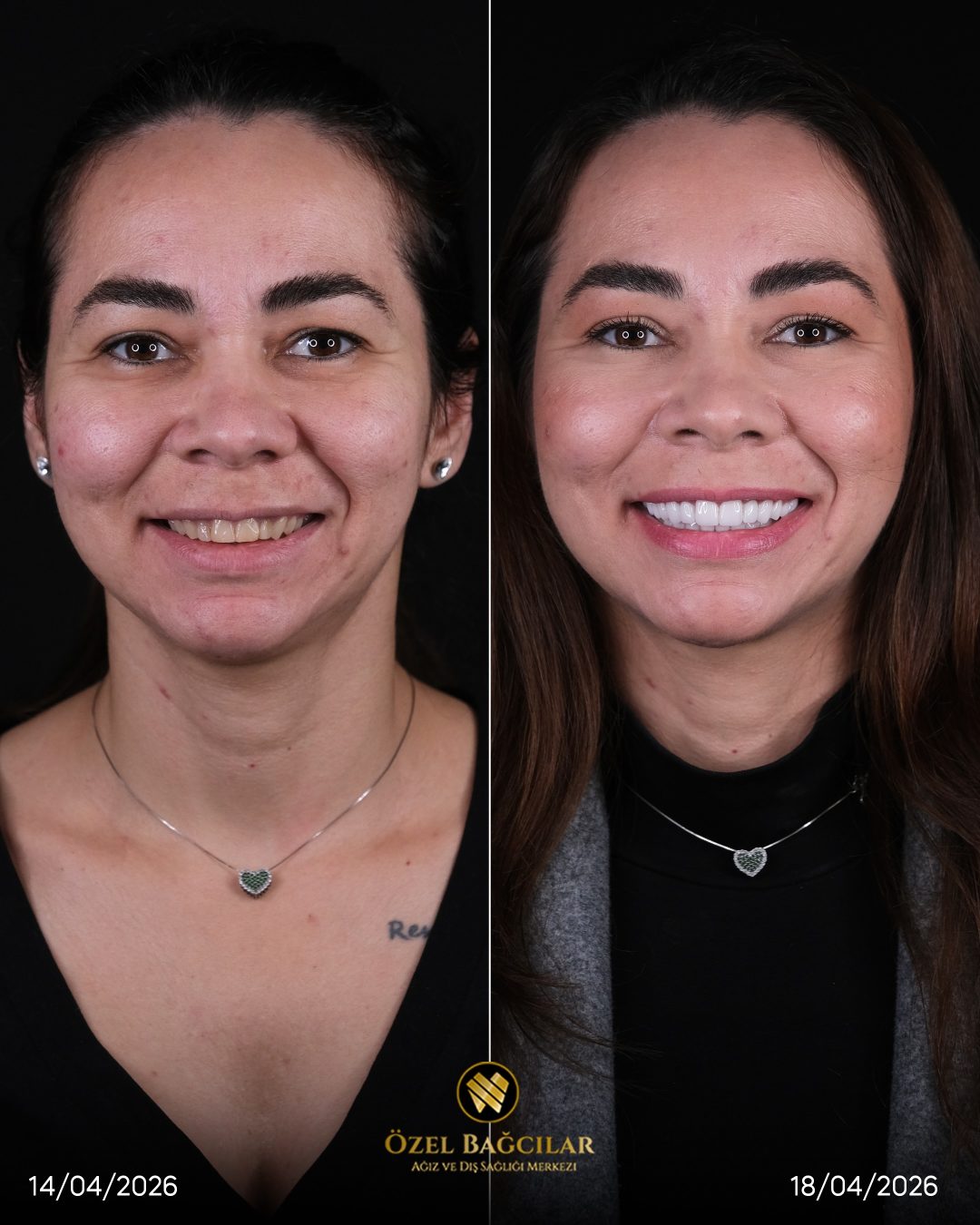

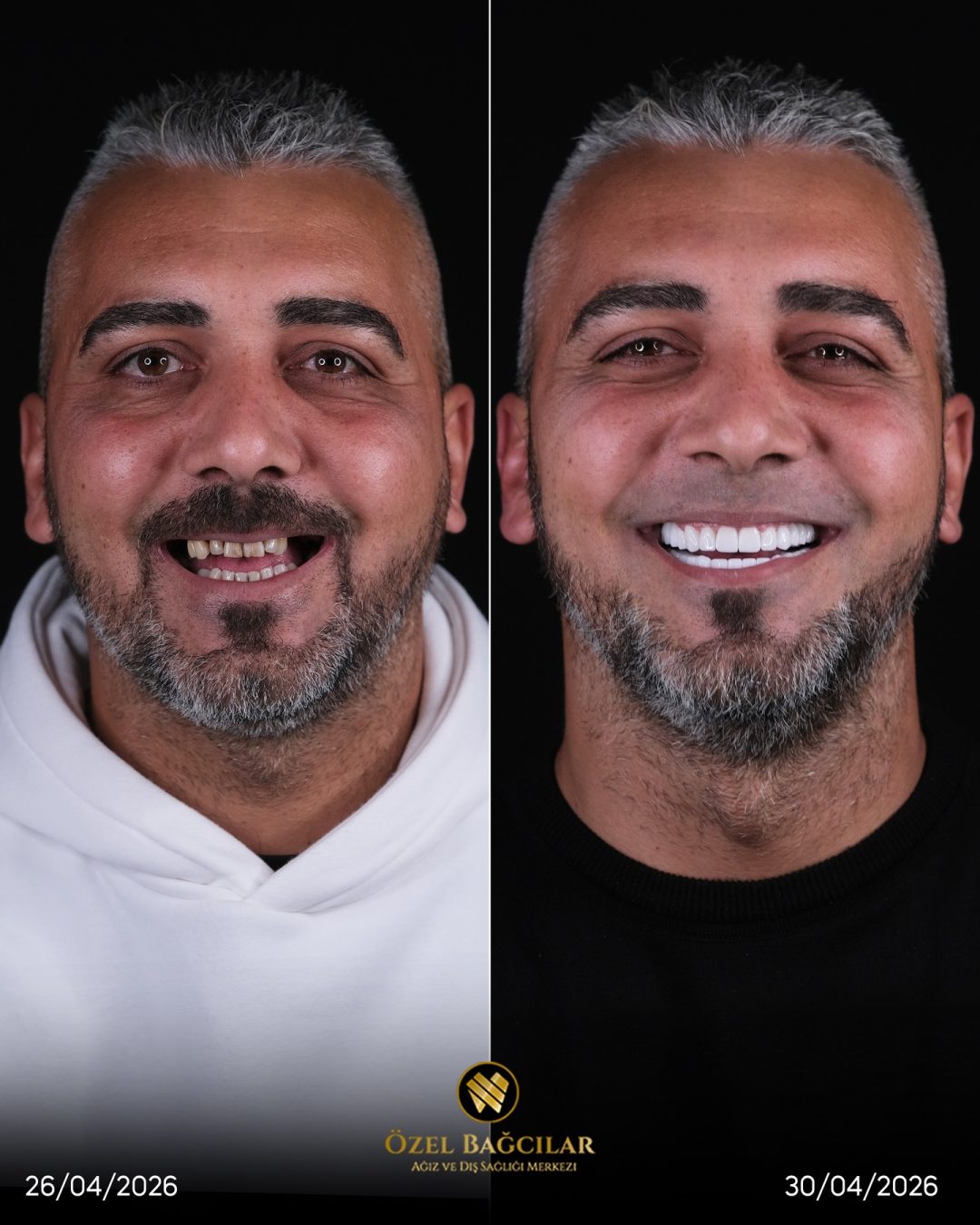
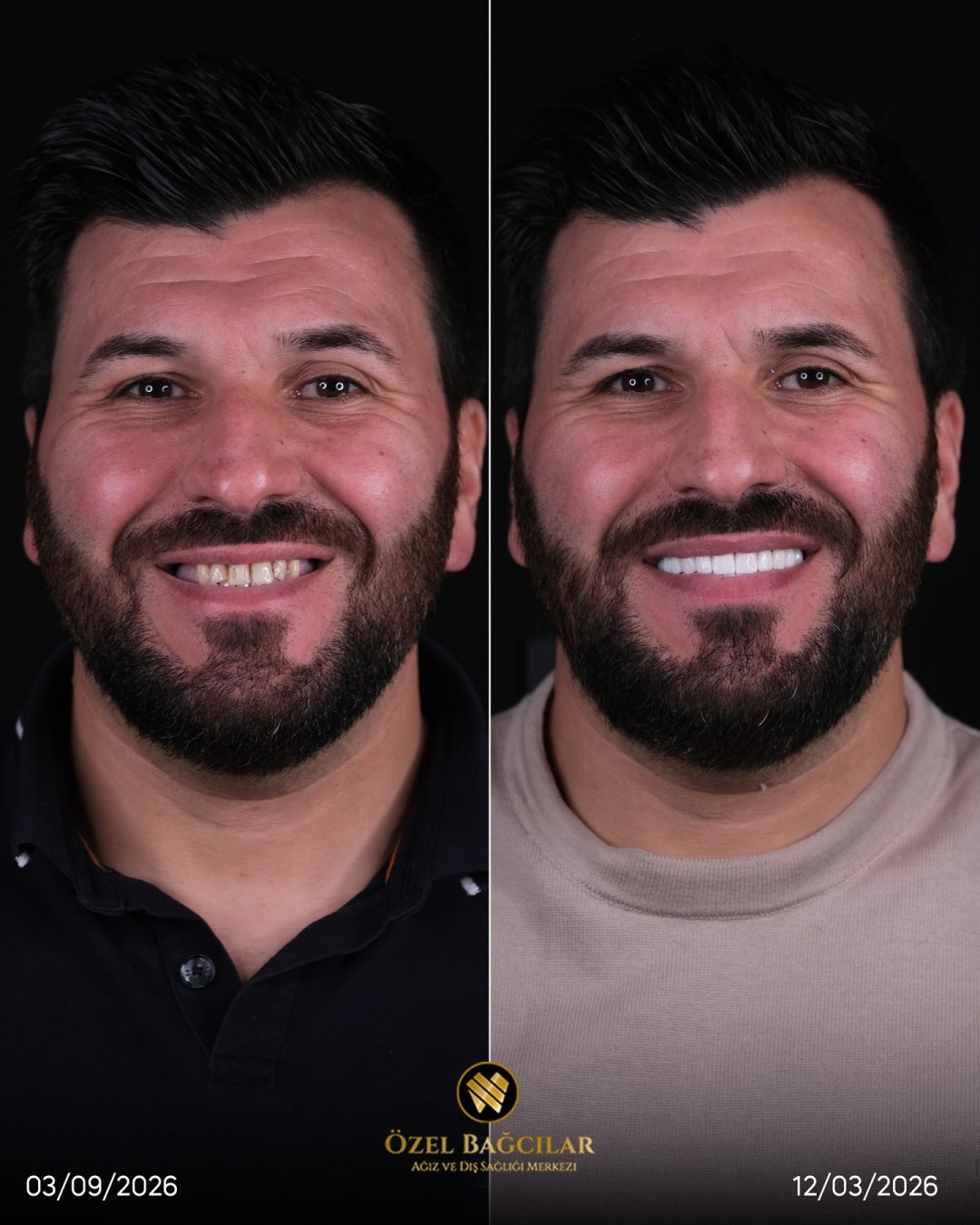
What They Are
A conventional implant is roughly ten to thirteen millimetres long and sits within the jawbone. A zygomatic implant is between thirty and fifty-five millimetres, and it passes through or alongside the upper jaw to anchor in the zygomatic bone — the cheekbone.
The cheekbone is chosen because it is dense, structurally substantial, and does not resorb when teeth are lost. Its volume is essentially unrelated to how long a patient has been without upper teeth, which is precisely the property that makes it useful when the jaw itself has disappeared.
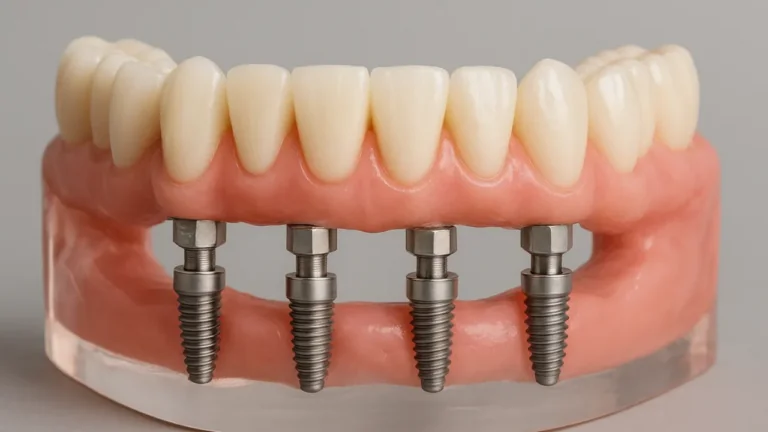
The implant emerges through the gum in roughly the position a back tooth would occupy, so a bridge can be attached in the normal way. From the patient's side, the finished result looks and functions like any other implant-supported bridge — the difference is entirely in where the anchorage comes from.
Typically two zygomatic implants are used, one on each side, combined with two conventional implants at the front where bone is usually still adequate. Where front bone is also lost, four zygomatic implants can carry the arch alone.
It is worth saying plainly that this is a reconstructive procedure rather than a cosmetic one. Patients arrive at it because the alternative is a denture, not because they are choosing between restorative options on otherwise sound teeth. That framing matters when weighing the surgical risk against the benefit.
Why They Exist
The upper jaw loses bone in a particularly unhelpful direction after teeth are removed — the ridge narrows inwards and shortens while the maxillary sinus expands downwards into the space the roots used to occupy, and it loses it in a particular direction — the ridge narrows and shortens, and the maxillary sinus expands downwards into the space that used to hold roots.
After a decade or two without upper teeth, some patients are left with a thin shell of bone separating the mouth from the sinus. There is nothing there for a conventional implant to hold onto, however short.
The conventional answer is to rebuild it — block or particulate grafting to restore width and height, or a sinus lift to create bone beneath the sinus floor. Both work, and both take time: typically six to twelve months of healing before implants can be placed, then several more months before teeth.
Grafting also has a failure rate, and it rises with the amount of bone being rebuilt. In patients who smoke, have had radiotherapy, or have already had a graft fail, the prospect of another year with an uncertain outcome is a genuine problem rather than a theoretical one. Zygomatic implants sidestep the question by not needing the jaw bone at all.
There is also a group for whom time itself is the deciding factor — patients who have been without upper teeth for years and for whom another eighteen months is not an abstract inconvenience. That is a legitimate consideration, provided the alternatives have genuinely been explained rather than dismissed. The full range of replacement options is worth reading before committing to any of them.
Who They Are For
The indication is narrow and specific. Zygomatic implants are not a shortcut for patients who could have conventional treatment; they are for those who cannot.
- Severe upper jaw resorption. Insufficient bone height or width for conventional implants, confirmed on a 3D scan rather than assumed.
- Failed previous grafting. Where a graft has not taken, repeating it has a lower success rate than the first attempt.
- Patients who decline grafting. A legitimate choice given the timeline and the additional surgical sites involved.
- After tumour surgery or trauma. Where part of the upper jaw has been removed or damaged.
- Long-term denture wearers. Particularly those whose ridge has resorbed to the point where the denture no longer has anything to sit on.
They are used only in the upper jaw. The lower jaw has no equivalent dense structure to anchor into, and it resorbs at least as fast, but downwards into a solid body of bone rather than towards an air cavity, so severe lower cases are managed differently — severe lower cases are managed differently, usually with short implants or grafting.
It is worth naming who they are not for. A patient with moderate bone loss who could be treated with four conventional implants, or with a limited graft, should not be offered zygomatic treatment simply because a clinic performs it. The procedure carries a higher complication profile and is considerably harder to revise. Where a simpler option genuinely works, it is the better option.
The Anatomy Involved
Understanding roughly what the implant passes through explains both why the procedure requires specific expertise and why the planning is so detailed.
From its entry point on the ridge, the implant travels upwards and outwards. Depending on the anatomy it either passes through the maxillary sinus or runs along its outer wall, before engaging the body of the zygomatic bone. The trajectory has to avoid the orbit above and stay within the bone laterally.
Where the implant passes through the sinus, the sinus lining is managed carefully during placement. The relationship between implants and the sinus is well documented and, with correct technique, sinus complications are uncommon — but they are the specific risk that distinguishes this procedure from conventional implant surgery.
This is why the 3D scan is not a formality here. The angle, length and entry point are planned in software before surgery, and in many cases a surgical guide is produced to reproduce that plan in the mouth. Freehand placement of a fifty-millimetre implant near the orbit is not appropriate practice.
The Assessment Before a Zygomatic Case
Assessment for zygomatic implants is more extensive than for conventional treatment, and a clinic proposing them without all of it is not planning properly.
- 3D imaging of the whole midface. Not just the jaw — the cheekbone, sinus and orbit all need to be visualised.
- Confirmation that conventional treatment is genuinely not possible. Including whether short implants or a limited graft would suffice.
- Sinus health. Chronic sinusitis should be assessed and treated before implants are passed through or beside the sinus.
- Medical review. This is longer surgery than a single implant and the medical history carries more weight.
- A discussion of alternatives. Grafting, a denture, or an implant-supported overdenture are all legitimate options and should be presented.
That last point matters. Zygomatic implants are the most technically demanding option on this list, and a plan that arrives at them without having considered the others has not been reasoned through.
The imaging is also used to decide how many zygomatic implants are needed. Where the front of the jaw still has usable bone, two zygomatic implants combined with two conventional ones is the common configuration. Where it does not, four zygomatic implants carry the arch between them — a more demanding case both surgically and prosthetically, and one that should be identified at planning rather than discovered during surgery.
The Procedure
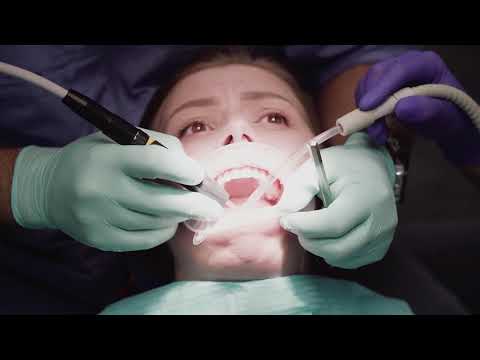
Surgery is performed under sedation or general anaesthetic in most cases, reflecting both the duration and the extent of the procedure. It typically takes two to four hours.
Any remaining upper teeth are removed first. The gum is lifted to expose the ridge and the outer wall of the sinus, and the planned trajectory is prepared in stages with progressively wider drills. The implant is then placed and torqued into the cheekbone.
Where two zygomatic implants are combined with two conventional ones at the front, those are placed in the same session. Angled abutments are attached to bring the connection points into a workable alignment for the bridge.
An impression or scan follows, and in most cases a fixed temporary bridge is fitted within twenty-four to seventy-two hours. That immediate function is one of the technique's main practical advantages: unlike grafting, there is no period of months spent without fixed teeth.
Comparing the Options
For a patient with a severely resorbed upper jaw, there are four realistic routes. They differ most in timeline and in how much surgery is involved.
| Zygomatic implants | Graft then implants | Overdenture | Full denture | |
|---|---|---|---|---|
| Additional surgical sites | None | Often a donor site | None | None |
| Time to fixed teeth | Days | 12–18 months | Not fixed | Not fixed |
| Grafting required | No | Yes | Usually not | No |
| Covers the palate | No | No | Sometimes reduced | Yes |
| Surgical complexity | High | Moderate, repeated | Low | None |
| Suits failed previous graft | Yes | Lower success | Yes | Yes |
| Reversible | No | No | Yes | Yes |
The row that decides most cases is time to fixed teeth. A patient who has worn an upper denture for fifteen years and is told the alternative is another eighteen months of staged treatment frequently declines. The same patient offered fixed teeth within a week reaches a different decision, and that is a legitimate basis for choosing.
Recovery
Recovery is more demanding than after conventional implant surgery, and being prepared for it makes it considerably easier.
Facial swelling is expected and often significant, peaking at around forty-eight to seventy-two hours and extending to the cheek and sometimes below the eye. Bruising is common. Both settle over one to two weeks and are managed with cold compresses, elevation and prescribed medication.
Sinus precautions apply for several weeks: no nose blowing, sneeze with the mouth open, no straws, and avoid air travel where possible in the first week. These are not arbitrary — they prevent pressure changes disturbing the surgical site.
A soft diet is required while the temporary bridge is in place. Most patients return to routine activities within a week, though strenuous exercise is usually deferred for two.
Sleeping propped up for the first few nights reduces both swelling and the throbbing sensation that comes with lying flat. Cold compresses help in the first forty-eight hours; after that, gentle warmth is more useful for resolving bruising.
Numbness of the cheek or upper lip in the first days is common and usually temporary, resolving as swelling subsides. Numbness that persists beyond a few weeks should be reported rather than waited out, since it is easier to investigate early.
Risks and Complications
This is a more involved procedure than conventional implant placement, and the risks should be set out plainly rather than minimised.
- Sinus complications. Sinusitis is the most frequently reported complication. Usually manageable, occasionally requiring specialist treatment.
- Soft tissue problems. Recession or inflammation around the implant emergence point, which sits in a more mobile area of tissue.
- Nerve disturbance. Temporary numbness of the cheek or upper lip is possible; persistent disturbance is uncommon.
- Implant failure. Less common than in grafted bone but with greater consequences, since a failed zygomatic implant leaves a larger defect.
- Oro-antral communication. A connection between mouth and sinus requiring closure. Uncommon with correct technique.
Reported survival rates in the published literature are high — comparable with conventional implants in good bone — but the studies come predominantly from experienced centres. Operator experience matters more here than in almost any other implant procedure, and asking directly how many the surgeon has placed is entirely reasonable.
The Bridge on Top
The prosthetic side has its own considerations, and they are frequently under-discussed relative to the surgery.
Because the implants emerge at an angle and in positions dictated by the cheekbone rather than by ideal tooth position, angled abutments are used to correct the path. The bridge design has to accommodate this, and the framework is usually more substantial than in a conventional case.
The junction where the bridge meets the gum requires particular attention. In a severely resorbed jaw there is often a significant discrepancy between where the bone is and where the teeth need to be, which the bridge has to fill. Where the smile line is high, that junction can show.
Materials follow the same logic as other full-arch work: acrylic on a titanium framework is repairable and absorbs some force; zirconia is stronger and more stable in appearance. The choice is made with the bite and the appearance requirements together.
Patients who grind heavily need this factored into the design, since the anchorage is in bone that cannot be supplemented later. A protective appliance is part of the treatment rather than an accessory.
Long-Term Maintenance
Zygomatic implants require the same maintenance discipline as any full-arch reconstruction, with one addition: the emergence point sits in tissue that is less firmly attached, so cleaning there matters more.
Daily cleaning uses the same tools as any fixed bridge — superfloss, interdental brushes and a water irrigator. Professional maintenance involves removing the bridge periodically to assess the tissue and implants directly.
Sinus symptoms should be reported rather than tolerated. Recurrent sinusitis in a patient with zygomatic implants warrants assessment rather than repeated courses of antibiotics, because it can indicate a problem at the implant site.
The same principles that govern peri-implantitis around conventional implants apply here, and the consequences of neglect are greater because the anchorage is harder to replace.
A practical point specific to this treatment: keep a copy of your surgical records, including which implants were placed and where. Zygomatic implants are uncommon enough that a dentist seeing you elsewhere may not immediately recognise what is present on a radiograph, and having the documentation prevents confusion.
The same reasoning applies to component availability. Using established systems means parts remain manufactured years later, which is why the choice of implant system matters more in complex reconstruction than in a single-tooth case.
Planning a Zygomatic Case From Abroad
Zygomatic treatment is feasible for international patients but requires more planning than routine implant work, mainly because of the recovery period.
The first trip is longer than for conventional implants — usually ten to fourteen days, covering assessment, surgery, the temporary bridge and enough review appointments to confirm healing is proceeding normally. Flying home within days of this surgery is not advisable.
The second trip, after three to six months, covers the final bridge and takes about a week. Between the two you are at home with fixed temporary teeth.
Because the recovery is more involved, agree in advance who you contact if something arises after you travel home, and what is covered. Guarantee terms and aftercare arrangements matter more here than in simpler treatments. For most patients this is the most significant dental procedure they will undergo, and treating the logistics seriously is part of treating the surgery seriously.
It is also worth arranging a local dentist at home for routine maintenance before you travel, rather than afterwards. Someone needs to see the bridge between your visits, and finding a practitioner comfortable with implant maintenance is easier done unhurried. What to check before choosing any clinic applies to that local choice as much as to the surgical one.
Why These Cases Concentrate in a Few Turkish Centres
Zygomatic implants are not a treatment you should choose a country for. They are a treatment you choose a surgeon for, and the reason a proportion of those surgeons happen to practise in Türkiye is volume. İstanbul is a city of some sixteen million people with a large, competitive dental sector and a long-standing referral culture for the cases general practices will not take on. Severe upper-jaw resorption is one of those cases. A surgeon in a smaller market may see a handful in a career; in İstanbul the same surgeon sees them as a recognised part of the workload.
That concentration is the honest argument, and it cuts both ways. Volume produces experience, but it also produces clinics willing to offer a fifty-millimetre implant near the orbit on the strength of a photograph. The questions that separate them are the same anywhere: who is placing it, how many they have placed, whether a CBCT was taken and read before anything was quoted, and what the plan is if the anatomy on the day does not match the plan on the screen. How to verify a surgeon's credentials is worth reading before you contact anyone, here included.
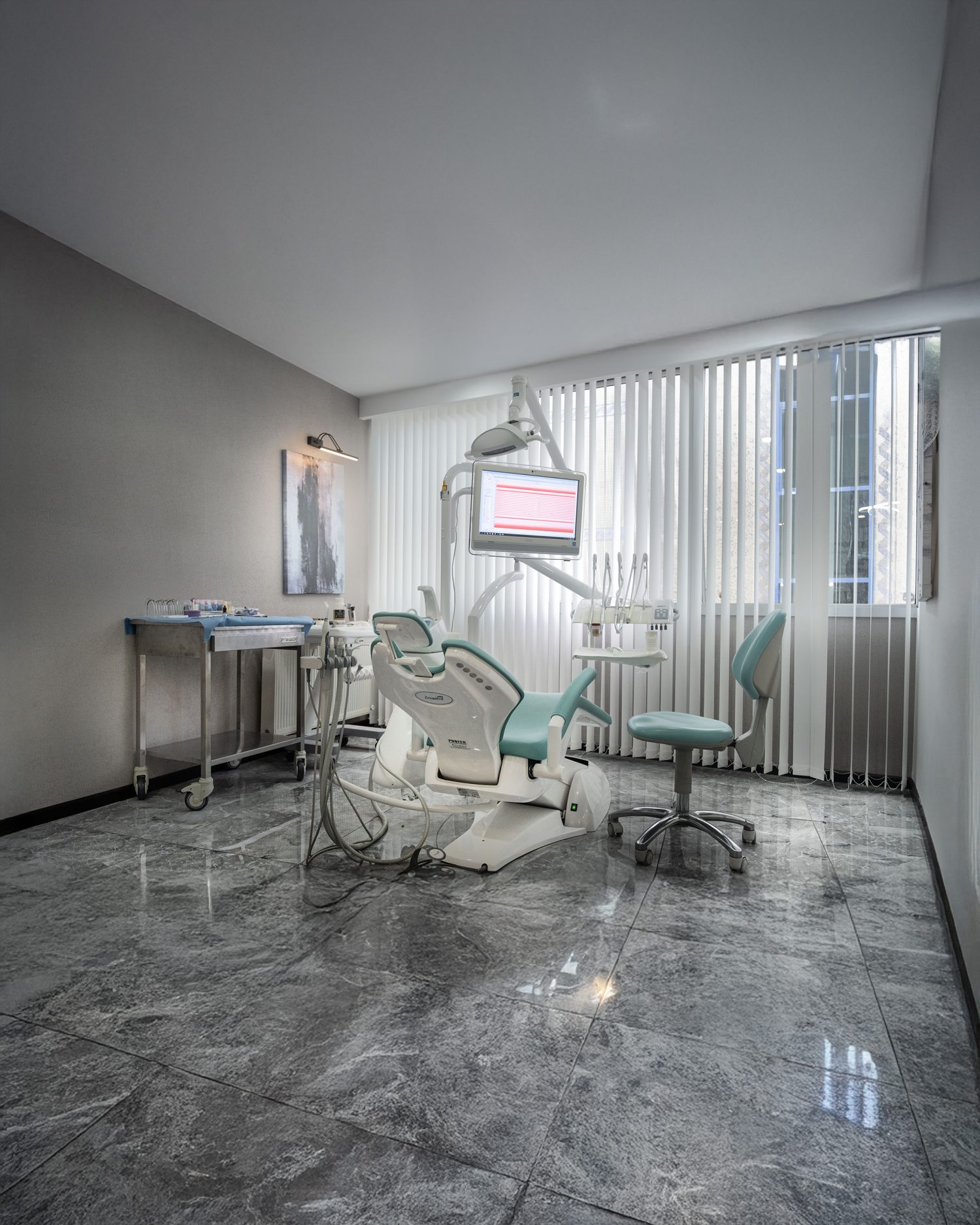
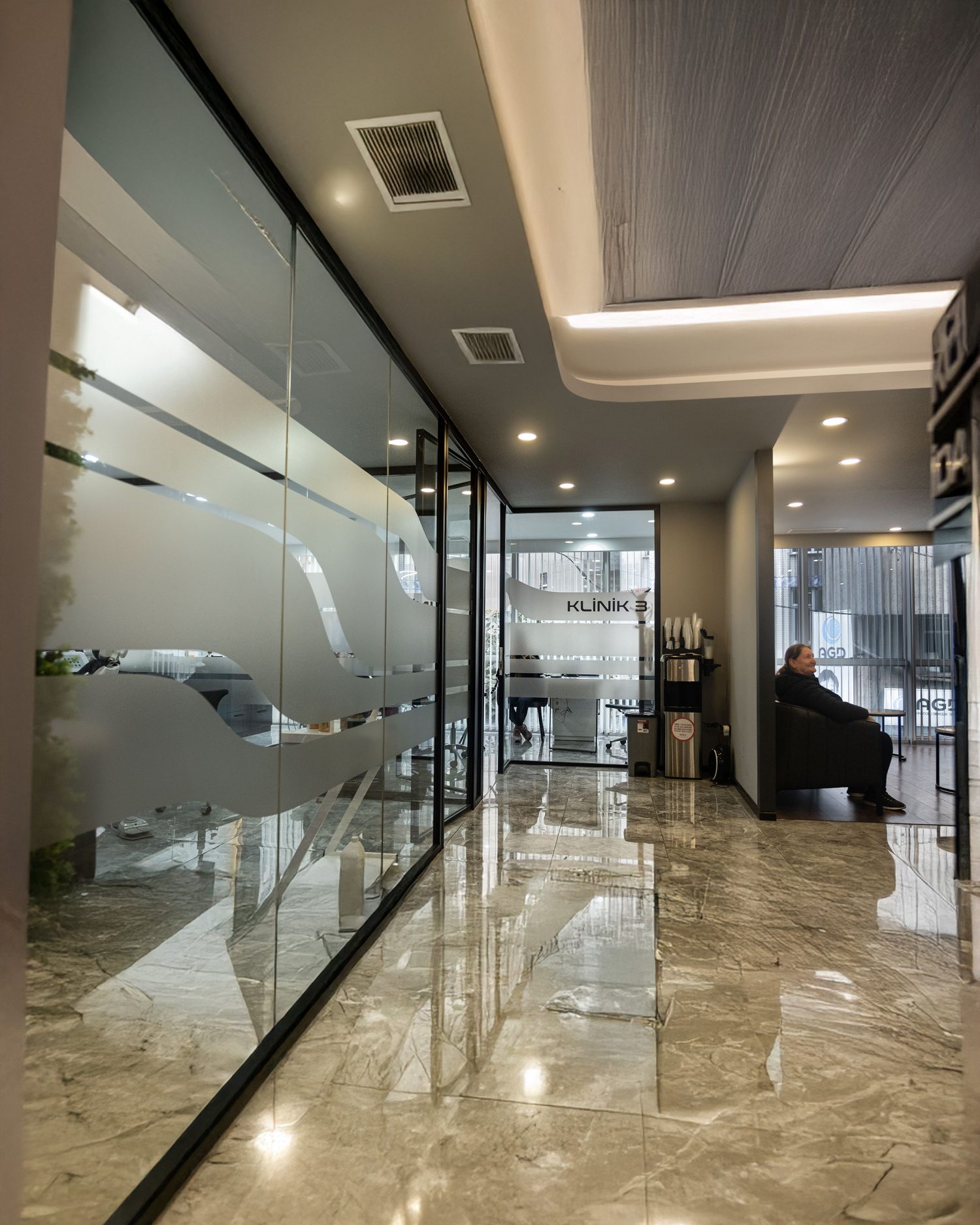
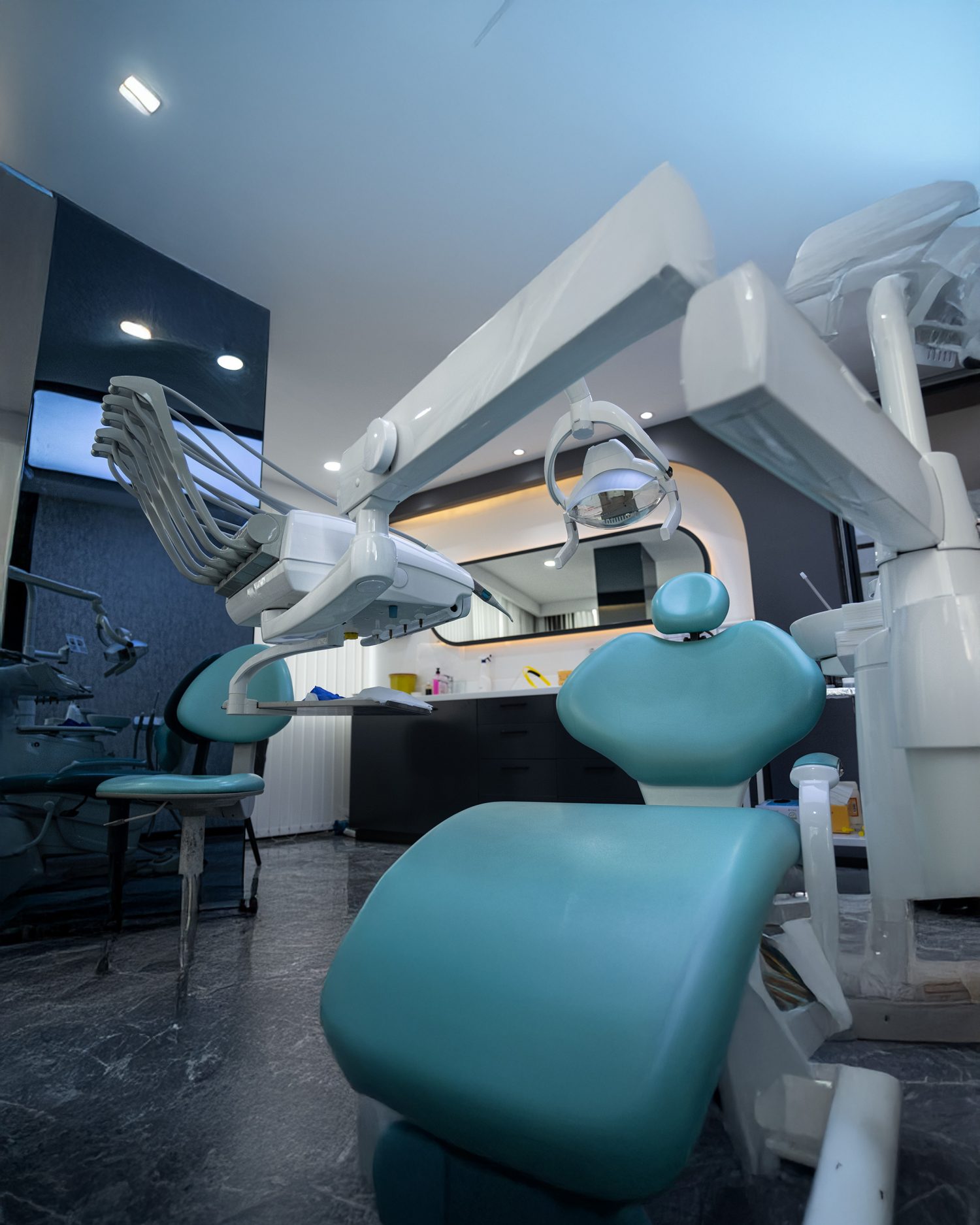
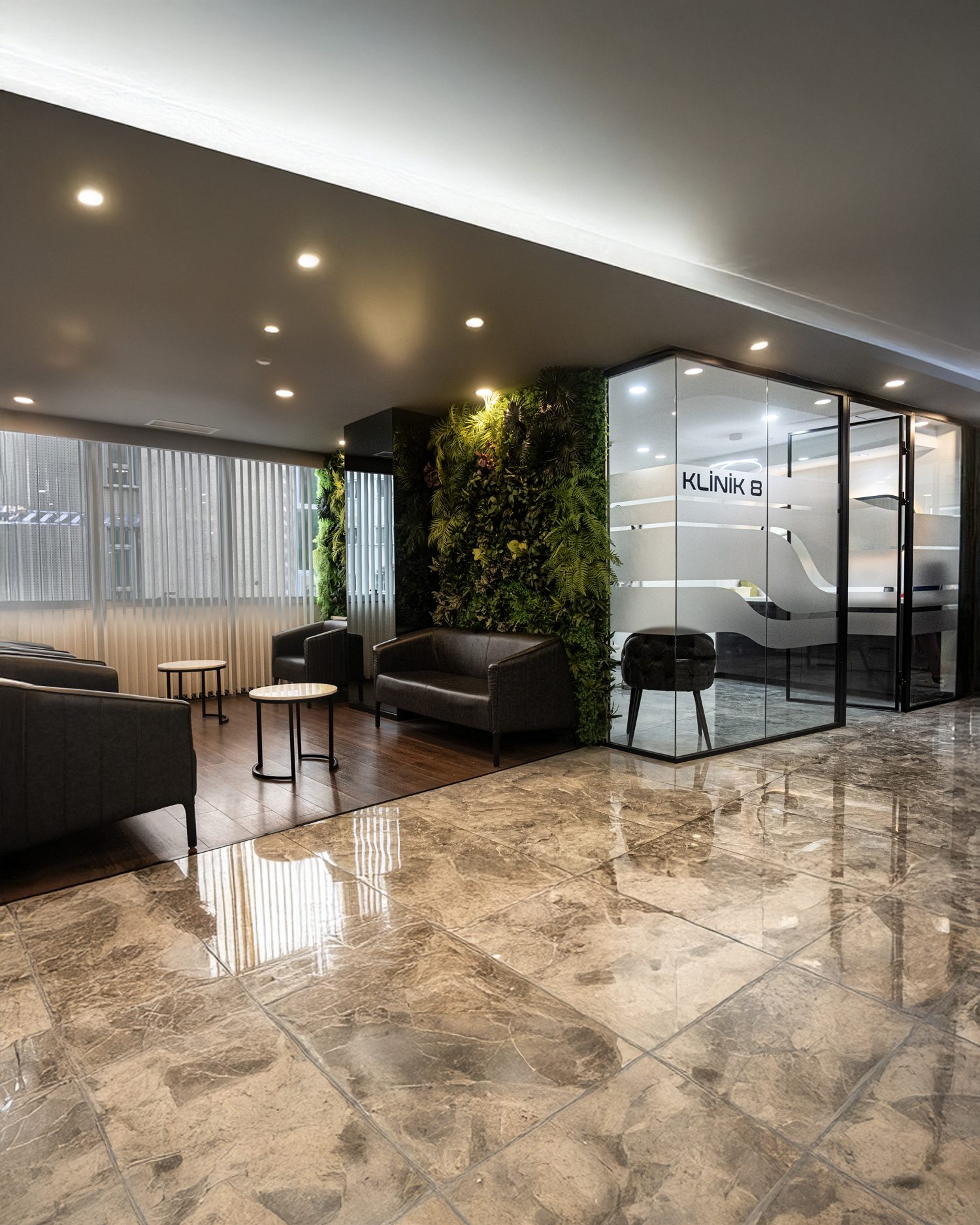
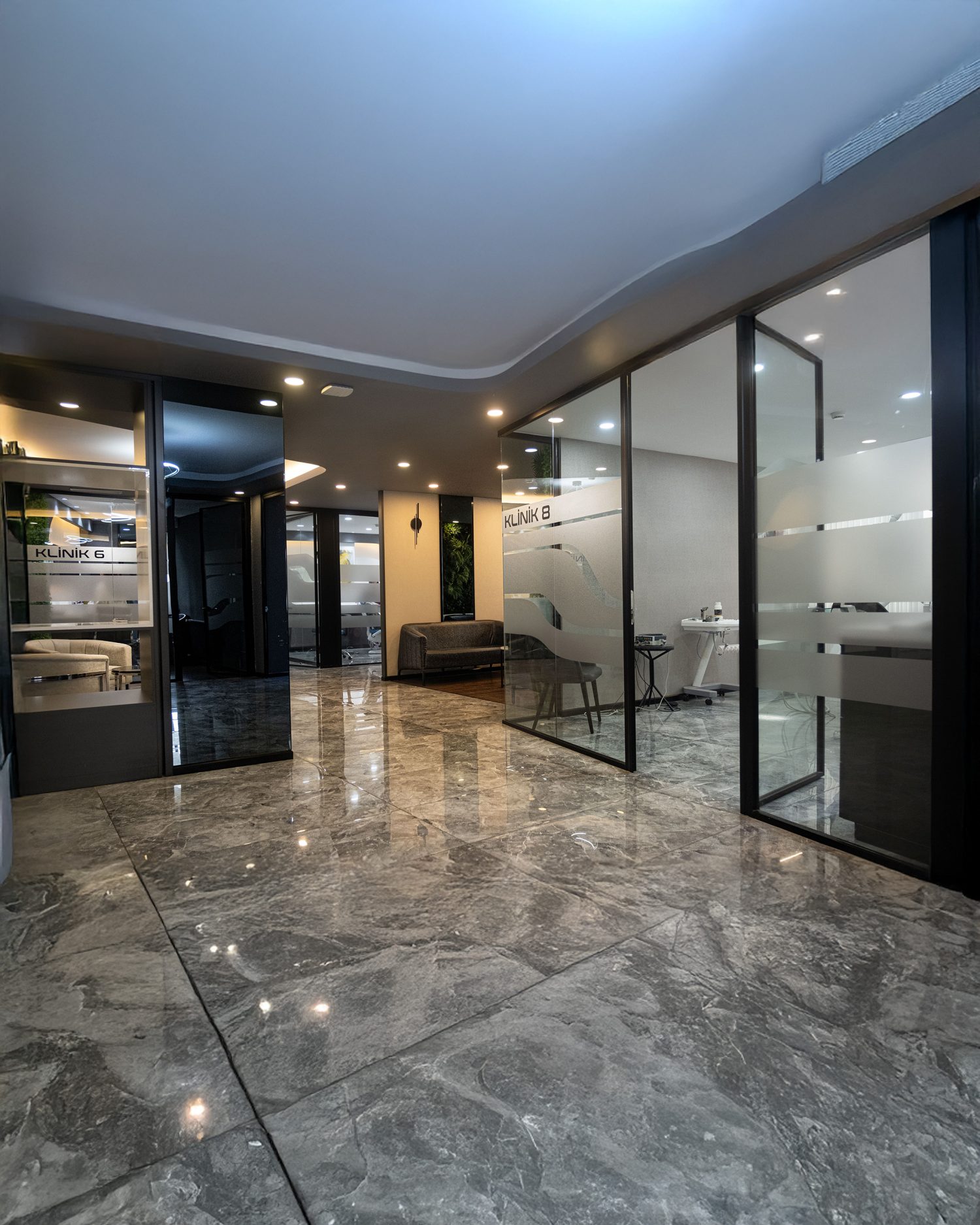
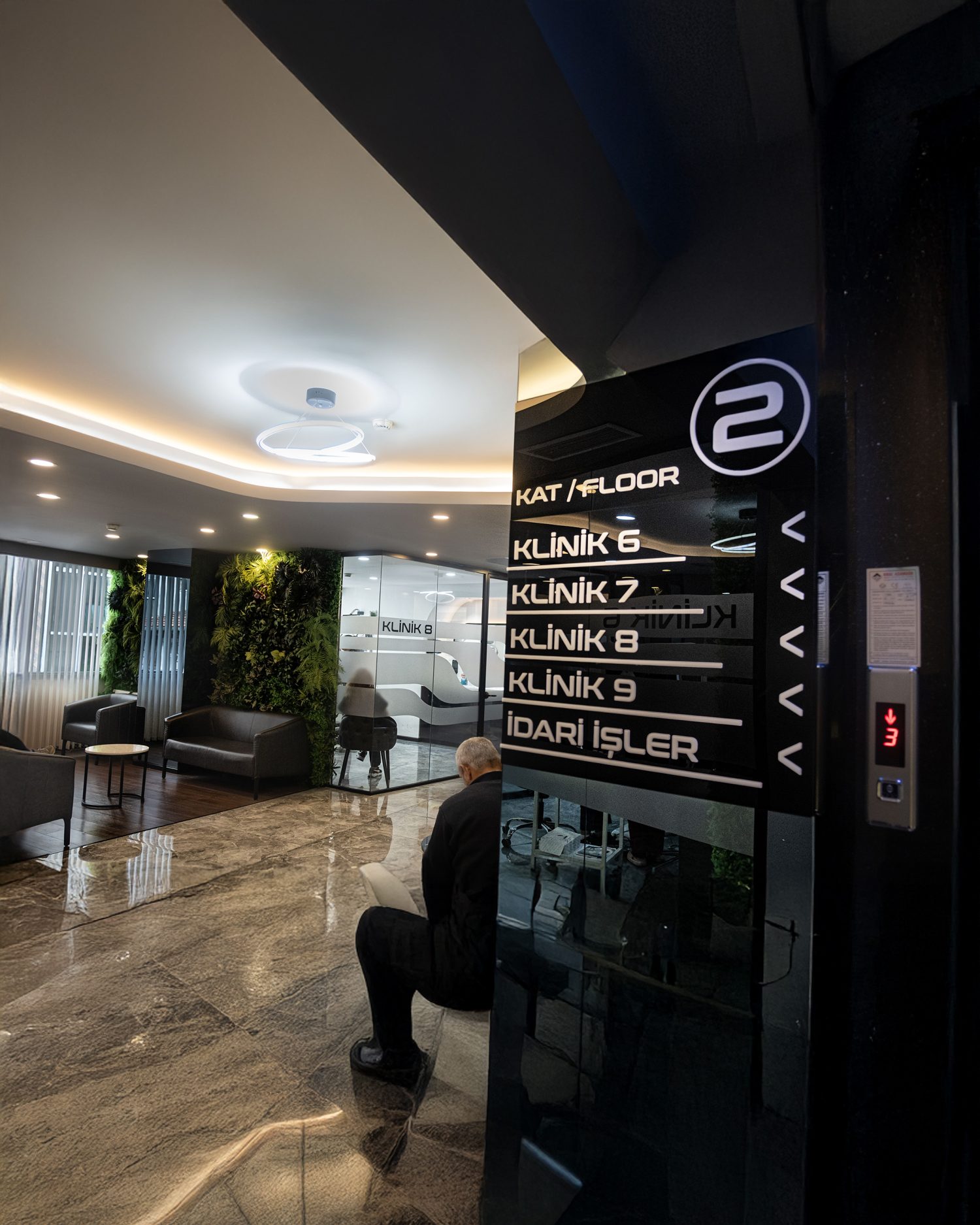
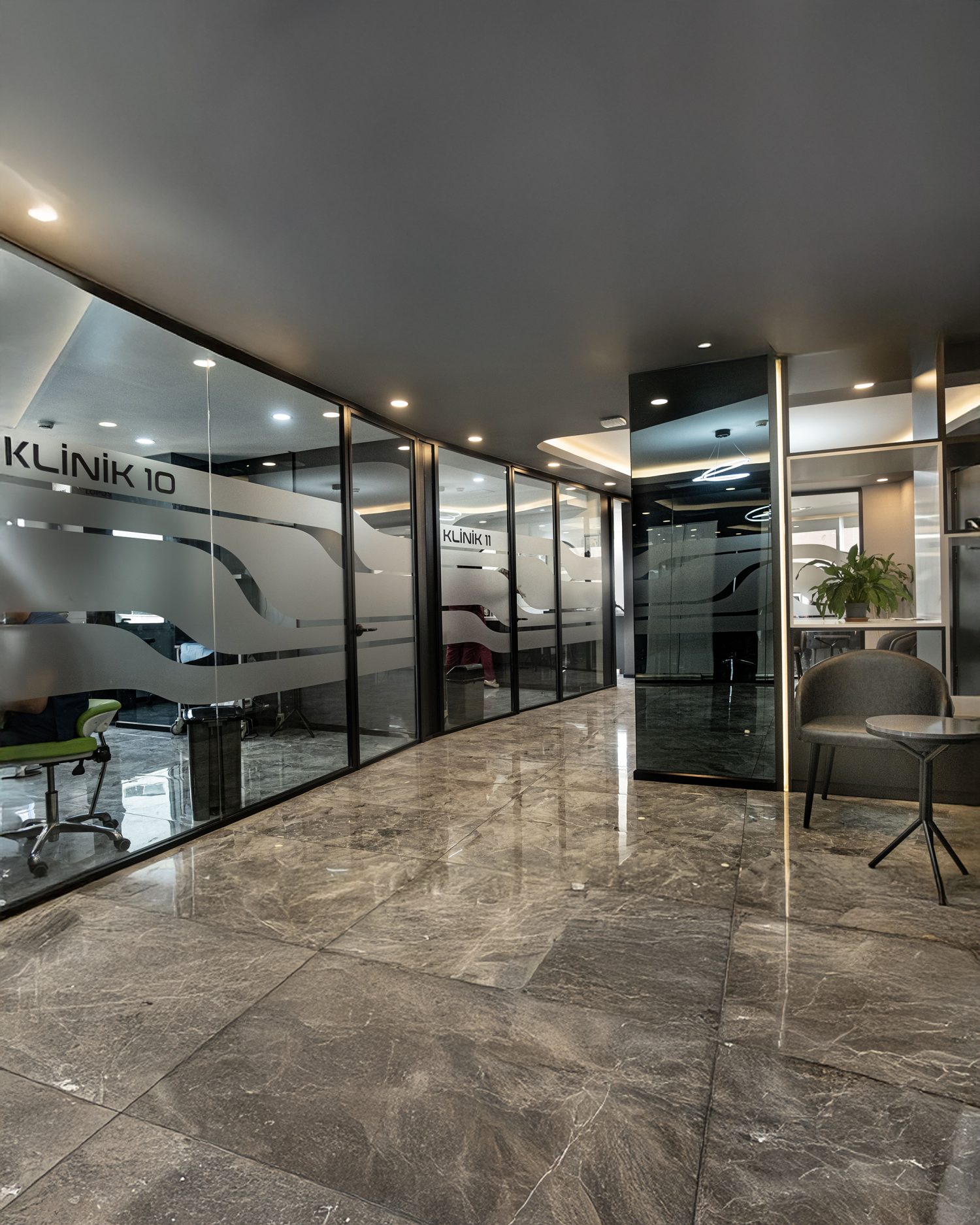
What travelling genuinely gives you on a case like this is continuity. The planning scan, the surgery, the anaesthetic cover and the prosthetic work happen under one roof in Bağcılar rather than across three referrals, and sedation or general anaesthesia is arranged in the same building rather than at a separate hospital appointment weeks later. For a procedure of this length that is not a convenience; it is the difference between one co-ordinated plan and three partial ones.
How Zygomatic Cases Are Planned and Staged
Zygomatic treatment is proposed only after conventional options have genuinely been assessed and excluded on the evidence of a 3D scan. Short implants, a limited graft, or an implant-supported overdenture all resolve a proportion of cases that initially look like zygomatic candidates.
Where it is indicated, planning is done in software before surgery, and the trajectory is reproduced in the mouth rather than judged freehand. Sinus health is assessed beforehand, and where there is existing sinus disease we address that first.
We also set out the alternatives honestly, including the ones that are less involved. A patient who chooses an overdenture after understanding all four options has made a sound decision, and presenting only the most complex route is not informed consent.
Our clinic has treated patients from more than thirty countries over twelve years, working only with implant systems that carry long-term outcome data and whose components stay available for future service. All treatments carry a lifetime guarantee, subject to attending the recommended maintenance appointments and following aftercare, and excluding accidental damage or neglect. In zygomatic cases that maintenance schedule is not negotiable, because the anchorage is not easily replaced if it is lost.