











Which Airport, and Why It Matters
Istanbul has two international airports on opposite sides of a very large city, and the choice affects every transfer of your trip rather than only the first.
Istanbul Airport (IST) sits on the European side, north-west of the city, and is considerably closer to Bağcılar. Most long-haul and European routes arrive here, and the transfer is comfortably the shorter of the two.
Sabiha Gökçen (SAW) is on the Asian side, south-east. Fares are often lower, and the saving is frequently consumed by a transfer crossing the entire city including the Bosphorus — which in traffic is a substantially longer journey.
If both are available at similar fares, take Istanbul Airport. If Sabiha Gökçen is significantly cheaper it remains perfectly workable; simply build the extra time into the arrival day rather than scheduling an appointment tightly after landing.
Tell us which airport and the flight numbers once they are booked, and the arrangements follow from that — what else to send before flying covers the rest of the preparation.
How the Transfer Works
A driver meets you inside the terminal at arrivals, with your name, after you have cleared passport control and collected baggage. Not at a rank outside, and not by message asking you to find a car park.
Flight numbers rather than scheduled times are what the arrangement is built on. That is the practical detail that matters most: a delayed flight is tracked, and the pickup moves with it rather than being missed.
The destination is your accommodation or the clinic depending on the timing. Where a flight lands early enough, going straight to the clinic saves a day; where it lands late, the appointment starts the following morning.
Transfers between accommodation and the clinic on treatment days are part of the same arrangement, as is the return to the airport at the end. Those are the ones people forget to ask about and they matter more, because there are more of them.
Istanbul traffic is genuinely heavy and journey times vary substantially by hour. A journey taking forty minutes mid-morning can take twice that in the evening, which is worth knowing when choosing flight times rather than discovering on the day.
Where sedation is part of the plan, the transfer arrangement covers it. Deeper sedation requires you not to travel alone afterwards, and that is planned into the day rather than raised on the morning.
Accommodation
Arranged by us where you want it arranged, and entirely optional. Plenty of patients prefer to book their own, and appointments are scheduled around wherever you are staying.
The practical argument for staying near the clinic is simple arithmetic. Istanbul is large and its traffic is unpredictable; accommodation close by removes up to an hour of travel from each appointment day, and a treatment plan has several of them.
The argument for staying in the historic centre is equally reasonable if your trip has free days in it. It is a longer journey to each appointment, and the metro makes it predictable even when the roads are not.
Where surgery is involved the balance shifts towards proximity. The day after an implant placement or an extraction is not a day for a long journey, and being close enough to return easily if something needs checking is worth more than the view.
Whatever you choose, confirm it in writing before travelling: the property, the dates, what is included and who is paying for what. That single message prevents most of the misunderstandings that arise in this area.
One further consideration for longer plans. Where treatment runs across a week or more with free days in it, somewhere with a kitchen is worth more than somewhere with a view — soft food for several days is considerably easier to manage when you are not eating every meal out, and the first days after surgery are exactly when that matters.
What to Confirm Before You Fly
All of it takes one exchange of messages, and having it in writing rather than in memory is what makes an arrival straightforward.
| What to confirm | Why it matters | What a clear answer looks like |
|---|---|---|
| Who is meeting you and where | Arrivals halls are large and confusing after a long flight | A named meeting point inside the terminal |
| What happens if the flight is delayed | The single most common disruption | Flight number tracked; pickup moves with it |
| A contact number that answers out of hours | Flights land at every hour | A direct number, not a switchboard |
| Which nights of accommodation are covered | The commonest area of misunderstanding | Specific dates in writing |
| Whether clinic transfers on treatment days are included | There are more of these than airport transfers | Stated explicitly either way |
| The return transfer | Easy to arrange, easy to forget | Booked against your departure flight |
| Whether a companion is included | Assumptions differ | Answered specifically rather than implied |
The fourth row causes more disputes than the rest combined. "Accommodation included" without dates is not an agreement, and clarifying it costs nothing beforehand.
Why We Do Not Use an Agency
Many international patients reach a clinic through an intermediary, and the arrangement changes several things that are not obvious from outside.
The first is cost. An agency is paid, and that payment comes from somewhere — either added to what you pay or taken from what the clinic receives. Neither improves your treatment.
The second is accountability. Where an agency books the hotel and the clinic provides the treatment, a problem with either can become a conversation about whose responsibility it was. Dealing with one party removes that entirely.
The third is the plan itself, and it is the serious one. An intermediary paid by volume or by treatment value has an interest in larger treatments, and that interest is not aligned with yours — who actually holds your money is worth establishing wherever an agency is involved.
We arrange transfers and accommodation ourselves. The person who booked your car and the people treating you work in the same building, and a question about either goes to one place.
Travelling With a Companion
Bringing someone is straightforward and often sensible, particularly for surgical treatment, and the arrangements need saying rather than assuming.
Accommodation is the practical point: a room booked for one and a room booked for two are different bookings, and whether a companion is included in any arrangement should be confirmed explicitly rather than inferred.
For sedation, a companion is genuinely useful rather than optional. Deeper sedation requires someone to accompany you afterwards, and having brought that person removes an arrangement that would otherwise need making — the requirements by sedation level set out which apply.
A companion can also sit in on the consultation if you want them to. For a long treatment plan, having a second person hearing the same explanation is practically useful, and most patients who bring someone do this.
Travelling alone is equally normal and very common. Transfers are arranged, appointments are scheduled around each other, and nothing about the treatment requires a second person — what to arrange on your own covers the specifics.
Between Appointments
Most treatment plans have gaps. A day while the laboratory works, an afternoon between a preparation and a fitting. Knowing how to use them makes the trip considerably better.
The metro is the practical way to move around Istanbul and it is unaffected by the traffic that makes road journeys unpredictable. From this side of the city the historic centre is a straightforward journey rather than an expedition.
The exception is the day of surgery and the day after. Rest, cold compresses, soft food and no exertion — sightseeing on the afternoon of an implant placement is a poor plan and the aftercare instructions explain why in detail.
After restorative appointments there is usually no restriction beyond eating carefully with temporaries. Avoid anything sticky and chew on the other side, and the day is otherwise yours.
What is worth seeing with limited time, and how long each is from Bağcılar, is set out in the guide for patients rather than left to a general tourist site that assumes you are staying somewhere else.
Timing the Trip
Season affects the experience more than people expect, and where there is flexibility it is worth using.
Istanbul summers are hot. That matters specifically where surgery with swelling is planned, since heat makes swelling less comfortable and cold compresses less effective. Winters are mild but wet, and shorter days limit what fits into free afternoons.
Spring and autumn are the easiest for recovering comfortably between appointments, and they are also when the city is most pleasant if the trip has free days.
Within the trip, sequencing matters more than the season. Surgery early rather than late means the swelling peak — around day two or three — does not coincide with the flight home.
Leave a day of margin at the end. A final review appointment before departure is standard, and it should not be squeezed against a departure time — the realistic timetables show how many days each treatment actually needs.
Where the plan needs two visits, spacing them is decided by biology rather than preference. Implant integration takes three to six months, and booking the second trip inside that window achieves nothing except a wasted journey.
If a Flight Is Delayed or Cancelled
It happens, and the arrangement should already account for it rather than requiring improvisation at an airport.
Transfers are arranged against flight numbers, so a delayed arrival is tracked and the pickup moves. That is why the flight number rather than the scheduled time is what is needed when booking.
Appointments are rescheduled where an arrival slips significantly. That is easier where a plan has a day of margin in it, which is one of the arguments for not booking flights against the tightest possible schedule.
A cancelled outbound flight means the whole trip moves, and telling us as soon as you know is what allows the appointments to be re-sequenced rather than abandoned.
Have a contact number that answers out of hours before you travel, and have it on your phone rather than in an email you would have to search for at three in the morning.
The same applies in reverse at the end. Where treatment runs a day longer than planned — uncommon, but it happens — a departure booked with no margin turns a minor adjustment into a changed flight.
What Is and Is Not Included
This is the area where assumptions cause the most friction, and it is entirely preventable by asking directly.
Arrangements vary by clinic and by treatment plan. What is included in one quote is an extra in another, and neither is dishonest — what causes problems is the assumption that they are the same.
So ask for it in writing: which nights, which transfers, whether a companion is covered, and what happens if the plan extends by a day. The answer takes a minute to give and it settles everything.
Meals, city transport on free days and anything else is normally yours, and it is reasonable that it should be. What matters is knowing rather than guessing.
The same applies to a second trip. Where a plan needs two visits, what is arranged for the second should be established when the first is booked rather than negotiated months later.
Put it alongside the treatment quote rather than treating it as a separate conversation. The itemised plan should say what is covered outside the dentistry as clearly as it says what is covered inside it.
Practical Things Worth Knowing
Small details that make the trip easier and are rarely mentioned anywhere.
- Bring your medication in hand luggage rather than the hold, with the original packaging.
- A local SIM or an eSIM makes contacting the clinic far easier than roaming.
- Card payment is accepted almost everywhere; carry a small amount of cash for incidentals.
- Tap water is not generally drunk; bottled water is inexpensive and universal.
- Pharmacies are widespread and pharmacists are helpful for minor issues.
- Keep the clinic's direct number saved on your phone, not only in email.
- Photograph your passport and travel documents and store them separately.
The medication point is the one that matters most. Anything you take regularly belongs in hand luggage, and a written list of it belongs in your pocket rather than in your memory.
The SIM point is close behind. Sending a photograph of something that concerns you is the fastest way to get an answer, and it needs data rather than a hotel's wifi.
Two more that come up constantly. Turkish pharmacies dispense a great deal without a prescription, so a minor issue rarely needs an appointment — but tell us before taking anything, because painkillers affecting clotting matter after surgery.
How We Arrange It at Bağcılar
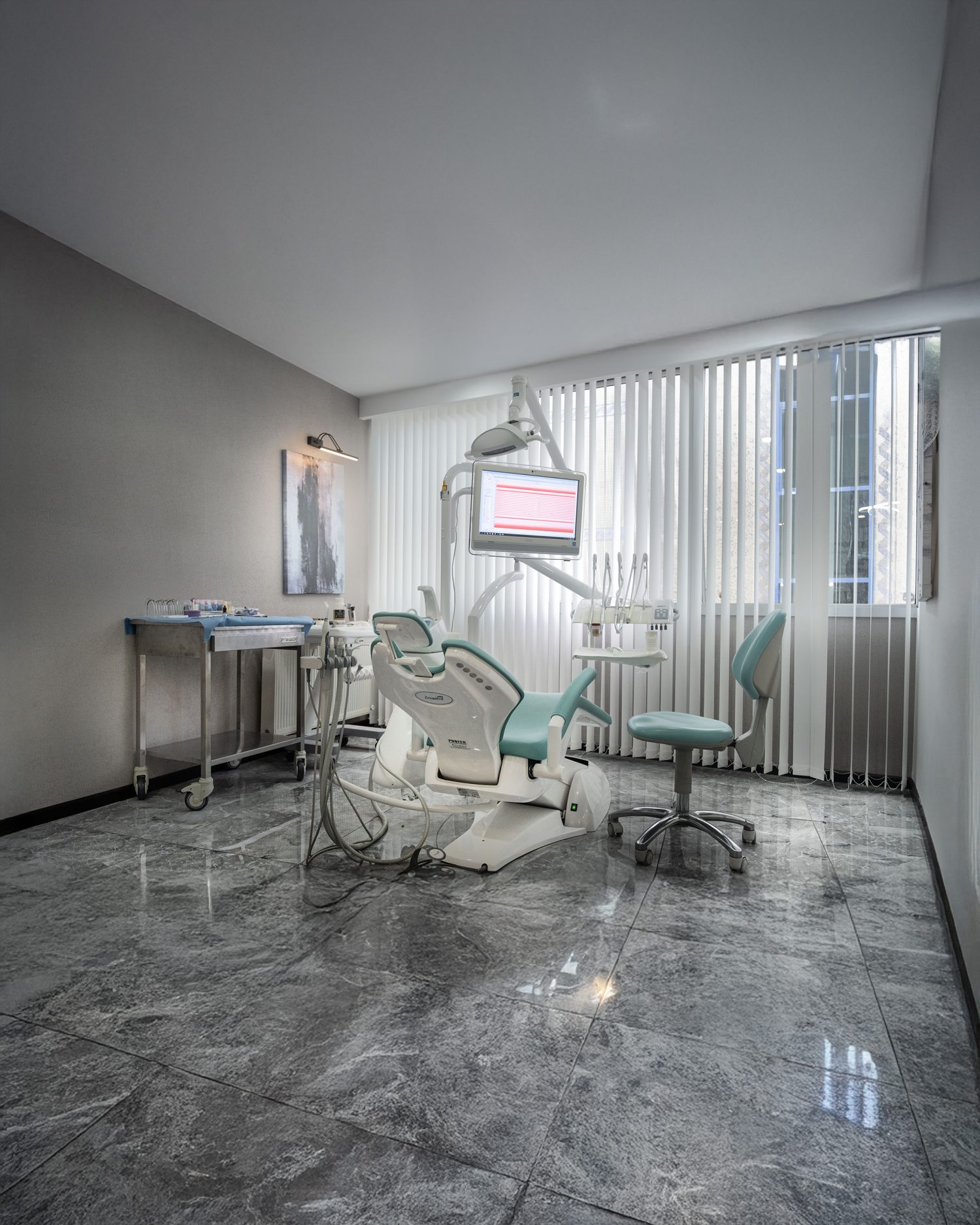
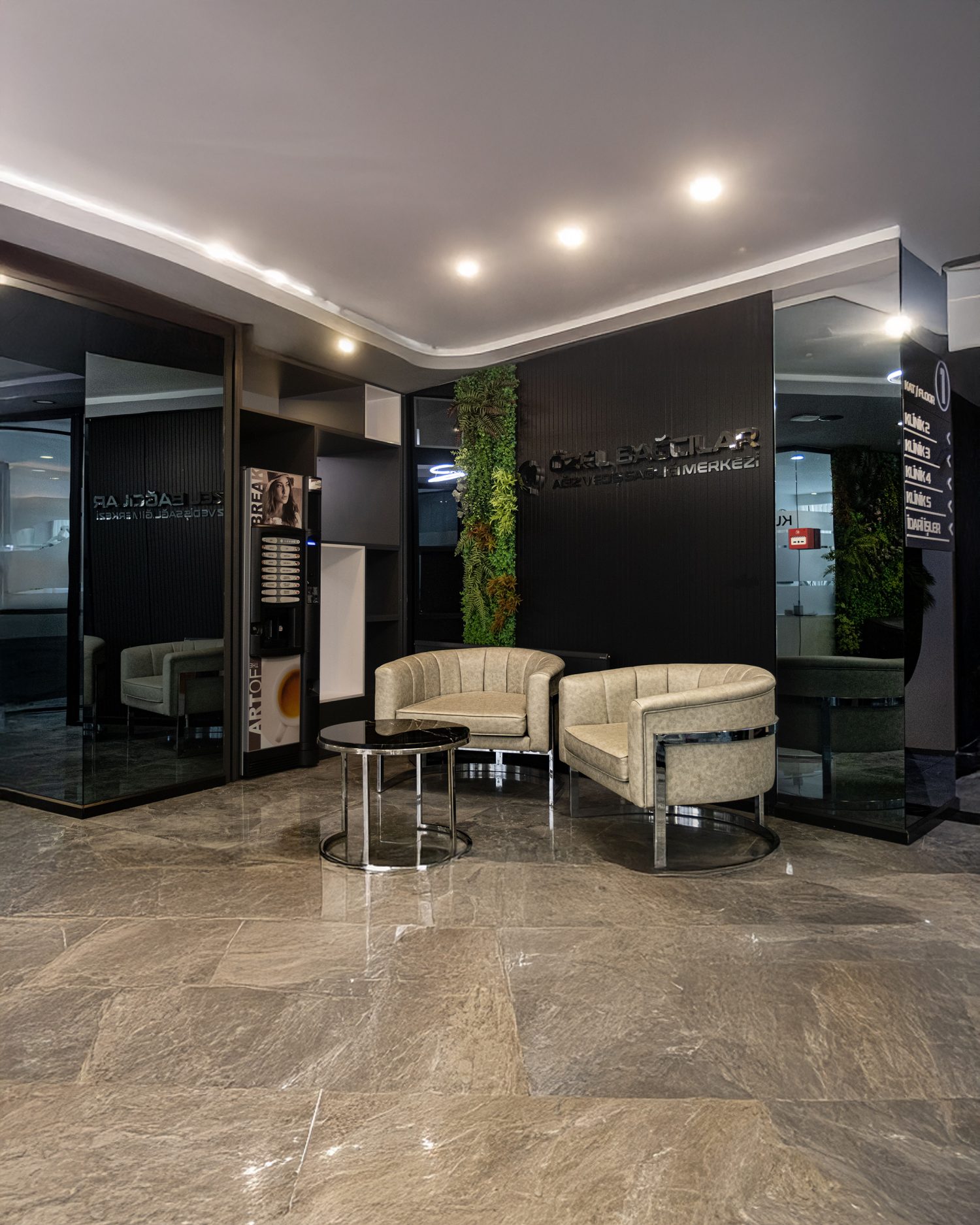
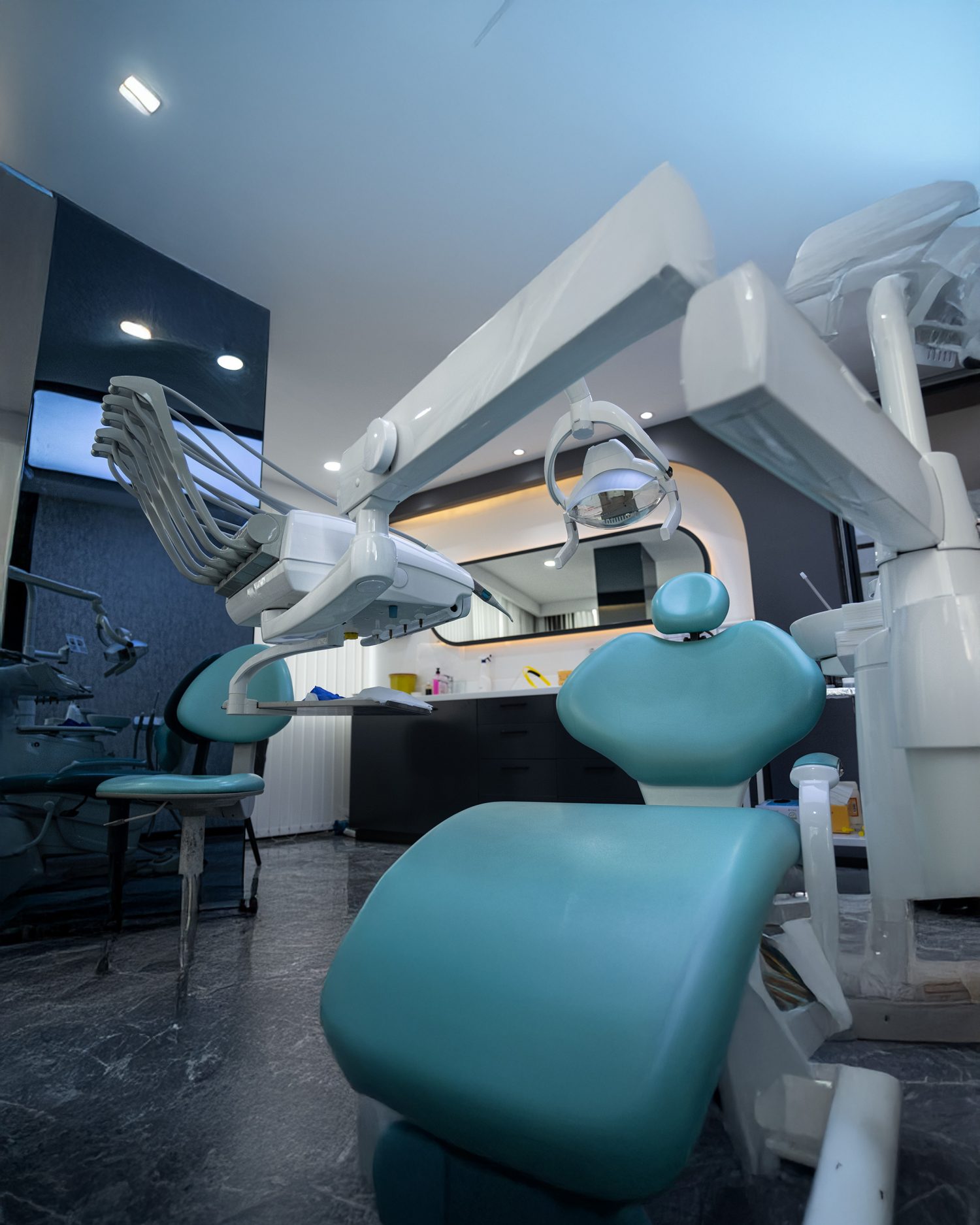
Directly, without an agency. Transfers and accommodation are arranged by us, which means the person who booked your car and the people treating you are in the same building.
Send your flight numbers once they are booked and the pickup is arranged against them, so a delay is tracked rather than missed. A driver meets you inside arrivals with your name.
Transfers between your accommodation and the clinic on treatment days are part of the same arrangement, as is the return to the airport. What is included is stated in writing before you travel rather than assumed.
If you prefer to book your own accommodation, that is entirely fine and appointments are scheduled around wherever you are staying. Most patients stay nearby simply because it removes up to an hour of traffic from each appointment day.
And the schedule is built around the treatment rather than the other way round — surgery early in the trip, a review before departure, and the number of days known before you book anything, so that nothing about the plan is decided under time pressure.