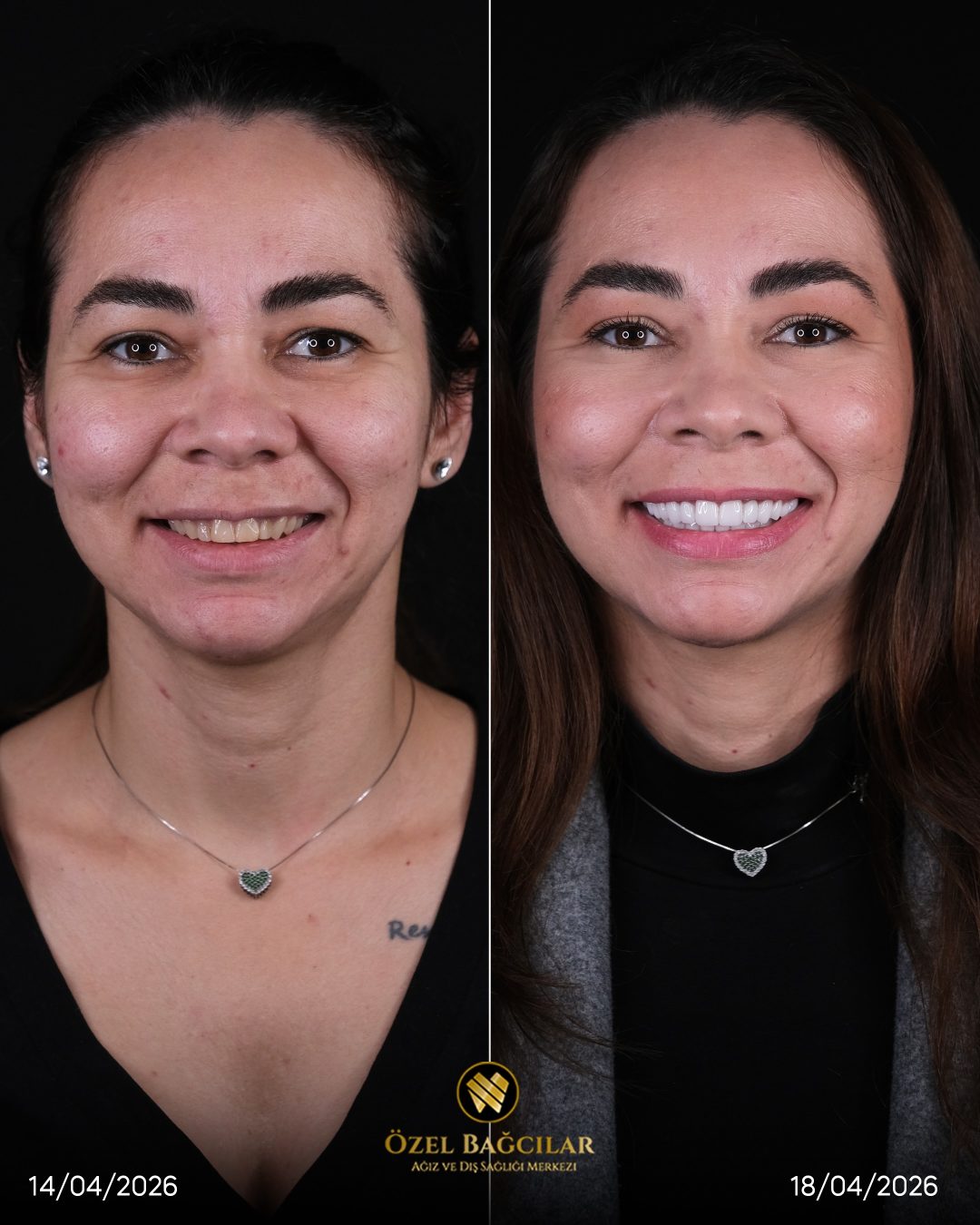
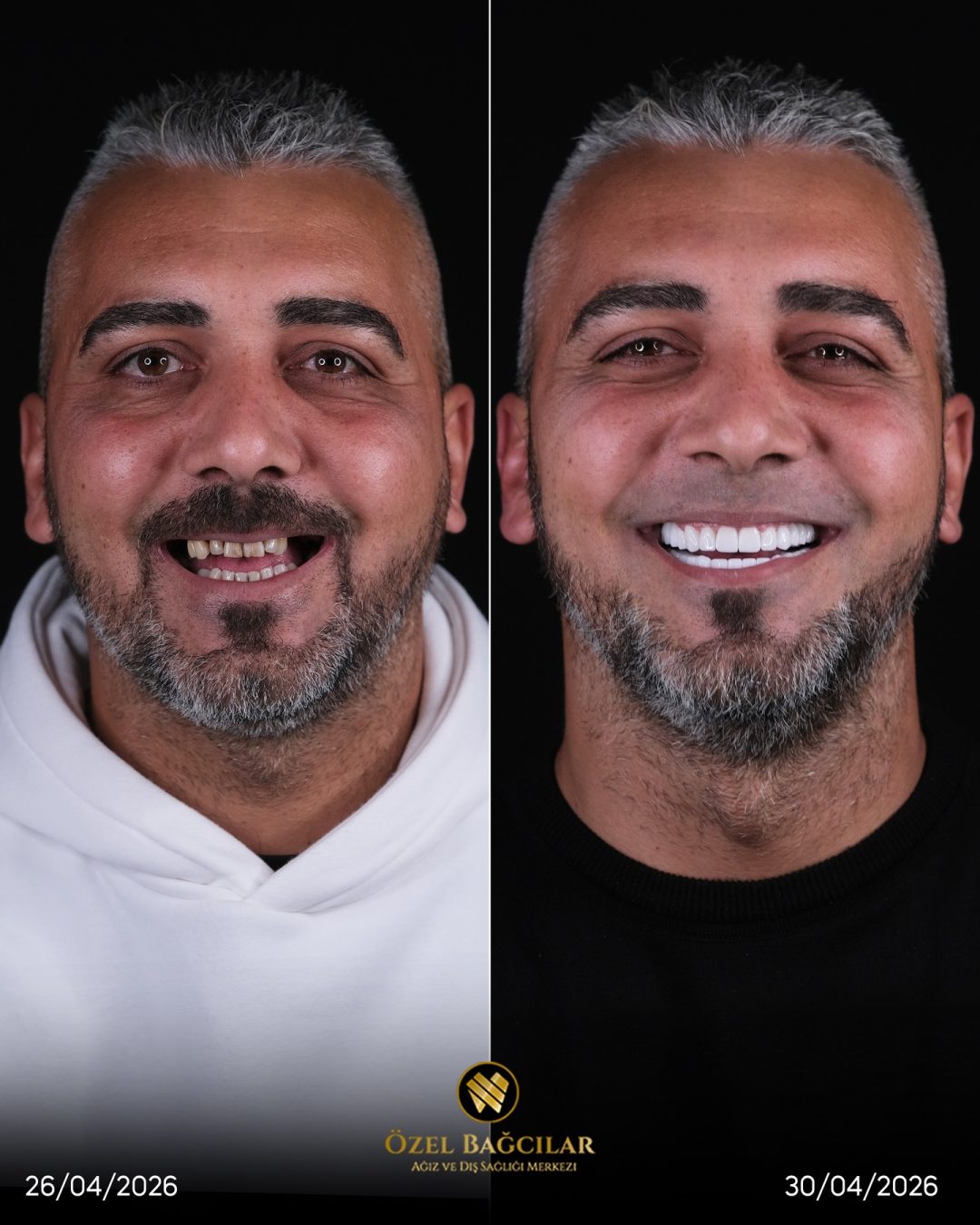
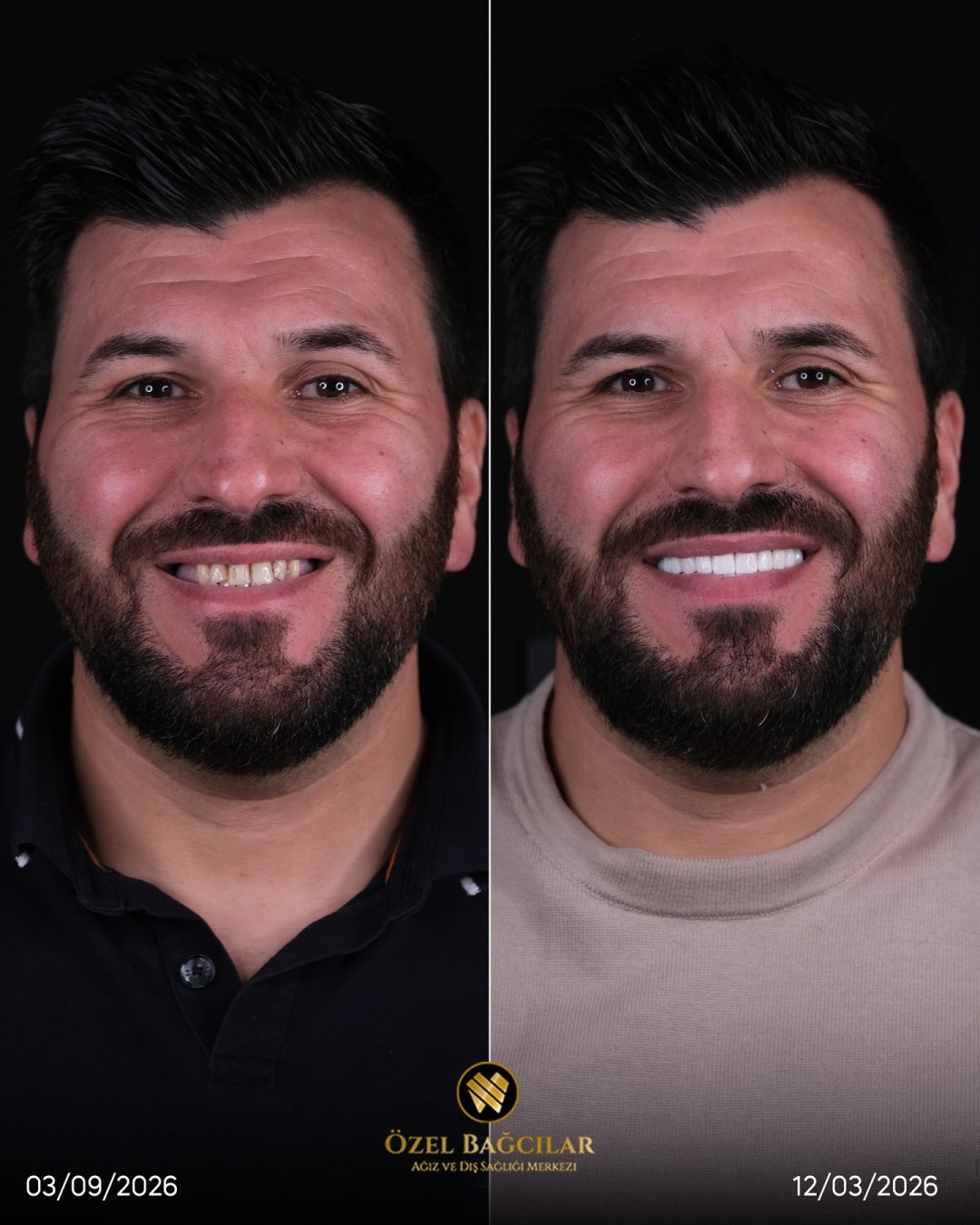
Google Reviews 4.6/5 1.682+ Happy Patients 30+ Countries

Gap Between Front Teeth — Ways to Close It

✦ Common Problems

Gap Between Front Teeth — Ways to Close It

Why a diastema forms and the four realistic ways to close it — bonding, veneers, aligners or braces — with the trade-offs of each explained.

12+ Years of Experience
1682+ Happy Patients
25 Specialist Physicians
99% Success Rate
Lifetime Guarantee
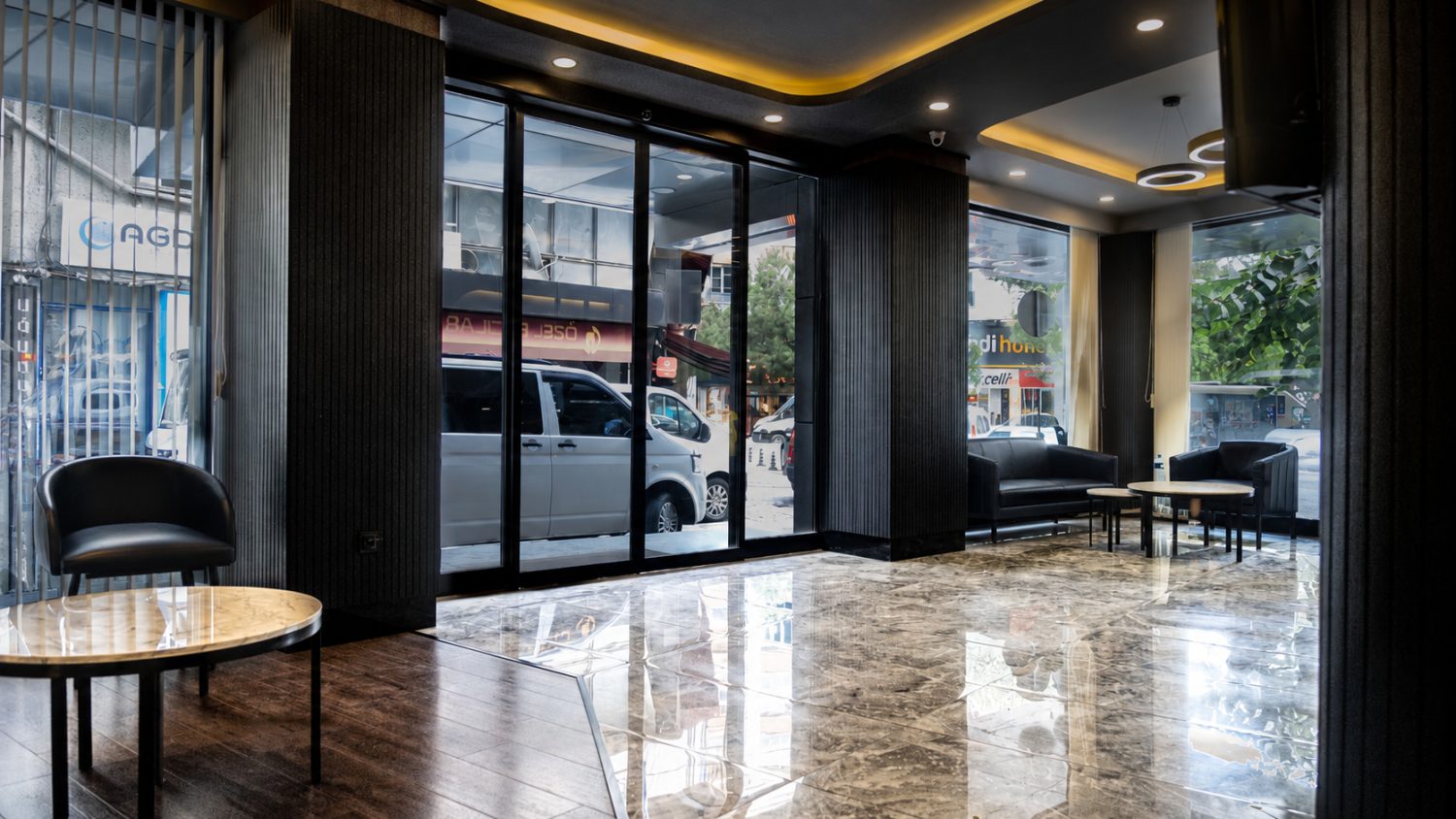
Bağcılar Dental Clinic

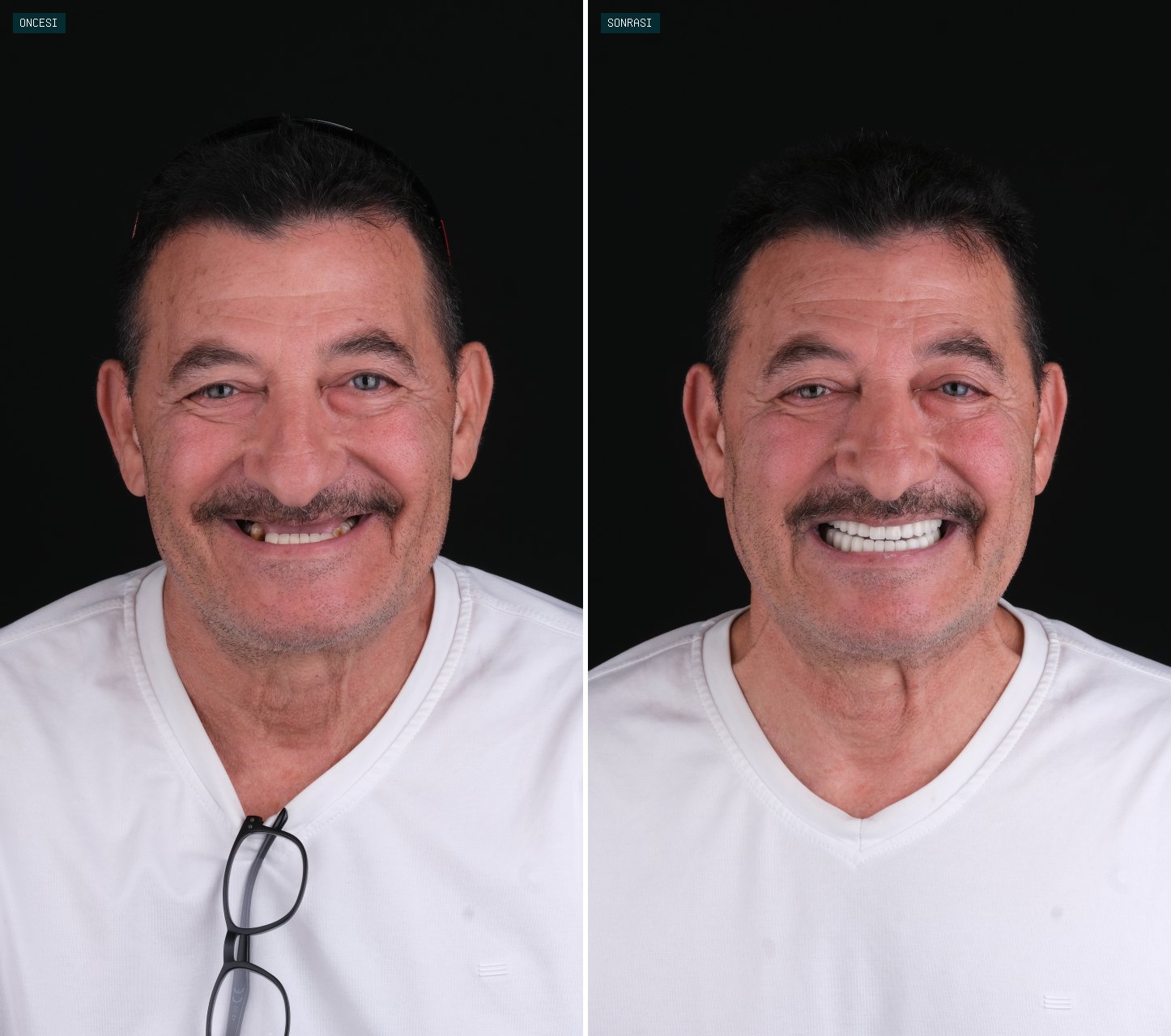
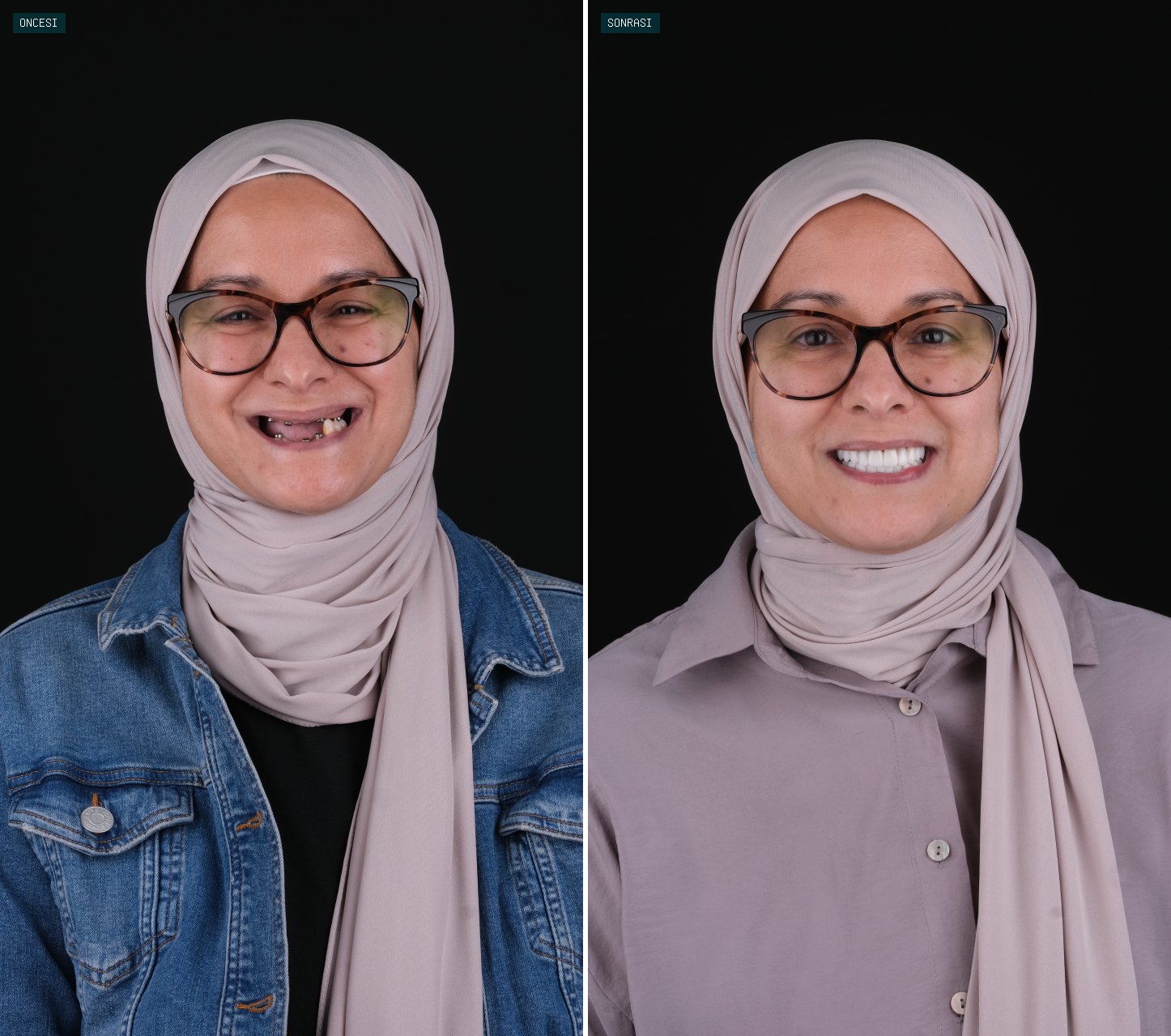
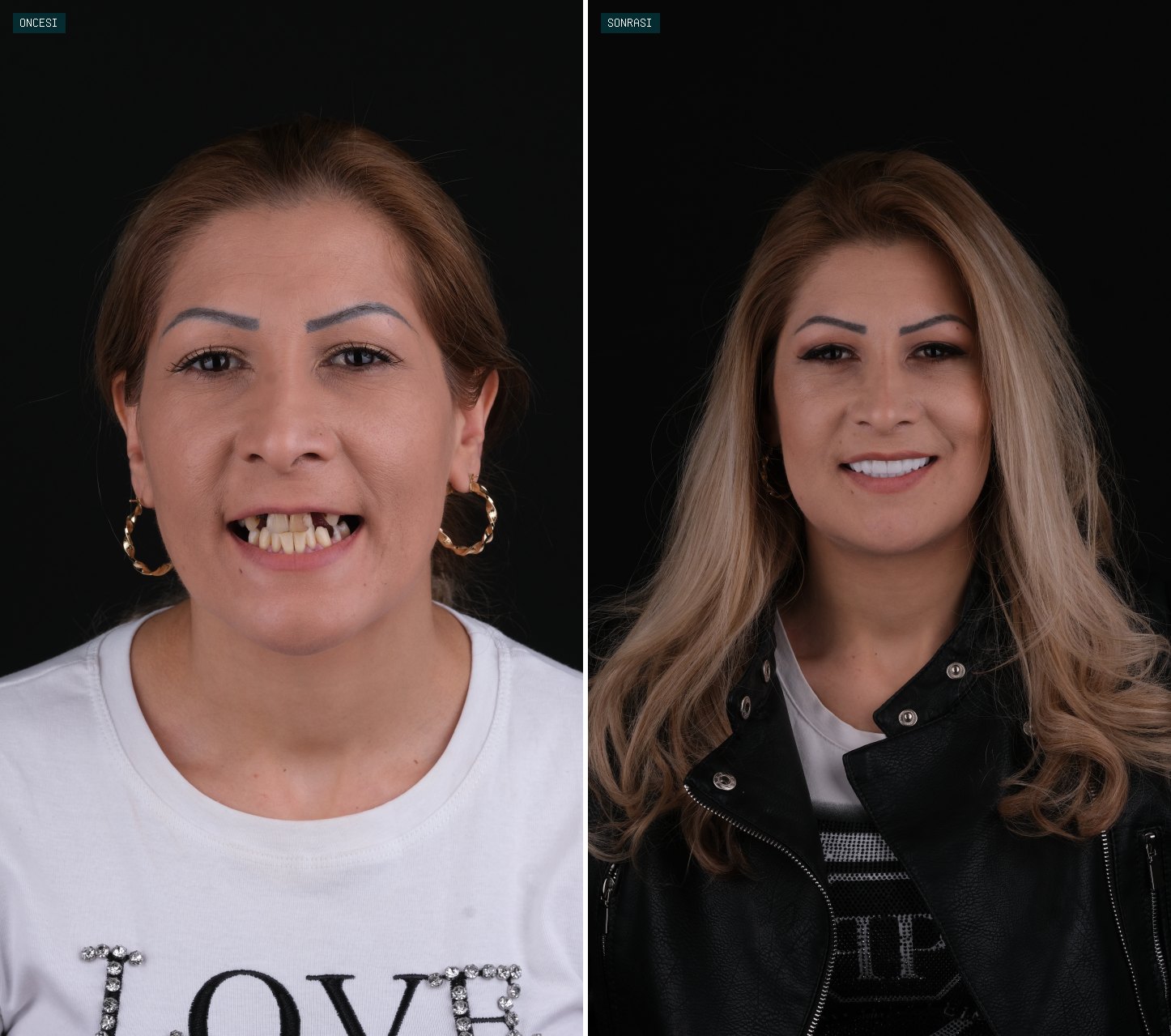
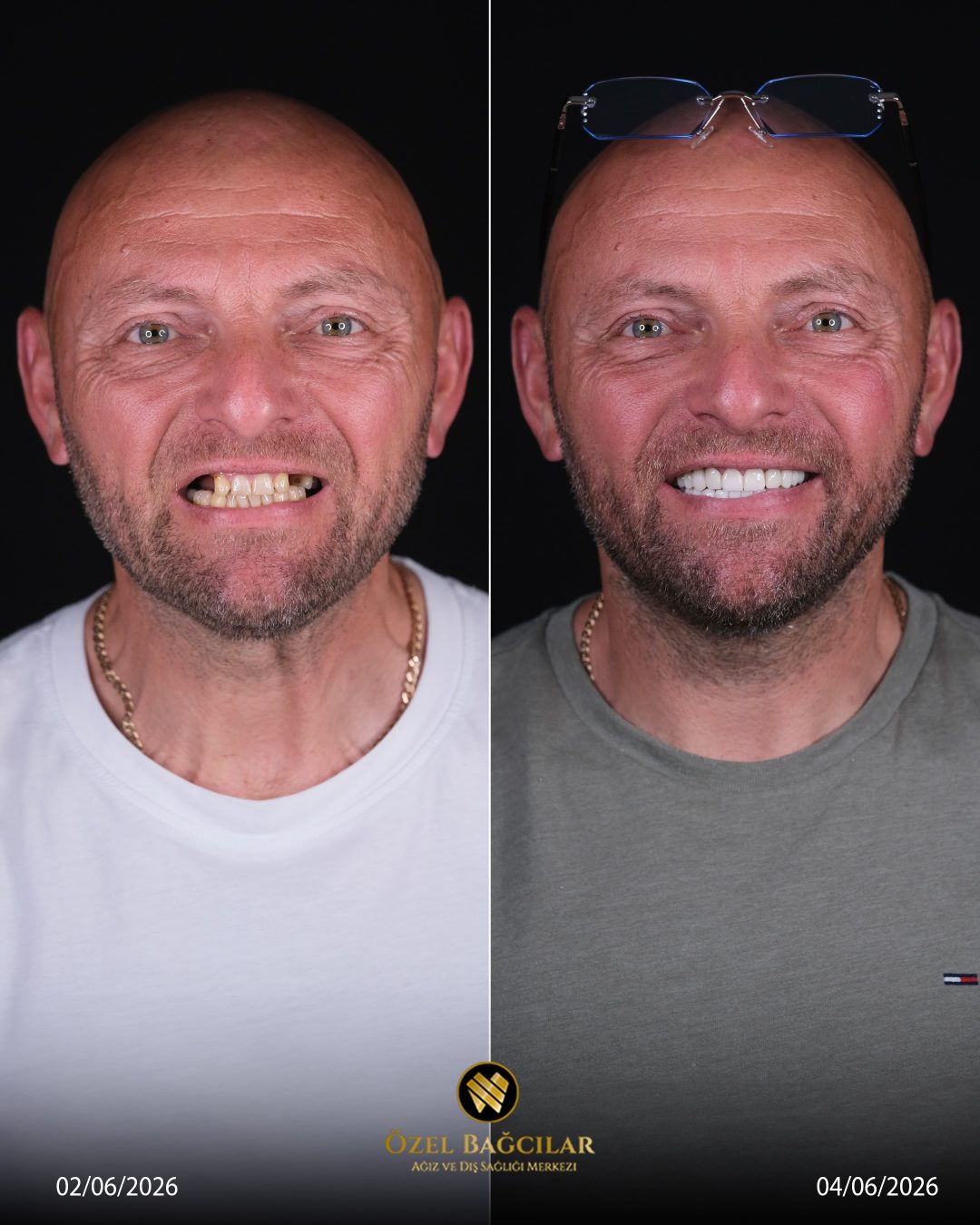
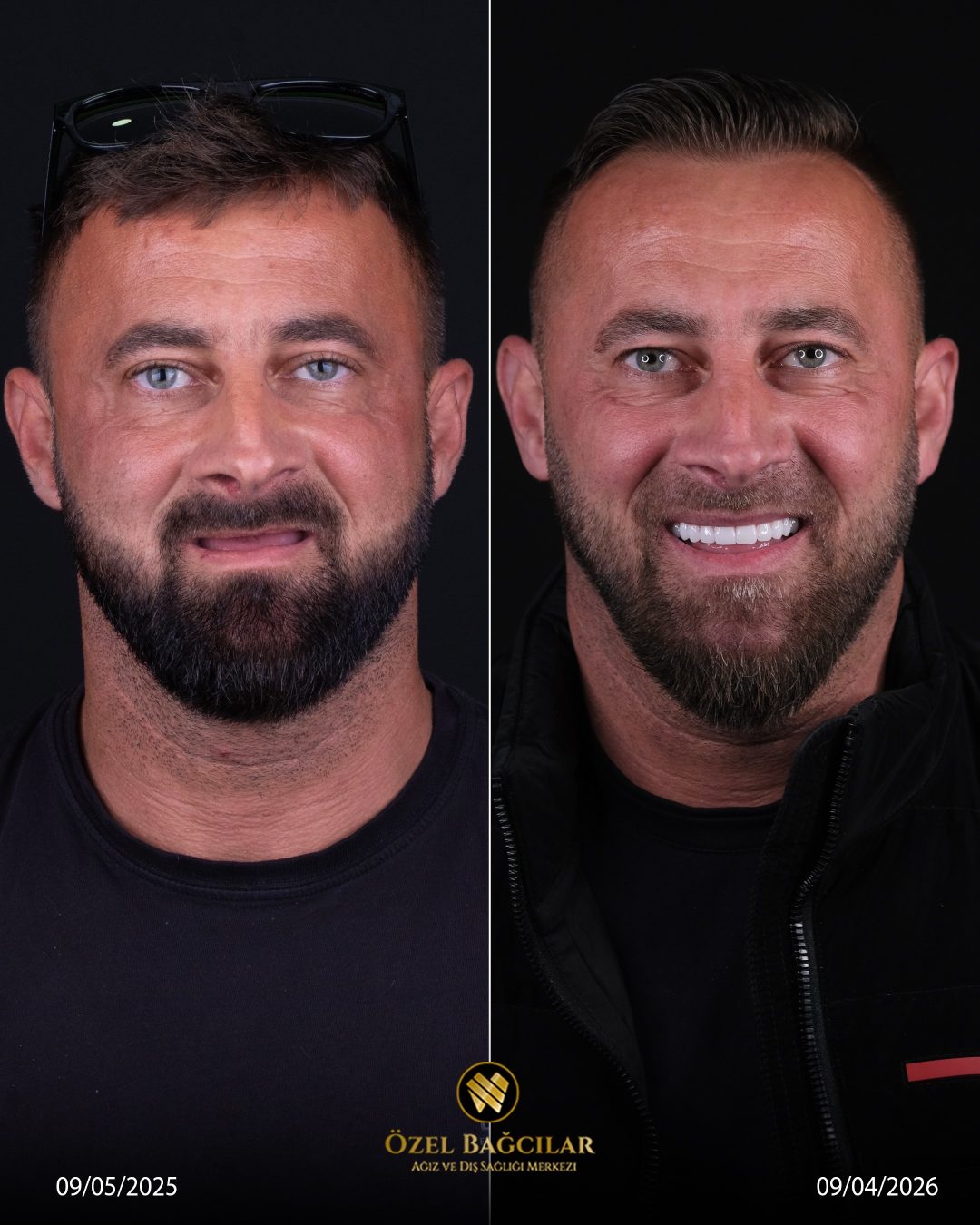
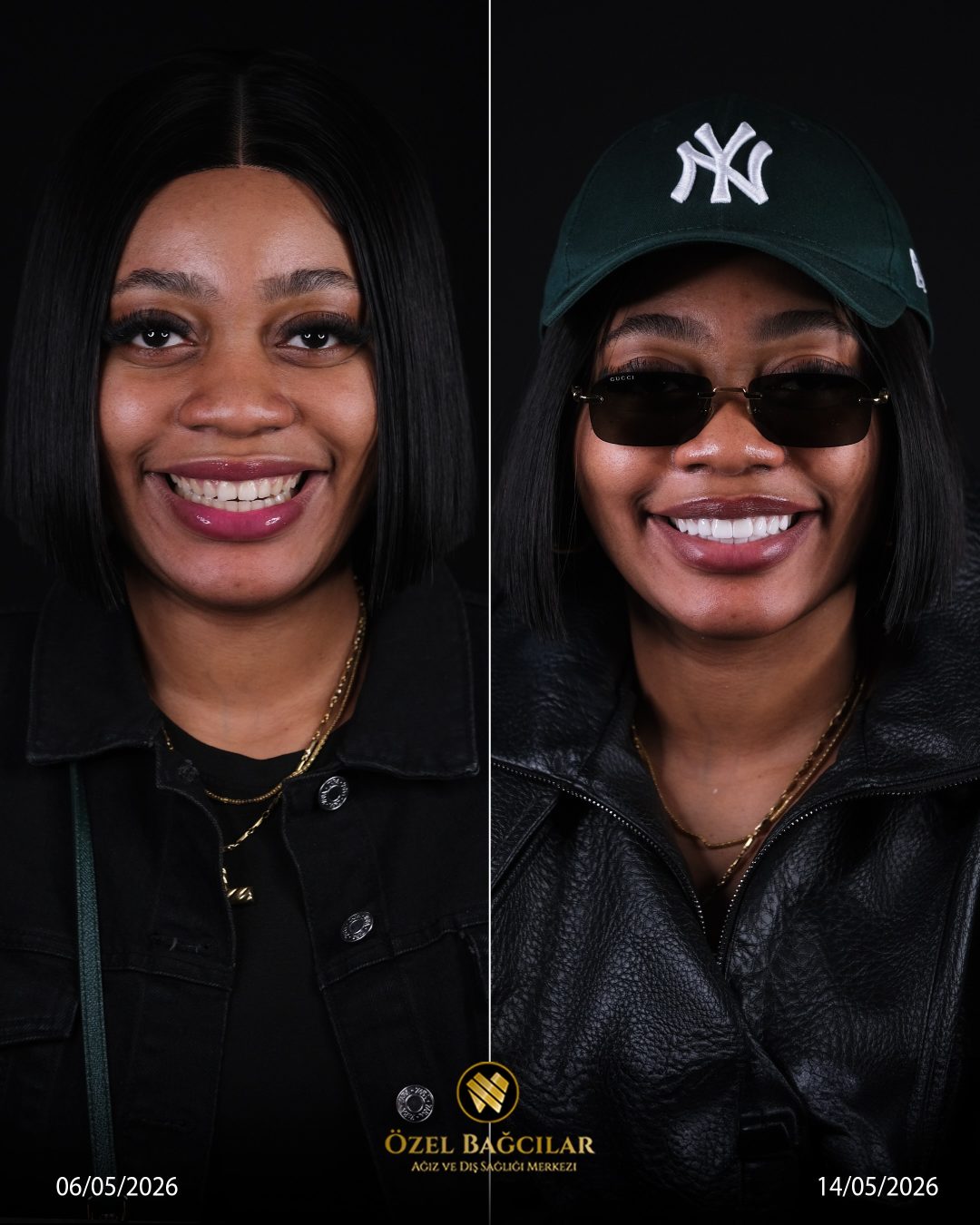
Before & After

Bağcılar Diş öncesi sonrası

A gap between the two upper front teeth has a name — a diastema — and a surprisingly long list of possible causes. Some people are born with one and keep it happily for life. Others develop one in their thirties, which is a different situation entirely, because a gap that appears in an adult mouth usually means something has moved.

That distinction matters more than any treatment decision. Closing a lifelong gap is a cosmetic choice with four good options. Closing a gap that has opened recently without finding out why will simply produce a gap that reopens, or worse, mask a problem that keeps progressing underneath.

This page covers both: what causes gaps, how to tell which kind you have, and what each of the four closure methods genuinely involves — including the one most consultations skip over.

Why Gaps Form

The most common reason is simple arithmetic: the teeth are narrower than the jaw that holds them. Tooth size and jaw size are inherited separately, so a person can end up with small teeth in a wide arch. Nothing is wrong; there is just spare space, and it tends to collect at the midline.

The second common cause is the labial frenum — the small band of tissue running from the inside of the upper lip to the gum above the front teeth. In some people it attaches low, between the teeth rather than above them, and physically holds the gap open. This one matters because closing the space without addressing the frenum is the classic reason a gap reopens within a year.

Missing or undersized lateral incisors — the teeth either side of the two front ones — leave space that the central teeth drift into. So does the loss of any tooth further back, because the whole arch slowly shifts forward to fill it. That is why a gap at the front can be caused by a missing molar nobody has thought about for years.

Habits account for the rest. Prolonged thumb sucking in childhood, and in adults a persistent tongue thrust against the front teeth when swallowing, apply small forces thousands of times a day. Teeth move under sustained light force — that is the entire principle orthodontics works on — so the habit wins over time.

The Gap That Appears Later

A diastema that develops in adulthood deserves an explanation before it receives a treatment. In an adult mouth, teeth do not move without a reason.

The most serious cause is periodontal disease. As the bone supporting the teeth is lost, the teeth lose their anchorage and drift — typically flaring outwards and opening spaces at the front. This is often the first thing a patient notices, long after the disease has been progressing silently. Closing the gap cosmetically while the bone loss continues is treating the symptom and ignoring the illness. Gum disease and recession needs stabilising first.

Less alarming but equally real: the loss of a back tooth changes how force is distributed across the arch, and the front teeth take load they were not designed for. Over a few years they splay. Heavy clenching and grinding does something similar.

The practical rule is straightforward. If the gap has been there since your teens, treat it as cosmetic and choose whichever method you prefer. If it opened in the last five years, ask what changed — and expect a periodontal assessment before any cosmetic work is proposed. Where a back tooth has been lost, replacing it is often the treatment that stops the front teeth drifting further.

Option One — Composite Bonding

Tooth-coloured resin is added to the adjacent edges of both teeth, shaped by hand, hardened with a light and polished. The gap is filled by making the teeth slightly wider rather than by moving them. It is done in one appointment and usually requires no drilling at all.

For gaps up to roughly two millimetres it is an excellent solution — quick, reversible in the sense that no enamel is removed, and considerably less expensive than the alternatives. Because nothing is cut, a patient who dislikes the result can have the composite removed and be back where they started.

The limits are proportion and durability. Widening two central incisors to close a large gap makes them noticeably too wide for the face, and the result looks odd in a way patients struggle to articulate afterwards. Above about two millimetres, the material should be spread across four teeth rather than two, which changes the scope considerably.

Composite also stains at the margins over several years, particularly in coffee and tobacco users, and chips more readily than ceramic. It is maintainable — polishing and small repairs are straightforward — but it is not a fit-and-forget solution. The composite versus porcelain question is worth reading before deciding.

Option Two — Porcelain Veneers

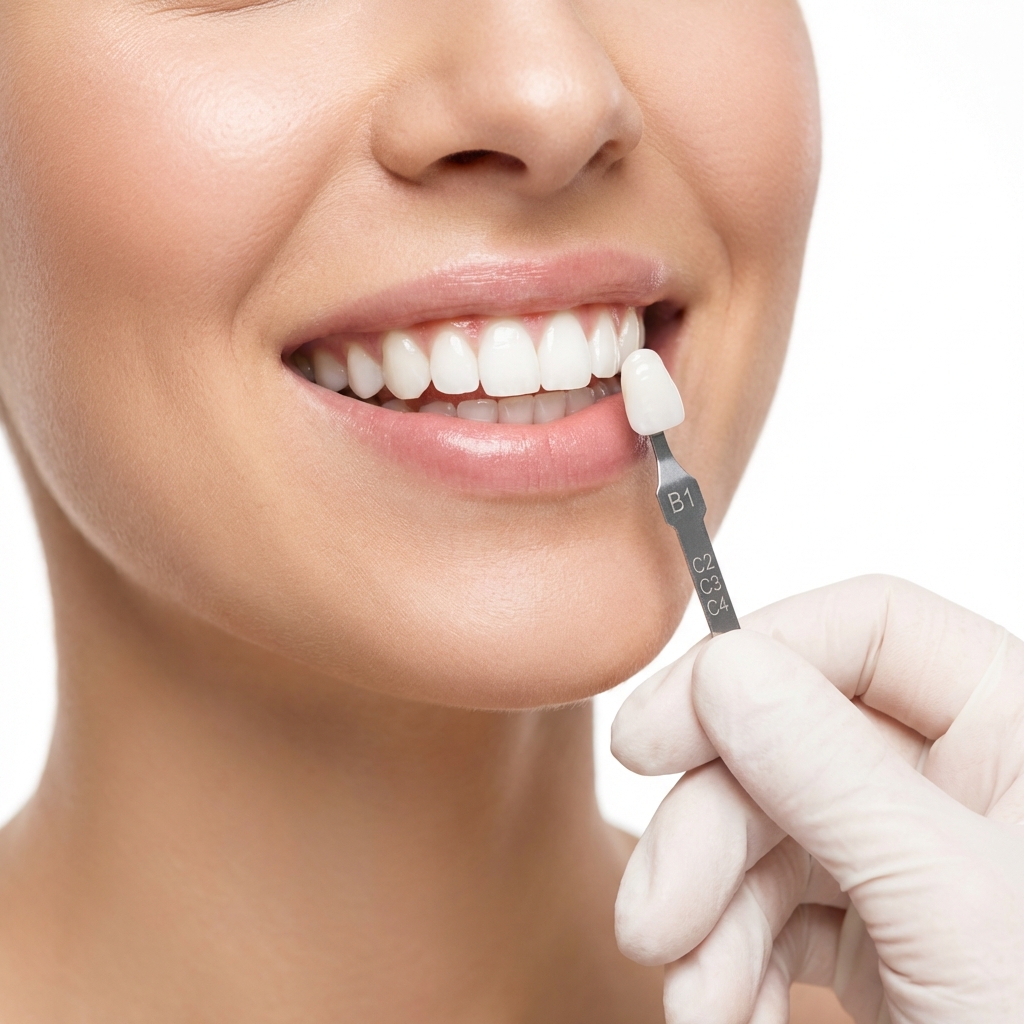
Thin ceramic shells are bonded to the front surfaces of the teeth, made slightly wider than the natural teeth to eliminate the space. Because they are made in a laboratory to a planned design, the control over shape, proportion and colour is considerably greater than with hand-shaped composite.

Veneers hold their colour far longer, resist chipping better and typically last many years with reasonable care. For a patient who also wants to change the shade or shape of the front teeth, closing the gap becomes almost a by-product of the wider result.

The cost is enamel. A layer is removed from the front of each tooth to make room for the ceramic, and that is permanent — the teeth will always need to be covered from then on. For a young patient with otherwise perfect teeth and a small gap, that is a disproportionate trade, and any dentist proposing veneers in that situation without discussing bonding first is not giving balanced advice.

Veneers also usually involve four teeth rather than two, because treating only the central incisors leaves a visible difference in surface and colour beside them. That is a design decision, not an upsell, and it should be explained before you agree to anything. Digital planning lets you see the proposed proportions before enamel is touched.

Option Three — Clear Aligners

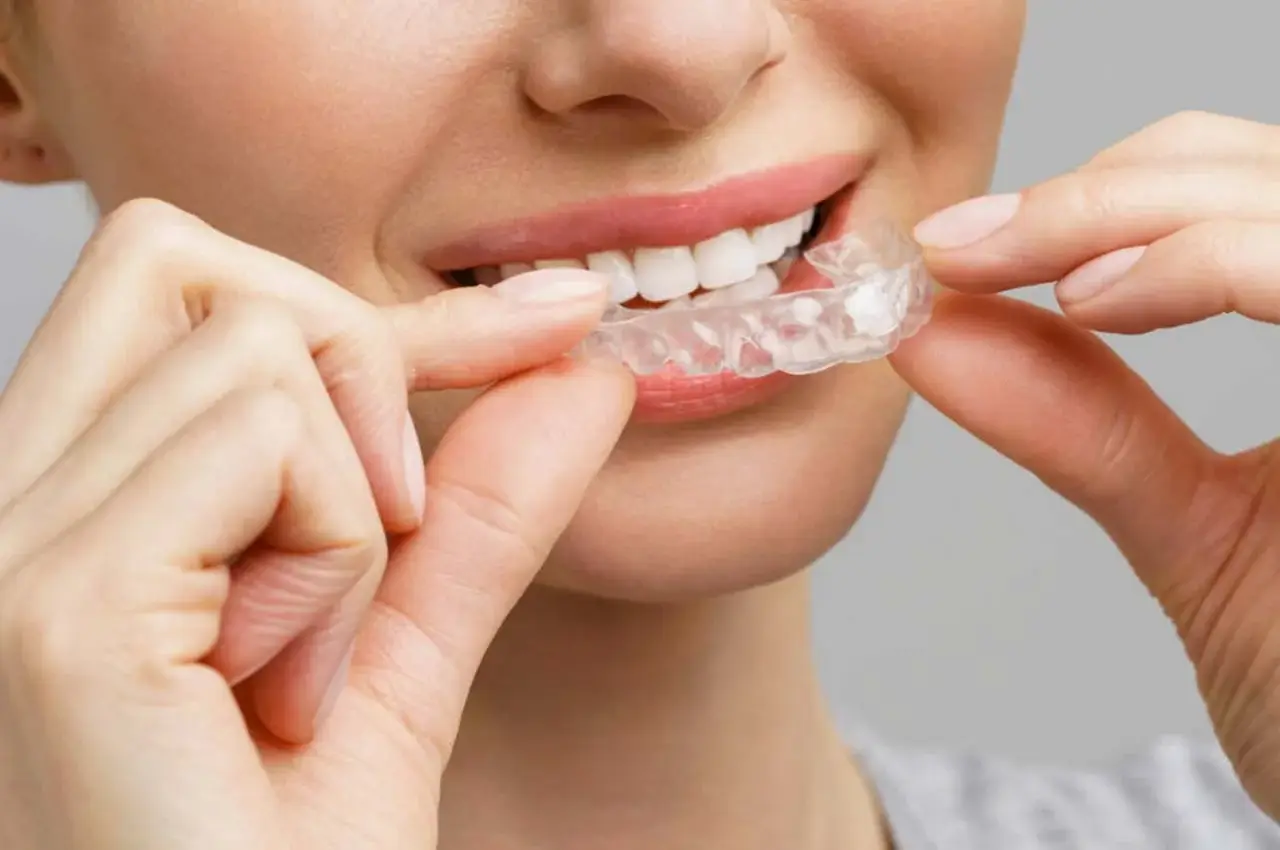
Aligners close the gap by moving the teeth into it. A series of clear removable trays applies gentle pressure, each one moving the teeth a fraction of a millimetre, until the space is gone. Nothing is added to the teeth and no enamel is removed.

That is the fundamental advantage and it is a significant one. At the end of treatment you still have your own unmodified teeth, just in different positions. There is no material to stain, chip or replace in fifteen years, and no maintenance beyond retention.

The trade-off is time and discipline. Closing a simple midline gap typically takes a few months; a case involving wider alignment takes considerably longer. The trays must be worn twenty to twenty-two hours a day, and patients who wear them inconsistently get inconsistent results. For someone travelling for treatment, the review appointments need planning around. How clear aligner treatment works covers the practicalities.

The point everybody underestimates is retention. Teeth have memory and will drift back towards their original position if nothing holds them. A retainer — usually a thin wire bonded behind the front teeth — is not optional after orthodontic closure. Skipping it is the single most common reason a gap returns.

Option Four — Fixed Braces

Conventional braces do the same job as aligners with more force and more control. For a straightforward midline gap they are rarely the first suggestion in an adult, but there are cases where they remain the better tool.

Braces excel when teeth need bodily movement — shifting the whole root rather than tipping the crown — and when the gap is part of a larger alignment problem involving rotations or bite correction. They are also fixed in place, which removes compliance from the equation entirely.

The obvious cost is appearance and comfort over the treatment period, though ceramic brackets and lingual braces placed behind the teeth mitigate the first considerably. Cleaning is more demanding, and patients with a tendency to decay need to be honest with themselves about that before starting. The braces versus aligners comparison goes through the cases where each wins.

For an isolated midline gap in an adult, braces are usually more appliance than the problem requires. Where they earn their place is when the gap is one feature of a broader picture — crowding elsewhere, a rotated neighbour, or a bite that does not meet correctly. In those cases closing the gap alone would leave the real problem untouched, and the wider alignment question has to be answered first.

The Frenum Question

If a low frenum attachment is holding the gap open, none of the four methods above will hold on its own. The tissue simply pushes the teeth apart again, and the patient is left assuming the treatment failed.

Checking for it is quick — the dentist lifts the upper lip and watches whether the tissue between the front teeth blanches. If it does, the frenum is inserting between the teeth rather than above them.

The correction, a frenectomy, is a short procedure under local anaesthetic that releases the attachment. Where orthodontics is planned, it is normally done after the teeth have been moved together rather than before, because the resulting scar tissue actually helps hold the closure. Where bonding or veneers are planned, it is done first.

This is the step most often skipped in quick cosmetic consultations, and it is the reason a proportion of closed diastemas reopen. If nobody has looked at your frenum before proposing a treatment plan, ask.

Comparing the Four Options

Gap closure methods compared
BondingVeneersAlignersBraces
Enamel removedNoneYes, permanentNoneNone
Teeth actually moveNoNoYesYes
Typical durationOne visit2–3 visitsSeveral monthsLonger
ReversibleYesNoYesYes
MaintenancePolish and repairReplace eventuallyRetainer for lifeRetainer for life
Best for gaps up toAbout 2 mmLarger, with reshapingAny sizeAny size, complex cases
Changes tooth colourYes, if wantedYes, fullyNoNo

The row worth pausing on is "teeth actually move". Bonding and veneers close the space by making the teeth wider; orthodontics closes it by bringing them together. If your teeth are already a normal width for your face, widening them further is a compromise — and if they are narrow, adding width is the more natural-looking answer. That single question resolves most cases.

Cost follows the same pattern as elsewhere in dentistry: the cheapest option up front is rarely the cheapest over twenty years. Bonding needs polishing and periodic replacement, veneers eventually need remaking, and orthodontics needs only a retainer. We do not publish price lists — the four methods differ too much in scope for a number to mean anything before assessment — but the long-run pattern is worth holding in mind when comparing quotes. What to check in any quote covers this.

How to Choose

  1. Establish whether the gap is new. If it opened in adulthood, the cause comes before the cosmetics. Nothing else on this list matters until that is answered.
  2. Measure it. Under two millimetres opens up bonding as a straightforward option. Above that, either orthodontics or a wider restorative plan.
  3. Assess tooth width. If your front teeth are already broad, widening them further will look wrong. Move them instead.
  4. Decide about enamel. If preserving natural tooth structure matters to you, that rules veneers out and points to aligners or bonding.
  5. Be honest about time. Aligners take months and require discipline. Bonding takes an afternoon. Both are legitimate; the wrong choice is committing to one while wanting the other.

There is a hybrid worth knowing about. Aligners first to bring the teeth close together, then minimal bonding to perfect the contact points, gives an excellent result with far less material than bonding alone — and without removing any enamel. It costs more than either treatment separately and is often the best answer for a large gap in a patient who wants to keep their own teeth.

What the Gap Is Doing to Your Bite

A midline space is usually harmless, but there is one situation worth checking. If the upper front teeth have splayed outwards to create the gap, they are no longer contacting the lower teeth the way they were designed to, and the guidance that protects the back teeth during side-to-side movement is lost.

The consequence is gradual. Back teeth that should separate slightly when you move your jaw sideways stay in contact instead, grinding against each other. Over years this produces flattened cusps, sensitivity and occasionally cracks in otherwise sound molars. Patients rarely connect the two, because the gap is at the front and the damage is at the back.

This is one reason closing a splayed gap with bonding alone can be an incomplete answer. Adding material to the front surfaces makes the space disappear visually without restoring the guidance, because the teeth themselves are still angled outwards. Bringing them back into position with aligners restores both.

It is worth asking specifically whether your bite has been assessed, not just your appearance. A few minutes checking how the teeth meet in different jaw positions distinguishes a purely cosmetic gap from one that is part of a larger pattern — and that changes which of the four options is genuinely right. Grinding and its effects often show up in the same examination.

Keeping It Closed

Whatever method is used, a closed gap has a tendency to reopen, and the reasons differ by method. Understanding which applies to you decides the maintenance.

After orthodontic closure, relapse is the risk and retention is the answer. A bonded wire behind the front teeth is the standard, checked periodically because the bond can fail silently. Removable retainers work if worn; they usually end up in a drawer within two years, and the teeth respond accordingly.

After bonding or veneers, the risk is different — the material chips or stains rather than the teeth moving. That is a maintenance schedule rather than a failure, and it should be quoted as such from the outset.

In both cases, if the original cause was gum disease or a missing back tooth, the underlying condition determines whether anything holds. Teeth continue to drift while bone is being lost, no matter what is bonded to their front surfaces.

How We Decide Between Closing and Aligning

The consultation begins by establishing when the gap appeared and whether anything is still driving it. That means checking gum health, looking at what is happening further back in the arch, and examining the frenum — three things that take a few minutes and change the plan more often than patients expect.

Where the gap is longstanding and purely cosmetic, we set out all four options with their trade-offs rather than leading with the most involved one. A two-millimetre gap in a patient with narrow front teeth genuinely does not need veneers, and we will say so.

Our clinic has treated patients from more than thirty countries over twelve years. All treatments carry a lifetime guarantee, provided the recommended check-ups are attended and the aftercare followed, and excluding accidental damage or neglect. For orthodontic closure that specifically includes wearing the retainer — without it, relapse is not a treatment failure but a predictable consequence. If you are travelling for treatment, how the visits are structured is worth reading first.

Frequently Asked Questions

Is a gap between front teeth a dental problem?
Usually not, if it has been there since childhood. It is a size relationship between teeth and jaw and carries no health consequence. A gap that opens in adulthood is different — that suggests teeth have moved, and the reason for the movement matters more than the space itself.
Can a gap close on its own?
In children, sometimes. A gap between the upper front teeth often closes naturally when the canine teeth erupt and push them together, typically between the ages of eleven and thirteen. In an adult, a gap will not close spontaneously and is more likely to widen slowly if a cause is active.
How long does bonding take to close a gap?
One appointment, usually between forty-five and ninety minutes depending on how many teeth are involved. There is no laboratory stage and no temporary phase. You leave with the finished result, and it can be adjusted or polished at a follow-up if you want small changes.
Will bonding make my teeth look too wide?
It can, if the gap is large and the material is added to only two teeth. Above roughly two millimetres, spreading the width across four teeth keeps the proportions natural. If your front teeth are already broad, moving them together with aligners is usually the better-looking answer.
Do veneers ruin your teeth?
They require permanently removing a layer of enamel, so the teeth will always need covering afterwards. That is a genuine commitment rather than ruin, and for the right case it is a fair trade. For a small gap on otherwise perfect teeth, it is more removal than the situation warrants.
How long do aligners take for a simple gap?
Closing an isolated midline gap commonly takes a few months. If the gap is part of a wider alignment issue, treatment runs considerably longer. The trays must be worn twenty to twenty-two hours a day; inconsistent wear extends the timeline rather than simply delaying it.
Will the gap come back?
After orthodontic closure, yes, unless a retainer holds it. A bonded wire behind the front teeth is the usual solution and is intended to be permanent. After bonding or veneers the teeth have not moved, so relapse is not the issue — material wear and staining are.
What is a frenectomy and do I need one?
It is a short procedure releasing the band of tissue between the upper lip and gum when it attaches too low and holds the gap open. Not everyone needs it. It is checked by lifting the lip and watching whether the tissue between the teeth blanches. If it does, releasing it prevents relapse.
Can I close a gap without any treatment on the teeth?
Only by moving them, which means aligners or braces. Every other method closes the space by adding material to make the teeth wider. If keeping your teeth entirely unmodified is the priority, orthodontics is the only route that achieves it.
Is one method more permanent than the others?
Veneers are the most permanent in the sense of being irreversible, but they still need replacing eventually. Orthodontics is permanent only while a retainer is in place. Bonding is the least permanent and the most easily repaired. Nothing here is genuinely maintenance-free.
Does gum disease cause gaps?
It is one of the main causes of gaps that appear in adulthood. As supporting bone is lost, teeth lose anchorage and drift, typically flaring outwards at the front. This is why a new gap warrants a periodontal assessment before any cosmetic treatment is planned or quoted.
Can I have bonding if I grind my teeth?
Yes, but the composite will chip sooner and a night guard becomes part of the plan rather than an optional extra. Grinding shortens the life of every restorative material. Treating the grinding alongside the gap is what makes the result last.
Are gaps between other teeth treated the same way?
The principles are the same but the aesthetics are easier away from the midline, and orthodontic movement is often simpler. Gaps caused by a missing tooth are a different problem entirely and are usually closed by replacing the tooth rather than by spreading the neighbours.
Can I do this in one trip if I am travelling?
Bonding, yes — it is a single-visit treatment. Veneers usually need two visits over roughly a week for preparation, laboratory work and fitting. Aligners require an initial visit and then reviews, which can partly be handled remotely but not entirely. Plan the method around the trip, not the reverse.
How much does closing a gap cost?
We do not publish price lists, because the four methods differ enormously in scope and the right one depends on the gap size, tooth proportions and whether anything caused it. Send clear photographs and we will explain which options apply to your case before you travel.

Ready to start your treatment?

Get a free online assessment and a transparent treatment plan from our Istanbul clinic.

Contact
✦ Our Patients
✦ Our Clinic
✦ Our doctors

Our Expert Staff

A safe, comfortable and transparent treatment process at every stage with our experienced physicians.

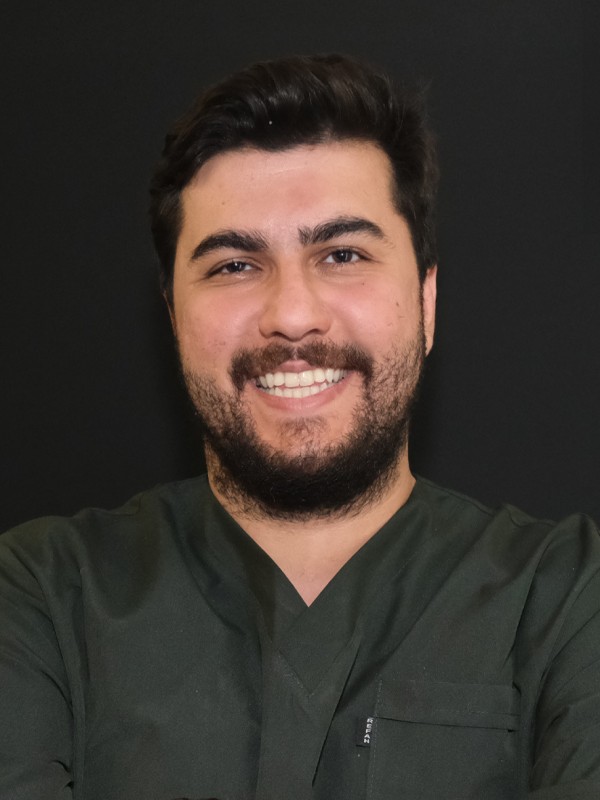
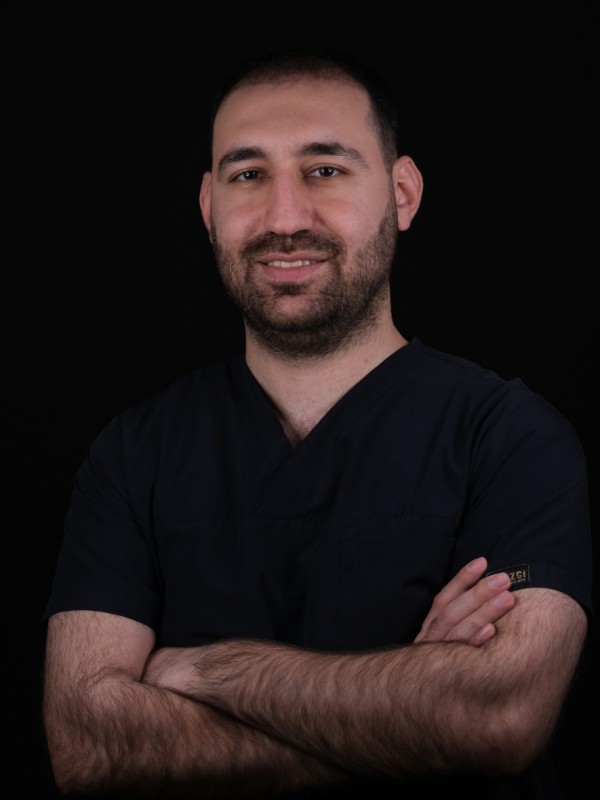
Dt. Muhammed Yancar

Dt. Muhammed Yancar

Responsible Manager · Dentist

He graduated from Okan University Faculty of Dentistry (2022). He works as the responsible manager and dentist at Bağcılar Dental Polyclinic. He is a member of the Turkish Prosthodontics and Implantology Association (TPİD) and the Turkish Dental Association (TDB).

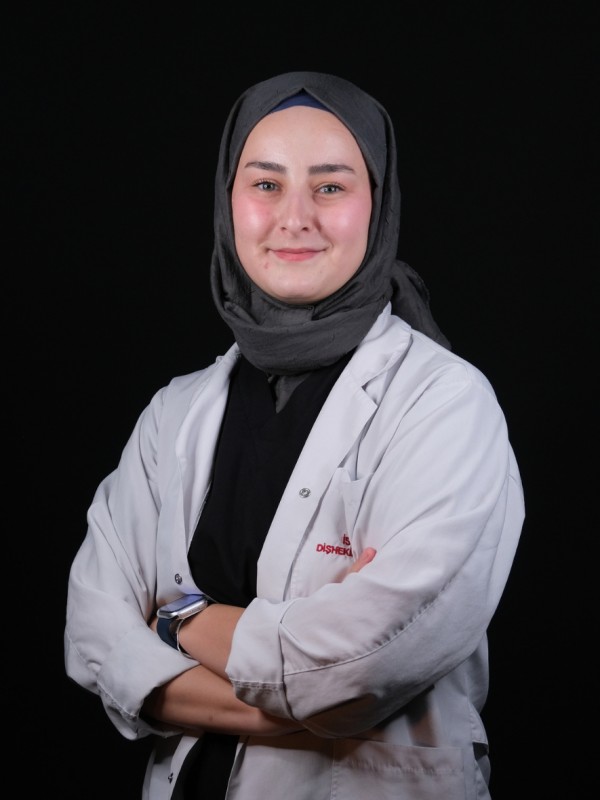
Dr. Dt. Remziye Kuşağlı

Dr. Dt. Remziye Kuşağlı

Responsible Dentist

He graduated from Dicle University Faculty of Dentistry (2005); He has 21 years of experience. It specializes in implant-supported dentures, All-on-4/All-on-6, zirconium, laminate and E-max coating treatments. He is a member of TDB.

Uzm. Dr. Dt. Nazlı Altın

Uzm. Dr. Dt. Nazlı Altın

Oral and Maxillofacial Surgery Specialist

He graduated from Istanbul University Faculty of Dentistry; He completed his doctorate in oral, dental and maxillofacial surgery. He specializes in complex cases with implant surgery, jaw surgery and bone grafting.

Uzm. Dt. Uğur Derdiyok

Uzm. Dt. Uğur Derdiyok

Oral and Maxillofacial Surgery Specialist

He graduated from Ankara University Faculty of Dentistry; He completed his specialization in oral, dental and maxillofacial surgery at Kırıkkale University. He is an expert in surgical practices with 11 years of experience.

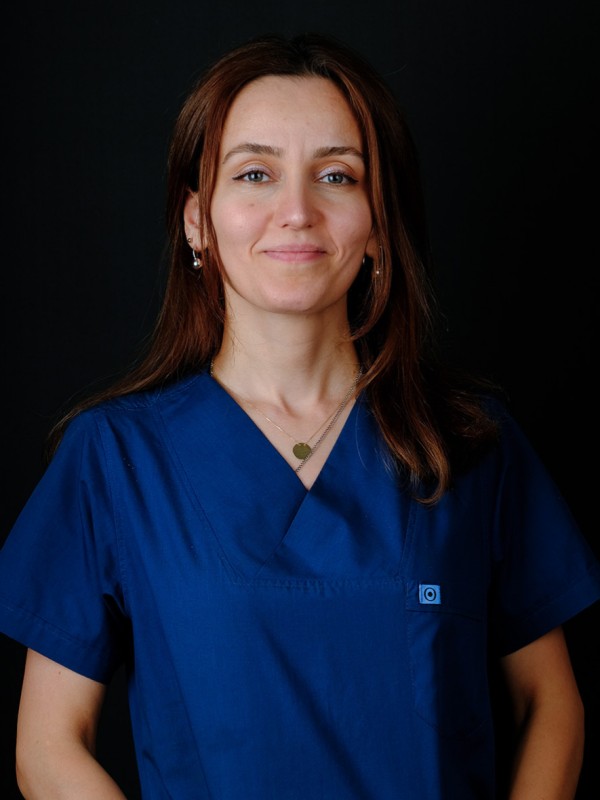
Uzm. Dt. Ceren Çetinkaya

Uzm. Dt. Ceren Çetinkaya

Orthodontic Specialist

He graduated from Ege University Faculty of Dentistry; He completed his orthodontics specialization at Istanbul University. He is experienced in fixed and transparent plate treatments and focuses on functional and aesthetic results.

Dr. Dt. Hakan Şahin

Dr. Dt. Hakan Şahin

Pedodontics Specialist (Pediatric Dentist)

He graduated from Atatürk University Faculty of Dentistry; He completed his pedodontics specialization. It has been providing preventive and therapeutic services in children's dental health for many years.

Uzm. Dt. Natiga Israfilova

Uzm. Dt. Natiga Israfilova

Prosthetic Dentistry Specialist

He is a graduate of Azerbaijan Medical University; He completed his prosthetic dentistry specialization at Eskişehir Osmangazi University. With 20 years of experience, he is an expert in implant prostheses, All-on-4/6, zirconium, laminate and E-max applications.

Dt. Nur Küçük

Dt. Nur Küçük

Prosthodontics & Digital Dentistry

He graduated from Istanbul Medipol University, Department of Dentistry; He continues his doctoral education in prosthetic dentistry. He works on aesthetic and functional restorations and smile design with CAD/CAM systems.

Dt. Mehmet Emin Ceylan

Dt. Mehmet Emin Ceylan

Implant & Prosthesis

He graduated from Istanbul Aydin University Faculty of Dentistry; He has 7 years of experience. He specializes in implant-supported dentures, All-on-4/All-on-6 restorations, full mouth dentures and zirconium applications.

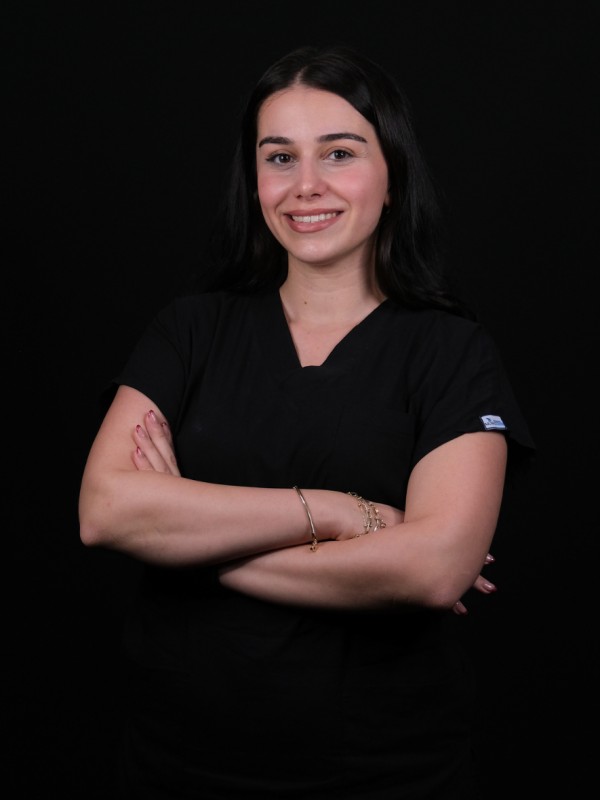
Dt. Zeynep Demirhan

Dt. Zeynep Demirhan

Prosthodontics & Aesthetic Dentistry

He graduated from Bezmiâlem Vakıf University, Faculty of Dentistry. He is experienced in prosthetic treatments, smile design, implant-supported prostheses and treatments under sedation; focuses on patient satisfaction.

Dt. Seda Şahle Alemdar

Dt. Seda Şahle Alemdar

Implant & Aesthetics · Digital

He graduated from Abant İzzet Baysal University Faculty of Dentistry (2020). He is experienced in implant-supported dentures, smile design, digital measurement systems and aesthetic restorations.

Dt. Muhammed Ali Almaz

Dt. Muhammed Ali Almaz

Implant & Aesthetic Dentistry

He graduated from Gazi University Faculty of Dentistry (2021); He has 5 years of experience. He works with health tourism patients in the fields of implant prostheses, All-on-4, zirconium, aesthetic fillings and teeth whitening.

Dt. Berkay Pehlivanoğlu

Dt. Berkay Pehlivanoğlu

Restorative & Prosthetic

He graduated from Marmara University Faculty of Dentistry (2021); He has 6 years of experience. He works in the fields of endodontics (root canal treatment), restorative treatments, zirconium/E-max/laminate prosthesis and implant-supported prosthesis.

Dt. Esranur Çelik

Dt. Esranur Çelik

Restorative & Periodontology

He graduated from Süleyman Demirel University Faculty of Dentistry (2017); He has 9 years of experience. He works in periodontology (gum), restorative and endodontic treatments and aesthetic smile design.

Dt. Havva Öztürk

Dt. Havva Öztürk

General & Restorative Dentistry

He graduated from Bolu Abant İzzet Baysal University Faculty of Dentistry (2023). Works in restorative, endodontic, periodontal, prosthetic and pedodontic treatments; Follows current treatments closely.

Dt. Sümeyya Aydınlık

Dt. Sümeyya Aydınlık

Dentist

He graduated from Istanbul Yeni Yüzyıl University, Department of Dentistry (2020); Has approximately 5 years of experience. In addition to general dentistry, he works in implant prosthesis, restorative and endodontic treatments.

Dt. Hasip Altun

Dt. Hasip Altun

General Dentistry

He graduated from Yüzüncü Yıl University Faculty of Dentistry (2018). He has clinical experience in general dentistry and restorative treatments; It stands out with its patient-oriented approach.

Dt. Birsen Er

Dt. Birsen Er

Implant & Aesthetic Dentistry

He graduated from Istanbul University Faculty of Dentistry (2002); He has 24 years of experience. He works in the fields of implant-supported prostheses, All-on-4, zirconium restorations, aesthetic fillings, root canal treatment (endodontics) and teeth whitening.

✦ Our Videos
✦ Trusted Worldwide

What Our Patients Say

Google★★★★★
Trustpilot★★★★★
4.6/5 1.682+ Happy Patients 30+ Countries
A
Ayşe Kaya ★★★★★

I did not feel any pain during my implant treatment. The team is extremely attentive, I was informed at every stage. I love my new smile!

M
Mehmet Yıldız ★★★★★

My zirconium crowns looked very natural. It is excellent in terms of price-performance, I recommend it with peace of mind.

H
Hans Müller ★★★★★

I came from Germany for All-on-4 treatment. The clinic was very modern and hygiene was perfect. Translator support made my job much easier.

E
Elena Petrova ★★★★★

I came for my smile design; Everything was considered, including reception, hotel and transportation. My teeth were literally reborn.

F
Fatma Demir ★★★★★

My gum treatment was very successful. My doctor explained everything patiently, and my fear of the dentist was completely gone.

J
James Wilson ★★★★★

I came from London for laminate veneer. Professional team, painless procedure and great result. It was worth every penny.

Z
Zeynep Arslan ★★★★★

My orthodontic treatment proceeded as planned. The transparent record was very comfortable, no one even noticed. Thanks!

A
Andrei Popescu ★★★★★

I came from Romania for implants. From CT scan to treatment, everything started on the same day. I am very pleased with the result.

H
Hatice Şahin ★★★★☆

After teeth whitening, my teeth became visibly whiter. I got results in one session, it was very practical.

S
Sophie Dubois ★★★★★

I chose it for Hollywood Smile from France. The attention of the doctors and the naturalness of the result were far beyond my expectations.

A
Ali Çelik ★★★★★

My root canal treatment was painless and I returned to work the same day. Modern devices make a difference, well done.

M
Maria Rossi ★★★★★

I came from Italy for zirconium. It is much more advantageous than Europe in terms of both price and quality. I definitely recommend it.

E
Emine Yılmaz ★★★★★

We came for my mother's prosthetic teeth, they were very interested. The patience shown to elderly patients is admirable.

V
Viktor Ivanov ★★★★★

After the smile design, my self-confidence skyrocketed. The clinic is clean and the team is friendly. I recommend it to everyone from Sofia.

A
Ayşe Kaya ★★★★★

I did not feel any pain during my implant treatment. The team is extremely attentive, I was informed at every stage. I love my new smile!

M
Mehmet Yıldız ★★★★★

My zirconium crowns looked very natural. It is excellent in terms of price-performance, I recommend it with peace of mind.

H
Hans Müller ★★★★★

I came from Germany for All-on-4 treatment. The clinic was very modern and hygiene was perfect. Translator support made my job much easier.

E
Elena Petrova ★★★★★

I came for my smile design; Everything was considered, including reception, hotel and transportation. My teeth were literally reborn.

F
Fatma Demir ★★★★★

My gum treatment was very successful. My doctor explained everything patiently, and my fear of the dentist was completely gone.

J
James Wilson ★★★★★

I came from London for laminate veneer. Professional team, painless procedure and great result. It was worth every penny.

Z
Zeynep Arslan ★★★★★

My orthodontic treatment proceeded as planned. The transparent record was very comfortable, no one even noticed. Thanks!

A
Andrei Popescu ★★★★★

I came from Romania for implants. From CT scan to treatment, everything started on the same day. I am very pleased with the result.

H
Hatice Şahin ★★★★☆

After teeth whitening, my teeth became visibly whiter. I got results in one session, it was very practical.

S
Sophie Dubois ★★★★★

I chose it for Hollywood Smile from France. The attention of the doctors and the naturalness of the result were far beyond my expectations.

A
Ali Çelik ★★★★★

My root canal treatment was painless and I returned to work the same day. Modern devices make a difference, well done.

M
Maria Rossi ★★★★★

I came from Italy for zirconium. It is much more advantageous than Europe in terms of both price and quality. I definitely recommend it.

E
Emine Yılmaz ★★★★★

We came for my mother's prosthetic teeth, they were very interested. The patience shown to elderly patients is admirable.

V
Viktor Ivanov ★★★★★

After the smile design, my self-confidence skyrocketed. The clinic is clean and the team is friendly. I recommend it to everyone from Sofia.

B
Burak Aydın ★★★★★

I had a combination of implant and zirconium. The result is incredibly natural. The appointment and follow-up process was very orderly.

A
Anna Schmidt ★★★★☆

My laminate veneer treatment went well. It took a little waiting, but the result was perfect. Thanks for the translator support.

S
Selin Koç ★★★★★

I had gum aesthetics and whitening. I have no hesitation when laughing anymore. I am grateful to the entire team.

R
Robert Brown ★★★★★

My All-on-6 treatment changed my life. I came from England; The attention shown and the result achieved were perfect.

G
Gülşah Eren ★★★★★

We came for my child's dental treatment, they treated the child patients very kindly. He was treated without fear, we are very happy.

D
Dimitar Georgiev ★★★★★

Implant prices are very affordable compared to Bulgaria, and the quality is high. The entire process was completed in 4 days.

O
Okan Demirtaş ★★★★★

I can't recognize myself in photos after my smile design. My doctor's sense of aesthetics is really good.

C
Claudia Fischer ★★★★★

I came for my implant treatment, it was painless and fast. The clinic is above German standards, I am very pleased.

M
Merve Polat ★★★★★

I had a combination of orthodontics and whitening. The result is great, the team is very professional and caring.

L
Lucas Martin ★★★★★

I came from Paris for laminate veneer. I was very pleased with the natural result and warm attention. Thanks!

İ
İbrahim Kara ★★★★☆

My dental bridge treatment was durable and comfortable. Pricing was transparent, there were no surprise fees.

N
Natalia Sokolova ★★★★★

I came from Russia for smile design. The service quality and attention were excellent, my teeth turned out as I dreamed.

D
Deniz Aksoy ★★★★★

I had teeth whitening in one session, the difference was immediately obvious. It was a fast, clean and professional experience.

T
Thomas Becker ★★★★★

I came for All-on-4 and walked out smiling the same day with temporary teeth. The interest and technology are top notch, thank you very much.

B
Burak Aydın ★★★★★

I had a combination of implant and zirconium. The result is incredibly natural. The appointment and follow-up process was very orderly.

A
Anna Schmidt ★★★★☆

My laminate veneer treatment went well. It took a little waiting, but the result was perfect. Thanks for the translator support.

S
Selin Koç ★★★★★

I had gum aesthetics and whitening. I have no hesitation when laughing anymore. I am grateful to the entire team.

R
Robert Brown ★★★★★

My All-on-6 treatment changed my life. I came from England; The attention shown and the result achieved were perfect.

G
Gülşah Eren ★★★★★

We came for my child's dental treatment, they treated the child patients very kindly. He was treated without fear, we are very happy.

D
Dimitar Georgiev ★★★★★

Implant prices are very affordable compared to Bulgaria, and the quality is high. The entire process was completed in 4 days.

O
Okan Demirtaş ★★★★★

I can't recognize myself in photos after my smile design. My doctor's sense of aesthetics is really good.

C
Claudia Fischer ★★★★★

I came for my implant treatment, it was painless and fast. The clinic is above German standards, I am very pleased.

M
Merve Polat ★★★★★

I had a combination of orthodontics and whitening. The result is great, the team is very professional and caring.

L
Lucas Martin ★★★★★

I came from Paris for laminate veneer. I was very pleased with the natural result and warm attention. Thanks!

İ
İbrahim Kara ★★★★☆

My dental bridge treatment was durable and comfortable. Pricing was transparent, there were no surprise fees.

N
Natalia Sokolova ★★★★★

I came from Russia for smile design. The service quality and attention were excellent, my teeth turned out as I dreamed.

D
Deniz Aksoy ★★★★★

I had teeth whitening in one session, the difference was immediately obvious. It was a fast, clean and professional experience.

T
Thomas Becker ★★★★★

I came for All-on-4 and walked out smiling the same day with temporary teeth. The interest and technology are top notch, thank you very much.

✦ Our Brands
Straumann
Nobel Biocare
Astra Tech
Medentika
Bredent SKY
Straumann
Nobel Biocare
Astra Tech
Medentika
Bredent SKY
✦ Contact
Get in touch

İstanbul Bağcılarour central clinic

Merkez Mahallesi 675. Sokak No: 1-7/A-B, 34203 Bağcılar/İstanbul, Turkey

Open in Google Maps