












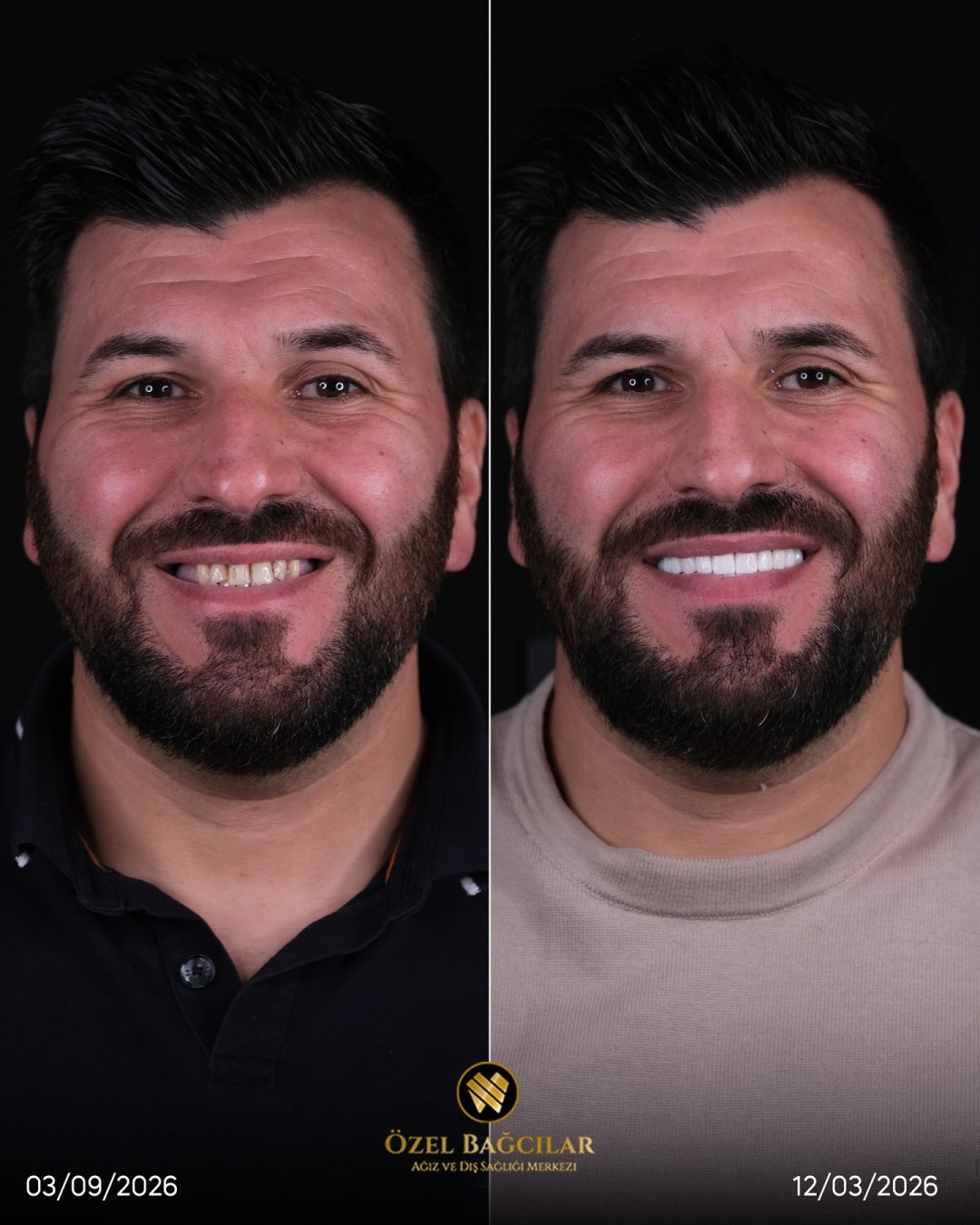
What Usually Goes Wrong
Veneer complaints fall into a small number of recurring patterns, and recognising which one applies is most of the diagnosis. They are not all equally serious, and they are not all equally fixable.
- Appearance. Too white, too opaque, too bulky, wrong shape, wrong proportions, or a shade that does not match the neighbouring teeth. The commonest complaint by a wide margin.
- Gum problems. Redness, swelling or bleeding around the margins, usually from overhanging edges or margins placed too far under the gum.
- Debonding. Veneers coming off repeatedly, which is a bite or preparation problem far more often than an adhesive one.
- Chipping and fracture. Particularly at incisal edges, and particularly in patients who grind.
- Sensitivity. Persistent rather than settling, which suggests either excessive preparation or a marginal gap.
- Decay underneath. The most serious, because it progresses silently beneath an intact-looking veneer.
The first two are the ones patients notice; the last is the one that matters most clinically. A veneer that looks acceptable and has decay under its margin is a worse situation than one that looks poor and is biologically sound.
The Look That Patients Regret
The single most common regret is teeth that read as artificial. It is rarely one thing — it is usually several small decisions that compound, and each is avoidable with proper planning.
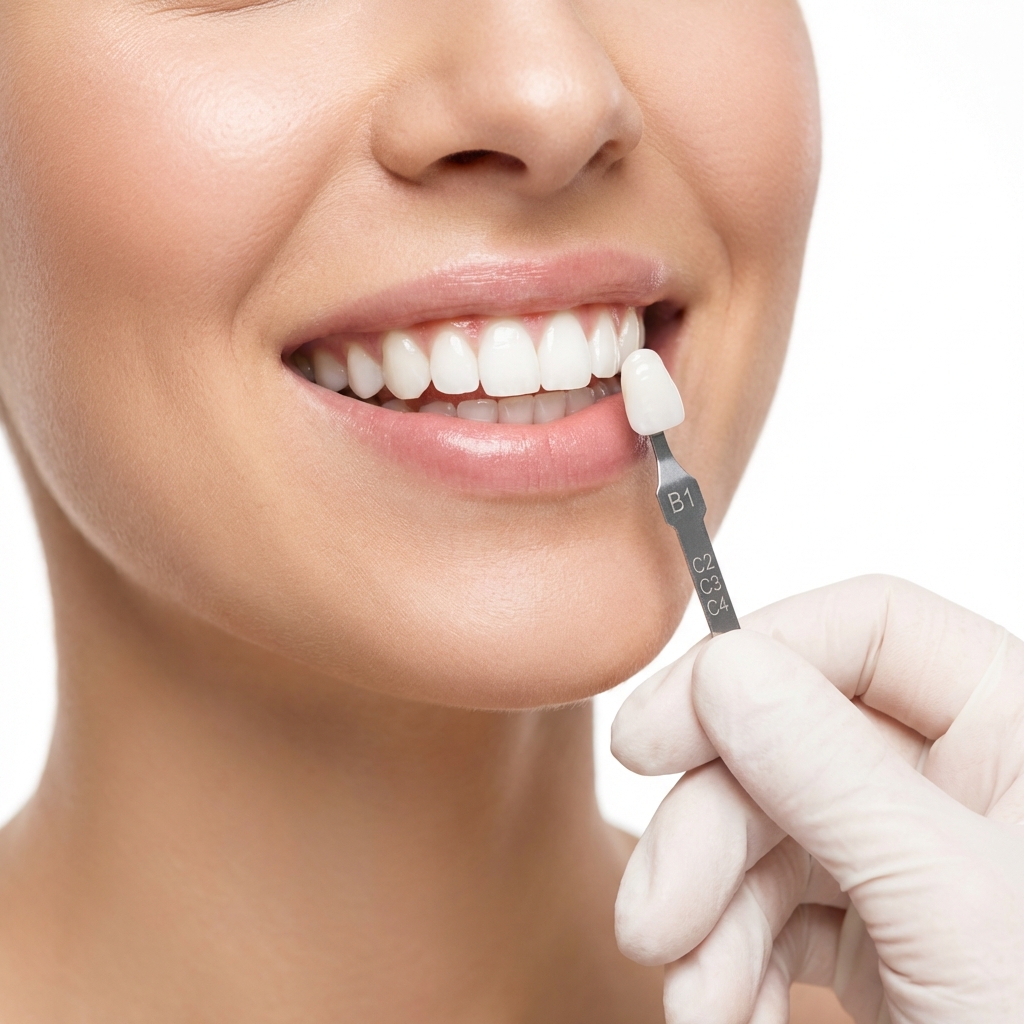
Shade. A brightness beyond anything that occurs naturally, particularly in an adult face, reads immediately as dental work. The problem is usually that the shade was chosen from a guide under clinic lighting rather than trialled on the face.
Opacity. Natural enamel is translucent at the edge and more opaque towards the gum. Veneers made uniformly opaque — often to mask a dark tooth underneath — lose that gradient and look flat, like a row of tiles.
Bulk. Where insufficient tooth was prepared, the ceramic has to sit proud of the original surface. The teeth then look too large for the lip, and the gum margin is pushed outwards, which is both visible and irritating.
Uniformity. Natural teeth differ from one another in width, length and angle. A set made identical reads as a set. Good design deliberately introduces small asymmetries, which is one reason digital planning and mock-ups exist — the shape is agreed on the face before the tooth is touched.
Gum Problems Around Veneers
Inflamed gums around new veneers are not something to wait out. Healthy tissue settles within a couple of weeks; tissue that stays red, swollen or bleeding after a month indicates a mechanical cause.
The usual cause is a margin problem. An overhang — where the ceramic projects beyond the tooth surface — creates a ledge that traps plaque and is impossible to clean. A margin placed too deep beneath the gum invades the space the body reserves for attachment, and the tissue responds with permanent inflammation.
Residual cement is the other frequent culprit. Excess cement left at the margin during fitting behaves like a foreign body under the gum. It is a preventable error and, when removed, the tissue usually recovers completely.
Left alone, chronic inflammation of this kind leads to recession and bone loss — which then exposes the veneer margin as a visible dark line, converting a biological problem into a cosmetic one as well. This is the argument for assessing persistent gum irritation early rather than accepting it.
Veneers That Keep Coming Off
A single debond within the first weeks can happen and is usually recemented without consequence. Repeated debonding, or several veneers failing in sequence, points to something structural.
The most common reason is bonding to dentine rather than enamel. Adhesion to enamel is strong and durable; adhesion to dentine is considerably weaker. Where preparation went too deep — often to accommodate a large colour change or significant crowding — much of the bonding surface is dentine, and the bond is compromised from the outset.
The second reason is the bite. A veneer taking a heavy contact, particularly during side-to-side movement, is being levered off with every excursion. Recementing without adjusting the contact simply resets the clock. Patients who grind or clench are markedly over-represented in this group.
Both explanations point to the same conclusion: repeated debonding is a diagnostic finding rather than an inconvenience. Recementing for the third time without investigating why is not treatment.
Sensitivity After Veneers
Some sensitivity in the first weeks after veneers is normal and settles. Sensitivity that persists beyond a month, or that appears months later in a tooth that was previously comfortable, is a finding rather than a nuisance.
The usual explanations are preparation depth and marginal seal. Where preparation reached well into dentine, the tubules transmitting sensation are closer to the surface and the tooth reacts more readily. Where the margin is not sealed, fluid and bacteria track under the edge, producing sensitivity that comes and goes.
A third possibility is the bite. A veneer contacting slightly high loads the tooth every time the jaw closes, and the ligament around the root responds — typically felt as tenderness to biting rather than to cold. It is easily missed and easily corrected with a minor adjustment.
Because these have different remedies, the assessment matters. Desensitising products will help the first, do nothing for the second and mask the third, which is why reaching for them before establishing the cause tends to delay the actual fix. Exposed root surfaces at the margin are a further possibility where the gum has receded since fitting.
Decay Beneath a Veneer
This is the problem that justifies replacing veneers that look perfectly acceptable, and it is the reason a routine examination of veneered teeth is worth having even when nothing appears wrong.
Decay develops at the margin where the ceramic meets the tooth, usually at the gum line. If the margin is not sealed — because it was open when fitted, or because cement has washed out over years — bacteria track underneath. The veneer surface stays intact, so nothing looks different from outside.
The warning signs are subtle: a dark line appearing at the margin, sensitivity in a previously comfortable tooth, floss catching or fraying at one particular point, or a persistent bad taste. Any of these in a veneered tooth warrants an examination with radiographs rather than reassurance.
Caught early, treatment is straightforward: the veneer is removed, the decay is cleaned out, and a new restoration is made. Caught late, the tooth may need root canal treatment or, in the worst cases, may no longer be restorable at all.
Assessing What Can Be Done
Before any replacement plan is proposed, four things have to be established. Skipping any of them produces a plan that either overpromises or under-delivers.
- How much tooth is left. This is the single biggest determinant. Teeth prepared conservatively can be re-veneered; teeth reduced close to the nerve may need crowns instead.
- Are the teeth vital. Root-treated teeth behave differently, are more brittle, and often discolour from within — which changes both the material choice and the expected result.
- Is the gum healthy. Inflamed or receded tissue must be stabilised before new margins are made, or the new work will end up in the wrong place as the tissue changes.
- What is the bite doing. If the original failure was caused by the bite, replacing the veneers without correcting it repeats the failure.
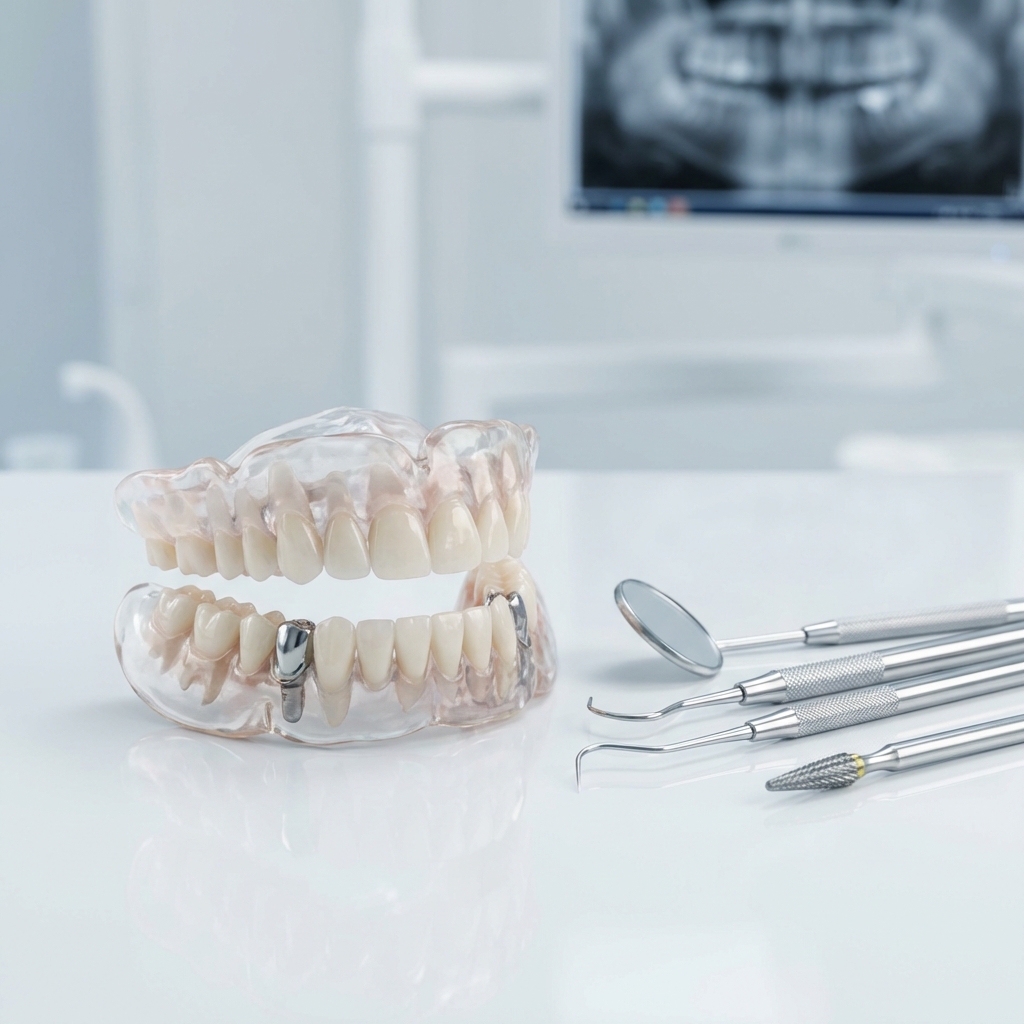
This assessment needs radiographs and, where several teeth are involved, photographs and models. A replacement plan offered from a photograph alone is not a plan — it is an estimate, and the difference matters when the outcome depends on how much enamel remains.
What Replacement Involves
Replacing veneers is technically more demanding than placing them the first time, and it is worth understanding why before comparing quotes.
Removal is the delicate stage. Ceramic bonded to enamel has to be cut away rather than lifted, and doing so without removing further tooth structure requires care and time. Rushing it costs tooth that cannot be replaced.
Once removed, the underlying tooth is often not the clean surface a first-time case presents. There may be old composite, exposed dentine, previous decay repairs, or preparations of uneven depth. Building a predictable foundation from that is a stage that does not exist in primary treatment.
Only then does the new design begin — and it starts from the current tooth position rather than the original. If the previous veneers were bulky, the gum has often been pushed and needs time to recover before final margins can be placed. Provisional restorations worn for a few weeks are common in these cases and are not a delaying tactic.
When Veneers Are No Longer the Answer
In a proportion of cases the honest conclusion is that veneers should not be replaced with veneers. This is a difficult conversation and a necessary one.
Where preparation removed most of the enamel, there may be insufficient bonding surface for a veneer to hold. A crown encircles the tooth and does not depend on enamel bonding in the same way. It removes more tooth in principle, but on a tooth already heavily reduced the additional loss is small.
Where the underlying problem was alignment and veneers were used to mask it, the mask usually fails eventually because the forces have not changed. Aligning first and then placing far fewer, thinner restorations is often the better long-term answer even though it takes longer.
And where a tooth has been lost or is unrestorable, the plan moves to replacement rather than restoration. These are not failures of the current clinician to be creative; they are the consequences of what was done previously, and being told so plainly is more useful than another treatment that does not hold.
What Each Problem Realistically Needs
| Problem | Correctable? | Usual solution |
|---|---|---|
| Shade too white or too opaque | Yes | Remake with planned shade and mock-up |
| Veneers too bulky | Yes | Remake with correct preparation depth |
| Gum inflammation at margins | Yes | Correct margins; remove residual cement |
| Repeated debonding | Usually | Adjust bite; assess bonding surface |
| Chipping in a grinder | Yes | Remake plus protective appliance |
| Decay under margin | Yes if early | Remove, treat decay, remake |
| Too little enamel left | Partly | Crowns rather than veneers |
| Tooth no longer restorable | No | Extraction and replacement |
The pattern in this table is worth noting: almost everything is correctable, but several corrections involve moving to a more invasive restoration than the patient originally had. That is the real cost of veneers done badly — not the money, which can be spent again, but the tooth structure, which cannot.
One column is missing from that table because it varies too much to tabulate: how long each correction takes. A shade remake is about a week; correcting margins after gum treatment can run to two months because the tissue has to settle before final impressions. Patients travelling should plan around the slowest element rather than the fastest, and how visits are usually structured is worth reading before booking anything.
Avoiding the Same Outcome Twice
Patients replacing failed veneers are understandably anxious about repeating the experience. There are specific, checkable things that distinguish a well-planned case.
- A trial before preparation. A mock-up placed on the unprepared teeth, worn and photographed, so shape and length are agreed before anything is removed.
- Shade chosen on the face. Not from a guide under a bright operating light, and ideally with the patient seeing it in daylight.
- Minimal preparation, guided. Depth cuts or a preparation guide made from the mock-up, rather than freehand reduction.
- The bite assessed and adjusted. Before, not after.
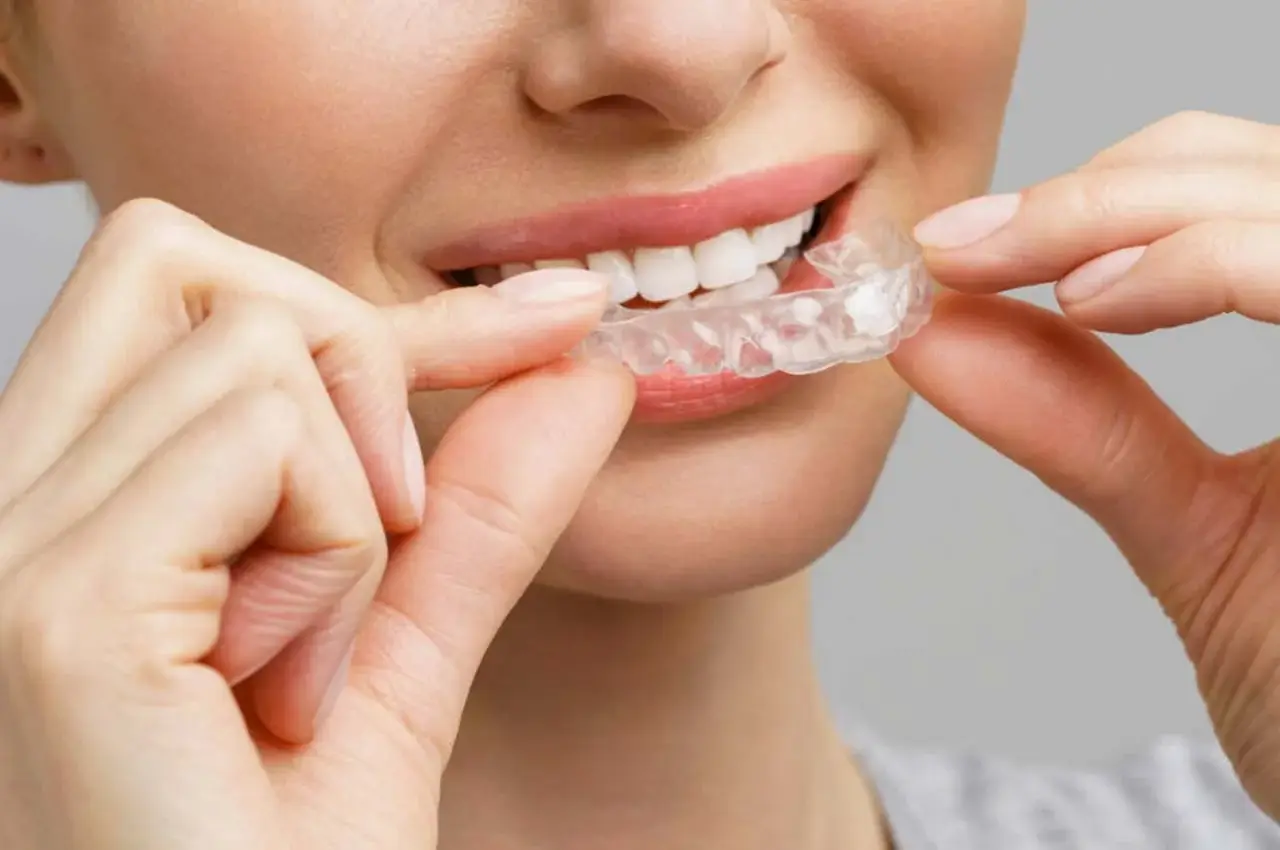
- A written plan for protection. Particularly a night guard where grinding is present.
- Clarity about what is guaranteed. For how long, under what conditions, and what would void it.
None of these is exotic and none adds much cost. Their absence is what distinguishes the cases that come back for correction, and asking about them directly is entirely reasonable — wherever in the world the treatment is being proposed.
One further check is worth making, and it is specific to replacement cases. Ask whether the plan involves preparing any further tooth structure, and if so how much. On a tooth already reduced for veneers, additional preparation moves it closer to needing root canal treatment and closer to the point where a crown becomes unavoidable. A clinician who can answer that precisely has measured it; one who cannot has not.
Getting a Second Opinion
If you are unhappy with recent veneer work, a second opinion is sensible before committing to replacement, and there are practical things that make it more useful.
Bring your records: photographs from before the original treatment if you have them, any radiographs, and details of the materials used if they were documented. Knowing what was placed and how much was prepared changes the assessment considerably.
Be clear about what specifically bothers you. "They look wrong" is a starting point; identifying whether it is the colour, the length, the shape or the gum line directs the conversation to something that can be planned and agreed.
And ask what the assessment found rather than only what is proposed. A clinician who can explain why the original work failed is in a position to avoid repeating it. One who moves straight to a quote without that explanation is not, and the questions worth asking of any clinic apply here more than anywhere.
How We Assess Veneers Somebody Else Placed
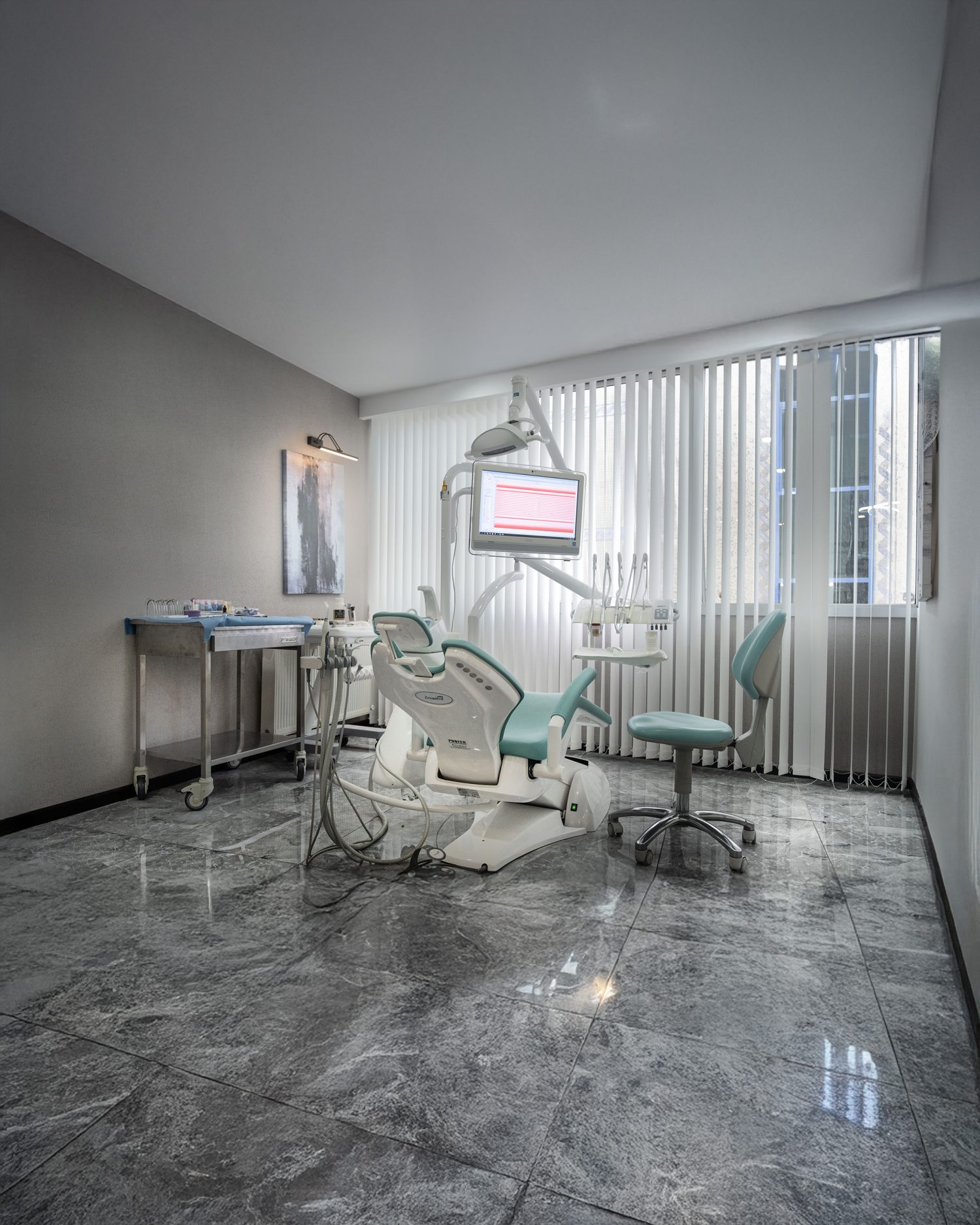
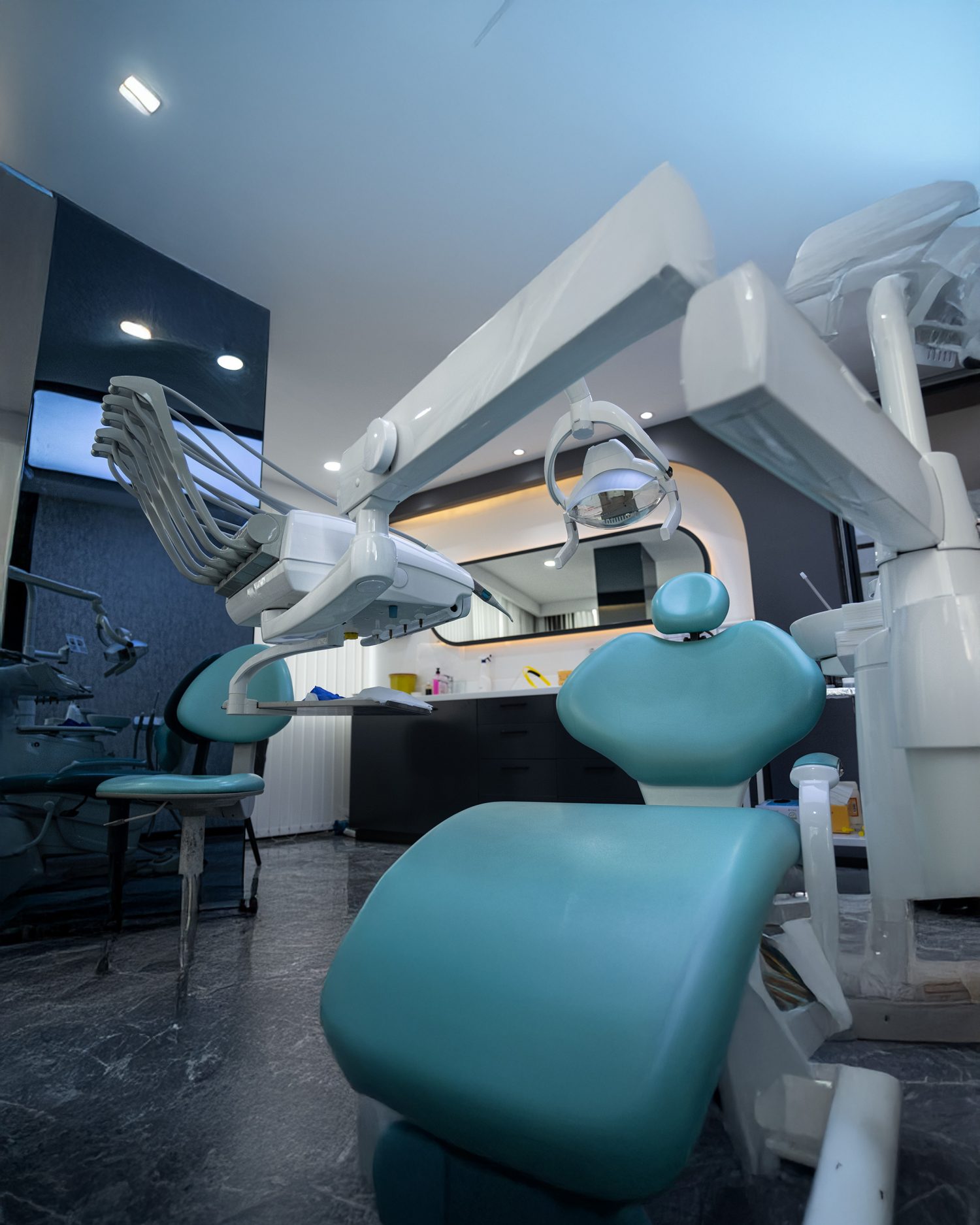
Correction cases are a regular part of our work and the first appointment is assessment rather than treatment. That means radiographs, photographs, a periodontal check and an examination of the bite — establishing what remains and why the original work failed before proposing anything.
Where the previous work is sound and the complaint is genuinely cosmetic, we say so, because remaking acceptable veneers costs tooth structure for a marginal gain. Where replacement is warranted, we plan it with a mock-up agreed in advance so that the shape and shade are a decision rather than a surprise.
Where the honest answer is that veneers are no longer the right restoration, we give it. Being told that crowns or a different approach entirely is now needed is not what anyone wants to hear, but it is better heard at assessment than discovered two years later.
Our clinic has treated patients from more than thirty countries over twelve years. All treatments carry a lifetime guarantee, subject to attending the recommended check-ups and following the aftercare given, and excluding accidental damage or neglect. For veneers that specifically includes wearing a protective appliance where grinding is present. The full terms are set out plainly rather than in small print.