











The Coverage Position
Simple to state and unhelpful in practice, which is why Australians looking at treatment abroad are almost always comparing against full private fees.
Medicare does not cover most adult dental treatment. There are limited exceptions for particular groups and circumstances, and general restorative and cosmetic dentistry sits outside the system.
Private health insurance covers dental through extras policies rather than hospital cover, and extras carry annual limits per category. Those limits are typically modest relative to implant or full-arch treatment.
Major dental within extras usually has its own sub-limit and frequently a waiting period, so a policy taken out with a large treatment in mind may not cover it for some time.
Check your own policy specifically rather than relying on a general description, and ask in writing whether treatment received outside Australia is covered at all. Many policies exclude it, and knowing before booking matters.
Which is why the treatments Australians travel for skew large. An implant quote exhausts most annual extras limits in its first line, and the patient is paying most of it regardless of the policy.
Why the Visit Count Dominates an Australia–Türkiye Plan
From Australia this is not one consideration among several — it is the consideration, and it should be settled before flights, leave or anything else is arranged.
A twenty-hour journey with a substantial time difference is a serious undertaking. Doing it twice within six months is possible and it is a genuine commitment of money, leave and physical energy.
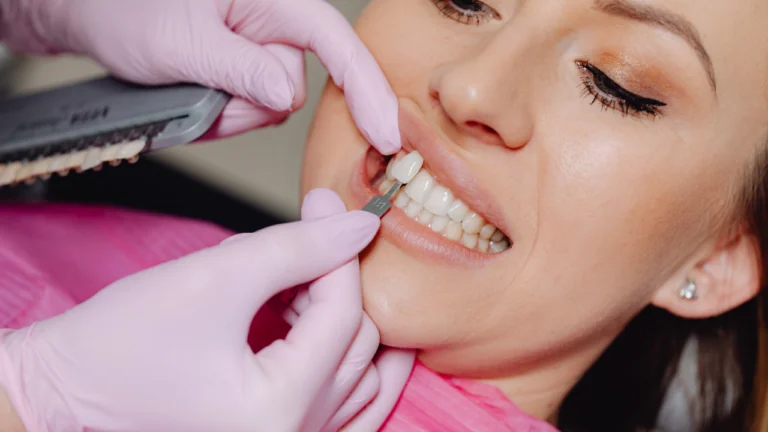
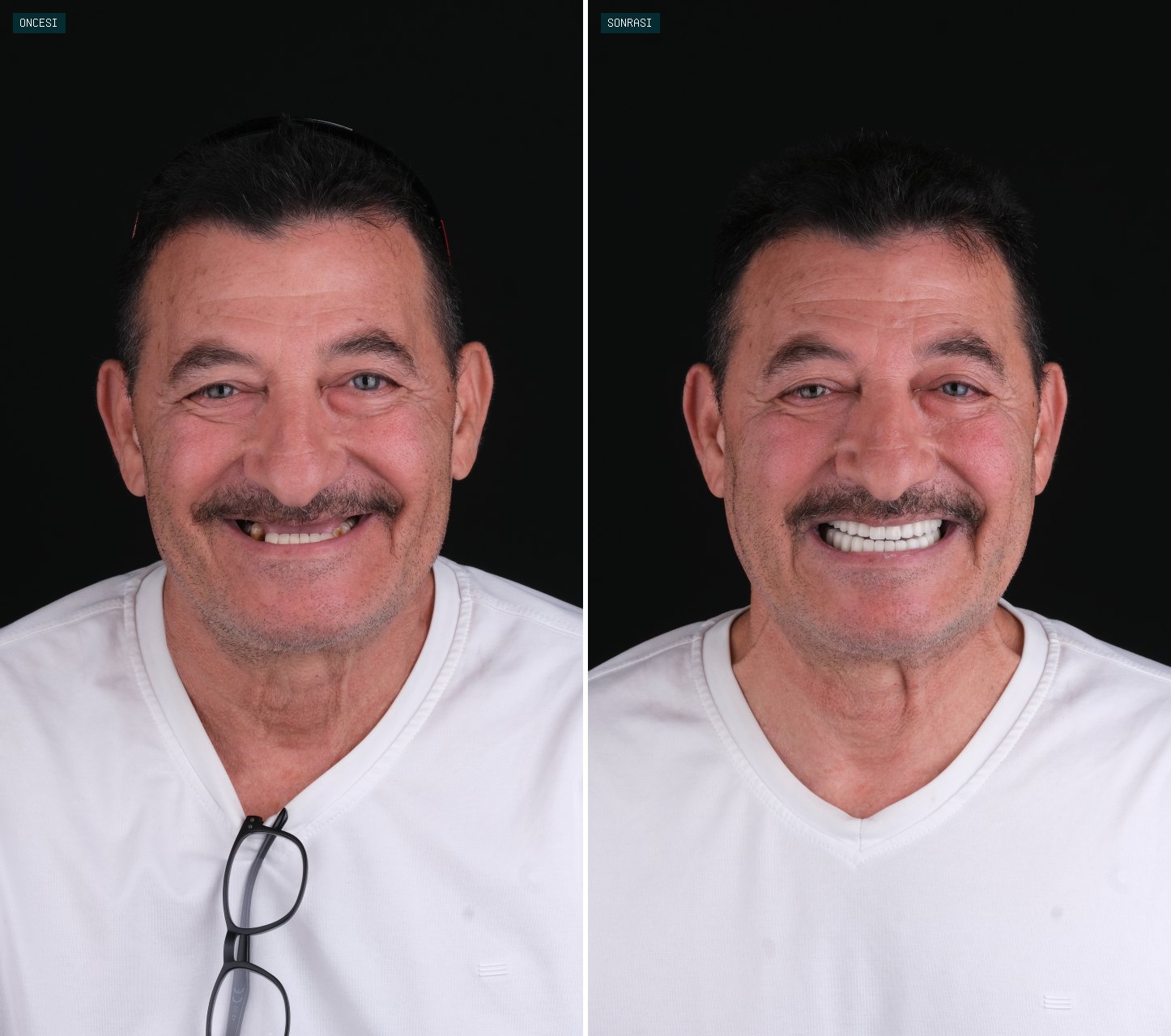
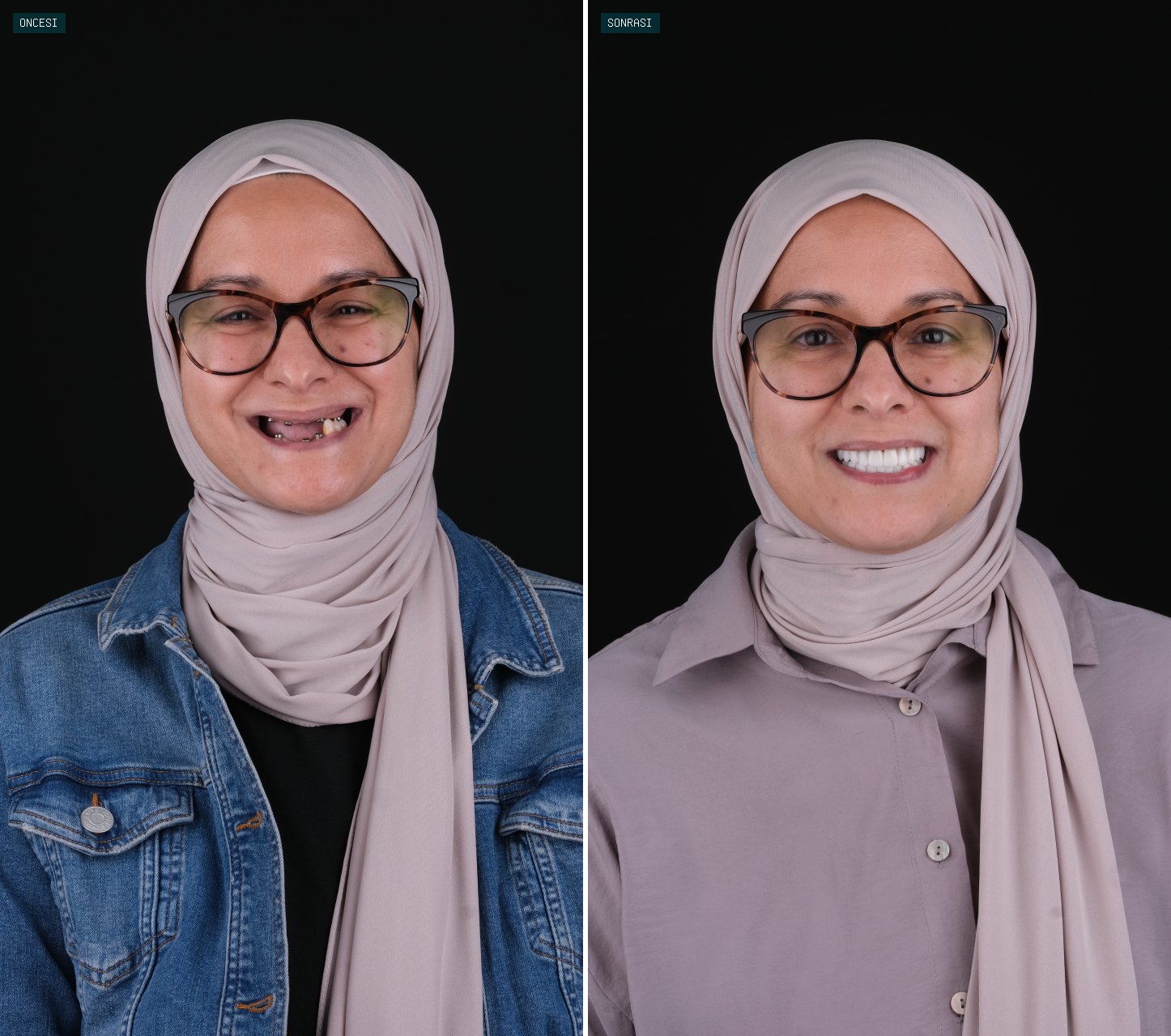
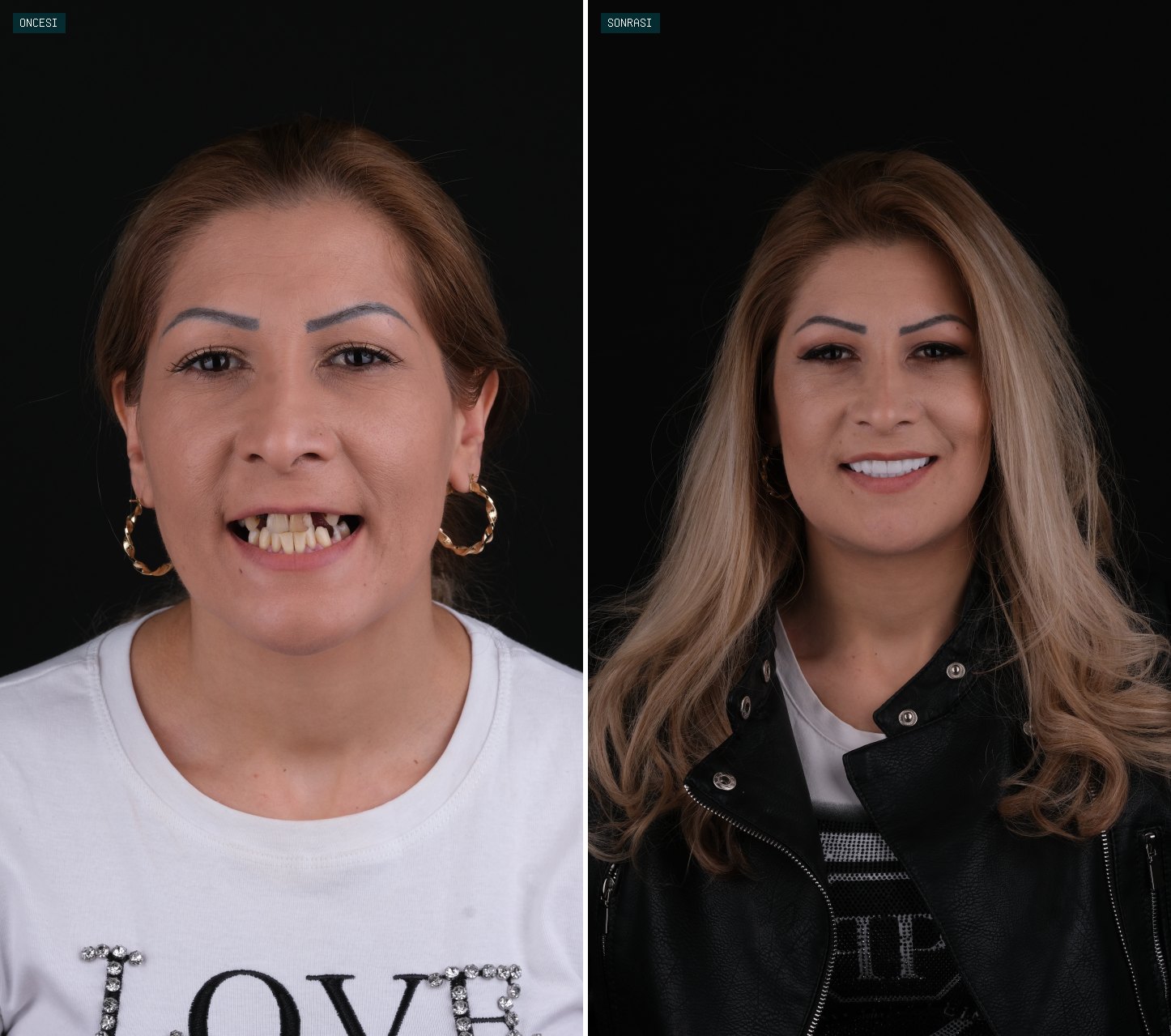
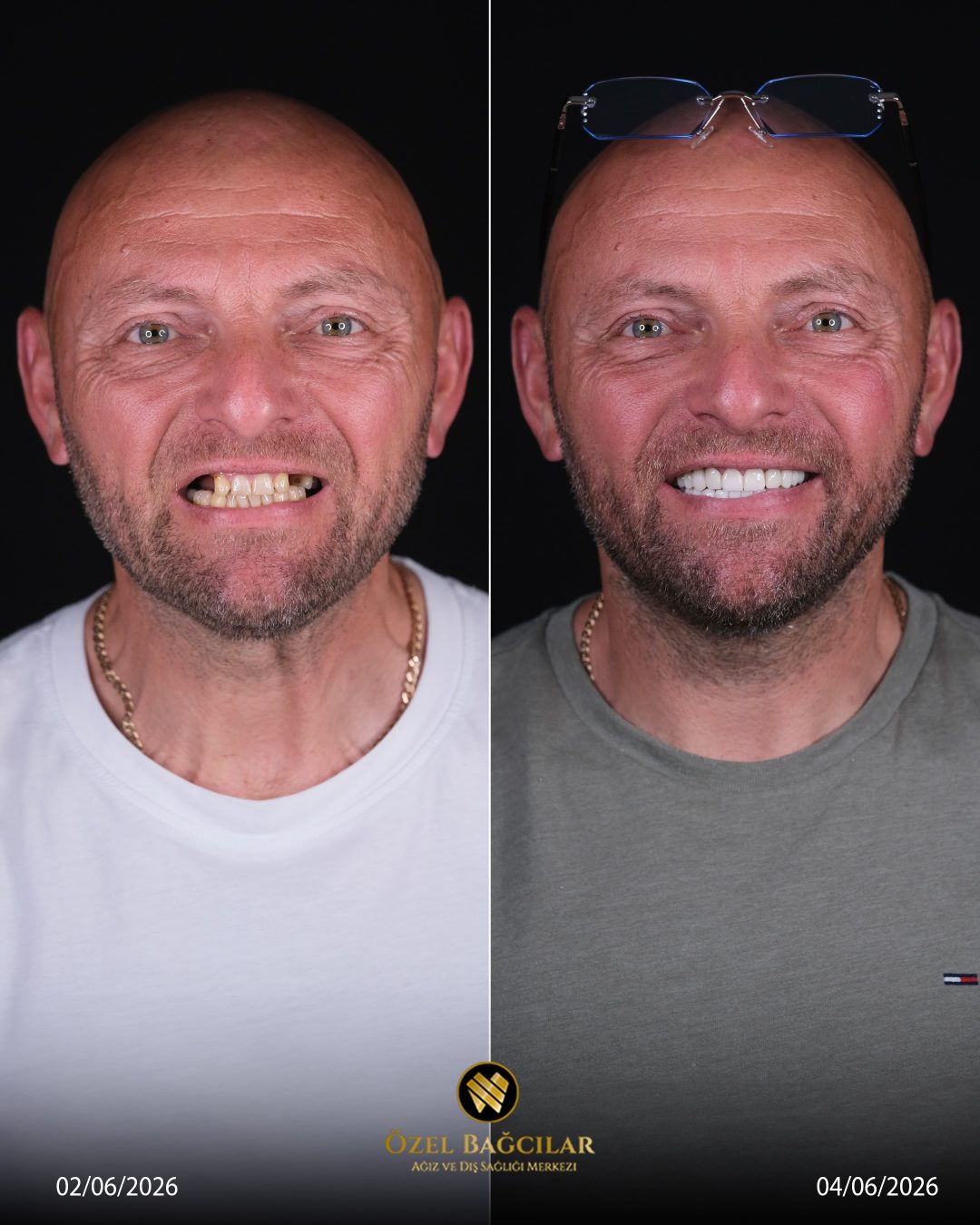
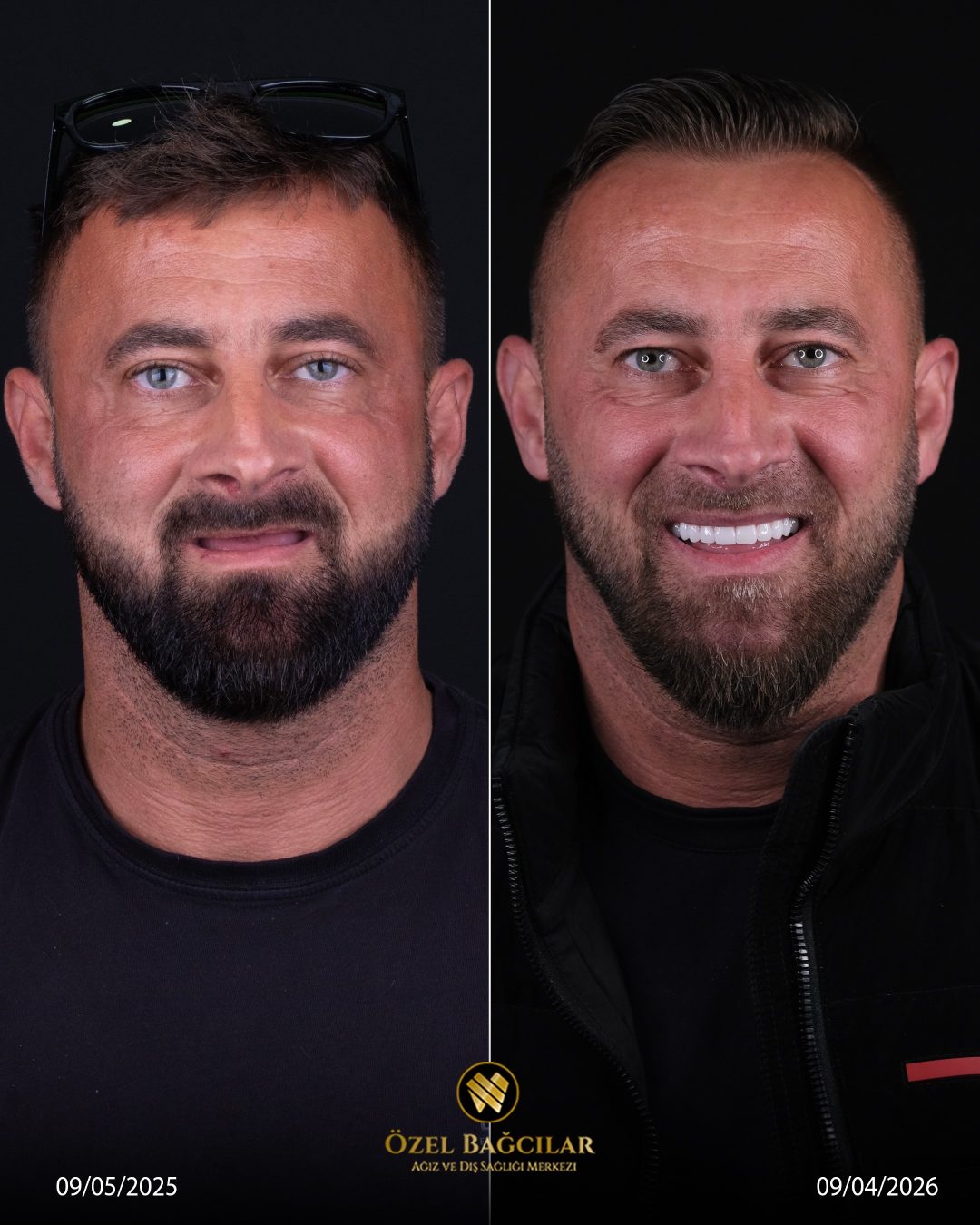
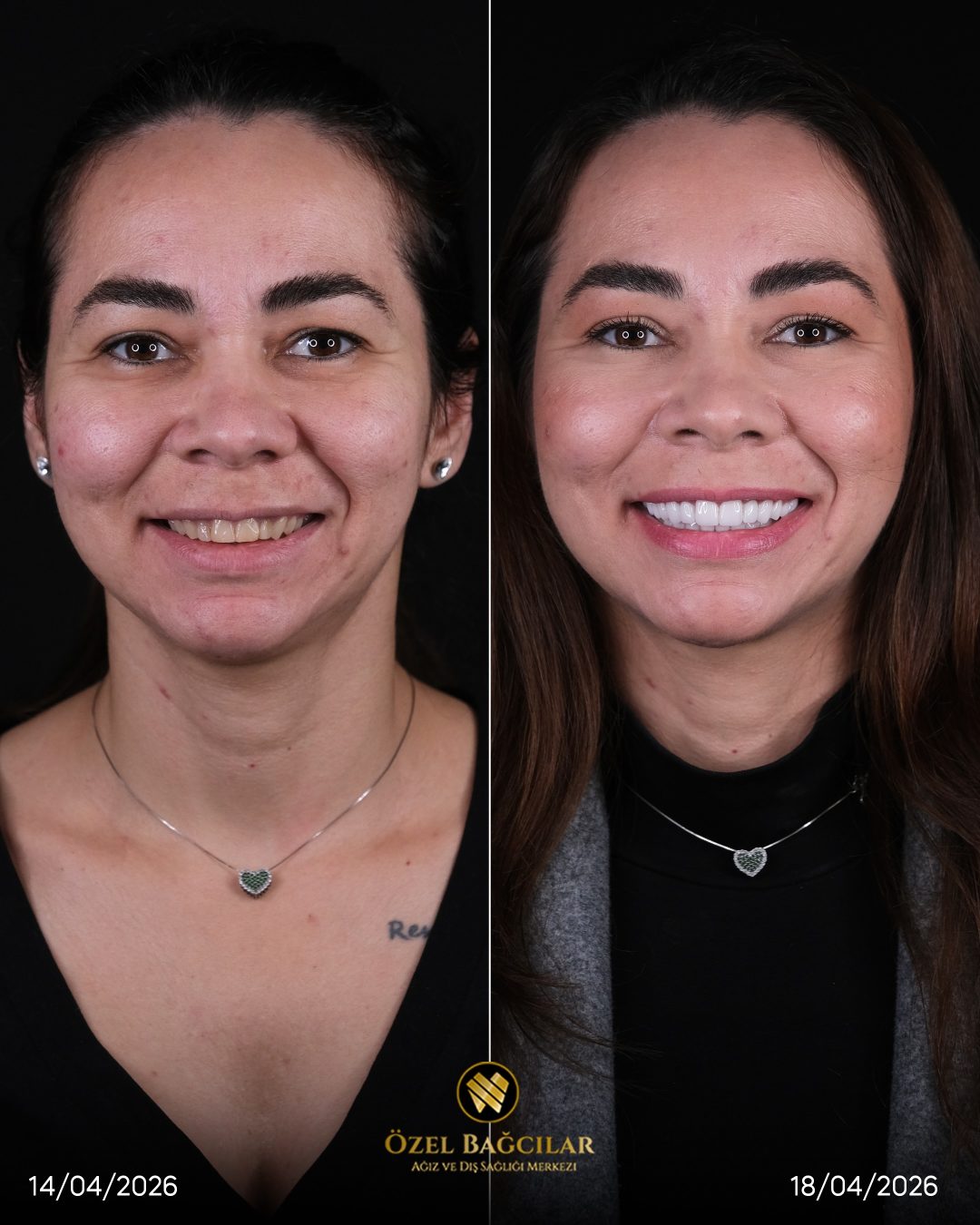
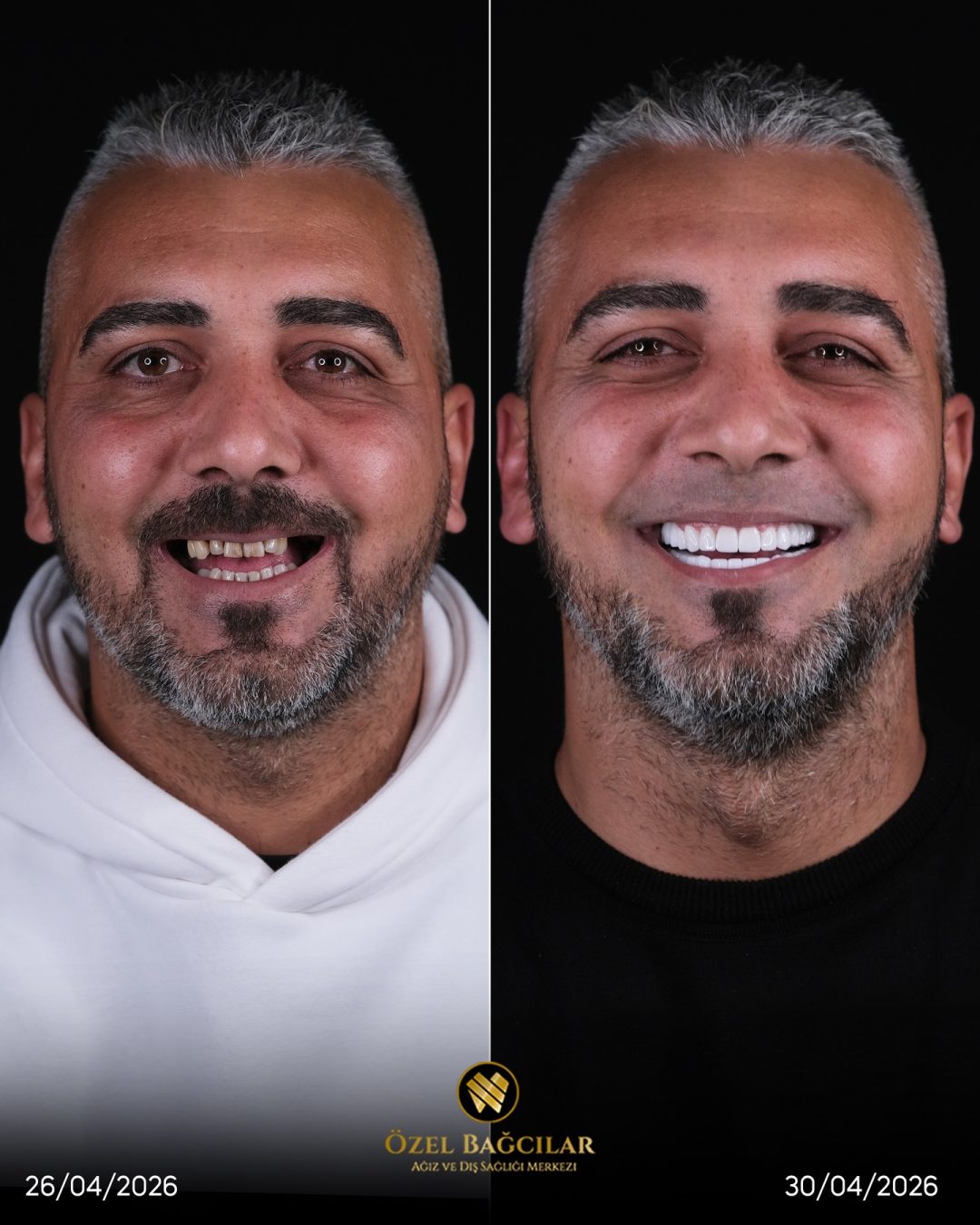
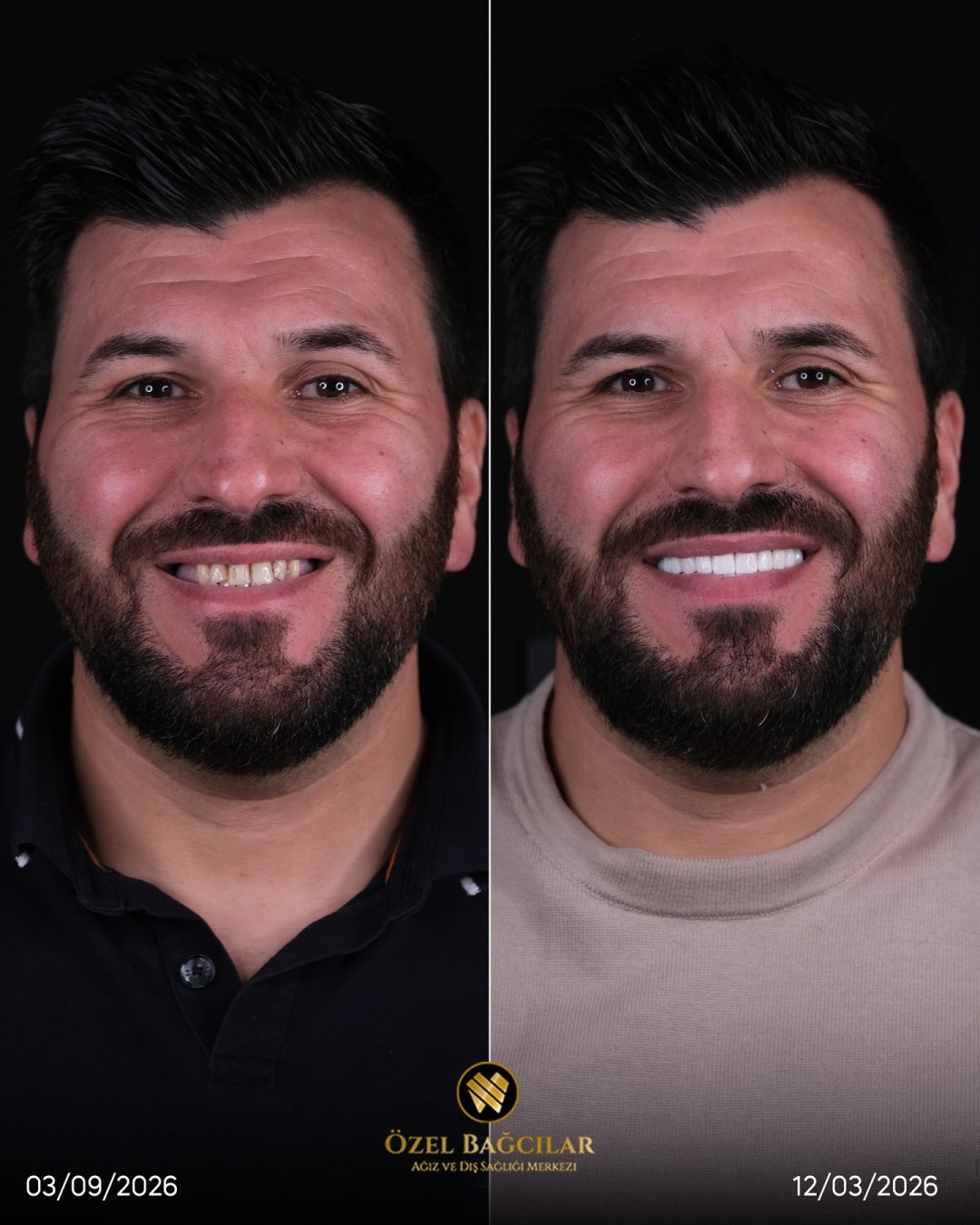
Restorative treatment on a healthy foundation completes in one trip — crowns, veneers, a full smile design, typically five to seven working days. For an Australian patient that is the case where the arithmetic is cleanest.
Implant treatment does not. Integration takes three to six months before a permanent restoration can be carried, and no clinic anywhere shortens it. Anyone claiming otherwise is describing something biology does not permit.
So the honest planning question is what your case actually requires — the realistic timetables set out what each treatment needs, and that answer should come before any booking.
It also affects what kind of plan is worth accepting. A proposal requiring three visits is a materially different offer from one requiring two, and from Australia that difference is worth more than most cost differences between clinics.
Where the plan is restorative rather than surgical, one trip is genuinely achievable. A full smile design completes in five to seven working days on a healthy foundation, which is the case that suits an Australian patient best.
Making One Trip Do More
Where the distance changes what is worth doing, and it is the practical answer to the visit-count problem.
Combining treatments spreads the fixed cost of the journey. A patient coming for implants can have restorative work, gum treatment and whitening in the same visits, and the marginal cost of adding them is the treatment alone.
A full assessment frequently finds more than the complaint you came about. That is not upselling where it is documented tooth by tooth with reasons — it is what an examination is for, and from this distance it is worth having.
Sequencing matters within the trip. Gum treatment and extractions come first, surgery early enough that the swelling peak does not meet the flight home, and restorative work fitted around the laboratory schedule.
Where a second visit is unavoidable, it is worth planning what else it can carry at the same time. The second trip for implant restoration is the natural moment for anything deferred from the first.
The limit is what one mouth can tolerate in a week. Combining treatments is efficient up to the point where recovery from one interferes with another, and that boundary is a clinical judgement rather than a scheduling preference.
Whitening is the easiest thing to add and the one most often forgotten. It has to happen before any ceramic is matched, so it belongs at the start of the trip rather than being considered afterwards.
The Journey
Long, and manageable with planning. The table sets out the practical shape of it from the major Australian cities.
| From | Typical journey | Notes |
|---|---|---|
| Sydney | One stop, roughly twenty to twenty-two hours total | Via a Gulf or Asian hub |
| Melbourne | One stop, similar | Via a Gulf or Asian hub |
| Brisbane | One stop | Via a Gulf or Asian hub |
| Perth | One stop, shorter than the east coast | Perth is closer to Istanbul than Sydney is |
| Adelaide | One or two stops | Add connection time |
| Time difference | Seven to ten hours behind Australian eastern time | Substantial jet lag both ways |
Perth is worth noting because the difference is real. Western Australia is considerably closer to Istanbul than the eastern seaboard, which shortens the journey and reduces the connection burden.
Choose Istanbul Airport (IST) rather than Sabiha Gökçen on the final leg where you have the option. It is on the European side and considerably closer to the clinic.
Build the connection into the planning rather than treating it as incidental. A short layover after a fourteen-hour leg is harder than it looks on a booking screen, and a longer one occasionally makes the whole journey easier.
Jet Lag, Seriously
A larger factor from Australia than from anywhere else, and it deserves planning rather than enduring.
Arriving and going straight into a consultation is a poor plan. The consultation is where treatment decisions are made, and making permanent decisions while severely jet lagged is not a position to put yourself in.
Two nights before the first appointment is better than one from this distance. It costs two hotel nights and it changes the quality of the most important conversation of the trip.
It also matters for surgery. Recovery is genuinely harder when you are already exhausted, and scheduling a long surgical appointment for the morning after arrival is avoidable.
On the return, allow a recovery period at home before anything demanding. The combination of a long flight and post-surgical recovery is more than either alone, and building that into the leave you take is sensible.
Direction matters. The outbound flight is a phase delay and the easier adjustment; the journey home is the harder one. That is another reason the spare days belong at the end of the trip rather than the beginning.
Before You Fly From Australia
Three things at home, and from this distance all of them matter more than they would from Europe.
Get copies of your radiographs and treatment records. Sending them in advance turns the first appointment into a confirmation rather than the start of a plan, which from Australia can save a day of a carefully counted trip.
Deal with anything acute locally. Travelling twenty hours with an active infection is a bad idea for the treatment and a worse one for the journey, and it complicates every part of the planning.
Ask whether your dentist will provide ongoing maintenance. At this distance a cooperative local dentist matters more than anywhere, because the alternative is genuinely impractical.
And have a video consultation before booking anything. The time difference makes it awkward to schedule and it is worth the awkwardness — the ground it should cover determines whether the trip is worth making at all.
Consider what your own dentist can do first as well. Anything that can reasonably be done at home before you travel shortens the trip, and a shorter trip from Australia is worth more than from anywhere.
Entry Requirements for Australian Passport Holders
Straightforward for Australian passport holders at the time of writing, and worth verifying directly rather than relying on any clinic page.
Australian citizens can currently enter Turkey without a visa for short stays. Passport validity beyond the date of entry is the requirement that catches people, and airlines check it at the departure gate.
Check the Smartraveller advice for Turkey before booking. It is authoritative for Australian passport holders, updated when rules change, and it takes two minutes.
Transit requirements for your connecting hub are a separate question. A stopover in a Gulf or Asian city may have its own rules depending on how long it is and whether you leave the airport.
The entry requirements framework covers other nationalities, since Australian residents do not all travel on Australian passports.
Travel insurance deserves the same attention. Many policies exclude planned treatment abroad and complications from it, and the clause worth reading is whether a changed return flight is covered if a complication delays you.
Making the Trip Worth the Journey
Practical rather than frivolous. Twenty hours each way is a substantial undertaking, and most patients want the trip to be more than a series of appointments.
Most treatment plans have gaps — a day while the laboratory works, an afternoon between appointments. Istanbul is an easy city to spend those in, and the metro is unaffected by the traffic that makes road journeys unpredictable.
The exception is surgery. The day of an implant placement and the day after are for rest, and swelling peaks around day two or three rather than immediately.
So the sequencing that works is arrival and recovery, surgery early, sightseeing in the middle, review appointment at the end. That is how the schedule is built rather than something to negotiate on arrival.
Adding days at the end rather than the beginning suits a jet lagged traveller — what is worth seeing with limited time is set out with travel times from this side of the city.
Building in a few days at the end is worth considering rather than flying home immediately. The journey is long enough that most patients want the trip to be more than appointments, and the end of it is when you feel best.
The Records to Take Back to Australia
More consequential from Australia than from anywhere, because a return visit to resolve missing information is not a realistic option.
Radiographs and CT data, the treatment plan tooth by tooth, material specifications, clinical photographs, the guarantee document, written aftercare and itemised receipts for any extras claim.
The implant passport is the one that cannot be reconstructed. It records manufacturer, reference and lot number for every fixture, and components are proprietary — a dentist in Melbourne needs it to order the right part in fifteen years.
Ask us to send the full set to your own dentist directly. That makes continuing care straightforward for them rather than something to work out from an image, and it removes a step you would otherwise have to manage.
Store your copies permanently rather than in the travel folder — why the passport matters years later sets out the failure mode it prevents.
Digital copies matter as much as paper ones from this distance. Radiographs and scans emailed to you and to your own dentist arrive instantly, where a physical folder can be lost in twenty hours of travel.
Where a night guard is part of the plan, it is made at the end of the trip after everything is fitted. It has to match the new shapes, which is one more reason not to schedule a departure for the afternoon of the final appointment.
Aftercare From the Other Side of the World
The question that worries Australian patients most, and the answer is more reassuring than the distance suggests.
Routine maintenance is ordinary dentistry that any Australian dentist provides. Check-ups, hygiene appointments at the interval you are given, and small repairs — none of it requires the original clinic.
Minor issues are frequently resolved by message with a photograph. A high bite, a temporary that has come off, sensitivity taking longer than expected — these are short local appointments with the records to hand.
Anything falling under the guarantee is handled by us, and from this distance the terms matter more than anywhere. What is covered, what voids it, and who pays for travel are questions to settle in writing before treatment rather than afterwards.
For anything acute — spreading swelling, fever, difficulty swallowing — seek local emergency care immediately rather than waiting for a reply across a time difference of eight hours or more.
Set up the communication properly before you leave. The clinic's direct contact saved on your phone, and a clear idea of which situations need immediate local care, are what make the distance manageable rather than worrying.
The Honest Assessment
Stated directly, because from Australia the decision deserves more scrutiny than from a two-hour flight and a page that never says so is advertising.
For a single crown, a filling or routine work, the journey does not make sense at any price. The travel cost, the leave and the follow-up difficulty outweigh the saving on treatment of that size.
For anything needing frequent review — fixed orthodontics, complex periodontal maintenance, a case likely to need repeated adjustment — the distance is a real argument against, and it should be weighed honestly.
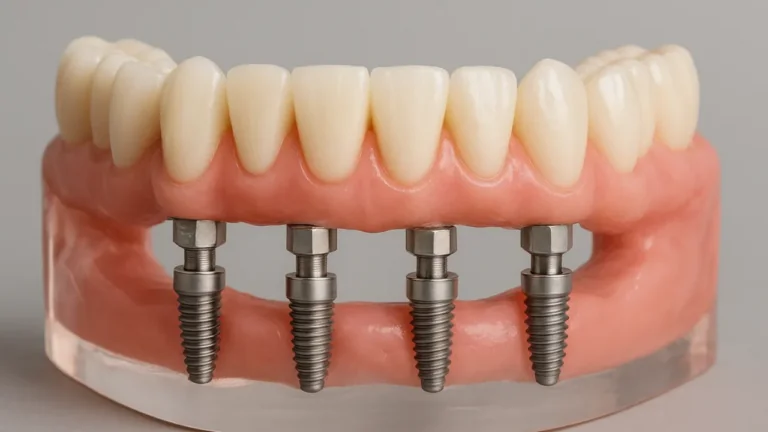
For implants, full-arch treatment and extensive restorative plans, the arithmetic frequently works, because those are exactly the cases where extras limits run out and the treatment is large enough that the flight is a proportion rather than the point.
And for several treatments combined into one visit, it works better still. That is the shape that suits an Australian patient, and it is worth planning for deliberately rather than arriving with one complaint.
Orthodontics is the clearest case against. Fixed appliances need adjustment every four to eight weeks, which is impossible from Australia — though aligners issued in batches change that calculation substantially.
Where previous work has failed and needs correcting, the calculation shifts back towards travelling. Corrective treatment is usually larger than the original and it is exactly the scale at which the journey stops being the main consideration.
How We Work With Australian Patients
The same as with everyone, with the visit count treated as the central planning question rather than a detail.
The number of trips is established before you book anything, and the plan is built to minimise it within what the biology permits. Where two visits are unavoidable we say so at the outset rather than after flights are booked.
Where one trip is possible, the schedule is designed around jet lag — arrival days before the consultation, surgery early enough that recovery does not meet the flight, and a review before departure.
We quote after imaging rather than from photographs, so the figure does not change after a twenty-hour journey. Every tooth is listed with its material and its reason.
Receipts are itemised for extras claims, you leave with the full record set including the implant passport, and everything placed carries a lifetime guarantee on materials and workmanship — with the exclusions stated plainly.